
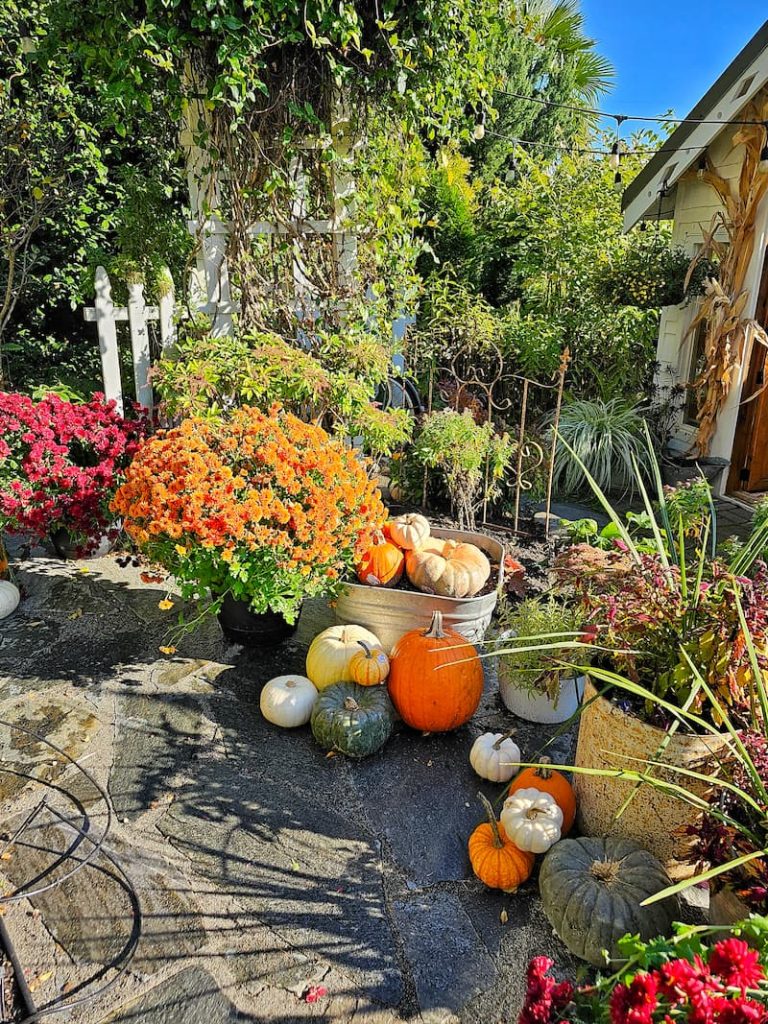
15 Flowers and Vegetables to Plant in October for a Head Start on Spring

If your tomatoes just gave out and you think planting season is over, think again. October might be the best-kept secret in gardening.
The soil is still warm from summer, the air has cooled down, and most pests have called it quits for the year.
That combination gives roots a head start before winter sets in, which means bigger spring blooms and sweeter fall harvests.
Below are 8 flowers and 7 vegetables worth getting in the ground this month, plus a few mistakes to dodge along the way.
When to Plant Based on Your Climate
Your exact October planting window depends on your first frost date, not the calendar.
Gardeners in warmer zones (roughly zone 8 and up) have most of the month to work with and can even start some crops in November.
If you’re in a colder zone, aim for the first half of October so seedlings and bulbs have time to settle in before the ground hardens.
When in doubt, count backward from your average first frost and give fast growers like radishes and spinach at least a month before that date.
8 Best Flowers to Plant in October
1. Pansies
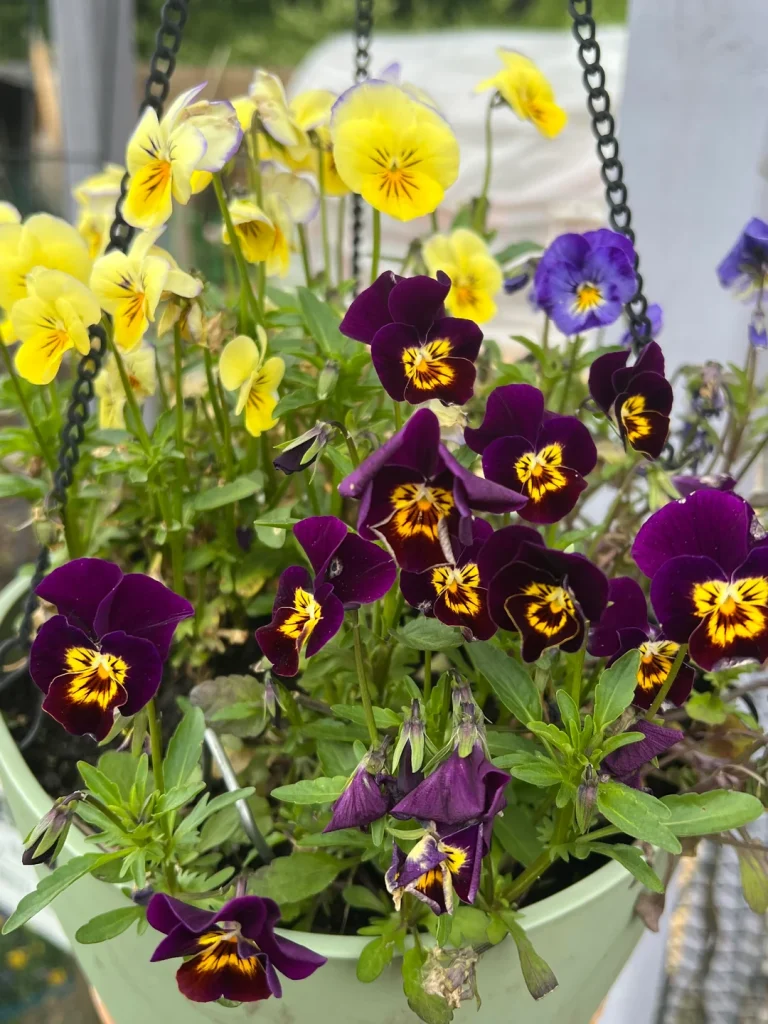
Few flowers handle a cold snap as gracefully as these do. They’ll keep blooming through light frosts and often bounce back after a freeze once temperatures climb again.
You get a huge range of colors and faces to choose from, which makes them an easy match for any porch pot or border.
Plant them in a spot with morning sun and afternoon shade if your fall is still warm. Once temperatures drop for good, full sun works better.
Water deeply after planting, then let the soil dry slightly between waterings.
Worth knowing: Deadhead spent blooms every week or two and you’ll get flowers clear through winter in mild climates.
2. Snapdragons
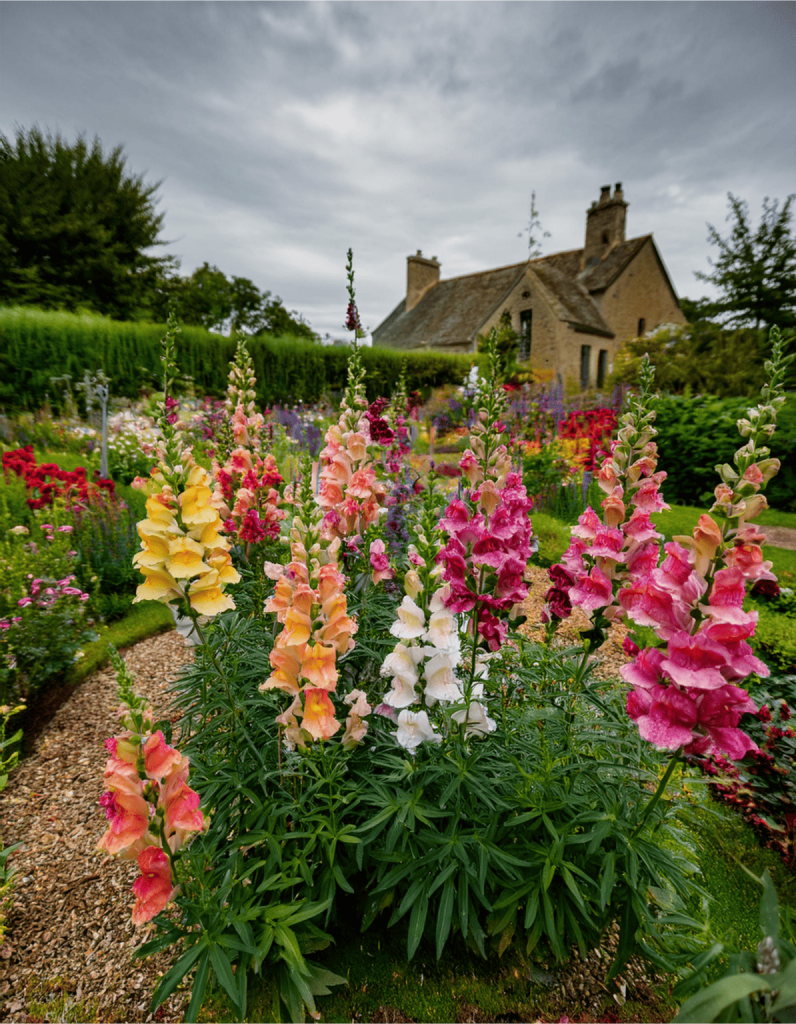
These add height and texture that pansies can’t match on their own.
Their spiky blooms come in shades from soft pastels to deep jewel tones, and they hold up surprisingly well once the weather turns cold.
Sow seeds directly in the ground or set out nursery starts while the soil still has some warmth left. They’ll grow slowly through fall, then push out a flush of green growth that’s ready to bloom as soon as spring arrives.
Worth knowing: In zones below 7, mulch around the base after your first hard frost to protect the roots through winter.
3. Crocus Bulbs
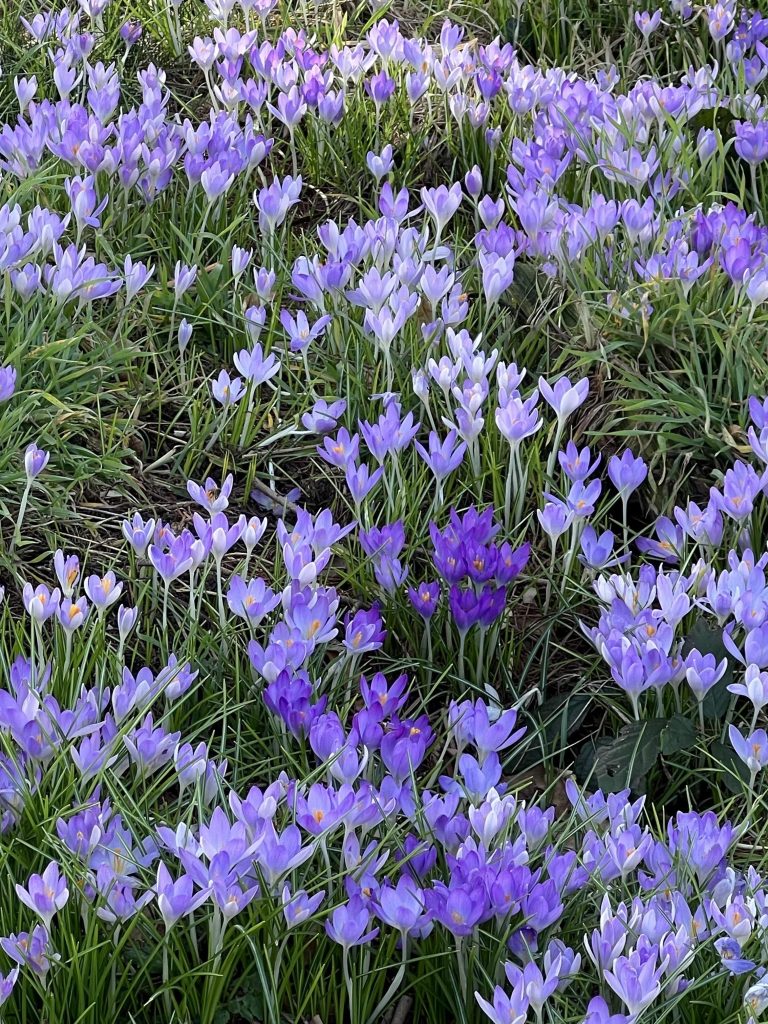
Nothing announces the end of winter quite like these. They’re often the very first blooms to push through, sometimes even poking up through leftover snow.
Plant the bulbs about three inches deep in a spot with good drainage. Cluster them in groups rather than spacing them out in a line for a fuller look come spring.
They also naturalize well in lawn areas if you’re willing to hold off mowing until the foliage dies back.
Worth knowing: Squirrels and chipmunks love digging up freshly planted bulbs, so a light layer of chicken wire over the bed until the ground freezes can save you some frustration.
4. Tulips
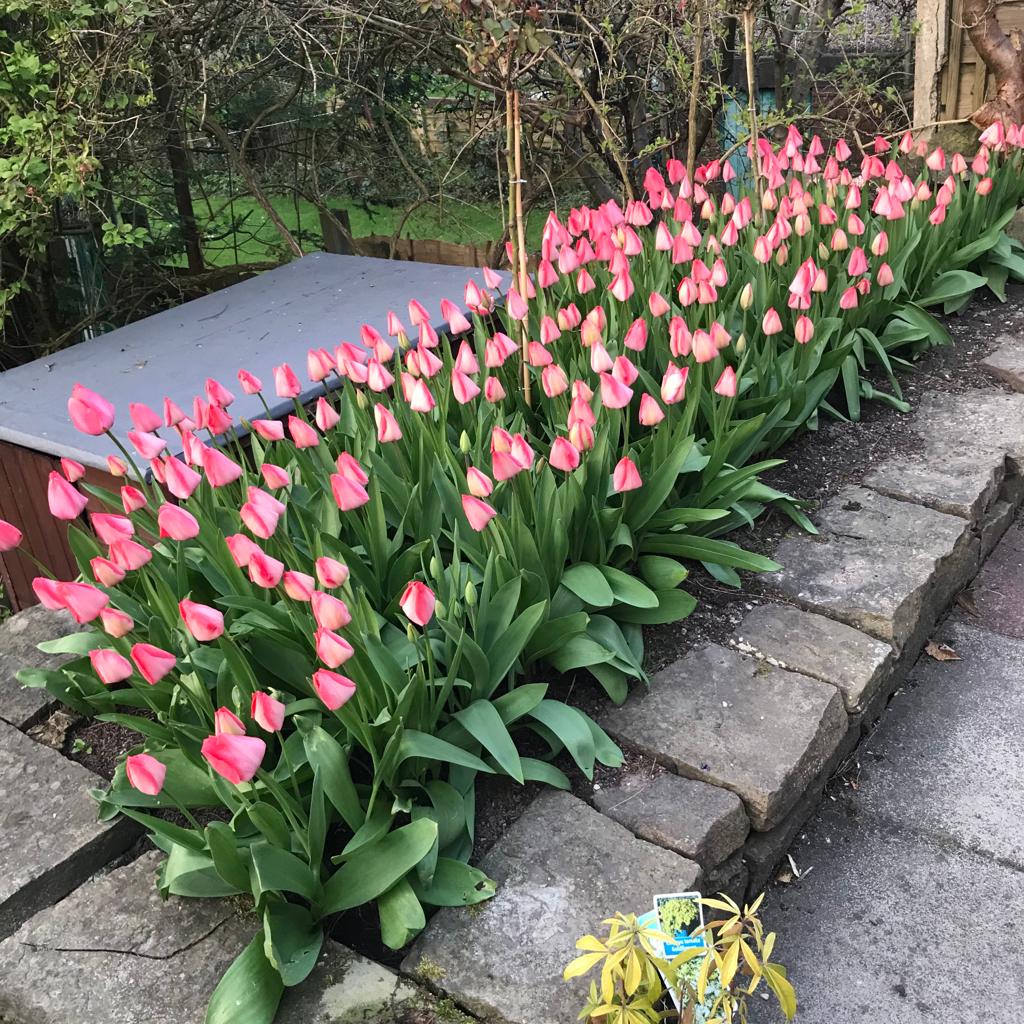
Tulip bulbs need a real cold spell to bloom well, which makes October planting almost non-negotiable in most climates.
Skip it and you’ll end up with weak, short-lived flowers, if they show up at all.
Choose a spot with excellent drainage, since soggy soil is the fastest way to rot a tulip bulb before it ever gets the chance to root.
Plant about six to eight inches deep, pointed end up, and space them a few inches apart for a fuller spring display.
Worth knowing: If your soil stays wet through winter, plant slightly shallower and add a layer of coarse sand or gravel beneath the bulb.
5. Calendula
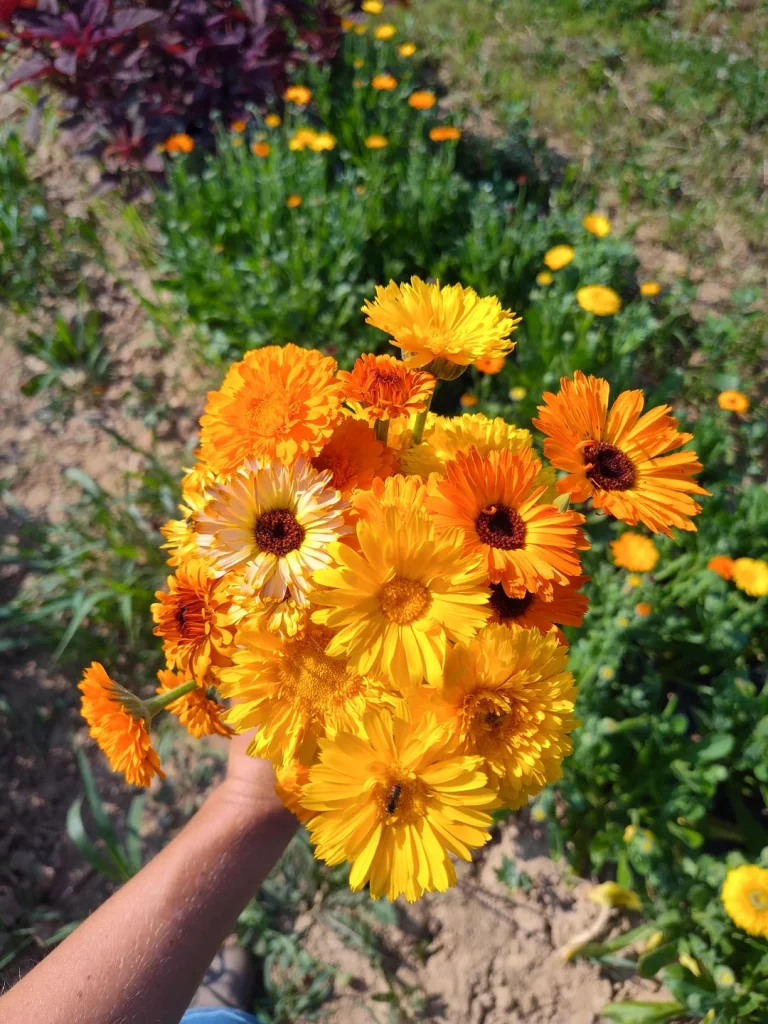
This one is basically a cold-hardy stand-in for marigolds, and it keeps blooming well after true marigolds have given up for the season. The cheerful orange and yellow flowers work equally well in a cutting garden or tucked into a fall container.
Direct sow seeds now while the soil still holds some warmth, and you’ll see germination within a couple of weeks.
It tolerates light frost without much trouble, though a hard freeze will eventually put an end to the show.
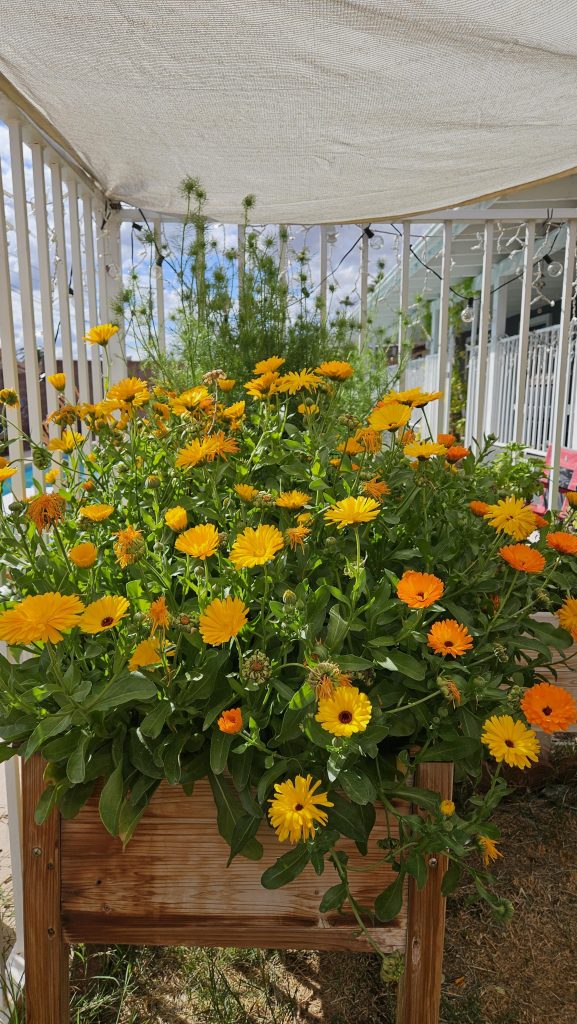
Worth knowing: The petals are edible and often used to add color to salads, so it’s a nice pick if you like a garden that does double duty.
6. Dianthus
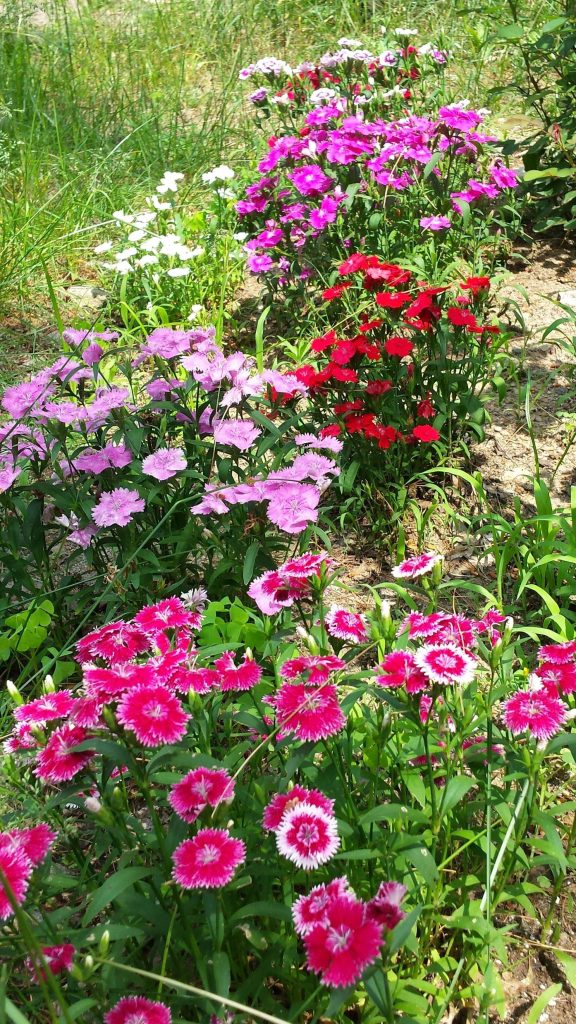
Also called pinks, these give off a light clove-like scent that most fall flowers can’t match.
The frilly, fringed petals come in shades of pink, red, and white, and they hold their shape nicely even after a cold snap.
Plant nursery starts in well-drained soil with plenty of sun.
They’re perennial in many zones, so with a bit of luck and some winter protection, the same plants can come back and bloom again next year instead of needing to be replaced.
Worth knowing: Avoid heavy mulch piled right against the base of the plant. Too much moisture sitting near the crown can cause rot over winter.
7. Ornamental Cabbage and Kale
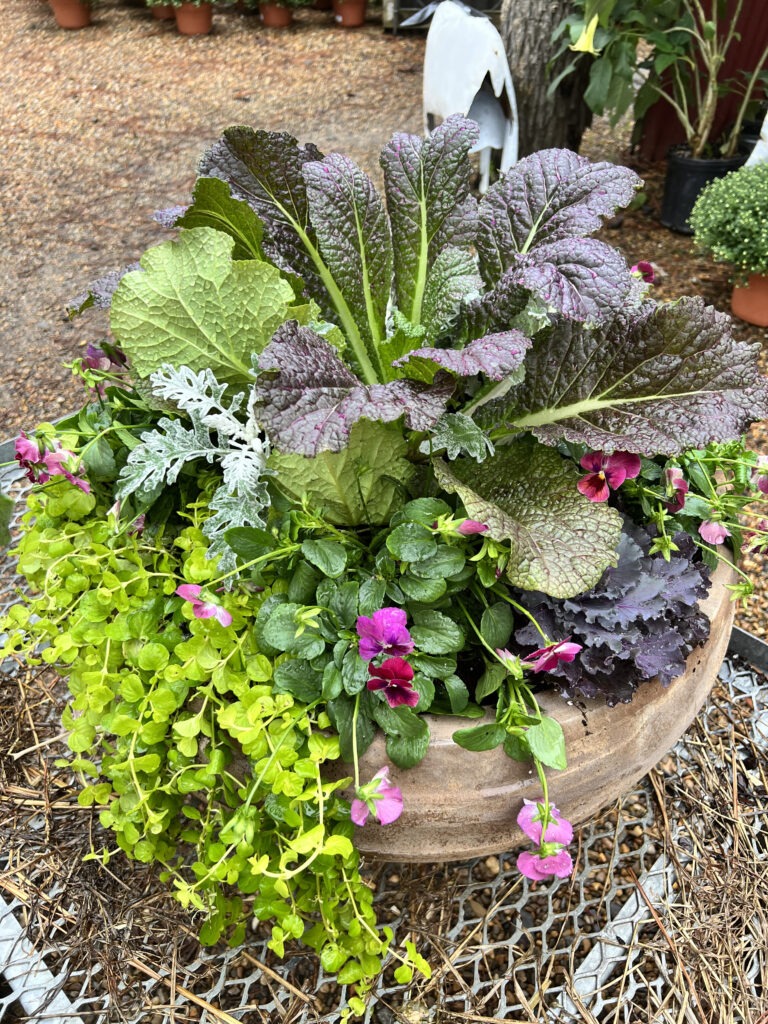
These aren’t for eating, but they steal the show in fall containers and border beds.
The rosette-shaped leaves actually get more colorful as temperatures drop, with deep purples, pinks, and creamy whites intensifying after a frost or two.
Set out nursery starts in a spot with full sun for the best color development.
They’re slow growers, so buying larger starts rather than tiny seedlings will get you a fuller look right away, which matters if you’re planting for near-term curb appeal rather than a spring payoff.
Worth knowing: They can survive temperatures down into the low 20s, making them one of the longest-lasting options for a fall porch display.
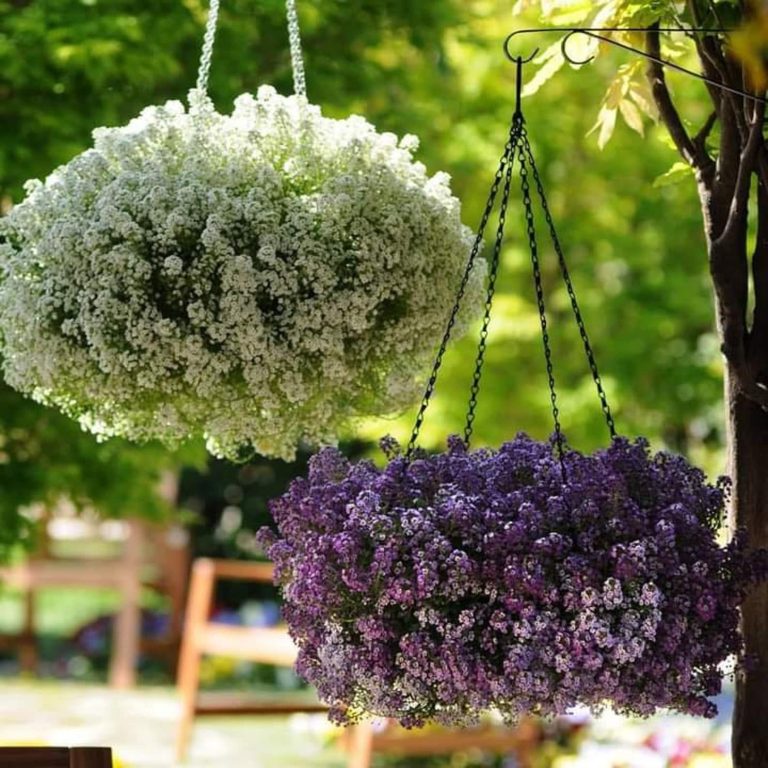
8. Sweet Alyssum
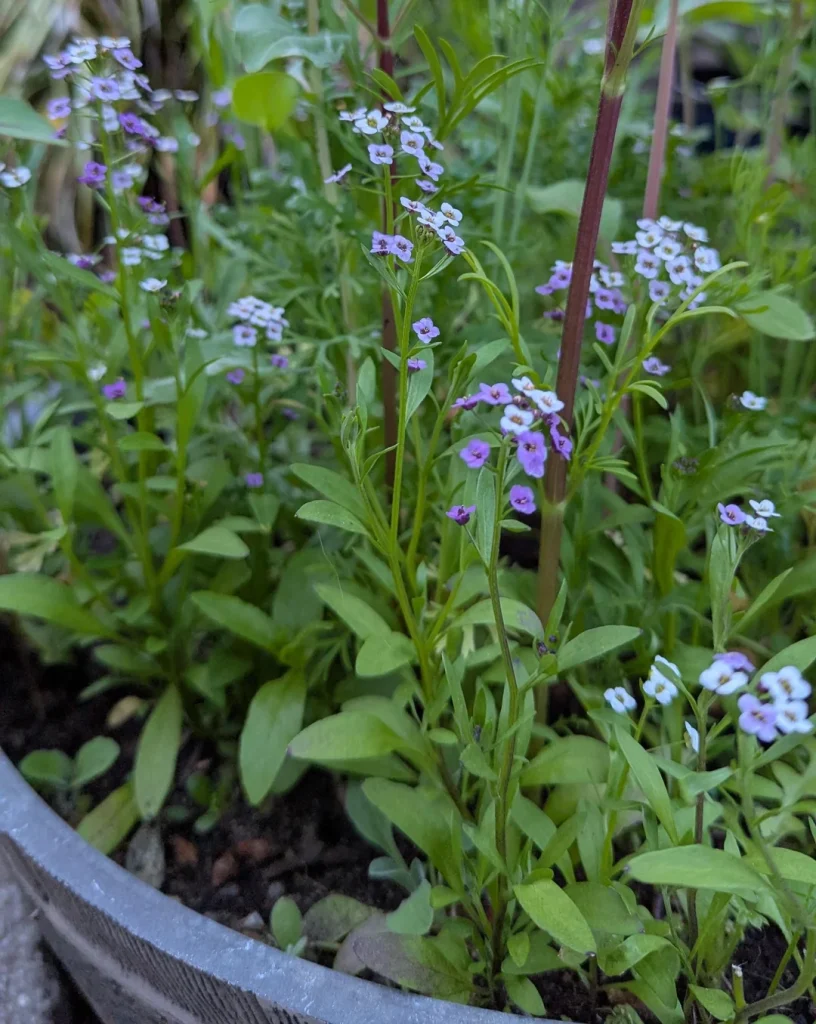
This low, spreading bloomer fills in gaps around taller plants and spills nicely over the edges of containers.
The tiny flowers come in white, pink, or purple and carry a light honey scent that gets stronger on warm afternoons.
Direct sow seeds or tuck in nursery starts anywhere that gets decent sun. It grows fast and tolerates a light frost, though it won’t push through a hard freeze the way pansies or ornamental kale will.
Worth knowing: Pair it at the front of a bed or container with taller October flowers like snapdragons for a layered look that fills out fast.
7 Best Vegetables to Plant in October
1. Garlic
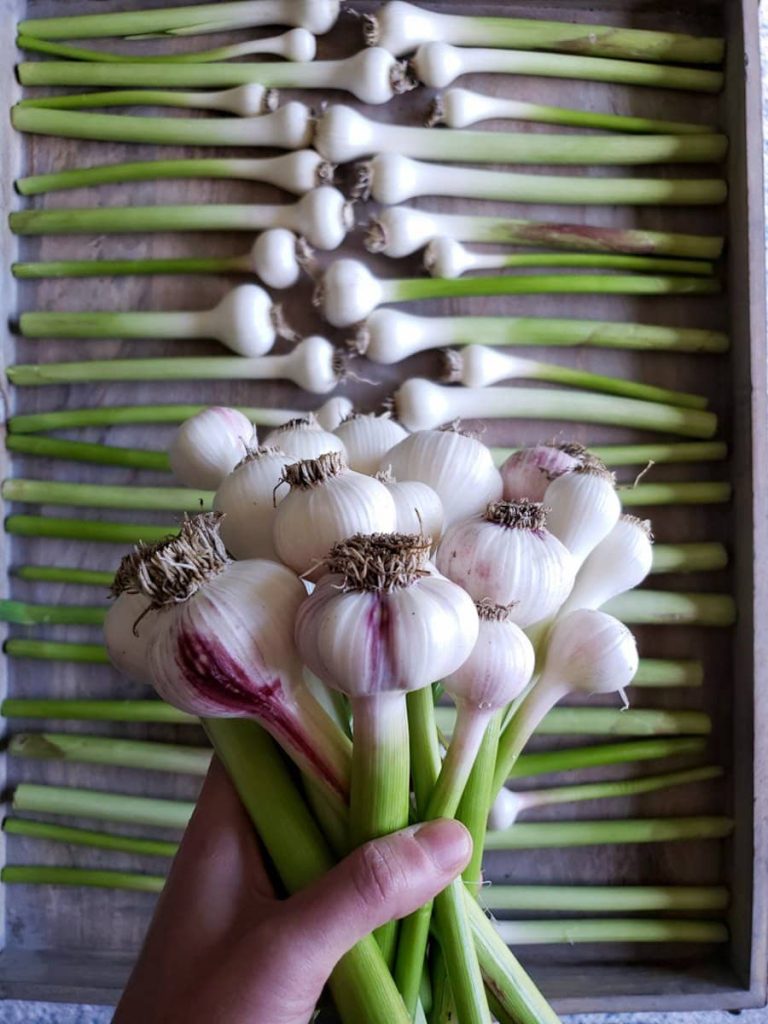
Garlic planted now spends the whole winter quietly building roots before it ever pushes up a leaf.
That head start is exactly why fall-planted garlic outperforms anything you’d start in spring, both in bulb size and overall yield.
Break the bulb into individual cloves right before planting and tuck each one two inches deep, pointed end up. Space them about six inches apart in loose, well-draining soil.
A layer of straw mulch on top helps regulate soil temperature through the coldest months.
Worth knowing: Garlic needs a genuine cold period to form proper bulbs, so skipping fall planting and trying it in spring almost always leads to smaller, less flavorful heads.
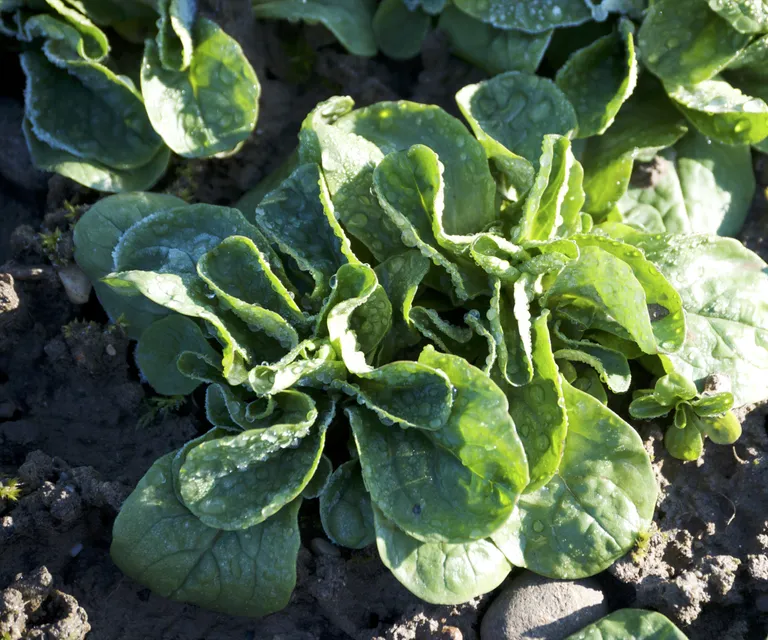
2. Spinach
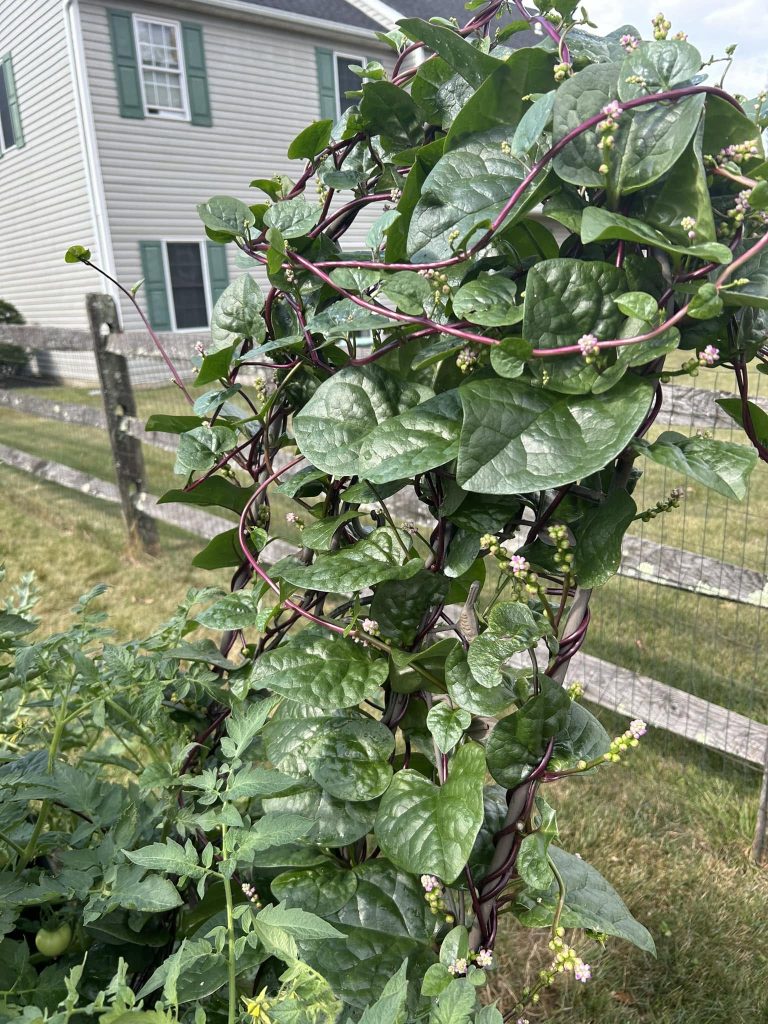
Spinach thrives in the shoulder season between summer heat and hard winter freezes.
Cool air keeps the leaves tender and sweet, while the still-warm soil gets seeds germinating fast.
Direct sow seeds about half an inch deep, and thin seedlings once they’re a few inches tall so the remaining plants have room to fill out.
Spinach is a cut-and-come-again crop, so regular harvesting from the outer leaves keeps the plant producing longer.
Worth knowing: In milder climates, a fall spinach planting can often survive light snow cover and start growing again as soon as temperatures rise in late winter.
3. Kale
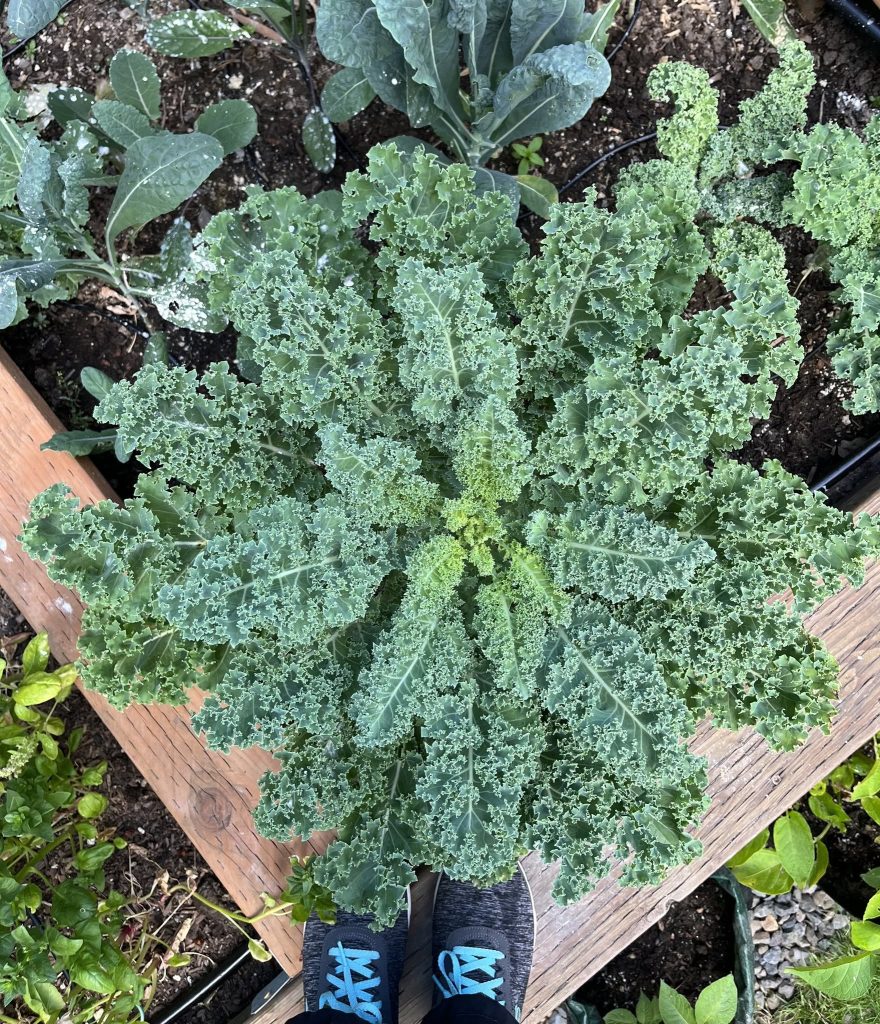
Kale is one of the few crops that genuinely gets better after a frost.
The cold triggers the plant to convert stored starches into sugars, which mellows out the bitterness and leaves you with noticeably sweeter, more tender leaves.
Set out transplants or direct sow seeds while there’s still some warmth left in the soil. Give plants at least a foot of space so the leaves have room to spread without crowding each other out.
Worth knowing: Hold off harvesting until after your first light frost if you can. The flavor difference is worth the wait.
4. Beets
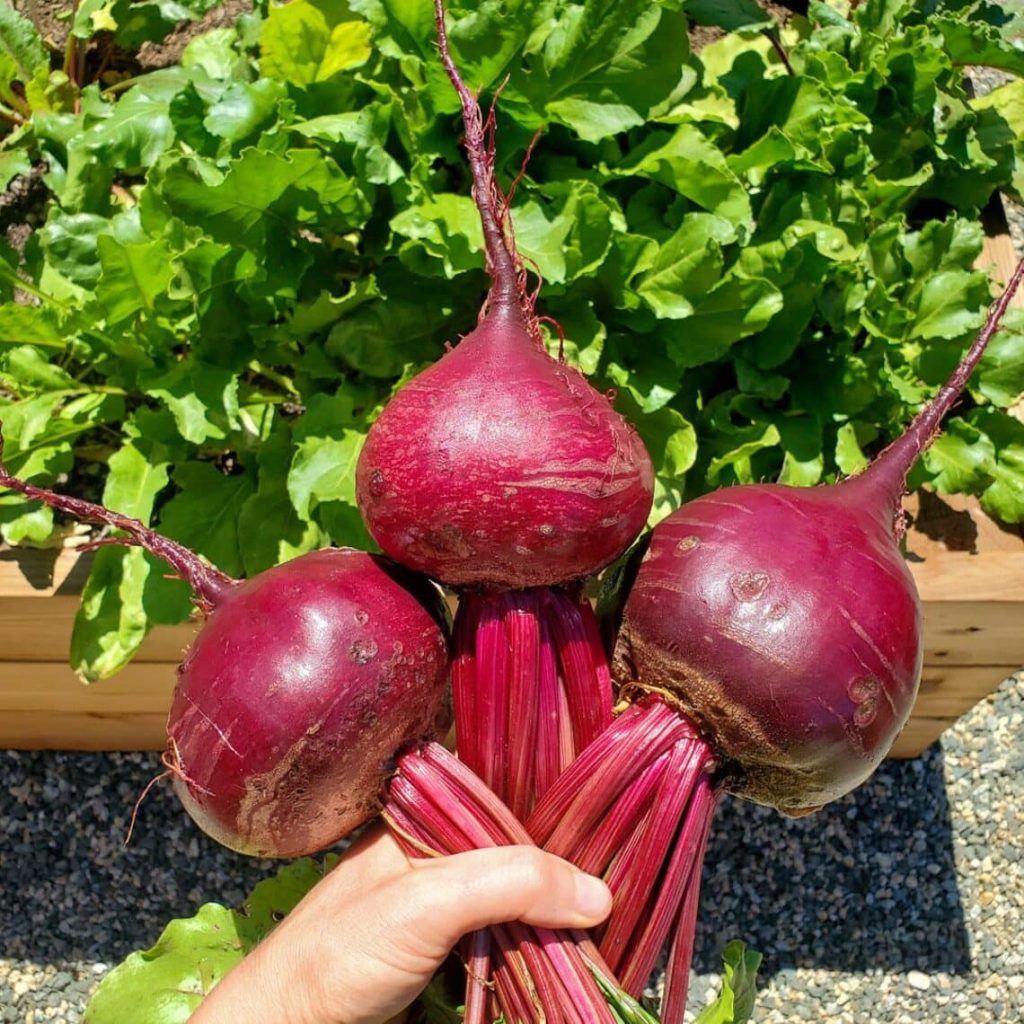
Beets do double duty in a fall vegetable garden, giving you both a sweet, frost-kissed root and a crop of edible greens along the way.
Cooler weather channels the plant’s energy into the root rather than top growth, which is exactly what you want.
Direct sow seeds about half an inch deep in loose soil free of rocks or heavy clay, since compacted soil can cause misshapen roots. Thin seedlings to a few inches apart once they sprout so the roots have room to size up properly.
Worth knowing: Beets can handle a light frost sitting right in the ground, and many gardeners say the flavor actually improves after that first cold snap.
5. Radishes
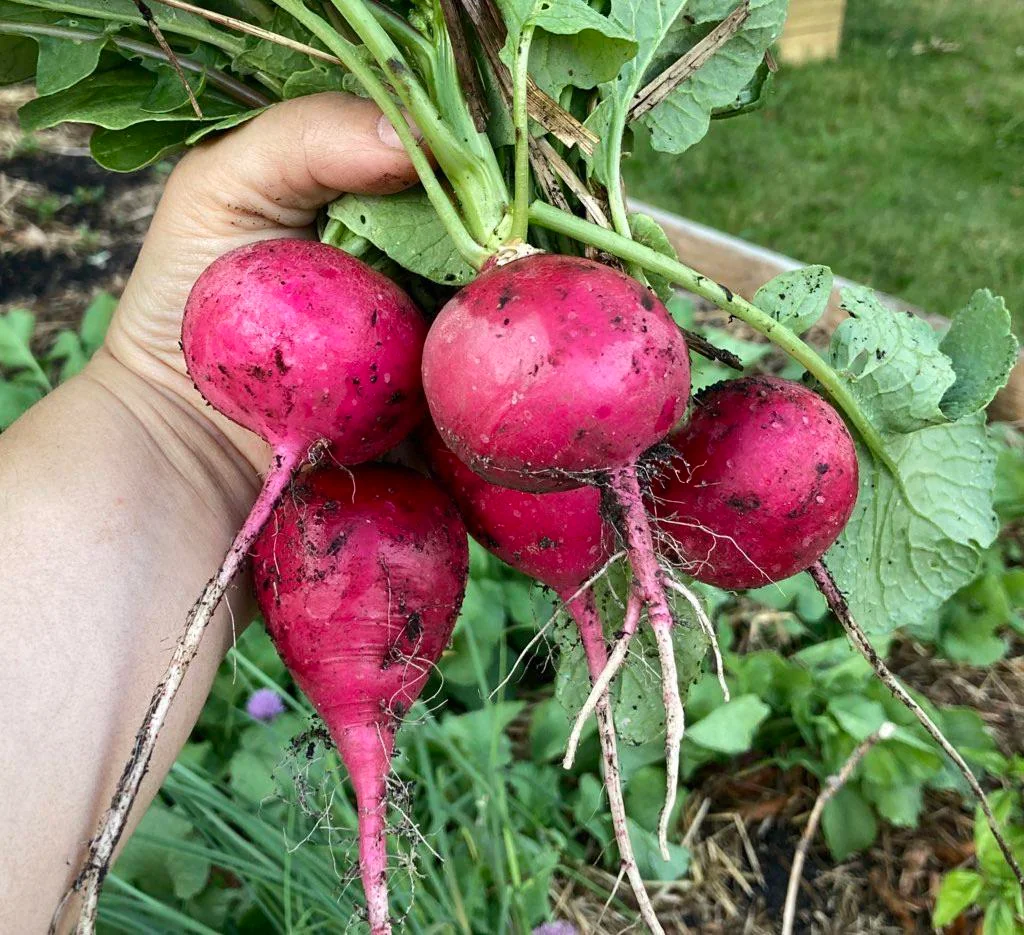
If you want fast results, radishes are hard to beat.
Some varieties are ready to pull in as little as three weeks, which makes them a great choice even if you’re getting a late start on your fall garden.
Direct sow seeds a half inch deep and keep the soil consistently moist while they germinate. Because they mature so quickly, you can sow a new batch every couple of weeks for a steady supply straight through fall.
Worth knowing: Cool weather keeps radishes from turning woody or overly spicy, a common problem when they’re grown in the heat of summer.
6. Sugar Snap Peas
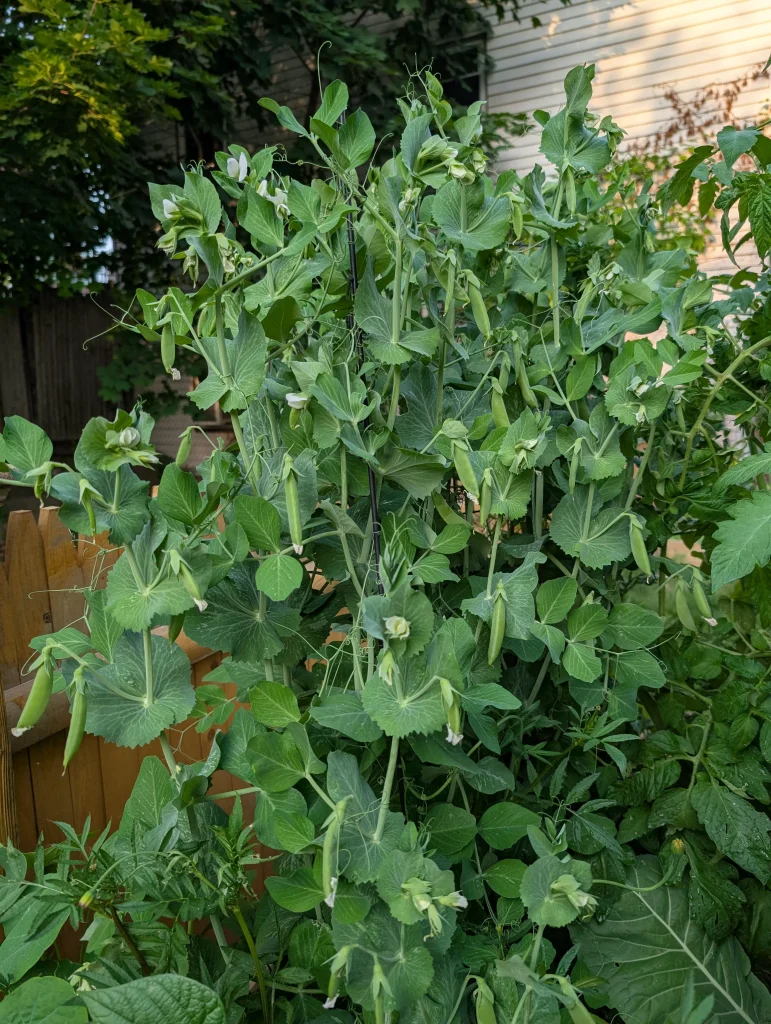
Peas planted in October take advantage of the same cool-soil, cool-air combination that makes spring peas so productive, minus the unpredictable late frosts that can wreck a spring planting.
Sow seeds directly about an inch deep, and set up a trellis or fence line early since these are climbing plants that need support as they grow.
Covering young seedlings with a cloche can help protect them from birds while they establish.
Worth knowing: In milder zones, fall-planted peas can produce a harvest before winter fully sets in, giving you two pea seasons in one year.
7. Brussels Sprouts
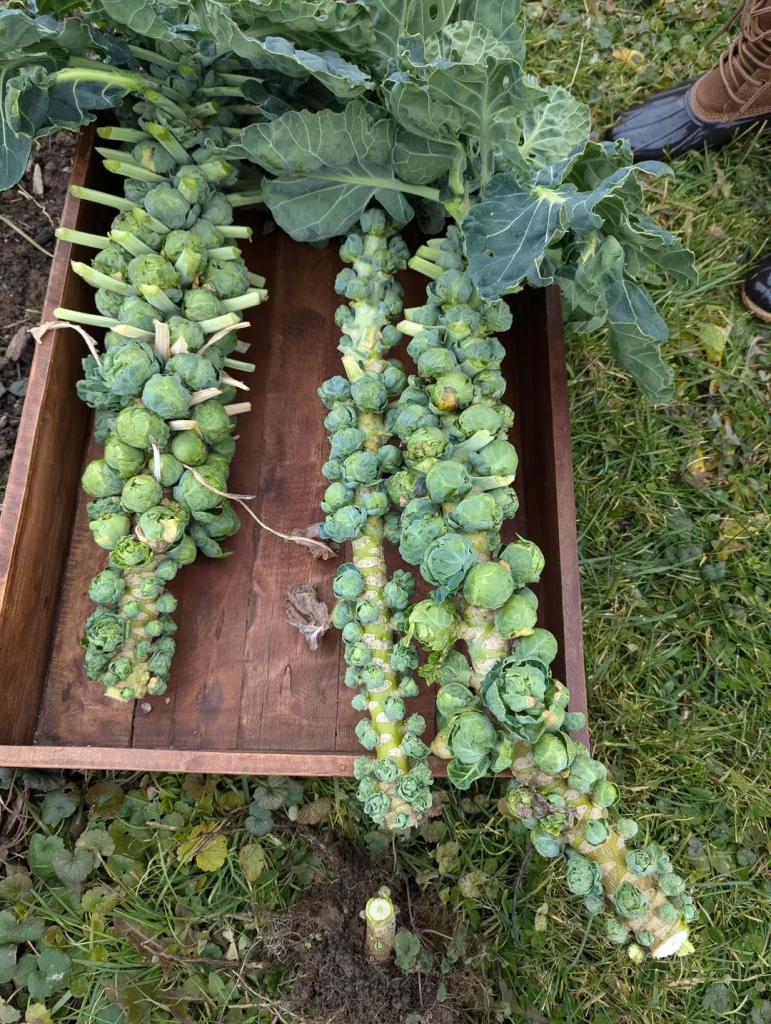
Brussels sprouts need a long, cool growing season to develop properly, which makes October planting a smart move in warmer climates where summer heat would otherwise stress the plant.
Set out transplants with about two feet of spacing, since these grow tall and need room for the sprouts to develop along the stalk.
Consistent moisture matters here more than with most cool-season crops, so don’t let the soil dry out completely between waterings.
Worth knowing: Like kale, Brussels sprouts sweeten up after a frost, so many gardeners intentionally wait for that first cold snap before harvesting.
FAQ’s
Is it too late to plant in October?
Not at all, especially if you’re in a mild climate or planting fast growers like radishes and spinach. The main thing to watch is your first frost date. Anything that needs several weeks to establish should go in early in the month rather than the last week.
Can I plant flowers and vegetables in the same bed?
Yes, and it often works out well. Pansies and calendula make nice border plants around beets or kale, and the mix adds visual interest to what would otherwise be a plain vegetable patch.
Just make sure taller vegetables like Brussels sprouts aren’t shading out shorter flowers.
Do I need to prep my soil differently for fall planting?
A light refresh is usually enough. Work in some compost before planting, especially in beds that grew a hungry summer crop like tomatoes or squash.
Heavy fertilizing isn’t necessary since most fall plants are focused on roots, not rapid top growth.
Will any of these survive winter outside?
It depends on your zone and the plant. Pansies, dianthus, ornamental kale, and garlic can handle a real winter in most regions, especially with a layer of mulch.
Tender annuals like sweet alyssum and calendula usually won’t make it past the first hard freeze.
Do I need to buy a lot of new supplies to start a fall garden?
Not really. Bulbs, seed packets, and a few nursery starts are the biggest costs, and most of these plants don’t need special equipment. A trellis for the peas and mulch for the root crops are about the only extras worth budgeting for.
Final Thoughts
October rewards a little effort now with a payoff that stretches all the way into spring.
Get bulbs and cold-hardy flowers in the ground early, keep an eye on your first frost date for the vegetables, and don’t skip the mulch on anything staying in the ground through winter.
Your future self will thank you when the garden bursts back to life while everyone else is still waiting on spring to start from scratch.

One Comment