Which Hostas Can Handle Full Sun in a Front Yard?

Does your front yard get real sun? Most hostas hate that. They’re shade lovers by nature and burn fast in direct light.
But some varieties break that rule. They’ve got thicker leaves, brighter colors, and genes borrowed from a genuinely sun-tolerant parent species.
I’ve rounded up ten hostas that handle real sun without turning crispy by July.
You’ll find what each one needs to thrive, plus a few honest warnings before you plant one near your front walk.
A Note on Matching Sun-Tolerant Hostas to Your Front Yard’s Light Pattern
Not every “full sun” spot is the same. Your front yard’s exposure changes everything. Get bright morning light with afternoon shade from your house? Almost any hosta on this list will work there.
Have a south or west-facing strip that bakes from noon to dusk? You need the toughest performers. Think thick-leaved golds like Sum and Substance, or heavily variegated types like Patriot. Even then, expect to water more than you would in a shade bed.
Watch for reflected heat too. Light-colored siding and paved driveways trap warmth. A hosta planted near either deals with more heat than the same plant a few feet away in open soil. Give it extra breathing room. Add a thick layer of mulch.
Does your yard get more than six hours of direct sun? Treat every variety here as a trial. Watch the leaves closely. If they struggle, move the plant after one season. Hostas handle transplanting well.
10 Sun-Loving Hostas That Actually Thrive in a Front Yard
1. Sun Power
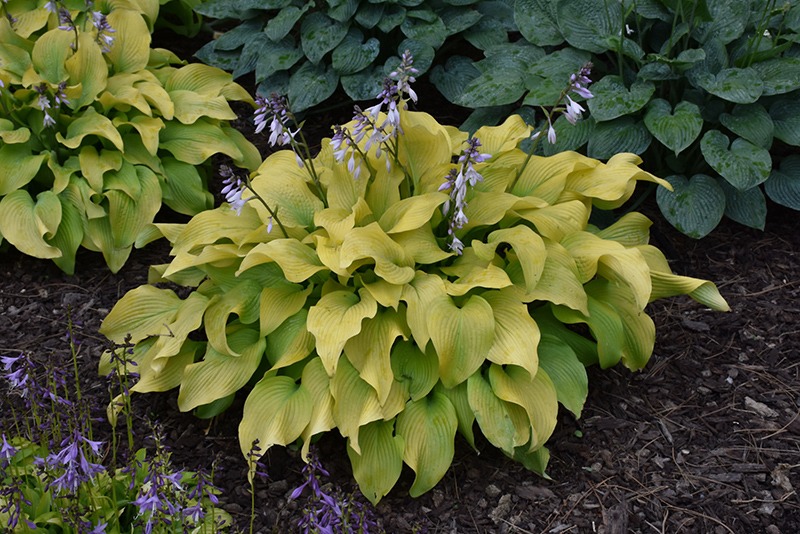
Sun Power earns its name. Each spring it unfurls bright chartreuse leaves that deepen into gold. This hosta holds its color in real sun better than most on this list.
The leaves have a slight twist, giving the mound some movement instead of sitting flat.
Give it morning sun and afternoon shade for the brightest color without burn. In cooler climates, it can even take a full day of sun. Lavender flowers rise on tall scapes by midsummer.
- Establishment timeline: Expect modest growth in year one. By year two, it fills out. Give it three years to reach full size.
- Pet safety: Sun Power contains saponins toxic to dogs and cats if eaten, per the ASPCA.
2. Guacamole
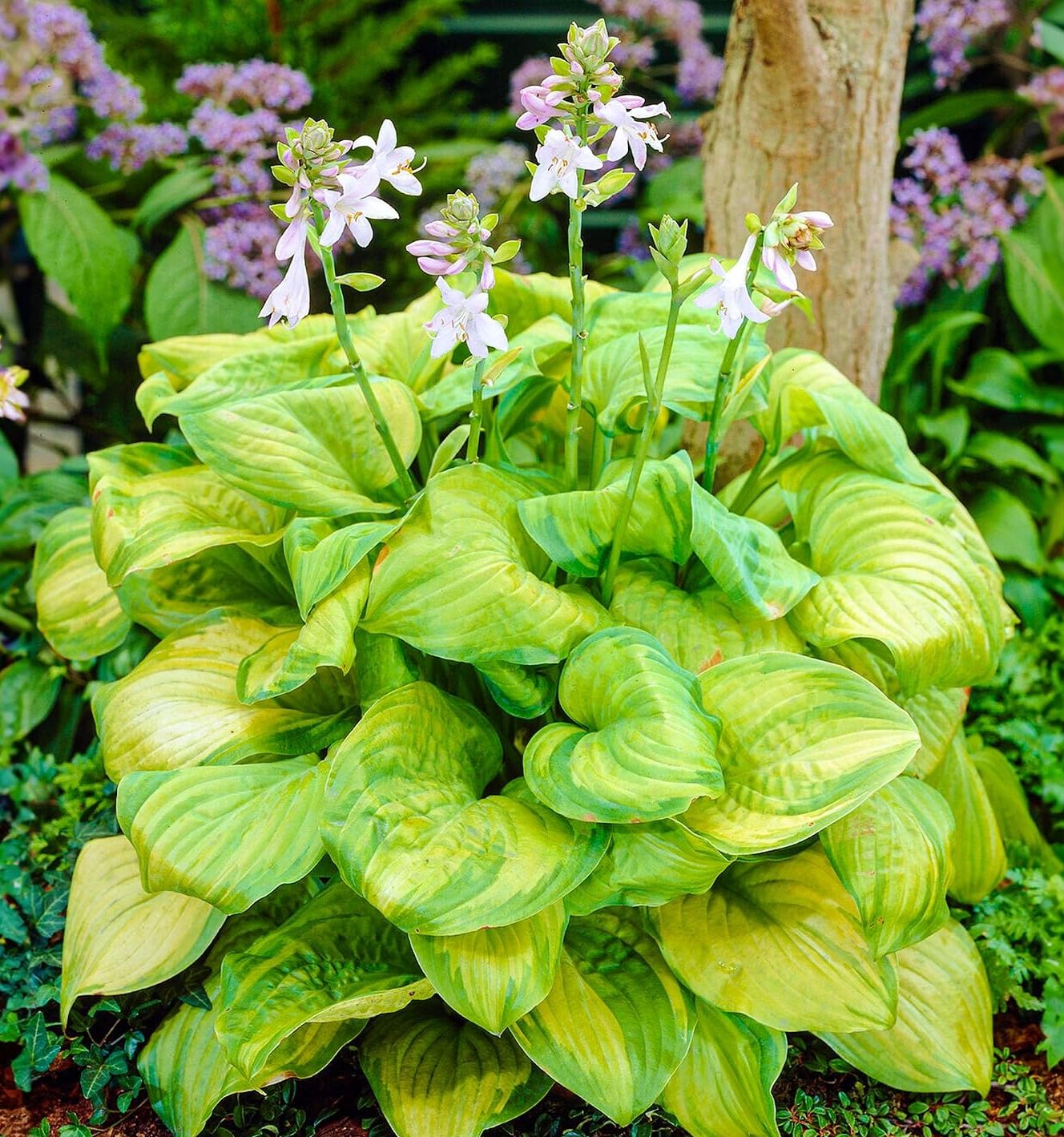
Guacamole gets its name from its avocado-green center framed by darker green edges.
It won Plant of the Year from the American Hosta Society back in 2002, and it’s stayed popular ever since. The leaves are wide, glossy, and tougher in sun than you’d expect.
What sets it apart is fragrance. Its white summer flowers actually smell good, a rare trait for hostas.
That comes from its Hosta plantaginea roots, the same species behind most sun-hardy varieties. Give it rich, moist soil and it grows fast.
- Establishment timeline: A rapid grower. Expect a big size jump in the first full season.
- Pet safety: Guacamole carries the same saponin toxicity as other hostas. Keep it away from dogs and cats.
3. Stained Glass
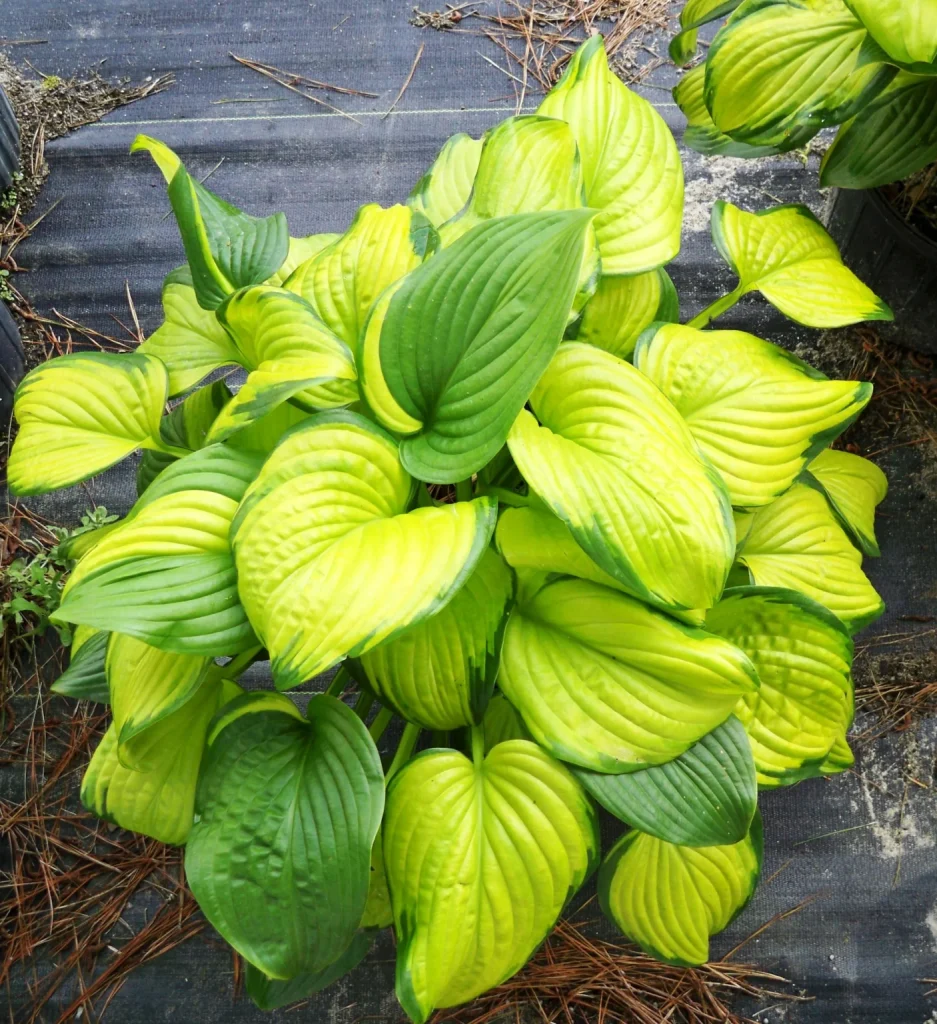
Stained Glass is a sport of Guacamole, and you can see the family resemblance. But it flips the color scheme.
Instead of a green center, you get bright golden-yellow leaves framed by dark green edges. The veins stand out enough to earn the name.
This one adapts well. It handles part shade or full sun, as long as the soil stays fertile and moist. It even does fine in containers, so you can test a sunny porch spot before committing it to the ground.
- Establishment timeline: Similar pace to Guacamole. Expect a solid mature size within two seasons.
- Pet safety: Toxic to dogs and cats if eaten, like the rest of the hosta family.
4. Patriot
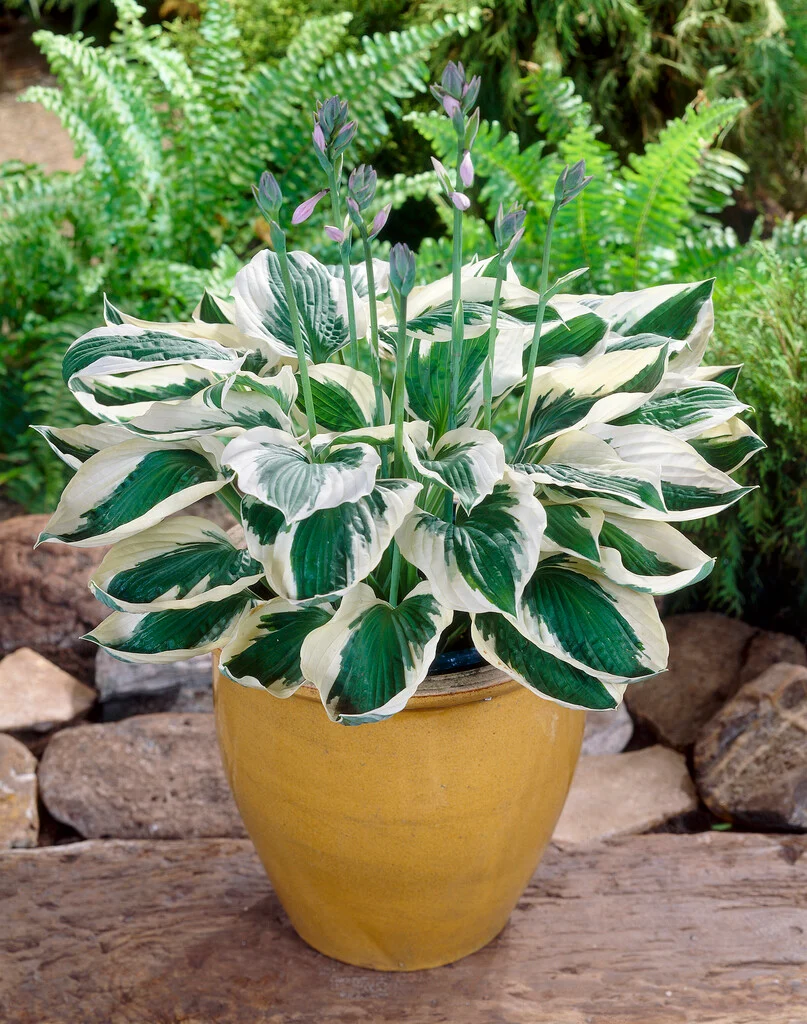
Patriot is a workhorse. Its leaves are dark green with a wide, bright white edge, and that contrast holds up in more sun than you’d guess for a variegated hosta.
This one grows big too, often reaching 23 inches tall and 50 inches wide at maturity.
Give it up to six hours of sun, but not all in the afternoon. Keep the soil moist and it won’t blink. It also does well planted near or under taller shrubs, where it catches dappled light instead of harsh direct rays.
- Establishment timeline: A large, vigorous grower. Expect noticeable size by year two, full spread by year three.
- Pet safety: Patriot is toxic to dogs and cats if eaten, per the ASPCA.
5. Minuteman
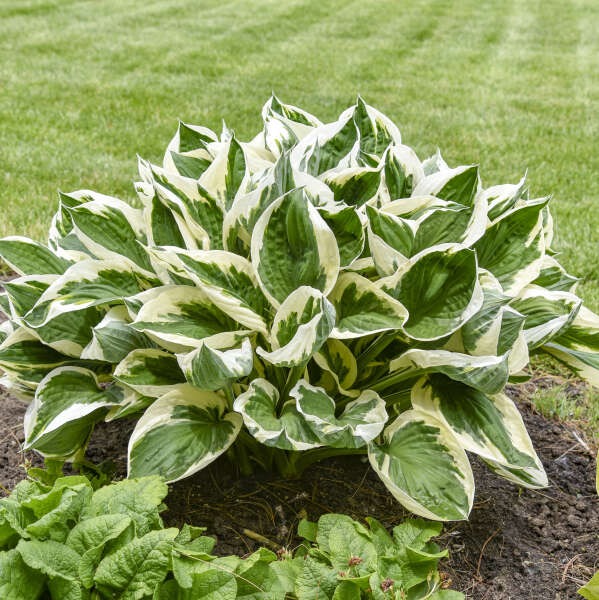
Minuteman looks a lot like Patriot, but the leaves are thicker and the green center runs darker. That thickness is exactly why it handles sun so well. Thicker leaves lose less moisture and scorch less easily.
This one earned an Award of Garden Merit from England’s Royal Horticultural Society, so it’s proven itself outside the trial garden too.
It works well as edging along a front walk, and it’s hardy across a wide range, from Zone 3 through Zone 9.
- Establishment timeline: Moderate grower. Expect a full, mature clump within two to three seasons.
- Pet safety: Contains saponins toxic to dogs and cats, the same as other hostas.
6. Sum and Substance
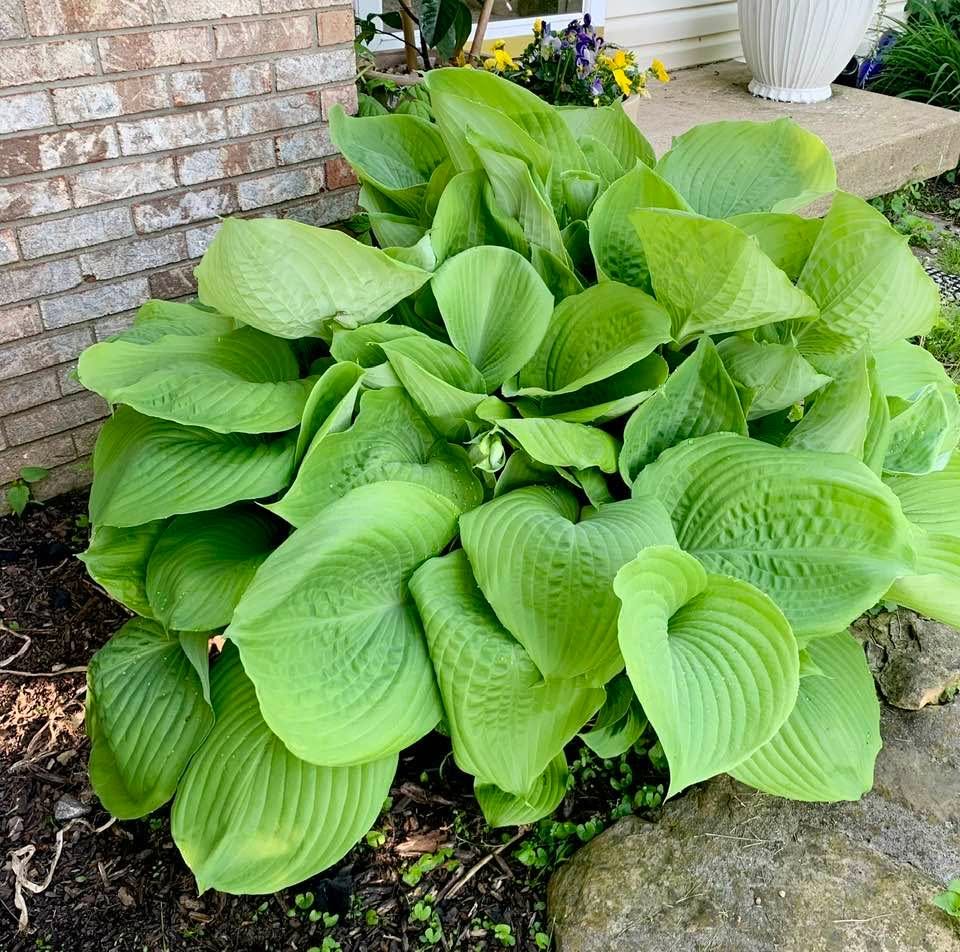
Sum and Substance doesn’t do subtle. This is one of the biggest hostas you can plant, reaching up to 30 inches tall and 60 inches wide.
The leaves are thick, glossy, and start out chartreuse before turning gold with more sun exposure.
That thickness makes it one of the toughest hostas for a bright spot. It’s also fragrant. White, bell-shaped flowers rise on tall scapes in summer and draw pollinators to your front yard. Give it room. This one needs space to show off.
- Establishment timeline: Slower to establish given its size, but worth the wait. Full spread typically takes three to four years.
- Pet safety: Toxic to dogs and cats if ingested, per the ASPCA.
7. August Moon
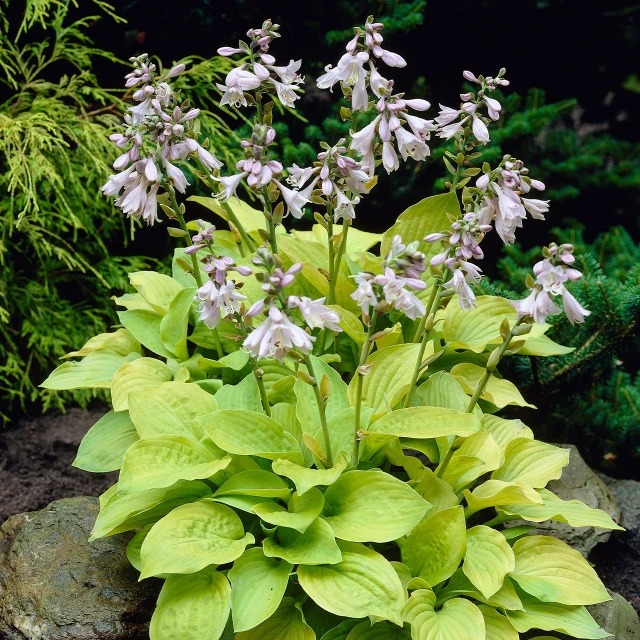
August Moon starts out chartreuse in spring and softens into a warm yellow as summer goes on. The leaves are heavily textured, almost puckered, which is a trait linked to better sun tolerance across the hosta world.
It does best with filtered or morning sun rather than harsh afternoon rays. That texture also means slugs leave it alone more than they would a smooth-leaved hosta, a nice bonus if slugs have been a problem in your beds before.
Establishment timeline: Moderate grower, reaching a solid mature clump by year two.
8. Royal Standard
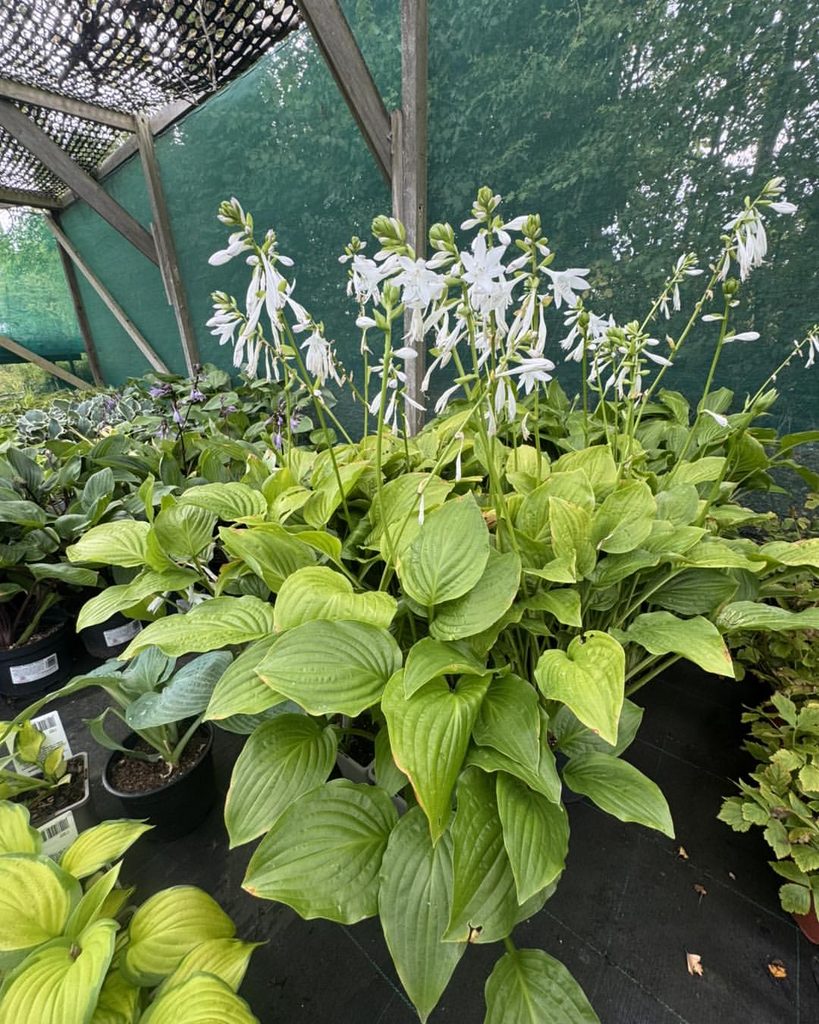
Royal Standard has been a garden favorite for decades, and it holds up well in sun to part shade.
The leaves are pale green, wavy, and pointed, giving the whole plant a softer, more relaxed look than some of the bolder varieties on this list.
The real draw is the flowers. Sweet-scented white blooms open in late summer, and the fragrance gets more intense in the evening. Plant it near a front porch or walkway where you’ll actually catch that scent on a warm night.
Establishment timeline: A reliable, moderate grower. Expect a full clump within two to three seasons.
9. Regal Splendor
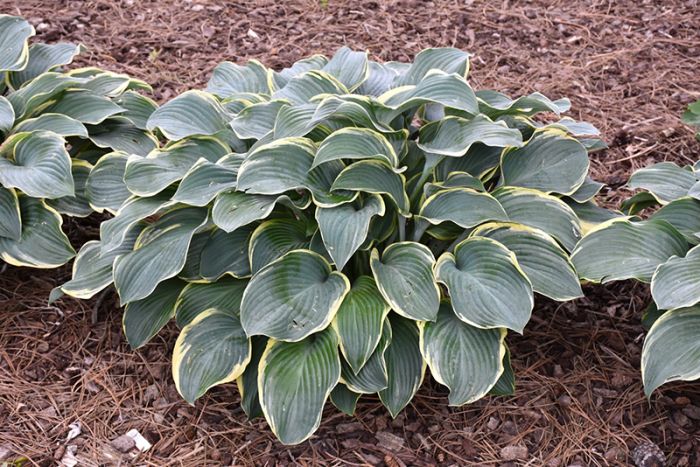
Regal Splendor stands apart from every other hosta on this list. Its leaves have a frosty blue-green cast, and the plant grows upright in a vase shape instead of the low, spreading mound most hostas form.
Blue hostas usually can’t handle much sun. Their color comes from a waxy coating that melts in heat, turning the leaf green underneath.
Regal Splendor tolerates more sun than most blue varieties, but keep it out of harsh afternoon rays if you want that blue tone to last through summer.
Establishment timeline: Moderate grower. Expect a mature, upright clump by year two.
10. Gold Standard
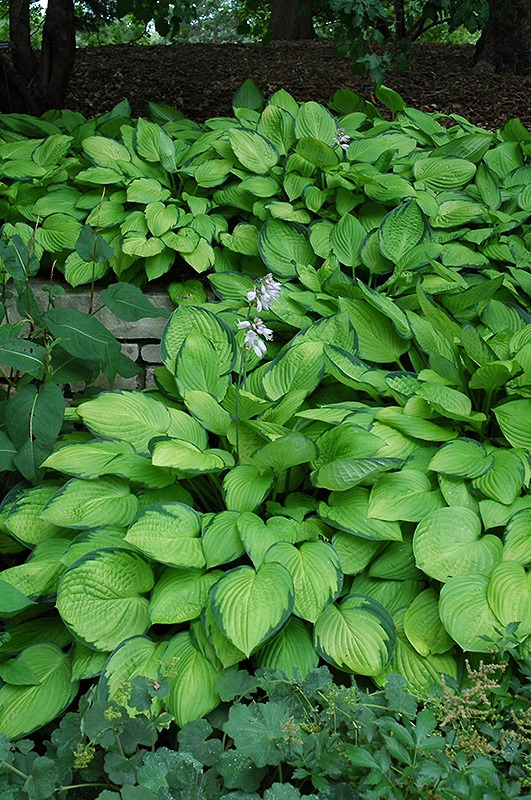
Gold Standard opens the season with green leaves, then shifts to a bright gold center as the weather warms, framed by a dark green margin.
Morning sun actually intensifies that gold color instead of damaging it.
This is a big, full plant, and it makes a strong focal point near a front entrance or at the corner of a bed.
Keep the soil moist through summer, and skip the harshest afternoon exposure if your yard runs hot.
Establishment timeline: Vigorous grower. Expect a large, full mound within two seasons.
Frequently Asked Questions
How much sun can a hosta really handle?
Most sun-tolerant hostas do best with four to six hours of direct sun, ideally in the morning. Afternoon sun is harsher and more likely to scorch leaves, even on tough varieties.
Do sun-tolerant hostas need more water than shade hostas?
Yes. More sun means more moisture loss, so water deeply whenever the top inch of soil feels dry. A thick layer of mulch helps hold that moisture in.
Can I mix sun-tolerant hostas with shade-loving ones in the same front yard bed?
You can, as long as you group them by light needs within the bed. Put sun-tolerant varieties in the brighter spots and save the shadier corners for classic shade hostas.
Will a sun-tolerant hosta’s color fade if I plant it in too much sun?
It’s possible, especially with blue or white varieties. Yellow and gold hostas usually hold their color best, but even they can bleach out or scorch in intense afternoon heat.
How far apart should I space hostas in a front yard bed?
Spacing depends on the mature size of the variety, but a good rule of thumb is planting them as far apart as their expected width. Sum and Substance needs far more room than a compact variety like Stained Glass.
Final Thoughts
Sun-tolerant hostas open up front yard spots that used to feel off-limits. Start with one or two varieties, watch how they handle your specific light and soil, and expand from there once you know what works.
A little trial and error goes a long way with these plants, and they’ll forgive you for it.