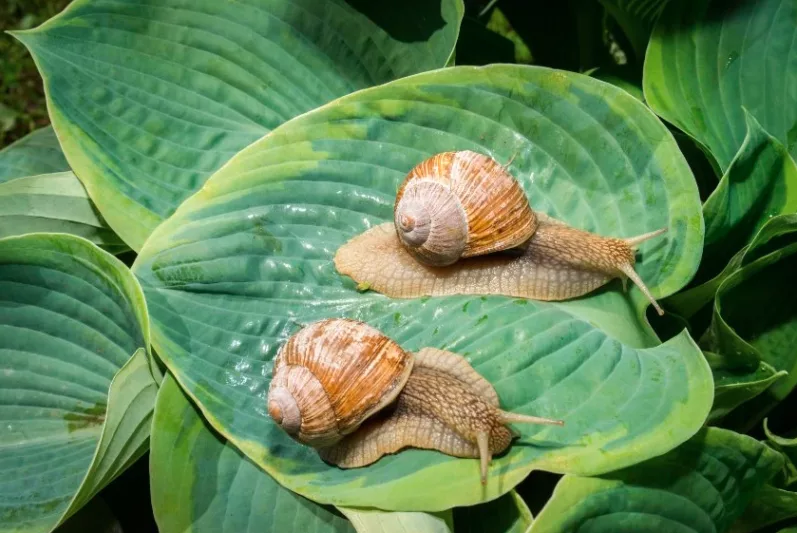
How to Keep Slugs Off Hostas: 5 Methods That Actually Work

You planted hostas because they’re supposed to be easy. Shade-loving, low-fuss, the kind of plant that fills in a dark corner and just quietly does its thing.
Then one morning you walk out and every leaf looks like it lost a fight with a hole punch. Welcome to the club nobody wants to join.
Slugs and hostas have a long, complicated relationship, and it’s not going to end on its own. But you’re not stuck choosing between ugly leaves and a chemical arsenal.
There are several genuinely different ways to fight back, from free habitat tweaks to a soil-dwelling biological weapon most gardeners have never even heard of.
Pick a few that fit your yard, stack them together, and those leaves stand a real chance.
Why Slugs Can’t Resist Your Hostas
It’s not personal. Slugs go where the living is easy, and a hosta bed checks every box on their wish list: shade, moisture, and soft, tender foliage that’s easy to chew through.
Their bodies are basically built around staying wet.
No shell to retreat into, no way to lock in moisture, so they rely on that slime trail and a shady, damp environment just to survive the day.
Here’s a detail that surprises a lot of people: slugs aren’t insects. They’re mollusks, more closely related to clams and oysters than to beetles or ants.
That’s why spraying an ordinary bug killer on them does basically nothing. You’re not dealing with an insect problem. You’re dealing with something closer to a garden snail that lost its house.
Younger, thinner hosta leaves get hit hardest, especially early in the season before the foliage toughens up.
Varieties with pale or white variegation tend to show damage faster too, since those lighter sections are usually thinner than the deep green parts of the leaf.
Wait, Is It Really Slugs?
Before you spend a weekend deploying traps and barriers, make sure you’re actually fighting the right pest.
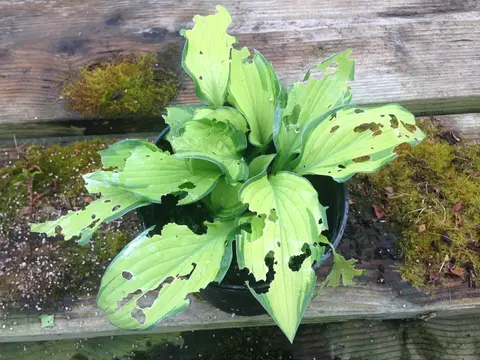
Slug damage has a signature look: ragged, irregular holes scattered across the leaf, sometimes along the edges, sometimes right through the middle.
Look closely and you’ll often spot a faint, shiny trail nearby, on the leaf, the mulch, or a nearby stone. That trail is basically a slug’s calling card.
Deer and rabbits leave a different kind of mess. Deer tend to tear off large sections of leaf or strip the plant nearly bare overnight. Rabbits go for cleaner, lower cuts near the base.
Hail damage shows up suddenly after a storm, with torn or bruised patches instead of chewed holes. And if you see crispy, bleached patches instead of holes, that’s sun scorch, not a pest at all.
One more clue: timing. Slugs feed mostly at night or during cool, overcast weather, so daytime damage with no visible culprit and a slime trail left behind is about as close to a confession as you’ll get.
5 Ways to Get Slugs Off Your Hostas
There’s no single trick that clears out slugs for good. Anyone who tells you otherwise is probably selling something.
What actually works is layering a few of these together, based on how bad your problem is and how much effort you’re willing to put in.
1. Fix the Habitat First
This is the unglamorous one, and also the one nobody wants to hear. But skip it and every other method on this list works about half as well.
How it works: Slugs need cool, damp hiding spots to survive the day. Thick mulch, piles of old leaves, stray boards, forgotten pots sitting in a corner. All of it doubles as slug real estate.
Clear the clutter and you take away their daytime shelter, which means fewer of them survive long enough to do damage after dark.
Watering timing matters just as much. Give your hostas a good soak in the evening and you’re basically rolling out a wet red carpet for nighttime feeding.
Water in the morning instead, and the soil surface and foliage have all day to dry out before slugs get moving.
Worth knowing: On its own, this won’t solve a heavy infestation. Think of it less as a fix and more as removing the reasons slugs would stick around in the first place.
2. Copper Barriers
There’s something almost too simple about this one, which is probably why people are skeptical the first time they hear it.
How it works: Slug slime reacts with copper and produces a small electrical charge, mild to us, unpleasant enough to a slug that it’ll turn around rather than cross it.
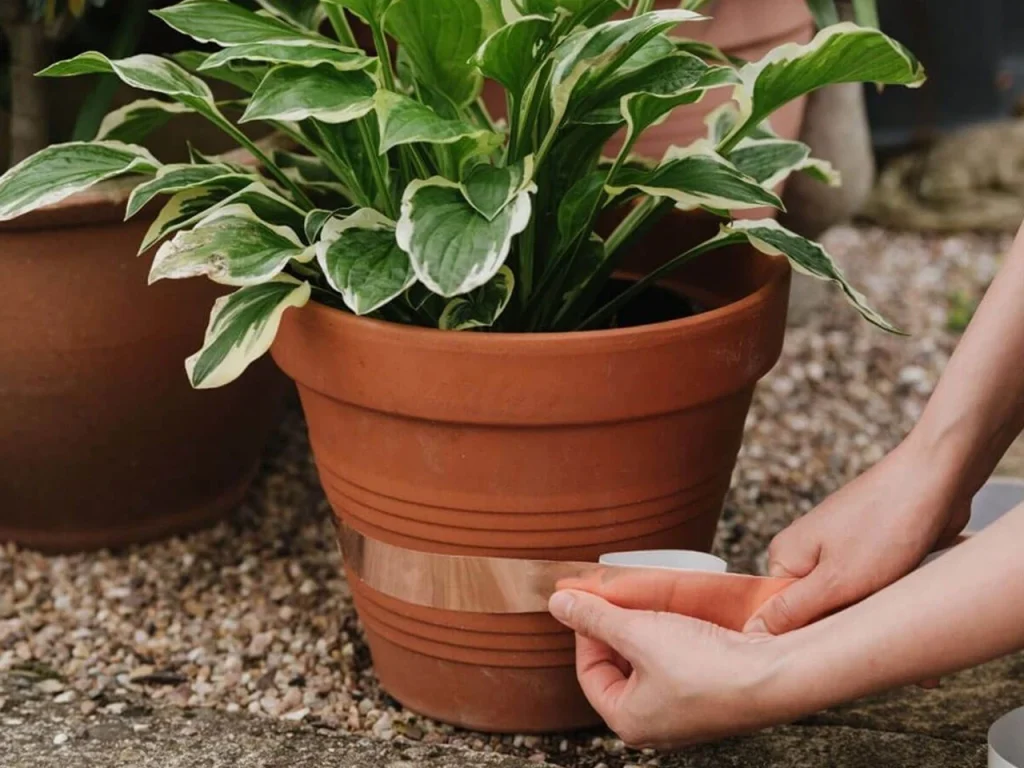
Copper tape or copper mesh wrapped around the rim of a pot or the edge of a raised bed creates a line they won’t cross.
Where to use it: Containers and raised beds are where this shines. Wrap the copper all the way around with no gaps, since even a small bridge of soil or a fallen leaf touching the tape gives slugs a way around it.
Worth knowing: For a sprawling in-ground hosta bed, copper barriers get impractical fast. There’s just too much ground to ring off.
Save this method for your prized potted specimens or a small raised bed where a continuous barrier is actually realistic.
3. Handpicking at Night
Unglamorous, a little gross, and one of the most effective things you can do for a small-to-moderate slug problem.
How it works: Grab a flashlight and head out an hour or two after dark, ideally on a damp evening when slugs are most active. Check the undersides of leaves, the crowns, and any mulch nearby.
Drop what you find into a bucket of soapy water, which kills them quickly and without any mess to clean up afterward.
Worth knowing: One night won’t fix anything. This works because you’re doing it repeatedly, especially after rain when slug activity spikes. Think of it as population control, not a one-time cleanup.
4. Beneficial Nematodes
This is the method most gardeners have never tried, mostly because it’s less well known than beer traps or copper tape. It’s also backed by more research than almost anything else on this list.
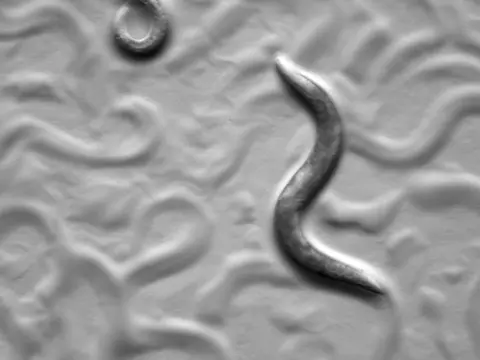
How it works: Phasmarhabditis hermaphrodita is a microscopic parasitic nematode that hunts slugs underground. Mixed with water and applied to the soil, the nematodes seek out slugs using their mucus and waste as a signal, enter the body, and kill them within a few weeks.
Researchers have specifically tested this method in hosta plantings, applying it directly to known slug shelters with results comparable to broader treatment.
Where to use it: Soil around hostas, applied when soil temperatures are warm enough for the nematodes to stay active, typically spring through early summer.
Worth knowing: This isn’t an overnight fix. It takes weeks to build an effect, and availability can be spotty depending on where you shop. You can buy beneficial nematodes online from garden suppliers, and online marketplaces.
But it goes after slugs where the other methods can’t reach: below the soil surface, before they ever make it to your leaves.
5. Iron Phosphate Bait
When cleanup, barriers, and handpicking still aren’t cutting it, this is the next step up, not the first one.
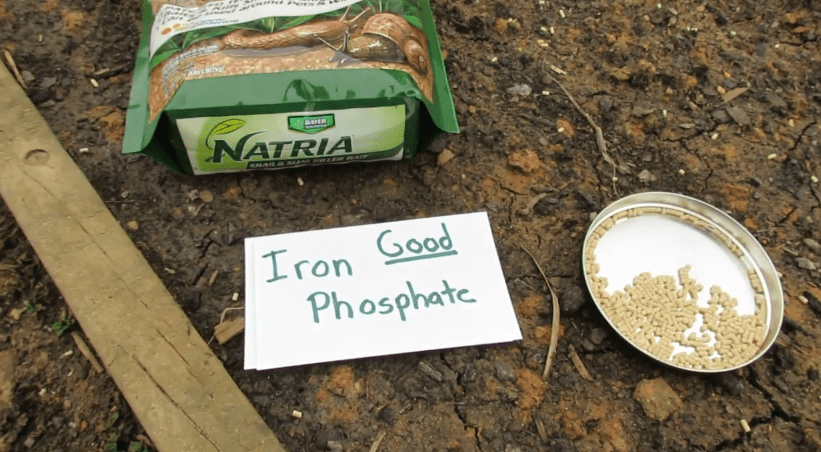
How it works: Iron phosphate acts as a stomach poison specific to mollusks. Slugs stop feeding within a day or two of ingesting it and die within about a week.
Where to use it: Scatter it thinly around the base of affected hostas and in nearby damp, shaded areas where slugs travel. Avoid piling it in one spot.
A light, wide scatter gives slugs more chances to encounter it as they move through the garden.
Worth knowing: Safer doesn’t mean harmless. It’s still a pesticide, so read the label, apply as directed, and never leave a pile where a curious pet could get into it.
A Quick Word on Slug-Resistant Hostas
If you’re planting new hostas or thinking about replacing a variety that gets hammered every year, leaf texture is worth paying attention to. Slugs go after thin, tender foliage because it’s easy work.
Thick, waxy, or heavily puckered leaves take a lot more effort to chew through, and slugs tend to move on to easier targets nearby.
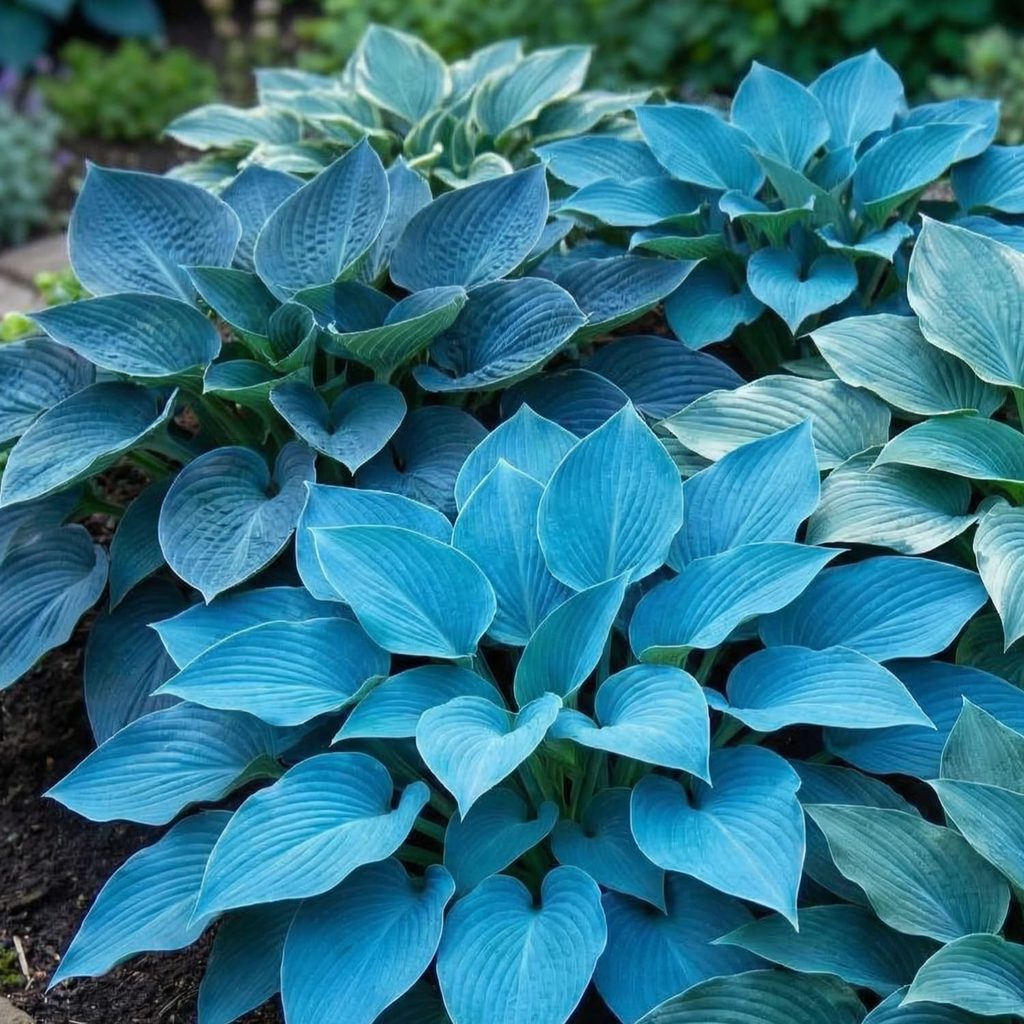
Blue-toned hostas often carry a waxy coating that makes them less appealing, though that coating can wear thin as the season goes on.
Varieties with deep corrugation or a leathery texture hold up noticeably better than the smooth, thin-leaved types.
If white or cream variegation is part of what you love about hostas, keep in mind those paler sections tend to be thinner than the surrounding green, which is exactly where damage shows up first.
No hosta is completely off-limits to a hungry slug. But choosing thicker, more textured varieties for problem spots in your garden means you’re not fighting the same uphill battle every single year.
Layering These Methods Is the Real Answer
None of these five methods needs to work alone, and honestly, none of them works nearly as well that way. A garden that’s been cleaned up and watered in the morning already has fewer slugs sticking around.
Slug damage on hostas is frustrating, but it’s rarely fatal. Chewed leaves won’t heal, and there’s no getting around that, but the plant itself will push out fresh growth next season as long as the crown stays healthy.
Give these methods some time to work, stay consistent, and your hostas will get back to doing what they do best: filling in that shady corner without a single hole in sight.