How to Keep Weeds Out of Your Flower Garden Effectively

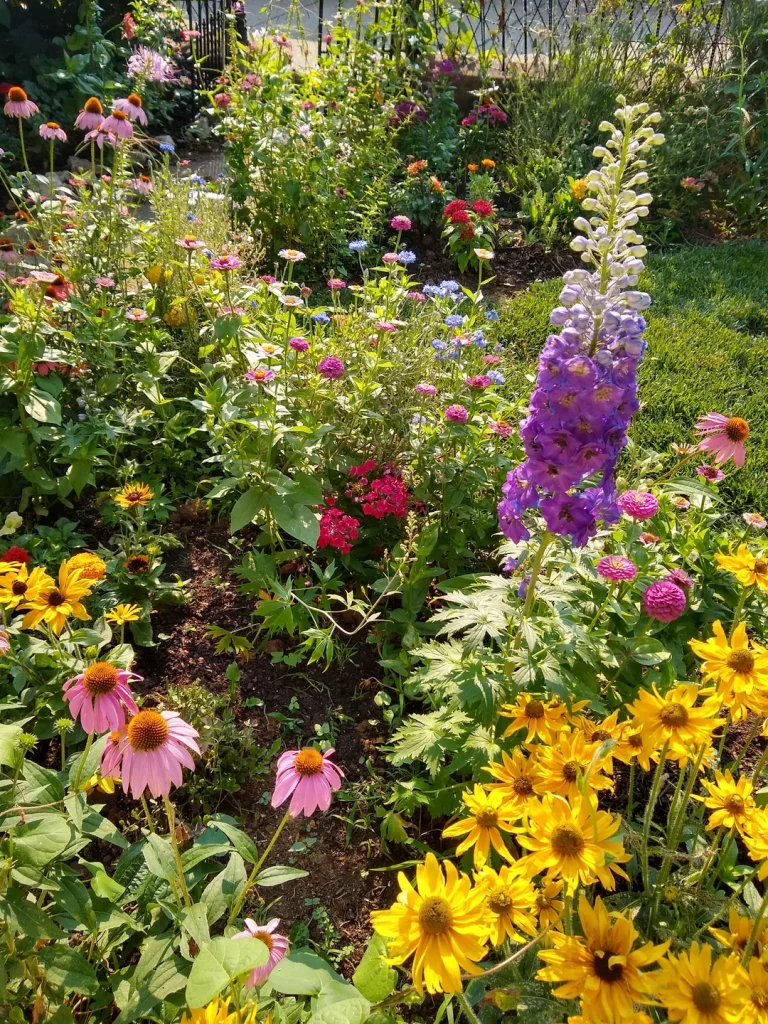
You planted everything in May. The bed looked full, tidy, almost photo-ready. By July, you can barely find your coneflowers under a tangle of crabgrass and something with tiny yellow flowers you never planted.
Sound familiar? Most gardeners fight this same battle every summer, and most of them are fighting it wrong. They pull weeds after they show up instead of closing the door before weeds ever get in.
The good news is that a weedy bed usually isn’t a weeding problem. It’s a setup problem. Fix that once, and the rest of the season gets a lot easier.
Why Flower Beds Are a Weed Magnet
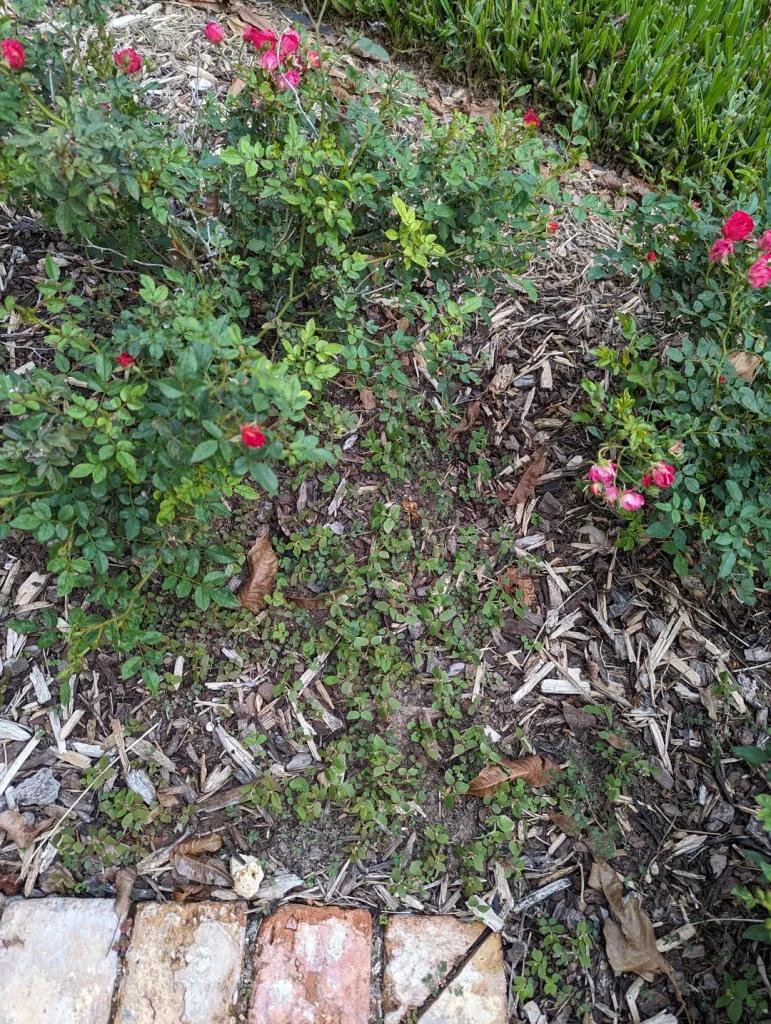
Here’s something most people don’t realize: your soil is already loaded with weed seeds. Every square foot of garden dirt can hold hundreds, sometimes thousands, of them, just sitting there. Dormant. Waiting.
What wakes them up? Light, mostly.
A lot of common weed seeds won’t germinate until sunlight hits them, which is why bare, exposed soil is basically an open invitation.
Disturb that soil (digging, tilling, even aggressive hoeing) and you flip seeds that were buried too deep to sprout up toward the surface, right into the light they’ve been waiting for.
That’s the whole game. Cover the soil, disturb it as little as possible, and you cut weeds off before they ever get a chance.
Start Clean: Clear Existing Weeds and Roots First
Before you plant a single thing, deal with what’s already there. This sounds obvious, but it’s the step people rush, and rushing it is exactly why weeds come back within weeks.
Pull existing weeds by hand or hoe them out, and get the roots, not just the visible top growth. This matters more than it sounds like it should.
Some weeds, especially spreading grasses like bermudagrass, will regrow from even a small piece of leftover root. You can pull the same patch three times and still lose.
If you’re dealing with an aggressive spreader like that, hand-pulling alone often isn’t enough. Smothering the area for several weeks does a better job of actually starving out the root system instead of just tidying the surface.
The Stale Seedbed Trick
This one’s underused, and it’s genuinely one of the most effective things you can do before planting a new bed.
Dig or till the area a few weeks before you actually plant. Then just wait. That disturbance you just made wakes up a wave of dormant weed seeds sitting near the surface, and they’ll sprout within a couple of weeks.
Once they do, hoe them off or pull them while they’re still small and shallow-rooted.
You’ve now cleared out a huge chunk of your soil’s weed seed bank before your flowers ever go in the ground. It’s a little bit of patience upfront in exchange for a much lighter weeding season later.
Gardeners who skip this step are, in a sense, planting straight into a minefield of seeds that are going to pop the moment conditions turn favorable.
Smother Layer: Cardboard or Newspaper Before Mulch
If digging isn’t practical, or you’d rather avoid disturbing the soil at all, there’s a simpler option: starve the weeds of light instead.
Lay flattened cardboard boxes (plain ones, no heavy plastic tape or coating) directly over the bed, overlapping the edges so there are no gaps for light to sneak through.
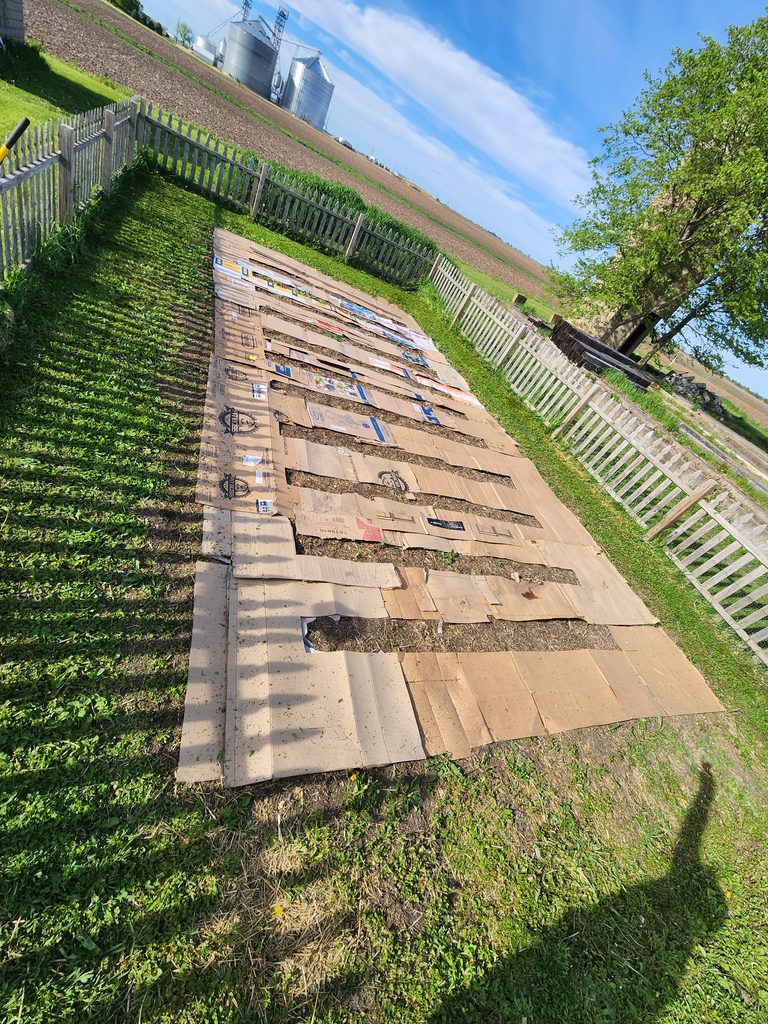
Plain newspaper works too, especially around the base of plants you’re keeping, where cardboard is harder to fit. Wet it down so it stays put, then cover it with mulch.
Give it a few months and the cardboard breaks down naturally, adding organic matter to the soil as it goes, while weeds underneath simply run out of light and give up.
It’s not glamorous. But it’s one of the most reliable, chemical-free ways to reset a weedy bed before you plant.
Here’s a helpful video to do it correctly:
Mulch Depth That Actually Works
Mulch gets recommended constantly, but the depth advice floating around online is all over the place. Some sources say 3 inches. Others say 4. A few say pile it on thick and forget about it.
Here’s the more accurate range: 1 to 3 inches, depending on what you’re using. Fine materials like compost or shredded leaves compact down and block light effectively at a shallower depth.
Chunkier materials like bark chips or wood chips need a bit more, closer to 2 to 3 inches, to fully close the gaps light can slip through.
Go much thicker than that and you risk smothering your own plants’ roots, not just the weeds’, especially if the mulch is piled up against stems.
You can use this calculator to get accurate measurement:
Mulch Depth & Quantity Calculator
Figure out exactly how much mulch you need, at the right depth to actually block weeds.
Recommended depth: 2″–3″ for chunky mulch. Go deeper and you risk smothering plant roots, not just weeds.
One more thing worth doing right: mulch the bed first, then plant through it, rather than mulching around plants after the fact.
It's a small sequencing change, but it means you're not leaving gaps of bare, unmulched soil around every new plant, which is exactly the spot weeds will find first.
Plant Densely to Shade Out Weeds
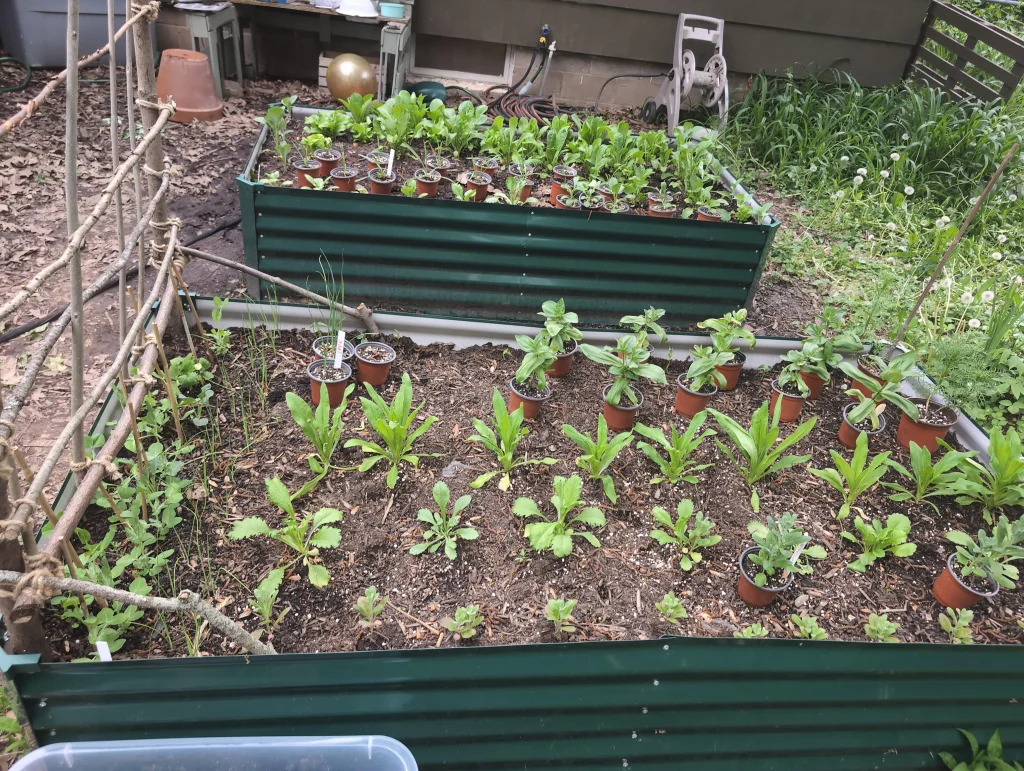
Here's a trick a lot of gardeners overlook because it feels backwards: the more crowded your bed is with the plants you actually want, the fewer weeds you'll fight.
Spacing plants generously apart, the way a lot of nursery tags suggest, leaves open soil between them. Open soil means light. Light means germination.
Instead, plant a little tighter than the "ideal" spacing on the tag, close enough that the mature plants will touch and form a canopy over the soil.
Once that canopy fills in, it blocks the sunlight weed seeds need, and the root systems below are busy soaking up water and nutrients that would otherwise go to whatever wants to sprout underneath.
This won't happen overnight. A newly planted bed still has bare gaps for the first several weeks, which is exactly why mulch matters so much early on.
Think of dense planting as your long-term weed control and mulch as the bridge that covers you until your plants grow in.
Water the Roots, Not the Weeds
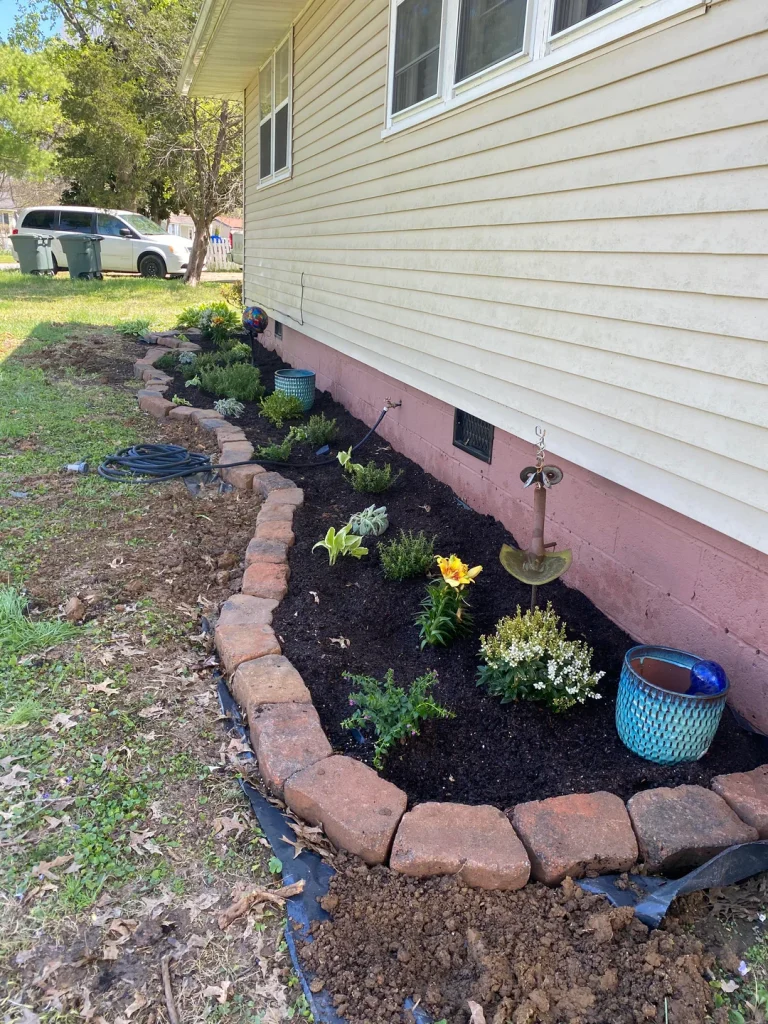
How you water matters almost as much as how often.
Shallow, frequent watering, the kind a lot of people default to with a hose or overhead sprinkler, keeps the top inch or two of soil damp most of the time.
That's a perfect environment for weed seeds, and it also trains your flowers' roots to stay shallow instead of growing deep in search of moisture.
Shallow roots make for weaker, more drought-prone plants, and they don't out-compete weeds nearly as well.
Switch to deep, less frequent watering instead. A drip line or soaker hose run at the base of your plants delivers water straight to the root zone, where your flowers need it, without soaking the open soil between them.
If you're stuck watering by hand, aim low and slow rather than spraying the whole bed, and water in the morning rather than the evening.
Morning watering gives everything time to dry out during the day, which helps keep both weed germination and fungal problems down.
Edge Your Beds
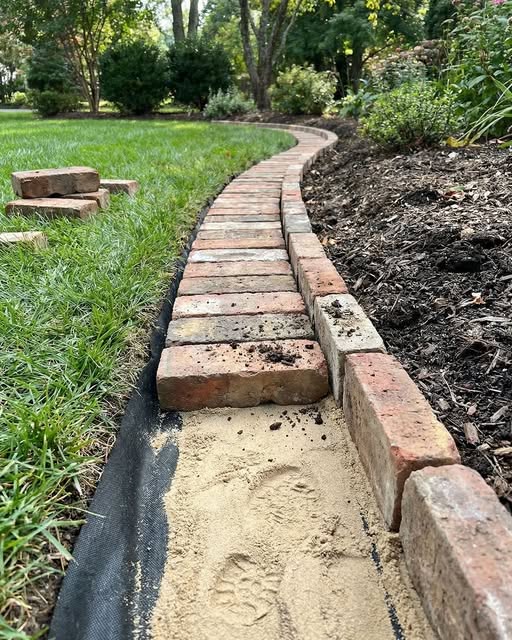
This step gets skipped constantly, and it's honestly one of the simplest ways to stop a whole category of weed problems before they start.
A lot of the worst flower bed invaders, creeping grasses especially, don't blow in from somewhere far away. They creep in sideways from the lawn, right through the boundary where your grass meets your mulch.
Once a runner or rhizome gets a few inches into the bed, it's established, and pulling it out without disturbing your flowers is a headache.
A physical edge, whether it's a dug trench, plastic or metal edging, or a row of pavers set below grade, cuts that connection off. It doesn't need to be elaborate.
Even a simple 4 to 6 inch deep trench, maintained a couple times a season, does the job of physically severing grass roots and runners before they cross into your bed.
An Organic Pre-Emergent Option: Corn Gluten Meal
If you'd rather stay away from synthetic herbicides but still want an extra layer of prevention, corn gluten meal is worth knowing about.
It's a byproduct of corn processing, and researchers at Iowa State discovered it has a natural pre-emergent effect. It doesn't kill weeds that are already growing.
Instead, it interferes with root formation in seeds as they germinate, so the seedling sprouts but can't establish itself and dries out.
It also happens to be roughly 9 to 10 percent nitrogen, so it doubles as a mild fertilizer for whatever's already established in your bed.
Timing is everything with this stuff. The general rule is to apply it in early spring, once soil temperatures hold around 55°F for several consecutive days, or again in early fall before the next wave of weed seeds germinates.
Water it in lightly after applying, then let the soil dry out, since that drying period is part of what makes it effective.
One caveat worth knowing: don't use it if you're direct-sowing flower seeds in that same bed. It doesn't know the difference between a weed seed and a zinnia seed. Save it for beds with established plants, not fresh seed starts.
The Landscape Fabric Question
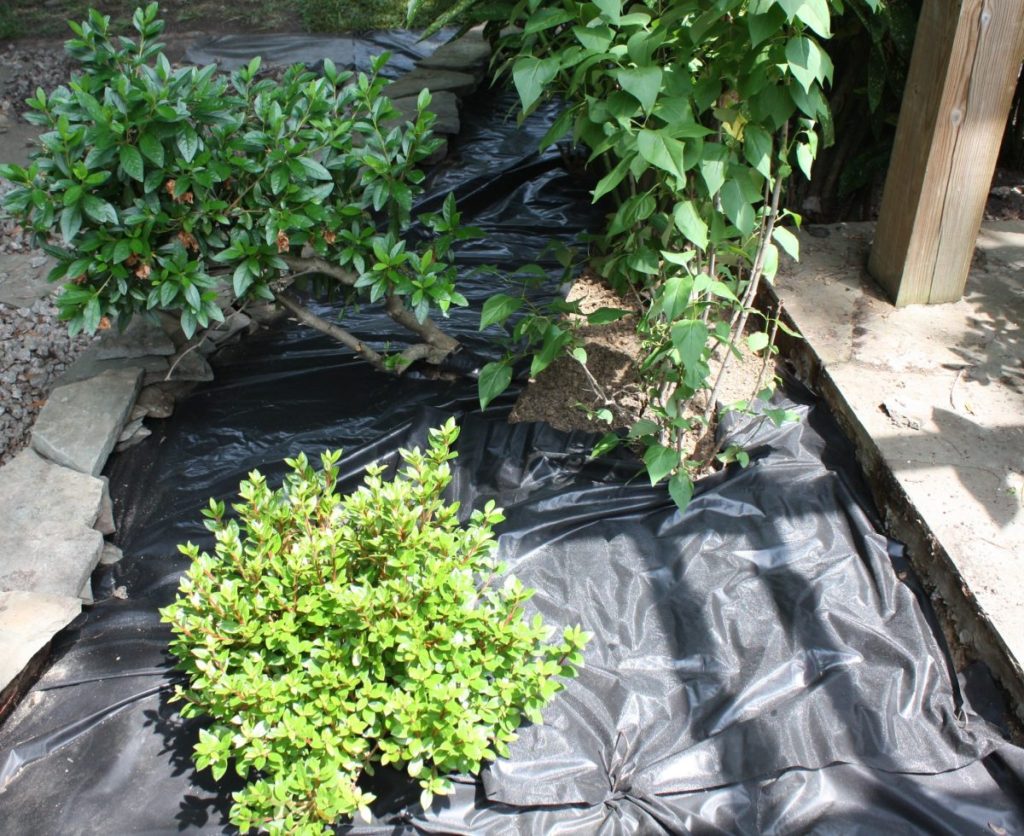
This one comes up constantly, so let's settle it: landscape fabric is not the shortcut it looks like.
It works for a while. Then organic debris (leaves, dust, bits of mulch) builds up on top of it, and weeds start rooting directly into that debris layer, right on top of the fabric instead of through it.
Now you've got weeds anchored into a woven barrier that's a genuine pain to pull up, and pulling the fabric back out later, especially once it's buried under years of mulch, is a much bigger job than the weeding it was supposed to save you.
There's one place it earns its keep: permanent paths and walkways that will never be planted. No roots to worry about disturbing, no ongoing soil health to protect, just a barrier under gravel or stepping stones.
In an actual flower bed, where you want healthy, breathing soil and the freedom to add or move plants over time, skip it. Mulch and dense planting do the same job without the long-term cleanup.
A Setup, Not a Chore
Here's the thing worth remembering after all of this: none of it is a season-long commitment. It's mostly frontloaded.
Clear the bed properly, mulch it right, plant it tight, and water it deep, and by midsummer you'll be spending your time deadheading and cutting flowers instead of hunched over pulling weeds.
That's really the shift. Weeding stops being a weekly chore and becomes something you do for five minutes here and there, catching the occasional straggler before it gets comfortable.
Do the setup once, and your flower bed starts working with you instead of against you.