How to Prune Hydrangeas in Winter (For Better Flowers)

Your hydrangea looks like a bundle of dead sticks right now. I know the urge. You want to grab the pruners and clean it up.
Wait a minute. Winter is the right time to prune some hydrangeas. For others, a winter cut means no flowers next summer.
The deciding factor is simple. Does your hydrangea set its flower buds on old stems or on new growth? Once you know that, you know exactly what to do.
The short answer: Prune panicle and smooth hydrangeas in late winter, before the leaves open. Only tidy oakleaf, mountain and reblooming bigleaf hydrangeas. Leave classic bigleaf and climbing hydrangeas alone until spring.
The Traffic Light Rule for Pruning Hydrangeas in Winter
I sort every hydrangea into one of three groups. It takes the guesswork out of winter pruning.
- Green light. Prune now. Panicle and smooth hydrangeas bloom on new growth, so winter cuts are safe.
- Yellow light. Clean up only. Oakleaf, mountain and reblooming bigleaf hydrangeas need a light touch.
- Red light. Hands off. Classic bigleaf and climbing hydrangeas should wait until spring.
Here is the whole system on one chart. Screenshot it or pin it for later.
| Hydrangea type | Common examples | Blooms on | What to do in winter | Light |
|---|---|---|---|---|
| Panicle | Limelight, Quick Fire | New wood | Prune in late winter | Green |
| Smooth | Annabelle, Incrediball | New wood | Cut back in late winter | Green |
| Oakleaf | Alice, Snow Queen | Old wood | Remove dead wood only | Yellow |
| Mountain | Lacecap types | Old wood | Wait for spring buds, then remove dead stems | Yellow |
| Reblooming bigleaf | Endless Summer, BloomStruck | Old and new wood | Light cleanup | Yellow |
| Classic bigleaf | Nikko Blue | Old wood | Do not prune until spring | Red |
| Climbing | Climbing hydrangea vine | Old wood | Remove dead wood only | Red |
First, Figure Out Which Hydrangea You Have
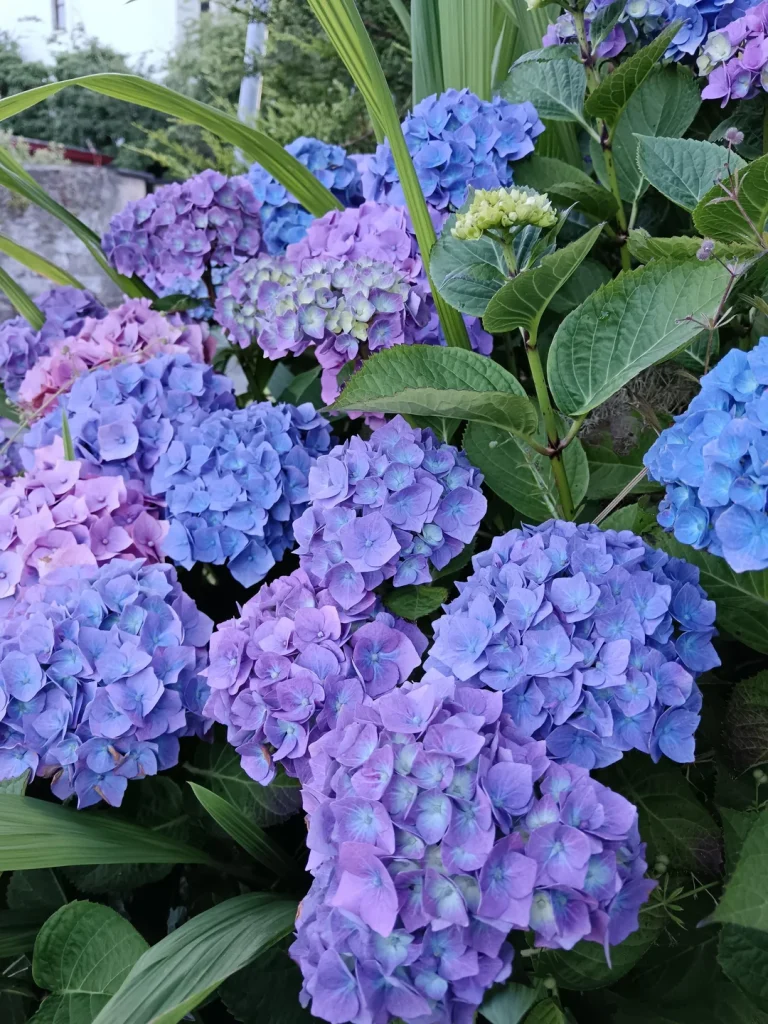
Think back to last summer. The flowers and leaves tell you almost everything.
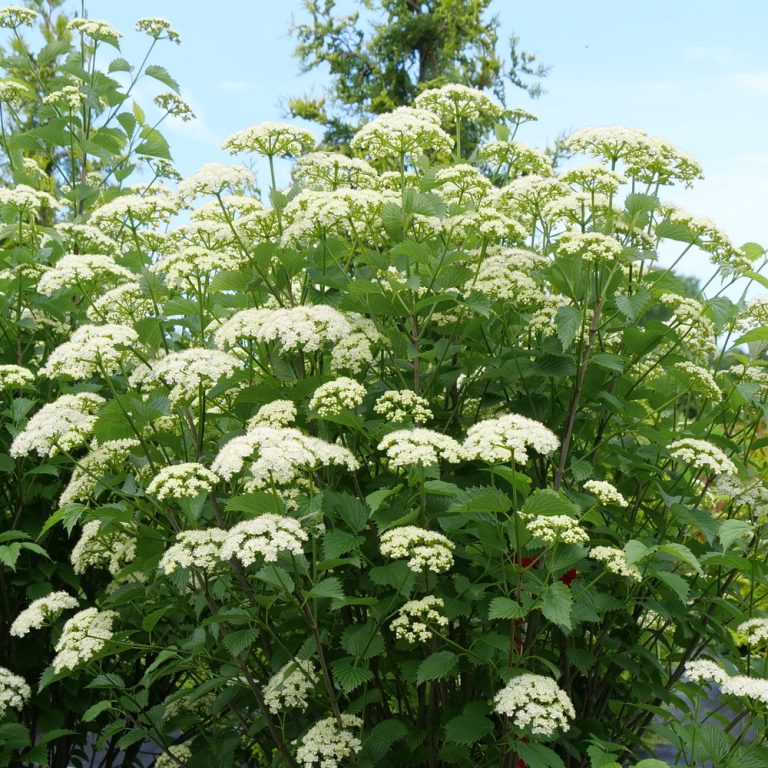
- Cone-shaped flowers that start white and fade to pink mean a panicle hydrangea.
- Big, round white snowballs on soft green stems mean a smooth hydrangea.
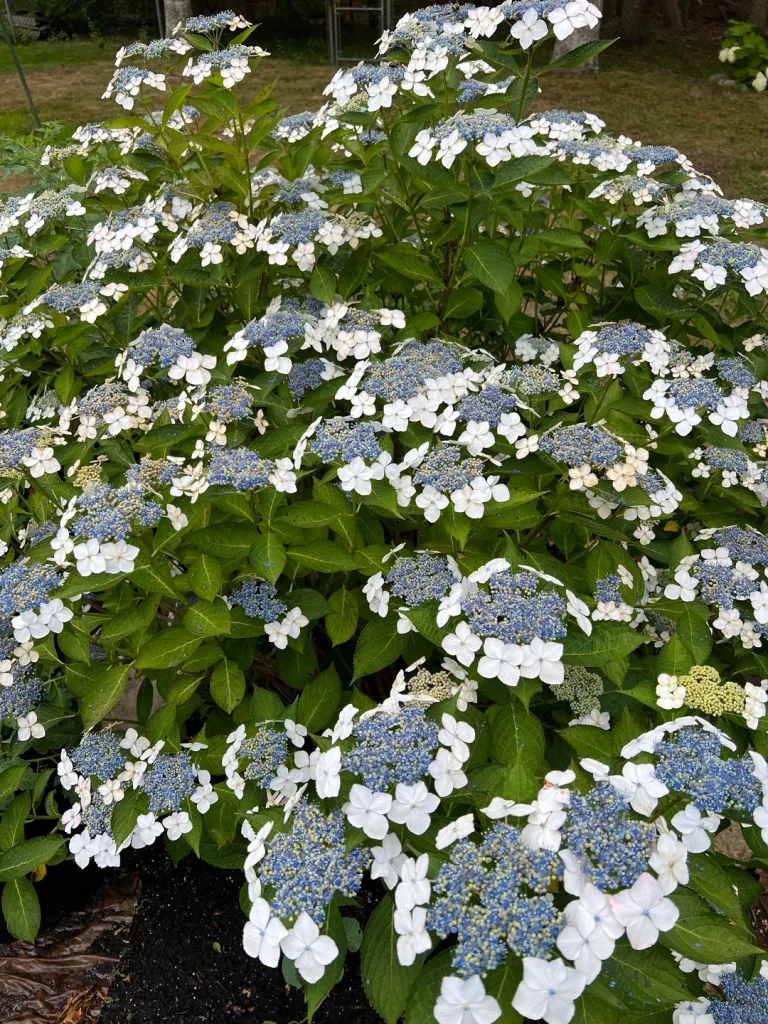
- Mophead or lacecap flowers with shiny leaves mean a bigleaf hydrangea.
- Leaves shaped like oak leaves mean an oakleaf hydrangea.
- Fuzzy, velvety leaves with lacecap flowers mean a rough leaf hydrangea. Treat it like a bigleaf.
- A woody vine that clings to a wall or fence means a climbing hydrangea.
Still not sure? Don’t cut anything. Wait until leaves appear in spring. Then remove only the stems that are clearly dead. That one rule protects every type.
Also read: How to Prepare Hydrangeas for Winter (So They Actually Bloom Next Summer)
Green Light: Panicle and Smooth Hydrangeas
These are the easy ones. They grow their flower buds on the shoots they send out each spring. You can’t cut off buds that don’t exist yet.
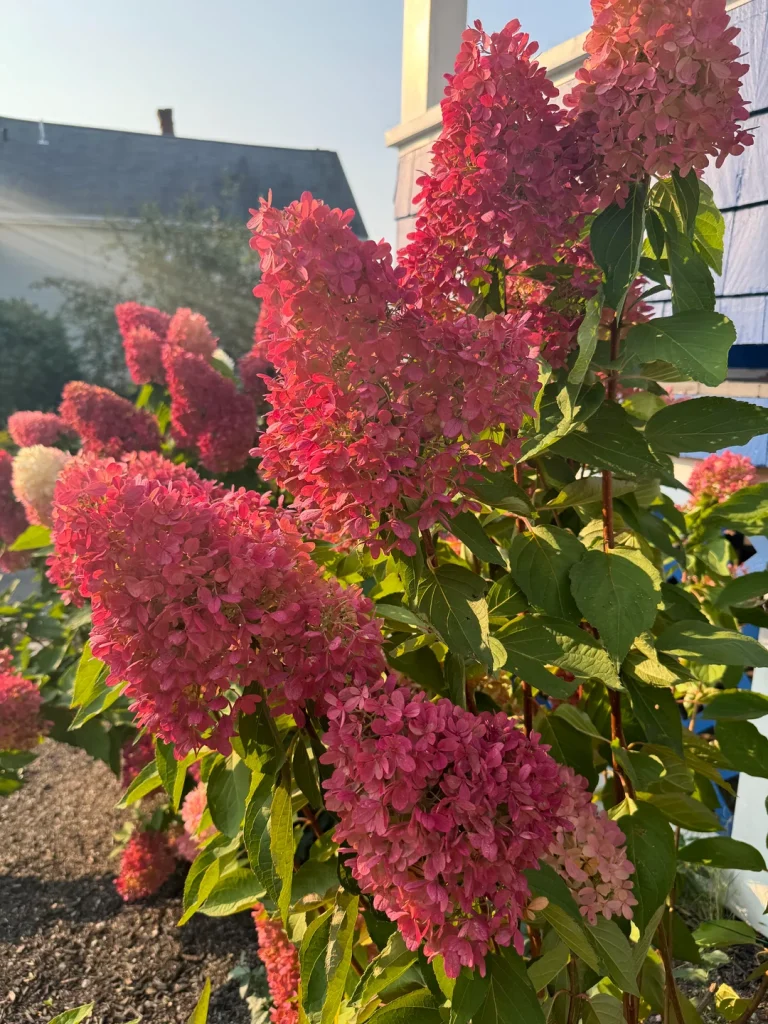
How to Prune Panicle Hydrangeas
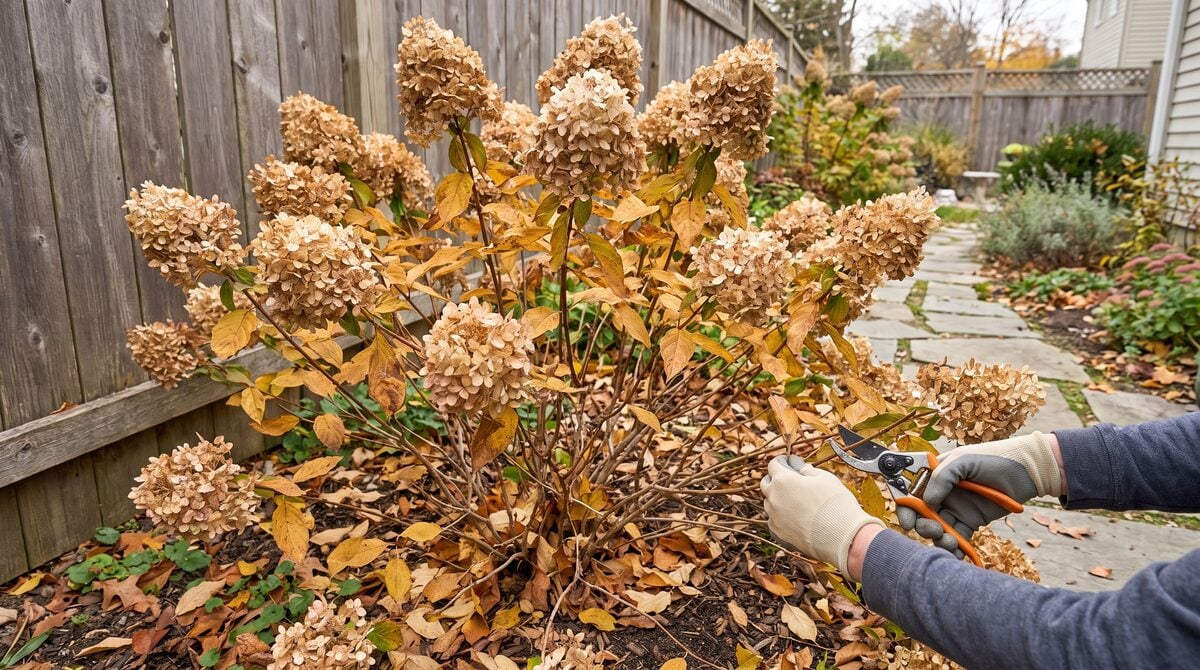
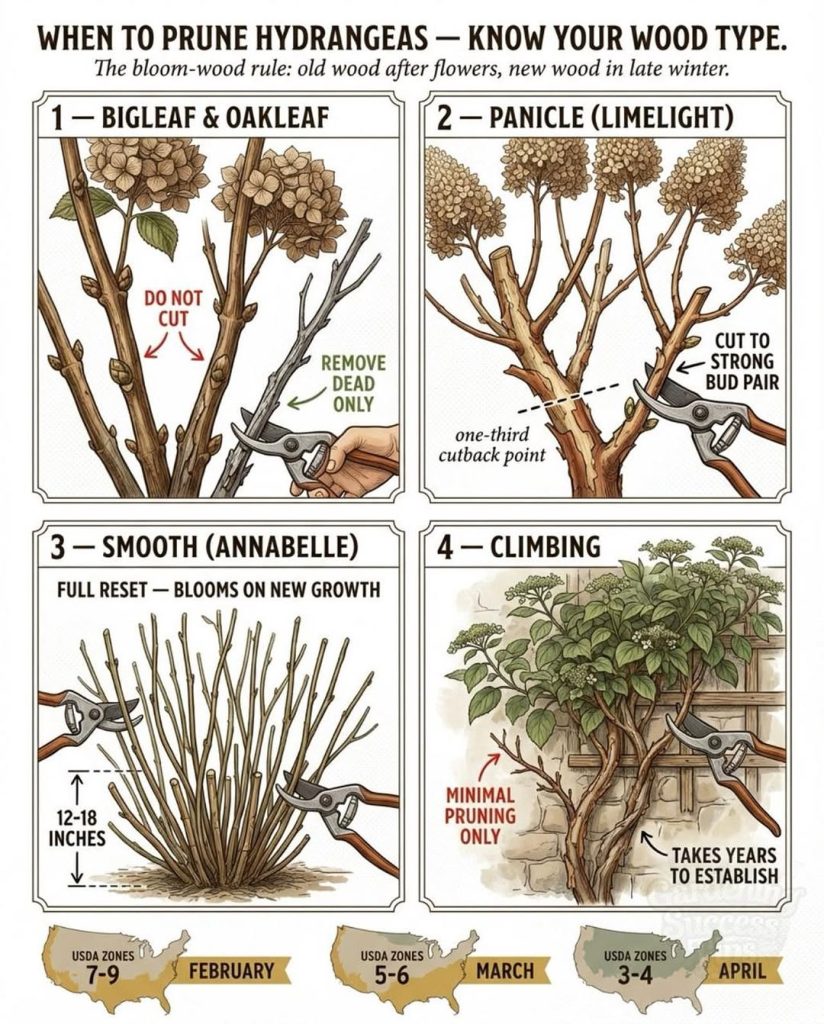
Prune in late winter, before the leaves open. Start by removing the dry flower heads. Cut out dead stems and any branches that cross or rub. Then decide how big you want the plant.
- For a compact shrub, cut the stems to 6 to 8 inches above the soil.
- For a bigger shrub or a small tree shape, shorten the stems to about 4 to 6 feet.
- For a light trim, take the main stems down by about one third.
Make each cut just above a plump bud. Panicle hydrangeas are very forgiving. You can skip pruning entirely and still get flowers. Pruning simply gives you control over the size and shape.
Go easy on young plants. Let them fill out for a year or two before you cut hard.
Do you have an old, overgrown panicle? Don’t chop it all at once. Cut one third of the oldest stems to the ground in the first year.
Remove half of the old stems in the second year. Take the rest in the third year. You get a fresh plant, and you never lose a whole season of flowers.
How to Prune Smooth Hydrangeas
Smooth hydrangeas such as Annabelle are the most forgiving hydrangeas you can grow. They bloom on new growth every year, even after a very hard winter or a very hard cut.
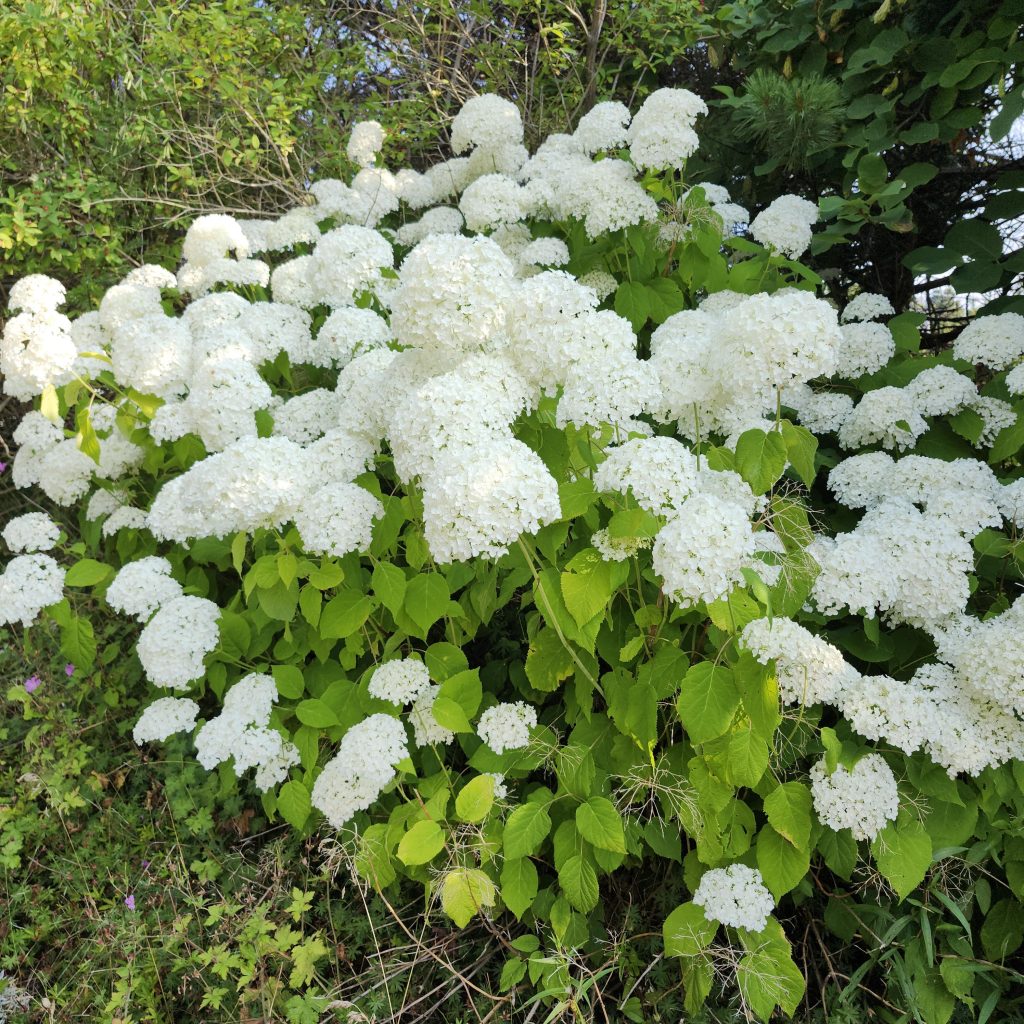
You have three good options.
- Cut them low. Prune the stems to a few inches (10-12′) above the ground, just above a pair of buds. You get a shorter plant with bigger flower heads.
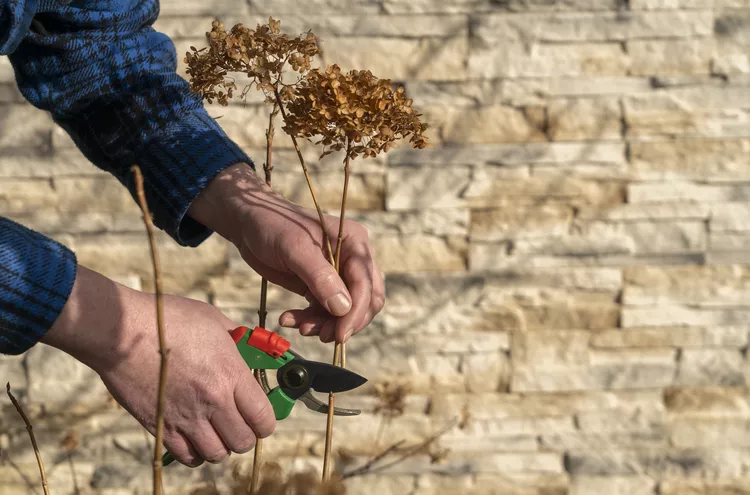
- Prune in layers. Cut the outer stems low, the middle stems a little higher, and the center stems higher still. The blooms open in waves, and you remove about one third of the height overall.
- Leave it alone. You get a taller shrub. The flowers on old stems come out smaller, though.
If your plant is new, wait a season or two before you cut it hard. It needs time to settle in.
Read more: Pruning Hydrangeas in Fall: What to Know Before You Make the First Cut
Yellow Light: Oakleaf, Mountain and Reblooming Bigleaf Hydrangeas
These plants make buds on old wood, so I keep my winter work light. If you must cut one in winter, take no more than one third of the stems. That way you still get some flowers.
Oakleaf Hydrangeas
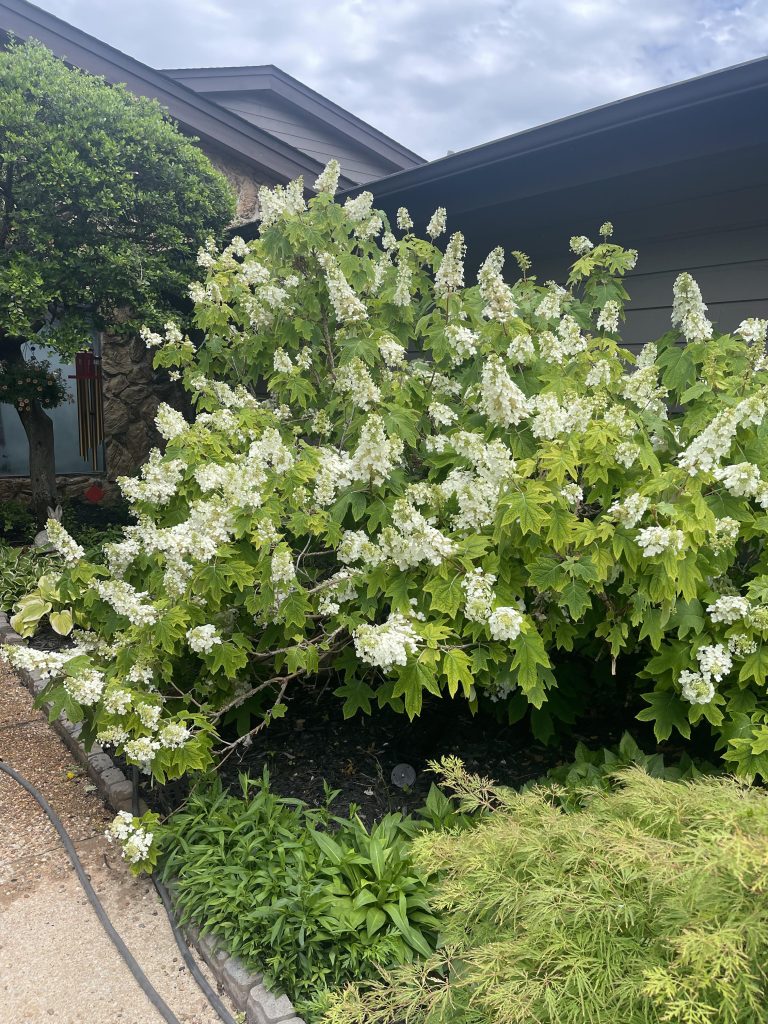
Oakleaf hydrangeas hardly need pruning. Remove dead twigs, old flowers and rubbing branches.
That’s it. If you want to shape the shrub, wait until it finishes blooming.
In very cold regions, the flower buds can suffer winter damage. That’s one more reason to wait and see what comes through.
Mountain Hydrangeas
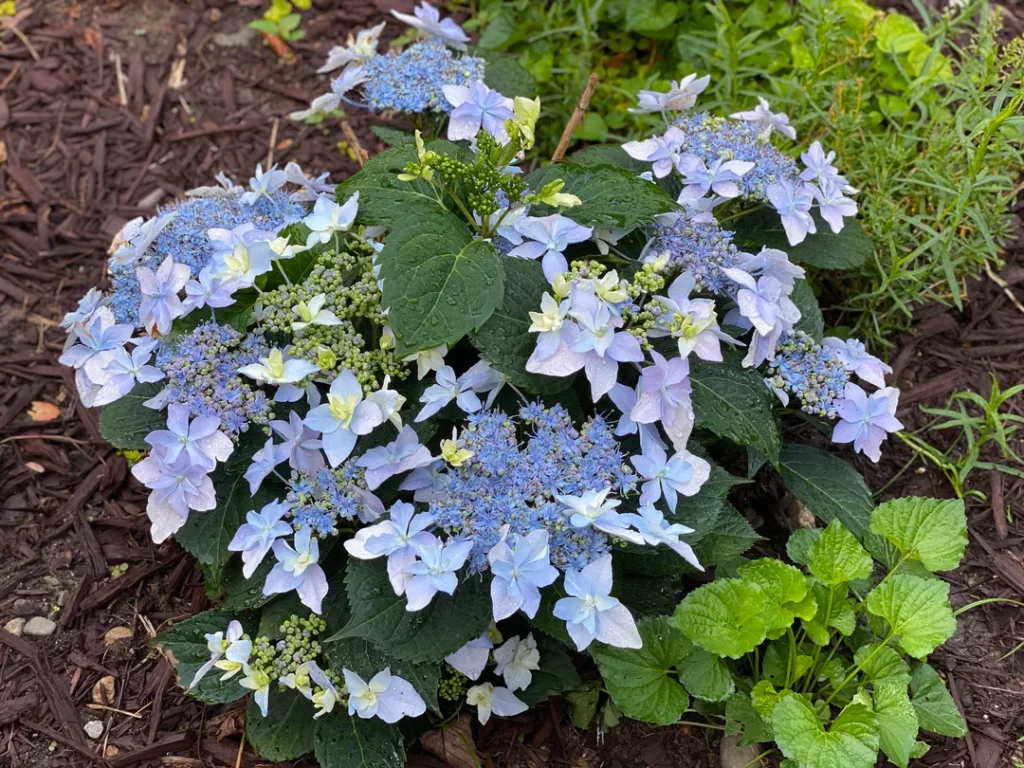
Mountain hydrangeas look like dainty bigleaf hydrangeas. They bloom on old wood too. Don’t cut any stems in winter.
Wait until new growth appears. Then you can see which buds survived and remove the dead stems.
Reblooming Bigleaf Hydrangeas
The Endless Summer series, Blushing Bride and BloomStruck bloom on old and new wood. That makes them much more forgiving. A bad winter or a pruning mistake won’t wipe out your flowers.
They still have limits. A hot, dry summer can cut down the blooms that grow on new wood. So don’t push your luck with a hard cut.
Rough Leaf Hydrangeas
This one is rare in home gardens, but you may have it. It’s a big, fast grower. It blooms on old wood, so skip the winter cuts. In spring, you can remove a couple of old canes at the base if the plant has outgrown its spot.
Red Light: Classic Bigleaf and Climbing Hydrangeas
This is where most people lose their flowers.
Classic Bigleaf Hydrangeas
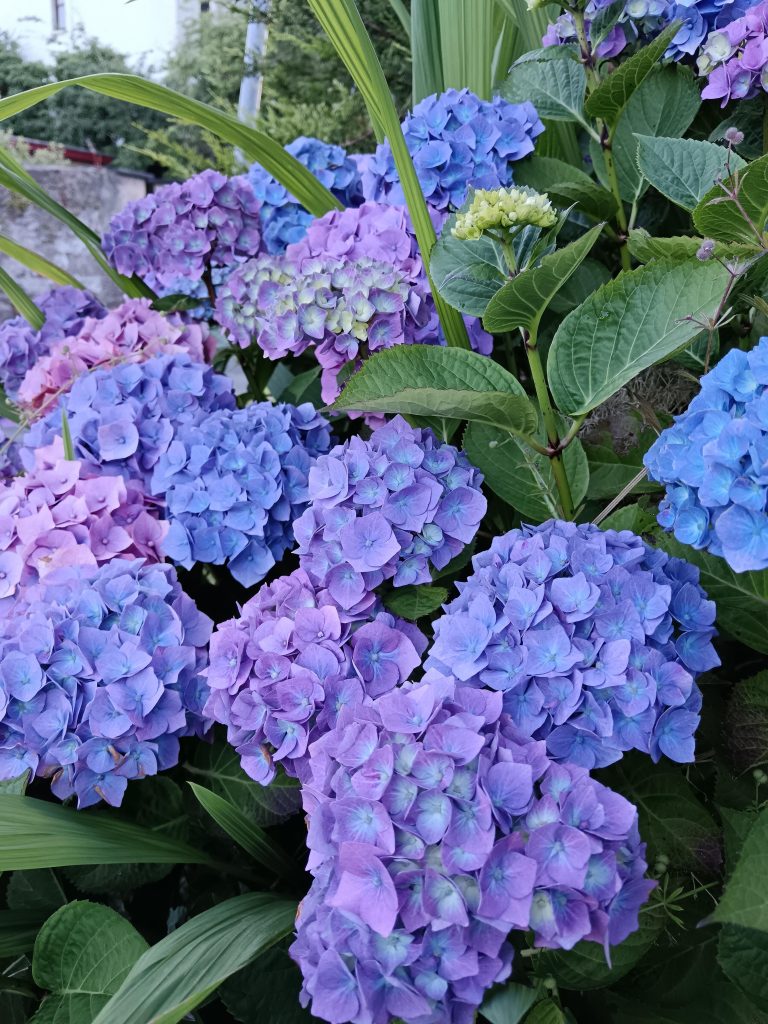
Classic bigleaf hydrangeas set their flower buds last summer. Those buds sit on the bare stems all winter. Cut the stems, and you cut the flowers.
So wait for spring. When new leaves open, you can see what’s alive. Here are two quick tests.
- Scratch a stem or snip off a tiny piece. Green inside means alive. Brown means dead.
- Bend a stem gently. A live stem flexes a little and resists. A dead stem snaps.
Cut dead stems down to the base. On live stems, cut a quarter inch above the first set of live buds.
If the tip buds died over winter, don’t panic. The buds lower on the stem can still flower.
Climbing Hydrangeas
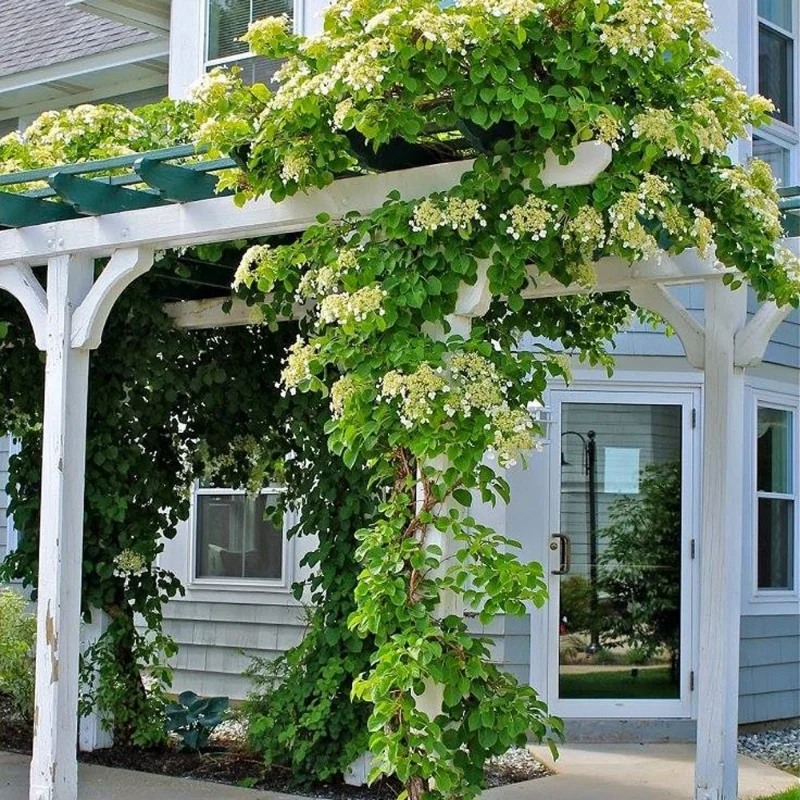
Climbing hydrangeas need very little pruning. Remove dead wood and leave the rest. If a long side branch is pulling the vine off its support, trim it right after the plant blooms.
How to Make the Cut, Step by Step
Good technique keeps your hydrangea healthy. Follow these steps for every plant.
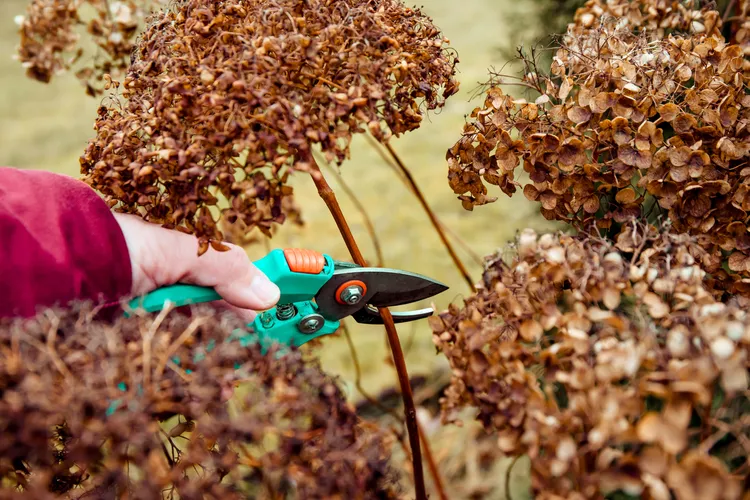
- Start with sharp, clean tools. Use bypass pruners for thin stems. Use loppers or a small saw for thick ones. Wipe the blades before you begin.
- Remove dead stems first. This clears the clutter and shows you the real shape of the plant.
- Take out crossing and rubbing branches. Rubbing creates wounds, and wounds invite pests and disease.
- Thin the shrub if it feels crowded. Removing about one third of the stems lets in more air and light.
- Cut just above a bud. Choose one that faces outward, so the new shoot grows away from the center. Don’t leave a long stub above it. Stubs can die back.
- Cut thick branches at the collar. That’s the slightly swollen ring where the branch meets the trunk. Leave it in place so the wound can heal.
- Clear away the clippings. The dry flower heads make good compost material.
The Best Time to Prune Hydrangeas in Winter
Aim for late winter. In most areas, that means February or March, before the buds swell. Cold regions should wait until March. Mild regions can start in February.
Avoid November and December. Hydrangea stems are hollow. Early cuts can let water in, and that water can freeze and damage the stem.
Early cuts also leave the plant open to frost. If frost kills the buds near the cut, you end up with fewer buds lower on the stem when spring arrives.
Pick a mild day when no deep freeze is coming. And don’t rush. The dry flower heads on panicle and smooth hydrangeas look lovely with frost on them. Leave them up until you’re ready to prune.
How to Protect Hydrangeas After You Prune
A few small steps make a big difference.
- Wrap your bigleaf. Make a cylinder from wire mesh and set it around the plant. Fill it with fallen leaves. The leaves insulate the buds. Remove the cylinder once the buds start to swell in spring.
- Block the rabbits. Rabbits love to chew hydrangea stems in winter. A cylinder of hardware cloth stops them. Make it at least two feet tall.
- Add mulch. Spread a couple of inches around the base. Keep it a little away from the stems.
Hydrangea Pruning Mistakes to Avoid
- Pruning every hydrangea the same way. This causes most “my hydrangea won’t bloom” problems.
- Cutting classic bigleaf hydrangeas in winter. You remove the buds you waited all year for.
- Pruning too early. Cuts in November or December invite frost damage.
- Leaving long stubs above the buds.
- Giving up on a stem too soon. A stem that looks dead in February may leaf out in May. Wait for spring growth before you decide.
Frequently Asked Questions About Pruning Hydrangeas in Winter
Can I cut all my hydrangeas to the ground in winter?
Only smooth hydrangeas take that well. Panicle hydrangeas can handle a hard cut but do better with a lighter one. Never cut bigleaf, oakleaf, mountain or climbing hydrangeas to the ground.
What if I already cut my bigleaf hydrangea in winter?
Don’t panic. You will probably see fewer flowers this year. The plant will grow back. A reblooming type will still flower on its new growth.
Should I deadhead hydrangeas in winter?
You don’t have to. Many gardeners leave the dried flowers for winter interest. Remove them in late winter if you want a tidy look.
Is it too late if the buds are swelling?
For panicle and smooth hydrangeas, you can keep pruning until the leaves open. After that, stop and enjoy the show. Don’t touch old wood bloomers at all.
How do I prune a hydrangea after winter damage?
Cut broken or damaged stems back to a healthy node with two buds. Panicle and smooth hydrangeas recover quickly because they bloom on new growth.
Do hydrangeas in pots follow the same rules?
Yes. The old wood and new wood rules stay the same. Potted plants get colder than plants in the ground, though. Make sure your variety is hardy enough for your winters.
Does pruning change the flower color?
No. Soil pH controls the color of bigleaf and mountain hydrangeas. Acidic soil gives blue flowers. Alkaline soil gives pink flowers.
Why won’t my bigleaf hydrangea bloom?
The most common cause is pruning off last year’s stems. Winter damage to the buds is next. Cold winters often kill the buds on bigleaf hydrangeas. Young plants may also need a few years to mature. If your plant struggles every year, try a reblooming variety that flowers on new shoots.
Final Thoughts
Don’t ask whether you should prune your hydrangea in winter. Ask which hydrangea you have.
Green light types get a good haircut. Yellow light types get a gentle tidy. Red light types wait for spring. Know your type, and you will get more flowers every summer.