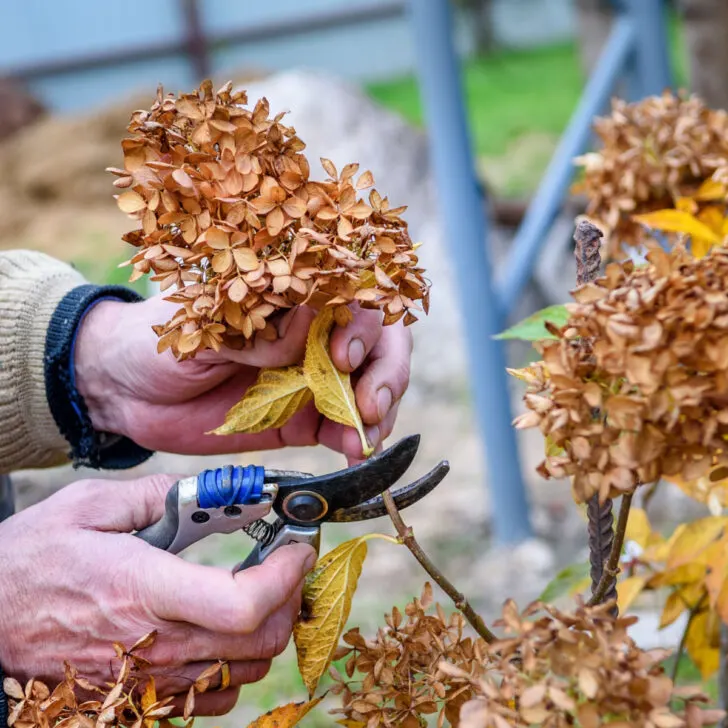
Pruning Hydrangeas in Fall: What to Know Before You Make the First Cut

Picture this. You grab your pruners on a crisp fall day. You tidy up your hydrangea. Come summer, it barely blooms. I’ve heard this story more times than I can count.
One fall pruning mistake usually causes it. Once you know why it happens, you’ll never make that mistake again.
This guide breaks down which hydrangeas you can prune this fall, which ones you should leave alone, and how to prune the right way when timing works in your favor.
Why Timing Matters More Than Technique
Here’s the part most quick tips gloss over. Not every hydrangea forms its flower buds on the same schedule. That’s the real reason fall pruning is risky for some varieties and totally safe for others.
Some hydrangeas bloom on what gardeners call old wood. These plants start building next year’s flower buds back in August and September.
The buds form right in the leaf joints of last summer’s stems. They sit there quietly through fall, winter, and spring.
When you prune in fall, you’re not just cutting stems. You’re cutting flowers that haven’t even opened yet.
Other hydrangeas bloom on new wood instead. They wait until late spring to form buds, and they do it on stems that haven’t grown yet.
You can prune these in fall with zero risk. The buds simply don’t exist yet, so there’s nothing to lose.
Figure out which camp your hydrangea belongs to, and the rest of this decision gets easy.
Also read: 13 Front Yard Hydrangea Landscaping Ideas
Bigleaf and Mountain Hydrangeas Need Patience
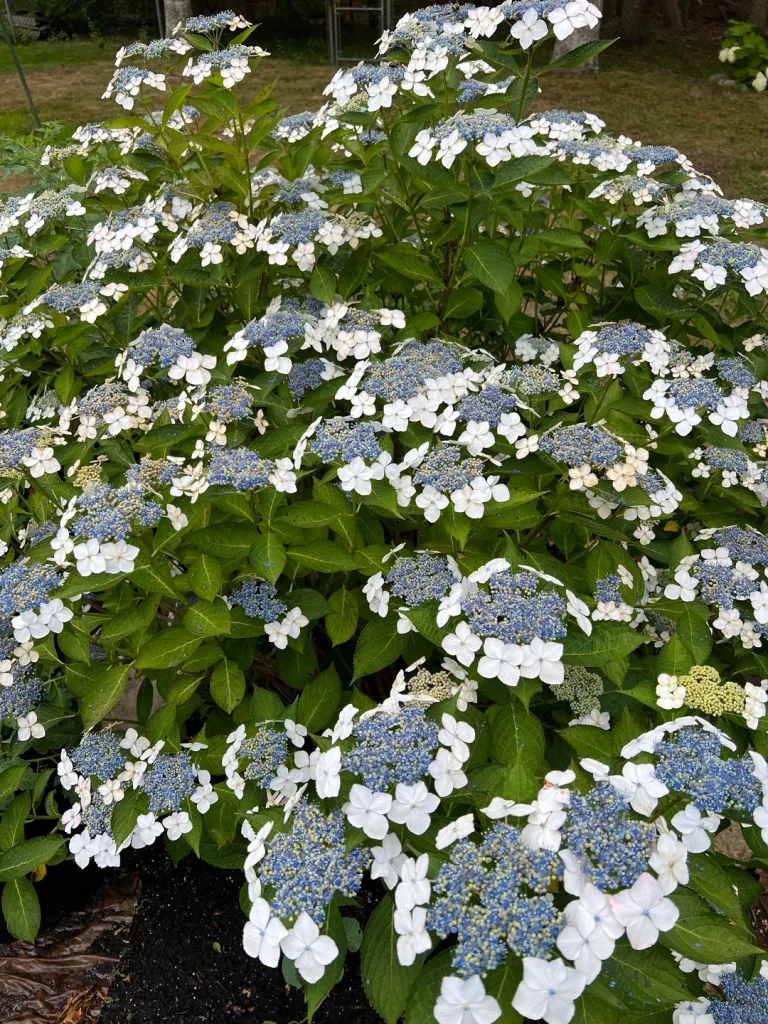
You probably picture bigleaf hydrangea when someone says the word hydrangea. Those big round mophead blooms or flat lacecap flowers?
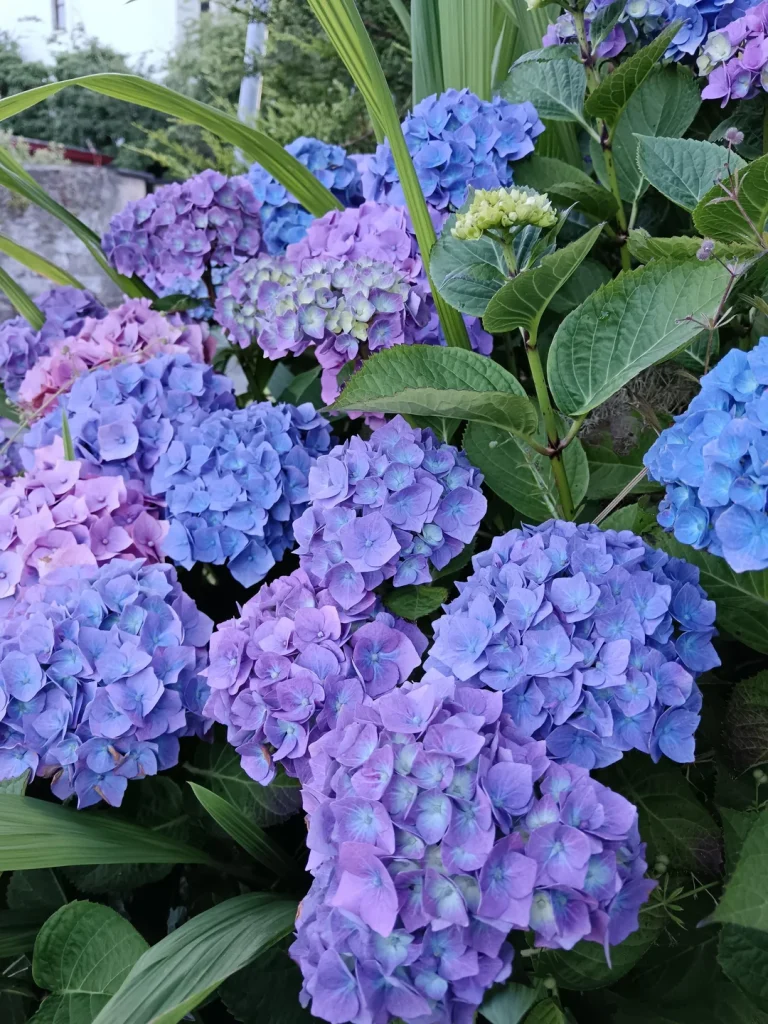
That’s this one. Its cousin, mountain hydrangea, looks similar but has slightly more delicate stems and smaller lacecap flowers.
Both bloom on old wood. Both lock in next year’s buds by late summer. Prune either one in fall, and you’re gambling with next year’s flowers.
So don’t. Wait until spring instead. Once new growth starts showing up, scratch a stem gently with your fingernail. Green underneath means the stem made it through winter.
Brown and dry means it didn’t, and you can cut it away. Leave anything green alone, even if it still looks bare.
Reblooming types throw a curveball here. Varieties like the Endless Summer series flower on both old and new wood, so a rough winter won’t wipe out every bud.
Even so, I’d still treat them like their non-reblooming relatives. Skip fall pruning. Save it for spring, and only cut what’s clearly dead.
Oakleaf Hydrangeas Follow the Same Playbook
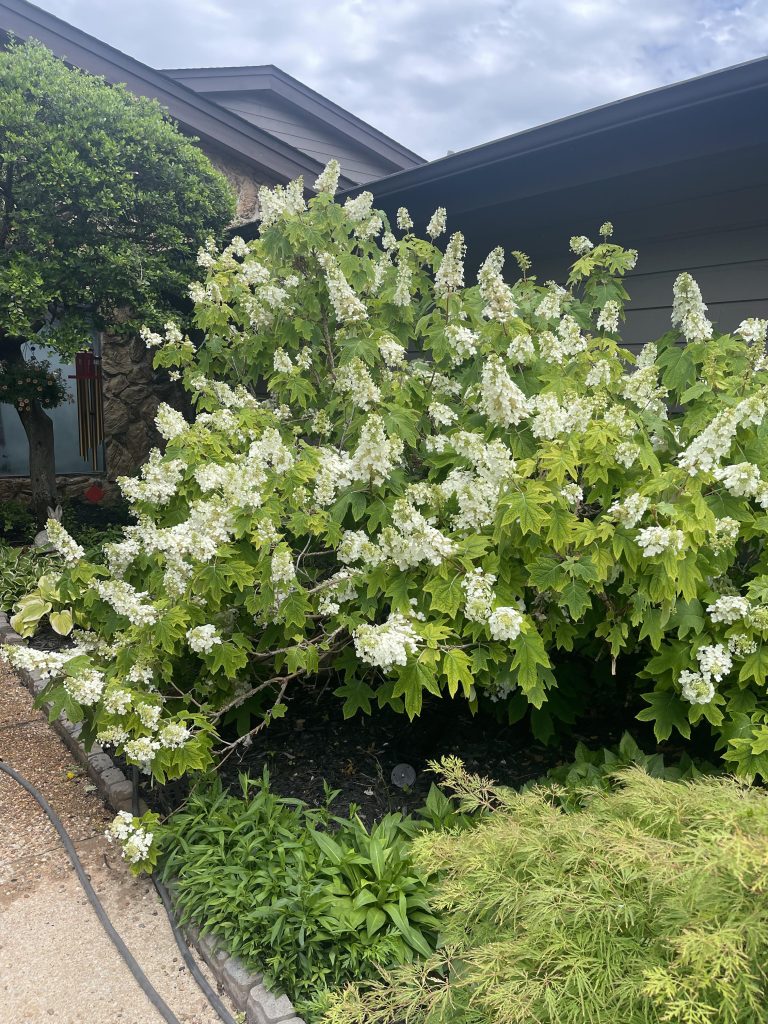
Oakleaf hydrangea earns its name from deeply lobed leaves that turn burgundy and orange once the weather cools. It’s a beautiful shrub in fall, and that’s exactly why people reach for their pruners. Resist the urge.
This one blooms on old wood too, setting its buds in the same leaf-axil spots as bigleaf hydrangea. Cut it back now, and you’re removing flowers before they ever get a chance to open.
Hold off until spring. Let new growth tell you what survived winter, then remove only the dead stuff.
Here’s some good news, though. Oakleaf hydrangeas grow slowly and hold a naturally tidy shape. Yours might not need pruning at all if it has room to fill out.
Panicle and Smooth Hydrangeas Give You More Freedom
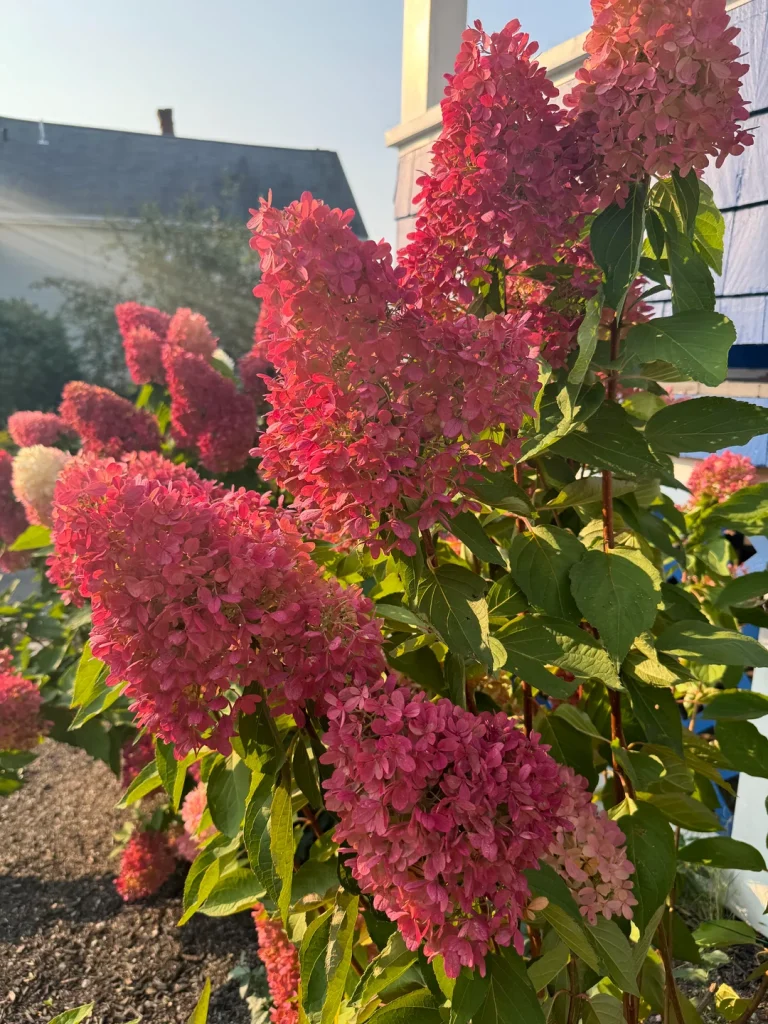
Now for the two types where fall pruning actually works. Panicle hydrangea, the kind behind favorites like Limelight and Little Lime, blooms on new wood. Smooth hydrangea, home to the classic Annabelle, does too.
Neither one forms flower buds until late spring. Cut them back in fall, and you won’t lose a single bloom.
I’d still hold off if you can. Extension horticulturists tend to recommend late winter or early spring instead.
Pruning too early, before the plant fully settles into dormancy, can add stress your shrub doesn’t need going into cold weather.
But if heavy snow worries you, or you just like a cleaner-looking yard through winter, fall pruning won’t hurt these two.
Prefer the look of dried flower heads standing tall against snow? Leave them be and prune in spring. Both paths lead to the same healthy shrub next year.
How to Actually Make the Cut
Say your hydrangea falls into the fall-safe group. Great.
Grab clean, sharp bypass pruners before you start. Dull blades crush stems instead of slicing them, and that opens the door to disease.
Stick to the one-third rule. If your panicle hydrangea stands six feet tall, don’t take off more than two feet.
Cutting harder than that strips away the framework holding your shrub upright. It also removes leaves the plant needs to fuel its roots through winter.
Make each cut just above a healthy bud or a strong set of leaf joints. Angle the blade slightly so water runs off instead of pooling on the cut.
Found a branch that’s snapped, diseased, or clearly dead? Remove the whole thing, right down to a healthy point or the base.
Pro tips: Not sure a stem is still alive? Scratch it lightly with a fingernail or knife tip. Green means go ahead and leave it. Brown and brittle means it’s done, and you can cut it away without a second thought.
Fall Pruning Mistakes That Cost You Blooms
I see the same handful of mistakes over and over. Here’s what to watch for.
Mistake 1: Pruning for height control mid-season.
Trimming a hydrangea to keep it shorter almost always backfires. The plant reacts to pruning by growing back harder, sometimes ending up taller than before.
If your hydrangea has outgrown its spot, transplant it in early spring instead. Then swap in a compact variety built for that space.
Mistake 2: Guessing instead of checking.
Not sure if your hydrangea blooms on old or new wood? Don’t just prune and hope. A wrong guess can cost you an entire season of flowers. When in doubt, leave it alone until you can confirm the type.
Mistake 3: Cutting off winter protection along with the flowers.
Dried flower heads left on panicle and smooth hydrangeas do more than look pretty against snow. They shield the buds underneath from harsh wind and cold.
Strip them off too early, and you lose that natural buffer.
Mistake 4: Pruning too close to hard frost.
Even new-wood bloomers can struggle if you prune right before a deep freeze. Fresh cuts need a little time to callous over.
Try to finish pruning at least a few weeks before your first hard frost, or just wait for spring.
Frequently Asked Questions
What happens if I already pruned my hydrangea at the wrong time?
Nothing fatal happens to the plant itself. You’ll likely see fewer blooms, or none at all, next season on old-wood types. Give it time to recover, skip pruning next fall, and it should bounce back the following year.
Can I cut my hydrangea all the way to the ground in fall?
You technically can with new-wood types like panicle and smooth hydrangeas, but I wouldn’t recommend it every year. Hard cuts like this can leave stems weak and floppy once they regrow. A moderate trim holds up better over time.
Do I need to protect hydrangea stems over winter after pruning?
Old-wood types benefit from a loose mulch ring or leaf cover around the base, especially in colder zones. This helps protect any remaining buds from freeze damage. New-wood types generally don’t need this extra step.
How do I tell if my hydrangea blooms on old or new wood?
Check a stem in fall. If you spot small buds already forming along the branch, you’re looking at an old-wood bloomer. If the stem looks bare with no buds yet, it’s likely a new-wood type. Matching the variety name to its type online works too.
Is it ever okay to deadhead in fall, even on old-wood hydrangeas?
Yes. Snipping off just the spent flower heads, right below the bloom, is safe on any hydrangea type. Just avoid cutting further down into the stem, since that’s where next year’s buds are hiding on old-wood varieties.
The Bottom Line
Fall pruning isn’t a one-size-fits-all task, and that’s really the whole point of this guide. Learn which type you’re growing, and the rest falls into place. Leave your bigleaf, mountain, and oakleaf hydrangeas alone until spring.
Feel free to shape up your panicle and smooth varieties now if you’d like. Either way, your hydrangea will thank you with a fuller bloom next season.