How to Grow Creeping Rosemary Ground Cover (Step by step)

Have you ever planted a groundcover that looked great for a month, then turned patchy and sad by summer?
I’ve watched that happen more times than I’d like to admit. The fix, in a lot of cases, comes down to picking the right plant for the spot.
Creeping rosemary is one of those rare plants that actually gets better the more you ignore it. It fills in bare slopes, spills over walls, and smells amazing every time you brush past it.
This guide walks you through exactly how to plant it, care for it, and keep it thriving for years.
What Is Creeping Rosemary?
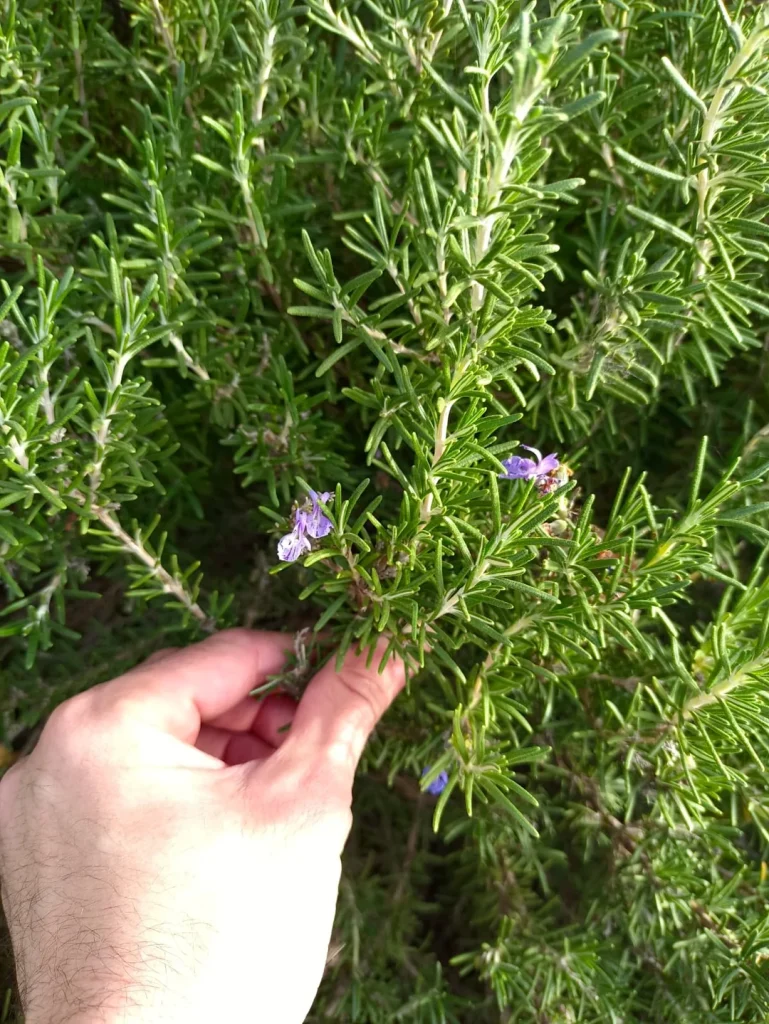
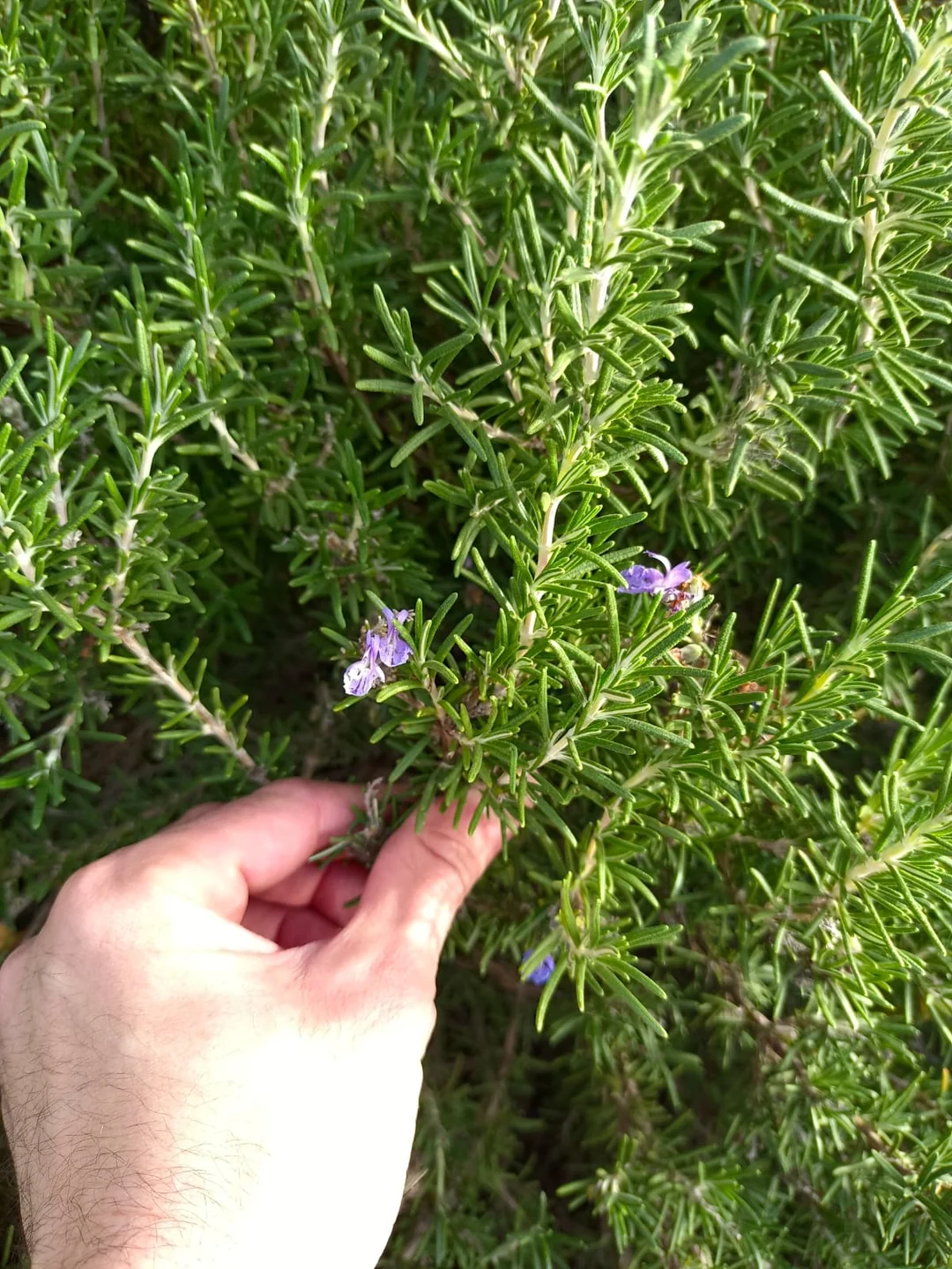
Creeping rosemary goes by a few names. You might see it called trailing rosemary or prostrate rosemary. They all point to the same plant.
It’s the low, spreading form of regular rosemary, and it behaves nothing like its upright cousin.
You’ll sometimes spot it labeled Rosmarinus officinalis ‘Prostratus.’ More recent plant catalogs list it as Salvia rosmarinus after a taxonomy update.
Don’t let that trip you up. It’s the same herb, just under a new scientific name.
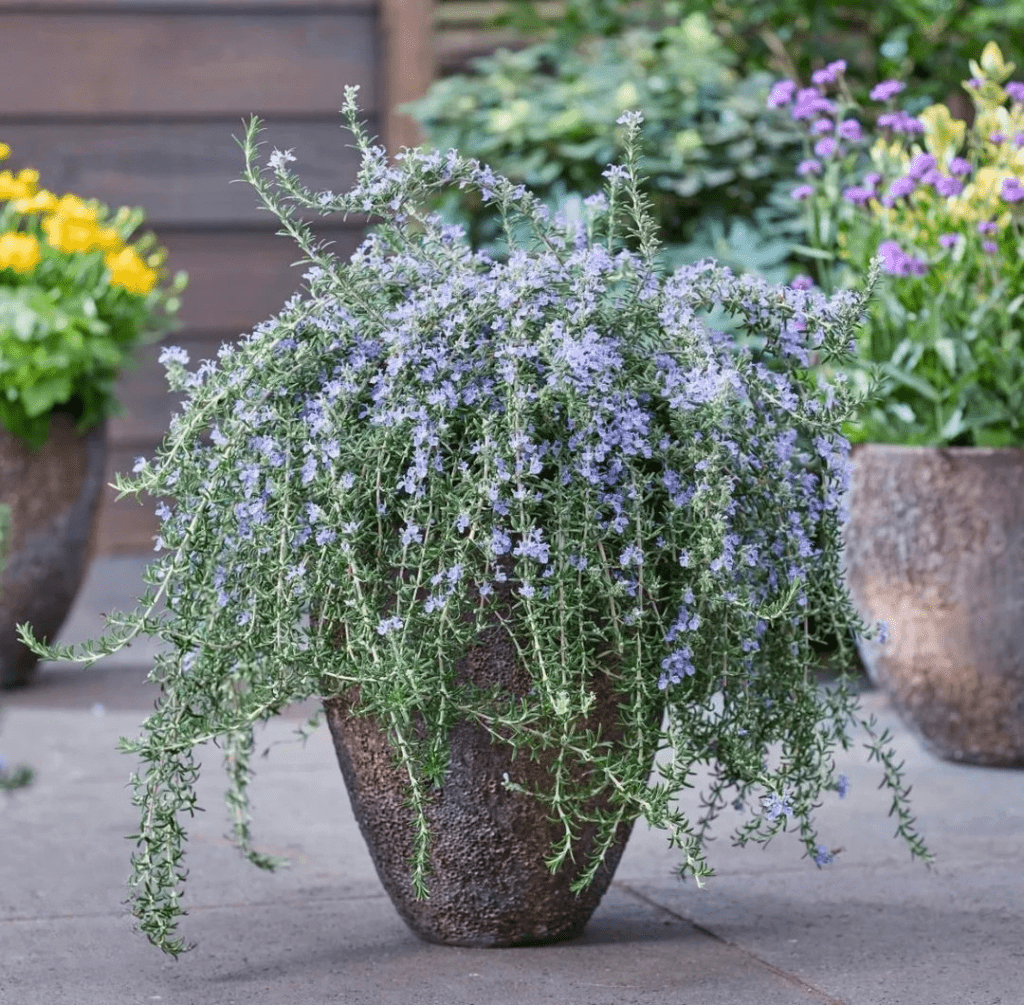
Where upright rosemary grows into a tall, woody shrub, creeping rosemary hugs the ground. It stays under two feet tall but spreads several feet wide.
The leaves smell just as strong, and you can still cook with them. This is what makes it such a useful groundcover instead of just another herb in a pot.
Where to Plant Creeping Rosemary
Give this plant sun. Lots of it. Creeping rosemary needs at least six hours of direct sunlight a day. Less than that, and it gets leggy and stops flowering well.
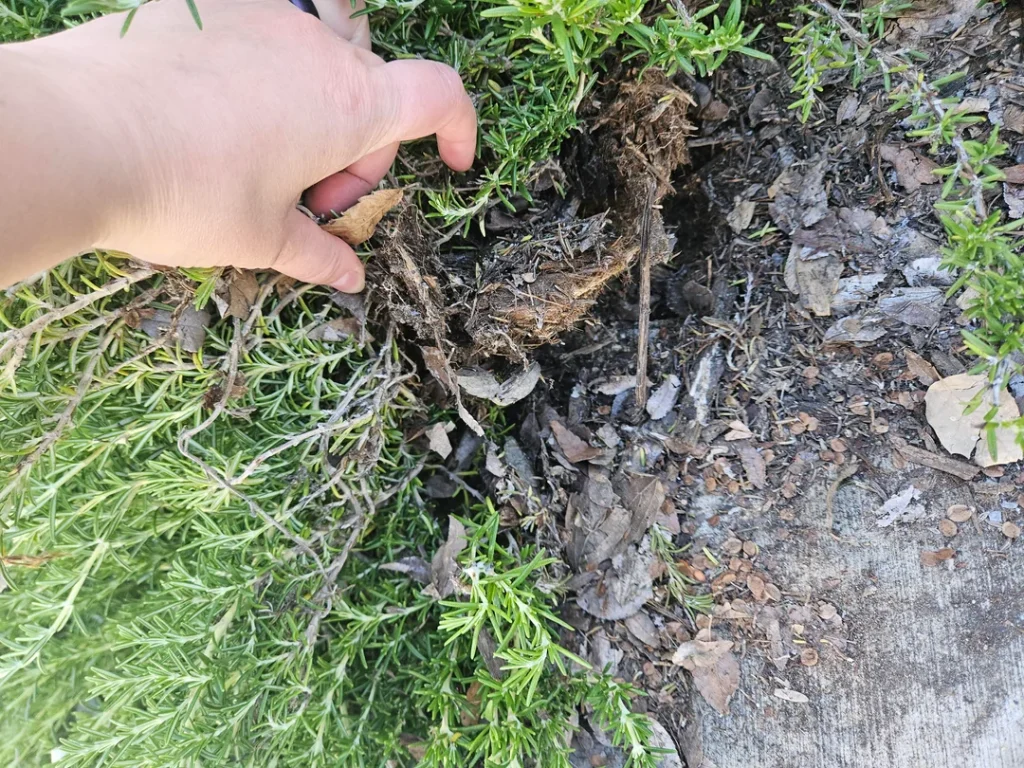
Soil matters just as much as sun. This plant hates wet feet. It wants loose, sandy or loamy soil that drains fast. If water pools in the area after rain, skip that spot or fix the drainage first.
Creeping rosemary thrives in USDA zones 7 through 10. It can handle short cold snaps down to around 20°F, but a hard freeze that sticks around will damage or kill it.
If you garden in a colder zone, grow it in a pot you can move indoors for winter.
As for placement, this plant loves a challenge. Plant it along the top of a retaining wall and let it cascade over the edge.
Use it on a dry slope where grass won’t grow. Tuck it into a rock garden or let it soften the edge of a walkway. It also tolerates salt spray, so it works well in coastal gardens too.
How to Plant Creeping Rosemary Ground Cover
Planting this groundcover isn’t complicated. Get a few basics right, and the rest takes care of itself.
Check your drainage first. Dig a hole about a foot deep and fill it with water. Come back in a few hours. If the water is still sitting there, you’ve got a drainage problem. Mix in some coarse sand or grit before you plant, or choose a raised spot instead.
Dig the right size hole. Make it about twice as wide as the root ball and just as deep. Planting too deep is one of the easiest ways to stress this plant right out of the gate.
Loosen the roots. Gently tease apart any tightly wound roots before you set the plant in the hole. This encourages the roots to spread out instead of circling in place.
Space plants based on your goal. Want fast, full coverage? Plant them about 18 inches apart. Prefer a slower, more controlled spread? Give them 2 to 3 feet of room. They’ll fill in the gaps over time either way.
Backfill and water well. Fill the hole with your amended soil, firm it down gently, and give the plant a deep drink. Skip the fertilizer at planting time.
New roots don’t need it yet, and it can actually do more harm than good.
Water new plants every few days for the first two to three weeks. Once you see new growth, you can start easing off.
Ongoing Care for Creeping Rosemary
This is where creeping rosemary really shines. Once it’s settled in, it barely asks for anything.
Watering
Established creeping rosemary is drought tolerant. Water deeply, then let the soil dry out before watering again. A good rule of thumb is to check the top two inches of soil. If it’s dry, water. If it’s still damp, wait.
Overwatering is the number one way people kill this plant. Root rot sets in fast when the soil stays soggy, and there’s no fixing it once it takes hold.
Feeding
Creeping rosemary doesn’t need much food. A light application of balanced fertilizer in spring is plenty.
Too much fertilizer pushes soft, weak growth that’s more prone to pests and disease.
If your plant looks pale or yellow despite good drainage, a diluted liquid feed can help. But don’t reach for fertilizer as your first fix.
Check the soil moisture and drainage first.
Pruning
You don’t have to prune creeping rosemary, but a little trim goes a long way.
Light pruning after flowering keeps the plant dense and bushy instead of woody and sparse in the middle.
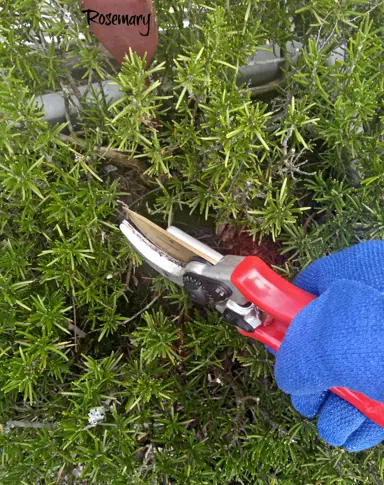
Save any harder pruning for late winter or early spring. Avoid heavy cuts in fall. New growth needs time to toughen up before cold weather hits.
Winter Protection
In zones 7 and warmer, this plant handles winter just fine on its own. In colder areas, mulch around the base to insulate the roots.
If you’re growing it in a container, move the pot somewhere sheltered, like a garage or covered porch, once temperatures drop below freezing for extended periods.
Common Problems and How to Fix Them
Creeping rosemary is tough, but it’s not invincible. Here’s what tends to go wrong, and how to turn it around.
Yellowing leaves. This almost always points to overwatering. Soggy soil suffocates the roots and stops them from doing their job.
Ease up on watering and check that your soil actually drains. If the roots have already gone mushy or dark, root rot has set in, and you may need to start over with a fresh plant in better soil.
Powdery white coating on leaves. That’s powdery mildew. It shows up when air can’t move through the plant, usually because it’s grown too dense or is planted too close to its neighbors.
Thin out crowded growth and space new plants further apart next time.
Sparse, woody centers. An older plant that’s never been pruned can get leggy and hollow in the middle. A light trim after flowering usually brings back fuller growth within a season.
Tiny bugs or sticky residue. Aphids, red bugs and spider mites both show up occasionally, especially on stressed plants.
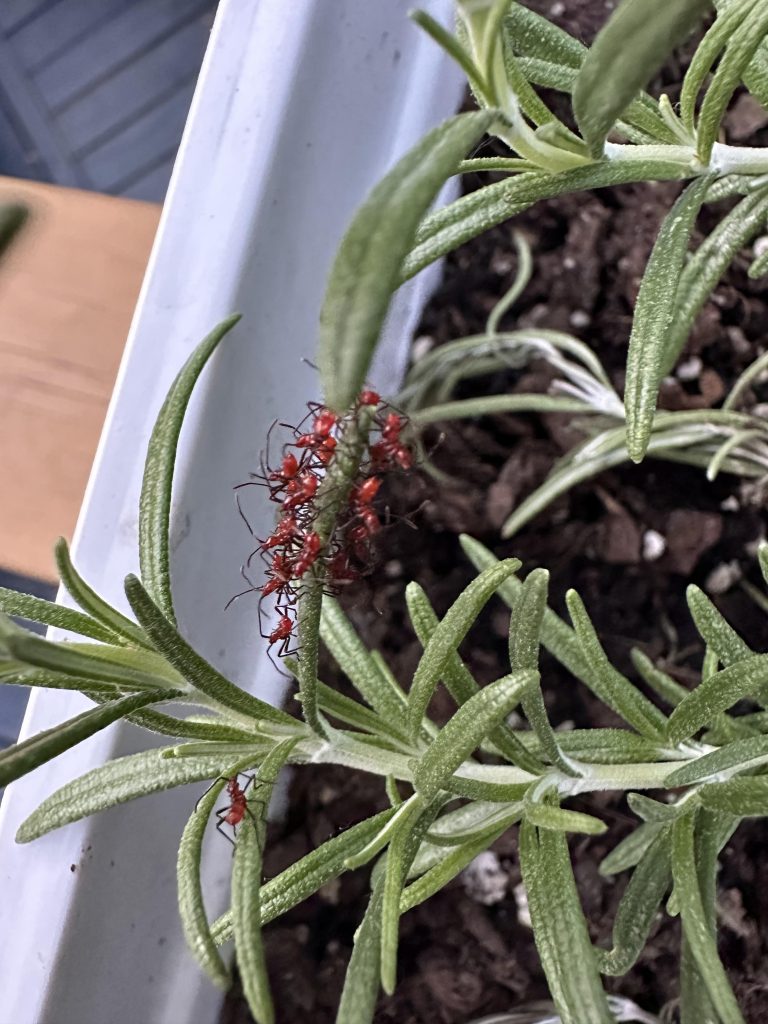
A strong blast of water knocks most of them off. For a bigger problem, insecticidal soap works well and won’t harm the plant.
How to Propagate Creeping Rosemary From Cuttings
Growing creeping rosemary from seed is slow and unreliable. Cuttings are faster, and you know exactly what you’re getting. Here’s how to do it.
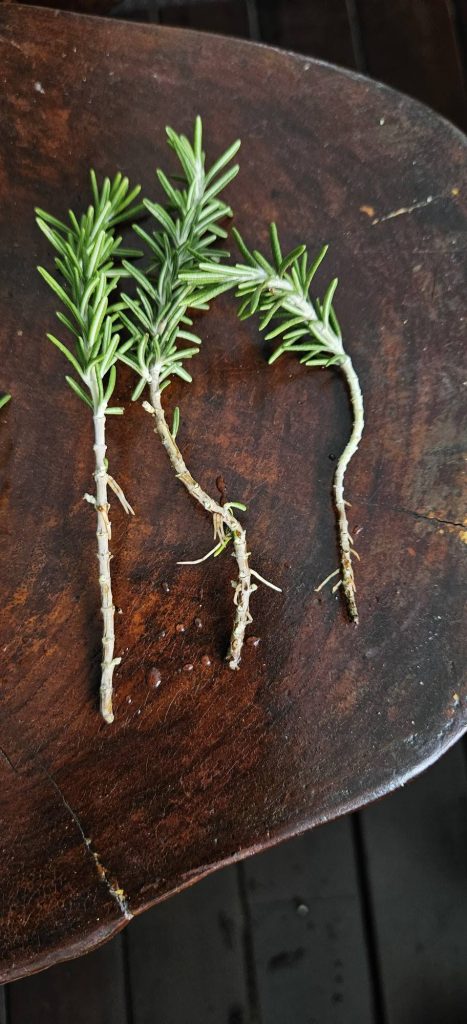
Snip a 3 to 4 inch piece from a healthy, non-flowering stem. Strip the leaves off the bottom half, leaving just a few at the top.
Dip the cut end in rooting hormone, then tuck it into a small pot of moist, well-draining potting mix.
Place the pot somewhere warm with bright, indirect light. Keep the soil lightly moist, but don’t drown it.
Check for roots after about three weeks by giving the cutting a gentle tug. If you feel resistance, roots have formed.
Once the roots are established, move your new plant to a slightly bigger pot. Let it grow on for a few more weeks before planting it outside.
Frequently Asked Questions
Can you eat creeping rosemary?
Yes. The leaves taste just like regular rosemary, only a bit milder. Chop it finely and use it the same way you’d use any culinary rosemary.
Does creeping rosemary spread by rooting as it grows?
Not usually. It spreads outward from the base rather than putting down new roots along the stems. This makes it easy to keep contained if you don’t want it wandering too far.
Is trailing rosemary the same as creeping rosemary?
Yes, they’re the same plant. Trailing, creeping, and prostrate rosemary all describe the same low-growing form.
How fast does creeping rosemary fill in?
Expect it to take two to three years to fully cover an area, depending on your spacing and growing conditions. Warmer climates and closer spacing speed things up.
Why is my creeping rosemary dying?
Overwatering is the most common cause by far. Check your soil drainage first, then rule out extreme cold or a pest infestation if drainage looks fine.
Wrapping Up
Creeping rosemary rewards you for leaving it alone.
Give it sun, good drainage, and a little patience, and it’ll fill in that tricky spot better than almost anything else you could plant. Once it’s established, you’ll wonder why you didn’t plant it sooner.