12 Winter Perennial Flowers That Prove Your Garden Doesn’t Have to Go Dormant

A bare winter garden feels lonely. But your beds don’t have to sit empty until spring. Several perennials actually bloom in the cold, some even push through snow.
These tough little plants bring color back to your yard months before anything else wakes up.
Below, you’ll find 12 winter perennial flowers worth planting, plus tips on timing, hardiness, and care.
Why Winter Perennials Matter
These flowers do more than brighten a gray yard. Many bloom from November through March, so you get color in waves instead of one short burst.
That timing matters for pollinators too. Bees that wake up early on mild winter days need nectar, and these plants are often the only food source around.
Zones matter here more than usual. A flower that blooms in December in a mild climate might wait until March somewhere colder.
Check your zone before you plant, and don’t be surprised if bloom times shift a few weeks either way.
Winter Perennial Flowers: 12 Picks for Color From November to March
1. Hellebore
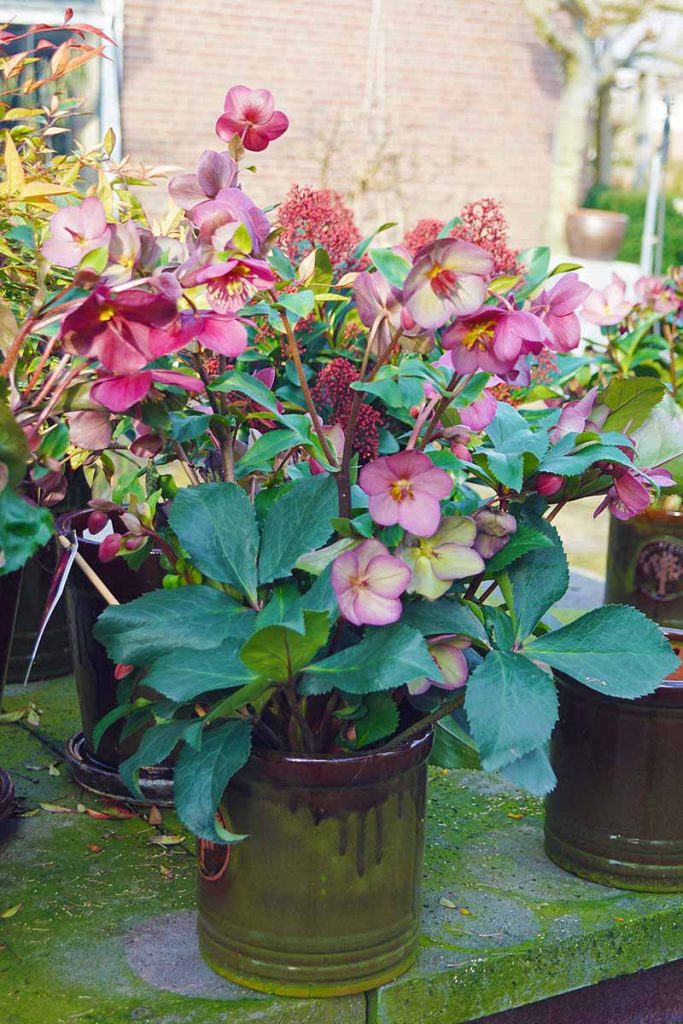
Hellebore (Helleborus) is the star of the winter garden. It’s often called the Christmas rose or Lenten rose, depending on when it opens.
The flowers hang in nodding clusters, in shades of white, pink, purple, and deep plum.
Even before blooming, the leathery, deer-resistant leaves stay green through the cold. That makes hellebore useful for structure, not just color.
It thrives in partial to full shade with rich, well-drained soil. Once it’s settled in, it self-sows and slowly spreads into a natural groundcover.
Bloom time: Early winter to early spring, depending on variety and climate.
Zones: 4-9.
2. Snowdrops
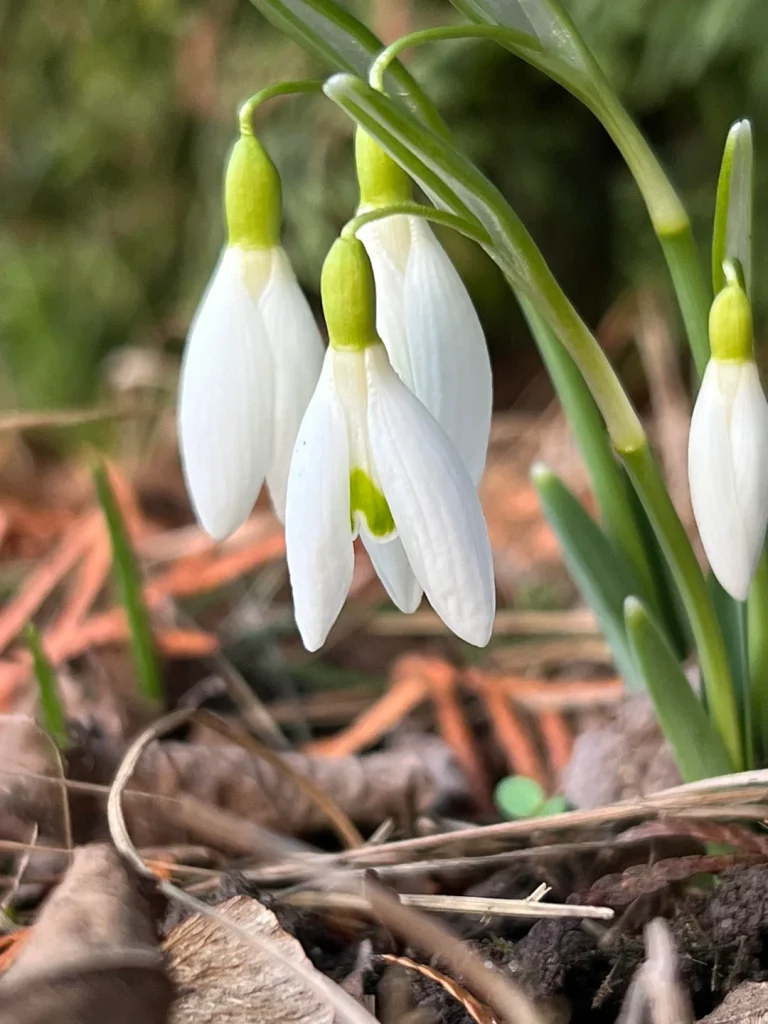
Snowdrops (Galanthus) are the flower most people picture when they think of winter blooms. Their white, bell-shaped petals often push straight through snow.
Each stem holds a single delicate flower. Look closely and you’ll notice the outer three petals are pure white, while the inner three carry a touch of green.
They look best planted in drifts under trees or along a shaded path.
Plant the bulbs in fall. Give them moist, well-drained soil and a spot with partial shade to full sun.
Bloom time: January through March.
Zones: 3-8.
3. Winter Aconite
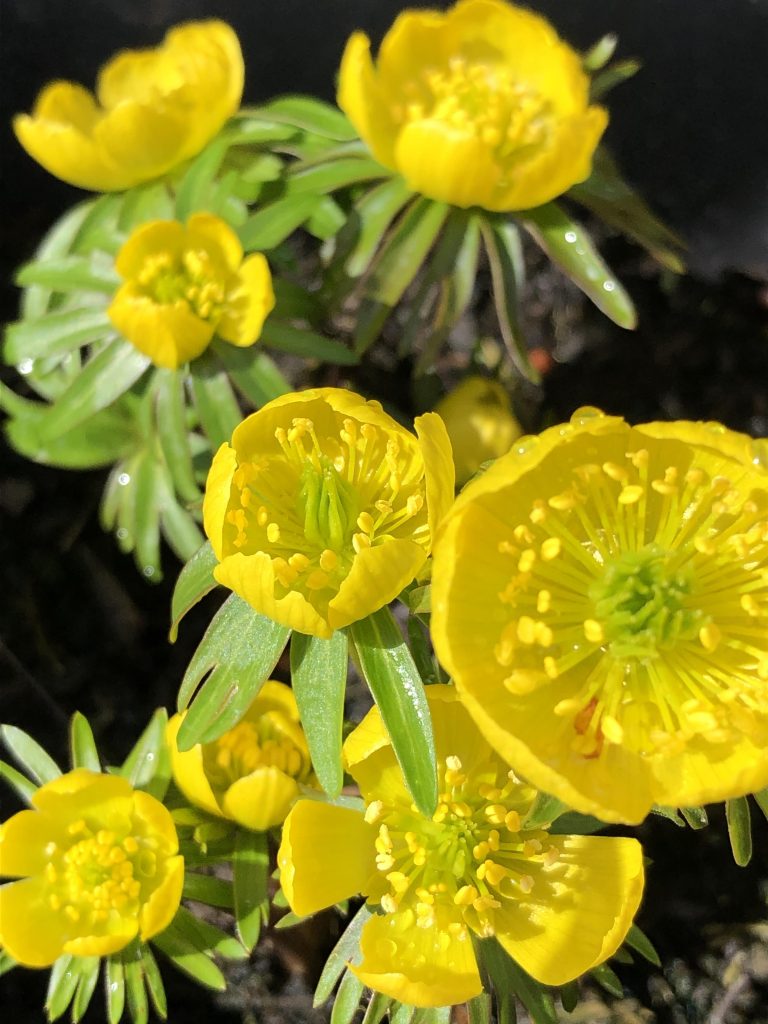
Winter aconite (Eranthis hyemalis) is a small but cheerful plant. Its bright yellow, buttercup-like flowers open low to the ground, often before the leaves even appear.
This little tuber belongs to the buttercup family, and it shows. The blooms have that same glossy, sunny look, just on a smaller scale.
Plant it under trees, in a rock garden, or massed along a border edge for a carpet of yellow.
Plant the tubers in late summer or early fall. Give them consistently moist soil and partial shade to full sun.
Bloom time: Late winter.
Zones: 3-7.
4. Algerian Iris
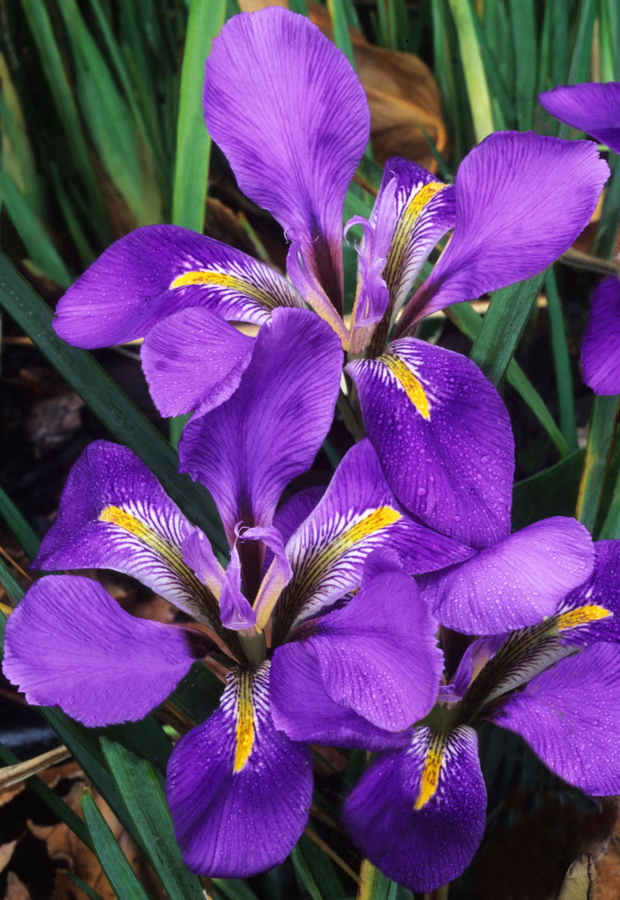
Algerian iris (Iris unguicularis) is one of the longest-blooming perennials on this list.
It can flower from late November all the way to March, slowing down only during the harshest cold snaps.
The blooms are softly scented and come in lavender, deep purple, or white. Each flower has drooping petals, called falls, often marked with yellow or white streaks.
Plant several together for the best show and the strongest scent.
This iris wants moist, well-drained soil and a spot with partial shade to full sun.
Bloom time: Late November through March.
Zones: 7-9.
5. Hardy Cyclamen
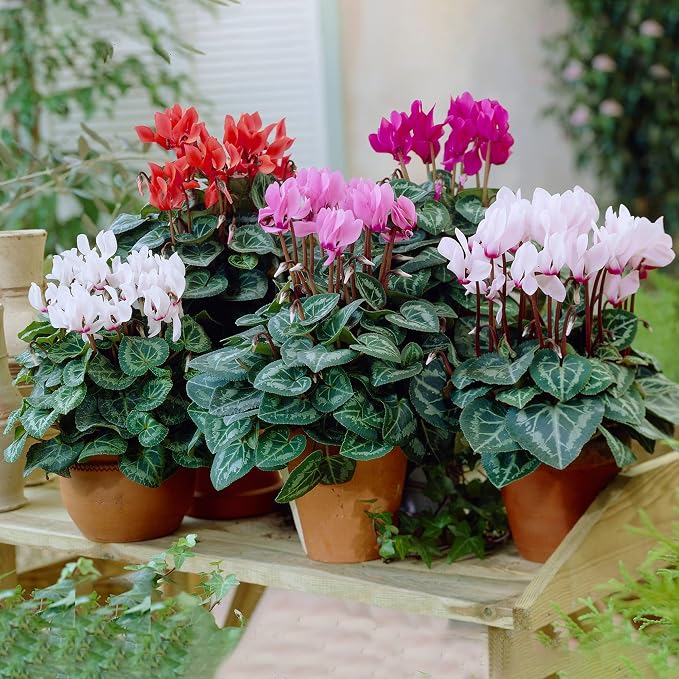
Hardy cyclamen (Cyclamen coum) spends summer dormant underground, then wakes up in fall with rounded, silver-marked leaves. The flowers follow soon after.
Each bloom is small but striking. Five twisted petals in pink or white rise above the foliage on a thin stalk, giving the plant a delicate, almost windswept look.
It’s a great choice for underplanting shrubs or tucking into a shaded rock garden.
Give it partial to full shade and well-drained soil.
Bloom time: As early as December, peaking in February and March.
Zones: 5-9.
6. Winter-Flowering Crocus
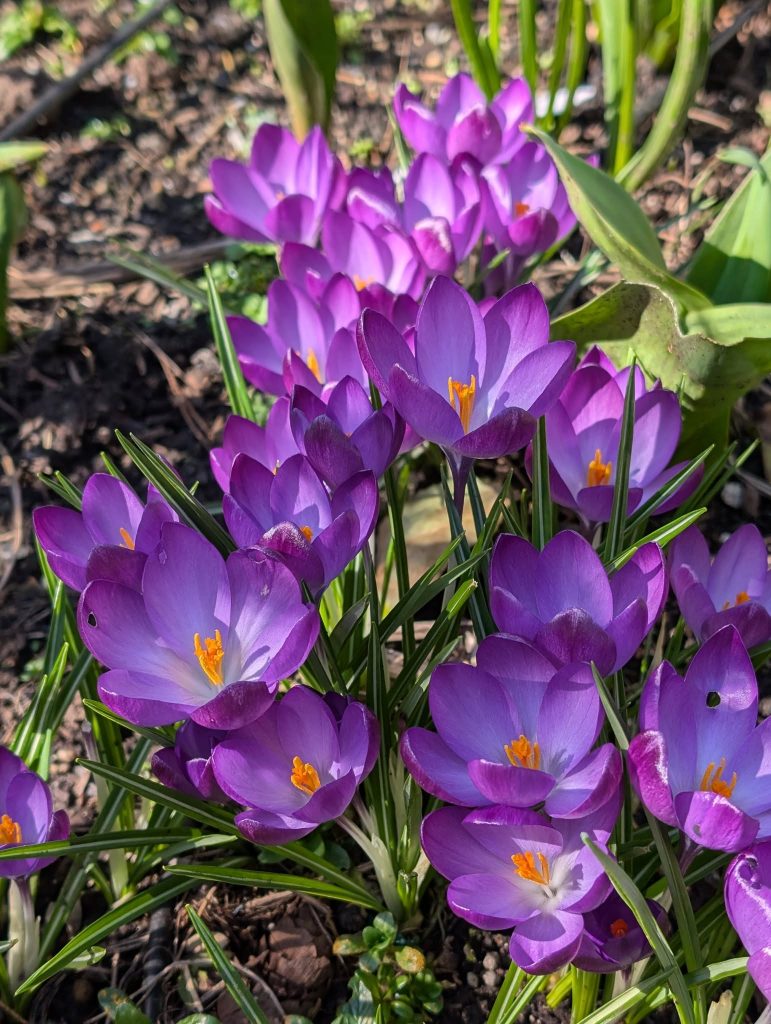
Winter crocus blooms earlier than the crocuses most people know. Varieties like Crocus sieberi and Crocus chrysanthus often open in January, well ahead of the classic spring types.
The flowers are small, cup-shaped, and come in purple, white, and buttery yellow, sometimes flamed with contrasting streaks.
They multiply readily and return stronger each year, especially in a sunny spot near a wall or under a deciduous tree.
Plant the corms in fall. They want full sun and well-drained soil.
Bloom time: January through February.
Zones: 3-8.
7. English Primrose
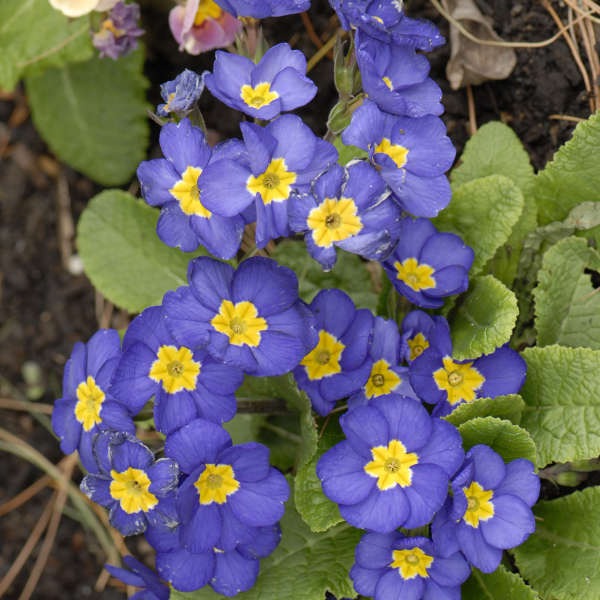
English primrose (Primula vulgaris) brings some of the earliest color to shaded corners of the garden.
In mild climates, it can start blooming as early as March, though the flat-faced flowers often show up while the weather is still cold and gray.
The blooms come in yellow, pink, and red, and some varieties offer fuller, double-petaled forms.
The foliage stays low and tidy, forming rosettes that look neat even before the flowers appear.
Give it partial to full shade and moist, loamy soil.
Bloom time: Late winter into early spring.
Zones: 4-8.
8. Pansies & Violas
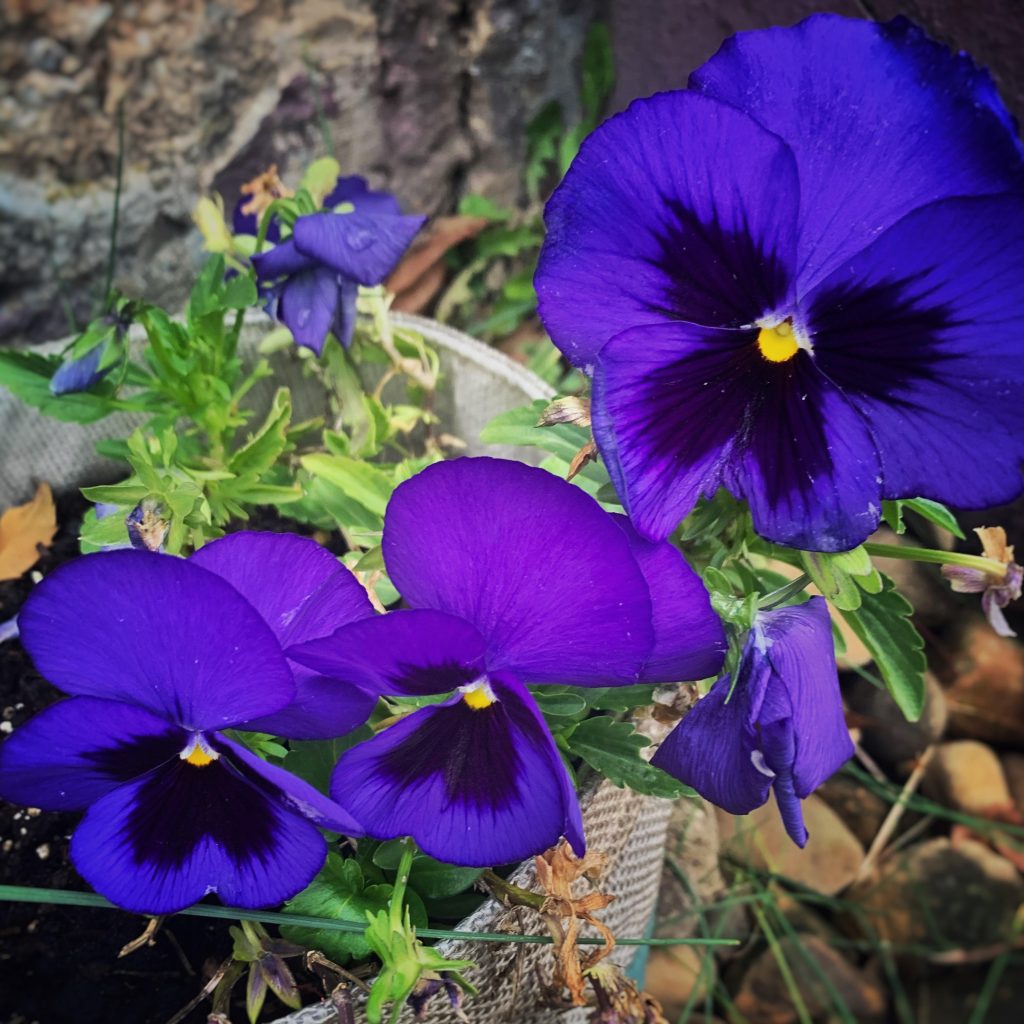
Pansies and violas are technically perennials, even though most gardeners treat them like annuals.
Their signature blooms look almost like little faces, and they come in nearly every color you can imagine.
Plant them in fall for weeks of color before a pause during the coldest stretch. Once temperatures climb again, even slightly, they pick right back up.
In milder climates, they can bloom straight through winter without stopping at all.
They do best in partial shade to full sun, in well-drained soil.
Bloom time: Fall through spring, with a possible winter lull in colder zones.
Zones: 3-9.
9. Lungwort
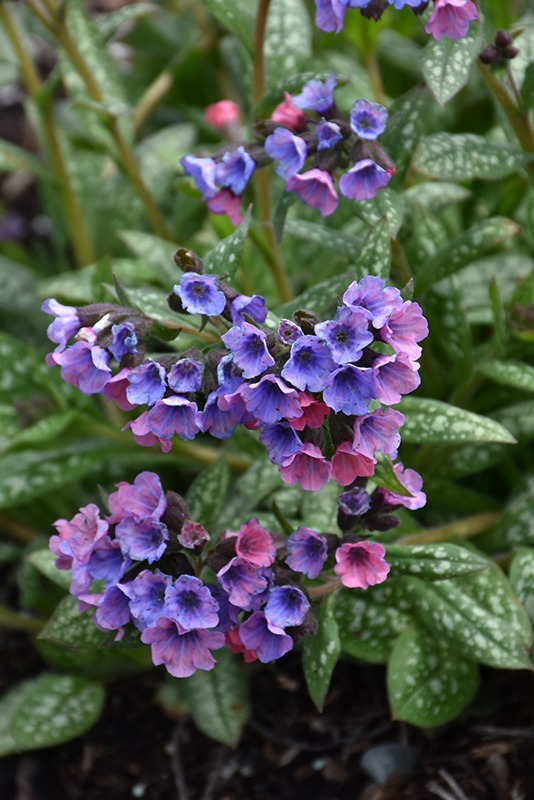
Lungwort (Pulmonaria) is one of the lesser-known picks on this list, but it earns its spot.
Its silver-spotted leaves already stand out in a shade garden, and the flowers add another layer of interest.
The blooms open pink, then shift to violet and blue as they age. It’s common to see all three colors on the same plant at once.
Lungwort spreads slowly and pairs beautifully with hellebores, hostas, and ferns.
Plant it in partial to full shade, in soil that stays moist but well-drained.
Bloom time: Late winter into early spring.
Zones: 3-8.
10. Bergenia
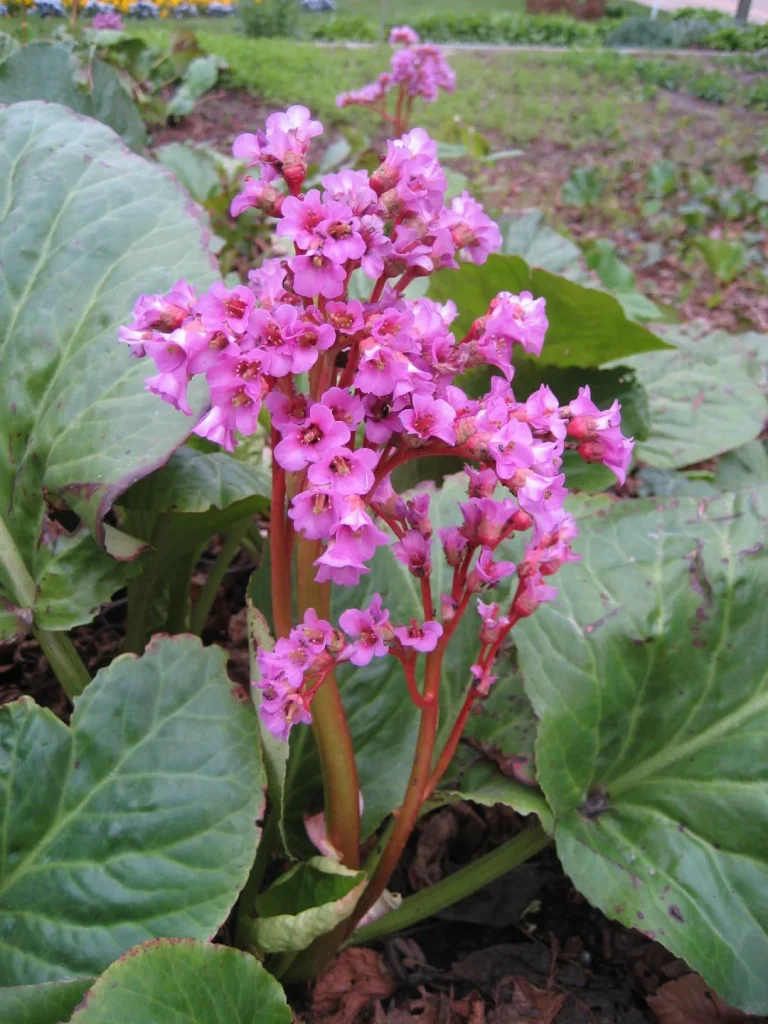
Bergenia, often called pigsqueak, is a plant you’ll remember once you learn its nickname. Rub a leaf between your fingers, and it really does make a squeaking sound.
The real draw is the foliage. Large, glossy, leathery leaves turn deep bronze or burgundy in cold weather, giving the garden color even before the flowers show up.
Clusters of pink, red, or white blooms rise on sturdy stalks, usually in late winter in milder climates.
It tolerates sun to shade, and once established, it needs very little care.
Bloom time: Late winter to early spring, sometimes earlier in warm zones.
Zones: 3-9.
11. Winter-Flowering Clematis
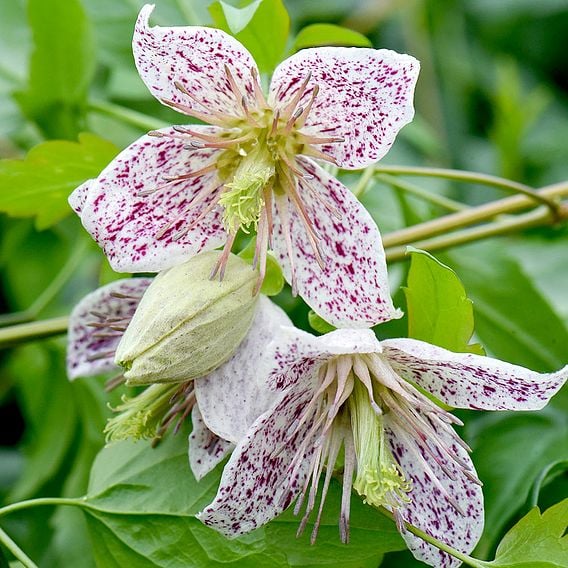
Winter-flowering clematis (Clematis cirrhosa) proves that vines can pull their weight in the cold season too.
Unlike its summer-blooming cousins, this one flowers when almost nothing else on a trellis is doing anything at all.
The bell-shaped flowers come in creamy white, sometimes freckled with red or maroon spots.
Its dark, fern-like foliage stays attractive through winter, then the vine can drop some leaves in late summer before flushing back out.
Grow it against a south-facing wall or fence, where it gets extra warmth and shelter.
It needs full sun and well-drained soil, plus something sturdy to climb.
Bloom time: November through winter.
Zones: 7-9.
12. Christmas Box
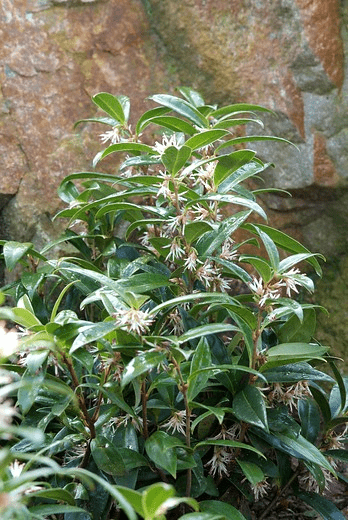
Christmas box (Sarcococca) is a small shrub with an outsized reputation. Its scent is sweet and strong, powerful enough that one plant near a doorway can perfume the whole entryway.
The flowers themselves are easy to miss. They’re tiny, mostly just clusters of white stamens tucked among shiny, dark green leaves.
What you’ll notice first is the fragrance, then the shine of the evergreen foliage, then the small black berries that follow. It’s a perfect pick for tight spaces or containers by a front door.
Plant it in partial to full shade, in moist, well-drained soil.
Bloom time: January.
Zones: 6-9.
FAQ’s
Will these flowers survive if snow covers them?
Yes. Most of these plants are built for it. Snowdrops and winter aconite often push right through a light snow cover without any damage.
Can I grow winter perennials in pots?
Many of them do well in containers, especially hellebore, cyclamen, and primrose.
Just make sure the pot has good drainage, since soggy roots in cold weather cause more damage than the cold itself.
Do I need to protect these plants from frost?
Most listed here are frost-hardy once established. New plantings benefit from a light layer of mulch their first winter, but established plants usually don’t need extra protection.
Can I mix several of these together in one bed?
Definitely. Staggering bloom times means you’ll get color from November through March instead of one short burst. Try pairing early bloomers like winter aconite with later ones like Algerian iris for continuous interest.
Why aren’t my winter perennials blooming yet?
Bloom time shifts with your zone and the winter’s severity. A cold snap can delay flowering by a few weeks, so don’t worry if your plants are running a little behind.
Final Thoughts
Winter doesn’t have to mean an empty garden.
With a few of these perennials tucked into shaded corners or sunny walls, you’ll have something blooming nearly every month of the cold season.
Start with two or three picks that fit your zone, then build from there next year.