15 Shade-Loving Perennial Flowers for Fall

Fall doesn’t mean your shady spots have to go quiet.
I’ve spent years tucking perennials into the dim corners of my own yard, and autumn keeps surprising me with color I never expected.
Bees and butterflies need late blooms just as much as we love seeing them.
These 15 shade-loving perennials flower right through fall, plus what makes each one worth planting.
15 Low-light Perennial Flower Plants for Autumn
1. Actaea (Fairy Candles)
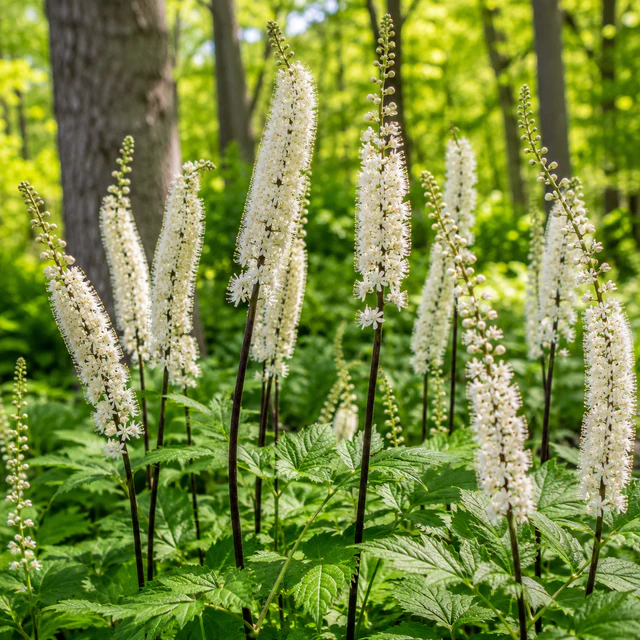
Ever seen a flower that looks like a candelabra? That’s Actaea for you. Tall, bottlebrush blooms rise on thin, wiry stems, and they sway a little in the breeze.
I love how dramatic that movement looks against dark foliage. Some varieties even come in chocolate or maroon leaf tones, and that contrast makes the pale flowers glow.
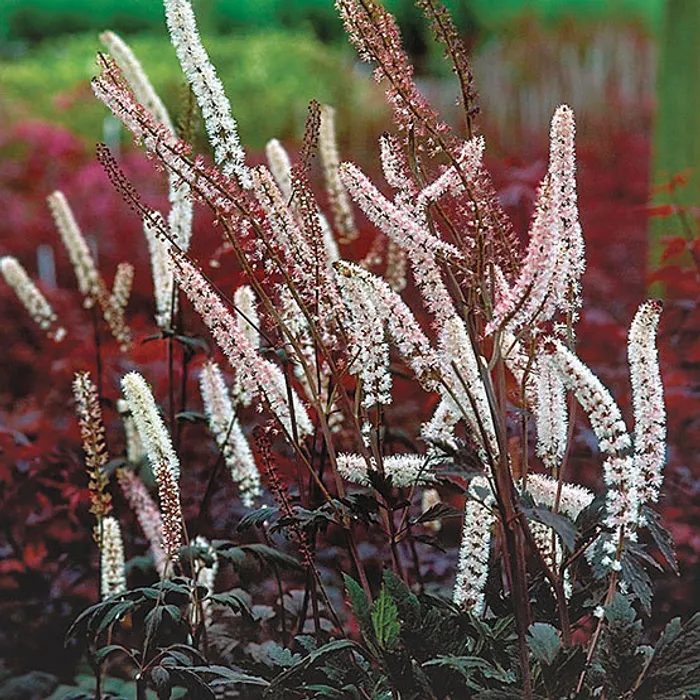
Give this plant some elbow room. Once it blooms, the flower spikes lean and stretch outward, so crowding it makes for a messy look.
Plant Overview
- Zones: 4 to 8
- Size: 3 to 6 feet tall (up to 8 feet tall with flowers) by 2 to 3 feet wide
- Growing conditions: Partial to full shade; rich, well-draining soil
Also read: 15 Best Fall Container Plants for Shade
2. Blue Mistflower
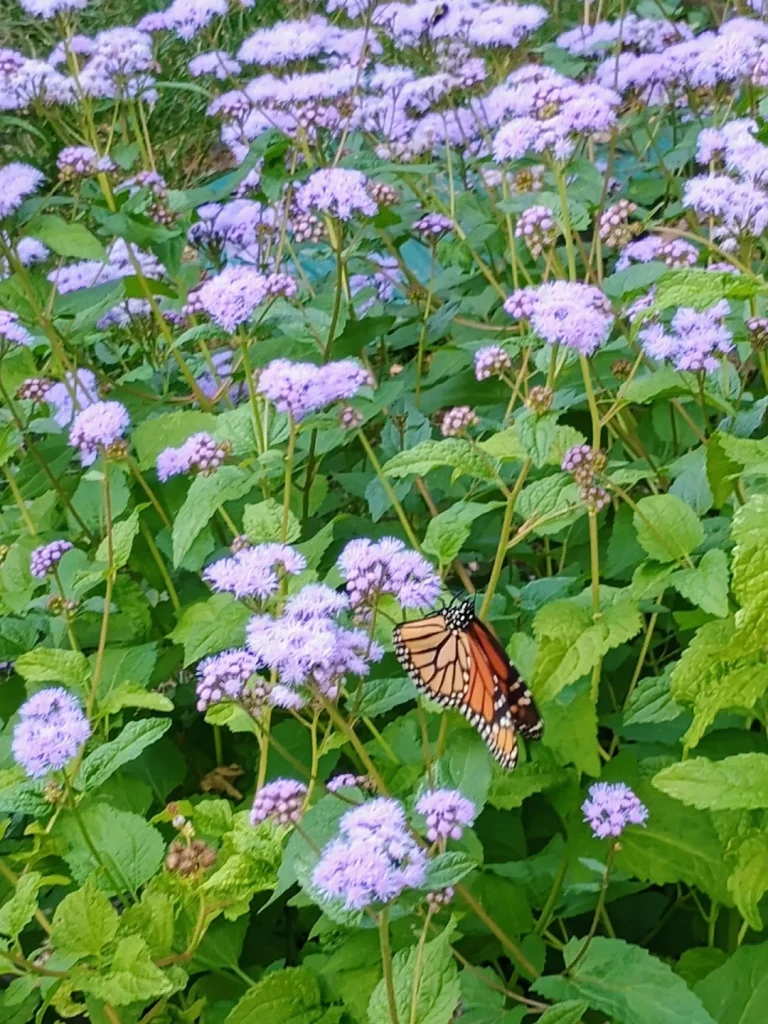
You’ll spot this one from across the yard. Soft purple-blue flowers cluster together, and they bloom from late summer straight into fall.
Pollinators adore it, especially the native bees and butterflies that recognize it as an old friend.
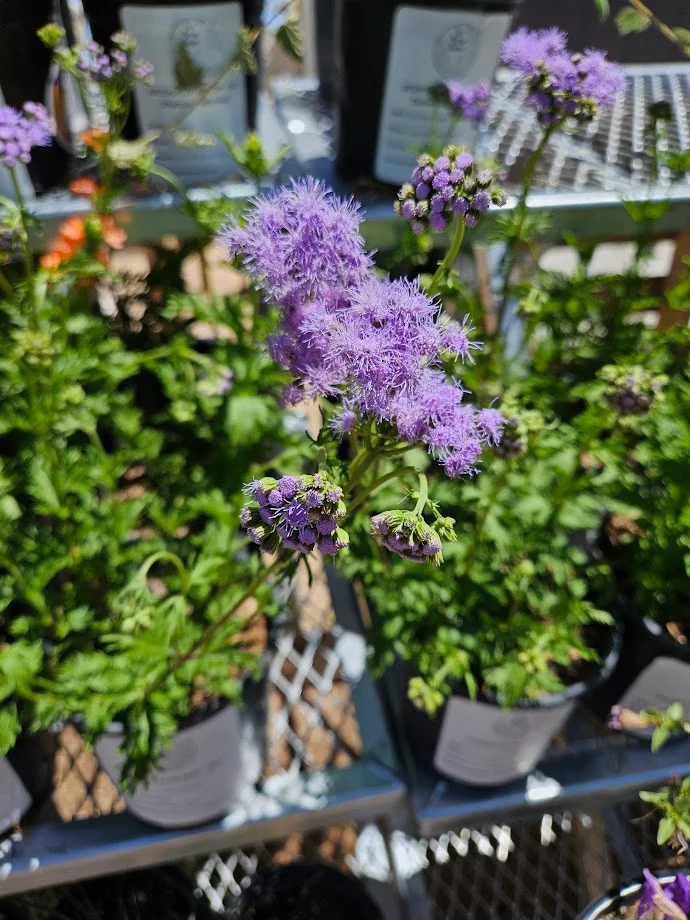
I like pairing it with darker foliage nearby, since that contrast makes the blue really sing.
Plant Overview
- Zones: 5 to 10
- Size: 1½ to 3 feet tall by 1½ to 3 feet wide
- Growing conditions: Full sun to part shade; medium to wet, well-draining soil
Also read: 15 Stunning Fall Flower Ideas to Color Your Autumn Garden
3. Bottle Gentian
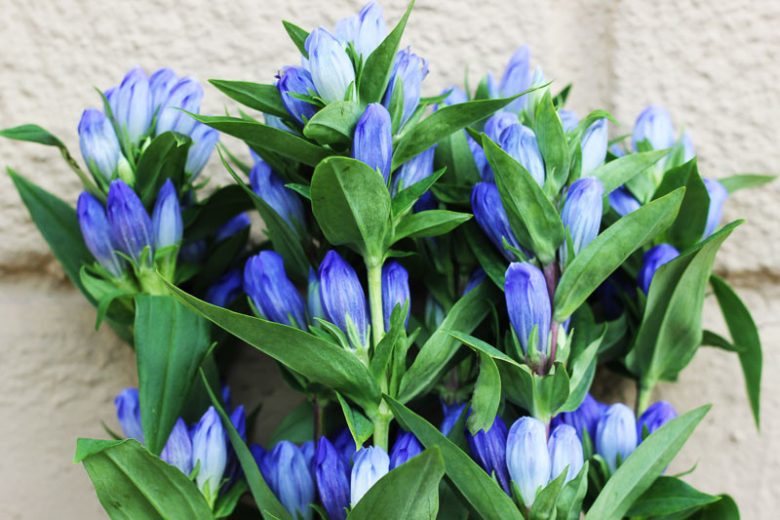
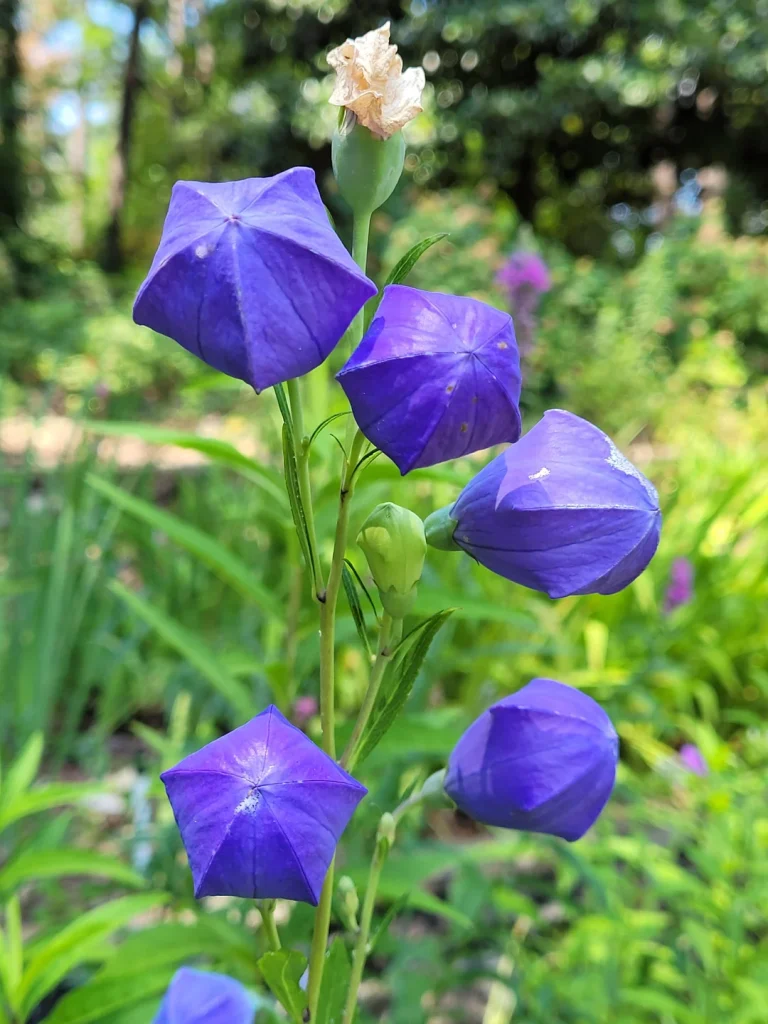
Here’s a flower that plays hard to get. Its blue, bottle-shaped blooms never actually open all the way.
Only bumblebees are strong enough to force their way inside, so watching them work is oddly satisfying.
This native plant thrives in shaded, moist ground, and it keeps blooming from late summer through fall.
Plant Overview
- Zones: 3 to 7
- Size: 1 to 2 feet tall by 1 to 1½ feet wide
- Growing conditions: Partial sun; any moist to wet soil
Also read: 15 Stunning Fall Blooming Perennials for Your Flower Garden
4. Coral Bells ‘Autumn Bride’
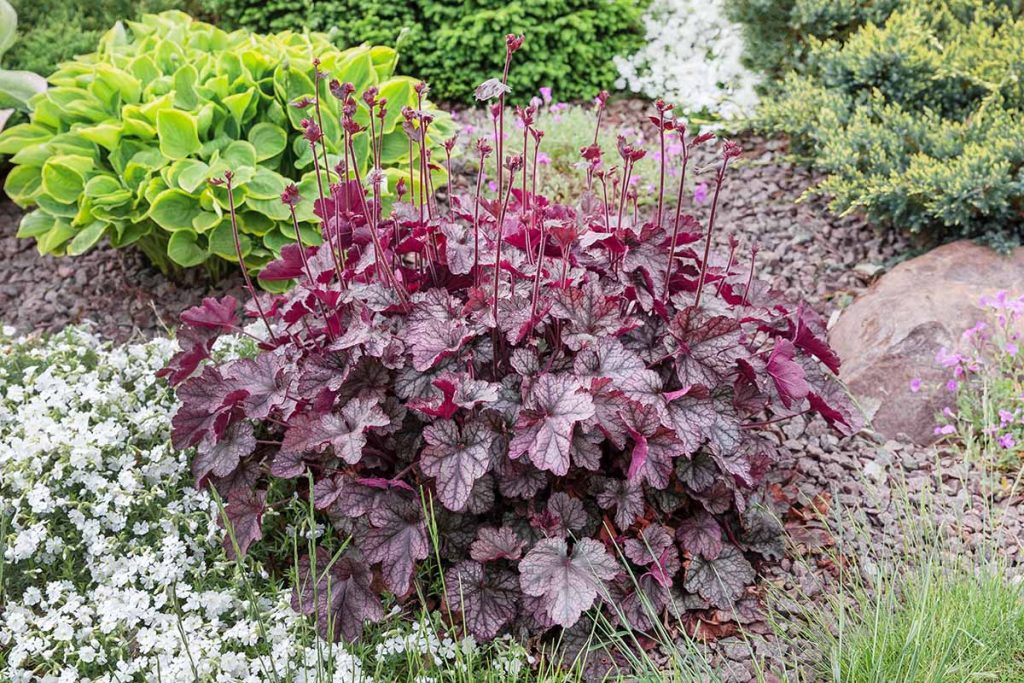
Picture drifts of white flowers floating above velvety green leaves. That’s what this coral bell variety gives you, and it keeps giving from midsummer into fall.
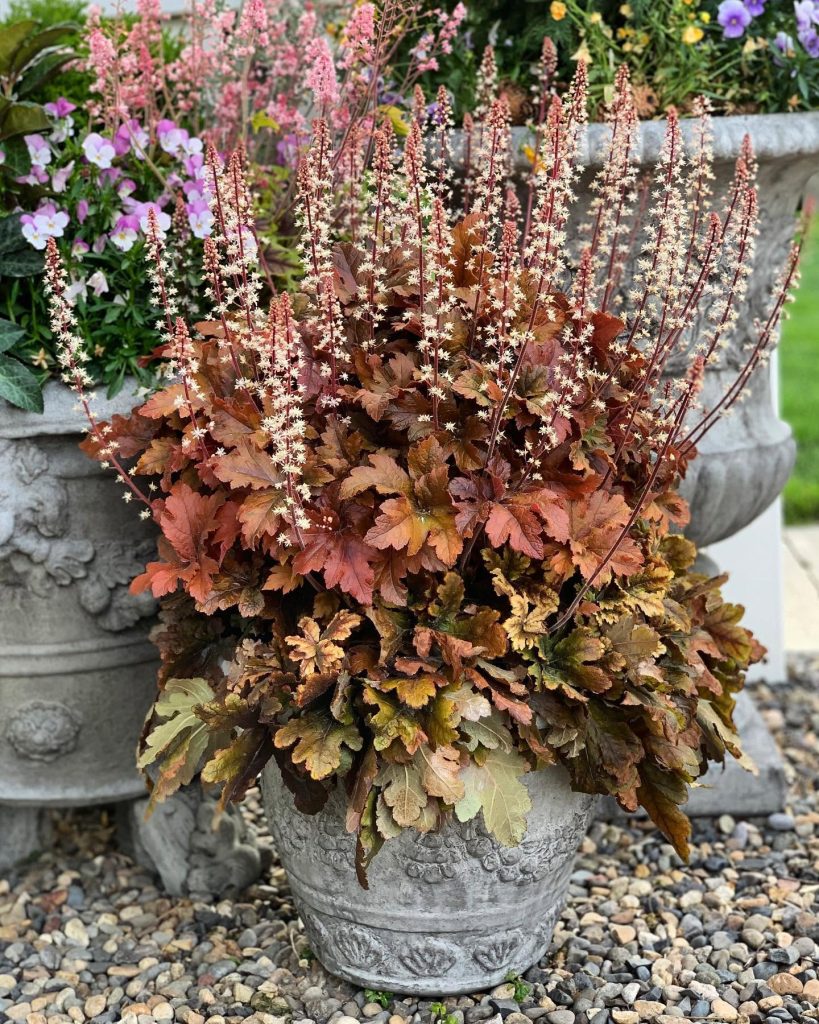
Heat doesn’t faze it. Humidity doesn’t either. Drought tolerance makes it even more forgiving, so it’s a great pick if you tend to forget watering days.
Plant Overview
- Zones: 3 to 8
- Size: 1½ to 3 feet tall by 1½ to 2 feet wide
- Growing conditions: Part shade to full shade; well-draining soil (add winter mulch in cold regions)
5. Goldenrod (Zigzag)
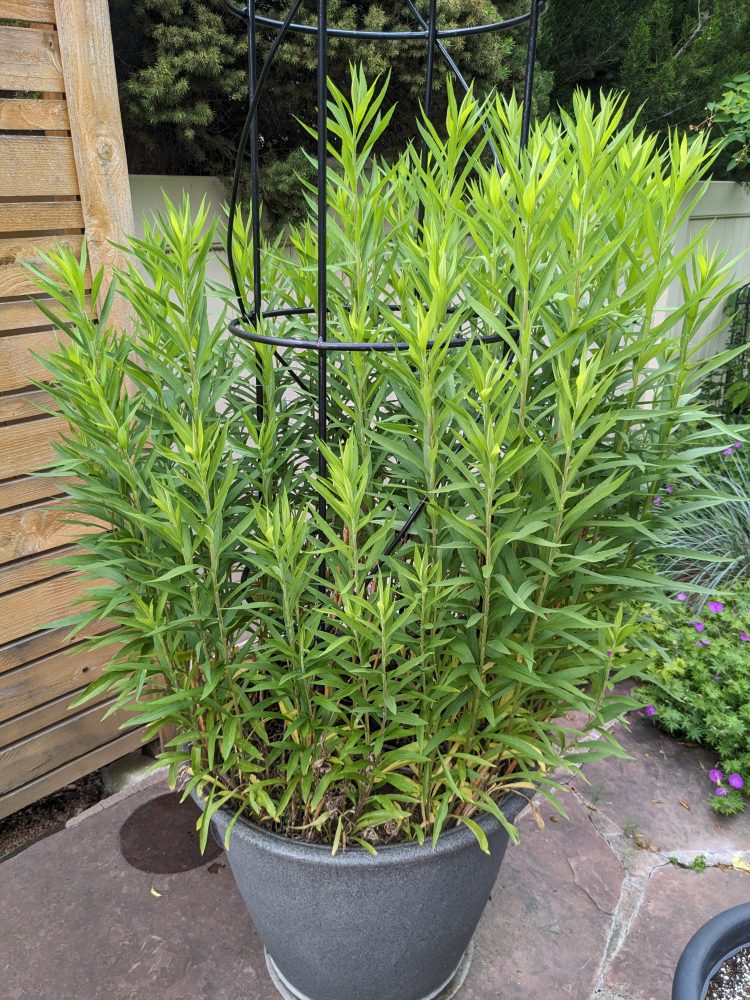
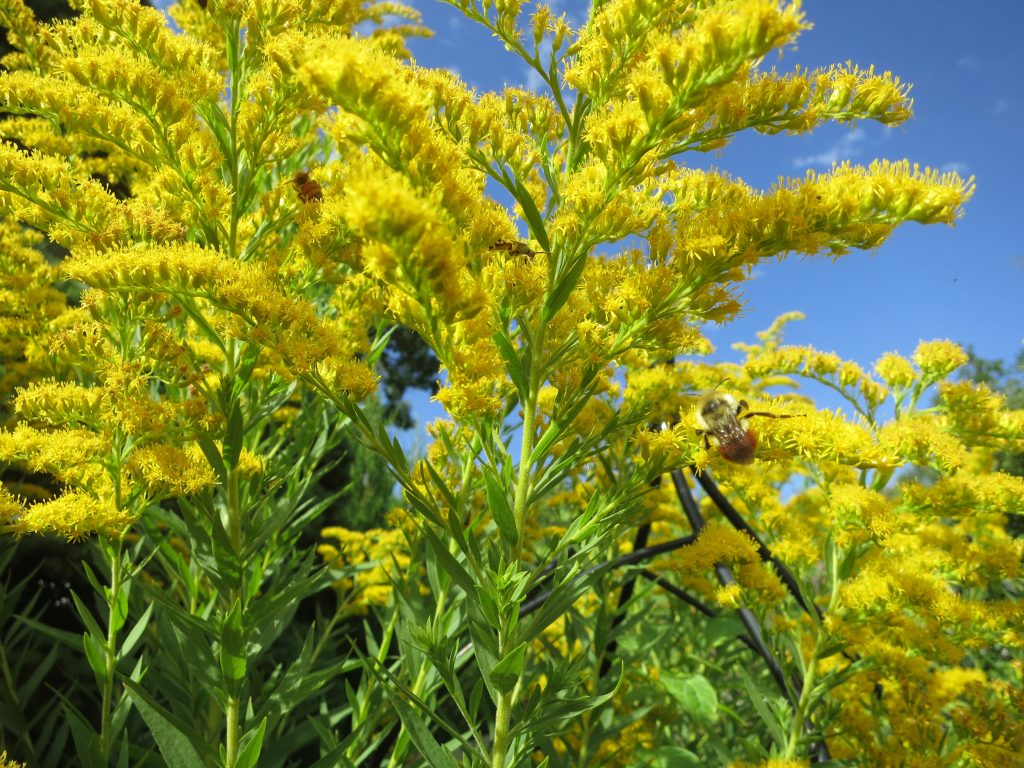
Don’t let the name fool you. This goldenrod handles heavy shade just fine, and its bright yellow flowers keep coming from summer clear through frost.
Stems sometimes zigzag as they grow, which gives the plant a quirky, unpredictable shape. Pollinators can’t resist it either, and it’s one of the latest-blooming goldenrods you’ll find.
Plant Overview
- Zones: 3 to 8
- Size: 1 to 3 feet tall by 1 to 3 feet wide
- Growing conditions: Sun, part shade, or shade; adapts to various soil types
6. Japanese Anemone
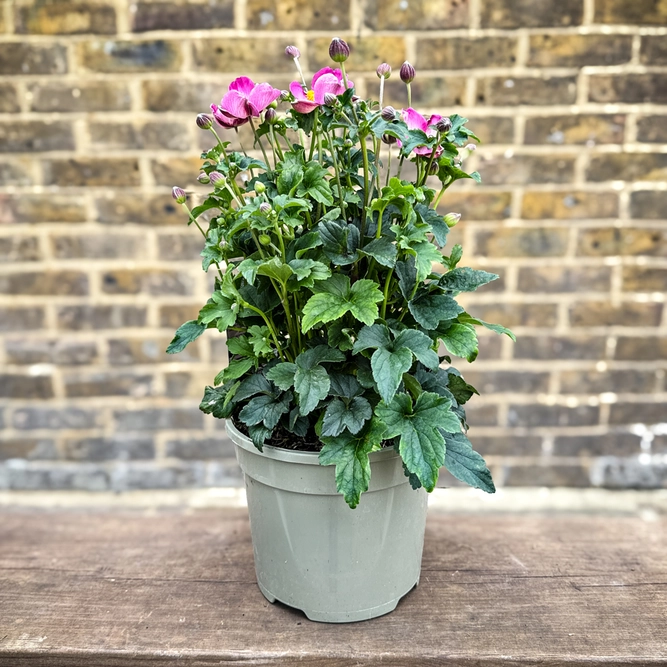
I always call this one the late-season showstopper. Poppy-like blooms open in purple, pink, or white, and they start showing up in late summer.
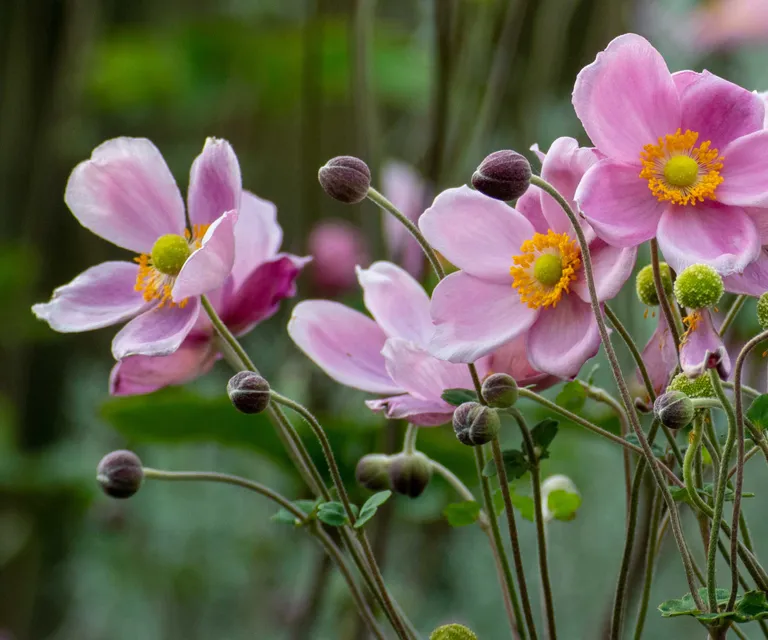
Frost is usually what finally stops them. Sharply cut foliage adds another layer of interest once the flowers fade, so the plant still earns its space in the garden.
Plant Overview
- Zones: 4 to 8
- Size: 1½ to 5 feet tall by 1 to 5 feet wide
- Growing conditions: Full sun to part shade; rich, well-draining soil (mulch in cold winters)
7. Japanese Shrub Mint (Golden Angel)
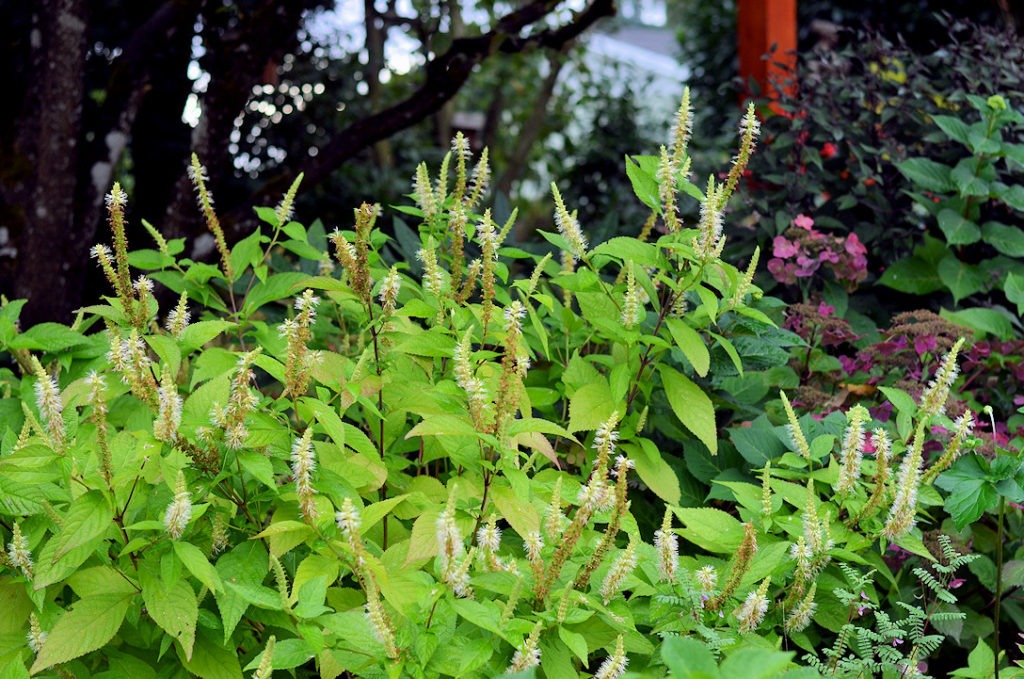
Gold foliage alone would be reason enough to plant this one. But then late summer rolls around, and fragrant yellow-white flower stalks show up too.
Talk about a bonus. This plant works hard for months, offering color from spring straight through fall, with those flowers arriving right at the end like a final gift.
It spreads a little over time, but slowly enough that you won’t regret adding it.
Plant Overview
- Zones: 5 to 8
- Size: 2 to 3 feet tall by 2 to 3 feet wide
- Growing conditions: Part shade to full shade; rich, well-draining soil
8. Japanese Toad Lily (Miyazaki)
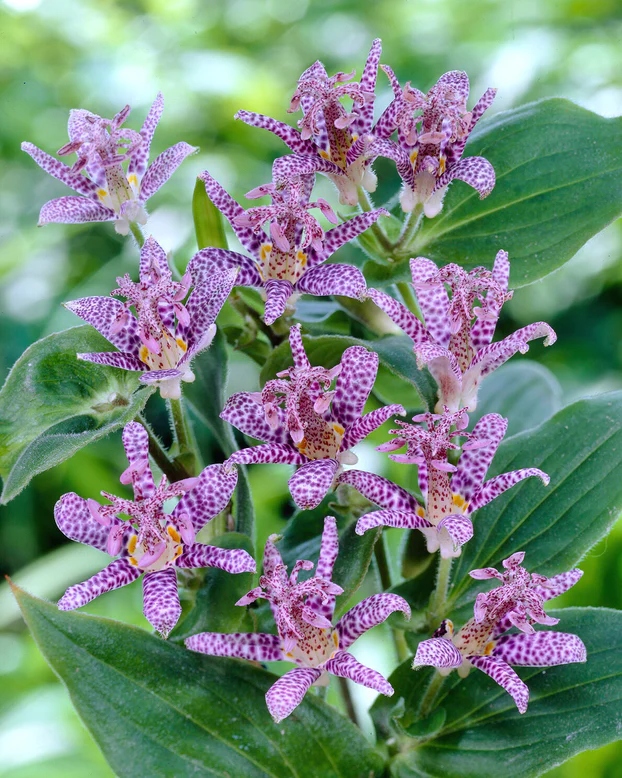
Take a close look at this flower and you’ll swear it’s exotic. Spotted blooms open in late summer and stretch into early fall, looking almost tropical against the shade.
Wet woodland spots suit it best. Just keep cats away, since this one happens to be toxic to them.
Plant Overview
- Zones: 4 to 8
- Size: 1½ to 2 feet tall by 1½ to 2 feet wide
- Growing conditions: Part shade to full shade; consistently moist, rich soil
9. Korean Angelica
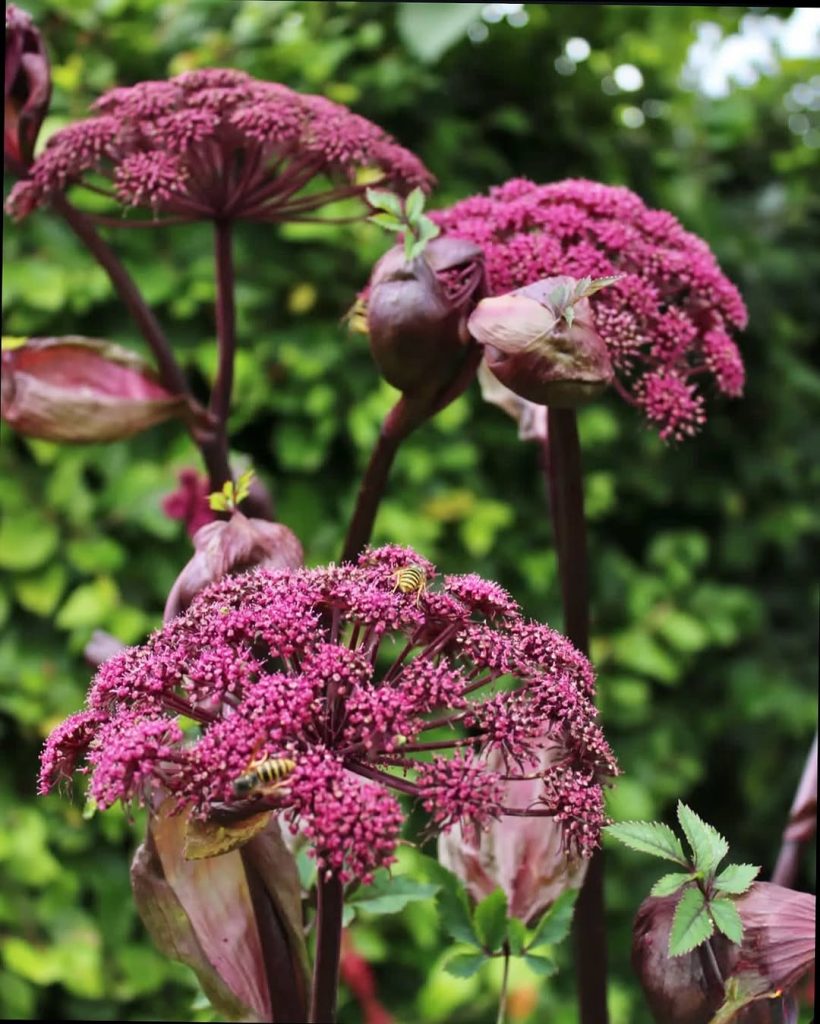
Height is the first thing you’ll notice about this plant. Reddish-purple flower clusters pop up from late summer into autumn, and they sit tall enough to anchor the back of any shaded bed.
Even after the blooms fade, the dried flower heads stick around, adding structure well into the season.
This one’s a biennial, but garden centers usually sell second-year plants. That means you get flowers right away instead of waiting a full year.
Plant Overview
- Zones: 5 to 9
- Size: 4 to 6 feet tall by 1½ to 2 feet wide
- Growing conditions: Full sun to partial shade; moist, well-draining soil
10. Monkshood (Arendsii)
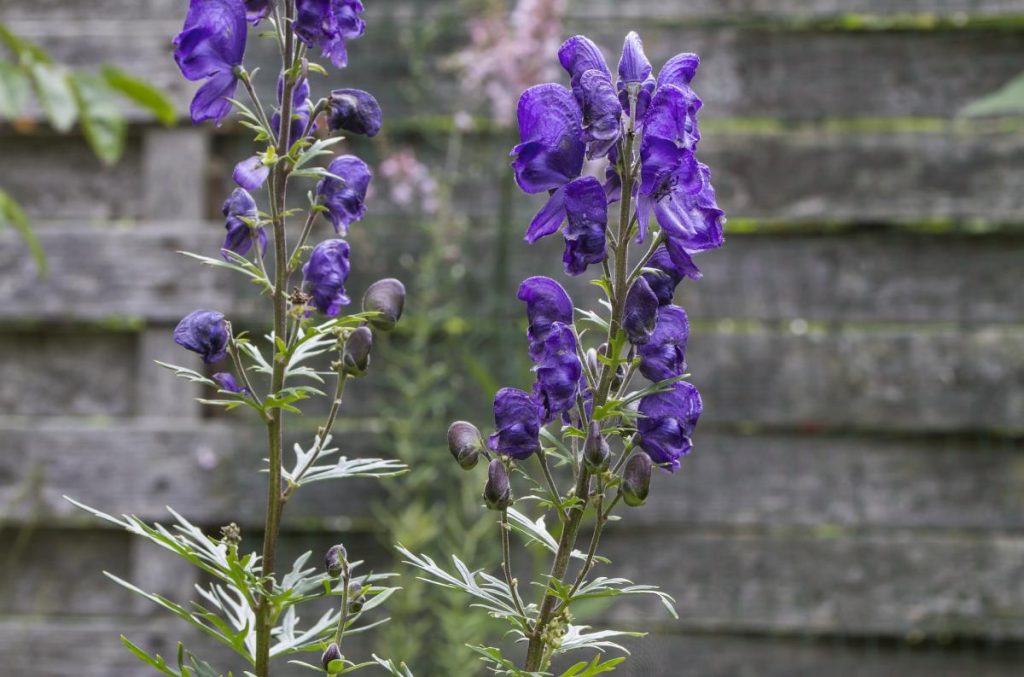
Long after everything else calls it quits, this one keeps blooming. Dense clusters of hooded flowers push through light frost after light frost, refusing to give up until a hard freeze finally wins.
Bumblebees, hawkmoths, and hummingbirds all show up for it too.
Just handle this plant with care. It’s poisonous to humans and animals if ingested, so keep that in mind if pets or kids wander through your garden.
Plant Overview
- Zones: 3 to 8
- Size: 2 to 5 feet tall by 1 to 2 feet wide
- Growing conditions: Full sun to partial shade; consistently moist, well-draining soil
11. Northern Maidenhair Fern
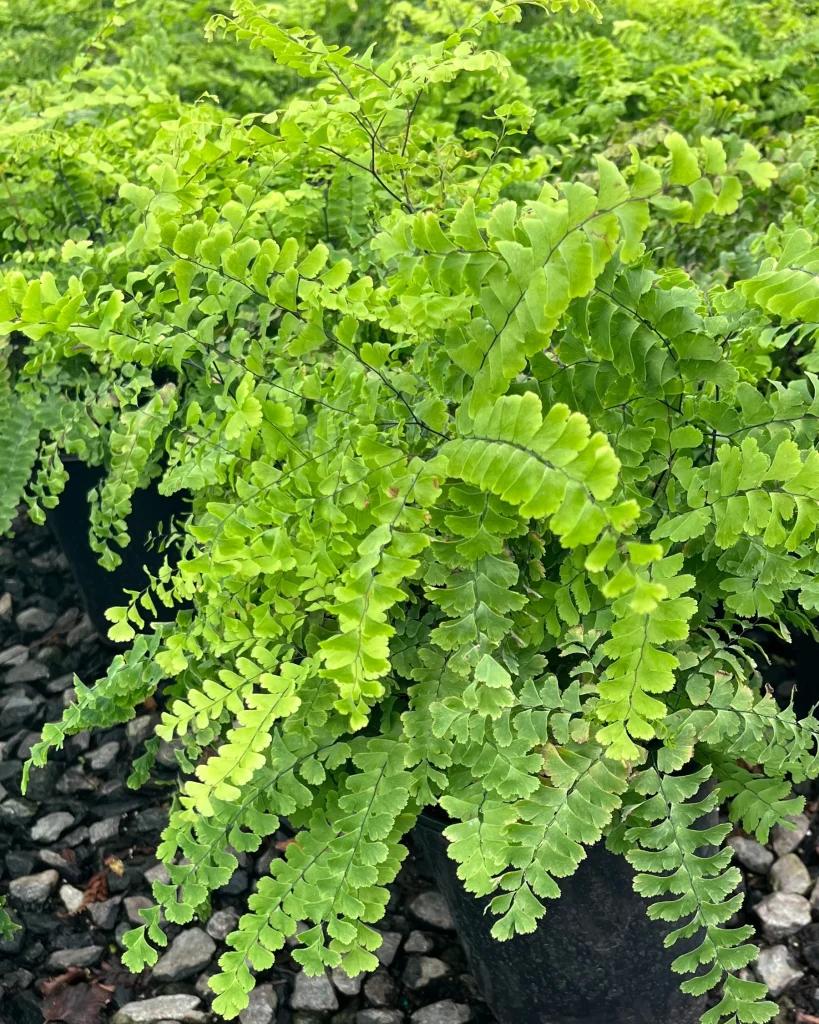
Not every plant on this list needs flowers to earn its spot. Delicate fronds fan out from a central stem, and that bright green color pops against fall blooms nearby.
Texture is really what this fern brings to the table. Rock gardens and woodland beds both benefit from that softness.
Plant Overview
- Zones: 3 to 8
- Size: 1 to 2½ feet tall by 1 to 2 feet wide
- Growing conditions: Part shade to full shade; moist, rich, well-draining soil
12. Short’s Aster
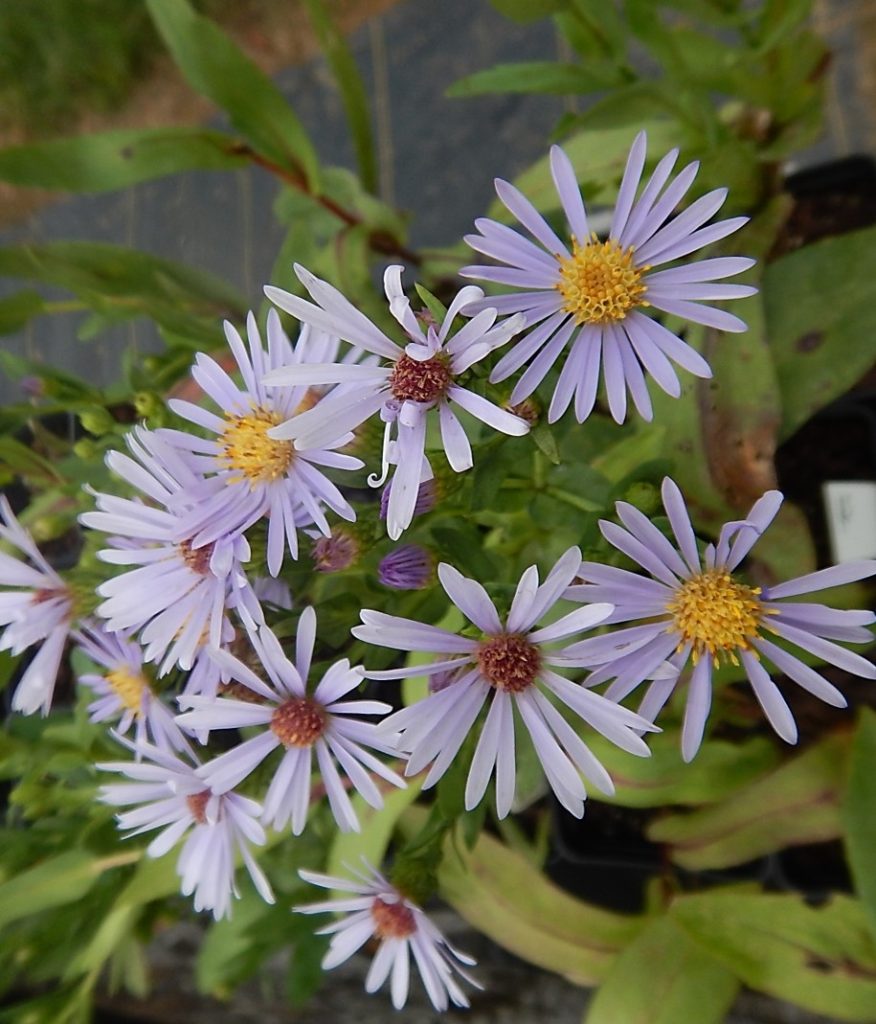
Small flowers, big impact. That’s the trick with this aster. Powder-blue blooms fill in shaded ground from late summer well into fall, and they reseed fast enough to spread on their own.
Birds love the seeds just as much as pollinators love the flowers. Here’s a fun detail: the yellow centers actually turn brick red after pollination happens.
Plant Overview
- Zones: 3 to 8
- Size: 1 to 4 feet tall by 1 to 2 feet wide
- Growing conditions: Partial sun to full shade; sandy loam to loam
13. Turtlehead
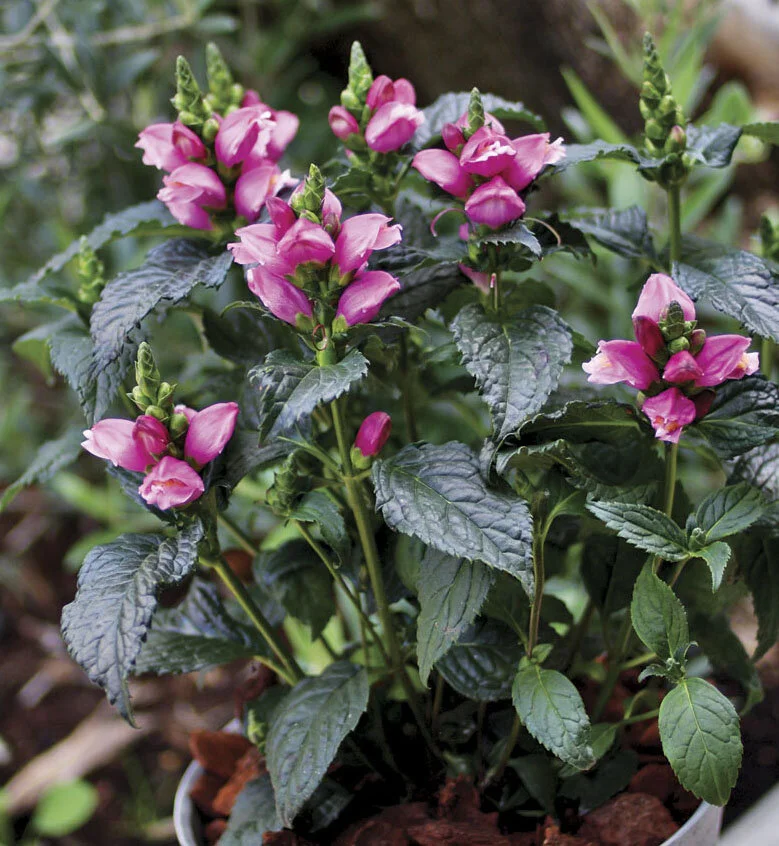
Look closely at these blooms and you’ll see exactly where the name comes from. Sturdy flowers shaped like little turtle heads show up for three to six weeks, stretching the color well into fall.
Pink is the surprise here, since most fall bloomers stick to purple, yellow, and orange.
Moist woods and swampy edges are its natural home. Bumblebees, butterflies, and hummingbirds all stop by for a late nectar boost before winter sets in.
Plant Overview
- Zones: 5 to 9
- Size: 2 to 3 feet tall by 1 to 2 feet wide
- Growing conditions: Full sun to part shade; rich, medium to wet soil (tolerates brief dry spells)
14. White Wood Aster
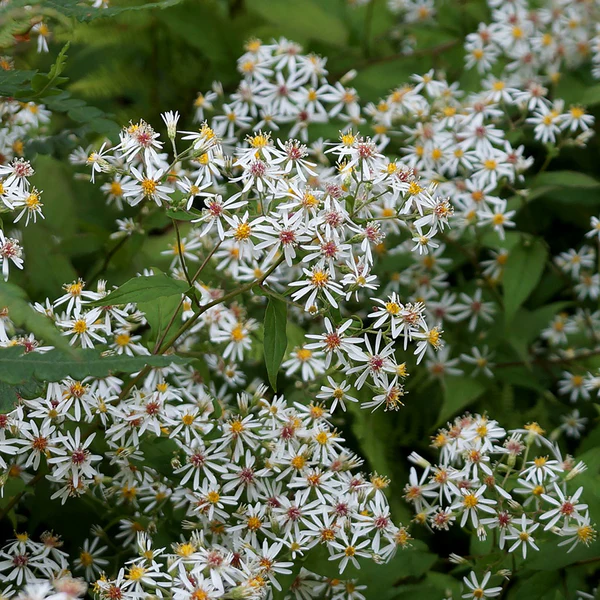
Mass planting is where this aster really shines. Starry white flowers cover the plant from late summer through mid-fall, creating what almost looks like a cloud floating over the garden.
Pearl Crescent butterflies rely on it too, using it as a host for their eggs and caterpillars.
Pair it with darker foliage or bigger blooms nearby. That contrast makes the white flowers stand out even more.
Plant Overview
- Zones: 3 to 8
- Size: 1 to 2½ feet tall by 1½ to 2½ feet wide
- Growing conditions: Full shade to part shade; rocky, dry to medium, well-draining soil (drought tolerant)
15. Yellow Corydalis
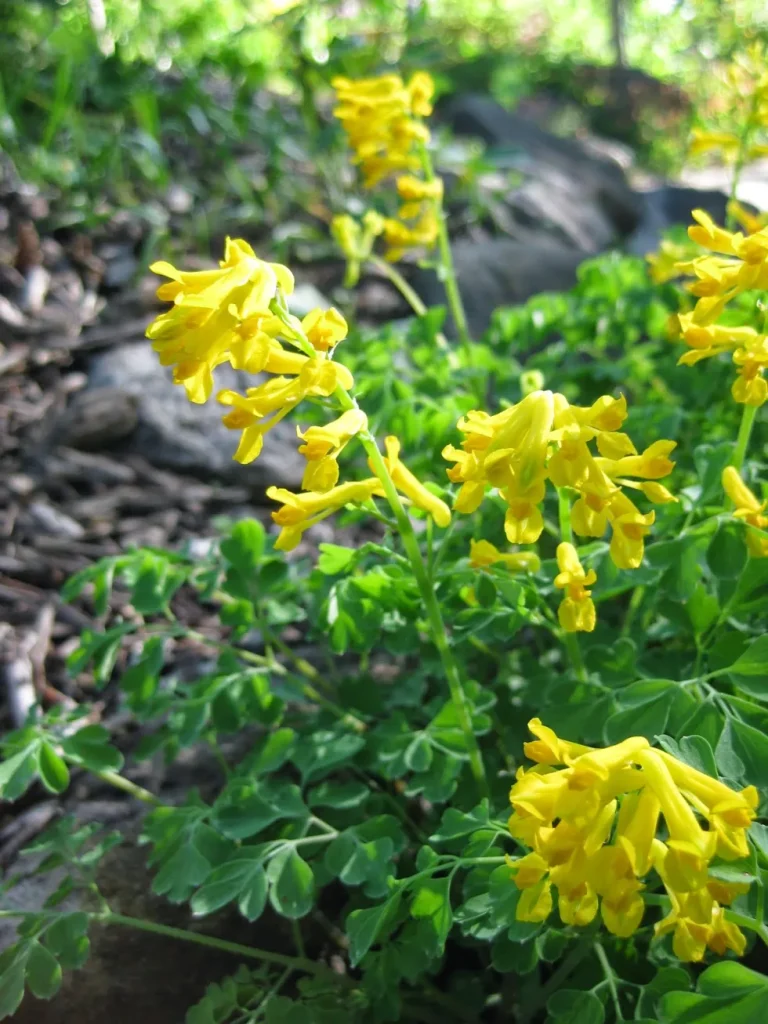
Nothing seems to stop this plant. Tubular yellow blooms start in late spring and just keep coming until a hard frost finally arrives. Fernlike foliage adds extra charm along the way, especially in a woodland setting.
Shady nooks and crannies are exactly where it wants to be. It reseeds here and there, but never aggressively, so you won’t lose control of it.
Plant Overview
- Zones: 5 to 7
- Size: 1 to 1½ feet tall by 1 to 1½ feet wide
- Growing conditions: Part shade to full shade; rich, consistently moist, well-draining soil
Bringing Fall Color to Your Shady Corners
15 plants, one big takeaway: shade doesn’t mean boring. Blooms like Japanese anemone and turtlehead carry color right up until frost, while foliage stars like the maidenhair fern add texture even after flowers fade.
Pollinators need these late bloomers just as much as your garden does.
So take a walk around your yard this weekend. Find that shady, forgotten corner, and give one of these perennials a home. You might just end up with your favorite season of color yet.
FAQs
Do shade-loving perennials really bloom as well as sun-loving ones?
Yes, many of them do. Plants like Japanese anemone and turtlehead produce plenty of flowers in partial to full shade.
They just need consistently moist, rich soil to make up for the lower light.
When should I plant fall-blooming shade perennials?
Spring and early fall both work well. Spring planting gives roots a full growing season to establish before winter, while early fall planting works too as long as you get plants in the ground several weeks before the first frost.
Are any of these plants toxic to pets?
Yes, a couple of them. Japanese toad lily is toxic to cats, and monkshood is poisonous to both humans and animals if ingested. Keep those two away from curious pets and kids.
Can I mix these perennials with sun-loving plants in the same bed?
It depends on the plant. Several on this list, like Japanese anemone, blue mistflower, and beauty berry, actually tolerate full sun to part shade, so they work well along the edges where light shifts throughout the day.