15 Stunning Fall Blooming Perennials for Your Flower Garden

Summer gardens get all the glory. But fall? Fall deserves a standing ovation too. I used to watch my flower beds fade to brown by September, and honestly, it felt like such a waste.
Then I discovered fall blooming perennials, and everything changed. These plants wait all year for their moment, then explode with color just when everything else gives up.
Purple asters, golden goldenrod, blue Russian sage swaying in October light. Your garden can stay vibrant clear through frost.
Ready to meet 15 perennials that turn autumn into your favorite season? Let’s get into it.
15 Fall Blooming Perennials — At a Glance
Compare zones, flower colors, and deer resistance before you plant
← Scroll sideways to see the full table →
| # | Plant Name | USDA Zones | Flower Color | Deer Resistant |
|---|---|---|---|---|
| 1 |
Autumn Crocus
Colchicum autumnale
|
4a – 9b |
Pink
Lavender
White
|
✗ No |
| 2 |
Autumn Joy Sedum
Hylotelephium ‘Herbstfreude’
|
3a – 10b |
Yellow
Red
Pink
Lavender
White
|
✗ No |
| 3 |
New England Aster
Symphyotrichum novae-angliae
|
4a – 8b |
Purple
|
✓ Yes |
| 4 |
Goldenrod
Solidago
|
2a – 8b |
Gold
Yellow
|
✓ Yes |
| 5 |
Japanese Anemone
Anemone x hybrida
|
4a – 8b |
Pink
White
|
✓ Yes |
| 6 |
Mums
Chrysanthemum
|
3a – 9b |
Yellow
Orange
White
Red
Purple
|
✗ No |
| 7 |
Russian Sage
Salvia yangii
|
5a – 9b |
Blue
Lavender
|
✓ Yes |
| 8 |
Toad Lily
Tricyrtis formosana
|
4a – 9b |
White
Purple speckled
|
✓ Yes |
| 9 |
Joe Pye Weed
Eutrochium purpureum
|
4a – 9b |
Purple
Pink
|
✓ Yes |
| 10 |
Sneezeweed
Helenium autumnale
|
3a – 8b |
Orange
Yellow
Gold
Copper
Brown
|
✓ Yes |
| 11 |
Black-Eyed Susan
Rudbeckia hirta
|
3a – 9b |
Golden
Orange
Bicolor
|
✓ Yes |
| 12 |
Blue Mist Shrub
Caryopteris x clandonensis
|
6a – 9b |
Blue
|
✓ Yes |
| 13 |
Blue Pitcher Sage
Salvia azurea
|
5a – 9b |
Blue
|
✓ Yes |
| 14 |
Balloon Flower
Platycodon grandiflorus
|
3a – 8b |
Pink
Lavender-blue
White
|
✗ No |
| 15 |
Leadwort
Ceratostigma plumbaginoides
|
5a – 9b |
Blue
|
✓ Yes |
USDA zones indicate the coldest region where each plant reliably overwinters. Always check your local zone before planting.
15 Fall Blooming Perennial Plants
1. Autumn Crocus Brings Surprise Color
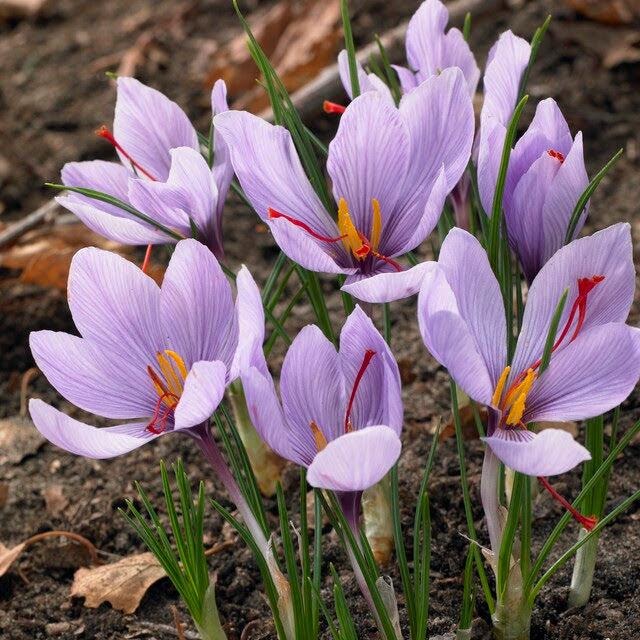
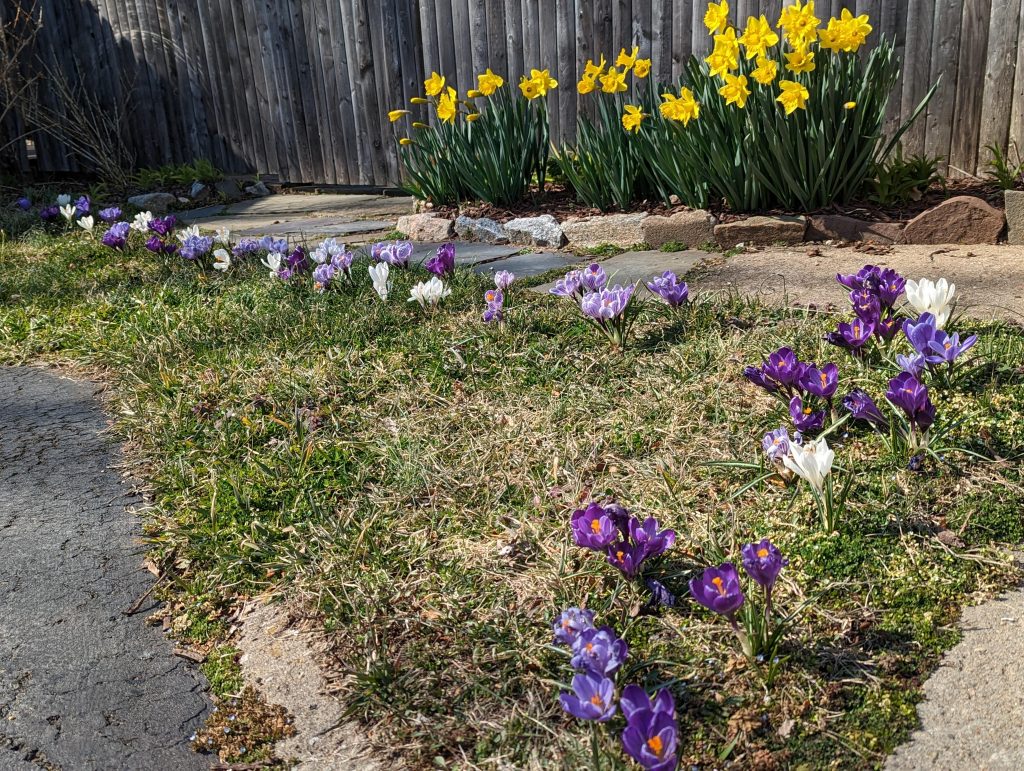
Autumn crocus pops up out of nowhere. Bare soil one week, then pink or lavender blooms the next. You plant the bulbs in late summer, and they flower that same fall.
No leaves show up yet, which always surprises new gardeners. Leaves actually appear the following spring, then vanish as summer heats up.
One warning: every part of this plant is toxic to humans and pets. Keep it away from curious dogs and kids.
Plant Overview
- Name: Autumn crocus (Colchicum autumnale)
- USDA Hardiness Zones: 4a to 9b
- Light: Full sun
- Soil: Well-draining, neutral
- Flower Color: Pink, lavender, white
- Deer Resistant: No
Also read: 15 Best Perennials for Cut Flower Garden
2. Autumn Joy Sedum Is Basically Foolproof
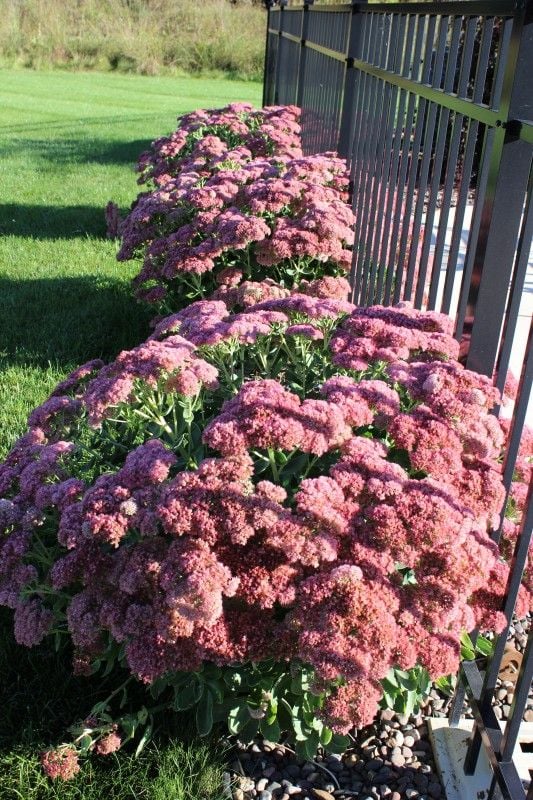
I think Autumn Joy sedum might be the easiest perennial I’ve ever grown. It looks good all year. It barely needs water.
It shrugs off most pests without complaint. Flower clusters shift from green to pink to coppery red as the weeks pass. That gives you three color stages from one plant!
Pruning it back in early July keeps the growth bushy instead of floppy. Deer do nibble it occasionally, so keep that in mind if they visit your yard often.
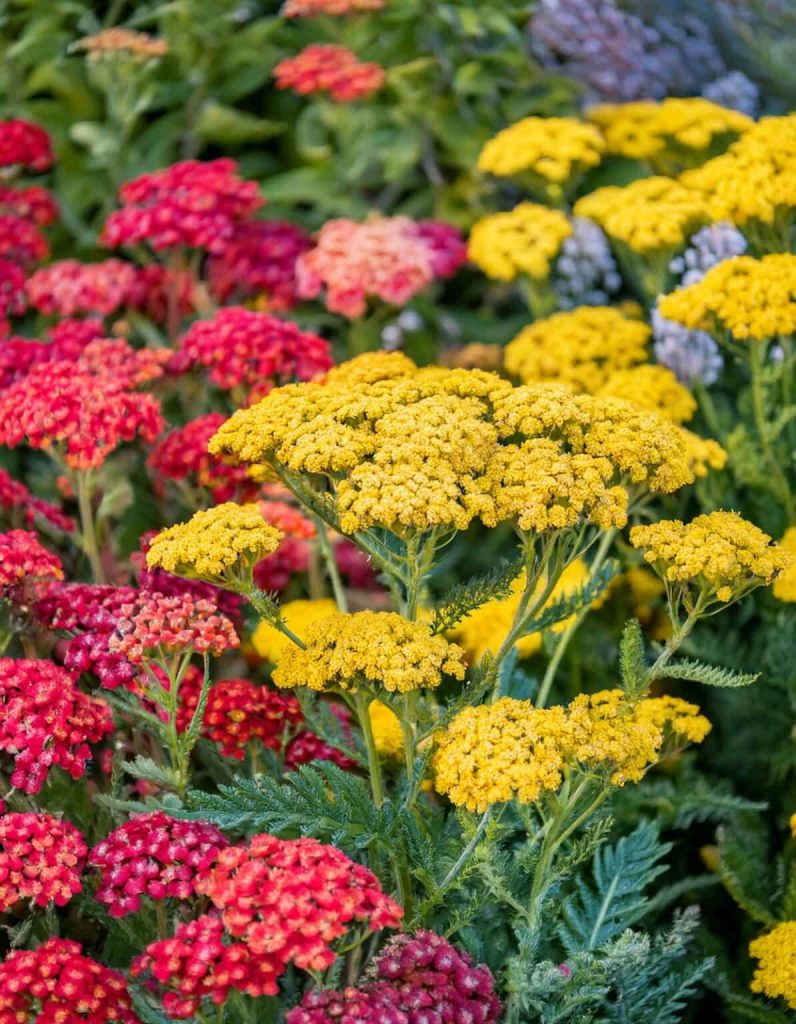
Plant Overview
- Name: Autumn Joy sedum (Hylotelephium ‘Herbstfreude’)
- USDA Hardiness Zones: 3a to 10b
- Light: Full sun
- Soil: Dry, well-draining, sandy, rocky
- Flower Color: Yellow, red, pink, lavender, white
- Deer Resistant: No
Also read: 15 Tall Shade Perennials That Will Transform Your Garden
3. New England Aster Steals the Show in October
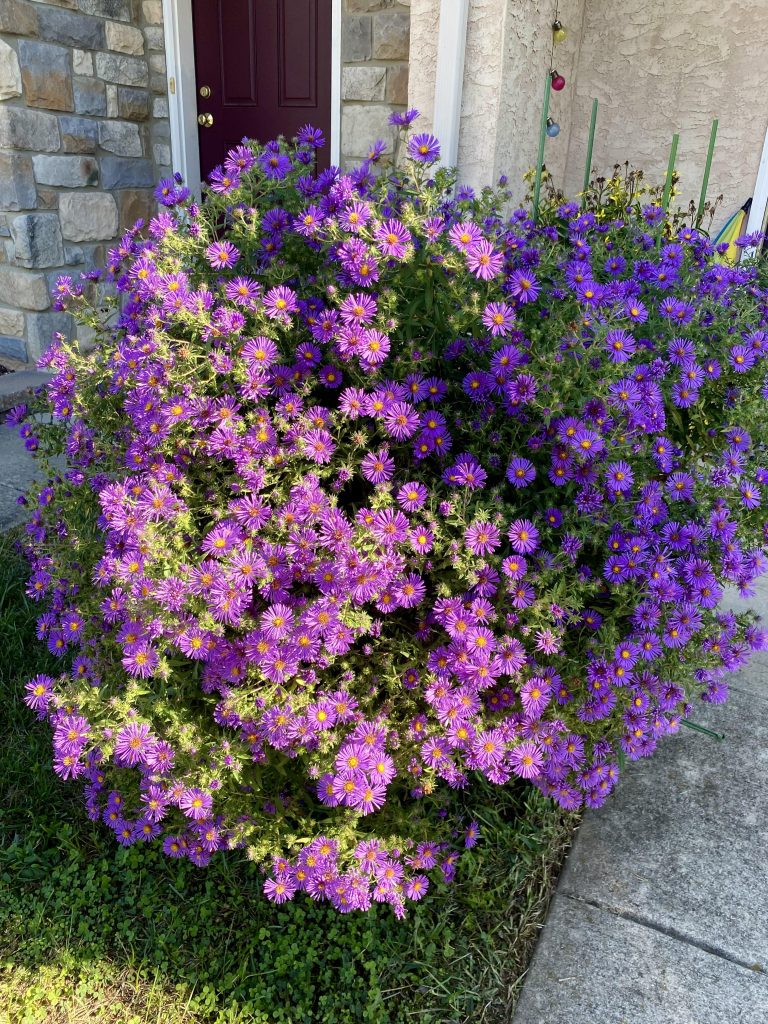
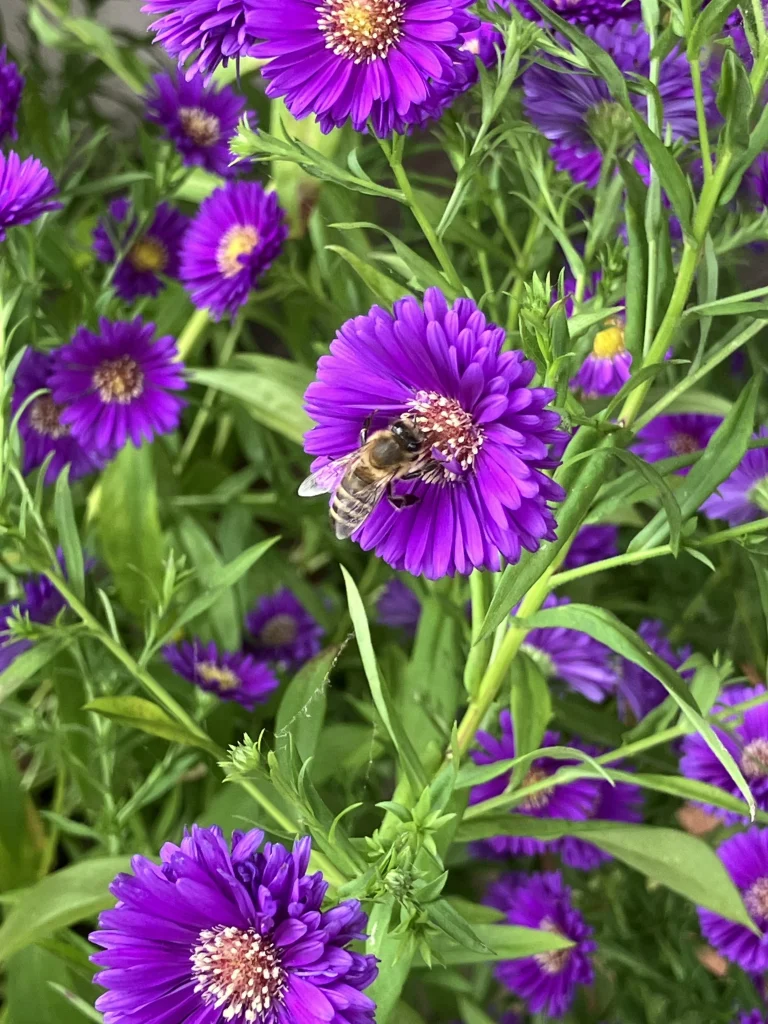
Nothing says fall garden quite like a New England aster in full bloom. These plants reach 3 to 7 feet tall. They explode with purple, daisy-like flowers from August through October.
Bees and butterflies swarm them constantly, and honestly, who can blame them? The blooms also make gorgeous cut flowers for your kitchen table.
Cut the plant back to the ground after flowering, and it’ll come back even stronger next year.
Plant Overview
- Name: New England aster (Symphyotrichum novae-angliae)
- USDA Hardiness Zones: 4a to 8b
- Light: Full sun to dappled shade
- Soil: Tolerates clay soil, neutral
- Flower Color: Purple
- Deer Resistant: Yes
Read more: 15 Beautiful Low Growing Perennials for Border, Sideway
4. Goldenrod Gets a Bad Rap It Doesn’t Deserve
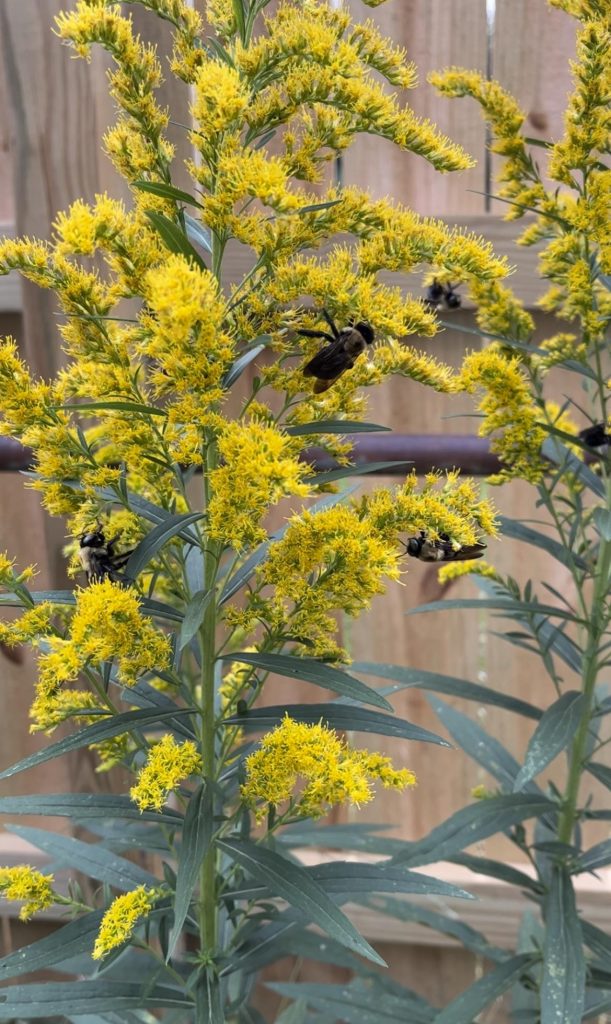
People blame goldenrod for their allergies. Ragweed is usually the real culprit, not this plant. Goldenrod blooms from August into October with bright yellow flower clusters.
Pollinators absolutely cannot resist it. Solidago rugosa ‘Fireworks’ grows 2 to 3 feet tall with arching panicles that earn the name.
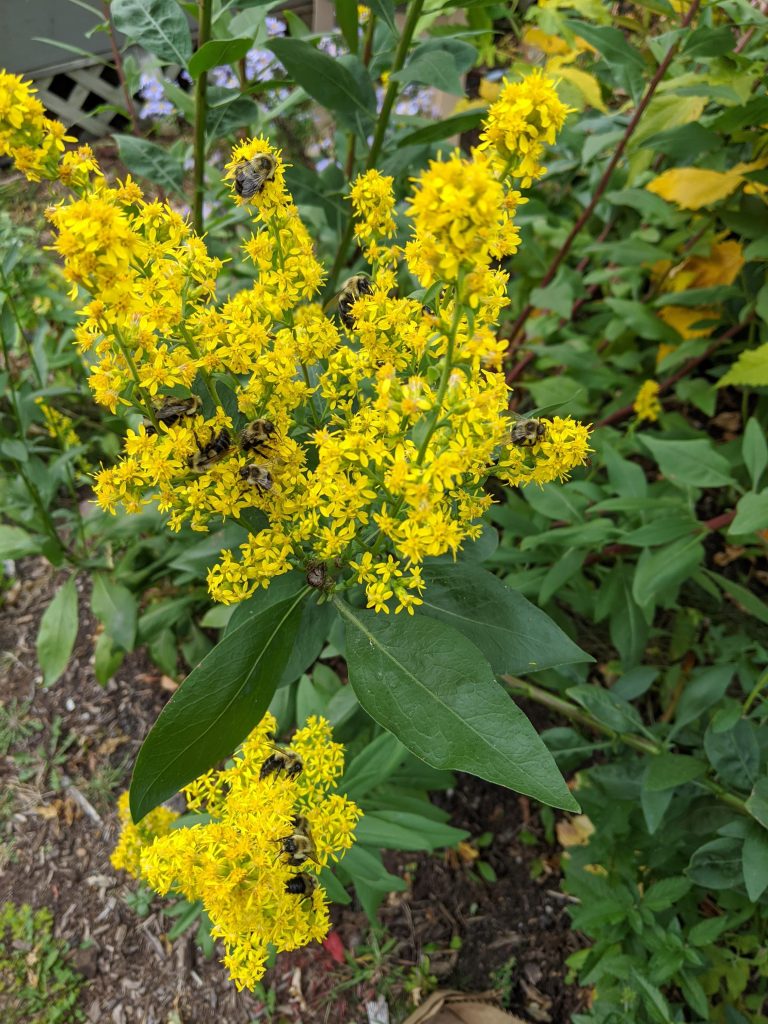
It spreads fast though, so pull off the flower heads before they seed if you want it contained. Want a low-fuss native plant? This is it.
Plant Overview
- Name: Goldenrod (Solidago)
- USDA Hardiness Zones: 2a to 8b
- Light: Full sun to dappled shade
- Soil: Well-draining, acidic
- Flower Color: Gold, yellow
- Deer Resistant: Yes
5. Japanese Anemone Blooms Right Up Until Frost
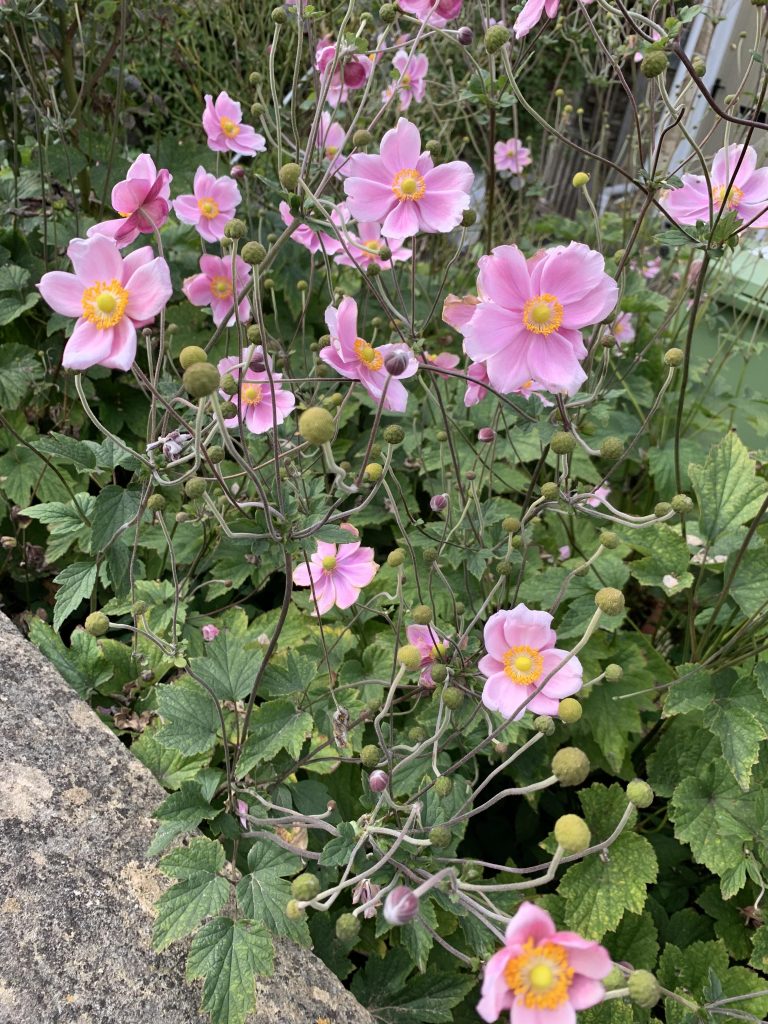
Japanese anemone starts blooming in late summer. It keeps going straight through until the first frost hits. The flowers look almost paper-thin, in soft white or pink with yellow centers.
Butterflies love stopping by for a visit. This plant barely needs any care once it settles in.
Taller varieties sometimes flop over, so a stake helps keep things tidy. Cold climate gardeners should add mulch before winter to protect the roots.
Plant Overview
- Name: Japanese anemone (Anemone x hybrida)
- USDA Hardiness Zones: 4a to 8b
- Light: Full sun to dappled shade
- Soil: Well-draining, acidic
- Flower Color: Pink, white
- Deer Resistant: Yes
6. Mums Are the Classic Fall Flower for a Reason
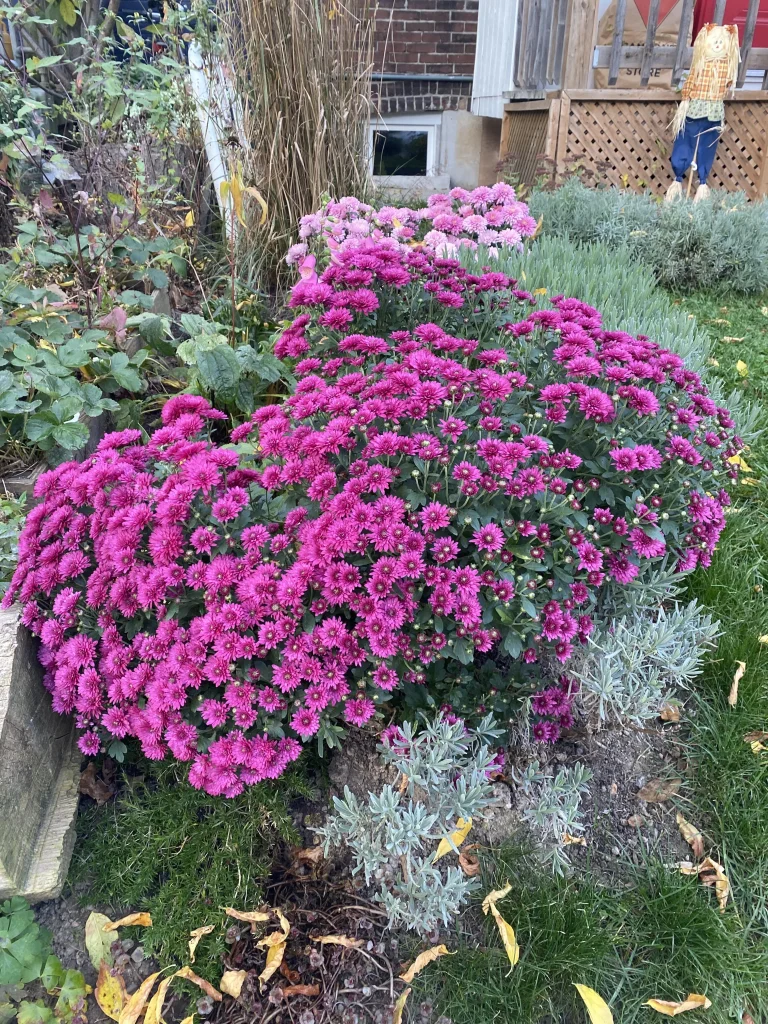
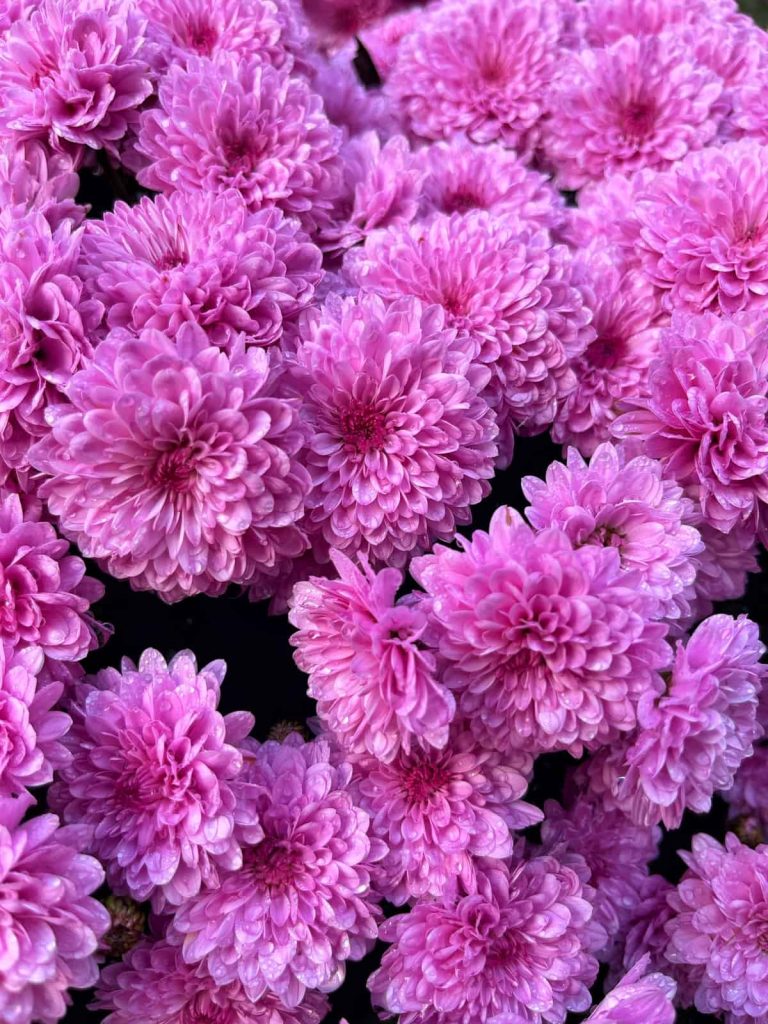
Mums show up everywhere once fall arrives. Garden centers stock them by the truckload, and I get it, they’re gorgeous.
Here’s the catch though: if you want mums to act like a true perennial, plant them in spring instead. That gives the roots time to settle before cold weather rolls in.
Water them well, especially during hot spells. Mulch around the base before frost keeps those roots cozy all winter.
Plant Overview
- Name: Mums (Chrysanthemum)
- USDA Hardiness Zones: 3a to 9b
- Light: Full sun to dappled shade
- Soil: Well-draining, neutral
- Flower Color: Yellow, orange, white, red, purple
- Deer Resistant: No
7. Russian Sage Brings That Dreamy Blue Haze
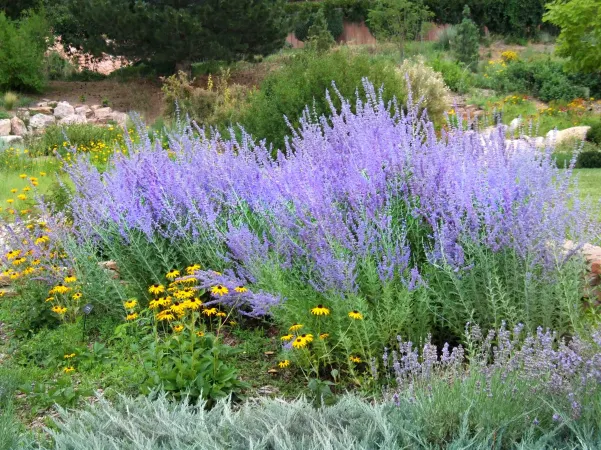
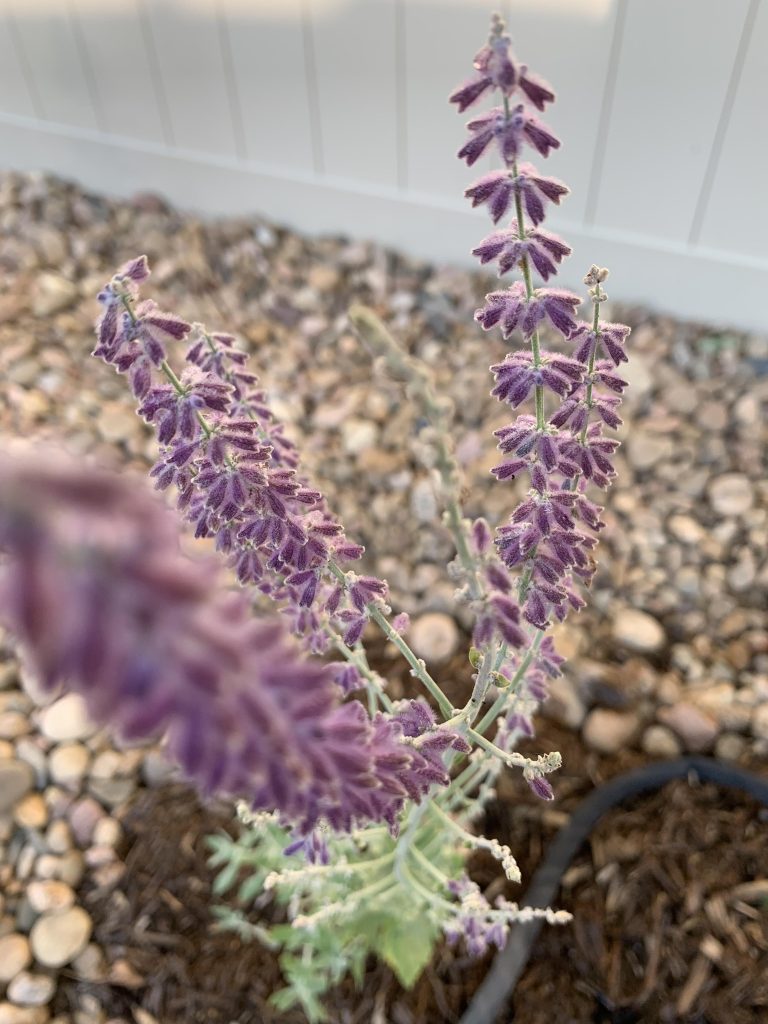
Russian sage flowers can last for weeks once they get going. Blooming usually starts at the end of summer and stretches into early fall.
The color builds slowly too, getting more vivid as each tiny bloom opens. I love how the whole plant seems to glow from a distance.
Prune it back in late winter or early spring, since flowers form on new growth. Full sun is a must, or the plant tends to flop.
Plant Overview
- Name: Russian sage (Salvia yangii)
- USDA Hardiness Zones: 5a to 9b
- Light: Full sun
- Soil: Dry, neutral
- Flower Color: Blue, lavender
- Deer Resistant: Yes
8. Toad Lily Adds Something Exotic to Shade Gardens
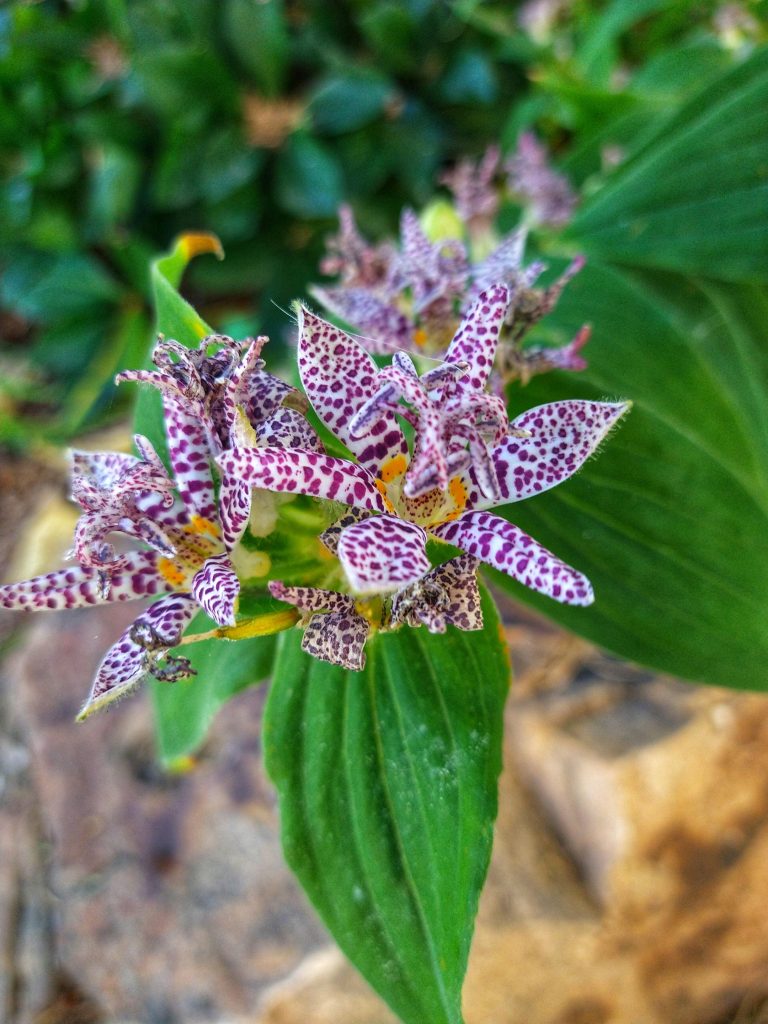
Toad lily looks unlike anything else in a fall garden. Small orchid-like flowers open up, speckled with purple and tipped with yellow throats.
It thrives in partial sun to full shade, which makes it perfect for those tricky shady corners. Glossy dark green foliage backs up the blooms nicely all season long.
This one stays compact too, reaching just 2 to 3 feet tall. Shade gardeners, this is your fall showstopper.
Plant Overview
- Name: Toad lily (Tricyrtis formosana)
- USDA Hardiness Zones: 4a to 9b
- Light: Partial sun to shade
- Soil: Moist, well-draining
- Flower Color: White with purple speckles
- Deer Resistant: Yes
9. Joe Pye Weed Towers Over the Late Summer Garden
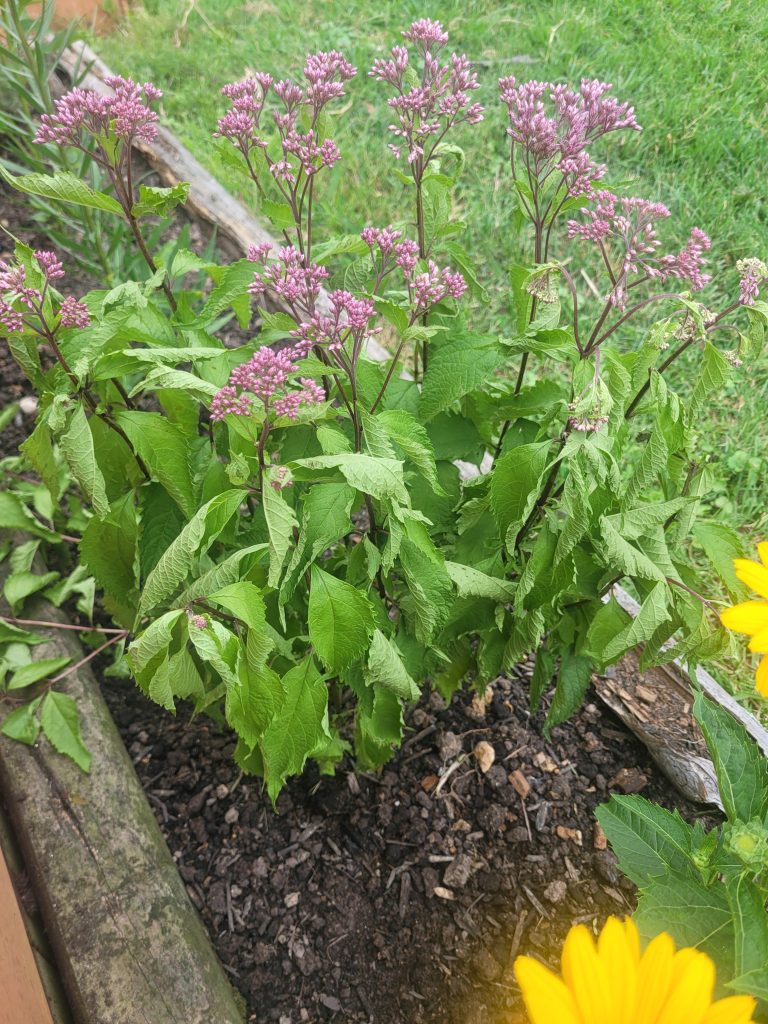
Joe Pye weed grows tall, often reaching 6 feet by late summer. Clusters of tiny mauve flowers bloom from midsummer into early fall.
Each cluster gives off a light vanilla scent, which surprises most people the first time they notice it. This native plant works beautifully as a backdrop for shorter perennials.
Cutting it back in late winter keeps it from getting floppy and overgrown. Want height and drama in your border? This plant delivers both.
Plant Overview
- Name: Joe Pye weed (Eutrochium purpureum)
- USDA Hardiness Zones: 4a to 9b
- Light: Full sun to dappled shade
- Soil: Well-draining, neutral
- Flower Color: Purple, pink
- Deer Resistant: Yes
10. Sneezeweed Doesn’t Deserve Its Sneeze-Inducing Name
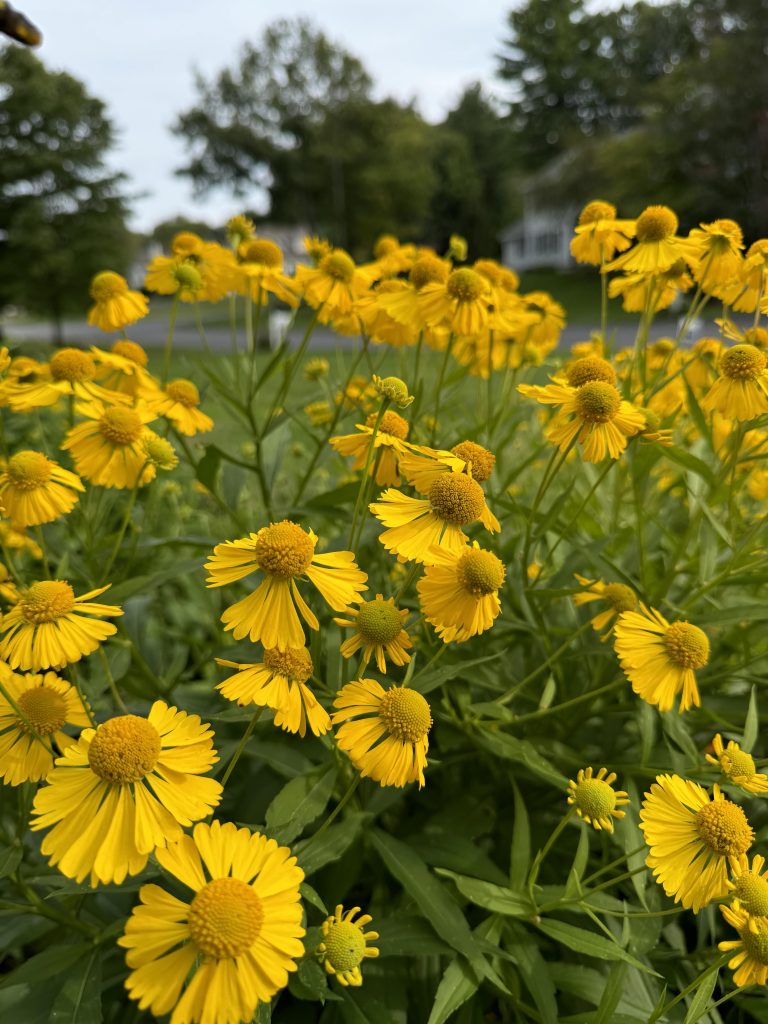
Sneezeweed sounds like trouble, but it won’t make you sneeze at all. The name actually comes from old dried-leaf snuff recipes, not pollen. Flowers look like small coneflowers in warm russet, orange, and gold tones.
Many varieties grow quite tall, so staking helps prevent them from leaning over.
This plant likes cool roots and a warm top, so mulch around the base while planting it in full sun. Bees and butterflies show up in droves once it blooms.
Plant Overview
- Name: Sneezeweed (Helenium autumnale)
- USDA Hardiness Zones: 3a to 8b
- Light: Full sun to dappled shade
- Soil: Moist, neutral
- Flower Color: Orange, yellow, gold, copper, brown
- Deer Resistant: Yes
11. Black-Eyed Susan Keeps Blooming for Months
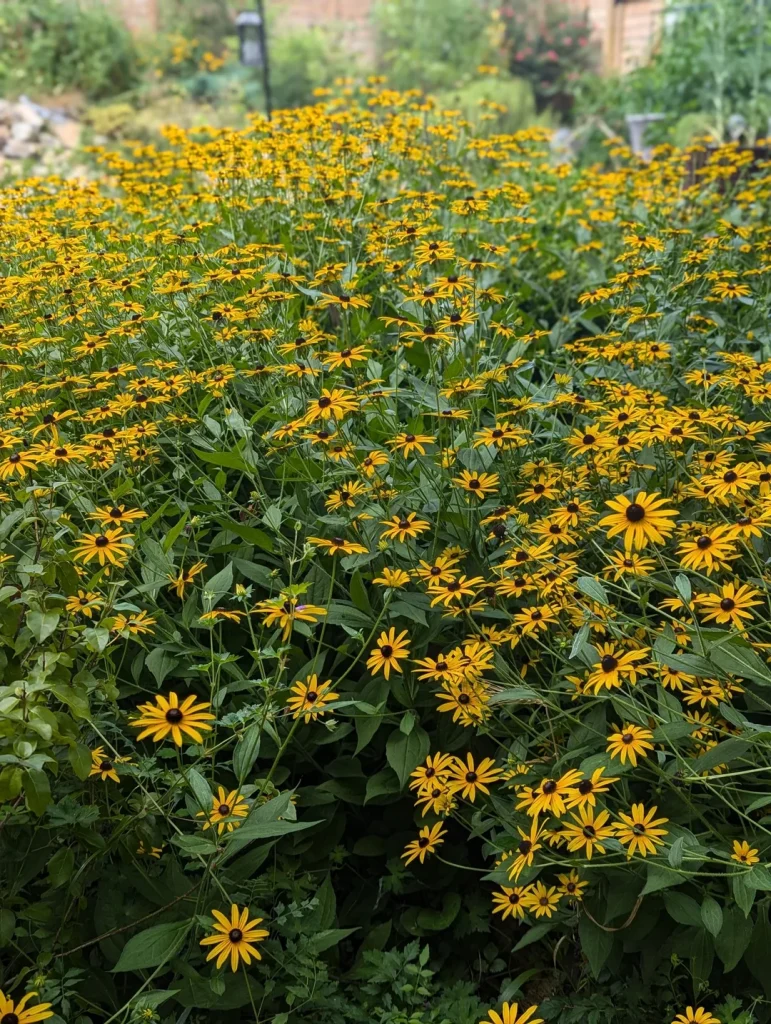
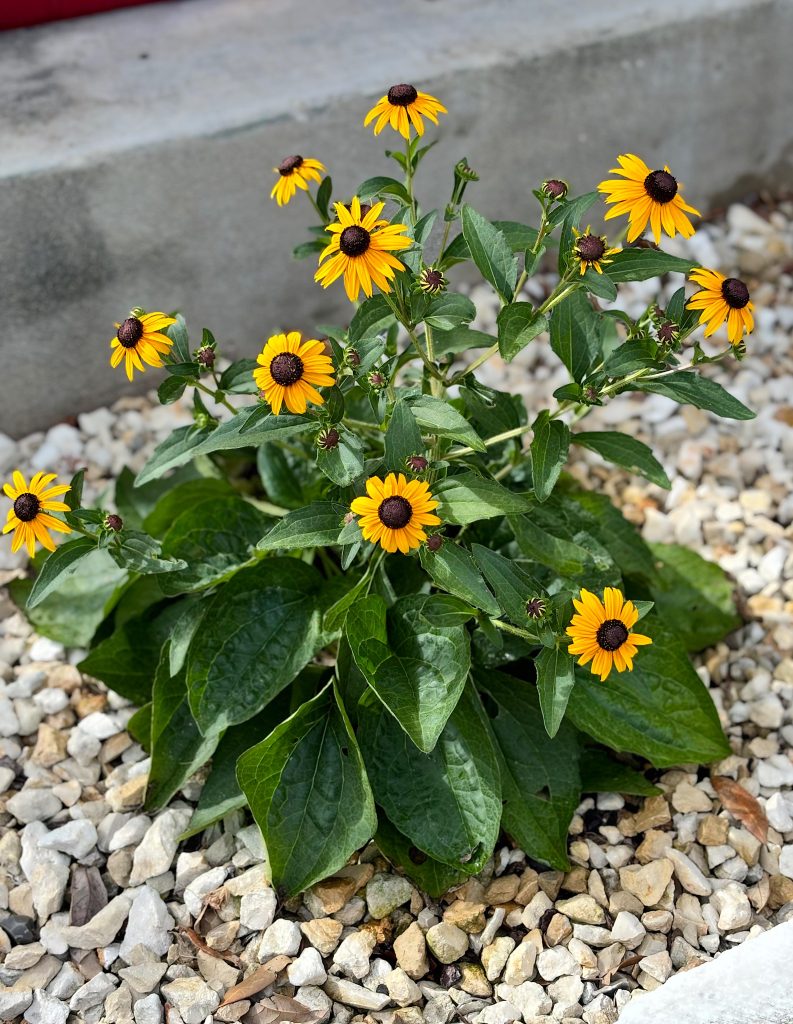
Black-eyed Susan might be the hardest working flower on this list. It blooms from early summer all the way through fall without slowing down much.
Golden, orange, or bicolor petals surround a dark chocolate-brown cone in the center. This native prairie plant barely asks for anything once it’s settled in.
Drought doesn’t bother it, and neither do most pests. I plant it every single year because it just works.
Plant Overview
- Name: Black-eyed Susan (Rudbeckia hirta)
- USDA Hardiness Zones: 3a to 9b
- Light: Full sun
- Soil: Well-draining, neutral
- Flower Color: Golden, orange, bicolor
- Deer Resistant: Yes
12. Blue Mist Shrub Hums With Bees All Fall
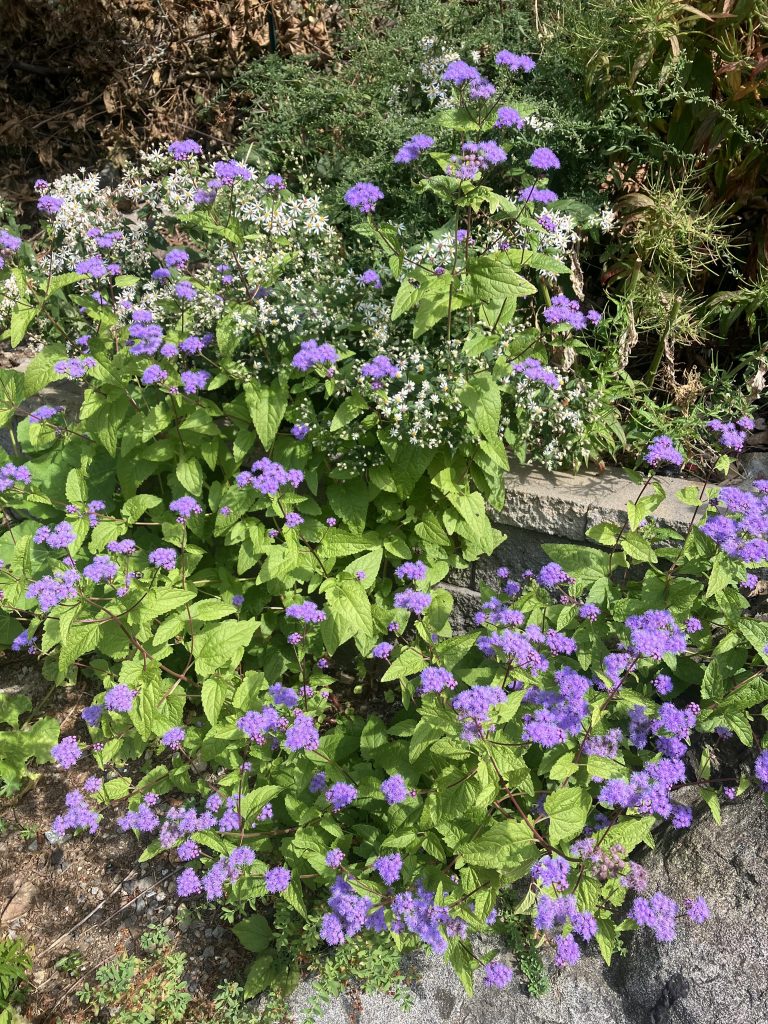
Blue mist shrub typically blooms in late summer through fall. Clusters of soft blue flowers open slowly over several weeks. Butterflies and bumblebees can’t get enough of this plant, and I mean that literally.
You’ll hear the humming before you even see the bees. Cut it back hard in early spring to keep its shape and remove dead wood.
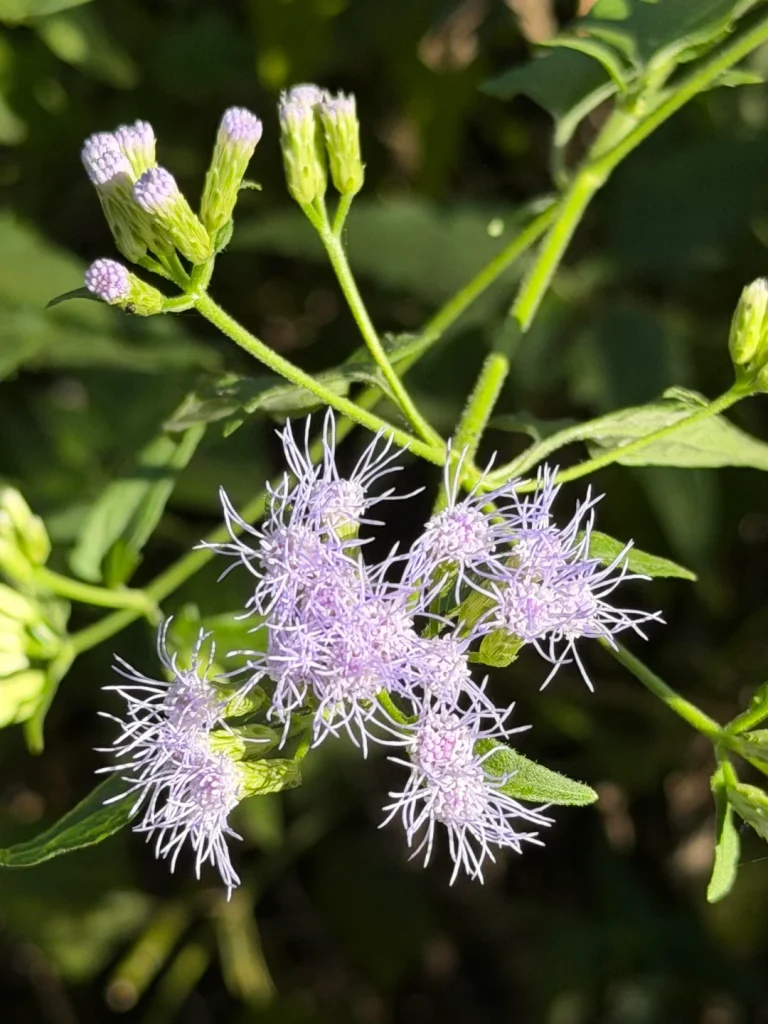
New growth carries the next round of blooms, so don’t worry about overdoing the pruning.
Plant Overview
- Name: Blue mist shrub (Caryopteris x clandonensis)
- USDA Hardiness Zones: 6a to 9b
- Light: Full sun to dappled shade
- Soil: Well-draining, neutral
- Flower Color: Blue
- Deer Resistant: Yes
13. Blue Pitcher Sage Adds a Pop of True Blue
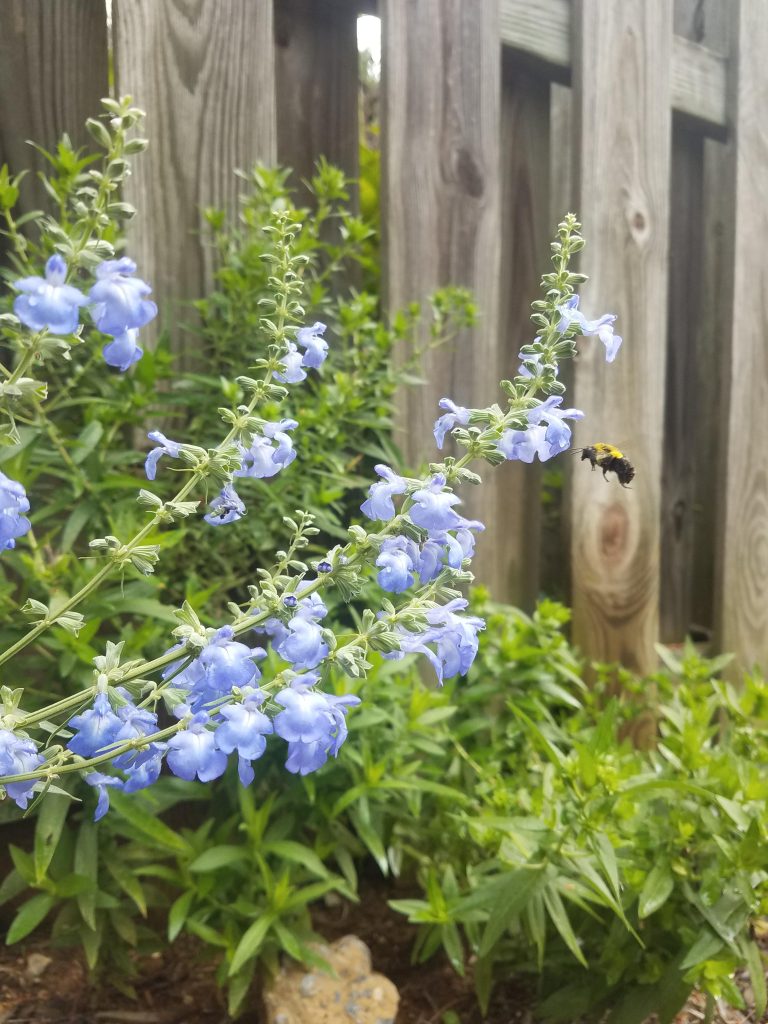
Blue pitcher sage doesn’t mess around when it comes to color. The two-lipped tubular flowers stay sky-blue from mid-summer clear into fall.
This herbaceous perennial grows in neat clumps, never sprawling out of control. I love how the blue pairs with orange or yellow fall blooms nearby.
Cutting the stems back by half in late spring keeps growth fuller and more compact. Sandy, well-draining soil and full sun make this plant truly happy.
Plant Overview
- Name: Blue pitcher sage (Salvia azurea)
- USDA Hardiness Zones: 5a to 9b
- Light: Full sun to dappled shade
- Soil: Well-draining, sandy
- Flower Color: Blue
- Deer Resistant: Yes
14. Balloon Flower Pops Open Like a Tiny Surprise
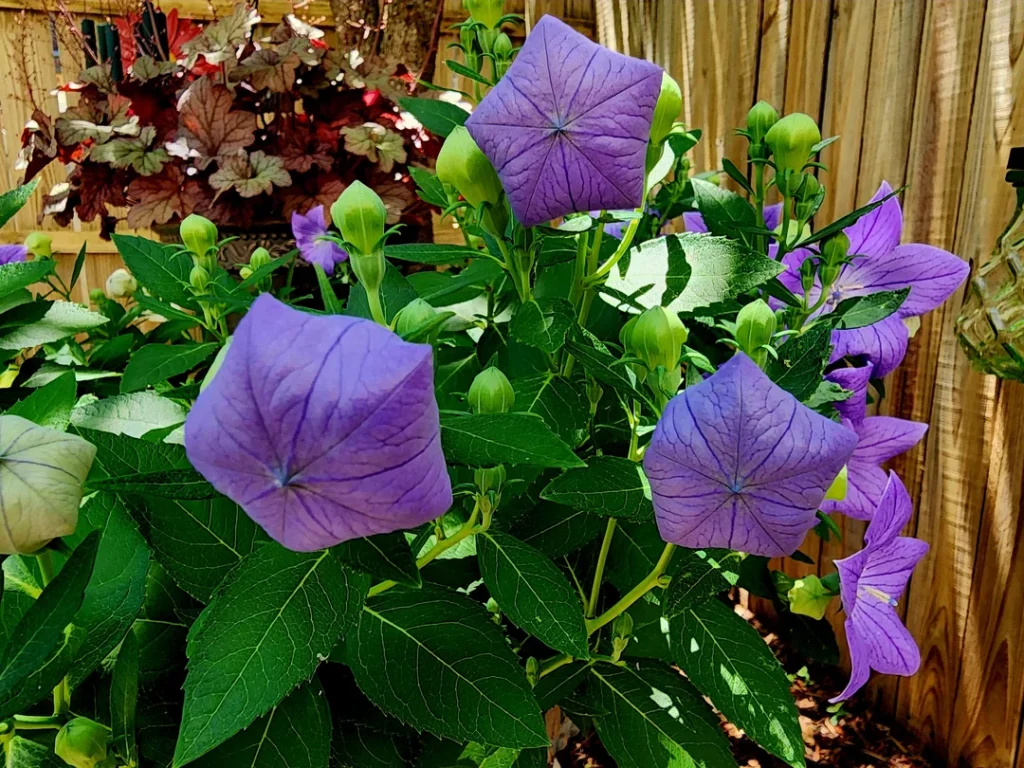
Balloon flower earns its name in the best way possible. Each bud puffs up like a little balloon before popping open into a star-shaped bloom.
It mostly flowers in summer, but deadheading pushes it right into fall color too. Plants spread slowly, filling in gaps without ever turning invasive.
Barely any maintenance is needed besides a quick cutback in spring or fall. I’ve never met an easier perennial to ignore and still enjoy.
Plant Overview
- Name: Balloon flower (Platycodon grandiflorus)
- USDA Hardiness Zones: 3a to 8b
- Light: Full sun to dappled shade
- Soil: Well-draining, neutral
- Flower Color: Pink, lavender-blue, white
- Deer Resistant: No
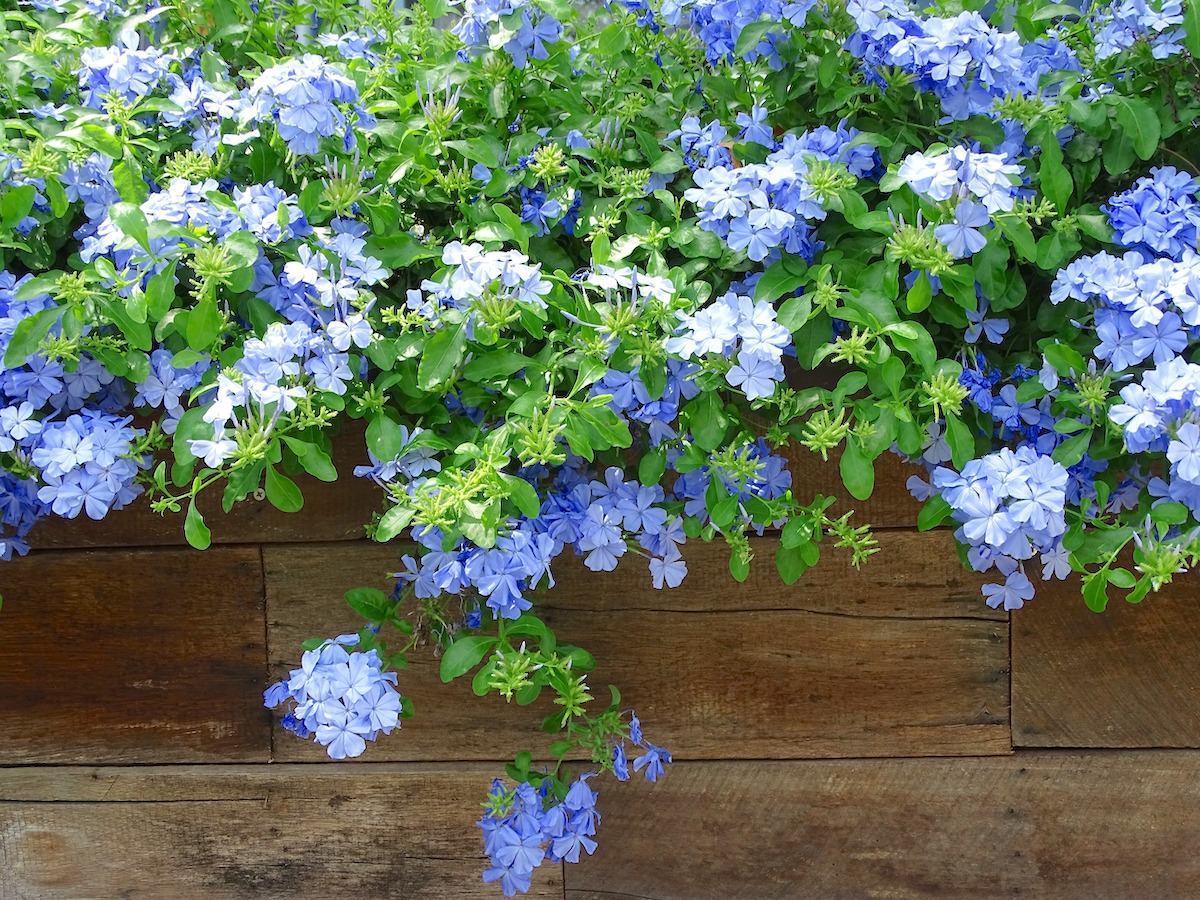
15. Leadwort Carpets the Ground in True Blue
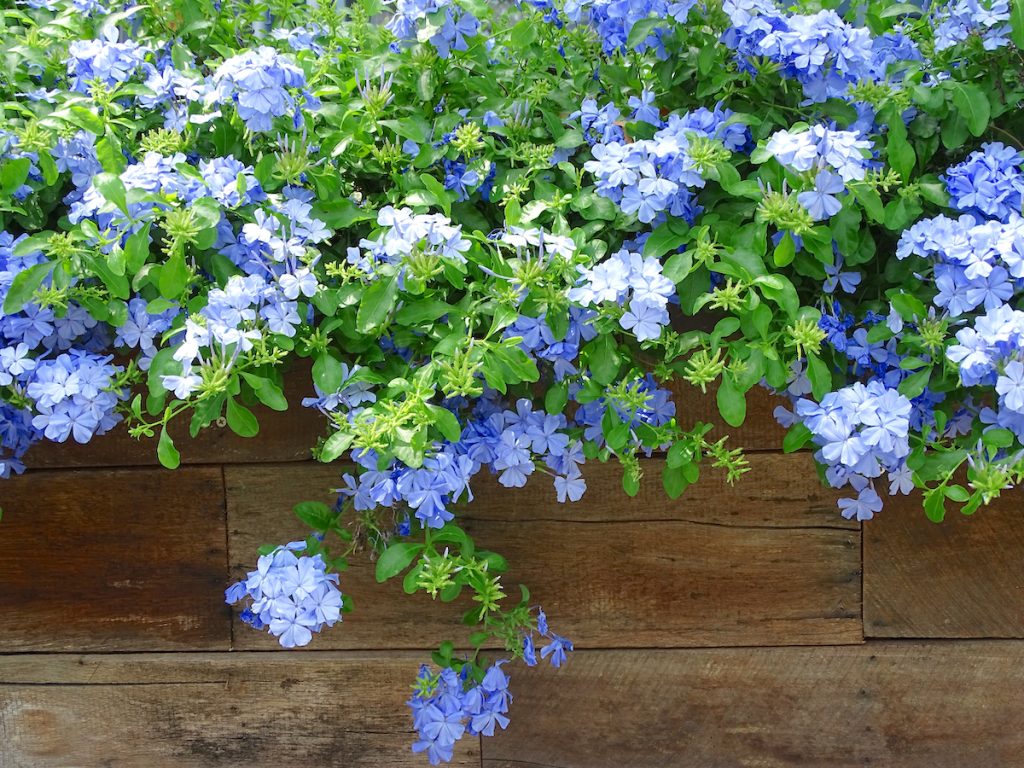
Leadwort spreads low and fast, covering ground other plants leave bare. True blue flowers appear right alongside bronze-red foliage as fall sets in, a combo that’s hard to beat.
This ground cover loves rocky spots and full sun. Space plants 10 to 16 inches apart so they have room to fill in.
A light winter mulch helps it survive colder climates without issue. Aggressive? Sure. Invasive? Not even close, so it stays manageable in most gardens.
Plant Overview
Name: Leadwort (Ceratostigma plumbaginoides)
USDA Hardiness Zones: 5a to 9b
Light: Full sun to dappled shade
Soil: Well-draining, neutral
Flower Color: Blue
Deer Resistant: Yes
Your Fall Garden Doesn’t Have to Fade Away
Fifteen plants, fifteen different ways to keep color going past summer. Some bloom for weeks, others practically all season long. Mix heights, colors, and bloom times, and your garden stays interesting clear through frost.
I plant a handful of these every single year, and the payoff never gets old.
So grab a few favorites from this list, and give your autumn garden the glow-up it deserves. Your future self, sipping coffee on a crisp October morning, will thank you.