12 Best Deer-Resistant Fall Flowers to Grow

Deer wrecked my neighbor’s hostas last October, and her asters right next to them didn’t get touched. Have you noticed the same thing in your own yard?
Some flowers practically beg deer to eat them. Others carry natural defenses that make deer walk right past.
I’m going to show you 12 flowers/plant that bring color to your yard while keeping the deer guessing elsewhere.
Why “Deer-Resistant” Doesn’t Mean Deer-Proof
Let’s clear something up first. No plant is truly deer-proof. Deer are opportunistic eaters, and a hungry deer in a rough winter will nibble almost anything.
That said, deer rely heavily on taste and smell to decide what’s worth eating. Plants packed with strong scents, bitter oils, or fuzzy textures turn deer away fast. Some flowers go even further.
Compounds like colchicine in autumn crocus or bitter alkaloids in aster actually cause mouth irritation or stomach upset. Deer learn quickly and steer clear next time. That’s the real secret behind “deer-resistant” plants.
They don’t repel deer through magic. They just make themselves unappealing enough that deer choose easier meals elsewhere. Build your garden around these defenses, and you’ll tip the odds firmly in your favor.
12 Most Effective Deer-Resistant Fall Flowers
1. Autumn Crocus Blooms When Nothing Else Does
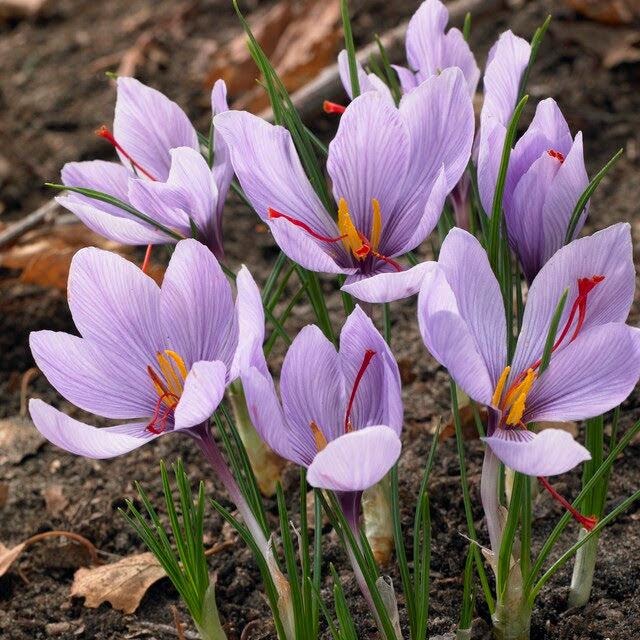
Most crocus varieties flower in spring, but I want to tell you about the rebel of the family. Autumn crocus, also called Colchicum, breaks that rule completely.
You’ll see leaves pop up in spring with zero flowers attached. Then everything dies back for a summer nap, which honestly had me confused the first time I grew it.
Come early fall, purple and white cup-shaped blooms shoot straight up from bare ground with no leaves in sight. Doesn’t that timing alone make it a showstopper?
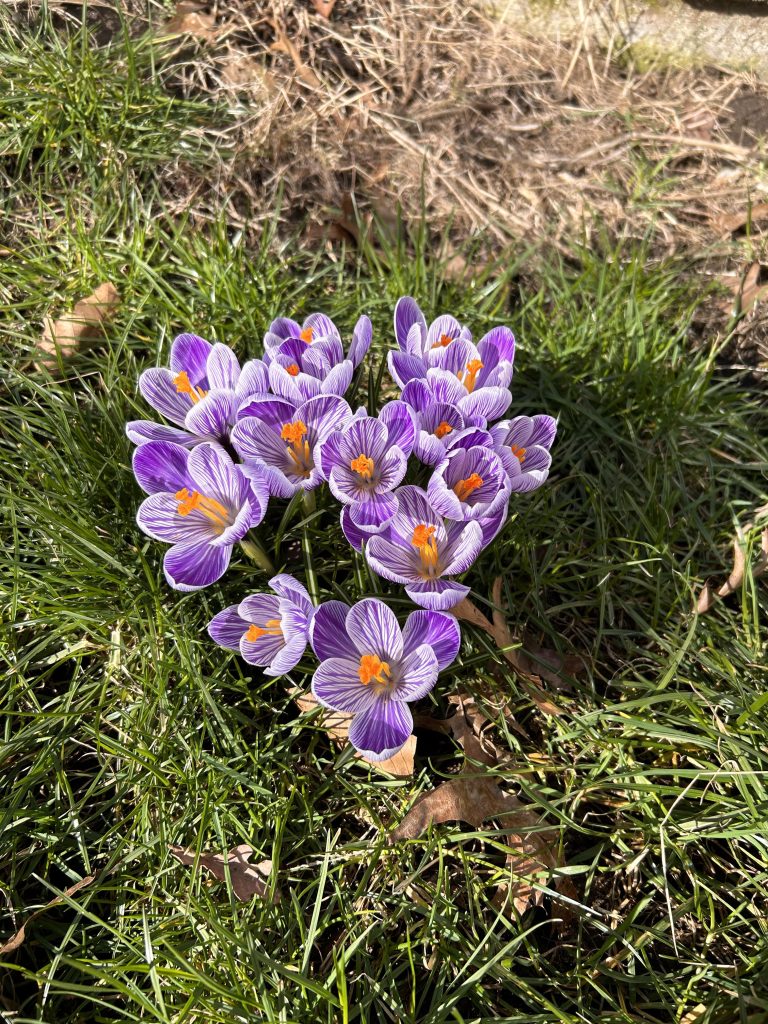
The toxic alkaloid inside, colchicine, concentrates most heavily in those flowers. Deer sniff it out, and you’ll watch them skip the whole area.
Plant Overview
- Hardiness Zone: 4-9
- Sun Requirements: Full sun to part shade
- Soil Requirements: Well-draining soil
- Water Requirements: Water during dry spells; drought-tolerant once established
- Planting Instructions: Plant bulbs 3-4 inches deep in late summer, spaced 4-6 inches apart
Also read: 15 Shade-Loving Perennial Flowers for Fall
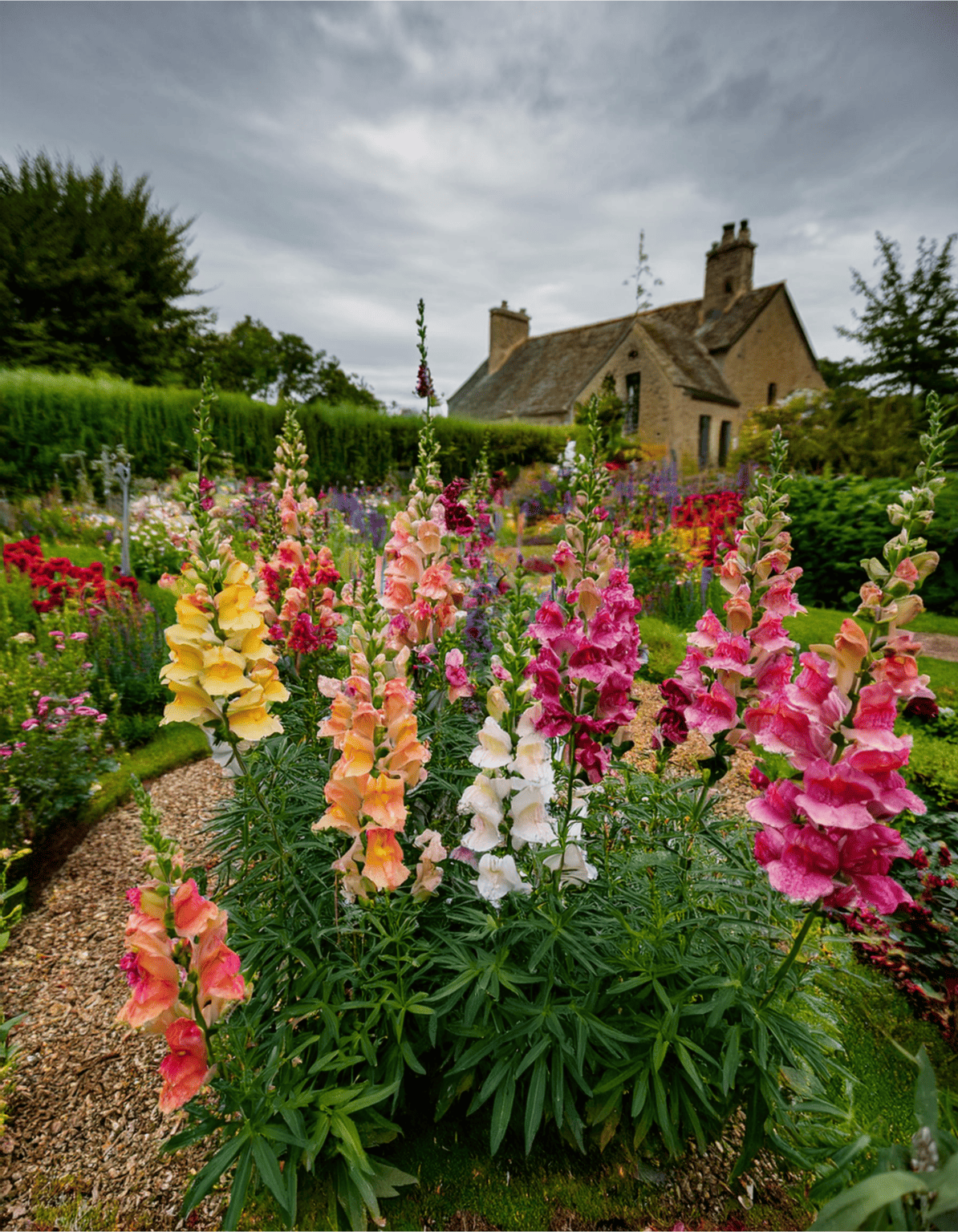
2. Snapdragons Bring Cool-Weather Color
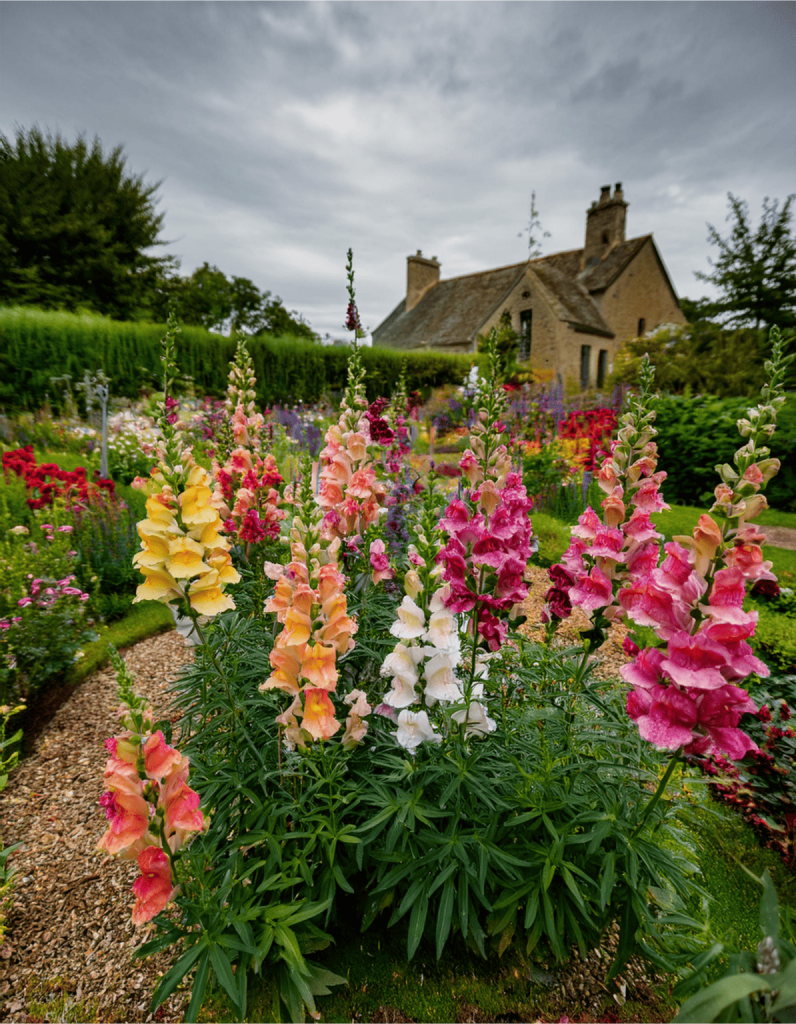
Cooler fall air actually makes snapdragons happier, and I bet that surprises you. Heat stresses them out during summer, so don’t expect much from them in July.
Once temperatures drop, you’ll watch them perk right back up and keep blooming into the cooler months. Mild winter regions might even see them survive and return next year, which feels like a nice bonus.
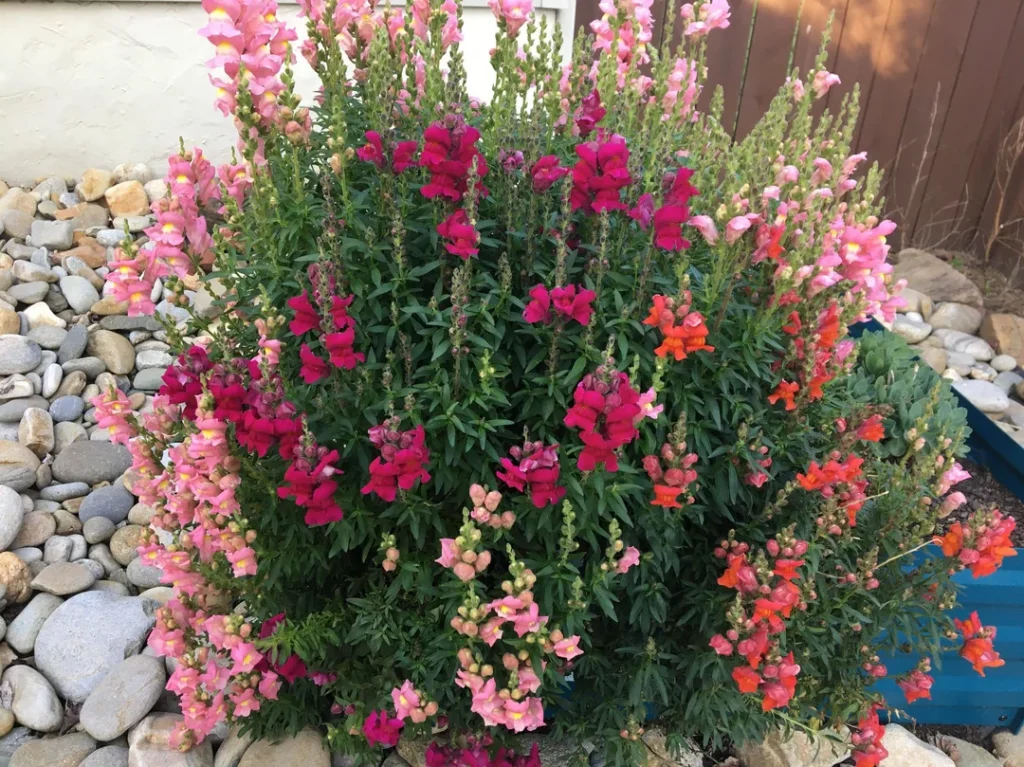
Snapdragons come in dozens of colors and sizes, including trailing types perfect for hanging baskets or window boxes. I like tucking a few into containers near my front door for a quick color boost.
Their taste puts deer off almost every time, so you can plant them without much worry.
Plant Overview
- Hardiness Zone: 7-10 as a perennial; grown as an annual elsewhere
- Sun Requirements: Full sun
- Soil Requirements: Rich, well-draining soil
- Water Requirements: Regular water, especially during establishment
- Planting Instructions: Space transplants 6-12 inches apart after the last frost, or in early fall in mild climates
Also read: 15 Stunning Fall Flower Ideas to Color Your Autumn Garden
3. Bergenia Earns Its Nickname
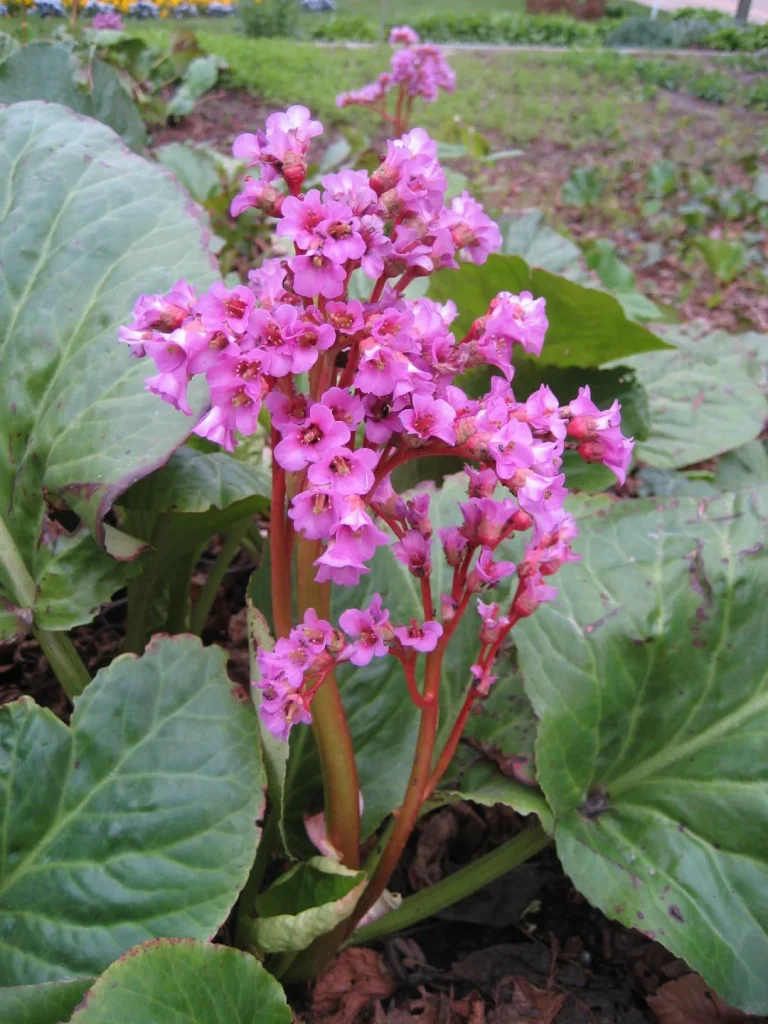
Gardeners call Bergenia “pigsqueak,” and once you try it yourself, you’ll understand why. Rub two leaves together and you’ll hear an odd squeaking sound.
That’s a fun party trick, but I promise the real value shows up in fall. Rose-pink flowers bloom back in spring, sure. But those thick, leathery leaves turn deep shades of bronze and red once temperatures cool down, and you’ll notice the color shift almost overnight.
Dry shade spots that stump other plants suit Bergenia just fine. Deer tend to leave the tough, leathery foliage alone entirely, so you don’t have to worry about it in shady beds.
Plant Overview
- Hardiness Zone: 3-8
- Sun Requirements: Part shade to full shade
- Soil Requirements: Moist, well-draining soil
- Water Requirements: Keep soil consistently moist, not soggy
- Planting Instructions: Space divisions or nursery plants 12-18 inches apart in spring or early fall
Also read: 15 Deer-Resistant Perennials for Full Sun
4. Aster Feeds Pollinators Right Before Winter
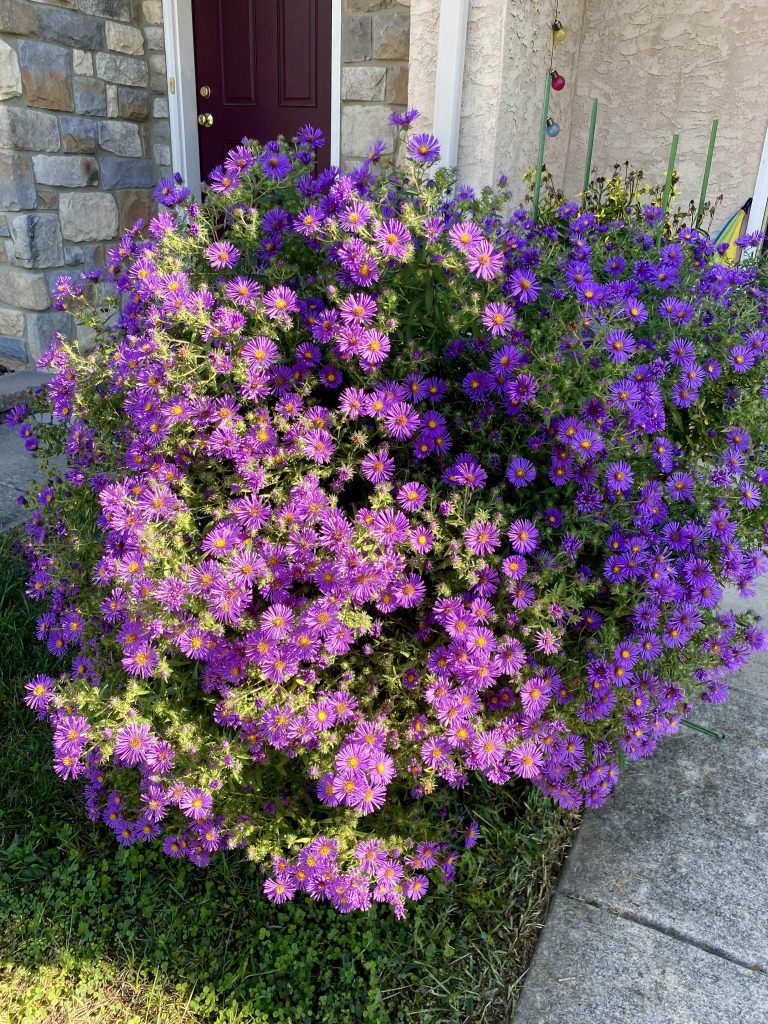
Late-season pollinators depend on flowers like aster more than you might realize. Bees and butterflies need fuel before winter hits, and aster shows up right on schedule with purple, pink, or white daisy-like blooms.
You’ll watch established clumps spread generously over a few years, filling in gaps other plants leave behind.
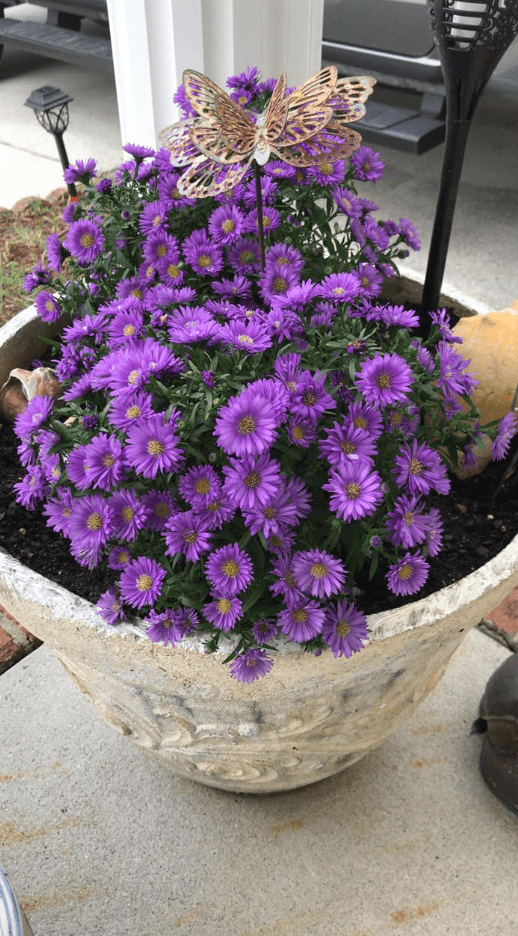
Deer generally avoid the slightly fuzzy, bitter-tasting foliage. That bitterness works in your favor all season long, and I’ve never had a single stem nibbled.
Plant Overview
- Hardiness Zone: 3-8
- Sun Requirements: Full sun to part shade
- Soil Requirements: Well-draining soil
- Water Requirements: Moderate water through the growing season
- Planting Instructions: Space plants 18-24 inches apart in spring or fall
5. Goldenrod Lights Up Fields in Gold
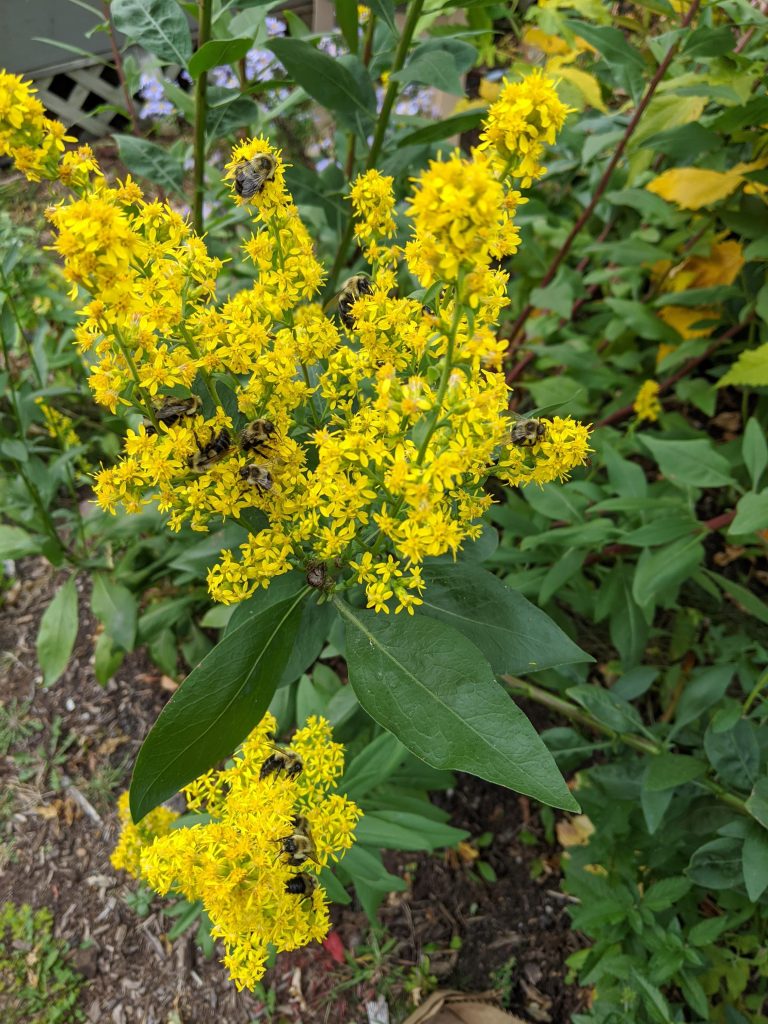
You’ve probably seen goldenrod growing wild along roadsides. It gets blamed for fall allergies, but that’s not fair. Ragweed is the real culprit.
Goldenrod just blooms at the same time. Those bright yellow plumes show up right when everything else fades.
I love how it lights up a tired fall garden. Bees and butterflies flock to it for one last feast. Deer skip right past the bitter leaves.
Plant Overview
- Hardiness Zone: 3-9
- Sun Requirements: Full sun
- Soil Requirements: Well-draining soil; tolerates poor soil
- Water Requirements: Low water once established; drought-tolerant
- Planting Instructions: Space plants 12-24 inches apart in spring or fall
6. Russian Sage Adds Silvery Height
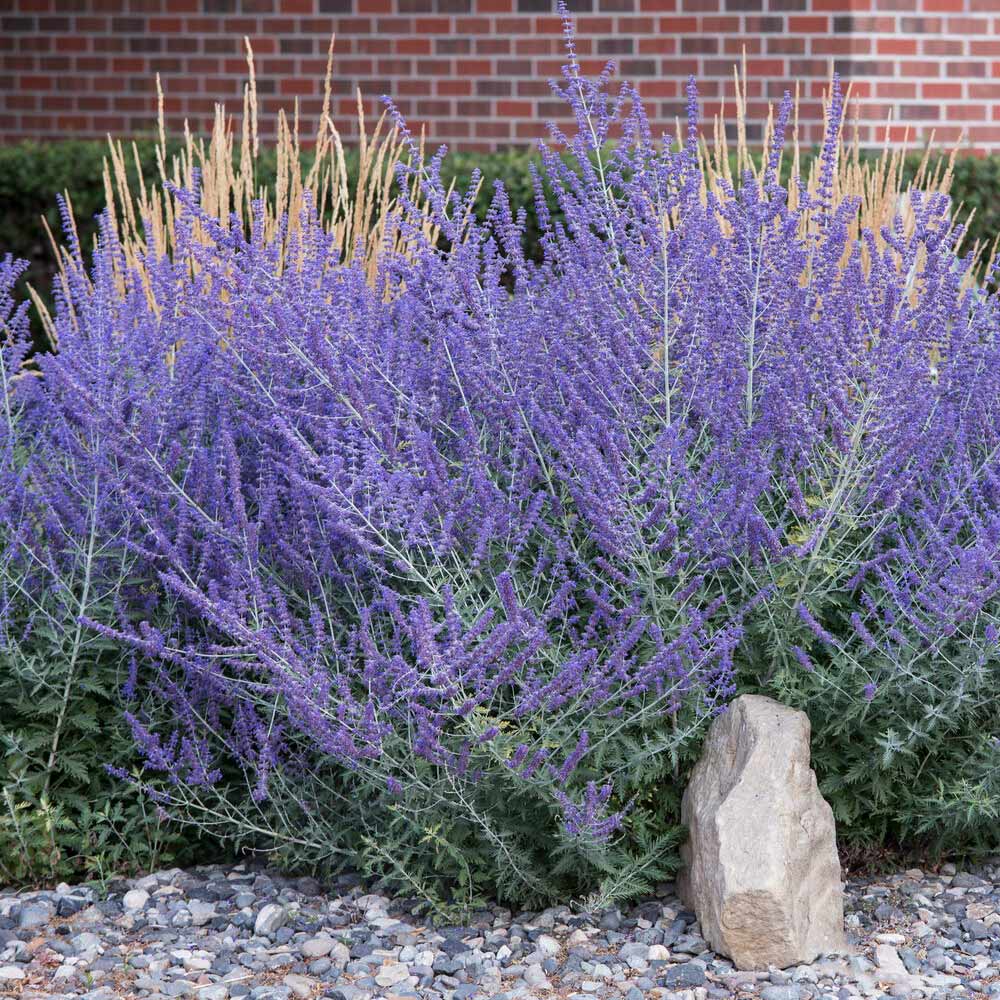
Have you seen those tall, silvery plants swaying in fall breezes? That’s probably Russian sage. Its purple-blue flower spikes hold on for weeks.
I like pairing it near sunny walkways. Brush against the leaves and you’ll catch a sharp, herbal scent. That smell is exactly why deer stay away. Drought doesn’t bother this plant one bit.
Plant Overview
- Hardiness Zone: 4-9
- Sun Requirements: Full sun
- Soil Requirements: Well-draining soil; tolerates poor, dry soil
- Water Requirements: Low; drought-tolerant once established
- Planting Instructions: Space plants 2-3 feet apart in spring
7. Salvia Keeps Blooming Into Fall
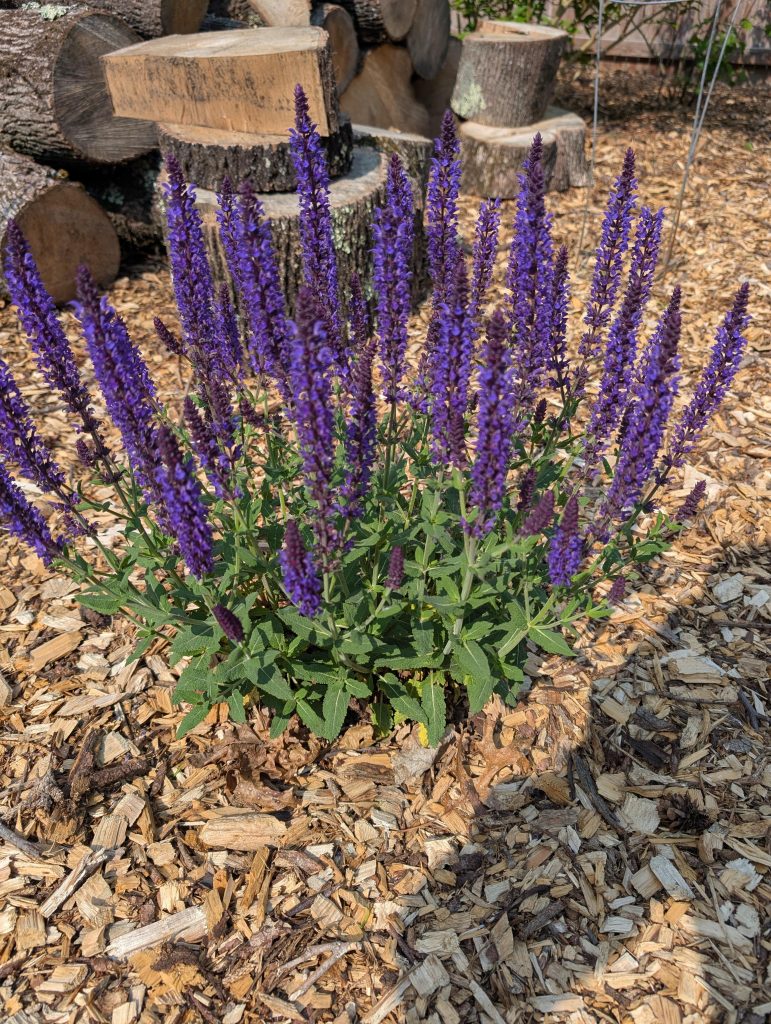
You’ll get months of color from salvia, and I mean months. It starts blooming in summer and just keeps going.
Deep blue, purple, or red spikes stand tall above the foliage. Hummingbirds can’t resist it.
Neither can bees. Deer, though, want nothing to do with those fuzzy, aromatic leaves. That scent does all the work for you.
Plant Overview
- Hardiness Zone: 4-10, varies by variety
- Sun Requirements: Full sun
- Soil Requirements: Well-draining soil
- Water Requirements: Moderate water; drought-tolerant once established
- Planting Instructions: Space plants 12-18 inches apart in spring after the last frost
8. Barberry Brings Bold Fall Color
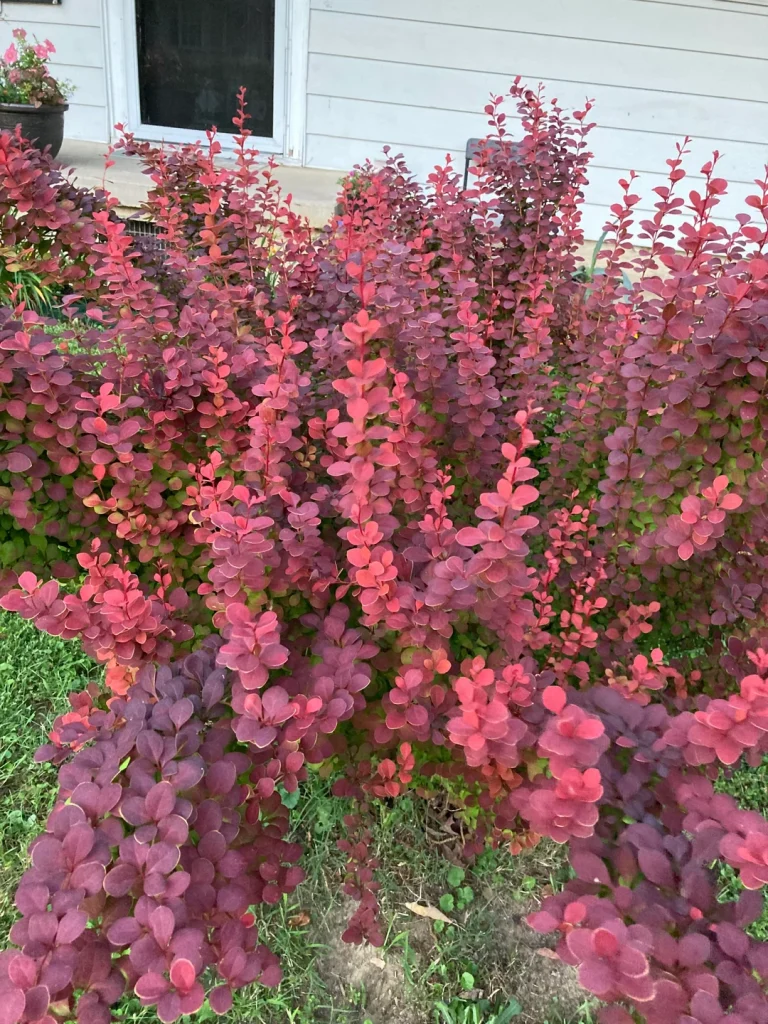
Want a shrub that actually stops you in your tracks? Try barberry. Its leaves turn fiery red, orange, or deep purple come fall.
I planted ‘Orange Rocket’ a few years back and never regretted it. Newer varieties are sterile now, so they won’t spread where you don’t want them.
Sharp thorns line every branch. That alone keeps deer from getting too close.
Plant Overview
- Hardiness Zone: 4-8
- Sun Requirements: Full sun to part shade
- Soil Requirements: Well-draining soil; adaptable to most soil types
- Water Requirements: Moderate water; drought-tolerant once established
- Planting Instructions: Space plants 2-4 feet apart in spring or fall
9. Beautyberry Steals the Show in Fall
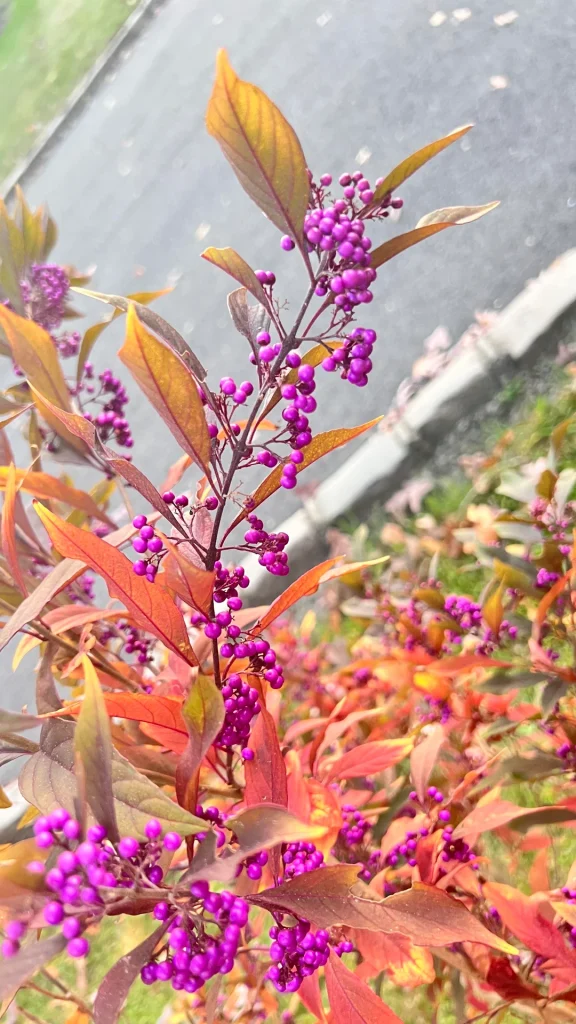
Most of the year, beautyberry just sits there, quiet and unremarkable. Then fall arrives. Clusters of bright violet berries burst along every branch.
I always get compliments on mine this time of year. ‘Pearl Glam’ even adds deep purple foliage to the mix.
Deer usually pass over the leaves and stems. Birds, on the other hand, love the berries.
Plant Overview
- Hardiness Zone: 5-8
- Sun Requirements: Full sun to part shade
- Soil Requirements: Well-draining soil
- Water Requirements: Moderate water; established plants tolerate some drought
- Planting Instructions: Space plants 4-6 feet apart in spring or fall
10. Muhly Grass Creates a Pink Haze
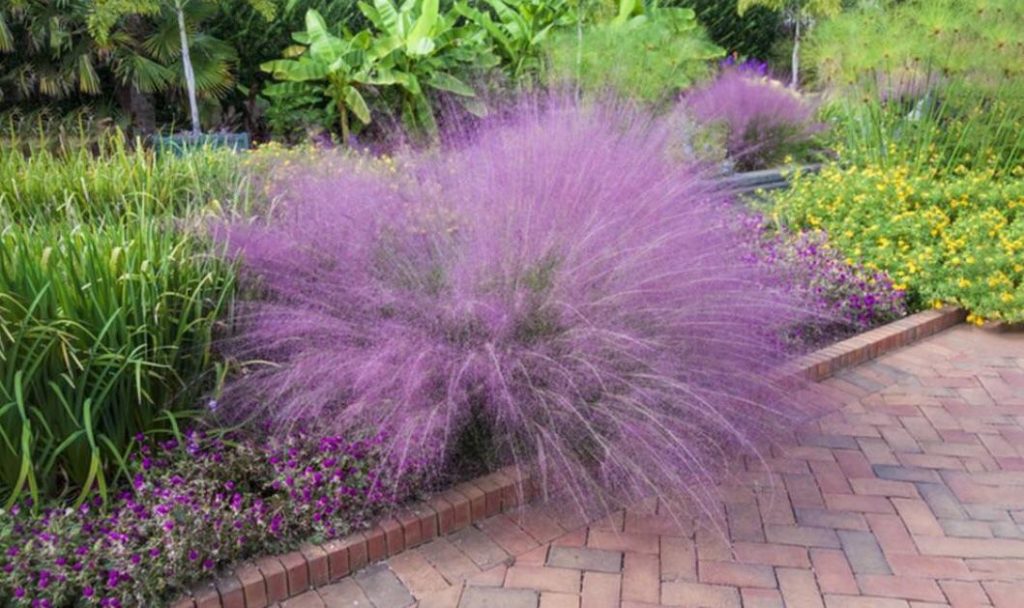
Ever seen a garden glow pink in October? That’s muhly grass at work. Feathery plumes catch the light and create a soft, hazy cloud.
‘White Cloud’ offers the same effect in white. Don’t let its delicate look fool you, though. This grass handles dry soil and full sun without complaint. Deer rarely bother with the tough, wiry blades.
Plant Overview
- Hardiness Zone: 6-10
- Sun Requirements: Full sun
- Soil Requirements: Well-draining soil; tolerates poor, sandy soil
- Water Requirements: Low; drought-tolerant once established
- Planting Instructions: Space plants 2-3 feet apart in spring
11. Cotoneaster Hugs the Ground With Color
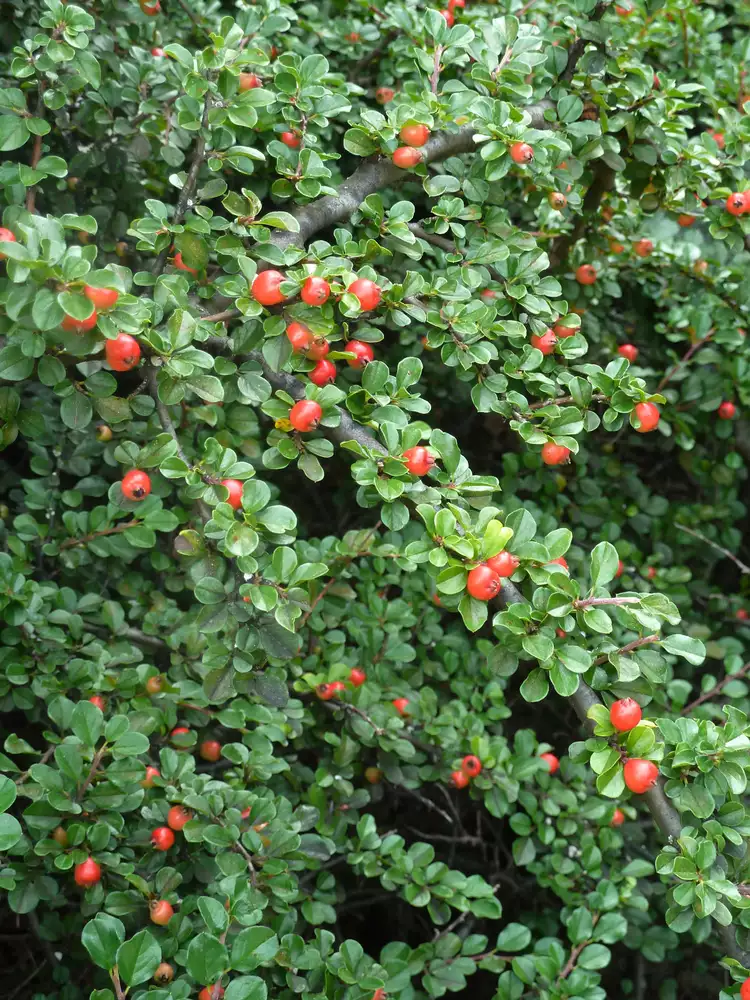
Got a dry, sloped patch that nothing seems to fix? Cotoneaster might solve that problem. It sprawls low and scrambles across tricky terrain with ease.
Bright red berries dot the branches come fall. Birds show up for the berries almost immediately.
‘Autumn Inferno’ offers a more upright, showier form if you want height. Deer tend to leave the stiff, glossy leaves untouched.
Plant Overview
- Hardiness Zone: 4-7
- Sun Requirements: Full sun to part shade
- Soil Requirements: Well-draining soil; tolerates poor, dry soil
- Water Requirements: Low once established; drought-tolerant
- Planting Instructions: Space plants 3-6 feet apart in spring or fall
12. Sweetspire Brings Fragrance and Fire
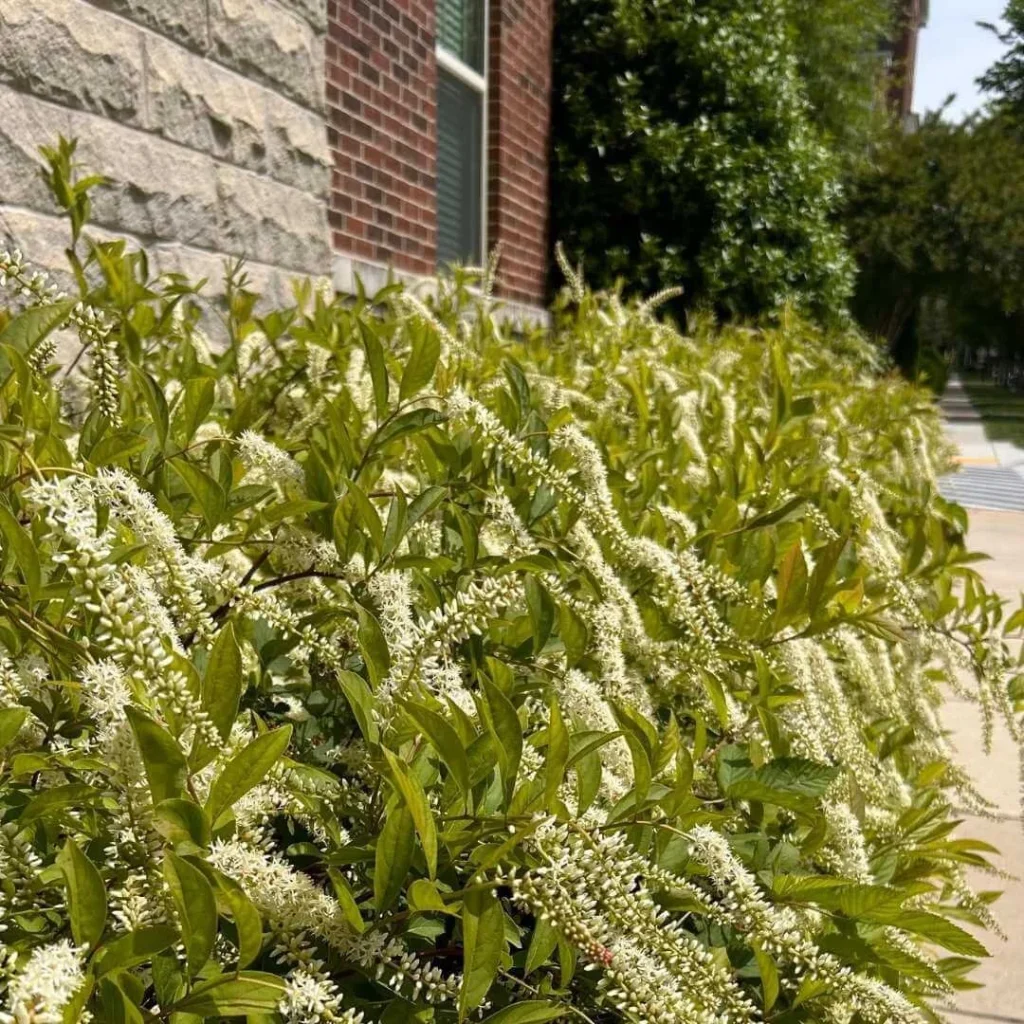
Do you have a damp spot that struggles to grow anything pretty? Sweetspire actually thrives there. White flower spikes bloom in early summer with a sweet, noticeable scent.
Bees and butterflies swarm it constantly. Fall brings an even bigger reward.
Leaves turn deep red and orange before dropping. Deer rarely touch this native shrub.
Plant Overview
- Hardiness Zone: 5-9
- Sun Requirements: Full sun to part shade
- Soil Requirements: Moist, well-draining soil; tolerates wet sites
- Water Requirements: Regular water; tolerates damp conditions
- Planting Instructions: Space plants 3-5 feet apart in spring or fall
Final Words:
12 plants, twelve different ways to keep deer guessing. You’ve got bulbs like autumn crocus and cool-season stars like snapdragons.
Shrubs like beautyberry and barberry add structure and color. Grasses and groundcovers like muhly grass and cotoneaster fill in the gaps.
Mixing textures matters more than people realize. Pair a tall Russian sage with a low-growing cotoneaster. Tuck salvia next to your aster for weeks of overlapping color. Layering heights and bloom times keeps your yard interesting from September through the first frost.
Remember, no plant is completely deer-proof. Hungry deer in a hard winter will try almost anything once. But these twelve give you a real fighting chance. Strong scents, bitter leaves, and toxic compounds do the heavy lifting for you.