15 Deer-Resistant Perennials for Full Sun

If you’ve ever walked outside to find your favorite plants stripped bare overnight, you know exactly how frustrating deer can be. The good news is that some perennials just don’t appeal to them.
Deer-resistant plants aren’t deer’s first choice for snacking and that’s all the advantage you need. Deer love feasting on azaleas, tulips, hostas, hydrangeas, and roses, so I’d steer clear of those.
The 15 full-sun perennials on this list are either toxic to deer, smell too strong, or feel unpleasant to eat. Your garden can stay beautiful and intact.
15 Deer Resistant Perennials for Sunny Garden
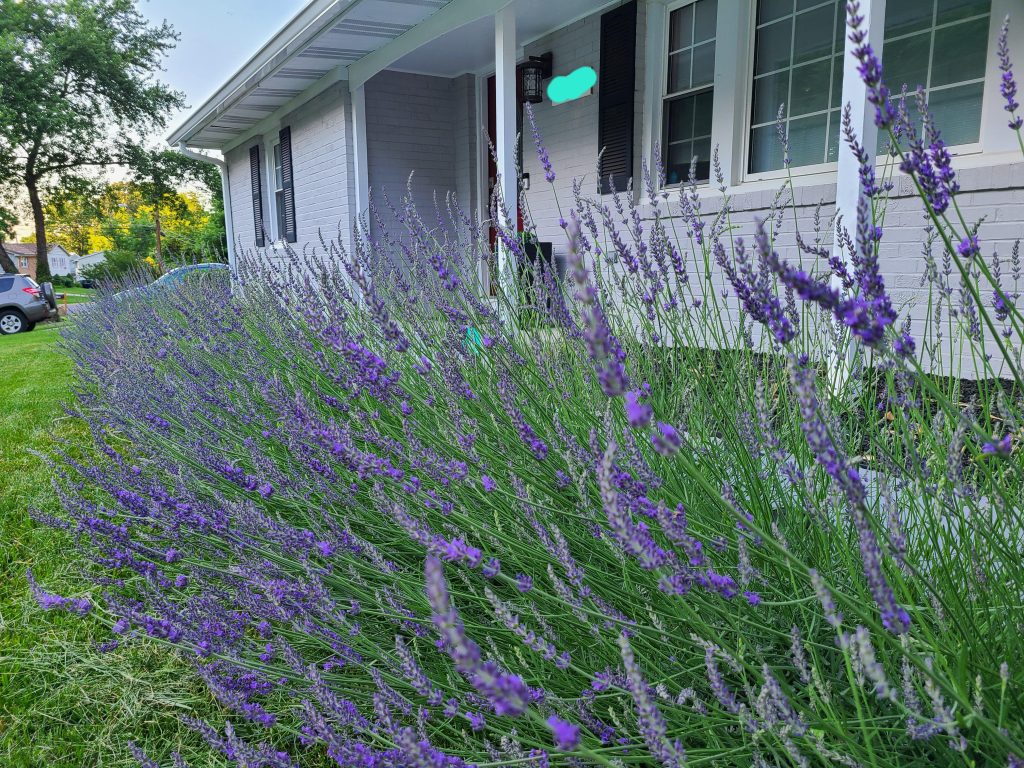
1. Lavender (Lavandula spp.)
Zones 5–9 | Blooms Late Spring to Early Fall
Deer smell their way around a garden. Lavender’s strong oils throw them off completely. You get a fragrant border, and deer get confused. Everybody wins except the deer.
Skip the rich soil here. Lavender actually prefers lean, rocky ground over fertilized beds. Too much feeding makes it leggy and weak-flowered. Give it full sun and sharp drainage instead, and it’ll thank you.
Want tidy mounds instead of sprawling shrubs? Try ‘Hidcote’ or ‘Munstead.’ Both stay under 18 inches and hold their shape without much pruning from you.
Humidity is lavender’s real enemy, even more than deer. If you garden somewhere sticky in summer, raise your beds or work in extra grit. You’ll extend the plant’s life by years.
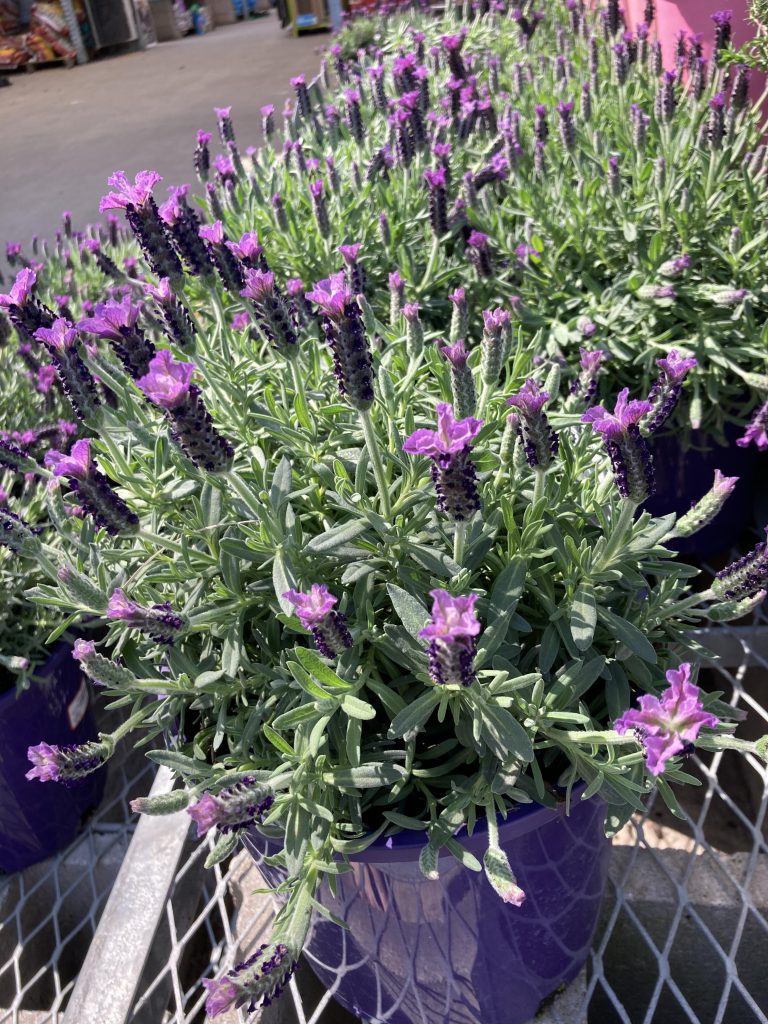
Here’s a timing tip I use every June: harvest stems for drying right when buds start opening, not after full bloom. You’ll lock in better color and stronger fragrance that way.
Plant it near a path or patio where you’ll brush against it often. That light touch releases the scent, and you’ll get to enjoy it daily.
Read more: 15 Best Perennials for Cut Flower Garden
2. Russian Sage (Perovskia atriplicifolia)
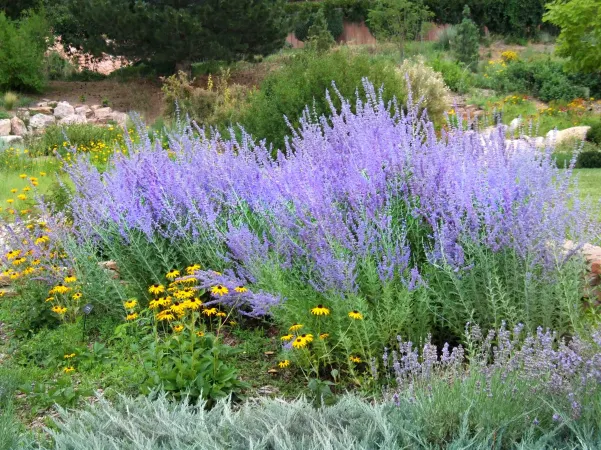
Zones 4–9 | Blooms Early Summer to Fall
Russian sage isn’t a true sage. It belongs to the mint family and grows more like a woody shrub. That structure is why it shrugs off drought once it settles in.
Deer avoid the scented foliage, and so do rabbits. You solve two browsing problems with one plant. That’s a big deal if rabbits have been raiding your beds too.
Give this plant patience. Year one looks sparse and unimpressive. Don’t panic. By year three, you’ll have a full haze of blue that holds its own against ornamental grasses.
Keep the soil lean. Skip fertilizer entirely, since rich soil makes the stems flop over. Average, well-drained dirt actually builds sturdier growth.
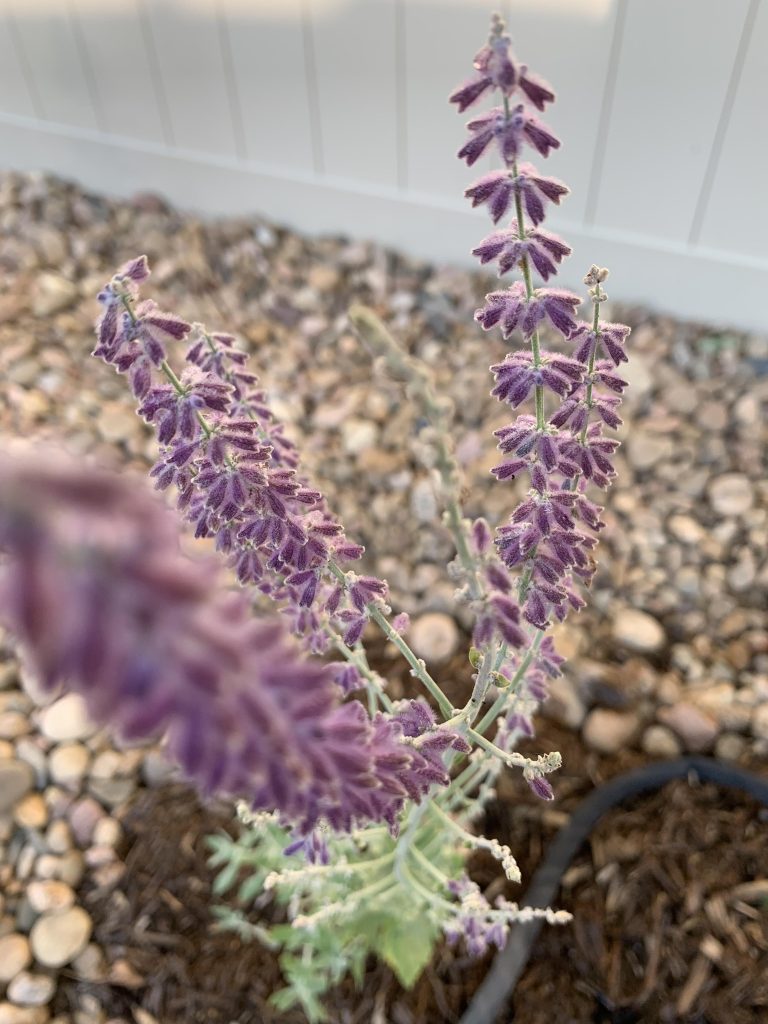
Cut it back hard each spring, down to about 6 inches, once you spot new growth at the base. Wait too long, and you’ll lose height for the season.
Pair it with black-eyed Susans or yarrow. The color contrast looks incredible in late-summer light, and all three plants ask for the same low-fuss care.
Also read: 12 Partial Shade Perennials That Actually Thrive in Backyard
3. Salvia (Salvia spp.)
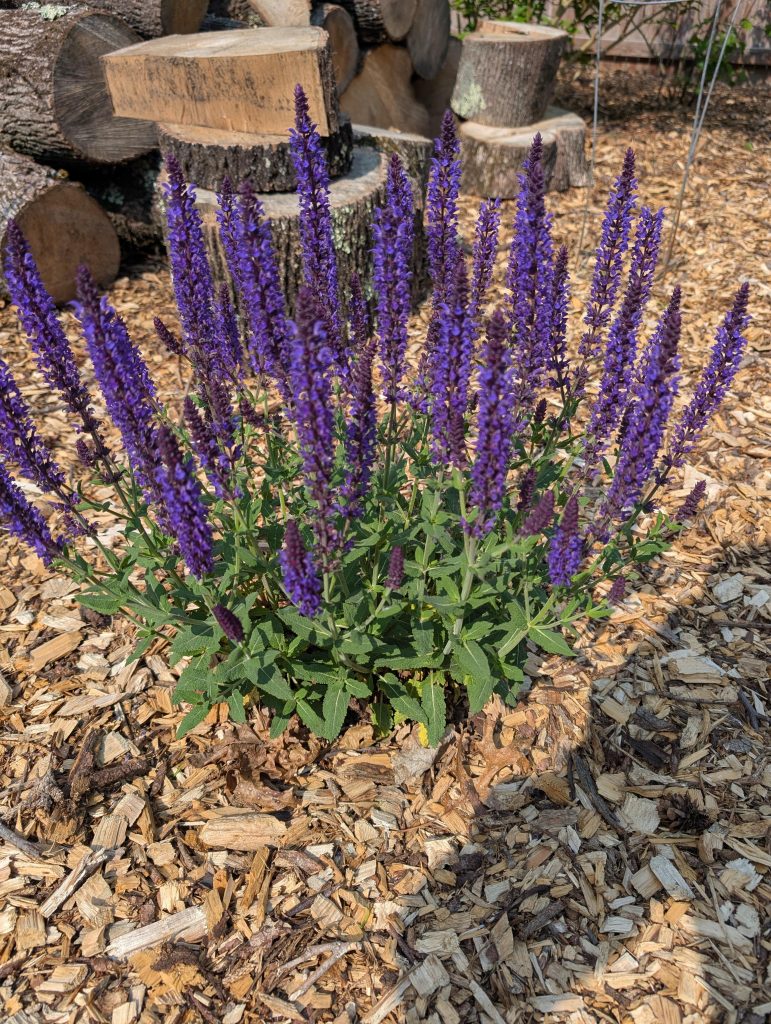
Zones 4–12 | Blooms Late Spring to Fall
Salvia comes in hundreds of species, but you only need a handful for a great deer-resistant border. Salvia nemorosa varieties handle cold well and keep deer away reliably.
Crush a leaf and you’ll smell why deer avoid it instantly. Strong essential oils give off a sharp, almost medicinal scent. Deer read that as a warning sign and move on.
You’ll also draw hummingbirds, not just bees and butterflies. Tubular flowers suit their feeding style perfectly. Plant a patch near a window, and you’ll get a front-row seat all summer.
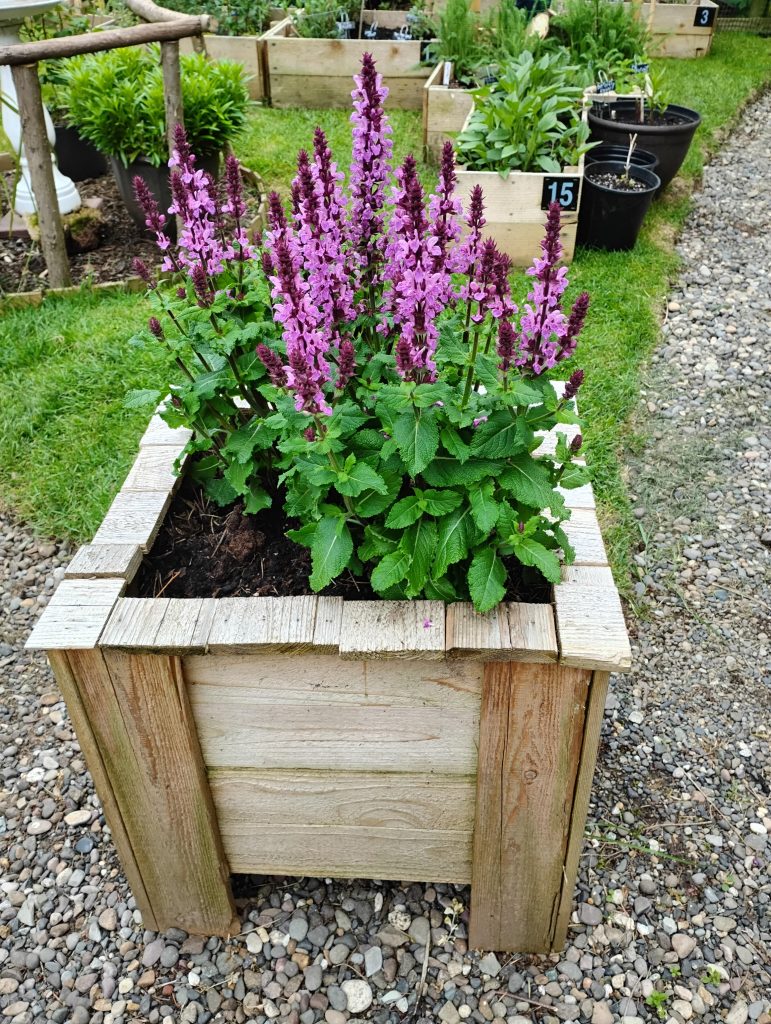
I tucked dwarf salvia along my front walkway a few seasons back. Deer pass through there most evenings. They’ve never touched it, even when nearby plants got nibbled down.
Shear the whole plant back by a third once the first bloom flush fades. New buds form fast, usually within two or three weeks. You’ll get a strong second wave of color through fall.
Read more: 15 Stunning Red Perennial Flowers for Full Sun Garden
4. Yarrow (Achillea spp.)
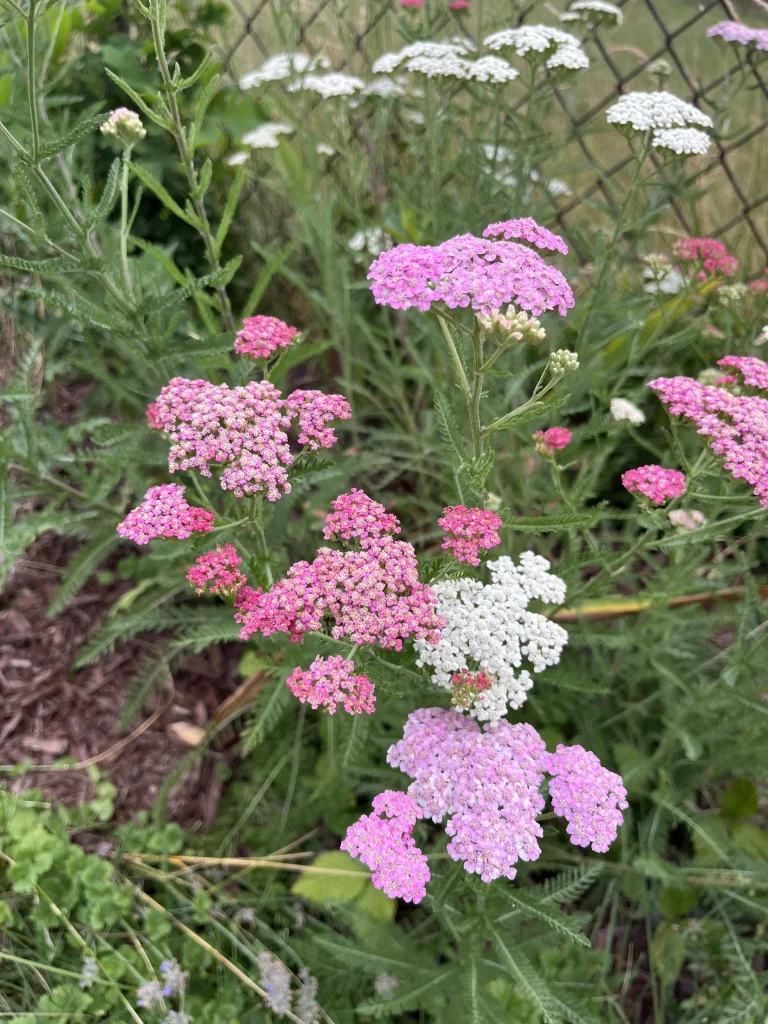
Zones 3–11 | Blooms Summer
Herbalists used yarrow for centuries before gardeners ever planted it for looks. That same bitter compound behind its medicinal history is exactly what keeps deer from grazing on it today.
You’ll want poor soil here, not rich. Sandy or rocky ground suits yarrow best. Fertile beds actually work against it, causing weak stems that flop after rain.
Divide your clumps every two or three years. Skip this step, and the center dies out while growth spreads outward.
You’ll end up with an odd donut shape instead of a full patch.
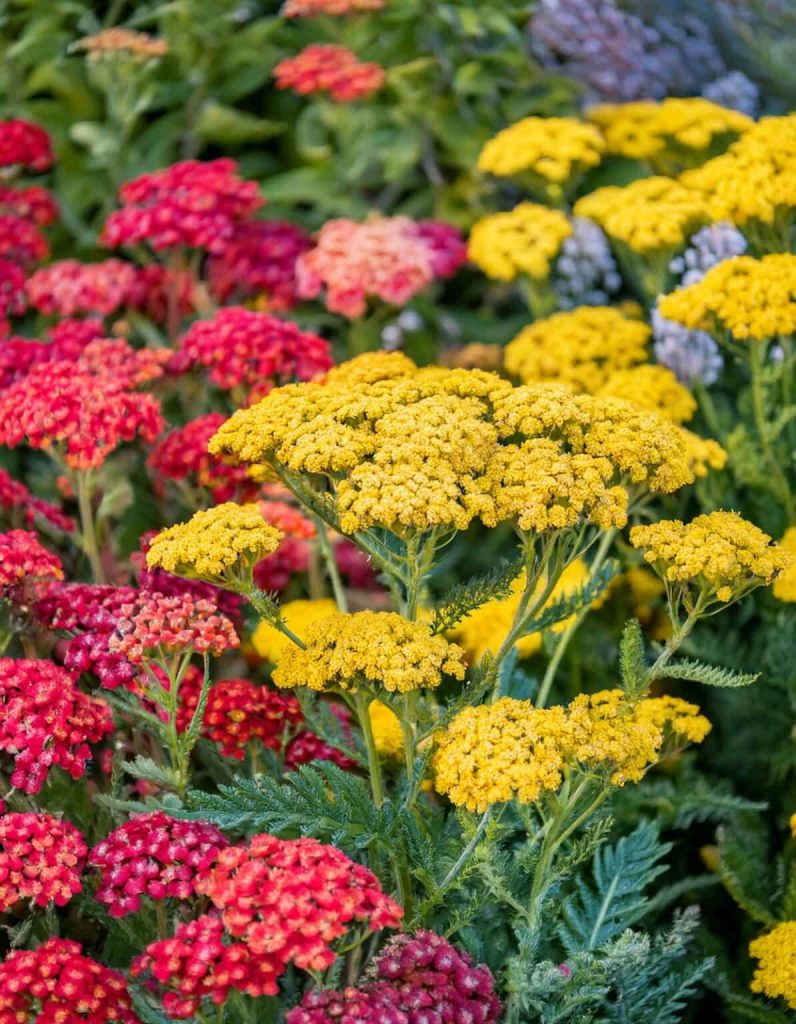
Yarrow spreads by rhizomes, so give it room to roam. In the right spot, that habit works in your favor. It fills gaps fast and crowds out weeds along the way.
I cut stems for drying every July, right at peak color. They hold their hue for months indoors, which makes yarrow one of the best cut-and-dried flowers you can grow.
5. Coneflower (Echinacea spp.)
Zones 3–9 | Blooms Summer
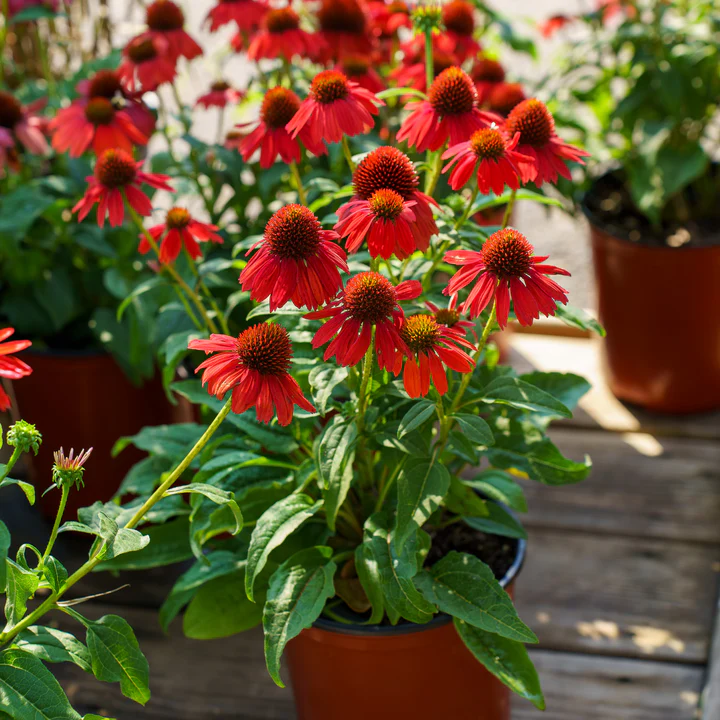
Coneflower grew up on North American prairies, and it still acts like it. Drought, poor soil, neglect- none of it fazes this plant. It evolved to handle far worse than your backyard.
That spiky central cone does real work. Combined with coarse, bristly leaves, it makes grazing more trouble than it’s worth for a hungry deer.
Your soil actually benefits from growing coneflower. Its deep taproot breaks up compacted clay and pulls nutrients up from below. Nearby plants get to share in that improvement.
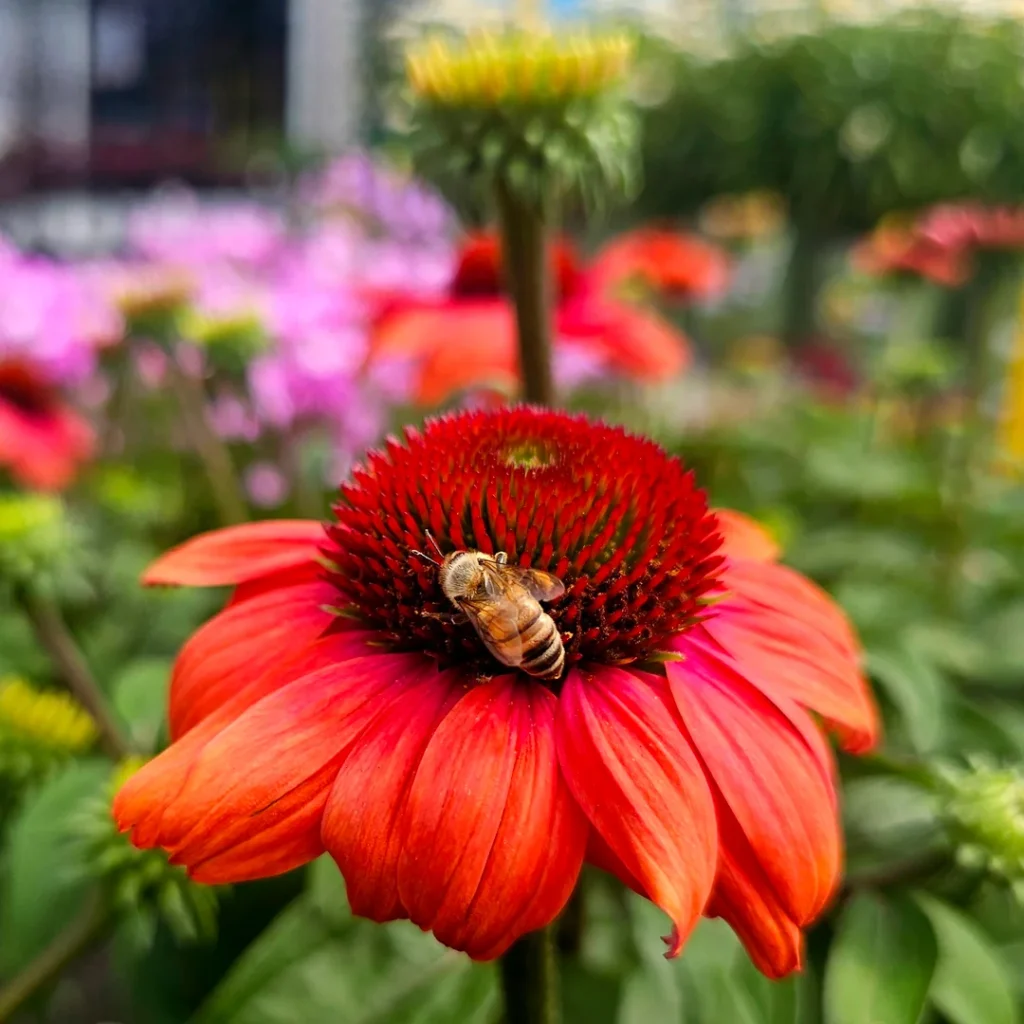
Give coneflower three years before judging it. First-season blooms run small. Once that taproot settles in, you’ll see noticeably bigger flowers and a much fuller plant.
6. Catmint (Nepeta spp.)
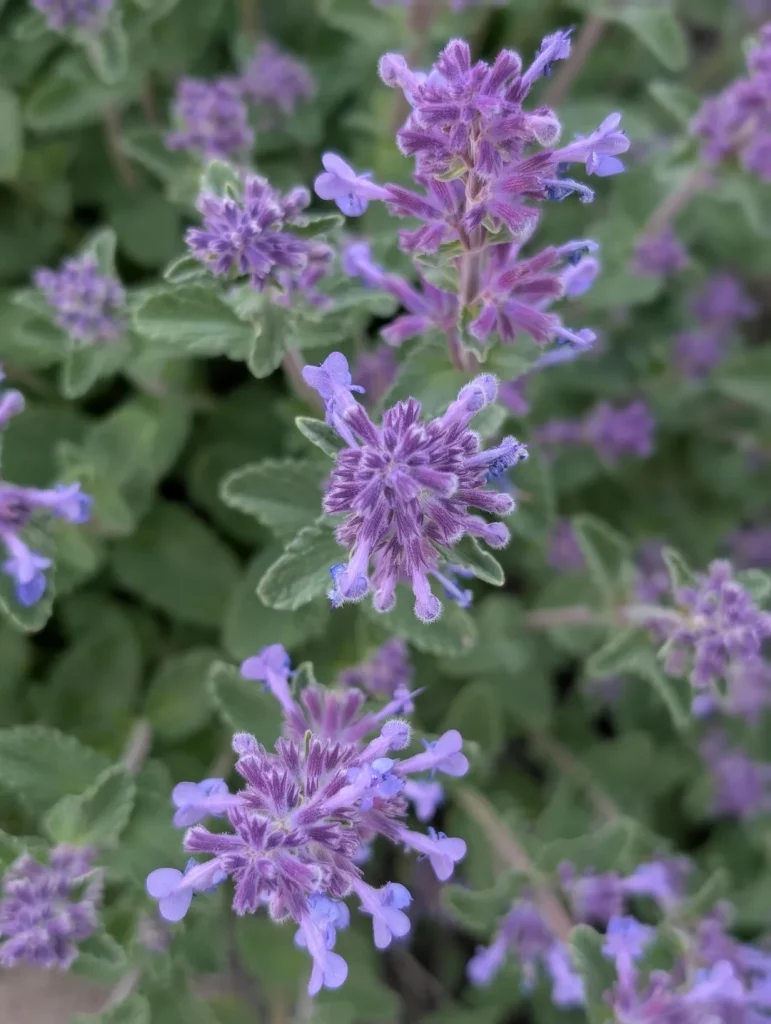
Zones 3–9 | Blooms Late Spring to Fall
Cats love catmint. Deer can’t stand it. That contrast alone makes this plant worth a spot in your border.
The minty scent comes from nepetalactone, the same compound that makes cats go wild. Deer read it completely differently. To them, it smells like a plant not worth the trouble.
You’ll get bloom after bloom if you stay on top of one simple task. Shear the whole plant back by half once flowering slows. Fresh growth and a new round of flowers show up within weeks.
Catmint handles poor soil better than most border plants. Skip the fertilizer and skip the extra watering once it’s established. This one actually performs worse when you fuss over it too much.
Bees swarm catmint from the moment it opens. If you’re trying to support pollinators without inviting deer to dinner, this plant checks both boxes at once.
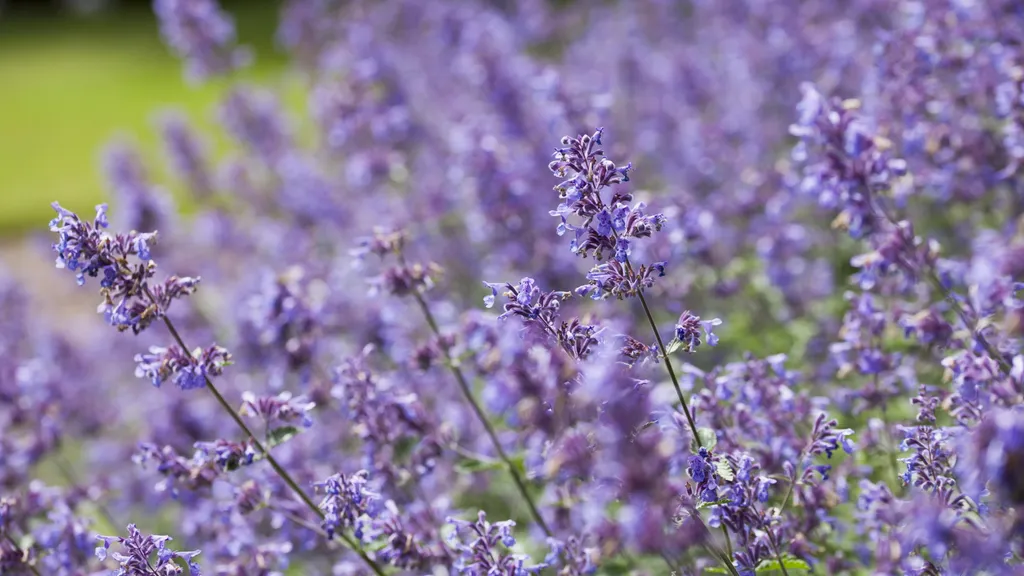
Use it along walkways or as a soft border edge. The mounding habit spills nicely over stone or brick, softening hard edges without looking messy.
Give it three feet of space when you plant. Catmint fills out fast, and crowding it early leads to floppy, tangled growth by midsummer.
7. Black-Eyed Susan (Rudbeckia spp.)
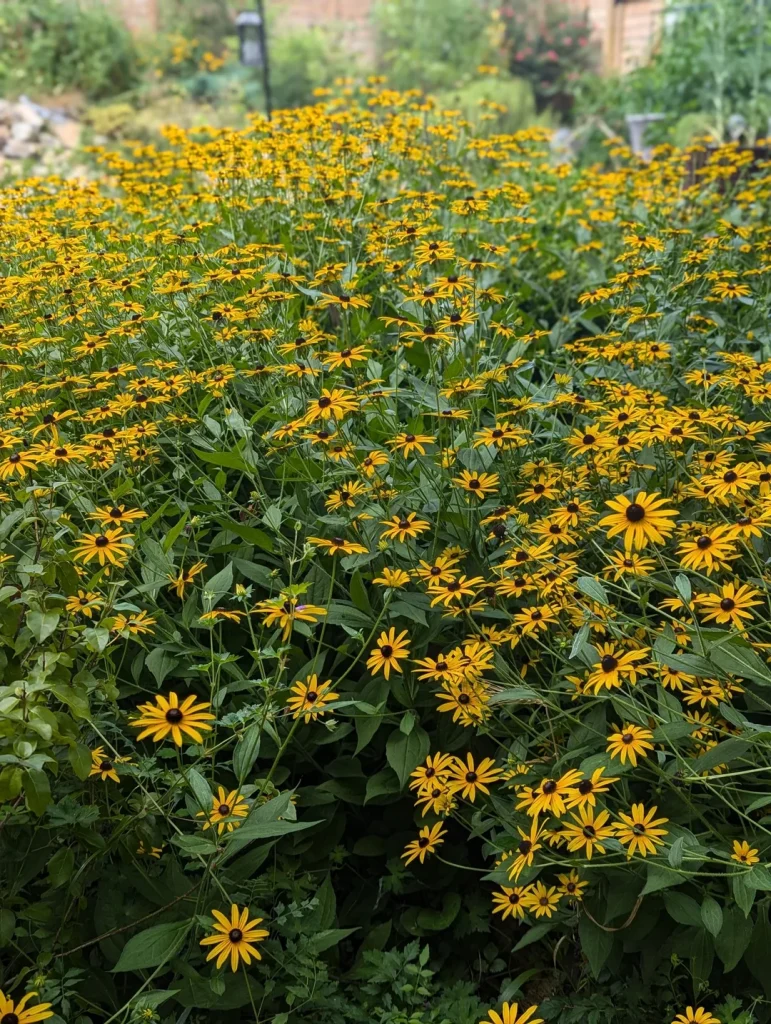
Zones 3–10 | Blooms Summer to Fall
Black-eyed Susan brings instant summer energy to a border. Golden petals, dark centers, and a bloom time that stretches for months make it one of the easiest wins on this list.
Rough, fuzzy foliage is the deer deterrent here. Grazing animals dislike the texture against their tongues, so they move along to something smoother.
This plant self-seeds generously. Some gardeners see that as a headache. I see it as free plants. Let a few seed heads stay through fall, and you’ll find volunteers popping up nearby come spring.
Rudbeckia tolerates clay soil better than most sun-loving perennials. If your yard has heavy, compacted dirt, this is one of the few flowers that won’t sulk about it.
Deadhead regularly through midsummer to keep blooms coming. Once fall arrives, though, let the seed heads stand. Goldfinches and sparrows depend on them for winter food.
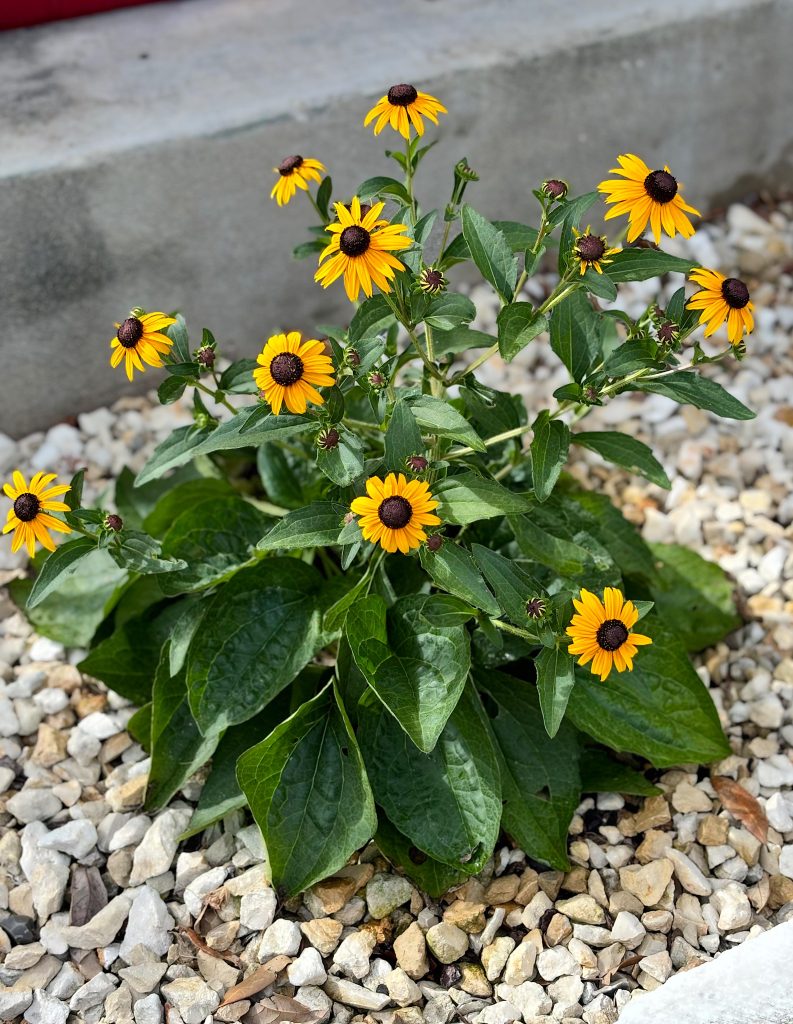
Pair black-eyed Susan with Russian sage or globe thistle. The gold against silver-blue creates a combination that pulls every eye toward that corner of the garden.
Expect a full, floriferous plant by the second season. First-year growth tends to look modest compared to what follows.
8. Tickseed (Coreopsis spp.)
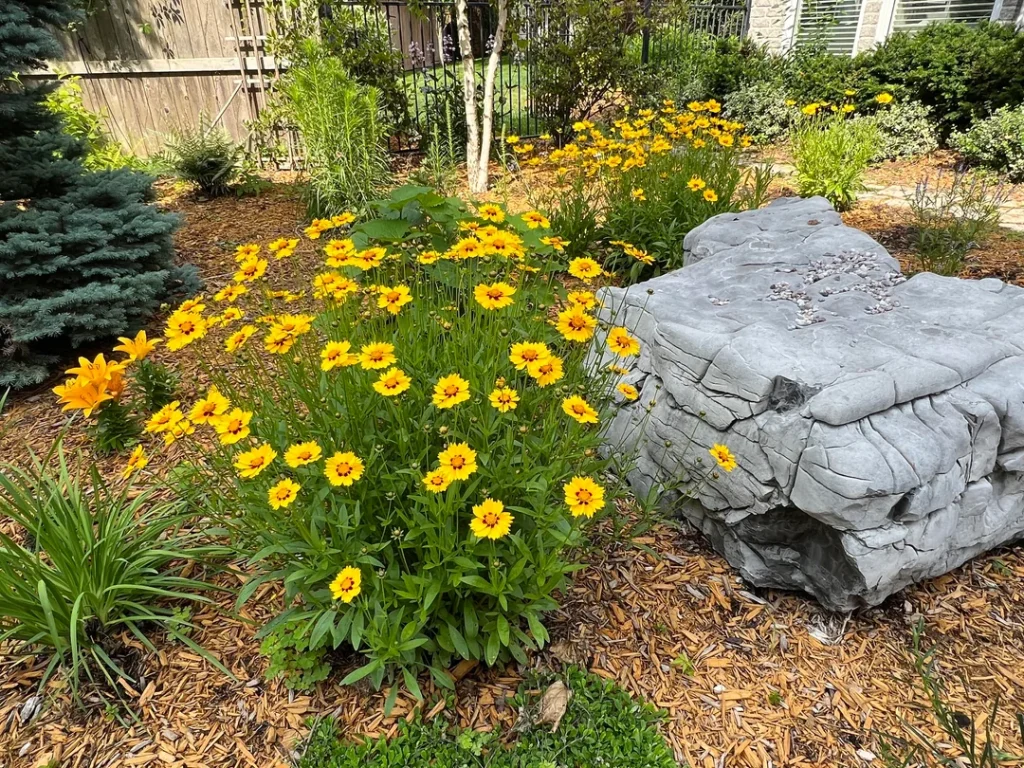
Zones 3–9 | Blooms Late Spring to Fall
Tickseed rewards very little effort with a very long bloom season. Deadhead it every week or two, and you’ll get flowers from late spring clear into fall.
Deer generally skip it, though a truly hungry deer in a lean year might take a nibble. Reliable, not bulletproof, is the honest way to describe its deer resistance.
Sandy, well-drained soil suits coreopsis best. Heavy clay or constant moisture shortens its lifespan fast. If your yard holds water after rain, raise the bed or work in sand before planting.
‘Moonbeam’ remains one of the most popular varieties for good reason. Soft, butter-yellow flowers blend into nearly any color scheme without clashing.
Coreopsis tends to be short-lived, often fading after three or four years. Don’t take it personally. Let a few plants self-seed each season, and you’ll always have replacements coming up nearby.
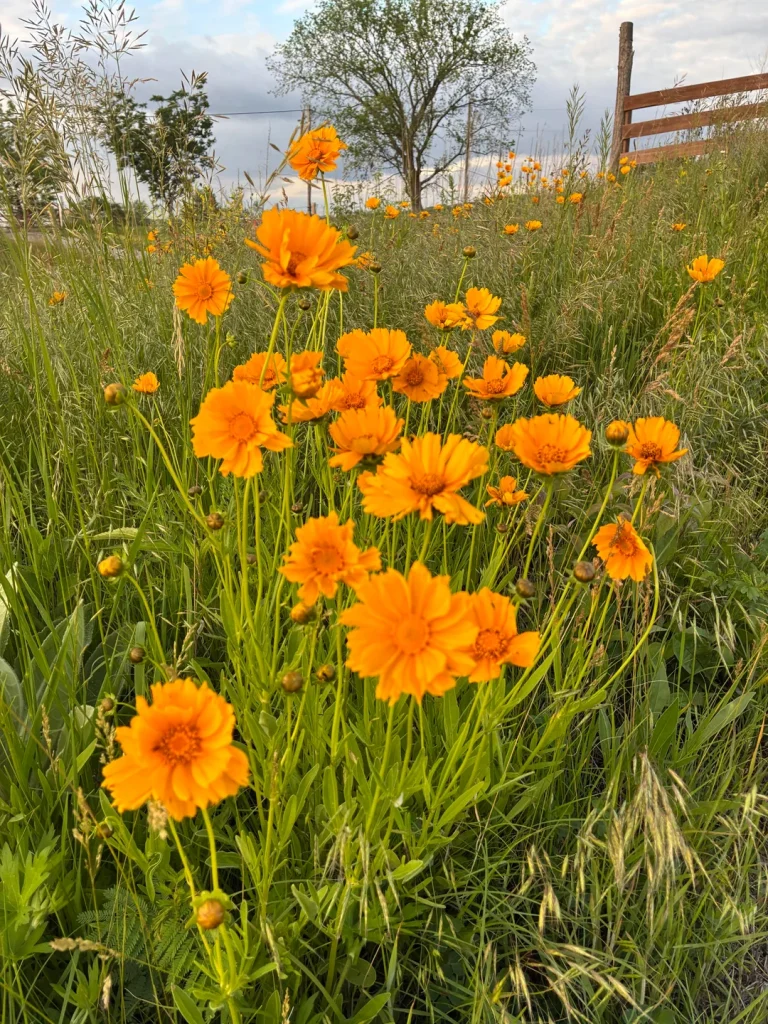
Drought doesn’t bother this plant once it’s established. Hot, exposed spots that punish other perennials are exactly where tickseed does its best work.
Cut back hard in late summer if growth looks tired. You’ll often coax out one more flush of blooms before frost shuts things down.
9. Bearded Iris (Iris germanica)
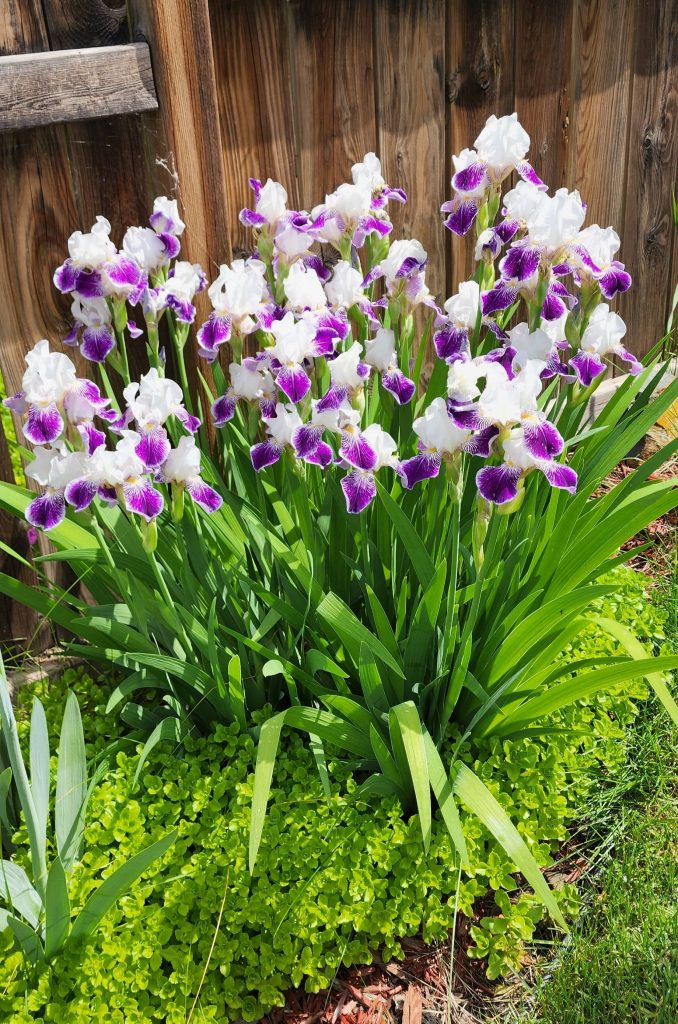
Zones 3–9 | Blooms Spring to Early Summer
Here’s something counterintuitive. Deer avoid bearded iris partly because it smells too good, not too bad. That sweet, perfumy fragrance apparently signals danger rather than dinner.
Iris rhizomes need to bake in the sun to bloom well. Plant them shallow, right at or just above soil level. Bury them too deep, and you’ll get lush leaves with no flowers at all.
Colors span nearly every shade you can imagine. Purple, blue, yellow, burgundy, even near-black varieties exist if you go looking for them.
Divide clumps every three to four years. Skip this step, and you’ll notice fewer blooms each season as the rhizomes get overcrowded and start competing for space.
Good drainage matters more than rich soil here. Wet feet cause rot faster than almost anything else affects this plant. A slight slope or raised bed solves the problem easily.
Cut back foliage to a fan shape after blooming ends. It looks tidier through summer, and it won’t hurt the plant’s ability to bloom again next year.
Plant iris where you’ll walk past them in late spring. That fragrance carries, and you don’t want to miss it tucked in some far corner.
10. Lamb’s Ear (Stachys byzantina)
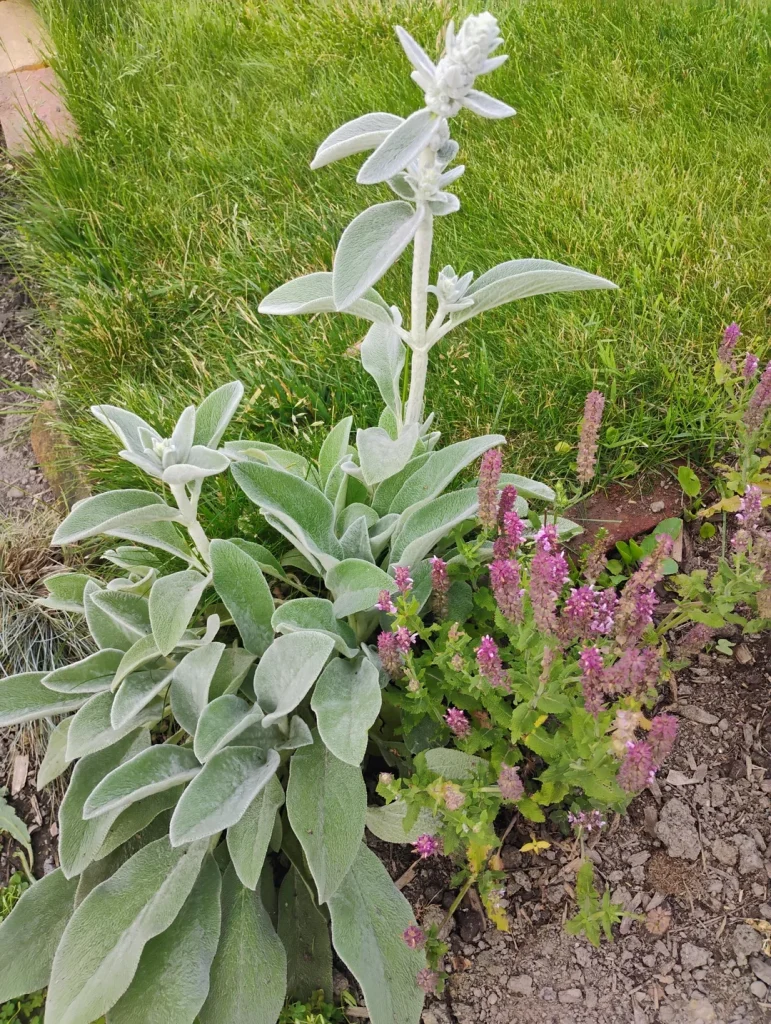
Zones 4–9 | Blooms Late Spring to Early Summer
Texture does the heavy lifting here. Deer find those soft, velvety, silver leaves unappealing to eat, even though every human who walks by wants to touch them.
Lamb’s ear spreads readily once established. Use that to your advantage as a living ground cover between showier, more upright plants that need some visual grounding.
Wet soil is this plant’s biggest threat, not deer, not drought. Standing water rots the fuzzy leaves fast. Plant it somewhere with sharp drainage, and you’ll rarely have problems.
Some varieties rarely flower, which some gardeners actually prefer. ‘Big Ears’ stays mostly foliage-focused, while straight species types send up tall purple flower spikes that pollinators enjoy.
Those silver leaves create striking contrast against bold colors. Purple salvia, bright yellow coreopsis, deep red black-eyed Susans — lamb’s ear makes all of them pop harder.
Trim back tattered or rotted leaves after winter. Fresh growth fills in quickly once warm weather returns, and the plant looks refreshed within a few weeks.
Give it room to spread, but don’t worry too much about controlling it. Pulling excess lamb’s ear takes seconds, and it never turns invasive or aggressive.
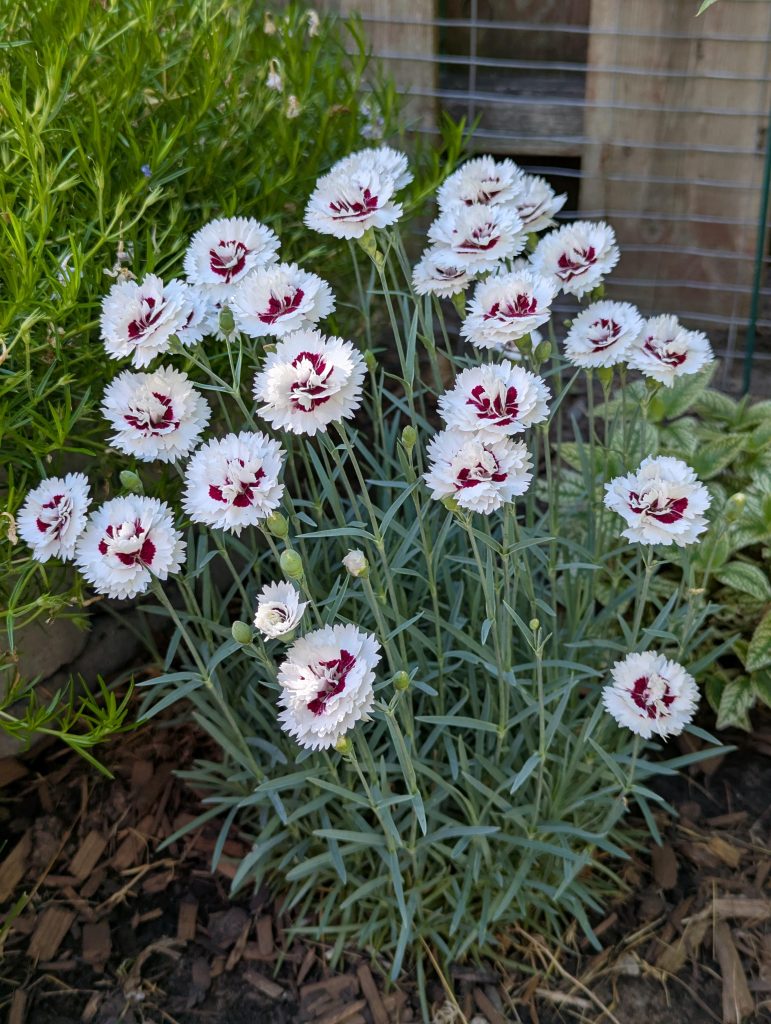
11. Pinks (Dianthus spp.)
Zones 3–9 | Blooms Spring to Fall
Dianthus looks delicate. It isn’t. Deer avoid it for three reasons at once: a clove-like fragrance, a bitter taste, and mild toxic compounds that upset their stomachs. That’s a serious defense system packed into a small flower.
You’ll find dianthus in nearly every color imaginable. White, magenta, near-black — the range genuinely surprises first-time growers.
This plant hates wet feet more than almost anything else on this list. Sharp drainage matters far more than rich soil. A gravelly slope or raised bed suits it perfectly.
Some cultivars bloom once in spring and stop. Others keep pushing flowers through fall if you deadhead consistently. Check the tag before buying if repeat bloom matters to you.
Sizes range from 4 inches to 3 feet depending on variety. Compact types work beautifully along a border’s front edge, where their fragrance sits right at nose height.
I planted a patch near my mailbox a few years back, mostly for the scent. Every walk to check the mail turned into a small daily pleasure.
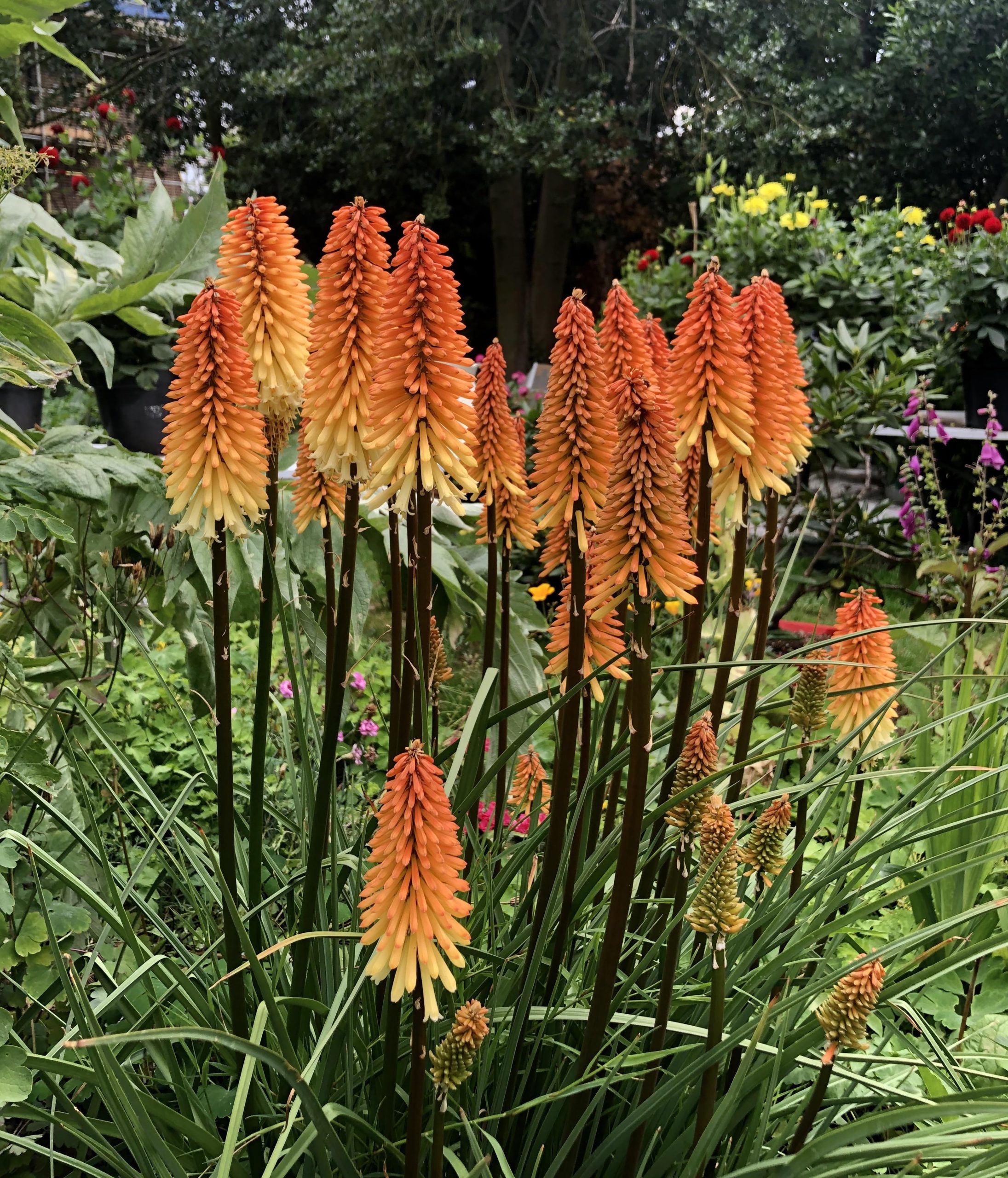
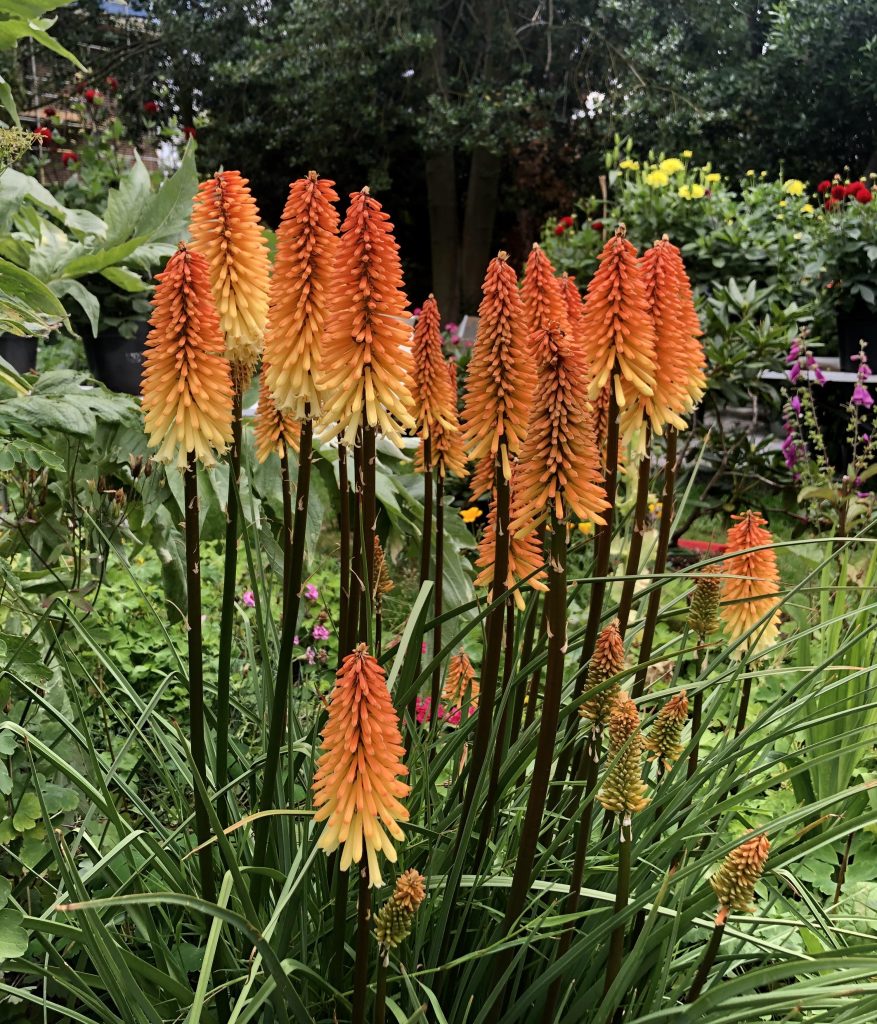
12. Red Hot Poker (Kniphofia spp.)
Zones 5–9 | Blooms Early Summer to Fall
Red hot poker doesn’t do subtle. Blazing spikes of red, orange, and yellow shoot straight up, looking almost tropical against a typical sunny border.
Sharp-edged, grass-like foliage keeps deer away. Grazing through it just isn’t comfortable, so they skip it in favor of softer plants nearby.
Hummingbirds treat this plant like a buffet. Those tubular flowers hold nectar deep inside, exactly matched to a hummingbird’s long beak and feeding style.
Plant it toward the back of your border. Heights of 2 to 6 feet mean it needs shorter neighbors in front to avoid blocking the view.
Winter drainage matters more than summer care. Standing water around the crown in cold months kills this plant fast. If your soil stays soggy in winter, mound it slightly or add grit before planting.
Some gardeners tie the leaves into a loose knot each fall to protect the crown from freezing rain. I’ve skipped that step in zone 7 without issues, but colder zones benefit from it.
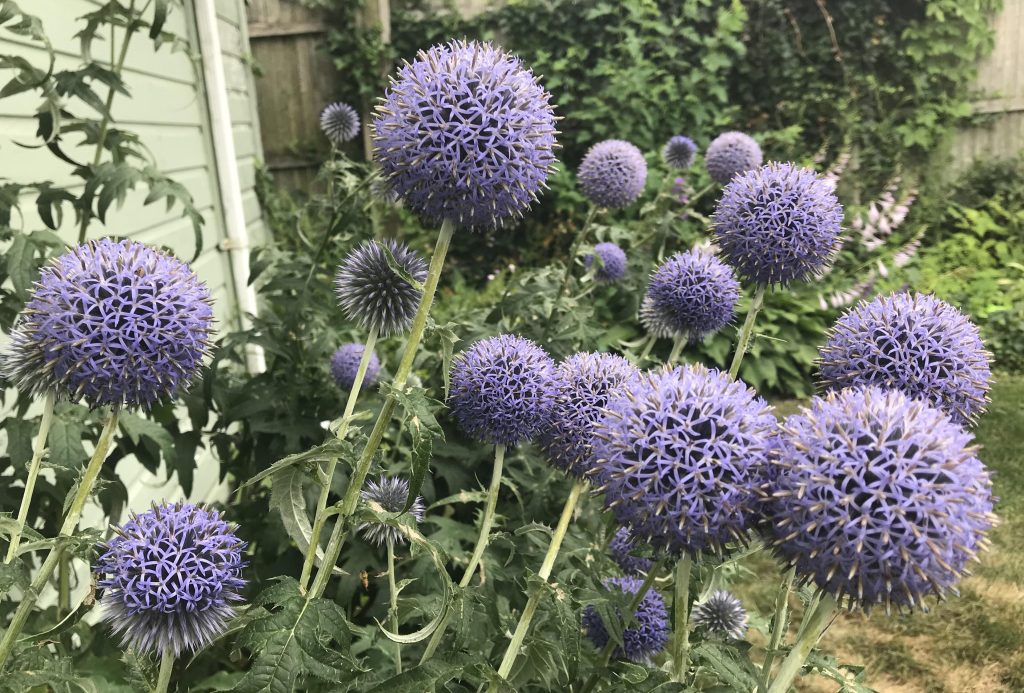
13. Globe Thistle (Echinops spp.)
Zones 3–9 | Blooms Summer
Globe thistle stops people mid-walk. Perfectly round, spiky blue flower balls float on tall stems, looking almost architectural against ordinary garden greenery.
Prickly texture keeps deer away completely. Both the flowers and the thistle-like leaves feel unpleasant against a deer’s mouth, so they avoid the whole plant.
Bees and butterflies swarm those blue globes all summer. You’ll hear the buzzing before you even see the pollinators clustered on top.
Cut stems before flowers fully open if you want them for indoor arrangements. They dry beautifully and hold their shape and color for months.
This plant tolerates poor, rocky soil without complaint. Rich, fertile ground actually makes it flop over, so resist the urge to feed it heavily.
Give globe thistle room at the middle or back of your border. Heights of 2 to 5 feet mean it needs space to show off without crowding shorter neighbors.
Self-seeding happens readily once established. Deadhead spent blooms if you want to control spread, or let a few go to seed for free plants next season.
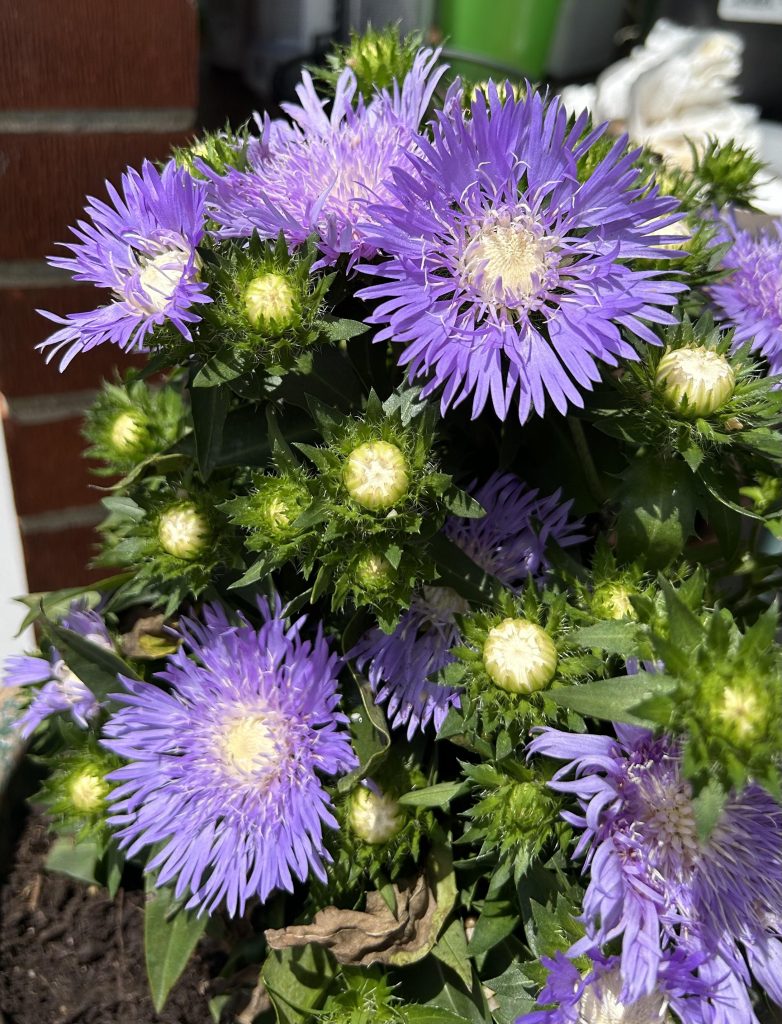
14. Stokes Aster (Stokesia laevis)
Zones 5–9 | Blooms Early to Midsummer
Stokes aster surprises people every time. Large, fringed, lavender-blue flowers look almost exotic for a plant tough enough to shrug off summer heat without wilting.
Deer consistently leave it alone. Even in yards with heavy browsing pressure, this one rarely gets touched, making it a dependable pick for open, exposed borders.
You’ll get a compact, well-behaved plant here. Growing to about 2 feet tall and wide, it fits neatly into the front or middle of a sunny bed without sprawling.
Butterflies and bees show up constantly once summer heat sets in. The fringed petals seem to be an easy landing spot compared to flatter, denser blooms.
Deadhead spent flowers regularly through the season. This plant keeps pushing out fresh buds well into August if you stay consistent about removing the old ones.
Well-drained soil matters more than rich soil for stokes aster. Heavy, wet clay shortens its life considerably, so amend before planting if your yard tends to hold water.
I tucked a few plants along a walkway edge, and the fringed blooms catch afternoon light beautifully. It’s a small detail that makes a big difference walking by.
15. Daffodil (Narcissus spp.)
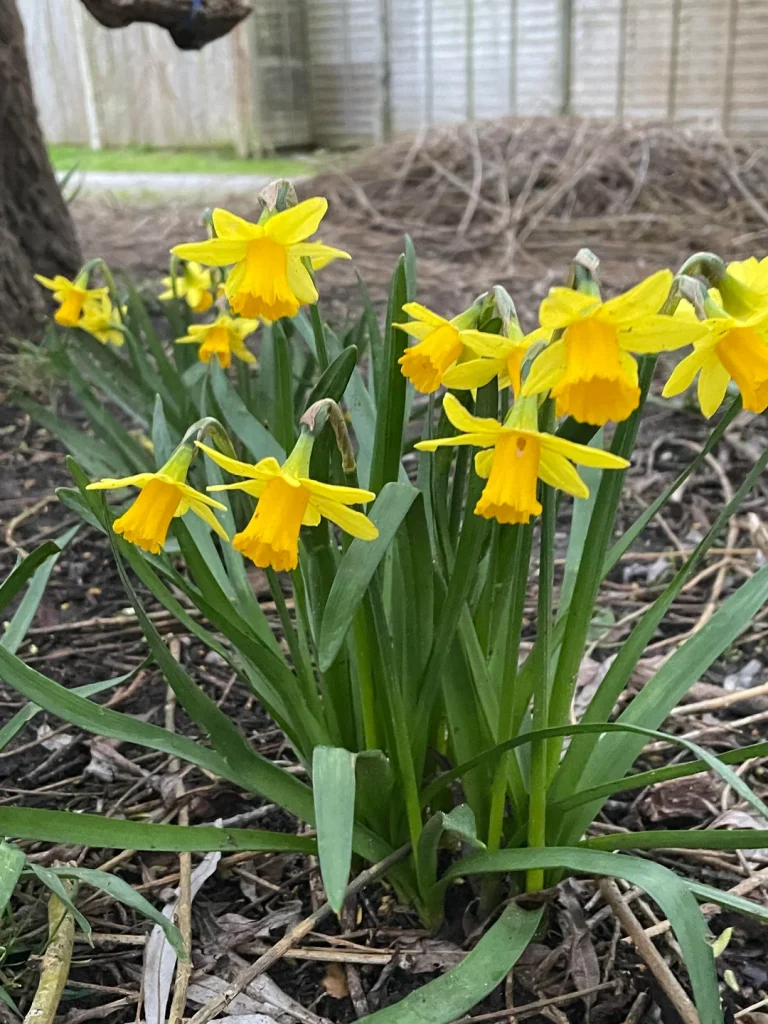
Zones 3–8 | Blooms Spring
Saving one of the best for last. Daffodils grow from bulbs, not roots, but they return faithfully every spring, earning their spot on any perennial list without question.
Toxic compounds called lycorine run through the bulbs, leaves, and flowers. That built-in defense makes the entire plant unappealing to deer, start to finish.
Here’s a bonus most gardeners appreciate. Squirrels leave daffodil bulbs alone too, unlike tulips, which tend to vanish overnight once squirrels find them.
Colors stretch well beyond classic yellow. Look for white, apricot, orange, pink, and bicolored varieties if you want more range in your spring border.
Plant bulbs in fall, roughly six weeks before your ground freezes. That timing gives roots enough time to establish before winter dormancy sets in.
Let the foliage die back naturally after blooming, even though it looks messy for a few weeks. Cutting it early weakens next year’s flowers significantly.
I plant a fresh batch of bulbs every October, mixed in among my perennials. By the time spring arrives, I’ve usually forgotten exactly where they’ll pop up, which makes the surprise even better.
Final Thoughts
Gardening in deer country doesn’t have to mean constant disappointment. These 15 deer-resistant perennials for full sun give you color from early spring all the way through fall — without turning your garden into a wildlife buffet.
Start with three or four plants from this list that suit your zone and garden style. Watch how your local deer respond, then expand from there. Every garden and every deer population is slightly different, so a little observation goes a long way.
Your sunny garden deserves to look stunning all season. Give these tough, beautiful perennials a chance — and let the deer find someone else’s garden to raid.