15 Zone 7 Full Sun Perennials That Thrive All Season Long

Zone 7 summers are no joke. The heat rolls in hard, the humidity hangs around, and a lot of plants just give up.
But the right full sun perennials? They actually love it.
I’ve spent a lot of time figuring out which plants genuinely perform in this climate rather than just survive it.
Whether you’re in Virginia, Tennessee, or Oklahoma, this list will give your sunny beds real, lasting color year after year.
The Best Zone 7 Full Sun Perennials to Plant This Season
Zone 7 covers a huge stretch of the country, from the Carolinas to northern Georgia and beyond. What all these areas share is long, hot summers and winters that rarely get brutal.
That sweet spot makes it perfect for a wide range of sun-loving perennials that bloom for months with very little fuss.
1. Purple Coneflower (Echinacea purpurea)
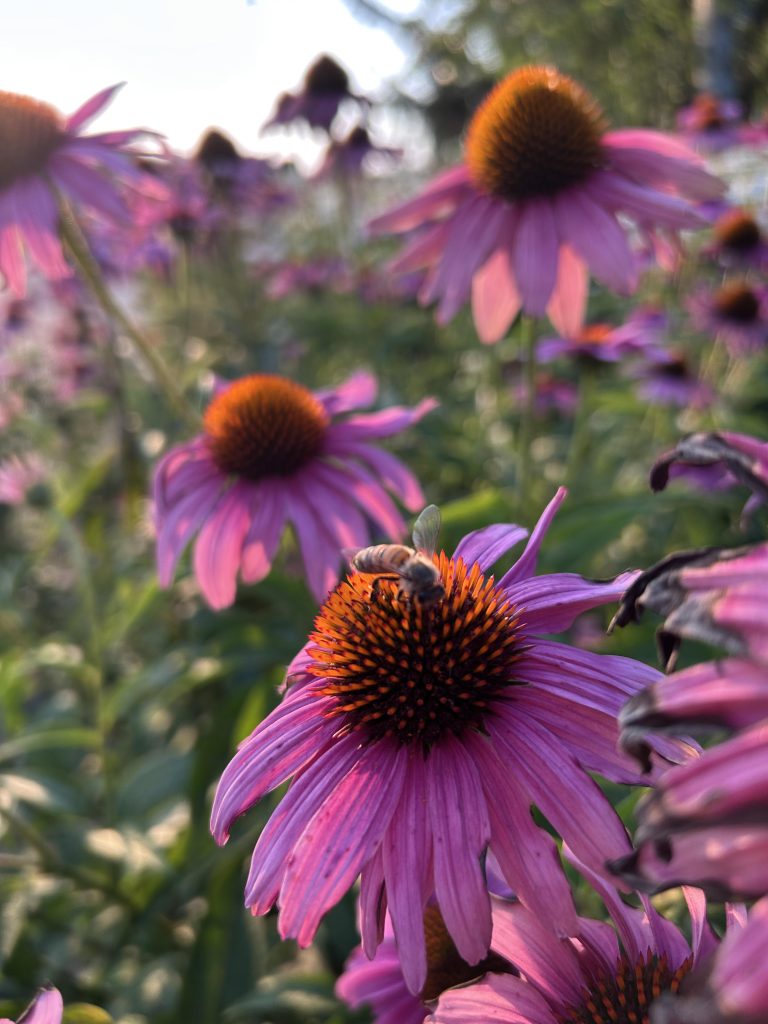
Purple coneflower is one of the most reliable perennials you can plant in Zone 7.
Its big, daisy-like blooms with spiky orange centers push up from midsummer all the way into fall. Butterflies flock to it, and so do goldfinches once the seed heads dry out.
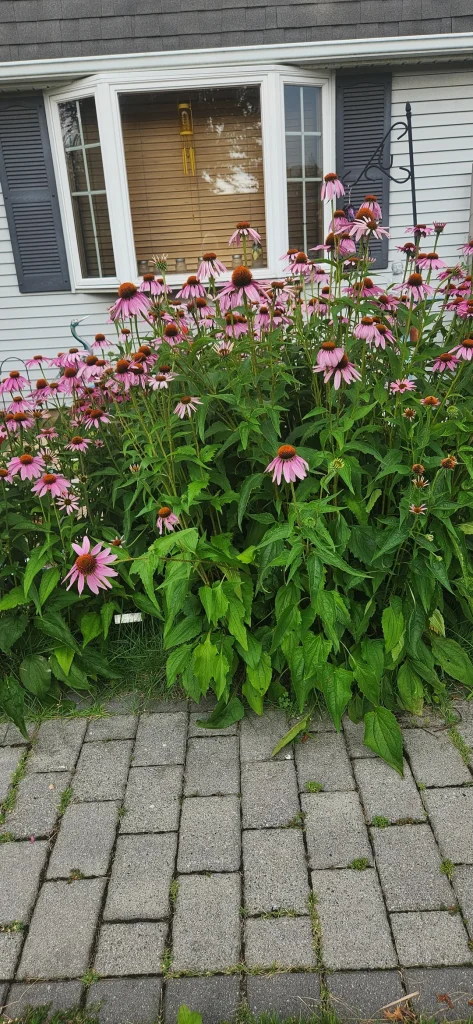
Hardy across a wide range of zones, it handles heat, drought, and even poor soil without drama.
Deadhead spent blooms to keep the flowers coming. Leave a few seed heads standing in fall to feed the birds through winter.
- Plant Type: Perennial
- Geographical Origin: Central and Eastern North America
- Plant Size: 2-5 feet (60-150 cm)
- Sun Exposure: Full sun
- Hardiness Zones: 3-8
Also read: 15 Deer-Resistant Perennials for Full Sun
2. Black-Eyed Susan (Rudbeckia fulgida)
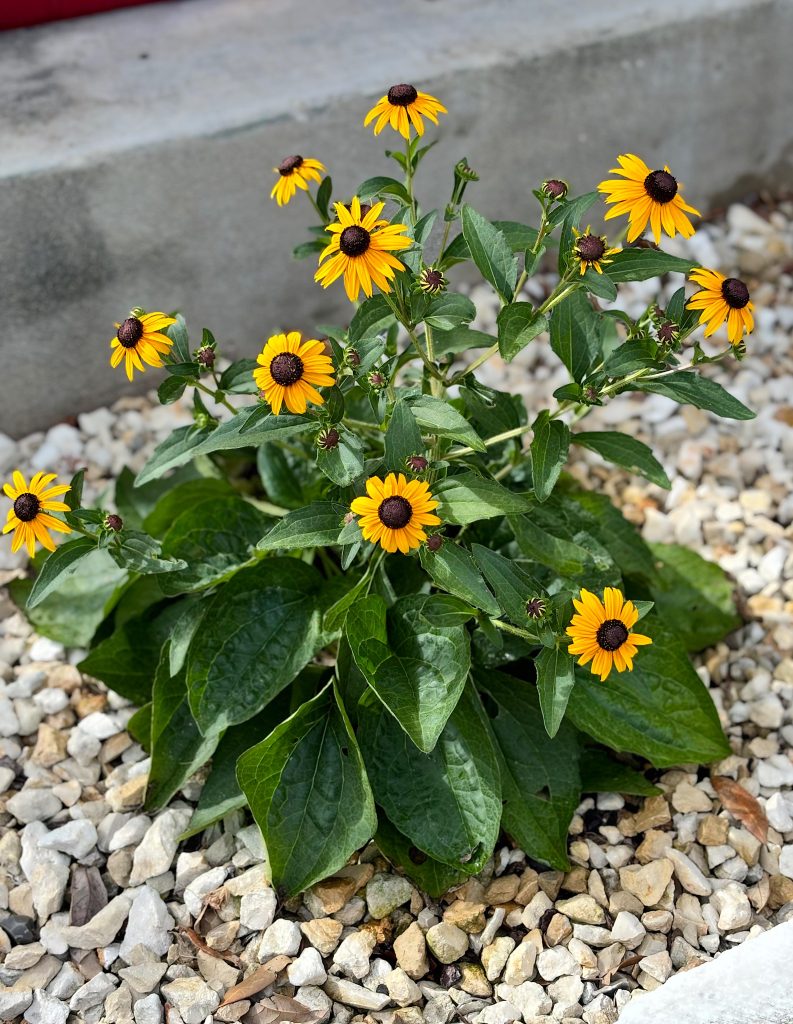
Few plants say “summer garden” quite like black-eyed Susan. Those golden-yellow petals surrounding a dark brown center are cheerful in a way that’s hard to beat.
Bees absolutely love them, and they bloom from midsummer right through fall.
This is a true perennial — unlike Rudbeckia hirta, which is an annual — so it returns reliably each season.
Regular deadheading stretches the bloom season even longer. They also make gorgeous cut flowers for a cottage-style bouquet.
- Plant Type: Perennial
- Geographical Origin: Eastern North America
- Plant Size: 2-3 feet (60-90 cm)
- Sun Exposure: Full sun to partial sun
- Hardiness Zones: 3-9
Also read: 13 Low Maintenance, Drought-Tolerant Perennials for Full Sun
3. Daylily (Hemerocallis)
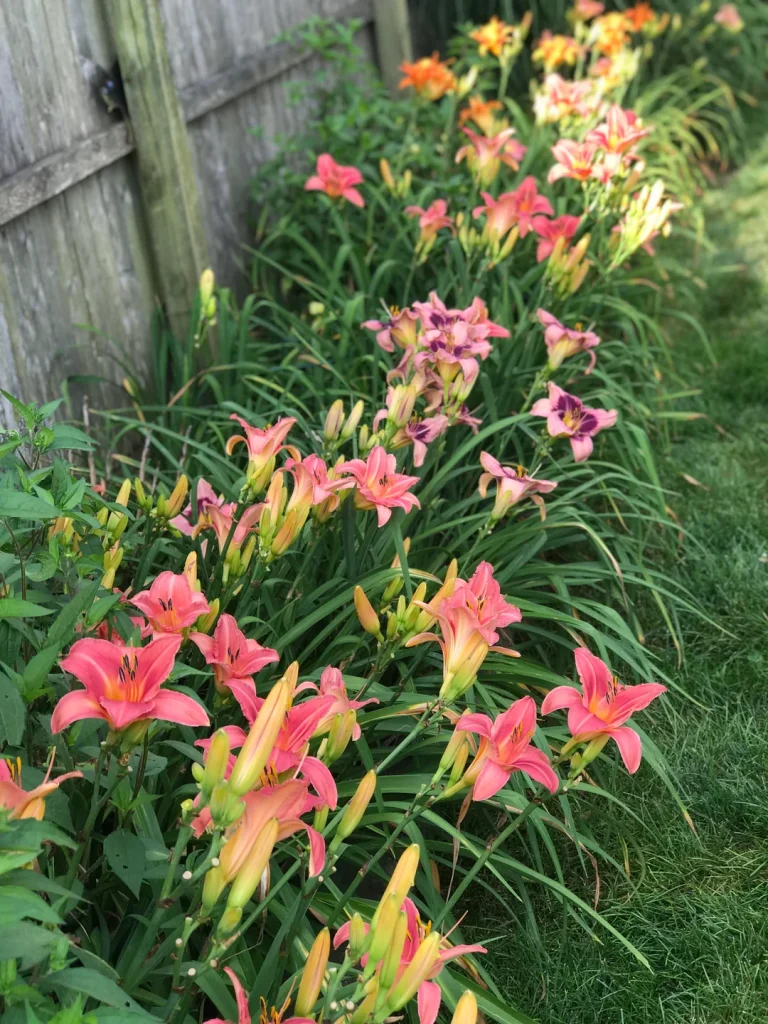
Daylilies are practically bulletproof in Zone 7. They adapt to almost any soil, handle both drought and humidity, and come in an almost endless range of colors -from soft peach to deep burgundy to bright orange.
Each flower only lasts one day, but the plants produce so many buds that the show keeps going for weeks.
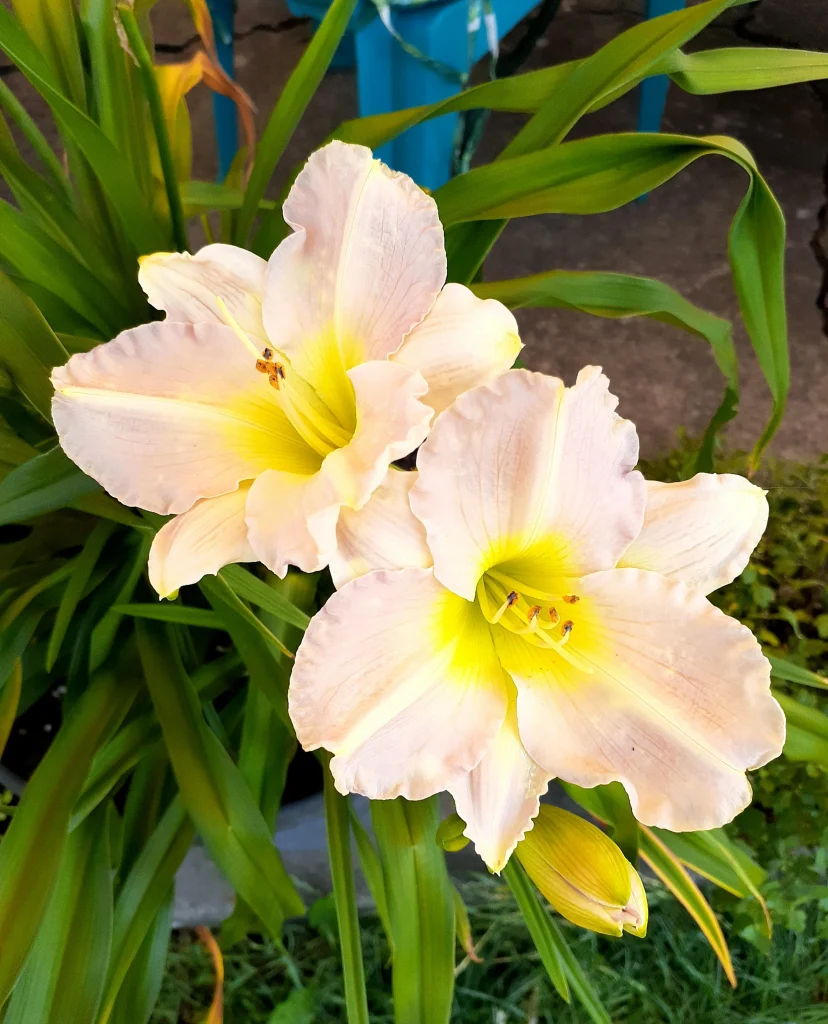
Plant them where you don’t mind them filling in, because removing them later is a real project.
That said, once established, they’re one of the most carefree perennials on this list. Dividing clumps every few years keeps them blooming at their best.
- Plant Type: Perennial
- Geographical Origin: Asia
- Plant Size: 1-4 feet (30-120 cm)
- Sun Exposure: Full sun to partial sun
- Hardiness Zones: 3-9
Also read: 15 Ground Cover Plants for Sunny Garden
4. Yarrow (Achillea millefolium)
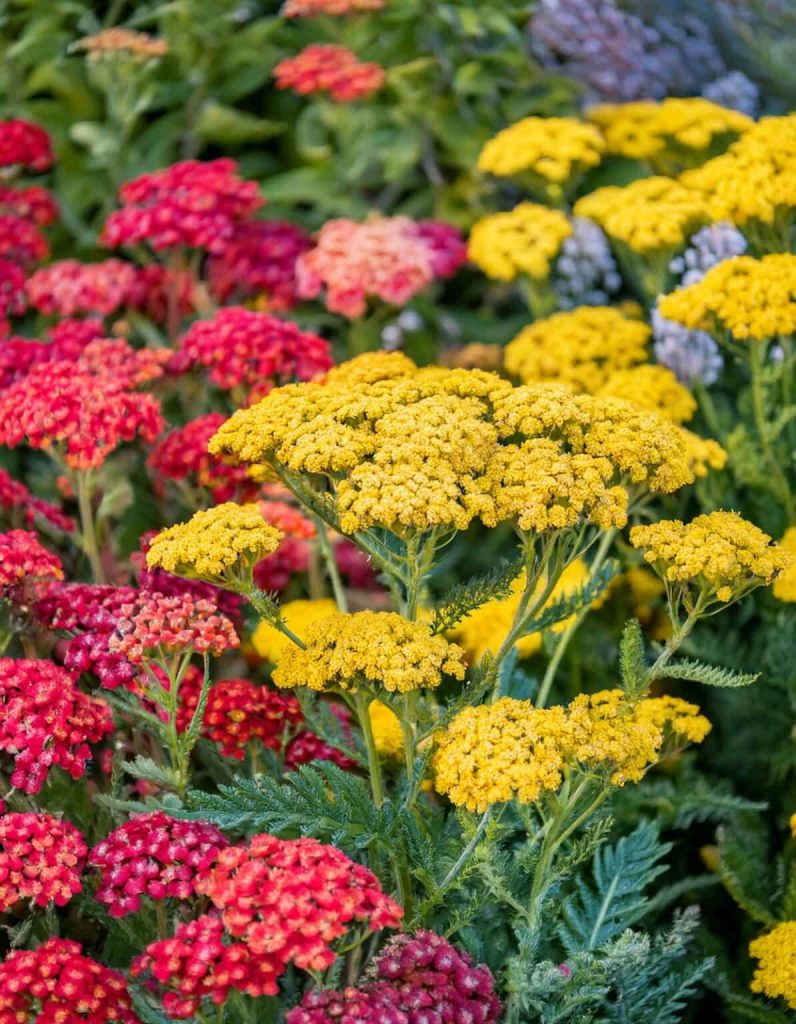
Yarrow might be the hardest-working plant in a full sun garden. Its flat-topped flower clusters come in white, yellow, pink, and red, blooming from late spring through late summer.
Feathery, fern-like foliage adds texture even when the plant isn’t in bloom.
Thriving in poor, dry soils where other plants struggle, yarrow earns its keep even in tough spots.
It draws beneficial predatory insects like ladybugs and lacewings, which helps keep aphids in check naturally. Cutting it back after the first bloom flush often triggers a second round of flowers.
- Plant Type: Perennial
- Geographical Origin: Asia, Europe, and North America
- Plant Size: 1-3 feet (30-90 cm)
- Sun Exposure: Full sun to partial shade
- Hardiness Zones: 3-9
5. Lavender (Lavandula angustifolia)
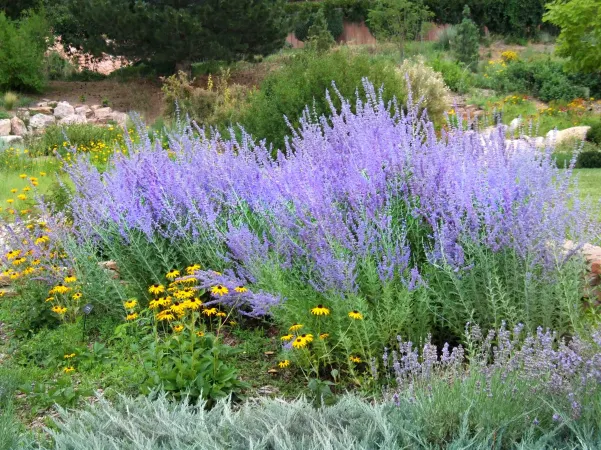
Lavender is one of those plants that rewards you in almost every way. The fragrance alone is worth growing it — that scent intensifies on hot sunny days, filling the whole garden.
Bees go absolutely crazy for the purple flower spikes, and the blooms work beautifully as dried arrangements indoors.
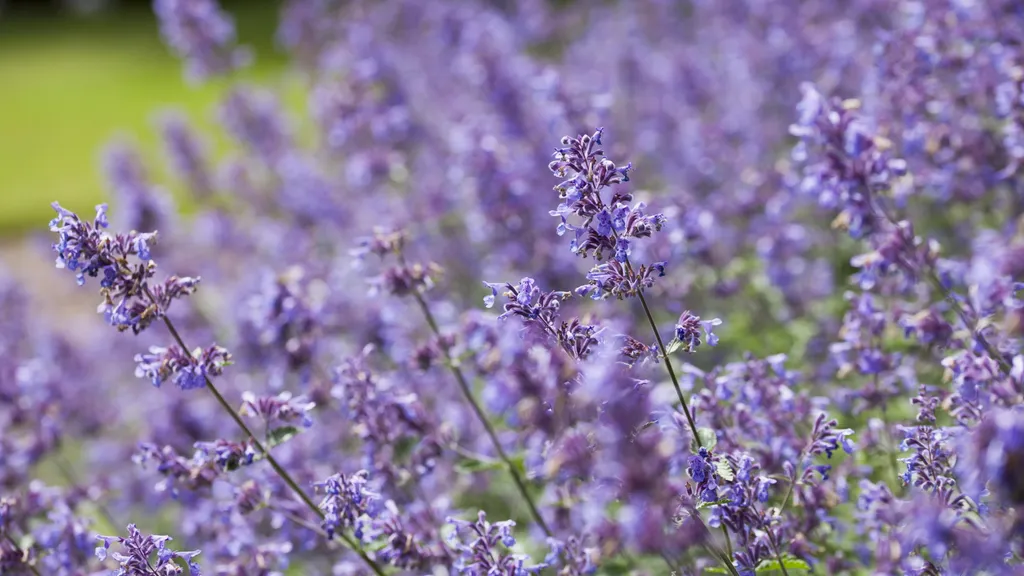
Zone 7’s long summers suit lavender perfectly, especially in spots with excellent drainage. Soggy soil is really the only thing that will kill it quickly. Plant it on a slope, in raised beds, or along a sunny wall where water drains away fast.
- Plant Type: Perennial
- Geographical Origin: Western Europe
- Plant Size: 1-3 feet (30-90 cm)
- Sun Exposure: Full sun
- Hardiness Zones: 5-9
6. Russian Sage (Salvia yangii)
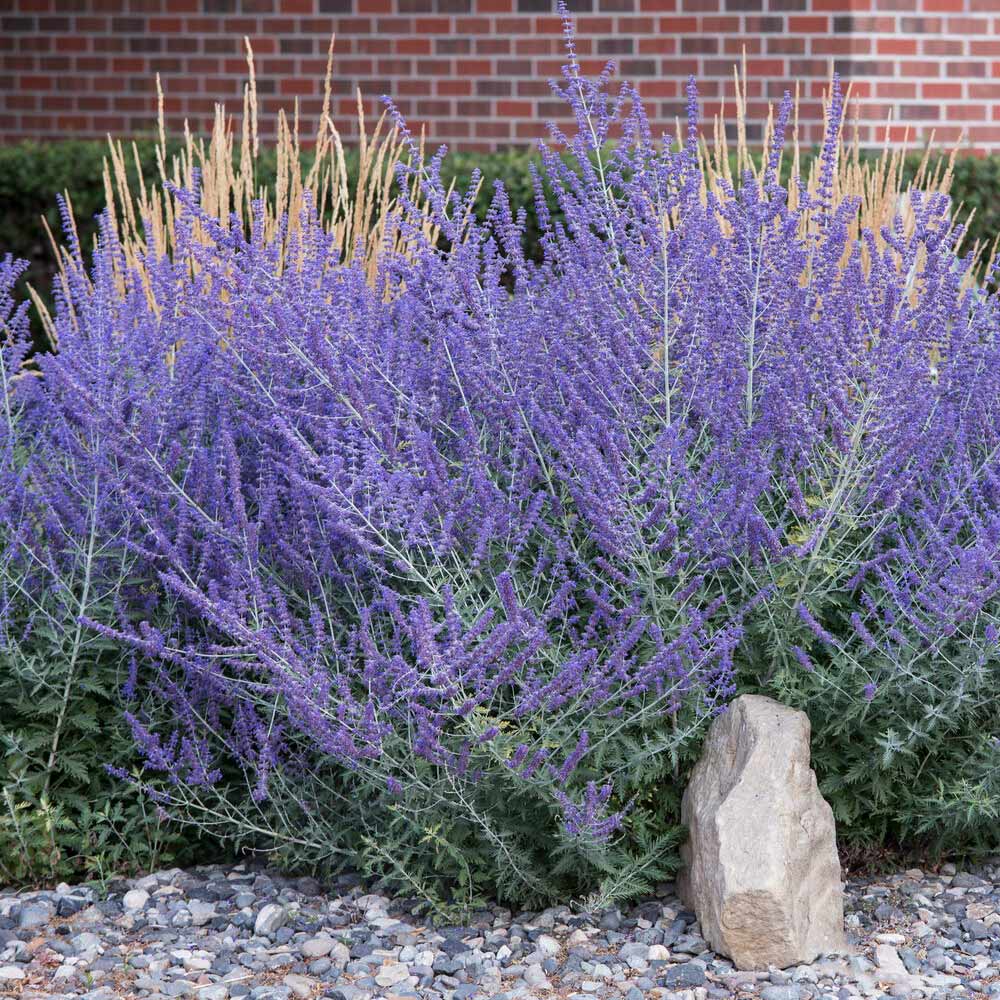
Russian sage brings an airy, silvery-blue cloud of color to the garden from midsummer right into fall.
Those tall, wispy stems loaded with tiny lavender-blue flowers create a hazy, dreamy effect that pairs beautifully with bolder plants like coneflower or black-eyed Susan. Hummingbirds and bees visit it constantly.
Drought tolerance is one of Russian sage’s biggest selling points in Zone 7. Poor soil doesn’t slow it down either, which makes it perfect for hot, exposed spots where other perennials struggle.
Cutting stems back hard in early spring keeps plants full and upright rather than floppy.
- Plant Type: Perennial / Deciduous sub-shrub
- Geographical Origin: Southwestern and Central Asia
- Plant Size: 1-4 feet (30-120 cm)
- Sun Exposure: Full sun
- Hardiness Zones: 4-9
7. Catmint (Nepeta)
Catmint is one of my personal favorites for edging sunny borders. Those soft lavender-blue flower spikes and silvery-green leaves look elegant from spring all the way through fall with very little effort.
The fragrance the leaves release on warm days is clean, fresh, and just a little minty.
Trim it back by about half after the first big flush of blooms, and it rebounds quickly with a fresh round of flowers.
Growing just 10-24 inches tall, catmint stays tidy and never overwhelms its neighbors. Pollinators — especially bumblebees — absolutely swarm it.
- Plant Type: Perennial
- Geographical Origin: Temperate Eurasia to Eastern tropical Africa
- Plant Size: 10-24 inches (25-60 cm)
- Sun Exposure: Part shade to full sun
- Hardiness Zones: 3-9
8. Blazing Star (Liatris spicata)
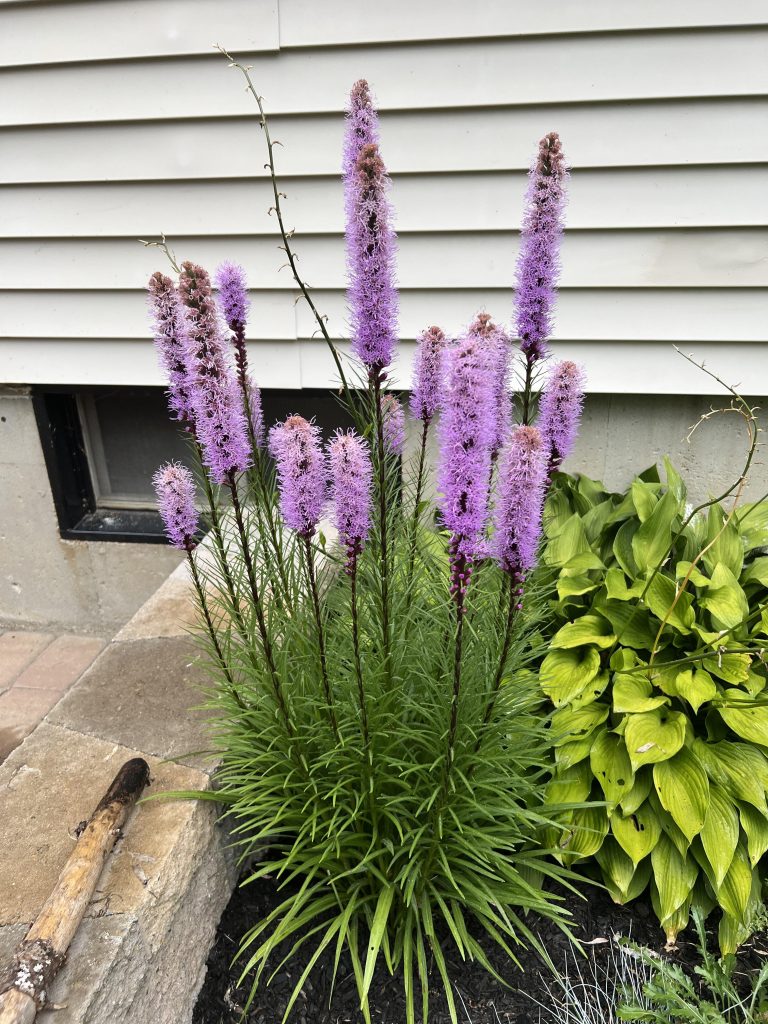
Blazing star is one of the most striking vertical plants you can add to a Zone 7 garden.
Tall, feathery purple spikes shoot up from grasslike foliage and bloom from the top down- which is the opposite of most flowers and makes them genuinely fascinating to watch. Butterflies and bees pile onto the blooms all summer long.
Native to North American prairies, liatris is built for heat and short drought spells. Clumps grow slowly larger each year, and the plant rarely needs dividing. Planting it in groups of three or five creates the most dramatic visual impact in a border.
- Plant Type: Perennial
- Geographical Origin: Eastern North America
- Plant Size: 2-4 feet (60-120 cm)
- Sun Exposure: Full sun
- Hardiness Zones: 3-8
9. Woodland Sage (Salvia nemorosa)
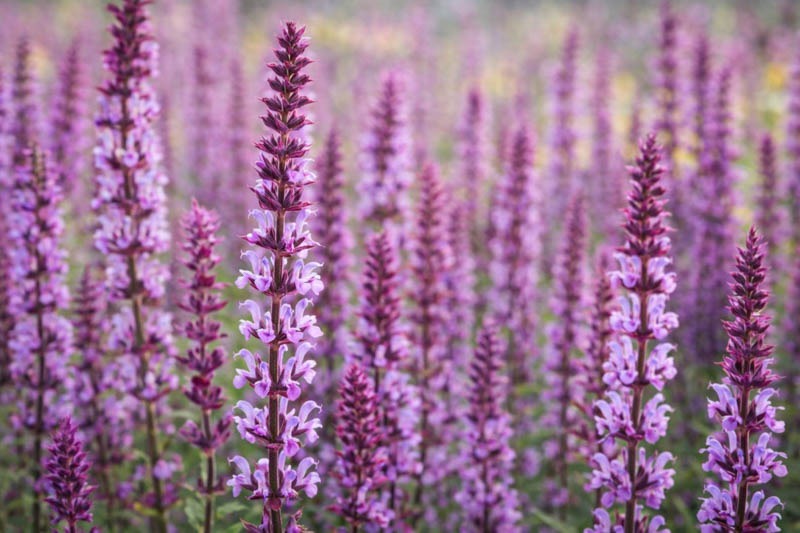
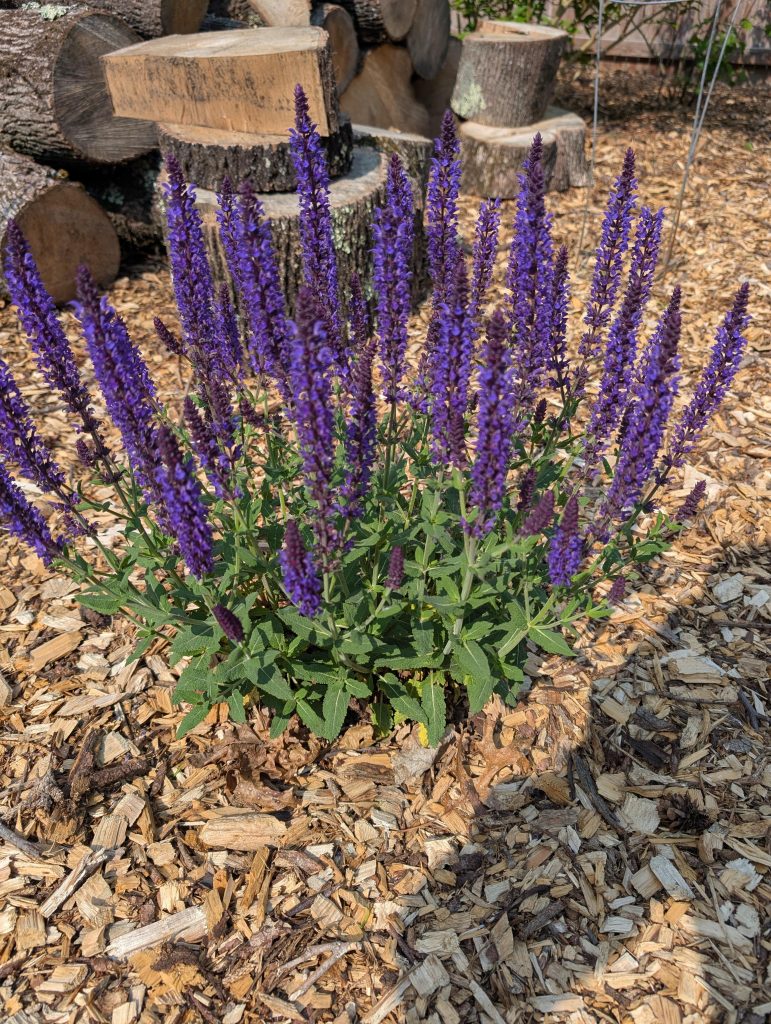
Woodland sage punches well above its weight in the garden. Upright spikes of rich violet-blue flowers rise above aromatic gray-green foliage from late spring through summer. Hummingbirds, bees, and butterflies all compete for a spot on its blooms.
Drought tolerance and deer resistance make this salvia an especially smart pick for Zone 7 gardens.
Compact growth – just 1-3 feet tall, fits neatly into borders, rock gardens, and pollinator beds. ‘Caradonna’ is a standout variety with deep purple stems that add extra drama.
- Plant Type: Perennial
- Geographical Origin: Europe and Western Asia
- Plant Size: 1-3 feet (30-90 cm)
- Sun Exposure: Full sun
- Hardiness Zones: 4-8
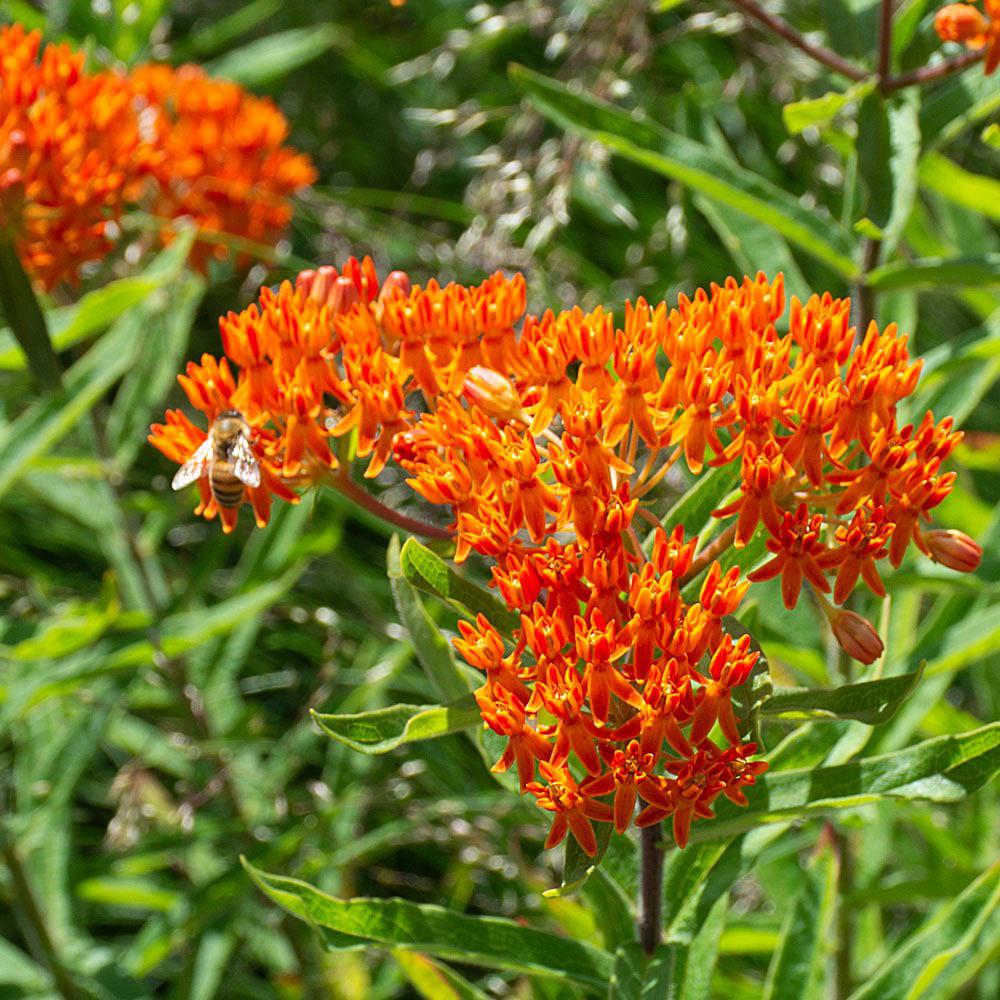
10. Butterfly Milkweed (Asclepias tuberosa)
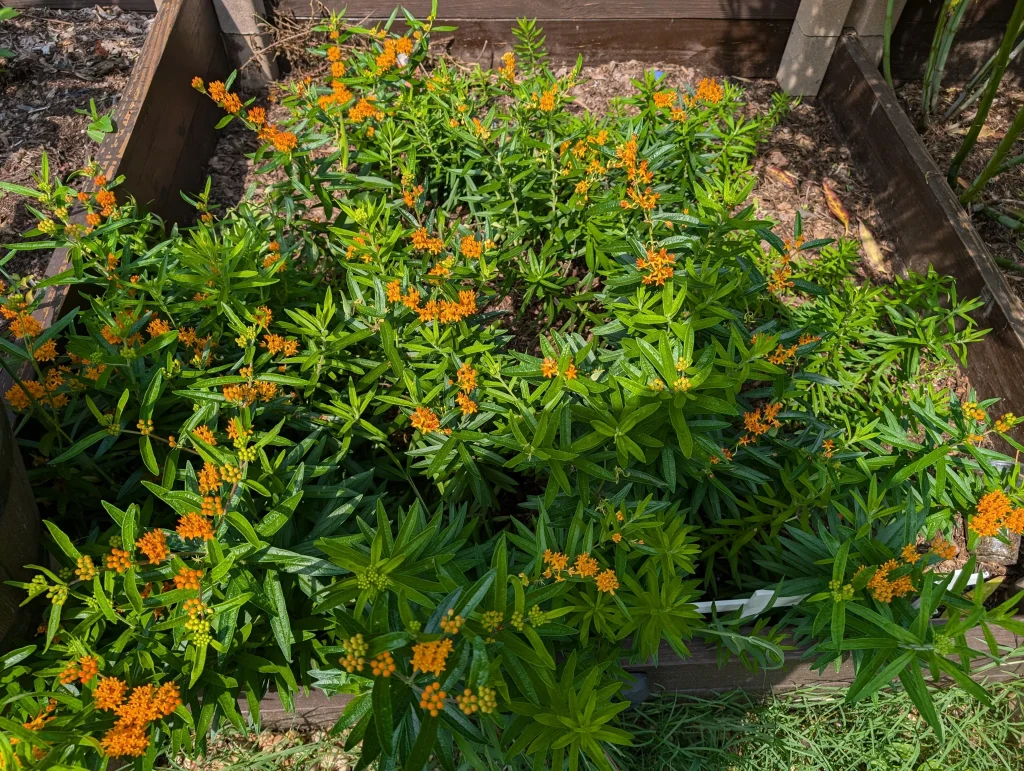
Butterfly milkweed is a must-have if you care about supporting monarch butterflies. Clusters of vivid orange-to-yellow flowers light up the garden from late spring through summer, and monarchs use it as their primary host plant for laying eggs.
Unlike other milkweeds, this variety doesn’t produce milky sap, which makes it easier to handle.
Deer leave it completely alone, which is a real bonus in Zone 7 gardens. Deep taproots make it extremely drought tolerant once established, but also mean you should plant it where you want it permanently.
Decorative seed pods appear in fall and split open to release silky, wind-carried seeds.
- Plant Type: Perennial
- Geographical Origin: Eastern and Southwestern North America
- Plant Size: 1-2 feet (30-60 cm)
- Sun Exposure: Full sun
- Hardiness Zones: 3-9
11. Blanket Flower (Gaillardia aristata)
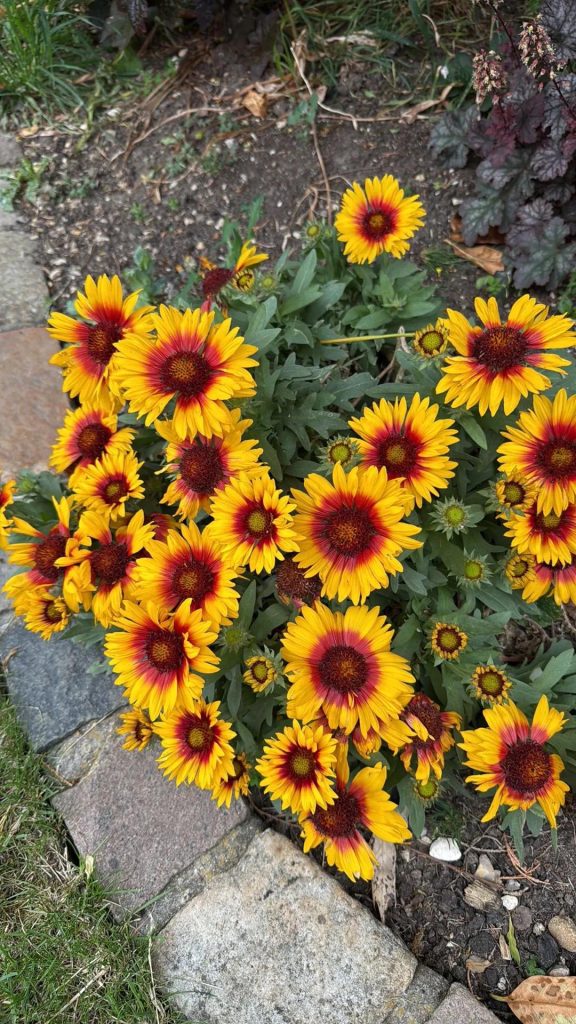
Blanket flower is one of the longest-blooming perennials you can grow in Zone 7.
Fiery daisy-like blooms with red centers and yellow-tipped petals start appearing in late spring and keep going right through fall with regular deadheading. Heat, drought, and poor soil barely slow it down.
Named after the boldly patterned blankets made by Native American tribes, gaillardia genuinely earns its place in a sunny border.
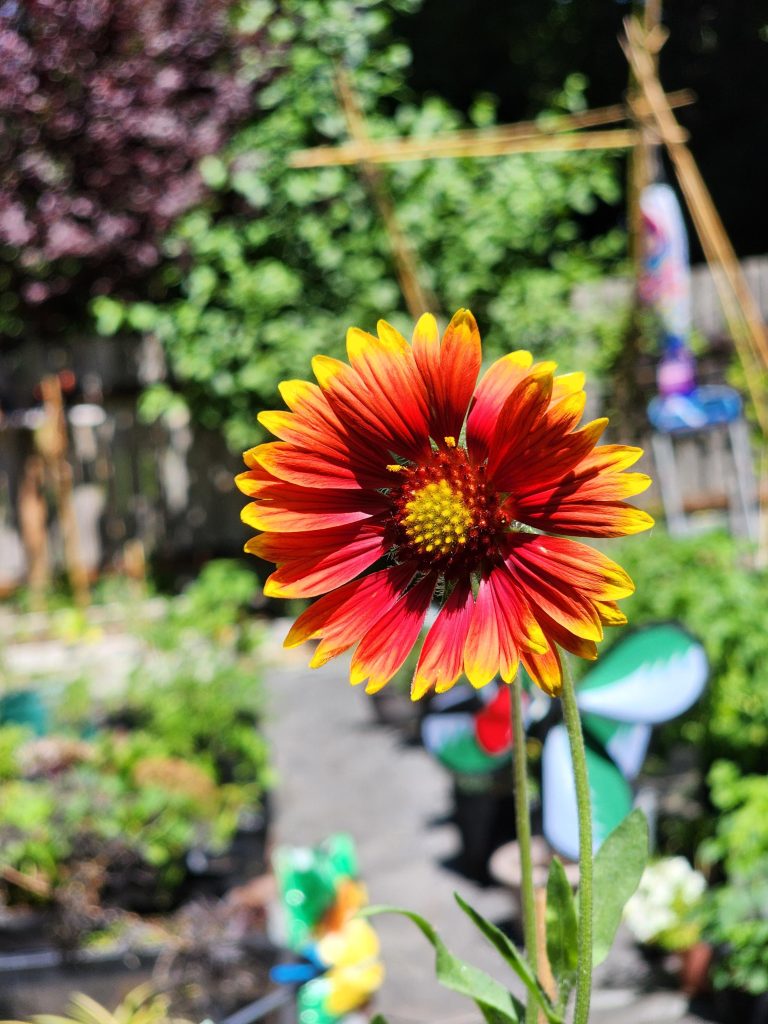
Growing 2-3 feet tall, it works beautifully both as a standalone specimen and massed in naturalistic plantings. Bees, butterflies, and birds all visit the flowers and seed heads regularly.
- Plant Type: Perennial
- Geographical Origin: Western North America
- Plant Size: 2-3 feet (60-90 cm)
- Sun Exposure: Full sun
- Hardiness Zones: 3-8
12. Hardy Hibiscus (Hibiscus moscheutos)
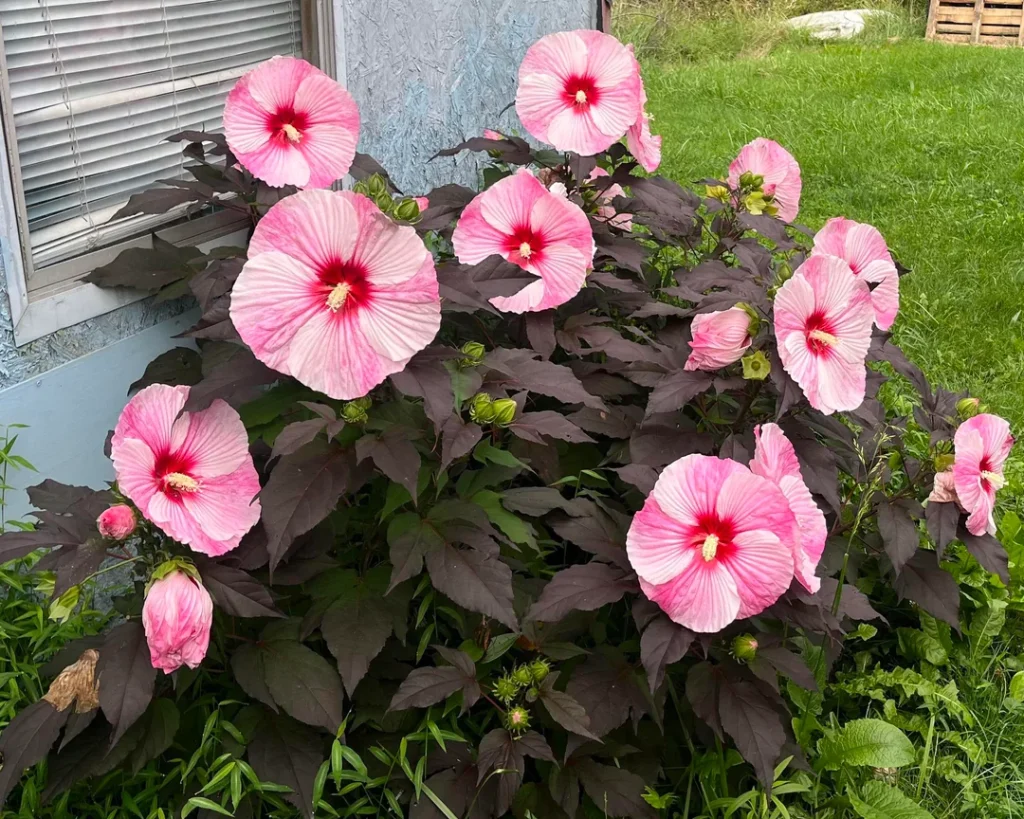
Hardy hibiscus produces the most jaw-dropping blooms of any perennial on this list. Flowers can reach up to 8 inches across – dinner plate size – in shades of white, pink, red, and bicolor.
Each individual flower only lasts one day, but new buds open continuously from midsummer through early fall.
Zone 7’s warm summers are perfect for hardy hibiscus, and it thrives in moist, sunny spots near ponds or rain gardens.
Stems die back completely in winter, so don’t panic when nothing appears until late spring – it’s just slow to wake up. Once it gets going, though, the growth is fast and the display is absolutely stunning.
- Plant Type: Perennial
- Geographical Origin: Eastern North America
- Plant Size: 3-7 feet (90-210 cm)
- Sun Exposure: Full sun to partial sun
- Hardiness Zones: 5-9
13. Sneezeweed (Helenium autumnale)
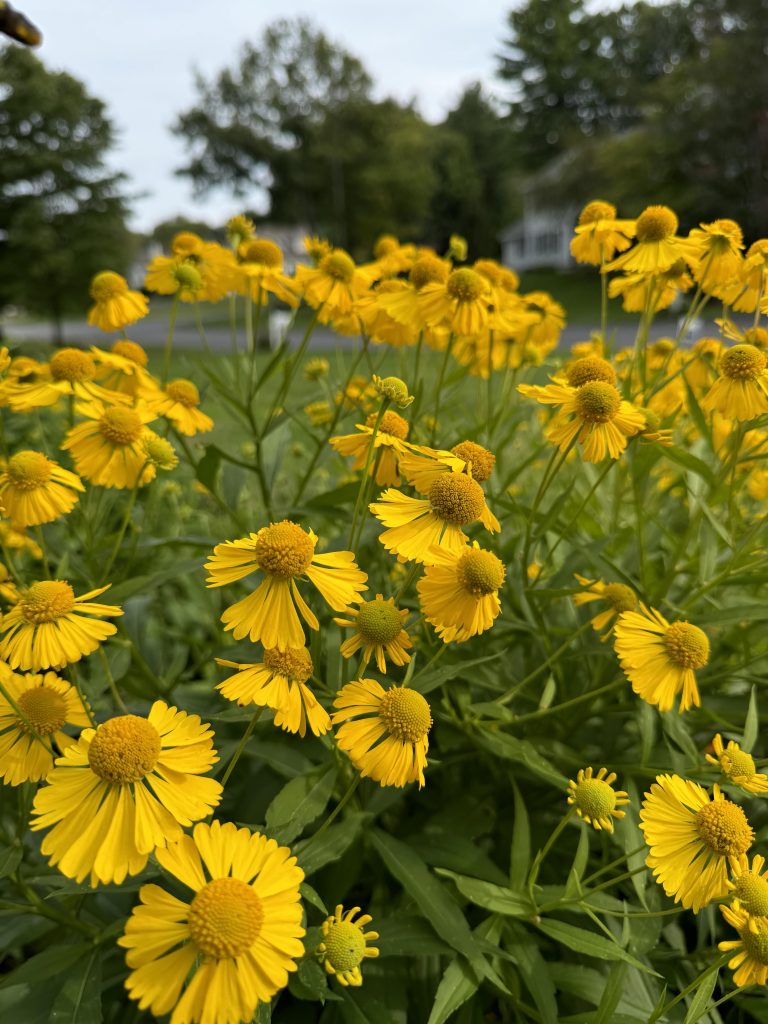
Don’t let the name put you off – sneezeweed has nothing to do with allergies.
Those cheerful daisy-like flowers with drooping petals and prominent rounded centers bring rich yellow, orange, and red tones to the late summer and fall garden when many other perennials are winding down. Butterflies love the nectar-rich blooms.
Sneezeweed thrives in moist, sunny borders and tolerates clay soil better than most perennials on this list.
Growing 3-5 feet tall, it benefits from pinching back in late spring to keep plants compact and bushy rather than floppy. Pairing it with asters and goldenrod creates a spectacular late-season combination.
- Plant Type: Perennial
- Geographical Origin: North America
- Plant Size: 3-5 feet (90-150 cm)
- Sun Exposure: Full sun
- Hardiness Zones: 3-8
14. Anise Hyssop (Agastache foeniculum)
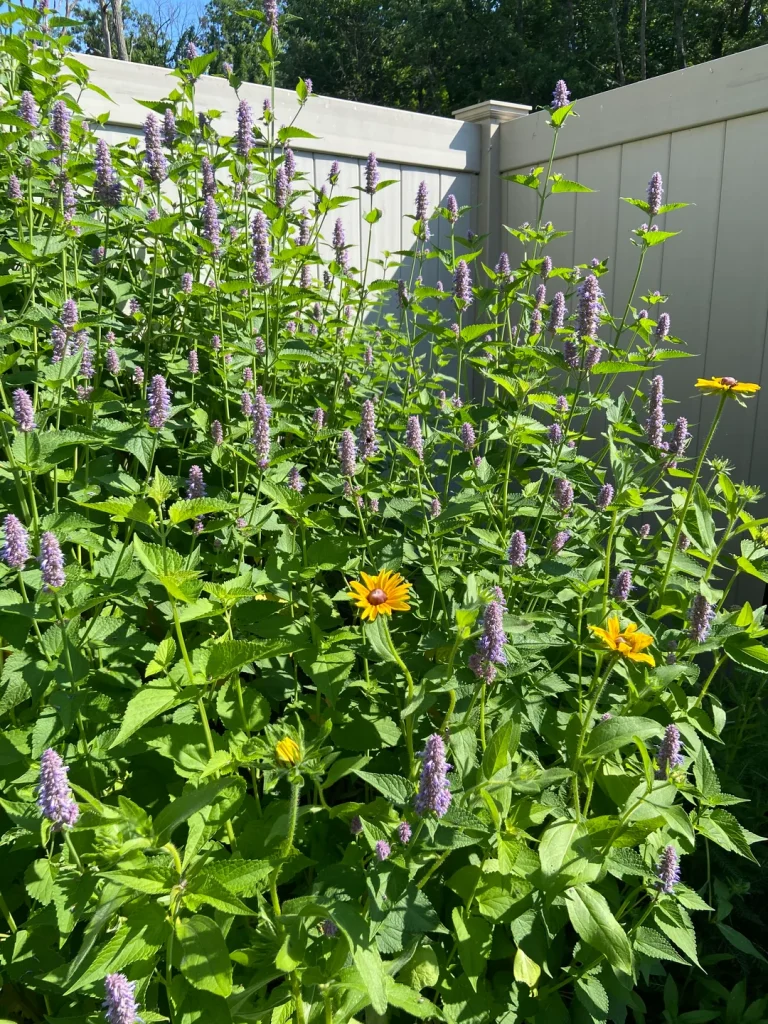
Anise hyssop is one of those plants that earns compliments from every visitor to the garden.
Long purple flower spikes covered in tiny blooms rise above aromatic foliage from early summer all the way through fall. Crush a leaf and you get a sweet anise-like fragrance that’s genuinely lovely.
Bees, hummingbirds, and butterflies visit the blooms constantly throughout the season. Drought tolerance is excellent once the plant establishes, and it self-seeds lightly – so you may find welcome volunteers popping up nearby each year.
Growing 2-4 feet tall, anise hyssop works well as a mid-border plant or in a dedicated pollinator garden.
- Plant Type: Perennial
- Geographical Origin: North America
- Plant Size: 2-4 feet (60-120 cm)
- Sun Exposure: Full sun to partial sun
- Hardiness Zones: 4-8
15. Verbena (Verbena bonariensis)
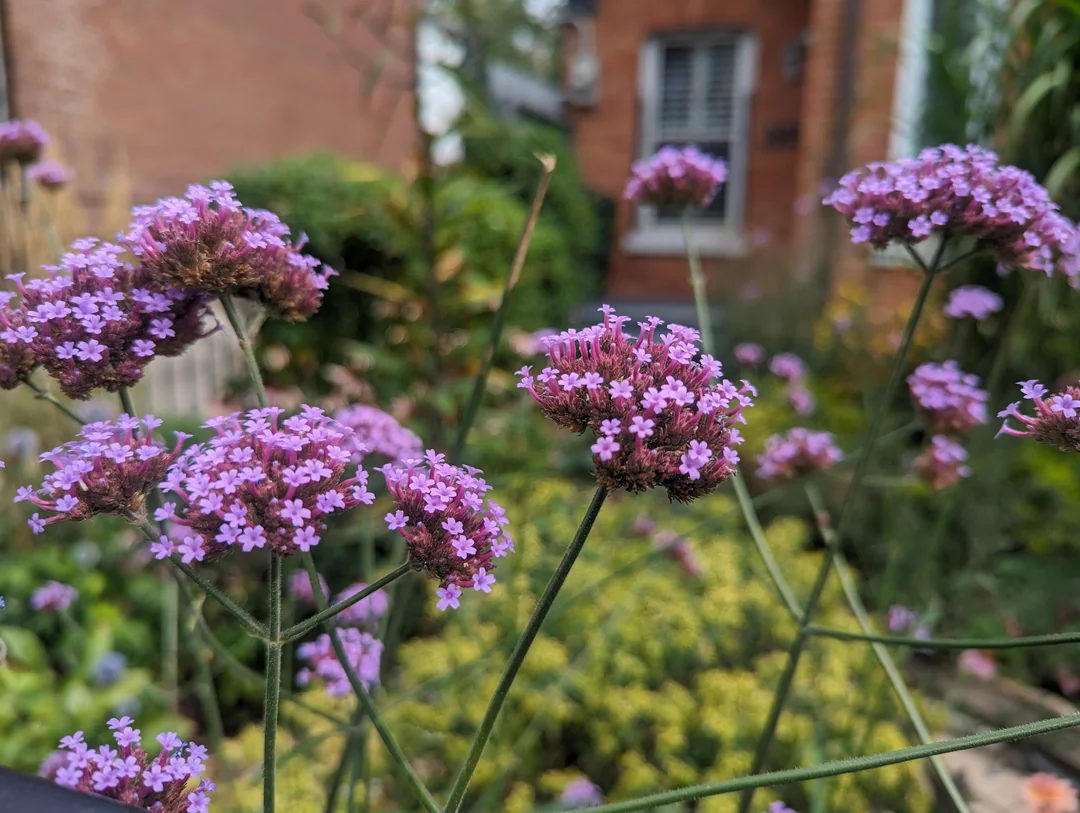
Verbena bonariensis is one of those plants that makes every garden look more dynamic. Tall, slender stems topped with clusters of tiny purple flowers create an airy, see-through effect that layers beautifully in front of or behind other plants.
The blooms keep coming from early summer right through fall with almost zero effort on your part.
Zone 7 is actually the coldest zone where this verbena reliably overwinters, making it a perfect fit. Drought tolerance is strong once established, and it handles Zone 7’s summer heat without missing a beat.
Light self-seeding means new plants often fill gaps naturally, giving the garden a relaxed, cottage-garden feel.
- Plant Type: Perennial
- Geographical Origin: South America
- Plant Size: 3-6 feet (90-180 cm)
- Sun Exposure: Full sun
- Hardiness Zones: 7-11
Tips for Growing Full Sun Perennials in Zone 7
Getting the most out of these plants comes down to a few simple habits.
Mulching with 1-2 inches of organic material keeps soil moisture stable during those long dry summer spells and reduces heat stress on roots.
Avoid piling mulch against the crowns of plants, though – that invites rot.
Watering deeply but infrequently during the first growing season trains roots to reach down rather than stay shallow. Most of these perennials become genuinely drought tolerant after that first year.
Grouping plants with similar water needs together makes the whole garden easier to manage.
Dividing clumps every three to five years keeps perennials like daylilies, coneflowers, and catmint vigorous and blooming at their best.
Early spring or early fall are the ideal times to divide in Zone 7. Replant divisions immediately and water them well until they settle in.
Designing With Zone 7 Full Sun Perennials
Layering plants by height creates the most satisfying visual result.
Place taller plants like hardy hibiscus, sneezeweed, and verbena toward the back of a border, mid-height plants like coneflower, blazing star, and Russian sage in the middle, and lower growers like catmint, yarrow, and lavender along the front edges.
Bloom time matters just as much as height. Pairing early bloomers like woodland sage and anise hyssop with midsummer stars like black-eyed Susan and butterfly milkweed, then finishing with fall performers like sneezeweed and verbena, gives you color from spring through the first frost.
That kind of thoughtful sequencing is what separates a good garden from a great one.
Color combinations are worth thinking about too. Cool purples and blues from catmint, Russian sage, and woodland sage contrast beautifully against the warm oranges and yellows of black-eyed Susan, blanket flower, and butterfly milkweed.
That contrast is what makes a border really pop from across the yard.
Final Words
Zone 7 gives gardeners a genuinely long growing season to work with, and these 15 perennials take full advantage of every bit of it.
From the bold dinner-plate blooms of hardy hibiscus to the delicate purple haze of Russian sage, there’s a plant here for every style and every spot in the garden.
Pick a few that speak to you, get them in the ground, and watch your sunny beds transform season after season.