12 Inspiring Raised Bed Backyard Garden Ideas for Beginners

Who doesn’t love the idea of a garden that’s as beautiful as it is functional?
If you’re tired of the usual in-ground garden setup—fighting with roots, poor drainage, and back pain from bending over—it’s time to give raised garden beds a shot.
And no, you don’t have to be a seasoned gardener to make this work. Raised beds are simple, effective, and, quite frankly, they’re a game-changer.
Trust me, once you’ve tried them, there’s no going back.
I’ve always been a fan of raised beds. Why? Because they make gardening a lot easier (and a lot more fun).
You get to control the soil quality, avoid pests, and, honestly, it just looks so darn good in any backyard. Plus, they’re a huge time-saver when it comes to maintenance.
Here are 12 unique and practical raised bed ideas to help you take your garden game to the next level.
Before You Build: A Few Quick Things You Should Consider
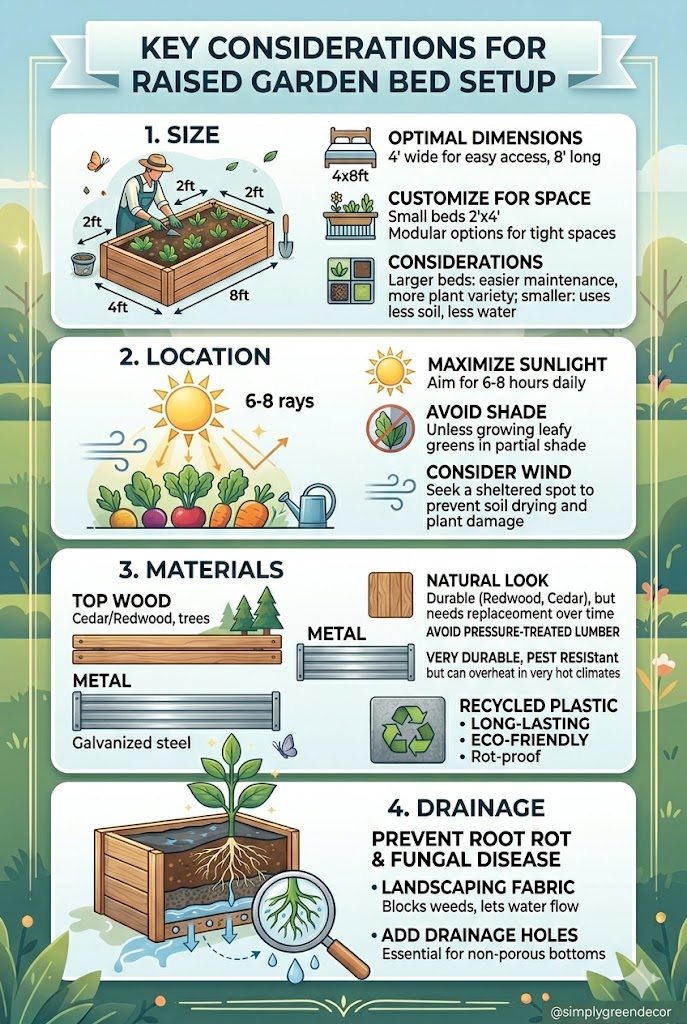
When it comes to selecting the perfect raised bed for your garden, several key factors need to be considered.
From size to materials, each decision plays a role in your garden’s success. Let’s dive deeper into the most important points.
1. Size
The size of your raised bed is crucial to your gardening experience. Ideally, 4 feet wide allows easy access from both sides, and 8 feet long is a great length for most crops.
However, you can always customize the size based on your available space. If you’re gardening in a small area like a balcony or patio, consider smaller 2×4 ft beds or modular beds that you can rearrange.
But, remember, larger beds are generally easier to maintain and allow for a greater variety of plants. The larger the bed, the more soil you’ll need, and the more water your plants will require, so plan accordingly!
2. Location
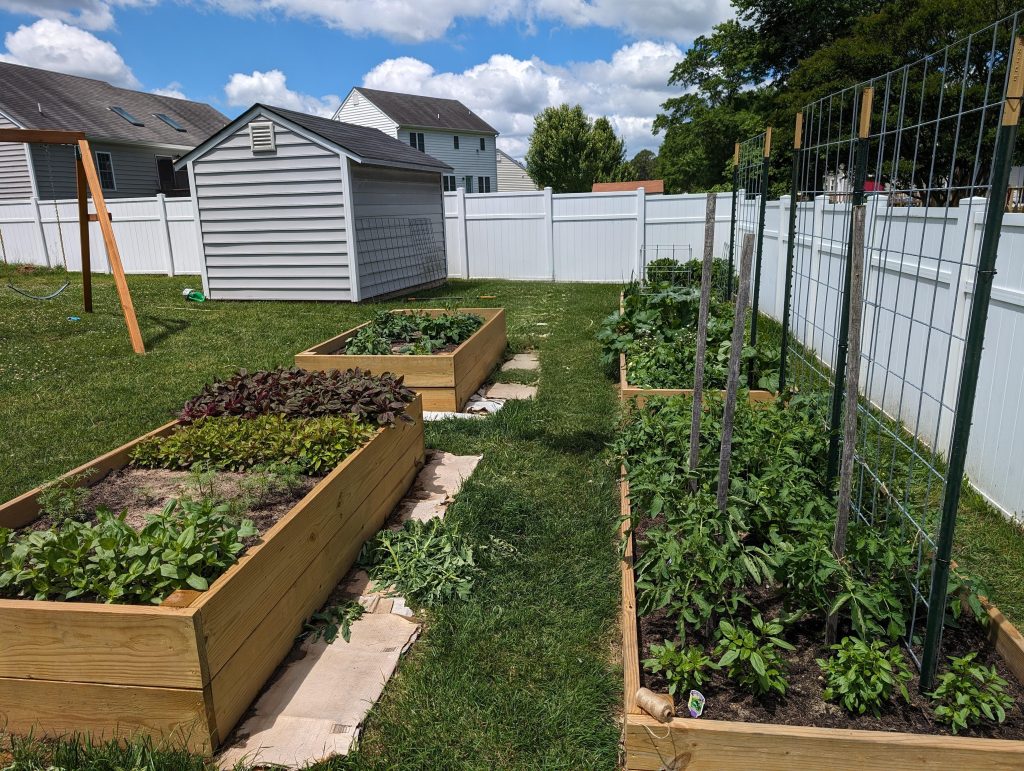
Where you place your raised bed will directly impact the success of your plants. Most vegetables need 6-8 hours of sunlight each day to thrive.
Avoid placing the bed in shaded areas unless you’re growing plants that prefer partial shade (like leafy greens).
Additionally, consider the wind conditions in your area—high winds can dry out soil and damage plants. A sheltered spot can help keep your plants happy and hydrated.
3. Materials
Your choice of materials affects both the longevity of the raised bed and the aesthetic of your garden. Wooden beds, such as cedar or redwood, offer a natural look and are relatively affordable.
However, they may need replacement every few years, depending on your climate. Metal beds, like galvanized steel, are durable and resistant to pests but can overheat in very hot climates.
If you’re using wood, avoid pressure-treated lumber, as it may contain harmful chemicals that leach into the soil. Recycled plastic is also an option for a long-lasting and eco-friendly choice.
4. Drainage
Proper drainage is critical to plant health. Without good drainage, your soil can become waterlogged, leading to root rot and other problems.
Landscaping fabric at the bottom of your bed can prevent weeds while allowing water to drain effectively.
You can also drill holes in the bottom of wooden or metal beds to ensure excess water can escape. Proper drainage will help maintain healthy soil and prevent the development of fungal diseases.
11 Inspiring Raised Bed Ideas for Your Backyard
1. The Classic Wooden Raised Bed: The Timeless Favorite
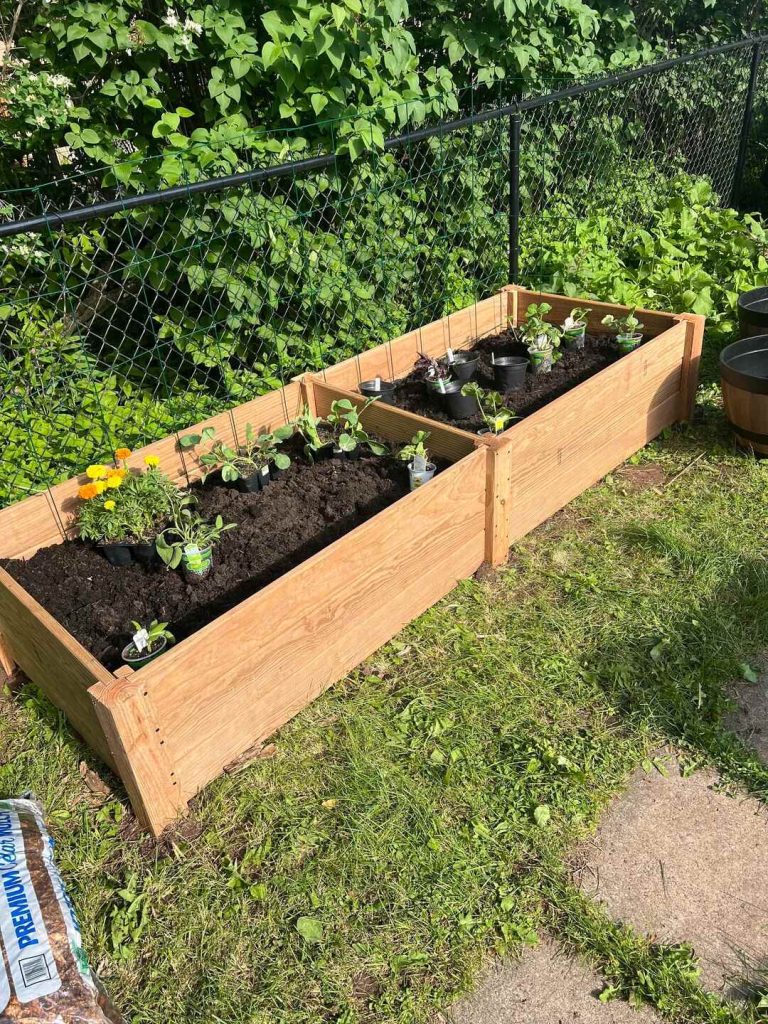
Sometimes, you just can’t beat the classics. Wooden raised beds are the go-to for a reason—they’re simple, customizable, and affordable.
You can easily build them yourself with cedar or redwood for a natural, rustic look. The beauty of these beds is that they blend into almost any backyard style, whether you’re going for a country vibe or a more modern aesthetic.
Plus, the wood naturally weathers over time, adding some charm without you having to lift a finger.
One tip I swear by? Line the bottom with landscaping fabric before filling it with soil. It keeps weeds out and ensures your plants get the best growing conditions.
2. Elevated Garden Bed: For The Comfort Seekers
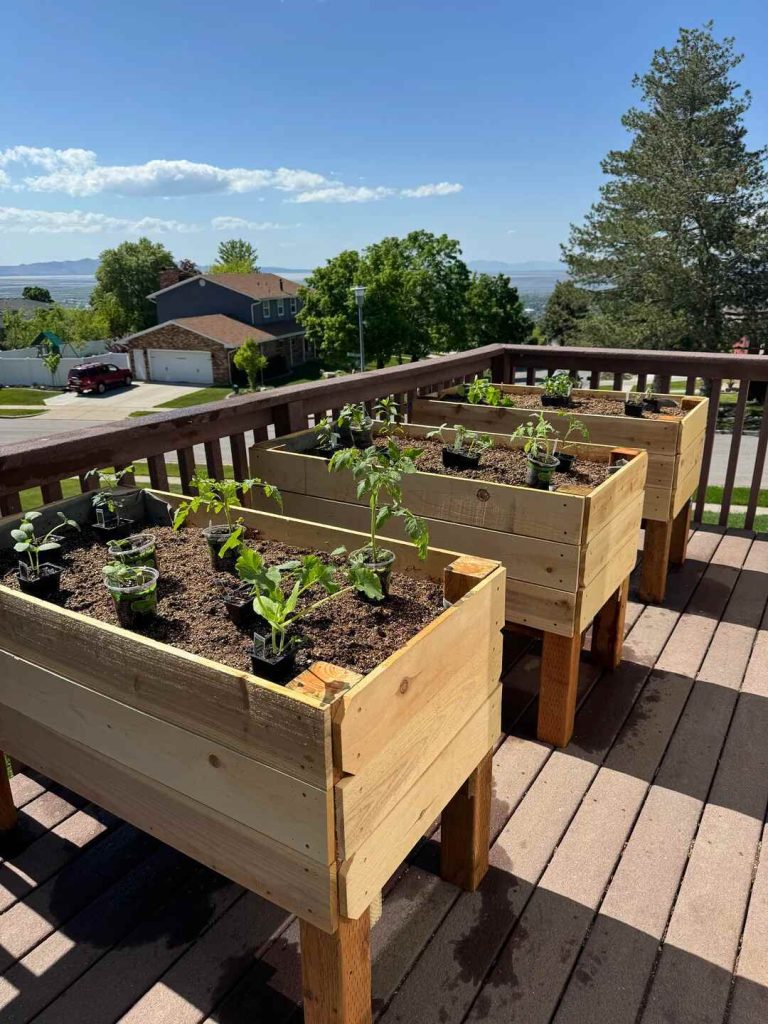
Ever wanted to garden without having to bend down every five seconds? Well, the elevated raised bed is your answer.
These bad boys sit at waist height, so you can plant, water, and weed without putting your back through a workout.
Elevated beds are ideal if you have limited mobility, but they’re also great if you simply want to enjoy your gardening without all the physical strain. They’re perfect for small spaces or even patios and balconies.
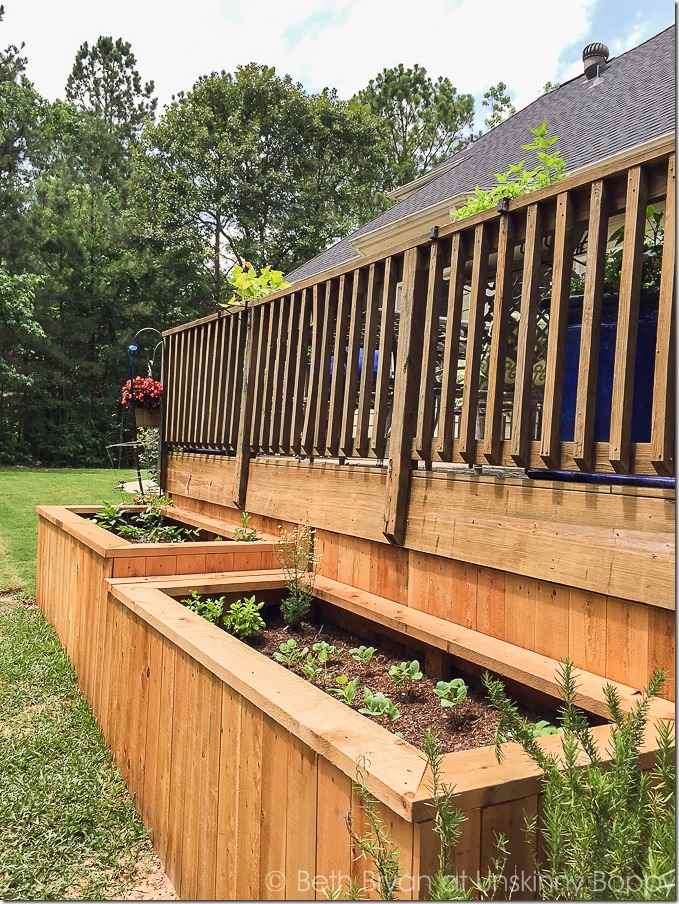
Pro tip: Make sure to use good-quality wood or composite materials that can handle the outdoor elements. You don’t want to invest in a comfy garden only for it to fall apart in a season!
3. Galvanized Steel Raised Bed: Industrial Chic Meets Durability
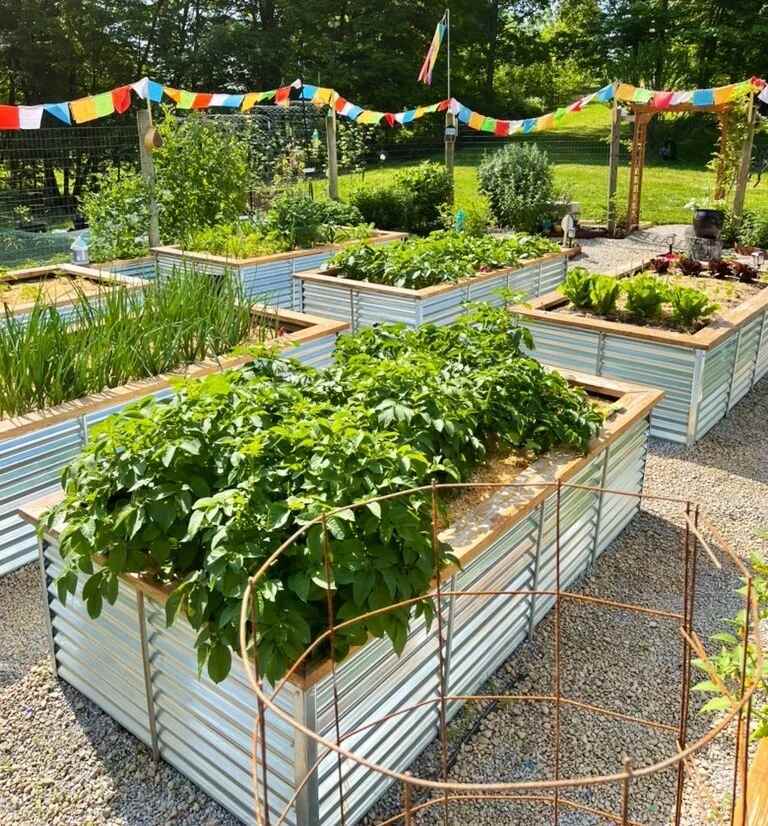
If you’re all about sleek, modern looks (and not afraid of a little metal), then a galvanized steel raised bed might be the way to go.
Not only do they add an industrial edge to your garden, but they’re also incredibly durable. Steel is resistant to pests, mold, and rot, so these beds will last for years.
The downside? They can heat up quickly in the summer, so make sure you’re placing them where your plants won’t get scorched. But the upside is—low maintenance! If you’re anything like me, that’s a huge win.
4. Cinder Block Raised Bed: The Budget-Friendly Option
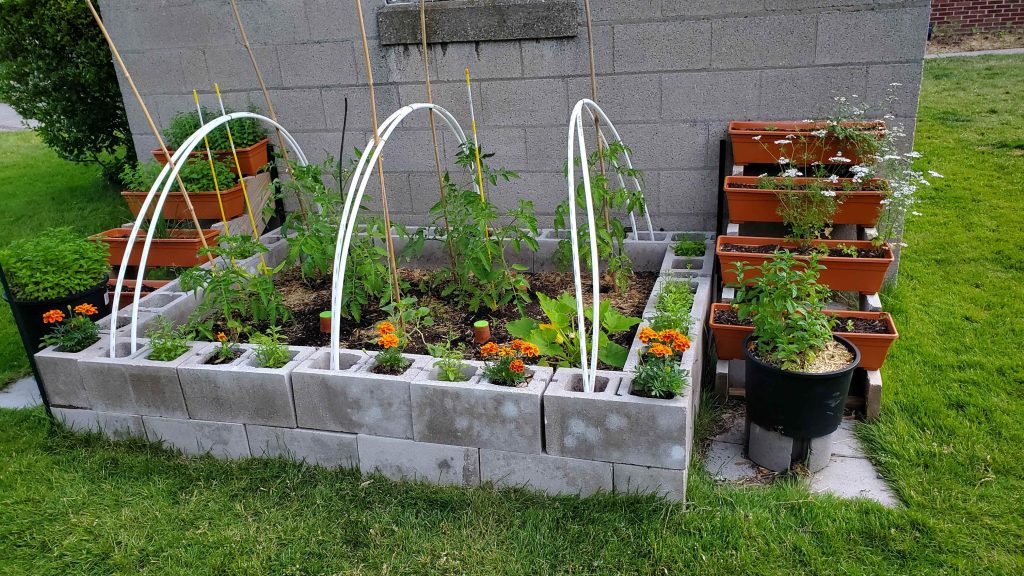
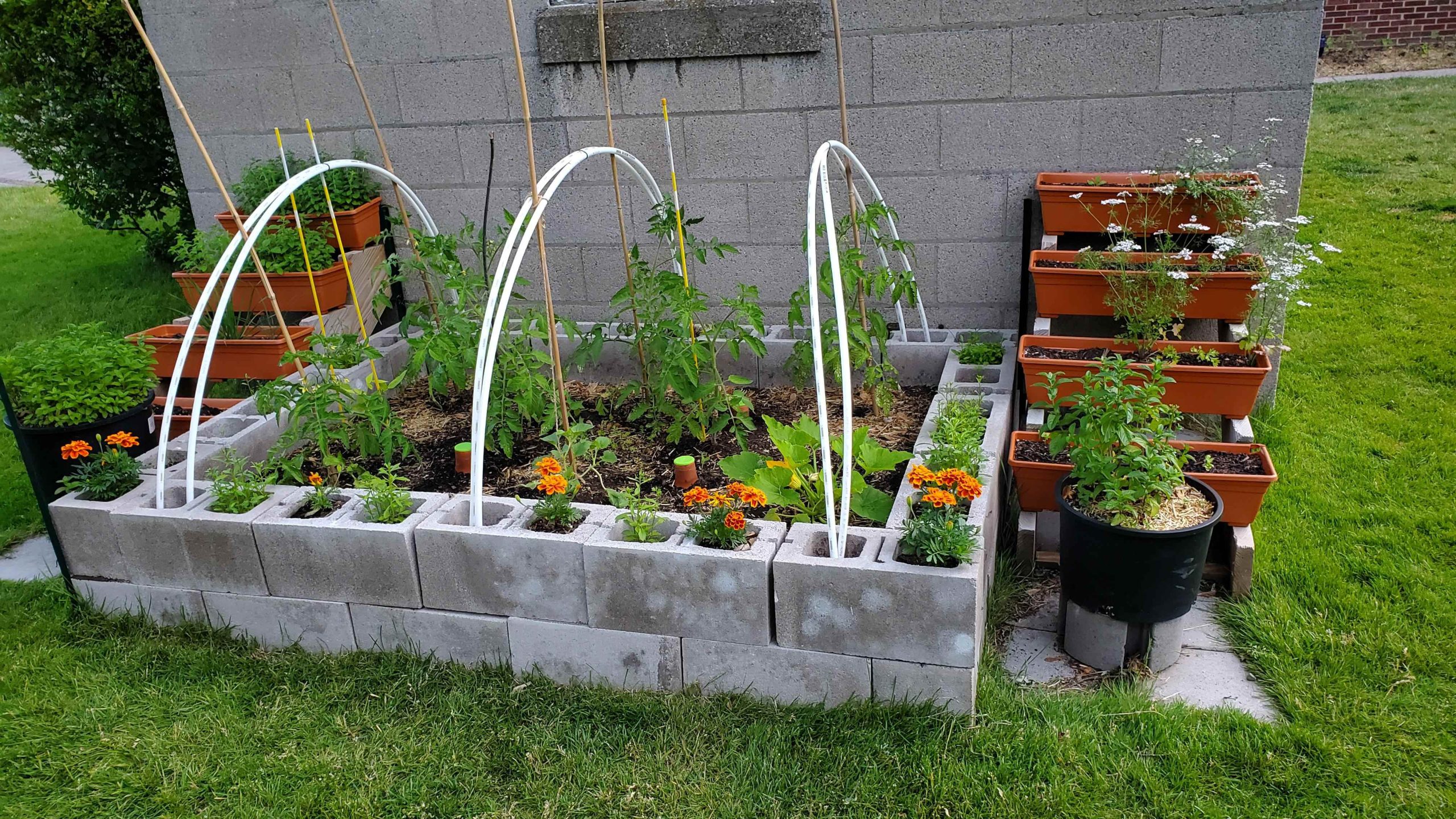
Want a raised bed without breaking the bank? Cinder blocks are your best friend. These chunky blocks are perfect for building a raised bed that’s sturdy, inexpensive, and totally customizable.
You can stack them to your desired height and even plant herbs in the holes for an added touch of flair.
The best part? Cinder blocks are heavy enough to stay put, and they offer great drainage.
However, keep in mind that they can be a bit rough around the edges, so be sure to line them with landscaping fabric to protect your plants’ roots from any roughness.
5. Raised Bed with Built-In Seating: Double the Function
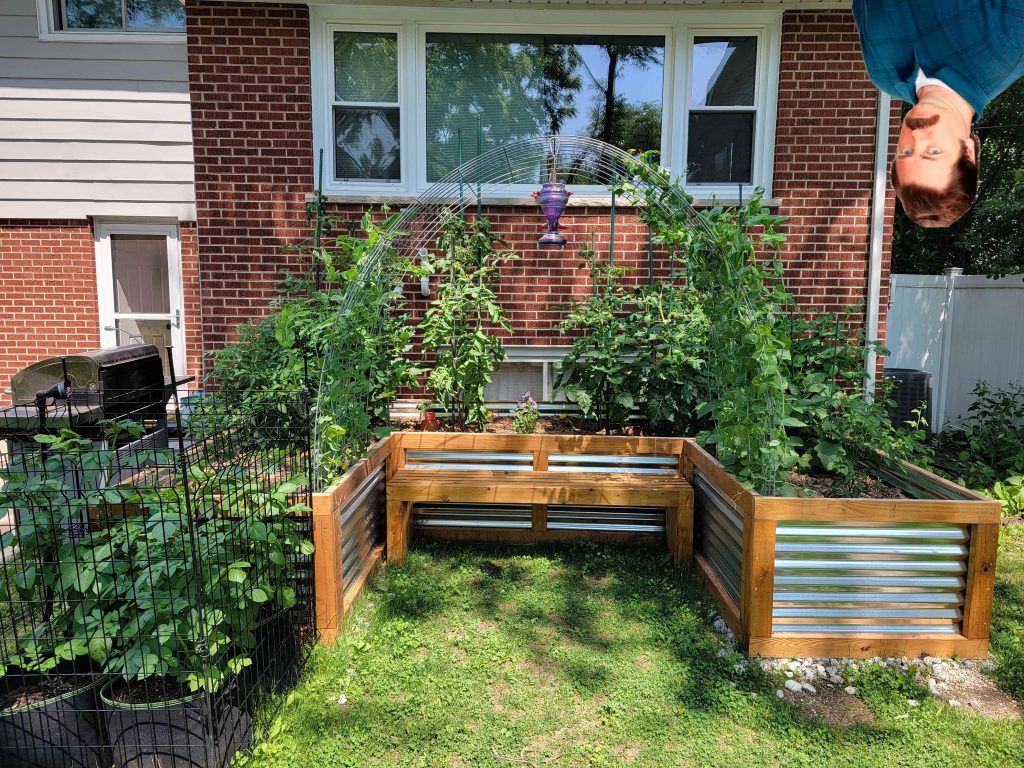
This one’s for all the multitaskers out there. Imagine working in your garden and then sitting down to enjoy the fruits of your labor without needing to shuffle around.
A raised garden bed with built-in seating is perfect if you want to combine gardening with relaxation.
These beds are designed with benches or ledges on the sides, offering you a spot to sit while you admire your veggies or take a break from the summer heat.
I personally love the idea of having a comfortable space to just sit back and enjoy my garden without needing to haul out a separate chair. Plus, you’re using your space wisely—win-win.
6. Tiered Raised Bed: Maximizing Vertical Space
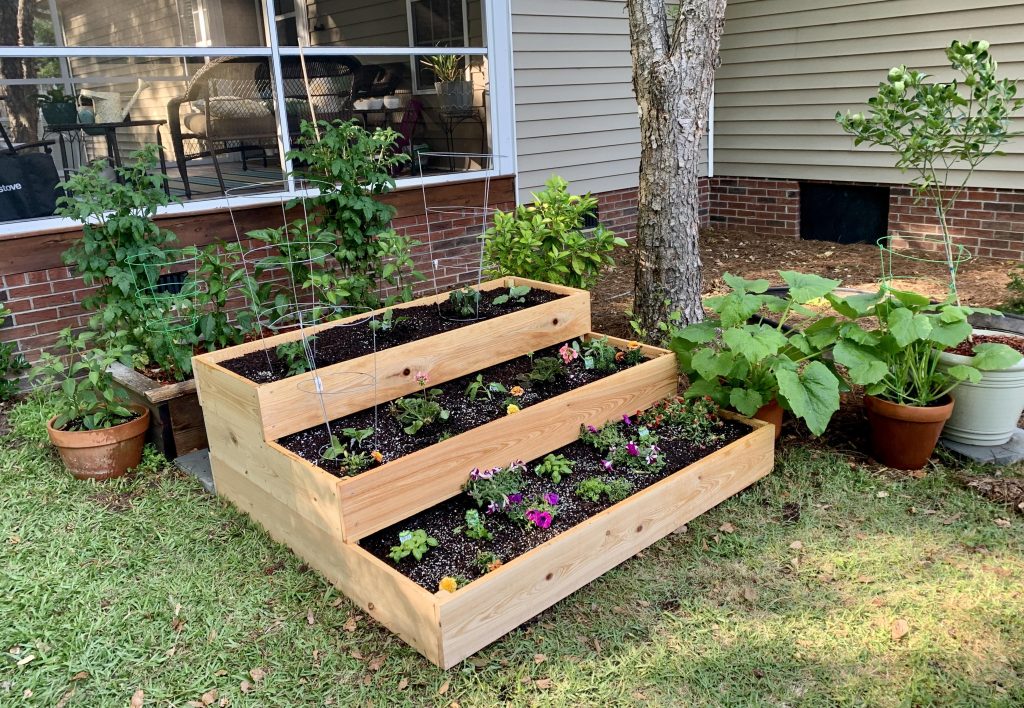
Got a slope in your backyard? Then a tiered raised bed is your new best friend. These beds are stacked on top of each other, using vertical space to maximize your planting area.
They’re perfect for uneven ground or if you want to add a bit of drama to your garden design.
Each tier can hold different crops, so you can grow plants that need more sun in the top tiers and those that thrive in shade below.
Ever thought of stacking your veggies like a garden Jenga tower? Now’s your chance. Trust me, your garden will thank you!
7. DIY Pallet Raised Bed: A Little Bit of Recycled Magic
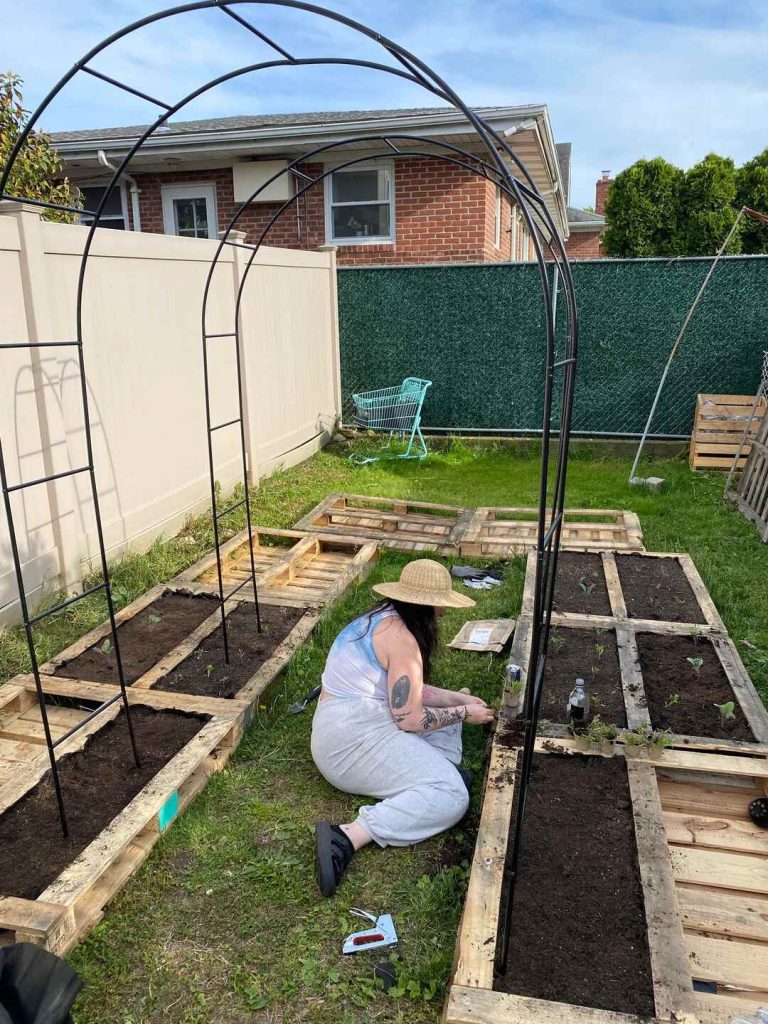
If you’re the DIY type (or just love a good recycled project), using old wooden pallets to create a raised bed can be a fun and eco-friendly solution.
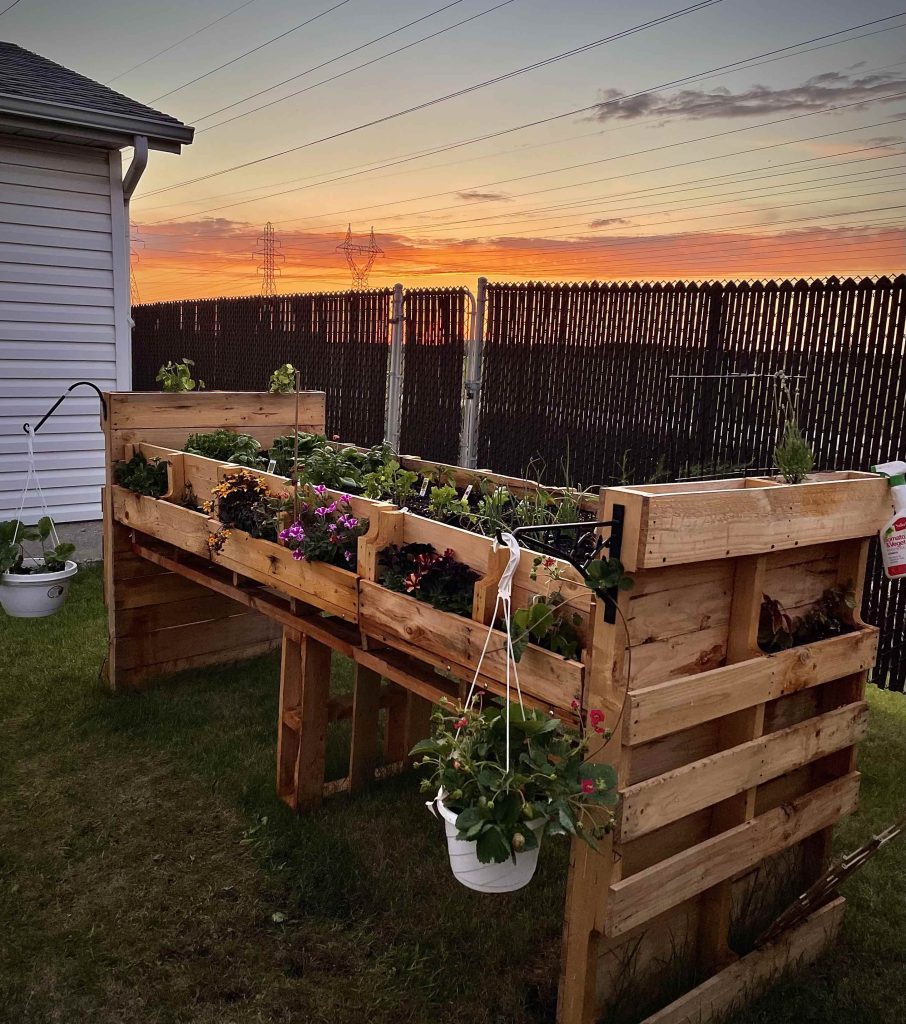
These beds give your garden a rustic, farmhouse feel without breaking the budget. You can usually find free pallets from local stores or online. Simply stack them, secure the sides, and you’ve got yourself a garden bed.
Here’s my favorite part—you can paint or stain them any color you want! Bright and cheerful? Check.
Subtle and rustic? Double-check. Plus, they’re pretty easy to assemble, so this could be your weekend project that you actually finish.
8. Raised Bed with Trellis: Climbing Veggies Welcome
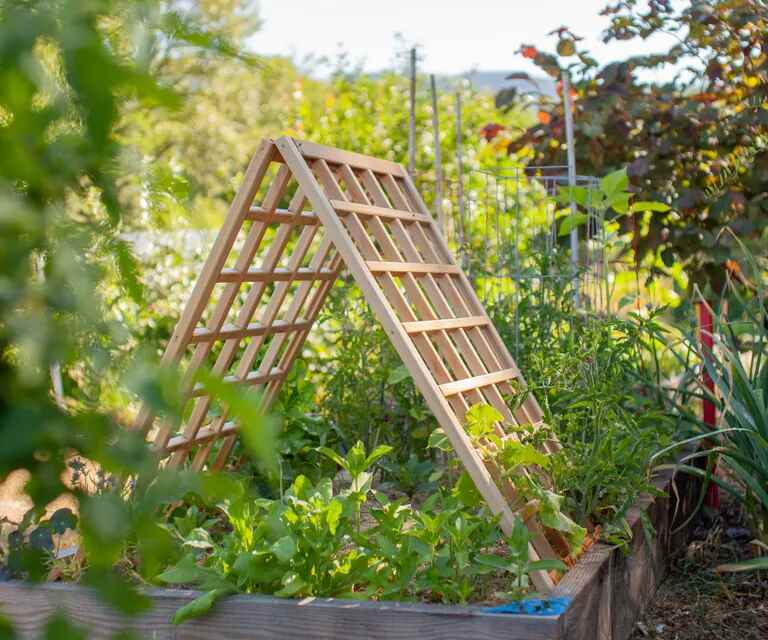
For all the climbing plants out there (I’m looking at you, beans and cucumbers), a raised bed with a built-in trellis is a must-have.
This setup allows your plants to grow vertically, saving space while still providing ample room for them to thrive.
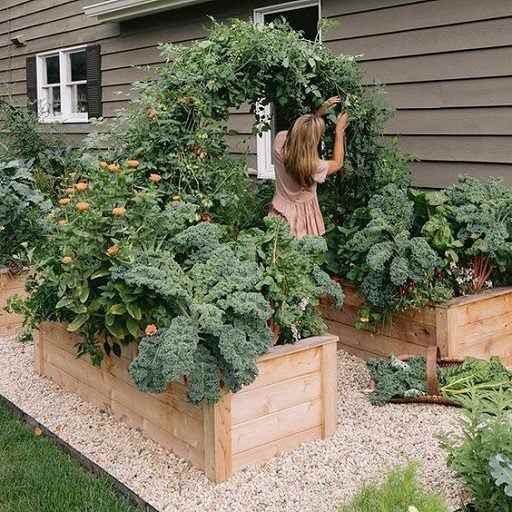
You can build a trellis into the back of a wooden raised bed or use metal piping to create a simple structure.
Pro tip: Make sure your trellis is sturdy enough to support the weight of your plants. You don’t want your trellis to collapse after all that hard work. Trust me, it’s not a good look.
9. Raised Bed with Cold Frame: Extend the Growing Season
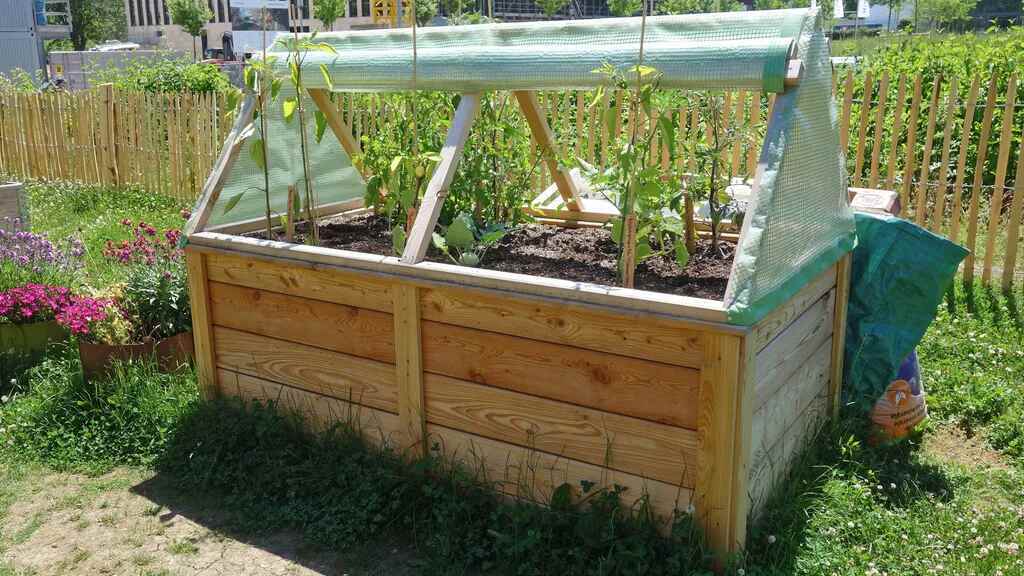
Wouldn’t it be nice if you could grow veggies year-round? Well, with a raised bed that includes a cold frame, you can!
A cold frame is basically a small greenhouse built into the top of your raised bed. It’s a clear cover that traps heat from the sun, creating a mini-climate where your plants can grow even in the cooler months.
If you’re in a region with cold winters or early frosts, this is a game-changer for extending your harvest season.
I’ve used a cold frame before, and let me tell you—it’s like a little bit of magic. I had fresh greens well into November last year, and it felt like a mini victory.
Plus, it’s super simple to make—just get some old window frames or clear acrylic sheets, and you’re good to go.
10. Rustic Stone Raised Bed: Natural Elegance
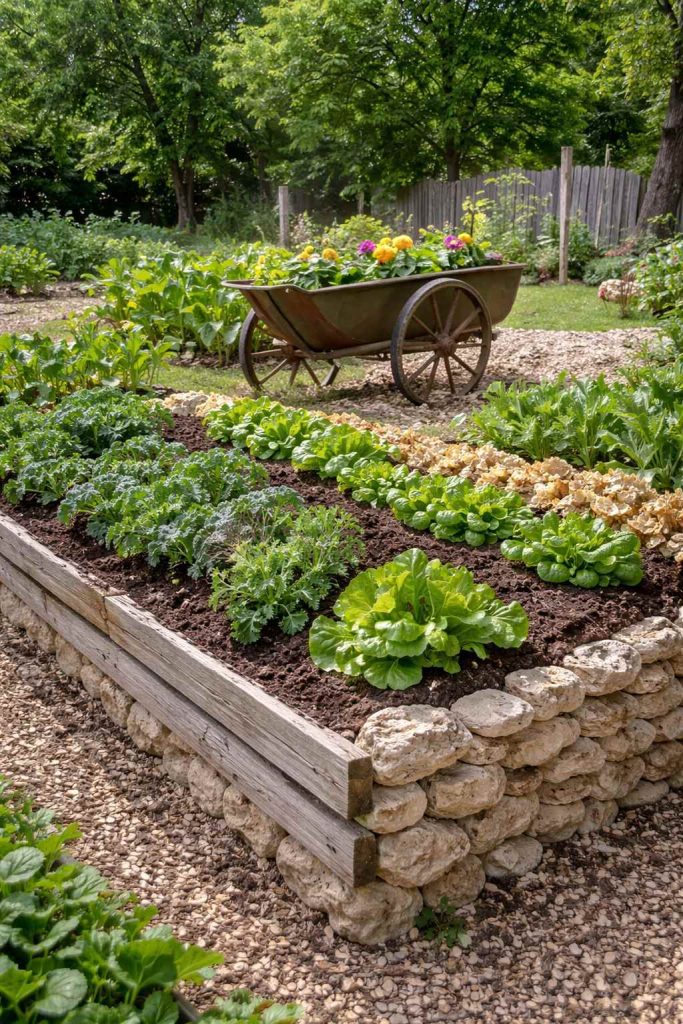
If you’re looking for a more elegant, permanent solution for your garden, a stone raised bed could be the answer.
Stones are sturdy, weatherproof, and provide a more upscale, natural look than wood or metal.
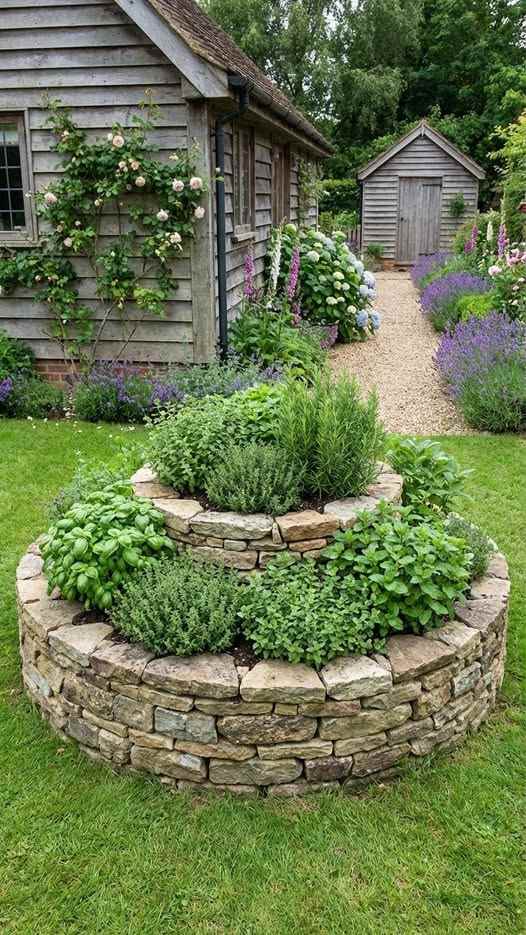
Whether you’re using flat stones for a simple border or stacking rocks for a more elaborate design, stone beds will stand the test of time and add a beautiful rustic charm to your garden.
However, here’s a little warning—stone beds are heavy. Building them will definitely require some elbow grease, but the end result?
Totally worth it. Plus, once they’re in place, you won’t have to worry about replacing them anytime soon.
11. Modular Raised Beds: Flexible and Expandable
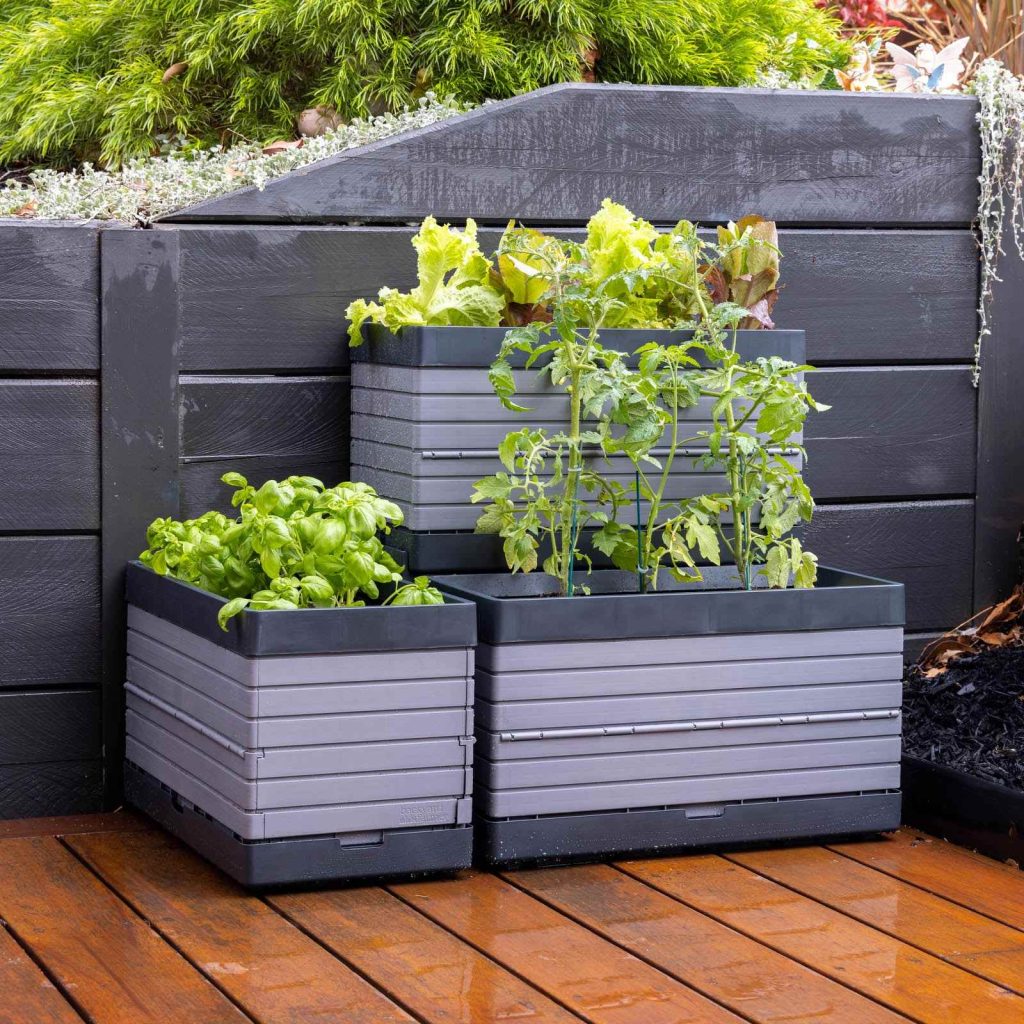
One of the coolest things about modular raised beds is that you can rearrange them and expand them whenever you want.
These beds come in pre-cut panels that slot together, so if you ever want to change your garden’s shape or size, it’s super easy.
They also tend to be made of durable materials like composite wood or metal, which can handle weather changes and last for years.
I personally love the idea of modular systems because they’re so adaptable. Need more space for tomatoes next season?
No problem, just add another section. Want to switch things up? Just move the panels around. Talk about freedom, right?
12. Raised Bed Planter Box: Compact and Stylish
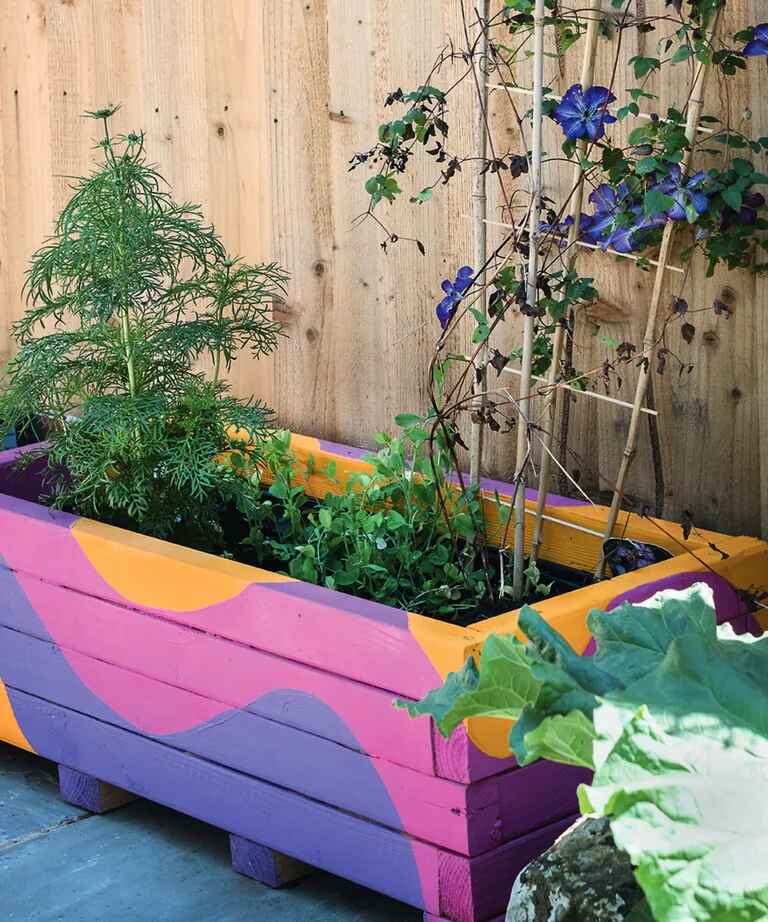
If you don’t have a lot of space but still want the benefits of a raised bed, a planter box is a great option. These smaller, rectangular beds can fit on patios, balconies, or even along a fence.
You can plant a few herbs, flowers, or even a small vegetable crop like lettuce or radishes. They’re also a stylish addition to any outdoor area, giving your garden a bit of flair.
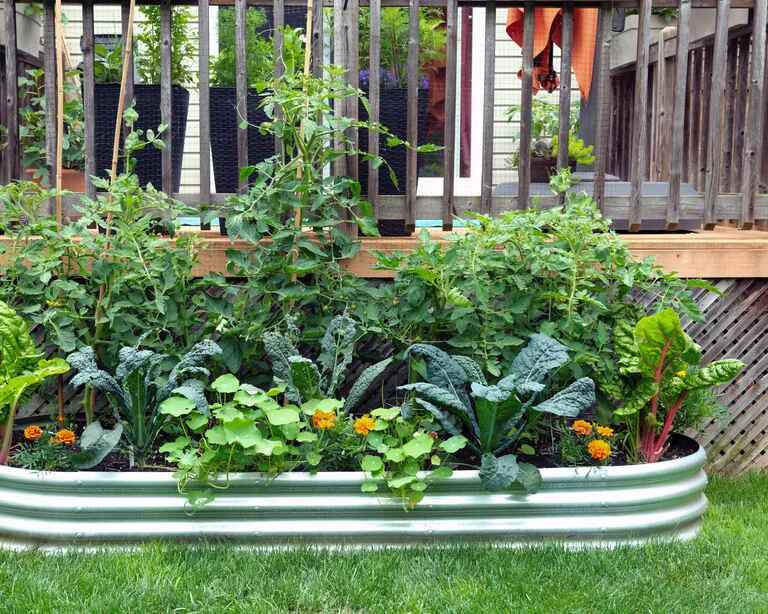
I’ve got a couple of these on my balcony, and they’ve turned my little space into a lush oasis.
Plus, they’re so easy to maintain. Just water, and you’re done. If you’re working with limited space, these are a game-changer. You don’t need a giant backyard to enjoy fresh veggies!
Conclusion:
There you have it—12 raised bed garden ideas to inspire your next project. Whether you’re a seasoned gardener or just getting started, there’s a design here to fit your space, style, and needs.
From classic wooden beds to elevated options, there’s no limit to what you can do to create a garden that works for you.
Remember, gardening is all about enjoying the process. So, pick an idea that excites you and have fun with it!
The best part? No matter which raised bed you choose, you’ll be setting yourself up for gardening success.