10 Frost Proof Perennials That Keep Blooming After the Cold Hits

You planted your garden with care. Then one cold night wiped half of it out. Sound familiar?
It happens to almost every gardener at least once. The good news?
Some perennials just don’t care about frost. They shrug it off and come back even stronger the next spring.
I’ve pulled together 10 of the toughest ones, plus what actually makes a plant frost-hardy in the first place.
How Frost-Proof Is Frost-Proof? Understanding Hardiness Zones
Here’s the thing nobody tells you: “frost-proof” isn’t one fixed standard. A Zone 3 plant can survive -40°F. A Zone 6 plant taps out around -10°F. Big difference.
So before you fall in love with anything on this list, find your zone first. The USDA has a free online map. Takes ten seconds. Do that before you buy a single plant.
Good news for you, though. Most of what’s below is hardy down to Zone 3 or 4. That covers almost the whole country.
Fall Prep That Actually Protects Your Perennials
Genetics only get a plant so far. What you do in October matters just as much.
Mulch first. Pile 2 to 3 inches of straw, shredded leaves, or bark around the base. It smooths out the freeze-thaw swings that do more damage than the cold itself.
And here’s something that trips people up: not every plant wants a fall haircut. Some do better left standing until spring. I’ll tell you which is which as we go.
10 Frost Proof Perennials That Keep Blooming After the Cold Hits
1. Peony
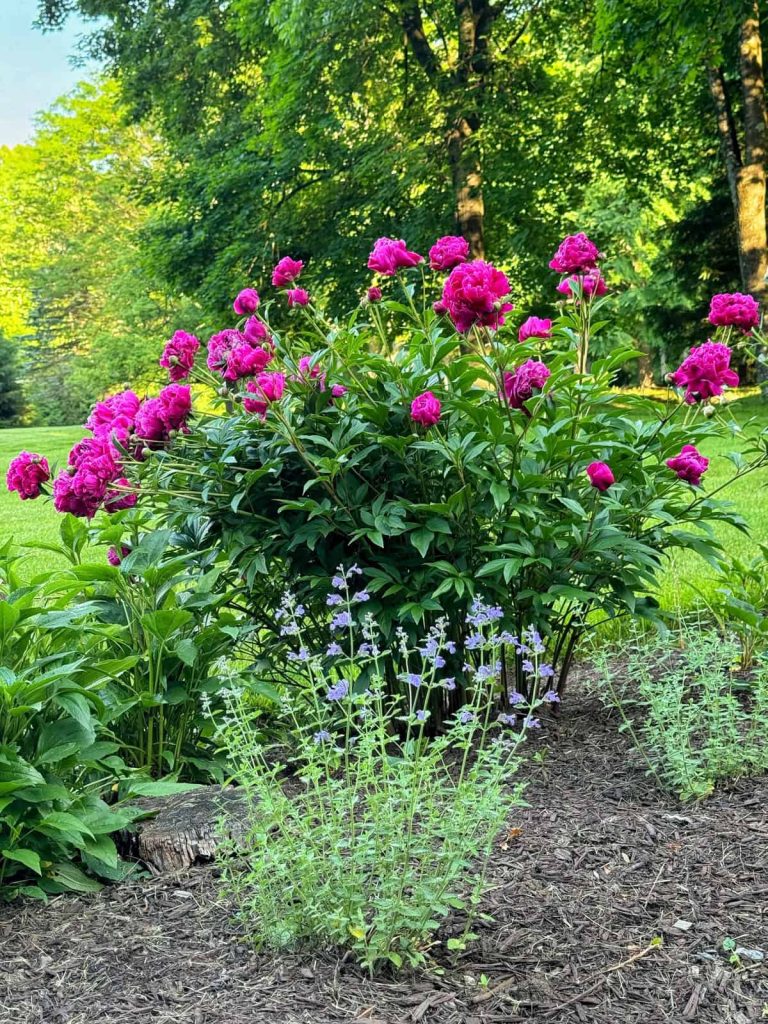
There’s a reason peonies show up in every wedding bouquet. Fist-sized blooms, soft scent, colors from blush pink to deep coral. They’re showy in the best way.
You’d think something that beautiful would be fussy. It’s not. Peonies laugh off Zone 3 winters without any help from you.
Plant one in full sun, give it well-drained soil, and then leave it alone. They actually resent being moved once they’re settled in.
Come fall, cut the foliage down after your first hard frost. A light mulch layer helps, unless you’re gardening somewhere wet. Then skip it. Soggy crowns rot faster than cold ones freeze.
2. Purple Coneflower
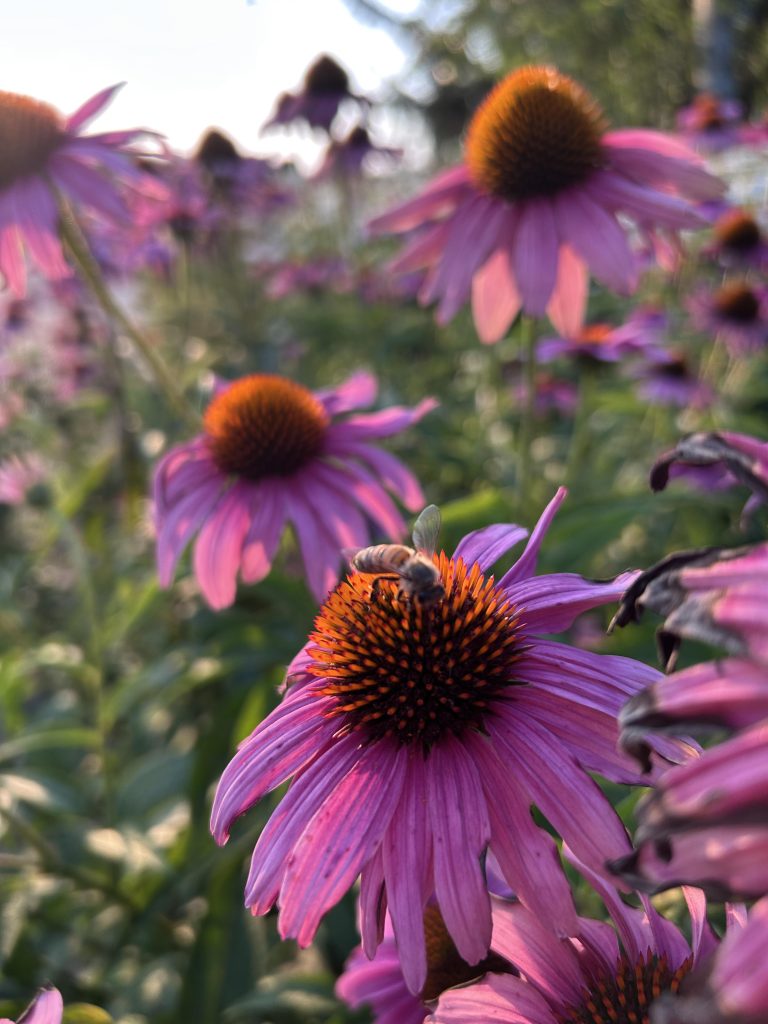
Bees love this one. So do goldfinches, once the blooms turn to seed. Pink-purple petals, a spiky orange center, blooming from midsummer clear into fall.
Here’s a detail most articles skip. Straight species coneflower is bulletproof down to Zone 3. But those trendy hybrid colors, the orange and yellow varieties?
They’re often less cold-hardy. If you live somewhere brutal, stick with the classic purple or double-check the plant tag.
One more thing. Don’t cut this one back in fall. Leave the seed heads standing. They protect the crown and feed birds all winter long.
3. Hosta
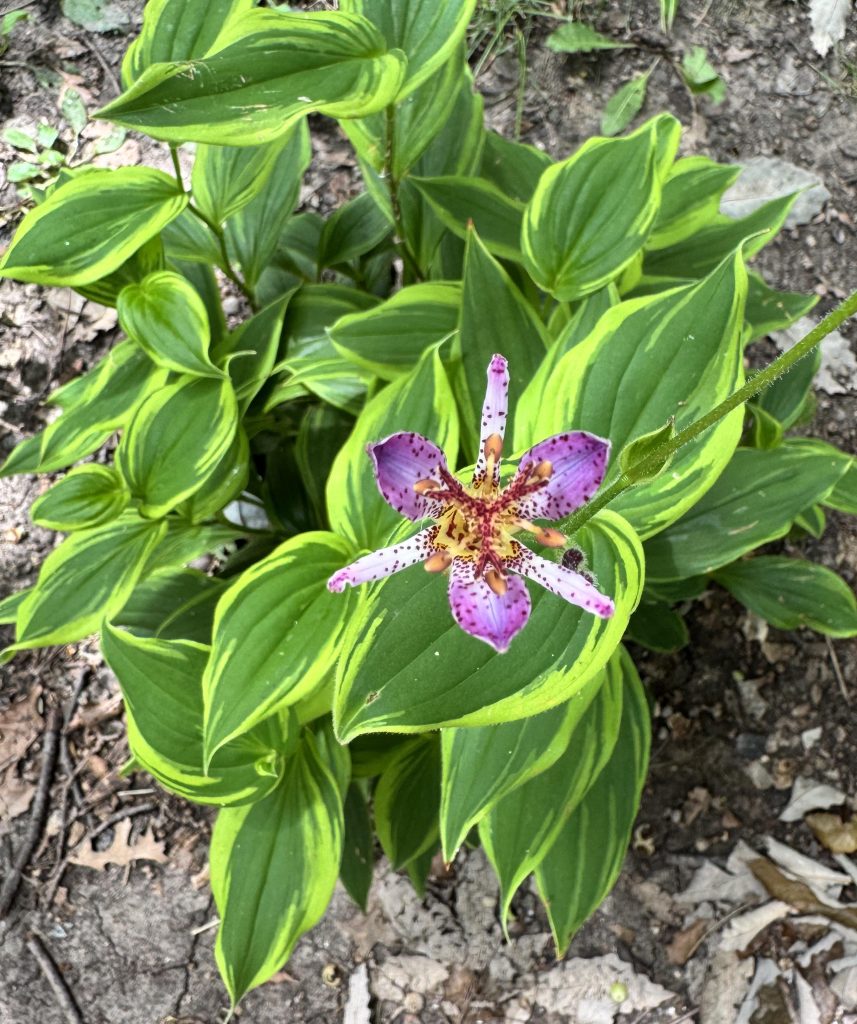
Ask any shade gardener what they’d plant first, and hosta is probably the answer. Big, bold leaves in blue-green, gold, or variegated cream. Some throw up spikes of lavender flowers too, almost as an afterthought.
Cold isn’t really the enemy here. Wet soil is. Hostas handle Zone 3 winters just fine, but sit them in soggy ground and they’ll struggle no matter how hardy the tag says they are.
Give them shade and drainage, and they’ll outlive you.
Quick fall task: It’s crucial to keep slugs off Hosta. rake up the dead leaves around them. Slugs love to lay eggs in that debris, and a messy bed now means more pests next spring.
4. Siberian Iris
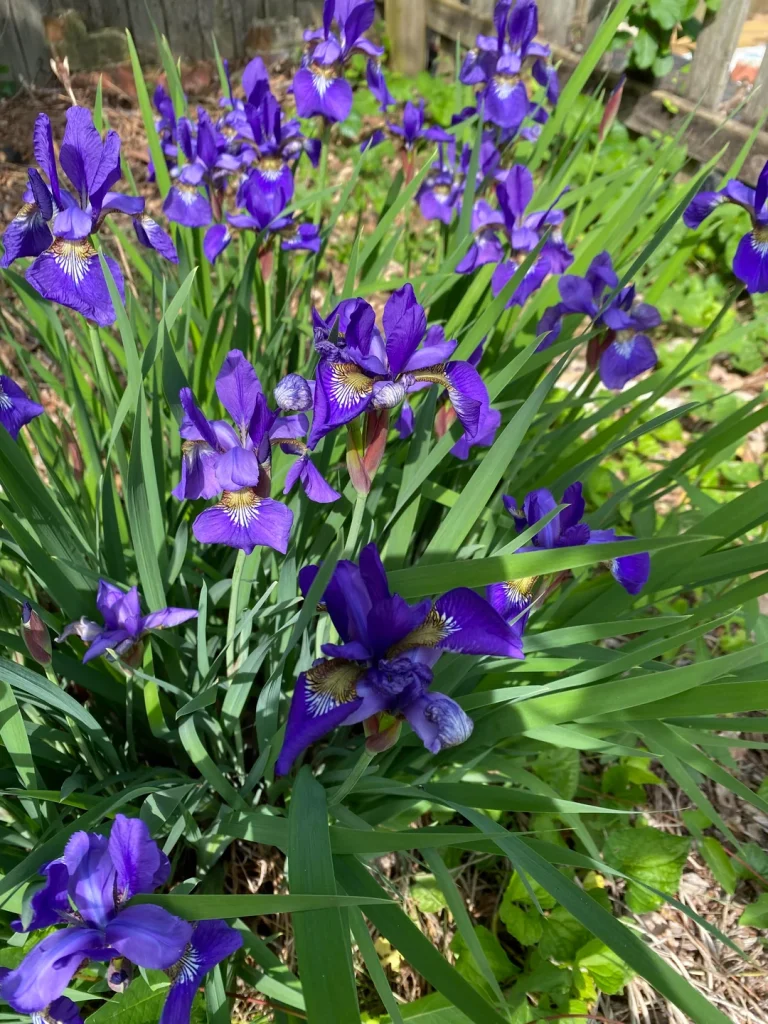
This one’s criminally underused. Thin, grass-like leaves. Elegant blue or purple blooms in late spring.
And unlike its bearded cousin, it won’t rot the second your soil stays wet for a week.
Zone 3 hardy, and about as low-maintenance as perennials get. Full sun or light shade, average soil, no staking required. You plant it, and it just handles the rest.
What really sells me, though, is what happens after the flowers fade. The foliage stays attractive well into fall, so your beds don’t go bare the second the blooms are done.
5. Daylily
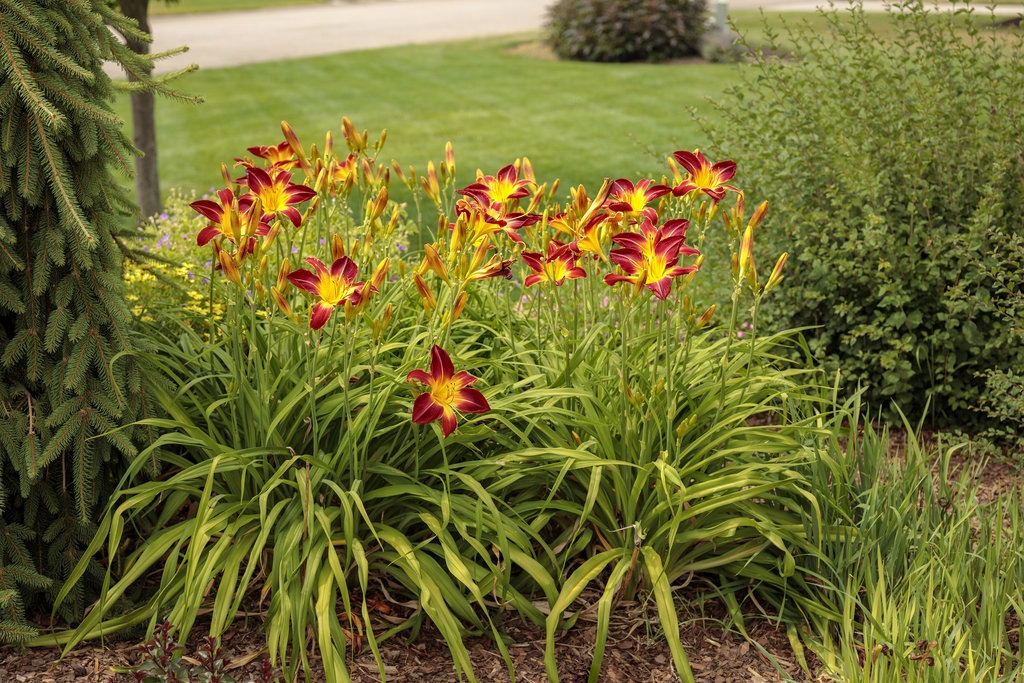
Fun fact: daylilies aren’t actually lilies. Doesn’t matter. Nobody cares once they see a mature clump in full swing, throwing out dozens of trumpet-shaped blooms in shades from butter yellow to wine red.
Each flower only lasts a day. That’s where the name comes from. But a healthy plant keeps producing for weeks, so you barely notice any single bloom fading.
Want tough? This is about as tough as perennials come. Zone 3 hardy, drought-tolerant, and almost impossible to kill through neglect.
Just know they’ll spread over the years, so plan to divide clumps every few seasons before they start crowding their neighbors.
6. Sedum ‘Autumn Joy’
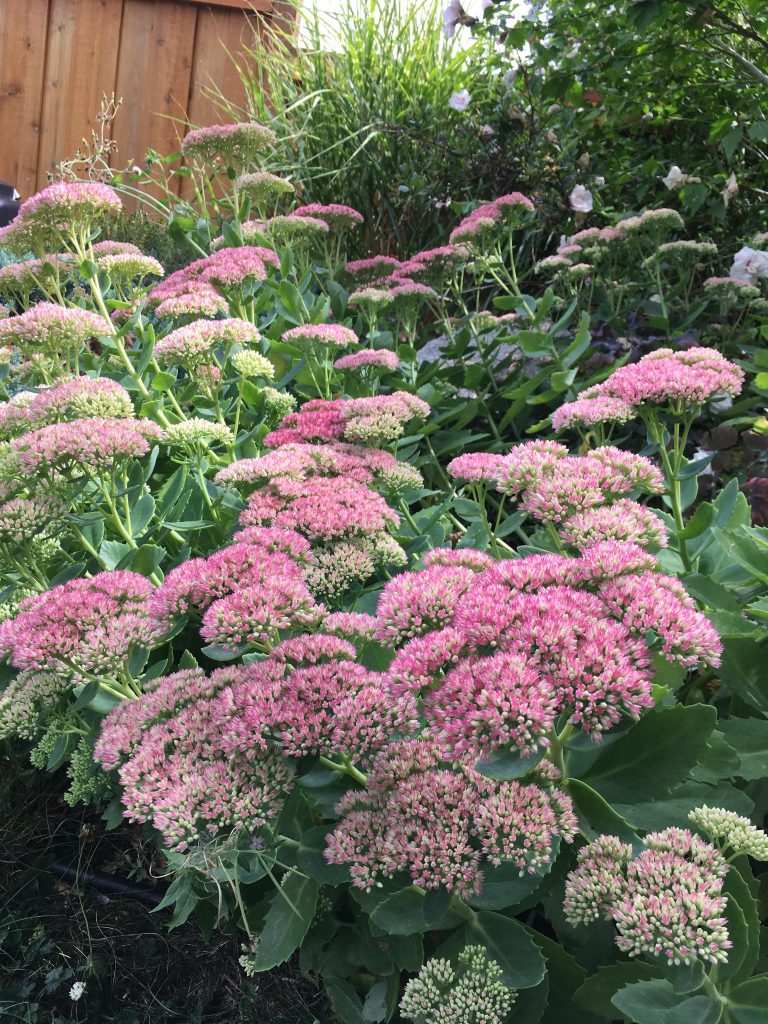
Most flowers give up by October. This one is just getting started. Sedum ‘Autumn Joy’ pushes out broad, broccoli-shaped flower clusters that open pink in August, then slowly deepen to rust and bronze as the season winds down.
The leaves do a lot of the heavy lifting too. They’re thick and succulent, almost blue-green, holding their shape long after other perennials have flopped over.
Zone 3 hardy, drought-tolerant, and it barely asks for anything once it’s settled.
One tip worth knowing: don’t overfeed it. Rich soil makes the stems go soft and floppy. Lean, well-drained soil is what keeps this one standing tall through the first frosts.
7. Creeping Phlox
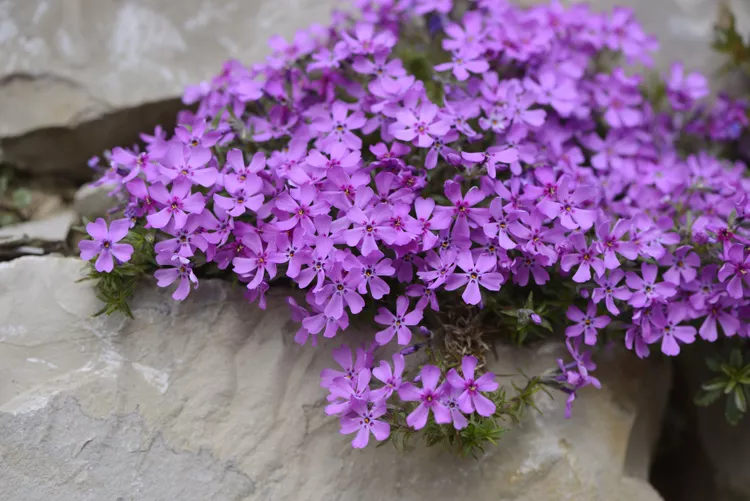
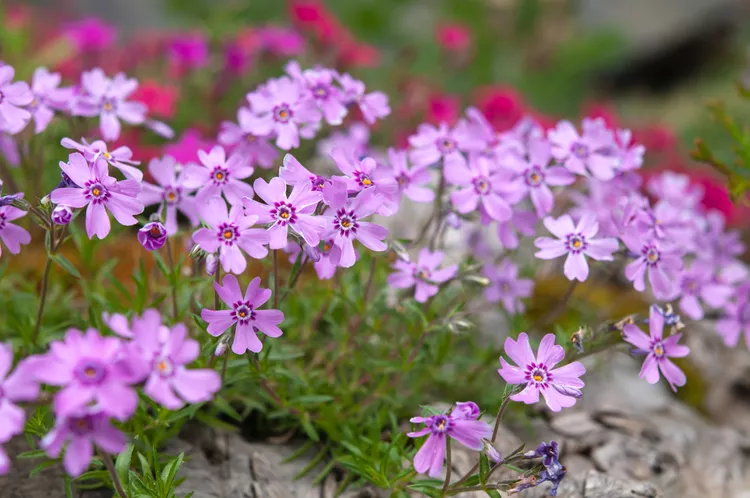
Picture a slope covered in solid color every spring. That’s creeping phlox.
It spreads low and thick, then erupts into star-shaped blooms in pink, purple, blue, or white for a few glorious weeks.
The bloom window is short, sure. But the payoff is worth it, and pollinators show up in droves while it lasts. Hardy to Zone 2 in most varieties, so cold is basically a non-issue.
After the flowers fade, give it a trim. It keeps the plant bushy and stops the center from turning woody and bare over time.
Skip that step, and you’ll end up with a donut-shaped patch instead of a full one.
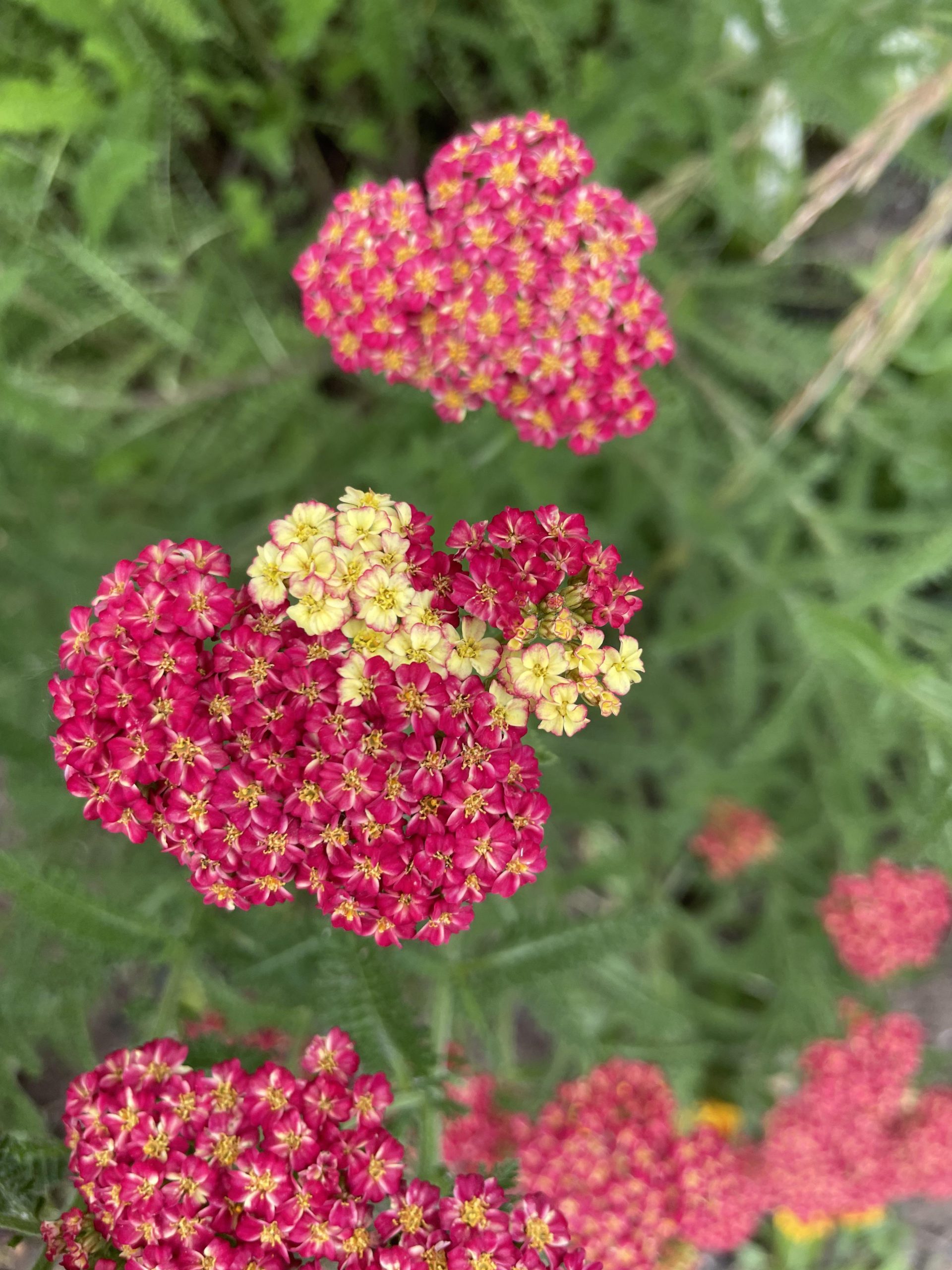
8. Yarrow
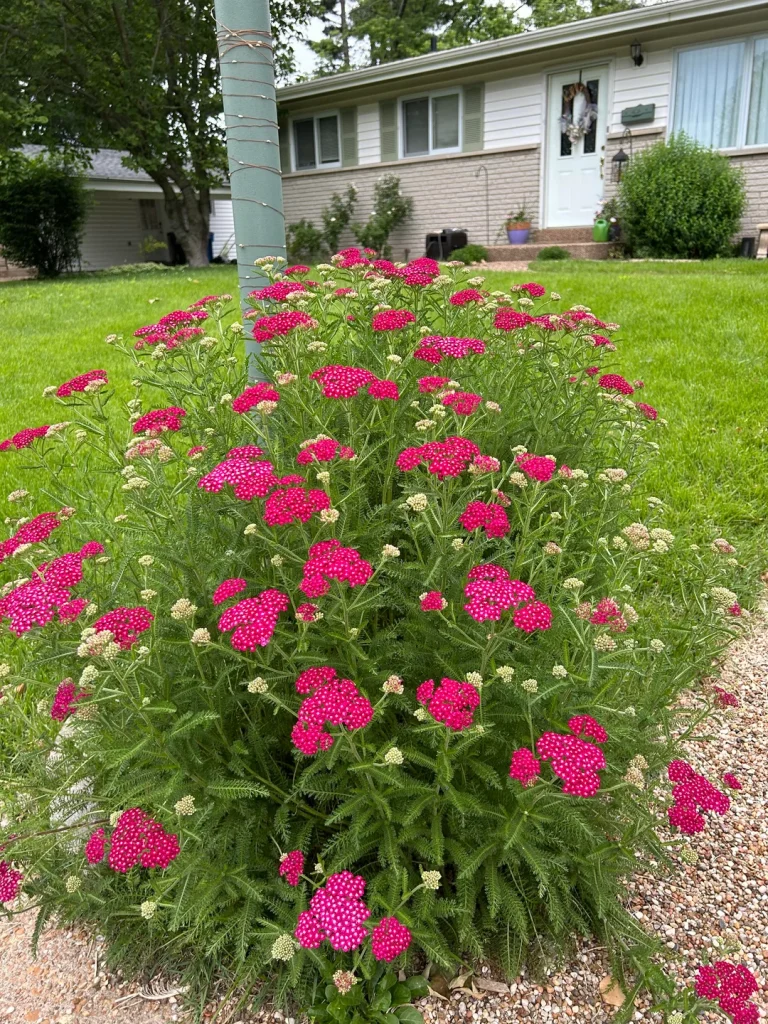
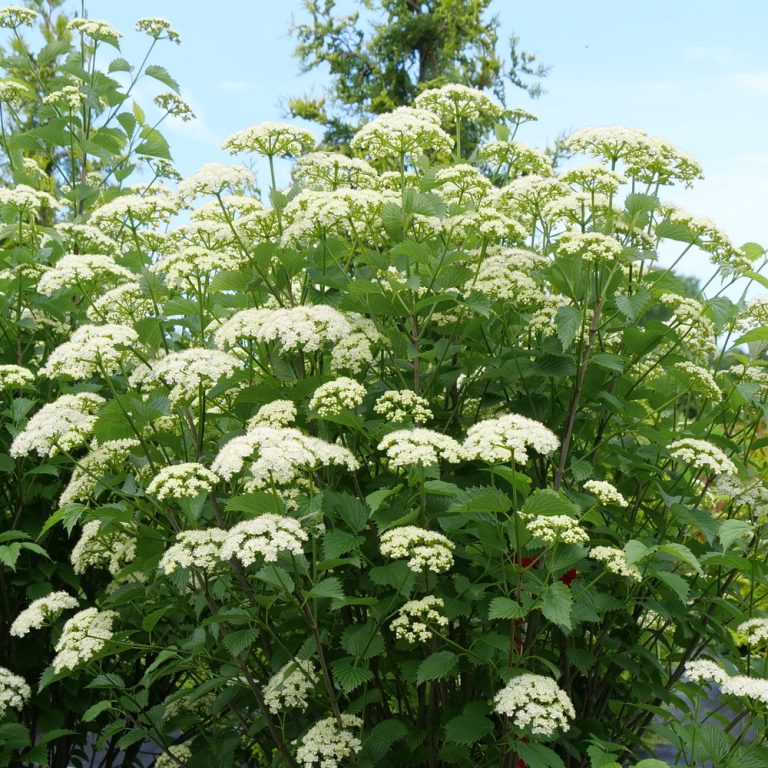
If you want a plant that attracts good bugs and ignores bad weather, yarrow’s your answer.
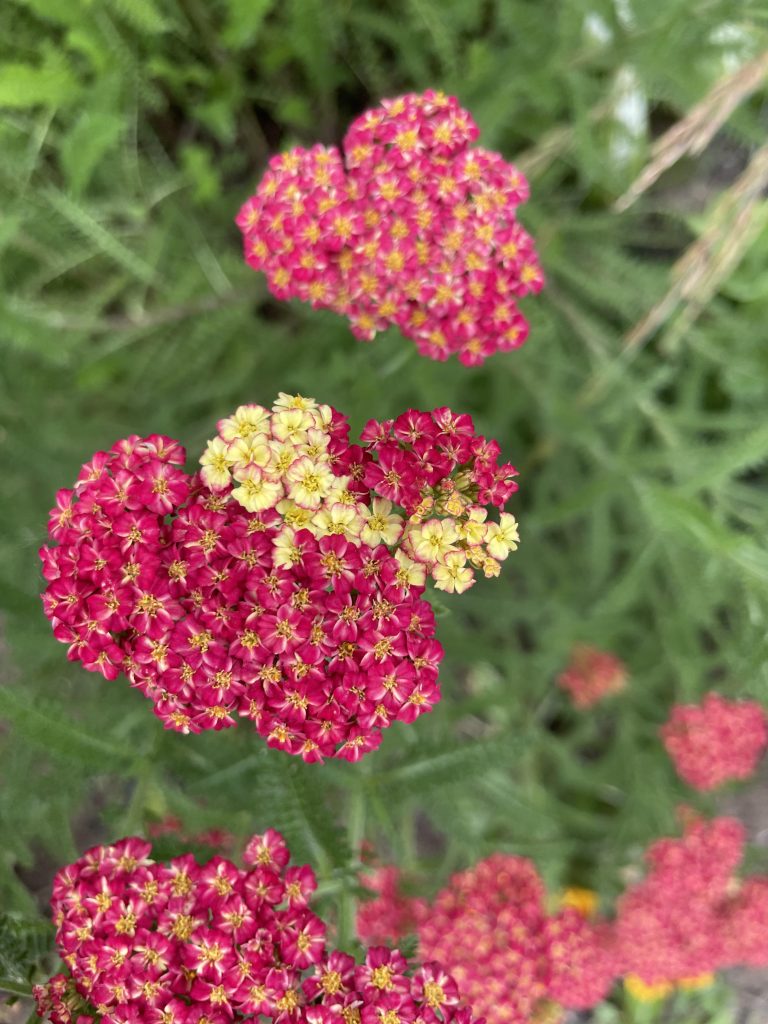
Fern-like foliage, flat clusters of tiny flowers in white, yellow, or pink, and ladybugs practically move in.
It doesn’t need winter protection. None. You can leave the stems standing for the birds, or cut them back to the base leaves if you’d rather tidy things up. Either way works fine down to Zone 3.
Just one catch. If you’re growing yarrow in a pot instead of the ground, bring it indoors for winter or wrap the container. Roots in a pot freeze faster than roots in open soil.
9. Hellebore
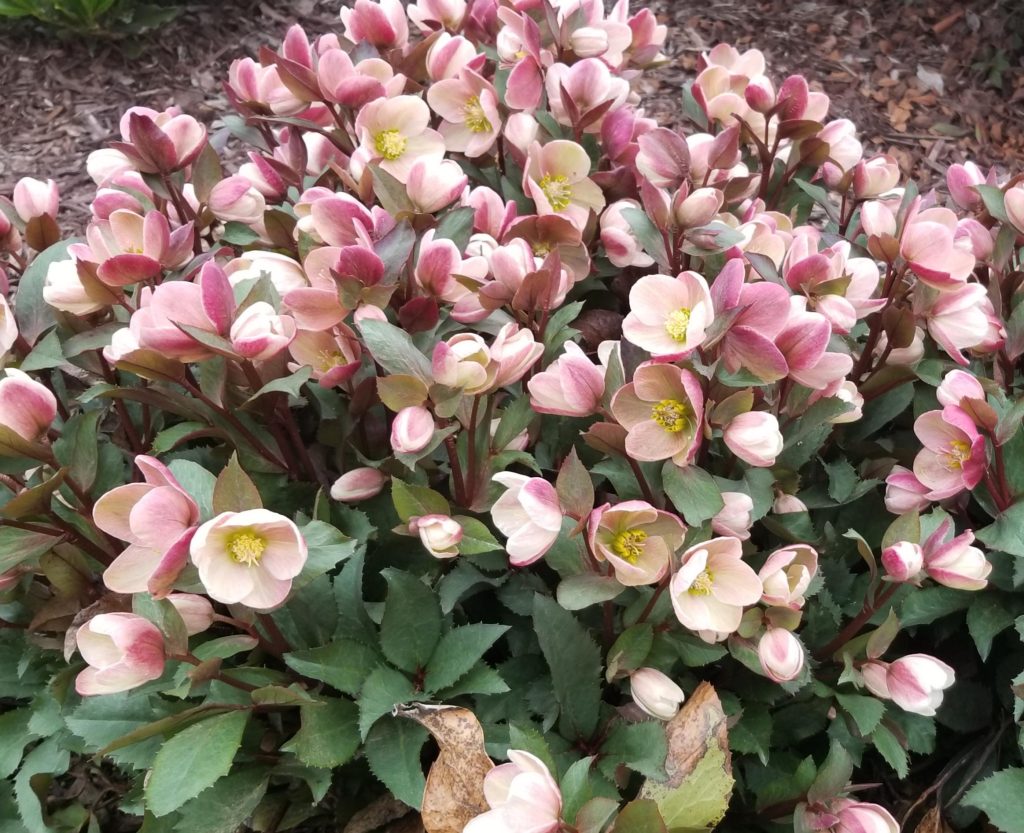
Here’s a plant that blooms when it has no business blooming. Hellebores, also called Lenten rose, open their flowers in late winter, sometimes right through a layer of snow. Nothing else in your yard is doing that.
They’re evergreen too, which is rare for a perennial this cold-hardy.
Established plants handle temperatures down to -20°F without blinking. Give them shade and shelter from harsh wind, and they’ll reward you for years.
Maintenance is almost nothing. Just remove any damaged or diseased leaves in late fall, then let the plant do its thing.
Mulching around the base helps mimic the rich, woodland soil hellebores actually prefer.
10. Russian Sage
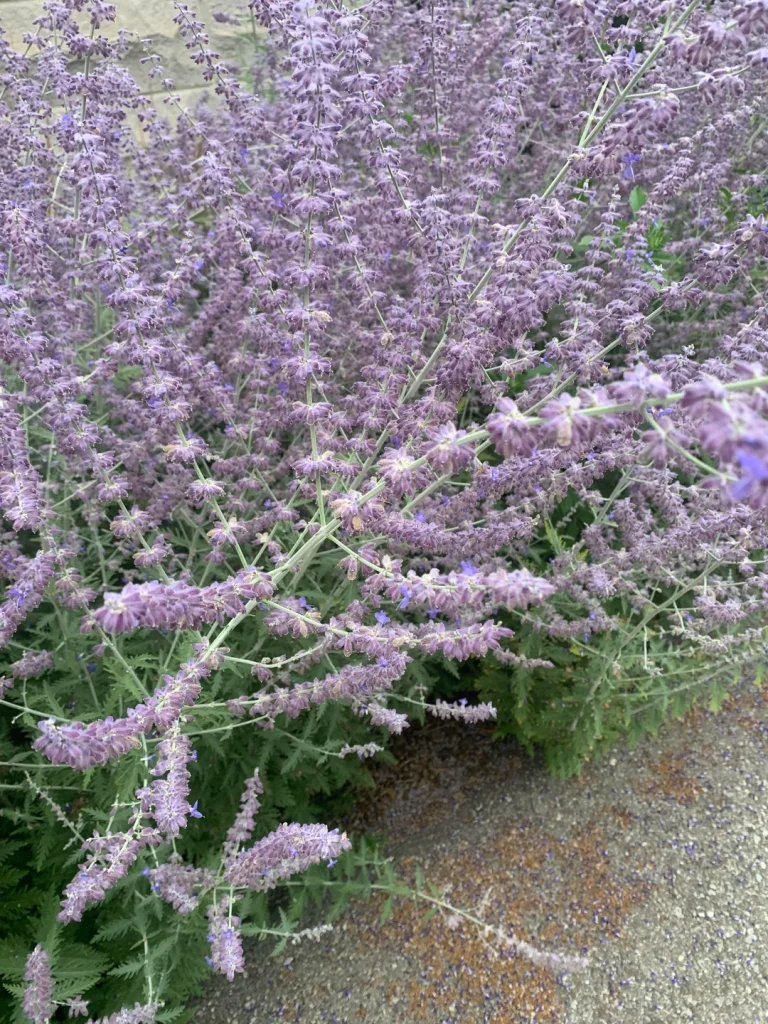
Deer walk right past this one, and that alone earns it a spot on most gardeners’ lists. Russian sage throws up tall, silvery stems topped with hazy blue-purple flowers from midsummer into fall.
It’s not fussy about soil, either. In fact, it prefers things lean and dry. Feed it too much and you’ll get floppy, weak growth instead of the upright form it’s known for.
Hardy to Zone 4, so it handles most northern gardens without extra winter protection.
Pair it with ornamental grasses or black-eyed Susans for a planting that carries color long after most flowers have called it quits for the season.
FAQ’s
How do I know which of these will actually survive in my yard?
Check your USDA hardiness zone first. Every plant on this list is rated for at least Zone 4, and most go down to Zone 3, so odds are good several will work wherever you garden.
Can I mix these perennials in the same bed?
Absolutely, and most of them actually look better together. Pair sun-lovers like peony, coneflower, and Russian sage in one area, then group the shade fans like hosta and hellebore somewhere cooler.
Do new plants need extra help their first winter?
Yes, give first-year plants a little more mulch than you would an established one. Their root systems haven’t fully settled in yet, so they’re more vulnerable to hard freezes than plants that have been in the ground a season or two.
What’s a realistic budget for a bed like this?
Most nursery perennials run somewhere between $10 and $25 per plant, depending on size and variety. Buying smaller starter plants and letting them fill in over a season or two stretches your budget further than going straight for mature ones.
Is it too late to plant if frost is already close?
Not necessarily. Perennials planted a few weeks before the ground freezes still have time to establish roots, even if there’s no top growth to show for it.
Just water them in well and add mulch right away for extra insulation.
Final Thoughts
A frost-proof garden doesn’t have to mean a boring one. Between the spring peonies, the fall sedum, and the hellebores blooming through snow, you’ve got color covering almost the whole year.
Pick a few from this list, get them in the ground, and let winter throw whatever it wants at them.