15 Fall Flowers to Plant in August for a Garden That Refuses to Quit

By August, most summer flowers look tired and ready for a break. Fall creeps closer every day, and soon you’ll be prepping beds for spring instead of enjoying color right now.
Hold off on that though, because plenty of fall-blooming flowers still have time to shine.
Seeds need a little math before you plant them this late. Check your first frost date first, then match it against how long each flower takes to bloom. Skip that step, and you risk watching seedlings die before a single flower opens.
Nursery starts skip the guesswork entirely. Grab plants already blooming or close to it, and you’re way ahead. Just pick varieties tough enough for lingering August heat but happy to keep flowering once things cool down.
Here are some of the best fall-blooming flowers to plant in August.
15 Flowers to Plant in August for Showy Fall Blooms
1. Zinnias Bring Fast, Reliable Color
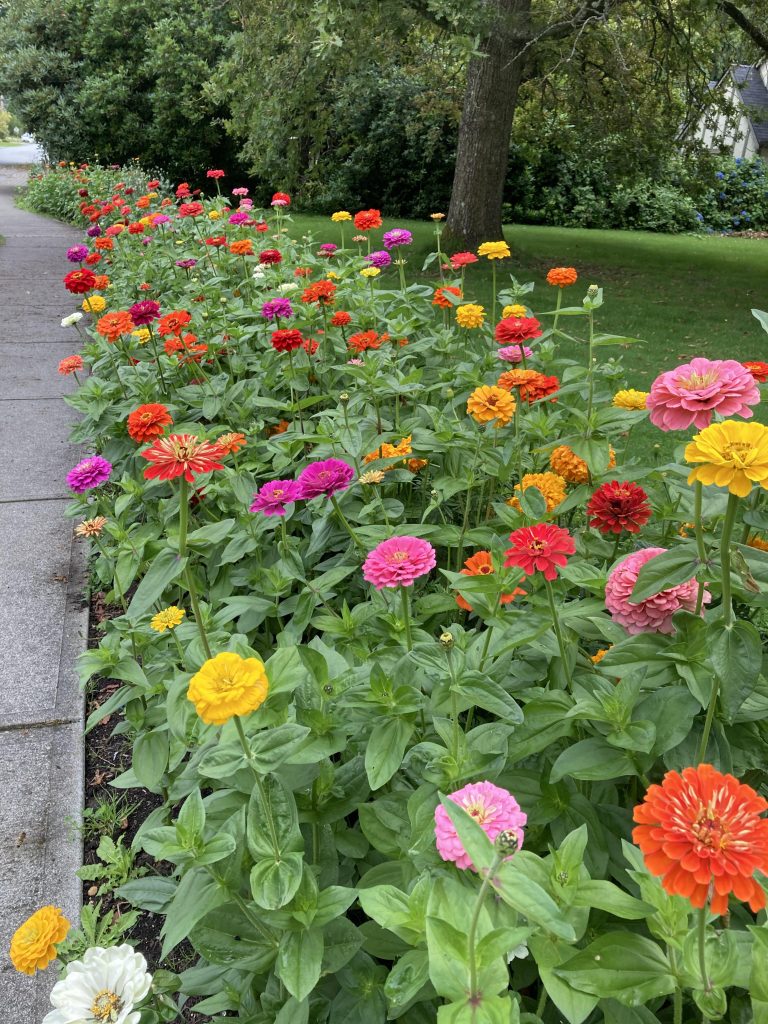
Want flowers without the wait? Zinnias are your answer. Seeds sprout fast, and blooms show up within about 60 days. Butterflies practically move in once these open up, and I never get tired of watching them work the garden.
Give your zinnias full sun and they’ll bloom right through November.
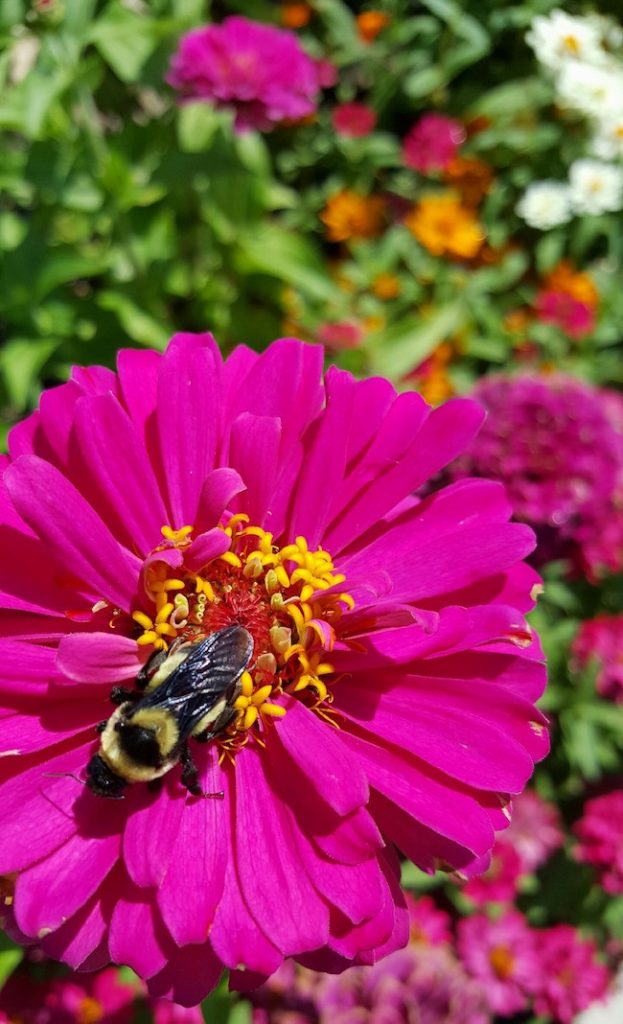
One thing though: don’t transplant these. Roots hate being disturbed, so sow the seeds straight into the ground. Thin the seedlings once they come up.
Skip that step and you’ll invite powdery mildew, which turns those pretty blooms into a sad, dusty mess.
Plant Overview
- USDA Hardiness Zones: 2-11
- Sun: Full sun
- Soil: Average, well-draining
- Water: Moderate, drought-tolerant once established
- Height/Spread: Up to 3 feet tall
- Seed to Flower: 60-70 days
Also read: 12 Best Deer-Resistant Fall Flowers to Grow
2. French Marigolds Work Double Duty
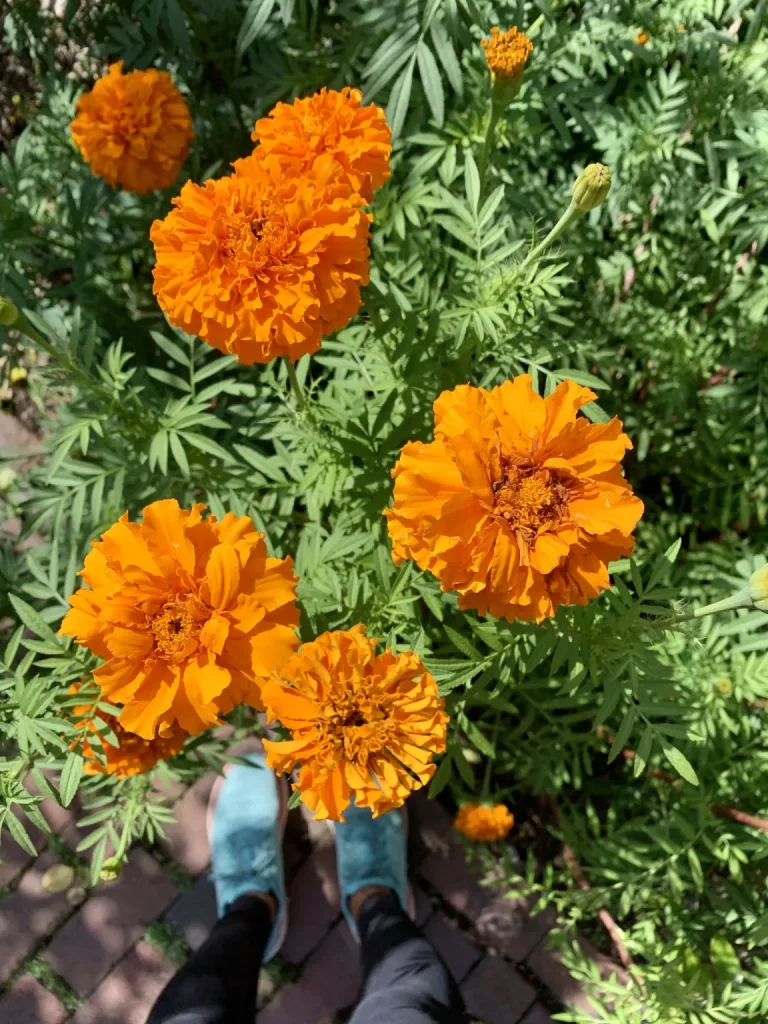
Marigolds pull double duty in the garden. Sure, they’re cheerful, but that scent of theirs actually pushes pests away from your vegetables. Nearby tomatoes and peppers benefit from the company.
French types beat African marigolds to the finish line, often flowering within five weeks.
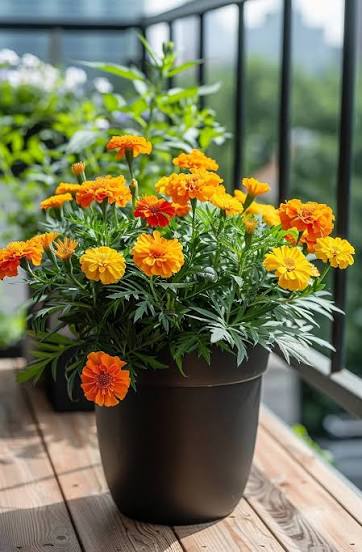
Cold really does stop these plants in their tracks. Once temperatures drop below 40°F, growth slows way down, so get them in while the soil still holds summer heat.
Partial shade works fine too, though full sun gives you the best show. Snip off spent blooms regularly, and you’ll keep flowers coming until that first hard frost.
Plant Overview
- USDA Hardiness Zones: 2-11
- Sun: Full sun to partial shade
- Soil: Average, well-draining
- Water: Moderate
- Height/Spread: 6-12 inches
- Seed to Flower: 50-60 days
Also read: 14 Inspiring Front Yard Fall Landscaping Ideas
3. Cosmos Thrive on Neglect
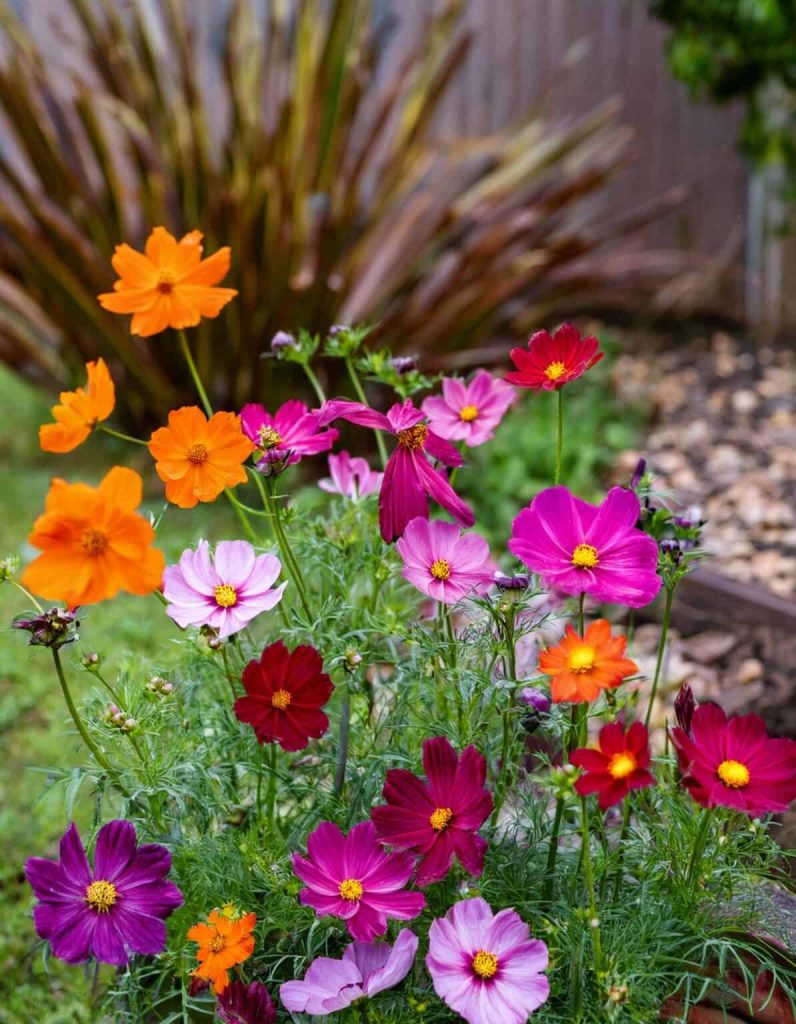
Ever met a flower that hates being pampered? Cosmos are exactly that. Rich soil actually works against you here, pushing energy into leaves instead of flowers.
Skip the fertilizer and let these plants struggle a little; that’s when they perform best.
Height sneaks up on you with cosmos, since they can reach six feet in the right spot. Bees and hummingbirds treat these blooms like a fall migration rest stop.
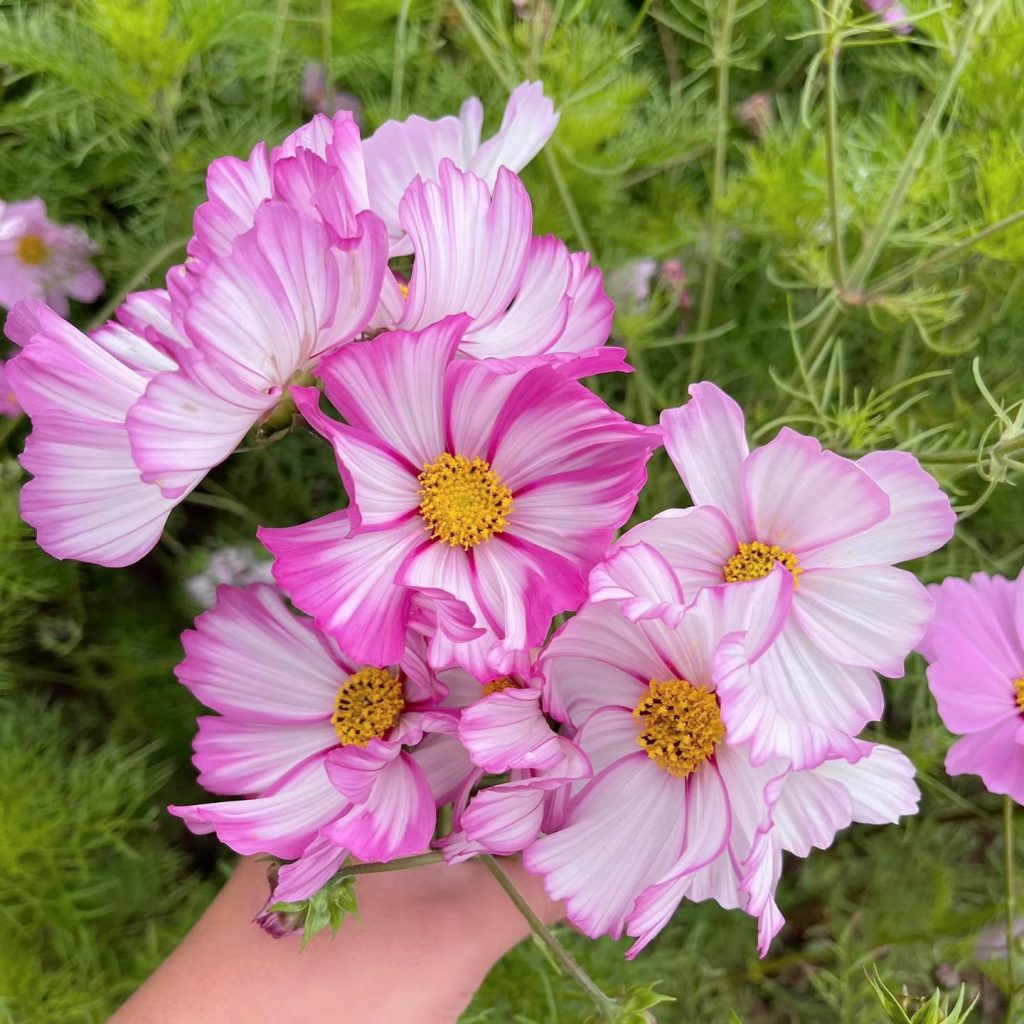
Drought barely bothers established plants, so put that watering can down. Overfeed them, though, and you’ll lose all that natural toughness fast.
Plant Overview
- USDA Hardiness Zones: 2-11
- Sun: Full sun
- Soil: Poor to average, well-draining
- Water: Low once established, drought-tolerant
- Height/Spread: Up to 6 feet tall
- Seed to Flower: 50-60 days
Also read: 15 Stunning Fall Flower Ideas to Color Your Autumn Garden
4. Calendula Blooms the Fastest of All
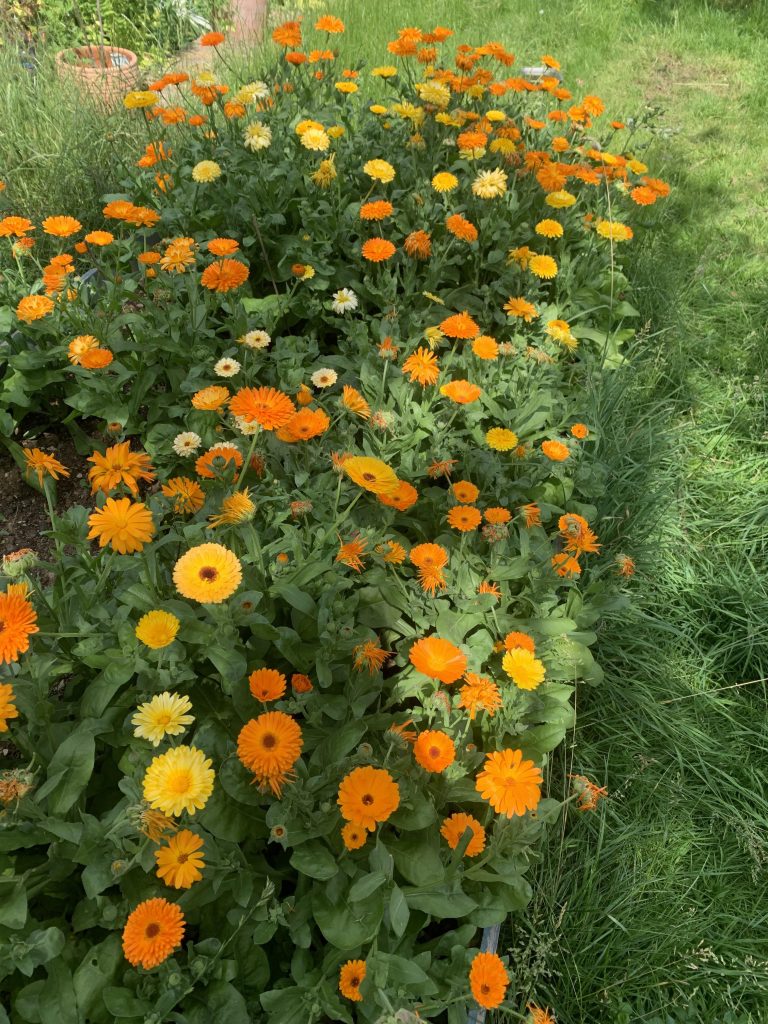
Not much patience? Calendula won’t test it. This flower beats every other one on this list to the finish line, sometimes blooming in just 30 days.
Cool fall weather actually makes the blooms better, which is the opposite of what most flowers do.
Frost doesn’t scare calendula one bit, at least not the light kind. That toughness means you get color deep into fall, long after other flowers have given up.
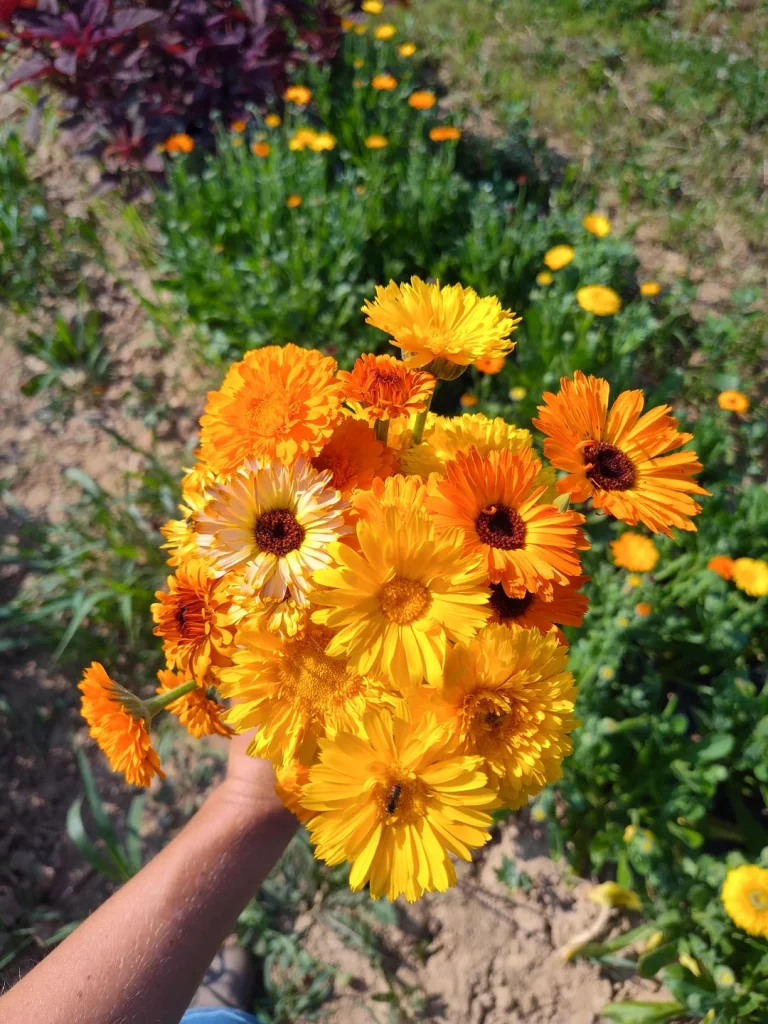
Average soil suits it fine, and full sun brings out the best blooms. Curious cooks might like knowing the petals are edible, too, so toss a few in a salad and watch your dinner guests ask questions.
Plant Overview
- USDA Hardiness Zones: 2-11
- Sun: Full sun
- Soil: Average, well-draining
- Water: Moderate
- Height/Spread: 1-2 feet
- Seed to Flower: 30-50 days
5. Snapdragons Bring Cool-Weather Charm
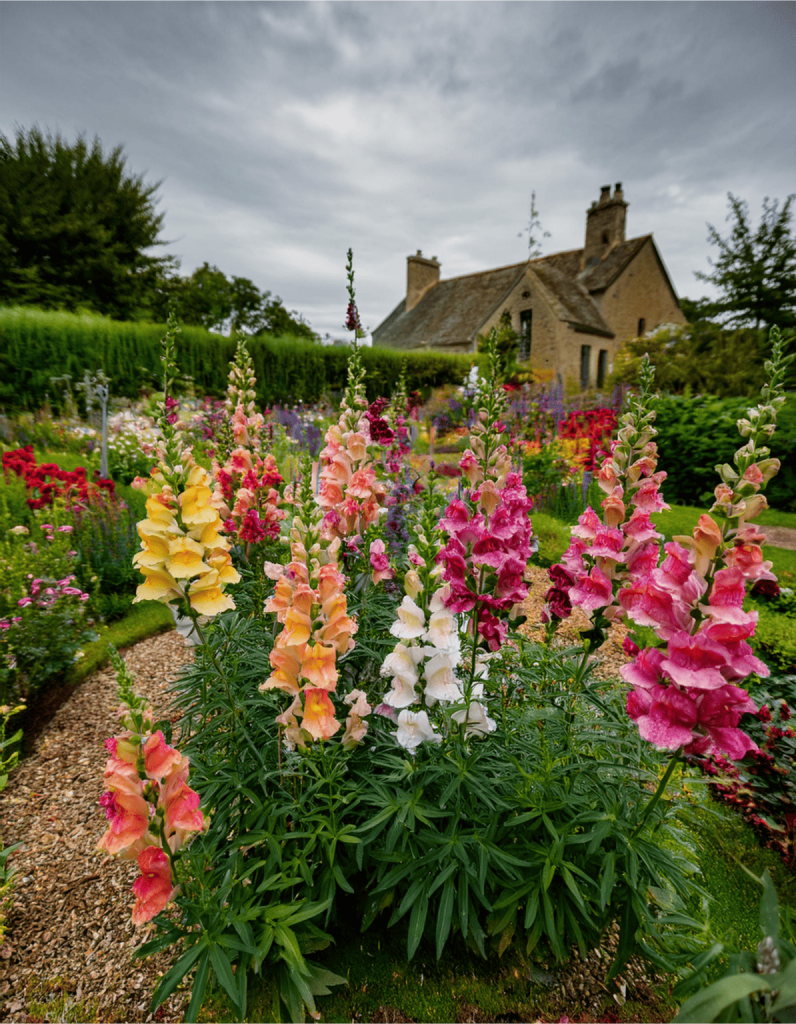
Cold weather doesn’t scare snapdragons one bit. These flowers actually get tougher as temperatures drop, surviving down to 25°F without much fuss.
Cut flower lovers swear by them, and I get why once you see how long they last in a vase.
Height varies a ton depending on the variety you pick. Dwarf types stay under a foot, while taller ones stretch close to three feet.
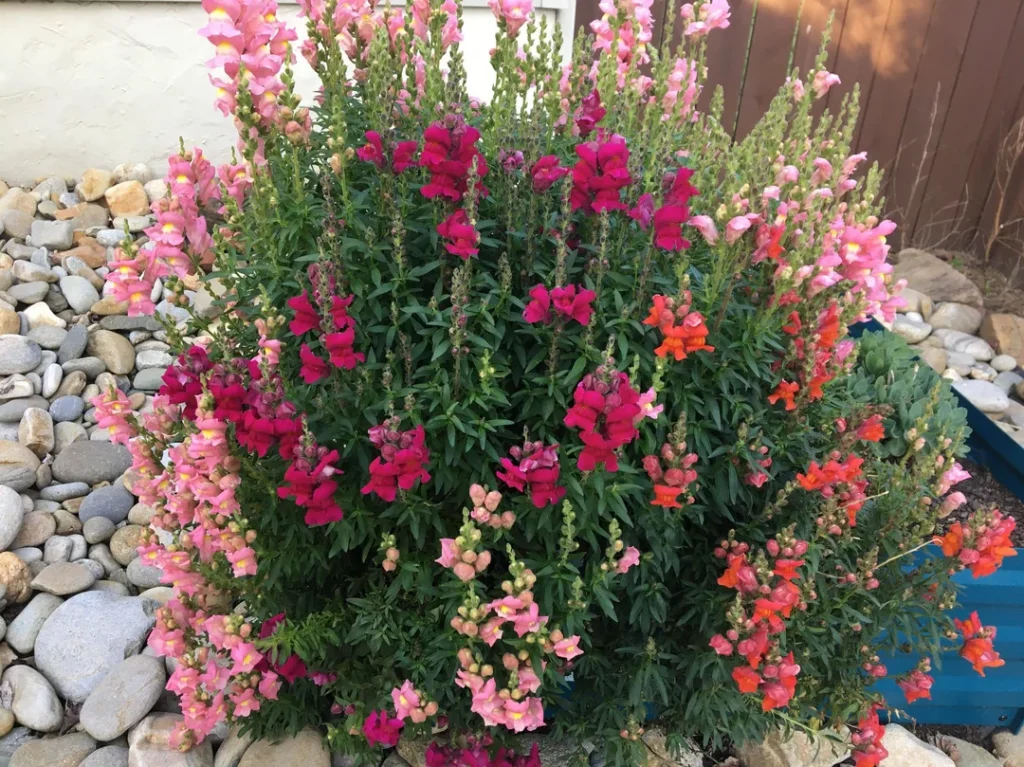
Afternoon shade helps them settle in during that last blast of August heat.
Give snapdragons that little break from the sun, and they’ll reward you with blooms well into fall.
Plant Overview
- USDA Hardiness Zones: 7-10
- Sun: Full sun, afternoon shade helpful when establishing
- Soil: Average, well-draining
- Water: Moderate
- Height/Spread: 6 inches to 3 feet
- Seed to Flower: 60-80 days
6. Petunias Fill Every Gap
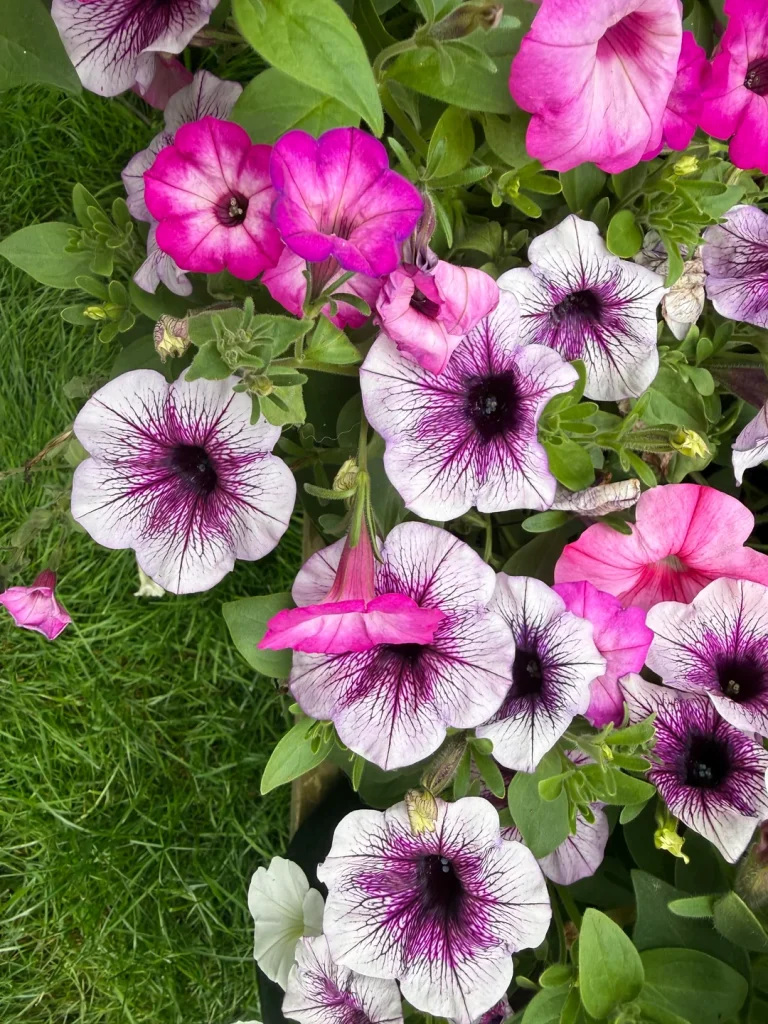
Gaps in the garden bother me, and petunias fix that problem fast. These flowers spread wide and fill in bare spots without much coaxing.
Heat sometimes makes them sulk at first, so don’t panic if they look a little tired in August.
Wave varieties handle that early heat stress better than most other types. Cooler weather kicks their blooming into high gear within a few weeks.
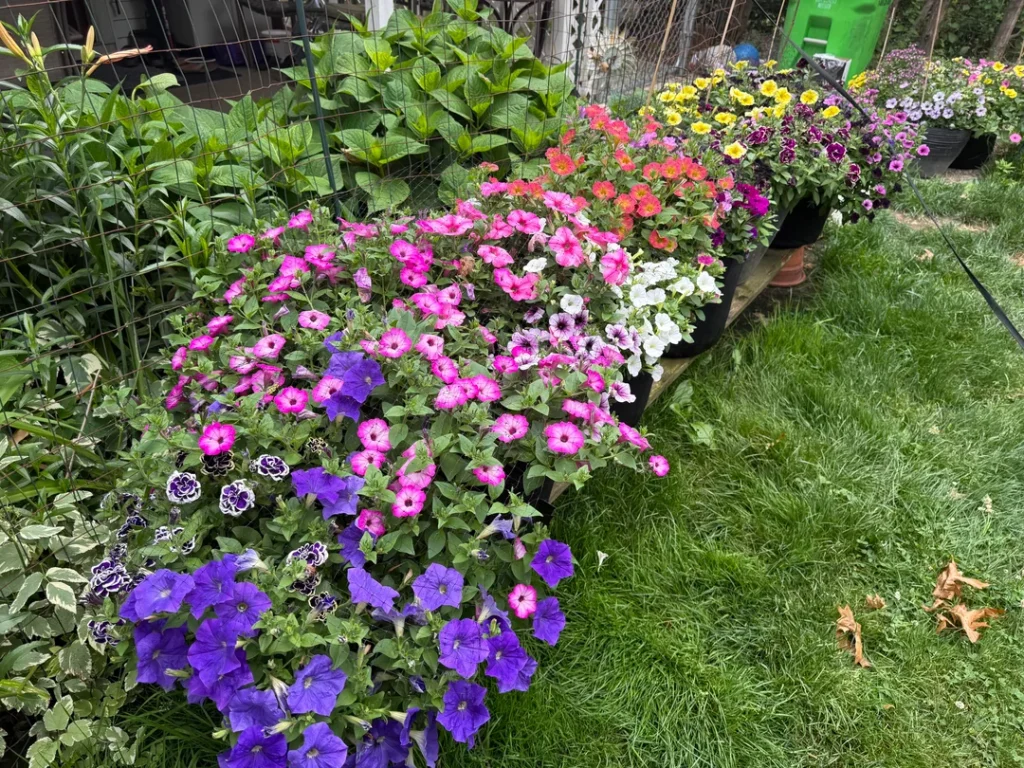
Containers and hanging baskets both suit petunias just fine. Deadhead the spent flowers now and then, and you’ll keep the color going strong.
Plant Overview
- USDA Hardiness Zones: 2-11
- Sun: Full sun
- Soil: Average, well-draining
- Water: Moderate
- Height/Spread: 6 inches to 2 feet
- Seed to Flower: N/A, best from nursery starts
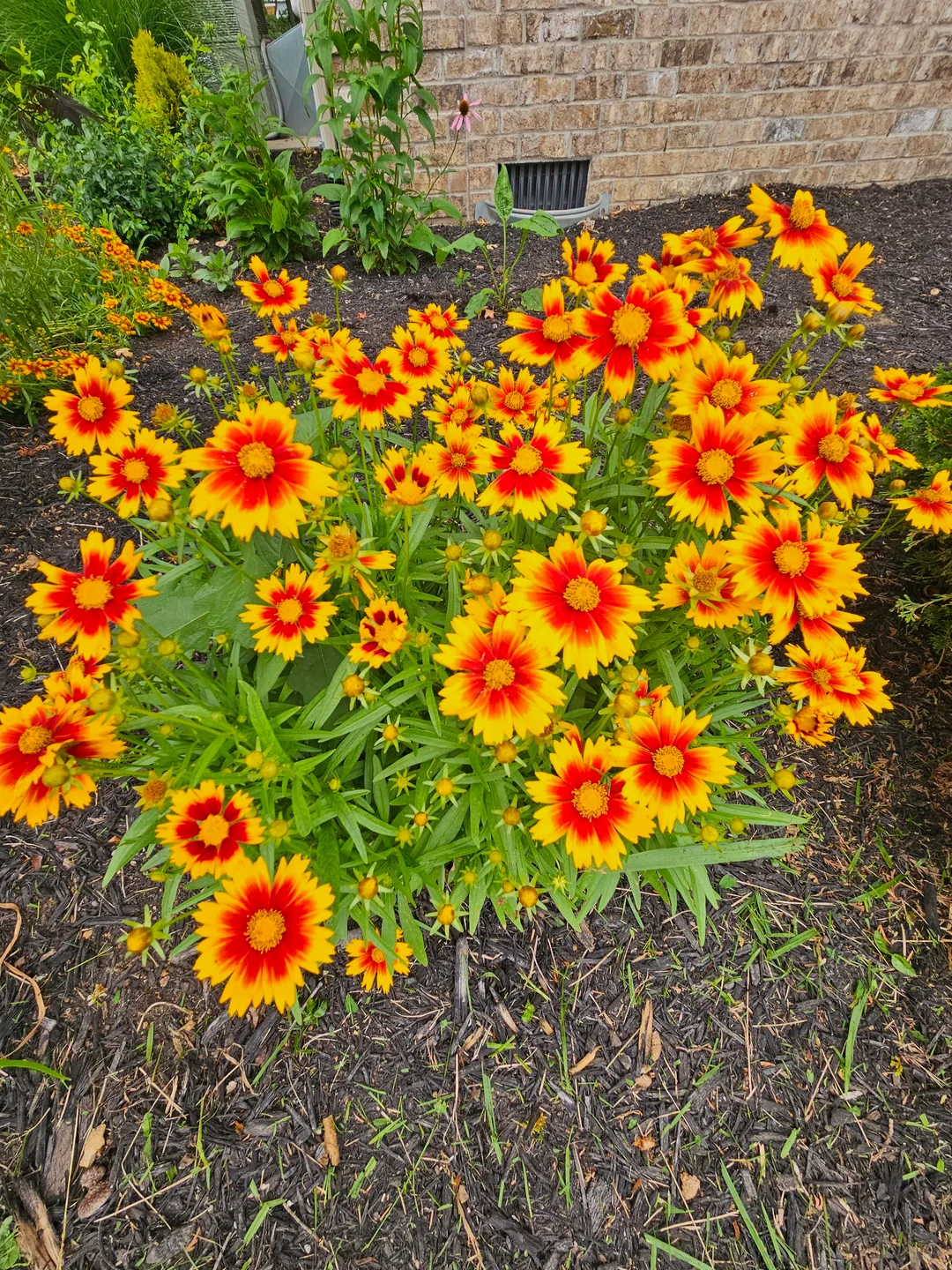
7. Coreopsis Keeps Blooming No Matter What
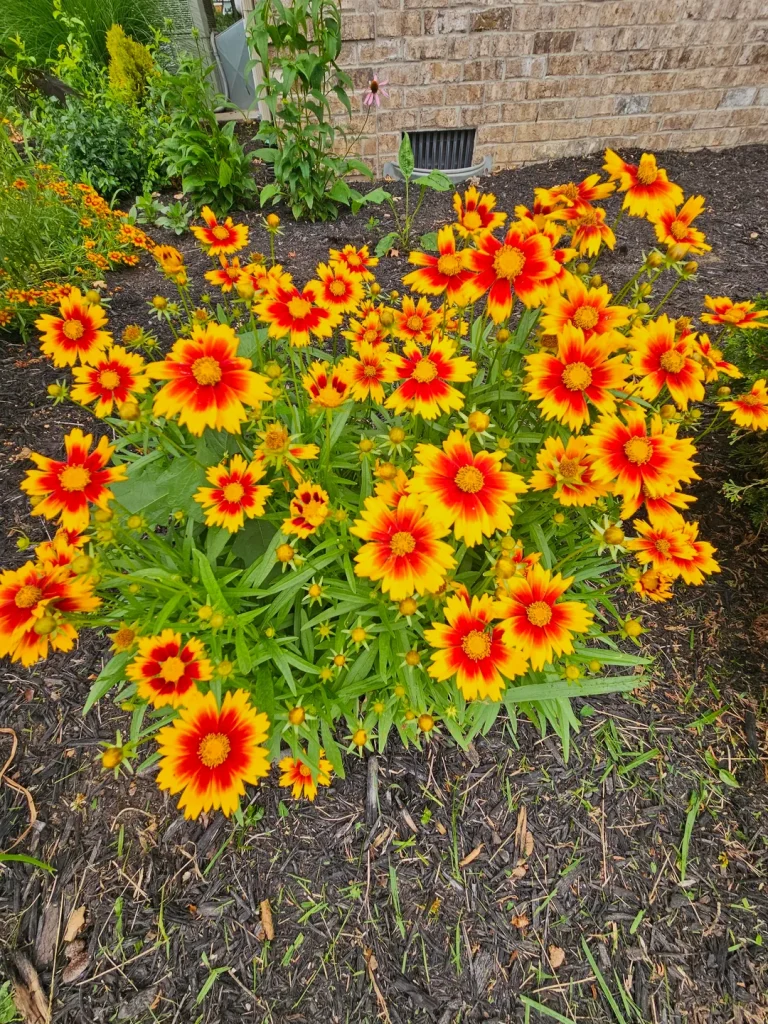
Bees can’t seem to leave coreopsis alone, and that’s a good thing for your whole garden. This perennial blooms from early summer straight into fall, giving pollinators a steady food source.
Yellow, orange, and red varieties all show up in this cheerful family.
Drought doesn’t slow coreopsis down once it settles in. Well-drained soil and plenty of sun keep it happiest.
Deadheading spent blooms encourages even more flowers to pop up. Skip that step, though, and the plant still does just fine on its own.
Plant Overview
- USDA Hardiness Zones: 2-11
- Sun: Full sun
- Soil: Average, well-draining
- Water: Low once established, drought-tolerant
- Height/Spread: 2-4 feet tall
- Seed to Flower: N/A, best from nursery starts
8. Chrysanthemums Are the Classic Fall Flower
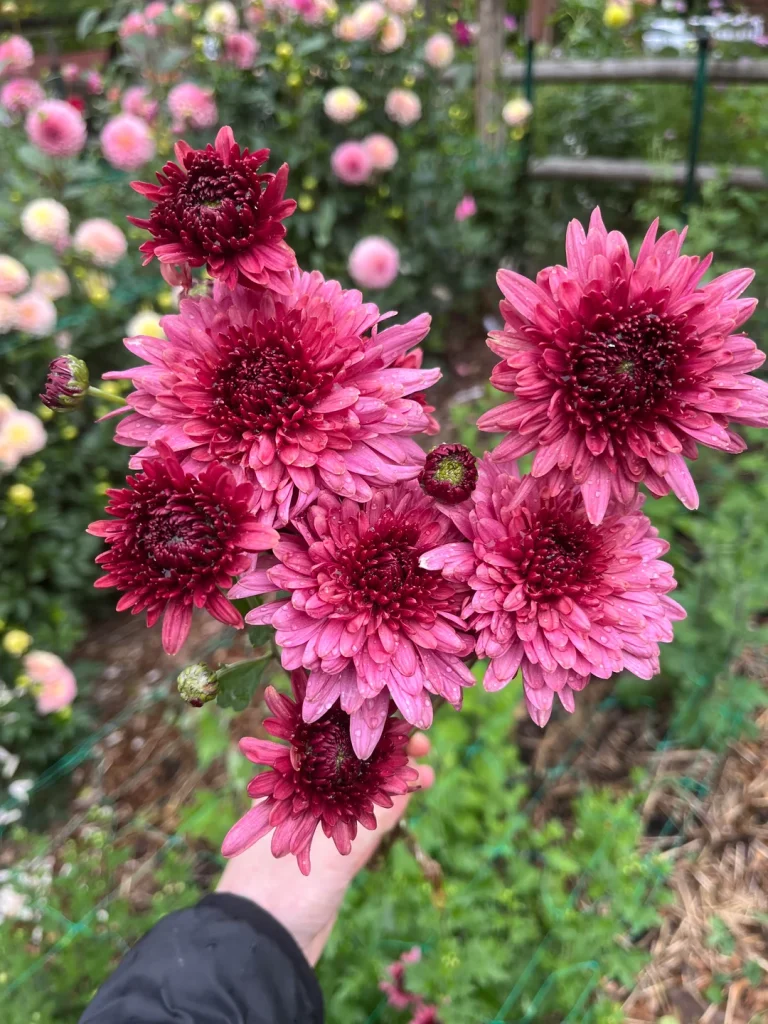
Nothing says fall quite like a mum in full bloom. Chrysanthemums explode with color right as everything else in the garden starts winding down.
Garden centers stock these by the truckload every September, and for good reason.
Powdery mildew loves overwatered mums, so go easy on the hose. Morning sun with a little afternoon shade keeps the foliage healthier through the season.
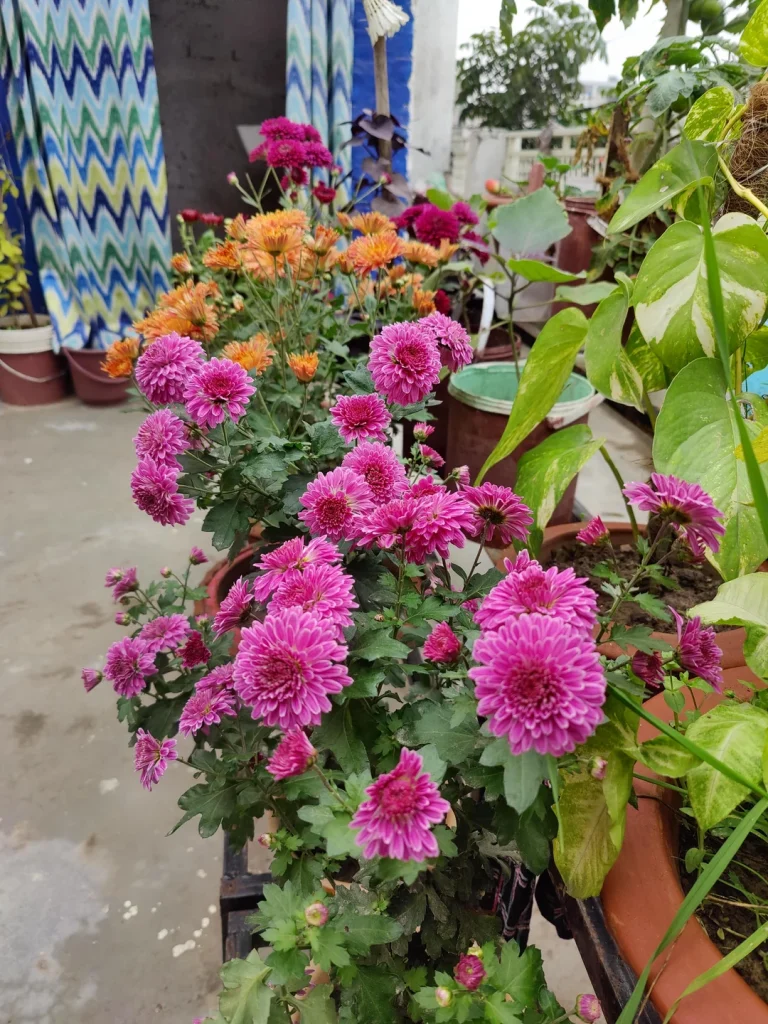
Full sun works too, as long as drainage stays solid. Established plants can even come back the next year with the right winter protection.
Plant Overview
- USDA Hardiness Zones: 3-9
- Sun: Full sun to partial shade
- Soil: Well-draining, avoid overly wet conditions
- Water: Moderate, avoid overwatering
- Height/Spread: 1-4 feet tall
- Seed to Flower: N/A, best from nursery starts
9. African Daisies Soak Up the Sun
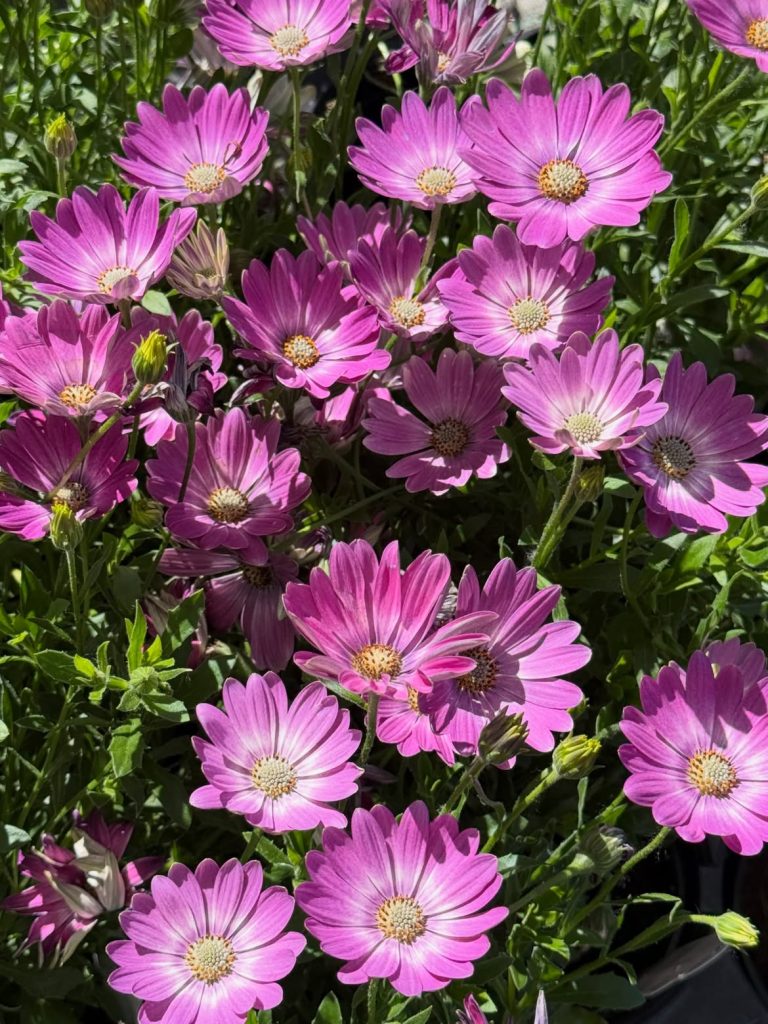
Heat barely fazes African daisies once they get going. These flowers open wide every morning and close up at night, which always feels like watching the garden wake up and go to sleep.
Feed them well, because these plants eat through nutrients fast compared to other flowers on this list.
Drought tolerance kicks in once the roots establish themselves. Full sun brings out the boldest colors, from purples to oranges to whites.
Warm climates suit African daisies best, so gardeners in cooler zones should treat them as annuals. Deadheading keeps fresh blooms coming right through the fall season.
Plant Overview
- USDA Hardiness Zones: 10-11
- Sun: Full sun
- Soil: Average, well-draining
- Water: Moderate, drought-tolerant once established
- Height/Spread: 1-3 feet tall
- Seed to Flower: N/A, best from nursery starts
10. Salvia Draws in the Hummingbirds
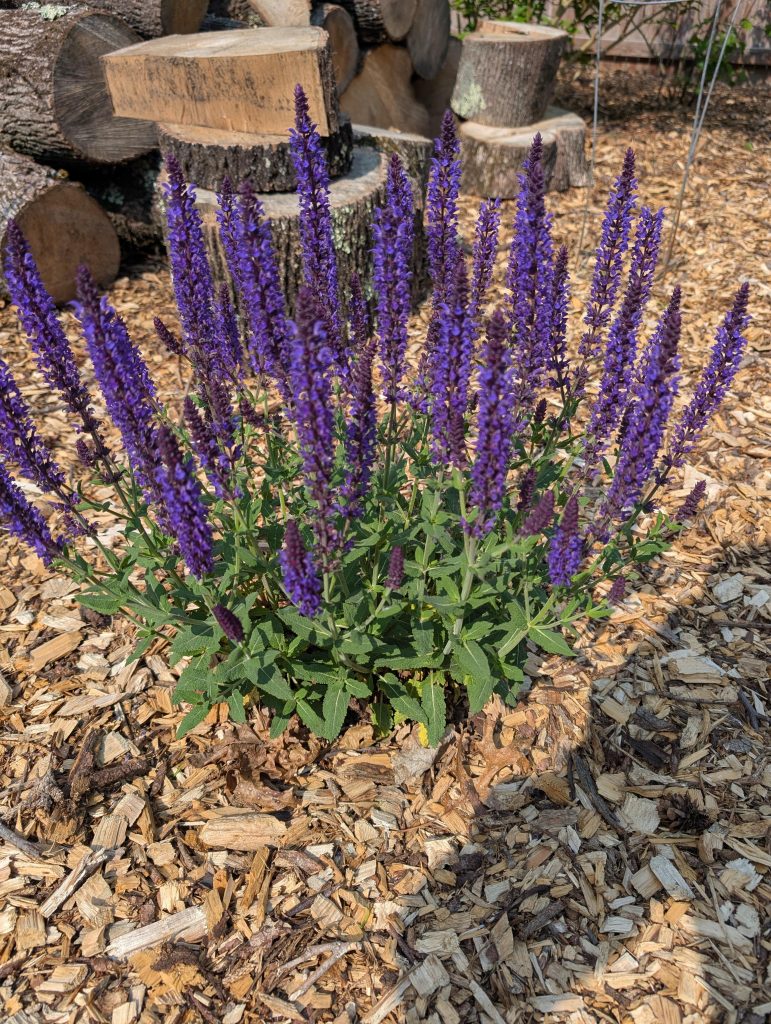
Hummingbirds seem to find salvia before I even finish planting it. Tall spikes of flowers pack in blooms from top to bottom, giving pollinators plenty to feast on.
Autumn Sage varieties count among the most reliable bloomers in this whole family.
Well-draining soil matters a lot for salvia’s health. Soggy roots spell trouble fast, so pick a spot that never stays wet for long.
Full sun keeps the blooms coming strong all season. Established salvia barely needs feeding, and drought doesn’t bother it one bit.
Plant Overview
- USDA Hardiness Zones: 5-10
- Sun: Full sun to partial shade
- Soil: Well-draining
- Water: Low once established, drought-tolerant
- Height/Spread: Up to 4 feet tall
- Seed to Flower: N/A, best from nursery starts
11. Purple Coneflower Handles Whatever Summer Throws at It
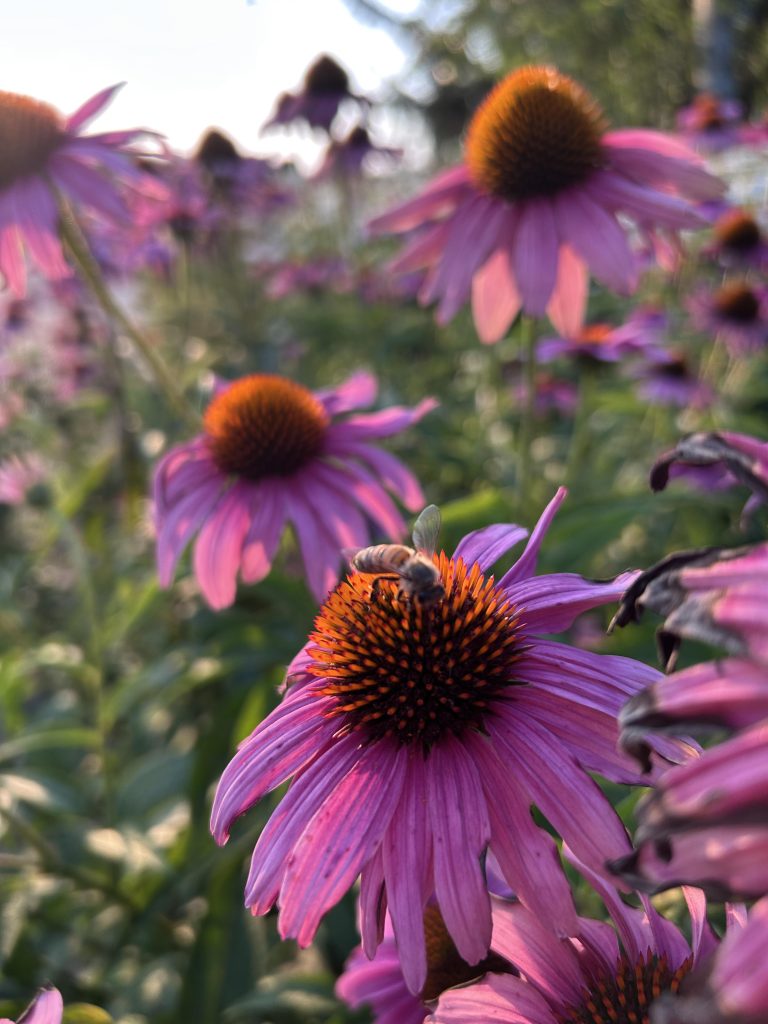
Late-summer heat doesn’t slow down a purple coneflower. This perennial shrugs off tough conditions and comes back stronger every single year.
Daisy-like blooms with that signature brown center make it an easy flower to spot from across the yard.
Different climates all suit coneflower just fine. Sun brings out the best blooms, though a little shade won’t hurt it either.
Drought tolerance runs deep once this plant settles in. Pollinators flock to coneflower all season, and birds even snack on the seed heads once winter arrives.
Plant Overview
- USDA Hardiness Zones: 3-8
- Sun: Full sun to partial shade
- Soil: Average, well-draining
- Water: Low once established, drought-tolerant
- Height/Spread: 2-5 feet tall
- Seed to Flower: N/A, best from nursery starts
12. Black-Eyed Susan Grows Just About Anywhere
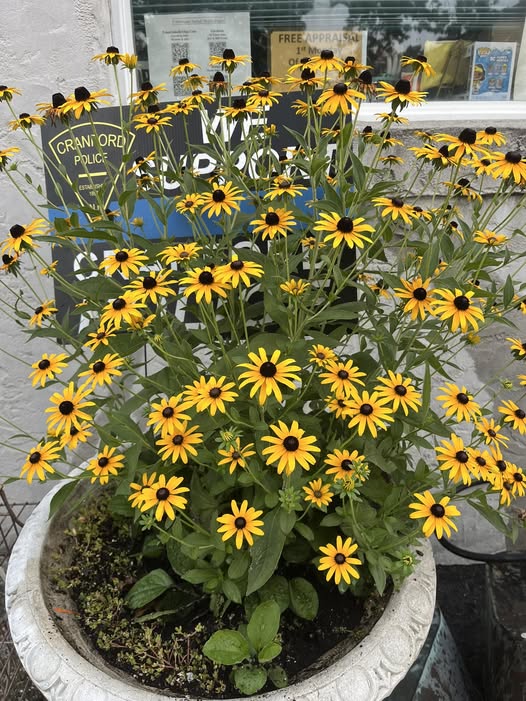
Poor soil doesn’t stand a chance against black-eyed Susan. This native wildflower handles rough conditions like a champ, blooming happily even along roadsides and neglected corners.
Golden petals with that dark center bring instant warmth to any mixed bed.
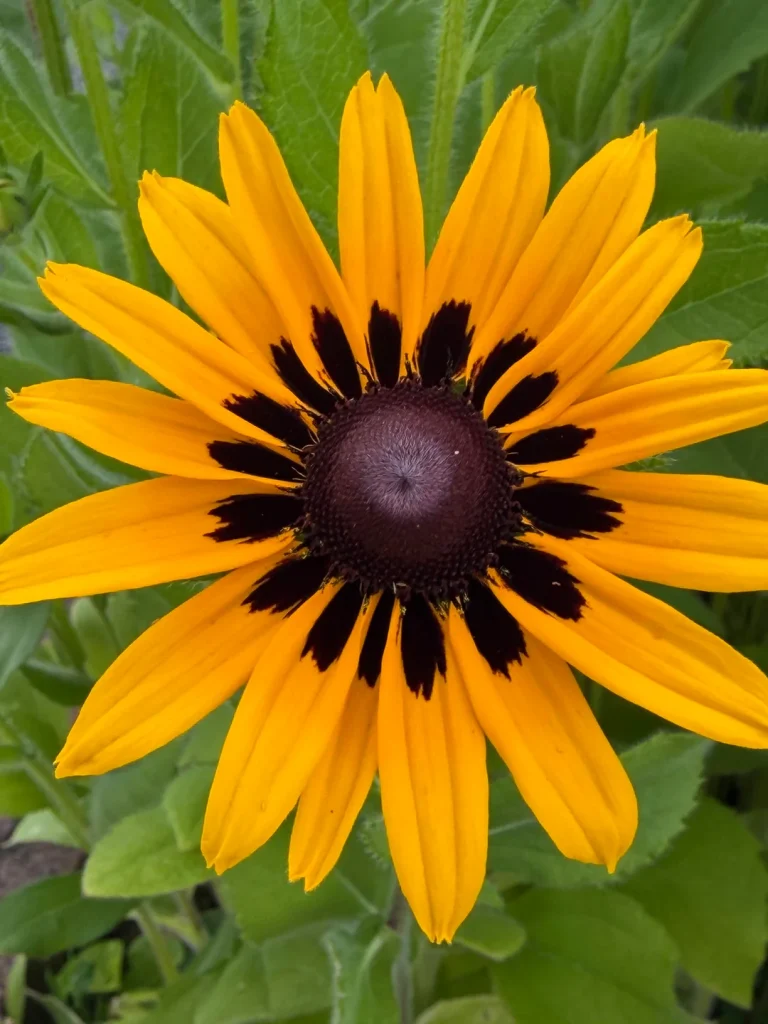
Roadside toughness aside, black-eyed Susan still rewards a little care. Full sun brings out its brightest color.
Fall arrives and this flower just keeps going, often blooming right up until frost. Contrast lovers should tuck a few of these next to darker foliage for a striking combo.
Plant Overview
- USDA Hardiness Zones: 3-9
- Sun: Full sun
- Soil: Poor to average, well-draining
- Water: Low to moderate
- Height/Spread: 2-3 feet tall
- Seed to Flower: N/A, best from nursery starts
13. Sedum Brings Texture and Toughness
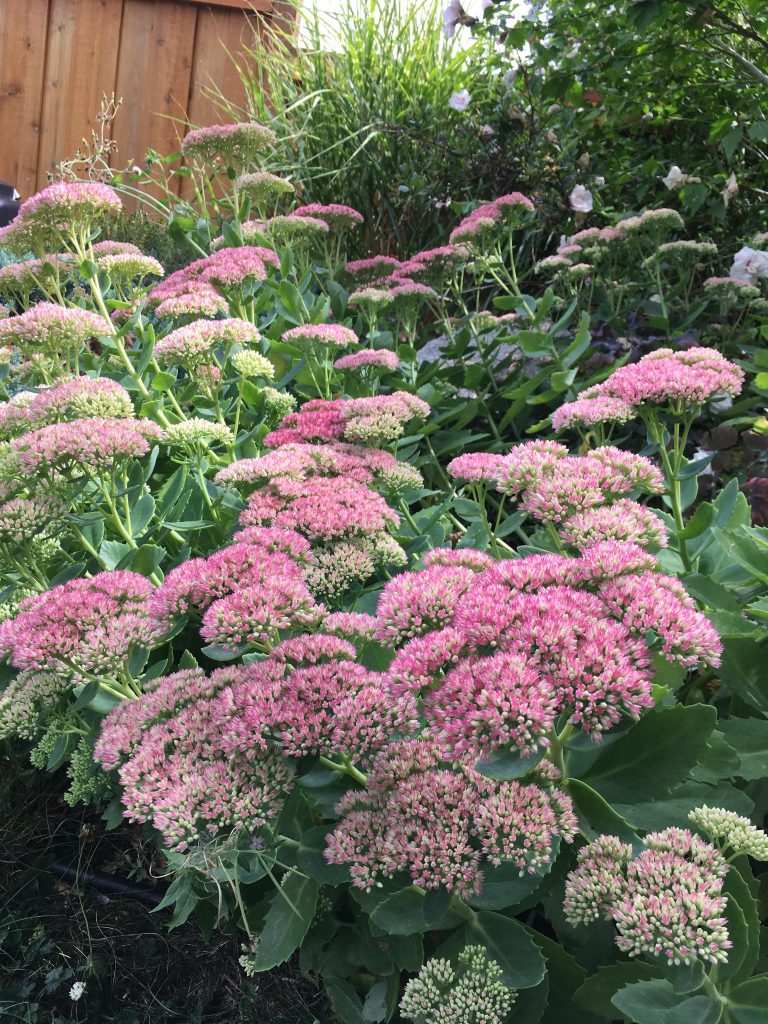
Succulents don’t usually come to mind when you think fall flower, but sedum changes that.
Star-shaped blooms cluster together in clusters that look almost sculptural next to typical garden flowers.
‘Autumn Joy’ stands out as the variety most gardeners reach for first, and its color shift from summer pink to deep autumn rust never gets old.
Butterflies show up in droves once sedum opens. Cut a few stems for a vase, and they’ll hold their shape for weeks without wilting.
Drought tolerance runs deep in this plant, so skip the daily watering routine entirely. Well-draining soil matters more than anything else for keeping sedum happy.
Plant Overview
- USDA Hardiness Zones: 3-10
- Sun: Full sun
- Soil: Well-draining
- Water: Low, drought-tolerant
- Height/Spread: 6-24 inches tall
- Seed to Flower: N/A, best from nursery starts or divisions
14. Asters Feed Pollinators Right Before Winter Hits
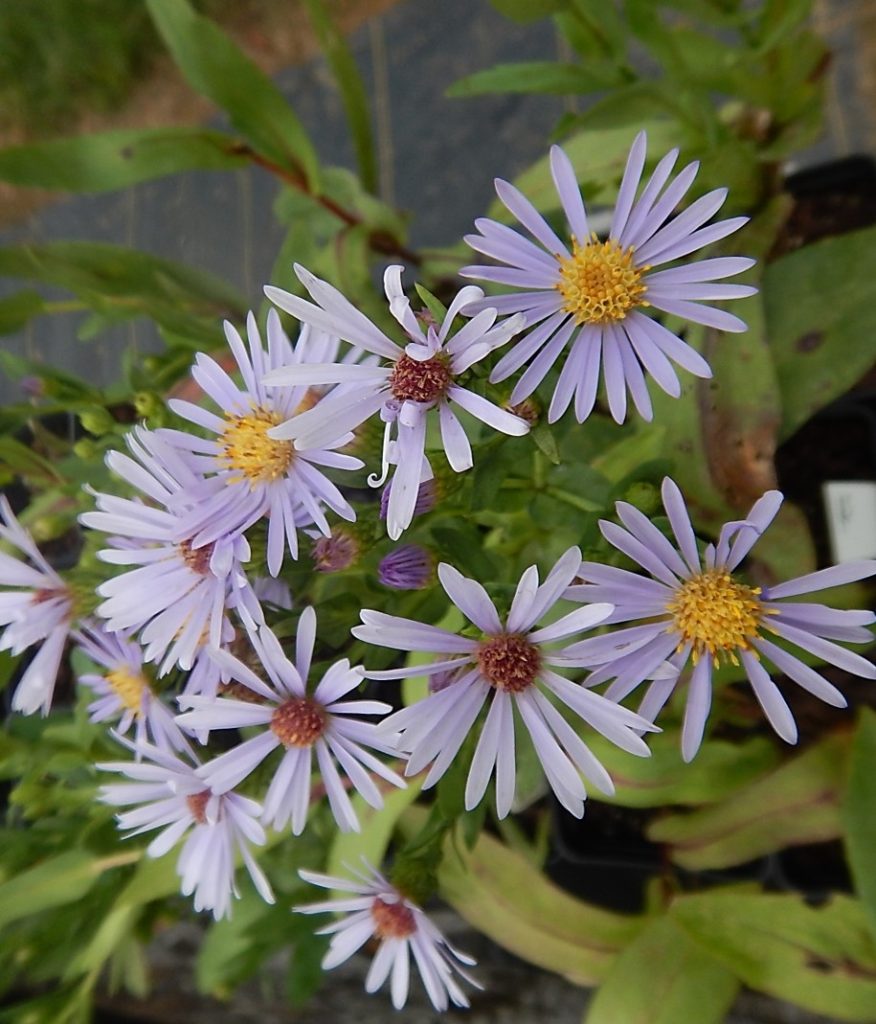
Late-season pollinators depend on asters more than almost any other flower. Bees and butterflies fuel up on aster nectar right before cold weather shuts everything down for the year.
Clusters of daisy-like blooms cover this perennial from September through November in most climates.
Establishing asters in August gives roots enough time to settle before frost arrives. Cooler zones handle this planting window best, so gardeners further south might want to wait a bit.
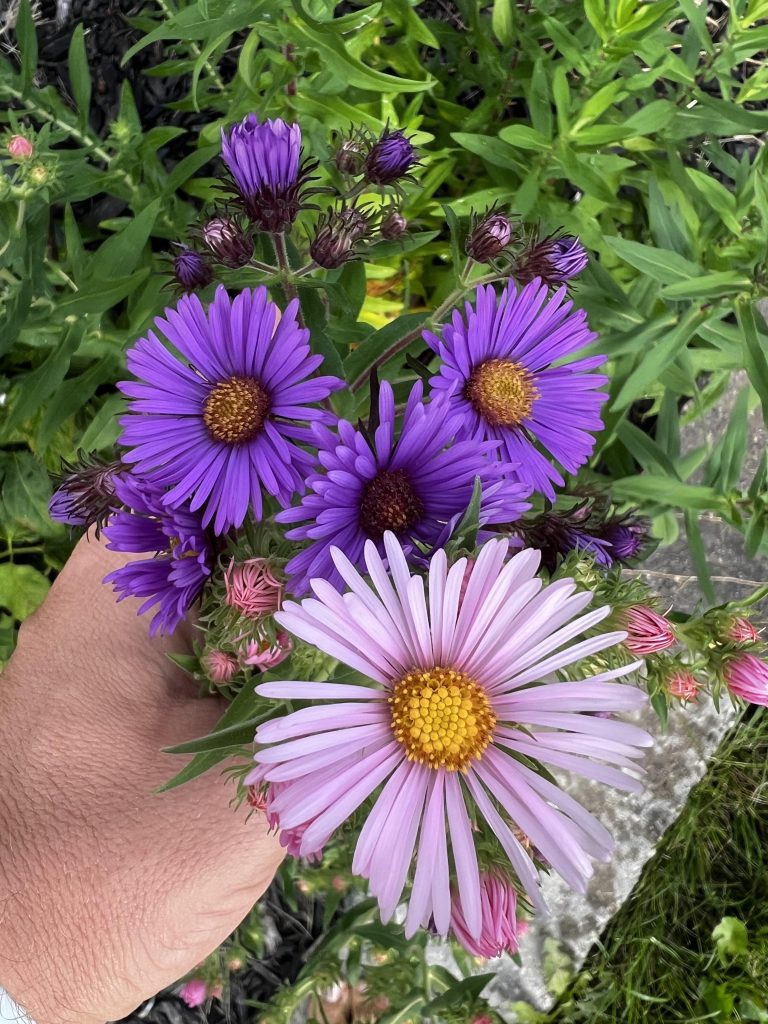
Consistent moisture helps young plants get going. Once established, asters come back reliably year after year, filling in that awkward gap between summer flowers and winter dormancy.
Plant Overview
- USDA Hardiness Zones: 4-8
- Sun: Full sun to partial shade
- Soil: Average, well-draining
- Water: Moderate
- Height/Spread: 1-4 feet tall
- Seed to Flower: N/A, best from nursery starts
15. Celosia Adds Bold, Velvety Color
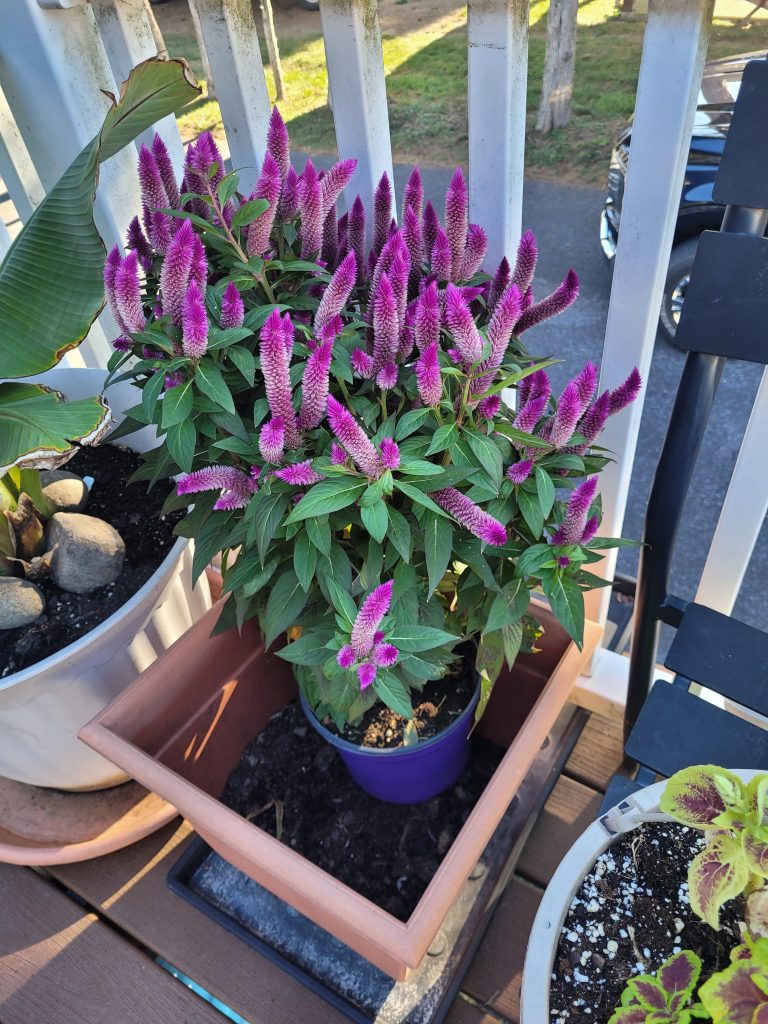
Texture lovers, celosia has your name on it. Feathery plumes or velvety crests cover this flower, depending on which variety catches your eye.
Six hours of direct sun brings out the boldest color, so don’t tuck this one into a shady corner.
Neglect barely bothers celosia at all. This plant thrives even when you forget to water it for a stretch. Dried arrangements love celosia too, since the blooms hold their color and shape long after cutting.
Give it about two months from seed, and you’ll have blooms lasting clear through the first frost.
Plant Overview
- USDA Hardiness Zones: 10-11
- Sun: Full sun
- Soil: Average, well-draining
- Water: Low to moderate
- Height/Spread: Up to 3 feet tall
- Seed to Flower: 60 days
Your Fall Garden Starts Right Now
Fifteen flowers, and not one of them needs a green thumb the size of mine. Some bloom in weeks, others take a little longer, but every single one earns its spot in an August garden.
Pick a few that match your soil and sun, and you’re already ahead of the game.
Frost feels far away in August, but it creeps up faster than anyone expects. Get these flowers in the ground now, and you’ll thank yourself in October when everyone else’s garden has gone brown.
My own balcony proves it every year: a little effort in late summer buys you a whole extra season of color. So grab your trowel, pick your favorites from this list, and get planting before summer slips away for good.