14 Easy & Fast Growing Vegetables for Raised Garden Bed

Raised beds make vegetable growing feel less like guesswork and more like a fun weekend win. I learned that after fighting heavy soil that turned my carrots into strange little forks.
You get warmer soil, better drainage, fewer weeds, and more control over what your plants eat. Sounds good, right?
This guide covers 14 vegetables for raised garden bed growing, with simple tips that help you choose crops that actually earn their space.
Why Raised Beds Work So Well for Vegetables
Good soil changes everything. A raised garden bed lets you fill the space with loose, rich soil instead of hoping your yard soil behaves.
Warm soil gives heat-loving vegetables a better start in spring. That helps crops like tomatoes, peppers, cucumbers, eggplant, okra, and sweet potatoes grow stronger when the weather warms up.
Loose soil helps roots stretch down without hitting rocks, clay, or hard ground. That makes raised beds especially useful for carrots, onions, garlic, beets, and radishes.
1. Tomatoes
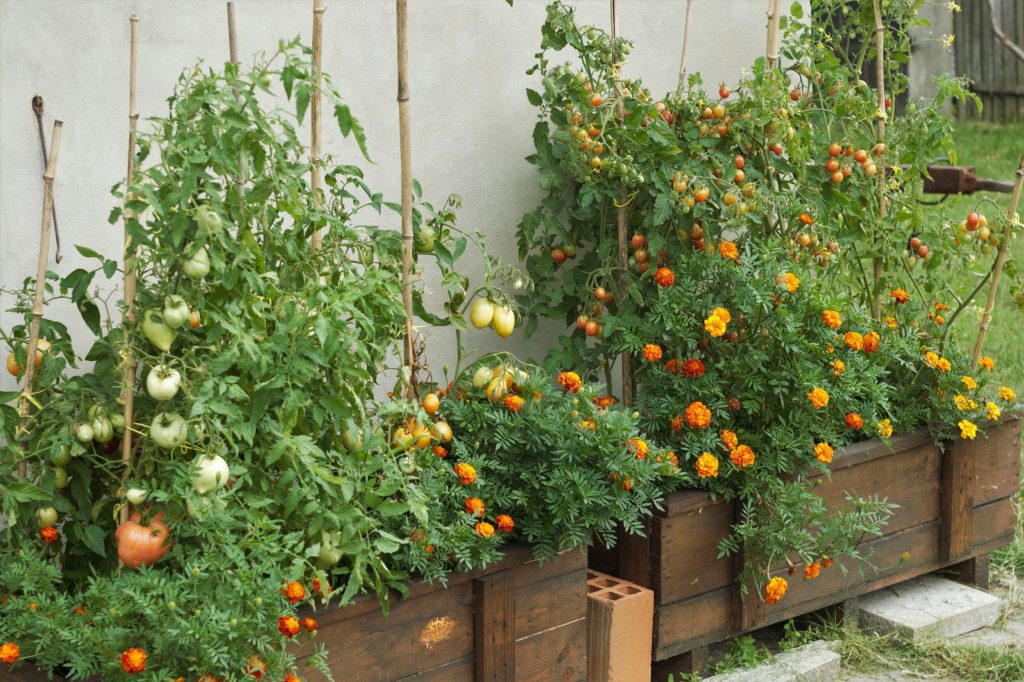
Tomatoes love raised beds because they need rich soil, steady water, and plenty of sun. I like growing them near a trellis or strong cage because the plants can get heavy fast.
Deep planting helps tomato stems grow extra roots. That stronger root system helps the plant handle hot days and heavy fruit.
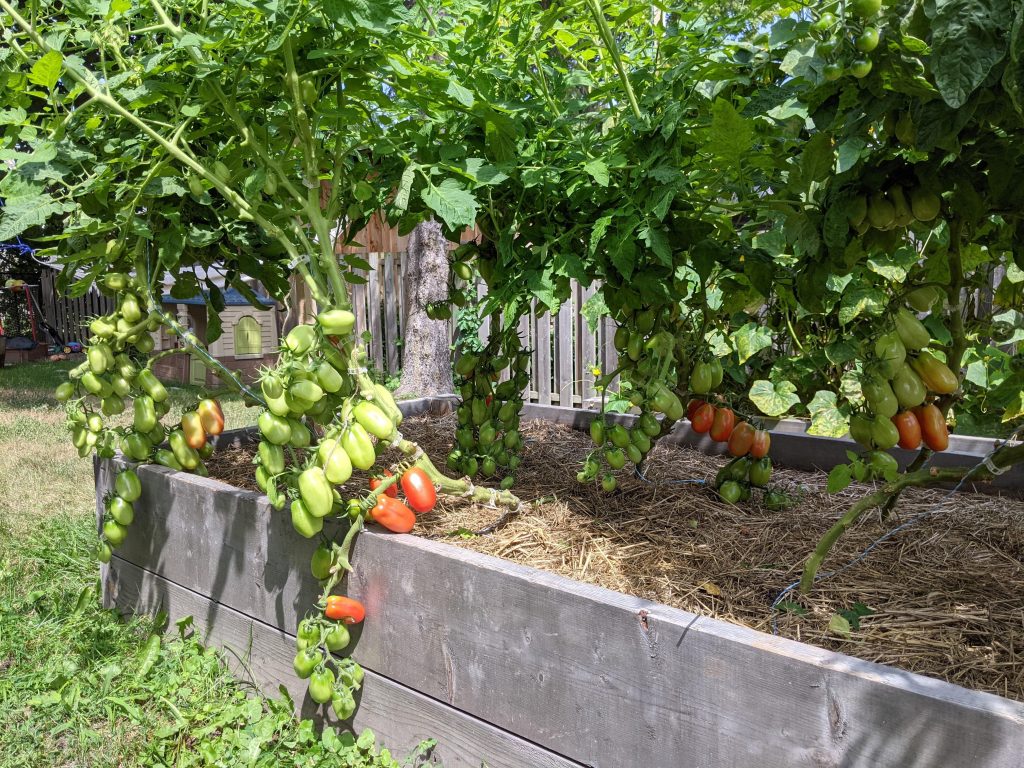
Choose compact or cherry tomato types if your bed feels tight. Why wrestle with a giant plant when a smaller one gives you sweet bowls of tomatoes?
Read more: How to Grow Tomatoes in Raised Bed?
Quick Grow Notes
- Sun needs: Full sun.
- Raised bed depth: Deep soil helps roots grow strong.
- Planting method: Start with transplants for the easiest results.
- Support needed: Use cages, stakes, or a strong trellis.
- Harvest tip: Pick tomatoes when they color fully and feel slightly soft.
2. Cucumbers
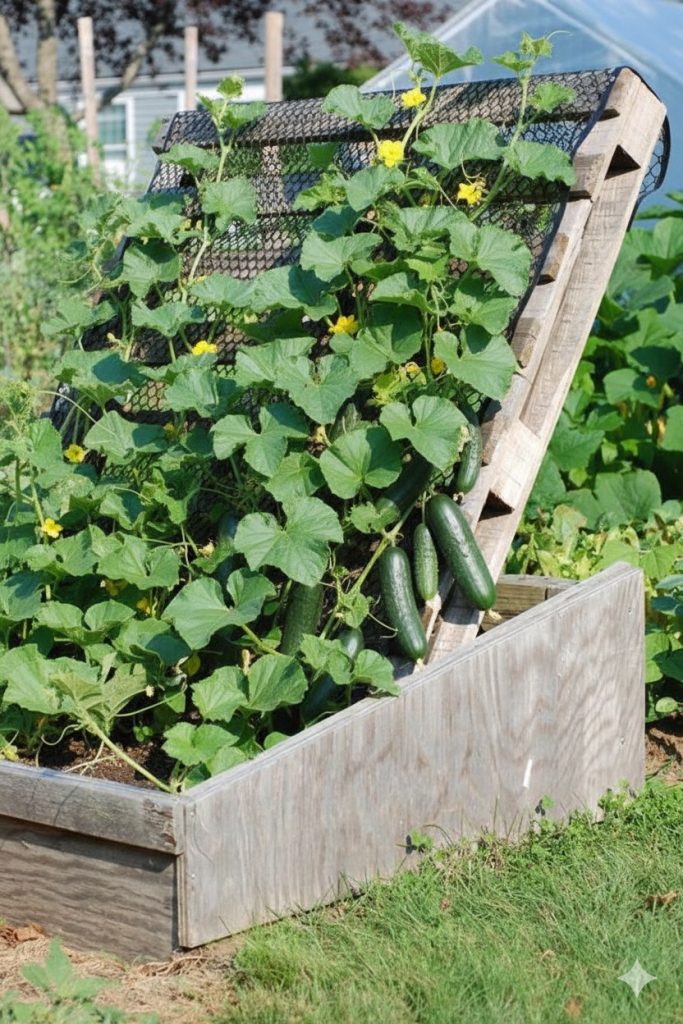
Cucumbers grow fast in warm raised-bed soil. A trellis keeps the vines off the ground and saves space for lower crops.
Fresh cucumbers taste best when you pick them young and crisp. Miss a few days, and one sneaky cucumber can turn into a green baseball bat.
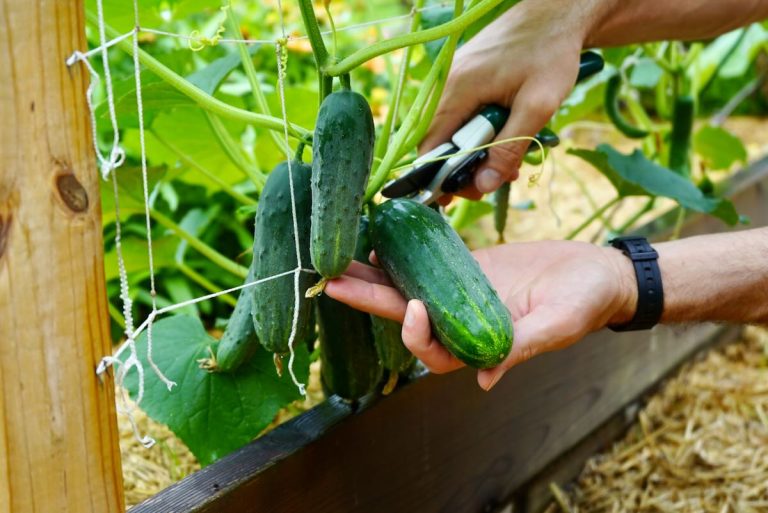
Vertical growing also improves airflow around the leaves. That small habit can help reduce leaf problems in a crowded bed.
Also read: How to Grow Cucumber in Raised Bed Garden
Quick Grow Notes
- Sun needs: Full sun.
- Raised bed depth: Medium to deep soil works well.
- Planting method: Direct seed or transplant after the weather warms.
- Support needed: Use a trellis for vining types.
- Harvest tip: Pick often so the plant keeps producing fresh cucumbers.
3. Bush Beans
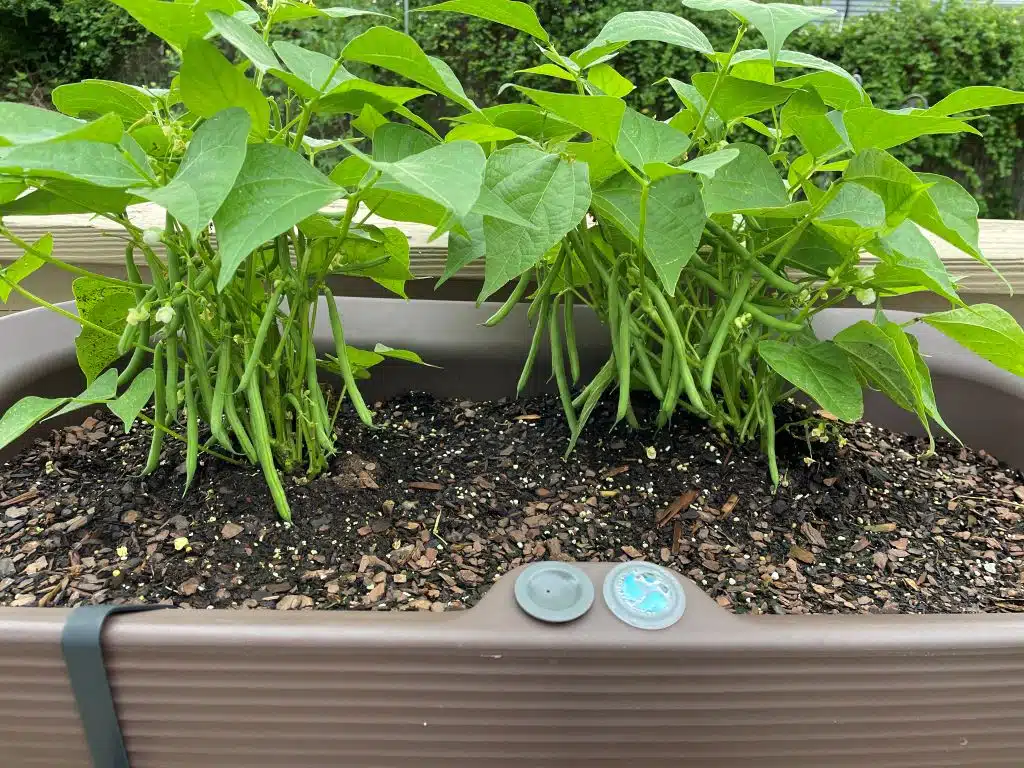
Bush beans suit raised beds because they grow in a neat shape and need less support than pole beans. You can tuck them into sunny spots where taller crops will not shade them too much.
Beans grow quickly, which makes them fun for new gardeners. Few crops give you that “hey, this is working” feeling so fast.
Regular picking keeps the plants producing. Your dinner plate wins, and the plant keeps trying harder.
Quick Grow Notes
- Sun needs: Full sun.
- Raised bed depth: Medium soil depth works fine.
- Planting method: Direct seed after the soil warms.
- Support needed: Usually no trellis needed.
- Harvest tip: Pick pods while they feel tender and smooth.
4. Peppers
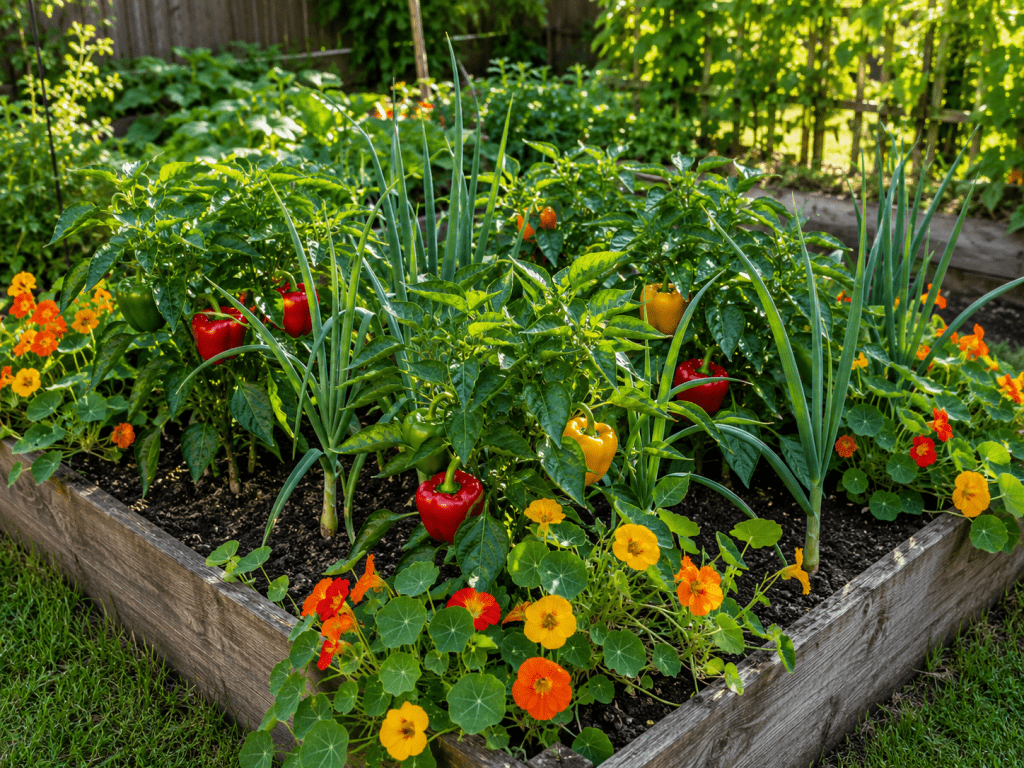
Peppers enjoy warm, well-drained soil, so raised beds give them a strong home. Sweet peppers and hot peppers both like full sun and steady moisture.
Small pepper plants fit neatly between taller vegetables. That makes them a smart choice when you want more food from less space.
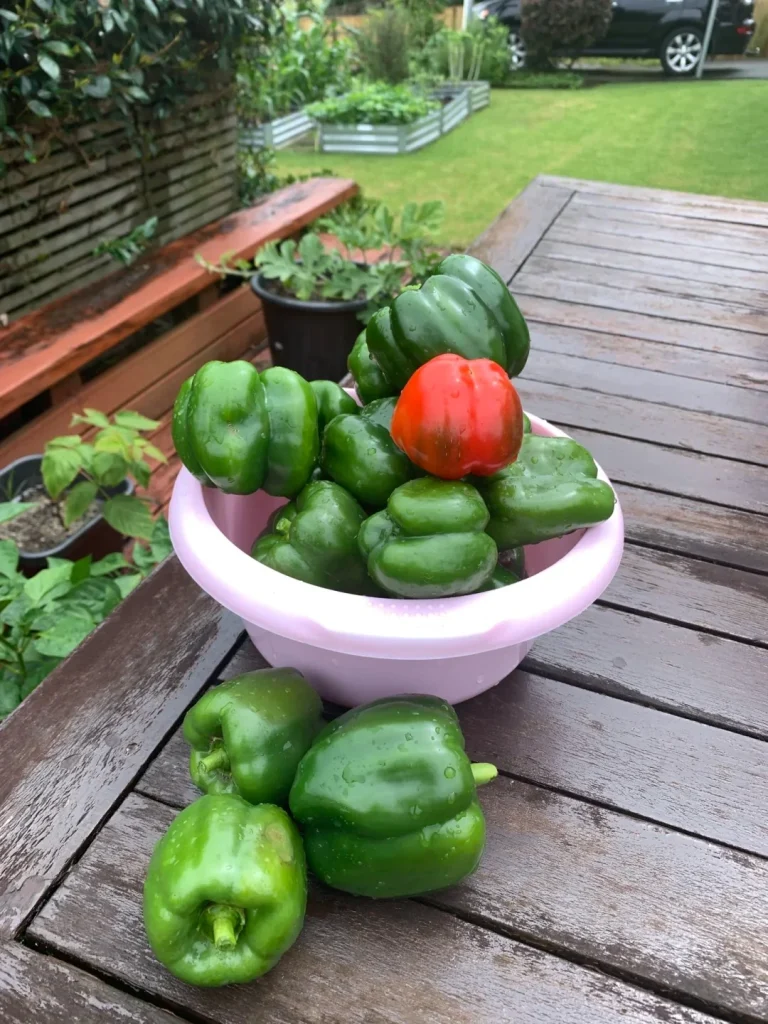
Healthy pepper plants need patience. The fruit often takes time to color, but that first red, yellow, or orange pepper feels worth the wait.
Quick Grow Notes
- Sun needs: Full sun.
- Raised bed depth: Medium to deep soil works best.
- Planting method: Start with transplants for better early growth.
- Support needed: Use small stakes if plants carry heavy fruit.
- Harvest tip: Let peppers color fully if you want sweeter flavor.
5. Carrots
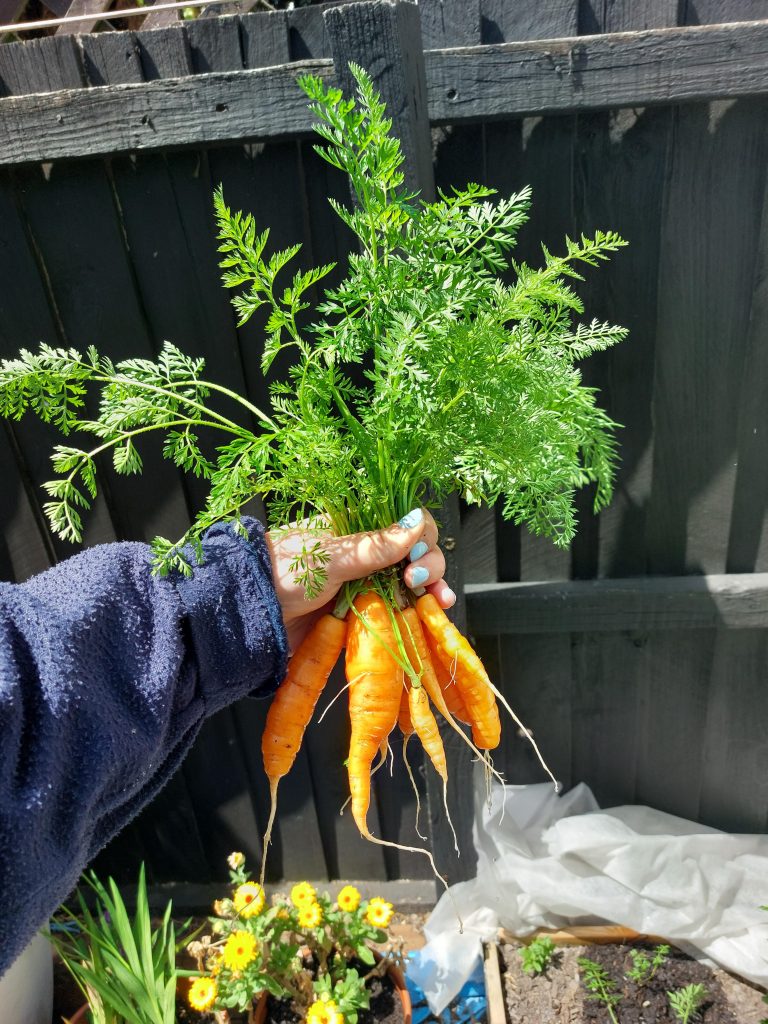
Carrots love raised beds because loose soil helps them grow straight and clean. Hard soil can twist them into odd shapes, which looks funny but makes peeling annoying.
Deep soil matters here. I always think of carrots as the crop that tells the truth about your bed mix.
Small seeds need steady moisture while they sprout. Dry soil can stop them before they even get started.
Quick Grow Notes
- Sun needs: Full sun to light shade.
- Raised bed depth: Deep, loose soil gives roots the best shape.
- Planting method: Direct seed only because carrots dislike transplanting.
- Support needed: No support needed.
- Harvest tip: Pull a few small carrots early to give the rest more room.
6. Lettuce
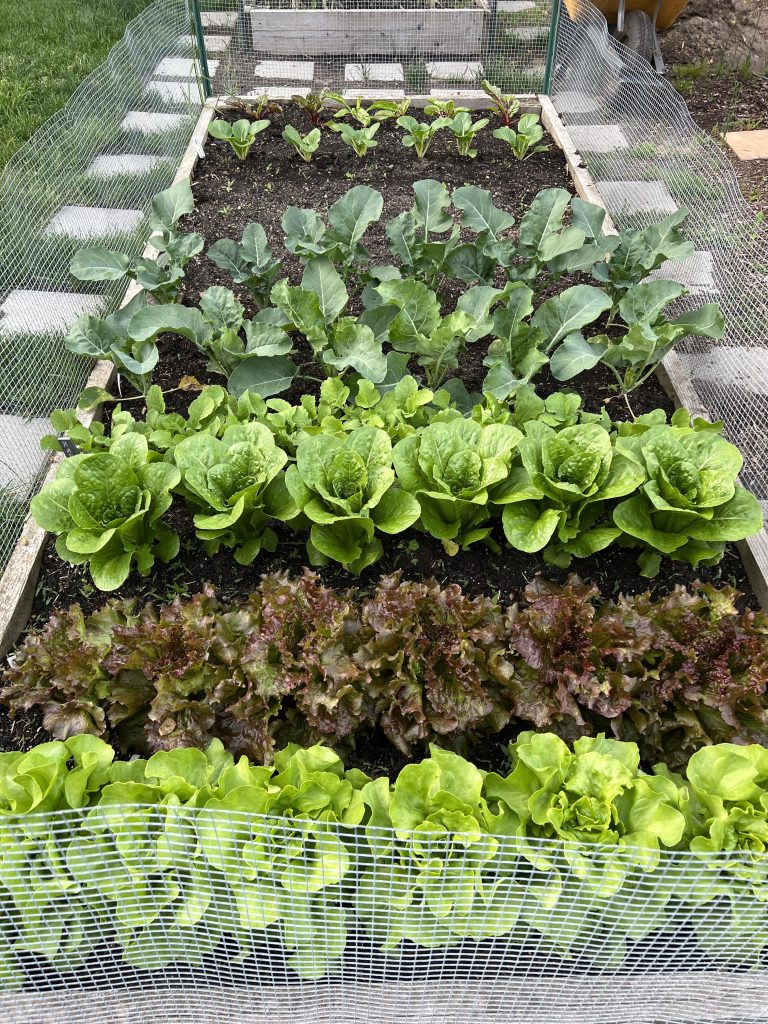
Lettuce earns its place in raised garden beds because it grows quickly and fits between slower crops. You can tuck it near tomatoes, peppers, or trellised cucumbers while those plants stay small.
Cool weather gives lettuce its best flavor. Hot weather can make it bitter and push it to flower.
Outer-leaf harvesting keeps the plant going longer. Why pull the whole plant when you can get several small harvests from one spot?
Quick Grow Notes
- Sun needs: Full sun in cool weather and light shade in warm weather.
- Raised bed depth: Shallow soil works well.
- Planting method: Direct seed or transplant.
- Support needed: No support needed.
- Harvest tip: Pick outer leaves while the center keeps growing.
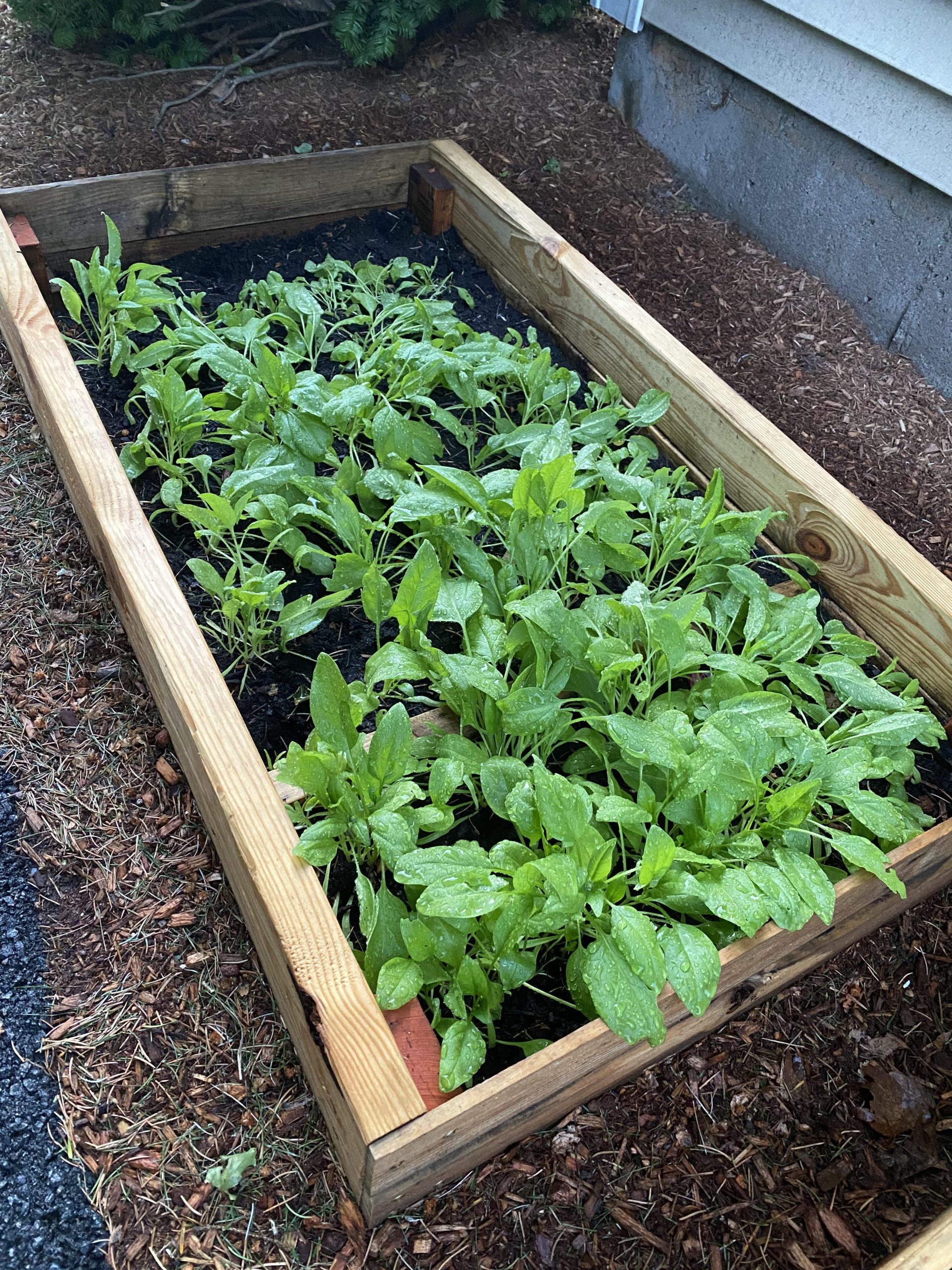
7. Spinach
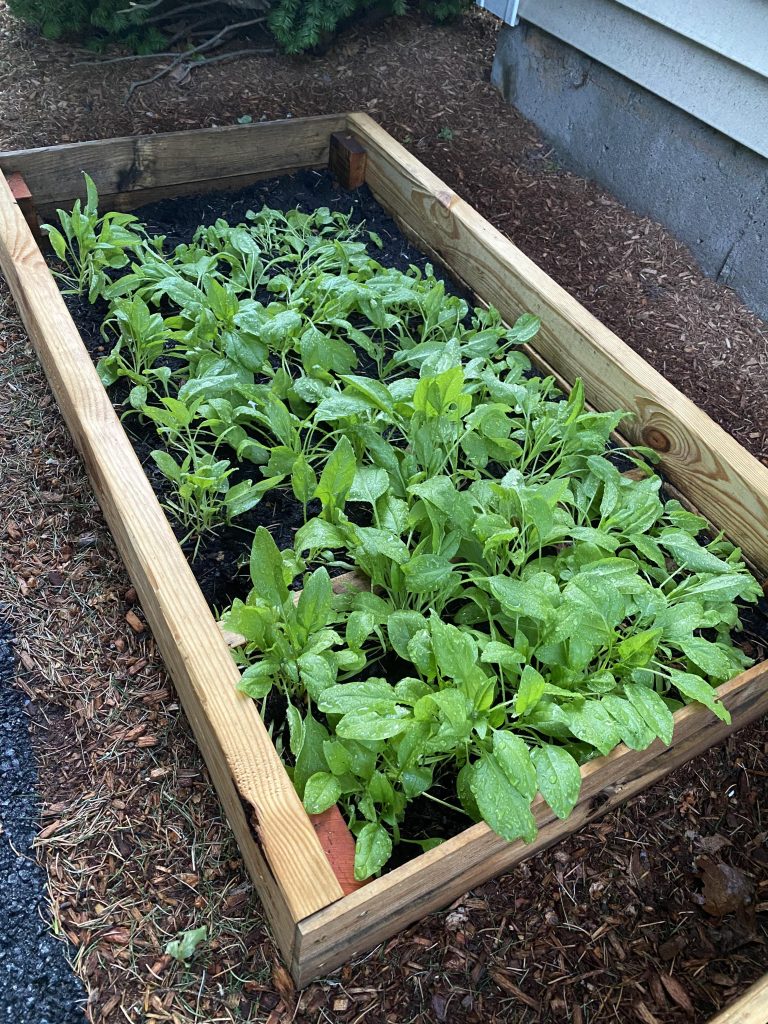
Spinach grows well in raised beds because it likes rich soil and steady moisture. Early spring and fall usually suit it better than hot summer days.
Tender leaves make spinach worth growing even in a small space. Fresh spinach from the bed tastes cleaner and sweeter than tired leaves from a plastic bag.
Heat can make spinach bolt fast. A little shade from taller crops can help stretch the harvest.
Quick Grow Notes
- Sun needs: Full sun to partial shade.
- Raised bed depth: Shallow to medium soil works well.
- Planting method: Direct seed in cool weather.
- Support needed: No support needed.
- Harvest tip: Pick young leaves before heat makes the plant flower.
8. Kale
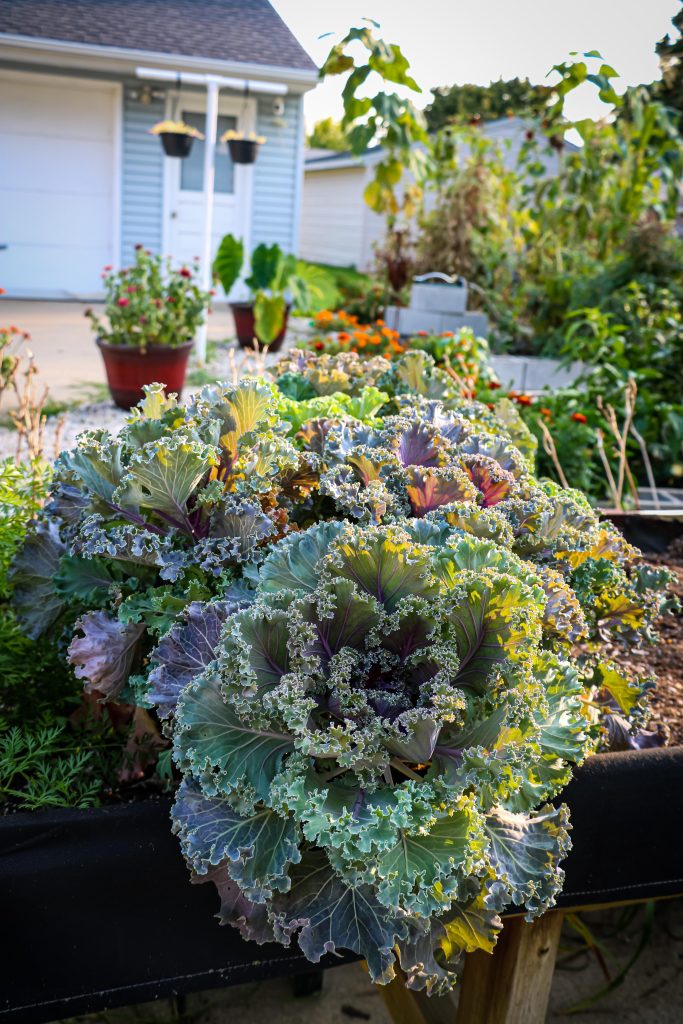
Kale works beautifully in raised beds because one plant can give you many harvests. You pick the outer leaves, then the center keeps making new growth.
Cool weather gives kale a sweeter taste. Warm weather can toughen the leaves, but steady picking still helps.
Space matters more than people think. A crowded kale plant turns into a leafy traffic jam.
Quick Grow Notes
- Sun needs: Full sun to partial shade.
- Raised bed depth: Medium soil depth works well.
- Planting method: Direct seed or transplant.
- Support needed: No support needed.
- Harvest tip: Pick outer leaves first and leave the center intact.
9. Onions
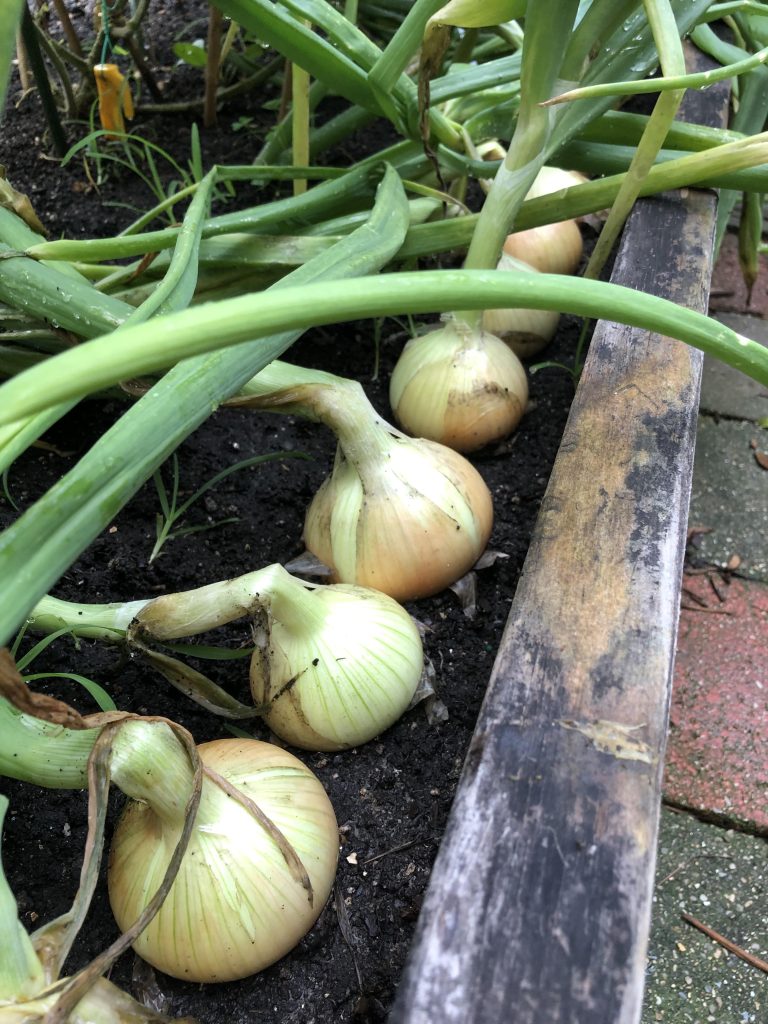
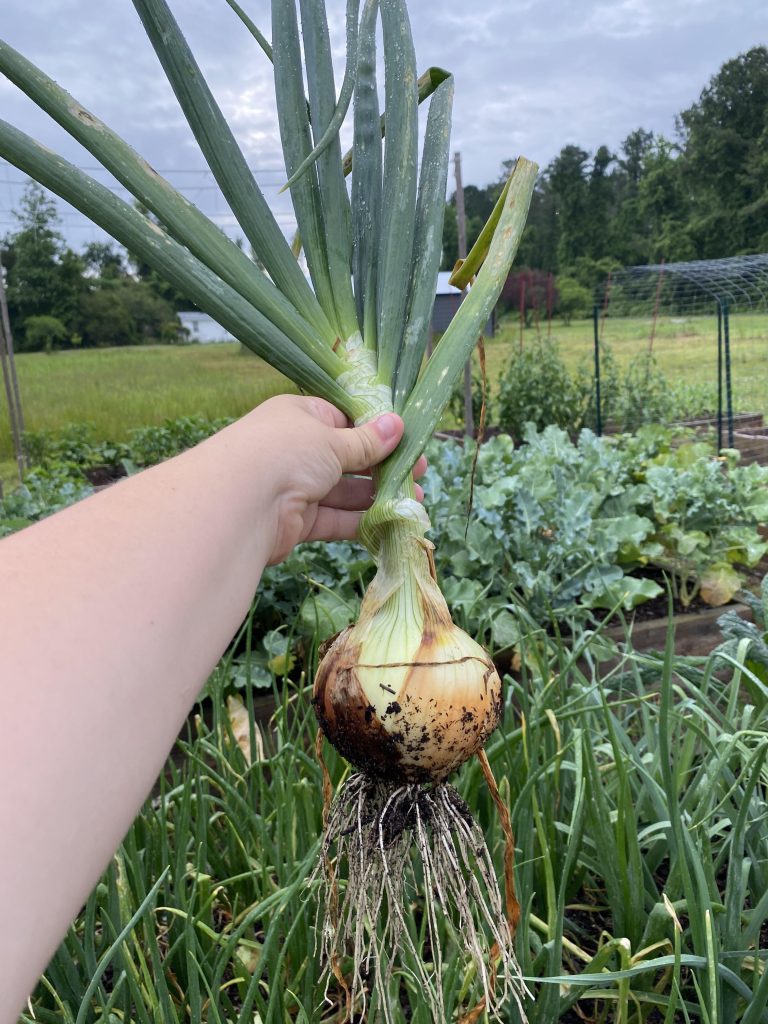
Onions grow best when their roots can spread through soft, well-drained soil. Raised beds help because the soil stays lighter than compacted ground.
Bulb size depends on space. Crowded onions still grow, but they often stay small.
Green onions need less room than bulb onions. That makes them handy when your raised garden bed already feels packed.
Quick Grow Notes
- Sun needs: Full sun.
- Raised bed depth: Medium, loose soil helps bulb growth.
- Planting method: Use sets, starts, or seeds.
- Support needed: No support needed.
- Harvest tip: Give bulb onions enough space if you want larger bulbs.
10. Garlic
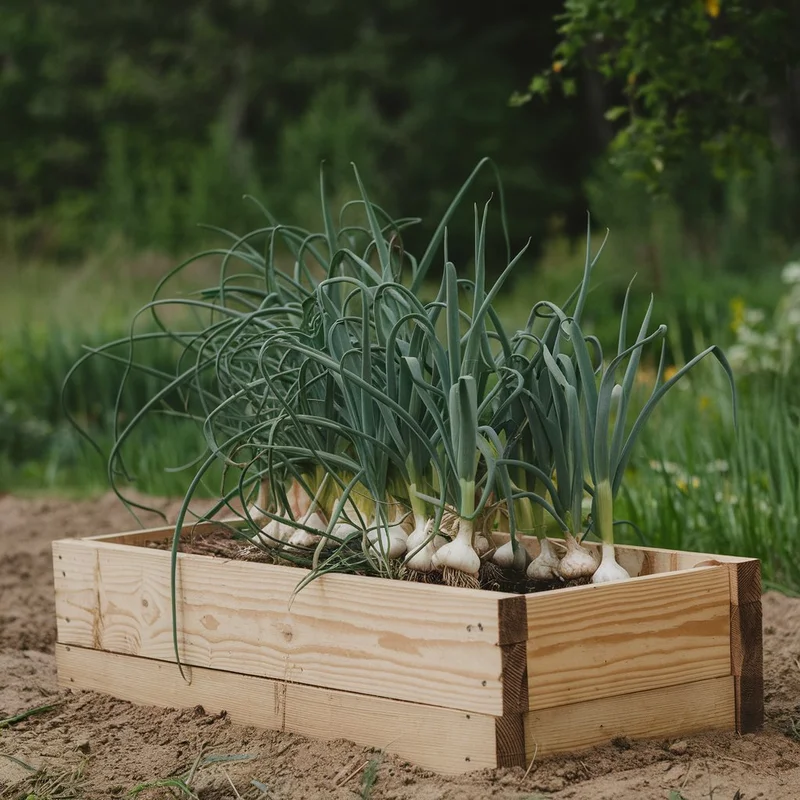
Garlic suits raised beds because it likes loose soil and good drainage. Wet, heavy soil can make bulbs struggle.
Fall planting usually gives garlic more time to grow strong roots before harvest season. I like garlic because it asks for patience, then pays you back with full bulbs.
Companion planting also makes garlic useful. You can grow it near tomatoes, carrots, kale, or collards to use bed space wisely.
Quick Grow Notes
- Sun needs: Full sun.
- Raised bed depth: Medium to deep soil works best.
- Planting method: Plant individual cloves.
- Support needed: No support needed.
- Harvest tip: Leave enough room between cloves so bulbs can size up.
11. Eggplant
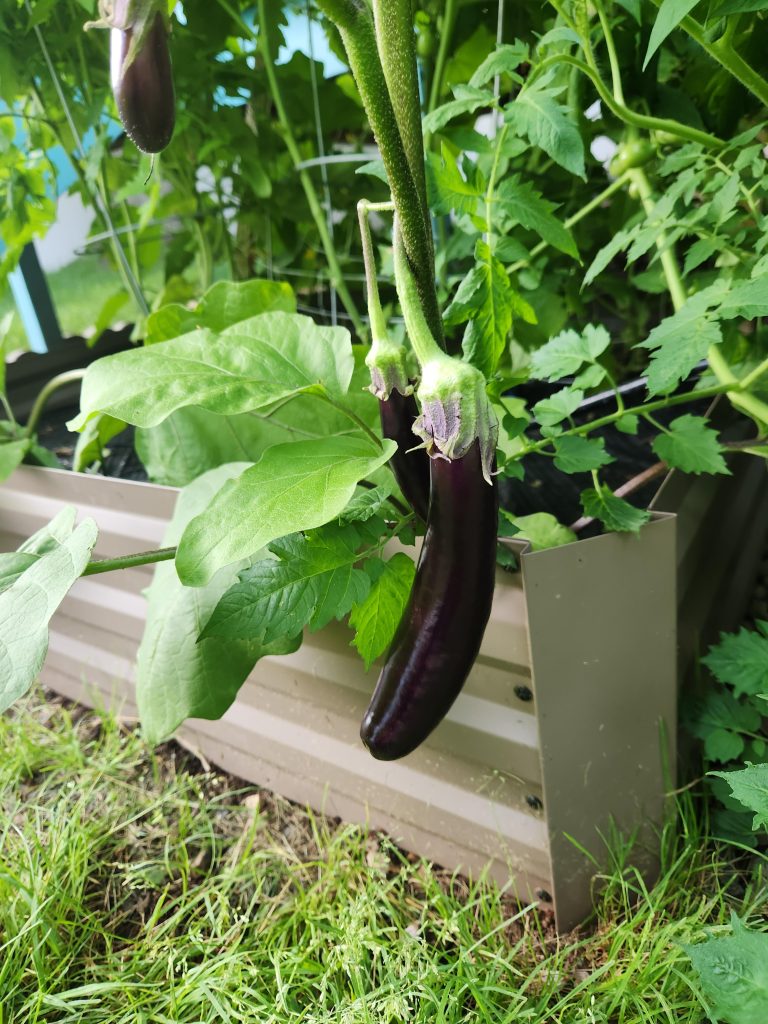
Eggplant grows well in raised beds because warm soil gives it a better start. This crop likes sun, rich soil, and steady watering.
Small eggplant types fit better in tight beds than large varieties. That choice matters when you want several vegetables growing together.
Glossy skin tells you when to pick. Dull fruit can taste seedy and tough.
Quick Grow Notes
- Sun needs: Full sun.
- Raised bed depth: Medium to deep soil works well.
- Planting method: Start with transplants.
- Support needed: Stake plants when fruit gets heavy.
- Harvest tip: Pick eggplants while the skin still looks shiny.
12. Okra
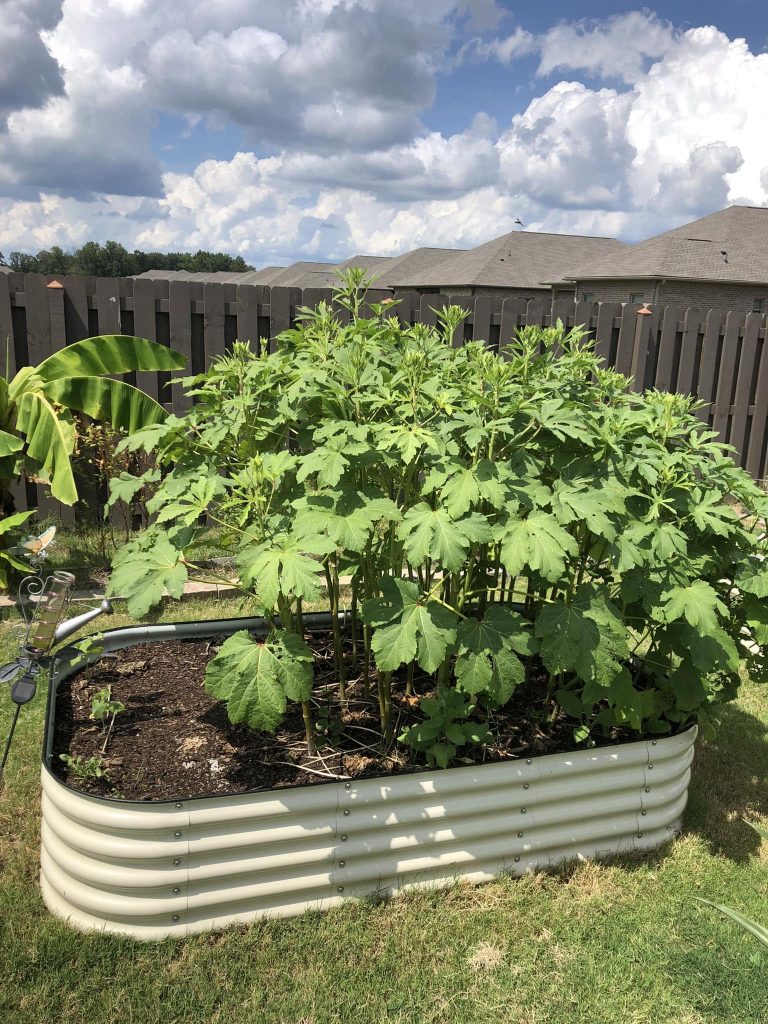
Okra loves heat, sun, and warm raised-bed soil. Plant it after cold weather leaves for good.
Tall okra plants can add height to the back or center of a bed. Wouldn’t you rather use vertical space than waste a sunny corner?
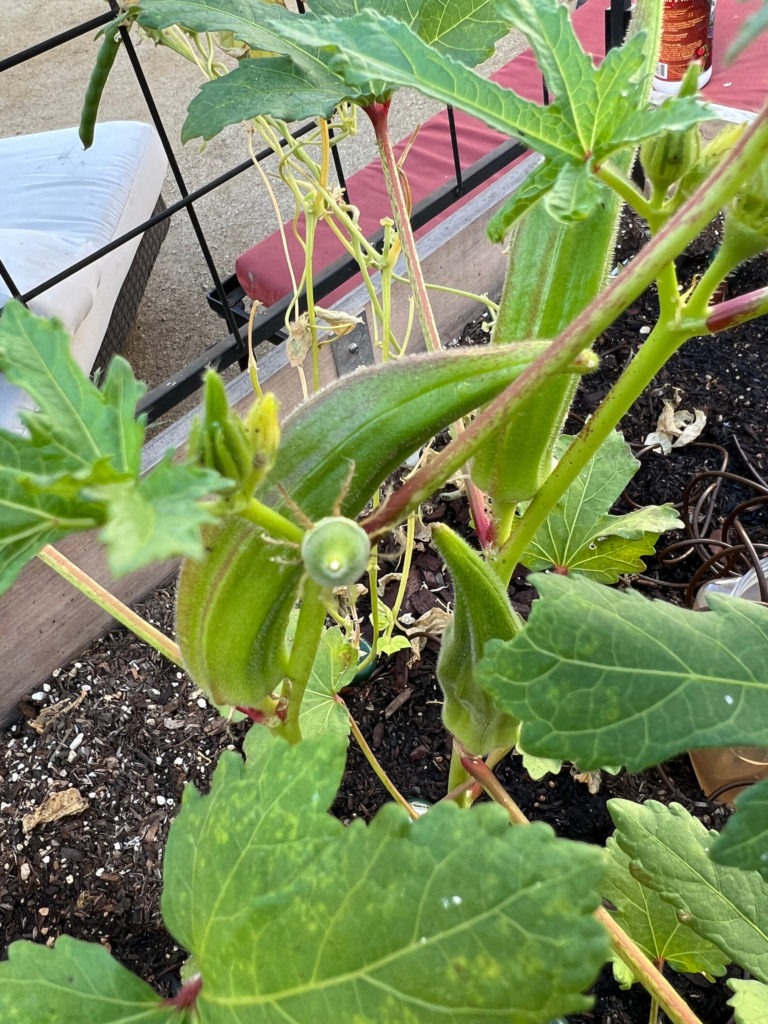
Young pods taste best. Large pods often turn woody fast, so regular picking matters.
Quick Grow Notes
- Sun needs: Full sun.
- Raised bed depth: Medium to deep soil works well.
- Planting method: Direct seed or transplant after the soil warms.
- Support needed: Usually no support needed.
- Harvest tip: Pick pods young before they turn tough.
13. Zucchini
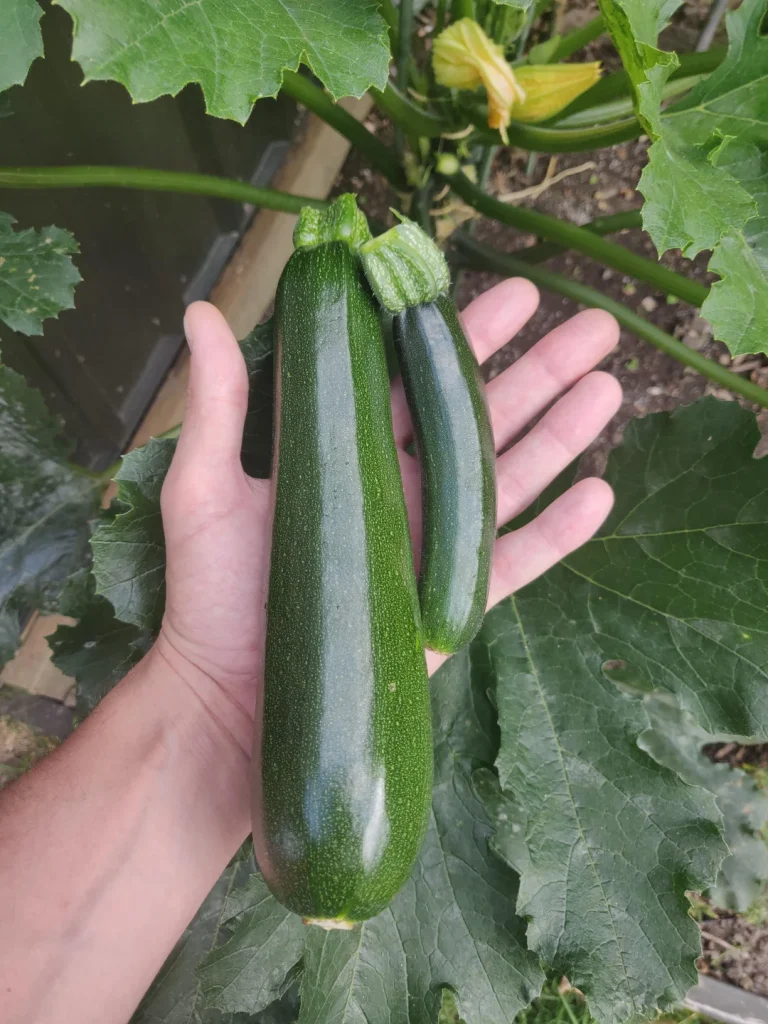
Zucchini grows like it has a personal mission. One healthy plant can fill a big corner of a raised garden bed fast.
Wide leaves create shade, which can help nearby soil stay moist in hot weather. That shade also means you should avoid planting tiny sun-loving crops too close.
Regular harvesting keeps zucchini tender and useful in the kitchen. Leave one too long, and you may find a squash the size of your forearm.
Quick Grow Notes
- Sun needs: Full sun.
- Raised bed depth: Medium to deep soil works well.
- Planting method: Direct seed or transplant after warm weather arrives.
- Support needed: Usually no support needed.
- Harvest tip: Pick zucchini young for better texture and flavor.
14. Sweet Potatoes
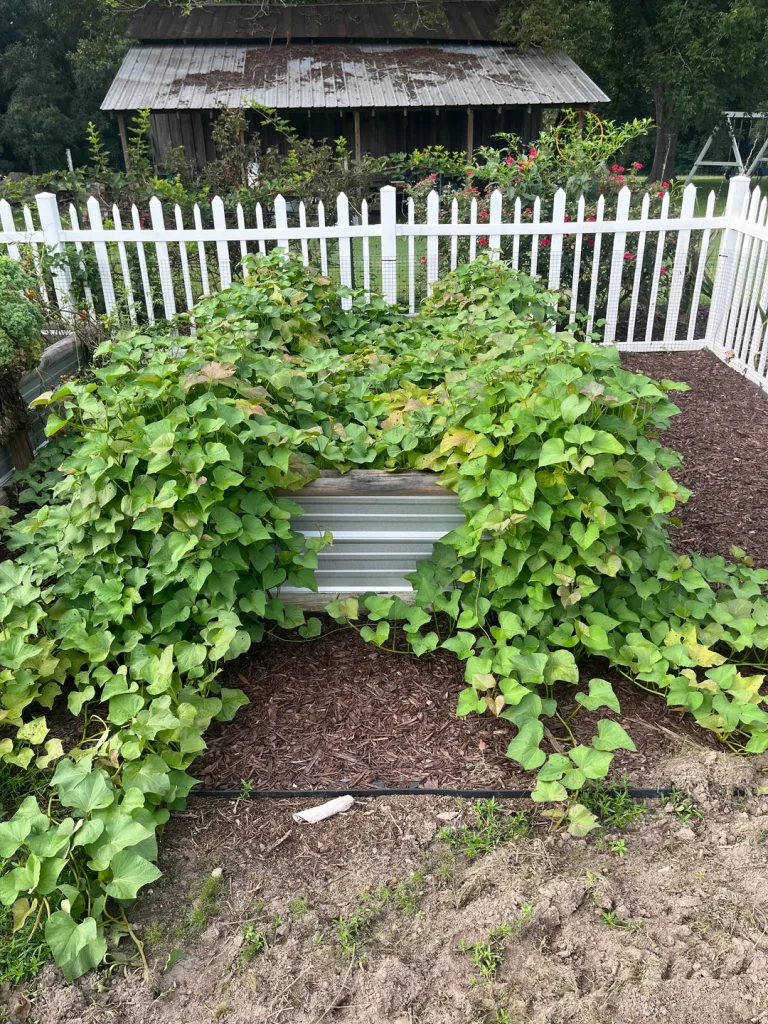
Sweet potatoes love raised beds because the vines need warmth and the tubers need soft soil. Deep, loose soil helps the roots swell without hitting hard ground.
Warm weather matters a lot. This crop suits gardeners with a long growing season better than gardeners with short, cool summers.
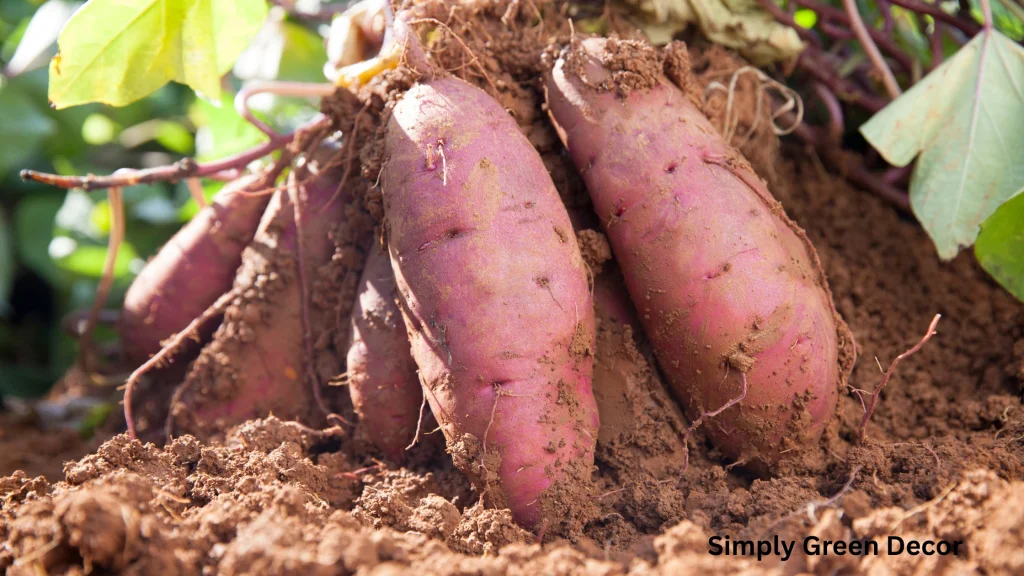
Vines spread wide, so give them room or guide them along the edge of the bed. I like them for sunny beds where other crops might sulk in the heat.
Quick Grow Notes
- Sun needs: Full sun.
- Raised bed depth: Deep, loose soil helps tubers grow well.
- Planting method: Plant slips after the weather warms.
- Support needed: No support needed, but vines need space.
- Harvest tip: Grow them only when your season stays warm long enough.
Final Thoughts
Raised beds give you a cleaner, easier way to grow food at home. You control the soil, improve drainage, warm the bed faster, and make planting feel less messy.
Smart crop choice makes the whole bed work better. Grow tall crops like tomatoes, cucumbers, and okra near the back or center, then use lower crops like lettuce, spinach, onions, and carrots around open spaces.
Trellises help you fit more vegetables into one raised garden bed. Loose soil helps root crops grow straighter, while warm soil gives summer crops a stronger start.
Try a few favorites first. Your best raised bed will always grow the vegetables you actually want to eat.