How to Grow Cucumber in Raised Bed Garden: A Beginners Guide

Ever tried growing cucumbers in your garden? It’s a mess, right? Vines everywhere, fruits on the ground, and no space to breathe. But what if I told you raised beds could solve all that?
Raised beds are like VIP treatment for your cucumbers. They improve drainage, give you better control over soil, and let your plants grow up, not out.
Plus, they’re way easier to manage. With raised beds, cucumbers get more airflow, less rot, and even easier harvesting.
Trust me, once you try it, you won’t want to go back to the ground-level chaos. Let’s get growing, shall we?
Picking the Right Spot for Your Raised Bed
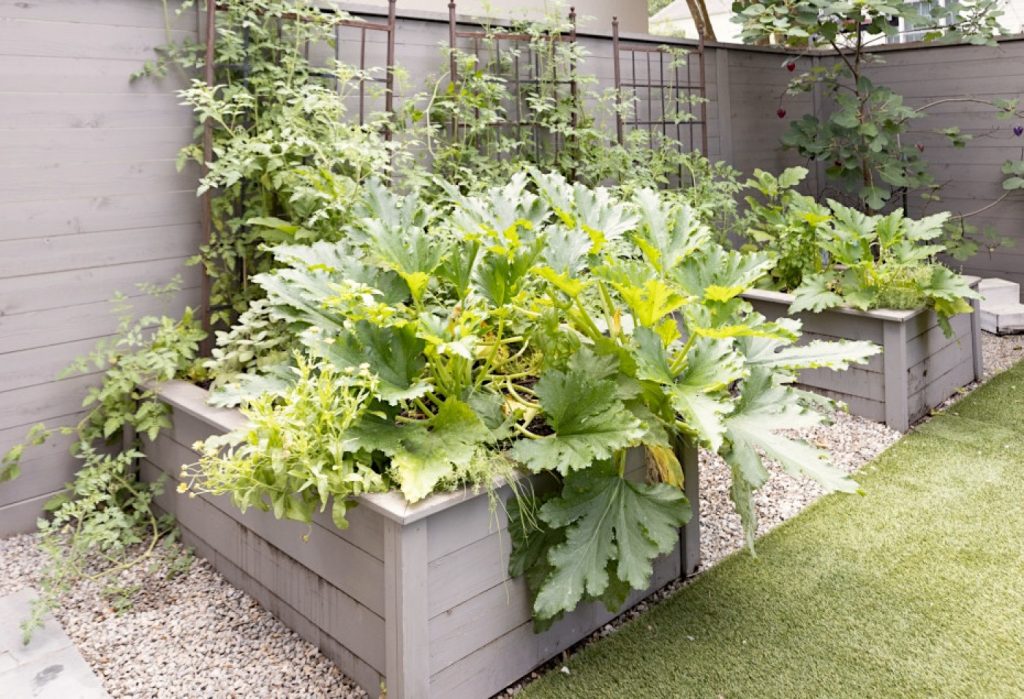
Alright, before we start digging, let’s talk location. Because, let’s face it, the location is everything—whether you’re setting up a raised bed or just lounging at a beach.
For cucumbers, they’re like sunbathers; they need full sun to grow properly. So, choose a spot that gets at least 6–8 hours of sunlight a day.
The more sunshine, the better. Think of it as cucumbers’ version of a spa day.
Now, we also want to make sure the raised bed is placed close enough for easy access. You don’t want to be walking across the entire yard to water them or pull weeds.
Pick a place that’s easy to reach, preferably near your kitchen or where you’ll be doing most of your gardening. This saves time and makes it more likely that you’ll actually go out there and tend to your cucumbers.
Finally, make sure the location has good drainage. We don’t want your cucumbers sitting in puddles of water—nobody likes that, especially cucumbers. A well-draining spot ensures your raised bed won’t turn into a swamp.
Preparing the Soil – The Secret Sauce for Lush Cucumbers

Now that you’ve got the perfect location, let’s talk soil. Soil prep is crucial for cucumbers. If the soil’s not right, your cucumbers will have a hard time thriving.
Think of it like cooking a perfect meal—the ingredients matter. Here’s what we need for the best cucumber-growing environment:
The Right Soil Mix
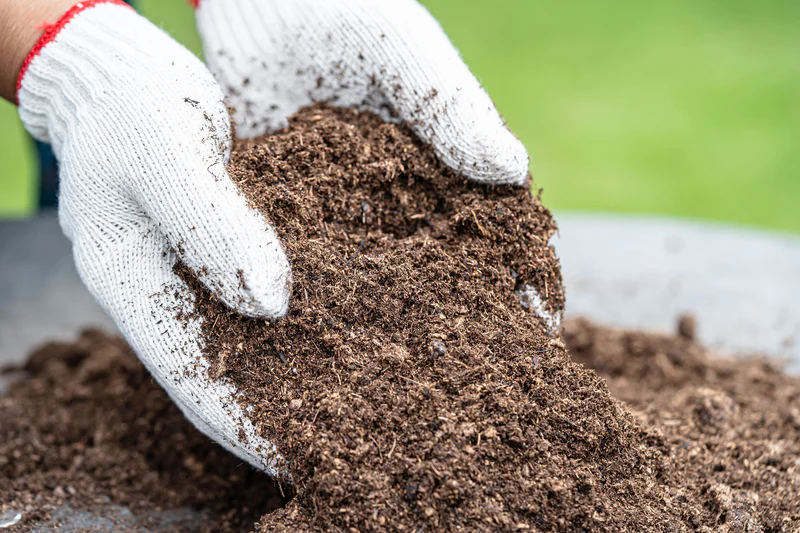
Cucumbers love well-draining soil that’s rich in organic matter. They don’t want to sit in soggy soil because it can cause root rot (yikes!).
The best way to create the right soil mix is to combine garden soil, compost, and loose organic matter. A good ratio is 50% garden soil and 50% compost. This mix gives your cucumbers the nutrients they need and ensures proper drainage.
If your soil is heavy on clay, add sand or perlite to help with drainage.
On the other hand, if it’s too sandy, consider mixing in some organic compost to retain moisture. Cucumbers are thirsty plants, but they don’t want to be drowning!
pH Levels Matter
Cucumbers like it a little on the acidic side, so aim for a soil pH of 6.0 to 6.8. If your soil is too alkaline, don’t fret—there are plenty of ways to bring it back down, like adding some organic mulch or pine needles.
A pH test kit is a great investment to make sure you’re in the sweet spot.
Choosing Your Cucumber Variety – Pick What Works for You
Not all cucumbers are created equal. Some varieties are perfect for raised beds, while others do better sprawling on the ground. Let’s take a look at a few popular varieties that do well in raised beds:
Gherkins and Pickling Varieties
Gherkins are small, prickly cucumbers, perfect for pickling. If you love homemade pickles, these are your go-to. Gherkins do well in tight spaces, which makes them perfect for raised beds.

Try varieties like ‘Liefje’ or ‘Vorgebirgstrauben’—they produce a ton of little fruits and grow well vertically.
Slicing Varieties
If you’re more into fresh cucumbers for salads or sandwiches, then slicing cucumbers are for you. Varieties like ‘Marketmore 76’ or ‘Straight Eight’ are popular.
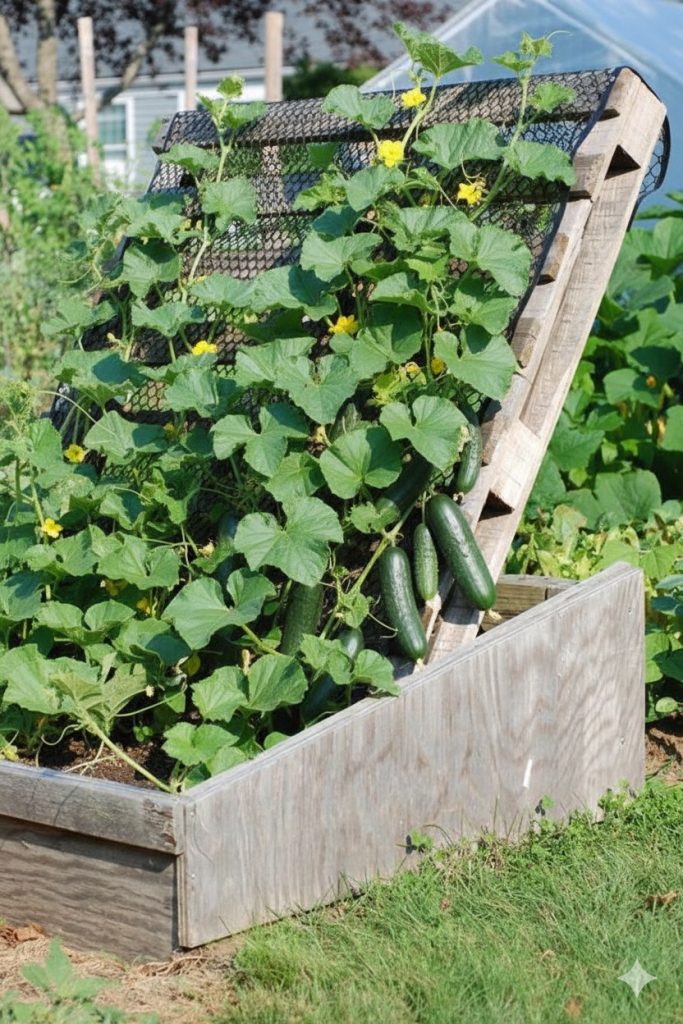
These cucumbers tend to grow long and straight, making them ideal for vertical gardening. Just make sure to provide a trellis or cage for support.
Baby Cucumbers

If you’re working with limited space, baby cucumbers like ‘Beth Alpha’ or ‘La Diva’ are perfect for small raised beds. These varieties grow compact, producing cucumbers that are just the right size for snacking or tossing into a salad.
Planting Cucumbers – When and How to Get Started
Now that your soil is prepped and you’ve picked the perfect cucumber variety, it’s time to plant. Here’s what you need to know:
Planting Seeds vs. Seedlings
You can either start from seeds or seedlings, depending on your preference and the growing season.
Seeds: If you’re planting from seed, start them indoors 3-4 weeks before the last frost. Plant seeds about 1 inch deep. Once your seedlings have a few true leaves, they’re ready to be transplanted into the raised bed.
Seedlings: If you’re buying seedlings, plant them directly into your raised bed after the last frost. Space your plants about 12 inches apart to give them plenty of room to spread out.
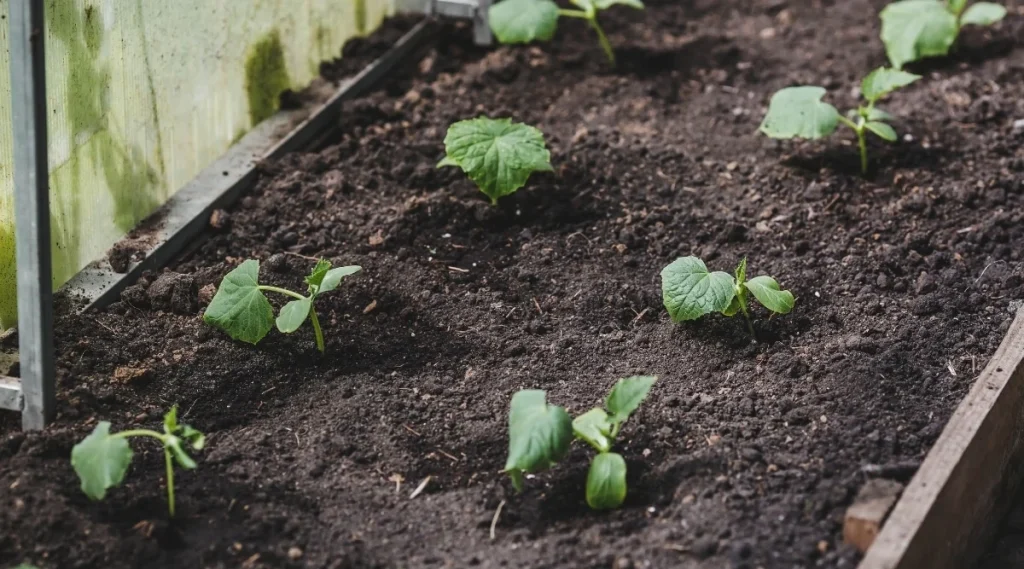
Cucumbers grow best with ample space and a good air flow between them. Too many plants crowded together can lead to mildew or other diseases, so don’t try to pack them all in there.
Supporting Cucumbers in Raised Beds – Give Them a Boost

Cucumbers love to climb, so supporting them with a trellis keeps them healthy, organized, and easy to harvest.
Adding a trellis should be done early in the season—ideally when you plant your cucumbers or once they begin growing vertically.
This helps prevent vines from sprawling and promotes airflow, reducing the risk of disease.
Best Types of Trellises:
A-frame trellis: Great for smaller spaces; your cucumbers will climb up both sides, maximizing space. Made with a couple of wooden beams and some crossbars, this trellis forms a classic “A” shape that fits perfectly over raised beds.

It’s simple enough to build yourself, and it creates an almost rustic look in your garden. Trust me, your cucumbers will be living the high life on this one.
Vertical trellis: Simple and space-efficient. This trellis style uses a single vertical frame (often made of wood, metal, or PVC) with netting or string stretched between the frame.

Cucumber cages: Ideal for compact varieties. These wire mesh cages keep cucumbers upright and off the ground.
The wire rings offer plenty of spaces for the vines to cling to, and the structure will help keep those cucumbers upright and healthy.

Train your vines to climb by gently guiding them towards the trellis. Soft ties or twine work well to keep them attached as they grow.
Read more:
10 Budget Friendly Cucumber Trellis Ideas for Raised Bed Gardening
Watering and Caring for Your Cucumbers
Cucumbers are thirsty plants, and they’re not shy about it. Here’s how to keep them happy:
Watering
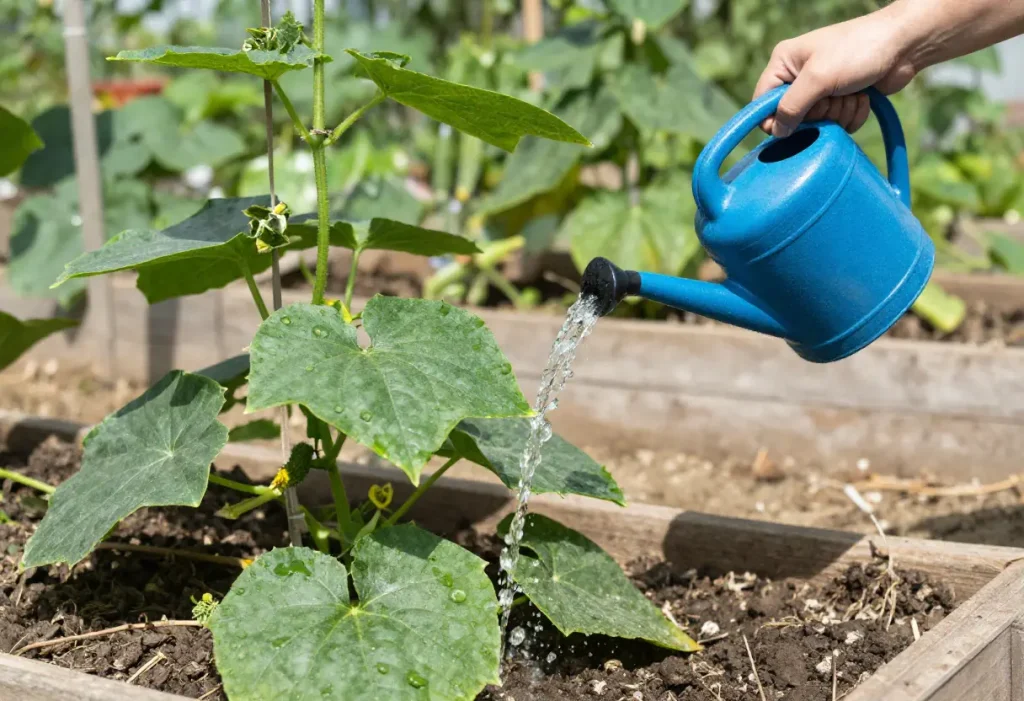
Cucumbers like consistent moisture. However, it’s important to water deeply, rather than shallow watering, to ensure the roots get all the hydration they need.
A soaker hose or drip irrigation system works wonders, especially since cucumbers don’t like water on their leaves.
Make sure you water in the morning to give the plants time to dry before nightfall. This reduces the risk of mildew and other diseases.
Mulching
Mulch is your best friend. It helps retain moisture, suppresses weeds, and keeps the soil temperature consistent.
Apply a layer of organic mulch around your cucumber plants. This will save you from having to water constantly and keeps the roots cool during hot weather.
Feeding Your Cucumbers
Cucumbers are heavy feeders, which means they need plenty of nutrients.
Use organic fertilizer or compost tea to feed them every couple of weeks. As they start to bloom, switch to a phosphorus-rich fertilizer to encourage fruiting.
Harvesting Your Cucumbers – The Moment of Glory
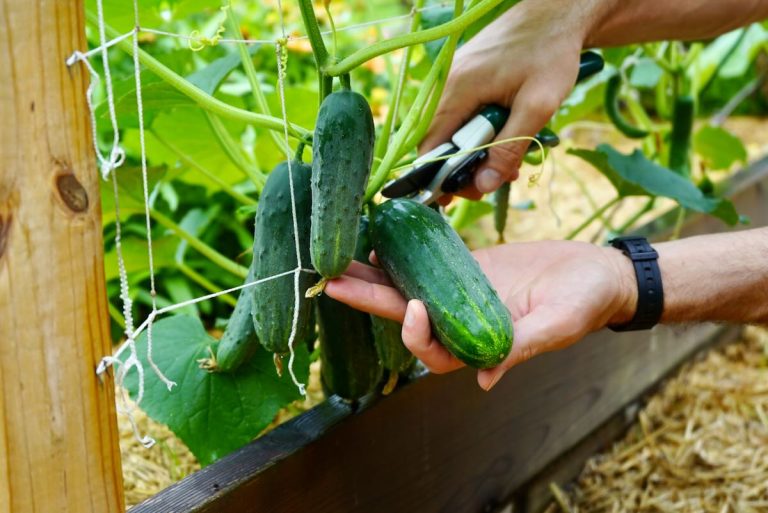
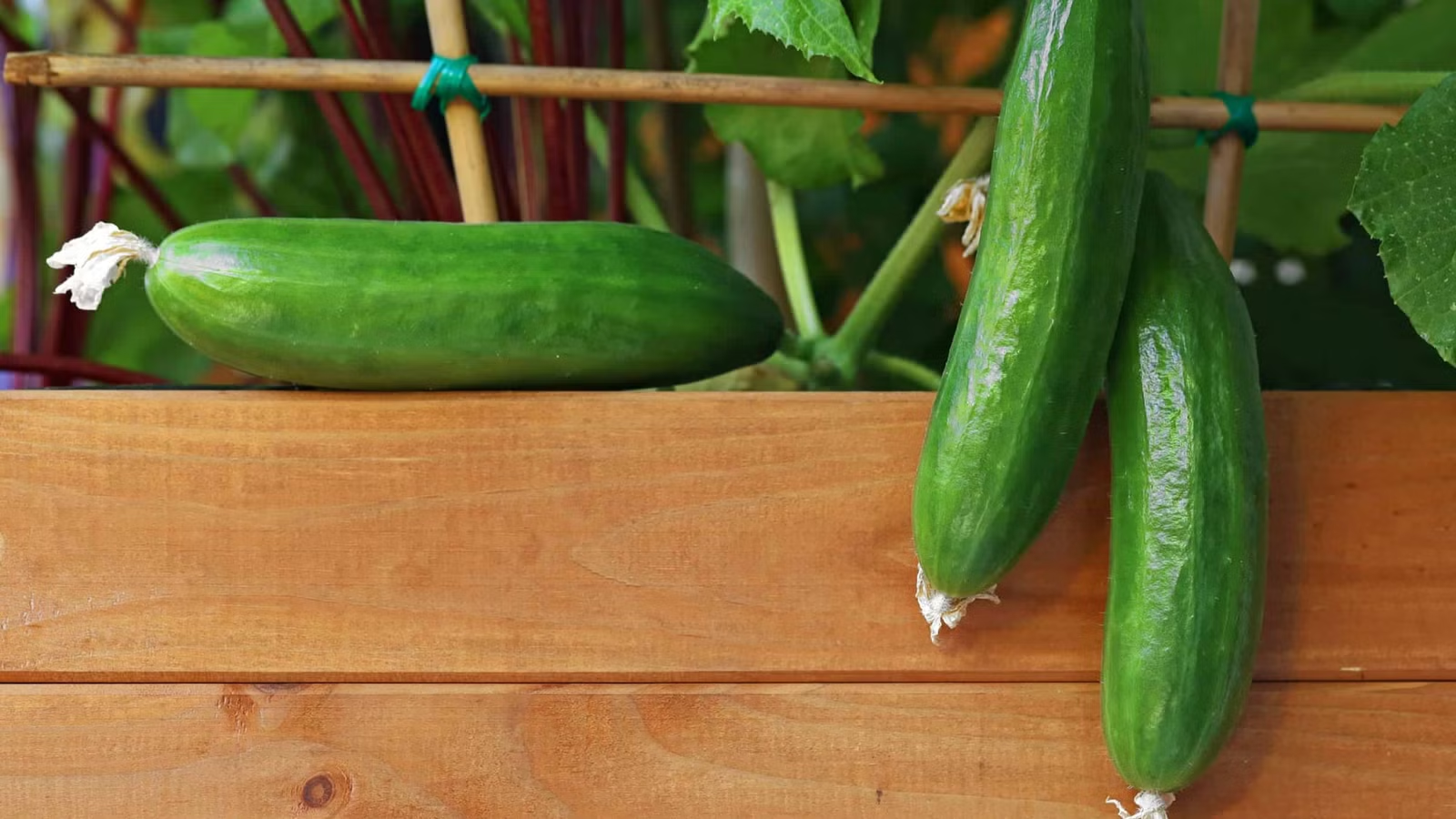
The best part—harvesting! Cucumbers grow fast, and if you blink, you might miss them. Keep an eye out, and pick your cucumbers when they’re about 6–8 inches long. You want them firm, crisp, and still green.
Pick cucumbers in the morning for the freshest taste. Use a sharp knife or scissors to cut them off the vine—be careful not to damage the plant.

Pro Tip
The more you harvest, the more your cucumber plants will produce. So, don’t be shy—keep picking!
Troubleshooting – Common Issues and How to Solve Them
Even in raised beds, cucumbers can face a few challenges. Here’s how to deal with them:
Pests
Cucumbers can attract pests like cucumber beetles and aphids. To keep them in check, use row covers or spray with neem oil. The key is to act fast before they cause damage.
Diseases
Powdery mildew is a common issue for cucumbers. To prevent it, make sure your cucumbers are getting plenty of air circulation. If you notice mildew, remove the affected leaves and treat with an organic fungicide.
Conclusion – Enjoy the Fruits of Your Labor!
And that’s a wrap! Growing cucumbers in a raised bed isn’t just for seasoned gardeners—it’s a great method for anyone looking to grow delicious, fresh cucumbers. With the right soil, location, and care, your cucumbers will thrive and give you bountiful harvests all season long.
Now, get out there, plant those cucumbers, and get ready to enjoy fresh, crunchy veggies straight from your garden.