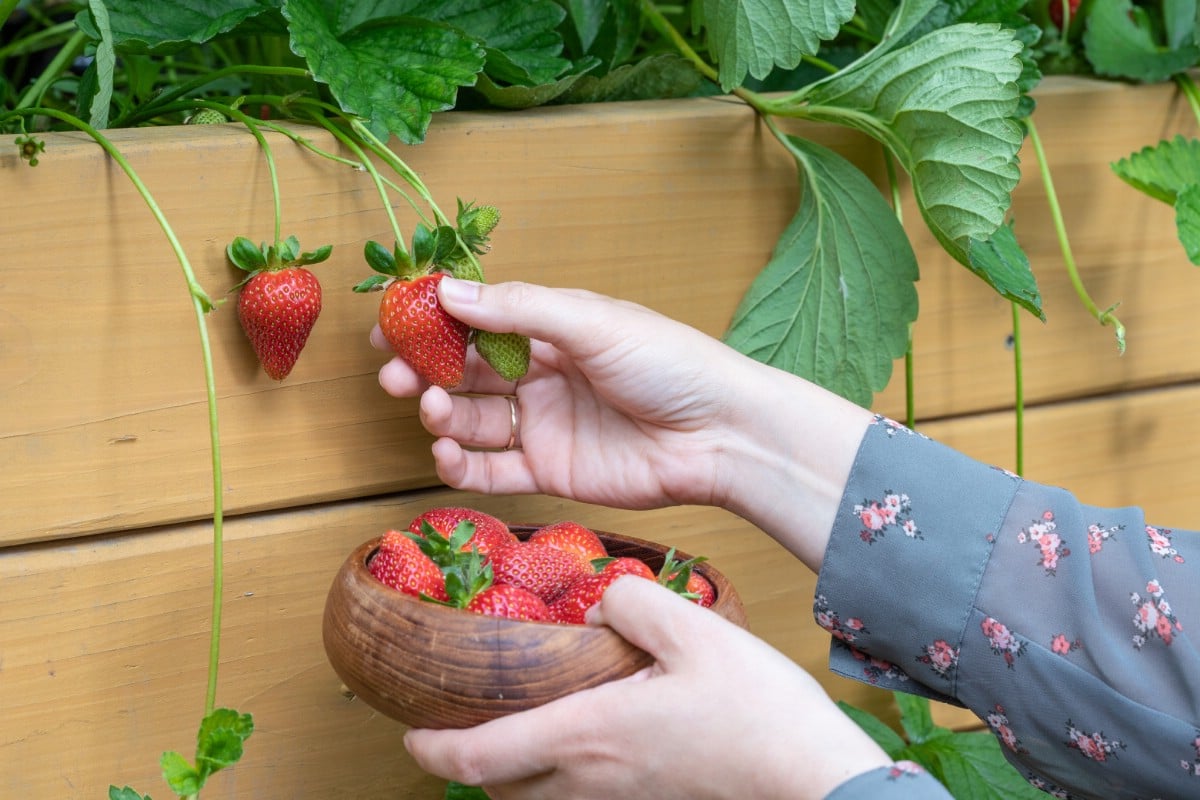
Growing Strawberries in Raised Bed: The Ultimate Guide to Berry Bliss

Have you ever walked out into your garden, plucked a fresh strawberry, and felt like you were on top of the world?
There’s just something magical about eating a fruit you grew yourself, especially when it’s as sweet and juicy as a homegrown strawberry.
Well, buckle up, because I’m about to walk you through the best way to grow strawberries in raised beds, so you can experience that sweet moment every season.
Why Raised Beds? The Secret Sauce to Strawberry Success
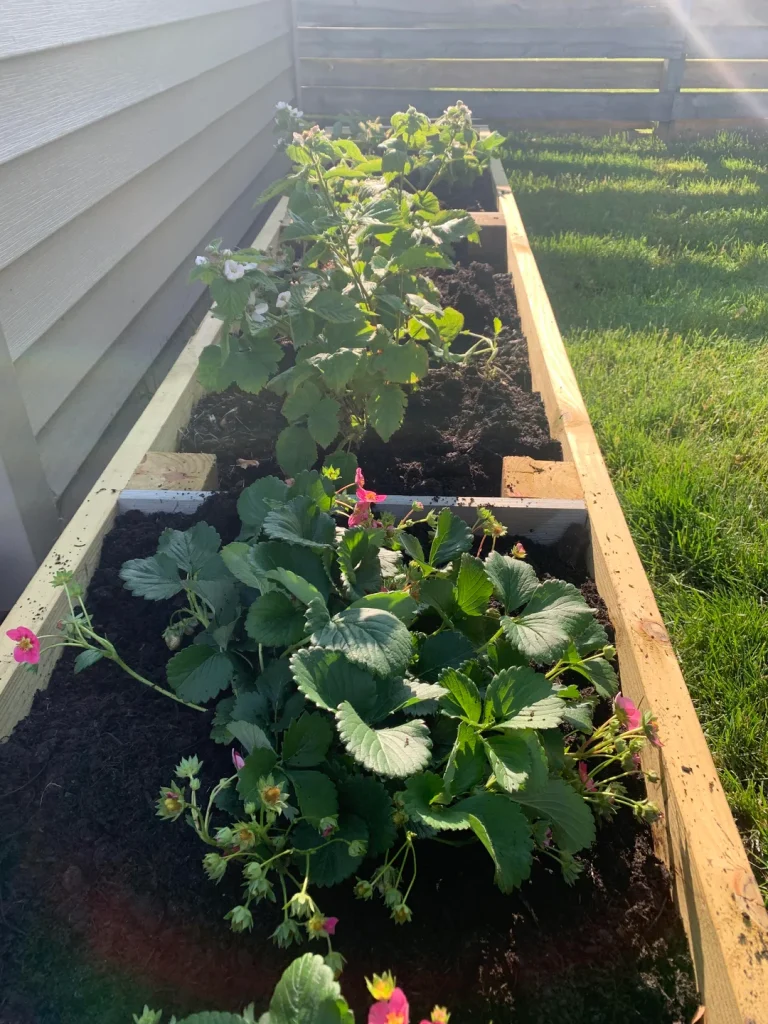
You might wonder, why bother with raised beds when you can plant strawberries directly in the ground?
Great question! Raised beds offer a lot of advantages that make strawberries feel at home.
The main reason? Drainage. Strawberries are divas when it comes to their roots. Too much moisture, and you risk rotting the plants or stunting their growth.
Raised beds improve drainage by elevating the soil, ensuring your strawberries never have to deal with the dreaded soggy roots.
Pro Tip: If you live in an area with heavy rains, raised beds are an absolute game-changer. They also help with soil control, so you can fine-tune the mixture to suit strawberries perfectly.
I mean, they’re picky about their soil, but raised beds give you the power to create a nutrient-rich paradise for them!
Best Raised Beds for Strawberries
When selecting a raised bed for strawberries, the material is crucial for longevity and plant health.
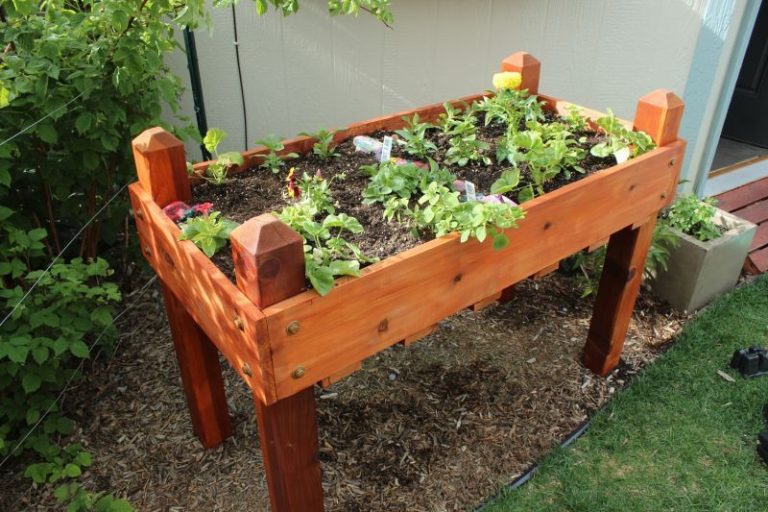
Wooden beds are a popular choice—cedar and redwood are naturally resistant to rot, making them durable and eco-friendly.
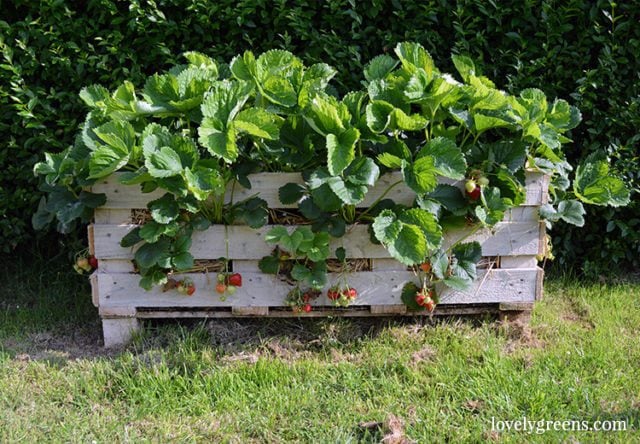
If you’re looking for a more budget-friendly option, cypress wood is also a great choice, although it may not last as long.
For a sleek, modern look, metal raised beds (like galvanized steel) are both sturdy and long-lasting. These are ideal for regions with extreme weather.
For an easy-to-move option, consider fabric raised beds. They offer great drainage and are lightweight, so you can position them wherever your strawberries get the most sun.
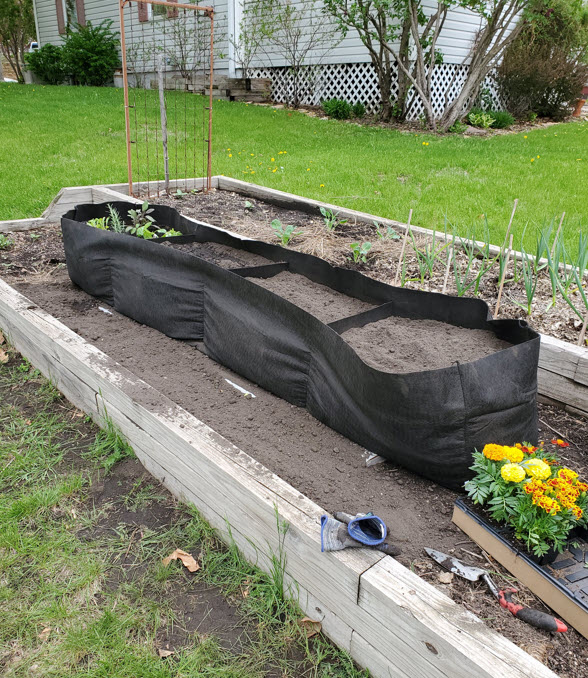
Regardless of the material, make sure your bed is at least 6–12 inches deep for optimal root growth. The right raised bed will provide your strawberries with the perfect environment to thrive for years!
Types of Strawberries: Choosing the Right One for Your Garden
Not all strawberries are created equal. There are three main types: June-bearing, Everbearing, and Day-neutral. Here’s the lowdown:
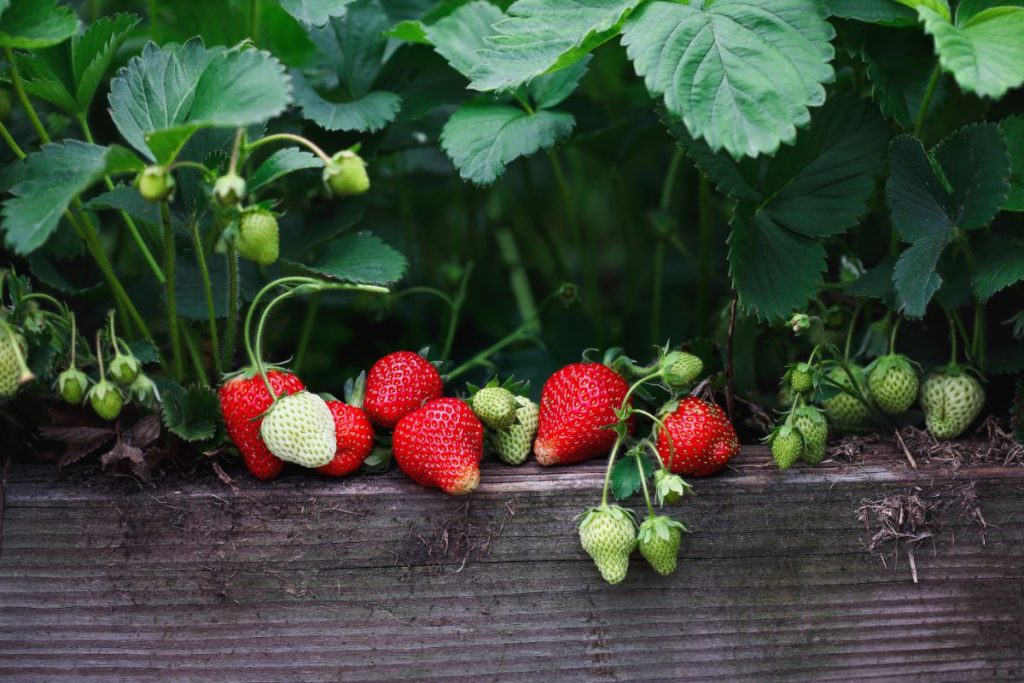
June-bearing strawberries give you one big burst of fruit in late spring or early summer. They’re perfect if you want to make strawberry jam, pies, or enjoy a massive harvest in one go.
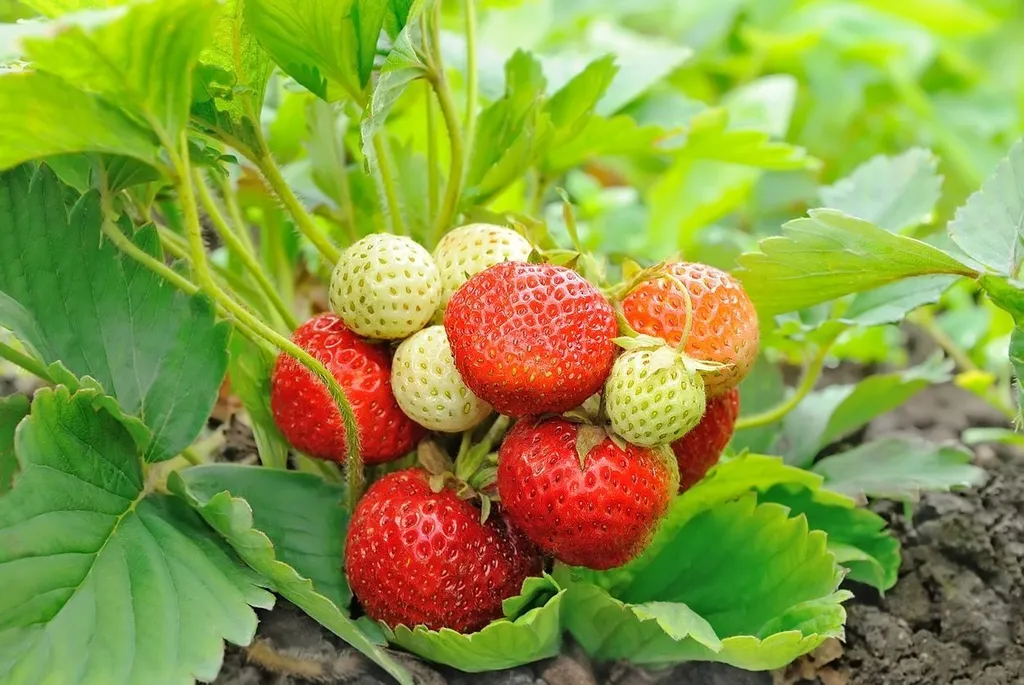
Everbearing strawberries produce fruit in the spring and fall, giving you two harvests per year. It’s like getting the best of both worlds!
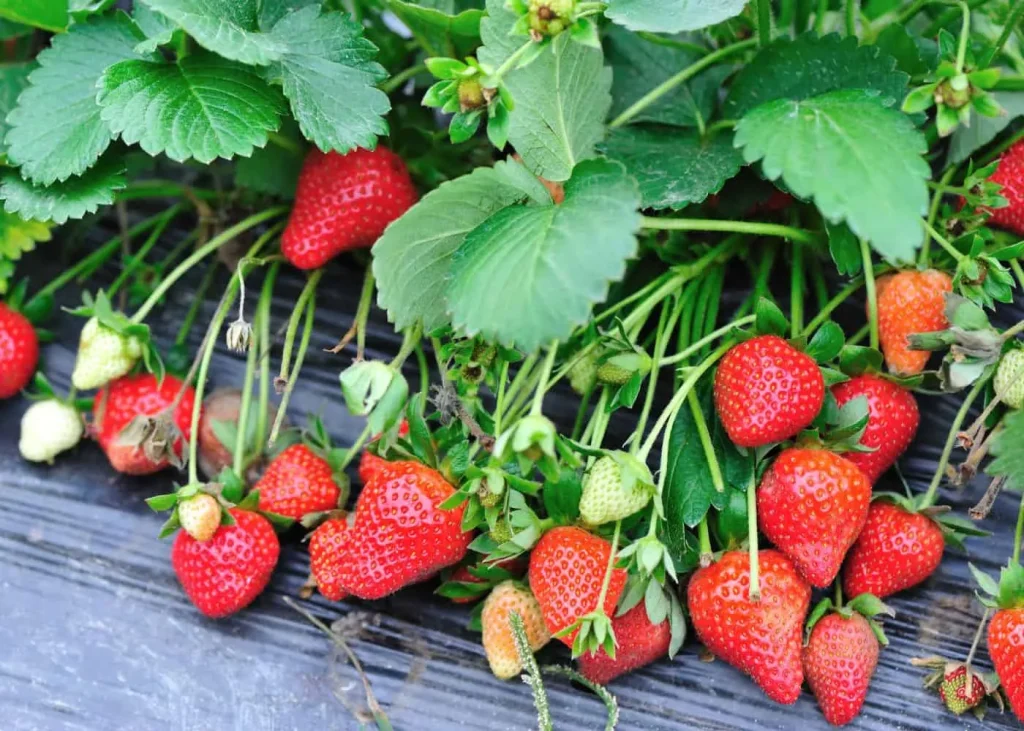
Day-neutral strawberries are perfect for the lazy gardener (yep, I said it)—they produce fruit continuously throughout the growing season. No need to wait for the perfect harvest time!
Once you choose your strawberry variety, it’s time to prep your raised bed. The more you know about your strawberry type, the better prepared you’ll be to care for them.
Preparing Your Raised Bed for Strawberries
The first thing you’ll need is a well-draining, nutrient-dense soil mix. Strawberries love it when their roots have room to breathe and access to rich nutrients.
I recommend a blend of topsoil, compost, and peat moss—this will ensure your strawberries get both the structure and nutrients they need to thrive.
Also, don’t forget to check the soil pH. Strawberries prefer a slightly acidic soil, so make sure the pH is between 5.5 and 6.5. If the soil is too alkaline, you can amend it with a bit of sulfur.
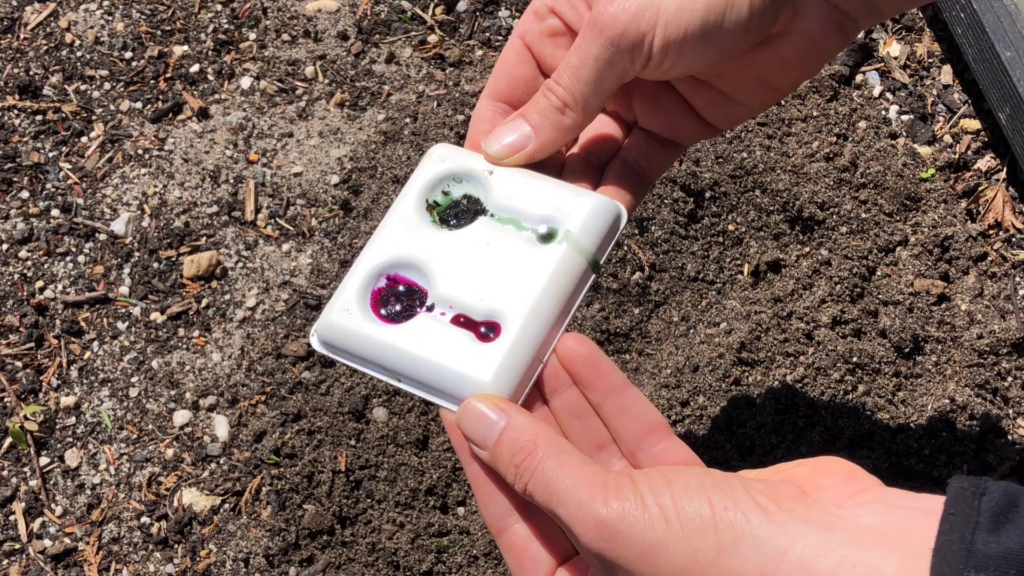
Pro Tip: If you’re unsure about your soil pH, grab a soil test kit. It’s worth the small investment, and you’ll have peace of mind knowing exactly what your soil needs.
Planting Your Strawberries (Bear Root): Get the Crowns Right
If you’re planting bare-root strawberries, soak them in water for a couple of hours before planting—this helps them settle in quickly.
If the bare roots are too long (> 5 inches), then you must trim the access part.
You can use a tape to measure the strawberry root. First, take the measuring tape on your own hand, measure from the tip of your middle finger to center of your palm and measure out 5 inches.

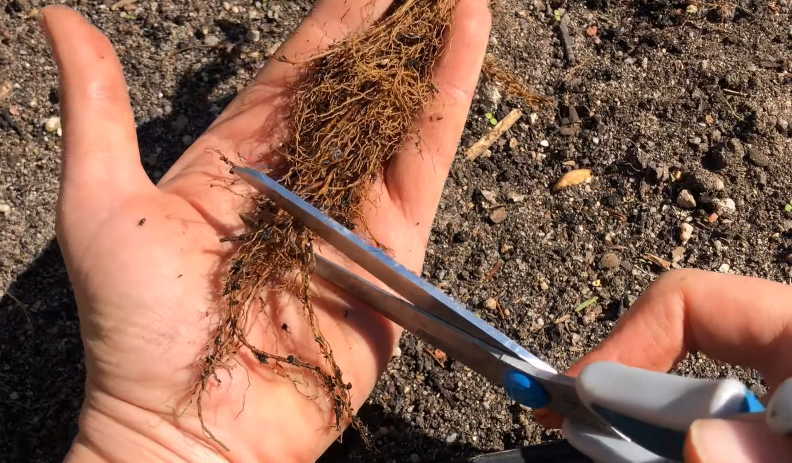
Planting Strawberry Bear Root:
When it comes time to plant, position your plants correctly. The most crucial part? The crown. This is where the roots meet the stem, and it must sit at soil level.
If you plant it too deep, the crown may rot. Too high, and the roots won’t be properly anchored.
First, take a trimmed strawberry plant and hold it at the right level inside the hole, making sure the roots are all inside. Than, push the soil back around the roots firming it down and you’re all set.
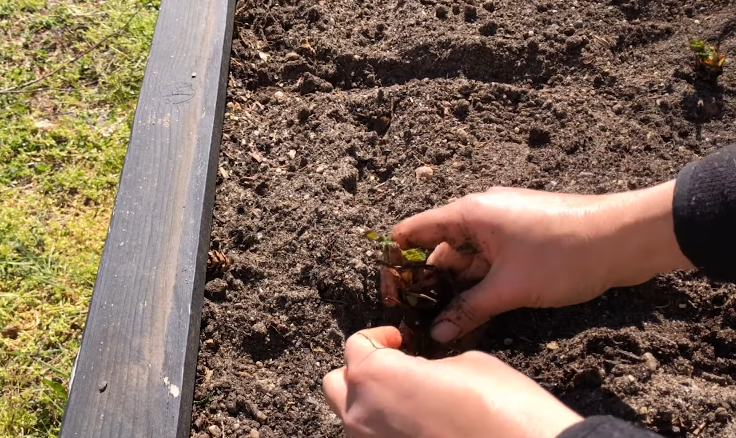
For container-grown plants, plant them at the same depth they were in the pot.
Here’s a detailed guideline of planting strawberries in raised bed.
Planting Baby Strawberry Plants
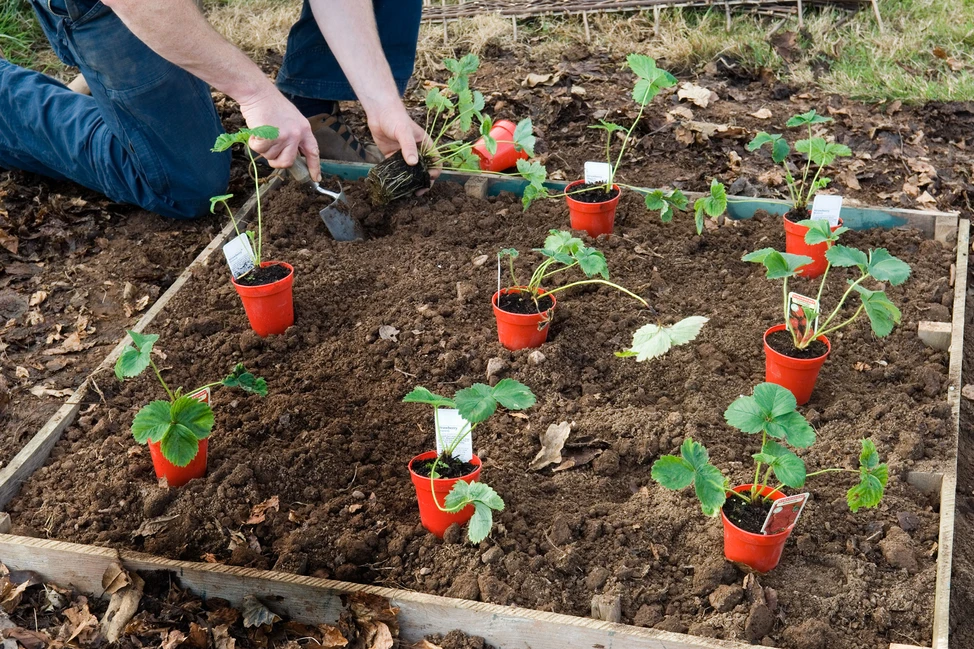
Strawberries are notorious for spreading out. That means you need to give them plenty of space to breathe and grow.
Aim to space your strawberry plants about 12 inches apart. This might seem like a lot, but trust me, it’s for the best. Overcrowded plants don’t get enough sunlight or airflow, which can lead to disease.
If you’re planting in rows, make sure each row is about 2 feet apart to allow easy access for weeding, watering, and harvesting.
Watering Your Strawberries: The Perfect Balance
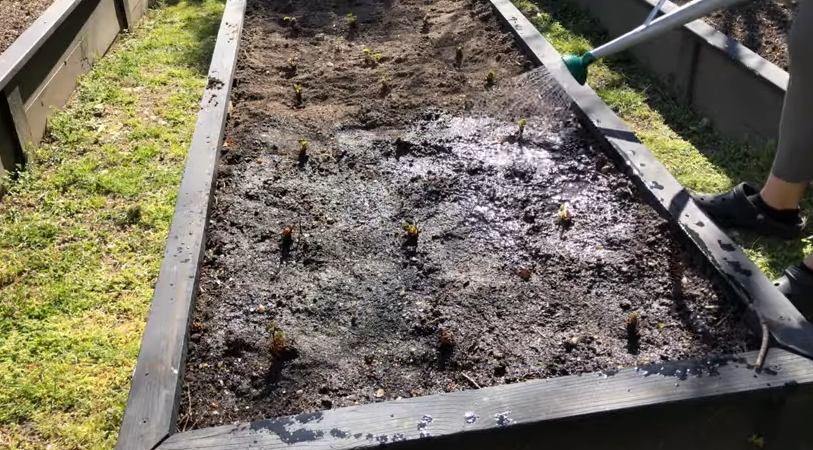
Strawberries are thirsty, but not too thirsty. They need consistent moisture, especially during fruiting, but over-watering is a big no-no.
Raised beds can dry out quicker than ground soil, so keep a close eye on the moisture levels.
I recommend watering deeply once a week (unless you’re in a super hot climate, then more often).
A drip irrigation system or soaker hose is your best friend for strawberries—this allows water to reach the roots without wetting the leaves, which can lead to fungal issues.
Mulching for Moisture and Cleanliness
Here’s where the magic happens: mulch. Adding mulch around your strawberry plants has so many benefits. Not only does it help retain moisture, but it also keeps weeds at bay and prevents the berries from touching the soil (which can lead to rot).
I recommend using straw or shredded leaves as mulch. It’s affordable, and it looks great too.
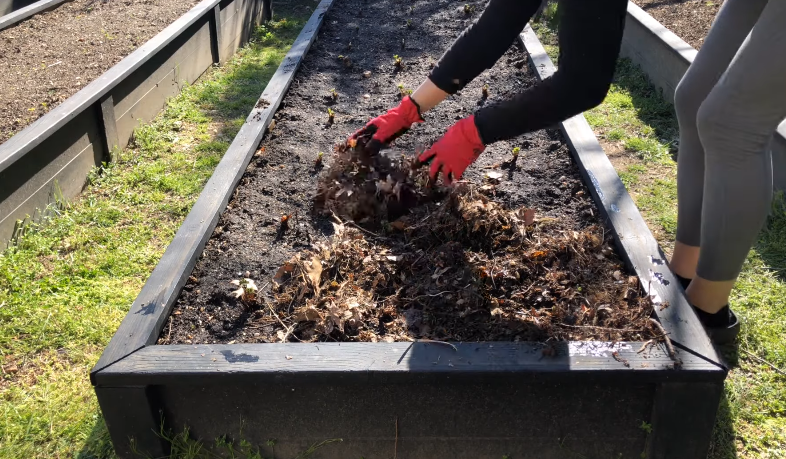
Pro Tip: Keep your mulch about 2–3 inches thick around the plants. But, don’t mulch too early in the season—wait until the plants are established, so you don’t accidentally smother them.
Fertilizing: A Little Goes a Long Way
Strawberries aren’t heavy feeders, but they do appreciate a light, balanced fertilizer in the spring. Over-fertilizing can lead to lush foliage at the expense of fruit.
Aim to apply an organic fertilizer with a balanced NPK ratio (think something like 10-10-10). Avoid using chemical fertilizers—they’re harsh on the soil and can disrupt your ecosystem.
Dealing with Pests and Diseases: Stay Vigilant
While raised beds help reduce some pest issues, strawberry plants are still prone to pests like slugs, aphids, and birds.
I’m not saying you have to build a fortress around your raised bed, but you will need some protection.
Bird netting is a must if you’ve got birds swooping in for a snack.
Slug traps (beer in a shallow dish) or organic slug bait can help keep those slimy critters at bay.
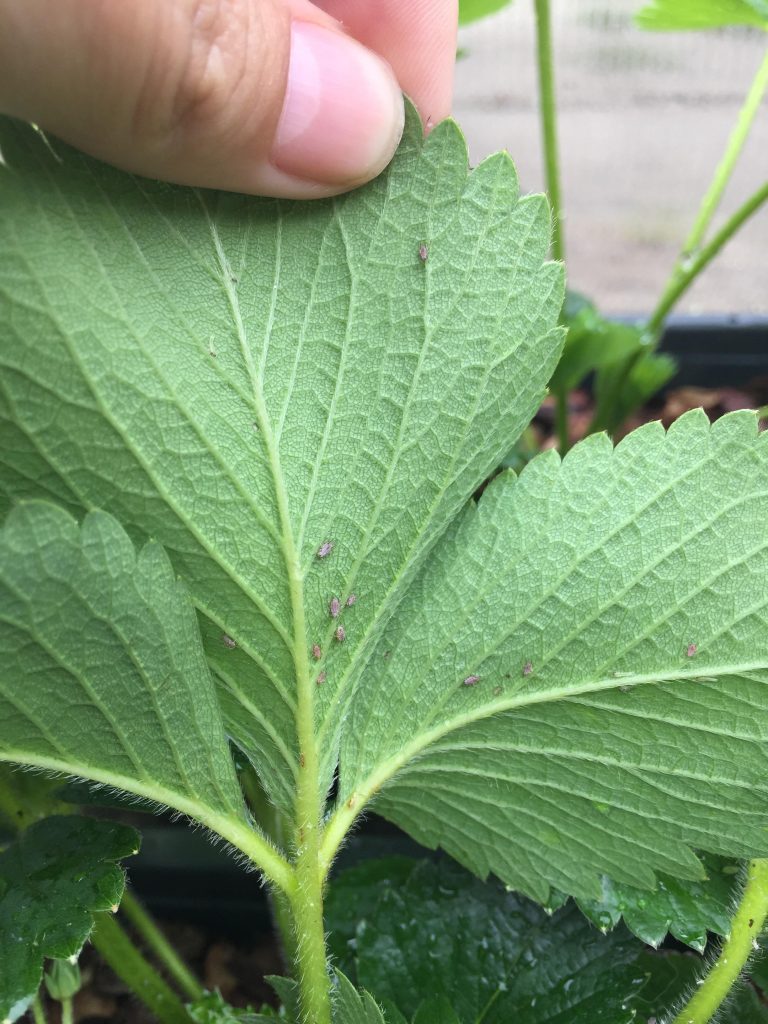
If you notice aphids, a simple soap and water solution sprayed on the plants should do the trick.
Harvesting: The Sweetest Reward
Ah, harvest time—the moment we’ve all been waiting for. When your strawberries turn a rich red, it’s time to pick! Gently twist the berry from the stem—don’t tug, or you might break the plant.
Pick in the morning when the berries are dry, and avoid letting them sit too long on the plant. Strawberries are best when they’re fresh, so don’t delay!
Winter Care: Protecting Your Strawberry Bed
Strawberries are hardy, but they still need a little protection during the cold months. After the first frost, mulch heavily around your plants to insulate them.
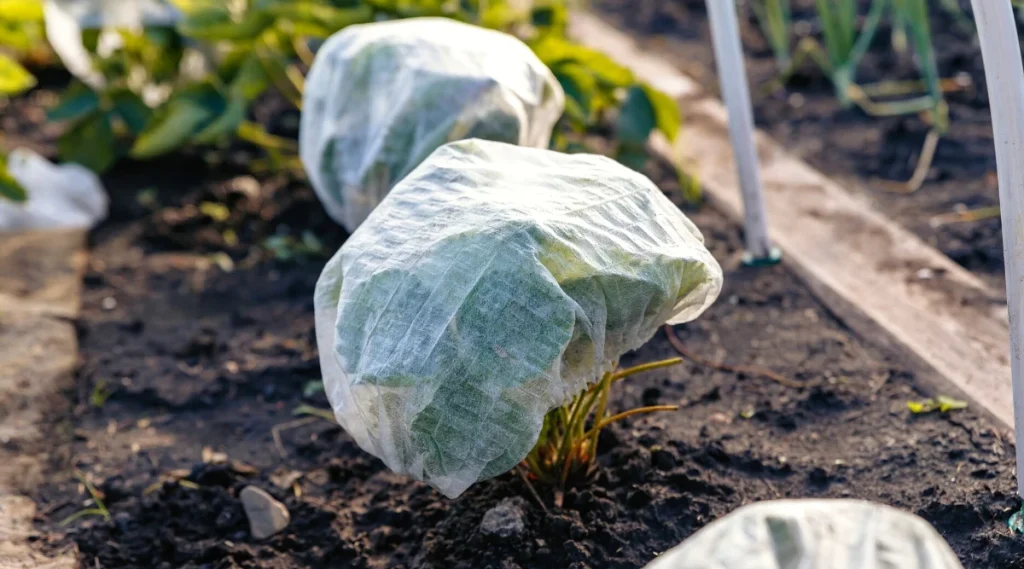
If you live in a region with harsh winters, you might want to consider covering your raised bed with a row cover or hoops to protect your strawberries from freezing temperatures.
Conclusion:
Growing strawberries in raised beds is one of the most rewarding gardening experiences.
By providing the right environment, proper care, and just a little attention to detail, you’ll be rewarded with sweet, juicy strawberries year after year.
Whether you choose June-bearing, everbearing, or day-neutral varieties, you’re in for a treat.
Featured image credit: strawberryplants.org