Raised Bed Compost Calculator: Find Your Exact Compost Needs in Seconds

Figuring out how much compost your raised bed actually needs is trickier than it sounds. Too little and your plants struggle for nutrients. Too much and you throw off drainage and drown your roots in organic matter.
Bed size matters, but so does what you’re growing, your local climate, and whether you’re filling an empty bed or just topping up soil from last season.
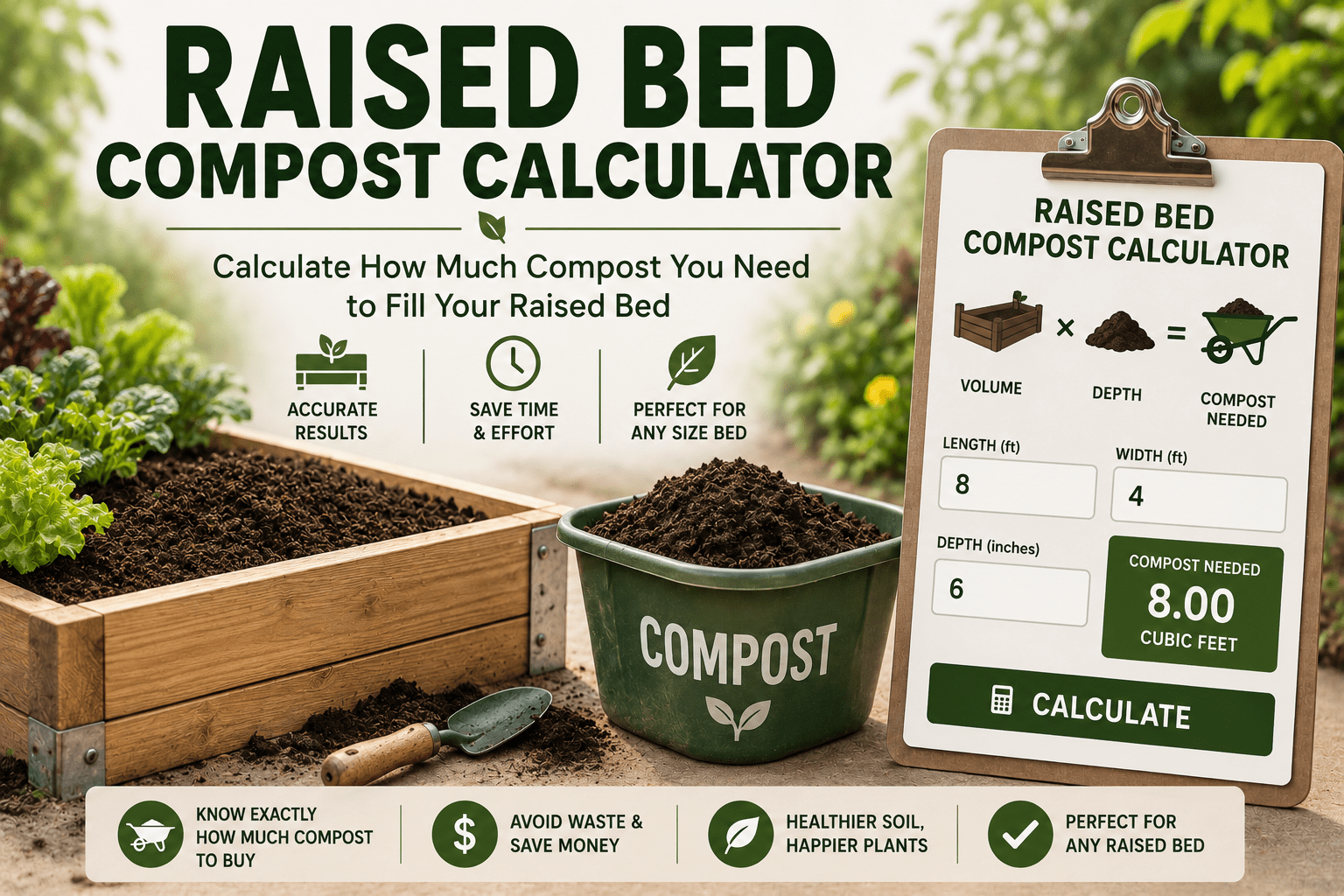
This calculator does the math for you. Enter your bed’s shape and dimensions, tell it what you’re planting and where you garden, and it works out how much compost to buy, in cubic feet and in bags.
Use it below, then keep reading for a breakdown of how the numbers work.
Raised Bed Compost Calculator
Raised Bed Compost Calculator
How to Use this Compost Calculator
Start by picking your bed’s shape. Most raised beds are rectangular, but the calculator also handles circular beds, tapered or conical planters, and anything with an irregular footprint through the custom option.
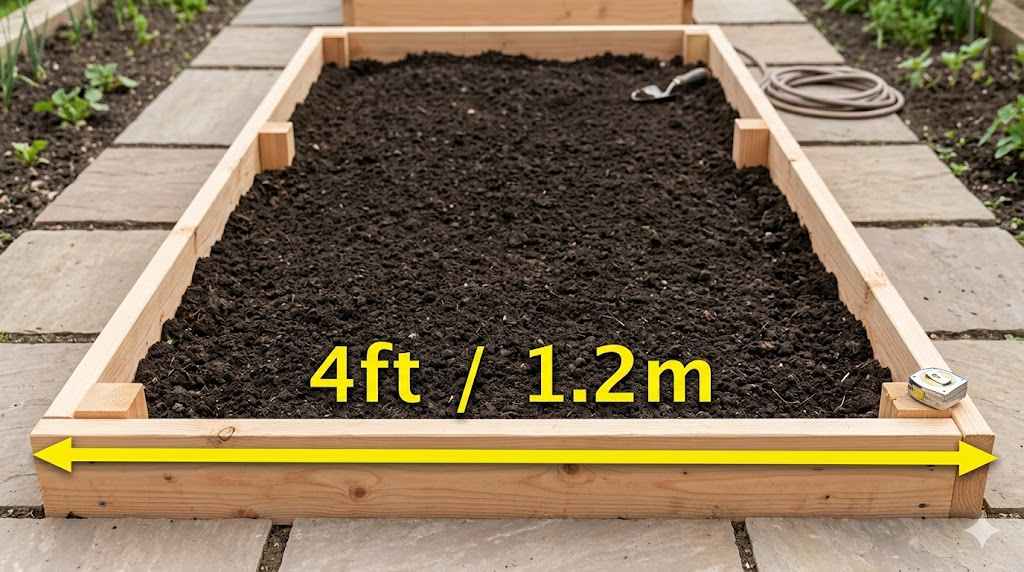
If your bed is rectangular, enter its length and width in feet. Circular beds only need a diameter.
Conical or tapered beds, like grow bags or trough planters that are wider at the top than the bottom, need both a top and bottom diameter so the calculator can work out the true volume rather than guessing at an average.
If your bed doesn’t fit any of these shapes, choose custom and enter its length and width directly. This option works well for irregular or multi-section beds where you want to measure the footprint yourself rather than picking a preset shape.
Every shape still needs a depth, measured in inches. This is the depth of your bed’s growing space, not just the compost layer, since the calculator uses it to work out how much of that space compost should fill.
Next, choose your plant type. Leafy greens like lettuce and spinach pull more nutrients from compost-rich soil, so they get a deeper compost layer.
Root vegetables like carrots and beets need looser, lighter soil to grow down through, so they get less. Fruit-bearing plants like tomatoes and peppers land in between.
Your climate shifts the numbers too. Wet climates hold moisture longer, so a slightly thinner compost layer avoids waterlogging.
Dry climates burn through moisture faster, so a thicker layer helps your soil retain what it can. Moderate climates use a standard, unadjusted depth.
Finally, tell the calculator whether you’re filling an empty bed or refreshing one from a previous season. Empty beds need a full compost layer to build up nutrients from scratch. Amended beds only need a fraction of that, since the existing soil already carries nutrients from prior seasons.
Click calculate, and you’ll get three numbers: how much compost you need in cubic feet, roughly how many bags that translates to, and your bed’s total volume for reference.
Also read: Raised Bed Soil Calculator: Know Exactly How Much Soil to Buy
Why You Don’t Fill Your Bed With Pure Compost
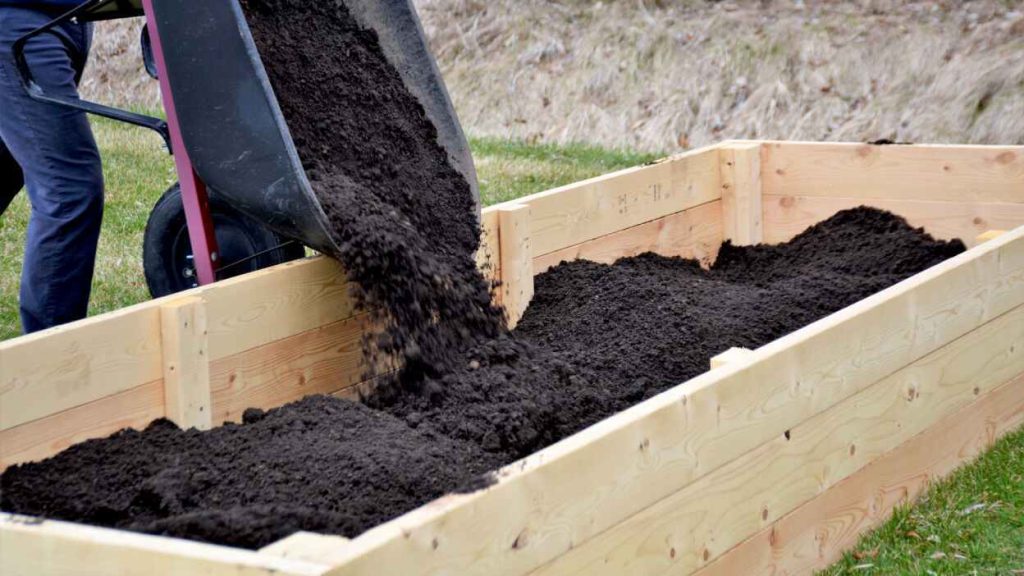
It’s tempting to think more compost means better growth, but pure compost isn’t a good growing medium on its own. Compost is concentrated organic matter. It’s rich in nutrients, but it doesn’t hold structure the way a proper soil blend does.
So, it can drain too fast or compact too tightly depending on what it’s made from.
Plants generally do best in a mix that combines compost with topsoil or a base garden blend, which is why this calculator works out a compost layer rather than filling your whole bed with it.
That layer depth changes based on three things: what you’re growing, your climate, and your starting soil.
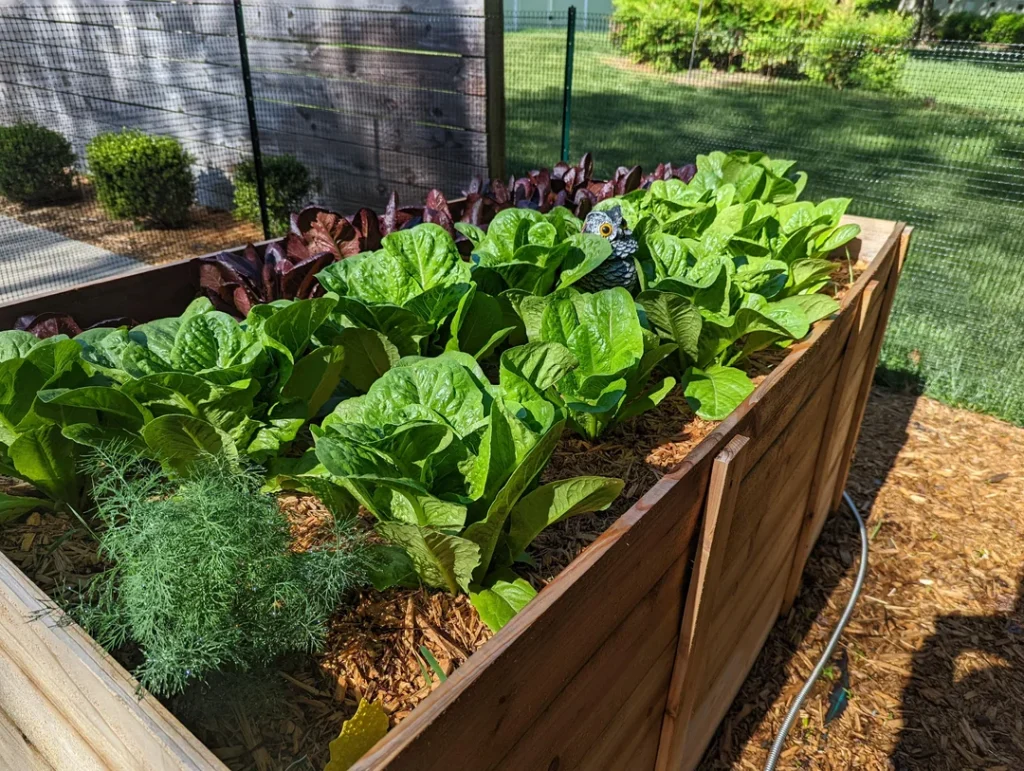
Leafy greens are heavy feeders with shallow roots, so they benefit from a deeper compost layer near the surface. Root vegetables need room to push down through looser material, so a thick compost layer can actually get in their way.
Fruit-bearing plants sit in the middle, since they need steady nutrition through a longer growing season without the same drainage needs as leafy greens.
Climate adjusts that baseline. Compost holds water, so a wet climate that already keeps soil moist doesn’t need as much of it before you risk waterlogged roots.
A dry climate burns through moisture fast, so a slightly thicker compost layer helps your bed hold onto water longer between waterings.
Soil status matters just as much as bed size. An empty bed starts with nothing, so it needs a full compost layer to build fertility from the ground up.
A bed you’re amending already has a season or more of organic matter breaking down in it. Topping that up with a lighter compost layer is usually enough to restore nutrients without overloading the soil.
The calculator also caps the compost layer at your bed’s total depth, so you’ll never see a result asking for more compost than your bed can physically hold. Whatever’s left over is the space your base soil or existing garden mix fills.
Frequently Asked Questions
Can I fill my raised bed with 100% compost?
You can, but it’s not usually a good idea. Pure compost tends to hold too much moisture, compact over time, and lacks the structure that roots need to anchor properly.
Most plants do better in a blend where compost enriches a base soil rather than replacing it entirely.
How often should I add compost to a raised bed?
Most raised beds benefit from a fresh layer of compost once or twice a year, typically at the start of a growing season and again if you’re planting a second round of crops. Beds with heavy feeders like leafy greens may need topping up more often.
What’s the difference between compost and topsoil?
Topsoil is the base growing medium, made up of mineral particles like sand, silt, and clay along with some organic matter.
Compost is fully broken-down organic material, much richer in nutrients but lacking the mineral structure that helps roots anchor and water drain properly. They work best combined rather than used alone.
What happens if I add too much compost?
Excess compost can lead to nutrient overload, which sometimes shows up as leafy, lush growth with little fruit or root development.
It can also hold too much water, leading to soggy soil and root rot in beds without great drainage. Sticking to a calculated layer depth helps you avoid both problems.
Does bed depth affect how much compost I need?
Yes, but not in a straight line. A deeper bed doesn’t need a proportionally deeper compost layer. Compost mainly benefits the upper portion of your soil where most root activity happens, so the calculator caps the compost layer rather than scaling it evenly with total bed depth.
Final Words:
A little planning before you buy compost saves you from guessing at the garden center or running short halfway through filling your bed.
Plug in your bed’s shape, dimensions, and growing conditions, and let the calculator handle the rest. Your plants will thank you with better drainage, steadier nutrition, and healthier growth all season long.