15 Popular Deer-Resistant Shrubs for Your Sunny Garden

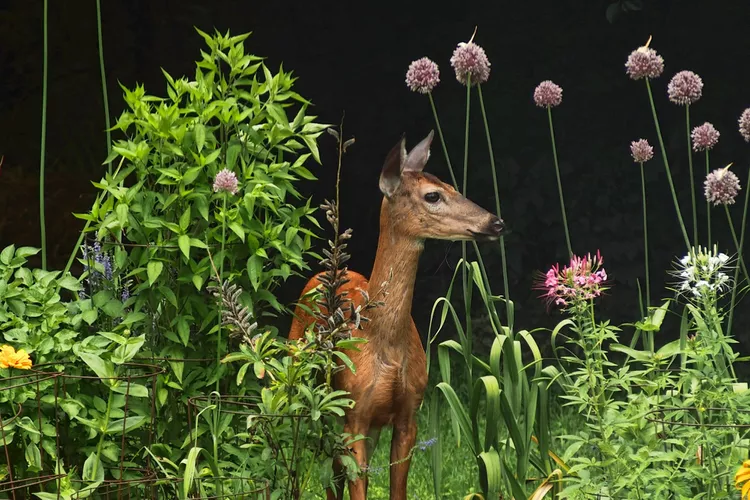
Deer treat most gardens like an all-you-can-eat buffet, but sunny spots don’t have to be on the menu. My own backyard sits right on a deer trail, so I’ve tested plenty of shrubs the hard way.
Some got nibbled to sticks. Others never got touched once.
This list covers the sun-loving shrubs that actually held up, backed by real growing habits and not guesswork.
What Deters Deer From Certain Shrubs?
Deer rely on smell way more than sight when deciding what to eat. Strong-scented shrubs like juniper or bluebeard overwhelm their sensitive noses, and that alone sends them elsewhere.
You’ll notice fragrant plants get skipped far more often than bland, odorless ones.
Thorns matter just as much. Shrub roses and barberry both use sharp stems as a physical wall deer would rather not deal with.
Bitter or toxic compounds play a role too, since plants like boxwood pack alkaloids deer instinctively avoid tasting twice.
None of this makes a shrub deer-proof, though. Hungry deer in a rough winter will eat almost anything if better options run out.
15 Best Deer-Resistant Shrubs for Every Landscape
1. Boxwood
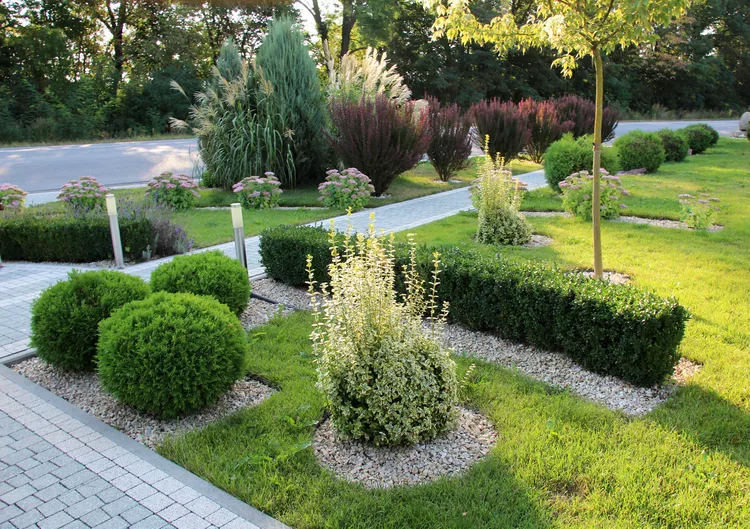
You’ve probably passed a hundred boxwoods without noticing them, and that’s exactly the point. Deer skip this shrub because of nasty-tasting alkaloids baked into every leaf.
I’ve never seen one nibbled, even in yards deer visit nightly. Trim it once a year and it holds its shape all on its own.
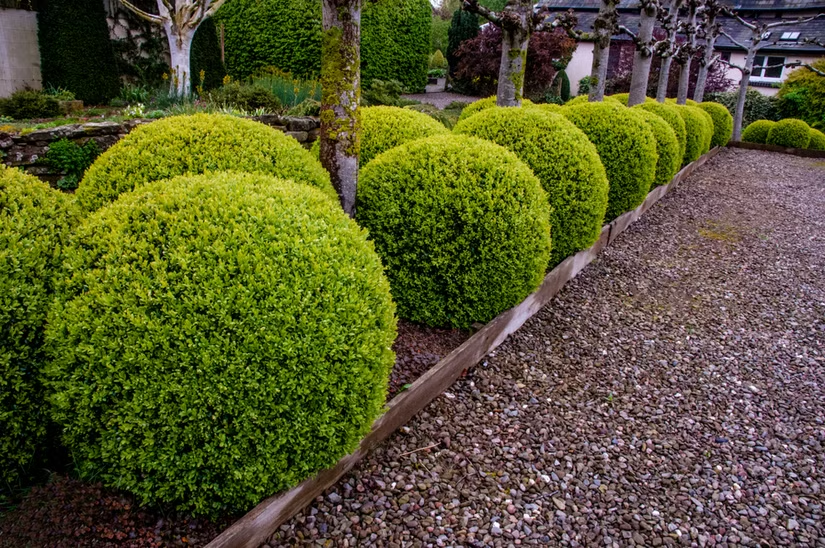
Plant Overview:
- USDA Growing Zones: 5 to 8
- Color Varieties: Dark green to yellowish-green foliage
- Height & Width: 36 to 96 inches tall and wide
- Soil Needs: Loamy, evenly moist, well-draining
Also read: 15 Deer-Resistant Perennials for Full Sun
2. Bluebeard
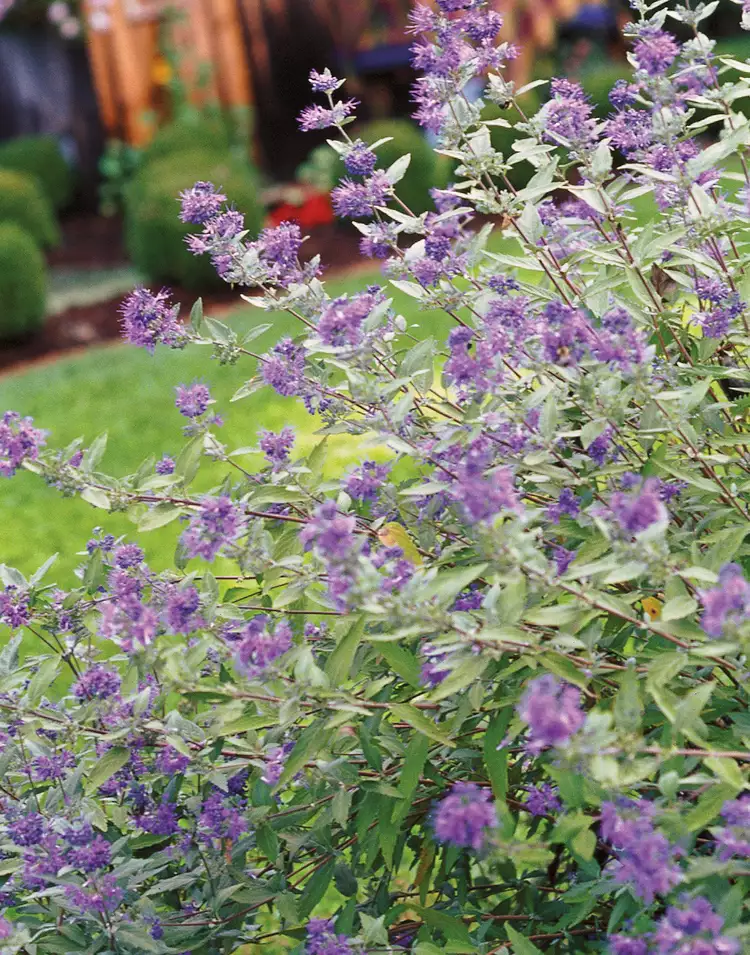
Butterflies can’t get enough of bluebeard, but deer want nothing to do with it. That strong herbal scent you might actually enjoy is exactly what sends deer walking the other way.
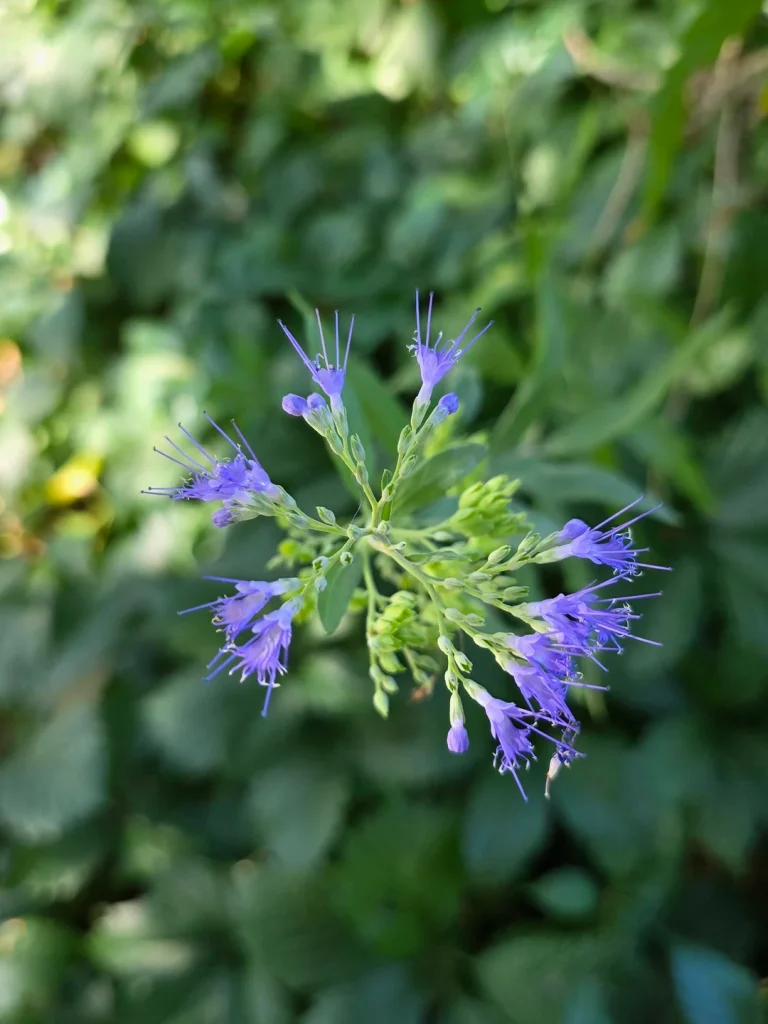
I planted mine along a fence line three summers back, and it’s never lost a single leaf to grazing. Cut it back hard each spring and it rewards you with fuller blooms by August.
Plant Overview:
- USDA Growing Zones: 5 to 9
- Color Varieties: Blue, purple, or pink flowers
- Height & Width: 24 to 36 inches tall and wide
- Soil Needs: Well-draining, neutral pH
Also read: 15 Deer Repellent Flower Plants That Actually Work
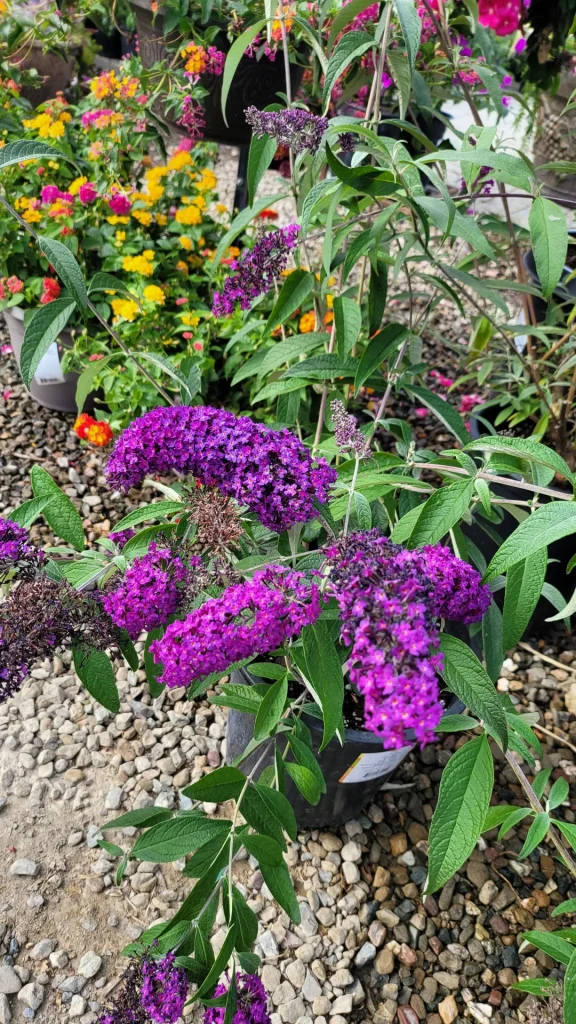
3. Butterfly Bush
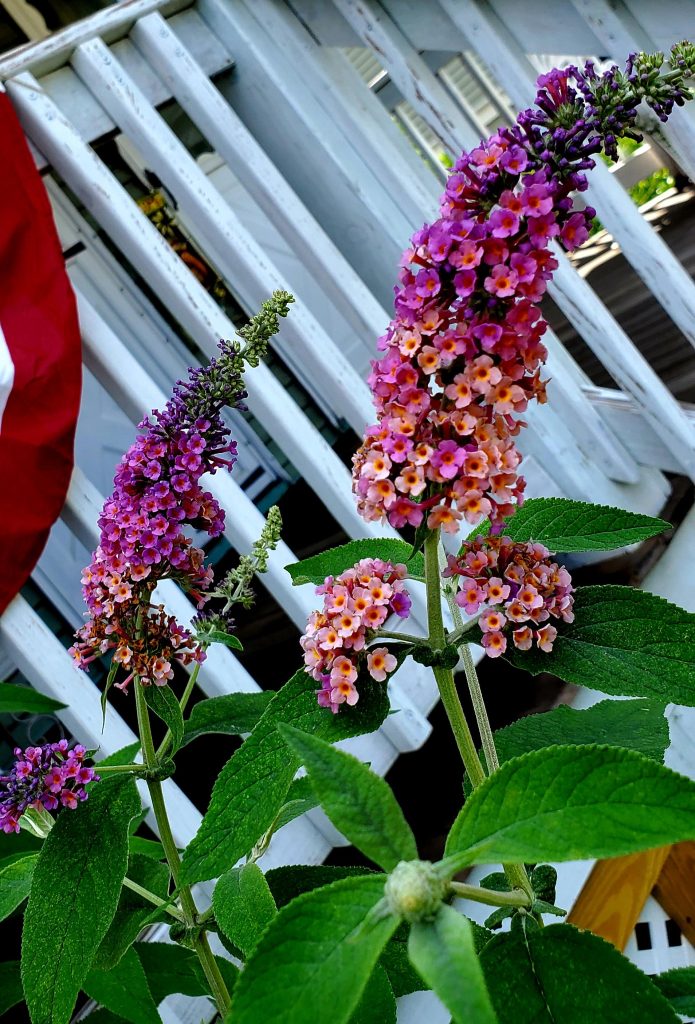
Few shrubs pull in pollinators like butterfly bush does, yet deer barely give it a second look. Fragrant blooms cover the branches from early summer clear into fall.
Older varieties spread aggressively, so I’d steer you toward seedless types like ‘Blue Chip’ instead. Little pruning is needed, and what you do trim just means more blooms next season.
Plant Overview:
- USDA Growing Zones: 5 to 9
- Color Varieties: Bluish-purple, pink, yellow, red, or white flowers
- Height & Width: 60 to 120 inches tall, 48 to 96 inches wide
- Soil Needs: Slightly acidic to neutral, well-draining
Also read: 15 Deer Resistant Shrubs for Shade
4. Spirea
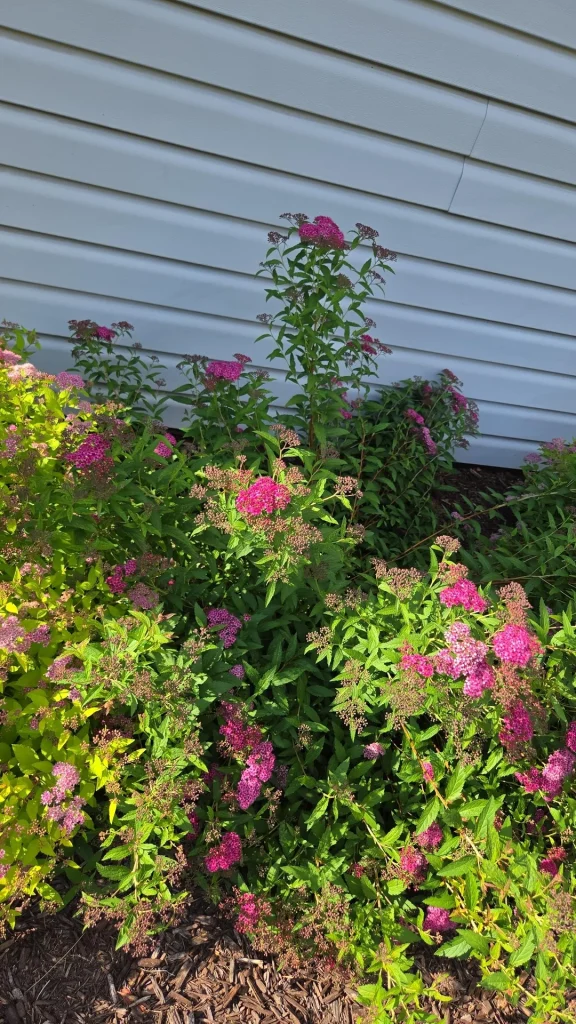
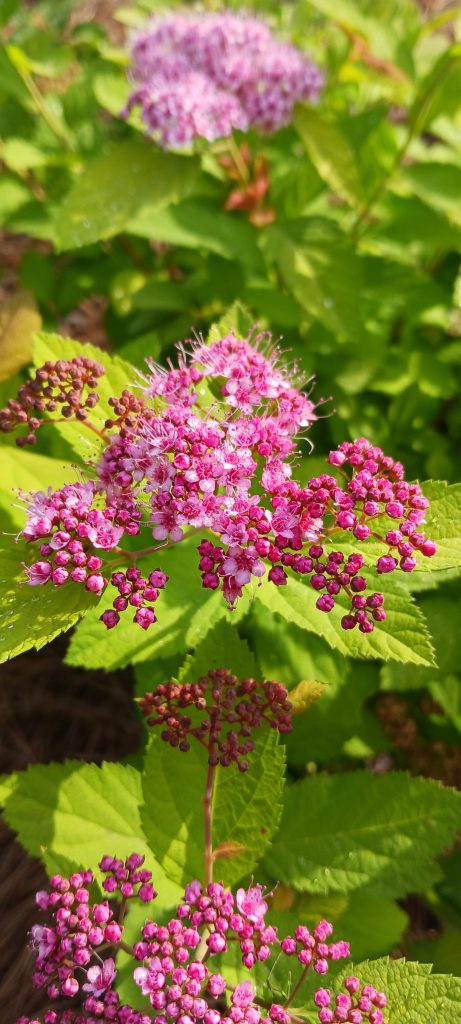
Eighty species fall under the spirea name, so there’s a size and shape for nearly any sunny spot. Some stay knee-high, others climb past twenty feet, and deer avoid nearly all of them.
Nothing about this shrub demands much fuss once it’s settled in. Full sun brings out its densest blooms and tightest growth habit.
Plant Overview:
- USDA Growing Zones: 4 to 8
- Color Varieties: Varies depending on the species
- Height & Width: 12 to 240 inches tall, varies by species
- Soil Needs: Loamy and well-draining
5. Juniper
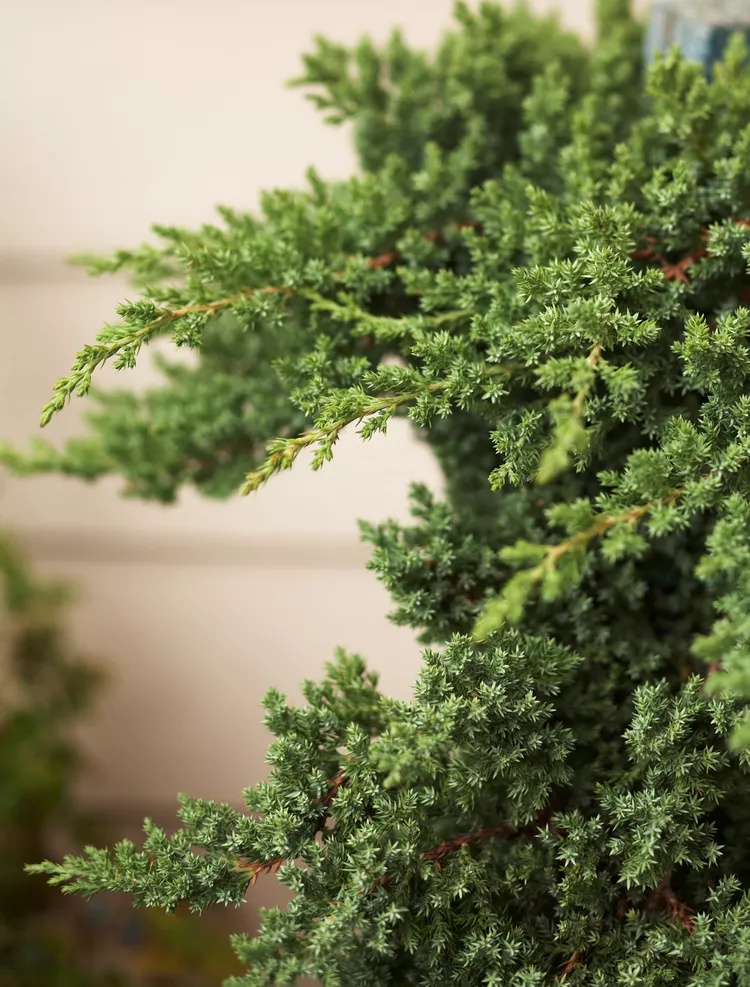
Nothing repels deer quite like juniper’s sharp, resiny smell. That heavy fragrance you might barely notice is overwhelming to a deer’s sensitive nose.
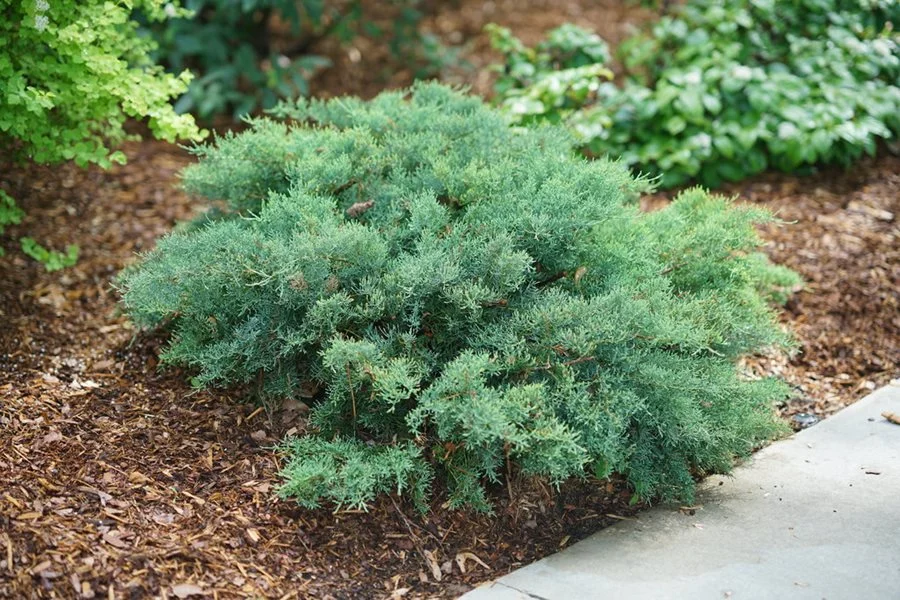
I’ve watched deer walk straight past a juniper hedge to nibble something two feet away instead. Barely any care goes into this shrub beyond a light prune now and then.
Plant Overview:
- USDA Growing Zones: 2 to 8
- Color Varieties: Foliage in blue, green, yellow, or silver
- Height & Width: 6 to 240 inches tall, varies widely by variety
- Soil Needs: Sandy, well-draining
6. Russian Sage
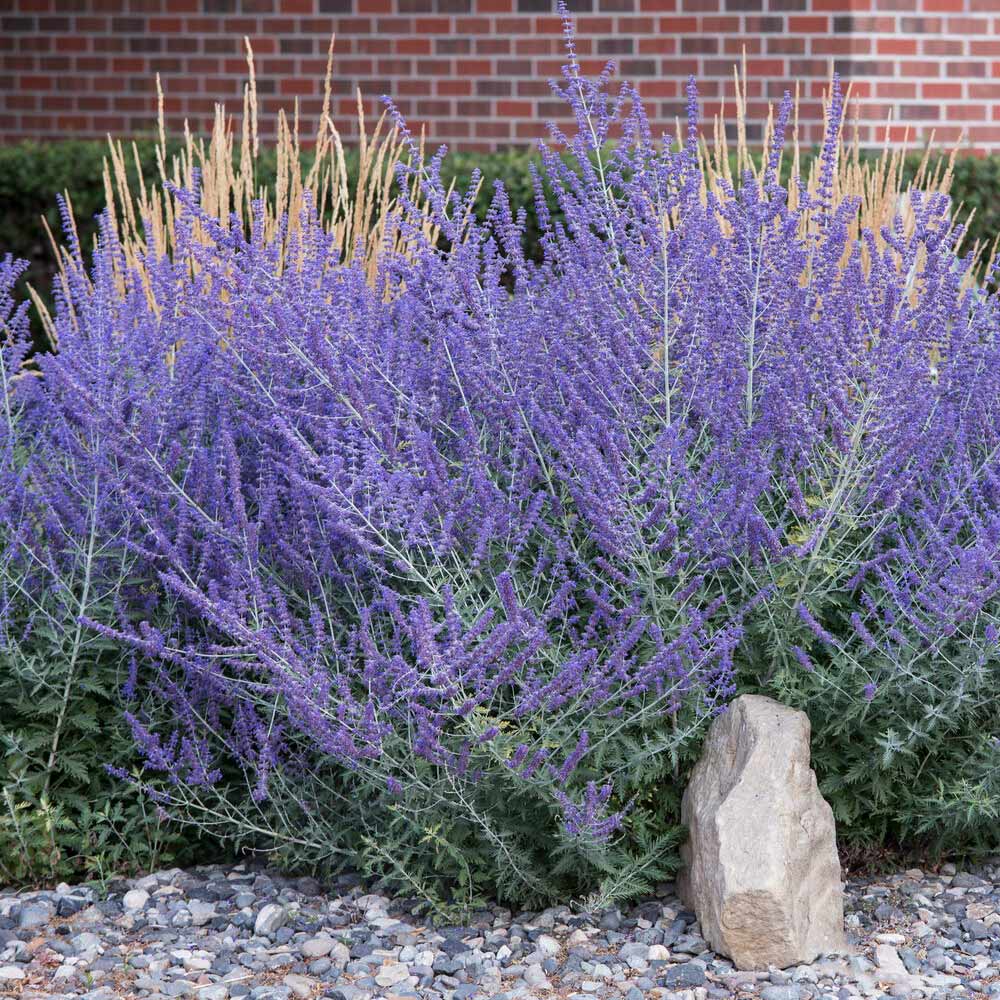
Silvery foliage and lavender-blue blooms make Russian sage a standout, and deer won’t touch either one. This tough little subshrub laughs off drought once it’s established.
You’ll get months of color without babying it through summer heat. Underground runners let it spread slowly, so give it room to roam.
Plant Overview:
- USDA Growing Zones: 5 to 9
- Color Varieties: Bluish-lavender flowers
- Height & Width: 36 to 48 inches tall, 24 to 36 inches wide
- Soil Needs: Sandy or clay, alkaline, well-draining
7. Bayberry
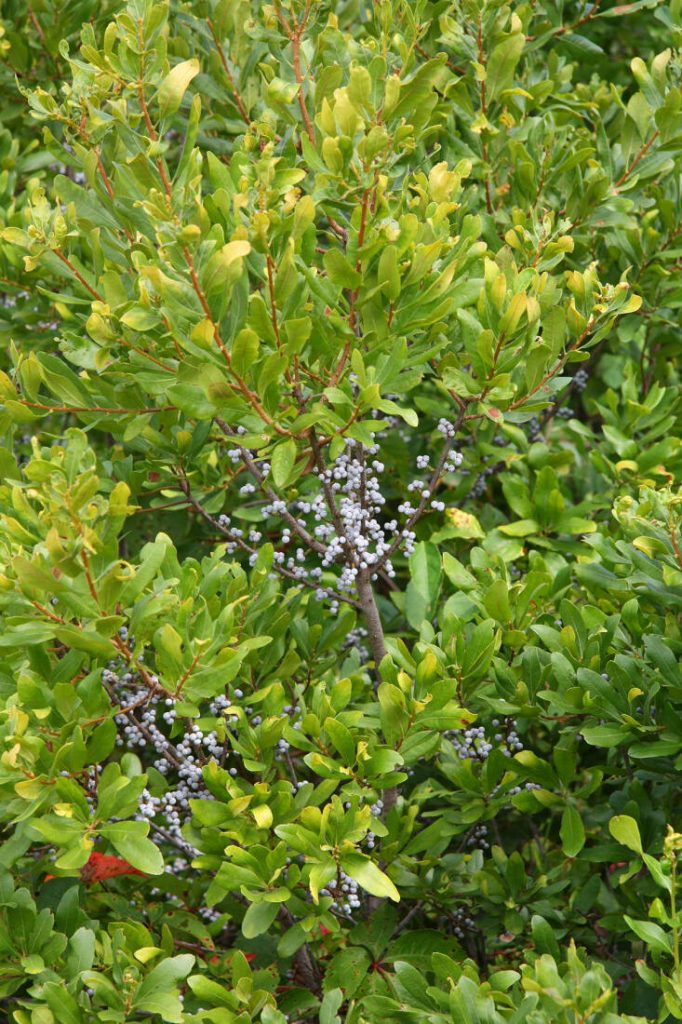
Salt spray, drought, and deer all bounce off bayberry without much trouble. Its natural fragrance is the same trick juniper uses, just wrapped in a different scent.
Coastal gardeners lean on this shrub for good reason since it handles rough conditions better than most.
Suckers do pop up here and there, so pull those if you want a tidier footprint.
Plant Overview:
- USDA Growing Zones: 3 to 7
- Color Varieties: Yellowish-green flowers, silver-gray berries
- Height & Width: 60 to 120 inches tall and wide
- Soil Needs: Average, dry to medium moisture, well-draining
8. Rose of Sharon
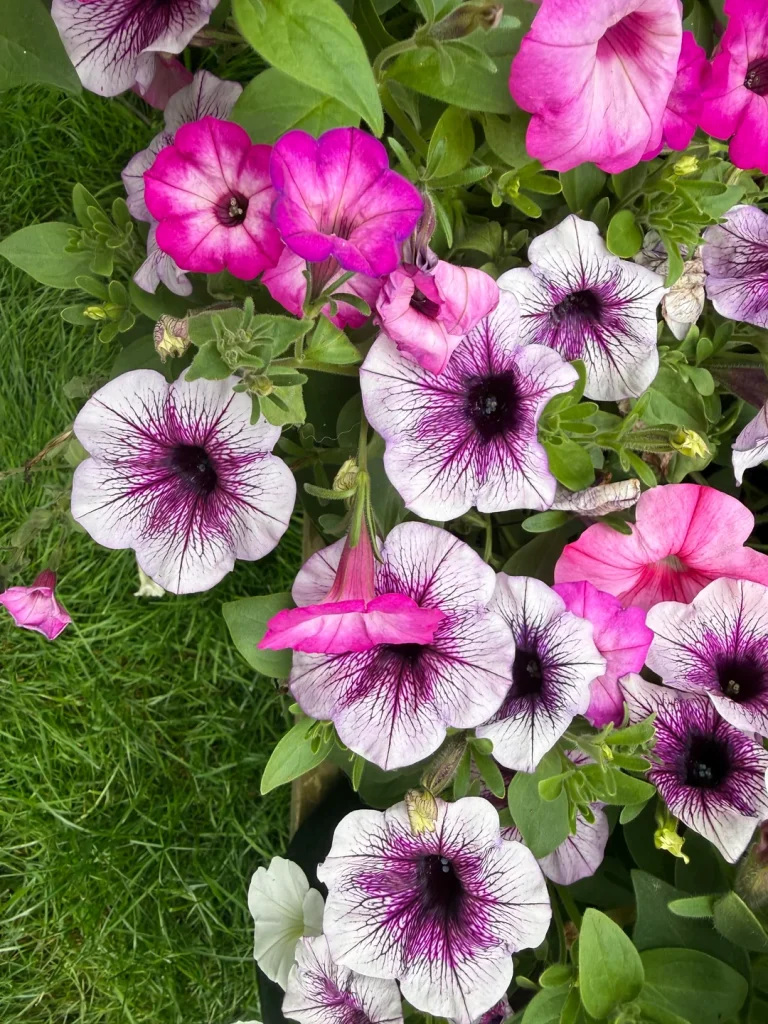
Big, showy blooms make Rose of Sharon look like it belongs in a tropical garden, yet deer rarely bother it.
Flowers open through summer and often keep going into fall, which stretches your color season further than most shrubs manage.
Established plants can live for decades with barely any attention. Moist, well-drained soil keeps it happiest through the growing season.
Plant Overview:
- USDA Growing Zones: 5 to 8
- Color Varieties: Pink, purple, lavender, red, blue, or white flowers
- Height & Width: 96 to 144 inches tall, 72 to 120 inches wide
- Soil Needs: Moist and well-drained
9. Forsythia
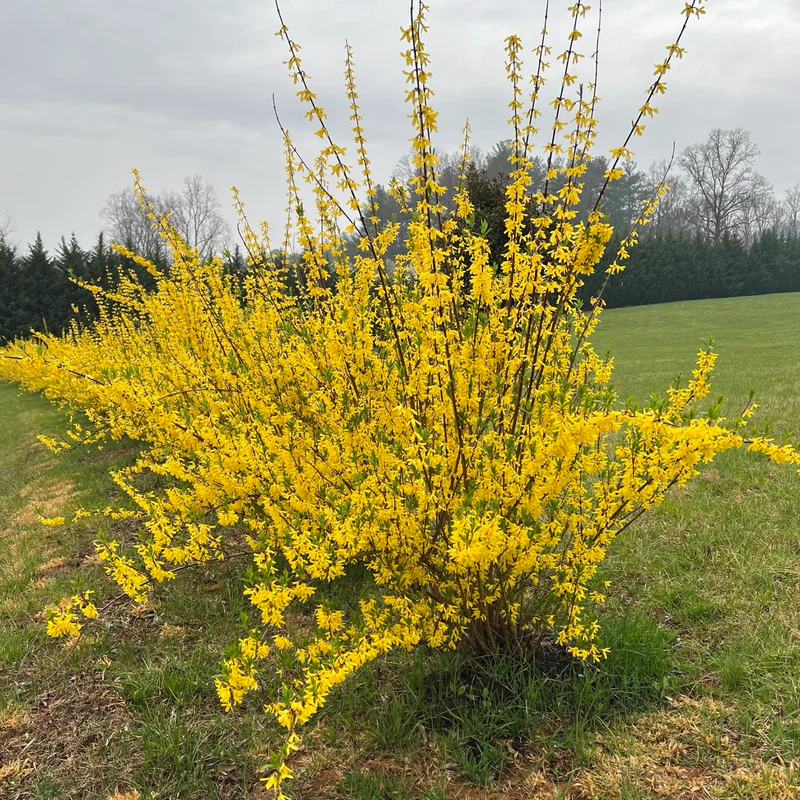
Nothing announces spring louder than forsythia’s blast of yellow blooms. Deer mostly skip past this shrub, though a hungry one might nibble it in a rough winter.
Growth happens fast here, sometimes adding two feet in a single season. You’ll get a low-maintenance shrub that still puts on a serious show.
Plant Overview:
- USDA Growing Zones: 5 to 8
- Color Varieties: Yellow flowers
- Height & Width: 96 to 120 inches tall, 120 to 144 inches wide
- Soil Needs: Moist but well-drained
10. Weigela
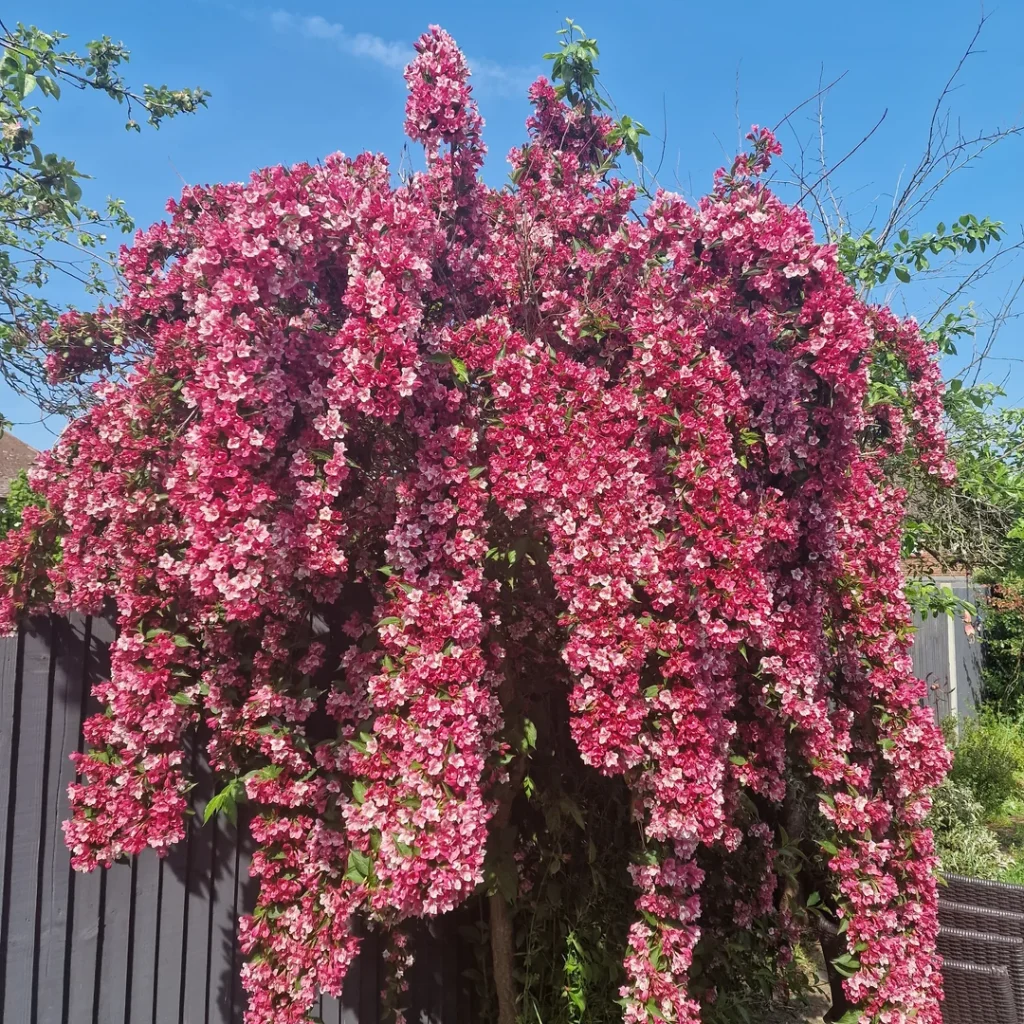
Hummingbirds and butterflies flock to weigela all summer, and deer generally leave it be. Pink trumpet-shaped blooms cover the branches once warm weather sets in.
Growth comes quick too, often adding over a foot of height each year. I’d plant this one where you can actually watch the hummingbirds work it.
Plant Overview:
- USDA Growing Zones: 4 to 8
- Color Varieties: Pink flowers
- Height & Width: 48 to 72 inches tall and wide
- Soil Needs: Moist and well-drained
11. Ninebark
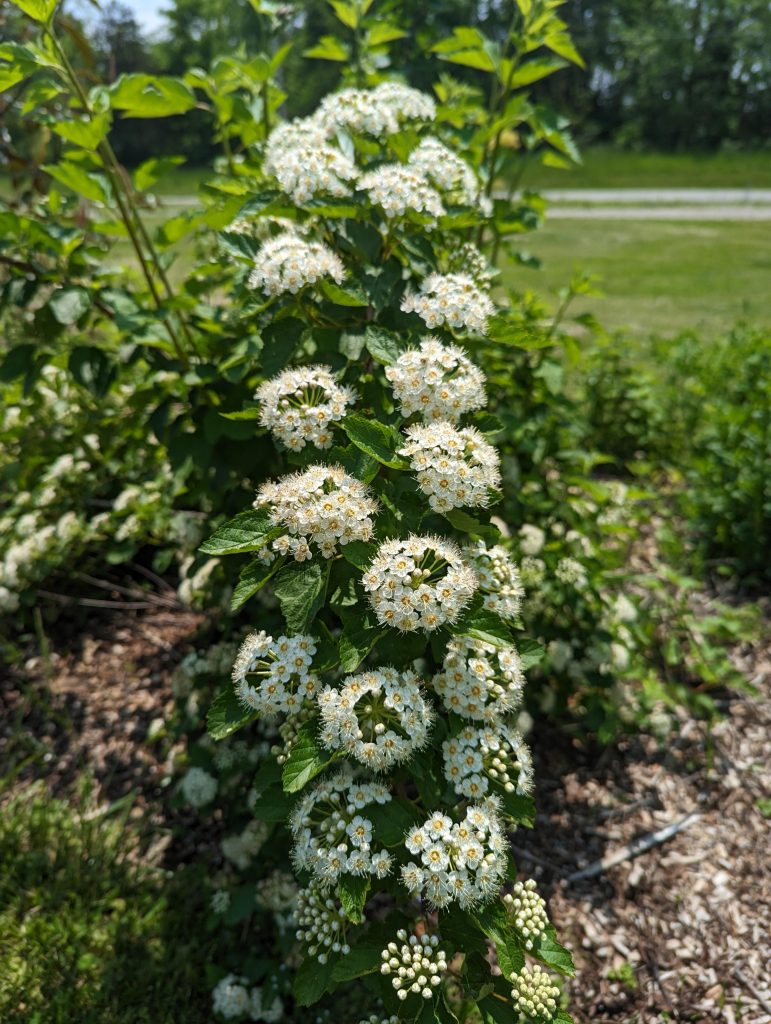
Peeling bark gives ninebark its name, and that same rugged character seems to turn deer away. Every one of its eight species carries this natural resistance, which is rare for a shrub family.
Clusters of blooms bring in pollinators without inviting deer damage. Give it room since some varieties stretch wider than you’d expect.
Plant Overview:
- USDA Growing Zones: 2 to 8
- Color Varieties: Pink or white flowers
- Height & Width: 36 to 120 inches tall, 36 to 96 inches wide
- Soil Needs: Clay, loamy, well-drained
12. Crape Myrtle
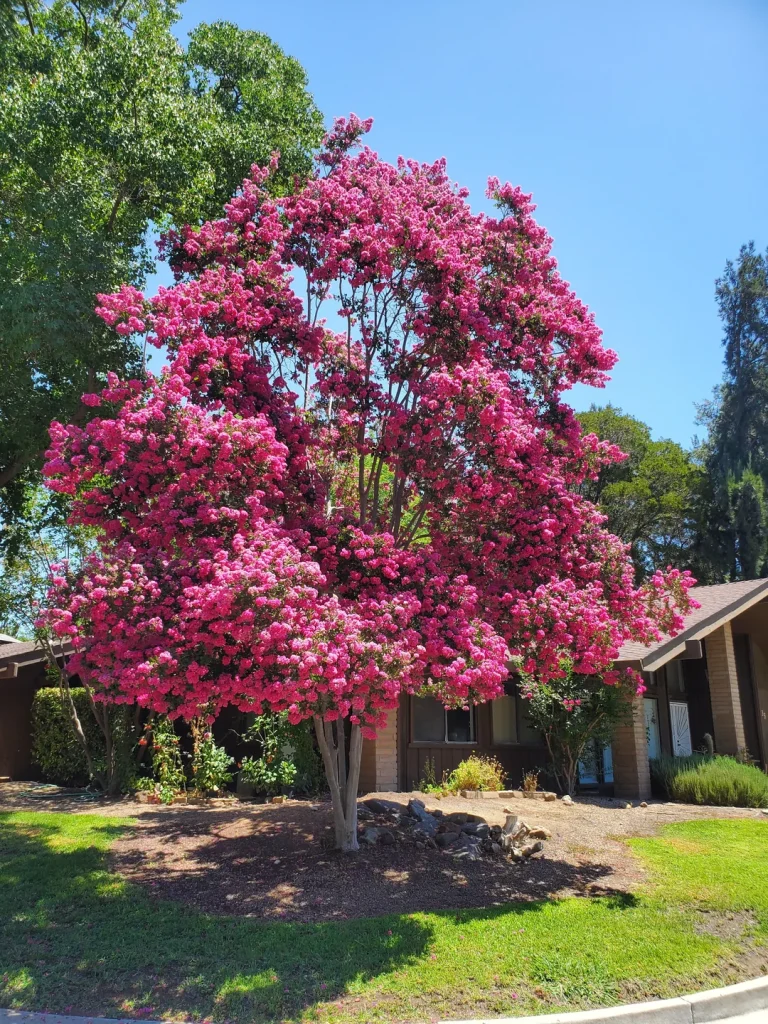
Crape myrtle brings serious drama with clusters of ruffled blooms lasting most of summer. Deer tend to avoid it, and honestly, I think it’s the bark they dislike as much as the leaves.
Six hours of direct sun keeps this shrub blooming its heaviest. Decades of life are possible here, so you’re planting something that’ll outlast a lot of your other landscaping.
Plant Overview:
- USDA Growing Zones: 7 to 9
- Color Varieties: White flowers
- Height & Width: 120 to 180 inches tall, 72 to 120 inches wide
- Soil Needs: Well-draining
13. Shrub Roses
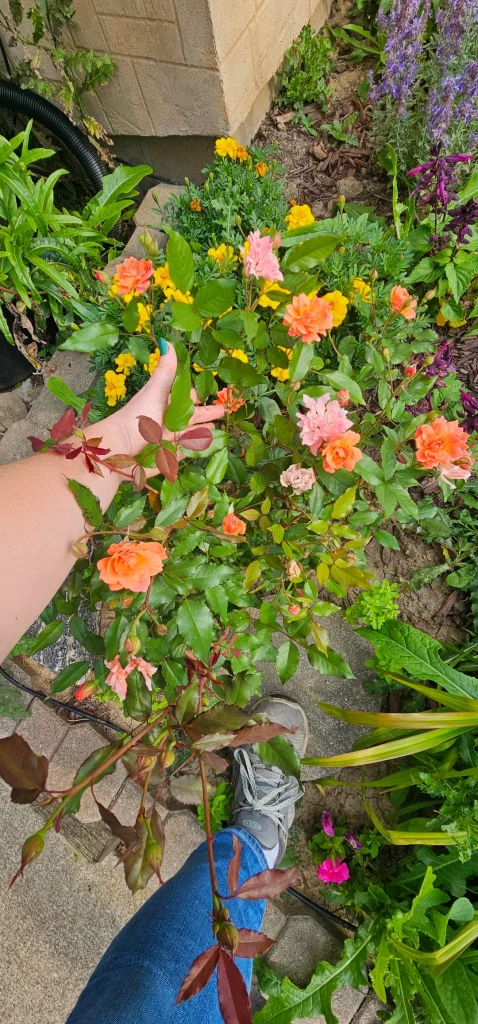
Thorns do the heavy lifting here, and deer just don’t want to fight through them for a meal. Blooms keep coming most of the summer, which gives you months of color for very little effort.
Candy Oh is one variety I’d point you toward since its fragrance and color both hold up well. Pruning in early spring keeps the plant healthy and blooming strong.
Plant Overview:
- USDA Growing Zones: 4 to 9
- Color Varieties: Pink, red, purple, yellow, or white flowers
- Height & Width: 24 to 60 inches tall and wide
- Soil Needs: Average, evenly moist, well-drained
14. Dwarf Mugo Pine
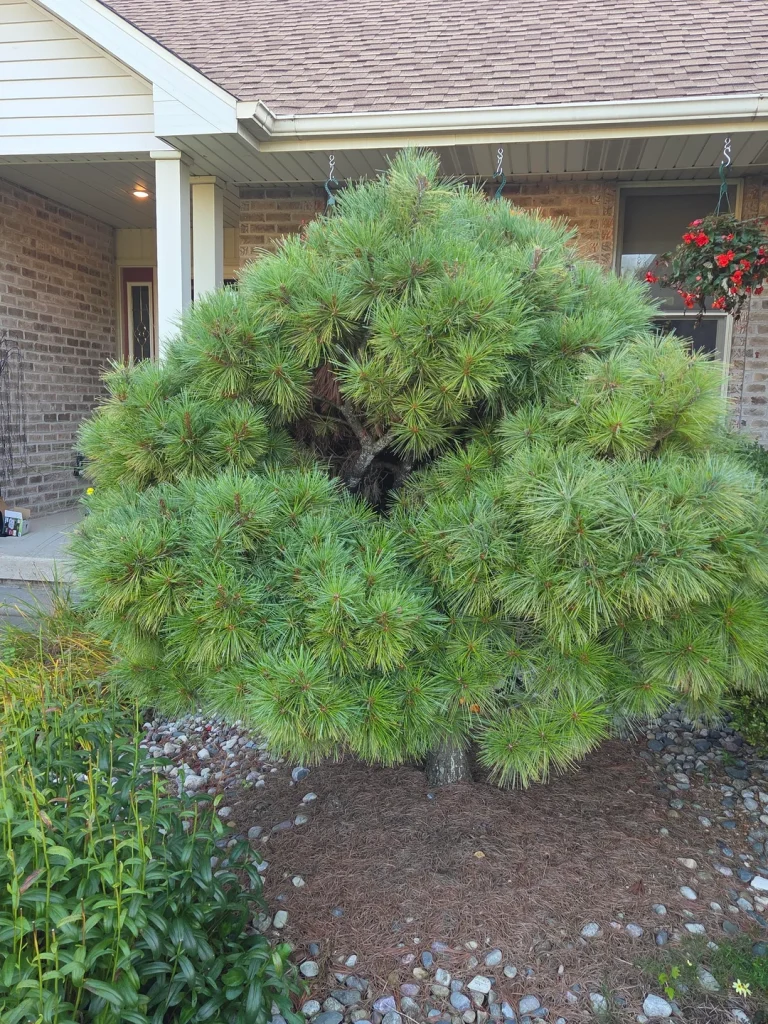
Small but tough, dwarf mugo pine fits into tight spaces without ever looking cramped. Deer generally pass this one over, likely thanks to its resinous needles.
Regular watering matters most in the first year while roots settle in. After that, you’re mostly just fertilizing once annually and letting it do its thing.
Plant Overview:
- USDA Growing Zones: 2 to 7
- Color Varieties: Yellow-green needles
- Height & Width: 24 to 36 inches tall, 36 to 60 inches wide
- Soil Needs: Loamy, sandy, silt, moist but well-drained
15. Emerald Green Arborvitae
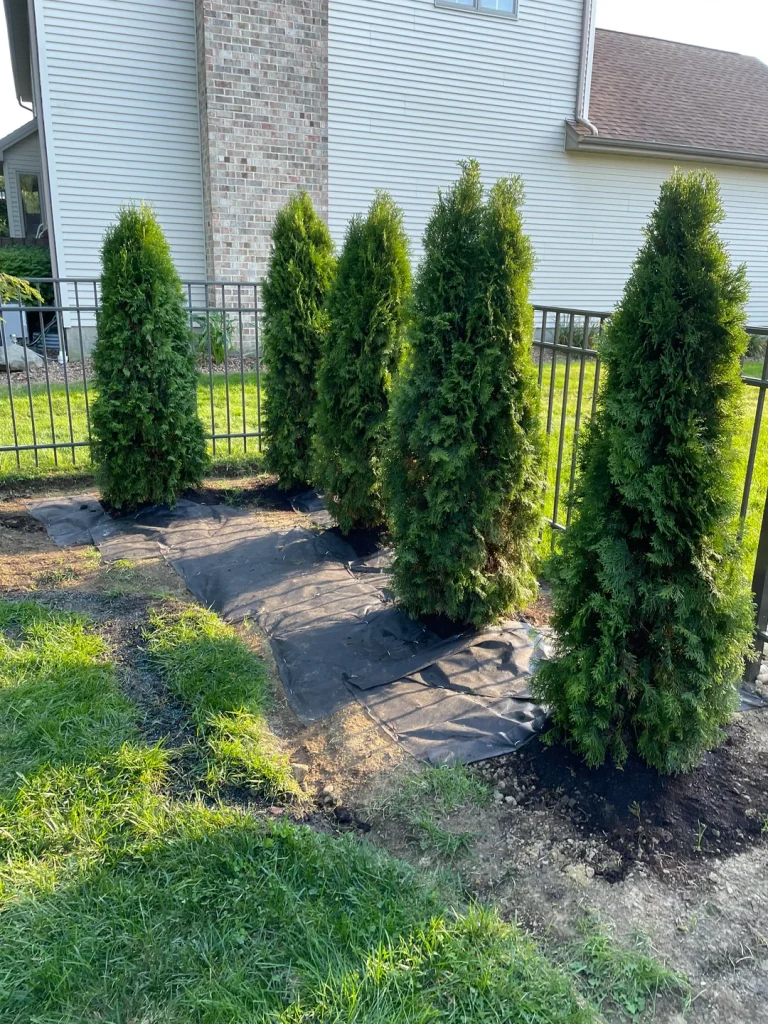
Privacy screens don’t get much easier than a row of emerald green arborvitae. Deer rarely touch mature plants, though young ones can be vulnerable before they toughen up.
Fall planting gives roots time to settle before winter cold arrives. I’d use this one anywhere you want height without constant upkeep.
Plant Overview:
- USDA Growing Zones: 2 to 7
- Color Varieties: Green foliage
- Height & Width: 144 to 180 inches tall, 36 to 48 inches wide
- Soil Needs: Moist but well-drained
Wrapping Up
Fifteen shrubs, and not one of them is an easy target for deer. Thorns, strong scents, and bitter compounds all work in your favor here.
You don’t need a fence to keep your garden safe, just the right plant choices. Mixing a few of these together builds layers of protection deer would rather avoid altogether.
I’ve leaned on juniper and boxwood the longest, and neither has let me down yet. Try pairing a fragrant shrub like bluebeard with a thorny one like shrub roses for extra insurance.
Your yard can look full and colorful without turning into a deer’s favorite stop. Plant a few, watch how they hold up, and build from there.