15 Best Shade Loving Ground Cover Plants

Shady corners can make your garden feel half-finished, right? I’ve fought that sad patch under a tree where grass quits, weeds move in, and the soil looks tired by summer.
You don’t need to leave that space bare.
These 15 shade loving ground cover plants can help you add texture, flowers, and a cleaner look without begging the sun for help.
Personally, I love them because they make awkward shade feel planned. Small plants can do big work.
What Makes a Good Shade Loving Ground Cover?
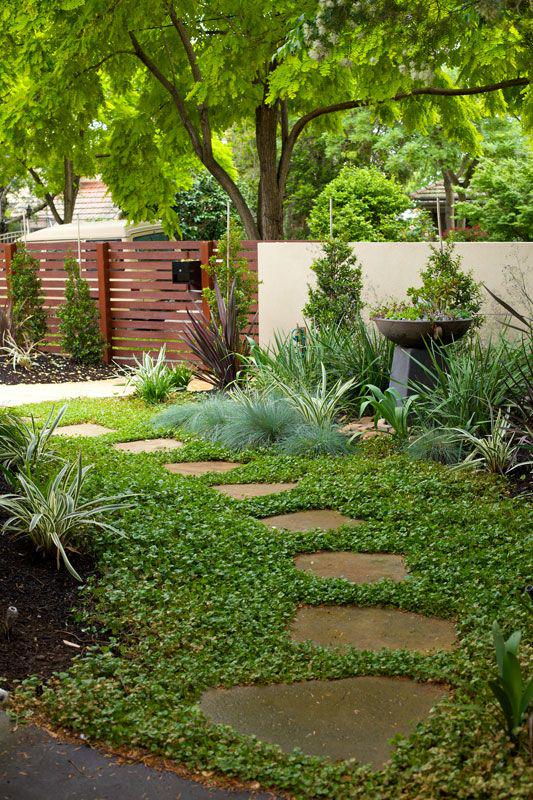
A good shade loving ground cover should cover soil, slow weeds, and make your garden look fuller. You want a plant that works with your shade instead of fighting it.
Different shade levels change everything. You may have part shade, which gets a few hours of direct sun, or full shade, where light stays soft most of the day.
Soil makes the next big difference. Your garden might have damp woodland soil, dry tree roots, heavy clay, or loose sandy ground.
Local spreading habits deserve your attention too. Some ground covers look beautiful at first, then run too far if you plant them in the wrong place.
My rule stays simple. You want a plant that solves your bare-soil problem without becoming your next weekend headache.
15 Shade Loving Ground Cover Plant That Thrive With Little Sunlight
1. Sweet Woodruff
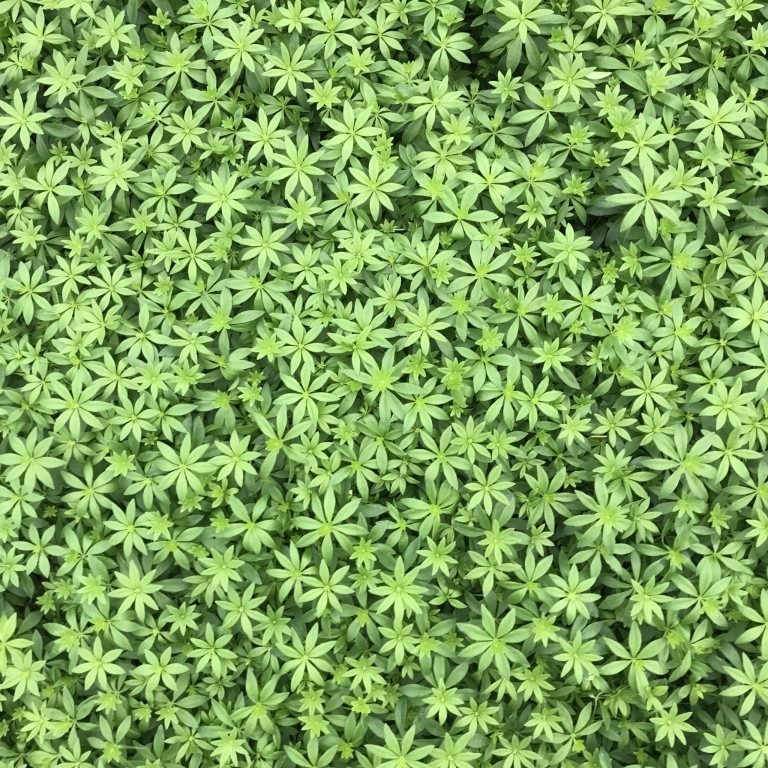
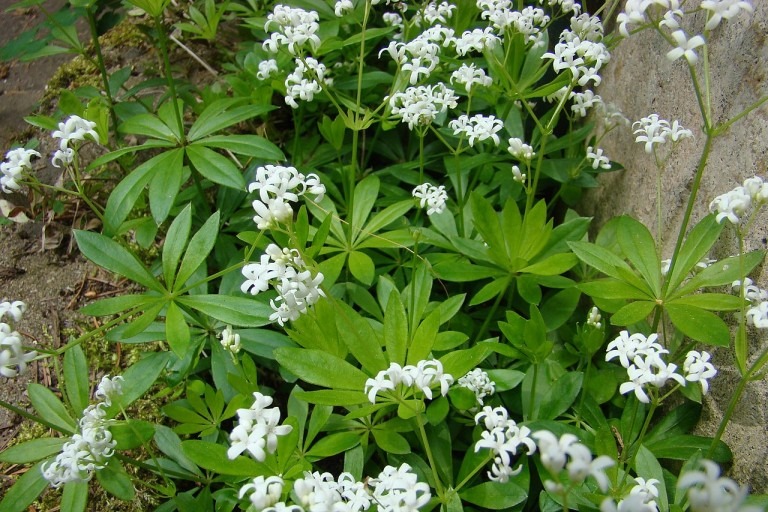
Sweet woodruff gives you that soft, storybook carpet look in shade. I like it because you get fresh green leaves, tiny white spring flowers, and a calm woodland feel without much fuss.
You can use it under shrubs, along a shaded path, or beneath taller plants that leave the ground looking empty.
Give it space, though, because sweet woodruff can spread quickly when it enjoys the soil.
Key info:
- Zones: 4 to 8
- Size: 6 to 12 inches tall x 12 to 24 inches wide
- Care requirements: Partial to full shade; fertile, well-draining soil
Would you use this one near a shady seating area? I would, especially where you want a soft green look instead of plain mulch.
2. Green and Gold
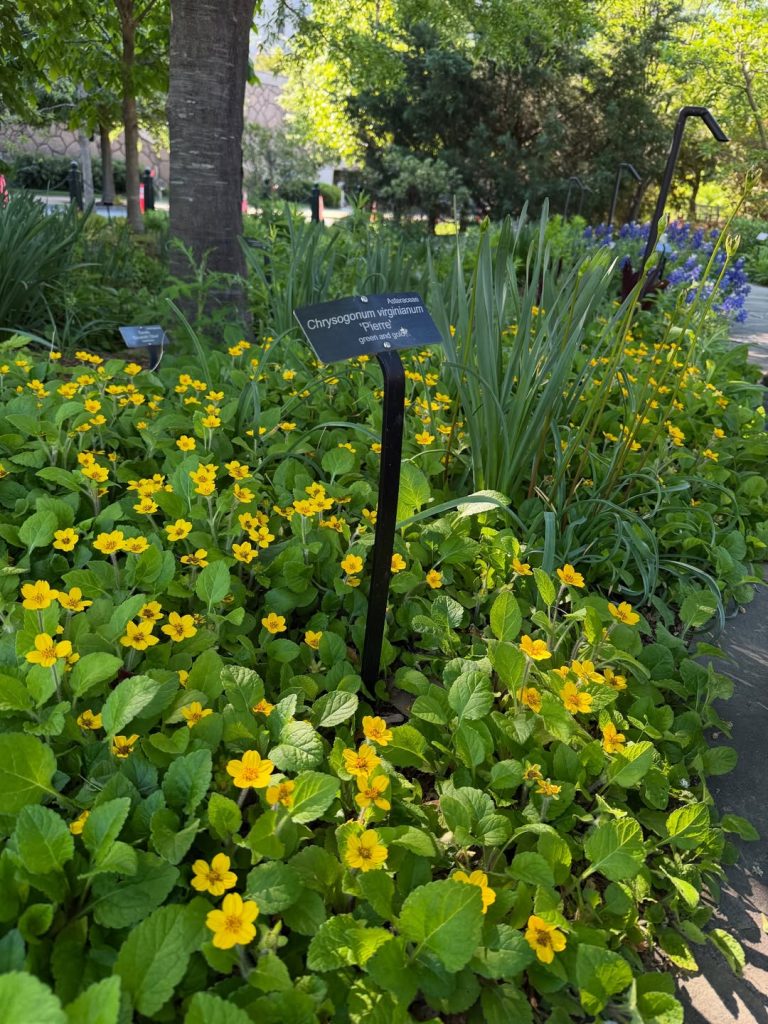
Green and gold brings cheerful color into shade without shouting for attention.
You get yellow flowers, low growth, and a tidy native-style look that works well under trees and shrubs.
I like this plant when a shady bed needs brightness but not height.
You can tuck it near a border edge, let it soften bare soil, or use it as a friendlier choice where aggressive ground covers feel risky.
Key info:
- Zones: 5 to 9
- Size: 6 to 12 inches tall x 12 to 18 inches wide
- Care requirements: Partial to full shade; moist, well-draining soil
Yellow flowers change the mood fast. You know that dull corner near the fence? This plant can make it feel alive.
3. Canadian Wild Ginger
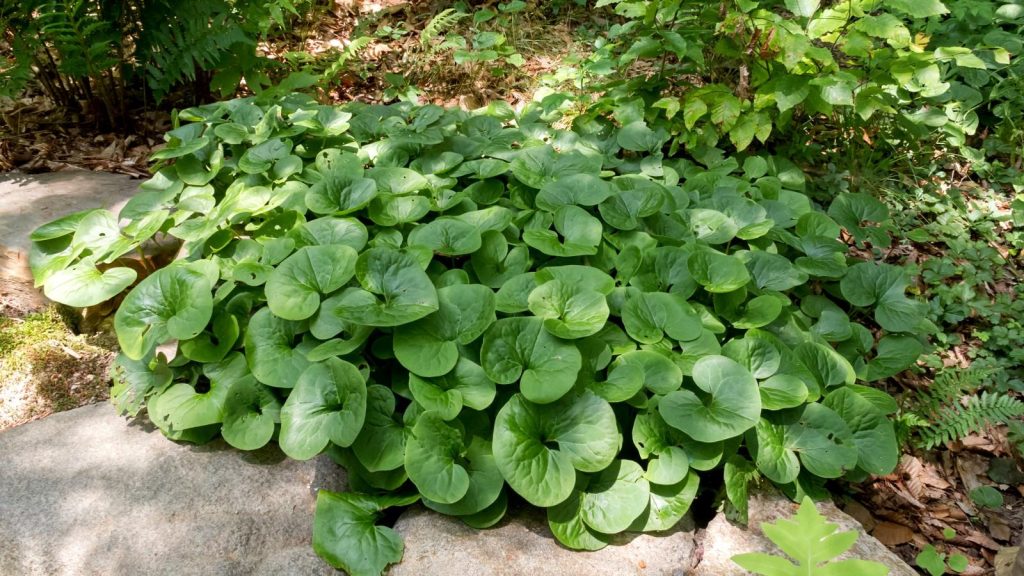
Canadian wild ginger gives you broad, heart-shaped leaves that look rich and cool in deep shade.
You won’t plant this one for loud flowers, but you will love it for the lush green cover.
I like it in woodland-style beds because it feels natural, calm, and slightly wild. You can use it under trees where the garden needs leaf texture more than bright blooms.
Key info:
- Zones: 3 to 7
- Size: 6 to 12 inches tall x 12 to 18 inches wide
- Care requirements: Partial to full shade; rich, moist, well-draining soil
One quick note from gardener to gardener: don’t treat this as kitchen ginger. You plant Canadian wild ginger for shade coverage and foliage, not for cooking.
4. Bunchberry
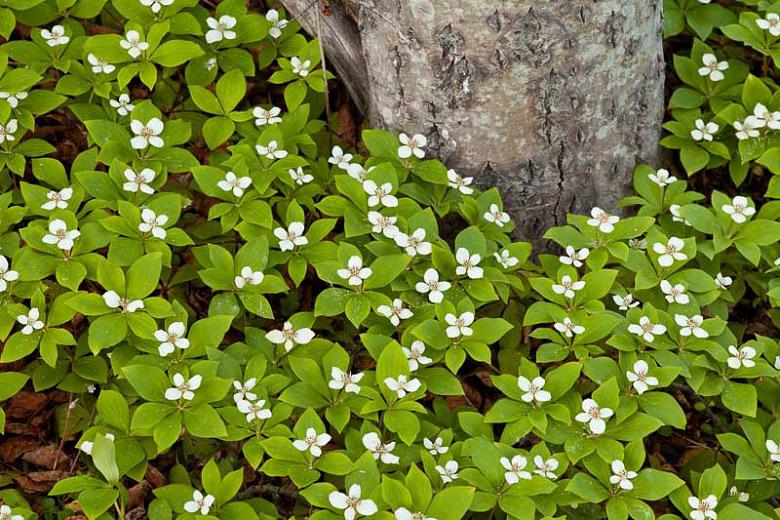
Bunchberry works best when your shade feels cool and moist.
You get a low woodland plant with white spring flowers, red berries, and a natural look that fits beside ferns and mossy stones.
I would not use bunchberry in a hot, dry yard. You’ll get better results if your garden has cooler soil, steady moisture, and that soft forest-edge feeling.
Key info:
- Zones: 2 to 6
- Size: 4 to 9 inches tall x 12 inches wide
- Care requirements: Partial to full shade; moist, acidic, humus-rich soil
Cold-climate gardeners should look at this one first. You get beauty, ground cover, and seasonal interest in a small package.
5. Hosta
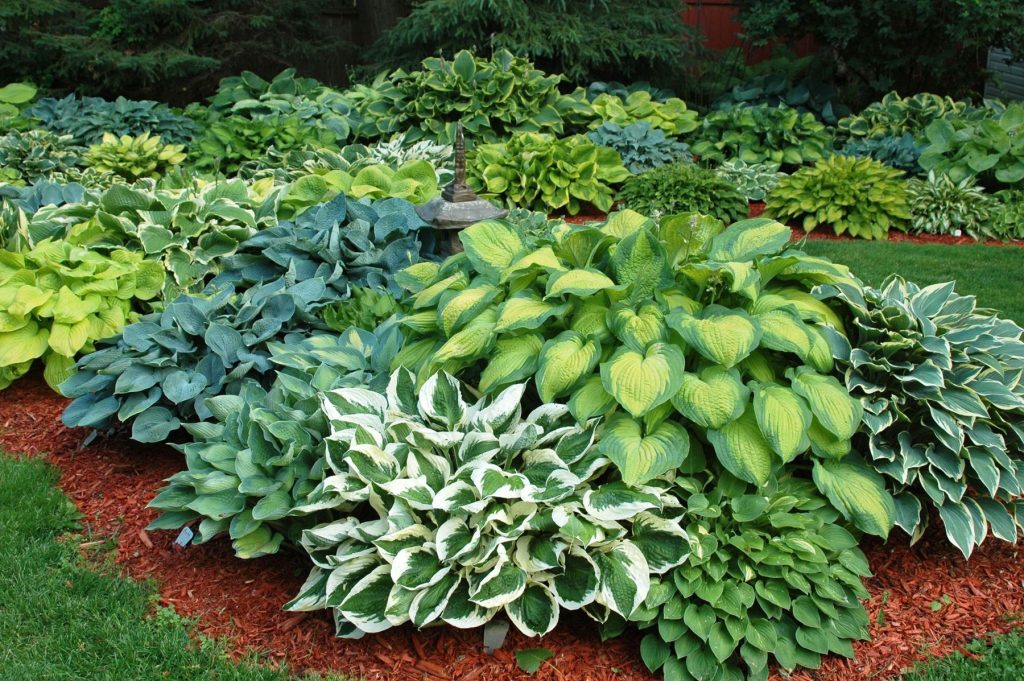
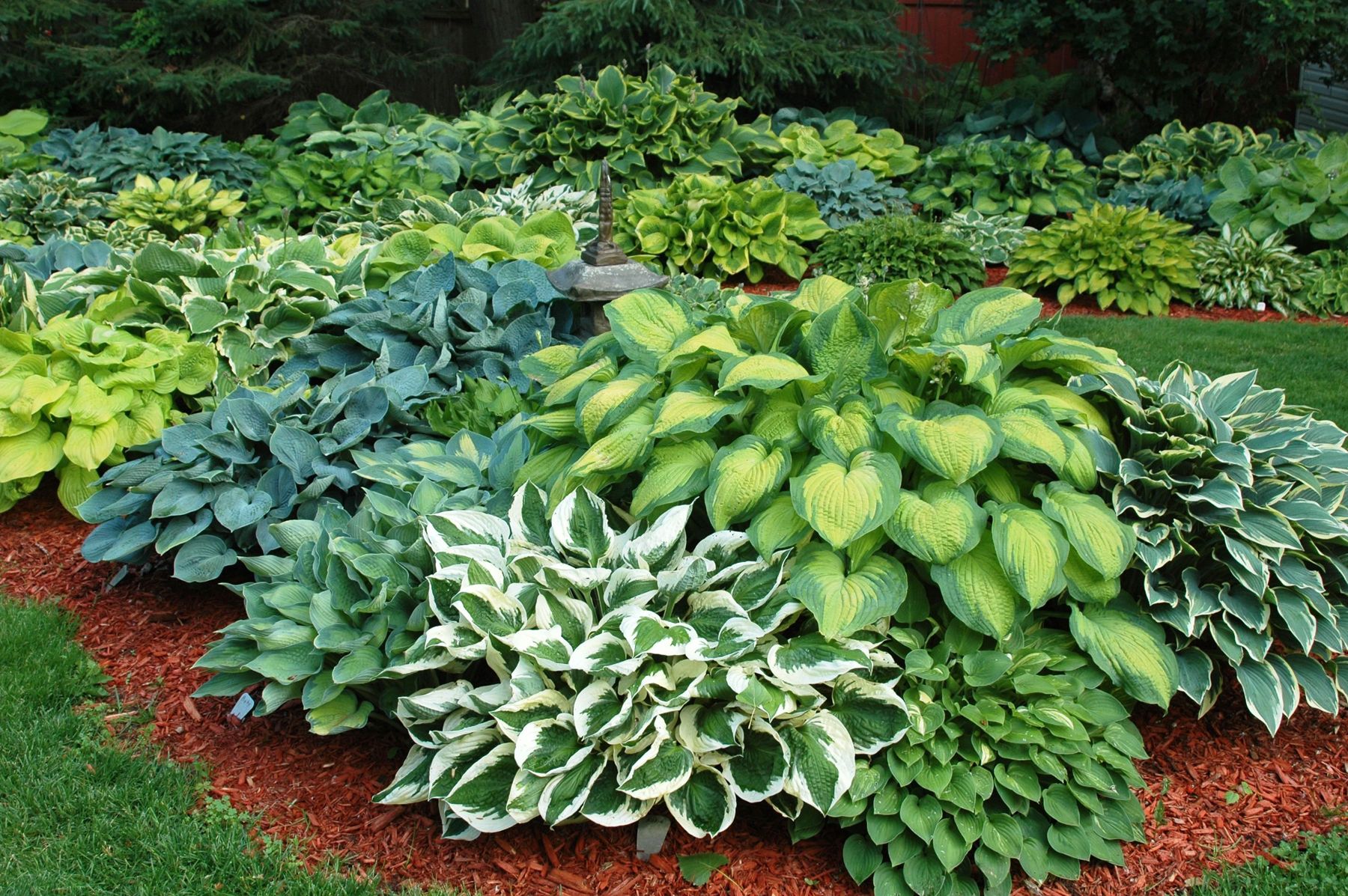
Hosta feels like the classic answer when you ask, “What can I plant in shade that actually looks good?” You get bold leaves, easy care, and a full look even when flowers play a small role.
I like dwarf and compact hostas best as shade loving ground cover because they stay lower and cover soil neatly.
You can use them under trees, along a shaded walkway, or beside ferns for that calm, leafy garden look.
Key info:
- Zones: 3 to 9
- Size: 6 to 24 inches tall x 12 to 36 inches wide
- Care requirements: Partial to full shade; rich, moist, well-draining soil
Slugs may visit hostas in damp gardens. You can reduce trouble by giving plants airflow and clearing old leaves.
6. Barrenwort
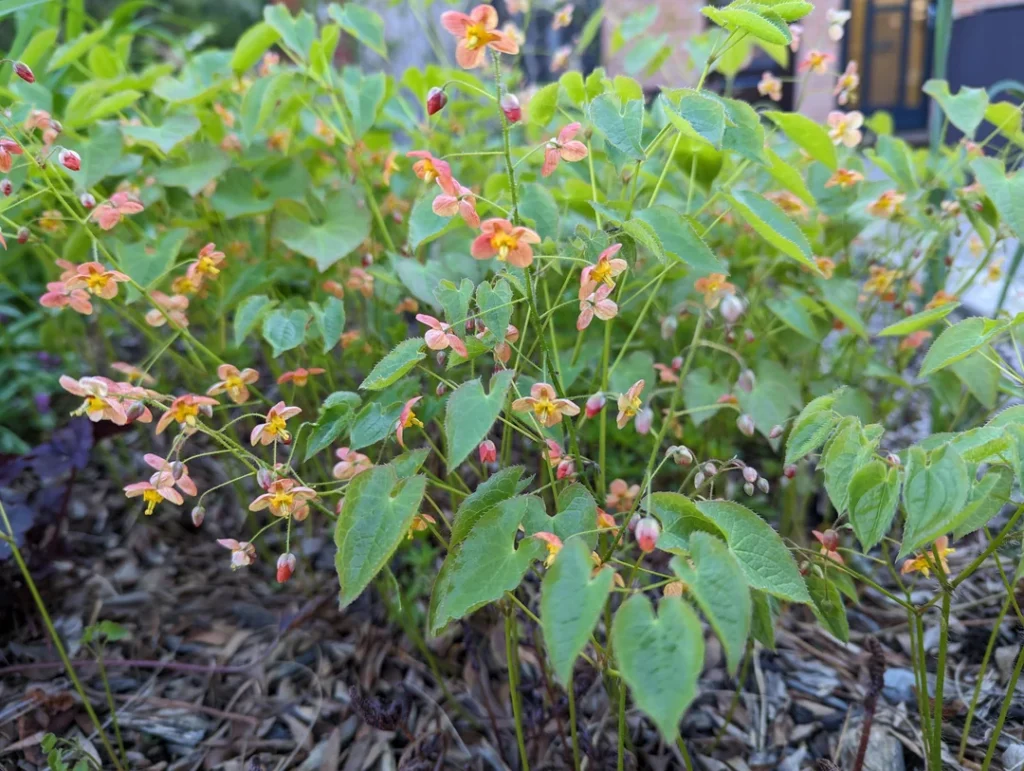
Barrenwort, also called Epimedium, handles shade with a quiet kind of toughness.
You get heart-shaped leaves, delicate spring flowers, and a plant that can deal with dry shade better than many softer ground covers.
I would use barrenwort under trees where roots steal water and weaker plants sulk. You still need to help it settle in at first, but once it grows well, it asks for little.
Key info:
- Zones: 4 to 9
- Size: 8 to 12 inches tall x 12 to 18 inches wide
- Care requirements: Partial to full shade; well-draining soil; tolerates dry shade once established
Tiny flowers make this plant feel special in spring. Isn’t it nice when a tough plant also looks graceful?
7. Creeping Thyme
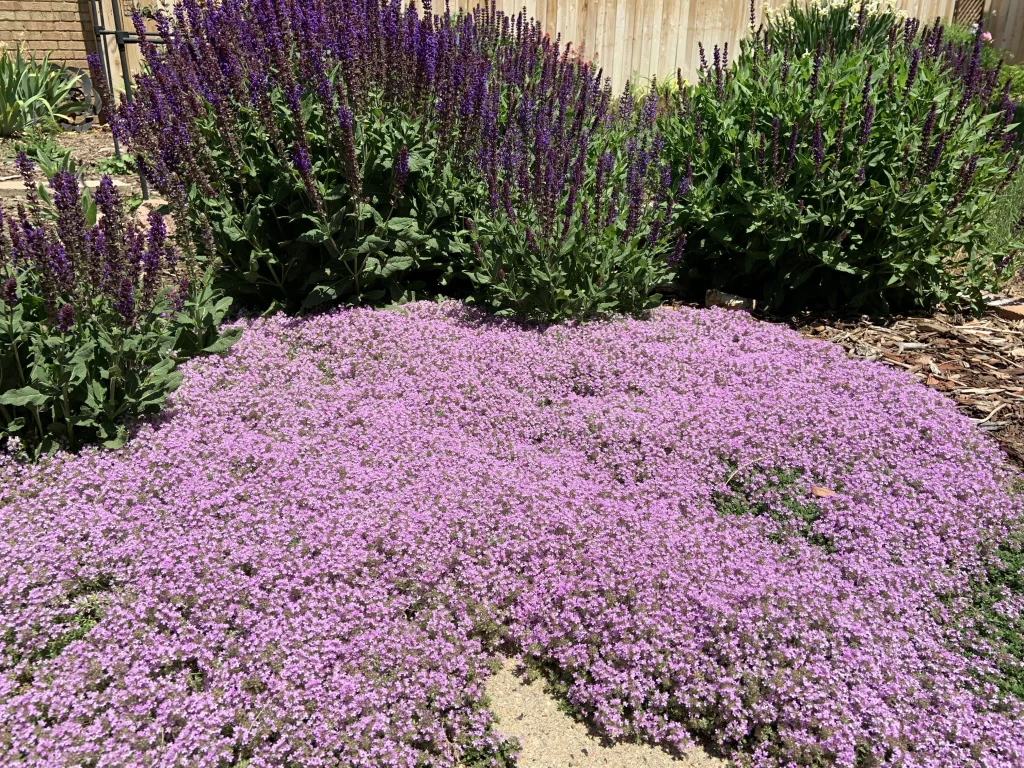
Creeping thyme gives you fragrance, tiny flowers, and a low mat that can soften stones or edges.
You can brush it with your hand and get that warm herbal scent, which always makes a garden feel more personal.
This plant usually likes more sun than deep shade, so you should use it in part shade, not a dark corner. I like it between stepping stones where it gets some light and does not sit in wet soil.
Key info:
- Zones: 4 to 9
- Size: 2 to 4 inches tall x 12 to 18 inches wide
- Care requirements: Partial shade to full sun; dry to average, well-draining soil
Good drainage matters here. You may lose creeping thyme in soggy shade, so save it for the brighter edge of your shady space.
8. White Star Creeper
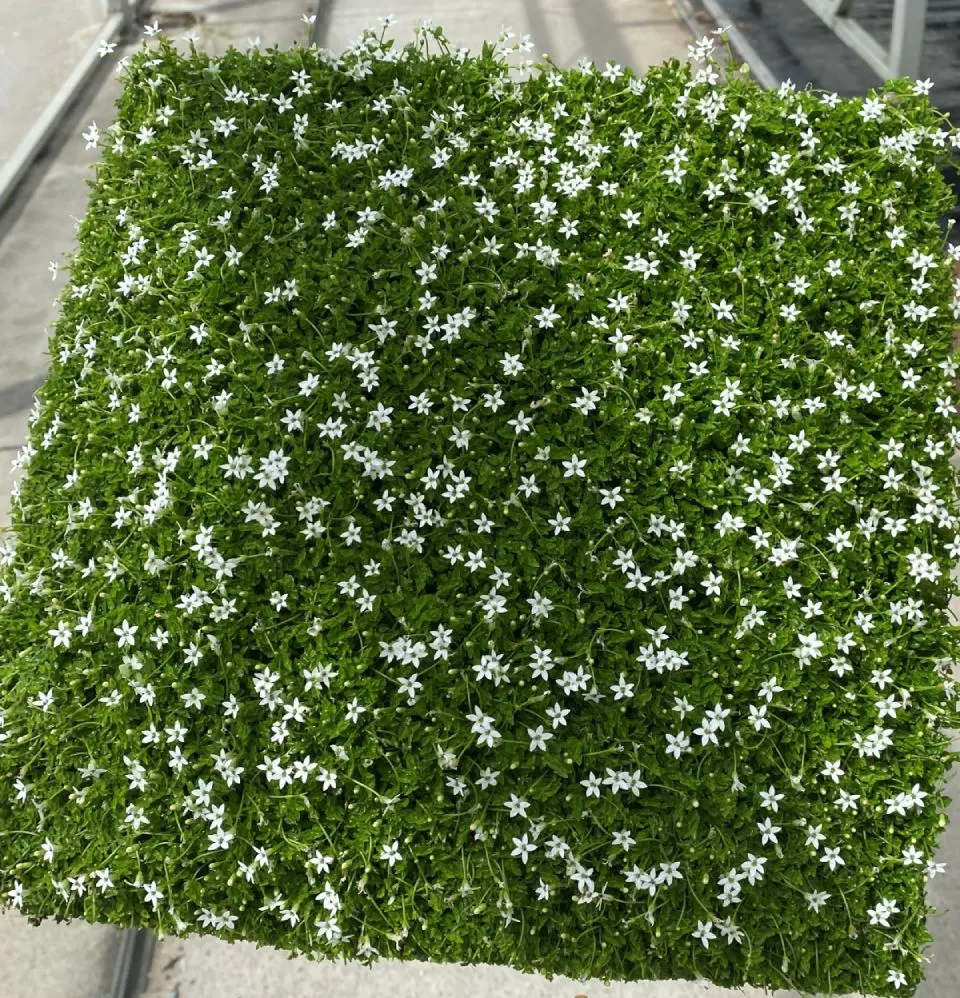
White star creeper gives you a soft, low carpet with small star-shaped flowers. You can use it around stepping stones, along path edges, or in small shaded gaps that need a gentle filler.
I like this plant when you want a neat look without heavy height. It can handle light foot traffic, which helps if your shaded area sits near a walkway.
Key info:
- Zones: 6 to 9
- Size: 2 to 4 inches tall x 12 to 18 inches wide
- Care requirements: Partial shade; moist, well-draining soil
Regular moisture keeps it looking fresh. Would you rather see bare dirt between stones, or a tiny green carpet with flowers?
9. Woodland Phlox
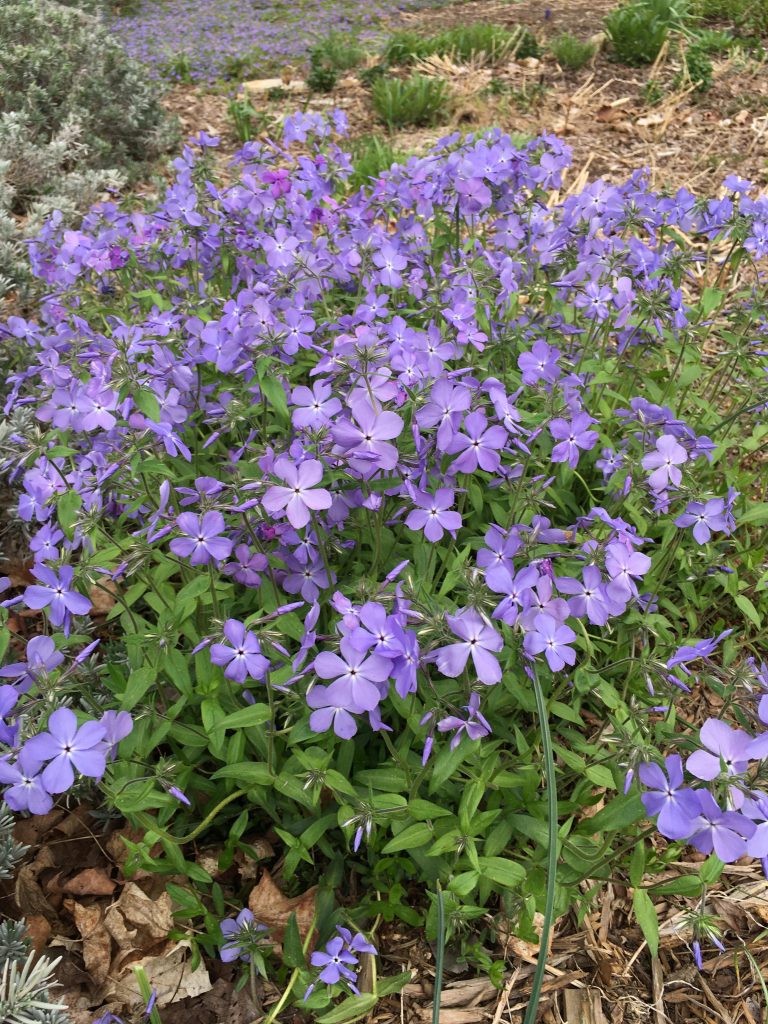
Woodland phlox brings soft spring flowers to shade, and that alone makes it worth a closer look. You may see blue, lavender, or white blooms depending on the variety.
I enjoy this plant because it gives a shady bed a light, woodland feeling without looking messy.
You can place it near shrubs, under open trees, or beside other spring bloomers for a layered look.
Key info:
- Zones: 3 to 8
- Size: 8 to 12 inches tall x 12 to 18 inches wide
- Care requirements: Partial to full shade; moist, rich, well-draining soil
Pollinators often visit the flowers in spring. Your shady garden can still feel lively, even without full sun.
10. Ferns
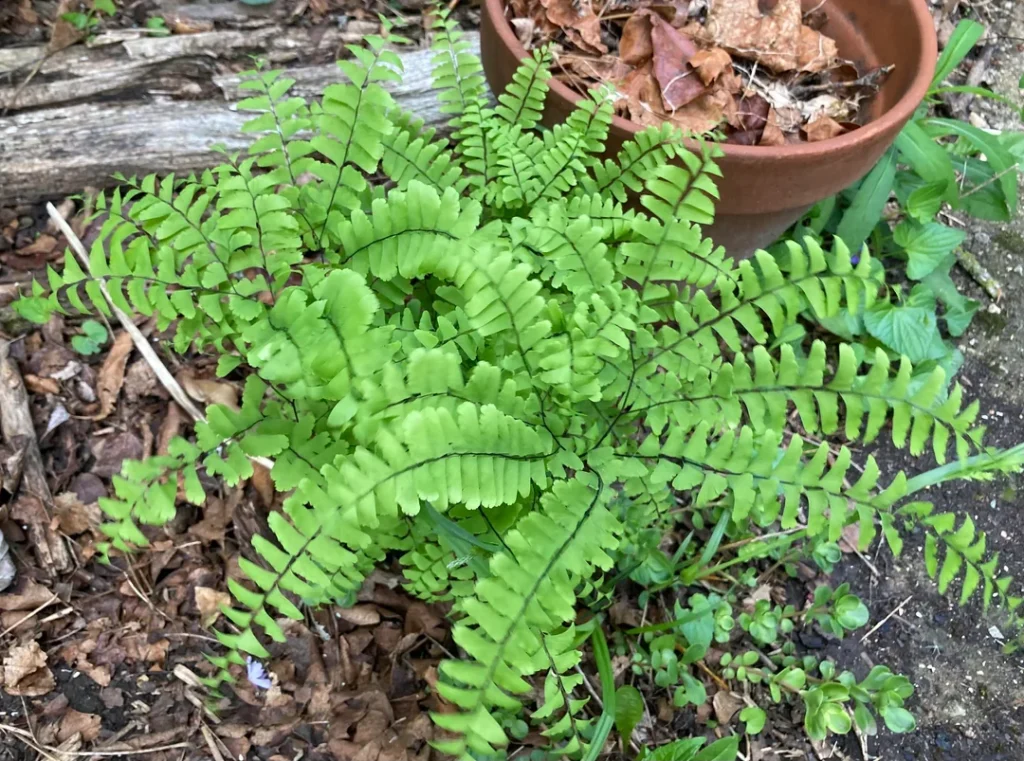
Ferns give shade gardens that cool, leafy look you see on a forest walk. You can use them when you want texture more than flowers.
I reach for ferns when a dark bed feels flat. Their fronds add movement, and they look great beside hostas, wild ginger, and woodland phlox.
Key info:
- Zones: 3 to 9, depending on the fern type
- Size: 12 to 36 inches tall x 12 to 36 inches wide
- Care requirements: Partial to full shade; moist, rich, well-draining soil
Many ferns like steady moisture, especially during hot weeks.
You should choose a fern that fits your climate, because a hardy Christmas fern and a tender painted fern will not behave the same way everywhere.
11. Spotted Dead Nettle
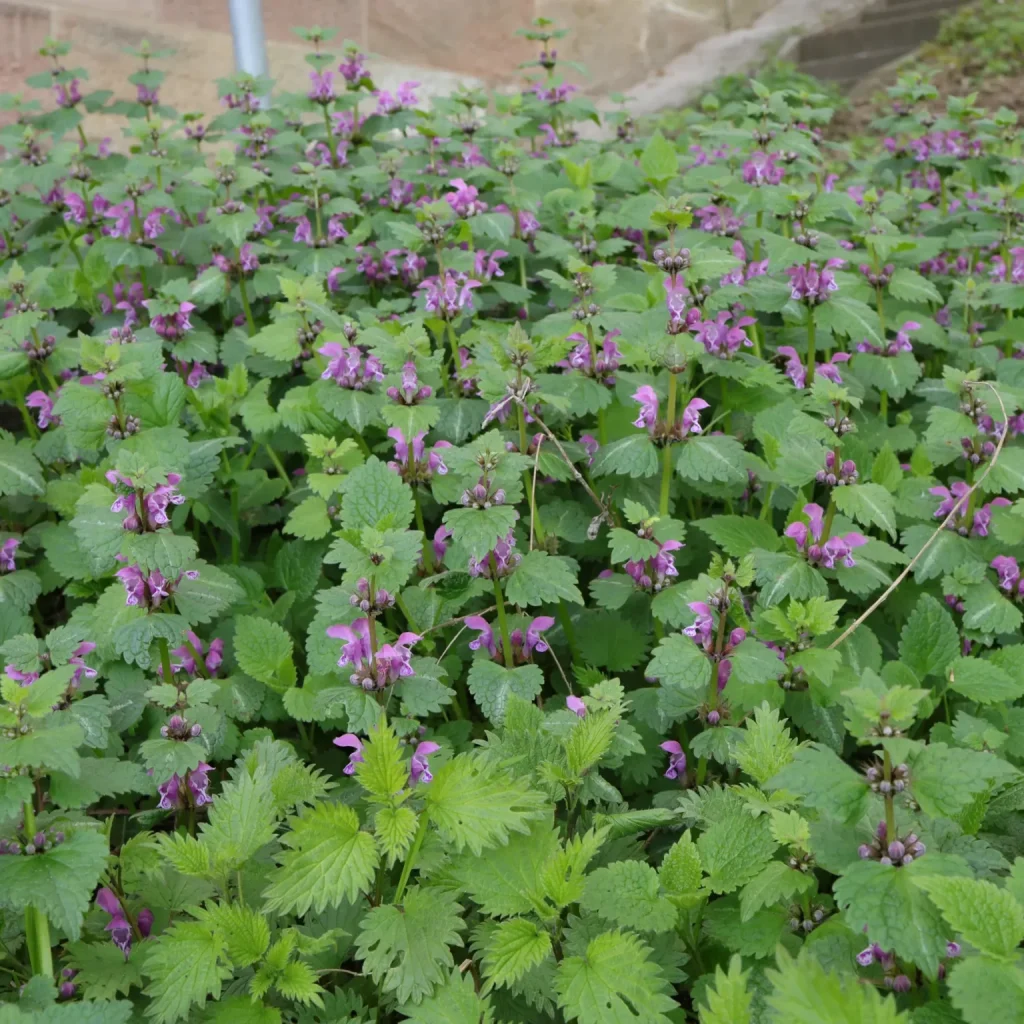
Spotted dead nettle gives you silver-marked leaves and small pink, purple, or white flowers. You get color even before the blooms show up, which helps a shady border feel less dull.
Personally, I like this plant in contained beds where you can watch its spread.
You may want to skip it if your area lists it as invasive, especially in parts of the Northeast and Northwest.
Key info:
- Zones: 3 to 8
- Size: 6 to 9 inches tall x 12 to 24 inches wide
- Care requirements: Partial to full shade; average, well-draining soil
Regional caution matters here. You want a pretty shade loving ground cover, not a plant that bullies the rest of your garden.
12. Bearberry
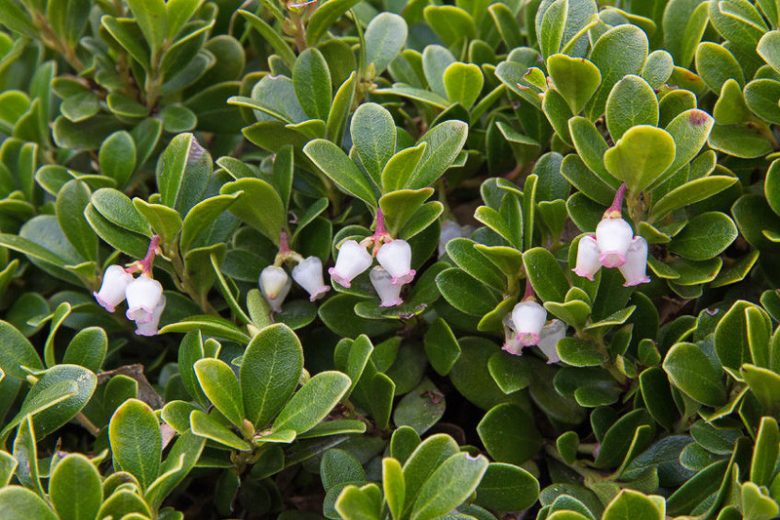
Bearberry works better in dry, sandy, or rocky spots than many soft woodland plants.
You get a low evergreen ground cover with small leaves, spring flowers, and red berries.
I would use bearberry where the soil drains fast and other shade plants look too needy. You can try it on slopes, banks, or rough edges where you want a tough, low plant.
Key info:
- Zones: 2 to 6
- Size: 6 to 12 inches tall x 3 to 6 feet wide
- Care requirements: Full sun to partial shade; acidic, sandy, well-draining soil
Dry shade can feel tricky, can’t it? Bearberry gives you a real option when rich, moist woodland plants would struggle.
13. Wild Strawberry
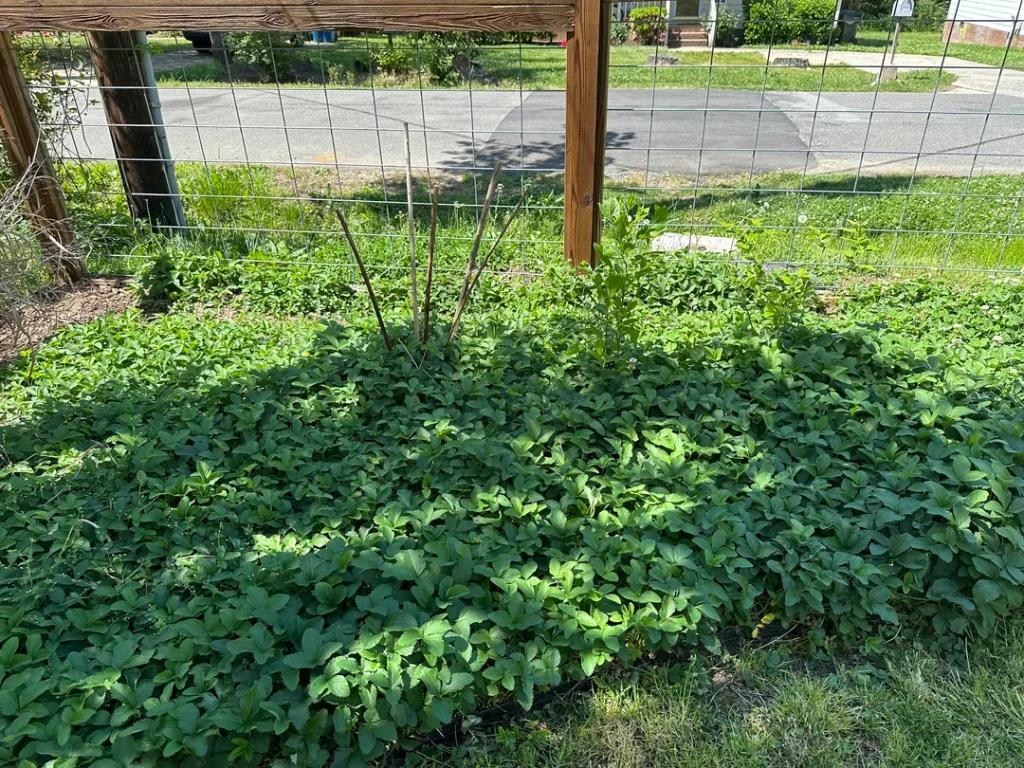
Wild strawberry makes a sweet little ground cover when you want flowers, foliage, and small edible fruit.
You get white spring blooms followed by red berries that feel like a small garden bonus.
I like this one for informal spaces, especially near paths or woodland edges. You should give it room because runners help it spread into a living mat.
Key info:
- Zones: 5 to 9
- Size: 4 to 7 inches tall x 12 to 24 inches wide
- Care requirements: Partial shade to full sun; moist, well-draining soil
Kids usually love finding the berries. You might love that it covers soil while still giving your garden a playful, useful touch.
14. Partridge Berry
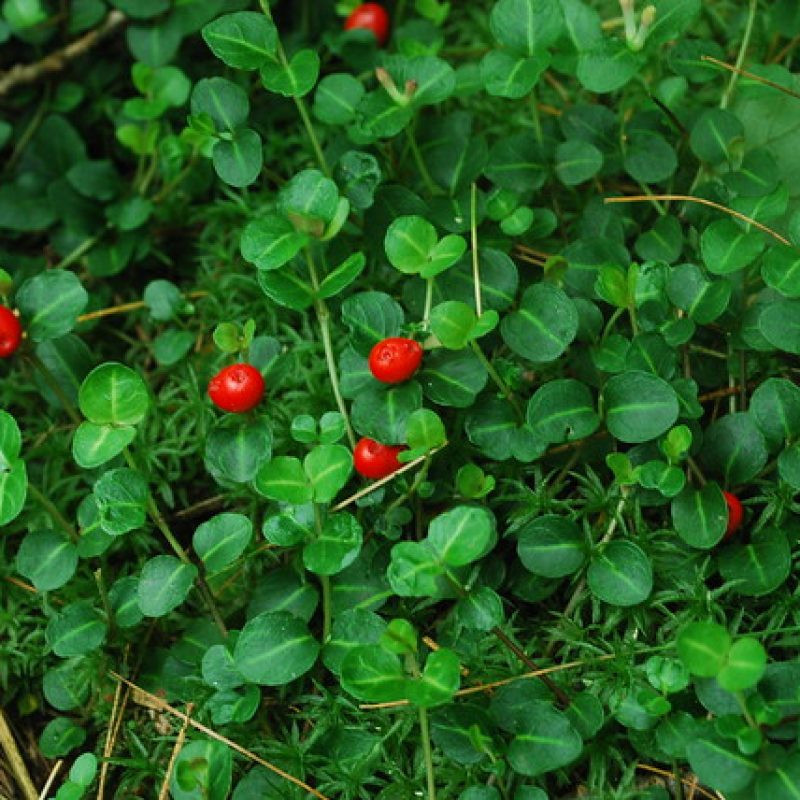
Partridge berry gives you a tiny evergreen carpet with a woodland soul. You get glossy leaves, small white flowers, and bright red berries that can stay on the plant for months.
I like this one when you want a quiet shade loving ground cover that feels natural instead of showy.
You can use it in acidic soil, under trees, or near native plant beds where wildlife-friendly planting matters to you.
Key info:
- Zones: 3 to 8
- Size: 1 to 2 inches tall x 6 to 12 inches wide
- Care requirements: Partial to full shade; acidic, moist, humus-rich soil
Tiny plants can still pull their weight. Wouldn’t you rather see red berries on the ground than bare dirt?
15. Heartleaf Brunnera
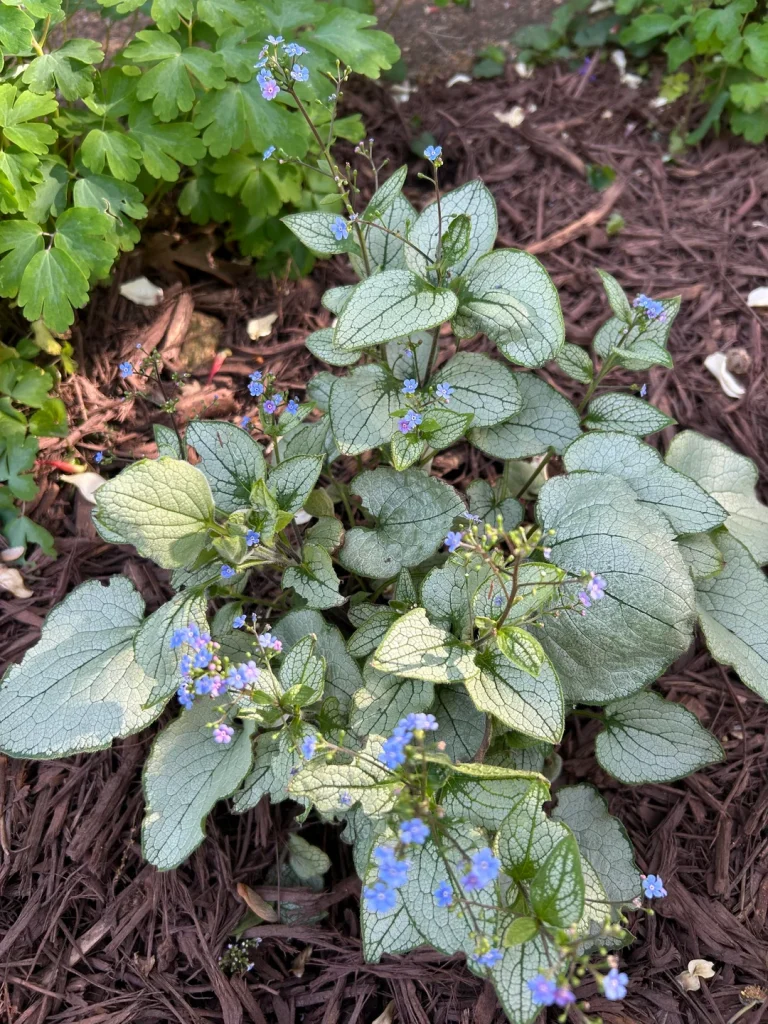
Heartleaf brunnera brings big heart-shaped leaves and soft blue spring flowers to shady spots. You get that “forget-me-not” flower look, plus foliage that keeps the bed attractive after bloom time.
I would plant this where you want a fuller, polished look without using tall plants.
You can pair it with ferns, hostas, or wild ginger for a layered shade garden that feels rich but still easy.
Key info:
- Zones: 3 to 8
- Size: 12 to 18 inches tall x 18 to 24 inches wide
- Care requirements: Partial to full shade; rich, moist, well-draining soil
Heartleaf brunnera spreads slowly, so you won’t get instant coverage. That slower habit can help you if you dislike pushy plants.
Final Thoughts
Shade does not have to mean bare soil, thin grass, and sad mulch forever. You can use the right shade loving ground cover to add flowers, texture, berries, fragrance, or soft green coverage where sunlight stays limited.
Your best choice depends on the exact spot. Dry shade may suit barrenwort or bearberry, moist woodland soil may suit wild ginger or bunchberry, and neat path edges may suit white star creeper or creeping thyme in brighter shade.
I always look at three things before planting: light, soil, and spread. You should do the same, because a pretty plant only feels helpful when it fits your garden.
Small ground covers can change the whole mood of a shady bed. Start with one trouble spot, plant what fits, and let that forgotten corner earn its place again.