15 Beautiful Shade Loving Flowering Shrubs to Brighten Your Garden

That shady corner in your yard doesn’t need to sit there looking sad and bare. You can fill it with flowers, glossy leaves, berries, scent, and real garden charm.
I’ve had shady spots that felt impossible until I stopped fighting the light and picked plants that actually enjoy it.
You want shrubs that bloom without begging for all-day sun, right? Good news. These 15 shade loving flowering shrubs can help you turn dull shade into a soft, colorful, lived-in garden space.
Why Shade Loving Flowering Shrubs Deserve a Spot in Your Garden
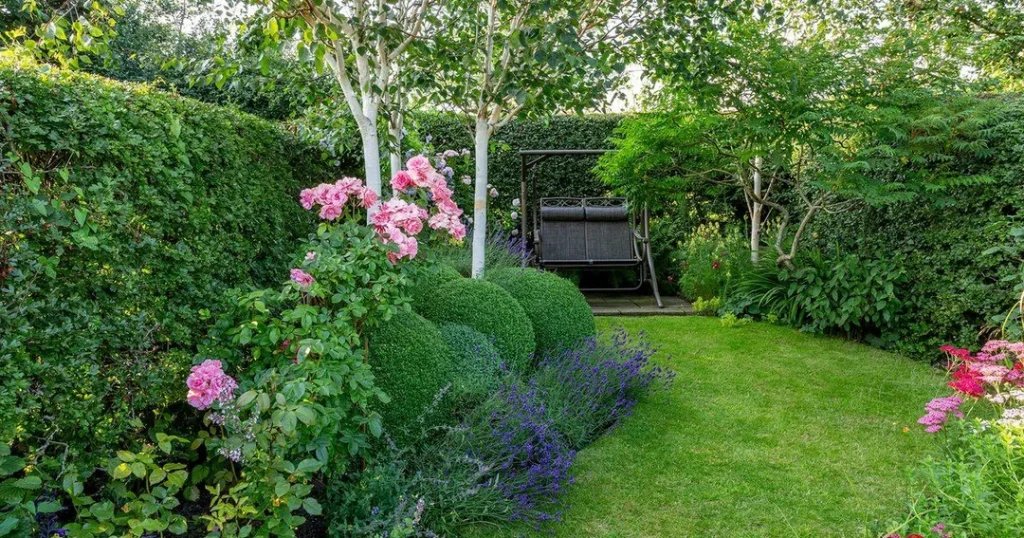
Shade can trick you into thinking flowers are off the table. Plenty of shrubs bloom well in partial shade, dappled shade, or light shade, and some even handle deeper shade once they settle in.
You get more than flowers with the right shrub. Many shade loving flowering shrubs also bring evergreen leaves, fall color, winter berries, fragrance, or wildlife value, so your garden works harder without asking you to fuss over it every weekend.
Poor plant choice causes most shade-garden drama. Match the shrub to your light, soil, and space, and you save yourself a lot of sulking leaves and awkward digging later.
15 Vibrant Shaded Flowering Shrubs
1. Hydrangea
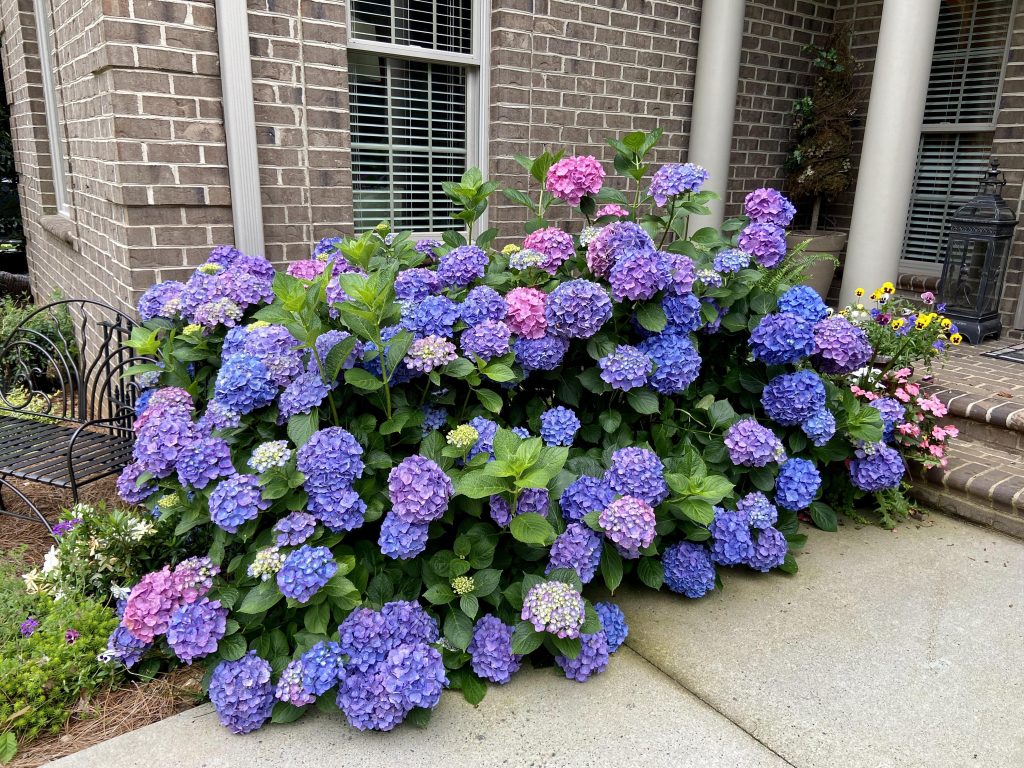
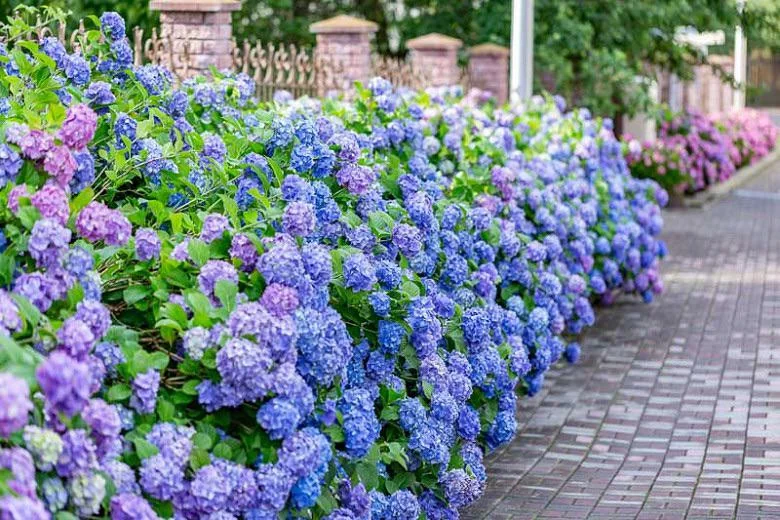
Hydrangea gives you big, soft flower heads that can make a shady bed look full fast. You can find blooms in pink, blue, white, and green, and some types shift color based on soil acidity.
I like hydrangeas because they feel generous. One healthy plant can make a quiet corner look like you planned the whole garden around it.
Oakleaf hydrangea works especially well when you have more shade than sun. You still need decent light for the best blooms, but you don’t need a blazing-hot spot.
- Hardiness: USDA zones 3 to 9, depending on the type.
- Light exposure: Partial shade, dappled shade, and morning sun with afternoon shade.
- Blooming season: Summer, with some blooms lasting into fall.
- Size: Usually 3 to 8 feet tall and wide, depending on the variety.
- Soil requirements: Rich, well-drained soil, often with an acidic lean for best growth and flower color.
2. Rhododendron
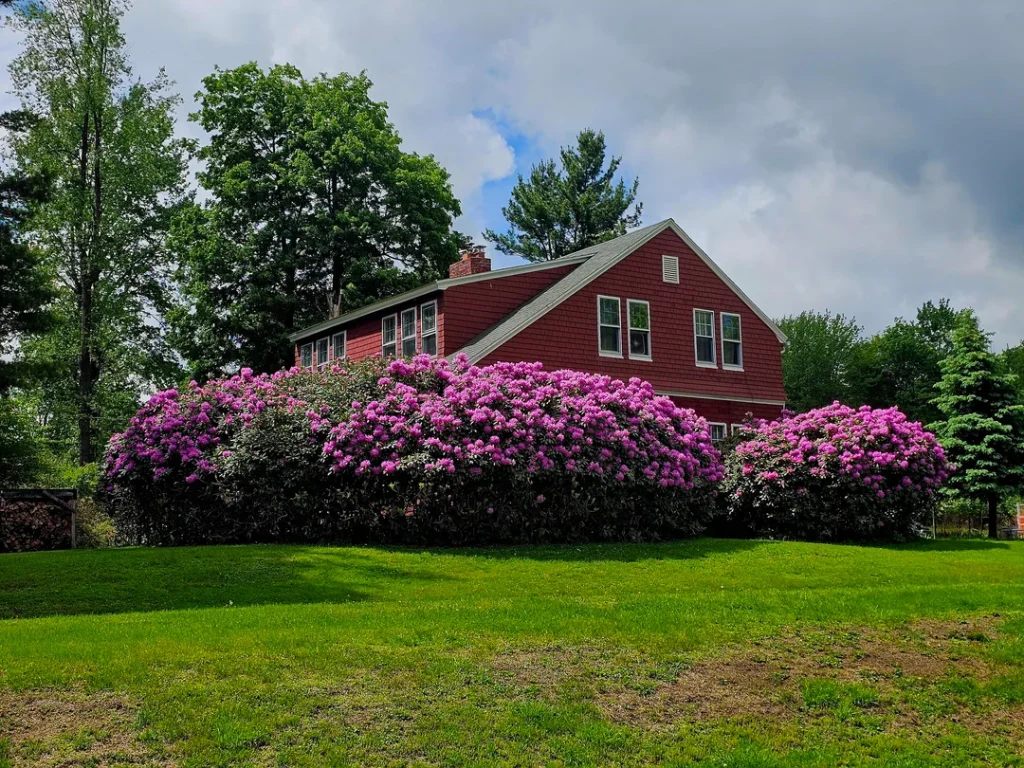
Rhododendron brings bold spring color to shady gardens. You can choose flowers in pink, white, purple, red, and other bright shades.
This shrub suits you if you want drama without planting something fragile. Many rhododendrons also keep their leaves through winter, so your garden doesn’t look empty after the flowers fade.
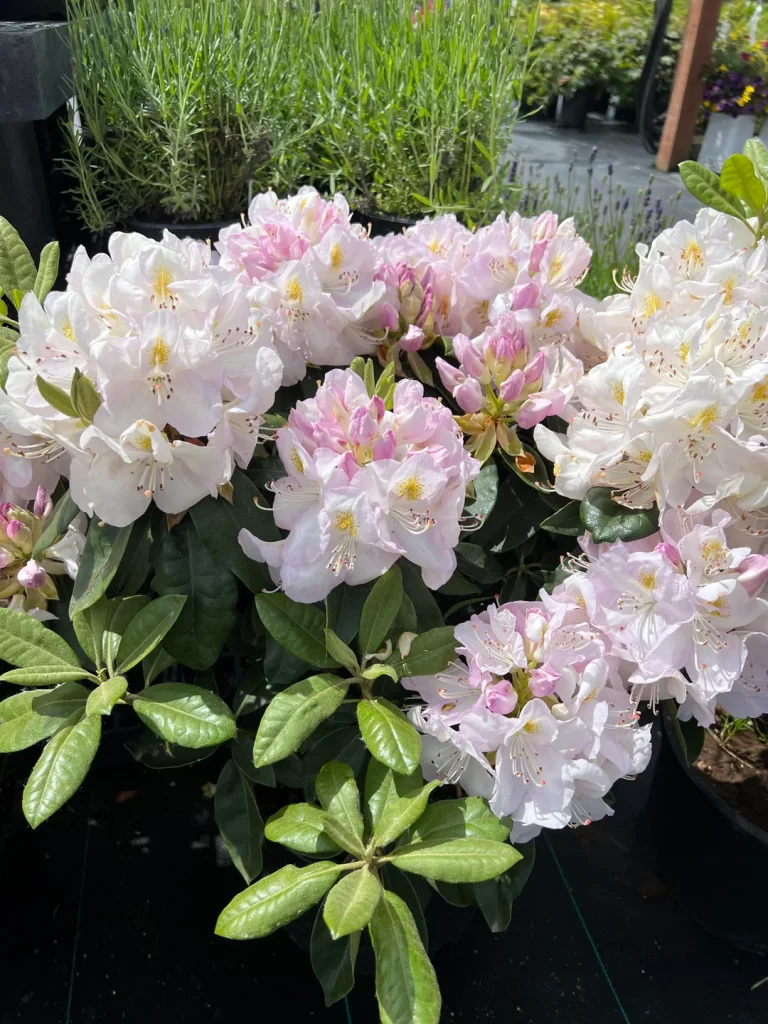
Warm-climate gardeners can look for compact heat-tolerant types, including Southgate varieties. Those choices help you get flowers and structure without giving up half the border.
- Hardiness: USDA zones 4 to 9, with some heat-tolerant types suited to zones 6 to 9.
- Light exposure: Partial shade to full shade, with protection from harsh afternoon sun.
- Blooming season: Spring, often from mid to late spring.
- Size: Often 4 to 5 feet tall and 3 to 4 feet wide, though some types grow larger.
- Soil requirements: Rich, acidic, well-drained soil that stays lightly moist.
3. Azalea
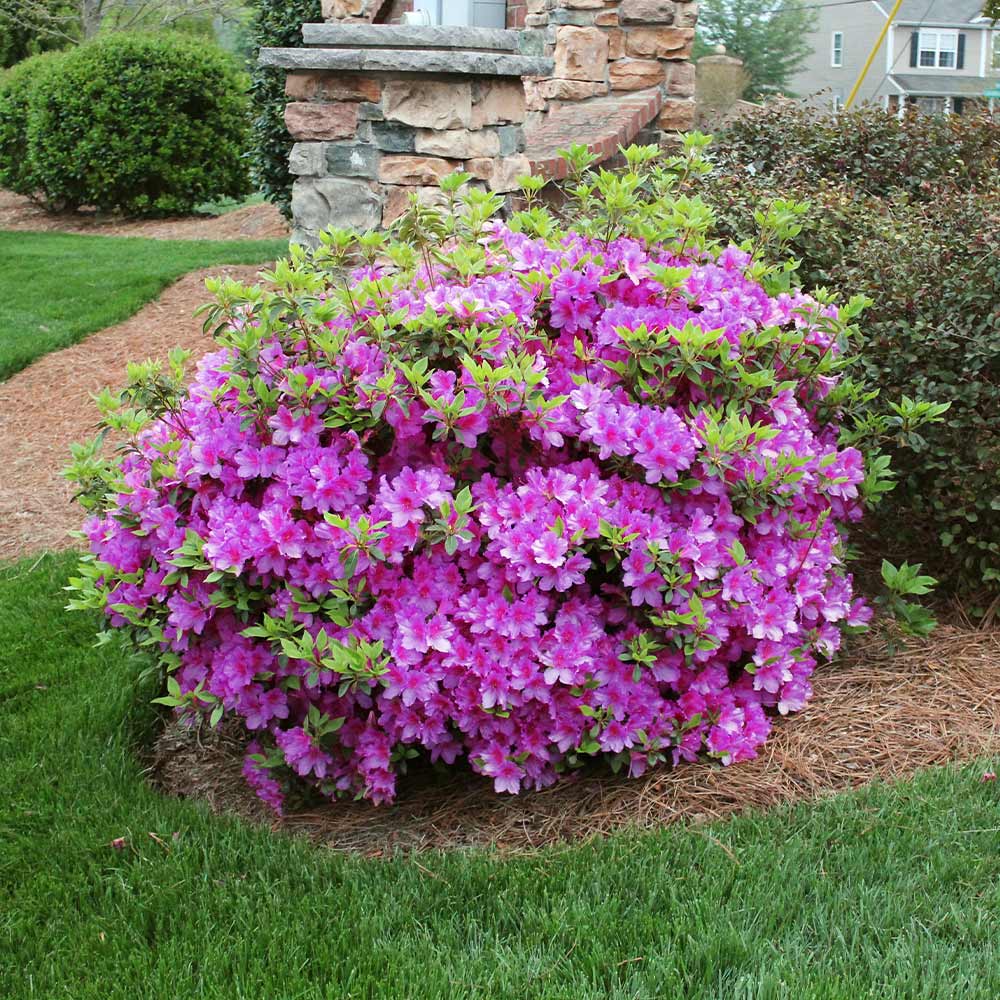
Azalea gives you spring flowers with real punch. You can use it near paths, porches, windows, or any shady place you see every day.
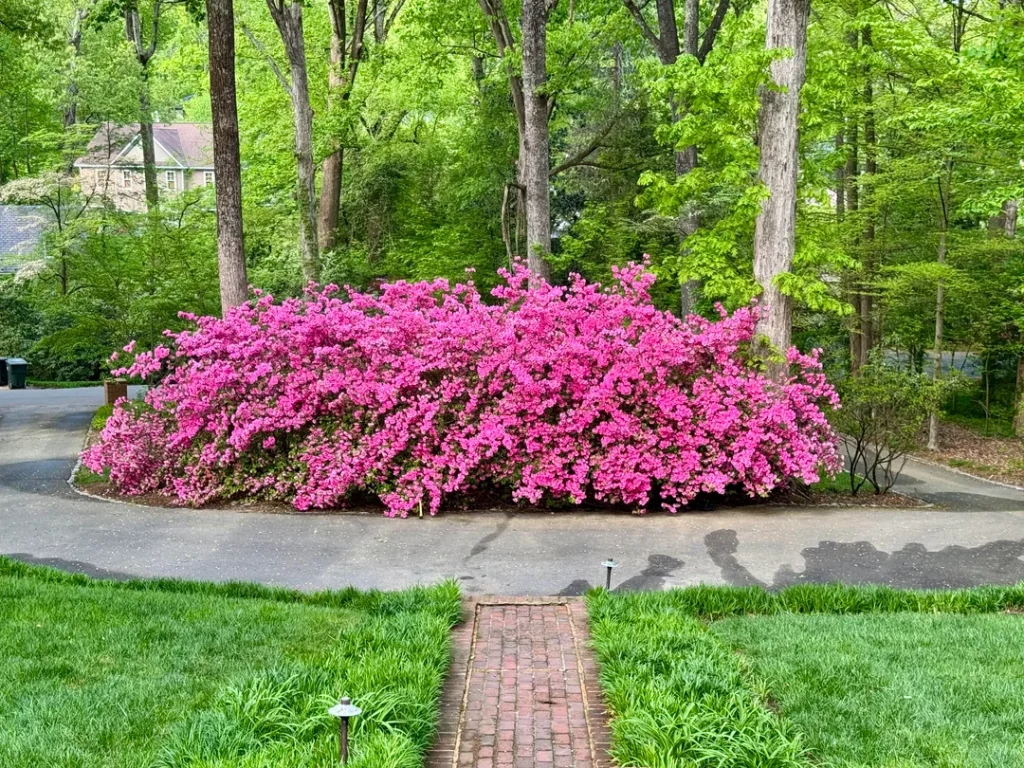
Many azaleas stay smaller than rhododendrons, so they fit tighter spaces well. Some types also give you lovely fall leaf color after the flower show ends.
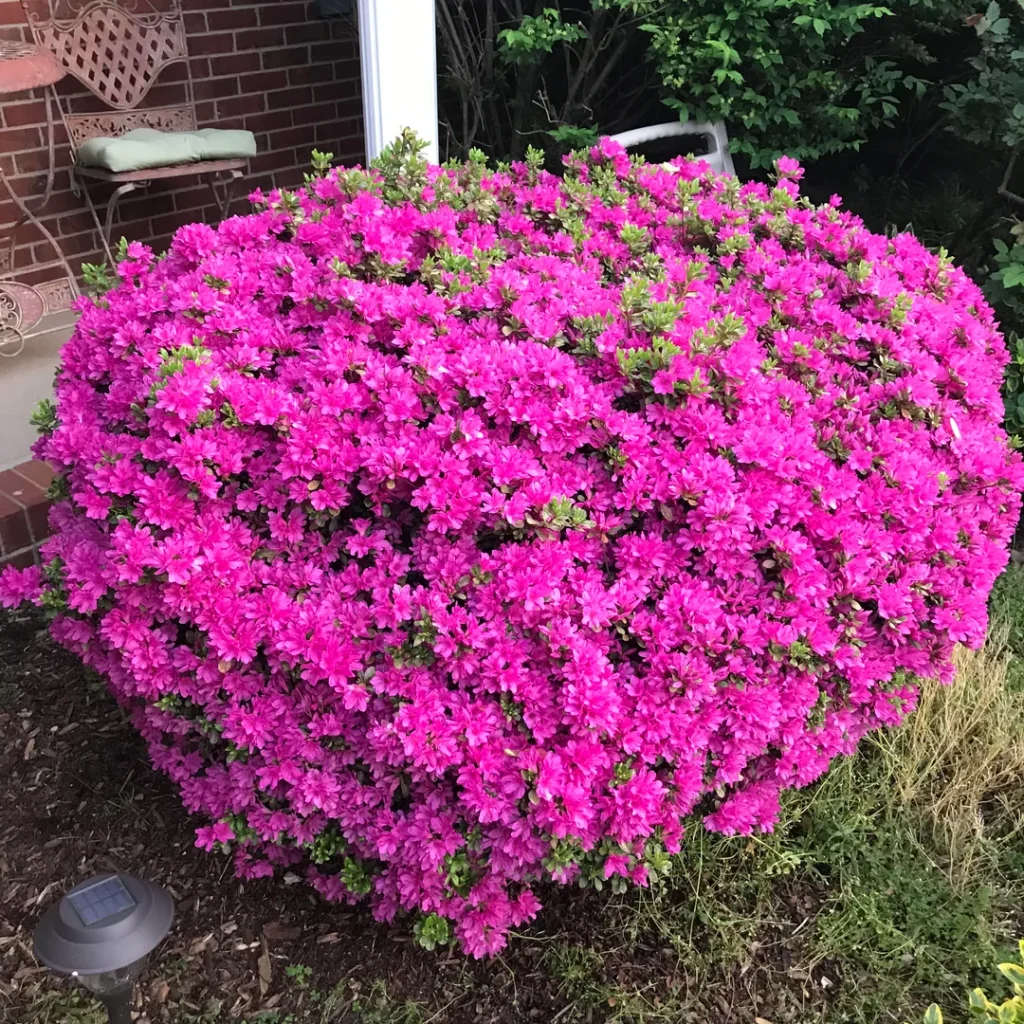
You’ll get the best results when you treat azaleas like woodland plants. Give them soft light, acidic soil, and steady moisture, and they usually reward you with a bright spring display.
- Hardiness: USDA zones 3 to 8, depending on the variety.
- Light exposure: Partial shade, dappled shade, and light shade.
- Blooming season: Spring, with many types blooming in mid to late spring.
- Size: Commonly 2 to 6 feet tall and wide, depending on the type.
- Soil requirements: Well-drained, acidic soil with steady moisture.
4. Camellia
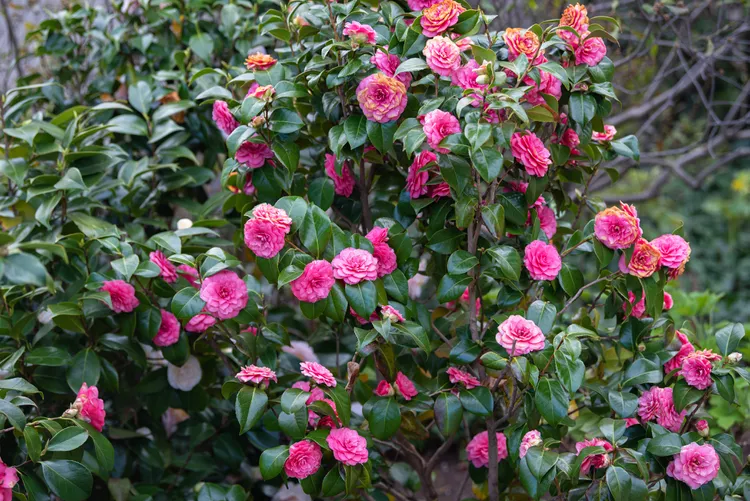
Camellia feels like the fancy guest who brings flowers when the rest of the garden takes a nap. You get rose-like blooms in cooler months, which makes this shrub a gift for winter-weary eyes.
You’ll like camellia if your garden needs polish. Glossy evergreen leaves keep the plant handsome even when it stops blooming.
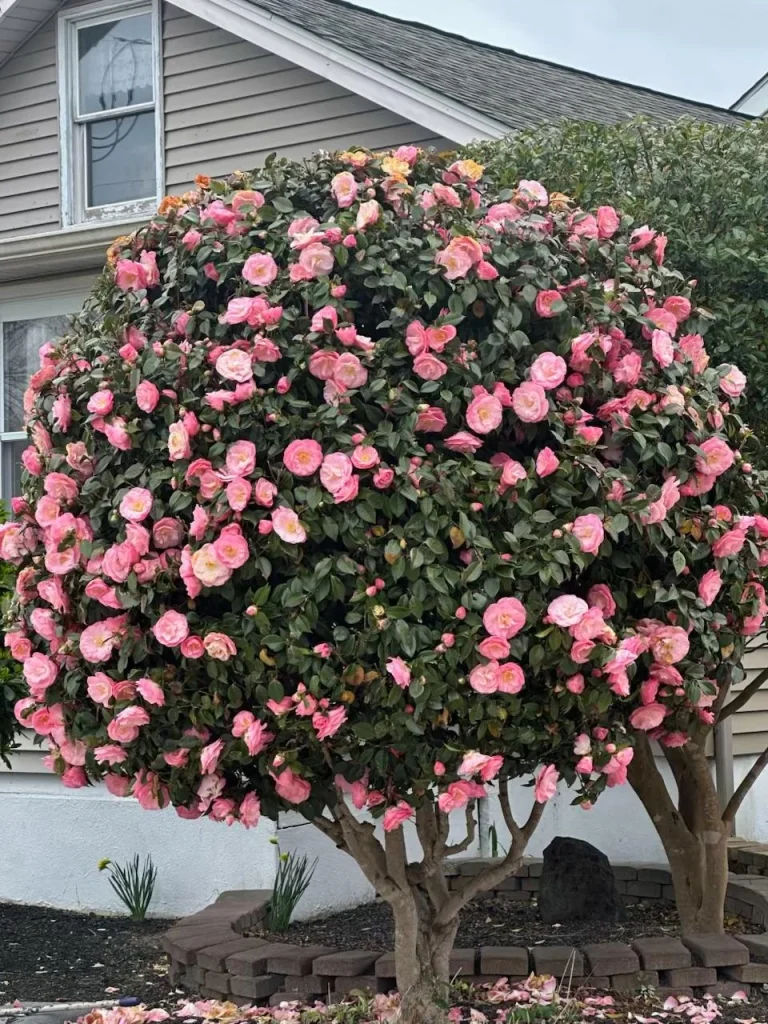
Sheltered shade suits camellias best. Too much hot sun can scorch the leaves, but a bright shaded spot can keep the plant looking lush.
- Hardiness: USDA zones 7 to 10, depending on the variety.
- Light exposure: Partial shade, especially morning light with afternoon shade.
- Blooming season: Fall, winter, and early spring, depending on the type.
- Size: Often 6 to 14 feet tall and 5 to 7 feet wide, though compact types stay smaller.
- Soil requirements: Rich, moist, well-drained soil with a slightly acidic pH.
5. Mahonia
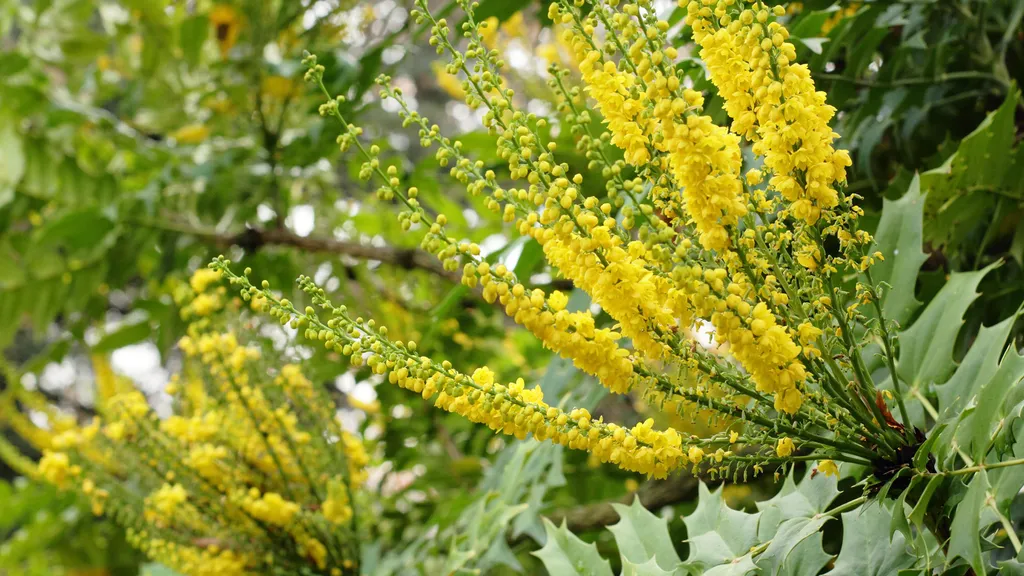
Mahonia gives you color when many shade gardens look tired. You get yellow flowers, glossy evergreen leaves, and a bold shape that makes a shady bed feel less flat.
You’ll probably like mahonia if you want a shrub with attitude. Some types have prickly leaves, while ‘Soft Caress’ offers a gentler, thorn-free look for tighter spaces.
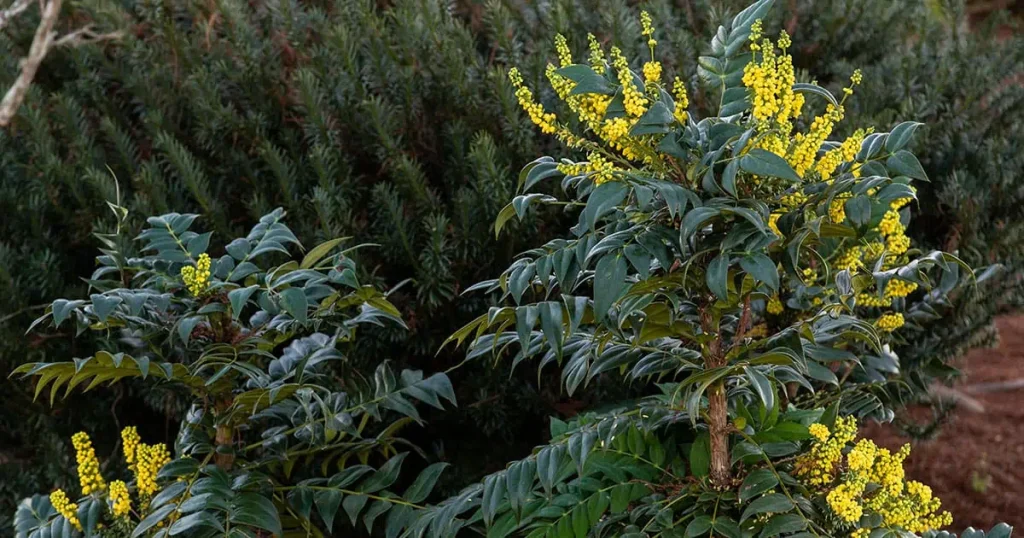
Early flowers make this shrub feel extra useful. Bees may visit on mild days, and the plant keeps giving you structure after the blooms fade.
- Hardiness: USDA zones 5 to 9, though some compact types suit zones 7 to 10.
- Light exposure: Partial shade, dappled shade, and light shade.
- Blooming season: Winter to early spring, depending on the type and climate.
- Size: Often 3 to 4 feet tall and wide, though some types grow larger.
- Soil requirements: Rich, well-drained soil with steady moisture.
6. Mountain Laurel
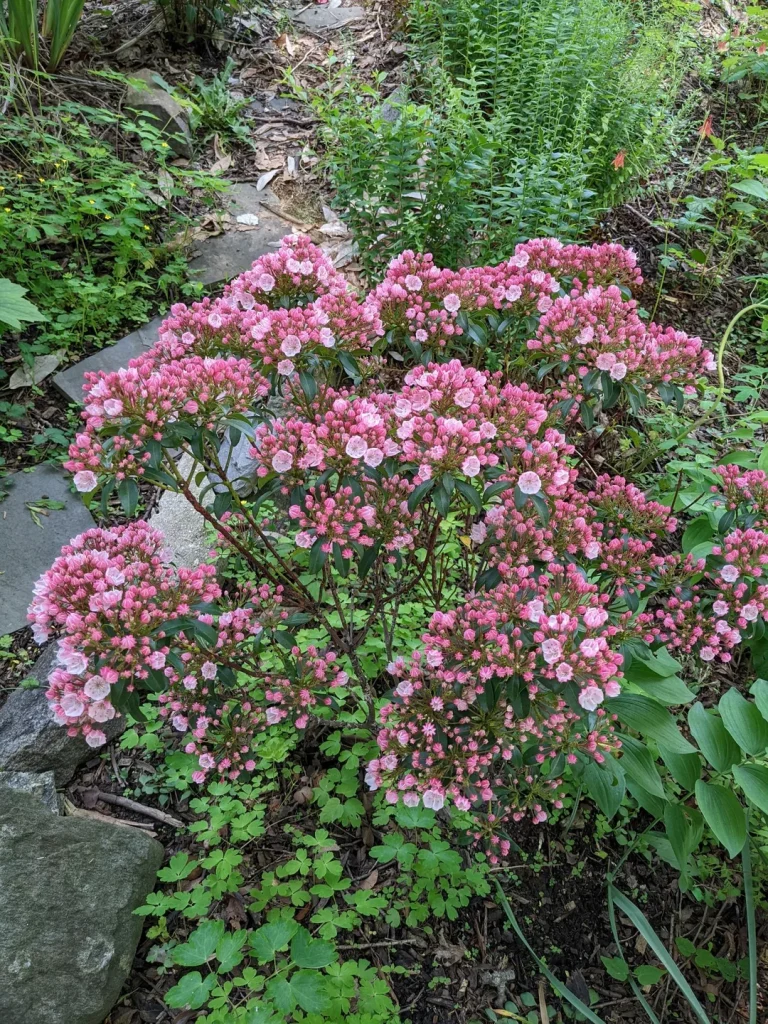
Mountain laurel brings a sweet woodland look to shady gardens. You get clusters of pink or white flowers in late spring, and the evergreen leaves keep the plant handsome after bloom time.
This shrub feels right near trees. If you want a natural garden that looks calm instead of crowded, mountain laurel can give you flowers without shouting over everything else.
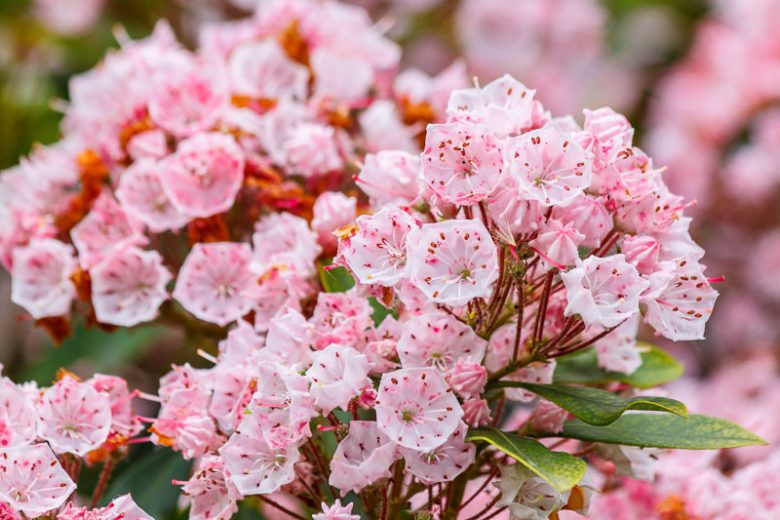
You’ll need patience with it. Mountain laurel likes the right spot, and it does best when you give it moist, acidic soil and protection from hard afternoon sun.
- Hardiness: USDA zones 4 to 9.
- Light exposure: Partial shade, dappled shade, and light shade.
- Blooming season: Late spring to early summer.
- Size: Often 5 to 15 feet tall and wide, depending on the growing conditions.
- Soil requirements: Moist, acidic, well-drained soil.
7. Bottlebrush Buckeye
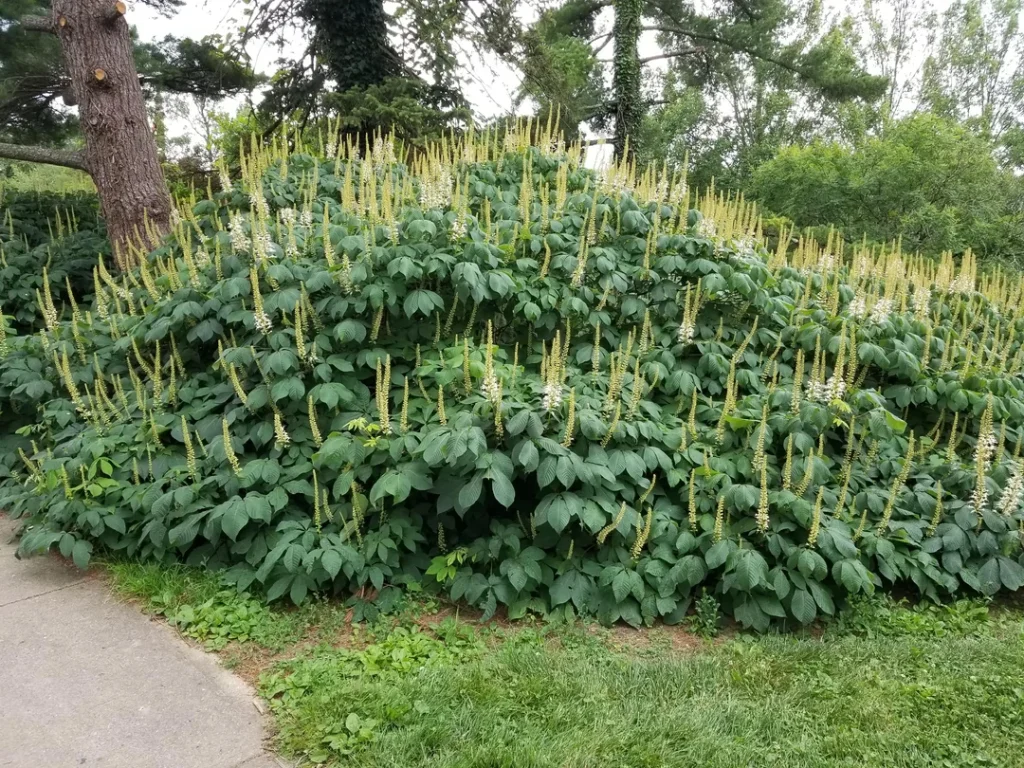
Bottlebrush buckeye gives you one of the best flower shows for a shady, roomy spot. Tall white flower spikes rise above the leaves in summer, and they look fresh when spring shrubs have already finished.
Butterflies and hummingbirds often visit the flowers. That makes this shrub a strong pick if you want your shade garden to feel alive, not just pretty.
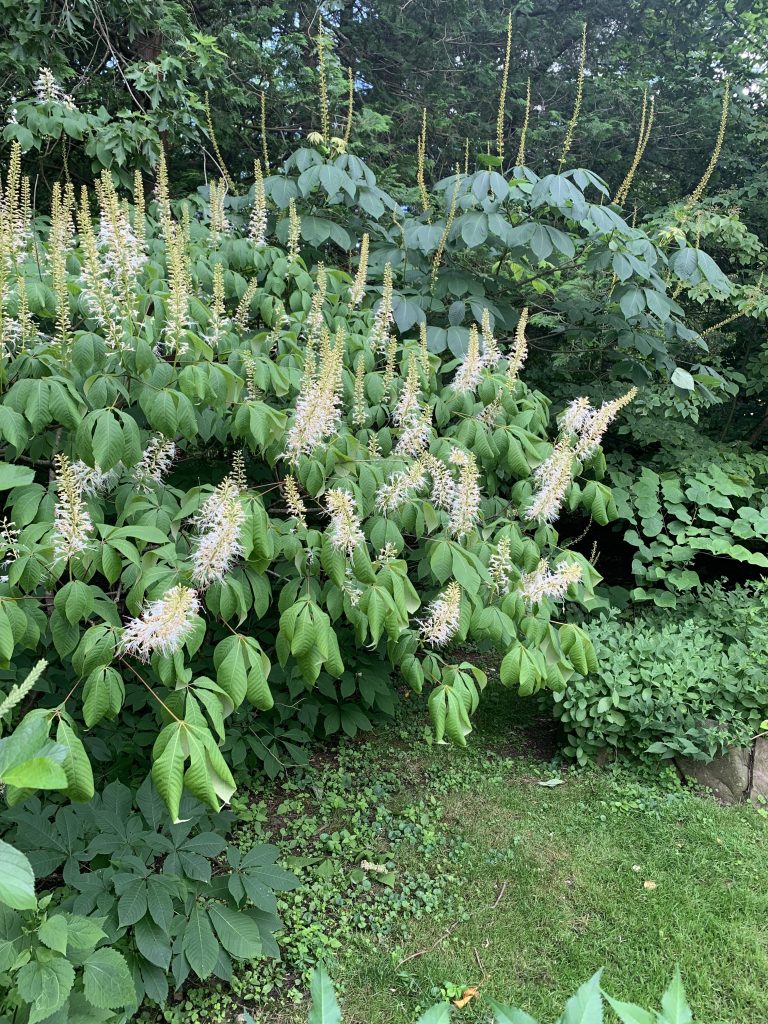
Give it space. Bottlebrush buckeye can spread wide, so you should place it where it can stretch without grabbing the path or crowding smaller plants.
- Hardiness: USDA zones 4 to 8.
- Light exposure: Partial shade to full shade.
- Blooming season: Summer.
- Size: About 8 to 12 feet tall and 8 to 15 feet wide.
- Soil requirements: Moist, well-drained soil.
8. Leucothoe
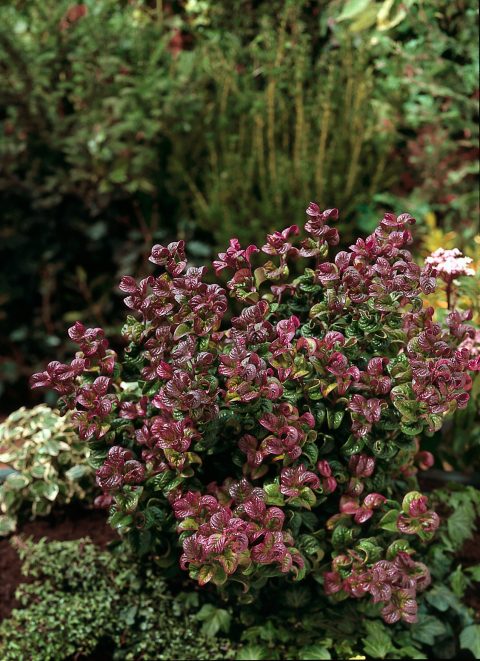
Leucothoe suits you when you want a quiet shrub with good texture. It has glossy leaves and small white, urn-shaped flowers that add charm without stealing the whole scene.
Shade gardens need plants like this. Not every shrub has to act like a firework, and leucothoe helps soften edges around bigger bloomers such as rhododendron or hydrangea.
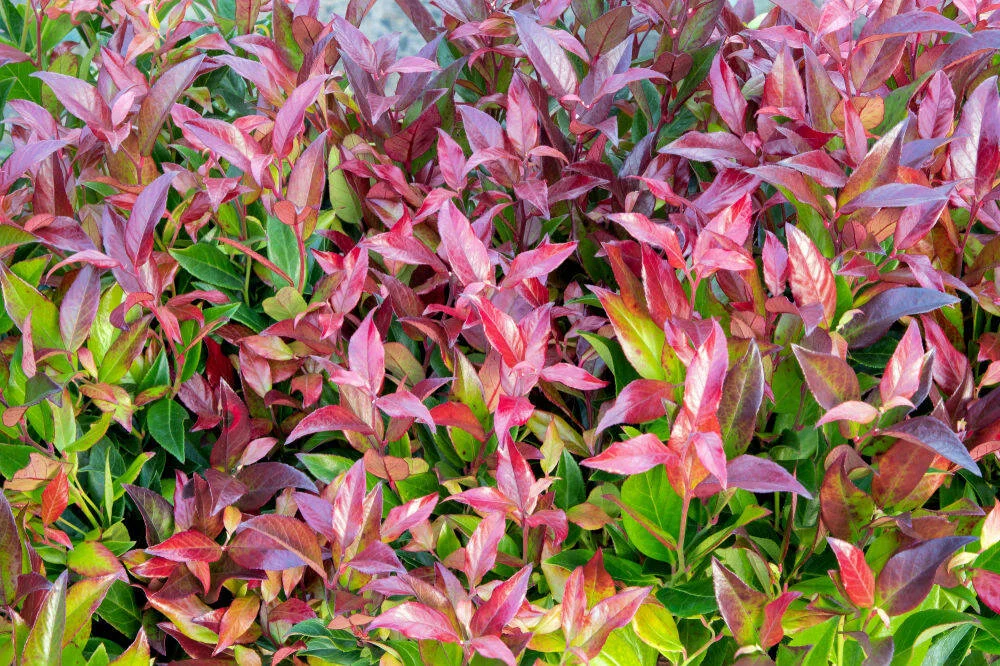
You can use it near paths, foundations, or woodland borders. Its low, spreading shape makes it handy when you want flowers and foliage without a tall screen.
- Hardiness: USDA zone 5 in the source article, with some varieties grown across nearby cool zones.
- Light exposure: Partial shade to full shade.
- Blooming season: Spring.
- Size: About 3 feet tall and 6 feet wide.
- Soil requirements: Moist, well-drained soil.
9. Sarcococca
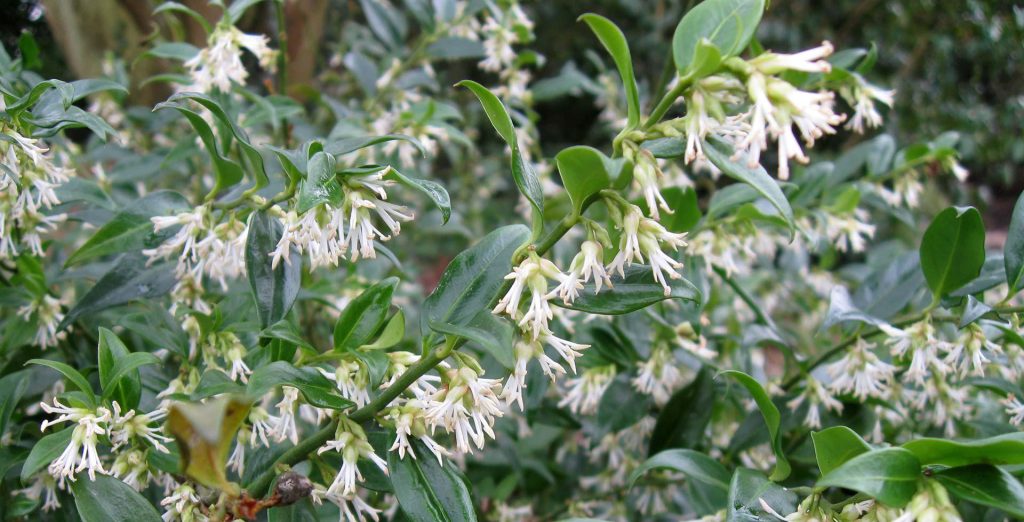
Sarcococca, also known as sweet box, works beautifully when you want flowers in a shady spot that doesn’t give you much help. You get tiny creamy-white blooms, glossy evergreen leaves, and a sweet scent that feels like a little garden secret.
I’d use this shrub near a door or walkway. Why waste fragrance in a far corner when you can catch it every time you pass?
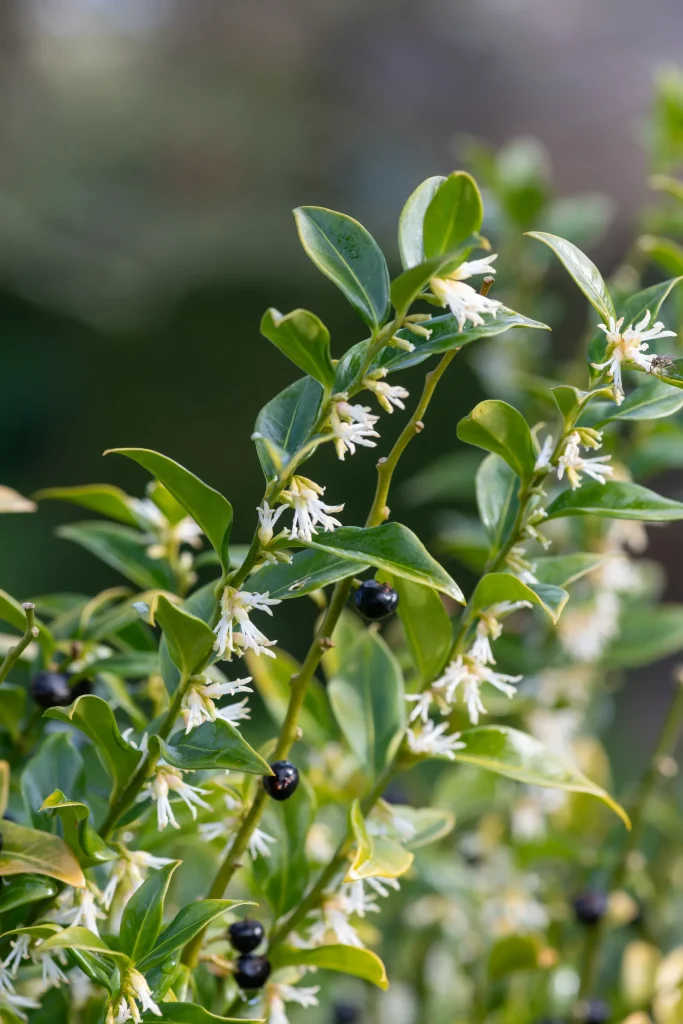
You can also try sarcococca in dry shade once it settles in. That makes it useful under trees, where many prettier plants start acting dramatic.
- Hardiness: USDA zones 4 to 7, depending on the type.
- Light exposure: Partial shade to full shade.
- Blooming season: Winter to early spring, depending on the variety.
- Size: Around 3 to 5 feet tall and wide.
- Soil requirements: Rich, well-drained soil, with steady moisture during establishment.
10. Shade-Tolerant Roses
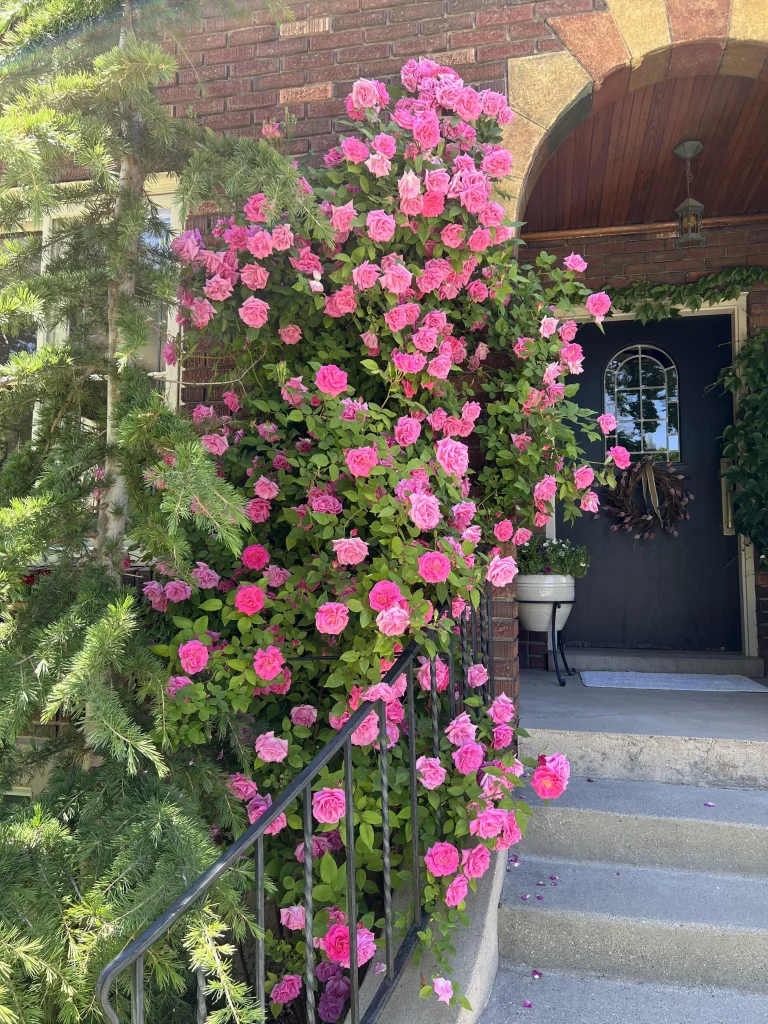
Roses may sound like a bad idea for shade, but a few tough types can handle four to six hours of indirect or filtered light. You still need some light, because roses won’t bloom well in a dark cave by the shed.
I like this option when you want romance without a full-sun bed. Varieties such as ‘Ballerina,’ ‘Darlow’s Enigma,’ ‘Zephirine Drouhin,’ and ‘Iceberg’ can cope with partial shade better than many classic roses.
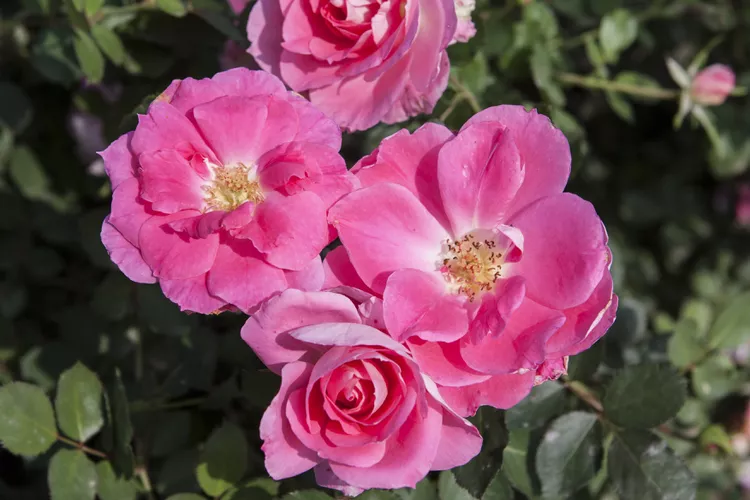
Choose roses only for your brighter shady spots. You’ll get better flowers near open trees, bright fences, or east-facing beds than you will in heavy shade.
- Hardiness: USDA zones 3 to 9, depending on the rose.
- Light exposure: Partial shade, with about 4 to 6 hours of filtered or indirect light.
- Blooming season: Often spring to fall, depending on the type.
- Size: Varies widely, from compact shrubs to taller climbing forms.
- Soil requirements: Loamy, well-drained soil with steady moisture.
11. Holly
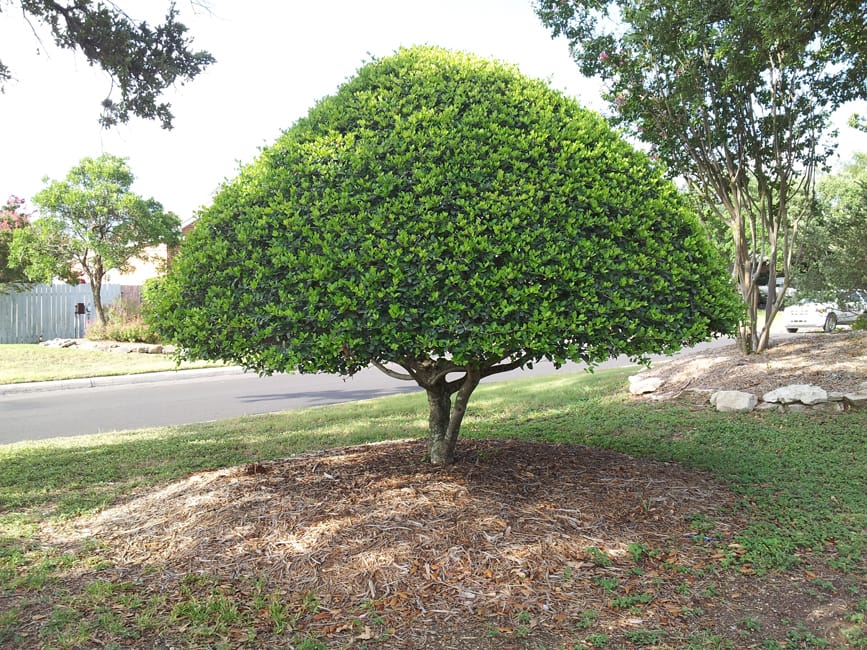
Holly gives you flowers, berries, and evergreen shine in one strong shrub. The flowers stay small, but the berries bring the real show in late fall and winter.
You’ll want holly if your shady garden needs backbone. Its dark leaves make pale flowers nearby look brighter, and the red berries can carry the garden through the cold months.
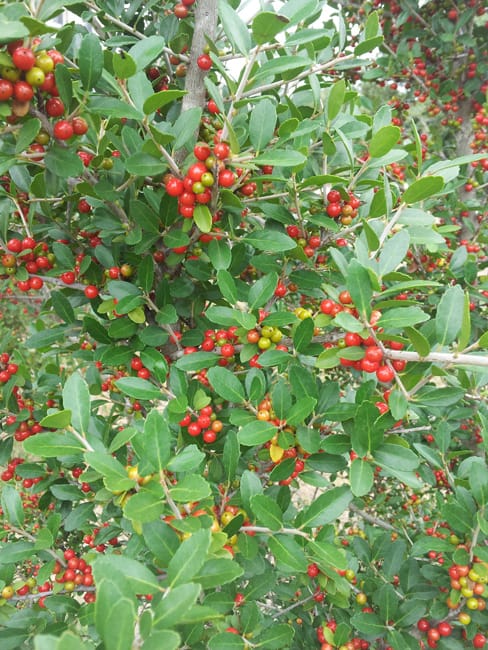
Female hollies usually need a male holly nearby to make berries. That small planning step can save you from staring at a berry-free shrub and wondering what went wrong.
- Hardiness: USDA zones 3 to 10, depending on the type.
- Light exposure: Partial shade, with some types like Yaupon holly handling deeper shade.
- Blooming season: Spring, with berries often showing in late fall and winter on female plants.
- Size: Varies widely; compact shrubby types may stay under 8 feet, while tree forms grow much taller.
- Soil requirements: Loamy, well-drained soil; many hollies prefer moist, acidic soil.
12. Beautyberry
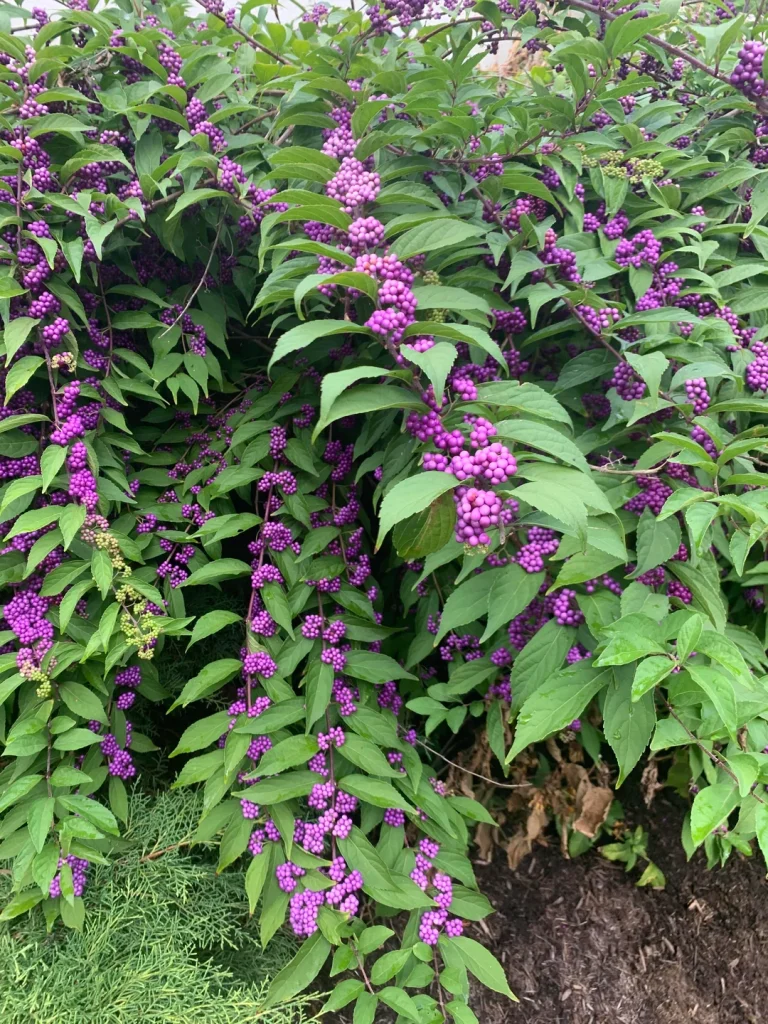
Beautyberry earns its name in fall, when those wild purple berries wrap the stems like tiny beads. You get small flowers first, then the plant shifts into full berry mode when many shrubs start fading.
This shrub suits you if you garden for birds. Wildlife enjoys the berries, and the plant brings a loose, natural look that feels right in woodland edges.
Give beautyberry part shade, not deep shade. A brighter low-light spot helps you get better flowers, berries, and shape.
- Hardiness: USDA zones 6 to 10.
- Light exposure: Full sun to part shade, with better results away from deep shade.
- Blooming season: Late spring to early summer, followed by berries from late summer into fall.
- Size: About 3 to 8 feet tall and 3 to 6 feet wide.
- Soil requirements: Moist, well-drained soil, though established plants can handle several soil types.
13. Forsythia
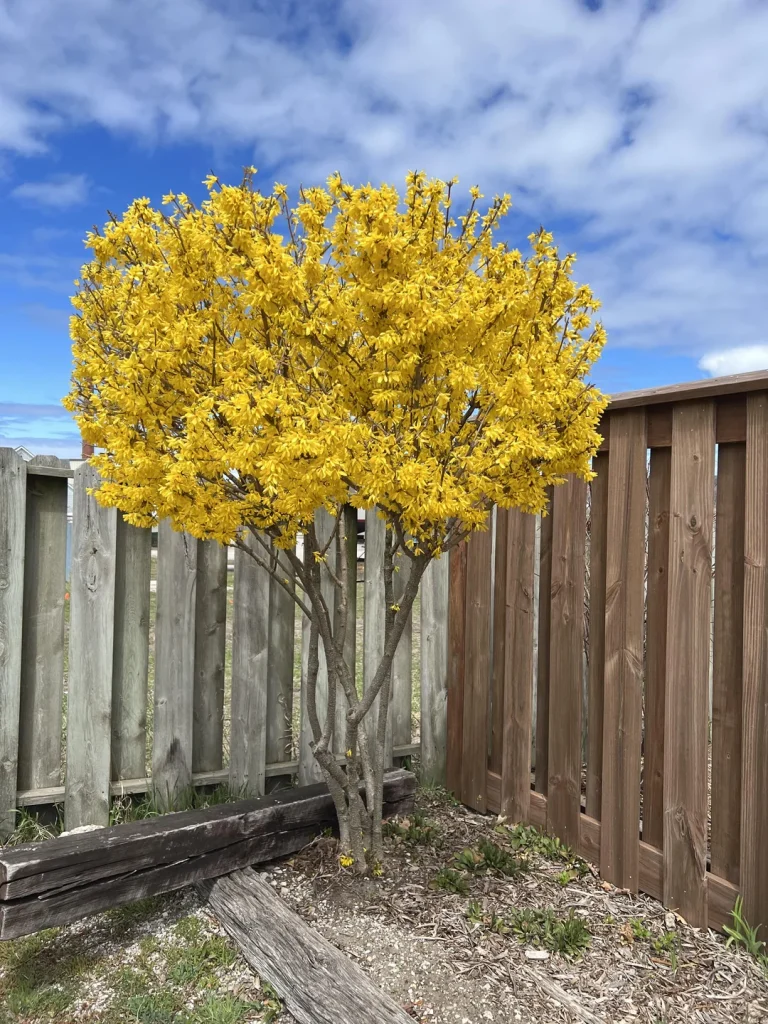
Forsythia gives you that loud yellow “spring is here” moment before many shrubs even wake up. You can use it when your shady spot still gets light shade or partial shade, not deep, cold darkness.
I’d plant forsythia where you want fast color and a loose screen. You’ll get the heaviest bloom with more sun, but it can still grow in partial shade with fewer flowers.
Bright yellow blooms make this shrub feel cheerful, almost cheeky. Who doesn’t want that after a gray winter?
- Hardiness: USDA zones 5 to 8.
- Light exposure: Full sun to partial shade, with better flowering in sunnier spots.
- Blooming season: Early spring.
- Size: Often 3 to 10 feet tall and wide, depending on the variety.
- Soil requirements: Moist but well-drained soil; it adapts to many soil types.
14. Silver-Leaf Hydrangea
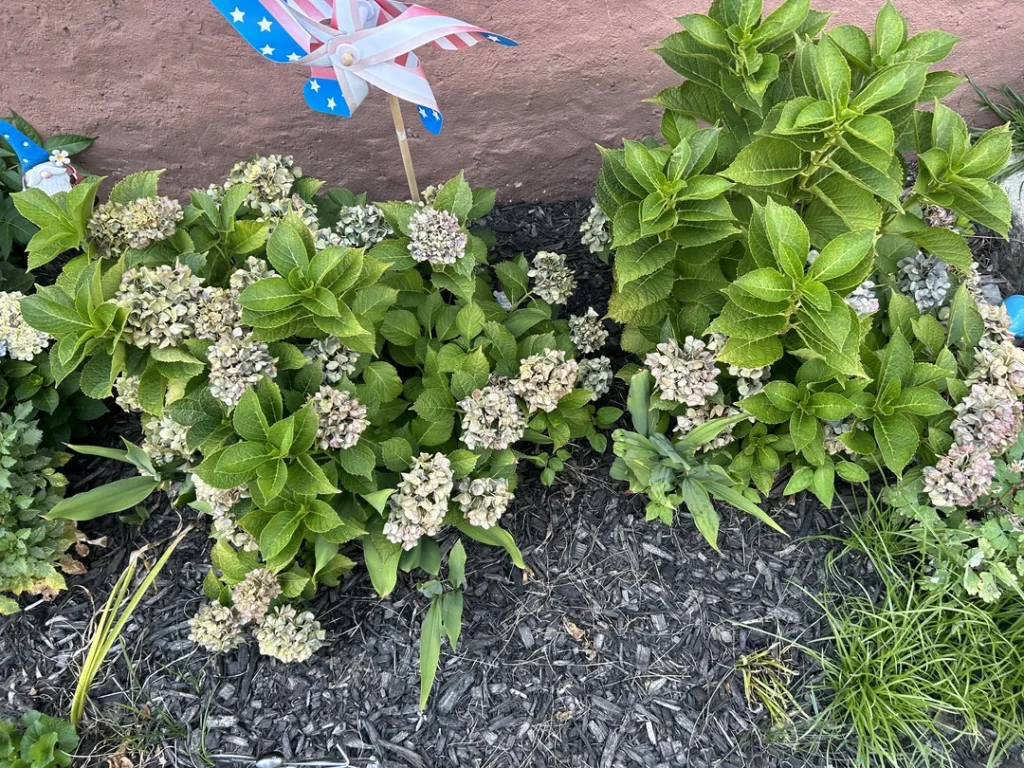
Silver-leaf hydrangea gives you white lace-cap flowers in early summer. You also get a softer leaf look than many common hydrangeas, which helps a shady bed feel layered and calm.
Pollinators visit the flowers, so this shrub gives you more than a pretty photo. You can also leave the dried blooms in place for fall and winter texture if you like a natural look.
Personally, I’d use this one when you want shade loving flowering shrubs that feel gentle rather than flashy. Some plants shout; this one speaks nicely.
- Hardiness: USDA zones 4 to 8.
- Light exposure: Partial shade.
- Blooming season: Early summer.
- Size: About 3 to 5 feet tall and 3 to 5 feet wide.
- Soil requirements: Well-drained soil.
15. Maple-Leaved Viburnum
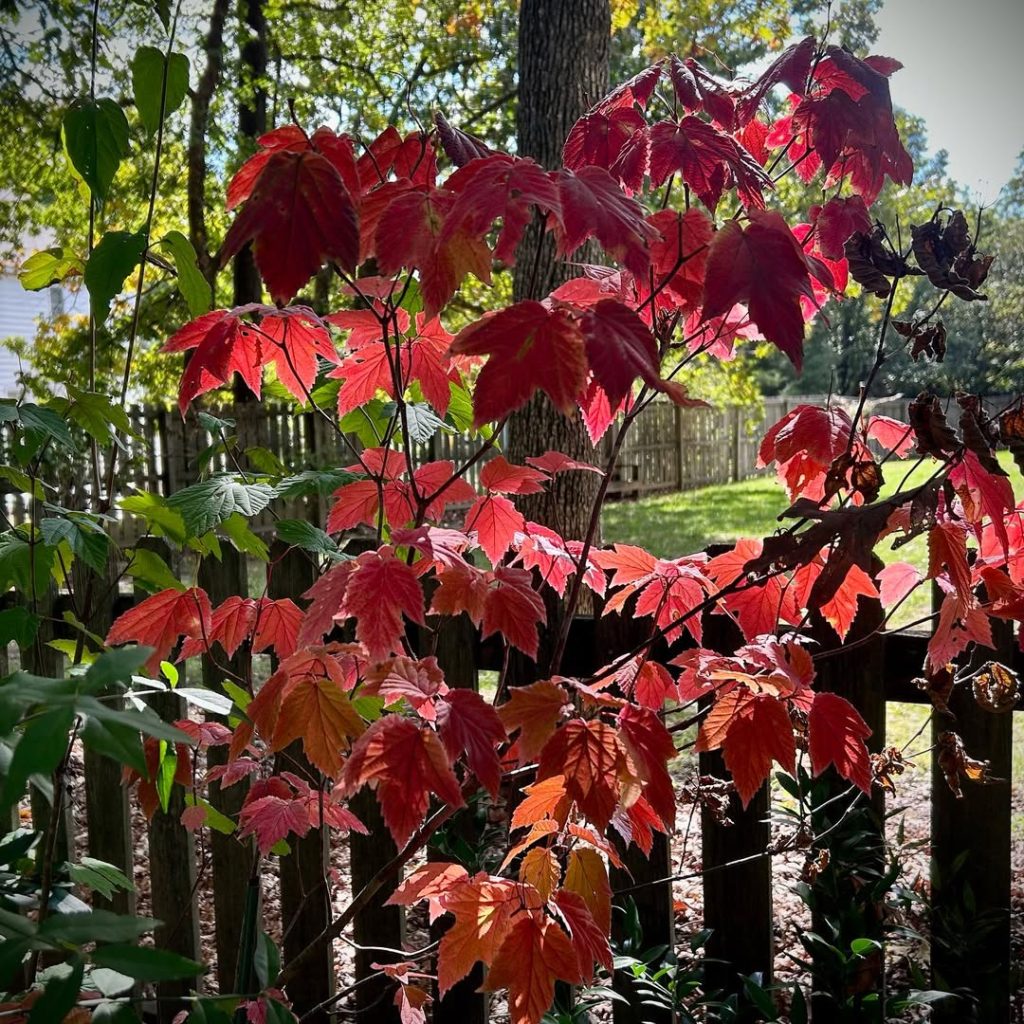
Maple-leaved viburnum belongs in your garden if you want flowers, berries, and fall color from one easygoing shrub. Small white lace-cap flowers arrive in spring, then berries follow and birds get the bonus snack.
You’ll love this plant if your shade garden feels flat after spring. Its green leaves can turn red, pink, or purple in fall, so the plant keeps working after bloom season ends.
Few shrubs handle dim spots with this much grace. I’d tuck it into a woodland edge, under open trees, or near a back fence where you want a soft native-style look.
Hardiness: USDA zones 4 to 8.
Light exposure: Partial shade to full shade.
Blooming season: Spring.
Size: About 3 to 6 feet tall and 3 to 6 feet wide.
Soil requirements: Acidic, moist, well-drained soil.
How to Choose the Right Shade Loving Flowering Shrubs
- Start with your shade. You’ll choose better shrubs when you know whether your spot gets dappled shade, light shade, partial shade, or full shade.
- Deep shade needs tough plants like sarcococca, maple-leaved viburnum, leucothoe, holly, and some rhododendrons.
- Brighter shade gives you more flower power from hydrangea, azalea, camellia, mountain laurel, bottlebrush buckeye, beautyberry, roses, and forsythia.
- Check your soil before you buy. Acid-loving shrubs such as azalea, rhododendron, mountain laurel, maple-leaved viburnum, and many hydrangeas usually grow better when the soil stays slightly acidic and drains well.
- Think about the season you want to fix. Camellia and mahonia help winter feel less bleak, azalea and rhododendron fire up spring, bottlebrush buckeye and hydrangea carry summer, while beautyberry and maple-leaved viburnum bring fall interest.
Simple Care Tips for Flowering Shrubs for Shade
Water young shrubs well during their first growing season. Roots need steady moisture before they can handle dry spells on their own.
Mulch helps a lot. A loose layer of bark, leaf mold, or compost can cool the soil, hold moisture, and make your shade bed look tidy.
Prune after flowering when you grow spring bloomers like azalea, rhododendron, forsythia, and mountain laurel. That timing helps you avoid cutting off next year’s flower buds.
Watch the leaves. Scorched brown edges often point to too much sun, while weak stems and few flowers may mean the shrub needs brighter light.
Final Thoughts
Shade doesn’t have to mean dull. You can build a gorgeous garden with shade loving flowering shrubs that bloom, feed wildlife, add scent, hold structure, and give you something pretty to look at in more than one season.
Pick the shrub for your exact light, not the fantasy version of your yard. I’ve made that mistake, and the plant sulked like a teenager.
Choose well, water deeply, and give each shrub room to grow. Your shady corner might become your favorite spot in the garden.