10 Best Annual Flowers to Sow in Fall for an Effortless Spring Garden

Spring gardens often have a gap. Bulbs finish blooming. Peonies haven’t started yet. Your beds sit bare for weeks.
Fall-sown annuals fix that. You scatter seeds now, before the ground freezes. They root quietly over winter. Then they burst into bloom weeks ahead of anything you’d plant in spring.
Here are 10 easy annual flowers to sow this fall, plus tips to help every seed take hold.
When to Sow Based on Your Zone
Your sowing window depends on where you garden.
- Zones 3-6: Sow after your first hard frost, usually October. Cold, dormant soil keeps seeds from sprouting too soon.
- Zones 7-8: Sow in October or November. Your falls stay mild longer, so seeds need a bit more time to settle in before real cold hits.
- Zones 9-11: Wait until November or December. Your winters are your growing season, so seeds sown too early may sprout during a warm spell and struggle.
Not sure of your zone? Check the USDA Plant Hardiness Zone Map before you buy seed. It only takes a minute and saves you from timing mistakes.
Common Fall-Sowing Mistakes (And How to Avoid Them)
Sowing too early. Warm soil tricks seeds into sprouting before winter. Tender seedlings then die in the first hard freeze. Wait for cooler weather, even if it feels late.
Skipping bed prep. Seeds need bare soil, not a bed full of dead summer plants and mulch. Clear the area first. Rake it smooth so seeds make good contact with the dirt.
Planting in soggy spots. Most hardy annuals hate wet feet. Standing water rots seeds before they even germinate. Choose a spot with good drainage, or raise your bed a few inches.
Forgetting to thin seedlings. Crowded seedlings compete for light and airflow. This leads to weak, leggy plants and more disease. Thin them out once they have a few true leaves, even if it feels wasteful.
10 Best Annual Flower Seed For Fall Garden
1. Larkspur
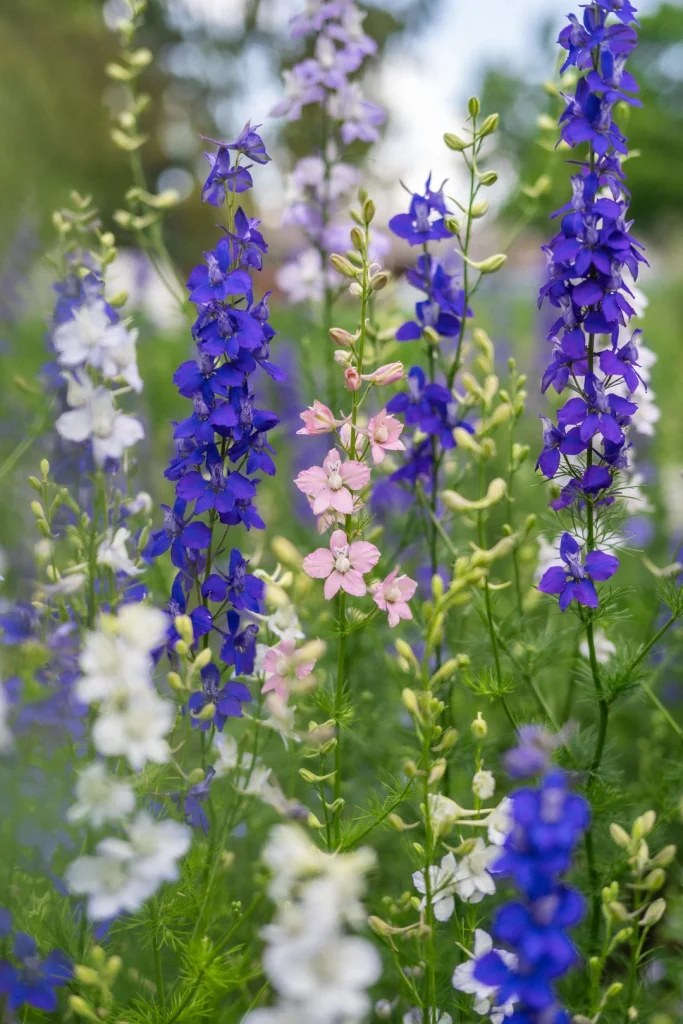
Larkspur grows tall, airy flower spikes in shades of purple, pink, white, and blue. It looks right at home in a cottage garden, and it holds up beautifully as a cut flower too.
This plant is one of the easiest hardy annuals to grow from seed. It actually germinates better in cold soil, so fall sowing gives it exactly what it wants.
Just scatter the seeds where you want them to bloom, since larkspur resents being transplanted.
Sowing tip: Press seeds lightly into the soil rather than burying them deep. Larkspur seeds need some light to germinate well.
2. Bachelor’s Buttons (Cornflower)
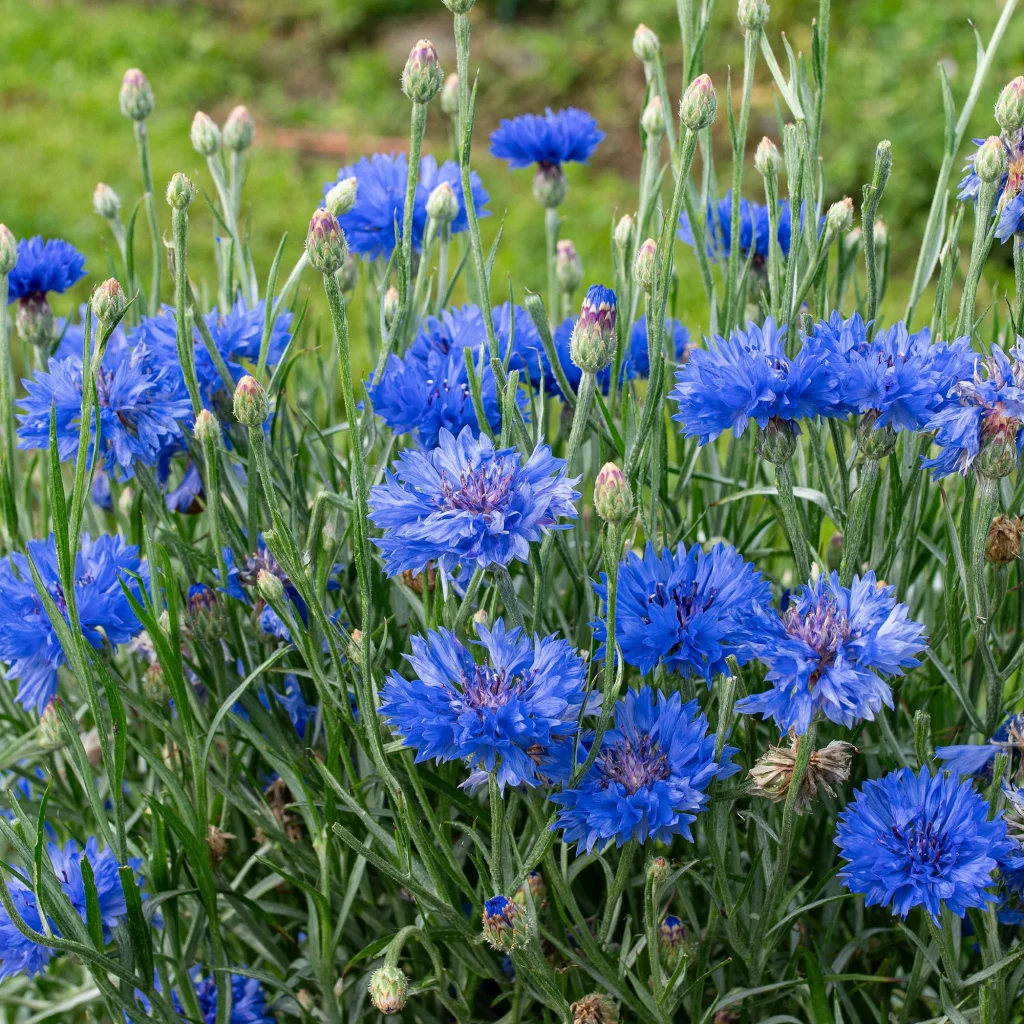
Bachelor’s Buttons, also called cornflowers, bring that classic cottage-garden charm.
Most people picture the bright blue variety, but you can also find soft pink, deep maroon, and lavender types if you look beyond the basic seed rack.
These flowers ask for very little. They tolerate poor soil, shrug off light frost, and reseed themselves happily once established. Fall sowing gets you earlier, fuller blooms than a spring-planted patch.
Best for: Cutting gardens and pollinator beds. Bees and butterflies love them.
3. Love-in-a-Mist
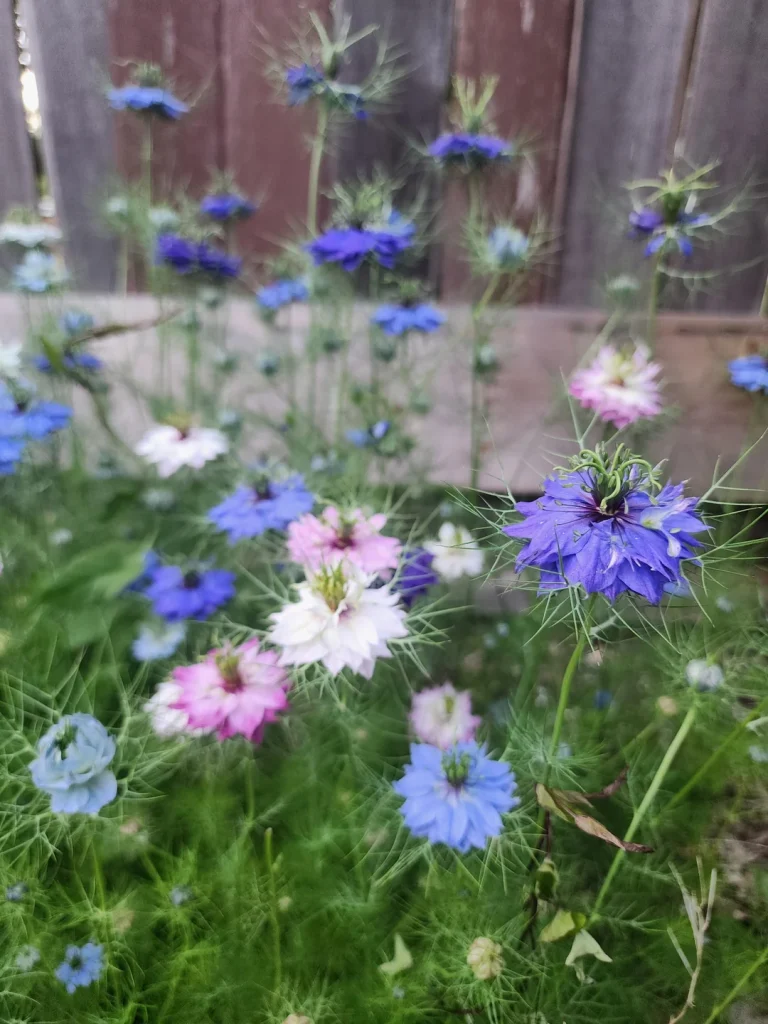
Love-in-a-Mist is one of those flowers people stop to ask about. Delicate, star-shaped blooms sit inside a wispy halo of thread-like foliage, and the seed pods that follow are just as striking in dried arrangements.
This plant has a shallow taproot that hates disturbance, so direct sowing is really your only good option.
Fall-sown plants also tend to grow taller and sturdier than ones started in spring, which matters if you want long stems for bouquets.
Sowing tip: Scatter seeds thinly. Love-in-a-Mist doesn’t like crowding and grows best with a little breathing room.
4. Shirley Poppy
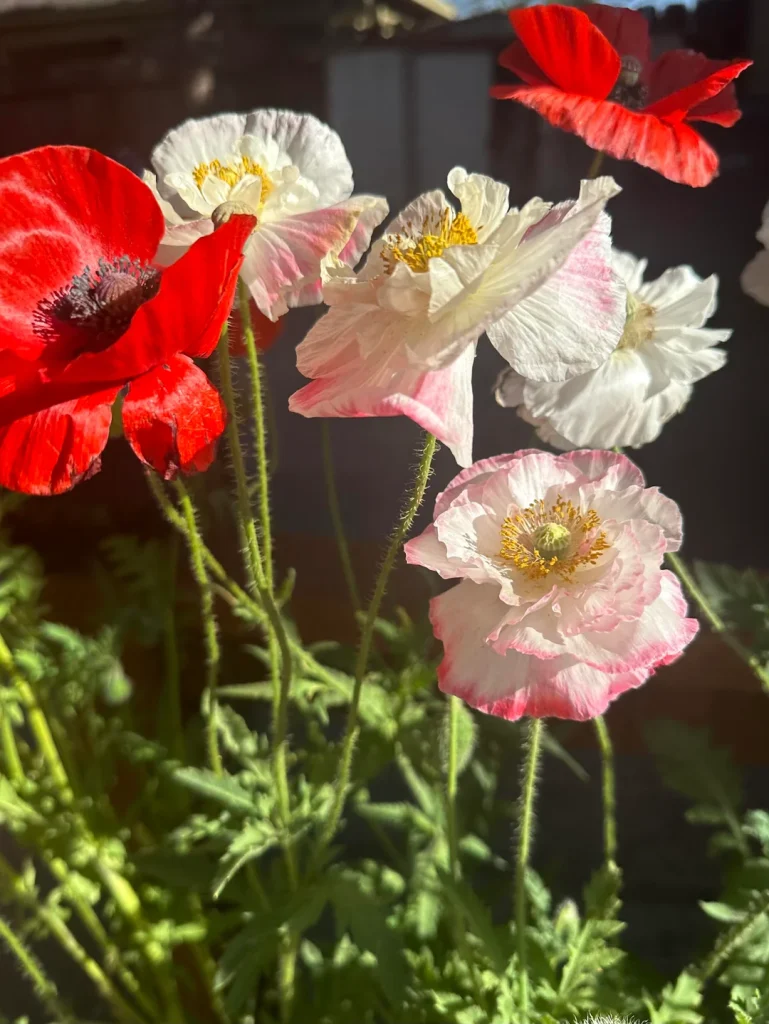
Shirley Poppies have thin, crinkled petals that look almost like tissue paper. They come in shades of red, pink, and soft purple, often with a picotee edge that makes each bloom look hand-painted.
Poppies have a taproot too, so skip the transplanting and sow them right where you want them.
Fall sowing lets them go through a natural cold period, which many gardeners find helps with steadier germination once spring arrives.
Sowing tip: Don’t cover the seeds. Shirley poppy seeds need light to sprout, so just press them gently onto the soil surface.
5. Calendula
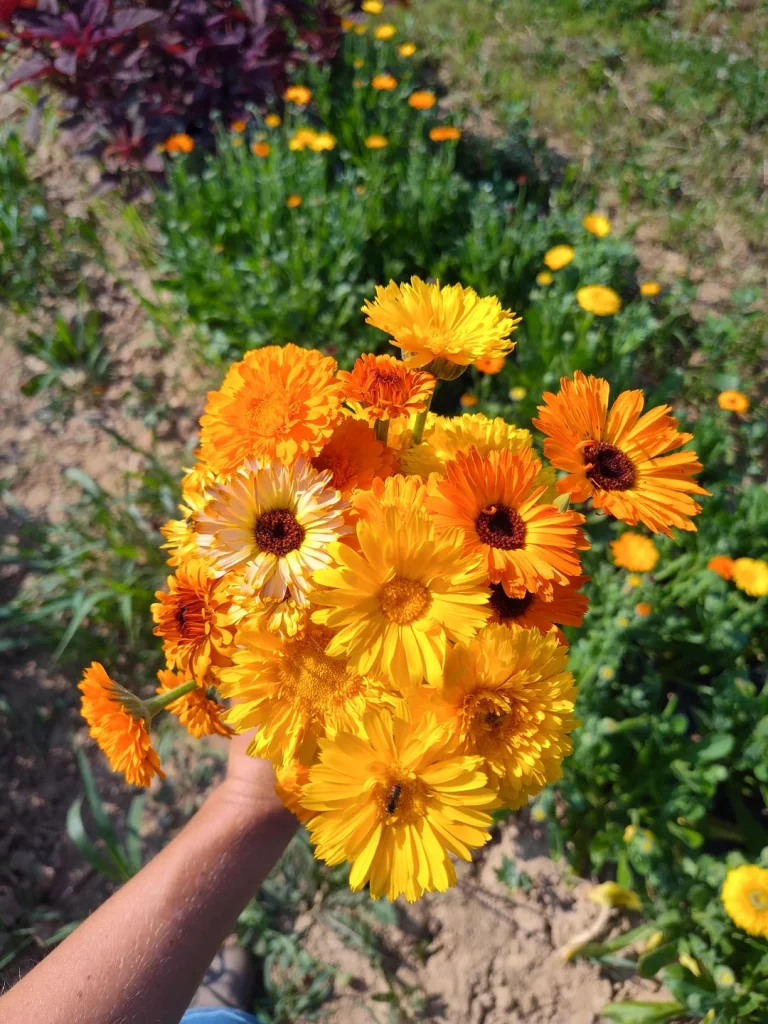
Calendula, sometimes called pot marigold, gives you cheerful orange and yellow blooms that keep going through several light frosts. It’s also edible, which makes it a fun pick if you like adding flowers to salads or teas.
This one tolerates cold soil better than most annuals, so it’s a forgiving choice if your timing is a little off.
It also self-sows freely, so one good fall planting can keep coming back for years.
Best for: Beginner gardeners. Calendula is hard to mess up, and it rewards very little effort with a long bloom season.
6. Sweet Alyssum
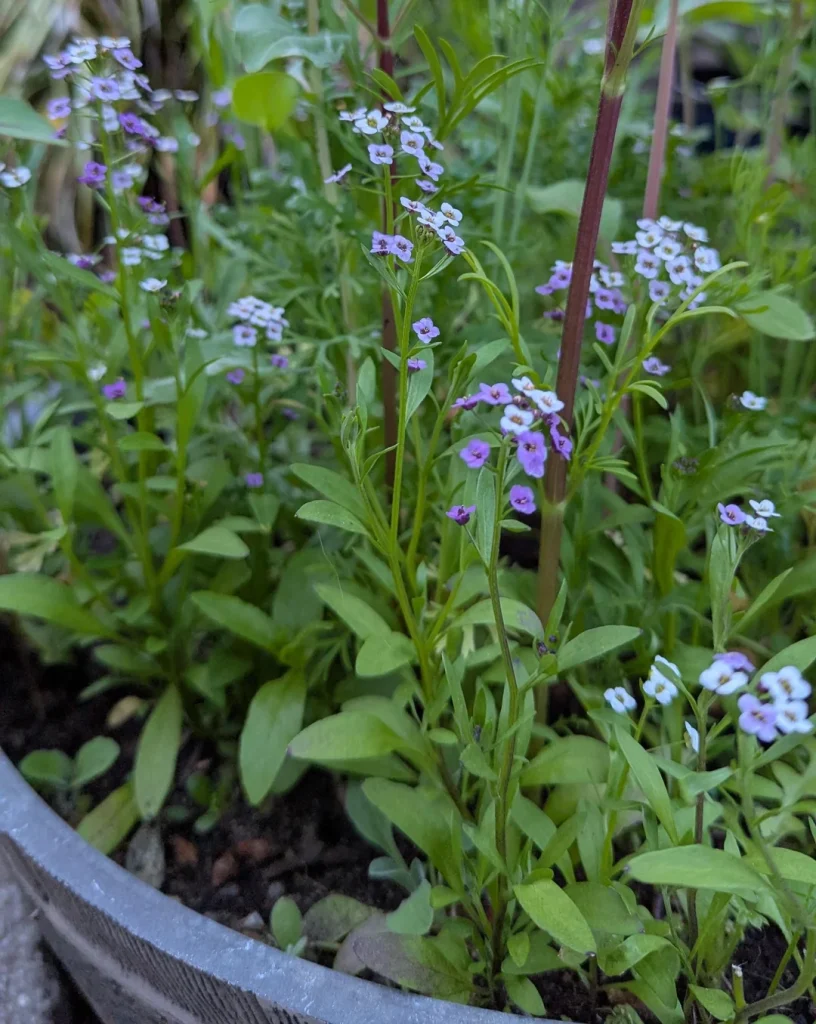
Sweet Alyssum forms a low, spreading carpet of tiny flowers that smell like honey on a warm day. It stays compact, usually under 8 inches tall, which makes it perfect for edging beds or spilling over container edges.
This plant blooms from spring all the way through fall once it’s established, so a fall sowing gives you a serious head start on that long season.
It handles cool soil well and often pops up on its own the following year if you let a few blooms go to seed.
Best for: Filling gaps between larger plants or softening the edge of a walkway.
7. Snapdragon
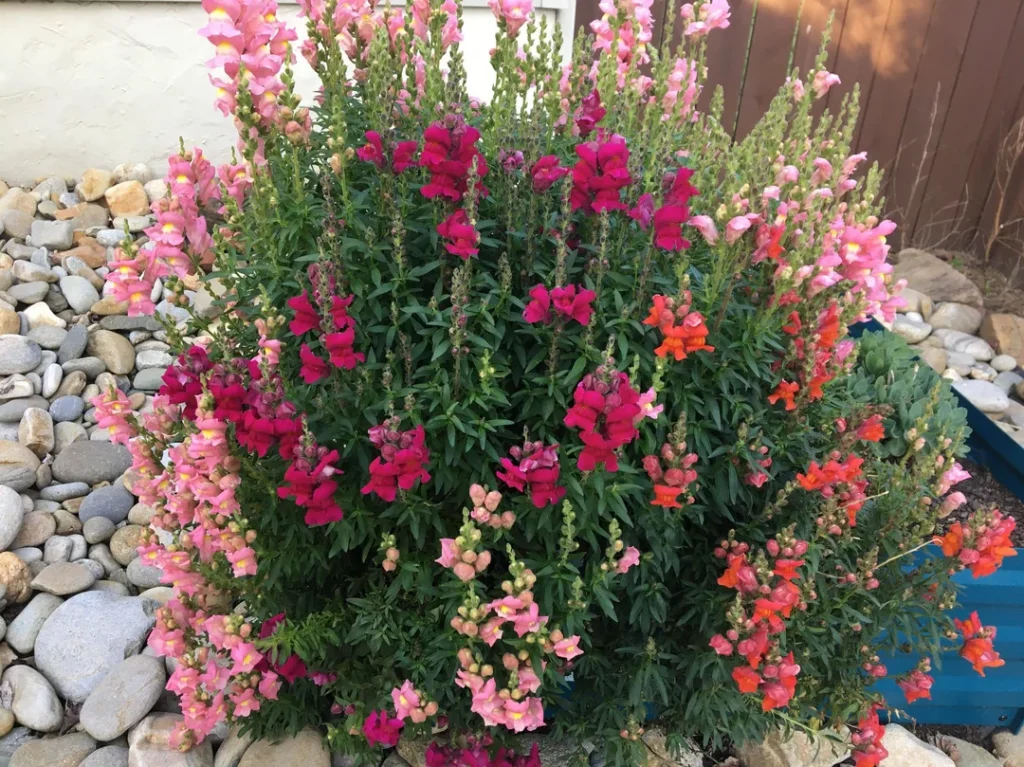
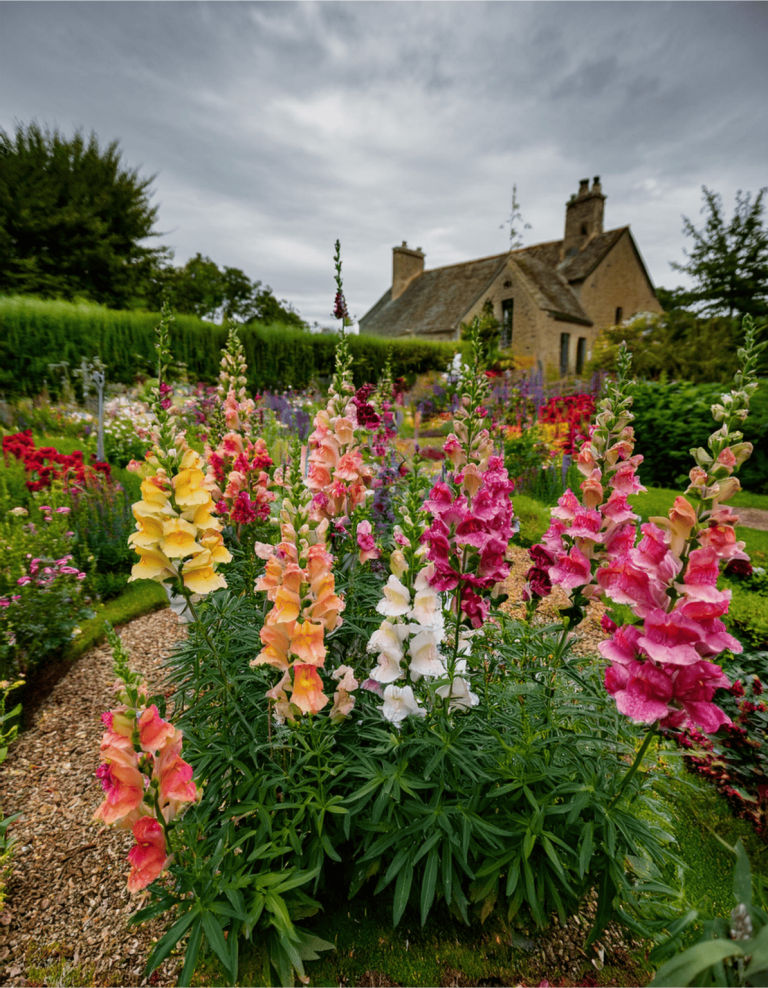
Snapdragons bring tall spikes of ruffled, dragon-mouth blooms in almost every color you can think of.
Kids love squeezing the flowers to make them “talk,” which is a nice bonus if you’re gardening with little ones.
These plants are tougher than most people realize. Once established, snapdragons can shrug off temperatures well below freezing, especially with a layer of mulch to protect the roots.
Fall-sown plants build a strong root system over winter, so they take off fast and bloom weeks earlier than spring-planted ones.
Sowing tip: Keep seeds barely covered and don’t let the bed dry out until seedlings are established. Snapdragon seeds are slow to germinate, so patience pays off here.
8. Sweet Peas
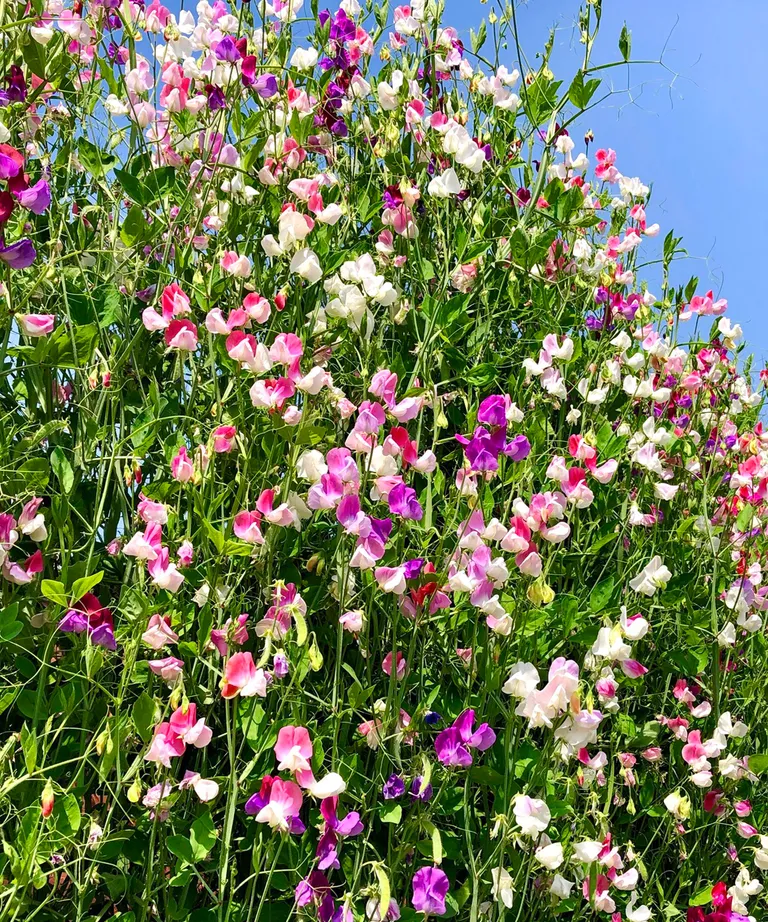
Sweet Peas climb, twist, and fill the air with one of the best fragrances in the garden. Their ruffled blooms come in soft pastels and rich jewel tones, and they’re a favorite for cutting.
Fall sowing is where sweet peas really shine. Plants started in autumn build deep, strong roots over winter and often produce noticeably more flowers than spring-sown vines.
Give them something to climb, like a trellis or netting, right from the start.
Sowing tip: Soak seeds overnight before planting. It softens the tough seed coat and speeds up germination.
9. California Poppy
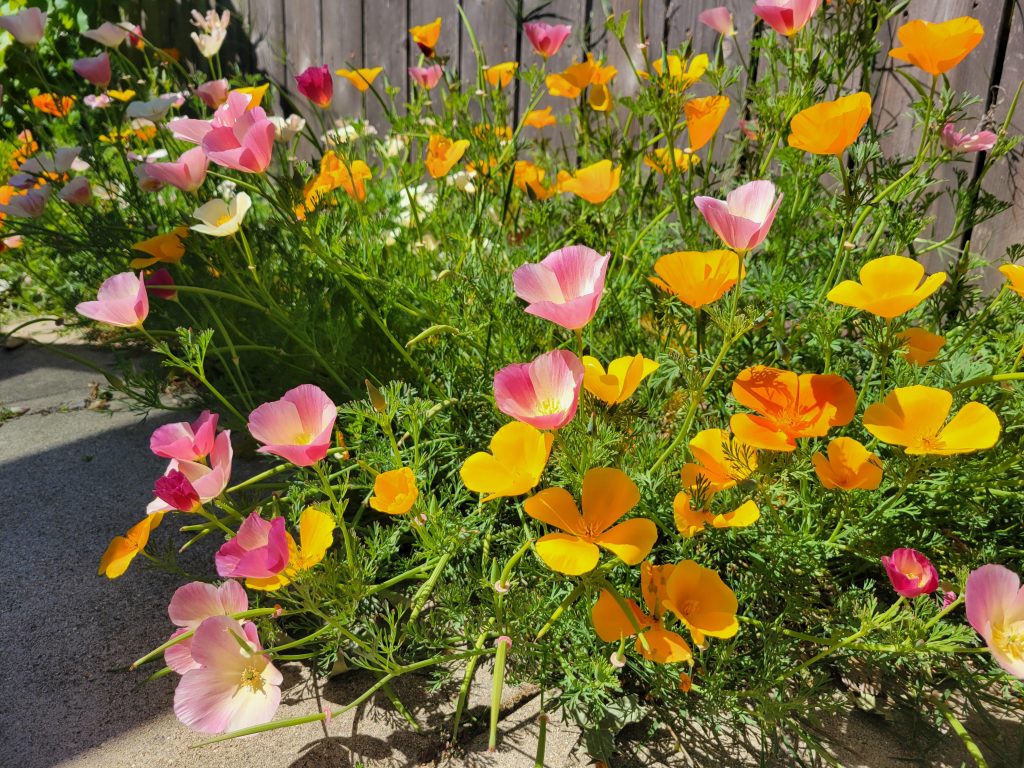
California Poppy opens silky, cup-shaped blooms in shades of orange, yellow, pink, and cream.
The flowers close up at night and on cloudy days, then reopen with the sun, almost like the plant is waking up.
This one loves lean, well-drained soil and full sun, and it actually performs worse if the ground is too rich.
Fall sowing works well because the seeds germinate readily in cool weather and the plants tolerate light frost without any fuss.
Best for: Dry, sunny spots where other flowers struggle to establish.
10. Queen Anne’s Lace (Ammi)
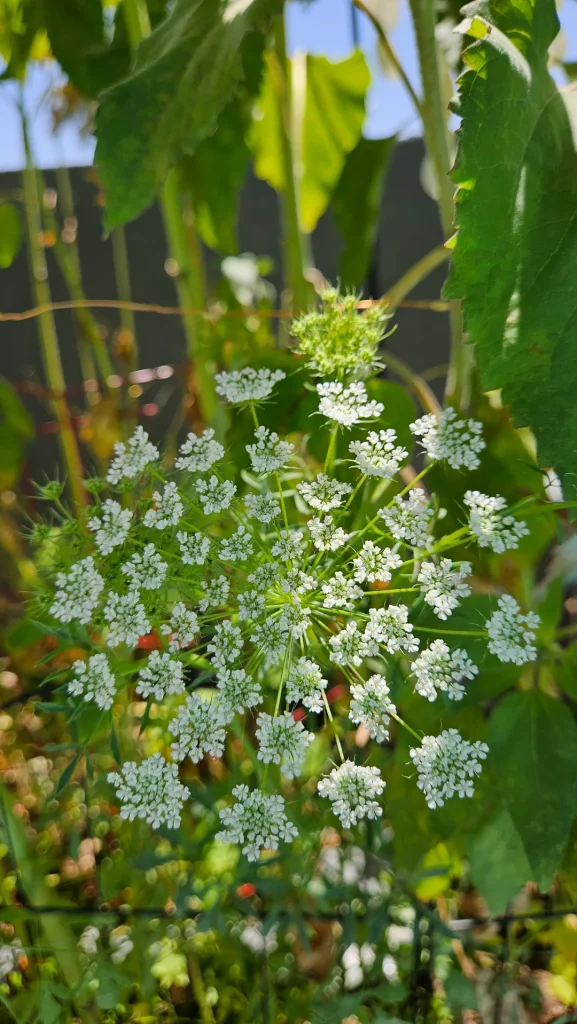
Queen Anne’s Lace, or Ammi, produces lacy, umbrella-shaped flower clusters that add soft texture to any bed or bouquet.
It’s a favorite backbone flower for early-season arrangements because it pairs so easily with almost anything.
Direct sowing suits this plant best, since it doesn’t love being moved once it’s rooted. In colder climates, a light cover like row fabric or a low tunnel helps it push through winter and bloom generously by late spring.
Sowing tip: Sow a little more thickly than you think you need. Not every seed will germinate, and a fuller stand looks better in the garden anyway.
Final Thoughts
Fall doesn’t have to mean the end of your gardening season. A few hours spent scattering seeds now sets you up for a spring garden that’s already ahead of schedule.
Pick a few flowers from this list, match them to your zone, and let winter do the rest of the work. Come spring, you’ll be glad you didn’t wait.