
12 Fall-Planted Perennial Bulbs That Reward You With Months of Spring Color

Ever walked outside in March and felt let down by a bare, brown yard? I know that feeling. You wait all winter for color, and nothing’s there yet.
Here’s the good news.
You can fix this now, in fall, with almost no effort in spring. Plant the right bulbs today, and your garden wakes itself up next year. No fuss, no guesswork.
Just months of blooms starting as early as February. Let’s look at 12 perennial bulbs worth planting before your first hard frost hits.
How Deep and When to Plant
I won’t lie to you. Bulb planting is one of the easiest garden tasks out there. You just need to get depth and timing right.
Here’s a simple rule I use every fall. Plant a bulb about four times as deep as its own height. Got a two-inch bulb? Dig about eight inches down.
Timing matters just as much. Wait until nighttime soil temps sit between 40 and 50°F. For most of us, that’s September through November. This gives roots time to grab hold before the ground freezes solid.
One more thing. Skip soggy, waterlogged spots. Your bulbs will rot fast if water sits around them.
A little bone meal in the hole gives roots a nice boost, but hold off on fertilizer once flowers open. Feeding too late can actually invite rot instead of blooms.
Keeping Squirrels and Deer Out of Your Bulb Bed
If you’ve ever planted bulbs only to find empty holes a week later, you already know the struggle. Squirrels see your bulb bed as a snack bar. Deer aren’t much better once flowers pop up.
Here’s your easy fix. Some bulbs just aren’t appetizing to either critter. Daffodils, alliums, and fritillaries carry bitter compounds that send squirrels and deer looking elsewhere.
Your riskier picks are tulips and crocuses. If wildlife is a real problem where you live, mix crushed gravel or oyster shell into the planting hole.
The gritty texture throws digging animals off. Planting a little later in fall helps too, since squirrels are less frantic once their pre-winter foraging winds down.
A Quick Note on Pet Safety
If you share your yard with a dog or cat, this one’s worth a quick read. A few of these bulbs are toxic if your pet digs one up and takes a bite.
Tulips, daffodils, and hyacinths are the ones I’d watch closest, since the bulb itself holds the most concentrated toxins.
Symptoms usually start with vomiting or drooling. Larger bites can get more serious fast.
Got a digger at home? Plant these varieties somewhere fenced off, and call your vet right away if you ever suspect trouble.
12 Best Perennial Bulbs to Plant in Fall
1. Daffodil
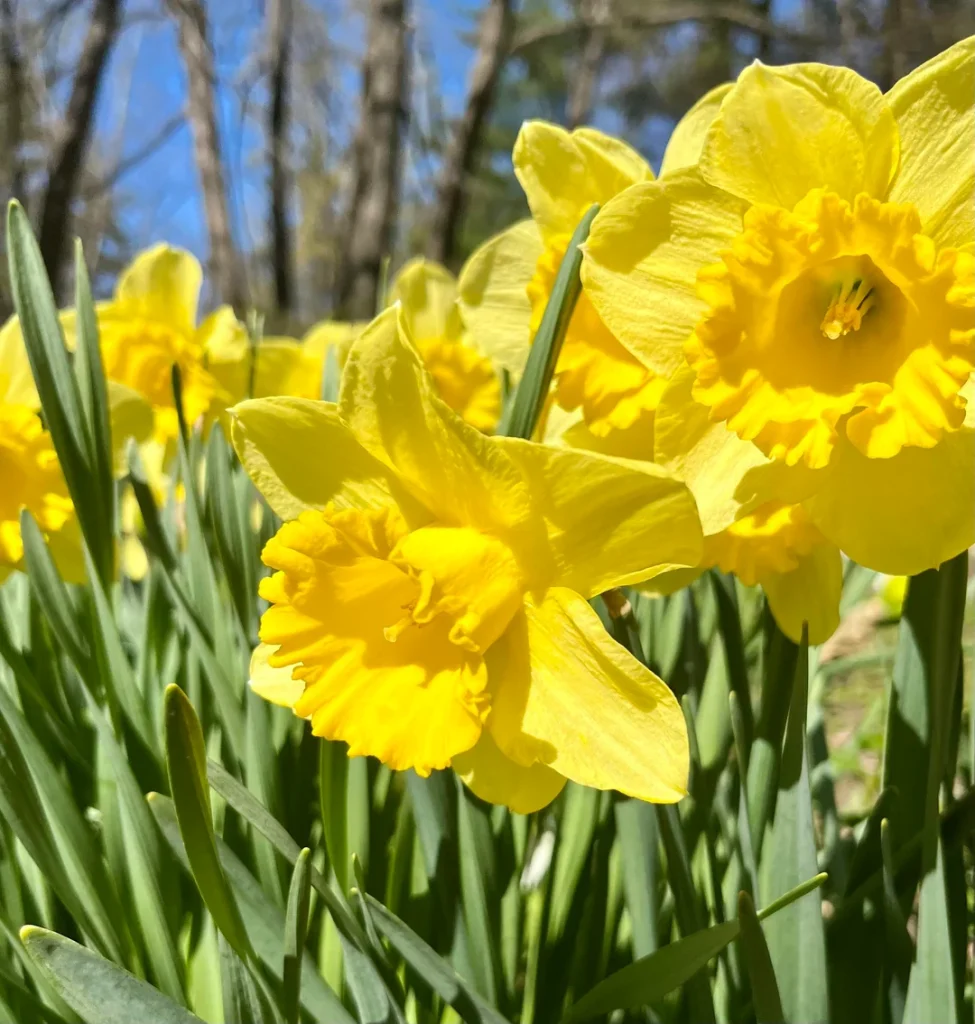
Nothing says spring quite like a daffodil. You’ll get trumpet-shaped blooms in yellow, white, orange, and soft peach, some with a light fragrance you’ll actually notice.
If you’re new to fall bulb planting, start here. Daffodils forgive almost every rookie mistake.
Here’s what I love most about them. They naturalize on their own, spreading a little wider each year without any help from you.
Deer and squirrels tend to skip right past them too, thanks to a bitter compound tucked inside the bulb. That makes daffodils a smart pick if wildlife has been a headache in your yard.
Planting time: September to November
Planting depth: 4-6 inches
Bloom time: February to May
Hardiness zone: 3-9
2. Allium
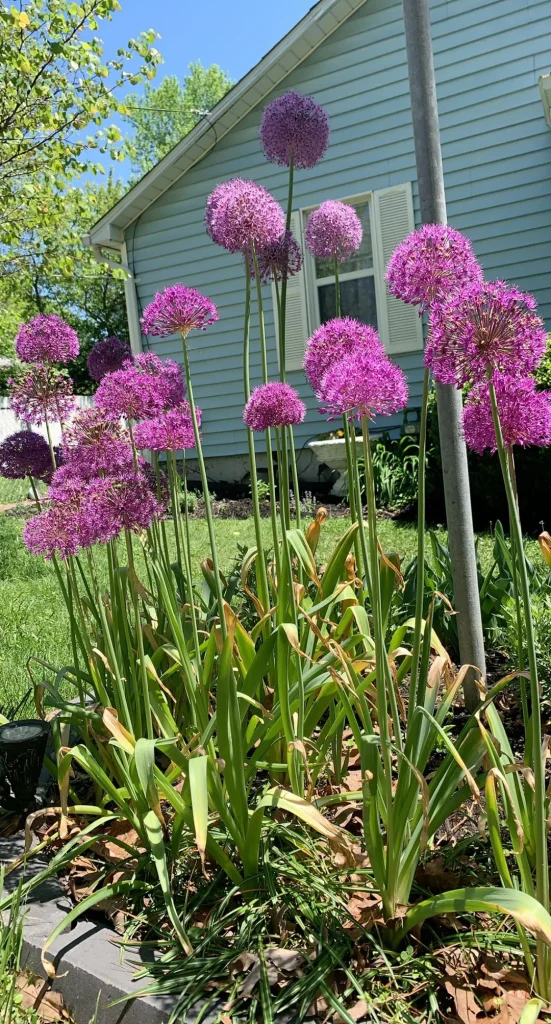
Want instant drama in your spring bed? Plant alliums. Their tall stems hold round, firework-shaped blooms that stop people in their tracks.
You’ll find options as short as six inches or as tall as four feet, so there’s a size that fits almost any spot in your yard.
Give them full sun and soil that drains well, and they’ll take it from there.
Alliums belong to the onion family, and that same oniony scent is exactly why deer and squirrels leave them alone.
Once the blooms fade, just trim back the foliage. The dried flower heads still look striking left standing through fall.
Planting time: October to November
Planting depth: 4-8 inches
Bloom time: May to July
Hardiness zone: 4-8
3. Tulip
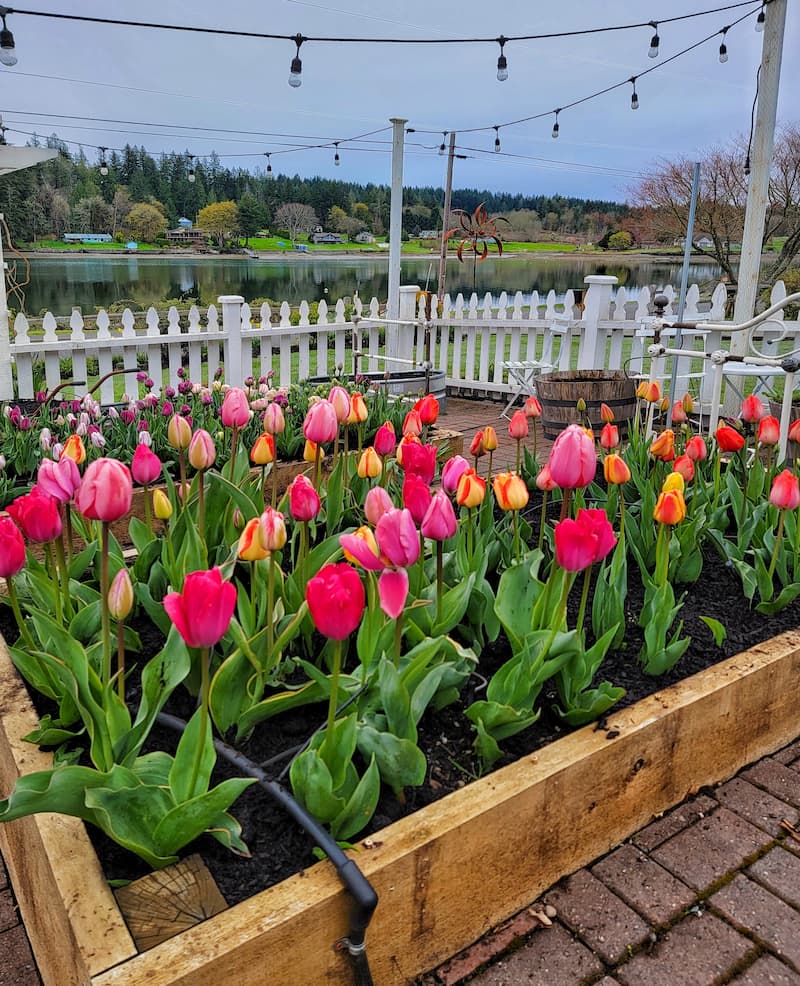
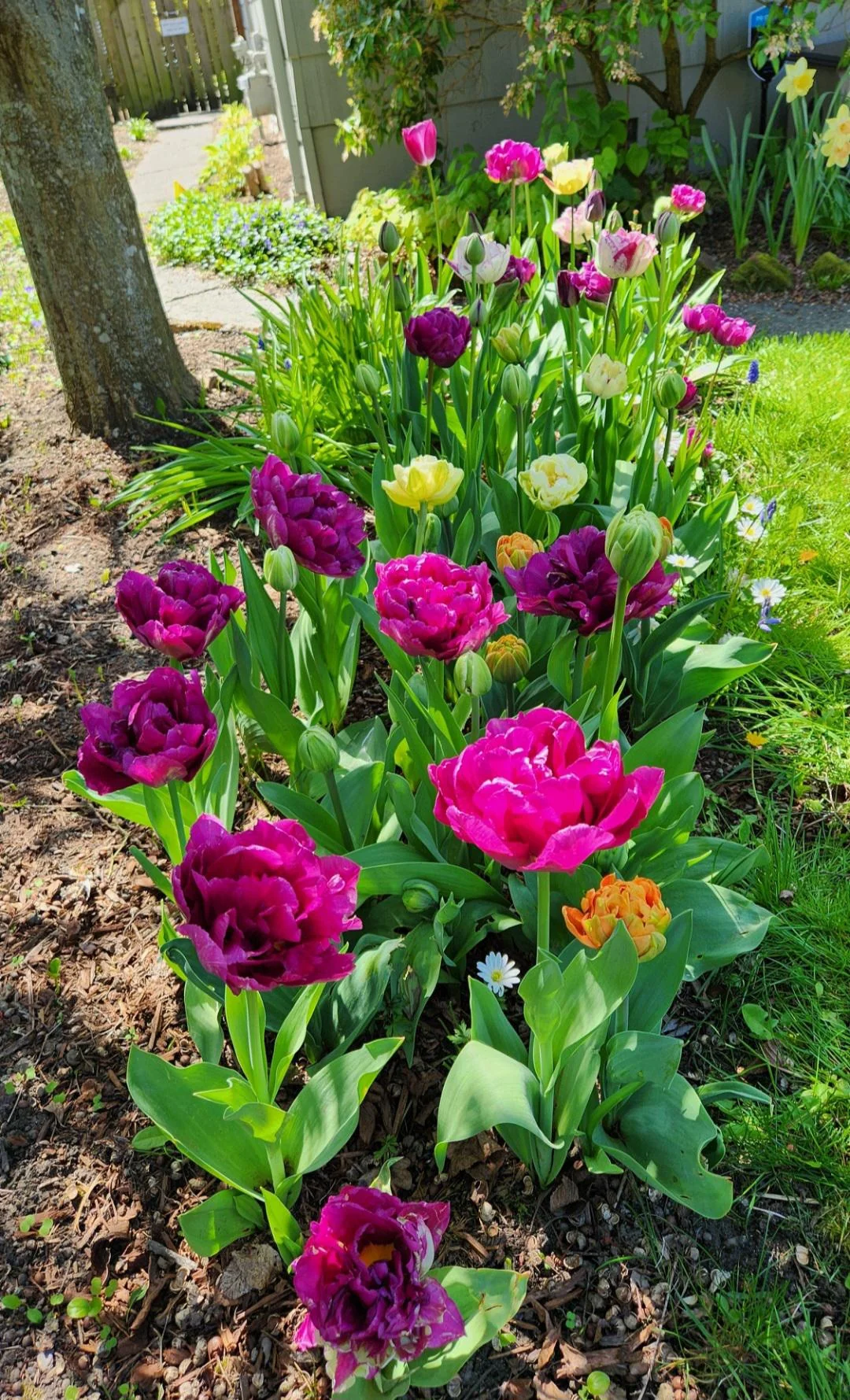
You probably already picture tulips when you think fall bulbs. They come in nearly every color you can imagine, from soft blush pinks to deep, velvety reds.
Some varieties even have fringed or double petals that look more like peonies than tulips.
I’ll be honest with you here. Tulips don’t always come back as strong in warmer climates. Treat them as a one or two-year show unless you’re in a cooler zone.
Give them full sun and sharp drainage, and you’ll get the best shot at a repeat performance next spring.
Planting time: September to November
Planting depth: 6-8 inches
Bloom time: March to May
Hardiness zone: 3-8
4. Grape Hyacinth
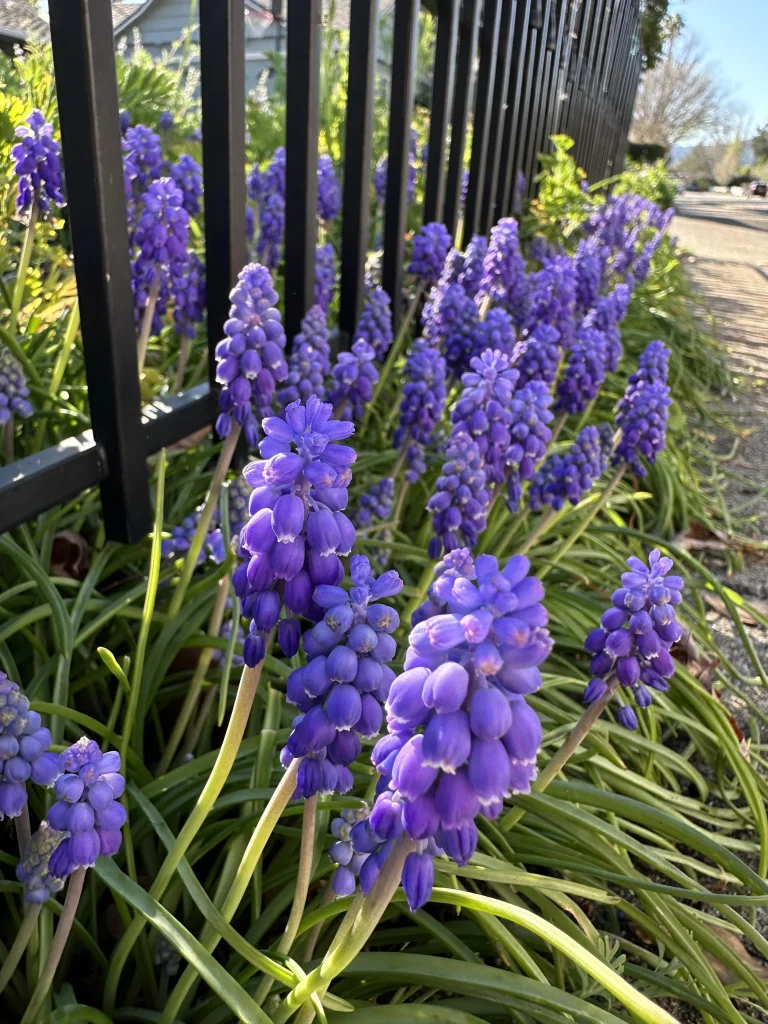
Don’t let the tiny size fool you. Grape hyacinth, or muscari, packs serious charm into clusters of small blue, purple, or white blooms that genuinely look like little grape bunches.
Standing just six to eight inches tall, they’re perfect for edging a path or filling a container by your front door.
Plant a group of these once, and you’ll likely see them spread into a soft carpet over the years.
They’re easygoing about sun too, handling both full sun and partial shade without complaint. Squirrels mostly ignore them thanks to their musky scent and tough little bulbs.
Planting time: September to November
Planting depth: 3-4 inches
Bloom time: April to May
Hardiness zone: 4-9
5. Crocus
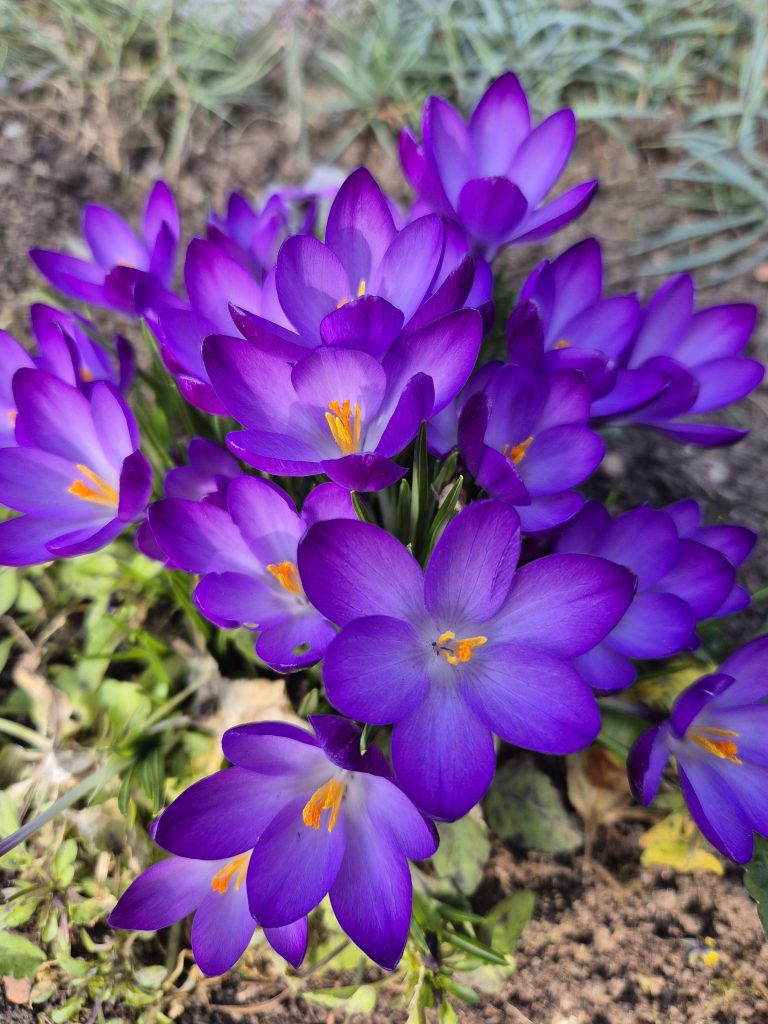
Watch for crocus blooms, and you’ll know winter’s grip is finally loosening. These low, cup-shaped flowers push right through a light dusting of snow, opening into cheerful purple, yellow, or white blooms.
Technically they grow from corms, not true bulbs, but you’ll plant and treat them just the same.
I like tucking crocuses into lawn edges, borders, or pots near the front door. Just get them in the ground six to eight weeks before your first hard frost. They need that cold stretch to bloom right.
One heads up though. Squirrels and rabbits find these corms pretty tasty, so a little crushed gravel around the hole goes a long way.
Planting time: September to November
Planting depth: 3-4 inches
Bloom time: February to March
Hardiness zone: 3-8
6. Snowdrop
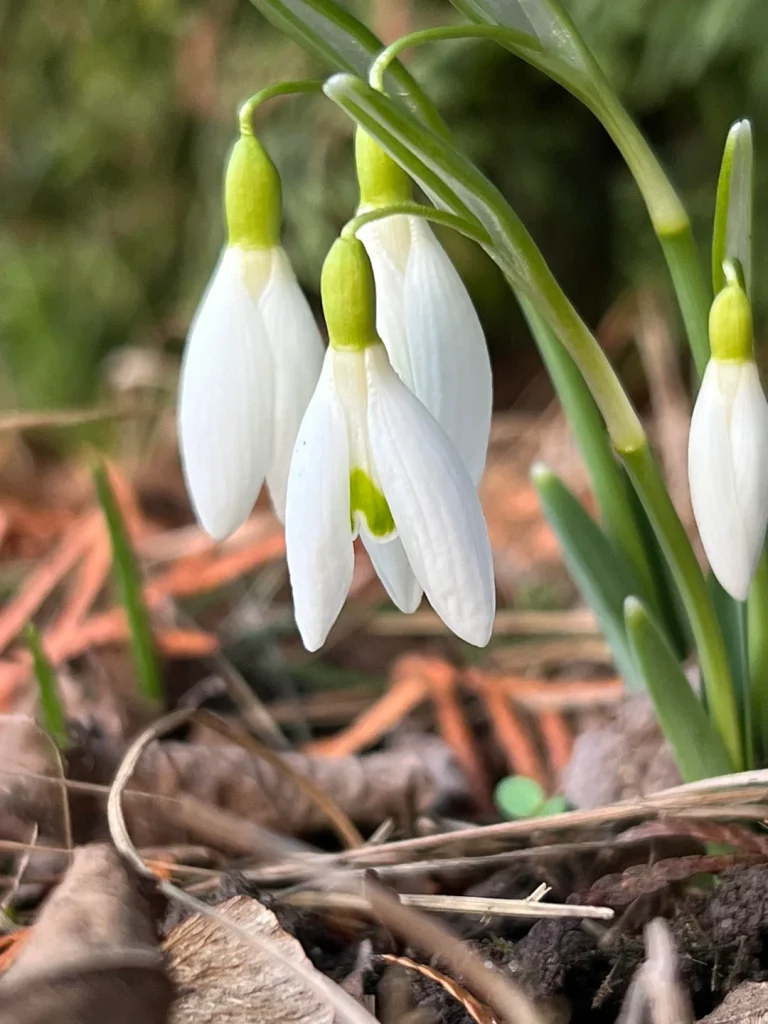
Snowdrops are the early birds of the bulb world.
You’ll spot their small, white, bell-shaped blooms poking through frost and even snow, often weeks before anything else stirs in your garden.
If you want proof that spring is coming, plant these.
I always tell people to buy snowdrops early in fall, since they can be tricky to find later in the season. They love a shady spot under trees, where they’ll naturalize into soft drifts over a few years.
Once they finish blooming, you can lift and divide the clumps to spread them to new corners of your yard.
Planting time: October to November
Planting depth: 3-4 inches
Bloom time: January to April
Hardiness zone: 3-7
7. Hyacinth
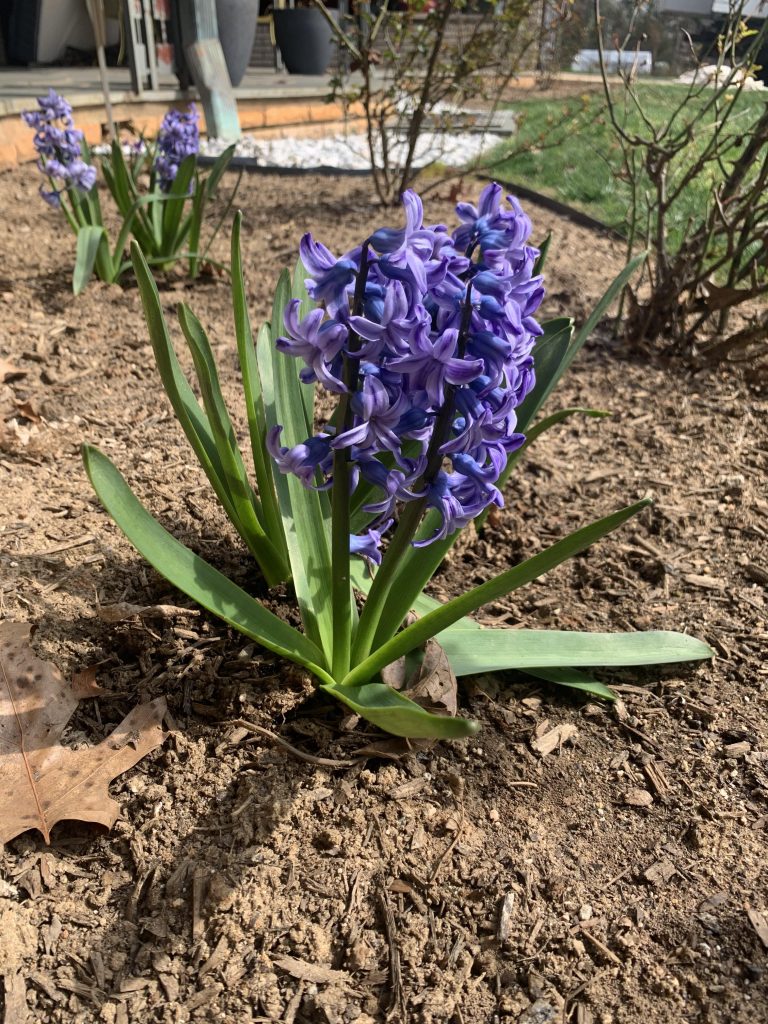
If you’ve never grown hyacinth, you’re missing out on one of spring’s best smells.
These dense flower spikes come in deep purples, soft pinks, and crisp whites, and their fragrance can fill an entire yard on a warm afternoon.
I like planting a cluster near a patio or front walkway, so you catch that scent every time you pass by.
Hyacinths want full sun and soil that drains well. They’re not picky beyond that.
Just know your pets should stay away from the bulbs, since they carry the same type of toxins as tulips.
Planting time: September to November
Planting depth: 4-6 inches
Bloom time: March to April
Hardiness zone: 4-8
8. Camassia
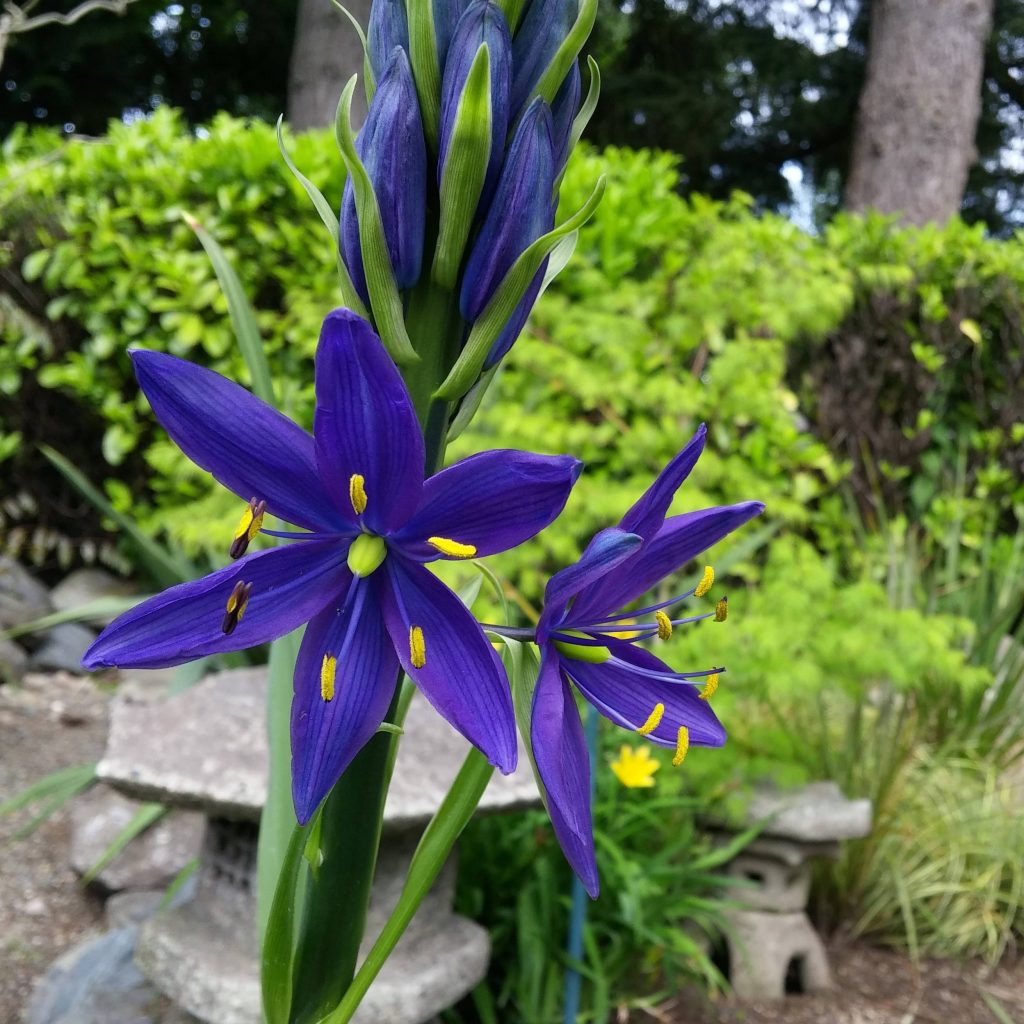
Here’s one you might not know yet. Camassia sends up tall spikes of star-shaped blooms in blue, purple, or white, right around the time most other spring bulbs start fading.
That makes it a great way to stretch your bloom season a little longer.
You’ll find this one native to parts of the Pacific Northwest, and it’s tougher than most bulbs when it comes to soil.
Camassia actually tolerates heavy, moist ground that would rot a tulip or daffodil.
Plant it in a meadow-style bed or naturalized area, and let it do its thing with almost no maintenance from you.
Planting time: September to December
Planting depth: 4-6 inches
Bloom time: April to June
Hardiness zone: 4-8
9. Checkered Fritillary
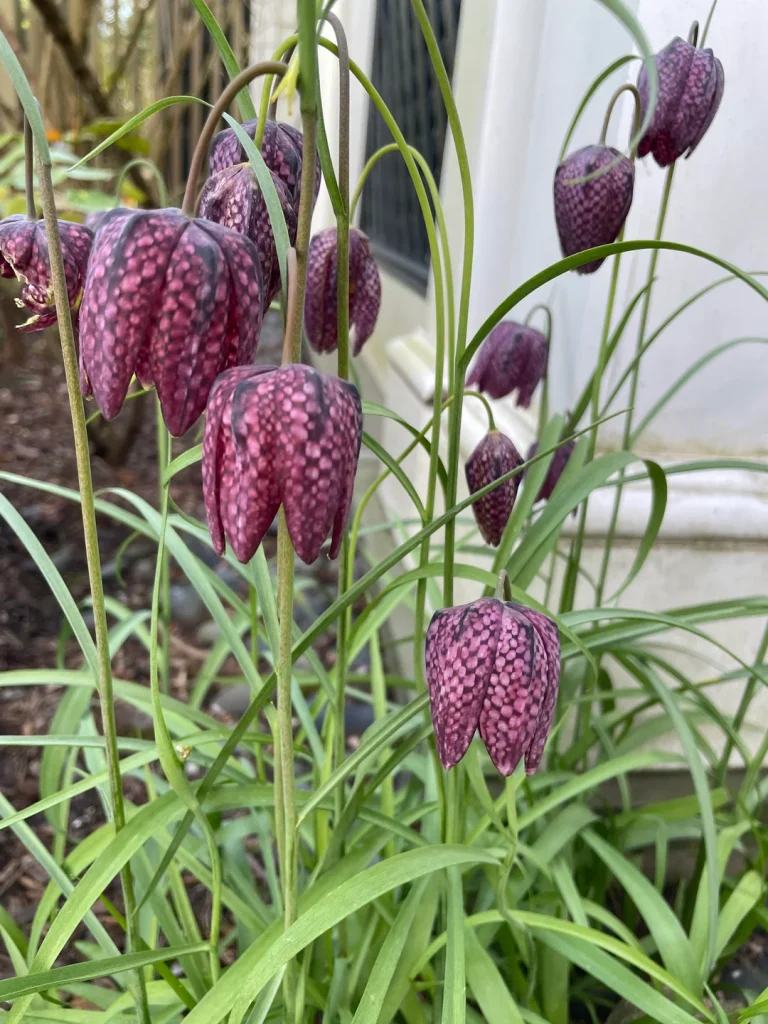
I think this one deserves way more attention than it gets.
Checkered fritillary, sometimes called snake’s head fritillary, grows nodding, bell-shaped blooms with a striking checkerboard pattern in deep purple or white.
Nothing else in a spring garden looks quite like it.
These bulbs prefer damp, part-shade spots, which makes them a nice option if you’ve struggled to find bulbs that handle a little extra moisture.
They’re also naturally unappealing to deer and squirrels, so you can tuck them into a wildlife-heavy yard without much worry. Give them a spot where they can naturalize undisturbed for the best show over time.
Planting time: September to October
Planting depth: 3-4 inches
Bloom time: April to May
Hardiness zone: 3-8
10. Winter Aconite
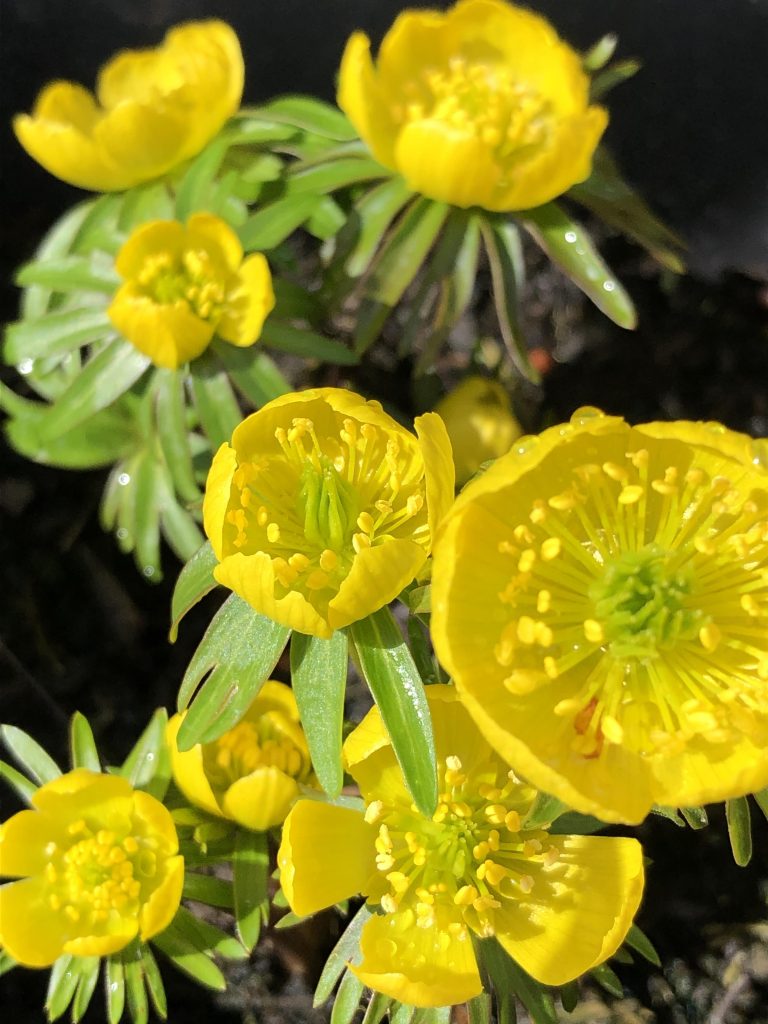
If you want the earliest possible color in your yard, plant winter aconite.
These cheerful little yellow cups can bloom even before snowdrops, sometimes pushing through frozen ground in the dead of winter.
I love how they catch you off guard on a gray January day.
They only reach a few inches tall, so plant them where you’ll actually see them up close, like along a walkway or near a window you look out often.
Winter aconite spreads slowly into a carpet under trees and shrubs, and it handles shade better than most spring bulbs.
Just know the tubers can take a season or two to settle in before you see a big show.
Planting time: September to October
Planting depth: 2-3 inches
Bloom time: January to March
Hardiness zone: 3-7
11. Dutch Iris
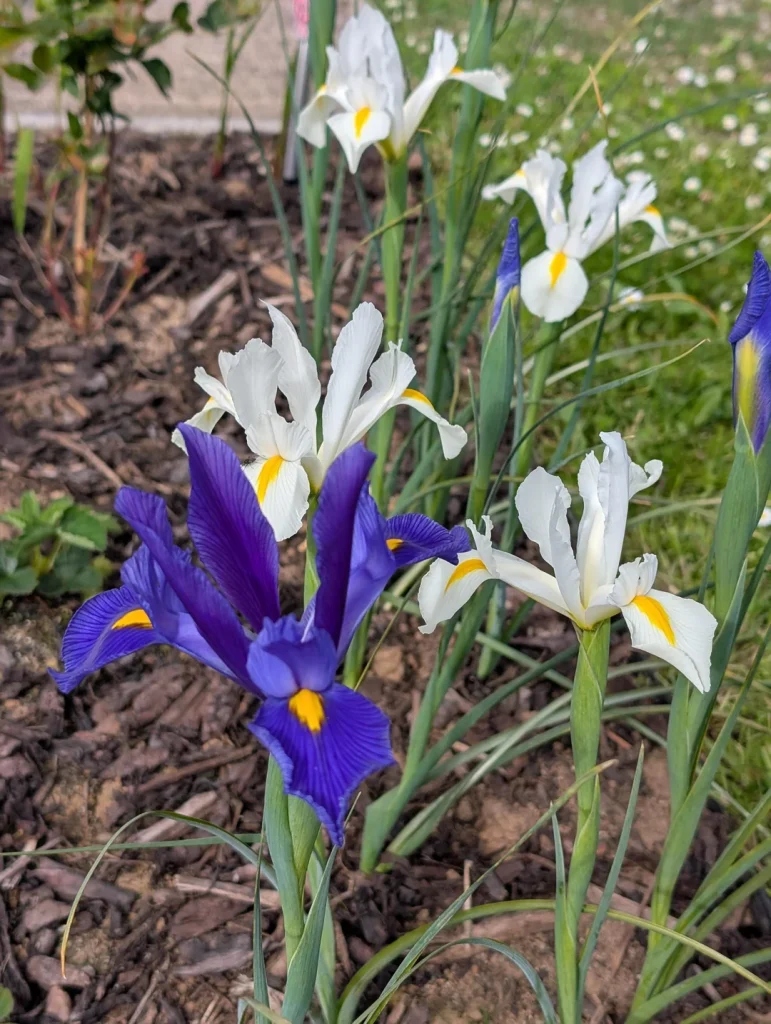
Dutch iris brings a sleek, elegant look to a spring bed that most other bulbs can’t match.
You’ll get slender stems topped with striking blooms in purple, yellow, white, or blue, each with a delicate ruffled edge.
I like using these as cut flowers too, since they hold up well in a vase for a week or more.
Give them full sun and a sheltered spot, and they’ll reward you with an early show. Dutch iris grows from a true bulb, unlike the rhizome-grown bearded iris you might already know.
Plant a cluster near a fence or border where the tall stems have a little support from nearby plants.
Planting time: September to October
Planting depth: 4-6 inches
Bloom time: May to June
Hardiness zone: 5-9
12. Glory of the Snow
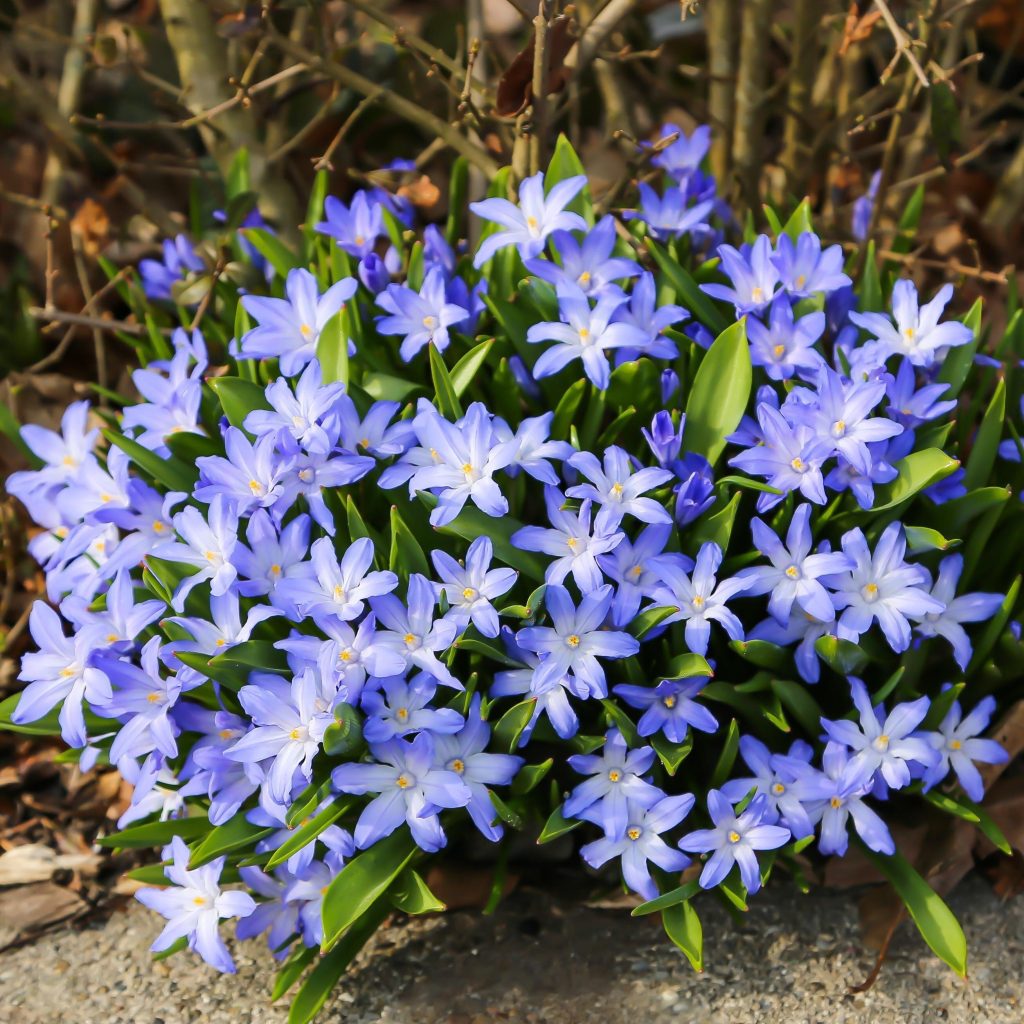
I’ll admit it. Glory of the snow might be the most underrated bulb on this list.
Its star-shaped, sky-blue blooms with white centers pop up early, often right alongside the last patches of melting snow. That’s exactly how it earned its name.
These bulbs only reach about six inches tall, which makes them perfect for a low border or as a filler under taller spring bulbs.
They handle shade well too, so tuck them under a deciduous tree where they’ll get plenty of light before the leaves fill in. Leave them undisturbed, and you’ll see them spread into a soft blue carpet over the years.
Planting time: September to November
Planting depth: 2-4 inches
Bloom time: February to April
Hardiness zone: 4-9
Frequently Asked Questions
Can I still plant bulbs if I’m running late in the season?
Yes, as long as the ground isn’t frozen solid. You might see slightly weaker blooms your first spring, but most bulbs still establish fine if planted up until early winter in milder zones.
Do I need to fertilize my bulbs every single year?
Not every year, but a light feeding each fall helps. Work a bulb fertilizer or bone meal into the soil when you plant, then skip feeding once flowers open to avoid encouraging rot.
Which of these bulbs come back reliably, and which fade after a year or two?
Daffodils, alliums, snowdrops, and camassia tend to be the most reliable repeat performers. Tulips and hyacinths often put on their best show the first year, then taper off in warmer zones.
Can I plant different bulb varieties in the same hole?
You can, and it’s actually a great way to stretch your bloom season. Just layer larger bulbs like tulips or daffodils deeper, then smaller bulbs like crocus or muscari closer to the surface above them.
Do I need to water bulbs right after planting?
Only if the soil feels dry. If it’s already moist from fall rain, skip watering. Bulbs planted in dry soil should get one good soak to help roots start growing.
Wrapping It Up
That’s your list. Twelve bulbs, one fall afternoon, and a spring garden that shows up without you lifting a finger come March.
Start with a few daffodils and alliums if you’re short on time, then build out from there next year. Your future self will thank you the moment those first blooms break through the cold.

One Comment