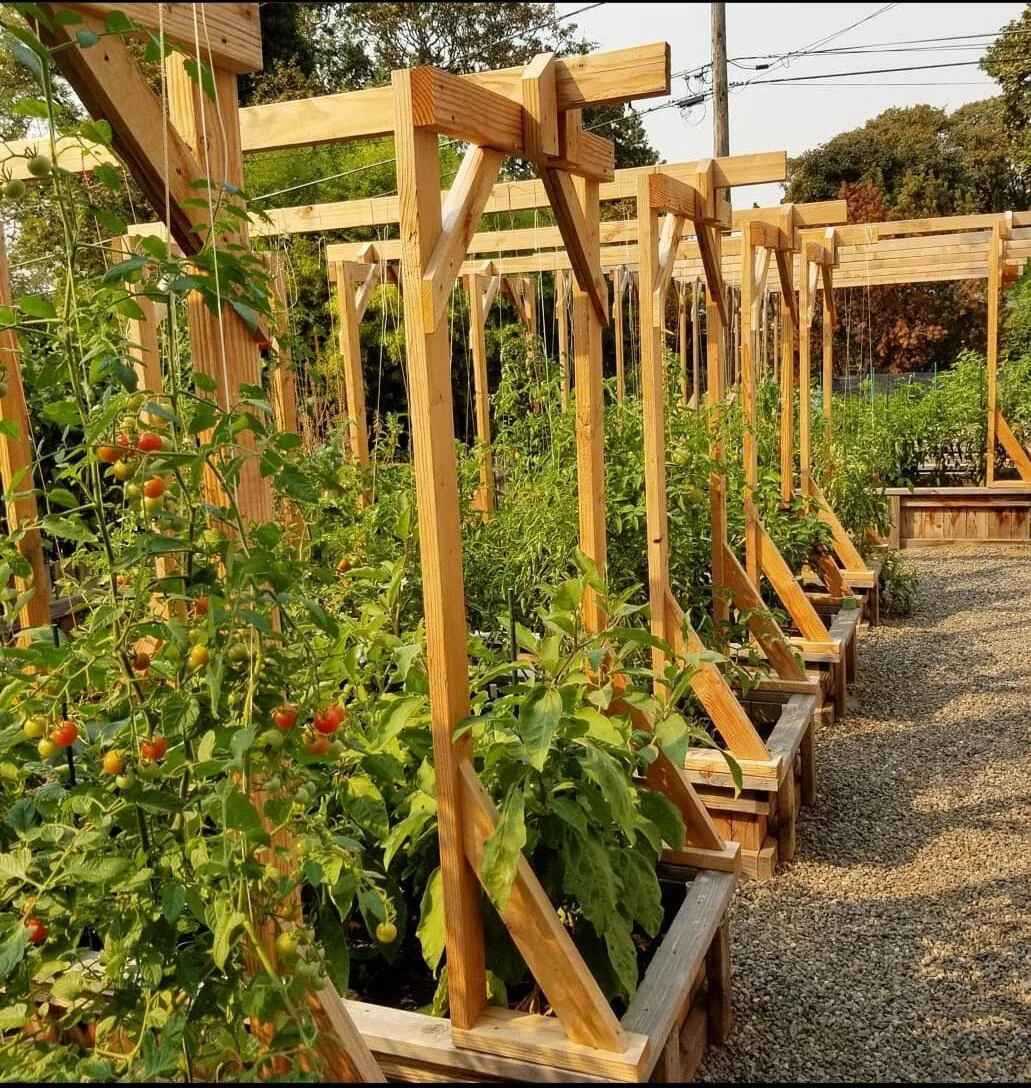
How to Build a Raised Garden Bed with Trellis for Vertical Gardening

Dreaming of a lush garden, but stuck with limited space? A raised garden bed with a trellis could be the perfect solution!
If you’re like many gardeners, you’re likely dealing with challenges such as limited garden space, poor soil quality, or the inability to grow climbing plants in a small area.
Traditional horizontal gardening might not be feasible in tight spaces.
A raised garden bed with a trellis gives you the perfect way to maximize vertical space and boost your gardening potential.
In this guide, you’ll learn how to build a raised garden bed with a trellis, understand the benefits of vertical gardening, and discover tips for choosing the best plants to grow in your new setup.
Also read:
10 Cheap Cucumber Trellis Ideas for Raised Bed Gardening
Why Choose a Raised Garden Bed with Trellis?
1. Save Space with Vertical Gardening
One of the biggest benefits of a raised garden bed with a trellis is its ability to save space.
If you’re working with a small garden or an urban area, a trellis allows plants to grow vertically rather than horizontally.
This creates more growing room, making it perfect for tight spaces like balconies, patios, or small backyard gardens. Vertical gardening maximizes your space and lets you grow more with less.
2. Healthier Plants and Better Airflow
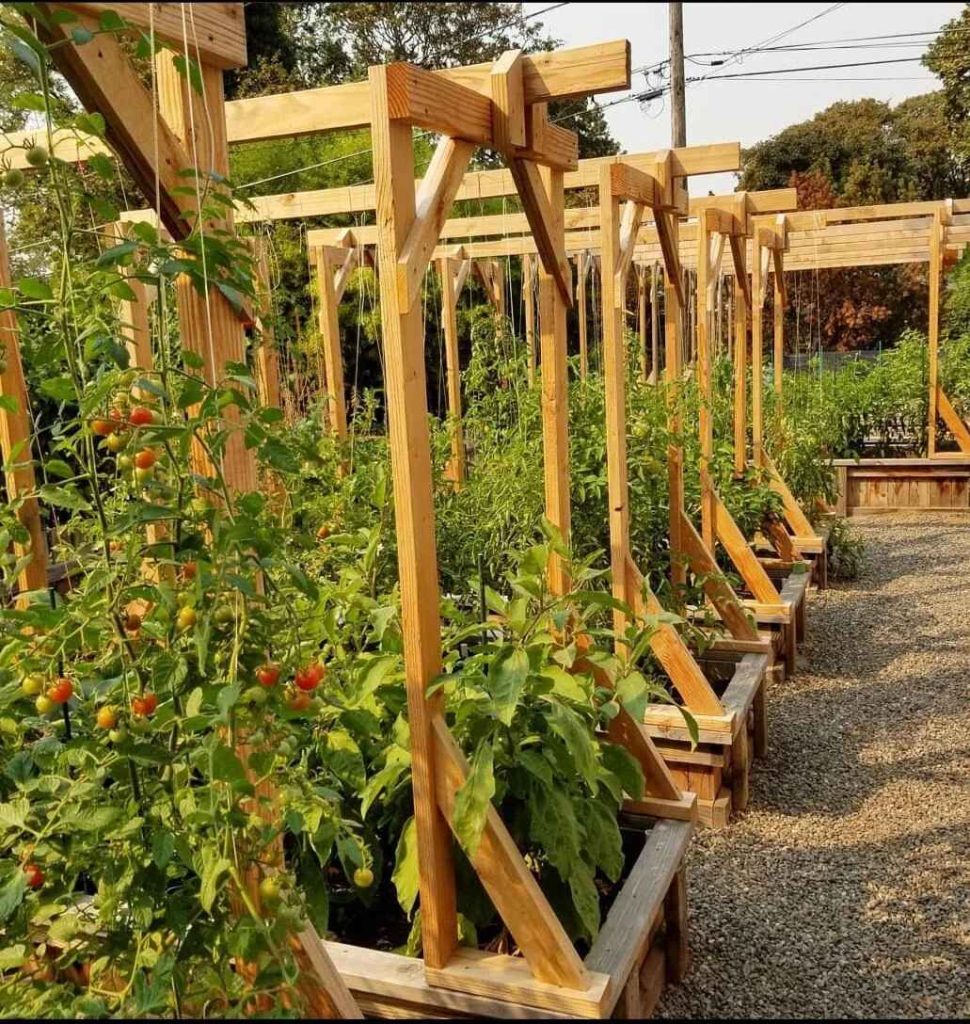
Plants grown on a trellis tend to thrive better compared to those planted directly in the ground. Why?
The plants receive better airflow, which reduces the risk of diseases like powdery mildew and root rot.
Additionally, being elevated on a trellis allows more sunlight to reach the plants, ensuring healthier growth.
3. Keep Pests at Bay
Raised beds naturally help reduce pest problems because the plants are off the ground. Many pests, such as slugs and snails, can’t reach elevated plants, leading to less damage.
This means you can grow your favorite vegetables and flowers without worrying as much about unwanted visitors!
4. Aesthetic Appeal
Beyond functionality, raised garden beds with trellises can be visually appealing, adding a touch of beauty to your garden space.
Whether you’re using it to grow climbing roses or grapevines, a trellis adds height and structure to your garden, creating a visually dynamic environment.
Statistics and Examples:
A study from the Cornell University, New York State Agricultural Experiment Station found that plants in raised beds are less prone to root rot and pests, leading to more productive and healthy plants.
Best Plants for a Raised Garden Bed with Trellis
Choosing the right plants for your raised garden bed with trellis is key to success. Here are some great options:
1. Climbing Vegetables
- Beans: Pole beans are ideal for vertical gardening. They grow quickly and produce high yields while requiring minimal space.
- Peas: Another great vertical grower, peas will flourish on a trellis and are perfect for cooler climates.
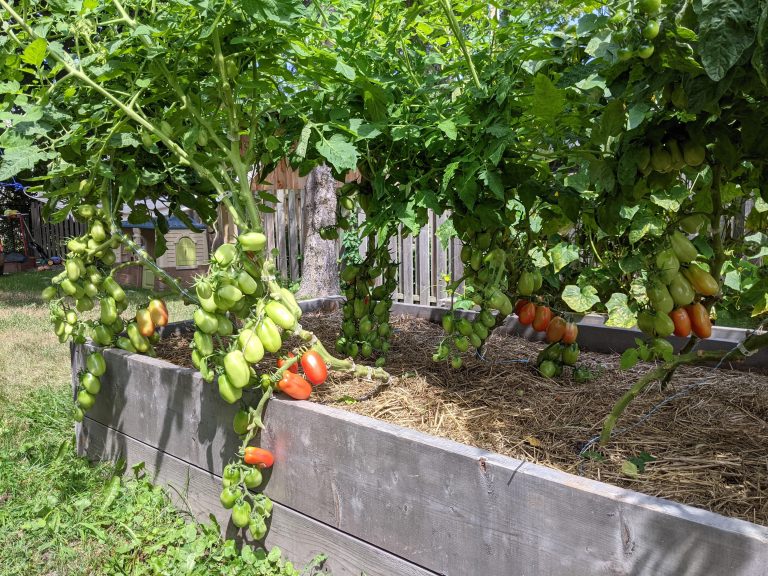
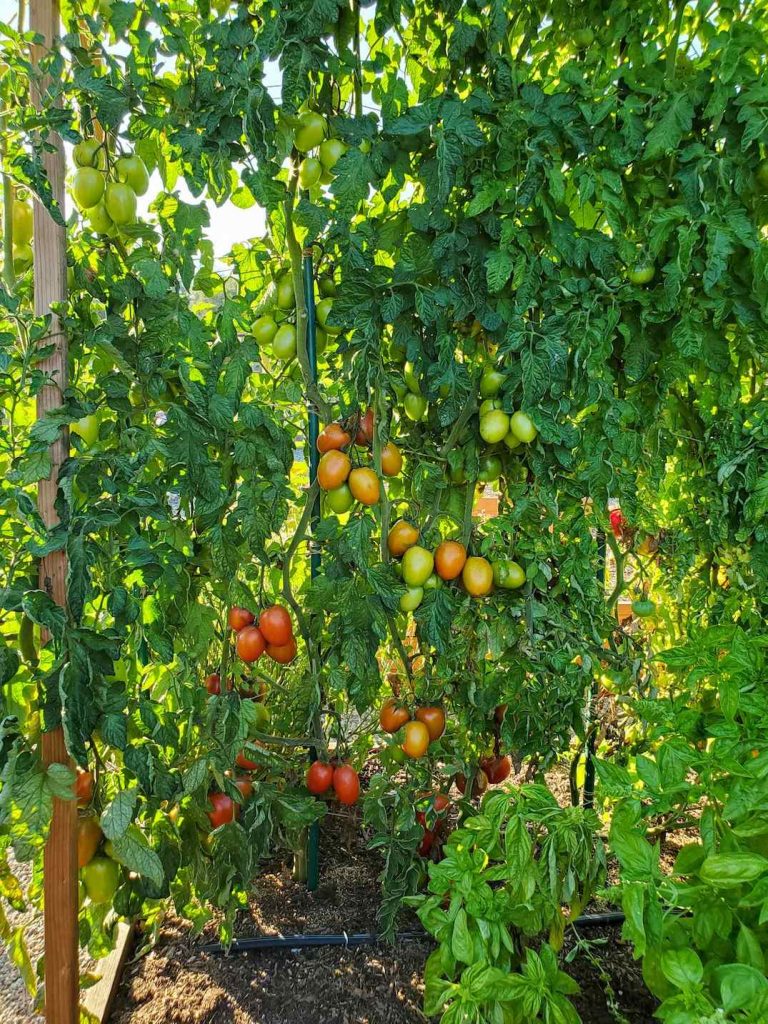
- Tomatoes: Indeterminate tomato varieties need vertical space to spread and grow, making them perfect for a raised bed with trellis setup.
2. Vining Fruits
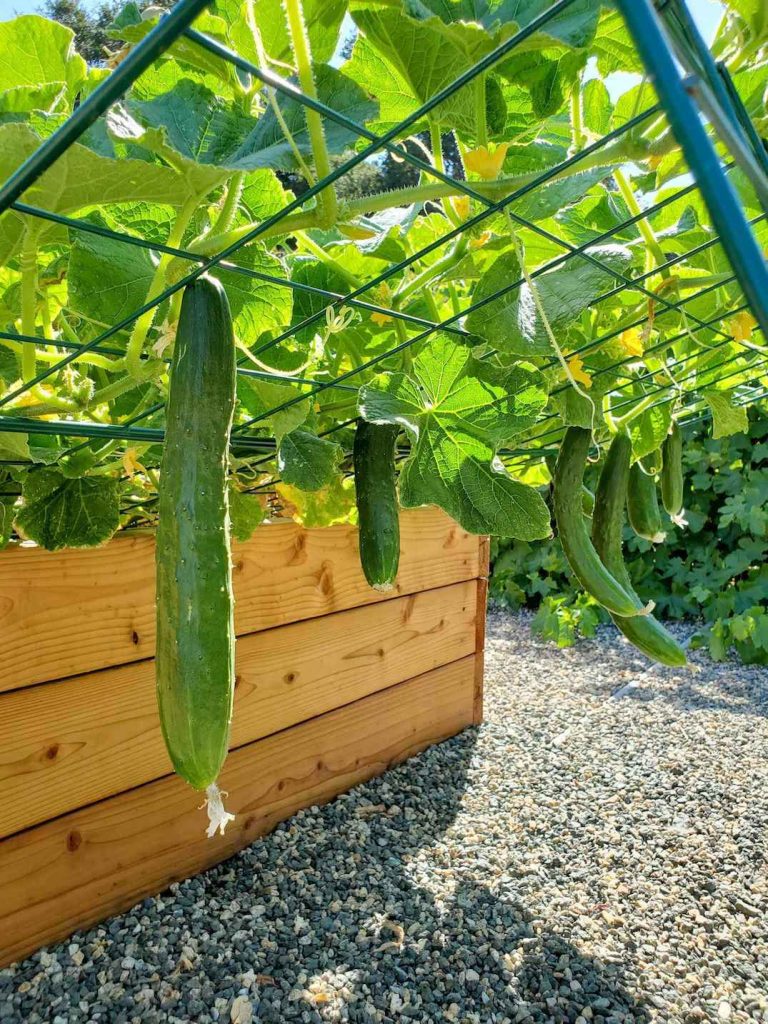
- Cucumbers: These grow well vertically, helping keep their fruits off the ground and out of the way of pests.
- Melons: Small melon varieties can grow beautifully on a trellis, with proper support to prevent the fruit from touching the ground.
3. Decorative Plants
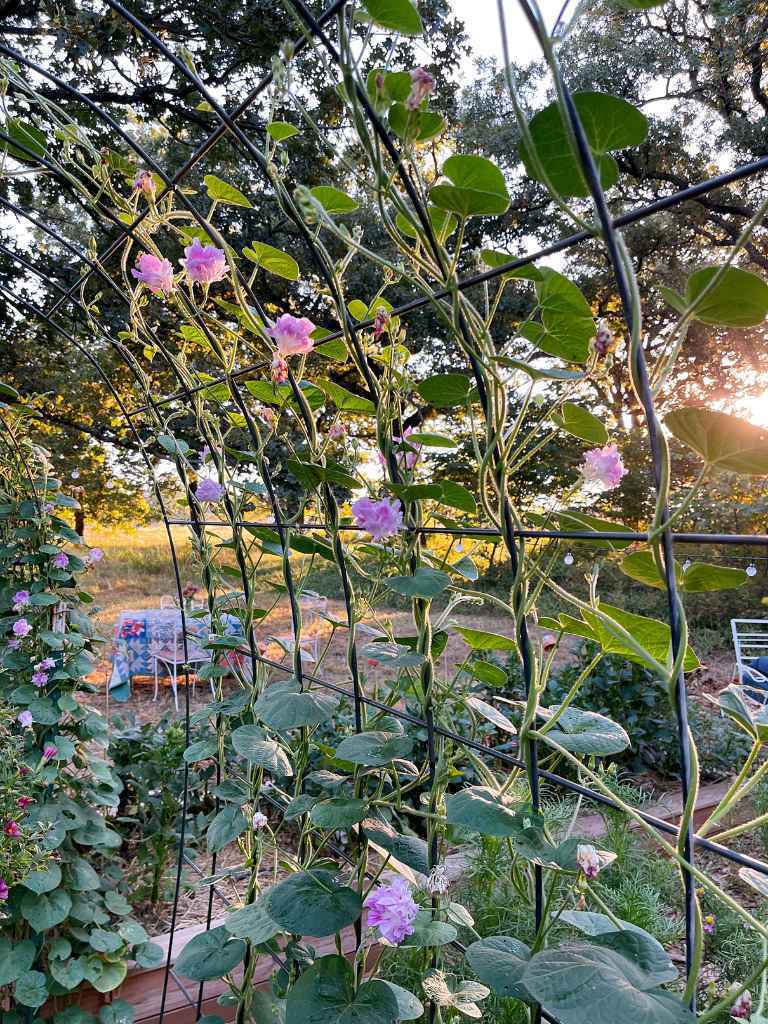
- Morning Glories: These fast-growing flowers create an eye-catching display on a trellis and can quickly cover an area.
- Sweet Peas: Sweet peas are not only lovely to look at but their fragrance can add a sensory experience to your garden.
Tips for Care:
- Train plants early to grow along the trellis.
- Space plants adequately to avoid overcrowding and to allow for proper air circulation.
7 Types of Trellises for Raised Garden Beds
Trust me, using the right trellis is like giving your plants a luxury penthouse suite—they’ll love it. So, what’s the catch? Let me break down the 7 types of trellises that will work wonders for your raised garden beds.
1. The Classic A‑Frame Trellis
Okay, I’ll admit, this is the trellis that screams I’m old-school, but I know what I’m doing. The A-frame trellis is an absolute favorite in the gardening community.
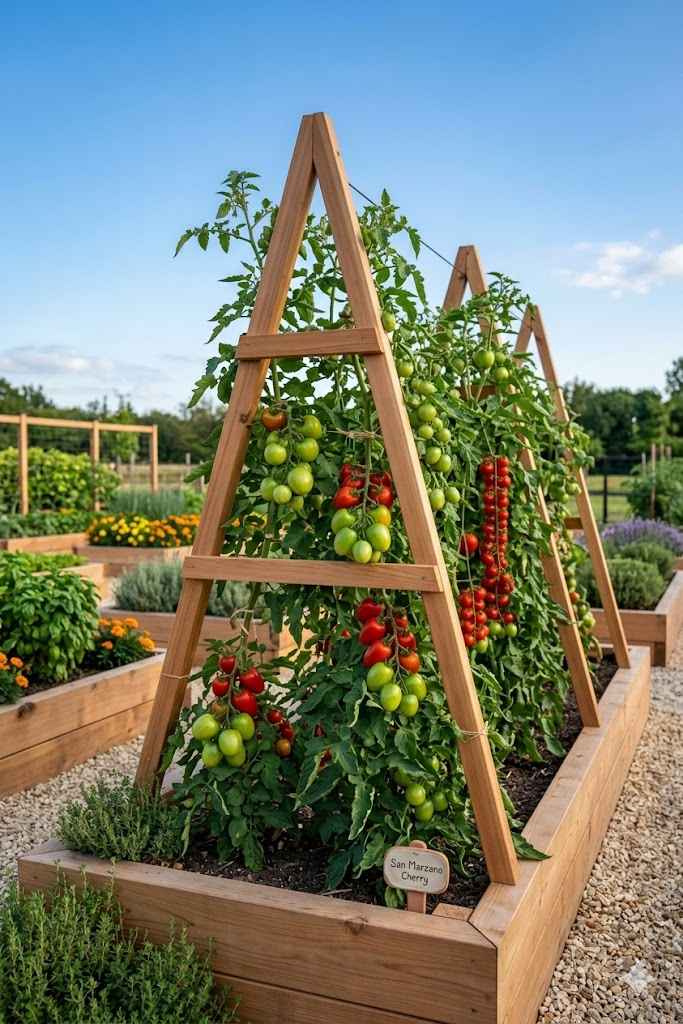
Why? Because it’s sturdy, versatile, and super easy to DIY. Essentially, it’s like creating a little mini greenhouse structure for your climbing plants. You can use it for beans, cucumbers, peas, and even some tomatoes.
The best part? It’s simple enough for even the most DIY-challenged person to put together with a few wooden stakes and twine.
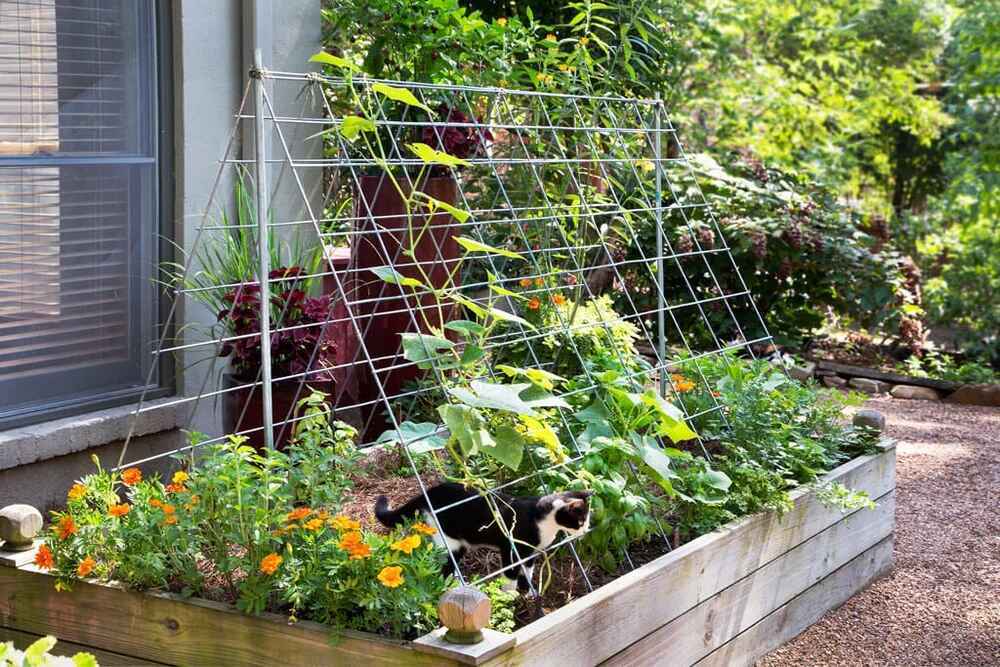
So, why should you love it?
Well, for one, the A-frame is perfect for maximizing vertical space in your raised beds. No more sprawled-out vines taking over every inch of precious soil. Plus, it offers great air circulation, keeping plants healthier.
Ever wondered how this simple structure keeps your crops from falling over in the wind? It’s like giving your plants a solid backbone.
2. Tomato Cages (Your Go‑To for the Overachievers)
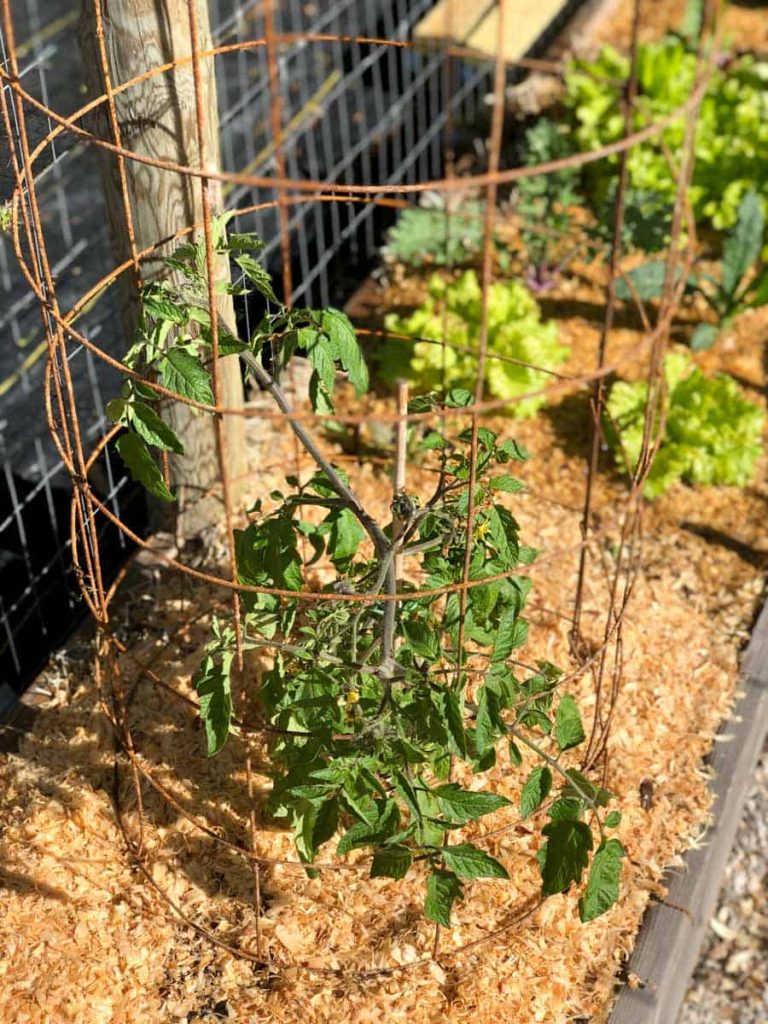
When you think “trellis,” you probably don’t immediately picture a tomato cage.
But hear me out—these little cylindrical wonders are one of the best tools for supporting tomato plants, and they work like a charm in raised beds.
Think about it: You’ve got those lovely indeterminate tomatoes that just won’t stop growing. Without a good trellis, they’ll end up lying on the ground, and no one wants that.
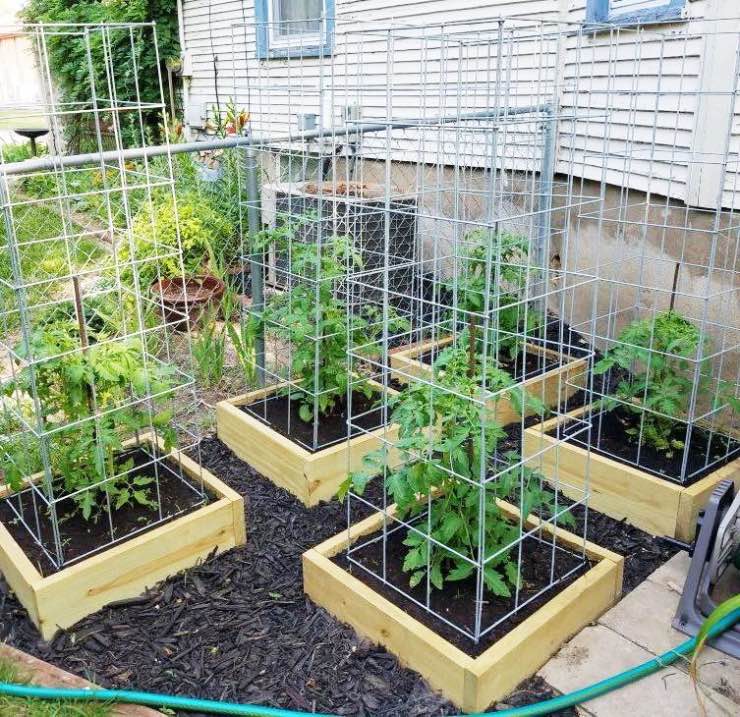
Tomato cages are super easy to use; just stick them in the ground around your tomato plant and watch it grow up and out, supported all the way.
Pro tip: Make sure the cage is tall enough to accommodate the plant’s height. Also, as your tomatoes grow, keep them neatly tied to the cage so they don’t get too wild and unruly.
3. The Simple Yet Stylish String Trellis
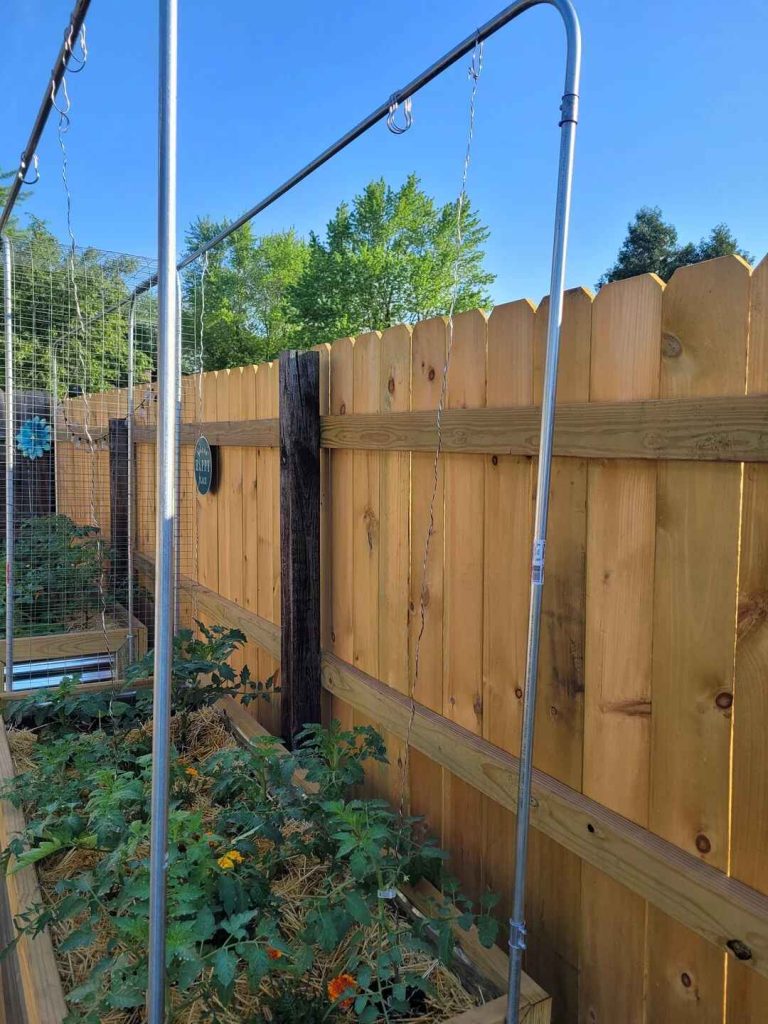
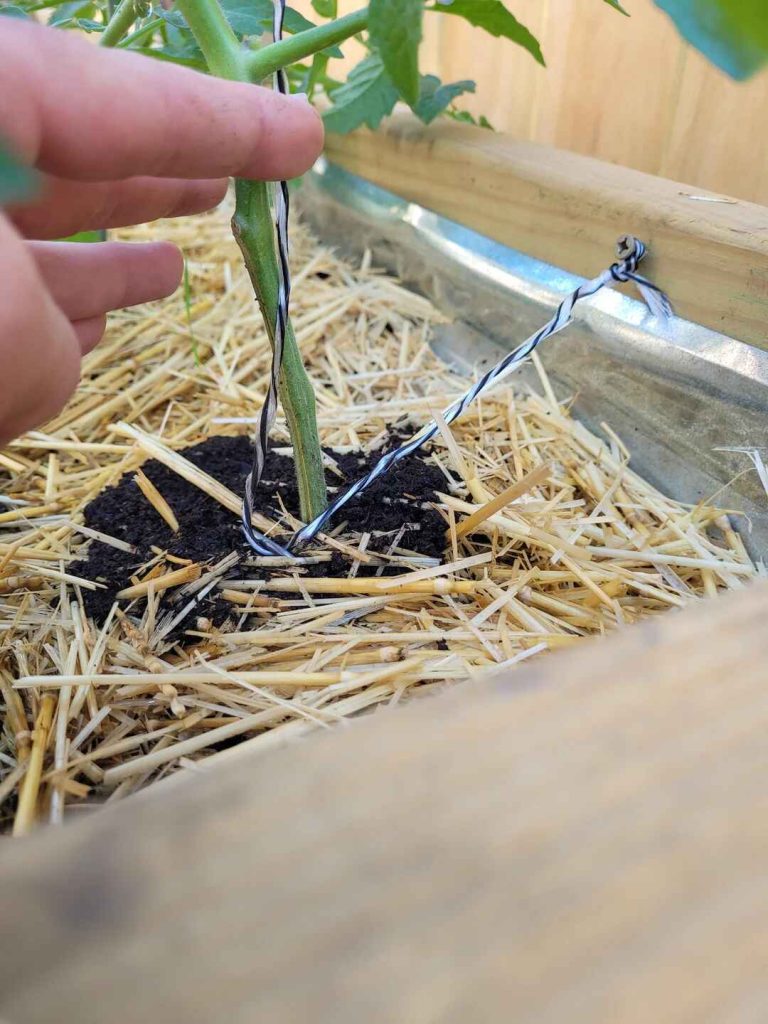
Sometimes, less really is more, and that’s where the string trellis comes in. It’s an understated option, but oh-so-effective for plants that need a little vertical push.
Imagine a frame made from sturdy stakes or wire, and then strings or twine running vertically between them.
This is a great option for lightweight climbers like peas or beans, and it works like a charm for indoor or small raised bed gardens.
Here’s the kicker: The string trellis is super customizable. You can adjust the tension or height to accommodate different types of plants.
Plus, it’s a great way to keep things neat and organized. Ever wondered why it works so well?
Well, it’s all about the simplicity. Sometimes a little string can do more than you’d expect.
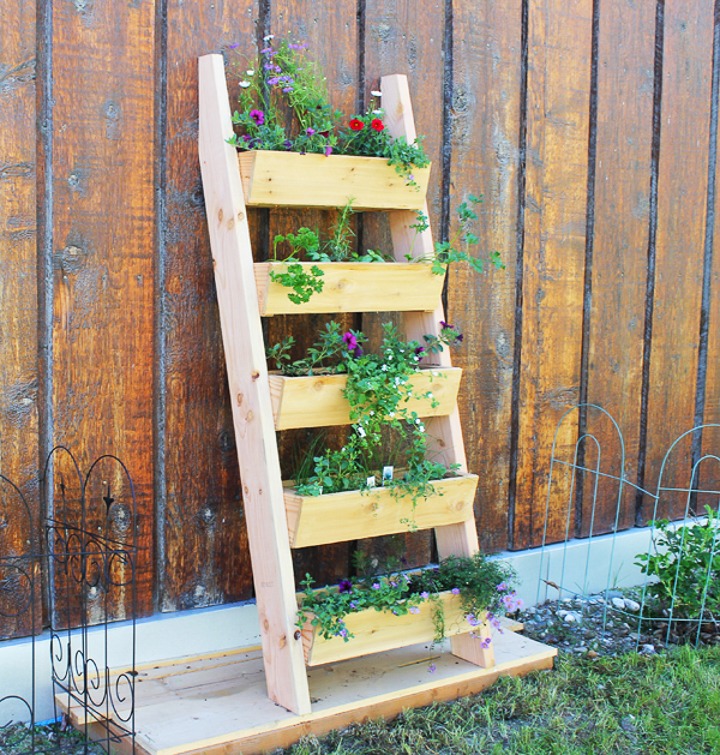
4. The Ladder Trellis (A Lean, Green Vertical Machine)
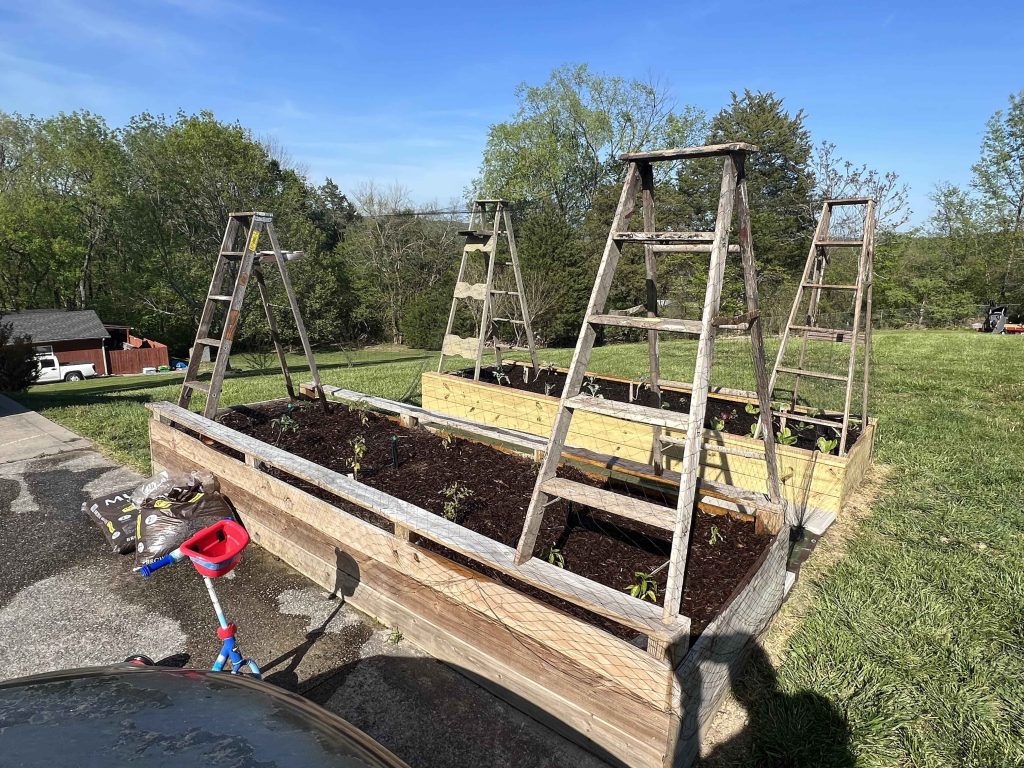
If you’re after something stylish and functional, the ladder trellis is calling your name. Think of it like a vertical ladder, but instead of climbing it, your plants do the climbing.
This trellis is fantastic for plants like tomatoes, cucumbers, and even some squash varieties. It’s sturdy, but it has a bit more flair than your typical wooden trellis.
The ladder design makes it a great focal point for any raised bed, adding a bit of architectural beauty to your garden.
Bonus: It’s easy to build with a few long wooden pieces. But if you’re like me and would rather not spend hours hammering, you can easily find pre-made ladder trellises at your local garden store. And yes, they work just as well as the DIY version.
5. Cattle Panel Trellis (For Serious Climbing Action)
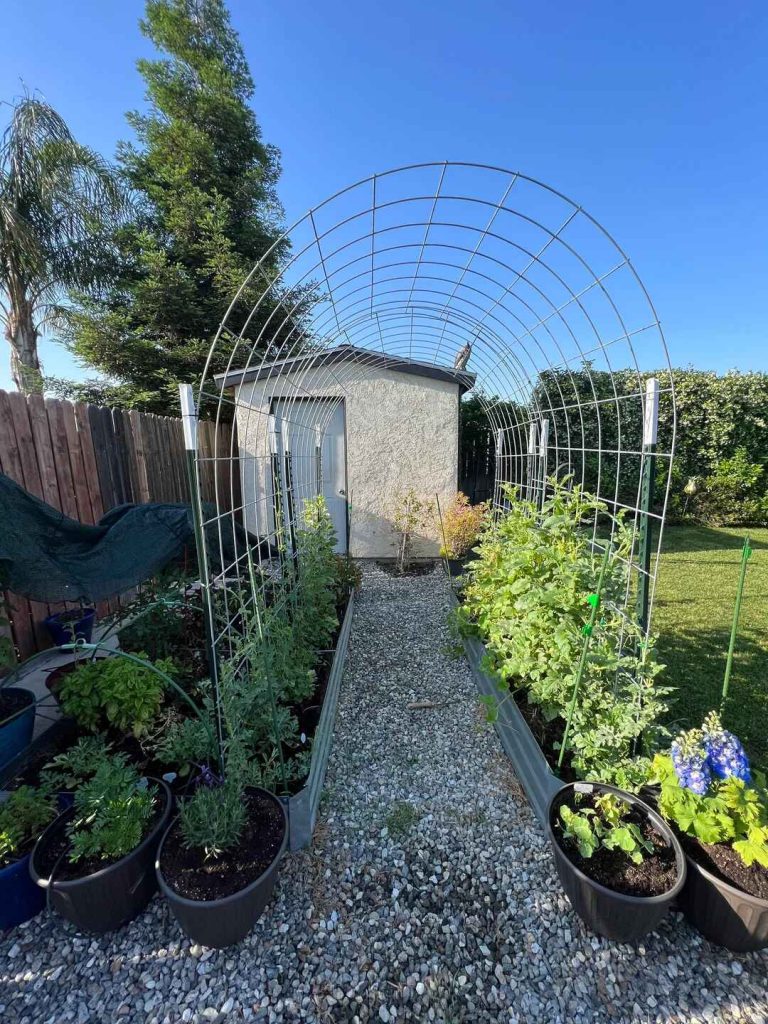
Alright, now we’re talking about the big leagues. If you’ve got serious climbers like squash, melons, or even vining tomatoes, the cattle panel trellis is your ticket to vertical success.
This trellis is essentially a giant, heavy-duty fence panel made of wire, and trust me, it can hold up some serious plant action.
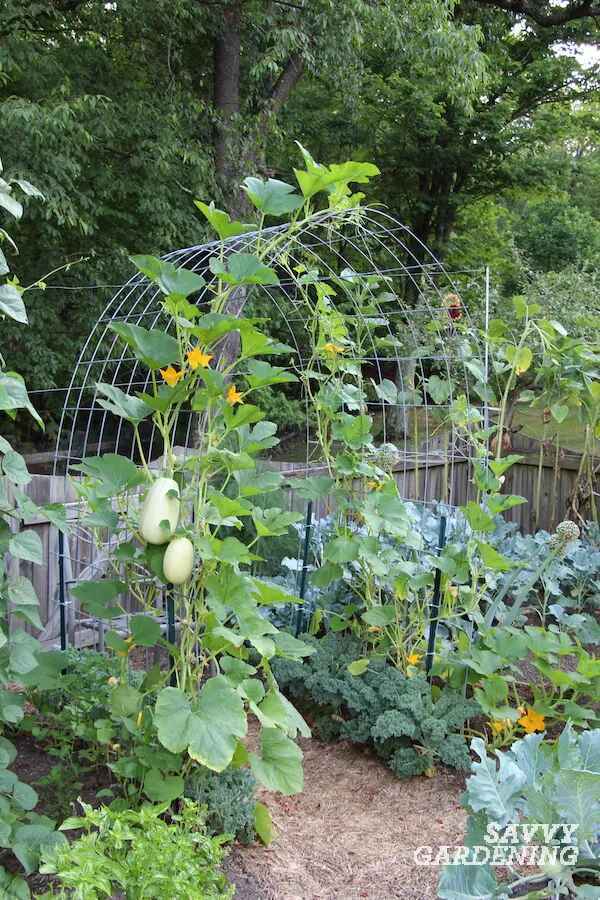
If your plants have a tendency to sprawl and need a little extra support, a cattle panel trellis is exactly what you need.
Why does it work so well? Well, its strength is unmatched, and it’s perfect for larger beds. You can attach it between two beds for a full-blown arch, creating a garden tunnel that’s both functional and picturesque.
Ever wondered why it’s so popular among seasoned gardeners? It’s simple: It’s tough, it’s durable, and it’s made to last.
6. Arch Trellis (The Garden Tunnel of Your Dreams)
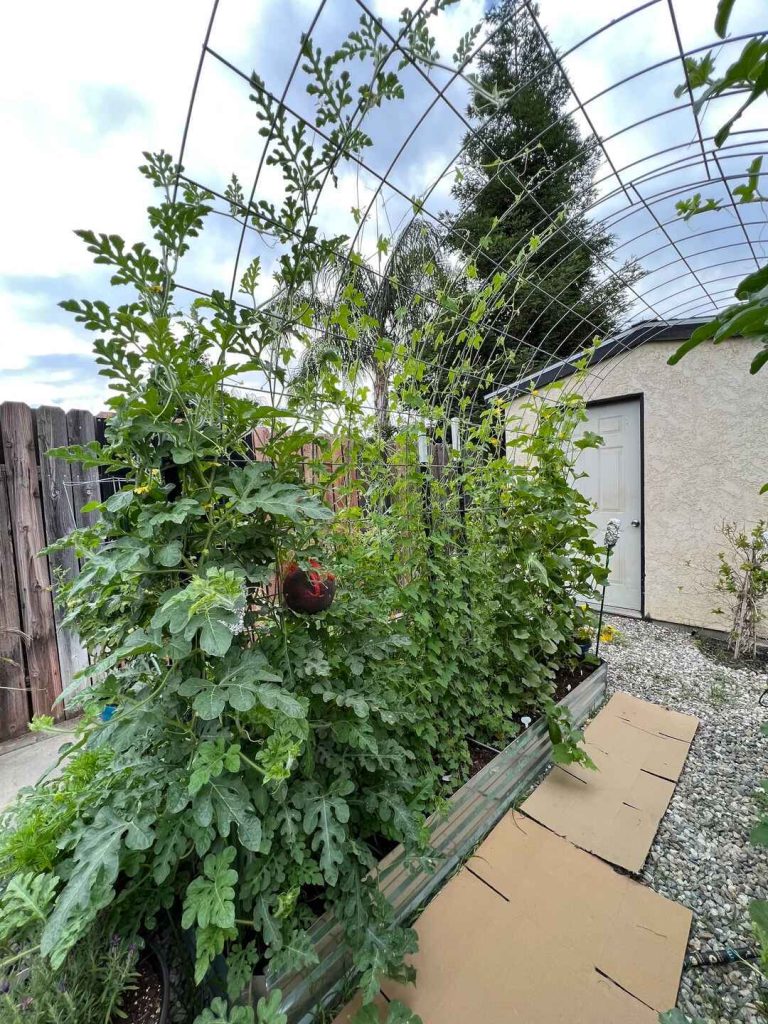
If you’re looking to take your garden to the next level of elegance and functionality, look no further than the arch trellis.
These trellises are perfect for creating a charming garden tunnel where plants like beans, cucumbers, and even roses can climb up and over.
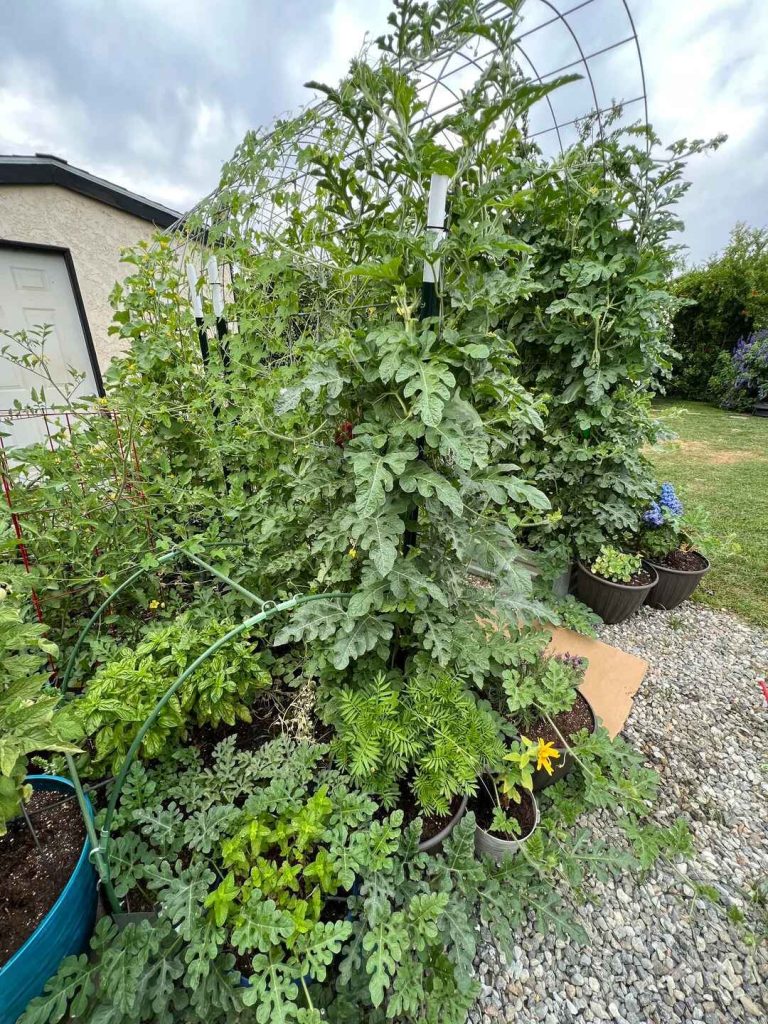
Imagine walking through your garden and feeling like you’re in some secret garden hideaway. That’s the magic of an arch trellis.
But beyond the aesthetics, arch trellises are also incredibly sturdy and can support larger vines. They’re perfect for growing fruiting plants that need both support and a little bit of shade.
Plus, they make for gorgeous garden features that really set your raised beds apart from the rest.
7. Freestanding Vertical Trellis (For Flexibility and Freedom)
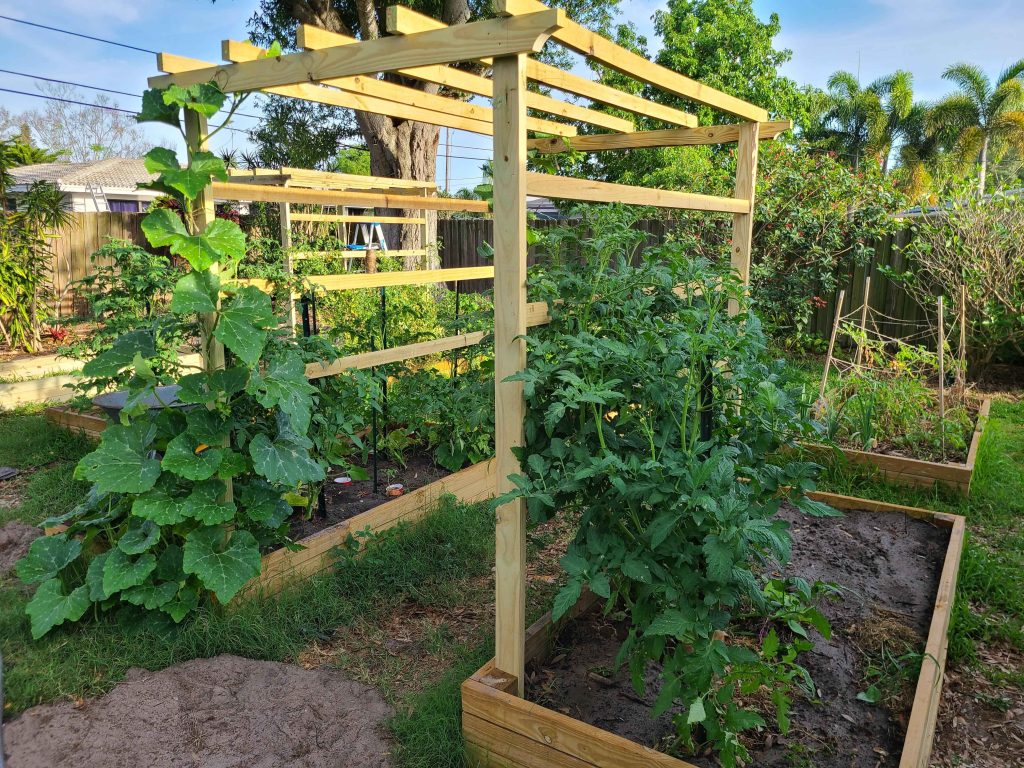
Sometimes, you just need a little more flexibility. If you’re not quite ready to commit to a permanent structure, a freestanding vertical trellis can be your best friend.
These trellises stand on their own, independent of the raised bed, and can be moved around as needed. They’re perfect for plants that are a little more temperamental or need to be relocated for more sunlight.
What makes this trellis stand out? Versatility. You can move it, adjust it, and even double it up for larger crops. It’s ideal for smaller spaces or for those who love switching things up seasonally.
When to Add a Trellis to a Raised Garden Bed
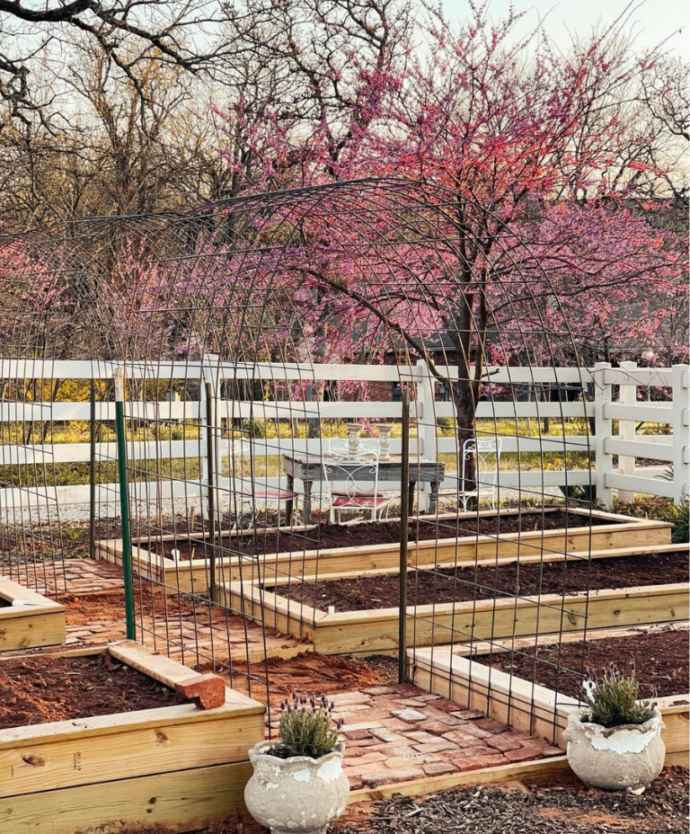
You might be wondering when to add a trellis to your raised garden bed. The short answer? Add it early!
First, before planting your seeds or seedlings is the best time. If you wait until your plants start growing, you risk damaging their roots or overcrowding your garden.
Installing the trellis early gives your climbing plants something to latch onto as they grow, keeping them healthy and organized.
If you’re using a DIY trellis, build it right after setting up your raised bed. That way, you’ll have the structure ready for plants to climb when they need it.
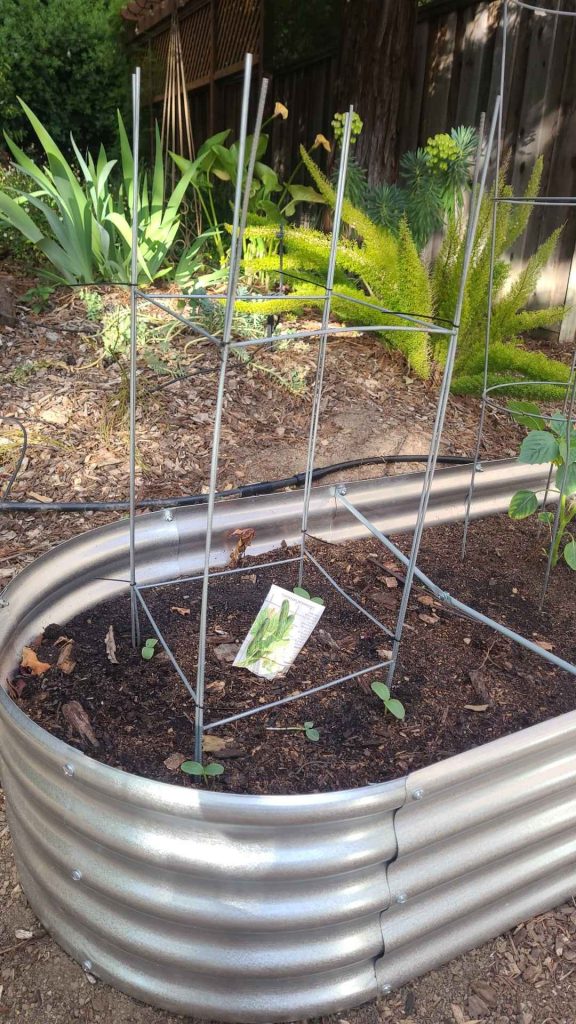
For climbing vegetables like beans, cucumber or tomatoes, they’ll need support right from the start. These plants grow quickly and reach for the sky. If you wait too long, they might start sprawling across your garden, and you’ll end up spending more time untangling them.
For decorative plants like morning glories or sweet peas, add the trellis when you first plant them. This ensures they grow upwards, instead of spreading across your garden bed.
In short, early installation helps your plants grow better and saves you time later. Just put up the trellis when setting up the bed, and watch your plants climb with ease.
Where to Place the Trellis on a Raised Garden Bed
When deciding where to place the trellis on your raised garden bed, think about sunlight and accessibility.
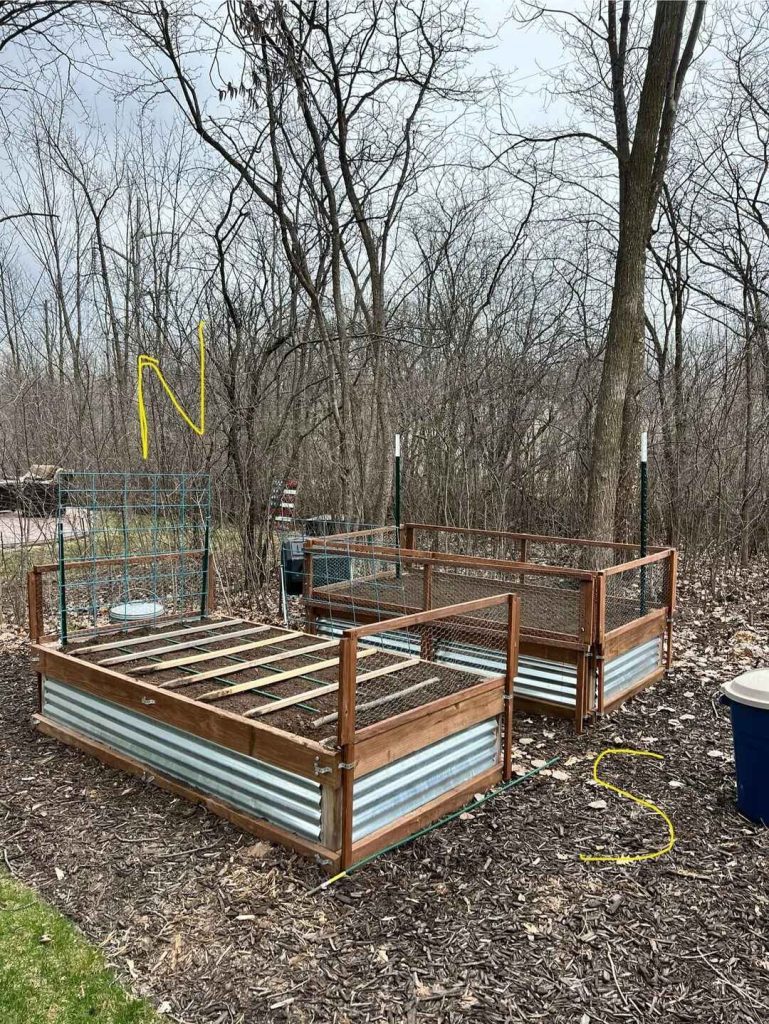
I recommend placing the trellis on the north side of your bed if you’re in the northern hemisphere. This way, your plants won’t shade each other as they grow. The sun will shine on them from the south, giving them plenty of light.
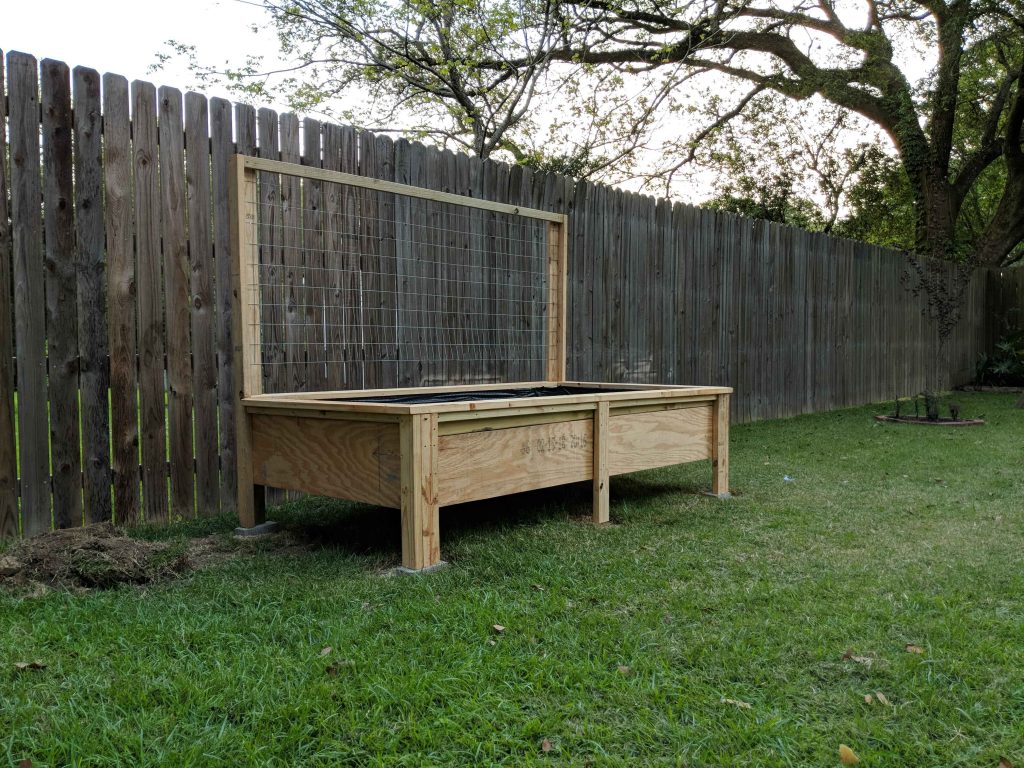
If you have a longer garden bed, placing the trellis along one of the longer sides helps create a more balanced, vertical setup. This also makes it easier for your plants to climb without crowding other plants.
Don’t forget to leave space behind the trellis. Plants need room to grow, and airflow is key. If the trellis is too close to the wall or other obstacles, it could block airflow and create a stuffy environment for your plants.
I also recommend considering accessibility. Make sure you can easily reach your plants for pruning, harvesting, or watering. You want the trellis to be functional, not just decorative.
How Do You Attach a Trellis to a Raised Garden Bed?
Attaching a trellis to your raised garden bed is easier than you might think. I’ll walk you through it.
- First, choose your trellis. Whether it’s wood, metal, or mesh, make sure it’s sturdy enough to support your climbing plants. If you’re using a wood frame, you can attach it using screws. Metal mesh or panels might need wire or zip ties to secure them.
- Next, position the trellis where you want it on the bed. I suggest placing it at the back of the bed for better support. Make sure it’s tall enough for your plants to grow upwards.
- Then, attach the trellis. Use screws or nails to secure the base of the trellis to the frame of your raised bed. For a metal trellis, you can use zip ties or wire to fasten it to the bed frame. Make sure it’s tight enough to stand firm but not so tight that it bends or breaks.
- Finally, check for stability. Gently push on the trellis to see if it holds steady. If it wobbles, add extra supports at the base.
Here’s a quick tutorial about building a raised garden bed trellis:
And that’s it! Now you have a sturdy trellis ready to support your plants as they grow.
Conclusion
A raised garden bed with a trellis not only saves space but also promotes plant health, increases productivity, and enhances the beauty of your garden.
Whether you’re growing vegetables or decorative plants, this setup can be an invaluable solution for gardeners with limited space.
Start your own raised garden bed with a trellis today, and enjoy the benefits of vertical gardening. Get your materials, plan your design, and watch your garden thrive!