Protect Your Plants: 10 Best Raised Garden Bed Covers for Every Garden

Gardening—it’s one of those hobbies where your plants are your little green babies, right? You nurture them, feed them, and protect them from the elements.
But here’s the catch: what happens when the weather turns on you or the local wildlife decides your raised garden bed is their all-you-can-eat buffet? That’s where raised garden bed covers come in to save the day.
If you’ve ever found yourself battling hungry rabbits or frost that threatens to turn your lovely lettuce into a wilted mess, you’re not alone.
Finding the right cover can be a game-changer, and trust me, it’s about more than just slapping a tarp over your bed. You need something that’ll keep the critters out, the warmth in, and the sun shining through without feeling like a DIY disaster.
In this guide, I’ll walk you through the top 10 raised garden bed cover ideas that will fit any garden, any budget, and any plant’s need for protection.
12 Most Effective Raised Garden Bed Ideas
1. Classic Hoop Covers — The Simple & Effective Solution
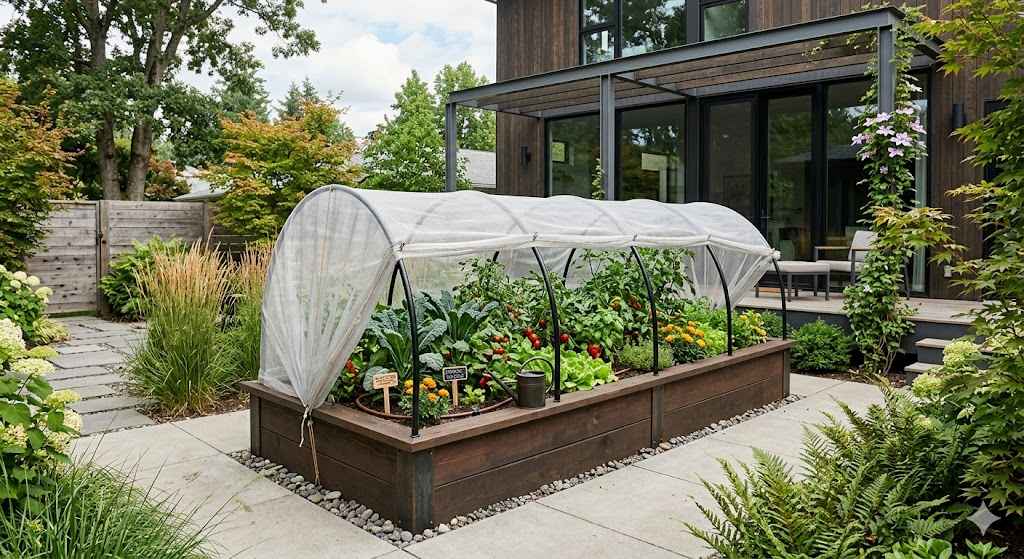
Ever wondered how hoop covers became such a staple in the gardening world? It’s because they work, plain and simple.
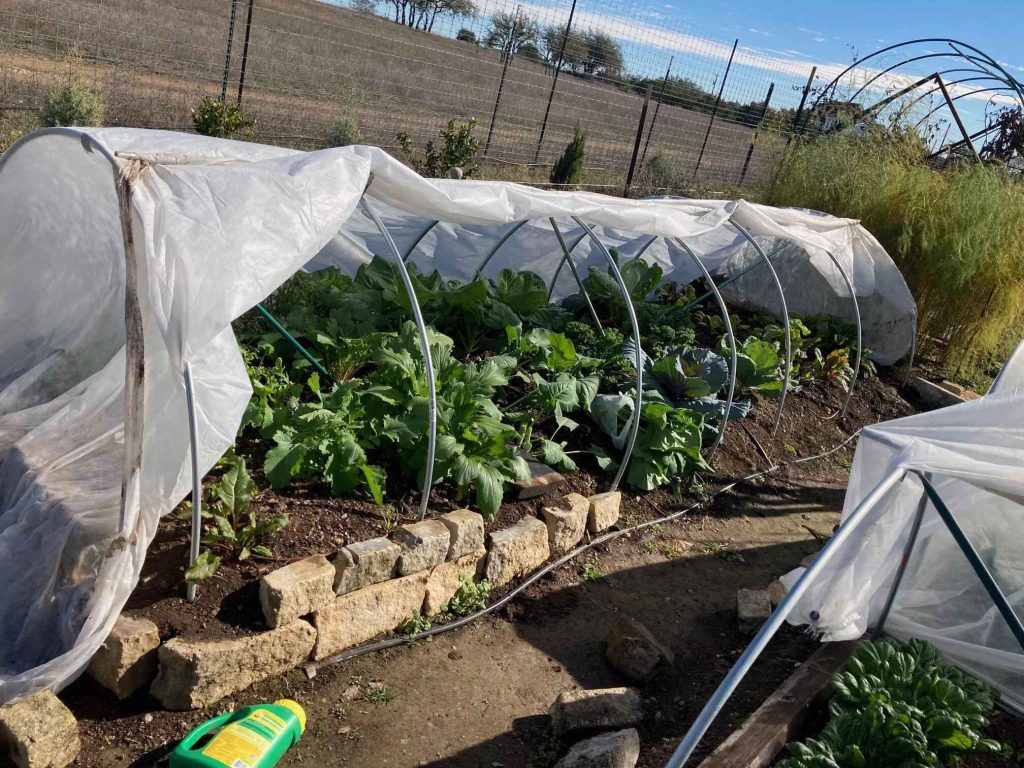
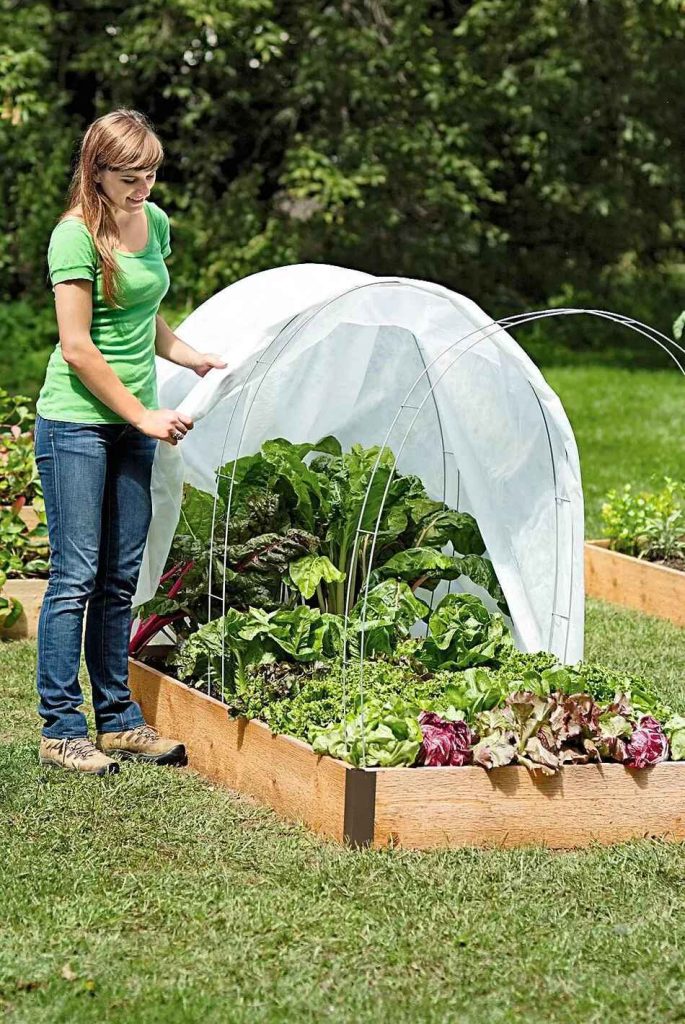
These covers are made by placing PVC or metal hoops over your raised bed and draping a fabric or plastic cover over them. This design lets air, sunlight, and rain get through while keeping those pesky pests out.
Why it’s great:
Hoop covers are affordable, easy to set up, and adaptable to just about any garden size. Plus, the airflow they allow helps prevent mold or mildew from building up.
You can also easily adjust the material based on the season, like swapping out frost cloth in the winter for a breathable fabric in the summer. Talk about multi-functional!
My take: I’ve used these for a couple of years, and honestly, they’re one of my favorite ways to protect my veggies. They give me peace of mind while still allowing me to check on my plants without fussing with zippered panels or complicated systems.
2. Mesh Netting Covers — Protecting Your Garden Without the Fuss
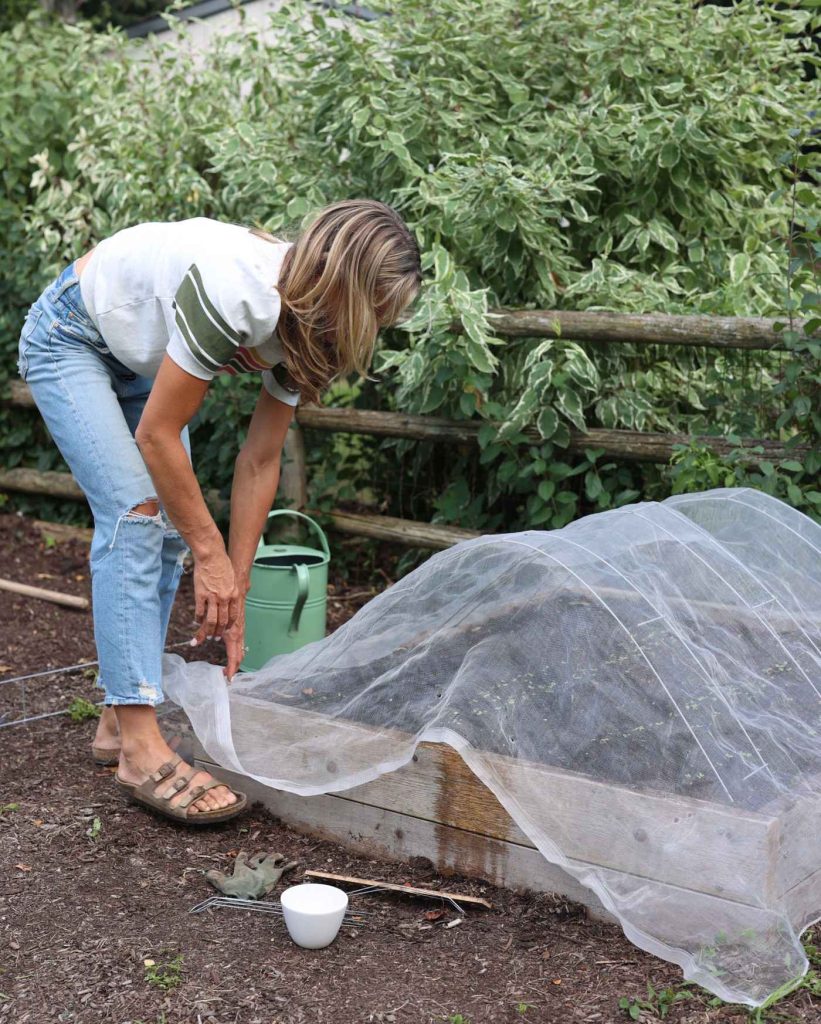
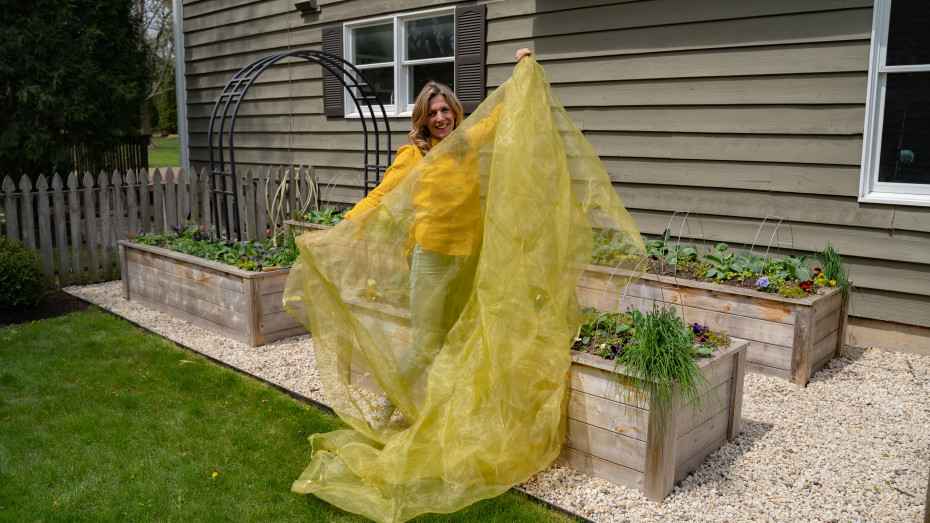
Not all heroes wear capes—some come in the form of mesh netting. Whether you’re dealing with hungry birds, squirrels, or even larger pests, mesh netting provides a simple yet highly effective shield.
All you need to do is drape the netting over your raised bed and secure it with stakes or weights.
Why it’s great:
Mesh netting is fantastic because it’s lightweight, inexpensive, and easy to use. It keeps insects and animals out while still allowing air circulation, making it a good option for delicate plants. The fine mesh prevents even the tiniest pests from getting through.
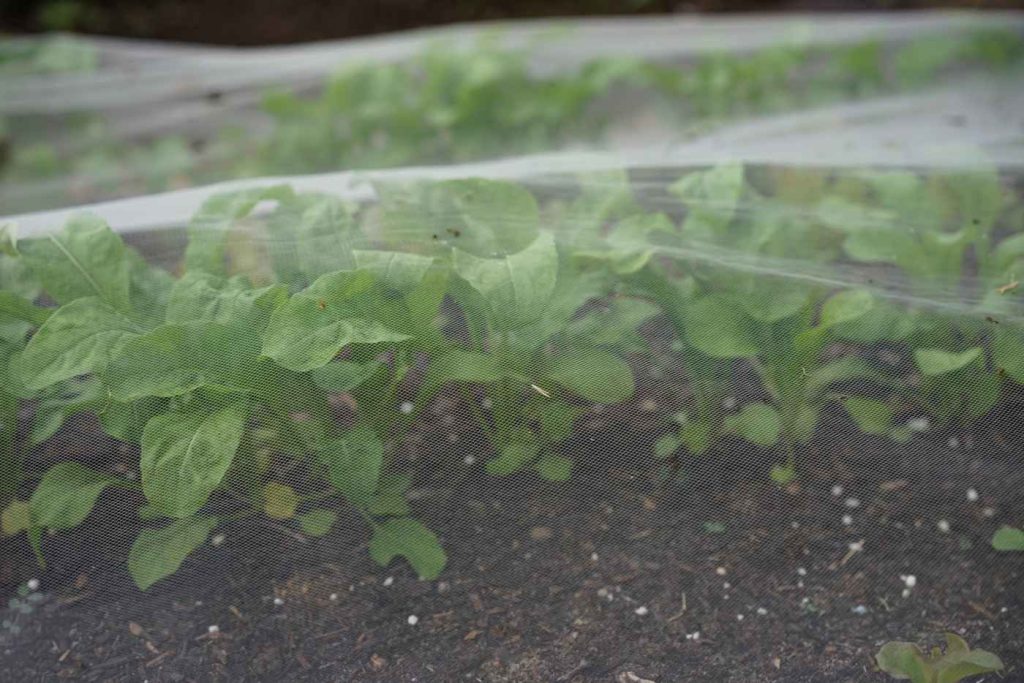
My take: I’ve had my run-ins with squirrels, and let me tell you—mesh netting is like putting up an invisible force field.
The only downside? Sometimes it can get a little tangled if you’re not careful when setting it up, but it’s a minor hassle for all the protection it offers.
3. DIY Removable Lids — Customizable and Accessible
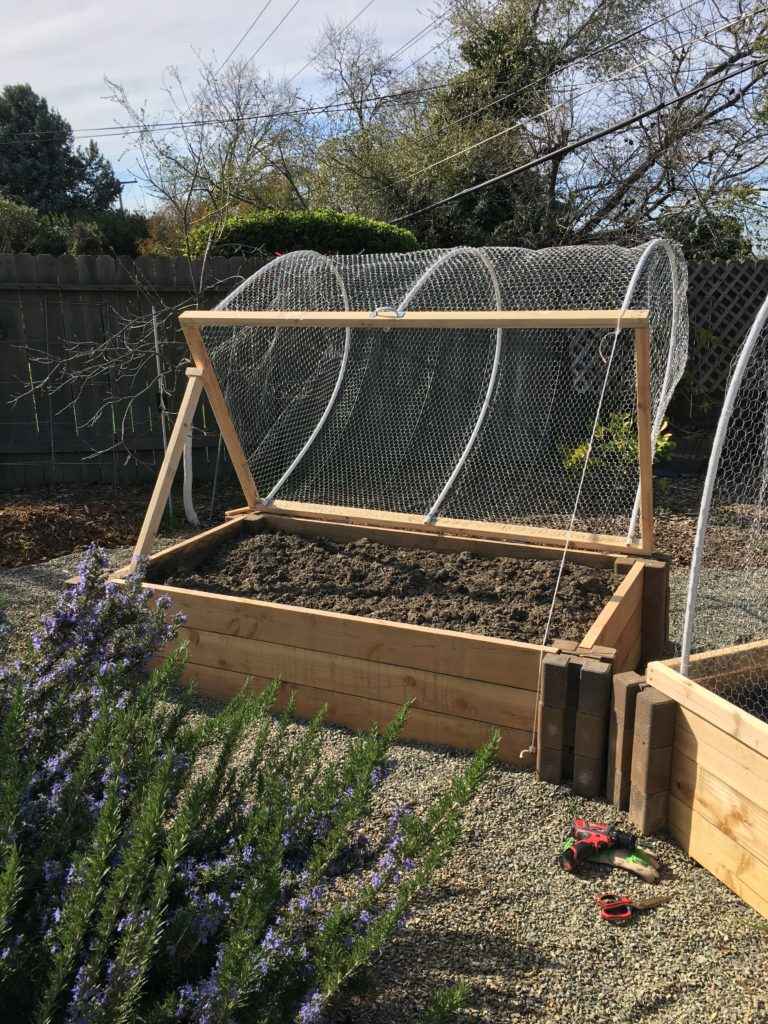
Why settle for a basic cover when you can build your own removable lid?
This simple but effective design uses wood or another sturdy material and Poultry netting to create a lid for your raised bed, which you can lift up to access your plants.
Attach the lid with hinges or a slide mechanism, and voilà—easy access and full protection in one.
Here’s a DIY removable garden bed cover ideas:
Why it’s great:
Removable lids are super convenient when you need to quickly check on or harvest your plants without removing the entire cover.
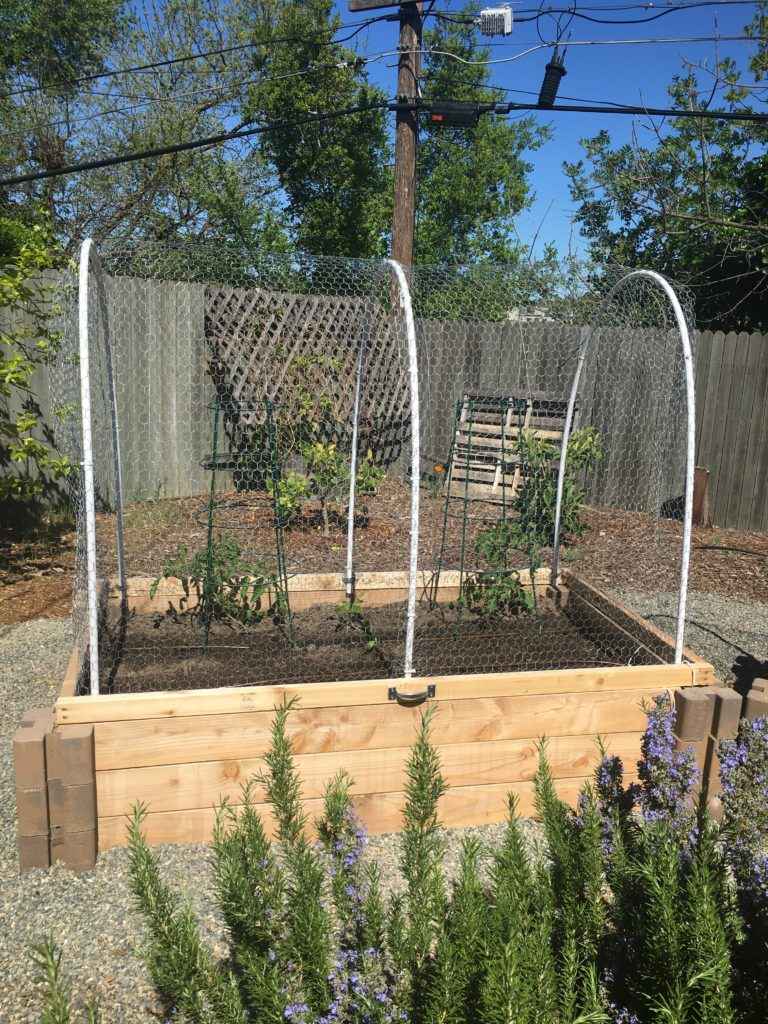
Plus, they’re customizable—whether you want a completely sealed lid for winter or a more ventilated version for summer, you’ve got the freedom to design it your way.
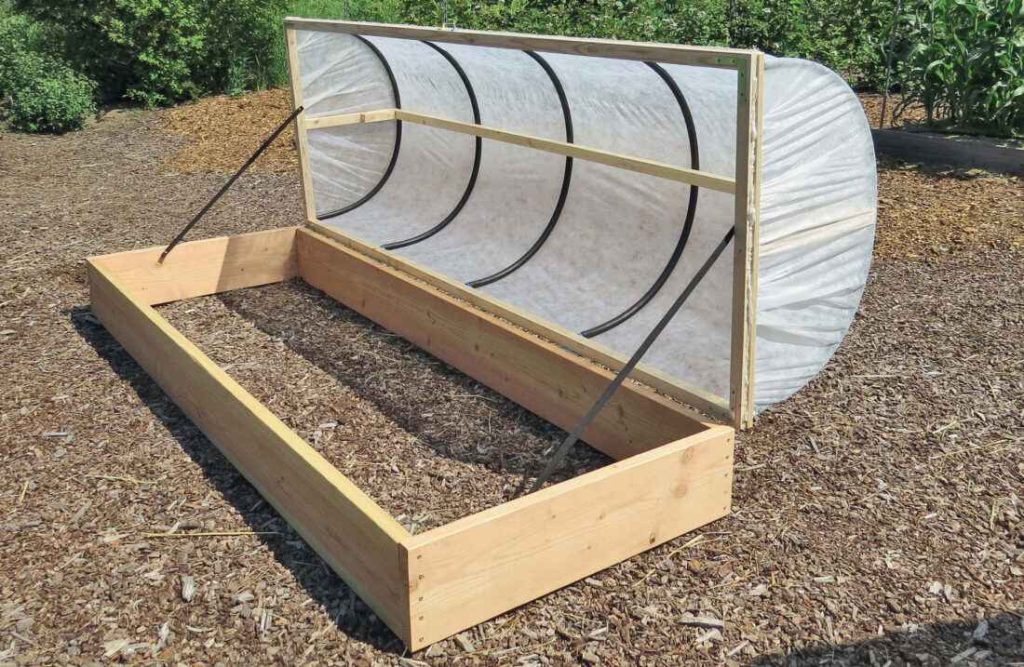
My take: I love how practical these are. It’s like having a garden that’s almost like a kitchen pantry—just open the lid, grab what you need, and close it up.
But, if you’re building your own, make sure you measure twice before cutting to avoid frustration later!
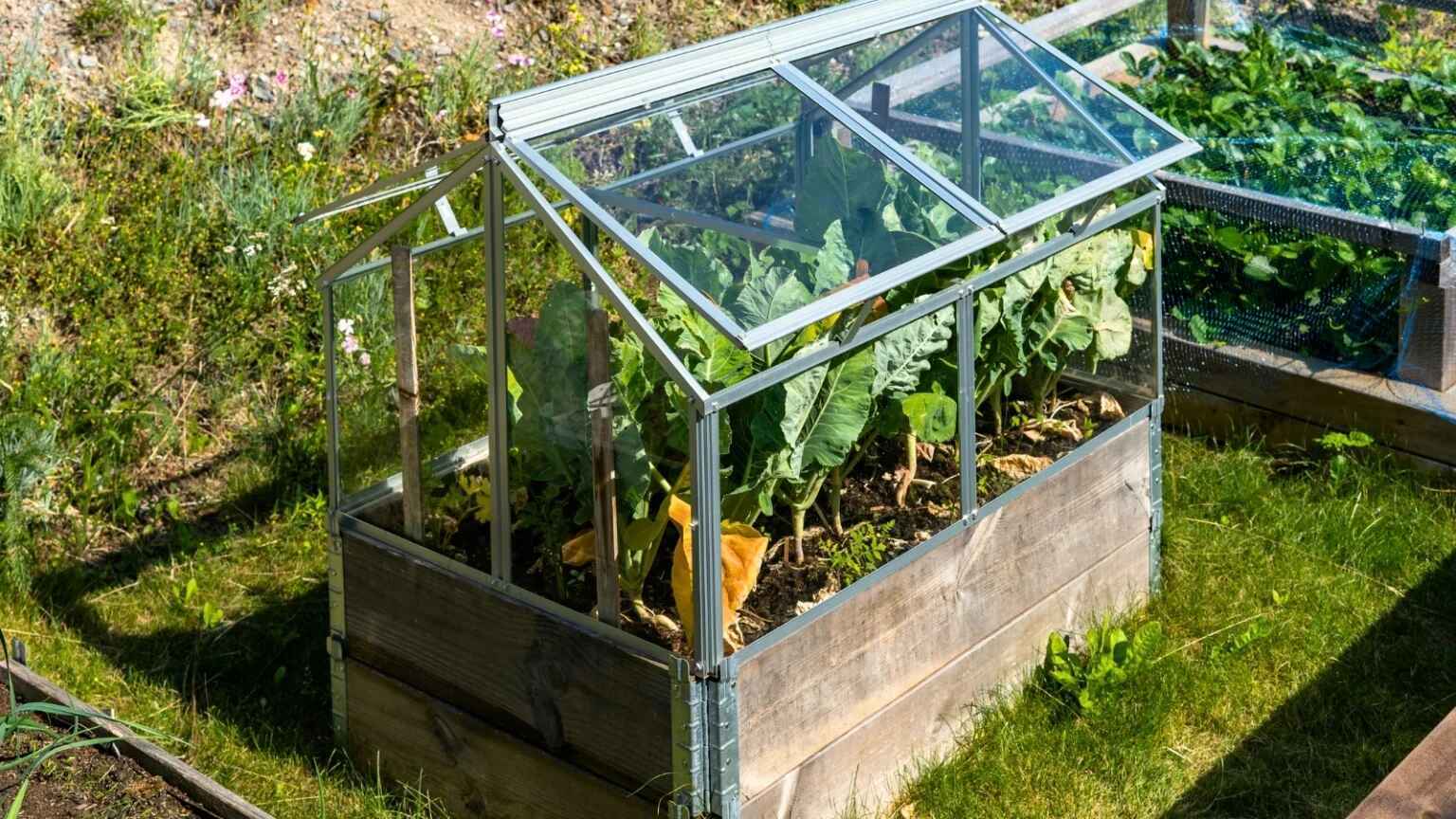
4. Mini Greenhouses — Small but Mighty
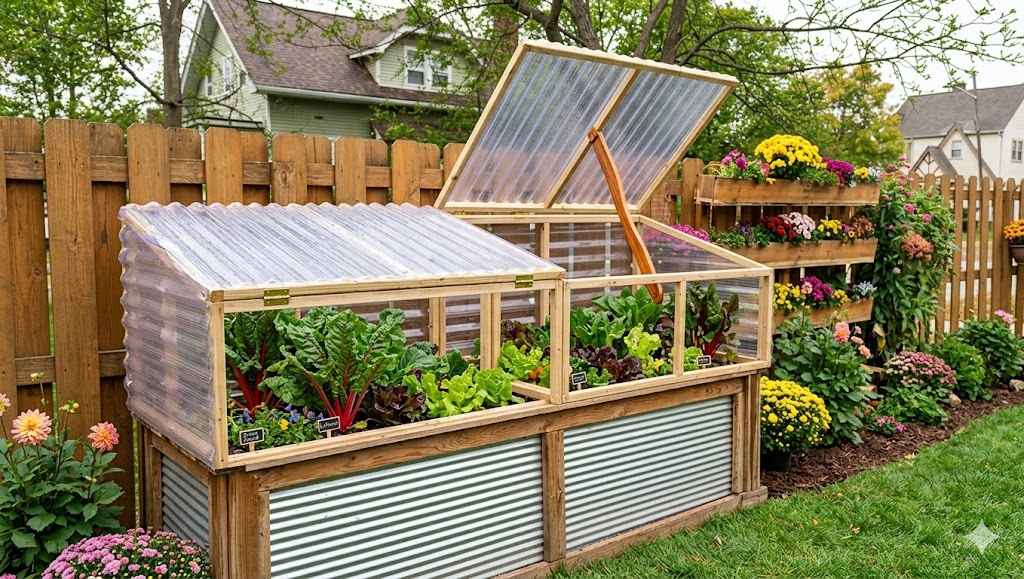
Why not turn your raised bed into its own little greenhouse?
Mini greenhouses are compact structures that sit right on top of your raised bed, creating a warm, enclosed environment perfect for extending your growing season.
You can use clear plastic, polycarbonate panels, or even old windows for the structure.
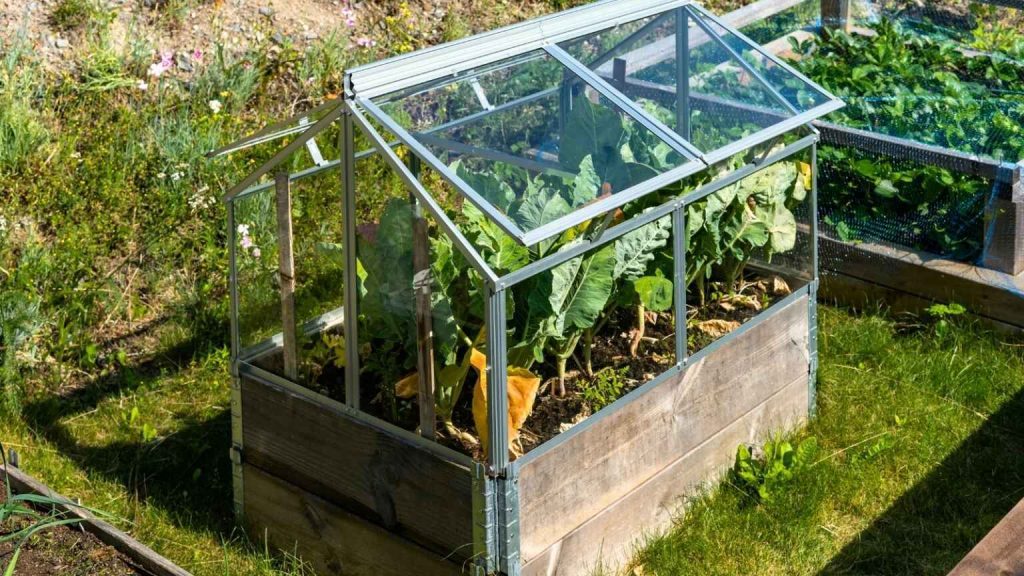
Why it’s great:
Mini greenhouses are perfect for cold climates or for gardeners who want to get a jump start on the growing season. They protect your plants from frost and extreme cold while still letting in lots of sunlight.
The added warmth speeds up growth and can help you grow plants that typically need a warmer environment.
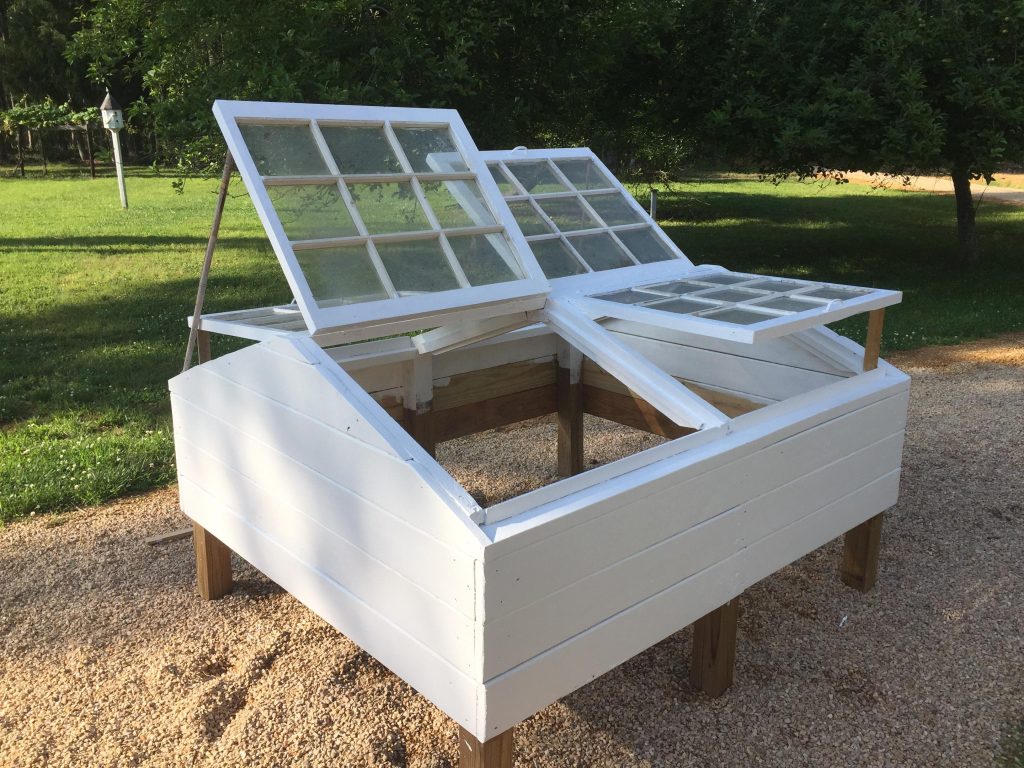
My take: I’ve tried mini greenhouses in the past, and they work wonders—especially for tomatoes and peppers.
Pro tip: Make sure to ventilate them in the warmer months to avoid a greenhouse meltdown (unless you’re growing tropical plants, of course)!
5. Bird Netting Domes — Protect Your Plants, Not Your View
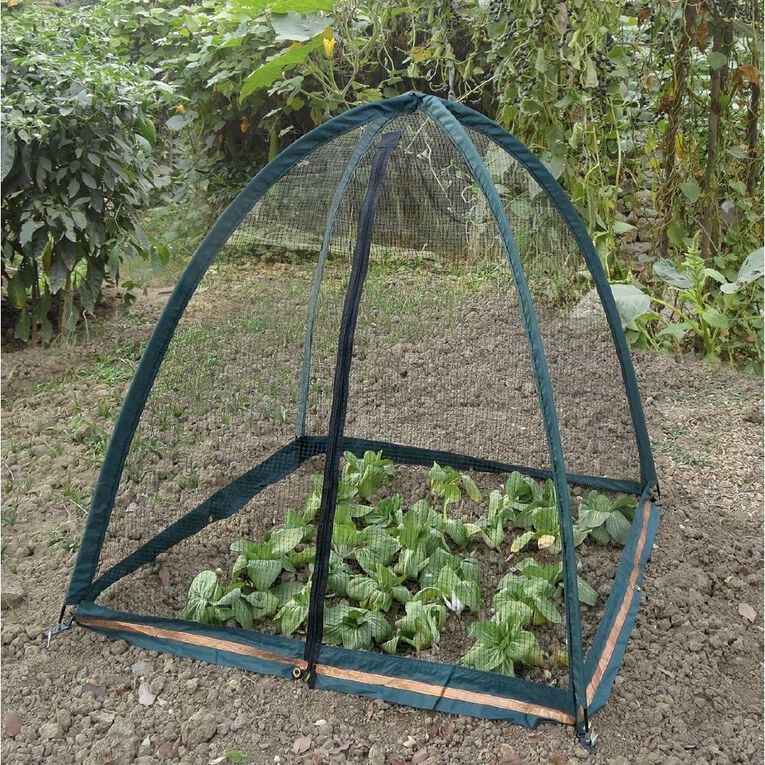
If you’re looking for something a little more stylish, bird netting domes might be your answer.
These rounded frames, often made from bamboo or metal, are covered with netting to protect your crops from birds while still allowing for full visibility.
Why it’s great:
Bird netting domes are light, easy to assemble, and non-intrusive. They provide excellent protection without turning your garden into a fortress.
The open design is perfect for gardeners who don’t want to feel like they’re living in a netted cage. Plus, it’s super easy to check on your plants!
My take: I’m all for these because they look cute—like tiny garden igloos.
The only downside is they’re not great for larger animals, so if you’ve got rabbits hopping around, this might not be the best choice. But for birds? Total game changer.
6. PVC Pipe Tunnels — Customizable Protection for Every Season
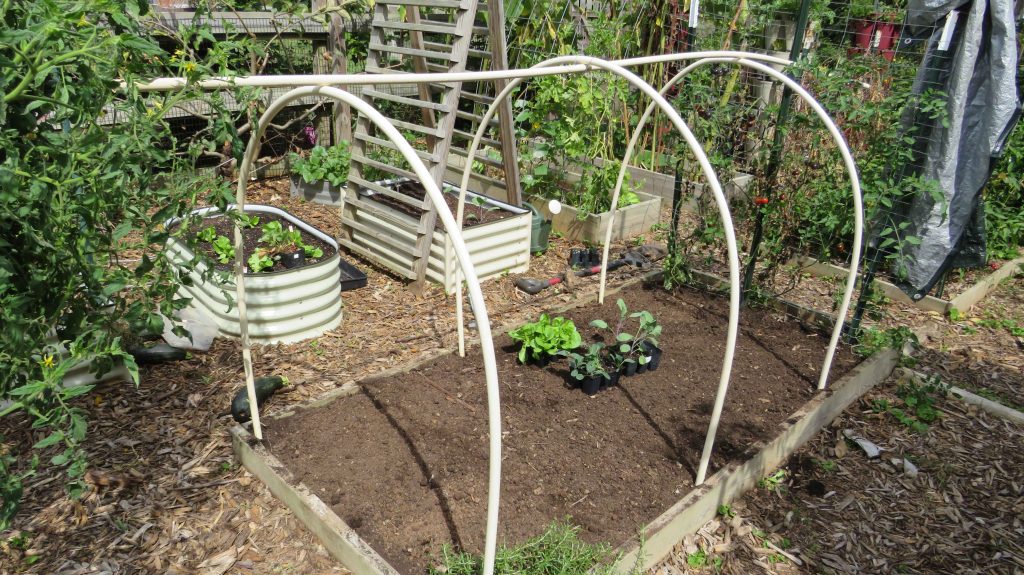
If you love a good DIY project, PVC pipe tunnels might be right up your alley.
These simple tunnels are made by bending PVC pipes over your raised bed, then covering them with plastic or fabric to create a mini greenhouse effect.
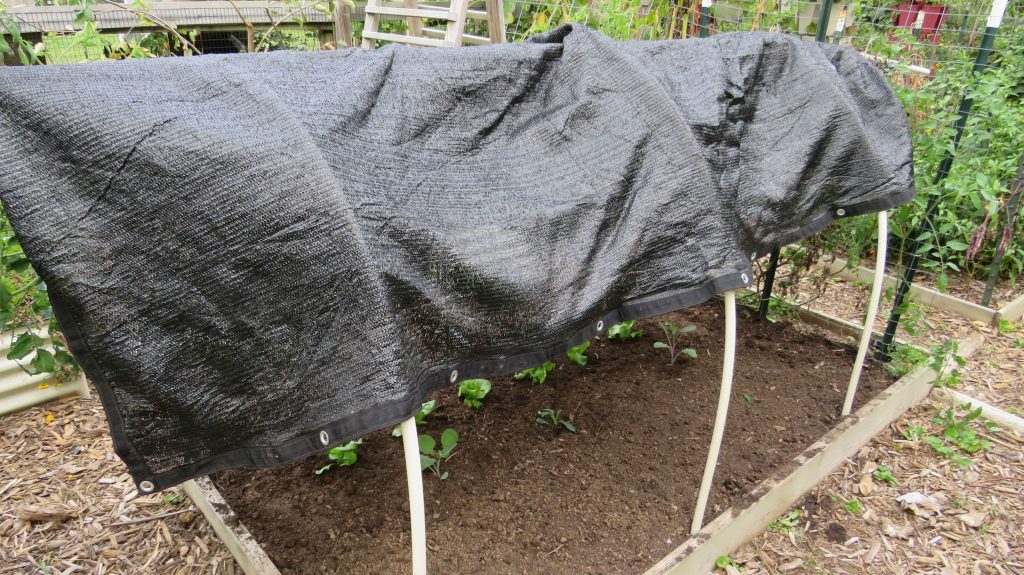
You can make them as long as you need to cover your entire bed, and they can be customized for any plant.
Why it’s great:
PVC pipe tunnels are versatile and can be used for both warmth (in the winter) and shade (in the summer).
You can also install them easily and take them down just as quickly when the season changes. Bonus points if you add a roll-up option for ventilation during the hot months!
My take: I’ve seen many gardeners use this method, and honestly, it’s one of those things you’ll wonder why you didn’t try sooner.
The best part? It doesn’t require a lot of fancy materials—just some pipes, a little elbow grease, and you’re set.
7. Wooden Frame with Clear Plastic Panels — Simple Yet Durable
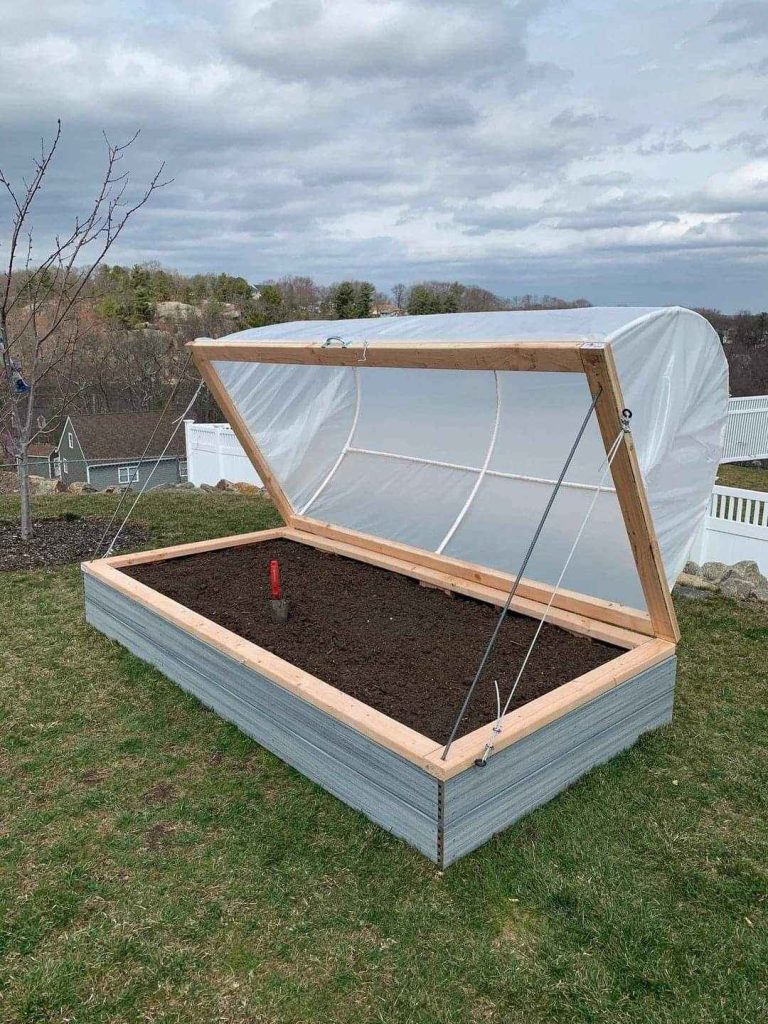
For a solid, long-lasting option, you can opt for a wooden frame with clear plastic panels.
This setup is a little more permanent, but it provides a sturdy structure that works in all weather conditions. You can either purchase pre-made kits or build your own.
Why it’s great:
The clear plastic panels offer excellent sunlight transmission, while the wooden frame provides a durable, year-round solution.
This cover is great for both heat retention and pest control, making it ideal for extending your growing season.
My take: I’ve built one of these, and it’s definitely a project, but the results are worth it. You get something that can last and will handle any weather.
Just make sure to check your panels periodically—plastic can wear out over time if exposed to too much sun.
8. Roll-Up Netting — Effortless Access to Your Garden
If you want something that makes your life easier when it comes to accessibility, roll-up netting is the way to go.
This system uses netting material that can be rolled up and down depending on the need. Whether you’re protecting your plants from pests or letting them breathe during the day, it’s all in your control.
Why it’s great:
Roll-up netting is convenient and easy to adjust. It works well if you want to keep pests away at night and let in natural pollinators during the day. Plus, it’s space-efficient and doesn’t obstruct your garden view.
My take: I absolutely love this setup. It’s hassle-free and totally practical for anyone who’s looking for a no-fuss solution.
Whether you’re running errands or just need a quick peek at your veggies, roll-up netting makes it so easy to manage.
9. Cedar Plank Covers — A Stylish, Natural Choice
For gardeners who want a cover that looks as good as it works, cedar plank covers are the answer. These covers are made from natural cedar wood planks, offering both functionality and a charming aesthetic.
They’re especially effective at protecting plants from the elements while adding rustic beauty to your garden.
Why it’s great:
Cedar is naturally resistant to insects, and the wood adds a rustic, natural touch to your garden.
It’s also more durable than plastic and provides strong protection against both the cold and pests. If you’re looking for something more stylish, this could be the right choice.
My take: I’m all about sustainable materials, and cedar is one of my favorites. The scent of cedar alone is worth it, but it’s also durable and gives your garden a timeless appeal. My only suggestion is to maintain it occasionally, since wood can weather over time.
10. Custom Netting Panels with Removable Covers
If you’re looking for something truly tailored to your needs, custom netting panels with removable covers might be the perfect solution.
This setup involves attaching netting panels to a frame, with the option to remove them when you need to tend to your plants.
Why it’s great:
Custom netting panels allow you to create the perfect fit for your raised bed, ensuring your plants are fully protected. Whether you need light-blocking panels or pest protection, this solution is flexible and effective.
And since the panels are removable, you won’t have to deal with clunky covers when they’re not in use.
My take: Custom setups are always my go-to when I want a highly personalized solution. It’s a little more work upfront, but the long-term results are well worth it. Plus, you can adjust it over time if your garden needs change.
Conclusion:
So there you have it—the 10 best raised garden bed cover ideas to protect your plants, extend your growing season, and keep those pesky critters at bay.
Whether you’re a seasoned gardener or just starting out, there’s a cover idea on this list that will fit your needs, budget, and style.
From simple mesh netting to stylish cedar plank covers, these solutions will help you maintain a thriving garden year-round.