15 Zone 3 Perennials You Need in Your Garden (Seriously!)

If you live in Zone 3, you know the drill – winters that could freeze a cactus, and summers that are just long enough to get things almost warm.
But here’s the good news: you can still create a gorgeous garden that thrives, thanks to Zone 3 perennials.
In this guide, I’m going to show you 15 perennials that are practically foolproof for your cold-climate garden.
I’ve personally tried some of these (and trust me, I’m no expert gardener), and I can say they truly live up to the hype. You’ll get plants that survive the worst winters, pop up year after year, and even give your garden some serious style points.
So, whether you’re a gardening pro or a novice trying to keep your plants alive until summer, let’s get started.
15 Best Zone 3 Perennials That Can Survive Harsh Cold Weather
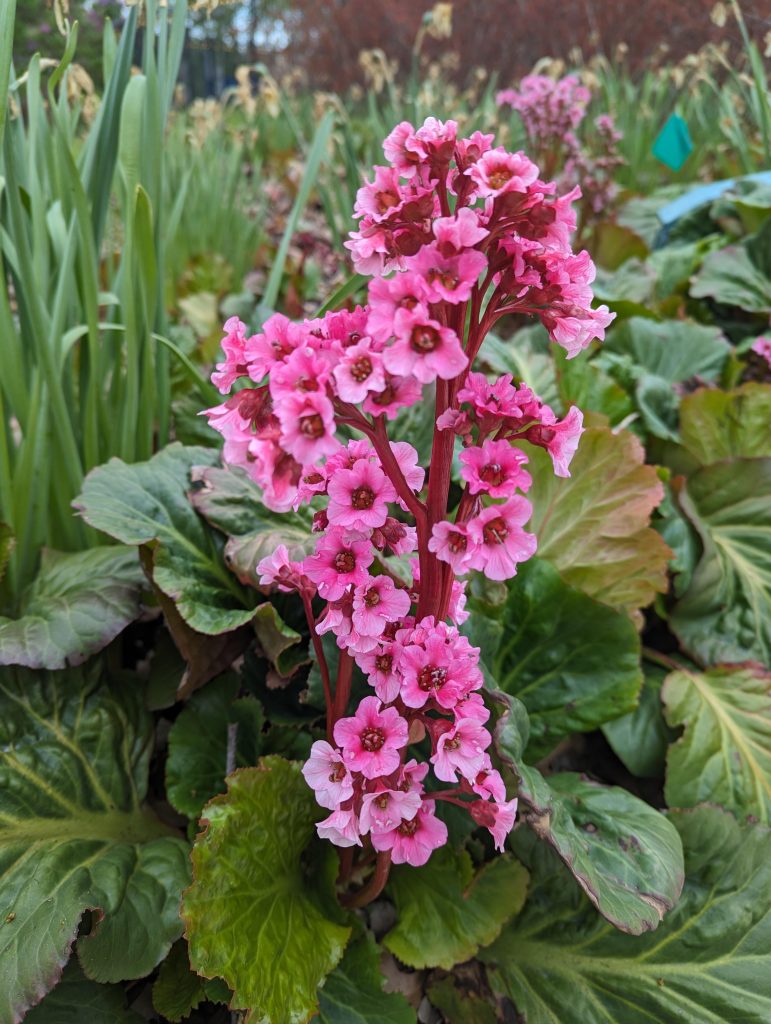
1. Bergenia: The Ever-Resilient Beauty
- Botanical Name: Bergenia
- Sun Requirements: Part Shade to Full Sun
- Height: 1–2 feet
- Hardiness Zones: 3 to 8
- Soil Needs: Well-drained, moist soil
Bergenia is a serious tough cookie. If you’ve ever had your heart broken by a plant that just couldn’t survive your harsh winters, this is the one to trust.
It loves cold climates and will bloom every spring with beautiful, rounded leaves and stunning pink, red, or white flowers. Honestly, it’s like the trusty friend who always shows up on time—no drama, just pure reliability.
The best part? Bergenia doesn’t require much care at all. Just plant it and watch it thrive. It’s perfect for those spots that are a little too shady for anything else to grow.
So, if you’re looking for something that adds a pop of color in the early spring and works well in low-light conditions, Bergenia is your new best friend.
2. Bleeding Heart: The Drama Queen (In a Good Way)
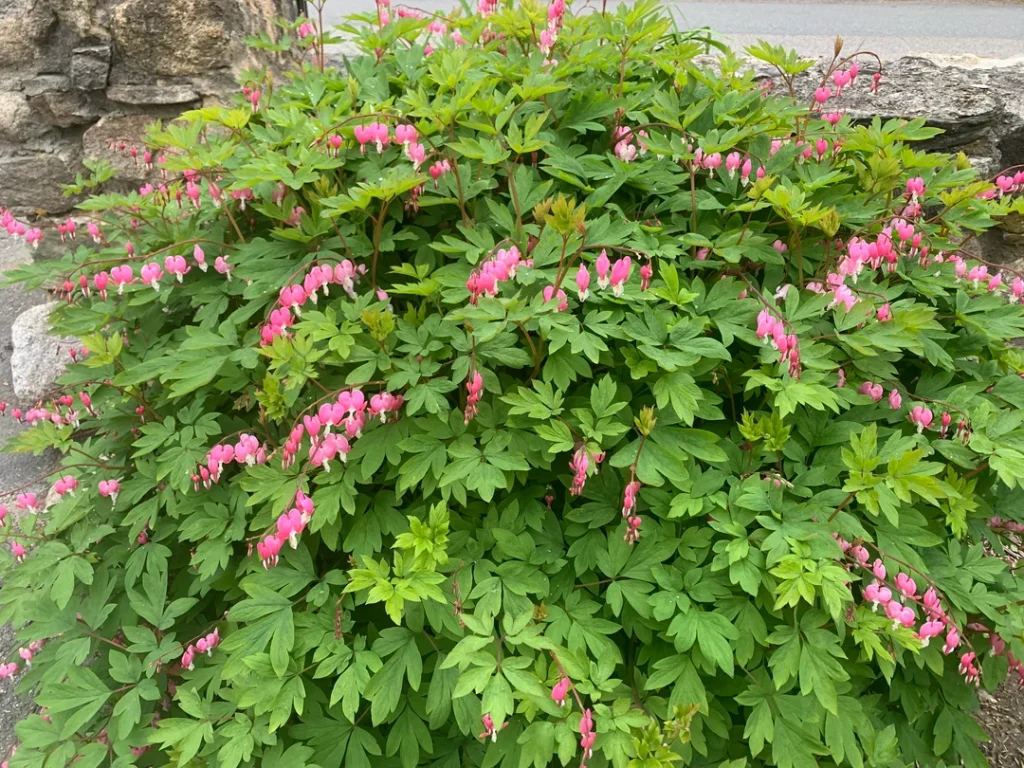
- Botanical Name: Dicentra Spectabilis
- Sun Requirements: Part Shade to Full Shade
- Height: 2–3 feet
- Hardiness Zones: 3 to 9
- Soil Needs: Moist, well-drained, slightly acidic soil
Okay, let’s talk Bleeding Heart. First off, it’s probably the most dramatic plant you’ll meet, with its heart-shaped flowers that hang like little pendants in shades of pink and red. It’s a showstopper, no doubt about it.
You’ll want this part shade perennial in the garden if you’re looking for a splash of color, especially in those dull, early months of spring when everything else still feels like it’s in hibernation.
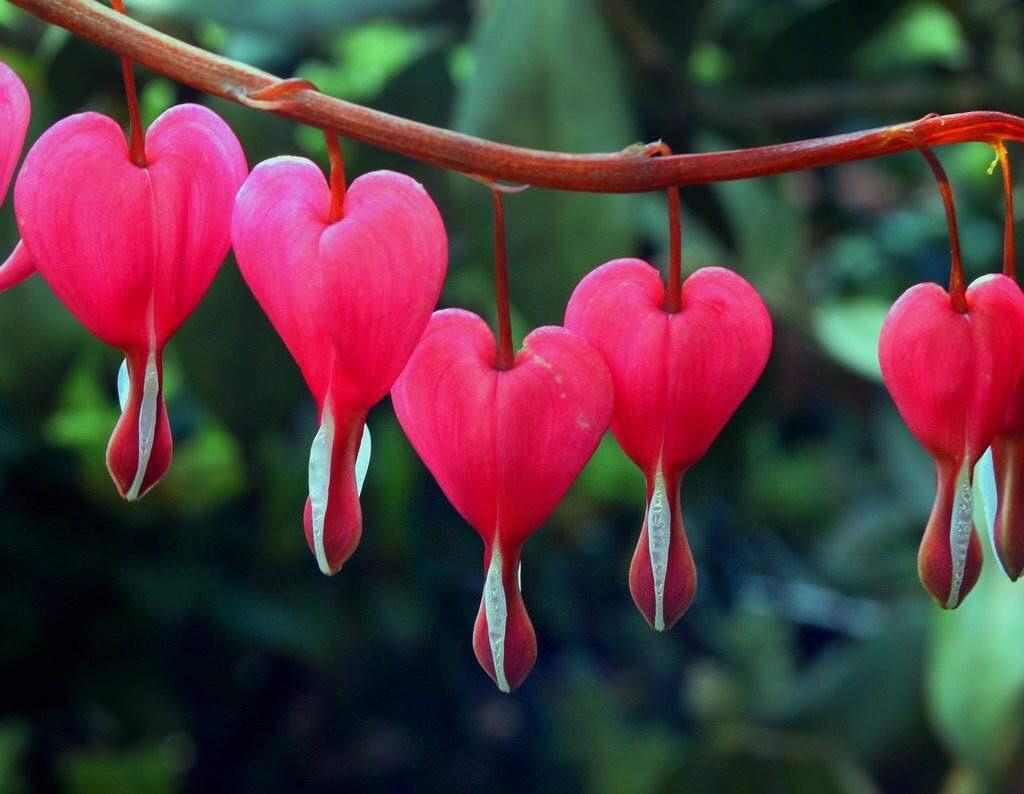
It’s perfect for shaded spots, so if you have a corner that never gets much sun, this is the plant to fill it. While it’s a bit fussy about the soil (it prefers slightly moist, well-drained earth), once it settles in, it’ll put on a show for years to come.
Just be careful if you have pets – this beauty can be toxic to cats and dogs (but don’t worry, they won’t eat it…hopefully).
3. Hostas: The Low-Maintenance Garden Hero
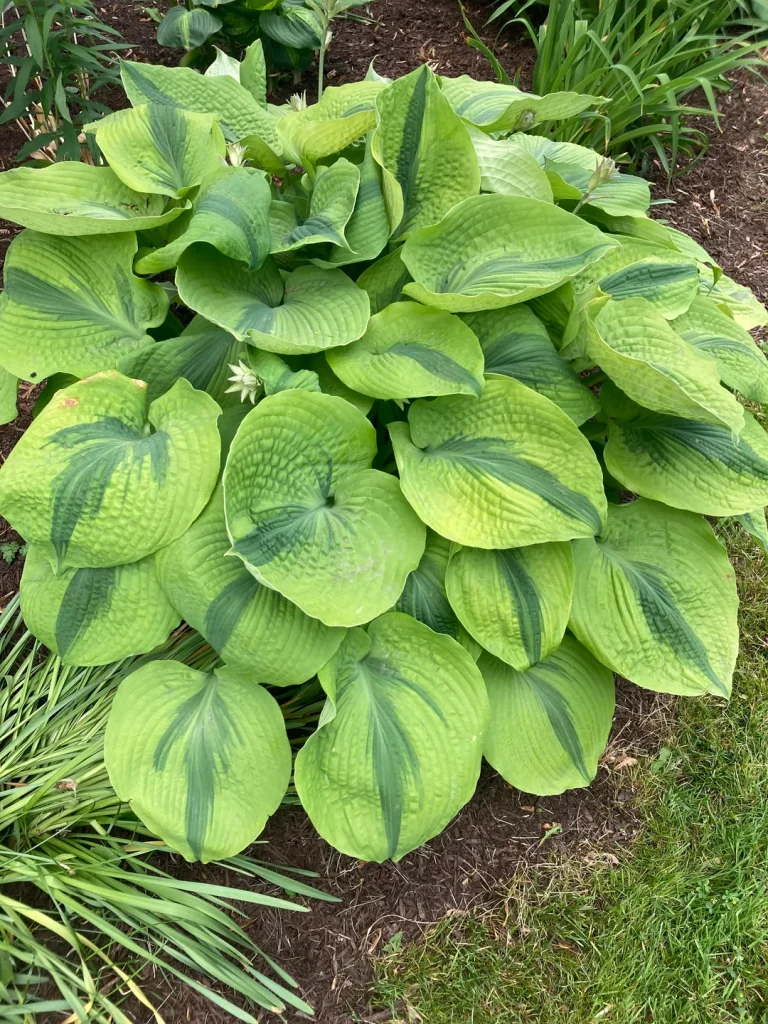
- Botanical Name: Hosta
- Sun Requirements: Shade to Part Shade
- Height: 1–3 feet
- Hardiness Zones: 3 to 9
- Soil Needs: Moist, well-drained soil
Hostas are a classic for a reason. They don’t ask for much—just some shade, some water, and boom, they’ll reward you with lush, beautiful foliage all season long.
These guys are perfect for those dark corners in your garden where nothing else seems to want to grow.
Plus, Hostas come in so many varieties, from tiny, dainty plants to large, leafy statements that will add a layer of texture to any garden.
So, if you’re working with a space that’s perpetually in the shade, Hostas are one of your best bets.
They’ll pop up reliably every year without asking for too much attention. Trust me, they’re like the dependable roommate who never leaves their dirty dishes in the sink.
4. Daylilies: Simple, Yet Stunning
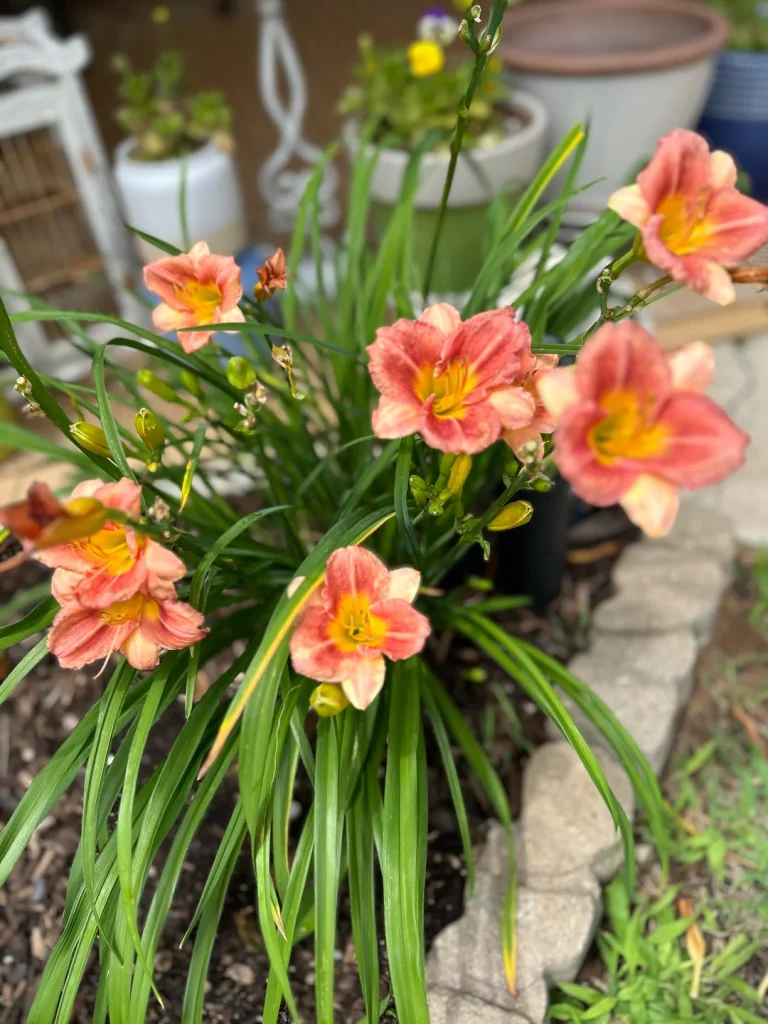
- Botanical Name: Hemerocallis
- Sun Requirements: Full Sun to Part Shade
- Height: 1–4 feet
- Hardiness Zones: 3 to 9
- Soil Needs: Well-drained, slightly acidic soil
Daylilies are the Energizer Bunny of perennials—they just keep going and going. These plants are incredibly hardy, and while they only bloom for one day, they produce so many flowers, you’ll barely notice.
Seriously, this plant blooms from early summer into fall, ensuring your garden always has some color.
They’re low-maintenance, drought-tolerant, and come in a stunning variety of colors, from yellows to reds to vibrant purples.
Plus, if you’re one of those people who forgets to water their garden (we’ve all been there), Daylilies will forgive you. They’re tough enough to handle a little neglect but still manage to thrive in Zone 3’s chilly winters.
5. Lily of the Valley: The Sweet-Scented Showstopper
- Botanical Name: Convallaria Majalis
- Sun Requirements: Part Shade to Full Shade
- Height: 6–12 inches
- Hardiness Zones: 3 to 8
- Soil Needs: Moist, well-drained, slightly acidic soil
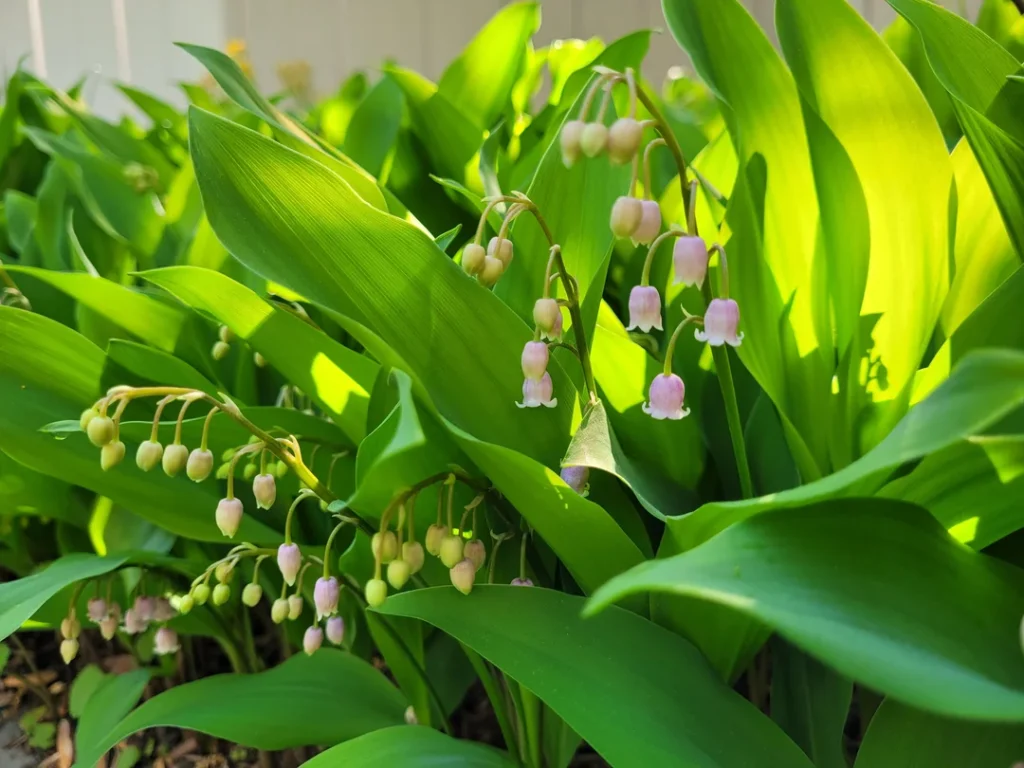
Lily of the Valley is that one plant you can’t help but love. With its tiny, bell-shaped white flowers and sweet fragrance, it feels like spring has truly arrived when it starts blooming.
It’s perfect for shady spots where you want a touch of elegance. The smell alone makes it worth planting.
But, let’s be honest, Lily of the Valley can be a bit too enthusiastic about spreading. If you want it to stay in one place (and not take over your garden), you’ll need to keep it in check.
Still, I’m not complaining—its fragrance and beauty make it a must-have for any cold-climate garden.
6. Allium: The Eye-Catching Giant
- Botanical Name: Allium giganteum
- Sun Requirements: Full Sun
- Height: 1–6 feet
- Hardiness Zones: 4 to 10
- Soil Needs: Well-drained soil, pH 5.5–6.5
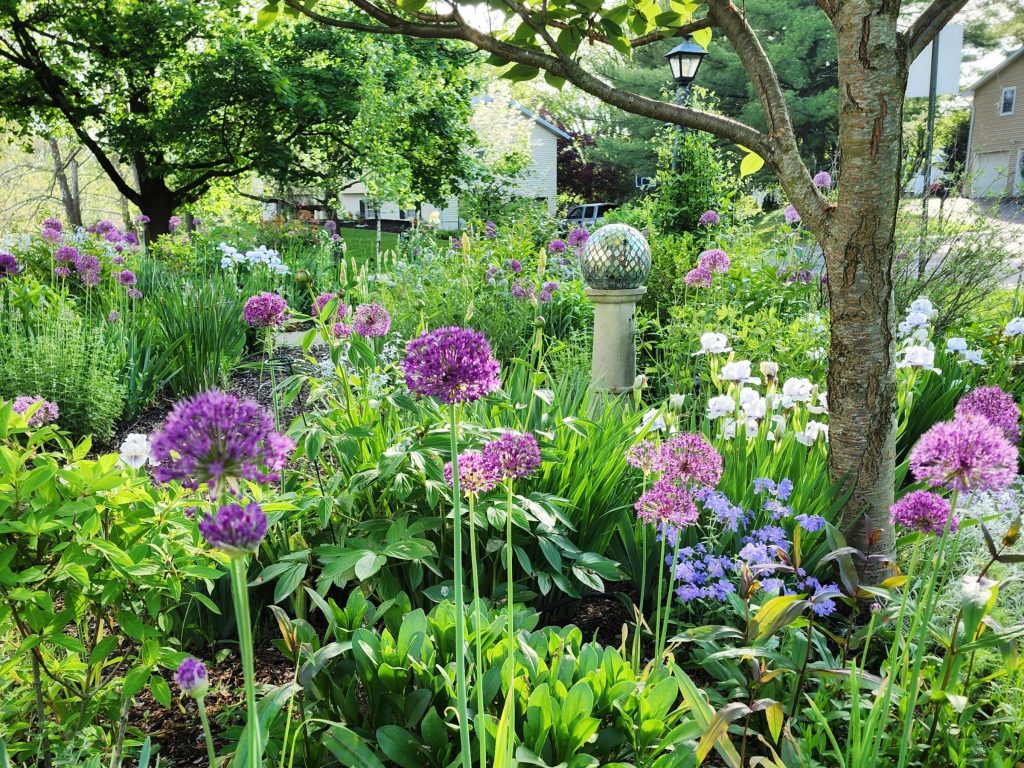
Allium, aka the “giant onion,” is the boldest plant in your garden—and not just because it’s related to garlic. These plants are known for their towering height and massive spherical flower clusters that create an eye-catching focal point.
If you want your garden to have some “wow” factor, this is your go-to. Allium blooms in late spring to early summer, adding a burst of purple or white to your garden just when you need it.
Not only do they look amazing, but they’re also ridiculously easy to care for. They love full sun, and once they’re planted, they’re happy to come back year after year.
Just keep in mind that Allium prefers well-drained soil (not soggy—nobody likes soggy soil) and they’ll thrive even in the harshest conditions.
7. Columbine: The Wildflower Look, But Better
- Botanical Name: Aquilegia
- Sun Requirements: Part Shade to Full Sun
- Height: 1–3 feet
- Hardiness Zones: 3 to 9
- Soil Needs: Moist, well-drained soil
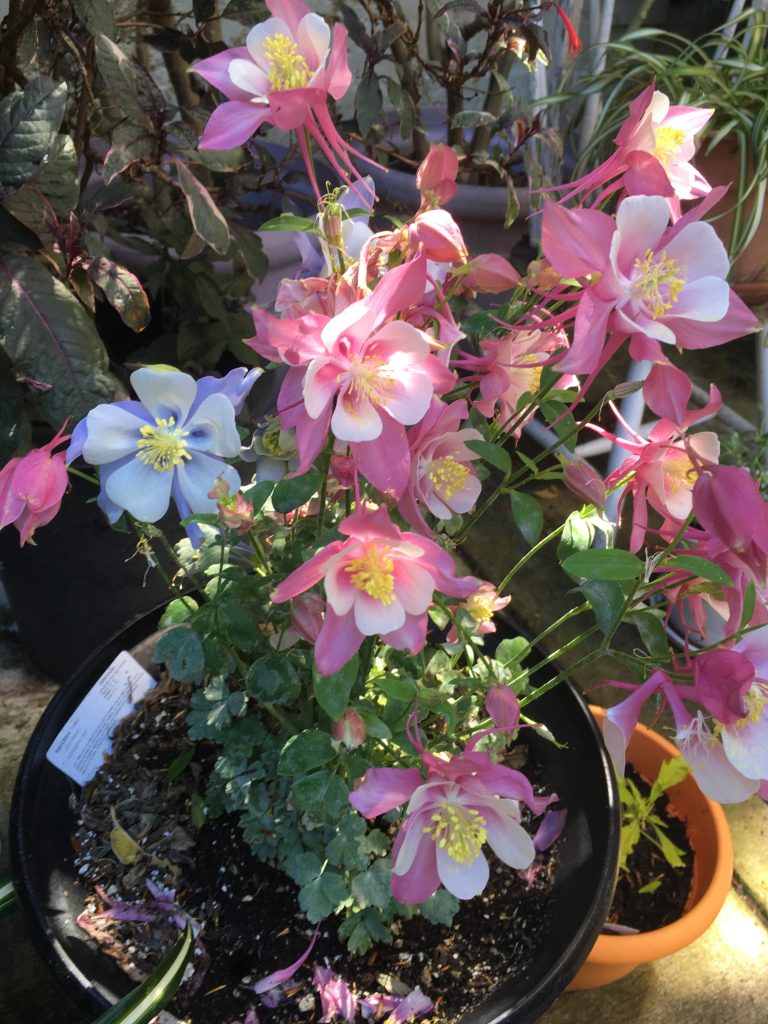
Columbine is that one plant that screams “wildflower chic” but with a little more finesse. The unique, spurred flowers come in a variety of colors, from deep purple to soft yellow, and they’ll add a touch of elegance to your garden.
Whether you’re aiming for a natural meadow feel or want to brighten up a shady corner, Columbine is the plant that can do it all.
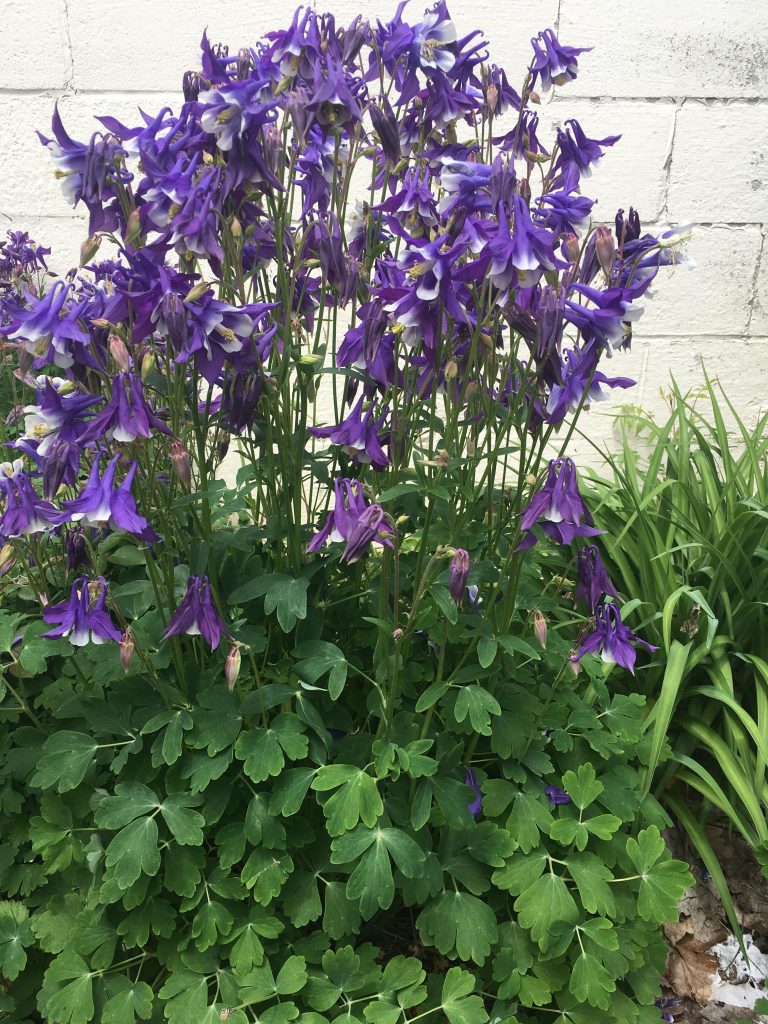
And the best part? These beauties are hardy enough to survive cold winters, yet delicate enough to add a soft, graceful touch to any garden.
They’ll bloom for weeks during late spring and early summer, creating a show that’ll have your neighbors stopping to admire them.
So, if you’re tired of the same old flowers and want something with a little more flair, Columbine’s your answer.
8. Russian Sage: The Aromatic Statement Piece
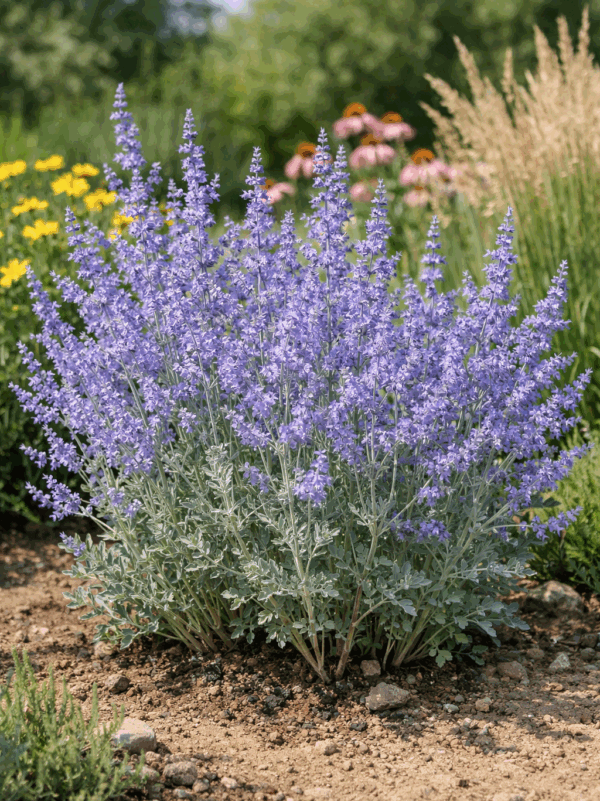
- Botanical Name: Perovskia atriplicifolia
- Sun Requirements: Full Sun
- Height: 3–5 feet
- Hardiness Zones: 4 to 9
- Soil Needs: Well-drained, slightly alkaline soil
If you’re looking for a plant that’s as tough as it is beautiful, Russian Sage will be your new best friend.
Known for its silvery-gray foliage and tall, spiky lavender-blue flowers, this perennial can handle just about anything—wind, drought, even poor soil.
It’s the perfect addition to those “tough” spots in your garden where other plants might shy away.
Beyond being a visual stunner, Russian Sage also offers a wonderful fragrance that can fill your garden with a pleasant, herbal aroma.
Not to mention, its soft, airy texture creates a beautiful contrast to more rigid or dense plants. It’s one of those plants that practically breezes through every season with minimal effort.
Seriously, if you’re not growing Russian Sage, you’re missing out.
9. Yarrow: The Flower You’ll Wonder How You Lived Without
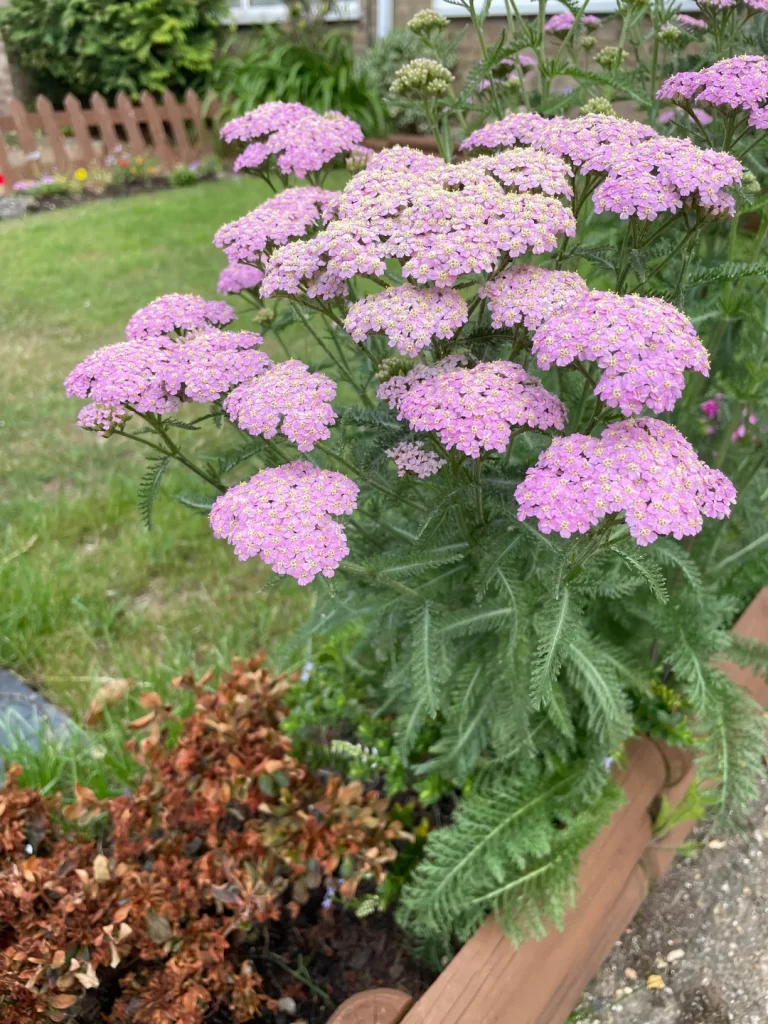
- Botanical Name: Achillea millefolium
- Sun Requirements: Full Sun
- Height: 1–3 feet
- Hardiness Zones: 3 to 9
- Soil Needs: Well-drained, dry soil
Yarrow is like that one friend who’s always reliable, always putting in the effort, and somehow looks good doing it.
It thrives in full sun, requires minimal water, and still manages to bloom in a dazzling array of colors—pink, red, yellow, white, and even purple.
Seriously, it’s like the plant version of a fashionista who knows how to mix and match.
What makes Yarrow even more amazing is how well it handles dry conditions, making it perfect for those spots that you keep meaning to water but never quite get around to.
Plus, it has a natural resistance to pests, so it’s pretty much worry-free. Just plant it, step back, and let Yarrow work its magic.
It’s like the low-maintenance garden superhero you didn’t know you needed.
10. Shasta Daisy: The Classic Garden Favorite
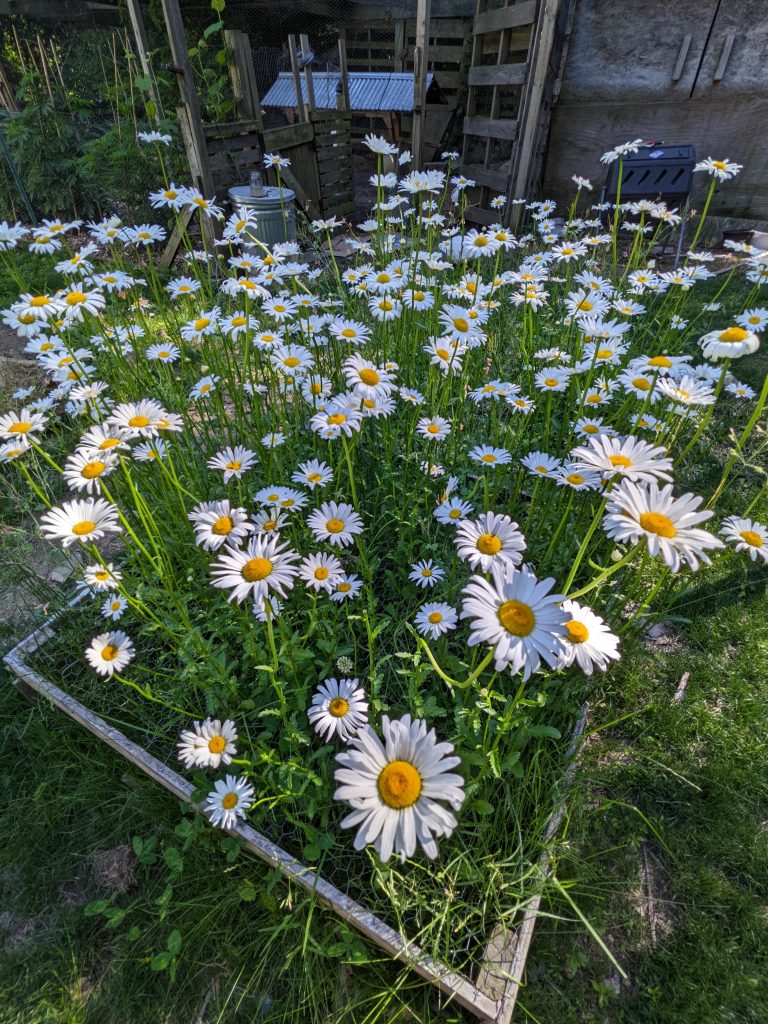
- Botanical Name: Leucanthemum × superbum
- Sun Requirements: Full Sun
- Height: 1–3 feet
- Hardiness Zones: 3 to 9
- Soil Needs: Well-drained, moist soil
Shasta Daisies are the white picket fence of flowers—classic, cheerful, and impossible to dislike. If you’re looking for that quintessential garden look, these guys have got you covered.
They bloom profusely with large, white petals and a bright yellow center that makes them a true showstopper in any garden.
They’re hardy in most conditions and thrive in full sun, giving you a burst of color from late spring to early fall. They’re pretty forgiving when it comes to soil, as long as it’s well-drained, and they’ll grow happily with minimal fuss.
So, if you’re ready to add that crisp, sunny vibe to your garden, the Shasta Daisy should be at the top of your list.
11. Coneflower: The Tough Survivor with Style
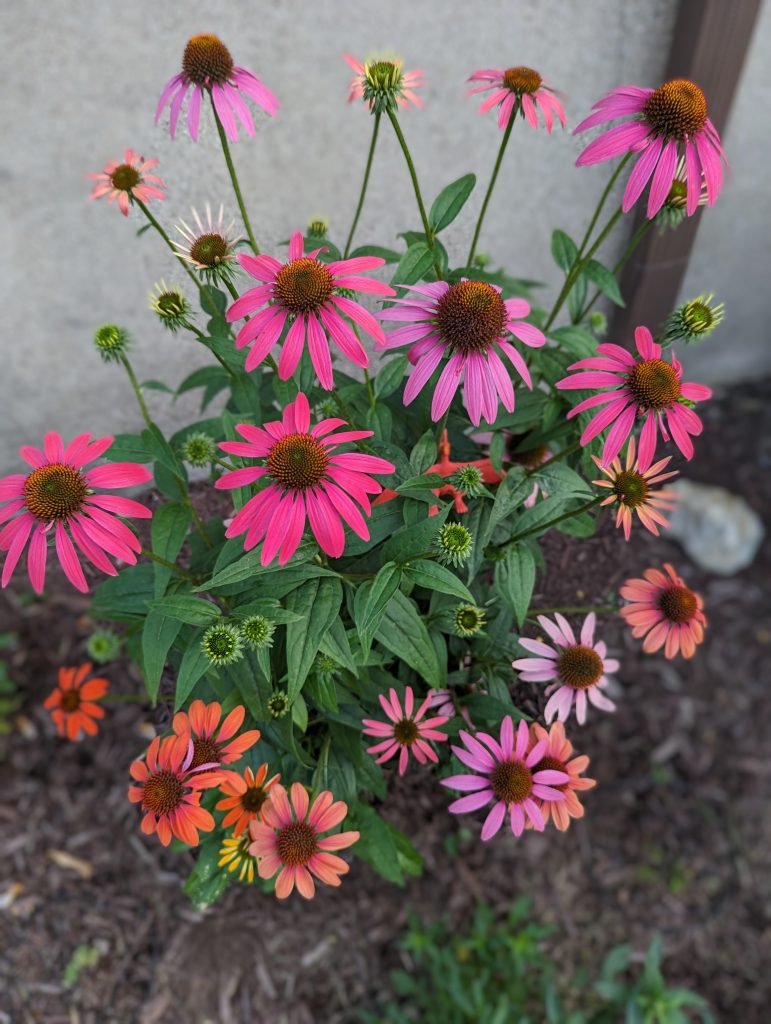
- Botanical Name: Echinacea purpurea
- Sun Requirements: Full Sun
- Height: 2–5 feet
- Hardiness Zones: 3 to 9
- Soil Needs: Well-drained, sandy or loamy soil
Coneflower (Echinacea) is the ultimate survivor in your garden. Not only can it withstand the chill of Zone 3 winters, but it’ll also keep on growing and flowering throughout summer.
These stunning daisy-like flowers in vibrant shades of pink, purple, and even white are the perfect way to draw attention to your garden, and the best part is that they’ll keep coming back year after year.
Besides being beautiful, Coneflowers are also very beneficial to pollinators, especially bees and butterflies.
So, if you want to add something that’s both gorgeous and functional, Coneflower is a great option.
Plus, once established, it’s drought-tolerant, which means you can rest easy during dry spells. It’s practically the “set it and forget it” of perennials.
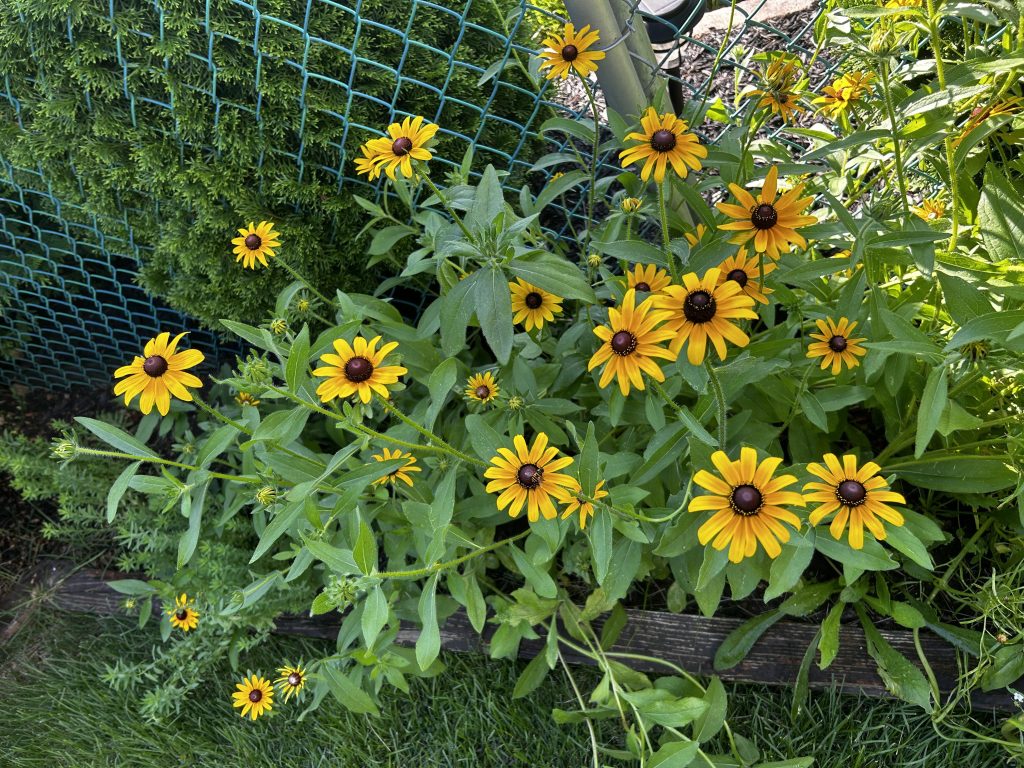
12. Black-eyed Susan: The Bright, Cheerful Bloomer
- Botanical Name: Rudbeckia hirta
- Sun Requirements: Full Sun
- Height: 1–3 feet
- Hardiness Zones: 3 to 9
- Soil Needs: Well-drained, dry to medium soil
Ah, Black-eyed Susan. If there was ever a plant that could bring a pop of sunshine to your garden, it’s this one.
With its golden-yellow petals and dark, almost mysterious centers, it’s the classic flower that instantly makes you smile.
These guys love full sun, and once they bloom, you’re treated to a long-lasting display that brightens up any space.
They’re also really easy to grow, even in the poorest of soils. You can practically plant them and forget about them, which is great for anyone who doesn’t have hours to spend in the garden.
Plus, they’re perfect for attracting pollinators like butterflies, making them a dual-purpose plant in your yard.
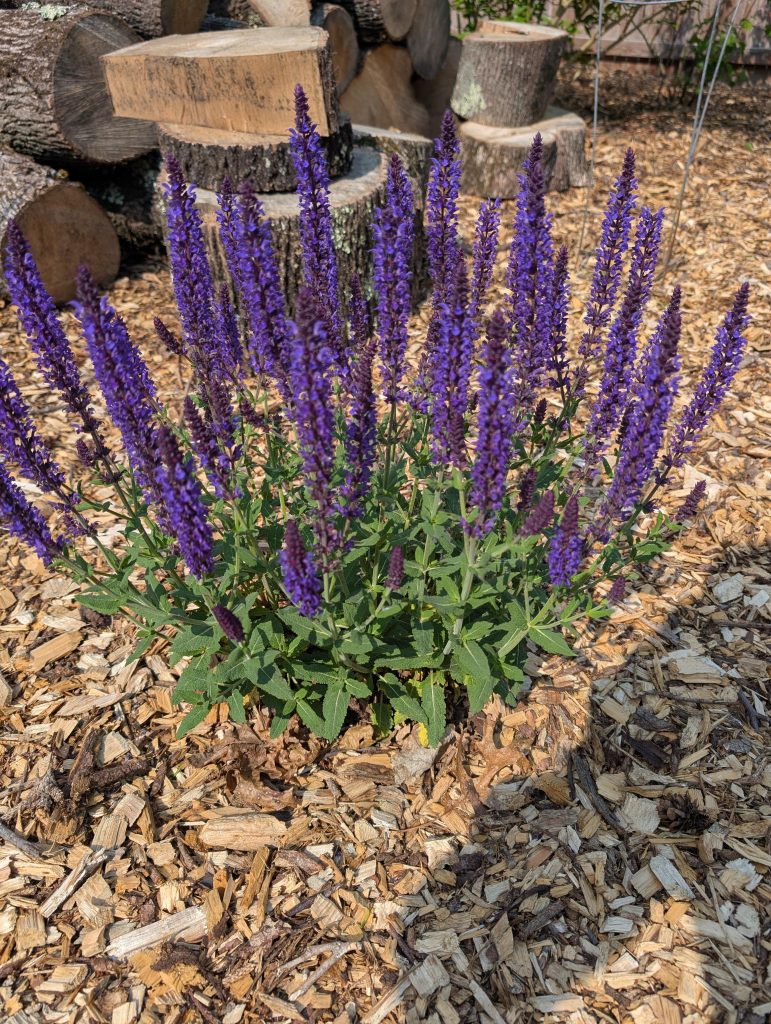
13. Astilbe: The Beautiful, Shade-Loving Perennial
- Botanical Name: Astilbe
- Sun Requirements: Part Shade to Full Shade
- Height: 1–3 feet
- Hardiness Zones: 3 to 8
- Soil Needs: Moist, well-drained soil, slightly acidic
Astilbe is a plant that thrives in the shade, which makes it perfect for those tough garden spots where nothing else will grow. It’s an absolute beauty, with its feathery, plume-like flowers that come in shades of white, pink, red, and purple.
If your garden tends to be shady, Astilbe will fill that space with color and texture that’s both delicate and striking.
One of my personal favorites about Astilbe is its ability to add depth to a garden. While many shade plants can feel a little one-dimensional, Astilbe’s blooms offer a soft but bold contrast, giving your shady spots a touch of drama.
Plus, it’s a low-maintenance perennial that’s perfectly content in moist soil. Talk about a win-win!
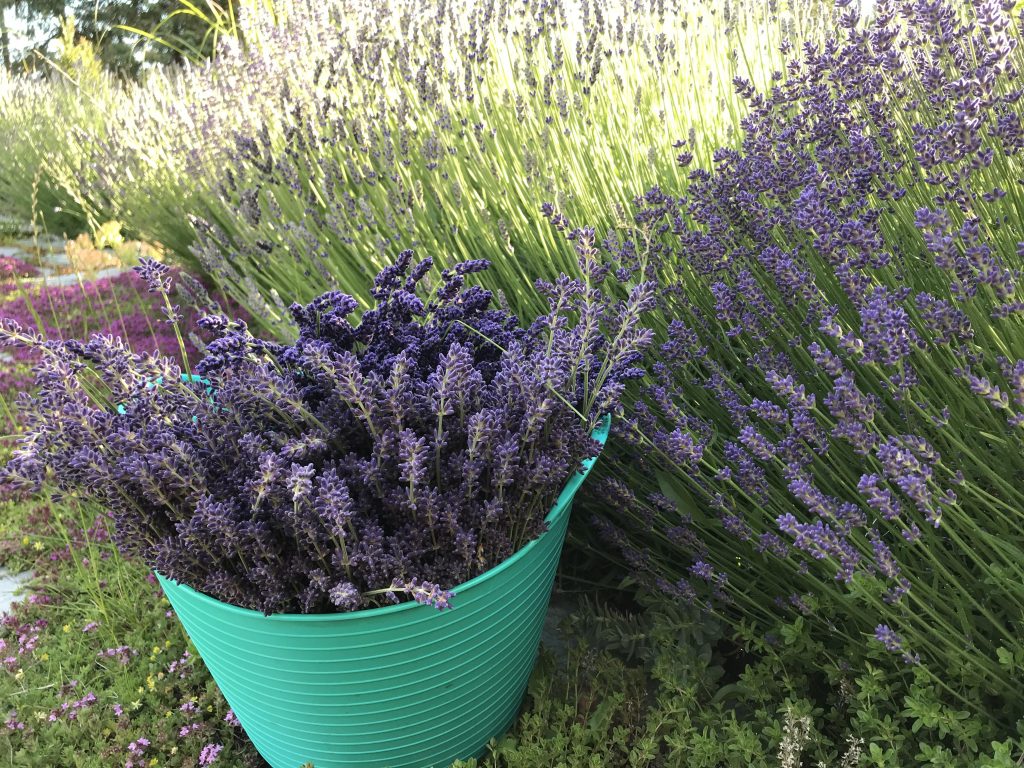
14. Lavender: The Fragrant, Hardy Gem
- Botanical Name: Lavandula angustifolia
- Sun Requirements: Full Sun
- Height: 1–3 feet
- Hardiness Zones: 4 to 8
- Soil Needs: Well-drained, sandy soil
Lavender is more than just a pretty face—it’s a garden staple that combines beauty with functionality. Not only does it smell amazing, but it’s also incredibly resilient, surviving even the toughest winters.
The lovely purple blooms, combined with its distinctive fragrance, will instantly elevate your garden to the next level.
Whether you’re using it in your cooking (because, yes, lavender is edible) or just soaking in the calming scent, it’s a must-have for anyone looking to add both elegance and utility to their garden.
It prefers well-drained soil and a sunny spot, so make sure to give it that—then just sit back and enjoy its beauty and aroma. Trust me, it’s worth it.
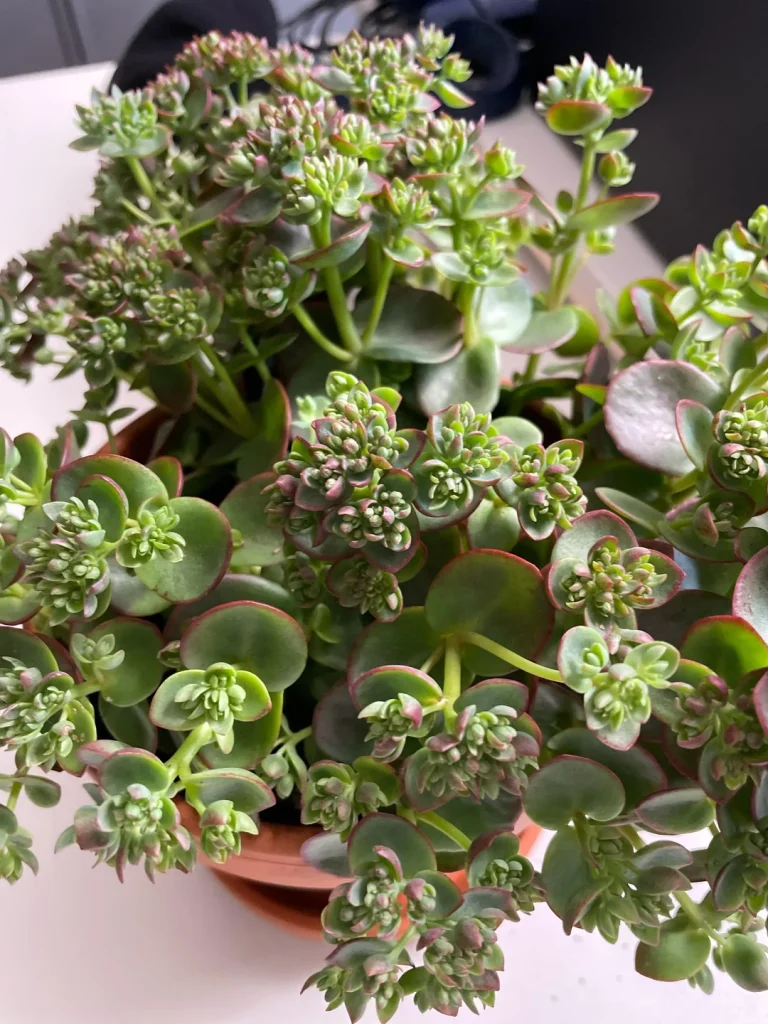
15. Sedum: The Low-Maintenance Showstopper
- Botanical Name: Sedum
- Sun Requirements: Full Sun
- Height: 6 inches–2 feet
- Hardiness Zones: 3 to 9
- Soil Needs: Well-drained, poor soil
Sedum, also known as “Stonecrop,” is like that one friend who is totally chill and never needs much attention. These tough plants are perfect for low-maintenance gardeners, as they can survive in the driest, most neglected soils while still offering up beautiful flowers in the late summer and fall.
Whether you choose the low-growing ground covers or the taller, bushier varieties, Sedum adds a wonderful texture to your garden with its fleshy leaves and star-shaped blooms.
Not only does Sedum stand up to dry conditions, but it also attracts pollinators, including butterflies and bees.
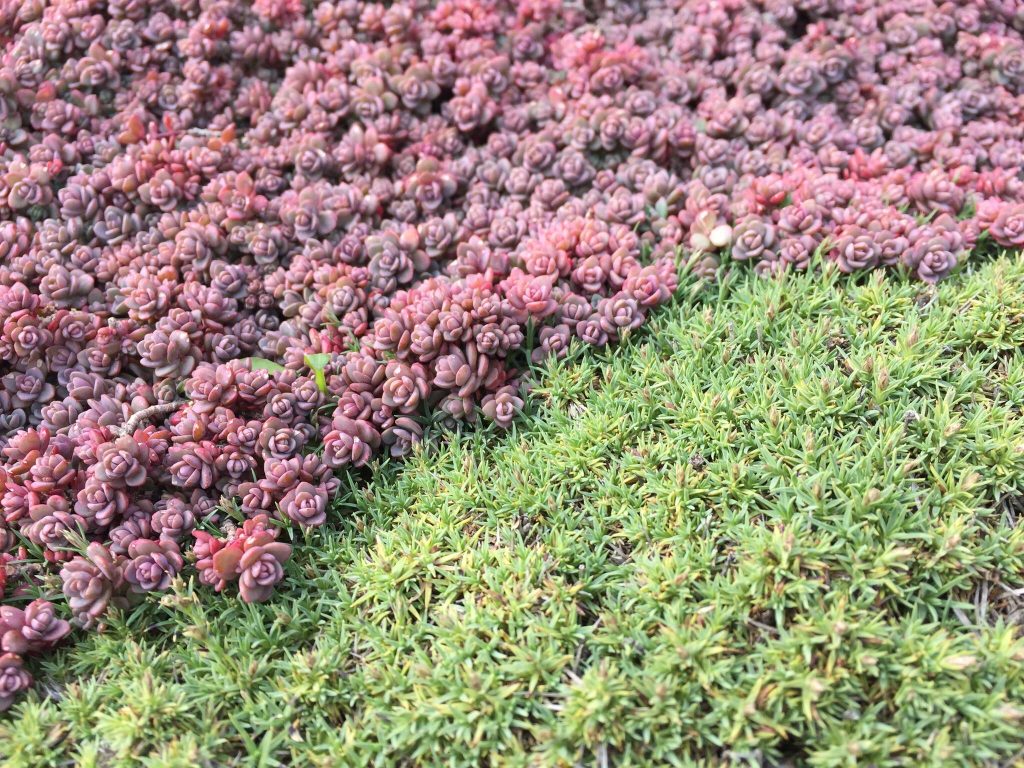
It’s perfect for those areas where other plants might struggle, and it brings a touch of beauty to even the most difficult spots.
If you’re looking for a hardy plant that needs minimal care, Sedum is your new BFF.
Final Words
There you have it—15 fantastic perennials that are perfect for cold climates like Zone 3.
Each of these plants brings its own unique flair to your garden, whether it’s the bold color of Coneflowers, the delightful fragrance of Lavender, or the quirky charm of Bleeding Heart.
And let’s be honest, who doesn’t want a garden that keeps coming back year after year, without you needing to babysit it every other week?