15 Best Shade Loving Plants for Pollinators

Shady gardens get a bad reputation. Most people assume pollinators only visit sunny flower beds — but that’s simply not true.
Some of the best pollinator plants actually prefer cool, dappled corners. I used to leave my shaded areas completely bare, thinking nothing useful would grow there.
What a mistake that was. Once I planted the right species, bees, butterflies, and hummingbirds started showing up regularly.
Here are 15 shade loving plants that will transform your dim spots into a buzzing paradise.
The Case for Shade Pollinator Gardens
Shady spots aren’t wasted space. Bees and butterflies often retreat to shaded areas during hot afternoons. They’re still hungry — they just need cooler temperatures to keep foraging comfortably.
You don’t need a full garden overhaul either. Even a small corner under a tree can become a thriving pollinator habitat with just a few well-chosen plants.
15 Shade Flower Plants for Pollinators
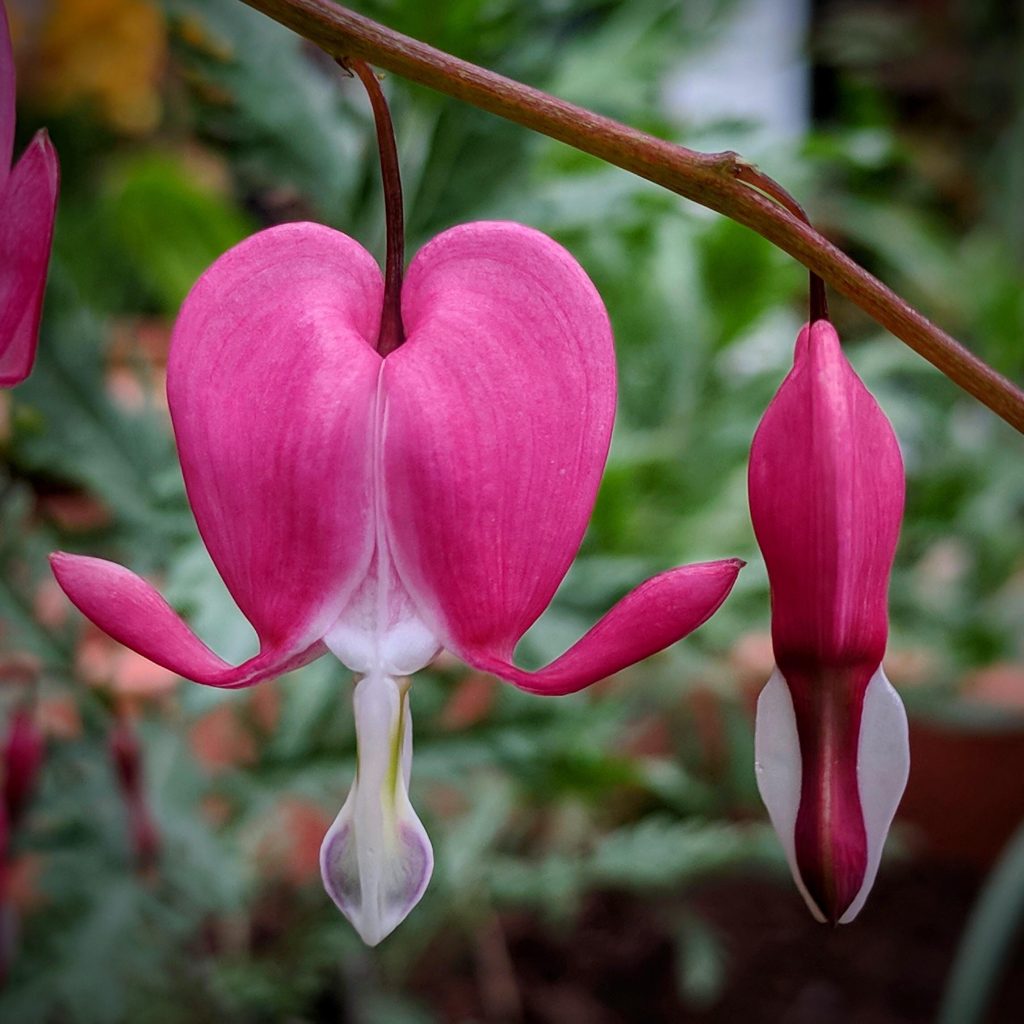
1. Bleeding Heart (Lamprocapnos spectabilis)
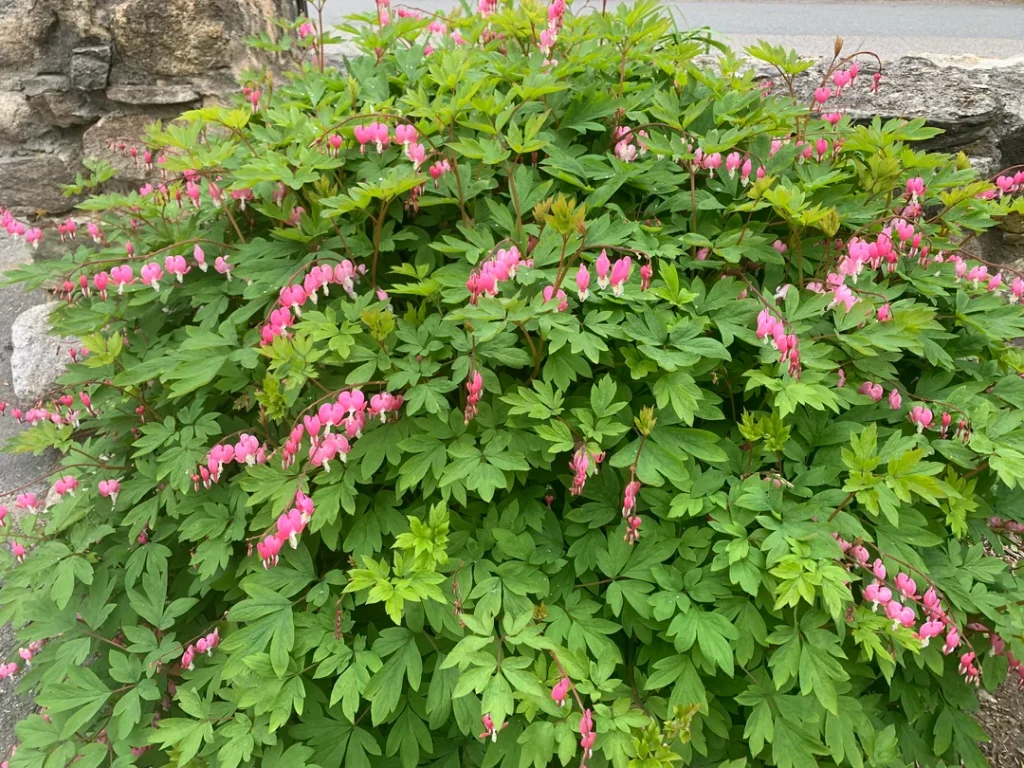
Bleeding heart surprised me the first time I grew it. Those rosy, heart-shaped blooms look almost too delicate to be real. Honestly though, this plant is tougher than it looks.
Hummingbirds love sipping nectar from the base of each dangling flower.
Early spring blooms make it especially valuable. Almost nothing else is open yet, and pollinators are coming out of winter absolutely starving.
Growing Tips
Plant bleeding heart in moist, well-draining soil with partial to full shade. It dies back in summer heat. Pairing it with hostas or ferns fills that gap beautifully — works like a charm.
2. Jacob’s Ladder (Polemonium reptans)
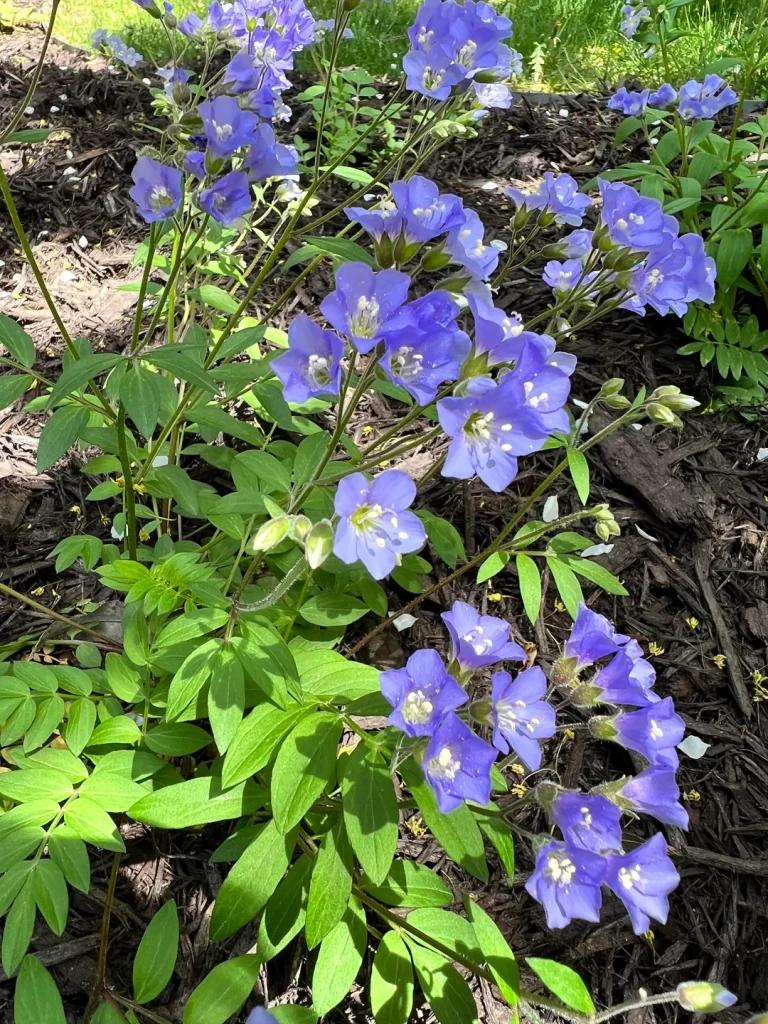
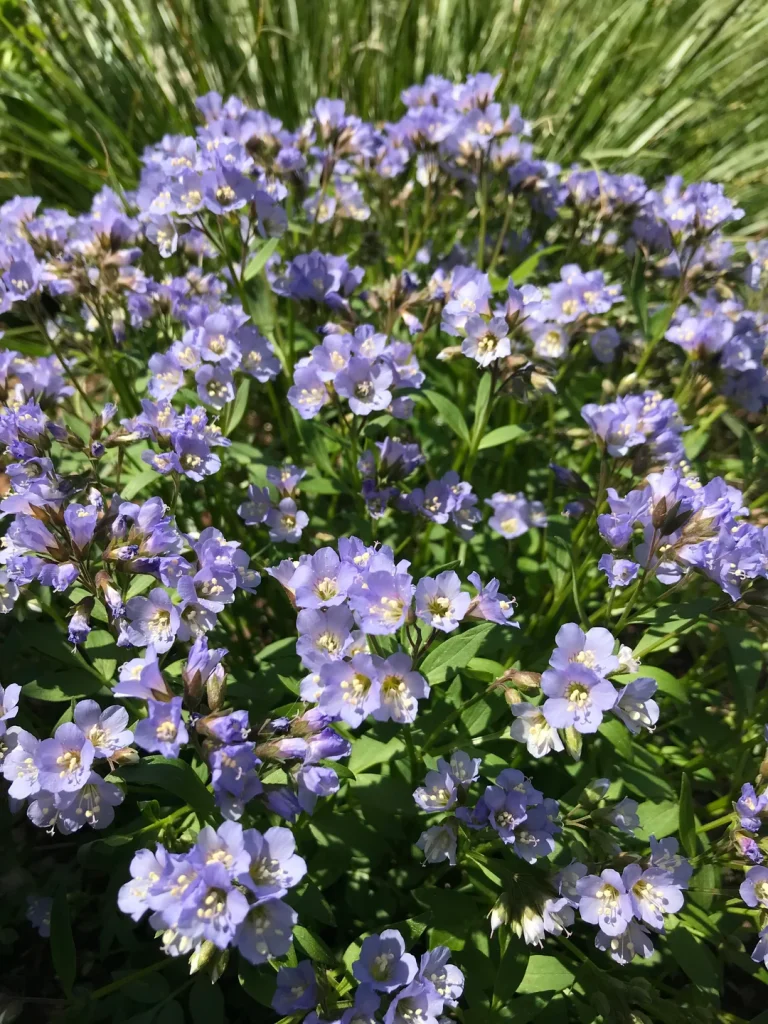
Honestly, Jacob’s ladder is one of my favourite shade plants. Those soft blue-purple flower clusters look like something from a fairy tale woodland. The ferny foliage is genuinely beautiful too.
Mason bees and bumblebees visit it constantly during spring. Cool, moist shade is where this plant truly thrives. Tuck it under a deciduous tree and watch it take off.
Who Visits?
Mason bees are particularly drawn to Jacob’s ladder. These native bees pollinate more plants per individual than honeybees do. Getting them into your garden is a real win for your whole yard.
3. Columbine (Aquilegia canadensis)
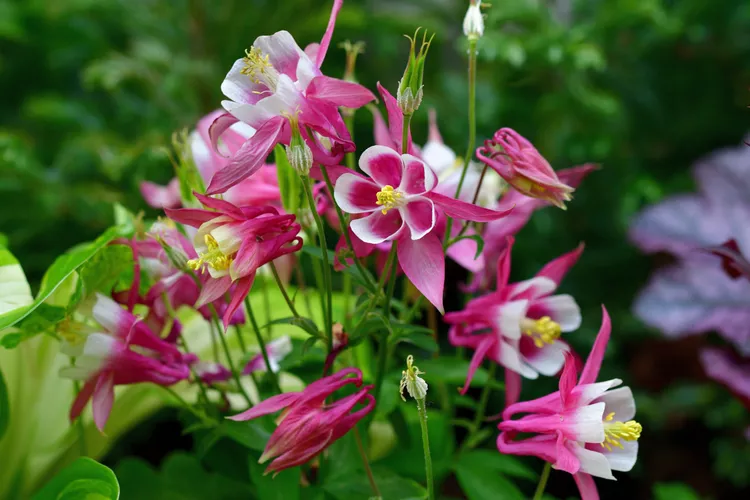
Columbine feels like it was designed specifically for hummingbirds. Those spurred red and yellow blooms hold nectar deep inside.
Hummingbirds and long-tongued bumblebees absolutely love them.
Spring migration brings hummingbirds through right when columbine blooms. Watching them hover and feed is one of the most rewarding moments a shade garden can offer.
Columbine self-seeds freely too, so one plant quickly becomes a small colony.
Bees Love It Too
Shorter-tongued bees sometimes cheat by biting through the spur to reach the nectar. Sneaky little things! It just goes to show how irresistible this plant really is.
4. Golden Ragwort (Packera aurea)
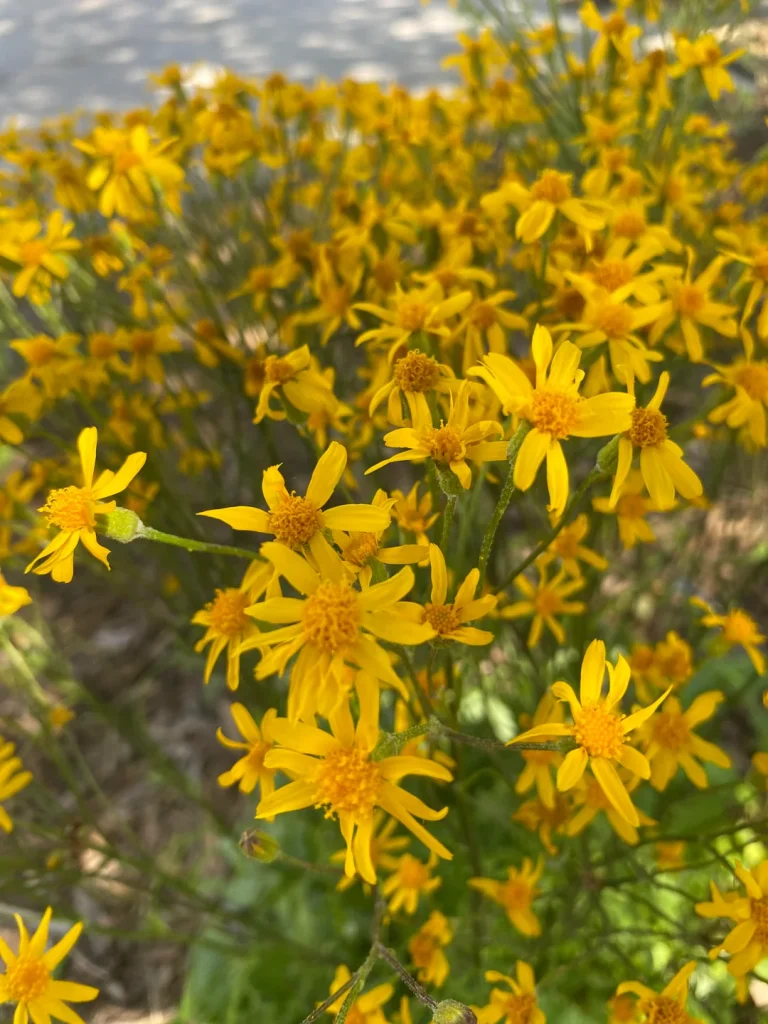
Golden ragwort is a total hidden gem. Those vivid yellow daisy-like flowers just glow against a shaded woodland floor.
Honestly, most people walk right past it without realising how valuable it is for pollinators.
What makes it special is the timing. It blooms early in spring when pollinators are desperately searching for food. Sweat bees, early bumblebees, and tiny hoverflies all flock to it.
Easy to Grow
This plant spreads like a groundcover in moist, shady areas. It asks very little from you. Just give it some space and let it do its thing.
5. Wild Geranium (Geranium maculatum)
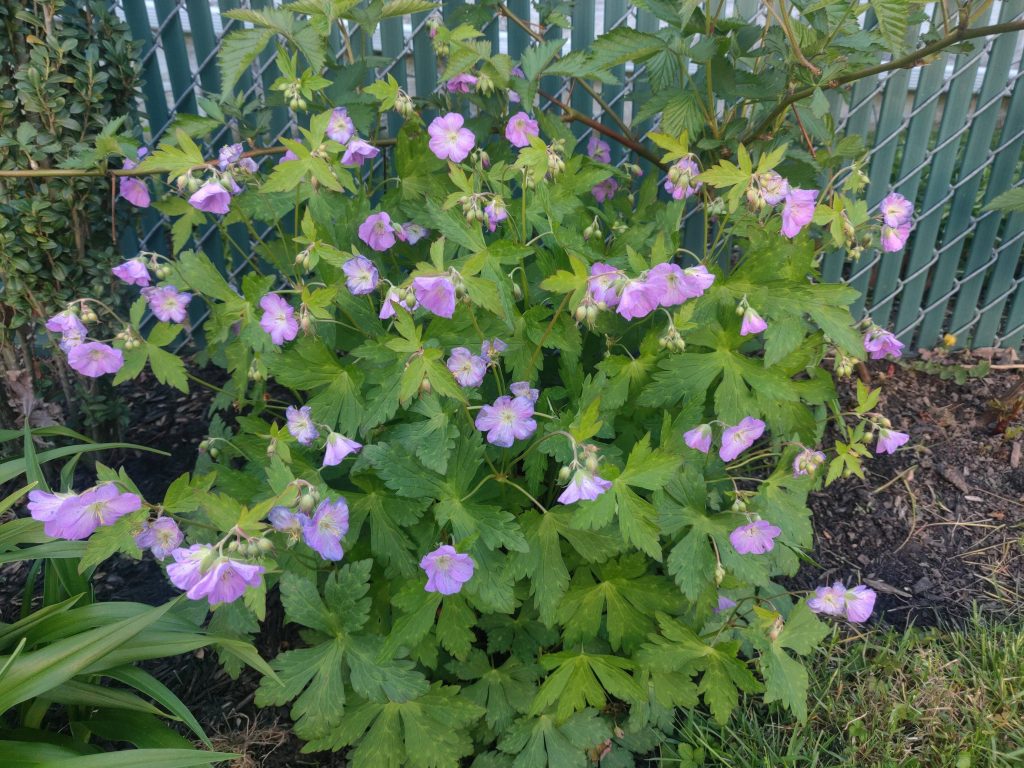
Wild geranium is one of those dependable plants I always recommend to friends starting a shade garden.
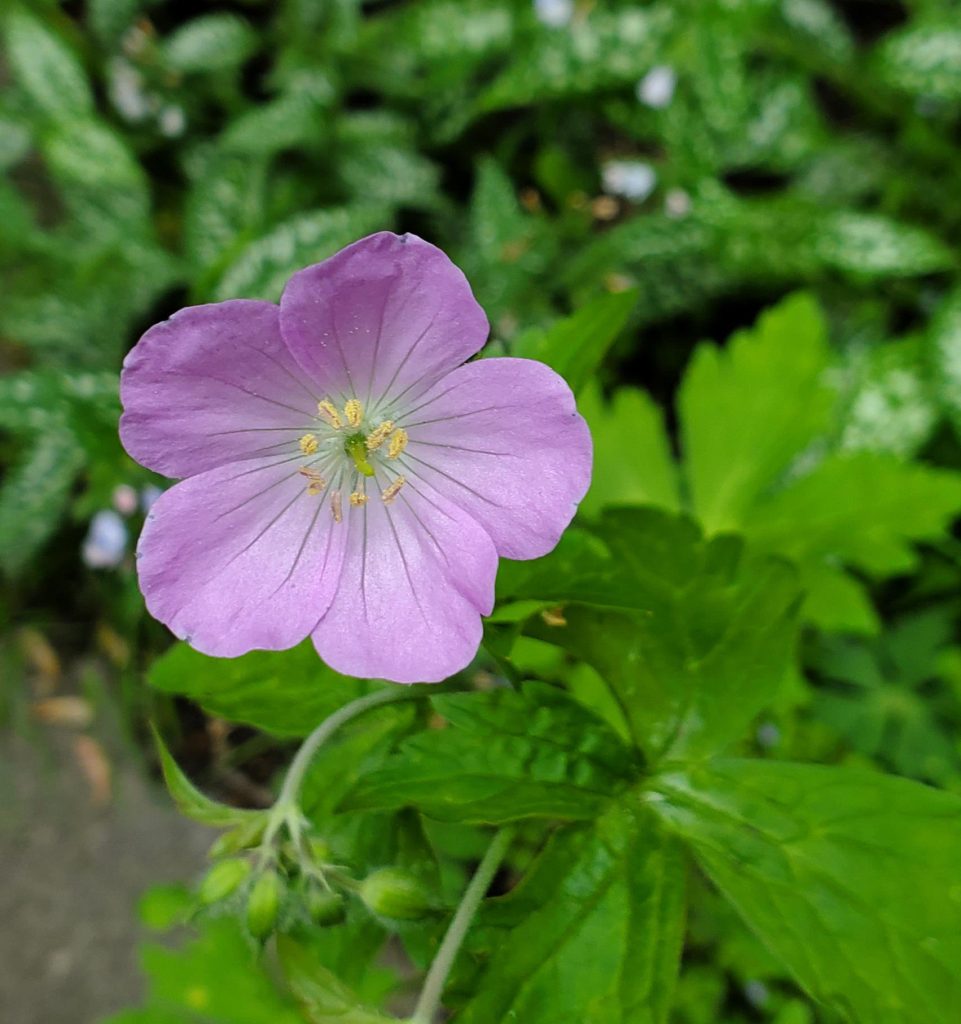
Those soft purple flowers show up in early spring like clockwork. Your pollinators will genuinely appreciate the consistency.
Bumblebees are frequent visitors, but syrphid flies and butterflies stop by too. It naturalizes beautifully along wooded paths, spreading between ferns and moss like it’s always belonged there.
Low Maintenance Win
These geraniums are incredibly easygoing. Plant them once and largely forget about them. They reward you every single spring without much fuss at all.
6. Virginia Bluebells (Mertensia virginica)
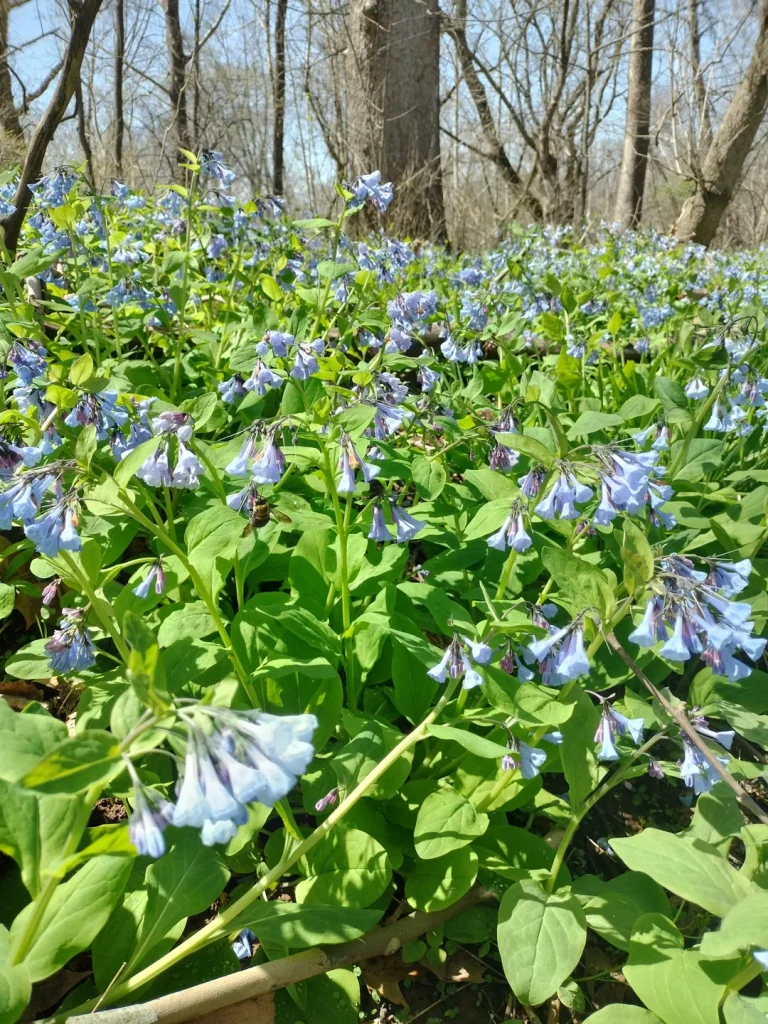
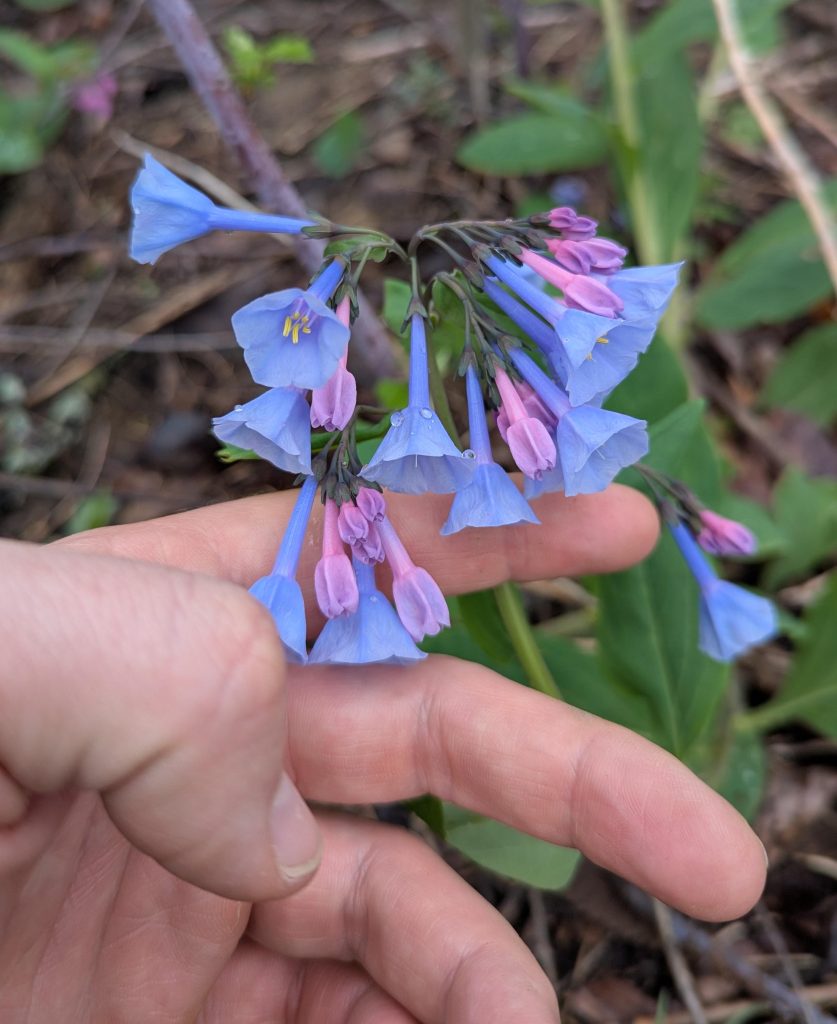
Few plants are as visually striking as Virginia bluebells. They start off pink, then shift to a gorgeous deep sky blue as they open. That colour change alone makes them worth growing.
Queen bumblebees are among the very first visitors. They muscle their way into those bell-shaped blooms and emerge absolutely covered in pollen.
These flowers are ephemeral though — they disappear by early summer.
Plan Around the Gap
Virginia bluebells go dormant after flowering. Plant something like ferns or hostas nearby to fill the space they leave behind. That way your shade bed stays full and lush all season long.
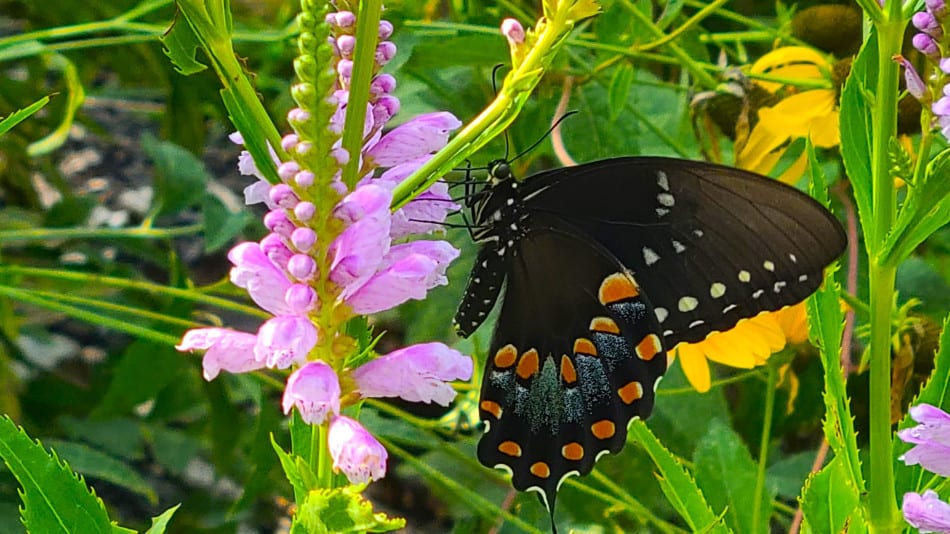
7. Obedient Plant (Physostegia virginiana)
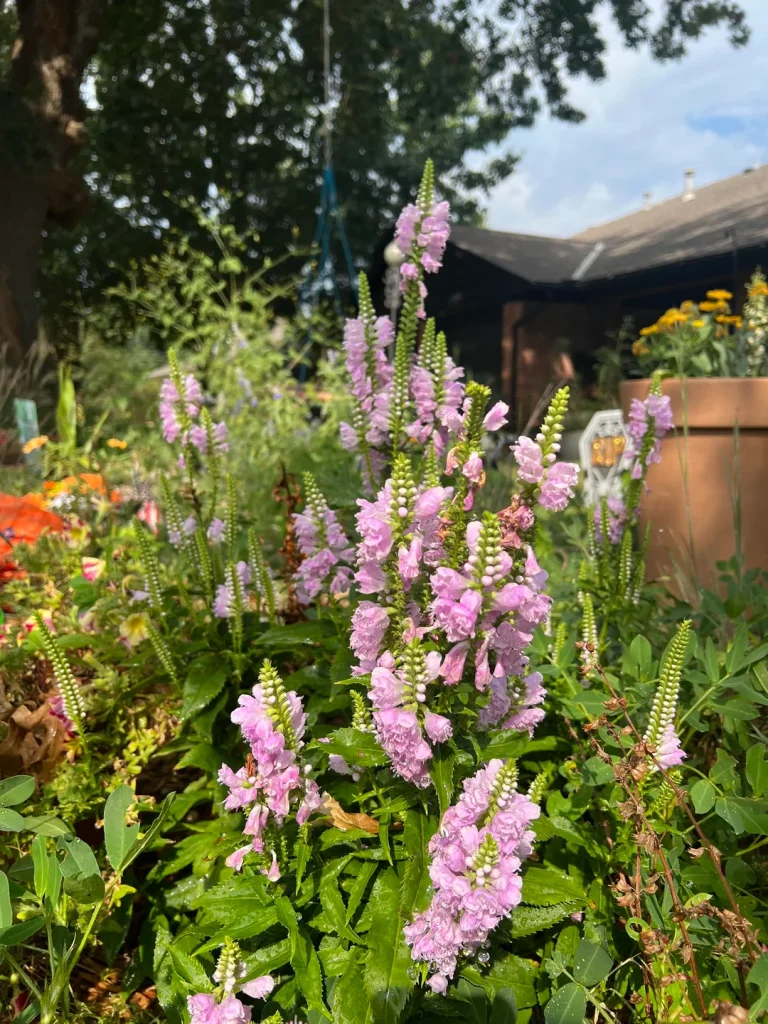
Obedient plant sounds well-behaved — but it really isn’t. This plant spreads enthusiastically once it finds a spot it likes. The good news? Pollinators absolutely love it.
Hummingbirds dart between the pink and purple blooms like tiny garden rockets. Bumblebees are never far behind either. A semi-shaded spot with moist soil is all it needs to thrive.
Worth the Spread
Yes, it can take over a bit. Pull back any stems creeping where you don’t want them. The pollinator activity it brings is absolutely worth the occasional tidy-up.
8. Great Blue Lobelia (Lobelia siphilitica)
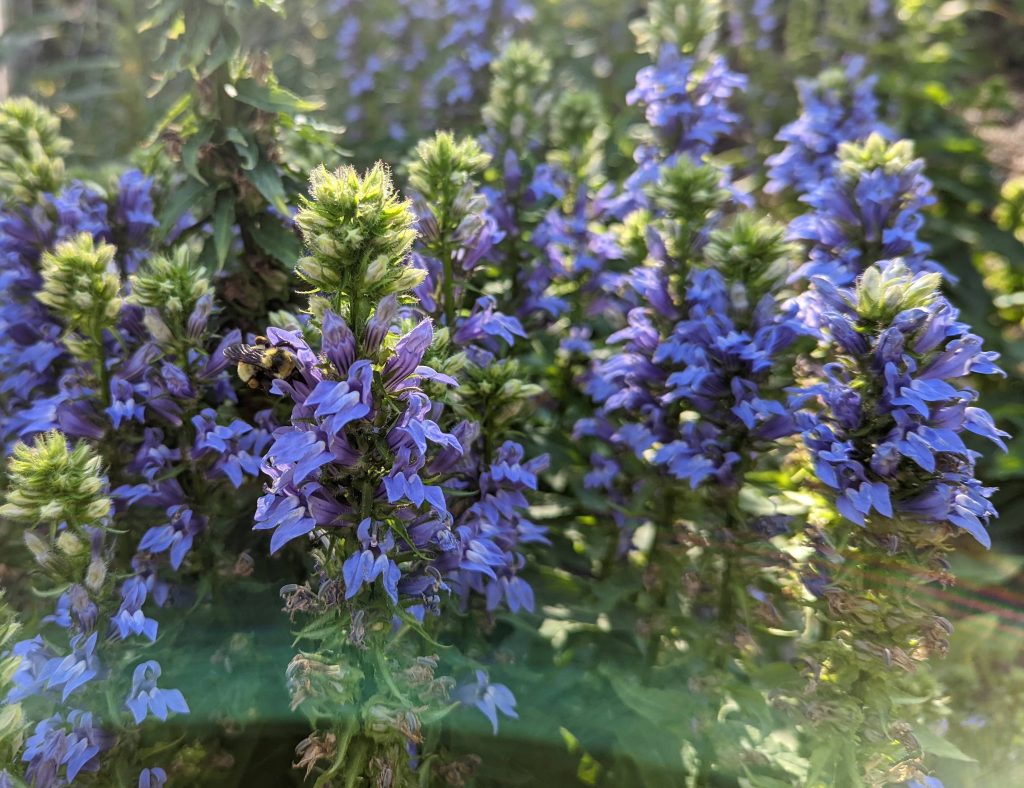
Most shade plants peak in spring. Great blue lobelia is different — it comes alive in late summer when most other plants are winding down.
Those tall spikes of vivid blue flowers keep your garden buzzing well into August and September.
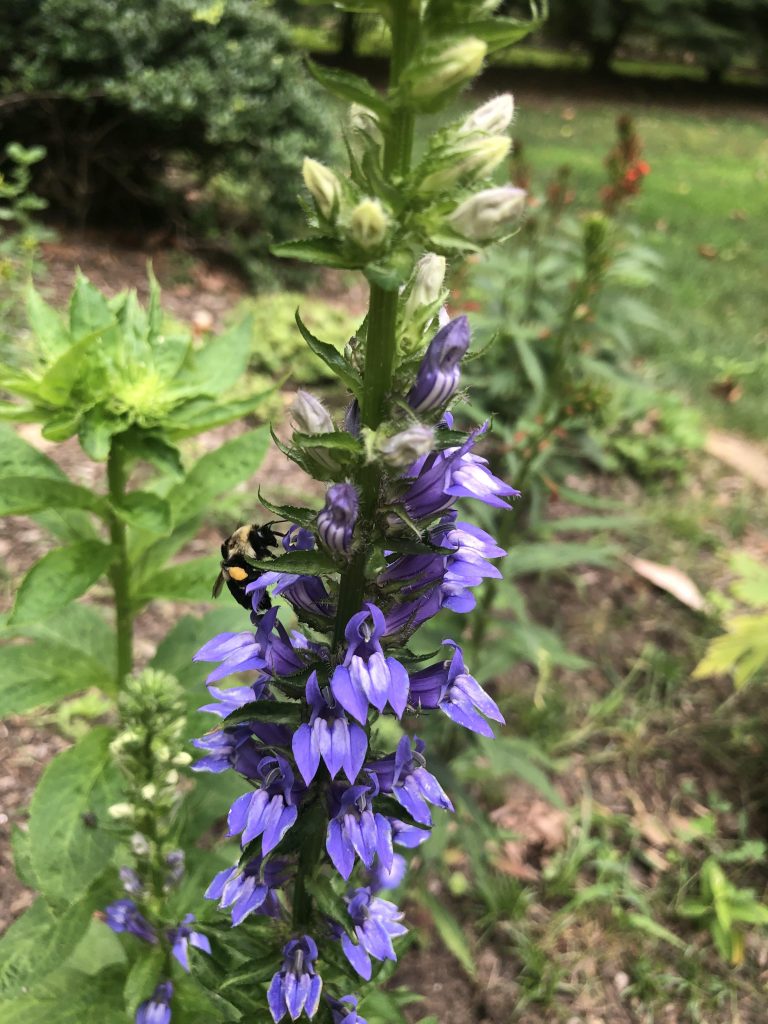
Bumblebees are completely obsessed with this plant. They crawl up each flower tube methodically, visiting every single bloom before moving on. Damp, shady spots are exactly where this plant wants to live.
Perfect for Wet Corners
Got a soggy shaded area that nothing else seems to tolerate? Great blue lobelia will actually thank you for it. Moist to wet soil is its happy place, making it ideal for low-lying shaded spots in your yard.
9. Astilbe (Astilbe spp.)
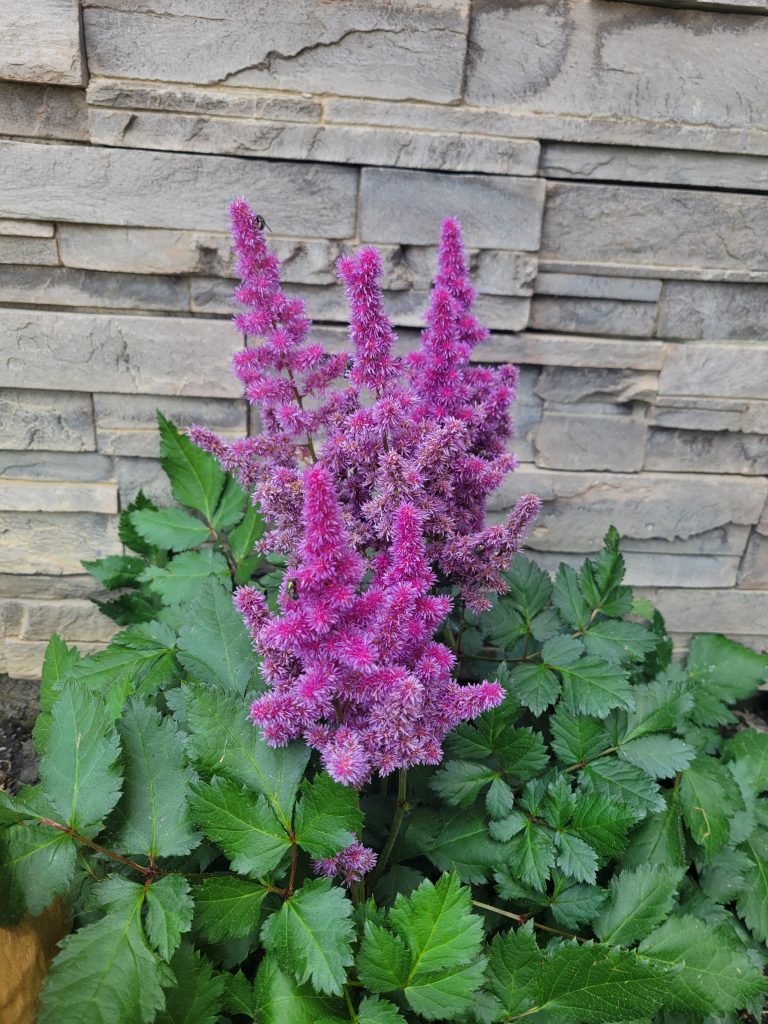
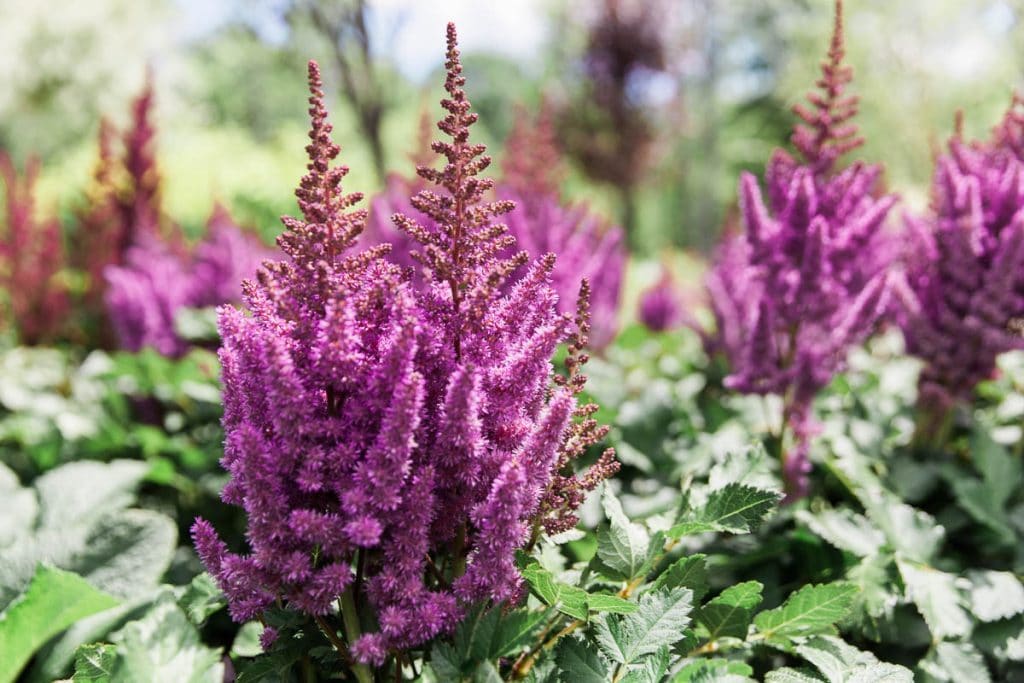
Astilbe is one of those plants that makes a shaded garden feel truly alive. Those tall, feathery plumes come in pink, red, white, and purple. Butterflies and moths are particularly drawn to them during summer.
Most shade plants have modest, delicate flowers. Astilbe is different — it puts on a real show.
Your shaded border will look genuinely impressive when these plumes are in full bloom.
What Pollinators Visit?
Butterflies love the flat-topped flower clusters for easy landing. Moths visit in the evening hours too. Even some bee species stop by for a quick nectar top-up.
10. Corydalis (Corydalis lutea / Corydalis flexuosa)
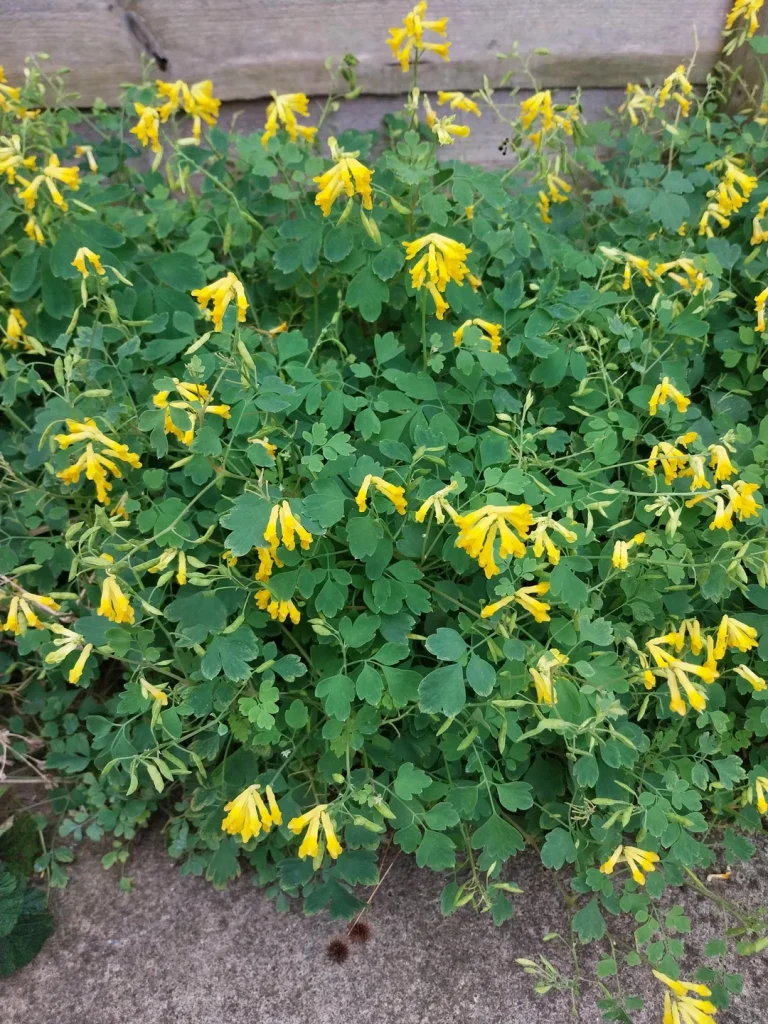
Corydalis doesn’t get nearly enough attention. It tucks neatly under shrubs and larger perennials, offering either cheerful yellow or vibrant electric blue blooms depending on the variety you choose.
Early solitary bees discover it long before most other flowers even open.
That makes it genuinely important for pollinators emerging in late winter and very early spring when food sources are scarce.
Yellow or Blue?
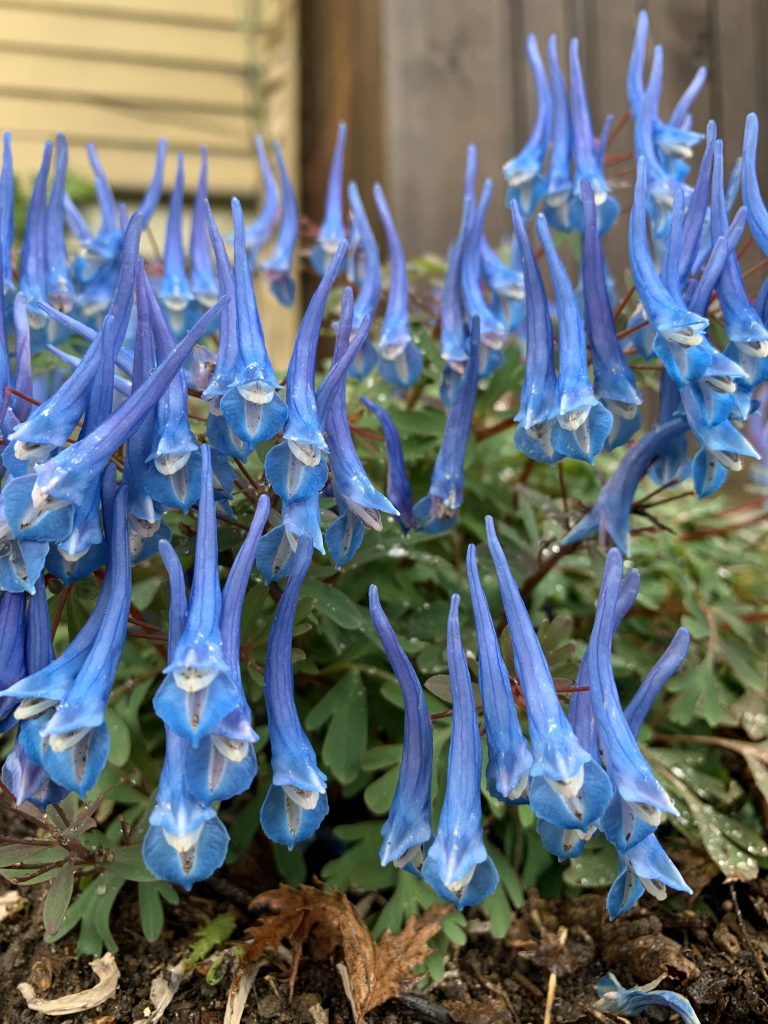
Corydalis lutea gives you sunny yellow flowers all season long. Corydalis flexuosa delivers that stunning electric blue that stops people in their tracks.
Both varieties perform well in shade and both attract early pollinators equally well.
11. Bee Balm (Monarda spp.)
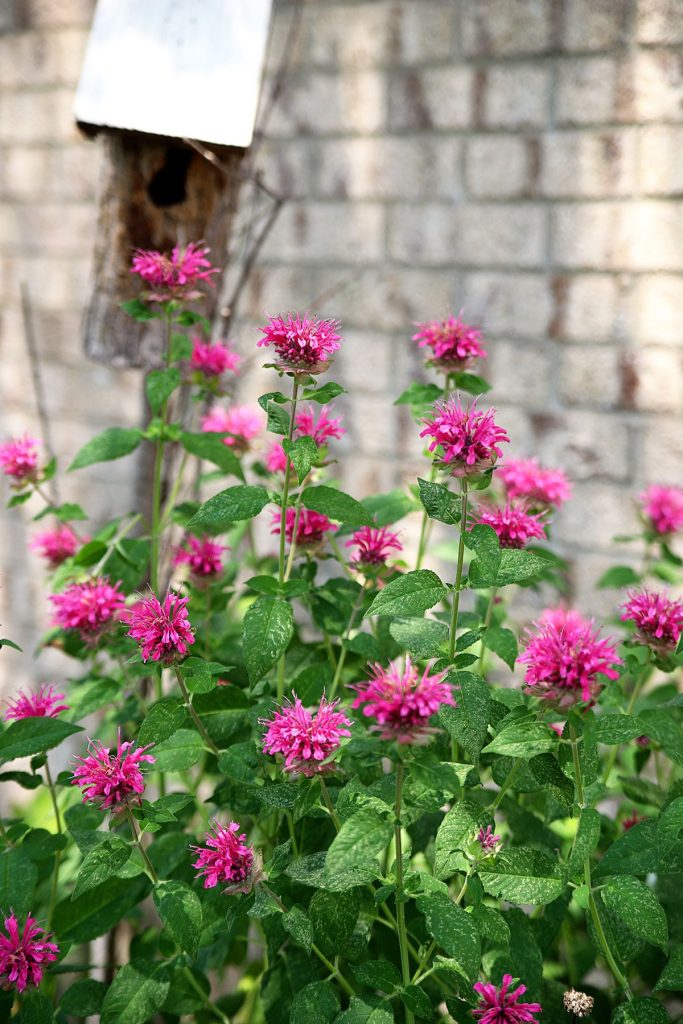
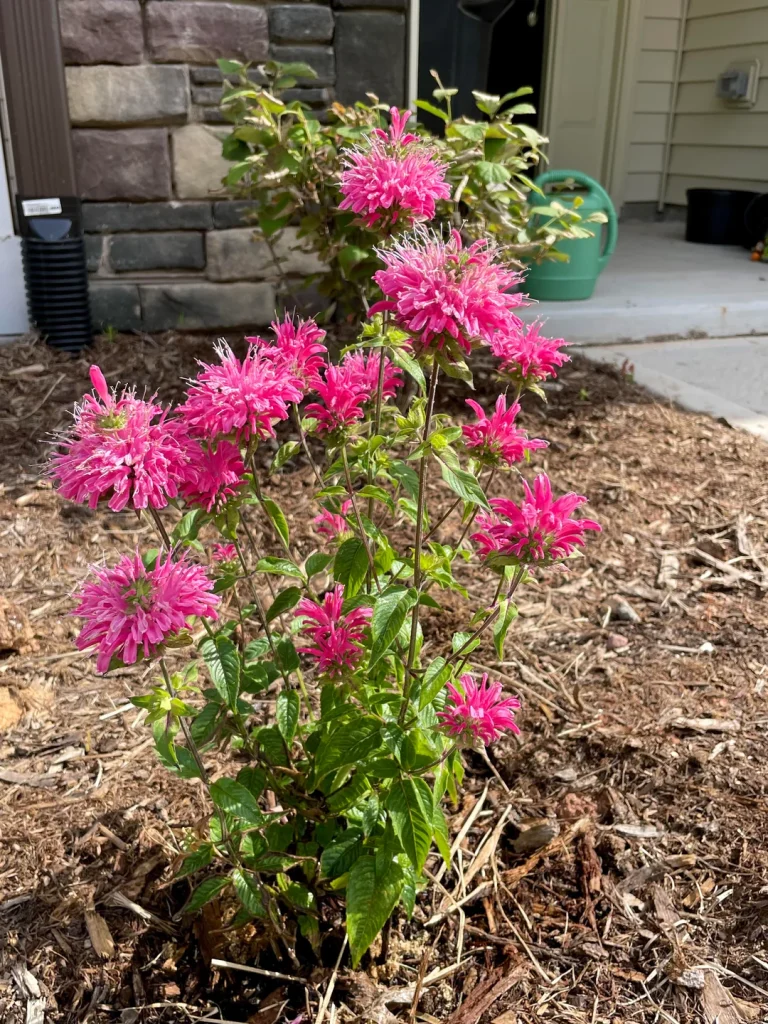
Bee balm is exactly what it sounds like — bees absolutely love it. Those wild, shaggy flower heads in red, pink, and purple are irresistible to bumblebees, honeybees, and butterflies alike.
Hummingbirds are big fans too. The tubular florets that make up each bloom are perfectly shaped for hovering visitors seeking a deep nectar reward.
Partial shade suits bee balm well, especially in warmer climates where afternoon sun can scorch the leaves.
Bonus Benefit
Bee balm belongs to the mint family. Crushing a leaf releases a wonderfully spicy, oregano-like fragrance.
Growing it near a garden path means you get that lovely scent every time you brush past it.
12. Coral Bells (Heuchera spp.)
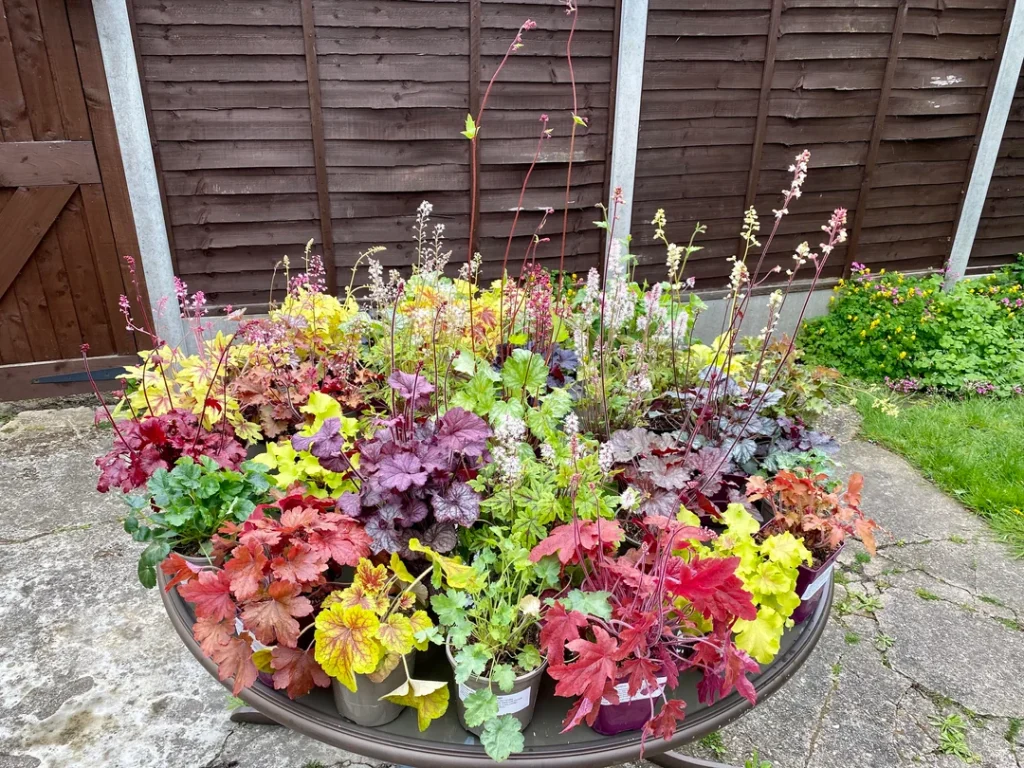
Most people grow coral bells purely for the foliage. Those dramatic leaves in burgundy, caramel, and lime green are genuinely stunning.
What many gardeners don’t realise is that the delicate flower spikes rising above the leaves are brilliant pollinator magnets.
Hummingbirds are particularly fond of those slender, tubular blooms. Small native bees visit them too, working methodically through each tiny flower. Partial to full shade suits coral bells perfectly.
Year-Round Value
The foliage stays attractive through most of the year, even when not in bloom. That means coral bells earns its spot in your shade garden twelve months of the year. Few plants offer that kind of consistent visual value alongside genuine pollinator benefits.
13. Hellebores (Helleborus spp.)
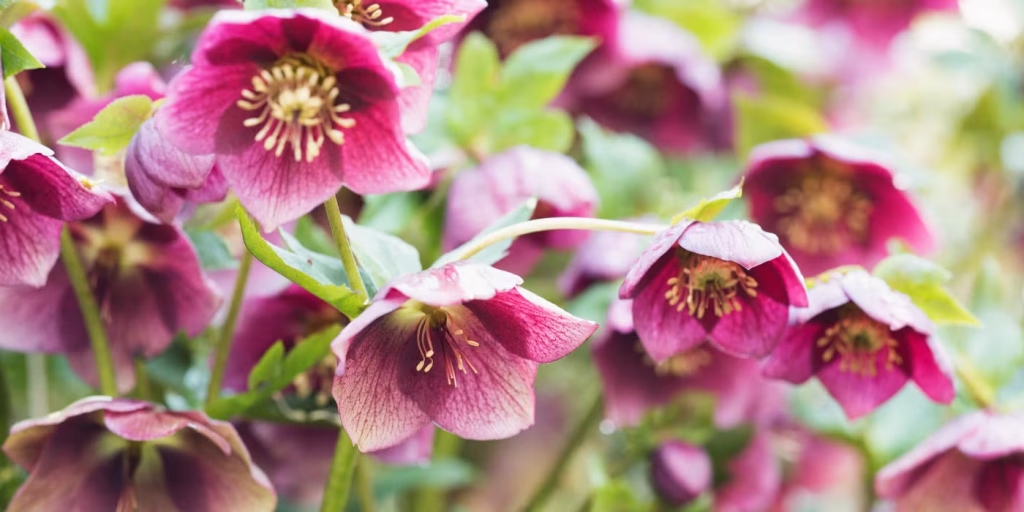
Hellebores do something almost no other shade plant does — they bloom in late winter and very early spring. Sometimes they push through snow to flower.
That timing makes them extraordinarily valuable for queen bumblebees emerging from hibernation with nothing else available to eat.
The nodding, cup-shaped flowers come in cream, pink, deep purple, and almost black. They’re beautiful in a quiet, understated way. Early bees don’t care about looks though — they just care about that precious early nectar.
A Long Lived Investment
Hellebores are slow to establish but incredibly long lived. A well-placed plant can thrive in the same spot for decades. That’s a one-time effort that pays pollinator dividends for years and years.
14. Foxglove (Digitalis purpurea)
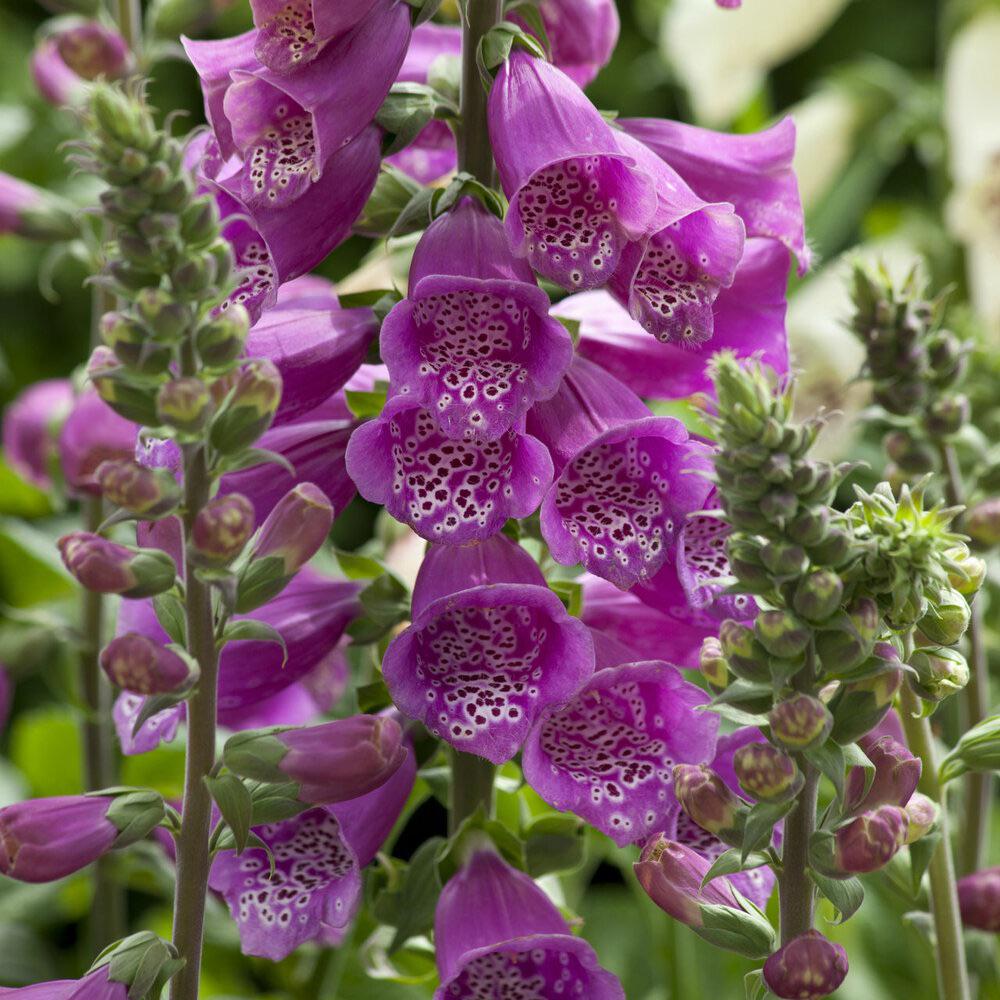
Foxglove brings real height and drama to a shaded border. Those tall spikes covered in tubular purple, pink, or white blooms are genuinely hard to miss.
Bumblebees crawl deep inside each individual bloom, collecting pollen from every single one before moving on.
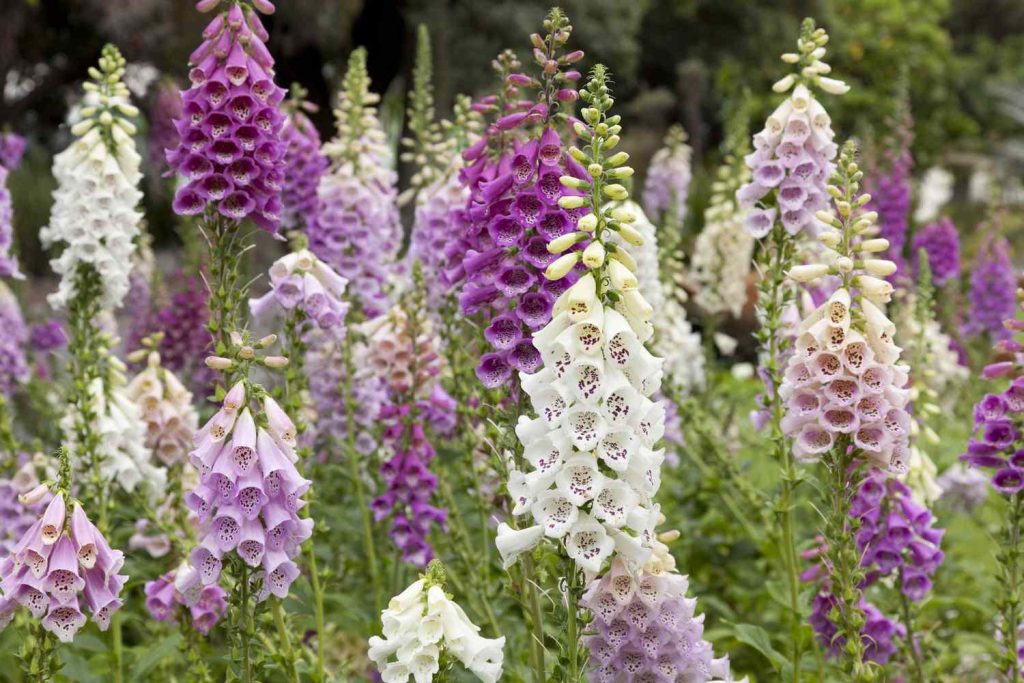
Foxglove thrives in partial shade, especially under the dappled canopy of taller trees. It’s a biennial, meaning it flowers in its second year. Worth every bit of the wait though.
A Word of Caution
Every part of foxglove is toxic if eaten. Keep that in mind if you have young children or pets exploring your garden.
Grown responsibly though, it’s one of the most rewarding pollinator plants you can add to a shaded space.
15. Hydrangea (Hydrangea spp.)
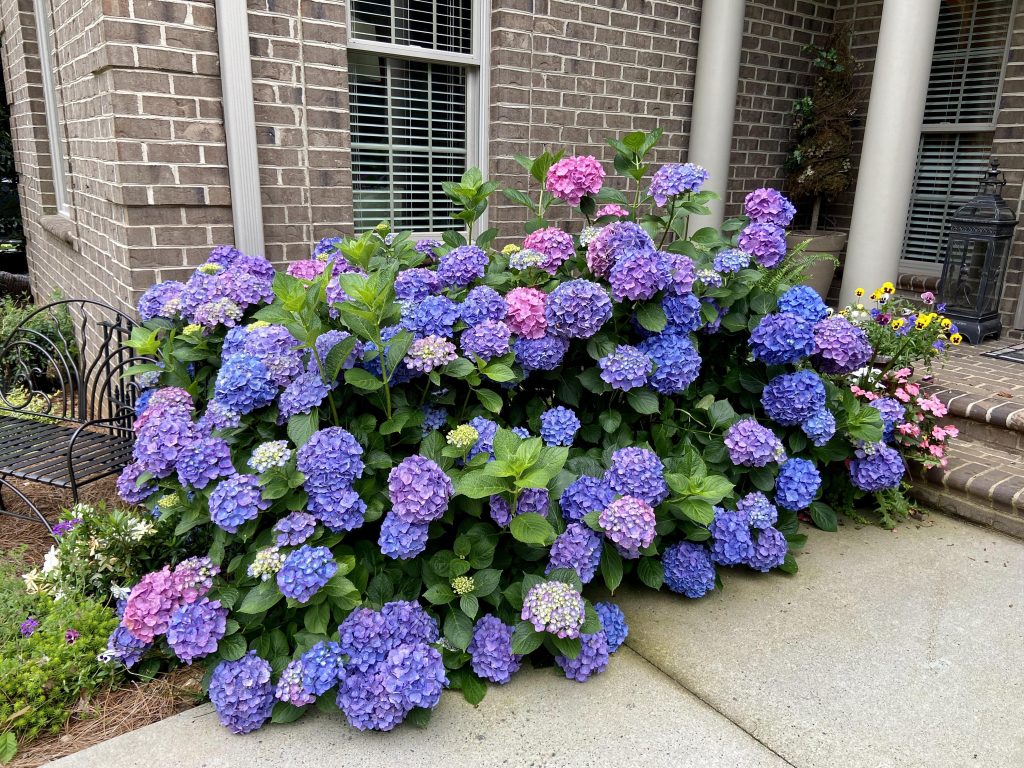
Hydrangea might seem like an unusual choice for a pollinator list. Those big, showy flower heads are actually made up of hundreds of tiny individual florets.
Each one offers a small but genuine nectar reward, and collectively they attract an impressive variety of pollinators.
Bees, butterflies, and hoverflies all visit hydrangeas regularly throughout summer. Partial shade actually suits most hydrangea varieties better than full sun. Your shaded garden and your pollinators both win with this one.
Choose the Right Variety
Panicle hydrangeas and smooth hydrangeas tend to offer more accessible florets for pollinators than the big mophead varieties.
Lacecap hydrangeas are another excellent choice — their flat, open flower structure gives bees and butterflies an easy landing pad.
Building Your Shade Pollinator Garden
Starting a shade pollinator garden doesn’t require expertise or a big budget. Pick two or three plants from this list that suit your conditions and start there. Watch which pollinators visit, then add more plants that attract different species over time.
Variety is the real key. Different pollinators prefer different flower shapes, colours, and bloom times.
Mixing early bloomers like hellebores and bleeding heart with summer stars like great blue lobelia and astilbe means something is always flowering in your shade garden.
Shaded spots don’t have to be quiet, empty corners anymore. Fill them with the right plants and they become some of the most active, rewarding spaces in your entire yard.
Your Shady Garden Deserves Better
Pollinators need all the help they can get right now. Every plant you add — even in a small shaded corner — genuinely makes a difference. You don’t need a perfect sun-drenched garden to support bees, butterflies, and hummingbirds.
Start small. Choose one or two plants from this list. See what shows up. That first bumblebee visiting your bleeding heart or that first hummingbird hovering over your columbine will make the whole effort completely worthwhile.
Shade is not the enemy. Used well, it’s actually one of your greatest gardening assets.