12 Best Things to Plant in October in Florida (By Region)

I get this question every October: what can I actually plant right now? The answer surprises people. While your friends up north are packing away their garden tools, you’re just getting started.
The heat breaks, the pests back off, and your soil finally gets to do its job again.
But here’s the catch: what works for you depends entirely on where in Florida you’re standing.
Here’re 12 vegetables, herbs, and native flowers worth putting in the ground this month, along with the regional details that decide whether they thrive or flop.
Why Region Matters More Than the Calendar
Here’s something that trips up a lot of new Florida gardeners: this state doesn’t run on one growing season. It runs on three.
UF/IFAS Extension uses two highways to sort it out. State Road 40 splits North from Central Florida. State Road 70 splits Central from South.
Sounds bureaucratic, right? It’s not. North Florida still gets real cold snaps by late October. South Florida barely notices fall arrived.
Plant the wrong crop on the wrong side of those lines, and you’ll either watch it rot from cold or bolt from heat.
So before you buy a single seed packet, figure out which zone you’re actually in. Everything else in this guide depends on it.
Common October Planting Mistakes (And How to Fix Them)
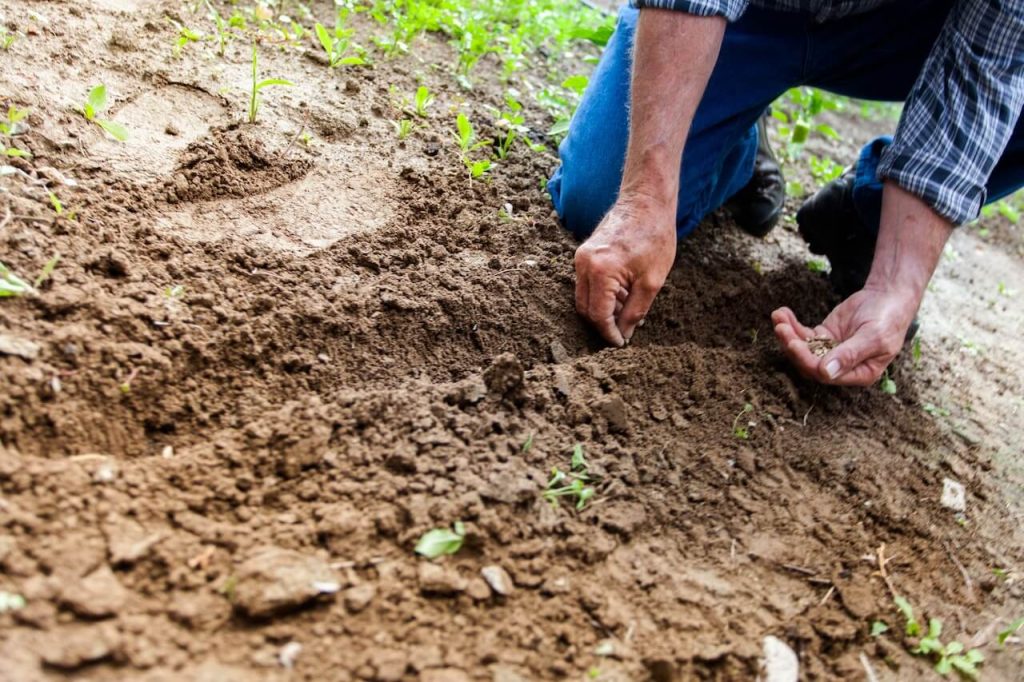
You’re probably eager to get warm-season favorites like tomatoes back in the ground. Don’t, at least not yet if you’re north of Orlando.
Evenings are already cooling fast, and warm-season crops need warm soil to thrive. Save them for spring and lean into the cool-season list below instead.
Wildflower seeds trip people up too. Coreopsis and cardinal flower seeds need light to sprout.
If you bury them like you would a vegetable seed, they’ll just sit there. Press them into the soil surface and leave them exposed.
And watch out at the garden center. Tropical milkweed sits right next to native milkweed, and they look nearly identical.
The tropical version doesn’t die back in winter, which sounds like a bonus until you learn it can actually throw off monarch migration patterns.
Ask for native swamp milkweed or aquatic milkweed by name.
Also read: 14 Creative Florida Vegetable Garden Ideas
12 Best Things to Plant in Florida in October
1. Broccoli
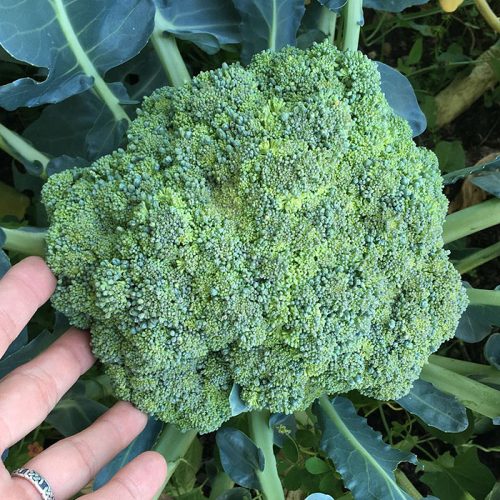
Give broccoli a break from the heat, and it rewards you fast. This is a crop that genuinely needs cool nights to form those tight, dense heads you’re picturing.
October finally gives it that across almost the entire state.
Skip the seeds this month. Transplants get you to harvest faster and with less risk. Space them 18 inches apart so each head has room to bulk up without elbowing its neighbor.
One pest to watch: cabbage loopers. They go straight for young broccoli leaves. A floating row cover solves the problem before you ever need a spray.
Worth knowing: every region of Florida can plant this one right now, so there’s really no excuse to skip it.
2. Carrots
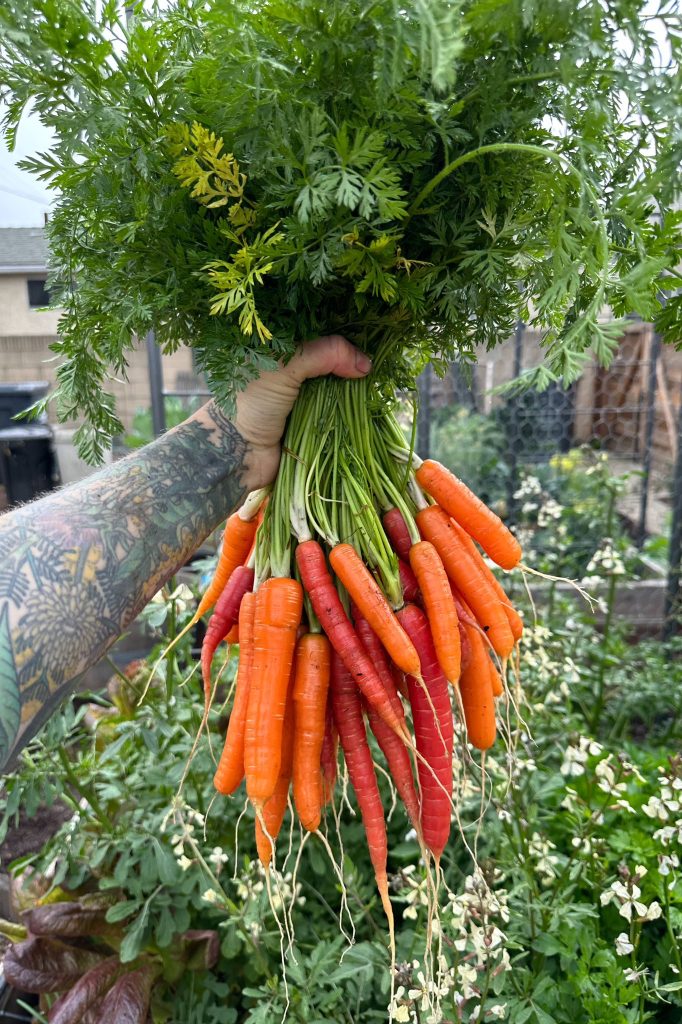
Don’t transplant carrots. I know it’s tempting since everything else on this list works better that way, but carrots hate having their roots disturbed.
Seed them straight into the ground and you’ll get straighter, longer roots for it.
Florida’s sandy soil, which frustrates you with almost everything else, actually helps here. Loose soil lets carrot roots push down easily instead of forking around obstacles.
Keep the top inch of soil damp until you see seedlings pop up. After that, just water steadily and let the 70-to-80-day clock run.
Worth knowing: carrots don’t care which region you’re in. North, Central, South, they all work.
3. Collard Greens
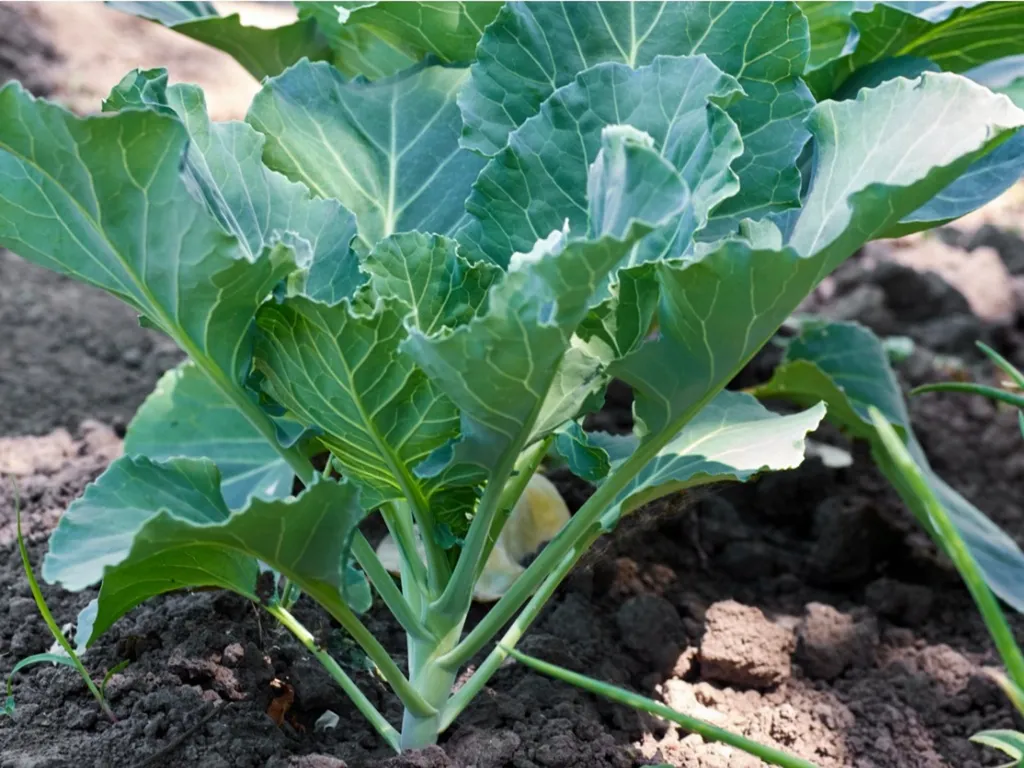
There’s a reason collards show up on every Southern dinner table, and October is when you plant them. A light frost doesn’t scare this crop off. If anything, it helps.
Here’s the fun part: cold actually makes collards taste better.
A touch of frost mellows out the bitterness, so a plant that survives a chilly night often tastes sweeter than one grown in summer heat.
Give them room, at least 18 inches between plants, because collards get big fast. Pick outer leaves as you go and let the center keep churning out new growth for weeks.
Worth knowing: if a little frost worries you, don’t let it. Collards handle it better than you will.
4. Bok Choy
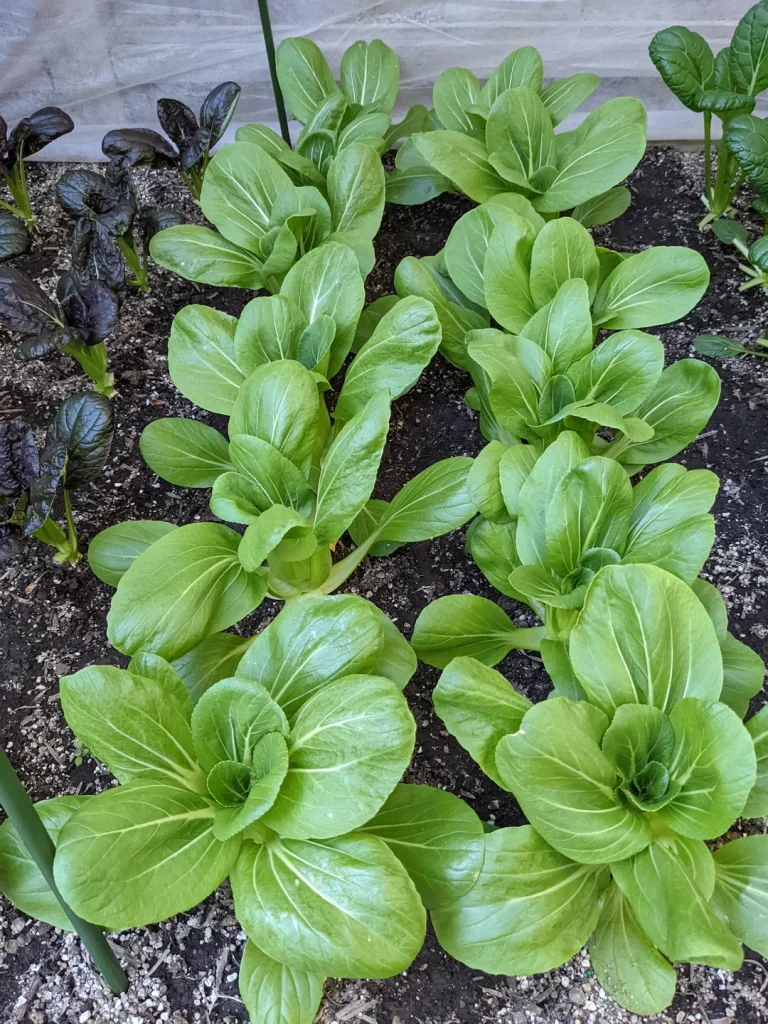
Want a quick win in the garden? Bok choy delivers one. Most varieties are ready in 30 to 45 days, so you could genuinely be harvesting your own before Thanksgiving.
It thrives in the same mild conditions that make October so good for growing in Florida, but it’s more forgiving of a random warm afternoon than lettuce is. That matters here, where fall weather doesn’t always read the calendar.
Plant it tight, about 6 inches apart, and thin as you go. Those thinnings are baby bok choy, and yes, you can eat them too.
Worth knowing: fast crops like this are perfect if you’re new to fall gardening and want a win before winter.
5. Strawberries
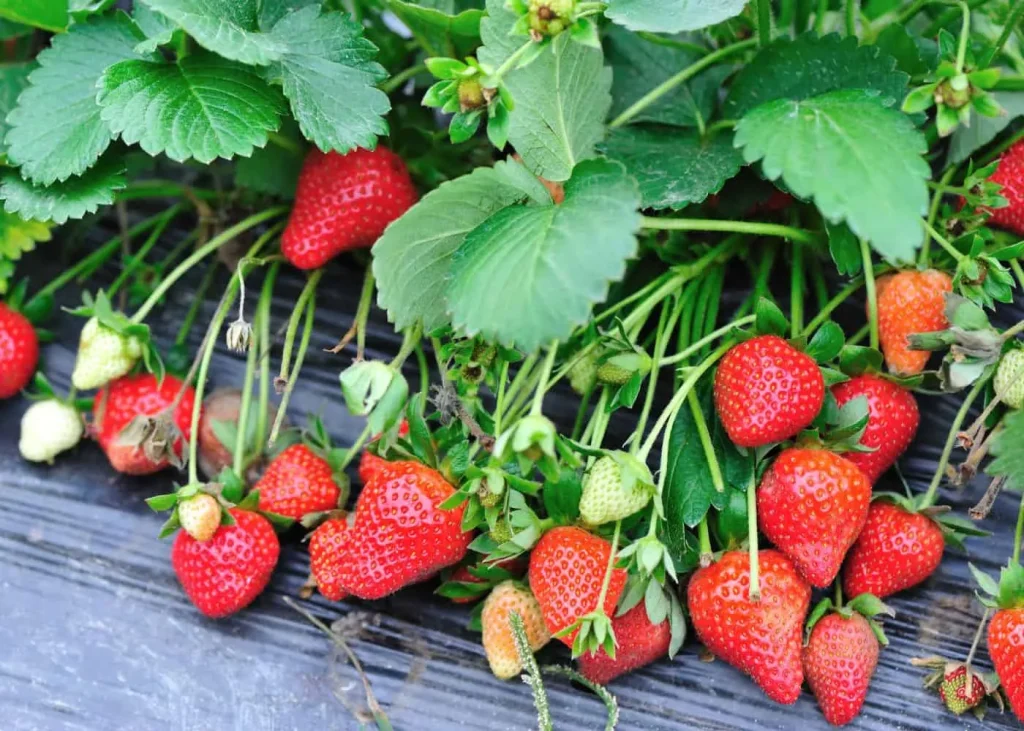
Strawberries are the one crop on this list where timing really can make or break your whole season. If you’re in North or Central Florida, get your transplants in during the first half of October.
Wait too long, and an early cold snap can catch your plants before they’ve settled in.
Here’s something that surprises transplants from other states: Florida strawberries aren’t perennials here. You treat them as annuals, replanting fresh every fall instead of hoping last year’s plants come back.
Mulch is non-negotiable. A thick layer keeps developing fruit off damp soil, which is the difference between a clean harvest and a rotten one.
Worth knowing: this one’s a North and Central Florida crop. If you’re in Miami or the Keys, skip it and let another item on this list take its place.
6. Eggplant
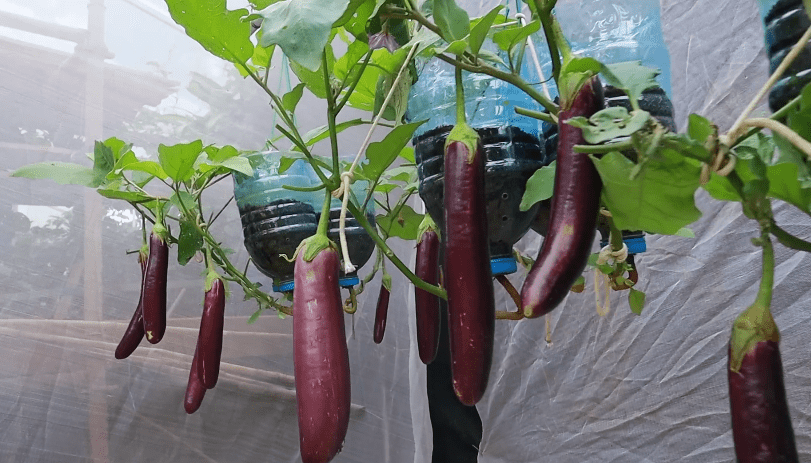
Eggplant plays by different rules than most of this list. It actually wants some warmth left in the season, which makes it more of a Central and South Florida pick than a North Florida one.
You don’t need to fuss over this plant much. Good soil and consistent sun get you most of the way there.
That’s rare for a vegetable, and it’s part of why eggplant is such a forgiving crop for October.
Caterpillars and spider mites will test you, though. Check the undersides of leaves every few days. Catch an infestation early, and you’ll barely notice it happened.
Worth knowing: if you’re gardening in North Florida, October’s already too cool for eggplant to really take off. Save it for a warmer window.
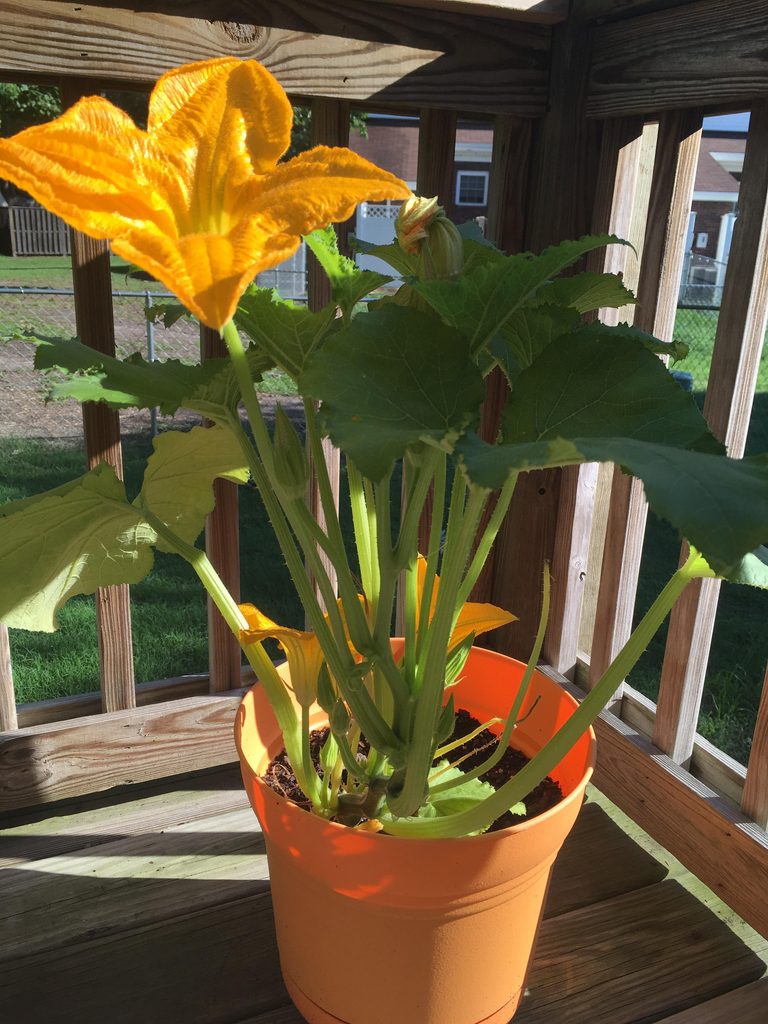
7. Winter Squash
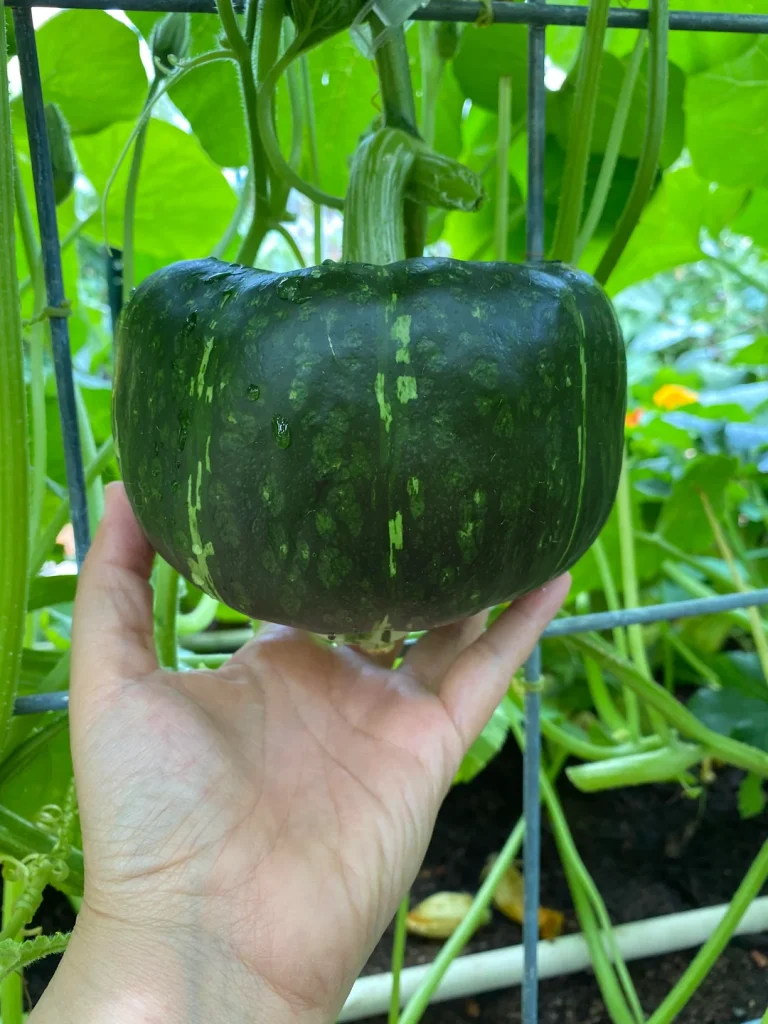
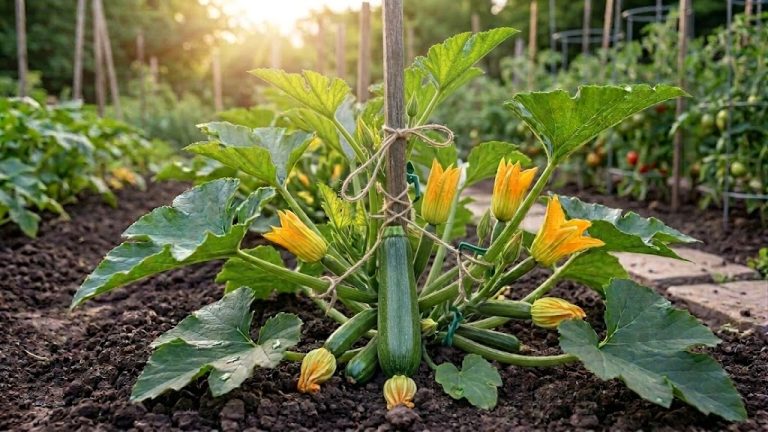
Don’t let the name fool you. Winter squash gets planted in fall, not winter, and October is exactly that window for Central and South Florida gardeners.
Give it room to sprawl. Squash vines don’t stay tidy, and they’ll happily take over a bed if you let them. Six hours of sun is the minimum, though more never hurts.
Bees do the real work here, so resist the urge to spray at the first sign of a pest. Kill your pollinators, and you’ll end up with plenty of vine and no squash.
Worth knowing: if you’re in North Florida, this one’s already come and gone for the year. September was your window, so pencil squash in for next fall instead.
8. Sweet Potatoes
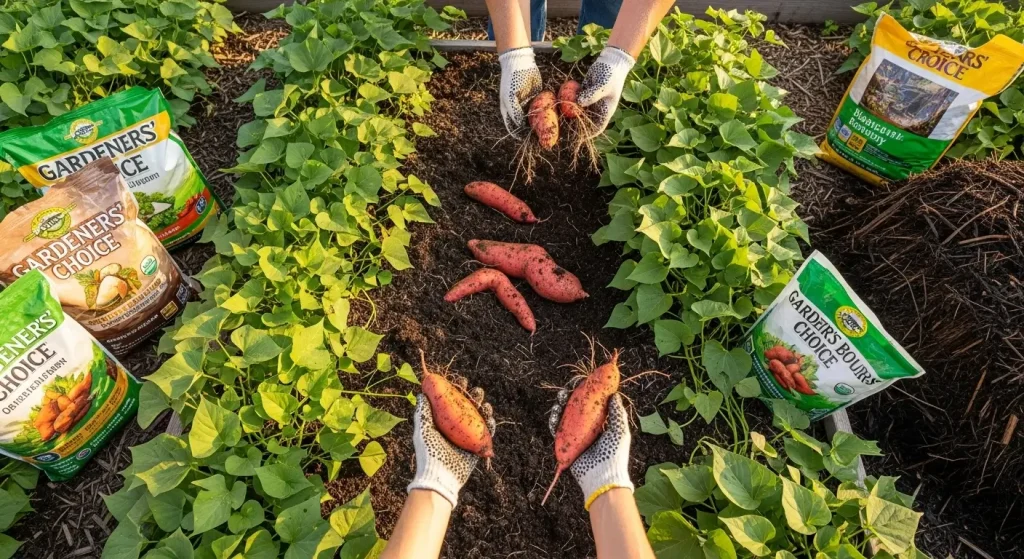
Sweet potatoes are quietly one of the easiest things you can grow in Florida, and October is your last real shot at getting slips in the ground for Central and South Florida.
They’re not fussy about soil quality the way some root crops are. What they do care about is space.
Give the vines room to run, and they’ll cover ground fast, which actually helps choke out weeds for you.
Patience is the real requirement here. You’re looking at 90 to 120 days before harvest, so this is a crop you plant now and mostly forget about until winter.
Worth knowing: North Florida gardeners, this one’s not for you this month. The season’s too short by the time October rolls around.
9. Rosemary
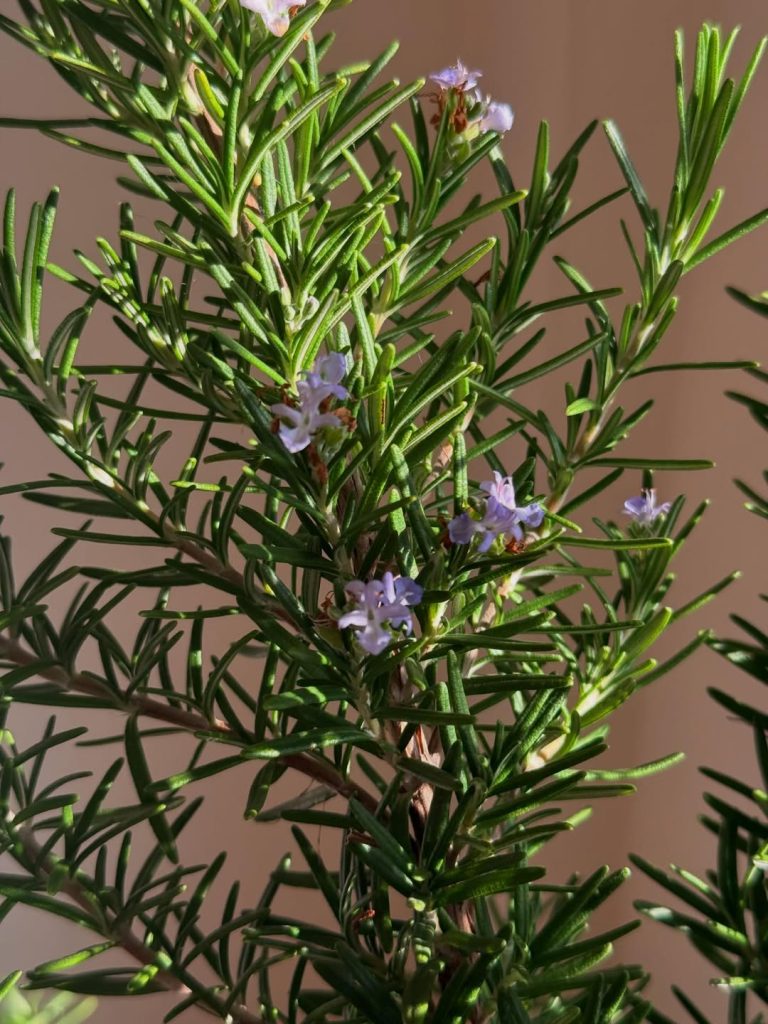
Here’s a plant I’d grow even if it did nothing but smell good.
Rosemary is a woody perennial herb, which means once it’s established, you’re not replanting it every season like most of this list.
It genuinely loves Florida’s dry season. What it doesn’t love is standing water, so skip the daily watering habit and let the soil dry out between drinks.
Overwatering kills more rosemary than neglect ever does.
Beyond the kitchen use, rosemary earns its keep as a pest deterrent. Plant it near vegetables that struggle with insects, and it works quietly in the background all season.
Worth knowing: good news if you’re anywhere in the state, rosemary handles North, Central, and South Florida equally well.
10. Coreopsis
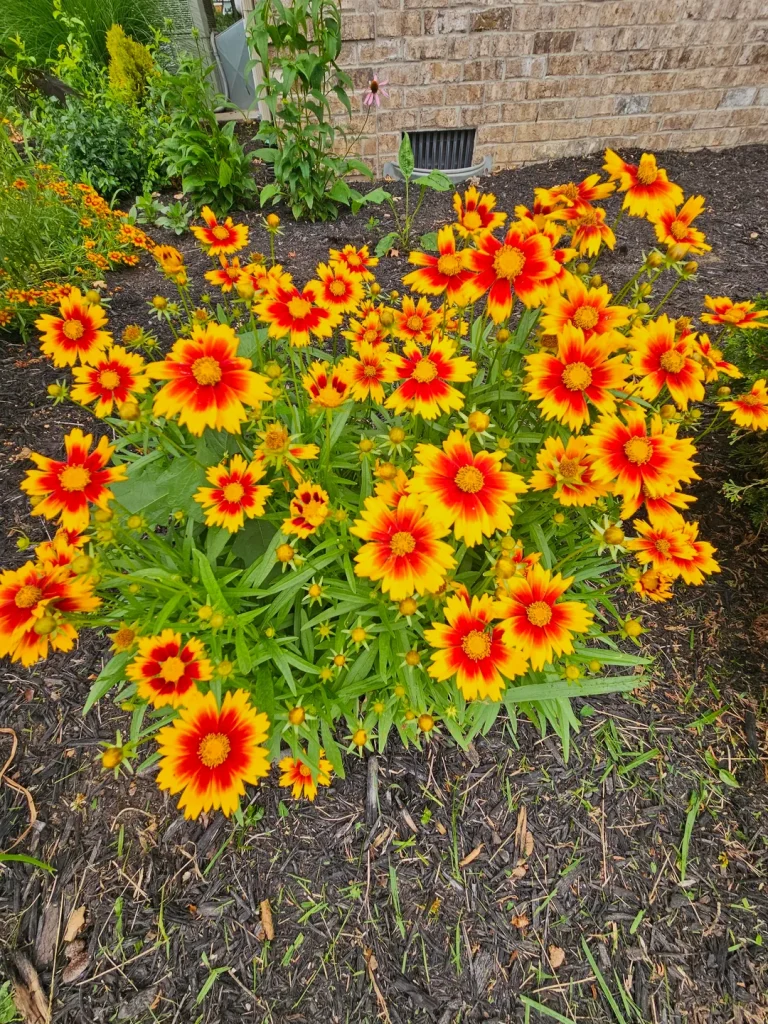
If one flower deserves a spot in every Florida garden, it’s this one.
Coreopsis is literally Florida’s official state wildflower, and it’s not just a title. It backs up the honor with months of bright yellow blooms.
October through December is prime planting season for coreopsis seed, according to UF/IFAS. Scatter the seeds on bare soil and press them in with your hand.
Don’t bury them. They need light to germinate, and a covered seed just sits there doing nothing.
Bees and butterflies show up for this plant in a way few others manage.
Once it’s established, coreopsis reseeds itself, so a single fall planting can keep coming back for years without much help from you.
Worth knowing: it’s genuinely one of the lowest-effort, highest-reward plants on this whole list, and it works statewide.
11. Cardinal Flower
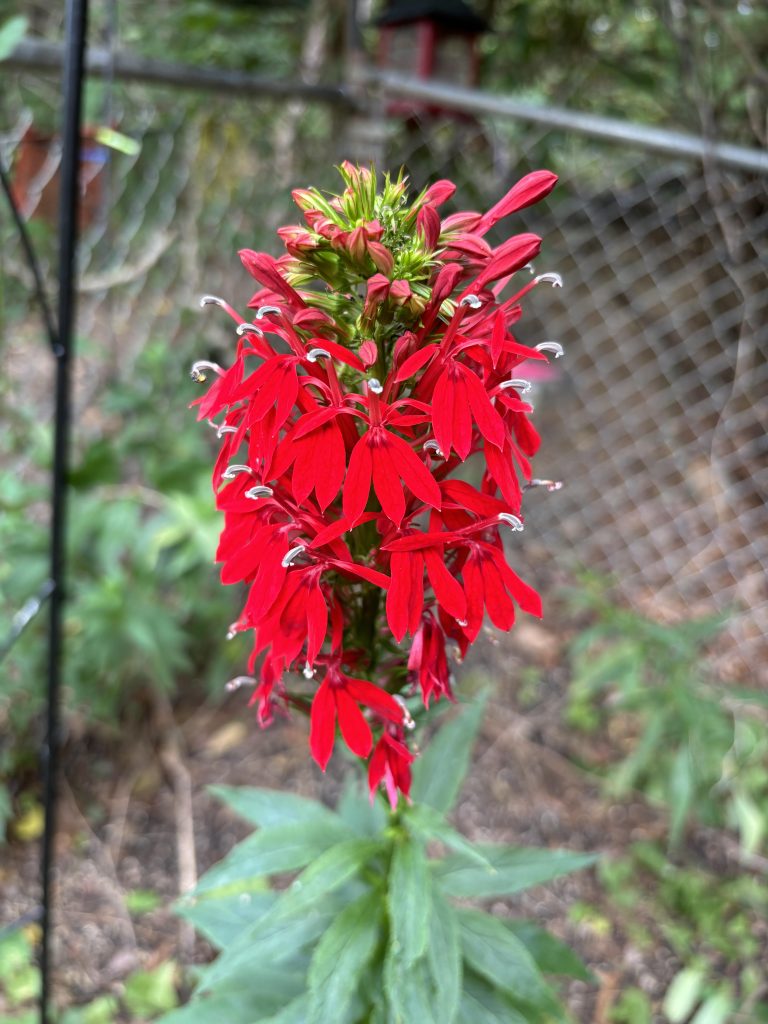
I didn’t expect to fall for this one, but the hummingbirds convinced me.
Cardinal flower sends up tall spikes of vivid red, tubular blooms that hummingbirds seem physically unable to ignore.
Like coreopsis, this is a surface-sow seed. Scatter it, press it in lightly, and let winter do the rest of the work.
Cold naturally breaks the seed’s dormancy, which is exactly why October planting works so well here.
This plant likes it a little damp, more than most Florida natives. If you’ve got a low spot in your yard that stays moist, that’s exactly where cardinal flower wants to live.
Worth knowing: plant it once this fall, and you’ll have hummingbirds finding your yard for years without lifting another finger.
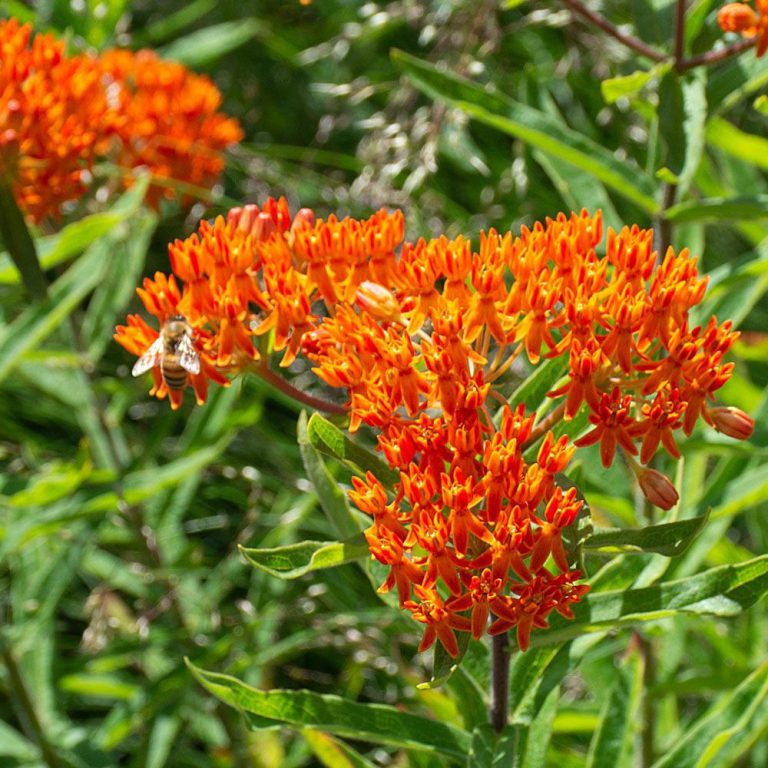
12. Native Milkweed
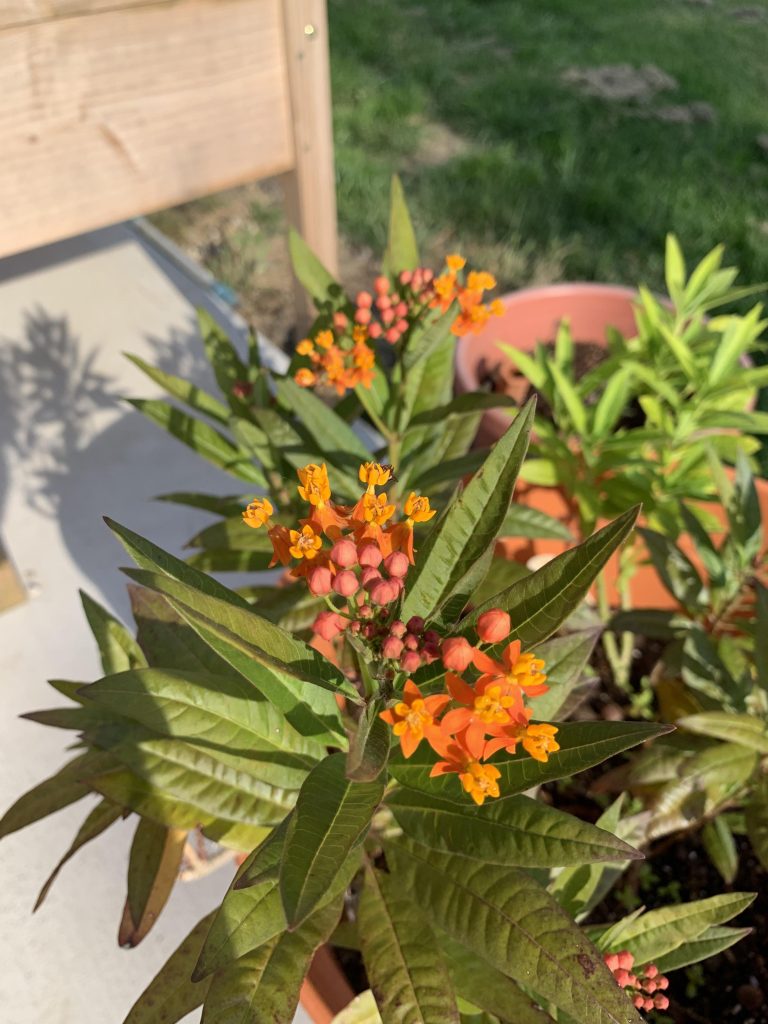
Save this one for last because it matters most. If monarch butterflies are ever going to make it through your yard, native milkweed is the reason why.
It’s the only plant monarch caterpillars actually eat.
Here’s the catch nobody tells you at the garden center: not all milkweed is created equal. Skip tropical milkweed, even though it’s everywhere and it’s pretty.
It doesn’t die back in winter the way native species do, and that can trick migrating monarchs into staying put when they should be heading south.
Look specifically for swamp milkweed or aquatic milkweed, both native to Florida. October’s cooling soil and increased rainfall give the seeds exactly what they need to establish before next spring’s monarch migration passes through.
Worth knowing: plant this one, and you’re not just gardening. You’re actually helping a species that needs it.
Frequently Asked Questions
Do I need to worry about frost in October in Florida?
Only if you’re in North Florida, and even then, it’s rare this early. Most cold snaps don’t show up until late October or November, so you’ve got time to get cool-season crops established before any real risk.
Can South Florida gardeners grow everything on this list?
Not quite. Skip strawberries, sweet potatoes, and squash if you’re in South Florida since those need timing that’s already passed for the season.
Everything else, including all three flowers, works fine.
Is it too late to start a vegetable garden if I missed early October?
Not at all. Most of these crops have planting windows that stretch through November, especially in Central and South Florida.
You’ll just want to skip anything that specifically calls for early-month planting, like strawberries.
Why do my wildflower seeds never sprout?
Nine times out of ten, it’s because they got buried. Coreopsis and cardinal flower both need light to germinate.
Press the seeds into the soil surface and resist the urge to cover them like a vegetable seed.
What’s the easiest thing on this list for a beginner?
Bok choy and coreopsis are both nearly foolproof. Bok choy gives you a fast harvest with minimal fuss, and coreopsis basically takes care of itself once it’s in the ground.
Final Thoughts
October is one of those months that rewards Florida gardeners for showing up. Get your timing right for your region, and you’ll have a fall garden that’s still producing well into winter.
Start with a couple of crops from this list, add one native flower for the pollinators, and build from there next season.