14 Creative Florida Vegetable Garden Ideas

If you’re new to gardening in Florida, you’ve probably felt confused already. Mild winters trick people into thinking we garden year-round without limits. That’s only half true, honestly.
Summers here get brutal, and thick humidity beats down even the toughest crops. Cool-season vegetables just can’t handle six months of relentless heat. Understanding our weather patterns matters more than any fancy gardening trick.
Soil trips up beginners just as often. Florida sat underwater for millions of years, and ancient seabeds left us mostly sand.
Sand drains fast and holds almost no nutrients. Building better soil becomes your first real job as a Florida gardener.
Ready for garden ideas that actually work in the Sunshine State? Let’s get your hands dirty with plans built for our weather, not someone else’s.
1. Start With Raised Beds For Better Soil Control
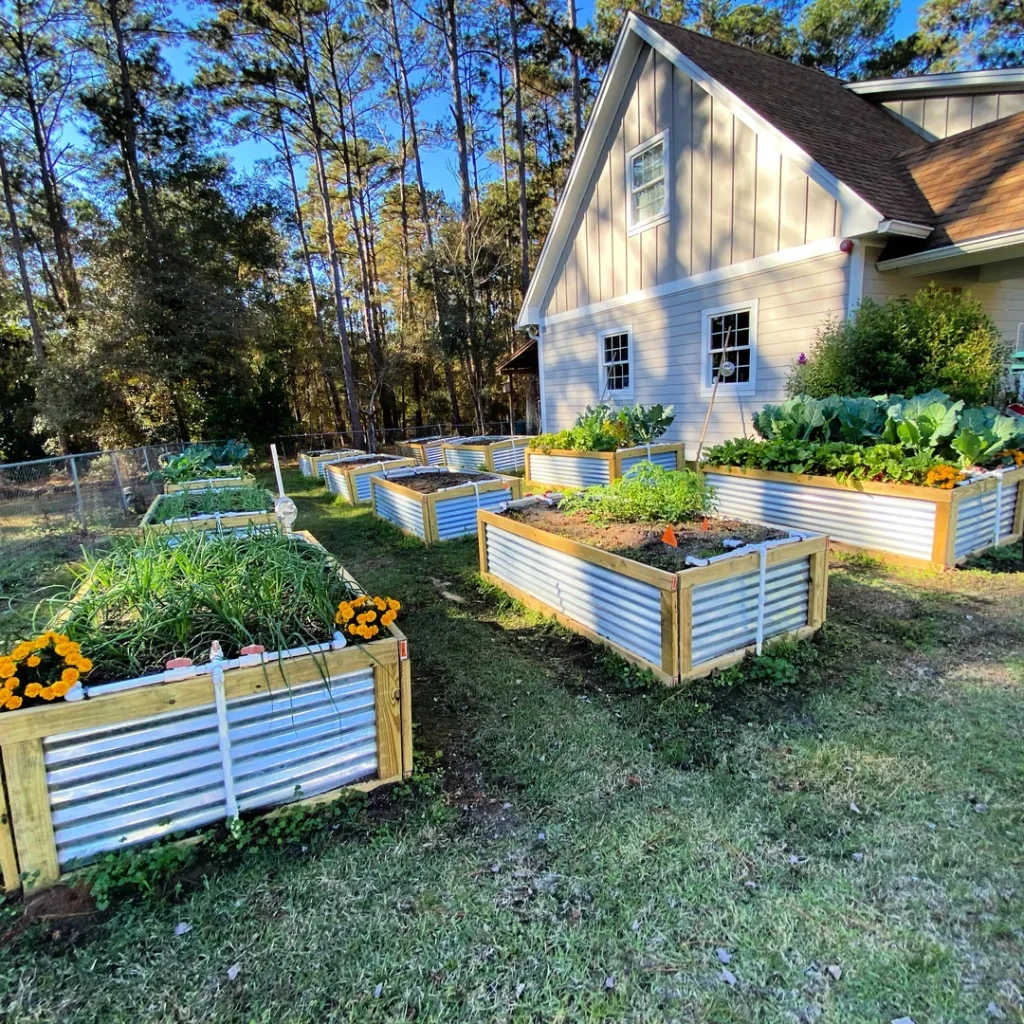
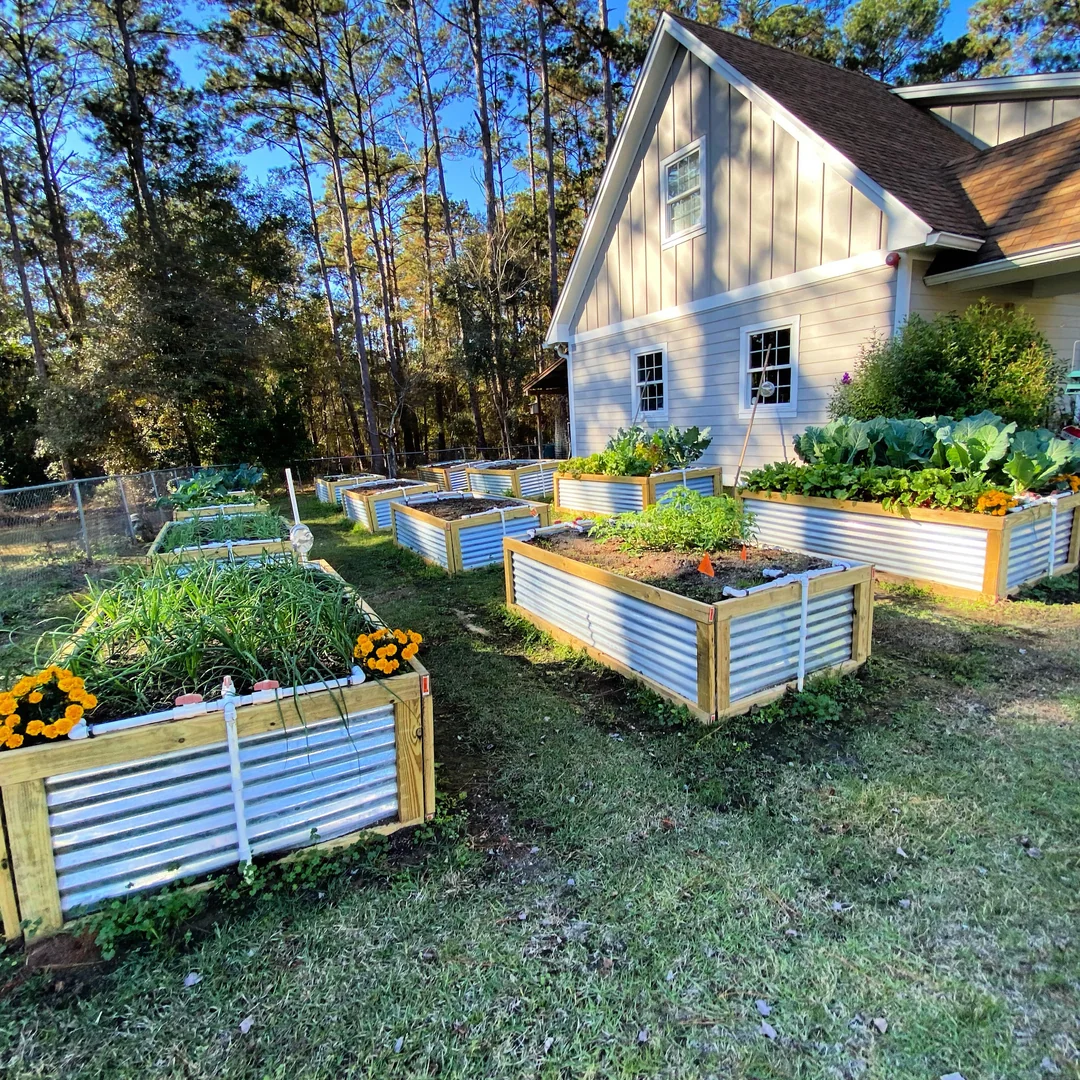
Sandy soil dominates most of Florida, and it drains water faster than a leaky bucket. Raised beds solve this problem instantly by giving your vegetables their own controlled space. You choose the soil mix instead of fighting what nature gave you.
A 3×8 raised bed works great for most backyard growers. Four feet wide keeps beds narrow enough that you never have to step inside them.
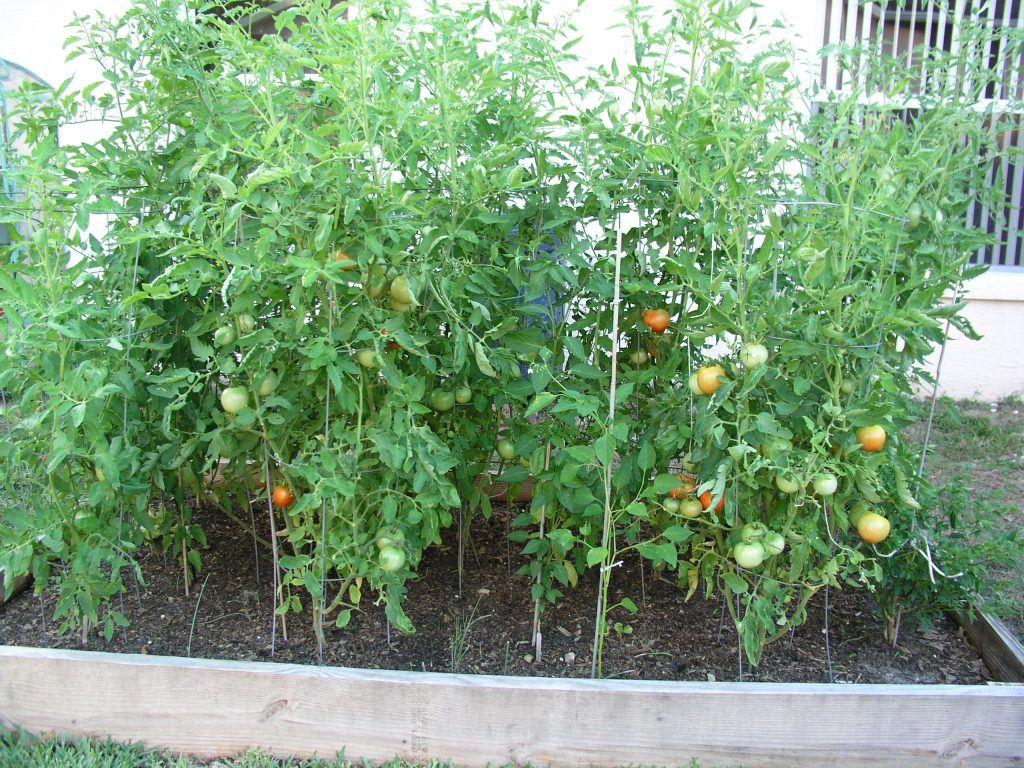
Stepping on garden soil packs it down and squishes out the air pockets roots need.
Building multiple smaller beds beats one giant bed every time. Spacing them out improves airflow around your plants. Good airflow means fewer fungal problems during our humid months.
2. Try Container Gardening On Small Spaces
Limited space doesn’t mean no garden at all. Container gardening turns a sunny porch or balcony into a productive little farm. Five-gallon buckets with drainage holes cost almost nothing and work surprisingly well.
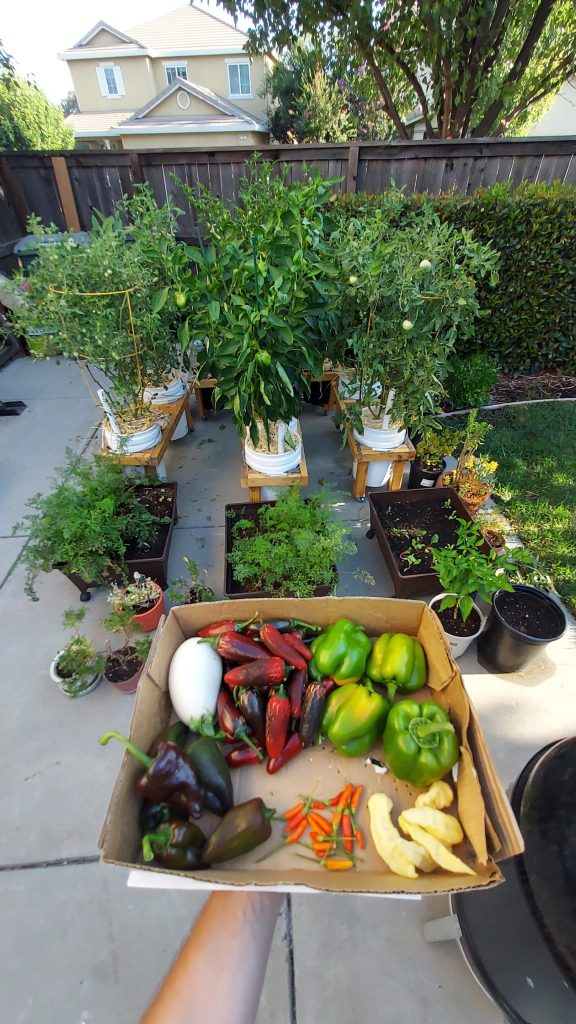
Dwarf vegetable varieties shine in containers. Look for compact tomatoes, mini peppers, and bush-type cucumbers bred to stay small.
These varieties still produce full-size flavor packed into a smaller plant.
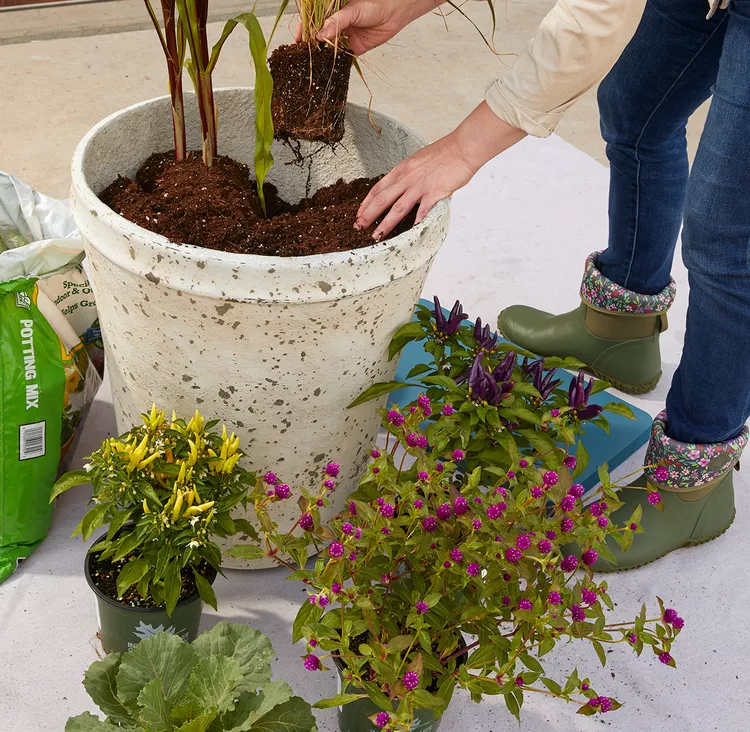
Terracotta pots dry out fast under Florida sun, so plastic often works better. Dark containers absorb heat and can cook tender roots. Light-colored pots keep the soil cooler through those brutal afternoon hours.
3. Layer Your Garden Like A Mini Forest
Nature never plants in neat rows, so why should you? Layering your vegetable garden mimics how forests naturally grow, with tall plants up top and shade-tolerant ones below. This trick maximizes every square inch of space you’ve got.
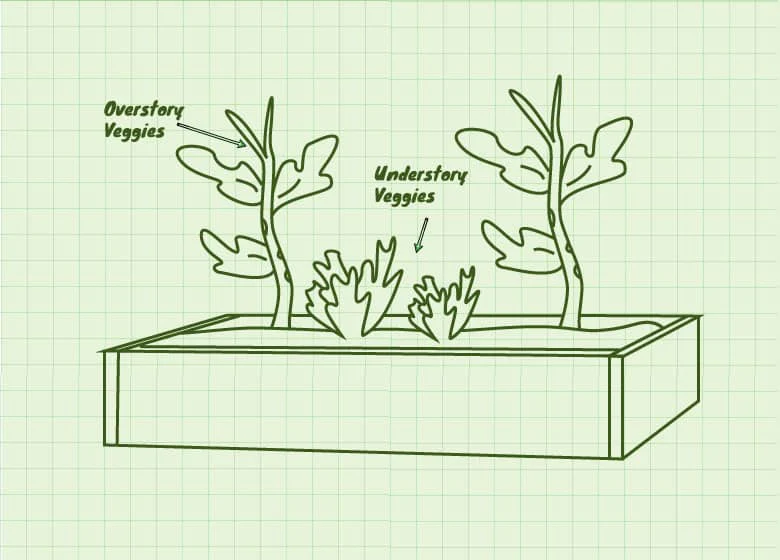
Picture tomatoes or pole beans forming your upper canopy. Underneath, plant lettuce or other soft greens that appreciate a break from harsh midday sun. Black seeded simpson lettuce handles partial shade beautifully in this setup.
Basil tucked between larger plants adds another layer entirely. Its scent confuses pests looking for your tomatoes. Plus, you get fresh basil without dedicating extra bed space to it.
4. Build Soil That Actually Feeds Your Plants
Florida dirt needs serious help before it can feed hungry vegetables. Peat moss, compost, and perlite mixed together create a base that holds water without drowning roots. Worm castings add a gentle nutrient boost most plants love.
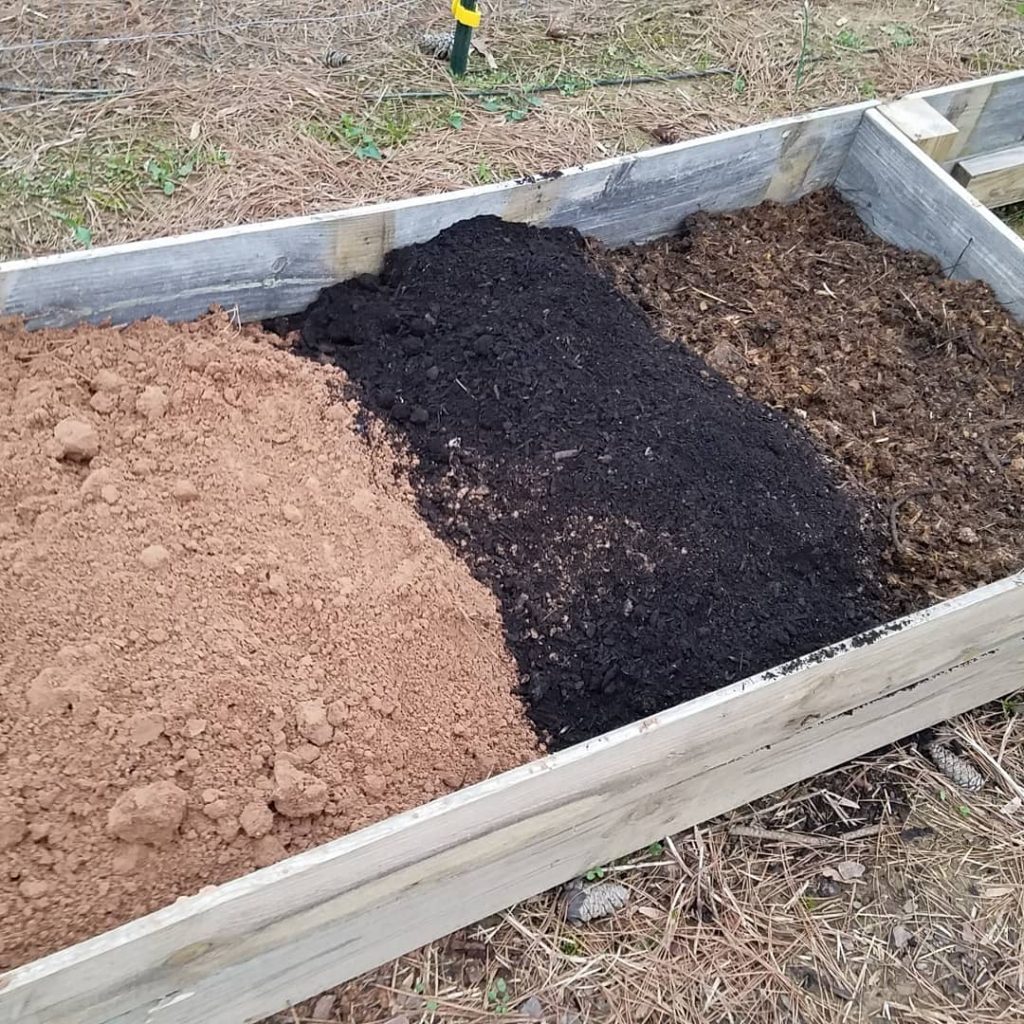
Mixing 40% peat moss with 40% compost gives you a solid foundation. 20% perlite keeps everything from compacting into a brick.
Compost remains the real hero here, since it feeds microorganisms that keep soil alive.
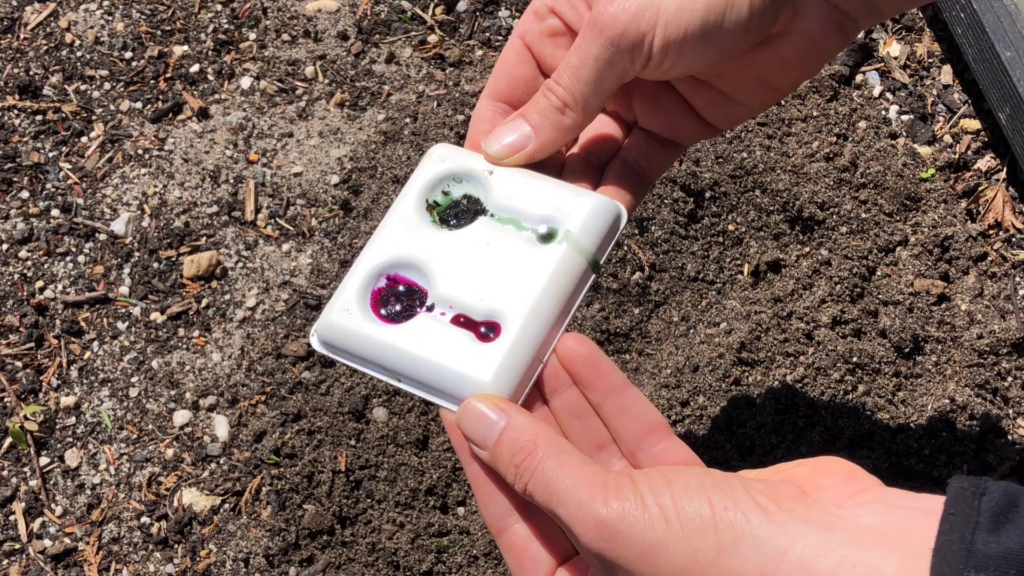
Testing your soil pH matters more than people realize. Most vegetables want something between 5.5 and 6.5. Local extension offices test soil cheaply, and honestly, it beats guessing.
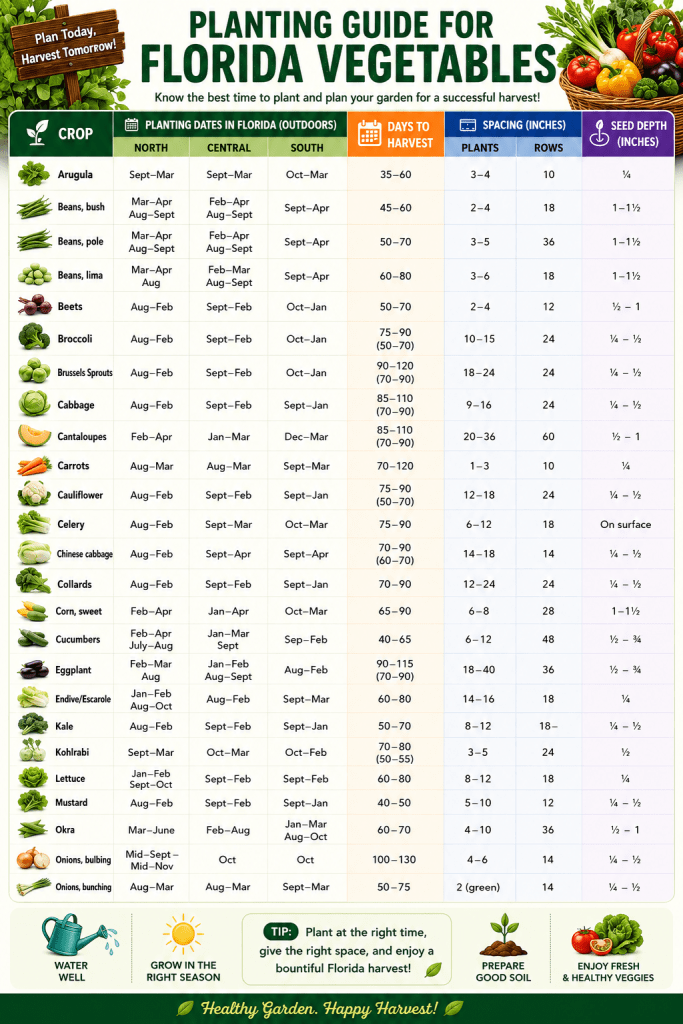
5. Plan Around Florida’s Real Growing Seasons
Winter here beats every other season for growing vegetables. Cooler temps and lower humidity mean fewer pests bothering your plants. Broccoli, carrots, and lettuce all thrive when other states are buried in snow.
Summer flips the script completely. Heat above 90 degrees stresses most vegetables into giving up. Sweet potatoes, okra, and southern peas actually enjoy this brutal stretch, so lean into crops built for it.
Fall planning starts way earlier than you’d think. August already calls for starting tomato and pepper seeds indoors. Waiting until October means missing your window before winter cold rolls through.
6. Grow Vertical To Save Ground Space
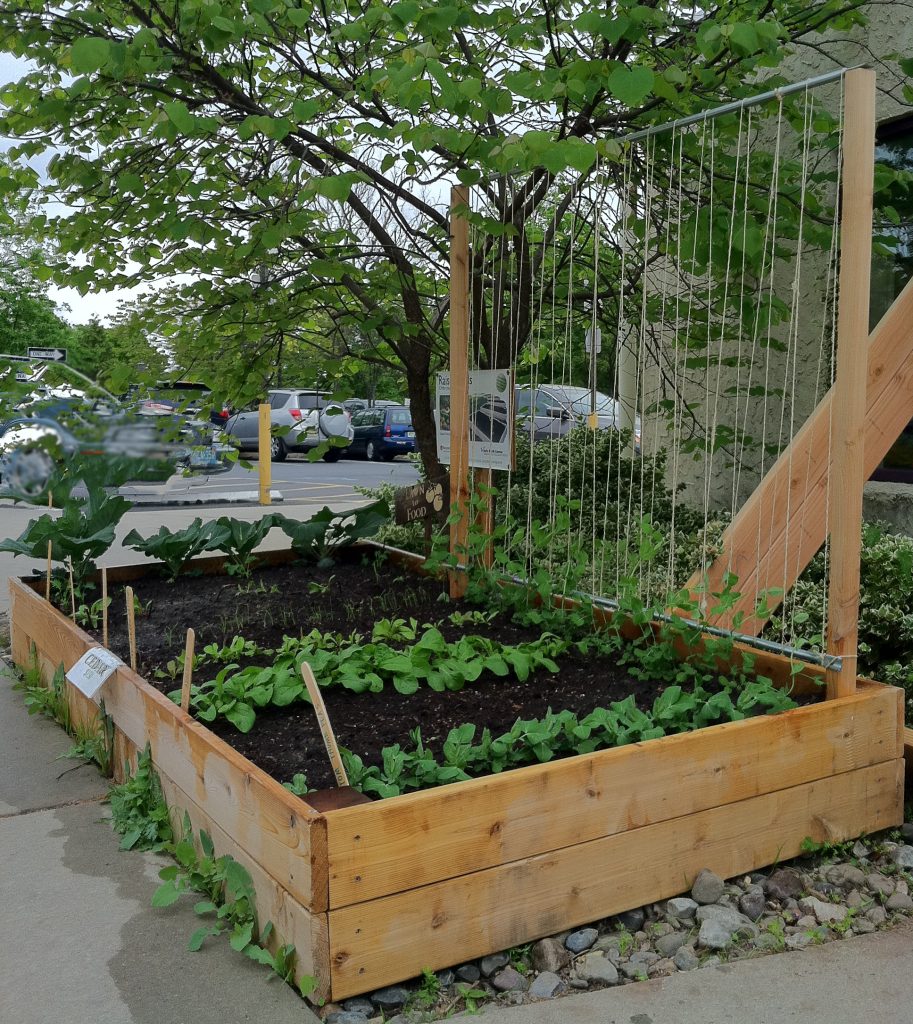
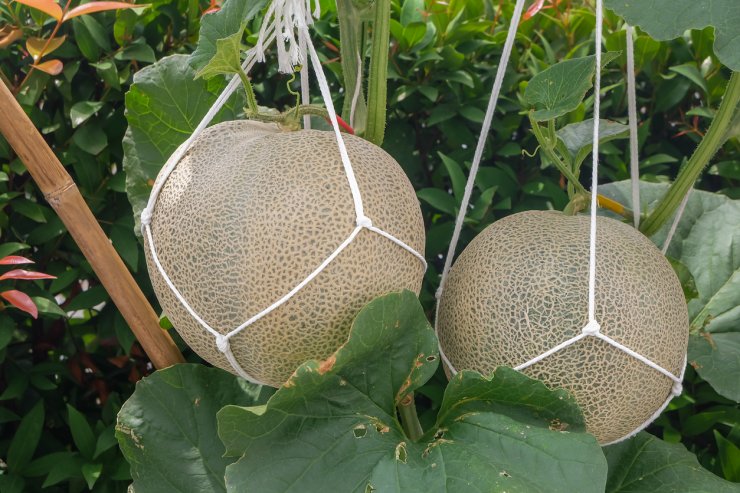
Vining vegetables eat up ground space fast if you let them sprawl. Trellises solve that problem while adding visual interest to your garden. Cucumbers, pole beans, and small melons all climb happily given the chance.
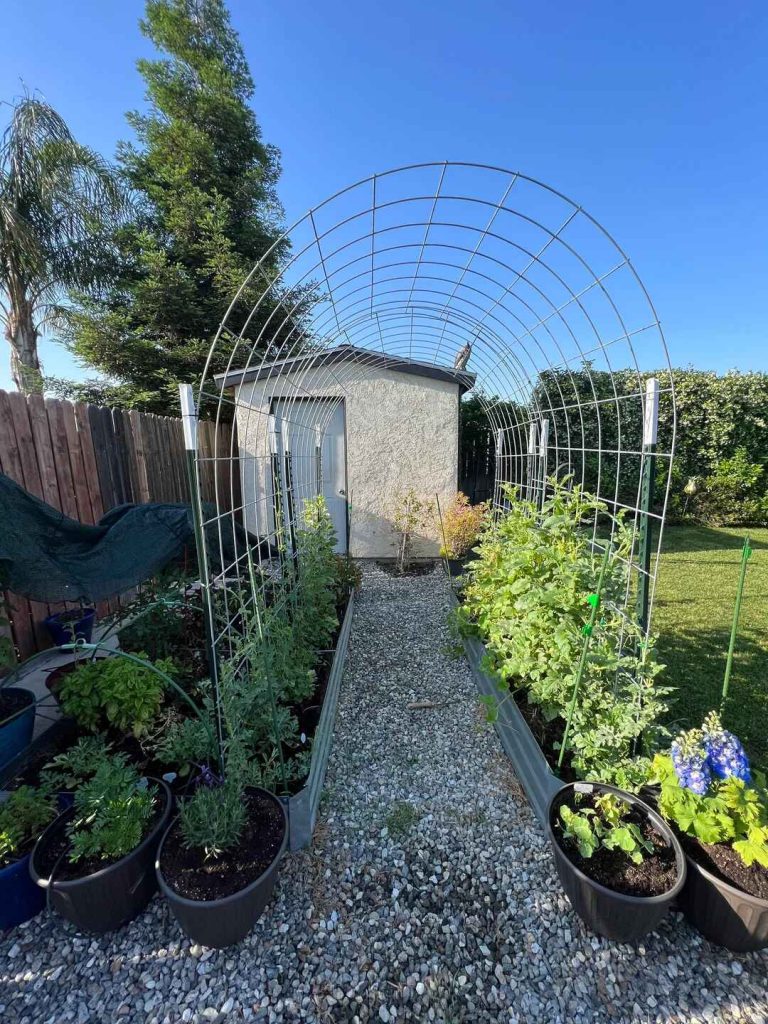
A simple cattle panel arched between two beds creates an instant tunnel. Vines climb up one side and over the top. This trick also keeps fruit off damp soil, cutting down on rot.
Vertical growing improves airflow too. Better airflow around leaves means less powdery mildew during humid months. Your cucumbers will thank you with cleaner, healthier vines.
7. Choose Varieties Bred For Florida Heat
Standard seed packets from big box stores rarely account for our climate. Heat-tolerant varieties make the difference between a thriving garden and a sad one.
Everglades tomatoes, for example, laugh at humidity that kills regular tomato plants.
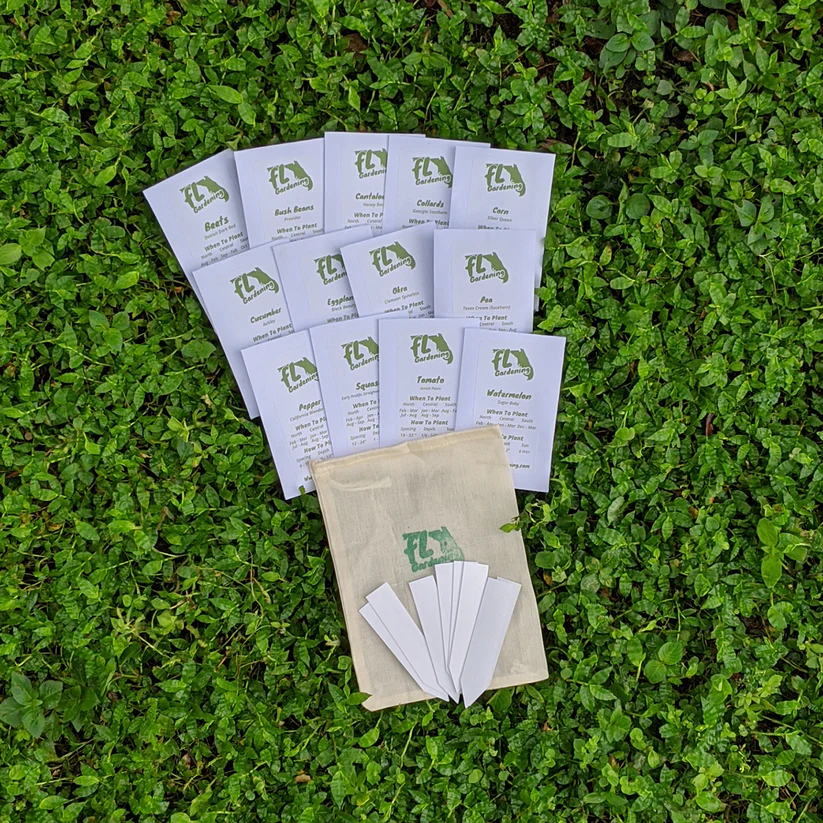
Piracicaba broccoli handles warmth better than typical broccoli varieties. This lets you harvest longer into spring before bolting ruins everything. Seminole pumpkin also deserves a spot, since it resists pests that destroy other squash.
Local seed companies focused on Florida growing conditions beat generic online retailers most days. Their seeds already survived our weather before reaching your hands. That kind of head start matters more than people realize.
8. Add Perennial Vegetables For Less Work
Annual vegetables demand replanting every single season. Perennial vegetables skip that hassle entirely and keep producing year after year. Longevity spinach handles Florida heat better than almost anything else I’ve grown.
Katuk works well in shadier corners of your yard. Its leaves offer a nutty flavor that surprises people expecting bland greens. Malabar spinach climbs a trellis while producing thick, glossy leaves all summer long.
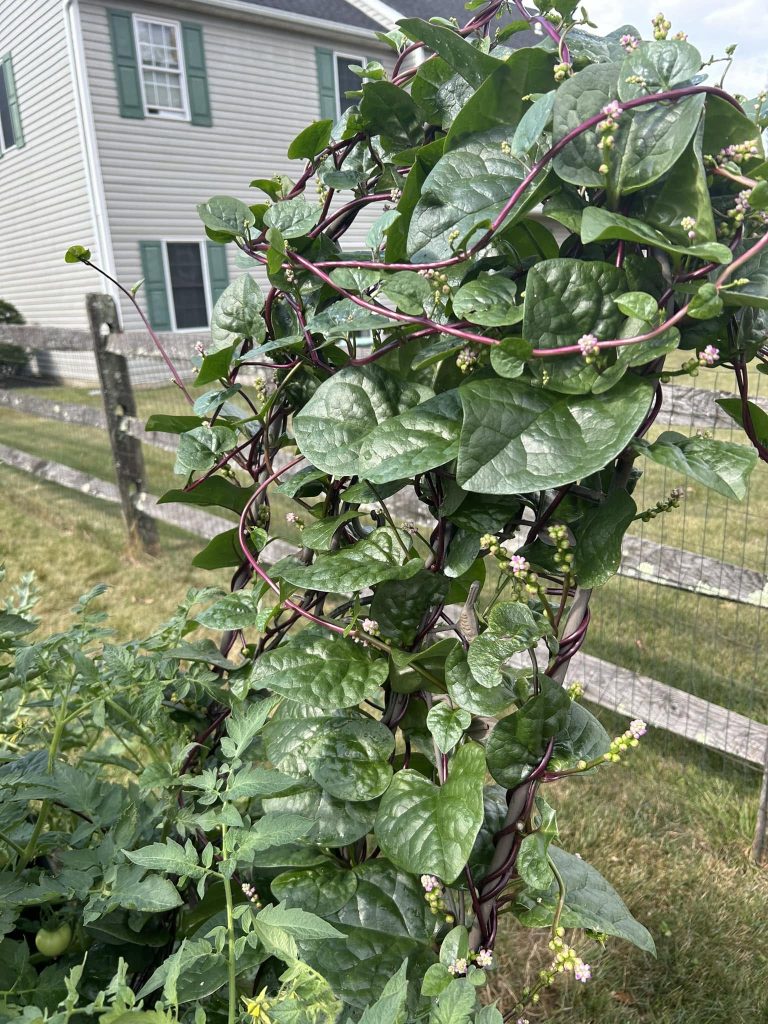
Mixing perennials with your annual crops creates a garden that never fully empties. Something stays productive no matter the season. Fewer trips to buy seeds means more money saved over time.
9. Design A Pollinator Border Around Your Beds
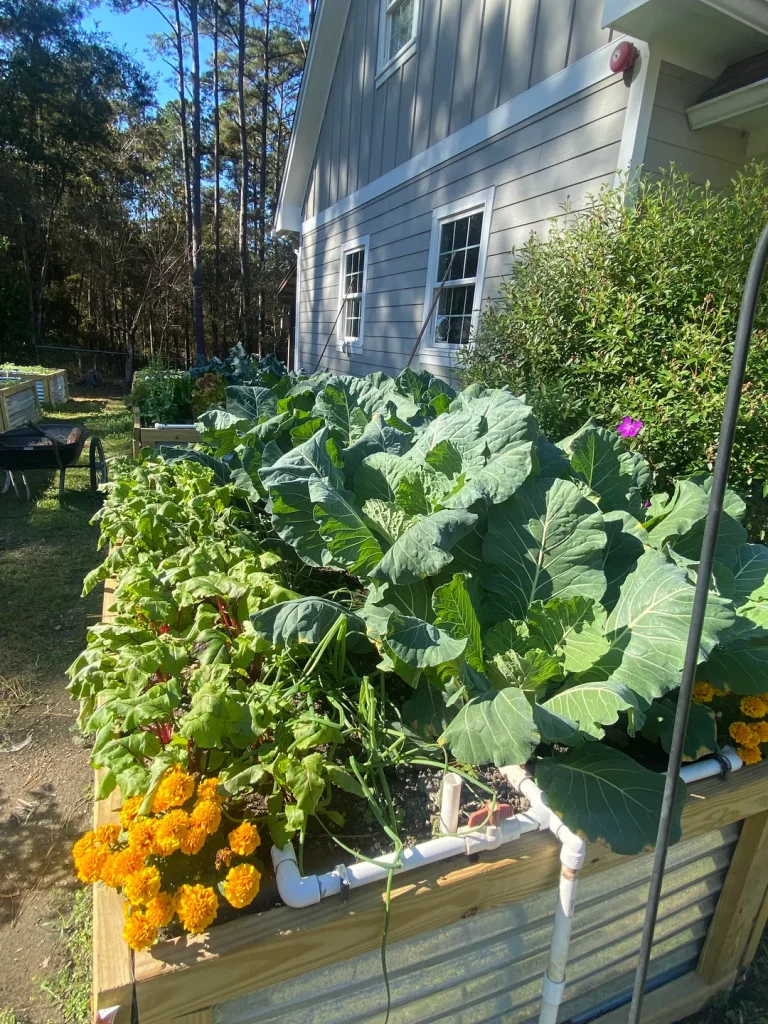
Vegetables need pollinators to actually produce fruit. Flowering borders around your garden invite bees, butterflies, and other helpful insects inside. Marigolds, zinnias, and blanket flowers work as both decoration and pest deterrent.
Basil flowers left unpruned attract bees beautifully. Letting a few basil plants bolt sacrifices some kitchen use, but pays off in pollination.
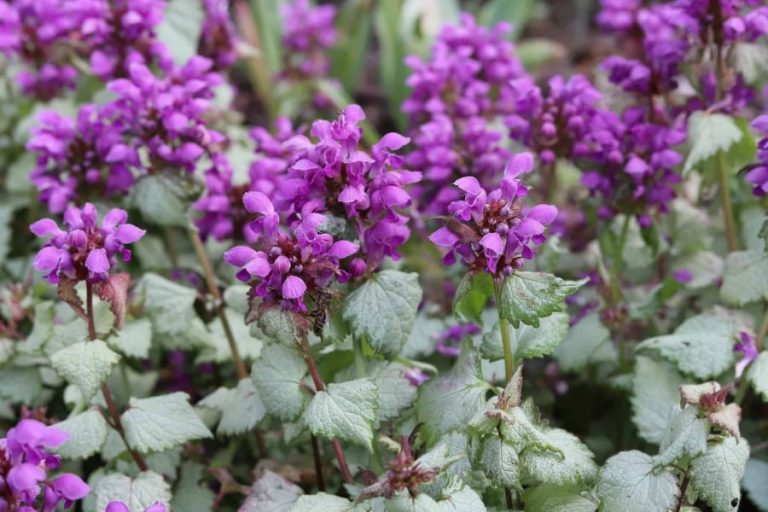
Lavender planted nearby adds fragrance while pulling in even more beneficial bugs.
Skipping pollinator plants often means fewer tomatoes and squash on your plate. Bees do free work you’d otherwise pay for. A border of flowers costs little and returns plenty.
10. Set Up Smart Irrigation From The Start
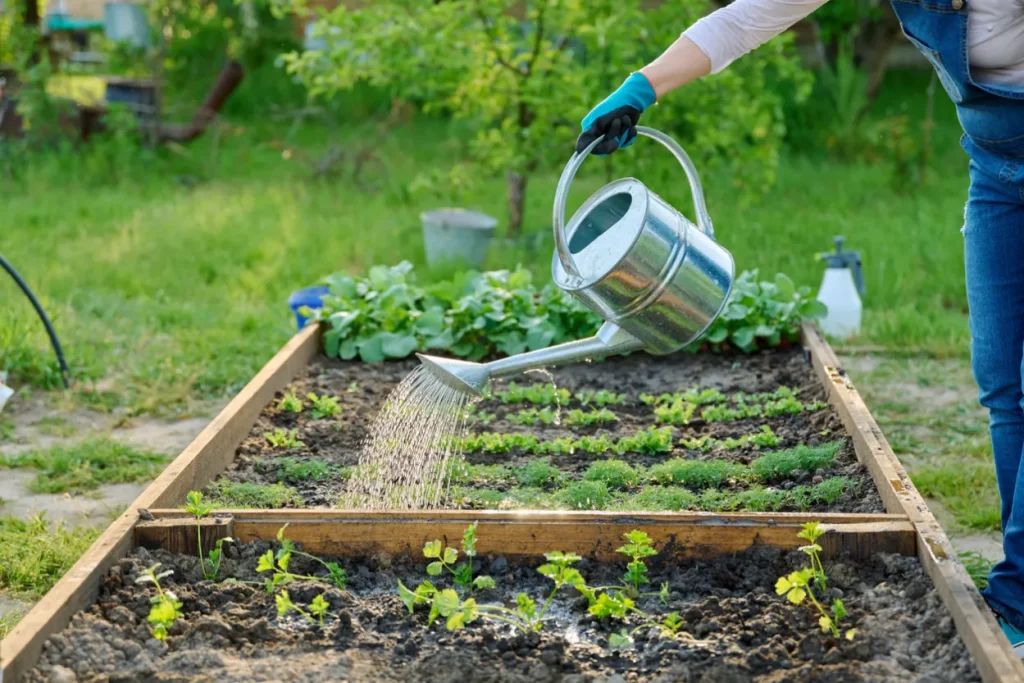
Hand watering gets old fast once your garden grows past a few pots. Drip irrigation saves time while keeping water right at the roots where plants need it. Soaker hoses work almost as well and cost less upfront.
Overhead sprinklers waste water through evaporation and wind drift. Wet leaves also invite fungal diseases that spread through humid Florida air. Keeping foliage dry matters more here than in drier climates up north.
Morning watering beats every other time of day. Plants dry off before the afternoon heat hits hardest. Watering at night leaves leaves damp for hours, which practically invites disease to move in.
11. Mulch Heavily To Beat The Heat
Bare soil bakes under Florida sun and loses moisture within hours. Mulch blocks that sun and keeps roots cooler through the worst summer stretches. Wood chips, straw, or dead leaves all work fine for this job.
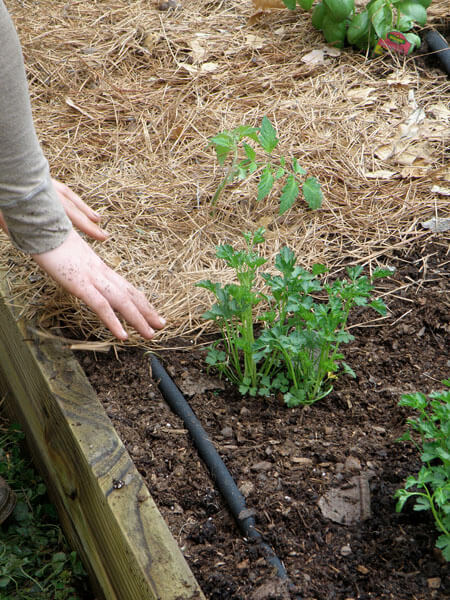
A three-inch layer makes a real difference. Thinner mulch breaks down too fast and stops doing its job. Thicker mulch smothers roots and invites problems you don’t want.
Weeds struggle to push through a solid mulch layer. Fewer weeds means less competition for water and nutrients. Your vegetables get everything instead of sharing with unwanted guests.
12. Rotate Crops To Keep Soil Healthy
Planting the same vegetable in the same spot season after season wears out the soil. Crop rotation breaks pest cycles and keeps nutrients balanced across your beds.
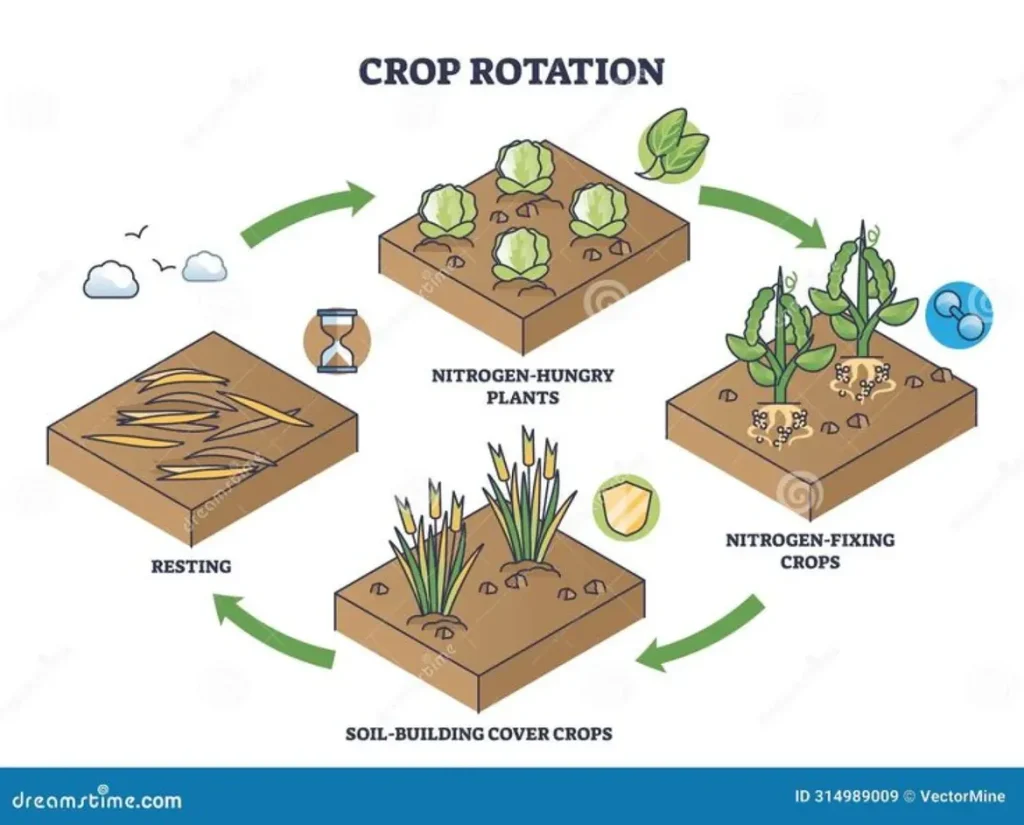
Tomatoes, for instance, pull heavily on certain nutrients that need time to rebuild.
Moving your nightshades (tomatoes, peppers, eggplant) to a different bed each season confuses pests looking for a repeat meal.
Legumes like beans actually add nitrogen back into soil. Planting beans where heavy feeders grew last season helps the ground recover.
Keeping a simple garden map makes rotation painless. I jot mine down in a cheap notebook every fall. Future me always thanks past me for that five minutes of effort.
13. Attract Beneficial Bugs Instead Of Fighting Every Pest
Bugs show up in every Florida garden, guaranteed. Fighting them all with chemicals kills the good insects right alongside the bad ones.
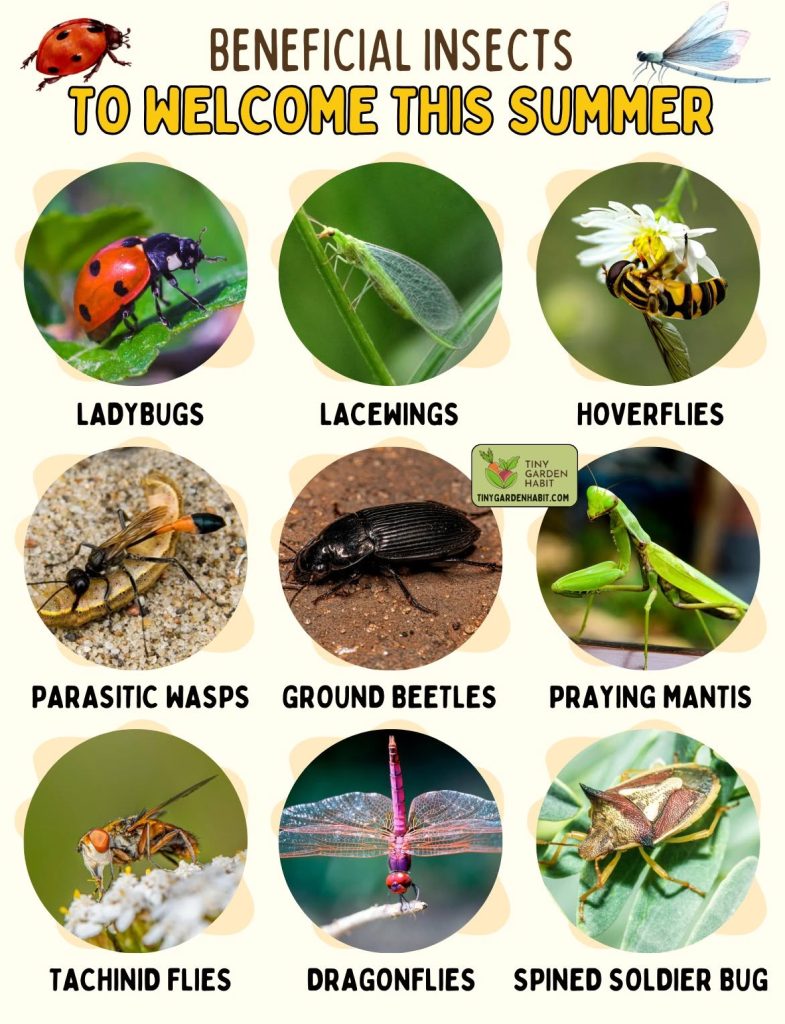
Beneficial insects like ladybugs and lacewings handle aphids better than any spray you’ll buy.
Ladybug larvae devour aphids by the dozens daily. Attracting them costs nothing beyond planting a few nectar-rich flowers nearby. Dill, fennel, and yarrow all pull in these helpful predators naturally.
Neem oil still earns a spot in my garden shed for serious outbreaks. Spraying it in early evening protects bees still out foraging during the day.
Reaching for chemicals last, not first, keeps your whole garden ecosystem healthier.
14. Create A Herb Spiral For Maximum Variety
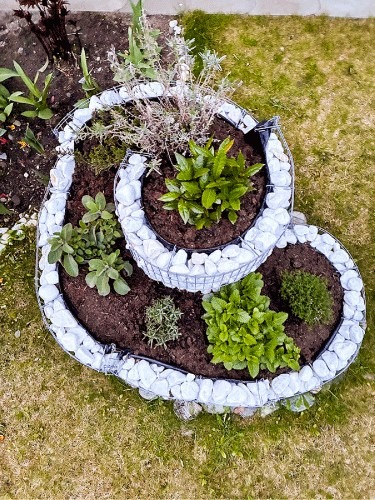
Space feels tight in most home gardens, and herbs often get pushed aside. A herb spiral solves that by stacking growing space vertically instead of sideways. Building one takes an afternoon and a pile of bricks or stones.
Rosemary and thyme prefer the drier top of the spiral. Basil and cilantro do better lower down where moisture collects. This clever design puts each herb exactly where it wants to live.
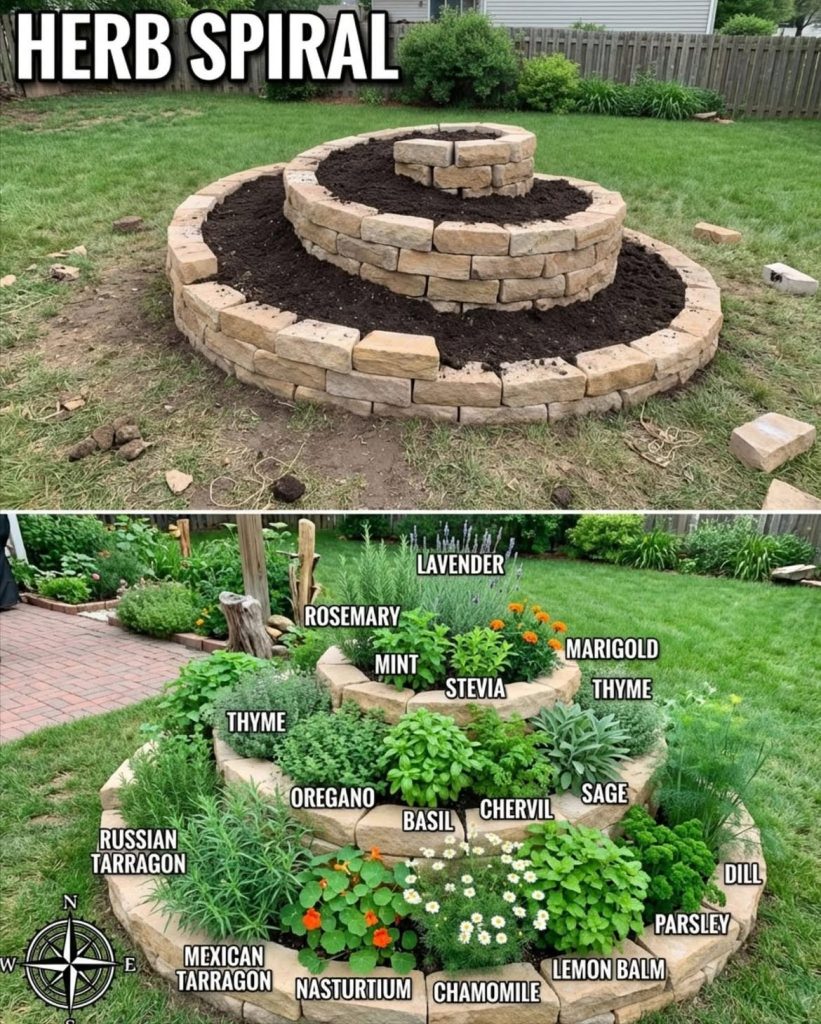
Placing your spiral near the kitchen door makes cooking easier. Grabbing fresh herbs takes seconds instead of a walk across the yard. That convenience alone keeps me actually using what I grow.
Wrapping Up
Florida vegetable gardening rewards patience and the right approach more than any other factor.
Raised beds, smart watering, and heat-tolerant varieties solve most problems before they start. Every idea here comes from real trial and error in my own backyard.
Your garden won’t look perfect the first season, and that’s completely fine. Mine certainly didn’t. Pick two or three ideas from this list, try them, and build from there.
Florida heat humbled me plenty of times before I found my rhythm. Yours will too, probably more than once. Grab your gloves, pick a sunny spot, and get something growing today.