Fast Growing Privacy Bushes: 14 Picks to Mix for a Screen That Won’t Fail

You sit down on your patio with a coffee. Then you spot your neighbor’s window staring right back. Time for a screen.
Fast growing bushes can fix this, and they can do it soon. But planting one row of one plant is a gamble. One disease can wipe out the whole line.
So I’m sharing 14 fast growers, plus a smarter way to mix them. You’ll also learn how long “fast” really takes. Here’s the spoiler. It takes longer than the plant tag says.
How Fast Is “Fast Growing” Really?
Plant tags love the words “up to 3 feet a year.” Real yards rarely match that.
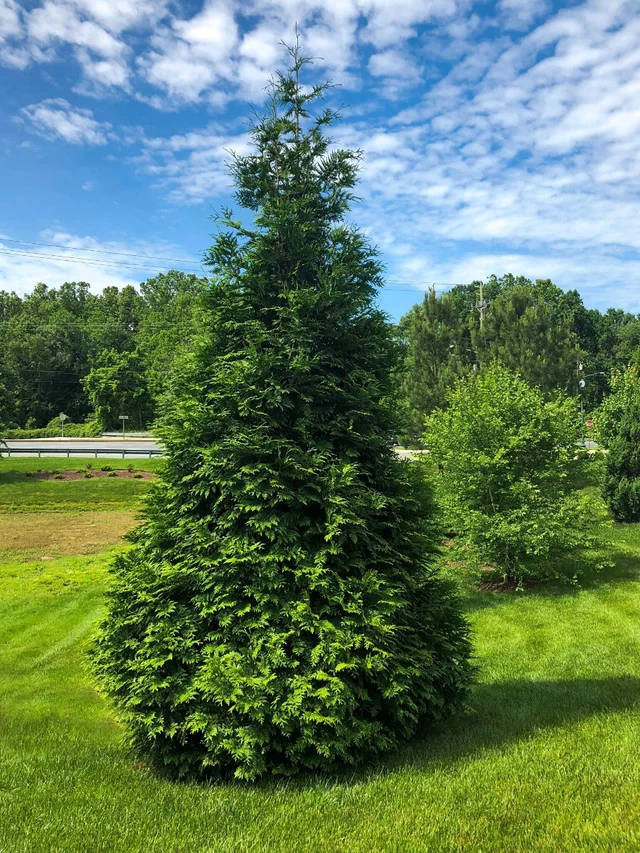
Green Giant arborvitae is one of the fastest options here. In a research garden, it added 2 to 4 feet a year. That’s a best-case tree in good conditions.
Yearly growth isn’t the whole story, though. You care about fill-in time. Most hedges need 3 to 7 years to reach full size.
Here’s the simple math. Start with a 3-foot plant. Add 2 feet a year. You reach 8 feet in about three years, if the plant is happy. Expect a slow first year, because roots come first.
Three habits help your screen speed up:
Buy bigger plants. A taller plant starts ahead.
Water deeply. Water well for the first one to two years, and spread 2 to 3 inches of mulch.
Go easy on fertilizer. Too much makes growth leggy and weak.
Also read: 15 Best Plants for Fence Line Beauty and Privacy
Build a Mixed Screen, Not a Single Row
Leyland cypress taught gardeners a hard lesson. It grew so fast that everyone planted it. Then trouble showed up.
Canker, dieback, and needle blight now hit Leyland hedges all the time. Row after row of the same plant gave disease an easy path.
The fix is simple. Mix your plants. Landscaping experts suggest clusters of three or five different species, or alternating layers. That way, disease has a harder time jumping from plant to plant.
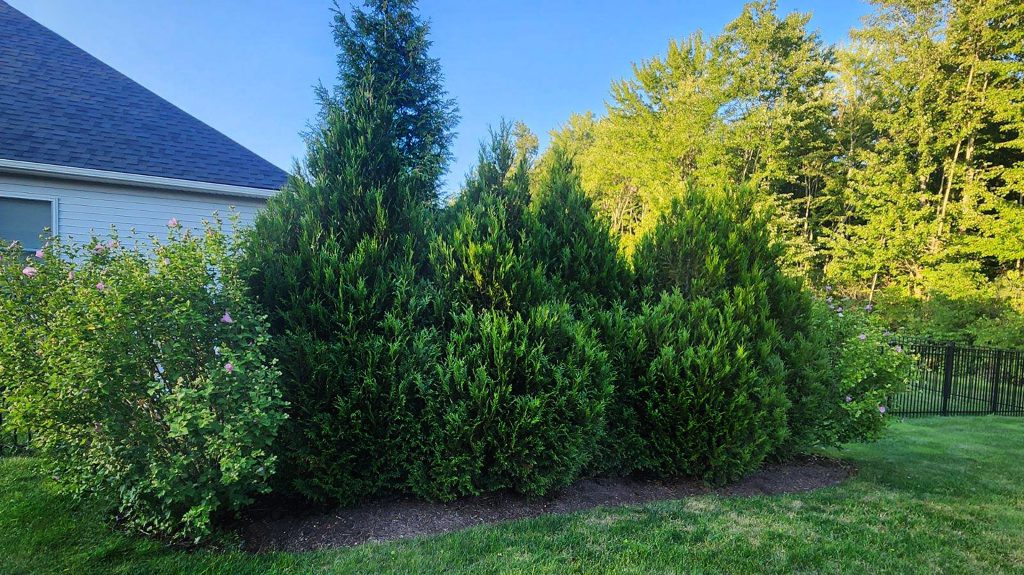
Use evergreens as your backbone. Fill the gaps with deciduous shrubs. Here are three combos to try:
Northern yards (zones 5 to 7): Green Giant arborvitae, arrowwood viburnum, and ninebark.
Southeast yards (zones 7b to 9): Yoshino cryptomeria, Nellie R. Stevens holly, and wax myrtle.
Shady or smaller yards (zones 6 to 8): Skip laurel and arrowwood viburnum. Both handle shade.
You’ll meet every one of these plants below.
5 Planting Mistakes That Slow Your Screen
Planting too close. Crowded plants fight over water and food. They also catch more fungal diseases. A good rule is to space them at least two-thirds of their minimum mature width apart.
Skipping the water. A dry first year stalls everything. Stick to that one-to-two-year watering routine.
Ignoring mature size. Green Giant can get huge, just like Leyland cypress, and it becomes a problem in tight spaces. Measure your space before you buy.
Forgetting the invasive list. Birds carry cherry laurel seeds into new areas. Check your state’s invasive list first.
Trimming the top wider than the base. Your hedge needs light at the bottom too. Prune it narrow on top and wide at the base.
Fast Growing Privacy Shrubs That Actually Fill In (14 Tough Picks)
1. Green Giant Arborvitae
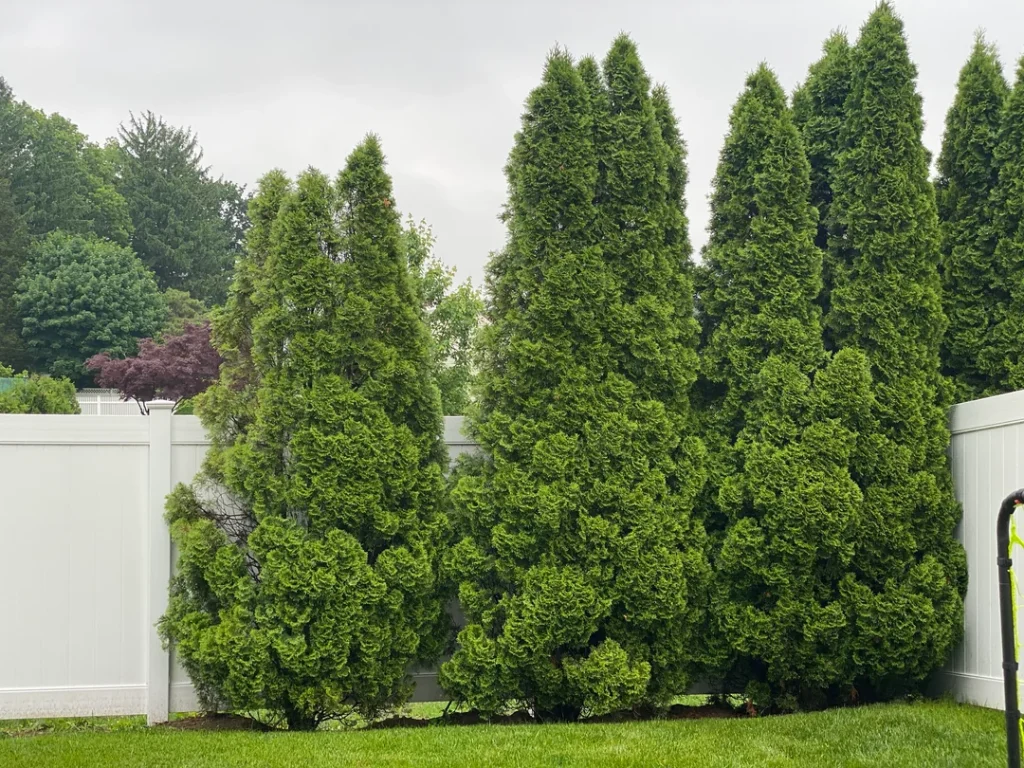
Need a tall green wall, and you need it fast? This is the classic pick. Green Giant arborvitae grows into a thick, cone-shaped evergreen.
It stays deep green all winter and needs very little pruning. It also shrugs off most diseases, insects, and dry spells.
The speed is real. Trees can add 2 to 4 feet a year. But you need space. Plant them at least 8 feet apart, or they’ll crowd each other and get sick. Give them room, and they’ll pay you back.
Best for: A tall privacy wall on a big lot.
Size and zones: 30 to 50 feet tall, 12 to 15 feet wide, zones 5 to 8.
Watch out for: Salt spray and soggy soil. Deer are a maybe. Some sources say they resist deer, but some buyers report browsing. The ASPCA doesn’t list arborvitae, so I can’t call it pet safe. Some sources report stomach upset if dogs chew a lot.
2. Yoshino Cryptomeria
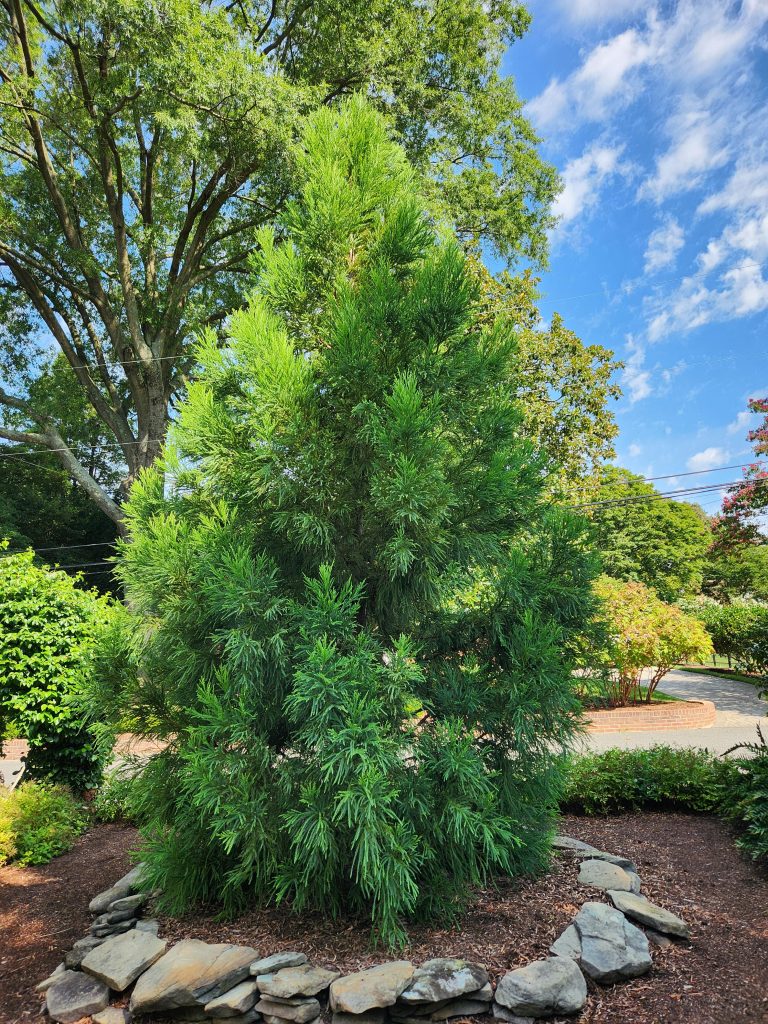
Lost a Leyland cypress hedge? Meet its replacement. Yoshino cryptomeria, also called Japanese cedar, wears soft blue-green foliage.
It can pick up a bronze tint in winter. It’s a fast grower and a go-to replacement for problem-prone Leyland cypress.
It handles some shade better than Leyland, too. It also holds a slim pyramid shape without pruning.
Want a narrower tree? Ask for ‘Radicans’. It’s more compact and keeps its dark green color in winter.
Best for: Replacing a dying Leyland cypress hedge.
Size and zones: 30 to 40 feet tall, 20 to 30 feet wide, zones 5 to 9. ‘Radicans’ runs 40 to 45 feet tall and 15 to 20 feet wide.
Watch out for: It grows about 1 to 1½ feet a year in many areas. That’s slower than Green Giant, and it needs a wide footprint. I couldn’t confirm pet safety for cryptomeria, so keep pets from chewing it.
3. Nellie R. Stevens Holly
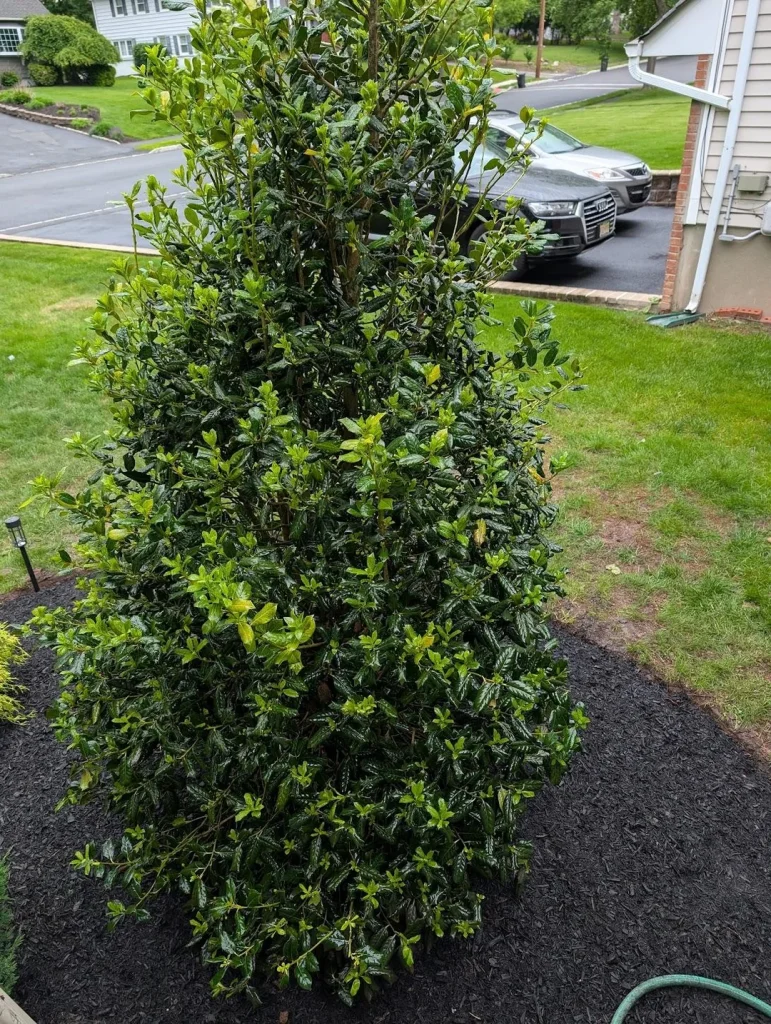
Glossy dark leaves. A full, leafy base. Red berries in winter. Nellie R. Stevens holly brings all three. It’s an evergreen that grows fast and grows dense.
The leaves are spiny, so it doubles as a barrier along your property line.
Want more berries? It sets some fruit alone, but a nearby pollinizer like Chinese holly gives you more.
Birds love the berries. It’s also mildly deer resistant and moderately salt tolerant.
Best for: A thick evergreen screen in warm, mild climates.
Size and zones: 15 to 30 feet tall, 8 to 25 feet wide. Zones 6 to 9, and nurseries report up to 3 feet of growth a year. Space plants 5 to 6 feet apart for a dense hedge.
Watch out for: The ASPCA lists holly as toxic to dogs, cats, and horses, though it rates the leaves and berries as low toxicity. Wear gloves when you prune.
4. Skip Laurel
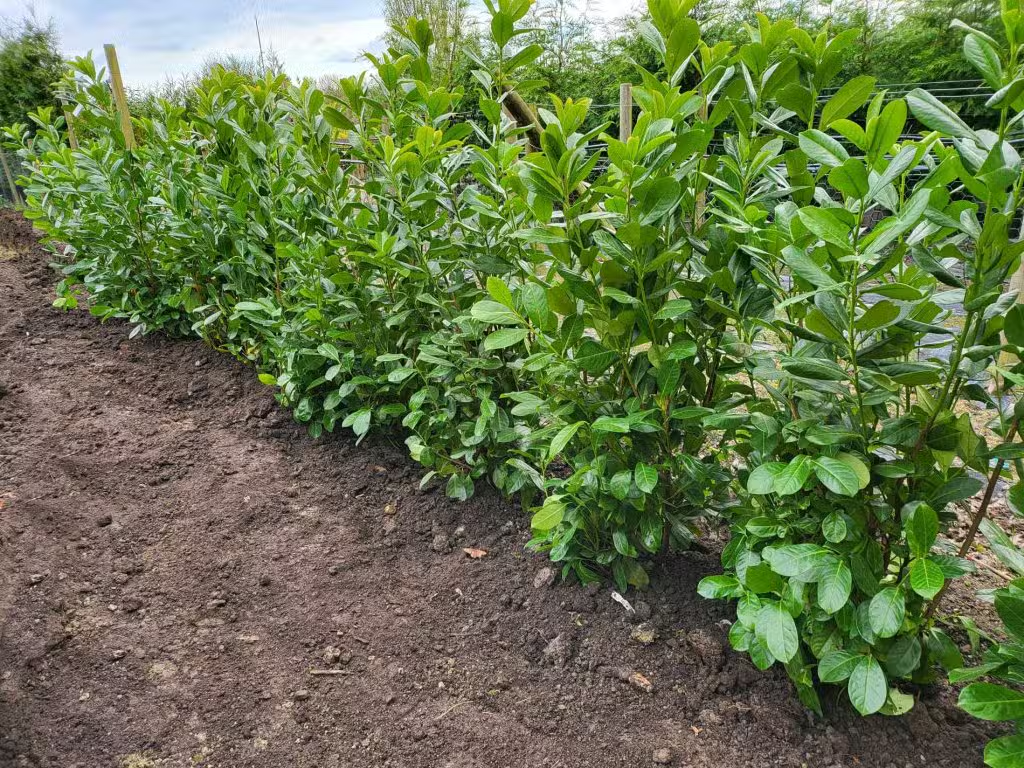
Got a shady spot and only a narrow strip to work with? Skip laurel fits. It’s a form of cherry laurel with shiny evergreen leaves.
In spring, it puts out fragrant white flower spikes. Cherry laurel grows rapidly, in sun or deep shade.
The best part is the slim shape. It grows 10 to 15 feet tall but only 5 to 7 feet wide. The one flaw? The bottom can get open and leggy. Plant smaller evergreens in front to hide the bare stems.
Best for: A narrow privacy screen, even in part shade.
Size and zones: 10 to 15 feet tall, 5 to 7 feet wide, zones 6 to 8.
Watch out for: The stems, leaves, and seeds contain cyanide, and the plant is a problem for dogs, cats, and horses. Birds also spread the seeds, and Oregon State lists it in its weed guide. Check your local invasive list before you buy.
5. Southern Wax Myrtle
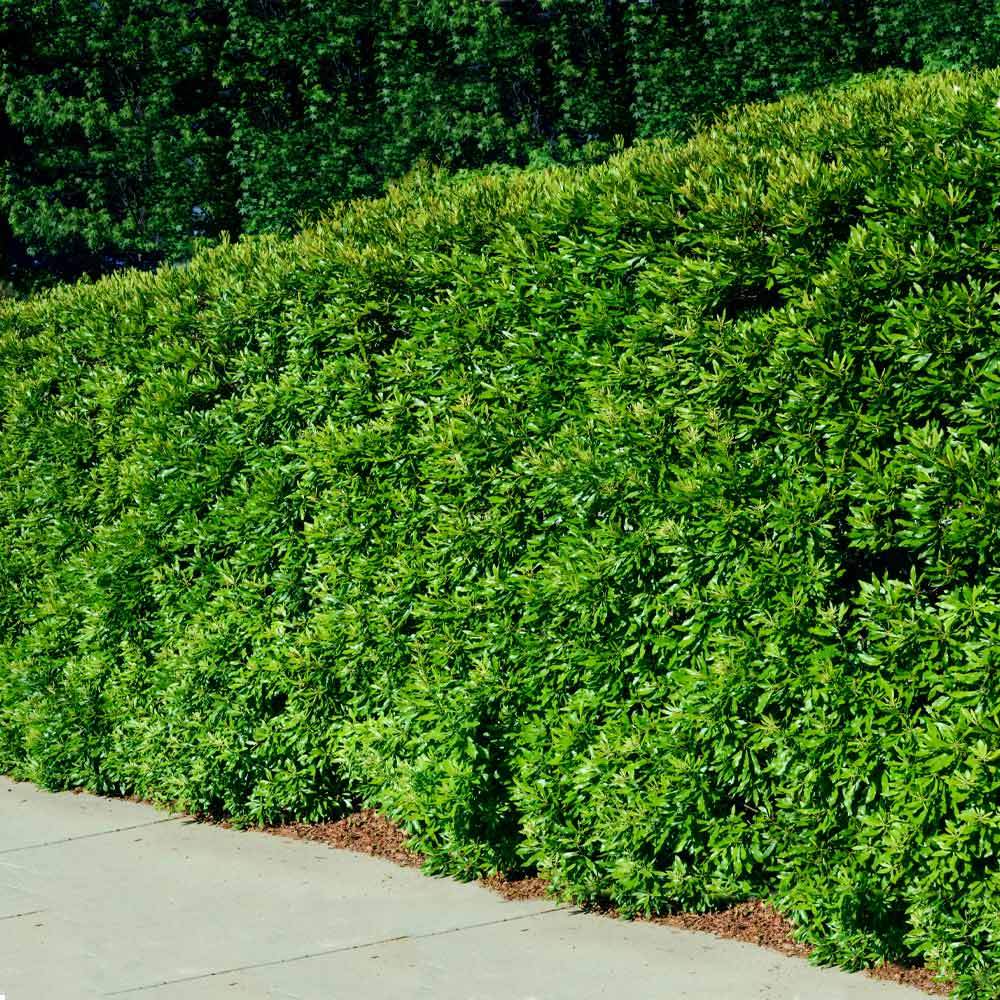
Sandy soil and salty air wreck most shrubs. Not this one. Southern wax myrtle is a native evergreen with narrow, aromatic leaves.
It grows fast and fills open spaces quickly, as long as it gets light. It’s a workhorse in poor soil, wind, and salt spray.
You can prune it into a hedge or leave it loose and shaggy. Female plants produce waxy gray berries that birds love. You need both male and female plants for fruit. Butterflies use it too, since it hosts the red-banded hairstreak.
Best for: Coastal yards, sandy soil, and other tough sites.
Size and zones: Usually up to 12 feet tall, sometimes 20. Zones 7b to 11. Plant about 10 feet apart for a hedge.
Watch out for: It needs full sun for its best shape. It also counts as a fire risk in some areas, so don’t plant it right against your house. I couldn’t confirm pet safety, so discourage chewing.
6. Sweet Viburnum
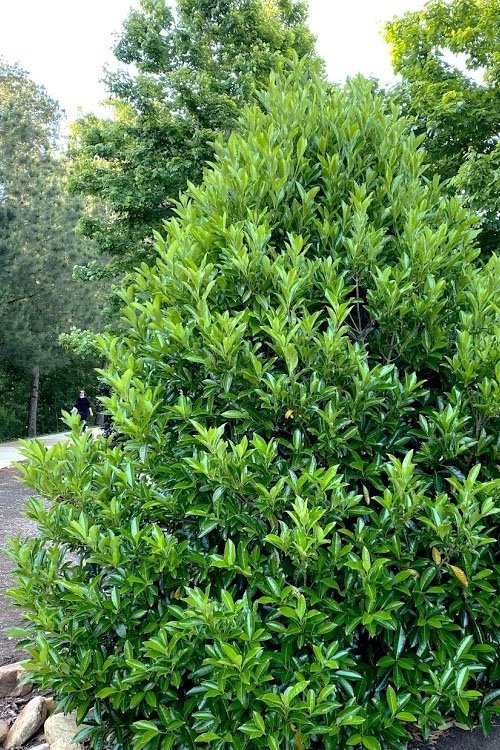
Picture a hedge that smells sweet every spring. Sweet viburnum delivers. It’s a big evergreen with glossy leaves 4 to 8 inches long. White flower clusters cover it in spring. Red berries that turn black follow, and birds love them.
Speed is the selling point. In warm climates, some growers report more than 2 feet a year. That speed has a price. It needs regular pruning, and heavy cutting leaves it leggy. Pick a spot where it can stay big.
Best for: Fast, fragrant screens in Florida and along the Gulf Coast.
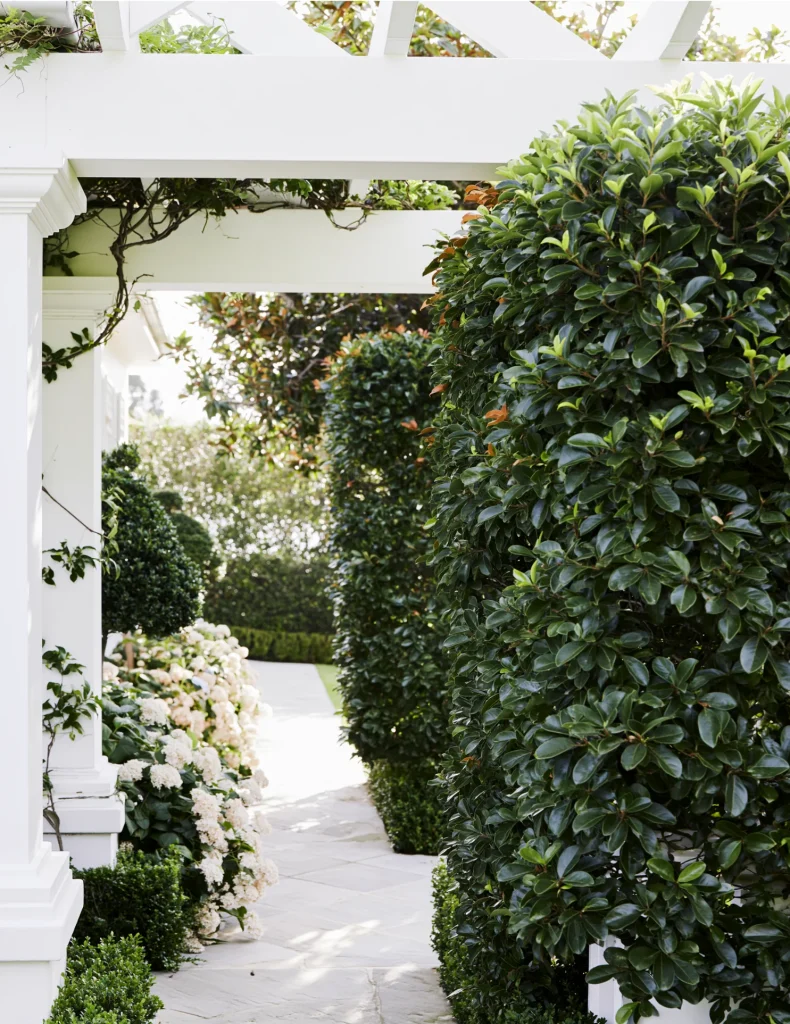
Size and zones: 10 to 20 feet tall and 15 to 20 feet wide. Zones 8b to 10a.
Watch out for: It doesn’t tolerate salt. For a formal hedge, prune narrow on top and wide at the base. The ASPCA lists no viburnum as toxic, but it doesn’t name this species. Keep pets from munching it anyway.
7. Firethorn
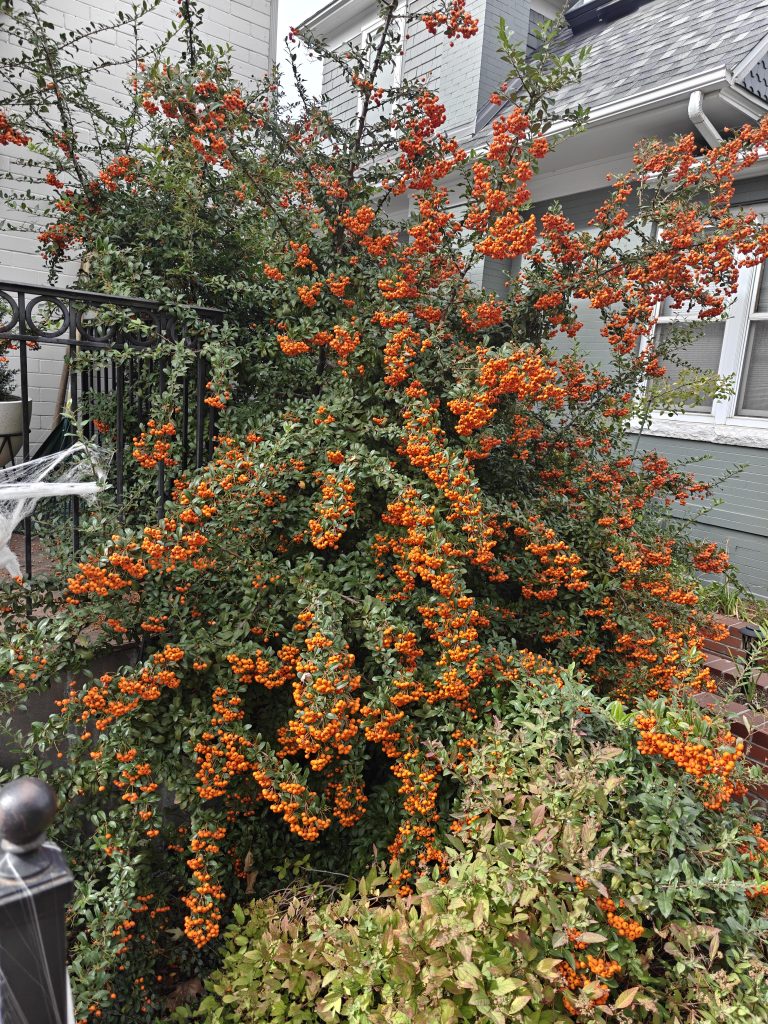
Want a hedge that says “keep out” and means it? Firethorn, also called pyracantha, is covered in sharp spines. It grows very fast, sometimes more than 2 feet a year.
You also get a show. White flowers open in spring. Then orange or red berries last into late winter and feed hungry birds.
Choose your variety carefully. Fire blight can kill the plant, and scab ruins the fruit. Look for disease-resistant types like ‘Mohave’ or ‘Teton’. ‘Teton’ is cold hardy and stays narrow. Firethorn also hates being moved, so plant it once, in spring, and leave it alone.
Best for: A thorny security hedge along a property line.
Size and zones: 10 to 15 feet tall and about 10 feet wide. Zones 6 to 9. ‘Teton’ grows 12 feet tall but only 4 feet wide.
Watch out for: Wear thick gloves, because the spines cause allergic reactions in some people. Prune in late winter or early spring. Late pruning cuts off next year’s berries.
Pet safety sources disagree on the berries, so keep pets away. Check your local invasive list too.
8. Arrowwood Viburnum
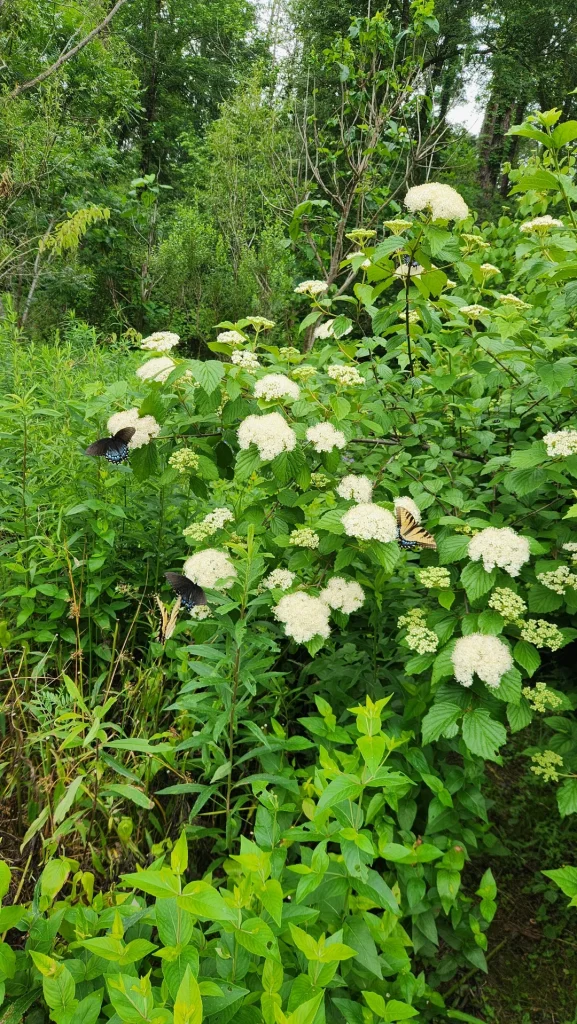
Cold winters, soggy soil, and no time for fuss? Start here. Arrowwood viburnum is a tough native shrub with four seasons of interest.
Creamy flower clusters open in early summer. Blue-black berries follow, and songbirds go wild for them. In fall, the leaves turn yellow to red.
It’s vigorous and sturdy. It grows in sun or shade and handles both wet spells and dry ones. Deer tend to leave it alone, and it has no serious pest problems.
Older branches arch as it ages, so the look is relaxed, not stiff. Prune right after it flowers.
Best for: A native, low-fuss screen in cold climates.
Size and zones: 6 to 10 feet tall and wide. Zones 3 to 8.
Watch out for: It suckers over time, so expect new shoots around the base. Viburnum leaf beetle can chew the leaves. The ASPCA lists no viburnum as toxic, but it doesn’t name this species.
9. American Elderberry
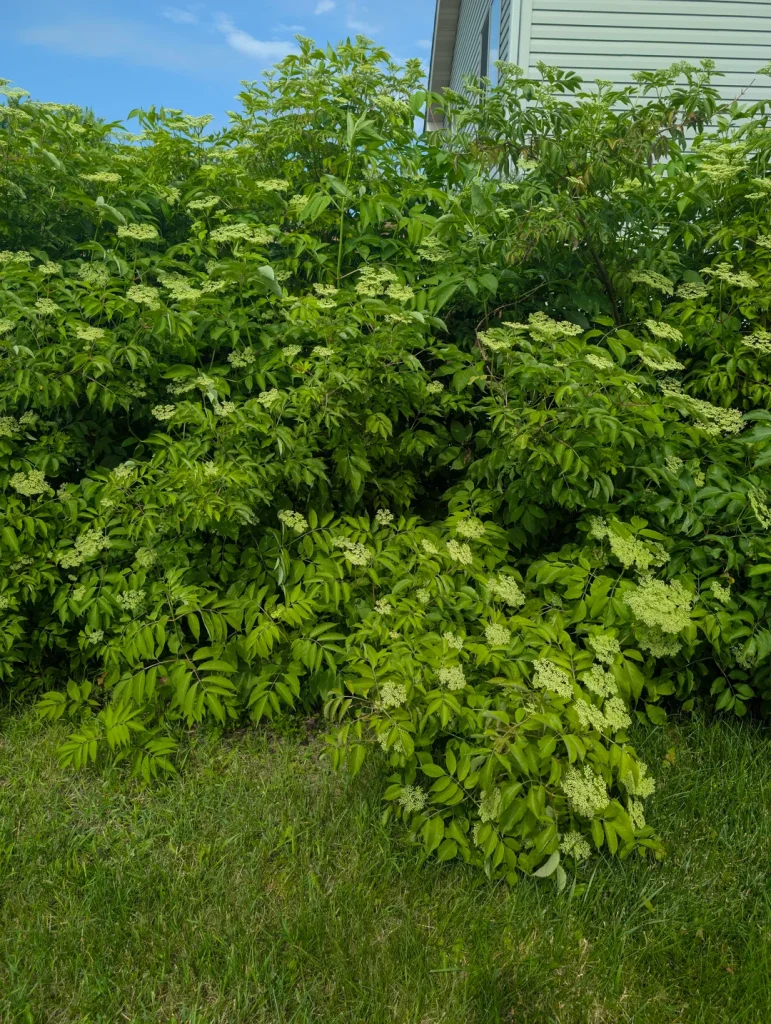
Here’s a privacy shrub with a pie on the side. American elderberry grows fast and forms big, arching clumps. White flower clusters open in early summer.
Dark purple berries follow in late summer. Birds nest in the branches. One plant sets fruit on its own, so you don’t need a partner.
Growth depends on your yard. A typical garden sees 1 to 2 feet a year. Rich, moist soil and lots of sun can push that to 2 or 3 feet. It tops out around 10 feet.
It drops its leaves in winter, so pair it with an evergreen. Cut a few old stems to the ground every few years to keep it fresh.
Best for: Wet or average soil and a wildlife-friendly screen.
Size and zones: 5 to 12 feet tall and wide. Zones 4 to 8.
Watch out for: It spreads by suckers into thickets, so pull them or let it roam. Cook the berries before you eat them. Raw fruit, leaves, and stems can upset stomachs. In pets, the plant and raw fruit can cause vomiting and diarrhea.
10. Ninebark
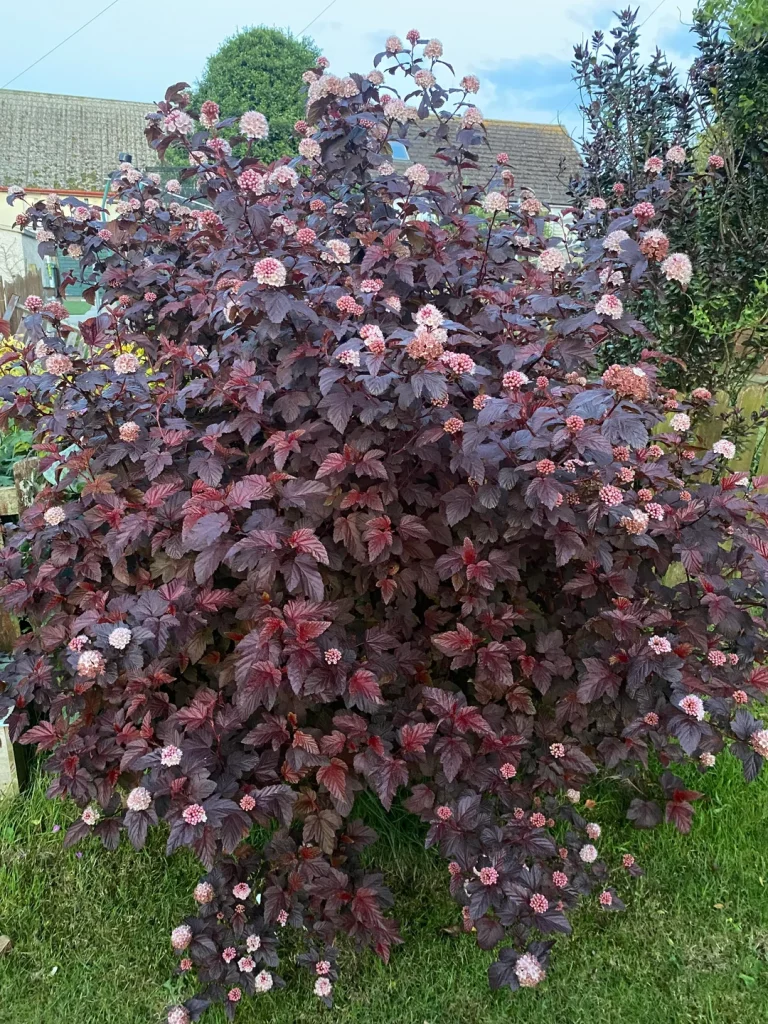
Want privacy with a little drama? Ninebark brings it. Its bark peels in thin layers. That’s how it earned the name. Cultivars like ‘Diabolo’ add deep burgundy leaves and pink-white flowers in early summer.
It’s a fast grower, and it thrives almost anywhere. Clay, drought, road salt, and wet spots don’t faze it. Give it full sun for the darkest leaf color.
Prune right after it blooms. When it gets tired, cut it to the ground and let it bounce back.
Best for: A tough, colorful screen in cold climates.
Size and zones: 6 to 12 feet tall and wide, zones 2 to 7. Some cultivars, like ‘Summer Wine’, stay near 5 feet, so check the tag.
Watch out for: Hot, humid summers invite powdery mildew, especially in zone 8 and warmer. I couldn’t confirm pet safety for ninebark, so discourage chewing.
11. ‘Limelight’ Hydrangea
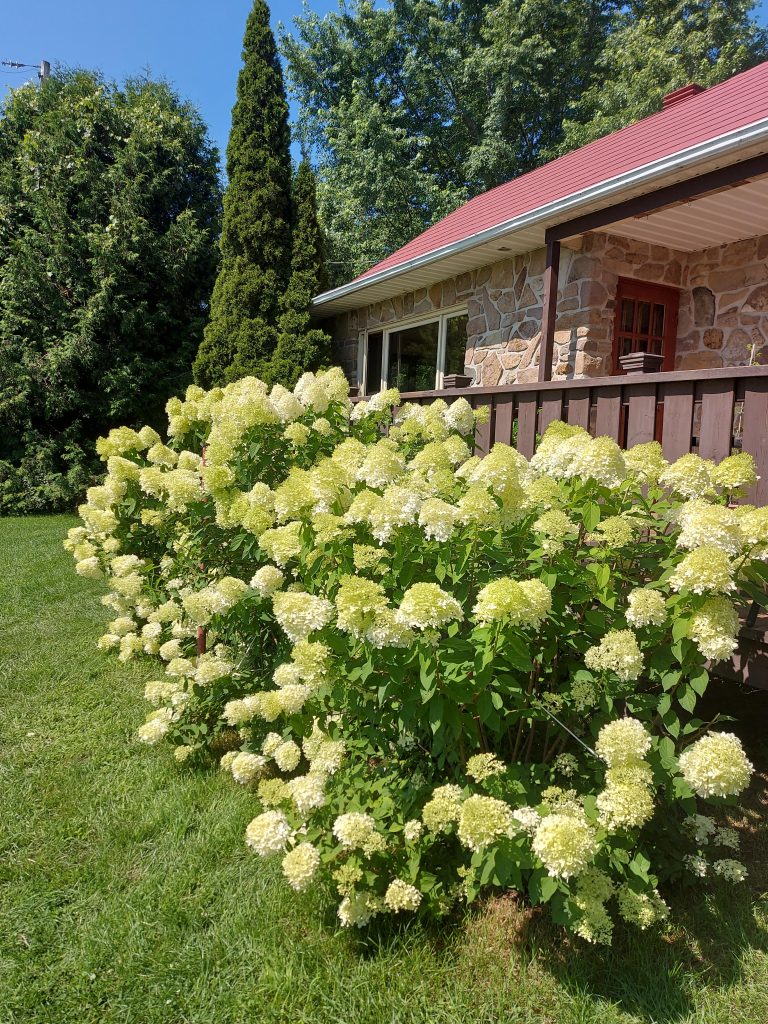
Big blooms, tall stems, and a long show. ‘Limelight’ panicle hydrangea opens lime-green flower cones in summer. They fade to pink as the season rolls on. The plant stays sturdy, even under those heavy flower heads.
It blooms on new wood, so a cold winter won’t wipe out your flowers. Cut it back by about a third each late winter or early spring.
Want a lower hedge? Try compact types like ‘Little Lime’. They give you privacy without blocking the view.
Best for: A showy, flowering screen in sun or part shade.
Size and zones: 6 to 8 feet tall and wide, zones 3 to 8.
Watch out for: It drops its leaves in winter, so pair it with evergreens. It needs well-drained soil. Hydrangeas are toxic to dogs, cats, and horses if chewed.
12. Rose of Sharon
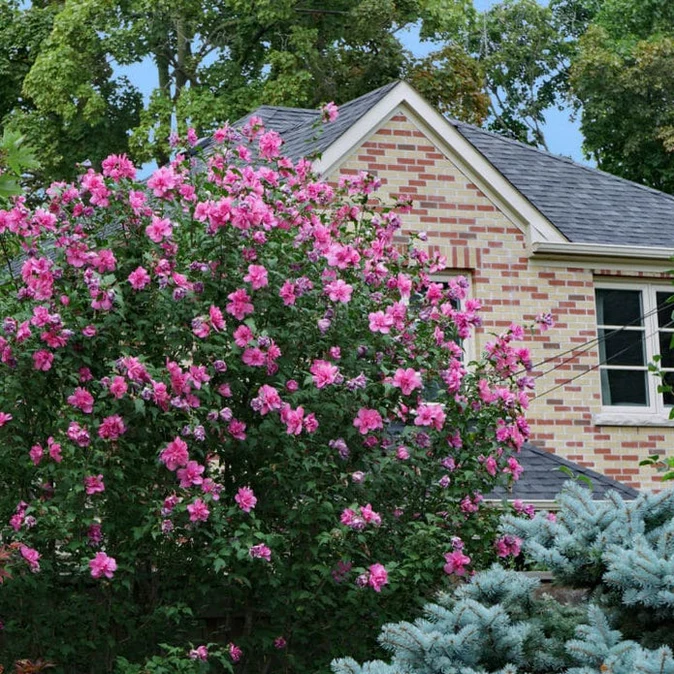
Late summer can feel dull in the garden. Not with this shrub. Rose of Sharon opens big trumpet flowers in the hottest months.
That’s when many other shrubs have finished. Colors run from white and pink to lavender, blue, and red, depending on the cultivar.
It grows fast and shrugs off heat, drought, and poor soil. Prune it hard when it’s young to build a full, branching frame.
Otherwise, it gets leggy. Spring pruning gives you more flowers, because blooms form on new growth.
Best for: Late-summer color and a fast, low-fuss screen.
Size and zones: 8 to 12 feet tall and 6 to 10 feet wide, zones 5 to 9.
Watch out for: Many older types self-seed like crazy, and it can turn weedy in some areas. Ask for a sterile or low-seed cultivar, and check your local invasive list. It’s considered non-toxic to dogs, cats, and horses.
13. Red Twig Dogwood
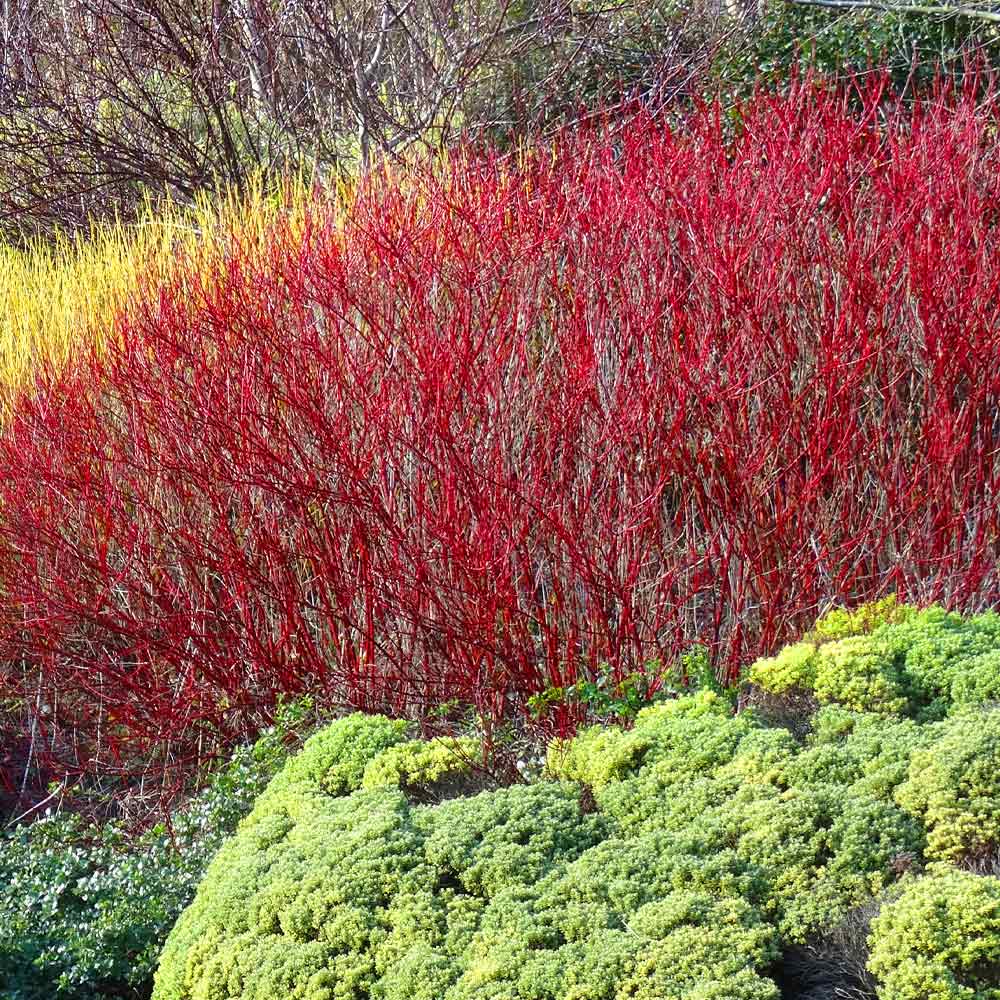
When winter strips your yard bare, this shrub steps up. Red twig dogwood turns its bare stems bright red. It grows fast into a wide, mounded thicket.
White flower clusters open in spring. Small berries follow in summer, and birds eat them.
It loves moisture. It handles wet spots and even flooding, so it’s a top pick for a soggy corner. The brightest color shows on young stems.
Each year, remove the oldest third of the stems. Fresh red shoots will keep coming. For a dense screen, plant about 4 to 6 feet apart.
Best for: Wet spots and colorful winter interest in cold climates.
Size and zones: 6 to 9 feet tall and wide, zones 2 to 7. Dwarf cultivars like ‘Kelseyi’ stay much smaller, so choose a full-size type such as ‘Cardinal’.
Watch out for: It suckers into colonies, so give it room. In hot southern summers, it likes afternoon shade. Bare winter stems won’t block your whole view. The ASPCA lists other dogwoods as non-toxic but doesn’t name this species, so keep pets from chewing it.
14. Forsythia
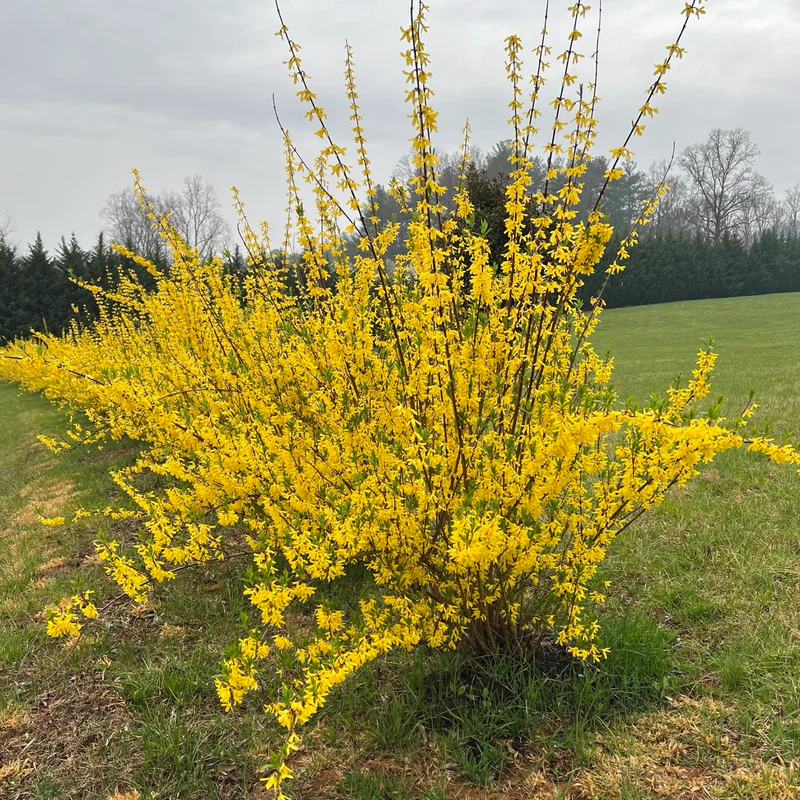
Nothing says spring like a wall of yellow. Forsythia blooms before its leaves appear. The branches glow gold in early spring. A full green screen follows. In fall, the leaves turn yellow, sometimes with a hint of red.
It’s a fast grower, and nurseries report 2 to 3 feet a year. It also handles poor soil, drought, and city air. But it can grow wild and lanky.
Prune right after it blooms, and finish by mid-July. Cut a third of the oldest stems to the ground. Skip shearing it flat, because that ruins the shape.
Best for: Early spring color and a big, informal hedge.
Size and zones: 8 to 10 feet tall and wide for common border forsythia, zones 5 to 8.
Watch out for: Winters colder than about -5°F can hurt flower buds. It drops its leaves in winter. The ASPCA lists forsythia as non-toxic to dogs and cats.
FAQ’s
What is the fastest growing bush for privacy?
Green Giant arborvitae tops this list at 2 to 4 feet a year in research plantings. Firethorn and forsythia can hit 2 feet or more in a good year. Speed always depends on your soil, sun, and water.
How far apart should I plant privacy shrubs?
Tall evergreens like Green Giant need at least 8 feet between plants. Medium shrubs like forsythia and red twig dogwood can go 4 to 6 feet apart for a dense screen. Check the plant tag for mature width, and space accordingly.
What is the best fast growing privacy shrub for shade?
Skip laurel grows in sun or deep shade. Arrowwood viburnum handles shade too. Skip wax myrtle, which needs full sun.
Are fast growing privacy shrubs safe for dogs and cats?
Rose of Sharon and forsythia are considered non-toxic, and the ASPCA lists no viburnum as toxic.
Holly, skip laurel, and hydrangea are toxic to pets, so skip them if your dog chews plants. Any plant can upset a stomach, so watch curious pets.
Will deciduous shrubs still give me privacy in winter?
Only partly. Bare stems still break up the view, and red twig dogwood adds winter color. For year-round privacy, use evergreens as your backbone and let deciduous shrubs fill the gaps.
Final Thoughts
Fast privacy isn’t about one magic plant. It’s about mixing a few good ones, giving them room, and watering well for the first two years.
Pick three from this list, plant them with space to grow, and give them a deep drink. Your patio will feel like a private retreat soon enough.