10 Best Vegetables To Grow On Arch Trellis

Arch trellises turn a boring backyard into a green tunnel bursting with veggies. I built my first one three years ago, and honestly, walking under it to pick dinner still feels magical.
Not every vegetable loves an arch though. Some plants need that curved shape to really shine, while others just hang there awkwardly.
This guide covers the 10 best vegetables that actually thrive on an arch, plus why each one earns its spot.
Why An Arch Trellis Works So Well
Arches give plants room to climb on both sides and meet in the middle. Sunlight hits the leaves from every angle this way.
Vining crops love that extra airflow too, since it keeps fungal problems away. Walking underneath your own leafy tunnel? That’s just a nice bonus.
Building one isn’t complicated. Metal cattle panels bent into a curve work great, and so does sturdy wire fencing anchored at both ends.
Whatever material you choose, secure it firmly before you plant anything. Adding vines to a wobbly structure later on almost always damages the roots.
10 Best Vegetables to Grow Vertically
1. Pole Beans
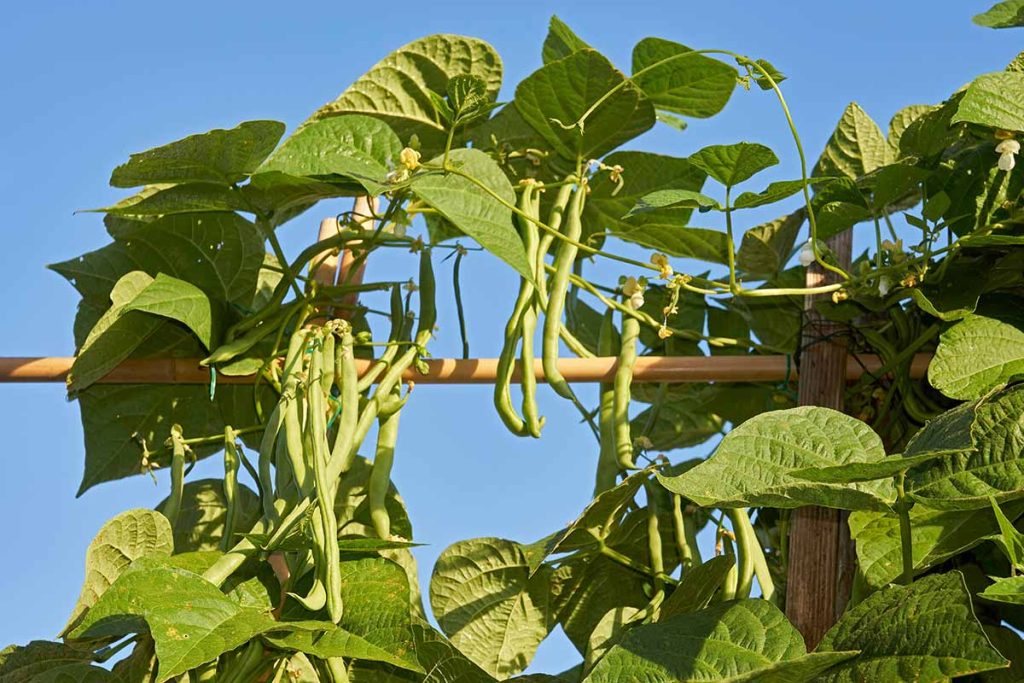
Pole beans practically beg for something to climb. Give them an arch, and they’ll wrap around it within days without any coaxing from you.
These plants twine naturally, so they grip metal or wire without needing ties.
Yields beat bush beans by a wide margin too. Cornell University found that pole beans can produce two to three times more food than bush varieties in the same space. That’s a huge win if your garden is small.
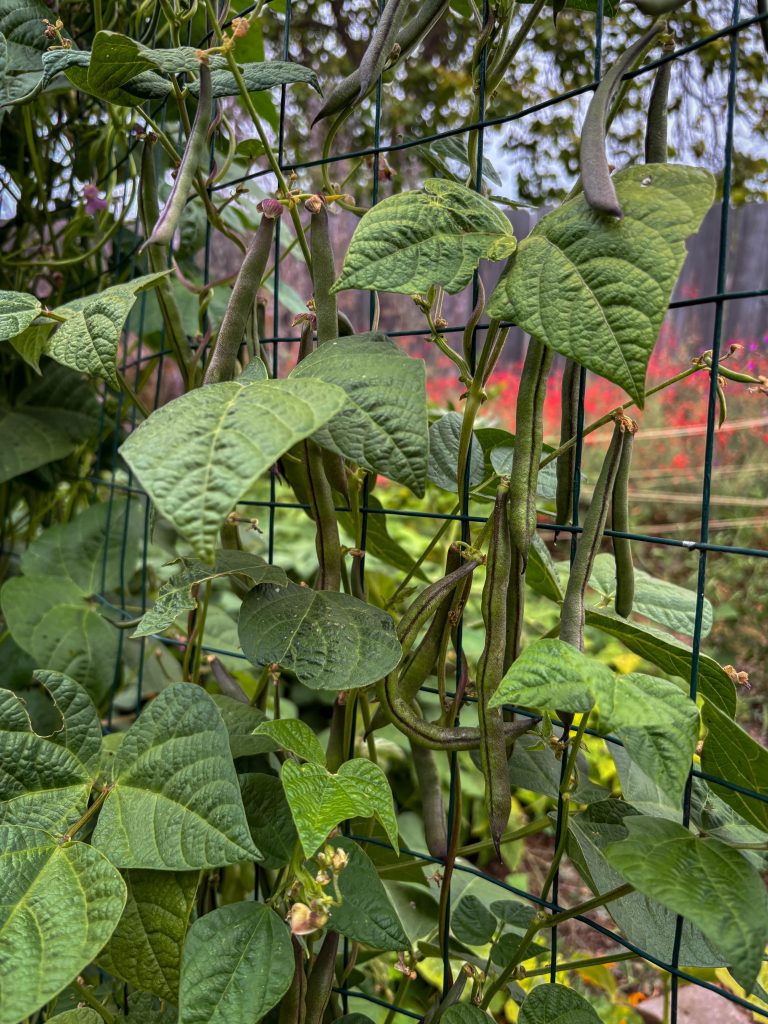
Try Kentucky Wonder for a classic green bean, or go colorful with Purple Peacock.
Harvesting becomes so much easier once the pods hang at eye level. Bending over to pick beans gets old fast, trust me.
2. Cucumbers
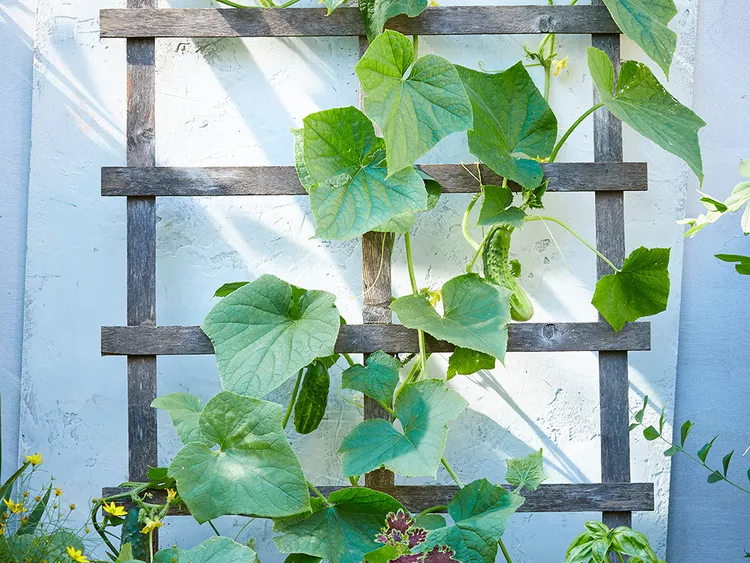
Cucumbers climb using curly little tendrils that latch onto anything nearby. An arch gives them plenty of surface area to grab.
Fruits dangle straight down through the middle, which keeps them clean and blemish-free.
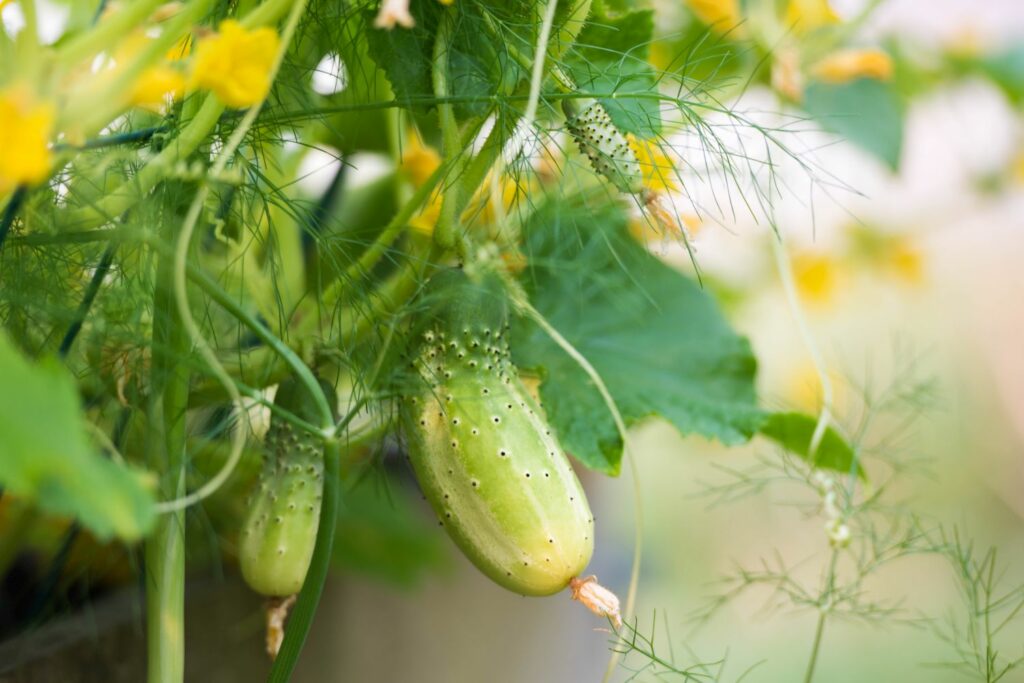
Dirt and rot rarely touch trellised cucumbers. Straight, uniform cukes also look way better on a sandwich or in a jar of pickles. Diva and Suyo Long both perform beautifully on vertical supports.
Air circulation matters more than people realize with cucumbers. Powdery mildew spreads fast when leaves stay damp and crowded on the ground.
Growing them up an arch solves that problem almost completely.
Also read: 10 Budget Friendly Cucumber Trellis Ideas for Raised Bed Gardening
3. Snap Peas
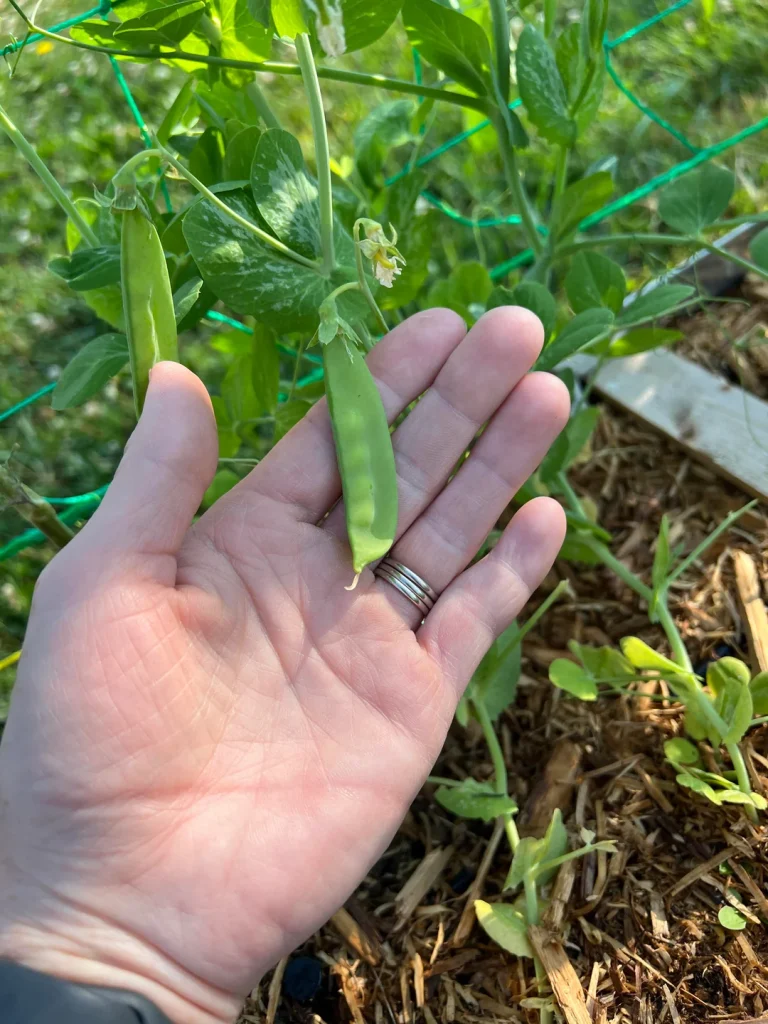
Snap peas grow best in cool weather, and an arch gives them exactly the support they crave. Their tendrils curl around wire or netting almost instantly. Watching a pea vine climb is oddly satisfying, honestly.
Plant them early in spring or again in late summer. Sugar Snap and Sugar Magnolia both climb well and taste incredible fresh off the vine.
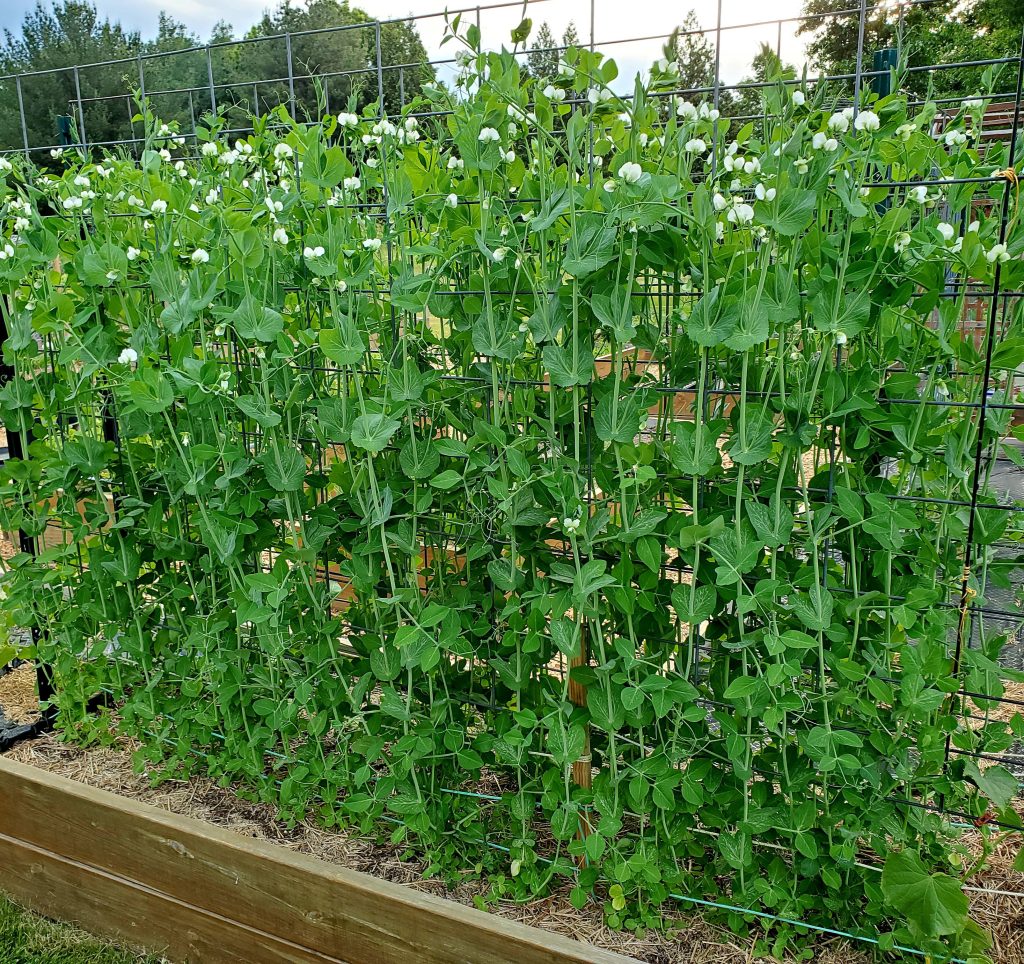
My kids eat more peas straight from the arch than they ever would from a bowl.
Harvest daily once pods start filling out. Peas left too long turn starchy and lose that crisp snap. Checking your arch each morning becomes a nice little routine.
4. Indeterminate Tomatoes
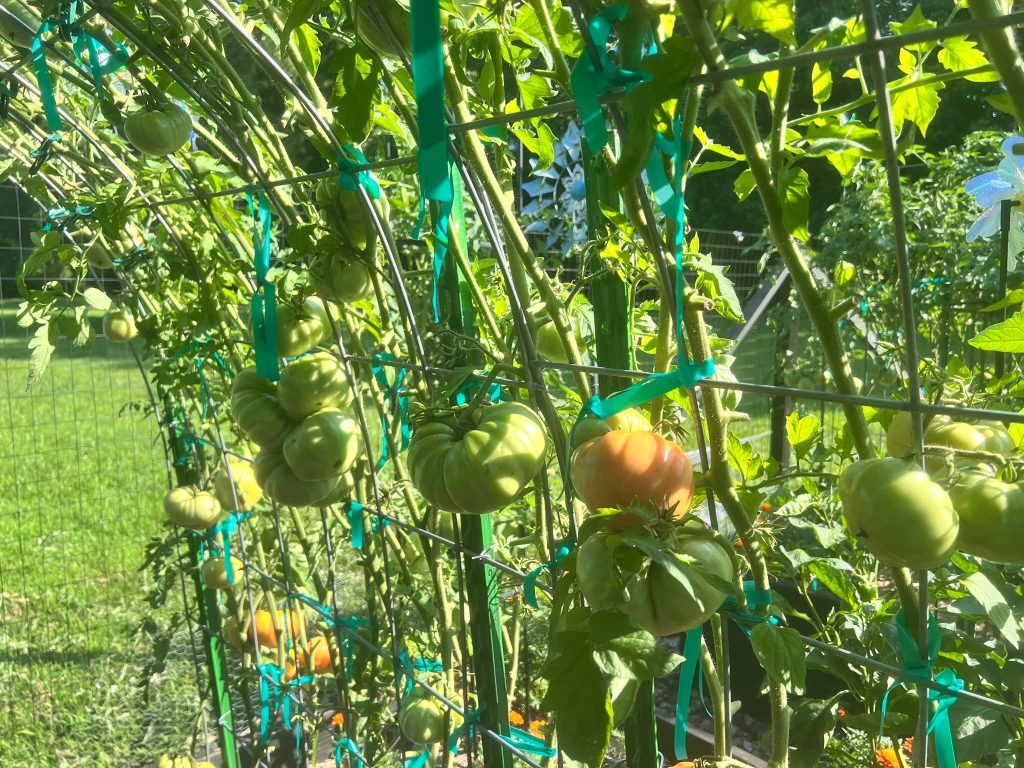
Indeterminate tomatoes keep growing and producing all season long, unlike their bushy determinate cousins.
An arch gives these sprawling vines somewhere useful to go instead of flopping everywhere. You’ll still need to tie the stems loosely with twine as they climb.
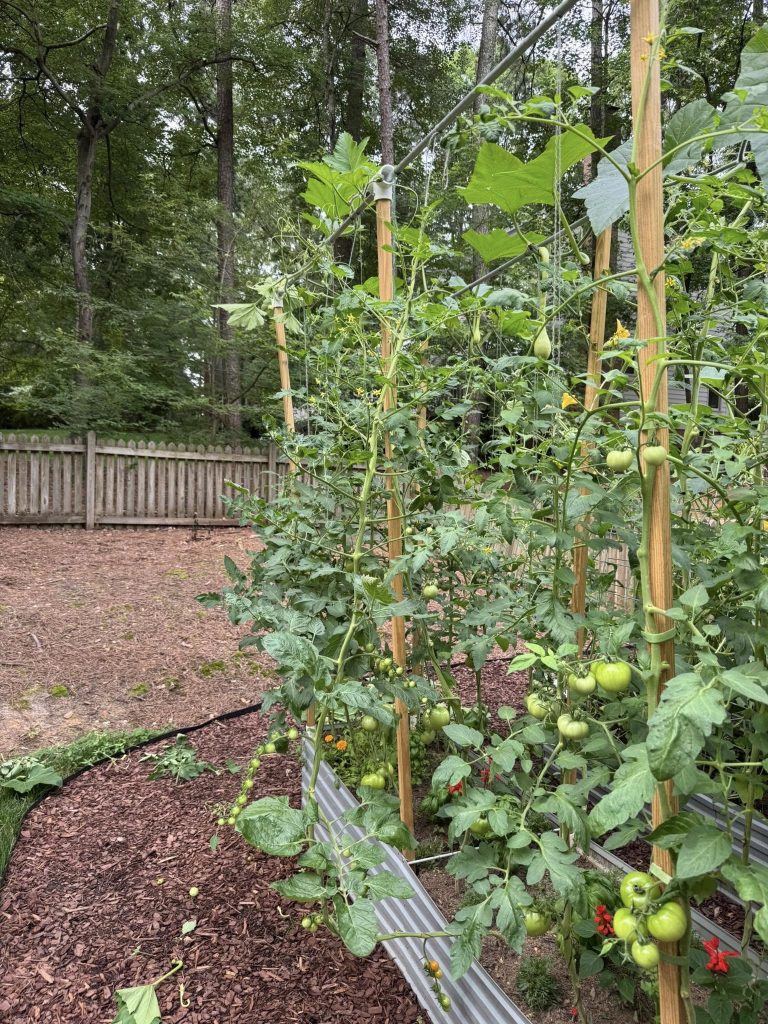
Airflow around trellised tomatoes cuts down on blight significantly. Diseases spread fast when leaves sit in a damp, crowded pile. Lifting the vines up into open air solves that headache almost overnight.
Brandywine delivers that classic old-fashioned tomato flavor everyone remembers.
Sungold, on the other hand, produces sweet little cherry tomatoes by the hundreds. Either variety rewards you generously once trained onto an arch.
5. Malabar Spinach
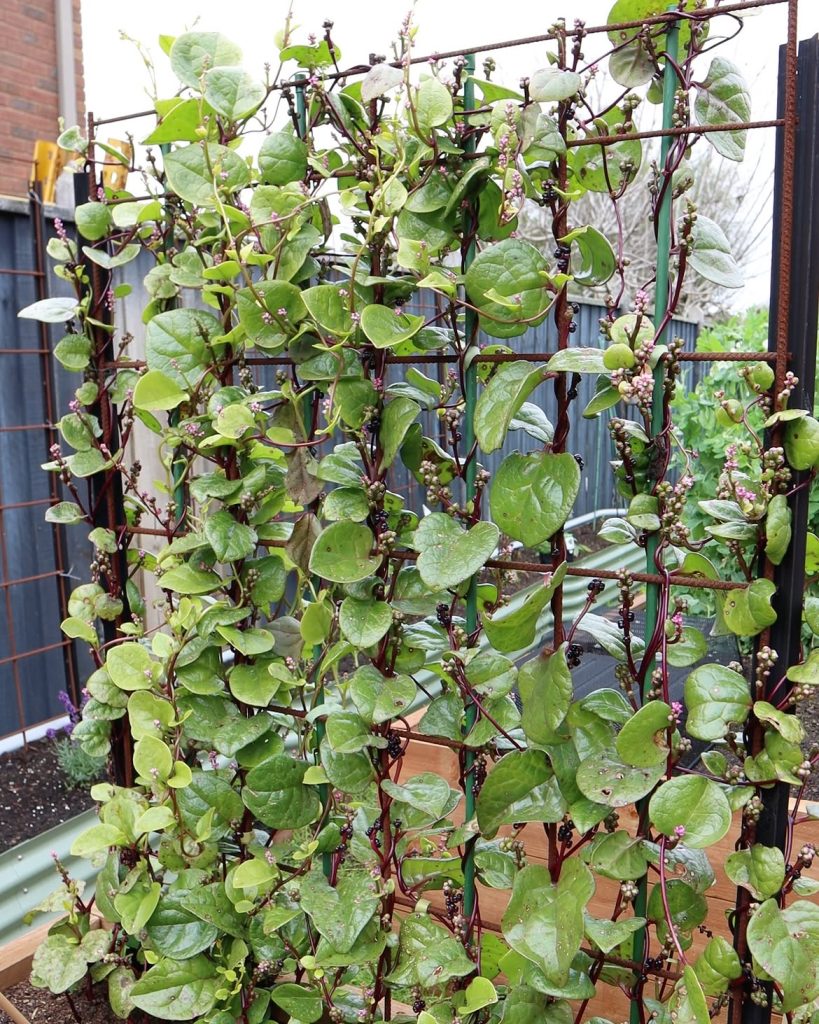
Malabar spinach isn’t real spinach, but don’t let that fool you. This heat-loving green thrives when regular spinach would’ve wilted weeks ago.
Its thick, glossy leaves climb an arch with almost no help from you.
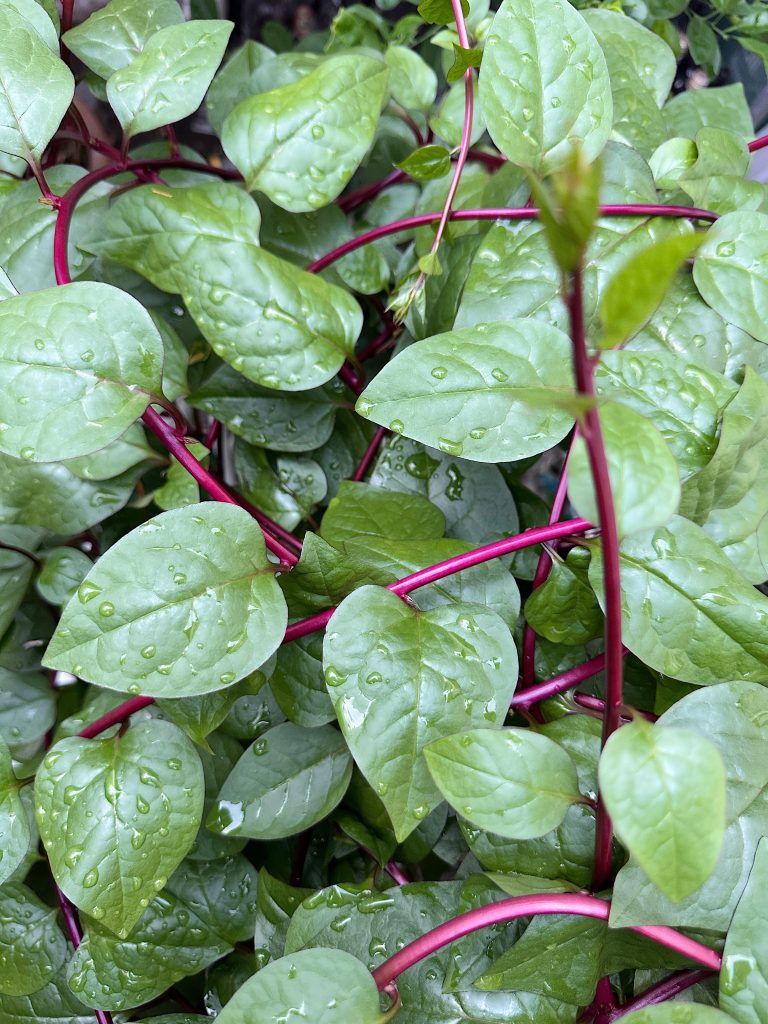
Warm climates suit this plant perfectly. Harvest the leaves and tender stems six to eight weeks after planting, then keep snipping until it flowers. Stir-fry it, toss it into soups, or eat it raw in a salad.
Tendrils on this plant twist decoratively around wire and metal. Your arch practically becomes a living sculpture by midsummer. Few vegetables offer that much visual payoff for so little effort.
6. Luffa Gourds
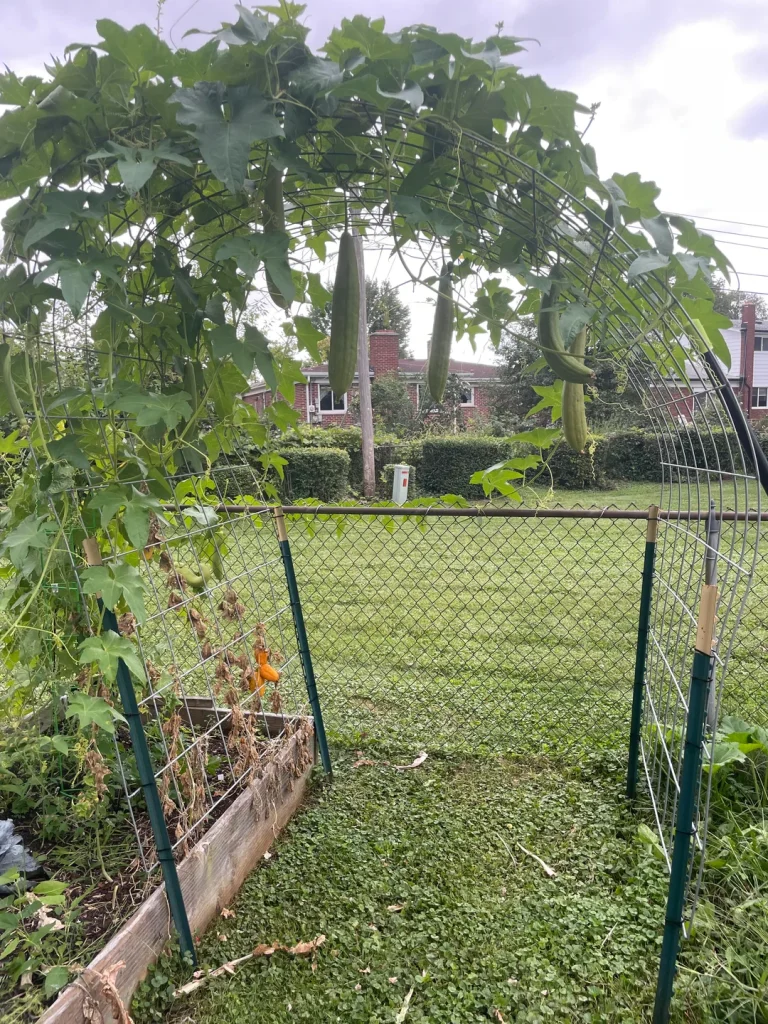
Luffa gourds grow into surprisingly long vines that need serious vertical space. An arch handles that length beautifully, letting the fruit dangle freely underneath.
These plants also make a rattling little sound in the wind that I genuinely enjoy.
Harvest luffa green if you want to eat it like a squash. Wait until it turns tan and dry, though, and you’ll get a natural sponge instead.
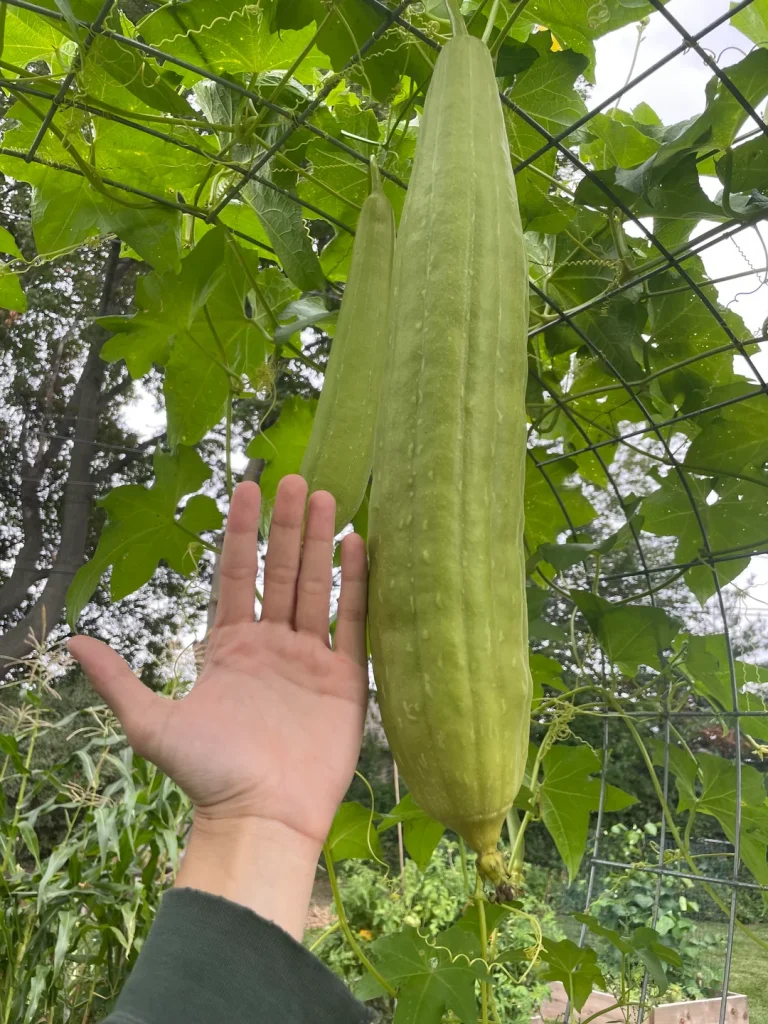
That dual-purpose harvest makes luffa one of the more fun crops out there.
Pollination improves when fruits hang in open air. Bees find dangling flowers far easier than ones buried in a tangled pile on the ground. An arch practically invites pollinators in for a visit.
7. Bitter Melon
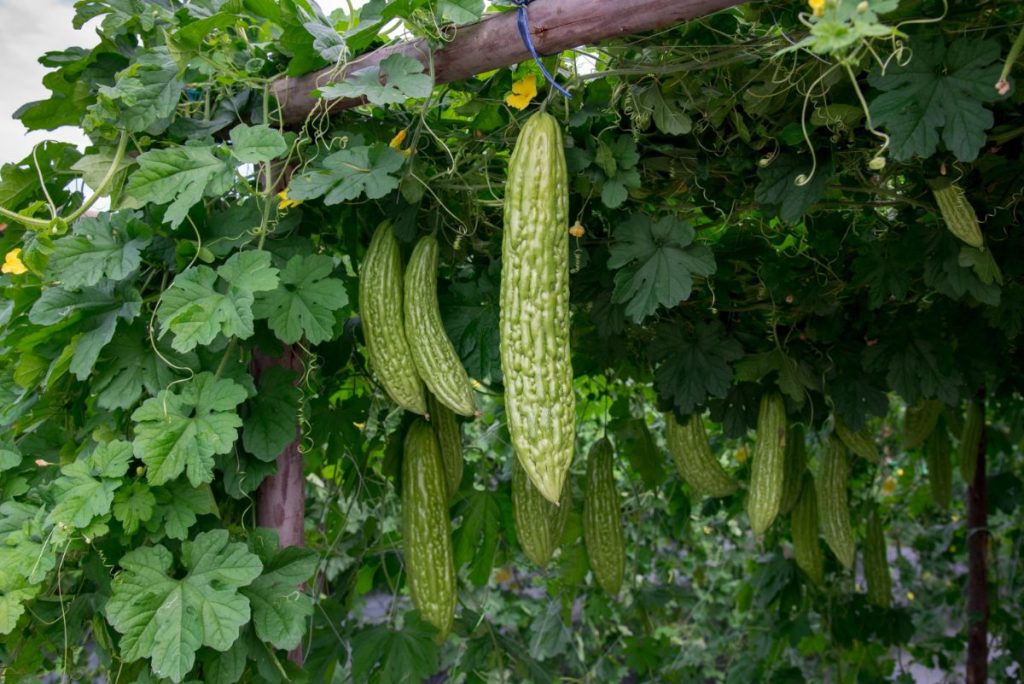
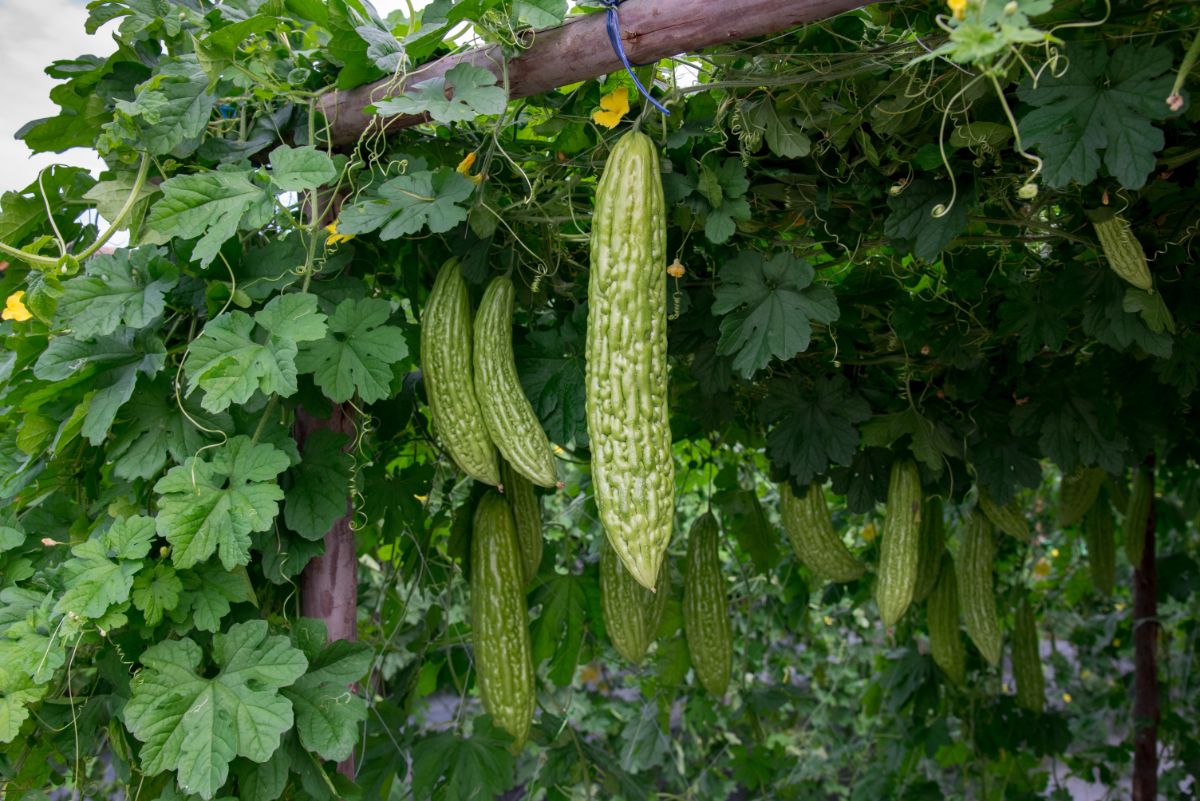
Bitter melon isn’t for everyone. That sharp, bitter bite takes some getting used to. But wow, does it climb well on an arch.
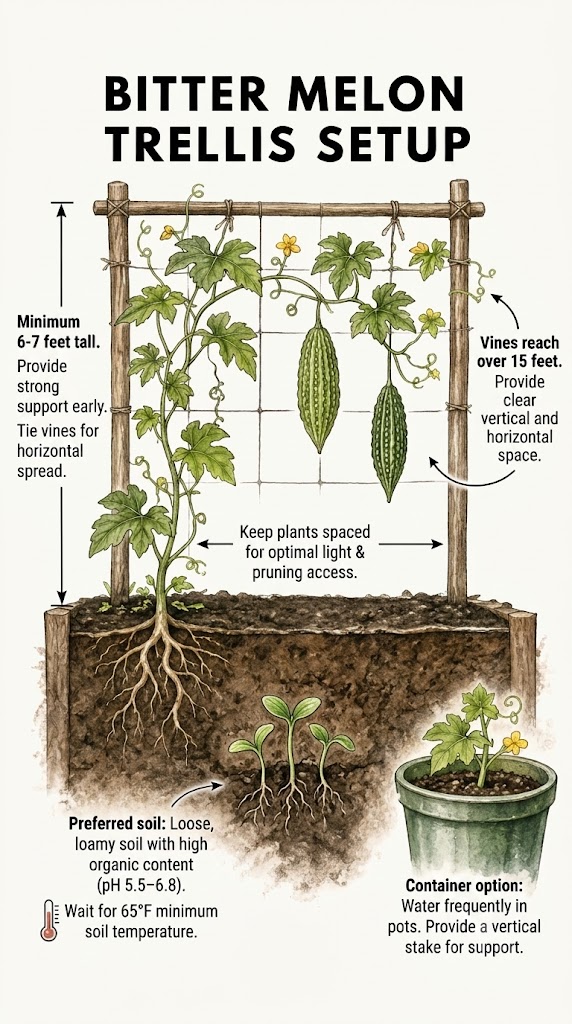
Vigorous vines cover metal fast. Warm weather makes this plant especially happy. Give it full sun and watch it explode with growth.
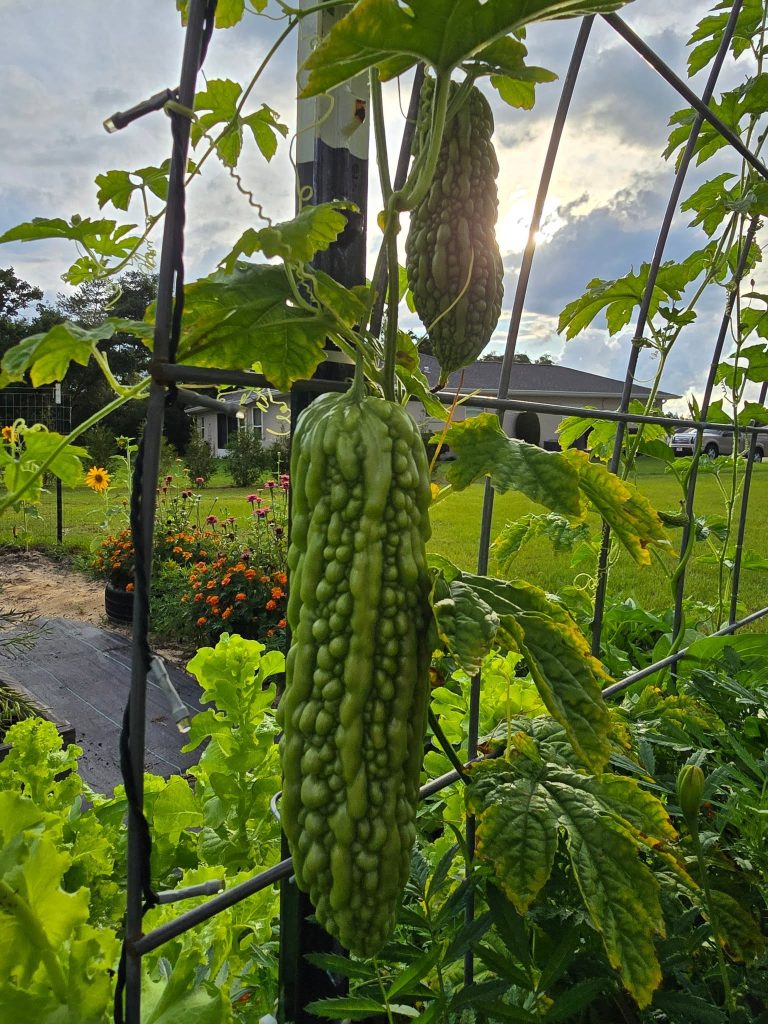
Some cultures use it for more than food. Traditional medicine relies on it too. Either way, it’s a conversation starter in any garden.
8. Winter Squash
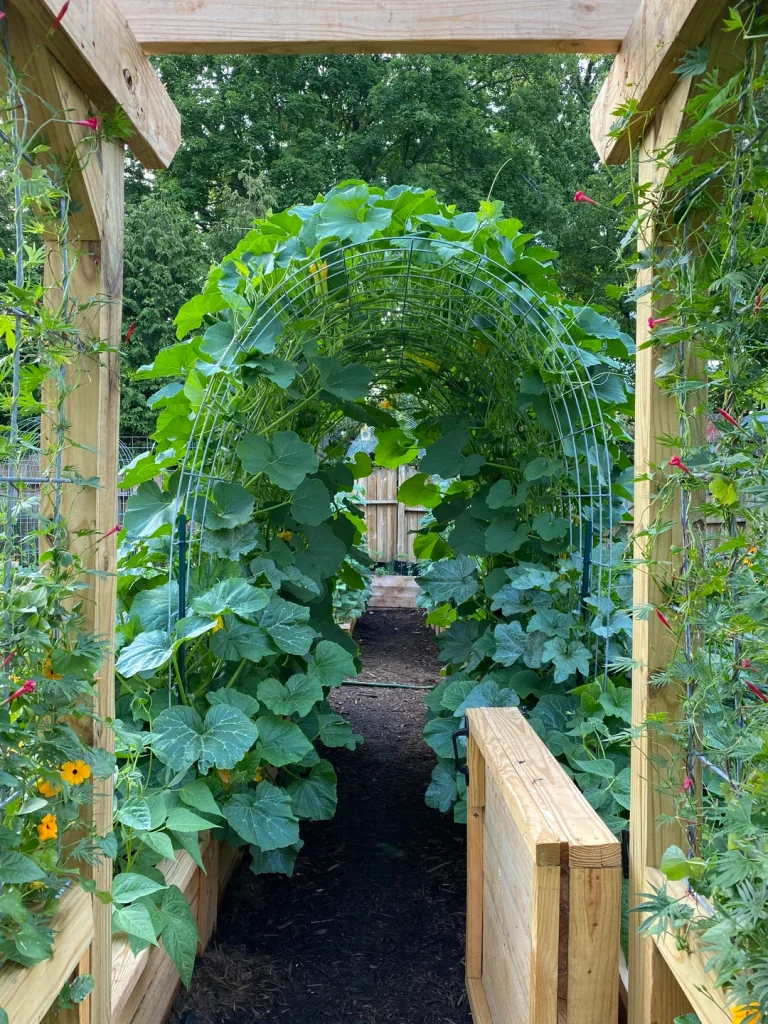
Winter squash sounds too heavy for an arch, right? Not always. Smaller varieties handle vertical growing just fine.
Honey Nut Butternut stays compact and manageable. Bigger types, though, need extra help. A simple sling made from cloth or netting works wonders here.
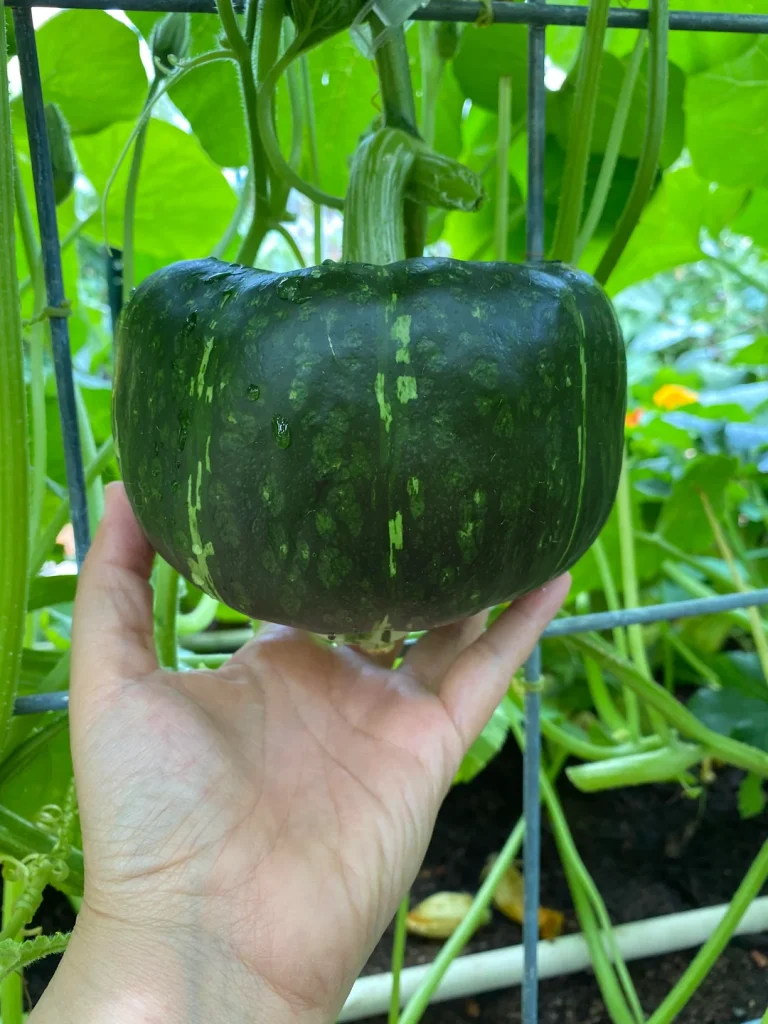
Fruits hanging in open air develop richer color. They also dodge ground rot completely. That’s a real upgrade over letting squash sprawl in the dirt.
9. Climbing Peppers
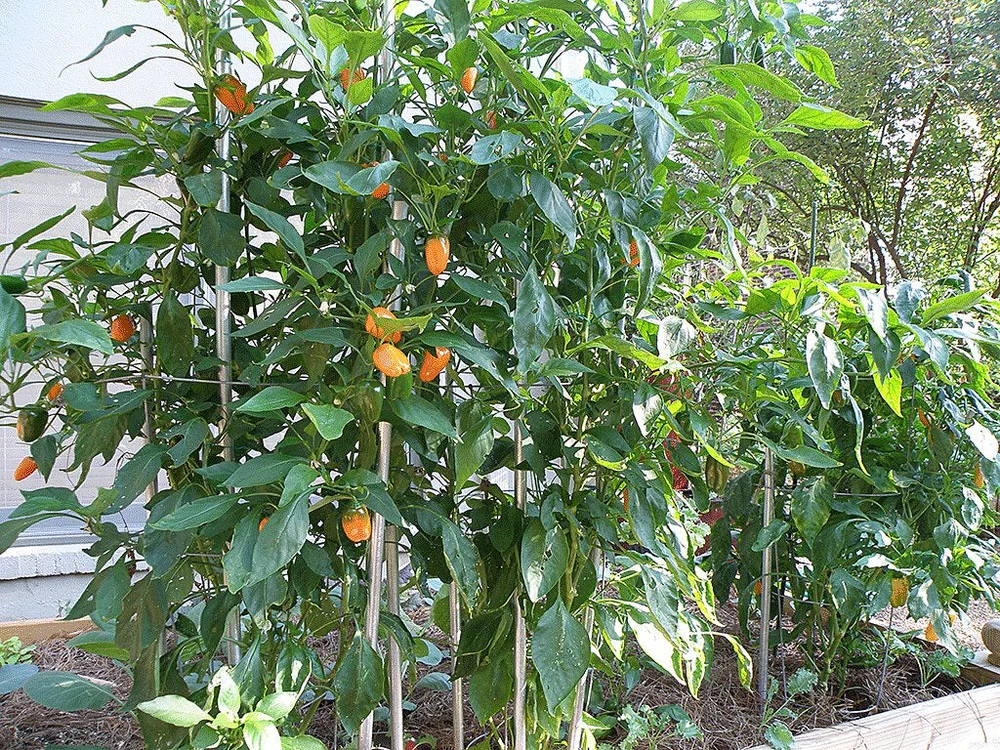
Peppers surprise most gardeners with their climbing ability. Certain varieties naturally reach upward. An arch gives them structure without much fuss.
Warm, sunny spots suit peppers best. Most varieties mature in sixty to ninety days. Dry them, pickle them, or eat them fresh once they’re ready.
Training peppers takes a little patience. Gently guide the stems toward the trellis early on. They’ll grip and climb happily once they get going.
10. Small Melons
Melons on an arch? Yes, it actually works. Just stick to smaller varieties for the best results.
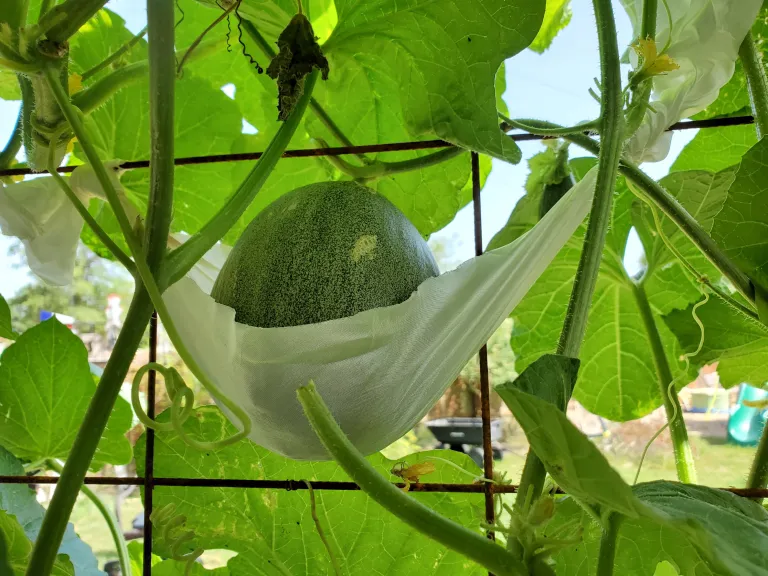
Torpedo and Hannah’s Choice both stay light enough for vertical growing. Bigger melons need a sling, similar to squash. Old pantyhose makes a surprisingly perfect hammock for this job.
Fruit quality improves dramatically off the ground. Dirt and pests barely touch trellised melons. Watching a melon dangle mid-air still feels like a magic trick to me.
Final Thoughts
Ten vegetables, one arch, endless possibilities. Beans twine, cucumbers grip, and tomatoes need a gentle tie here and there. Each plant brings something different to that curved structure.
Building an arch takes effort upfront. That effort pays off fast, though. Bigger harvests, fewer diseases, and easier picking make it worthwhile every single time.
Pick two or three vegetables to start. Don’t overload your first arch. Trust me, once you taste those first trellised tomatoes, you’ll want to build a second one by next season.