15 Best Vegetables to Grow in Hanging Baskets

Ever stared at your tiny balcony and wondered if real vegetable gardening was even possible for you?
I felt that same doubt years ago, before Liza and I hung our first basket of cherry tomatoes above the railing.
Hanging baskets turn wasted air space into a working garden, and the harvest still surprises me every summer. Slugs can’t reach your lettuce up there.
Mice can’t touch your peas. Below, I’m sharing 15 vegetables that genuinely thrive in baskets, plus the tricks that actually work. Grab a basket, because your growing space just got a whole lot bigger.
Why Hanging Baskets Work So Well for Vegetables
Growing food overhead sounds strange until you try it. Suddenly you gain a whole new layer of garden real estate.
Ground pests like slugs and rodents simply can’t climb up there, so your crops stay safer. Sunlight hits hanging plants from multiple angles, which many vegetables actually love.
Drainage improves automatically too, since gravity pulls extra water straight out the bottom.
My biggest tip? Pick compact or trailing varieties, since bulky plants will fight you the whole season. Watering matters more here than in any raised bed, because baskets dry out fast in summer heat.
15 Best Edible Plants to Grow in Hanging Basket
1. Cherry Tomatoes
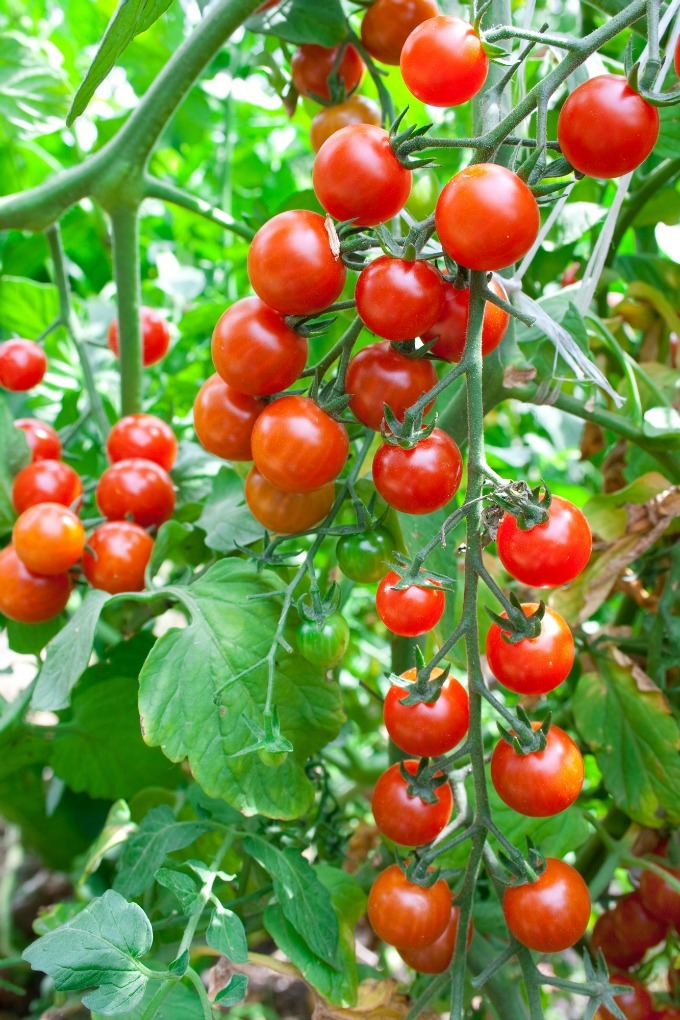
Cherry tomatoes might be the single best vegetable for a hanging basket, and I say that from years of growing them myself. Their small fruits ripen fast, and compact plants cascade beautifully over the basket edge.
‘Tumbling Tom’ and ‘Cherry Falls’ are two varieties bred specifically for this trailing habit.
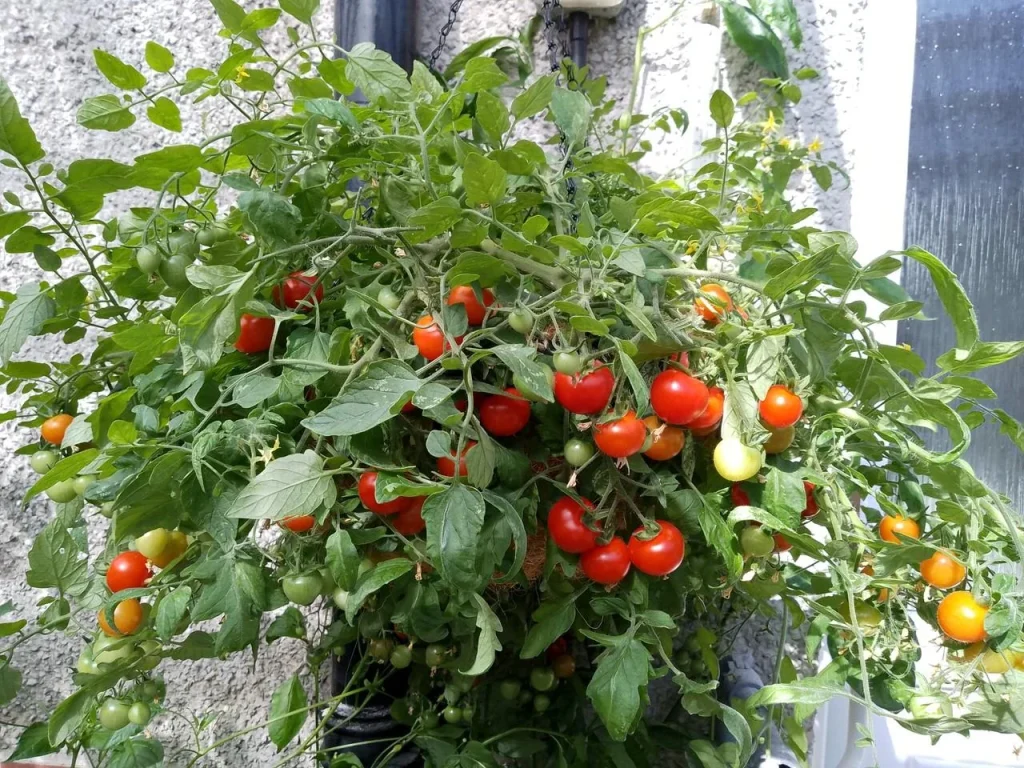
Full sun brings out the best flavor, so hang your basket where it gets six or more hours daily. Consistent moisture matters too, since drying out even once can crack the fruit.
Would you believe a single plant can keep producing tomatoes for months? Mine usually do.
Quick Care Tips
Water tomatoes whenever the top inch of soil feels dry. Feed weekly once flowers appear, using a balanced liquid fertilizer.
Snip ripe fruit often, because regular picking pushes the plant to produce even more.
Also read: 10 Best Vegetables To Grow On Arch Trellis
2. Lettuce
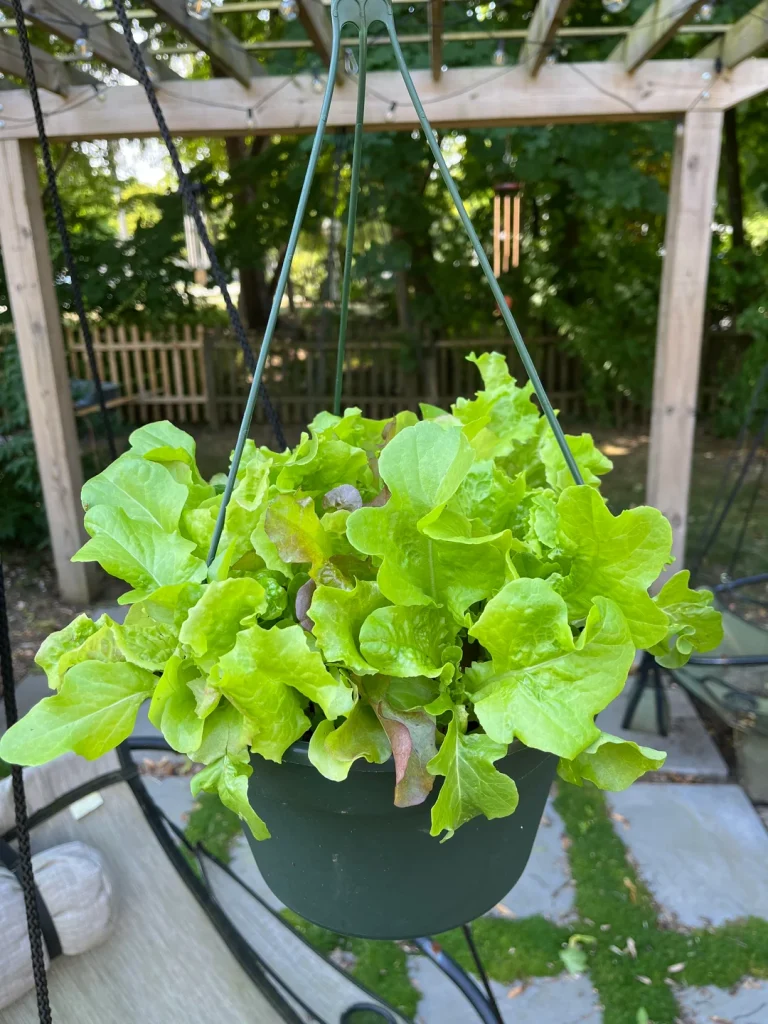
Lettuce earns its spot on this list through sheer ease. Nothing grows faster or forgives beginner mistakes better than a loose-leaf lettuce mix.
Colorful blends like Black-Seeded Simpson and Red Salad Bowl look gorgeous spilling over a basket rim, almost like living confetti.
Cut-and-come-again varieties give you multiple harvests from one planting, which I love for small spaces. Slugs adore lettuce at ground level, but they can’t reach a basket hanging four feet up.
Shade during the hottest afternoon hours keeps your plants from bolting into bitter, useless stalks.
Best Growing Conditions
Partial shade suits lettuce better than blazing full sun. Regular watering prevents bolting during warm spells. Harvest outer leaves first, letting the center keep growing for weeks longer.
Also read: 14 Easy & Fast Growing Vegetables for Raised Garden Bed
3. Cucumbers
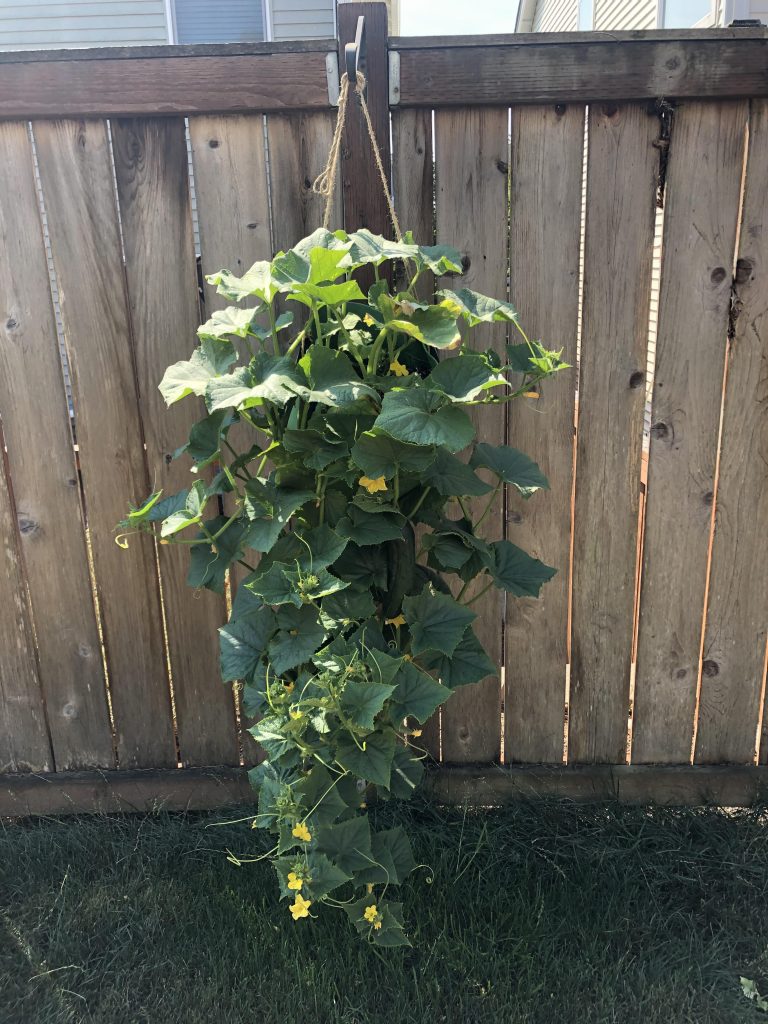
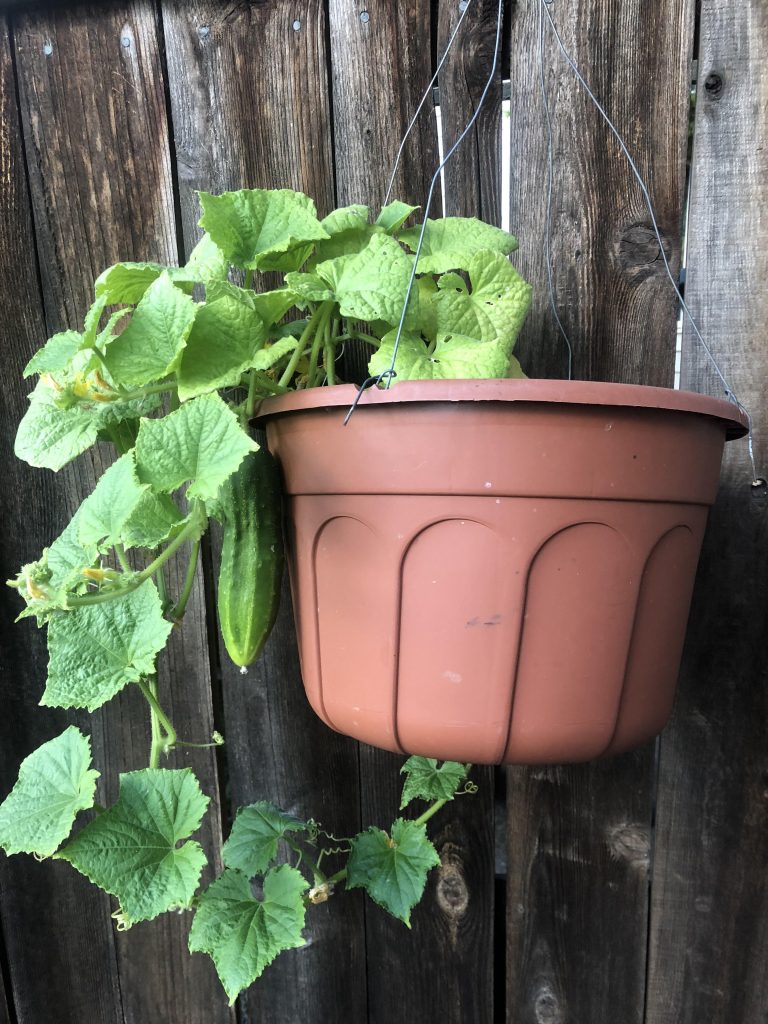
Cucumbers surprised me the first time I grew them overhead. Compact bush varieties like ‘Spacemaster’ and ‘Salad Bush’ produce full-sized fruit without sprawling vines everywhere.
Their trailing stems drape naturally over a basket’s edge, creating a lush, jungly look most people don’t expect from a vegetable plant.
Only one or two plants fit comfortably per basket, so don’t overcrowd them. Thirsty doesn’t even describe how much water cucumbers need on hot days.
Check the soil with your finger a few inches down, and water again the moment it feels dry.
Why Compact Varieties Matter
Standard cucumber vines grow far too aggressively for a basket. Dwarf types stay manageable while still producing plenty.
Ask your local nursery specifically for “bush” or “patio” cucumber seeds if you’re shopping in person.
Read more: 15 Easy Vegetables to Grow in Containers
4. Peas
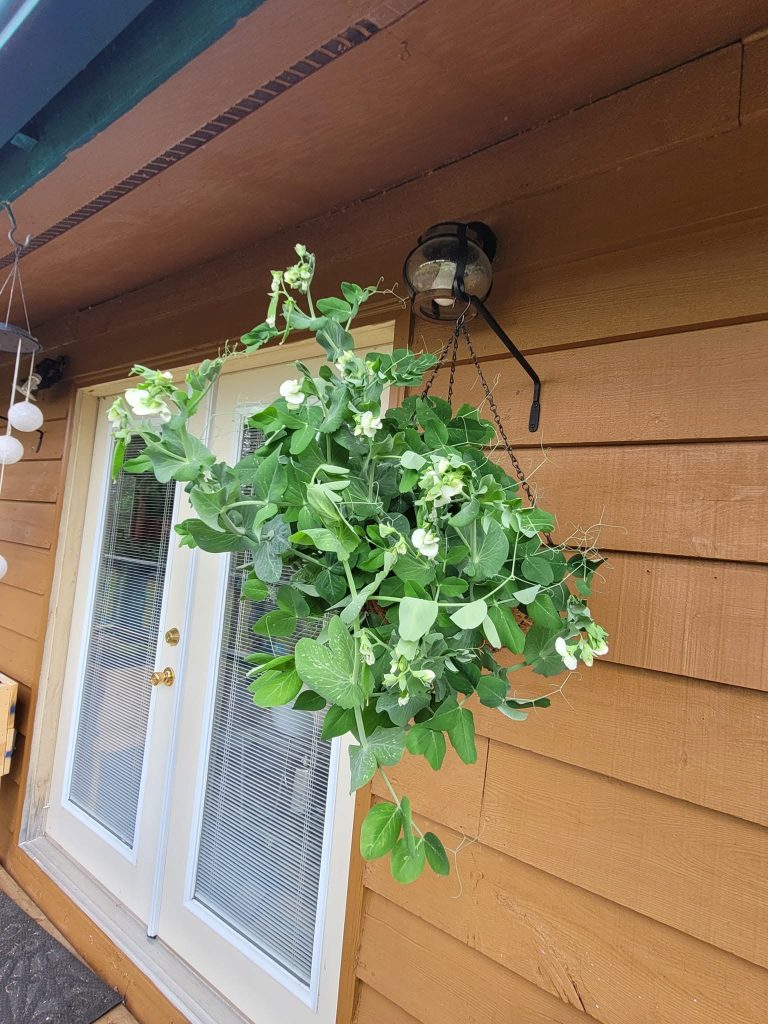
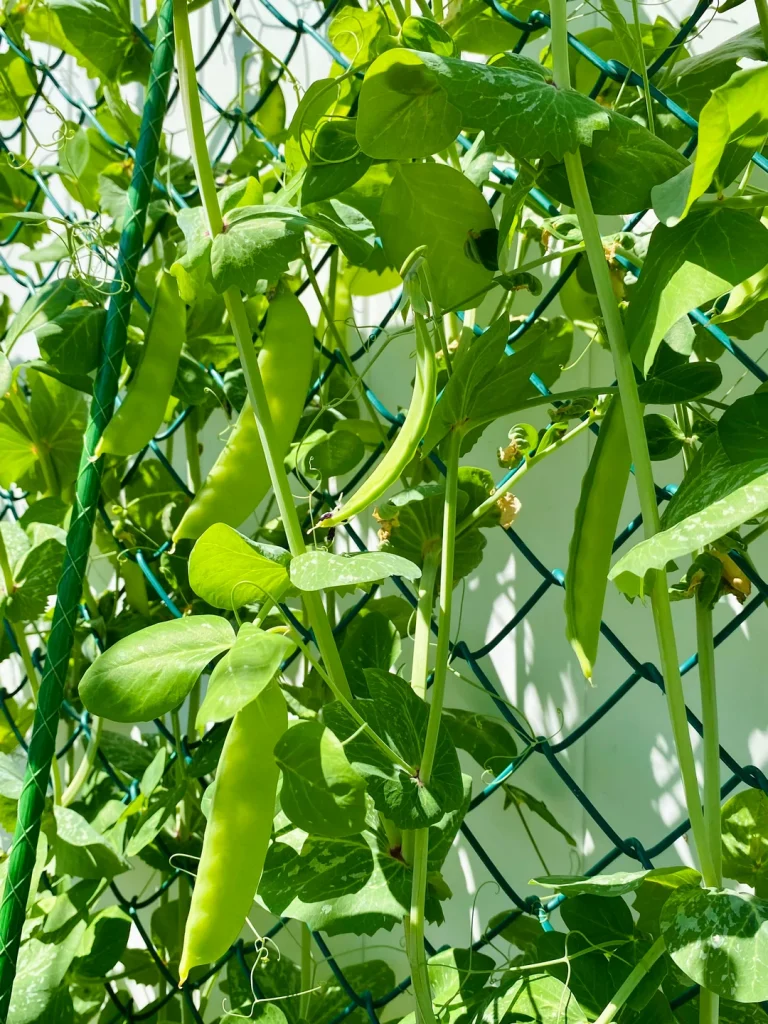
Peas deserve way more credit as basket plants than they usually get. Gravity does the trellising work for you, letting pea vines cascade down instead of climbing up a support structure. That alone saves you the hassle of building anything.
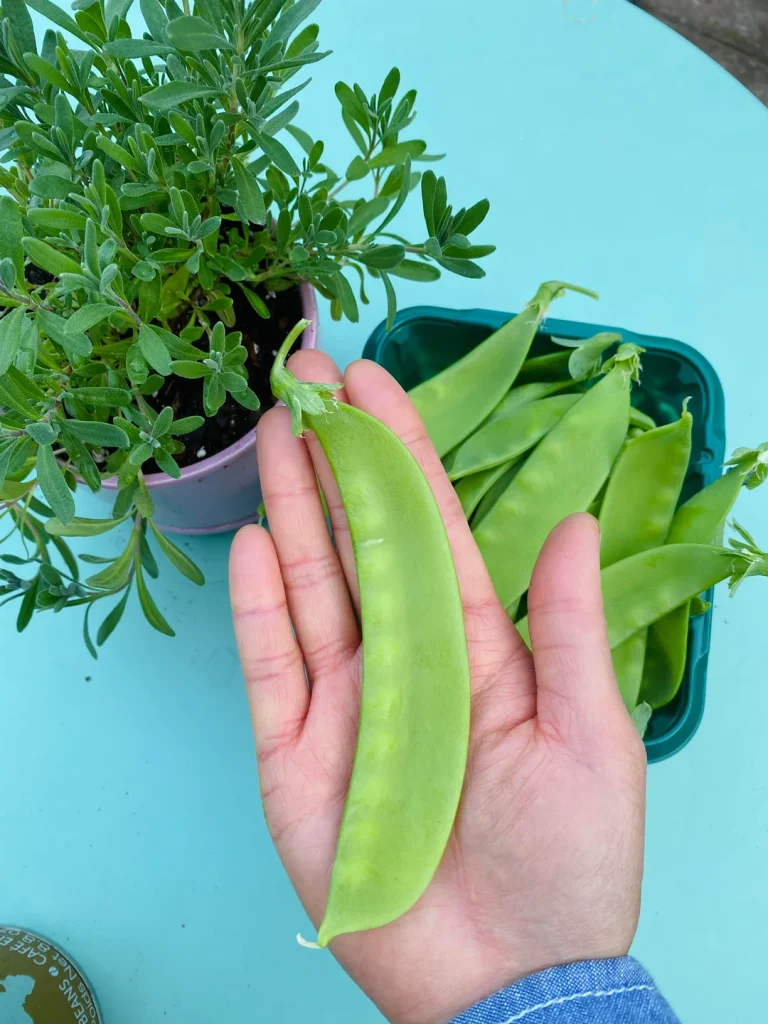
Compact varieties such as ‘Tom Thumb’ reach only about 10 inches tall, yet still load up with sweet, tender pods.
Eight weeks is roughly all it takes from sowing to harvest. Pretty white or purple flowers show up first, turning your basket into a mini flower show before the pods even form.
A Personal Favorite Trick
Root disturbance bothers peas more than most vegetables. Starting seeds in biodegradable pots solves this completely. Simply drop the whole pot into your basket at planting time, and the roots never feel a thing.
5. Chili Peppers
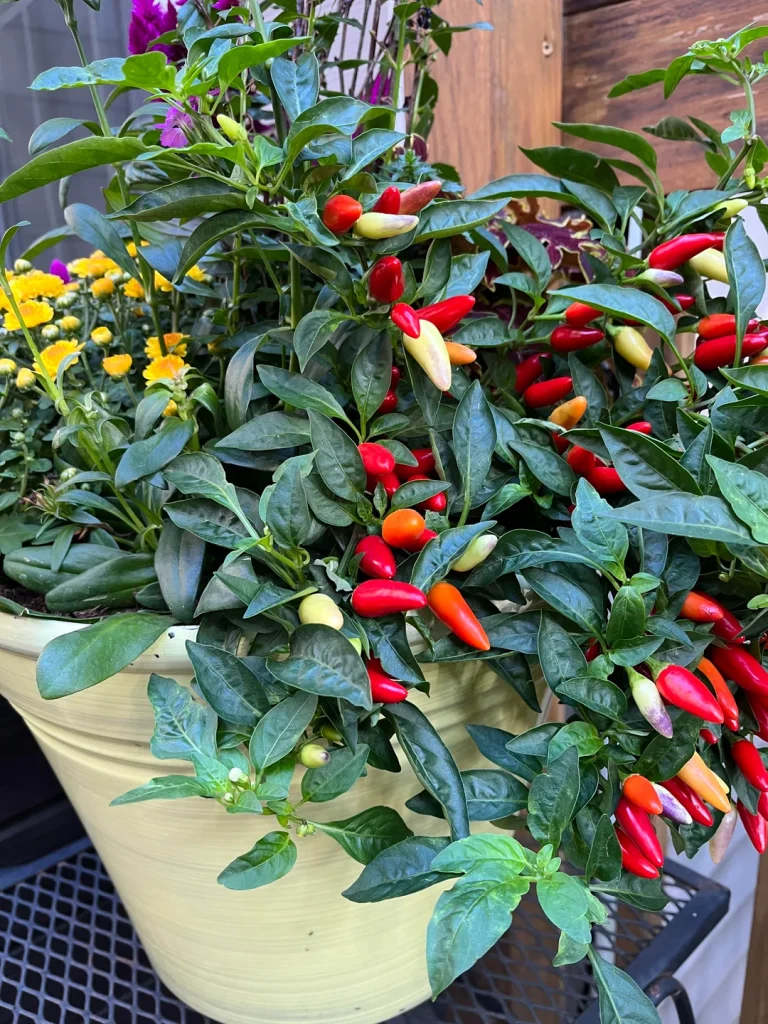
Chili peppers add color, heat, and drama to any hanging display. Compact varieties like ‘Hungarian Hot Wax’ produce peppers all summer long without sprawling out of control.
Their fruits change color as they ripen, going from green to red right before your eyes.
Numex Twilight takes things even further, cycling through purple, yellow, orange, and red on the same plant. Drainage matters enormously here, so skip any basket without solid drain holes.
Feed your peppers every week or two once flowering starts, because hungry plants simply won’t keep producing without it.
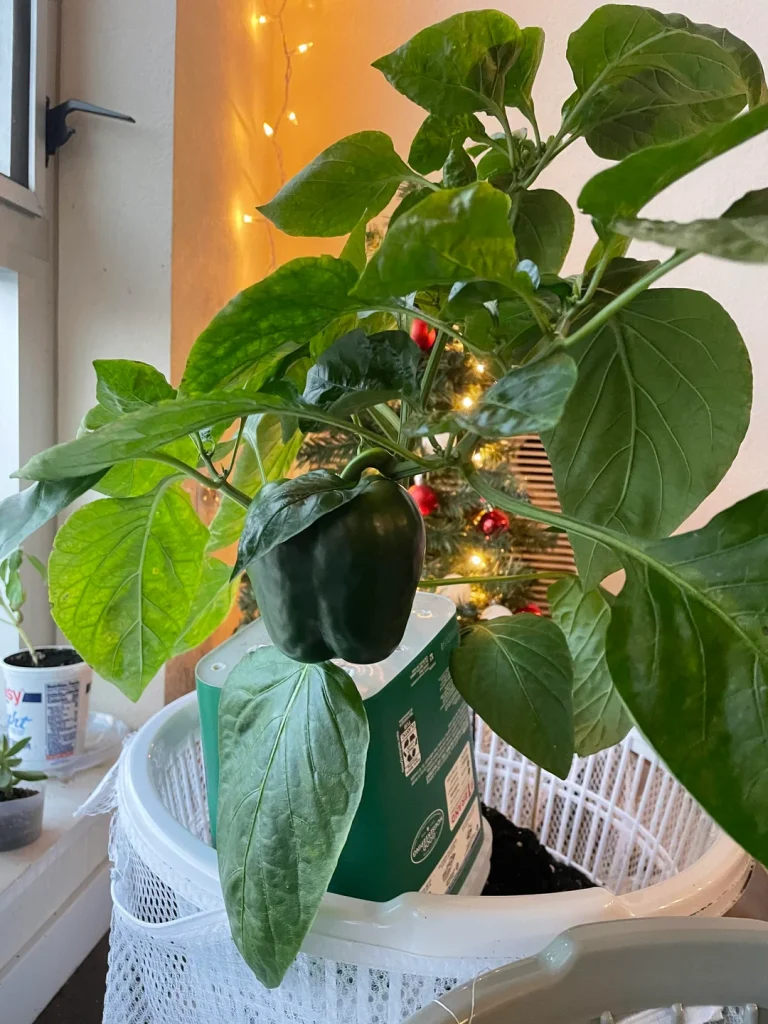
Getting the Heat You Want
Mild or fierce, the choice is yours. Sweet varieties work just as well in baskets as the spicy ones. Match the heat level to how you actually cook, not to what looks impressive on Instagram.
6. Swiss Chard
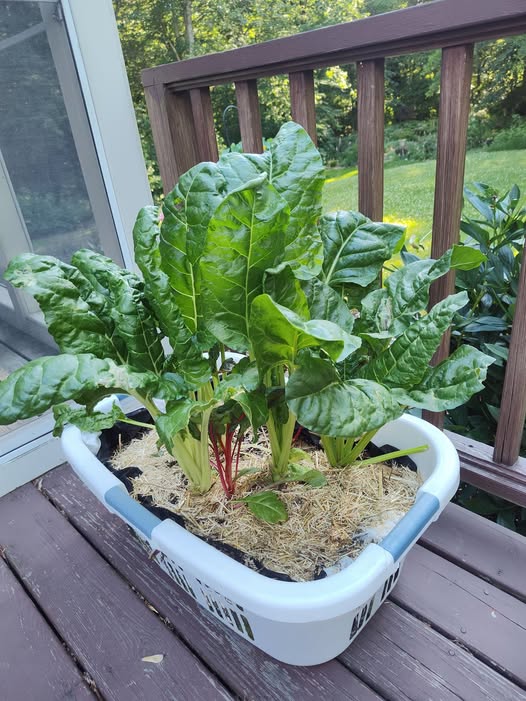
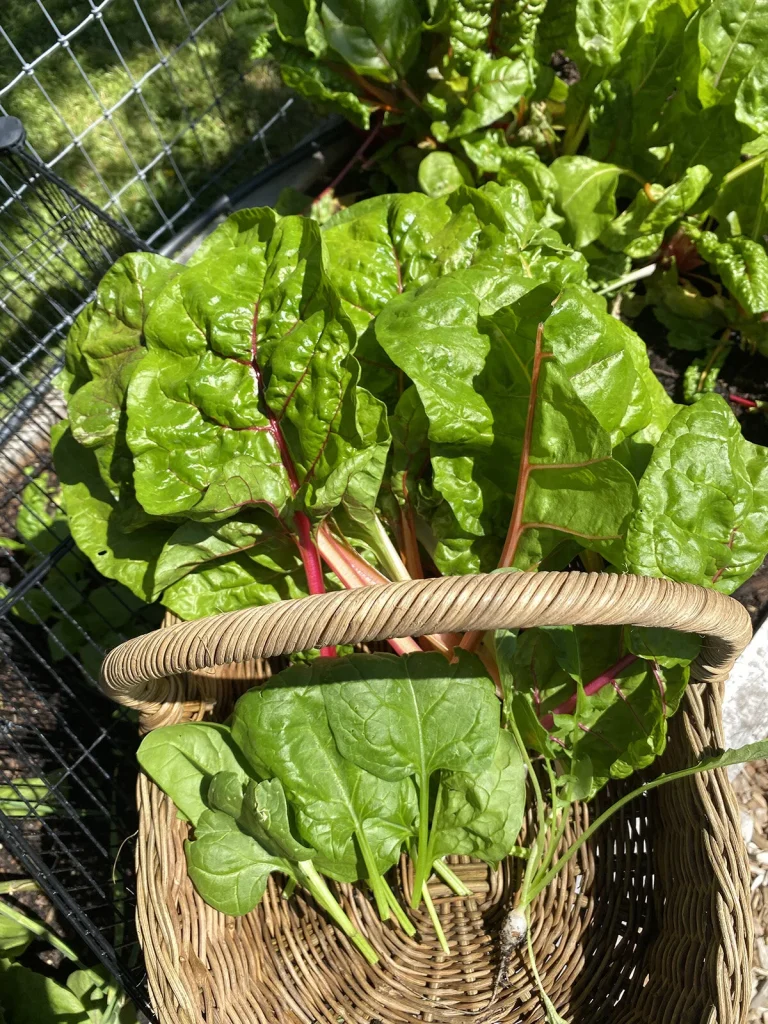
Swiss chard might be the prettiest vegetable on this entire list. Rainbow-colored stems in shades of pink, yellow, and red practically glow against the deep green leaves.
‘Bright Lights’ remains my favorite variety for exactly this reason, since it packs every color into a single packet of seeds.
Compact growth around 12 to 16 inches keeps chard well-behaved in a basket setting. Bitter leaves become a real risk if you let the plant flower, so snip those flower stalks the moment you spot them.
Months of harvest await once you start picking chard as a cut-and-come-again crop.
Harvesting for Longevity
Outer leaves come off first, always. Inner leaves keep growing steadily afterward. Chard rewards patience with a genuinely long season of colorful, edible stems.
7. Spinach
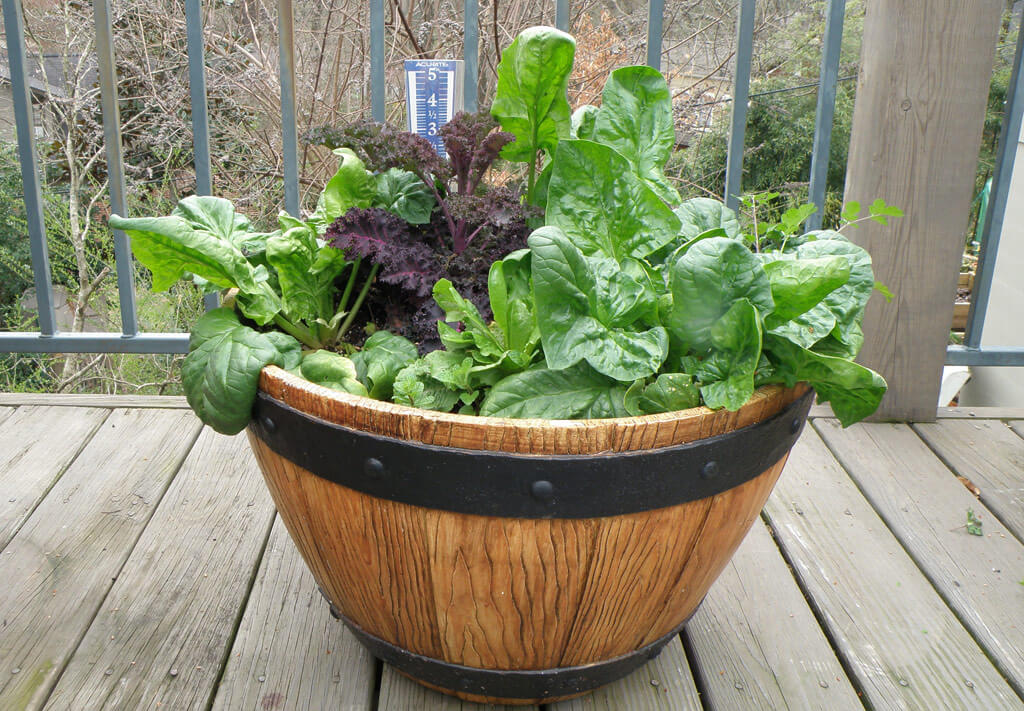
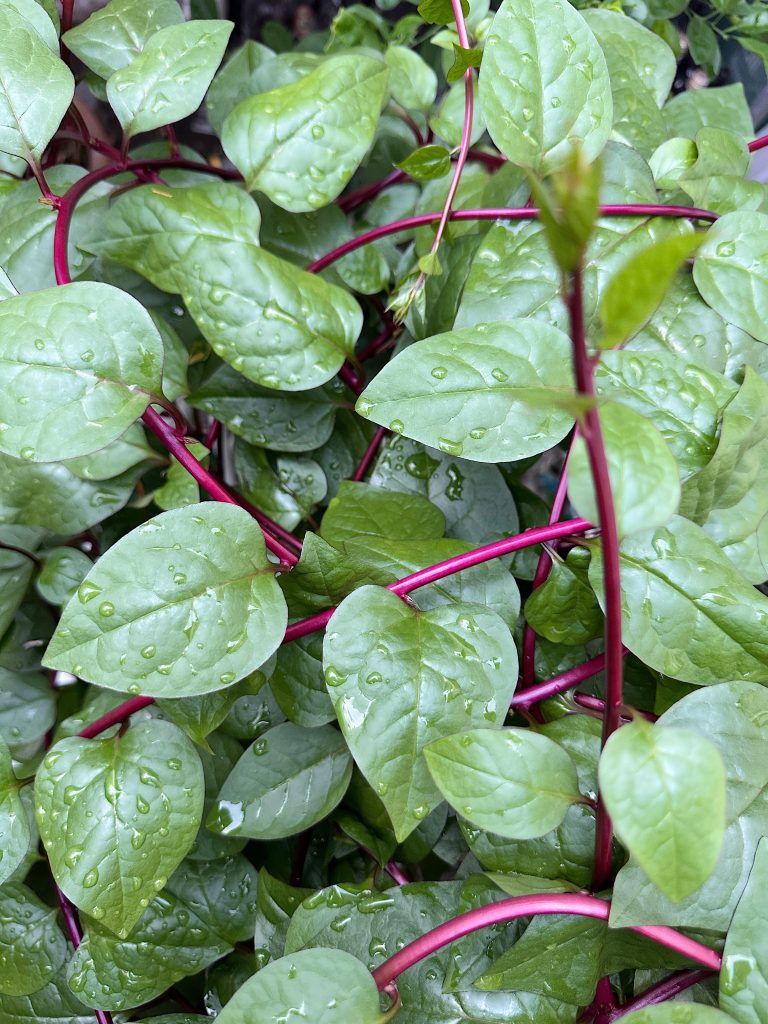
Spinach thrives in a hanging basket, though it does have one clear preference. Cool weather keeps this leafy green happy, while hot sun sends it racing to flower and turn bitter.
Hanging your basket in partial shade solves this problem almost completely.
‘Space’ stands out as a variety bred for compact, upright growth and better bolt resistance than older types. Sowing works in both spring and late summer, giving you two separate harvest windows each year.
Deep, consistent watering matters here more than with most other basket vegetables, since shallow watering stresses spinach fast.
Timing Your Planting
Spring plantings deliver a summer harvest. Late summer plantings reward you again come fall. Either window works, so plant twice if your space allows it.
8. Eggplant
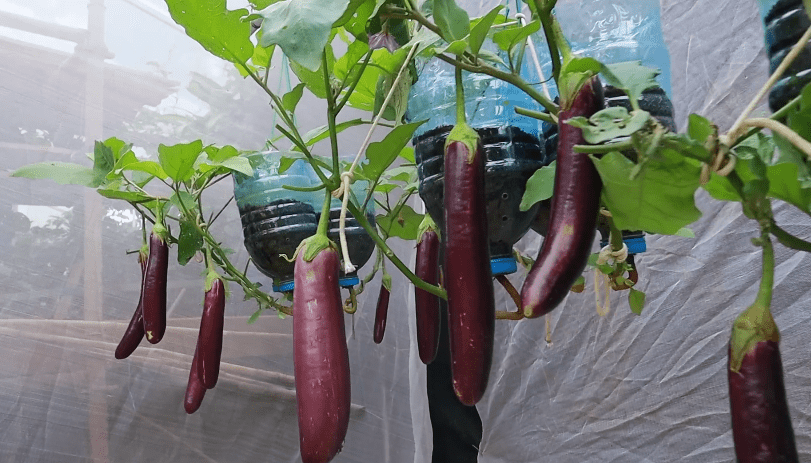
Eggplant brings glossy, jewel-toned fruit to a basket in a way most people never expect. Dwarf varieties like ‘Jewel Amethyst’ produce loads of small three to four-inch fruits on genuinely compact plants.
Frequent harvesting actually encourages more flowers and more fruit, which surprised me the first season I grew it.
Asian types such as ‘Little Fingers’ offer an entirely different shape and texture, staying under 30 inches tall the whole season.
Full sun brings out the best flavor and the fastest ripening. Regular feeding keeps eggplant productive, since it’s a genuinely hungry plant that punishes neglect quickly.
A Note on Fruit Size
Smaller varieties always beat standard eggplant in a basket setting. Standard types simply grow too large and too heavy. Stick with dwarf or Asian types for the easiest results.
9. Zucchini
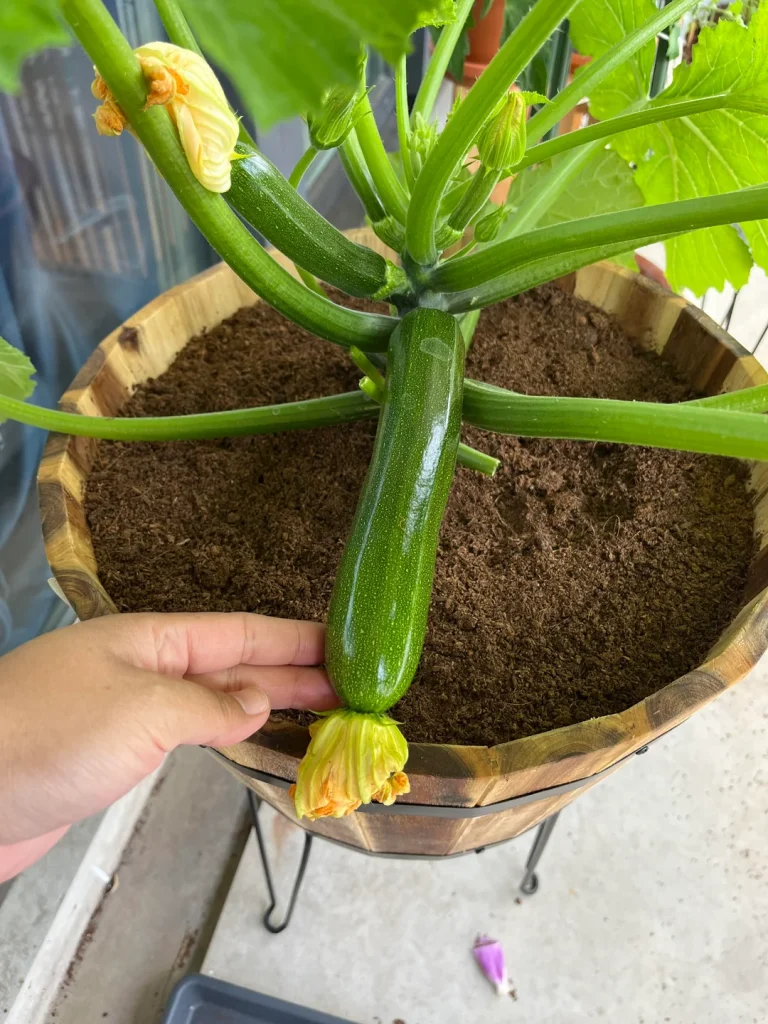
Zucchini in a hanging basket sounds almost impossible until you meet a bush variety. ‘Black Beauty’ and ‘Bush Baby’ skip the sprawling vines entirely, staying compact enough for basket life.
Fruits still show up in real quantity, which genuinely shocked me the first time I tried this.
Heavy feeding keeps zucchini productive, so don’t skip the fertilizer here. Overhead watering invites disease on the leaves, so aim your watering can straight at the soil instead.
Warm temperatures and consistently moist soil give you the fastest, healthiest growth.
Avoiding Common Mistakes
Standard zucchini vines never belong in a basket. Bush or “patio” labeled seeds are what you want. Ask specifically for these terms when buying seeds online or at a nursery.
10. Bush Beans
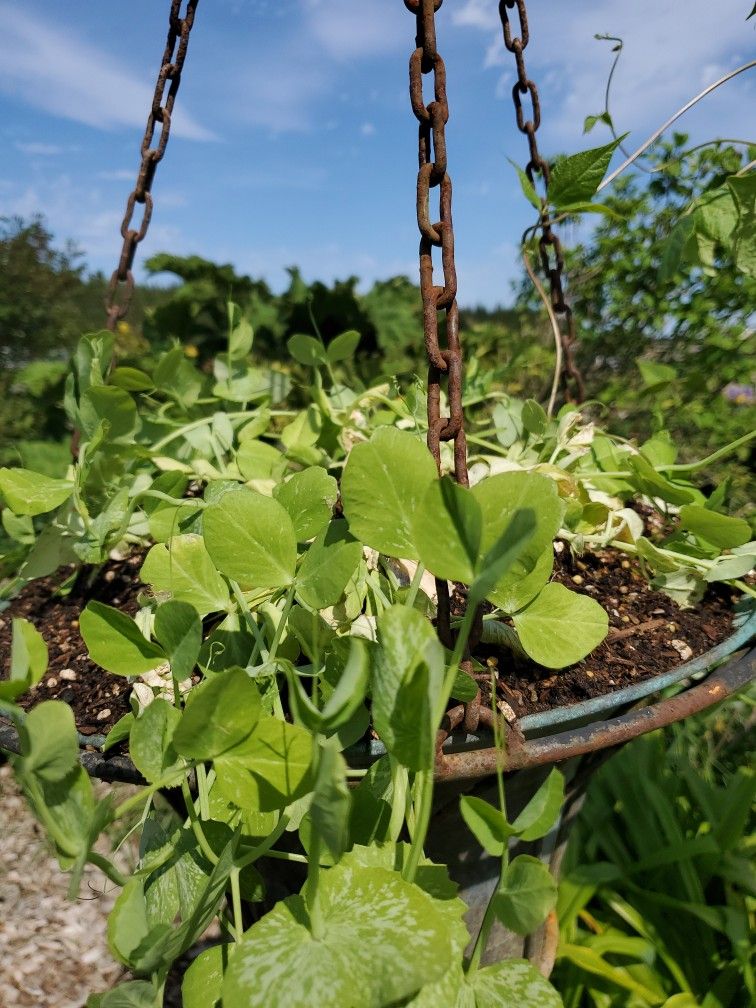
Bush beans bring an easy, no-fuss harvest to any hanging basket. French types like ‘Maxibel Filet’ grow long, slender, and stringless pods that taste amazing fresh off the plant.
‘Contender’ handles heat better than most beans, plus it resists powdery mildew, which matters a lot in humid climates.
Regular picking keeps bean plants producing new pods for weeks. Purple, green, and yellow pod colors add visual interest most people don’t expect from a bean plant.
Sow every week or two during mild weather, and you’ll enjoy a steady, rolling harvest instead of one big dump of beans.
Cool Weather vs. Hot Weather
Most beans prefer temperatures under 90°F. Hot climates should stick to cool-season sowing instead. Successive plantings beat one large planting every single time.
11. Pak Choi and Other Asian Greens
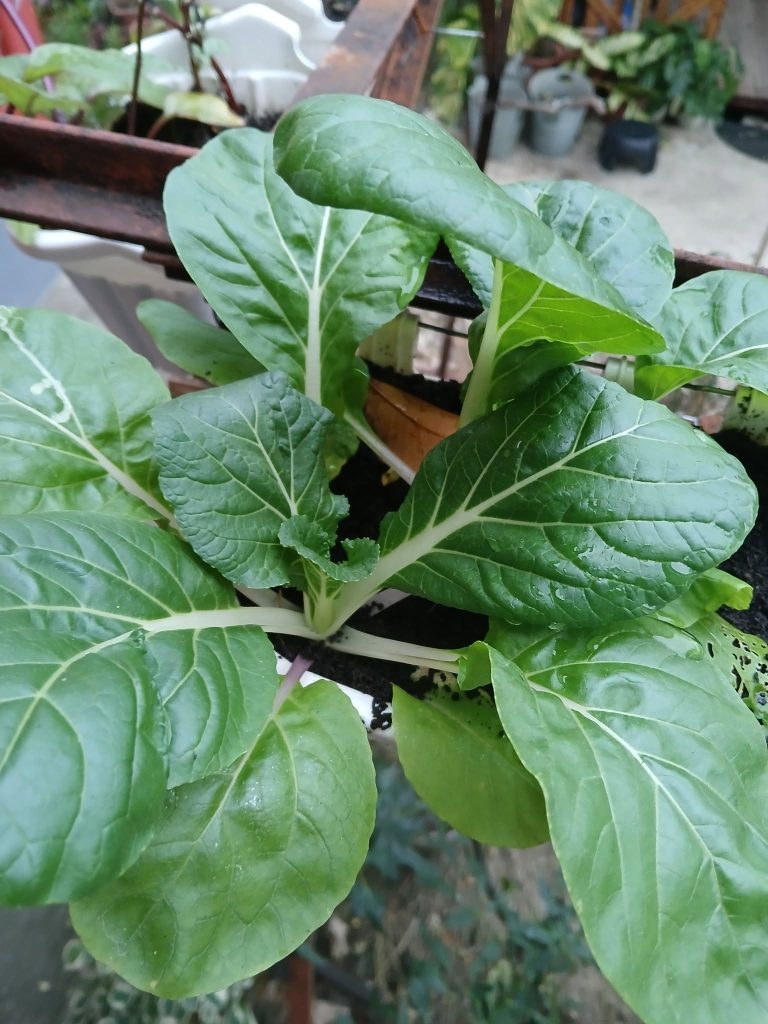
Pak choi grows fast and forgives almost every beginner mistake. Crisp white stems and glossy green leaves pack a ton of flavor into a small footprint.
Mizuna and mibuna work just as well if you want variety within the same basket.
Cooler months suit pak choi best, though a shaded basket lets you push harvests into summer too. Cutting outer leaves first keeps the plant producing for weeks.
Stir-fries taste noticeably better with pak choi picked minutes before cooking, and that freshness alone makes growing it worthwhile.
Why It Belongs in a Basket
Ground-grown Asian greens attract slugs constantly. Height solves that problem instantly. Clean, undamaged leaves are basically guaranteed once pests can’t reach the plant.
12. Leaf Mustard
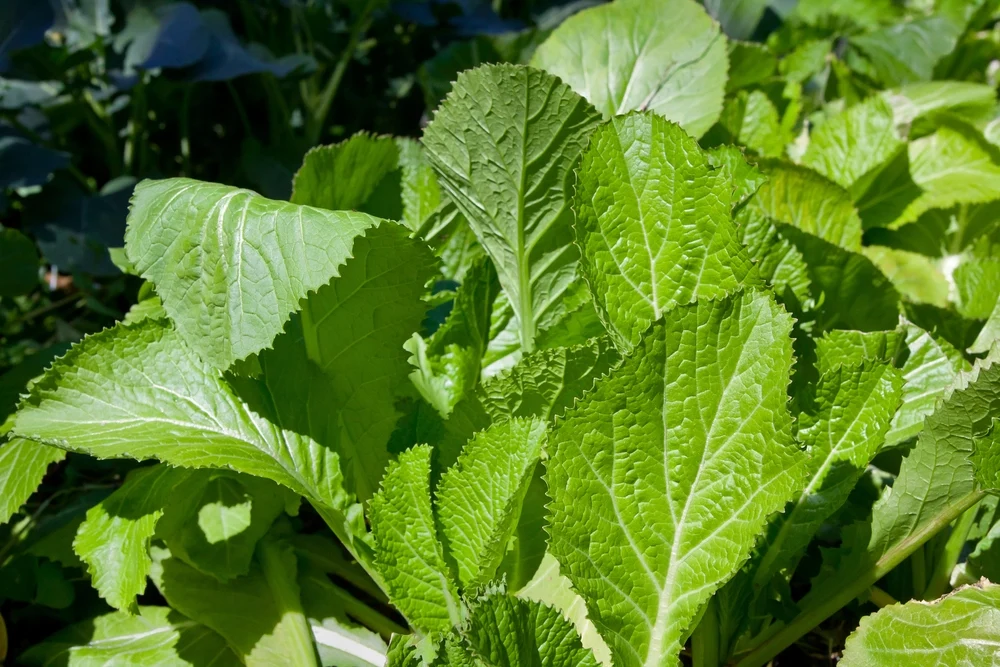
Leaf mustard adds serious personality to a hanging basket. Purple and green varieties both grow lacy, textured leaves that look as good as they taste.
Peppery and bold, mustard greens punch up salads and stir-fries in a way milder greens simply can’t match.
Growth happens quickly, so you’ll be harvesting within weeks of sowing. Pairing mustard with lettuce or spinach in the same basket creates a mixed-greens combo that never gets boring.
Regular picking of outer leaves keeps new growth coming steadily through the season.
A Flavor Boost Worth Growing
Mild greens dominate most gardens already. Mustard breaks up that monotony completely. One plant adds more flavor variety than three basic lettuce varieties combined.
13. Sweet Potato
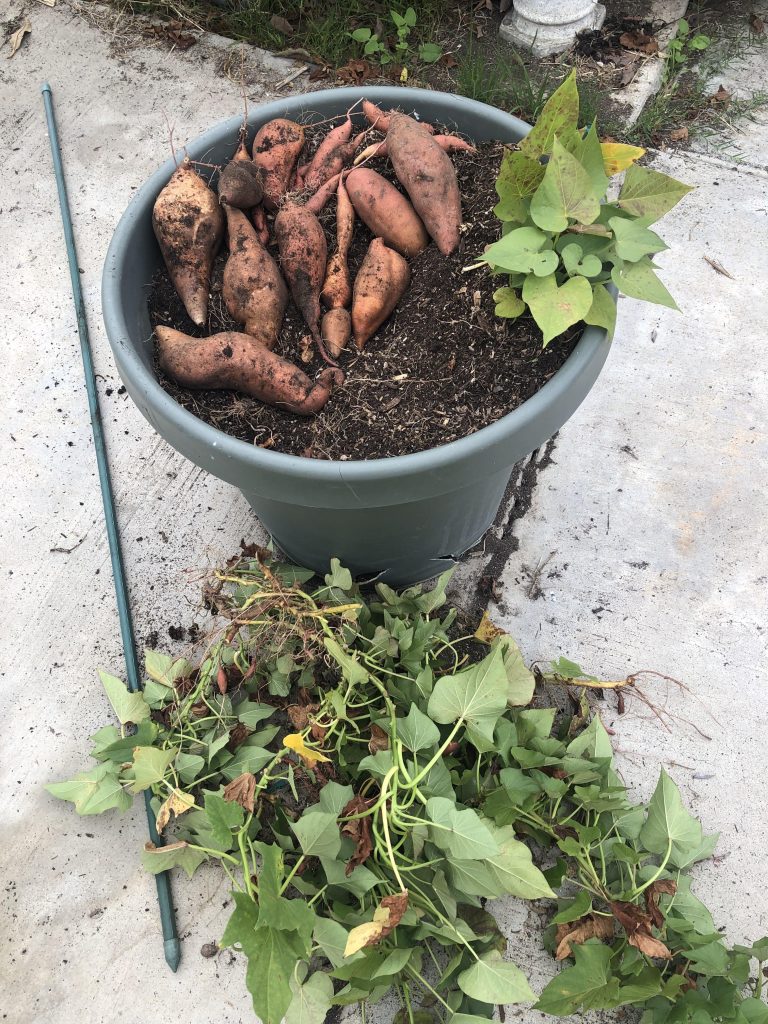
Sweet potato earns its spot here for looks alone, though the roots stay edible too.
Long, trailing vines spill dramatically over a basket’s edge, creating one of the lushest displays on this entire list. Slips planted directly into the basket root quickly once the weather warms.
Heat-loving and low-maintenance, sweet potato vines rarely complain about neglect.
Their foliage alone makes a striking addition even if you never harvest the roots underneath. Full sun brings out the fastest, fullest growth on this vigorous vine.
Ornamental and Edible
Most gardeners grow sweet potato vine purely for looks. Fewer realize the roots are actually edible. That dual purpose makes it a smart pick for anyone tight on space.
14. Radishes
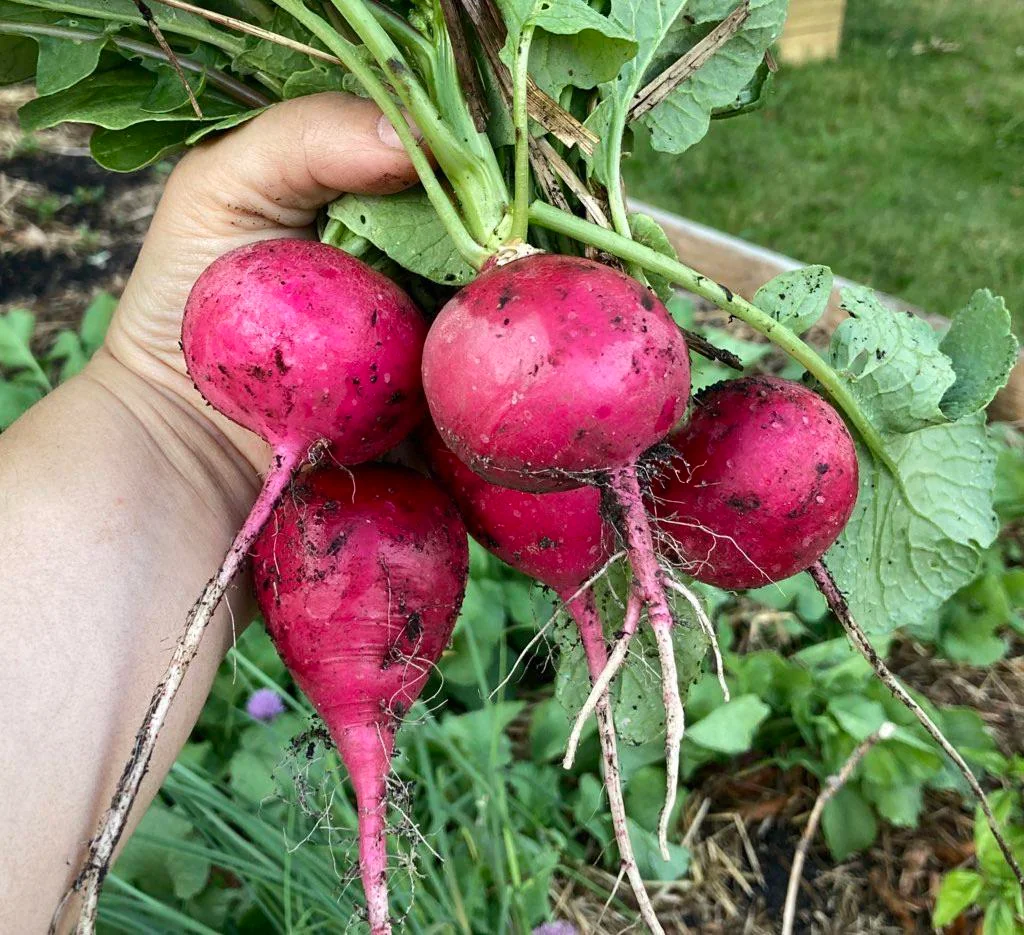
Radishes move faster than almost anything else on this list. Quick successive sowings give you small harvests every few weeks without much effort.
Leaving a few radishes to flower rewards you with a wild, pretty flower display and edible seed pods afterward.
Space stays minimal for radishes, so tuck them between larger plants without stealing much root room. Cool weather suits them best, much like lettuce and spinach.
Crunchy and peppery, fresh radishes make a genuinely satisfying snack straight from the basket.
A Two-Stage Harvest
Pull radishes young for the classic crunch. Let some flower instead for seed pods. Either approach works, so try both in the same basket.
15. Spring Onions
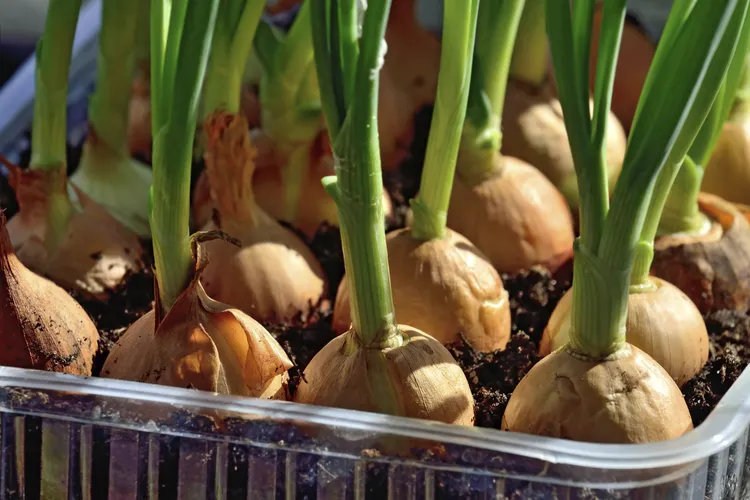
Spring onions round out this list as the ultimate space-saver. Barely any room gets used, yet you still harvest a genuinely useful kitchen staple all summer.
Tucking them along the basket’s edge fills gaps between larger plants without any real competition for resources.
Fast growth means you’ll be snipping fresh onions within weeks of planting. Salads and stir-fries both benefit from that fresh, sharp bite only homegrown onions deliver.
Minimal care requirements make spring onions a smart choice for anyone still building confidence with basket gardening.
The Perfect Filler Crop
Gaps between bigger plants rarely go to waste. Spring onions fill them beautifully. That efficiency alone earns them a spot on this list.
Wrapping Up
Fifteen vegetables, one hanging basket, endless possibilities. Compact varieties truly make or break your success here, so always double-check plant tags before buying seeds.
Watering consistently matters more than almost anything else, since baskets dry out faster than ground soil ever will.
Liza and I still get a thrill watching cherry tomatoes ripen at eye level on our balcony every single summer. Pick two or three vegetables from this list and just start experimenting.
Your balcony, patio, or tiny backyard corner has way more growing potential than you think, so go hang something delicious today.