Grow Like a Pro: Raised Bed Herb Garden Ides for Beginners

Dreaming of a lush, aromatic garden right outside your back door?
You don’t need an acre of land to make it happen.
I’ve found that raised bed herb gardens are the secret weapon for turning a small patch of dirt into a culinary powerhouse.
They keep your soil healthy, your back happy, and your kitchen stocked with fresh flavor all season long.
Whether you have a tiny balcony or a sprawling yard, these setups are foolproof. Ready to get your hands a little dirty and grow your own gourmet greens?
Let’s dive into some creative, space-saving ideas to build the raised herb garden you’ve always wanted.
Why Choose Raised Beds for Your Herb Garden?
Tired of weeding, poor drainage, and back-breaking work in your traditional herb garden?
Raised beds are the perfect solution. They make gardening easier and help your herbs thrive. They are the superhero solution for your herb garden.
Better Soil Control:
In a raised bed, you get full control over the soil composition. If your backyard dirt is more “meh” than magnificent, no worries—you can create the perfect blend.
A mix of topsoil, compost, and peat moss will keep your herbs thriving without you needing a Ph.D. in soil science. You get the freedom to adjust the soil based on the needs of your herbs
Improved Drainage:
Raised beds are the drainage champs.
Unlike in-ground gardens, where water can pool up or the soil may not drain well, the raised bed allows excess water to escape.
Herbs like rosemary and thyme? They can’t stand soggy roots. So raised beds let them grow happily without drowning in their own waterlogged grave.
Less Weeding, More Eating:
Weeds in a raised bed are way easier to manage. No more battling with those pesky little plants that seem to grow faster than your herbs.
You’ll be able to pull them out with ease (or, even better, use some mulch to prevent them altogether).
This means less effort and more fresh herbs to add to your dishes!
Improved Accessibility:
For those of us with bad backs or limited mobility, raised beds are a blessing.
They can be built to a height that’s comfortable for you—no more bending down to ground level to tend to your herbs.
Whether you’re reaching for a sprig of parsley or snipping some basil, it’s all right there at your fingertips. Trust me, your back will thank you later.
Better Pest Control:
Okay, so we all know pests are just a part of gardening life, but raised beds make it easier to combat them.
Since they’re elevated, it’s harder for certain pests to reach your herbs.
Plus, if you use a little netting or cover, you’ve basically set up a fortress for your plants.
Types of Raised Beds
Now, you might be thinking: “How do I even start? What kind of raised bed should I go for?” Don’t worry, I’ve got you covered. Here are some popular options:
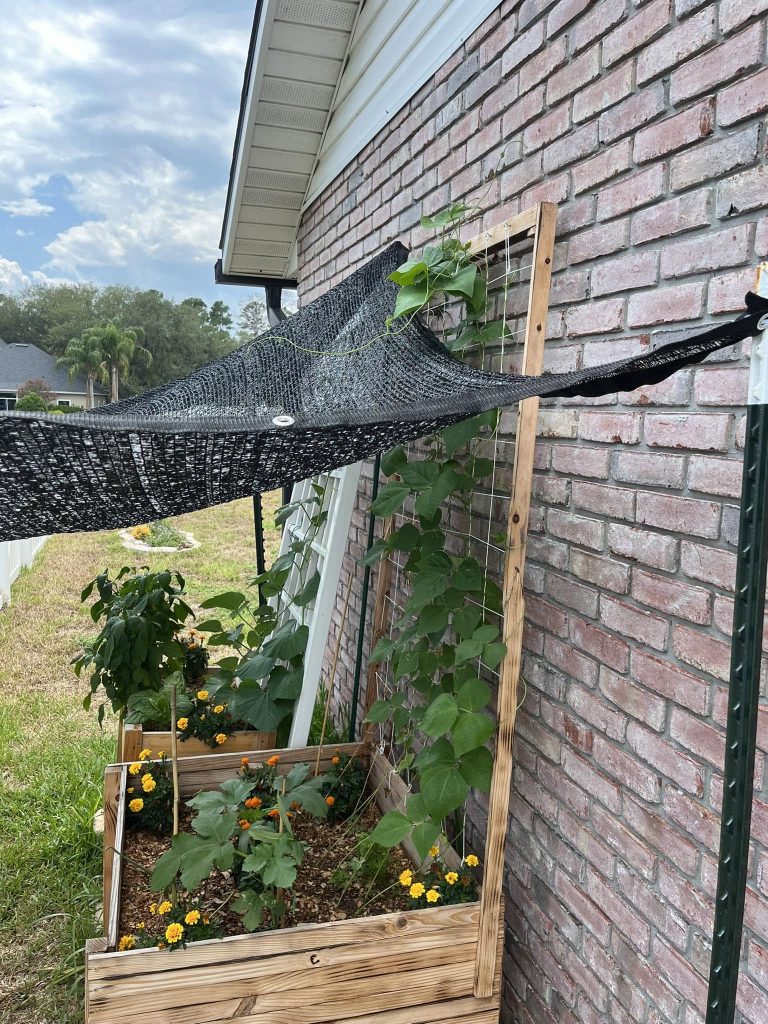
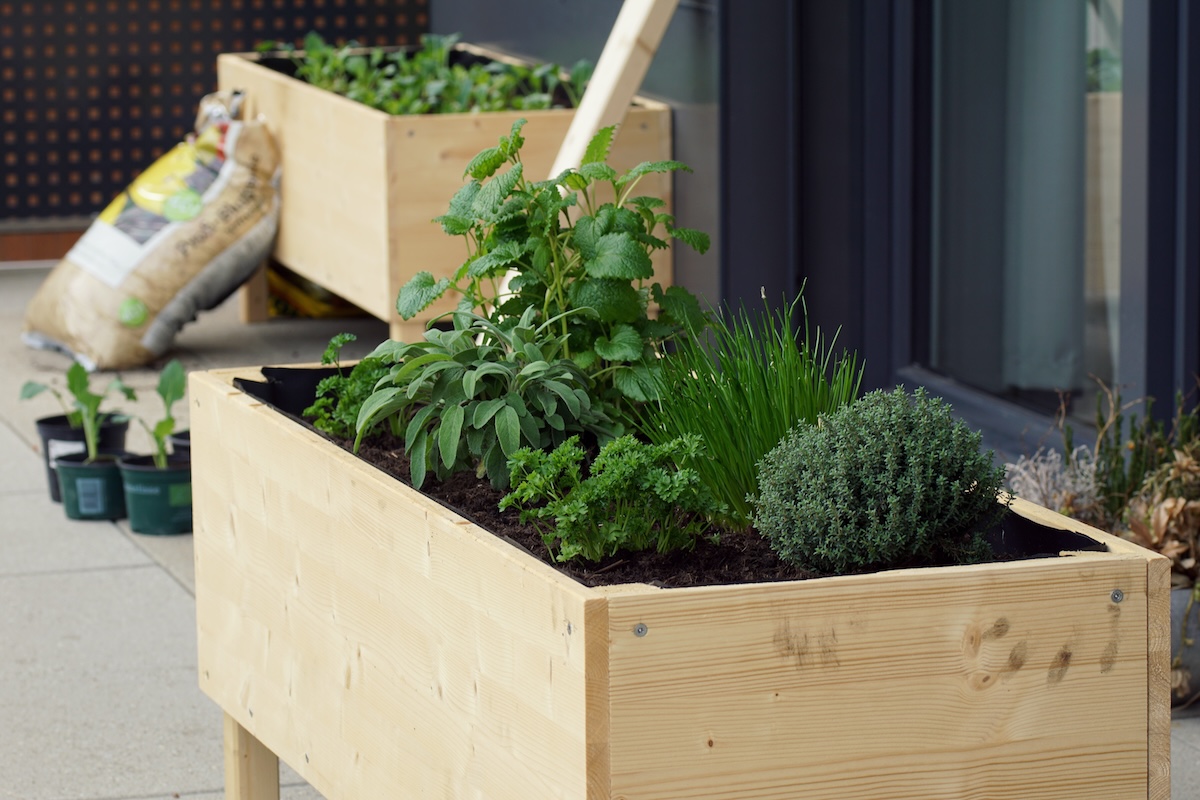
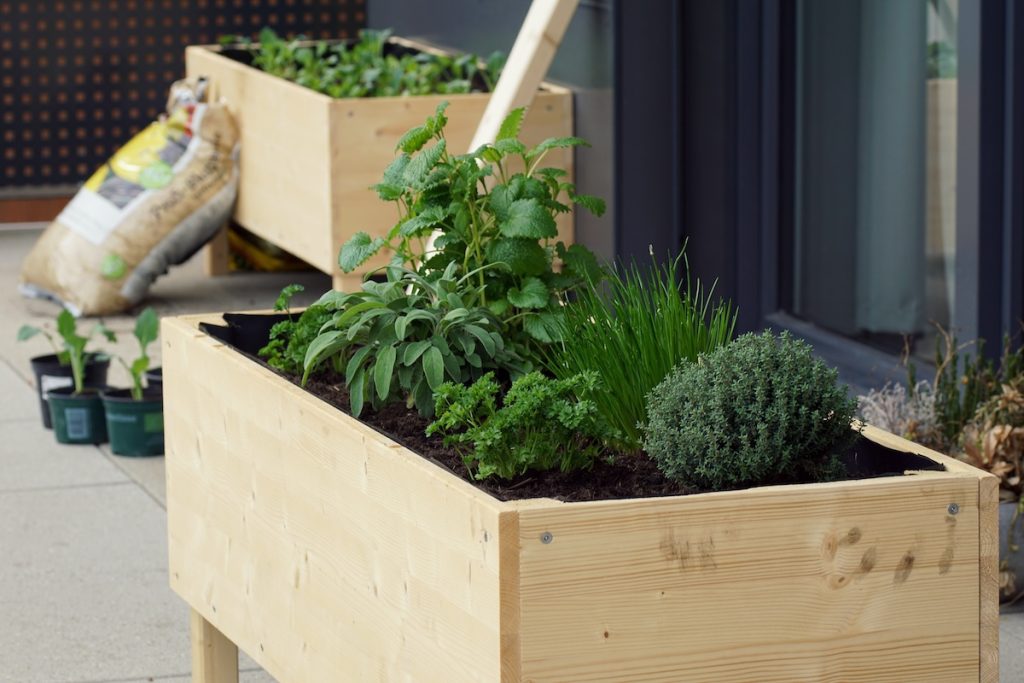
Wooden Raised Beds: These are classic and look super charming in a backyard. They’re easy to build, affordable, and you can make them any size you want.
Just make sure you’re using untreated wood so it doesn’t release harmful chemicals into the soil.
Metal Raised Beds: If you want something sleek and modern, go for metal. These tend to last longer than wood and don’t need as much maintenance. They’re a little pricier, but they look fantastic in contemporary gardens.
Concrete Block Raised Beds: Not the prettiest, but they’re durable and affordable.
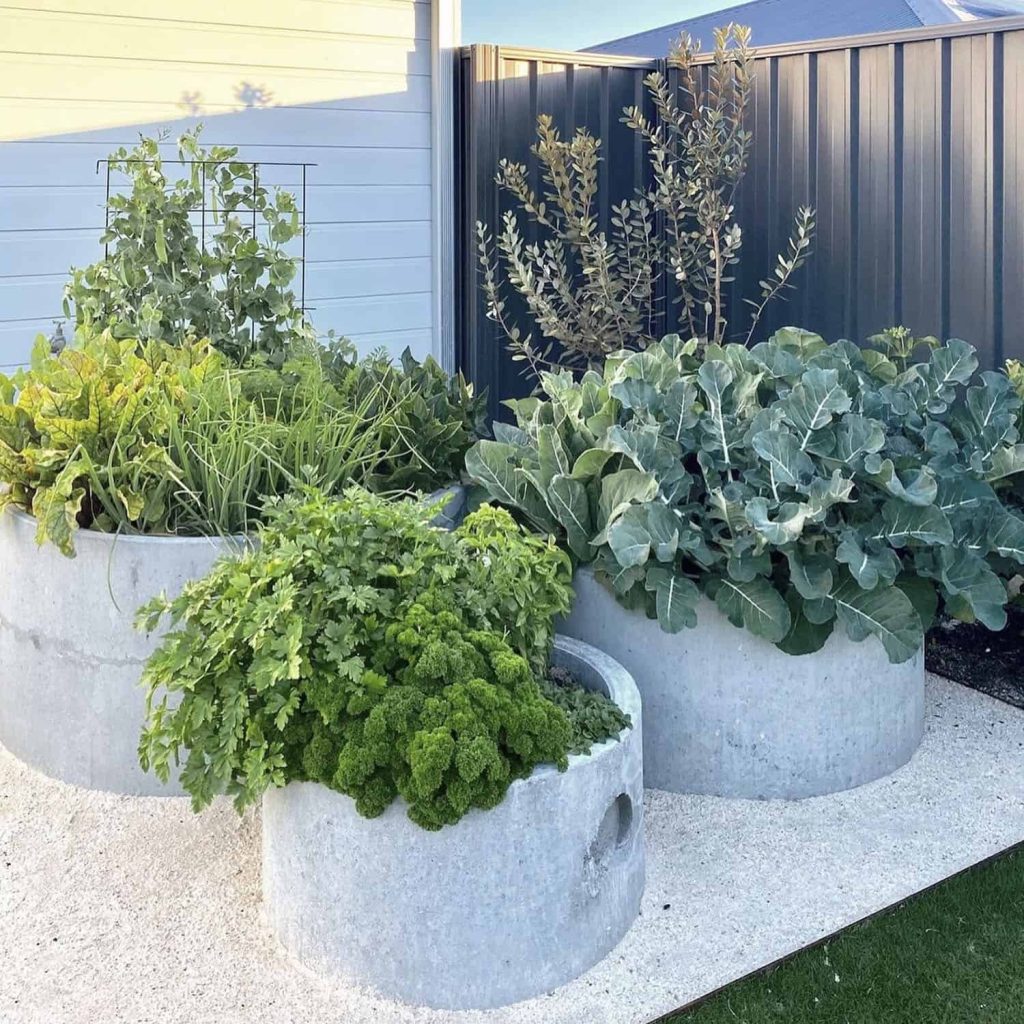
Concrete blocks can be stacked to form the walls of your raised bed, which gives them a super sturdy, no-nonsense vibe.
Stackable Modular Beds: If you’re really feeling fancy, these modular kits are customizable. You can stack them higher, make them bigger, or change their shape based on your garden layout. It’s like adult Legos—but for gardening.
DIY vs. Pre-made
Here’s the million-dollar question: Should you go DIY or buy a pre-made bed?
DIY: If you’re the crafty type and want to save some cash, go for a DIY raised bed.
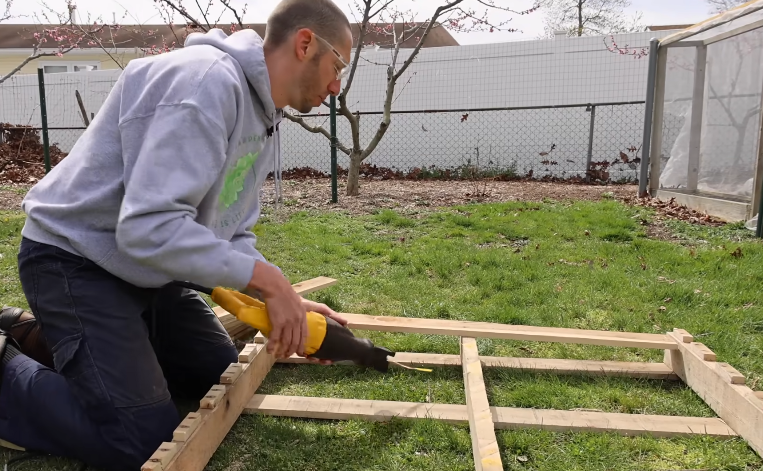
You can find tutorials online and make it exactly how you want. Plus, there’s something deeply satisfying about building your own garden.
Pre-made: If you’re short on time or just not into the whole construction thing, there are plenty of pre-made options out there.
These can be a bit more expensive, but they take all the guesswork out of the process. You literally just set it up and start planting.
Raised Bed Layouts for Herbs: Maximizing Space and Aesthetics
If you’ve decided to grow herbs in raised beds, you might be wondering about the best way to lay them out.
The layout can make a huge difference in how your garden looks and how effectively it thrives.
Let’s dive into the art of raised bed herb layouts!
1. General Raised Bed Herb Layout Tips
Before we dive into specific layouts, here are some universal rules that will help every herb garden, whether you’ve got a classic raised bed or something more unique.
Companion Planting
If you’re serious about making your herbs happy, companion planting is your best friend. Certain herbs grow better when planted together, as they share similar sunlight, water, and soil needs.
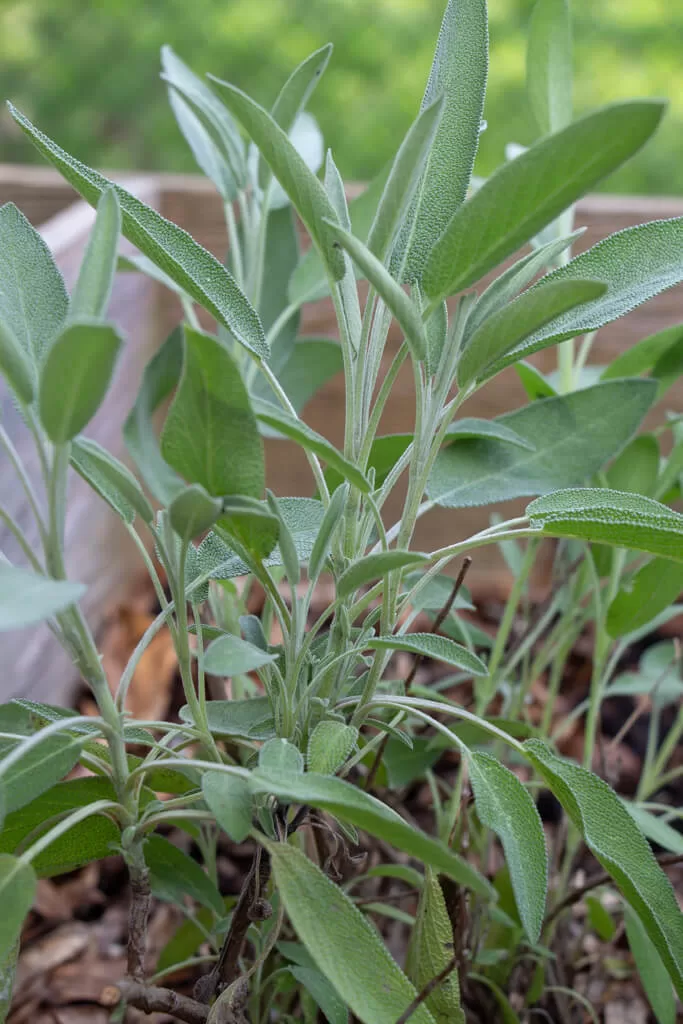
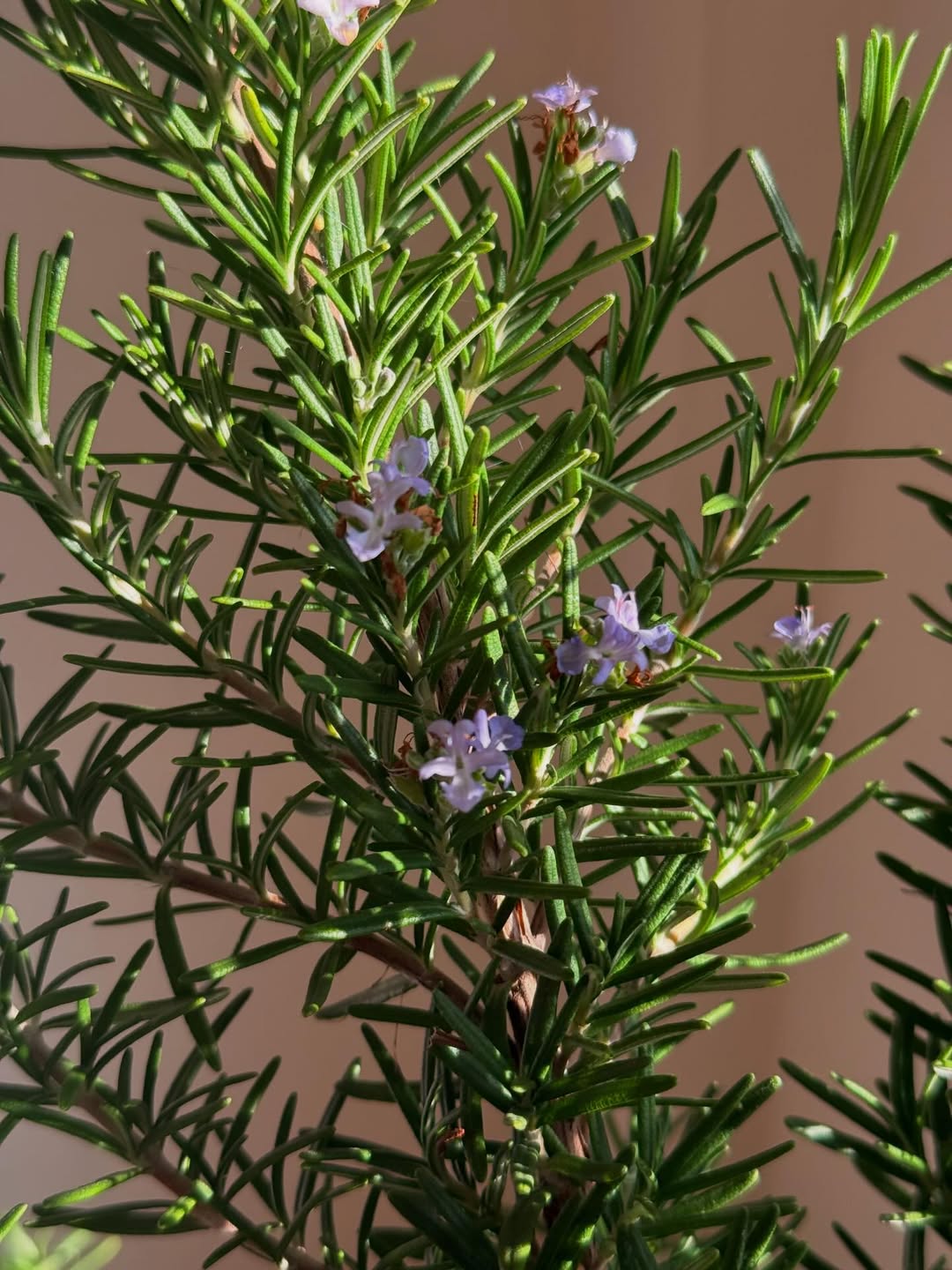
For example, rosemary, thyme, and sage make an excellent trio. They can share a row in your raised bed, benefiting from each other’s company. Plus, they’ll look beautiful together!
Proper Spacing
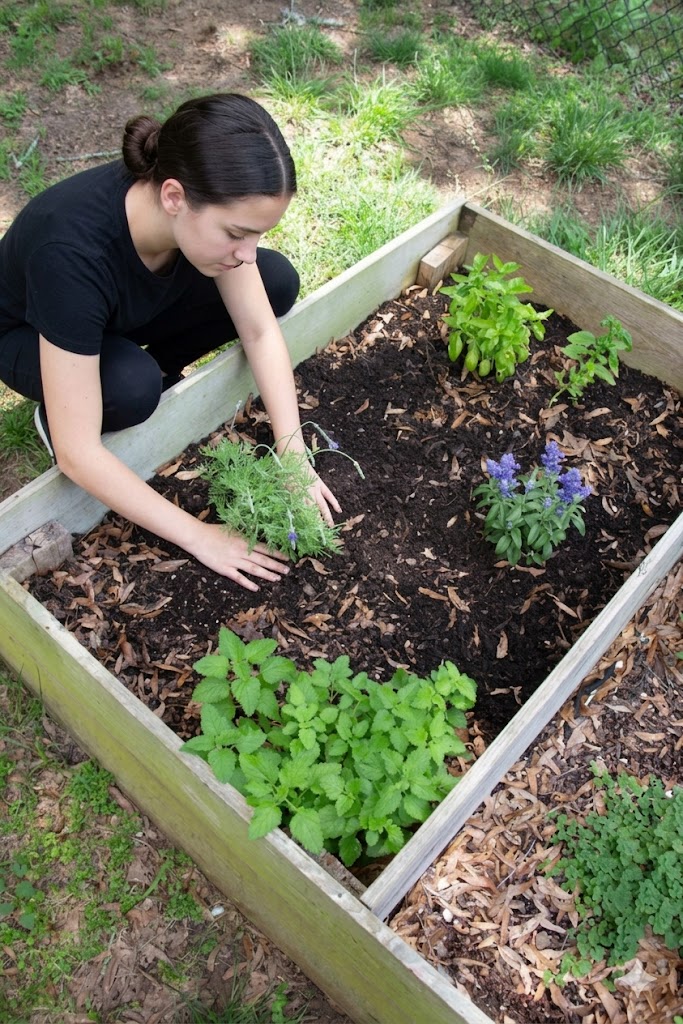
Don’t crowd your herbs! I get it; you want a full garden, but it’s important to give your plants room to breathe and grow.
Ensure you leave enough space between each herb to accommodate its mature size.
This prevents overcrowding, encourages good airflow, and helps avoid diseases. Plus, it’ll keep your garden looking neat and organized.
Flowers for Visual Appeal
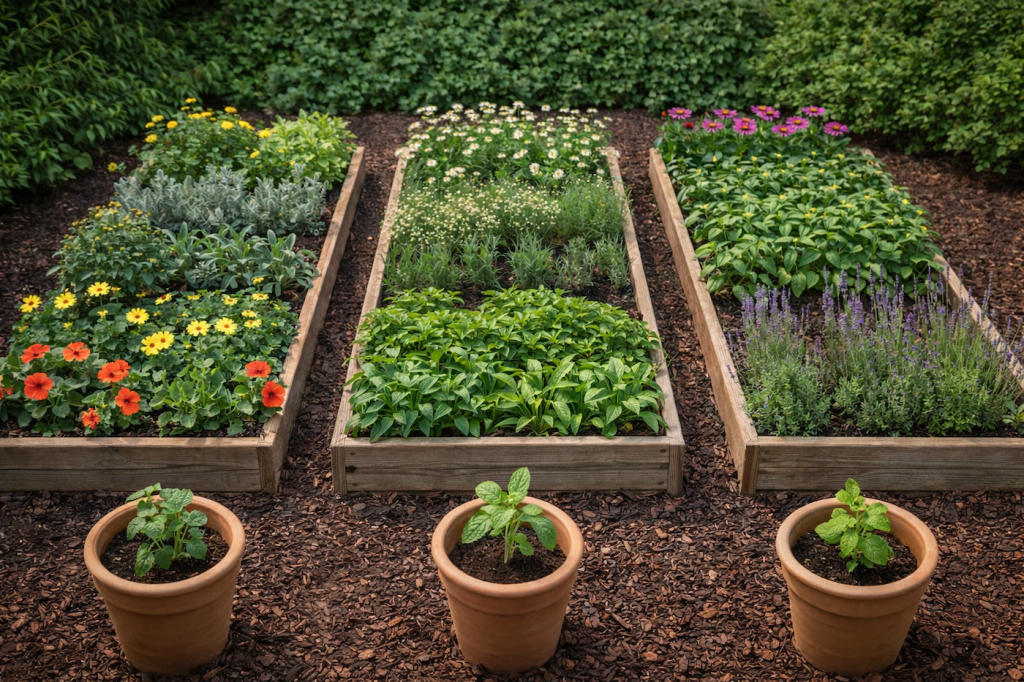
Flowers aren’t just pretty—they also attract beneficial insects like pollinators and pest-eating bugs.
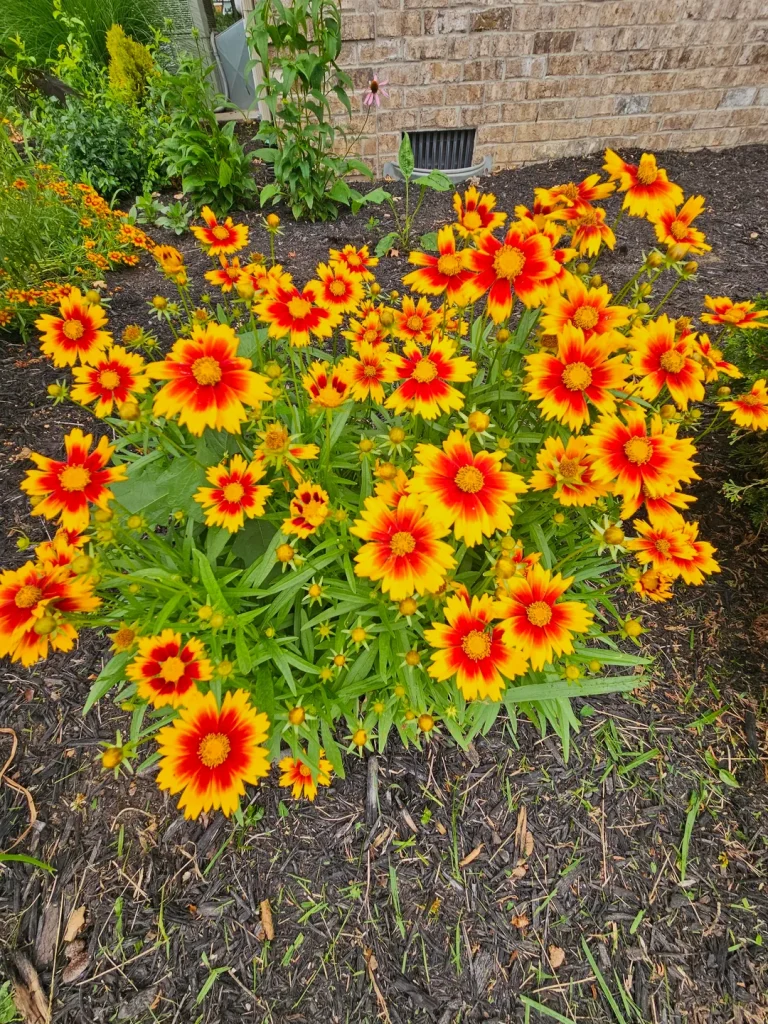
Consider adding marigolds, nasturtiums, or calendula around the edges or tucked between your herbs. These flowers add color, beauty, and an extra layer of ecosystem health to your garden.
Mulch for Maintenance
A layer of mulch around your herbs does wonders for the garden. It keeps the soil moist, suppresses weeds, and adds a clean, tidy look to the bed. It’s like giving your garden a comfy blanket—it’ll thank you for it!
Raised Bed Layout for a Garden Against a Wall or Fence
When you have a raised bed placed against a wall or fence, you’re working with a natural backdrop. This gives you a chance to get creative with your layout. Here’s how to best utilize that wall space!
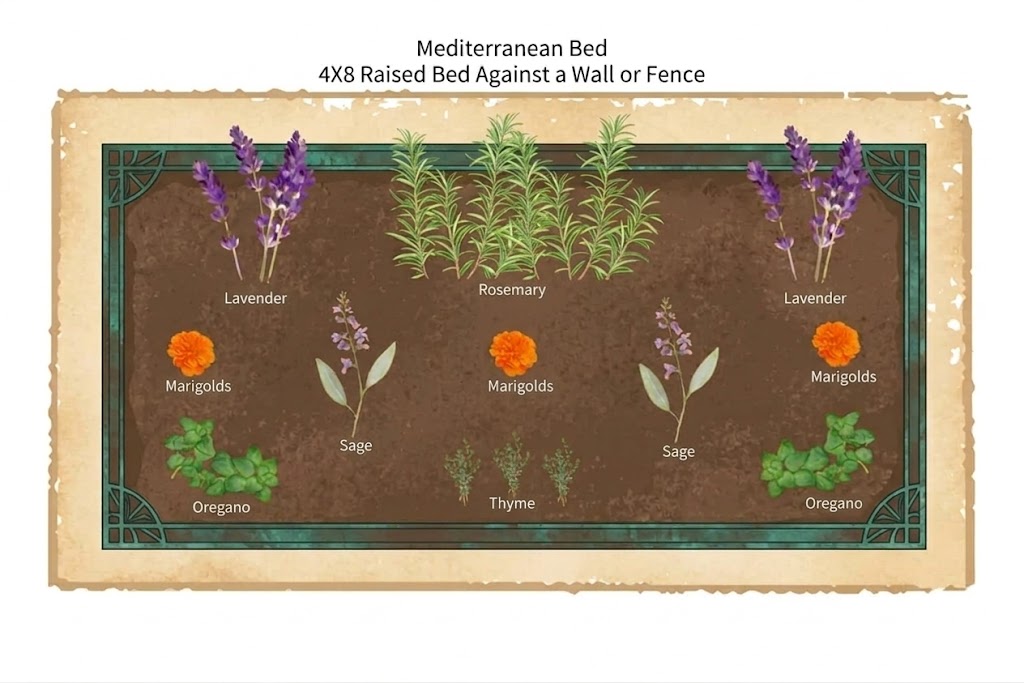
Tall Herbs at the Back
Start with the tallest herbs, such as rosemary and sage, and place them toward the back of the raised bed.
These herbs can grow quite tall and provide a beautiful, natural backdrop for the rest of your herbs.
This will not only maximize space but also add depth and dimension to your garden.
Medium Herbs in the Middle
In the middle rows, plant medium-sized herbs like oregano, lavender, and thyme.
These herbs won’t block the taller plants, but they’ll help to fill out the garden and add some texture. They will also provide some visual interest when viewed from the front.
Short Herbs in the Front
Toward the front or edges of the raised bed, plant your smaller herbs like parsley, basil, and cilantro.
These herbs are typically lower-growing, so they’re perfect for the front where they’re easy to access for harvesting.
You’ll love being able to quickly grab a handful of fresh basil for your pasta without having to reach over anything!
Raised Bed Layout for a Floating Bed with Access to All Sides
Now, let’s talk about raised beds that are floating—those with access from all sides.
These beds allow for a more 360-degree view, so we’ll want to arrange the herbs in a way that looks great from every angle. Here’s how to lay it out.
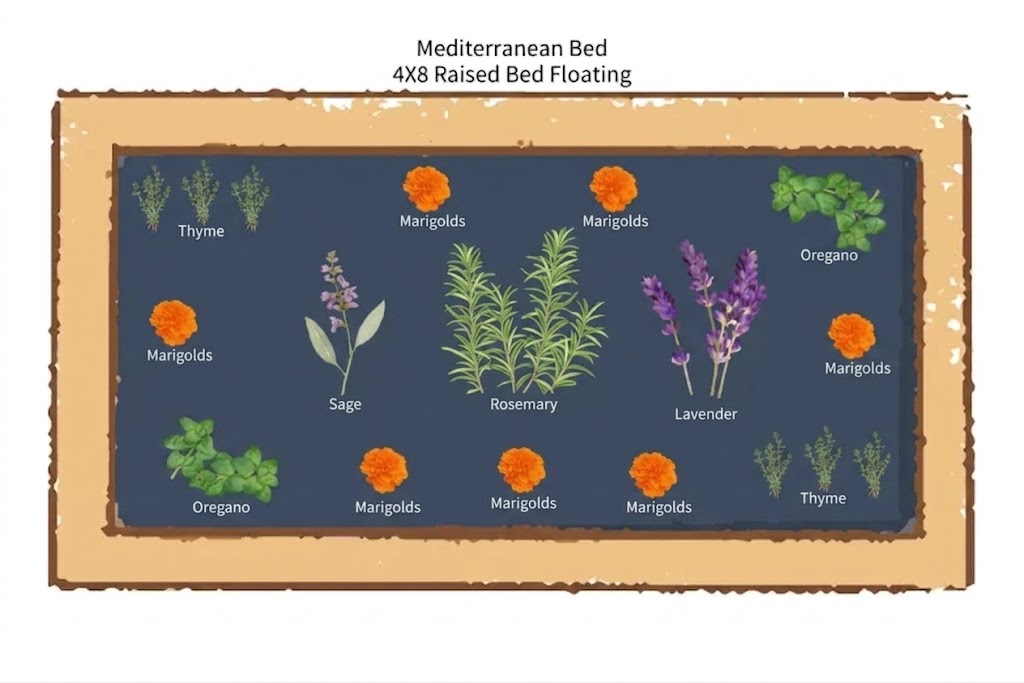
Tall Herbs in the Center
In the middle of your raised bed, place your tall herbs like rosemary and sage. Since you can access the bed from all sides, placing these taller herbs centrally allows you to see them from every angle.
These herbs can grow big, so giving them a prime position in the center helps balance the layout and ensures they don’t block your other plants.
Medium Herbs in the Surrounding Area
Next, plant medium-sized herbs, such as thyme, oregano, and lavender, around the center of the bed. They’ll fill out the space and add layers of color, depth, and texture while still allowing access to the center herbs.
Smaller Herbs at the Edges
Towards the edges or corners of the raised bed, plant your smaller herbs, like parsley, cilantro, and chives. These are easy to reach for harvesting and won’t block the view of your other plants.
Plus, they won’t overwhelm the central, taller herbs. They’re perfect for the perimeter where you can easily snip away at them without disturbing the rest of your garden.
Flowers Throughout
For visual appeal and to bring in some pollinators, mix in flowers like nasturtiums or calendula throughout the bed.
You can tuck them into the edges or scatter them between the herbs. This adds pops of color, plus the bonus of attracting beneficial insects to keep your garden healthy.
Planting Your Raised Bed Herb Garden
Alright, you’ve got your raised bed set up. It’s time to talk about what really matters—the herbs!
You can’t just toss any herb into your raised bed and call it a day. Well, technically you can, but trust me, there’s a little more to it than that.
Each herb has its own unique needs. Here’s a rundown of the best herbs for raised beds, plus how to give them what they need.
Perennials (The “I’ll Come Back Every Year” Crew)
These herbs are your reliable friends, the ones that return year after year, like the friend who shows up at your party with snacks.
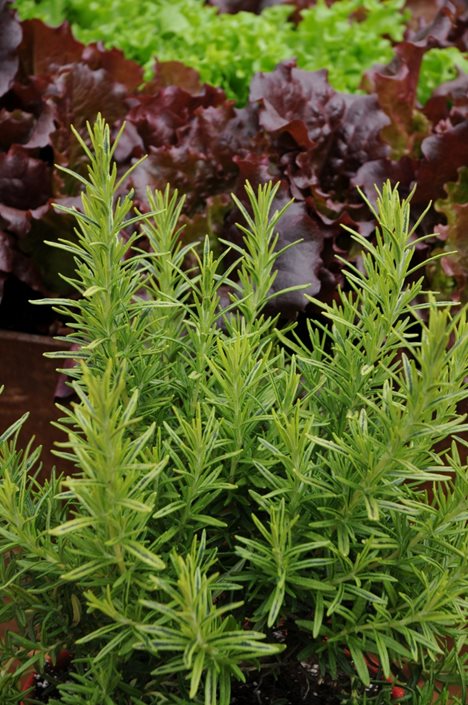
Rosemary: Thrives in full sun and well-drained soil. It’s a slow grower, but when it does grow, it’s totally worth the wait.
Thyme: Another sun-loving perennial. It does well with minimal water, so don’t overdo it. Less is more here!
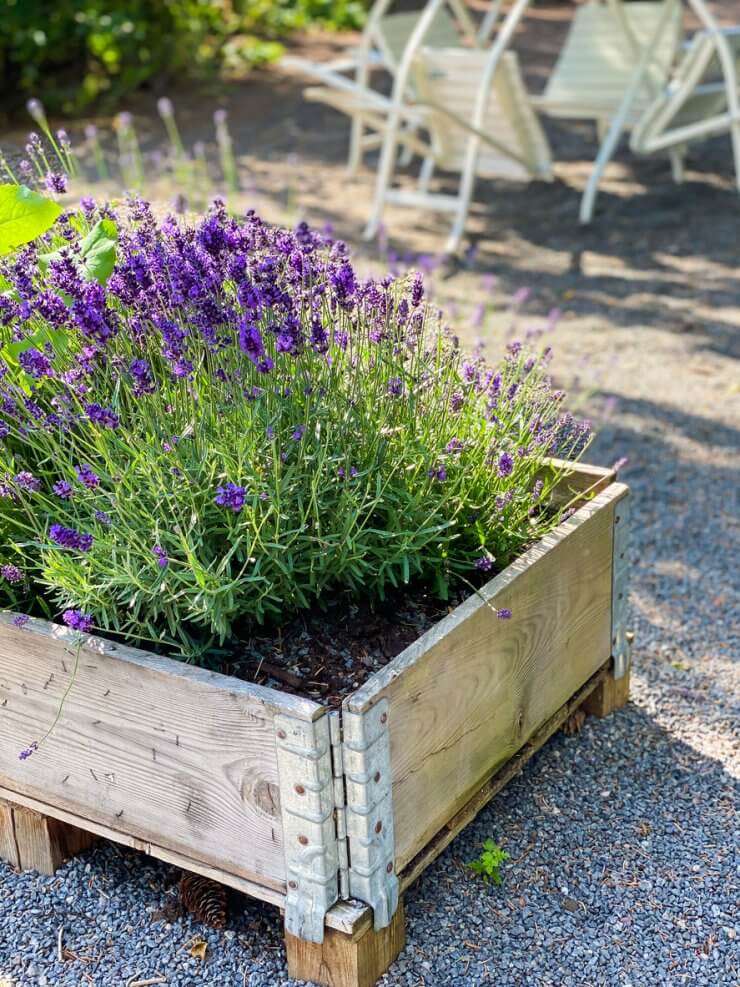
Lavender: Need I say more? Lavender is the perfect aromatic touch to any garden. It needs full sun, well-draining soil, and can even tolerate a bit of drought.
Annuals (The One-Hit Wonders)
These herbs grow for one season and then poof—they’re gone until next year. But hey, they’re still a lot of fun while they’re here.
Basil: Ah, the queen of all things pesto. It loves warmth, so plant it once the temperatures are nice and toasty.
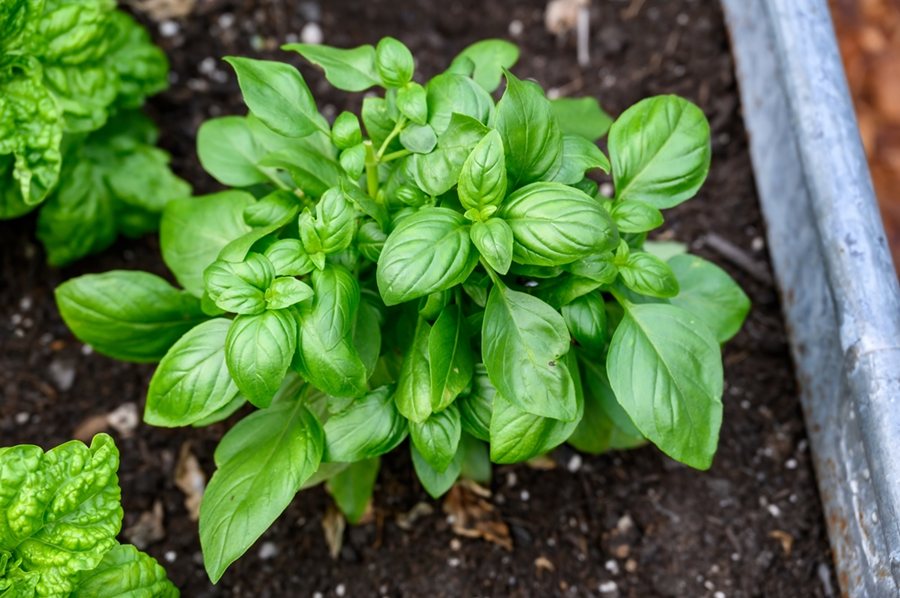
Cilantro: This herb bolts quickly in hot weather, but it’s a must for making fresh salsa. Seriously, can you imagine taco night without it? I can’t.
Dill: Perfect for pickles, Dill needs full sun and well-drained soil. Just watch out—this herb tends to get tall, so give it some space.
Maintaining Raised Bed Herb Garden
Watering and Maintenance
Now, let’s talk watering. Watering herbs in raised beds can be a bit of an art form, so don’t just go in like it’s a free-for-all. Over-watering is just as bad as under-watering.
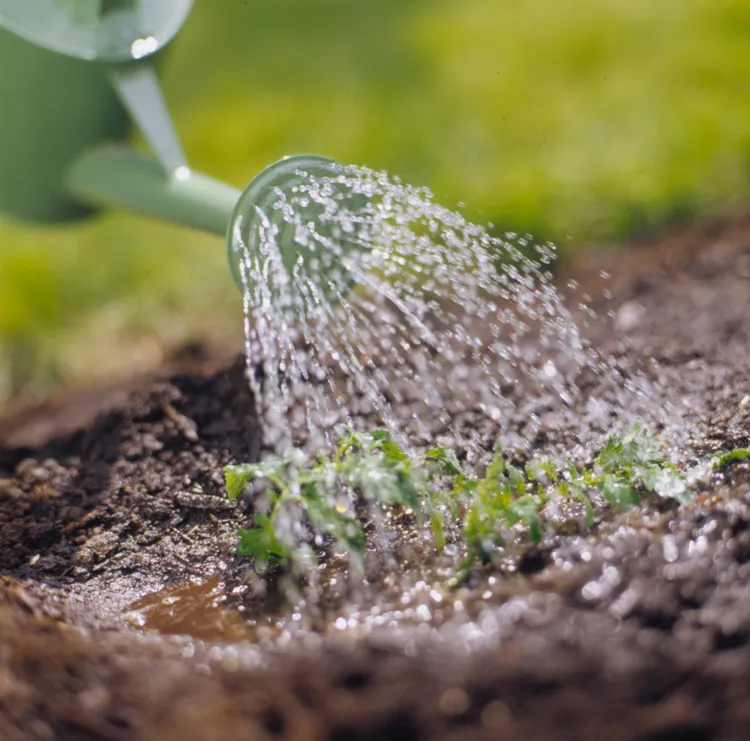
- Check the Soil Moisture: Stick your finger into the soil (yes, it’s okay to get a little dirty!) to see if it’s damp. If it’s still moist a couple of inches down, hold off on watering.
- Mulch: This is your secret weapon. Add a layer of mulch to your raised bed to help retain moisture and suppress weeds. It’s like giving your garden a cozy blanket.
- Watering Schedule: In the hot summer months, your herbs will need more water. But during cooler months, they can get by with less. Just keep an eye on them—plants have a way of letting you know when they’re thirsty.
Pruning and Harvesting
When it comes to herbs, pruning and harvesting are just as important as planting. Think of it like trimming your hair—if you don’t do it, you’ll end up with a wild, unmanageable mess.
Pruning: Regularly pinch back the tops of your herbs to encourage bushier growth. For those tall herbs like rosemary or lavender, trim them back in the spring to maintain their shape.
Harvesting: I get it—sometimes you just want to pluck a handful of fresh basil for your pizza. But here’s the thing: don’t harvest all at once.
Take a few leaves from each plant at a time to avoid stressing them out. Trust me, your herbs will thank you for it.
Dealing with Pests and Problems
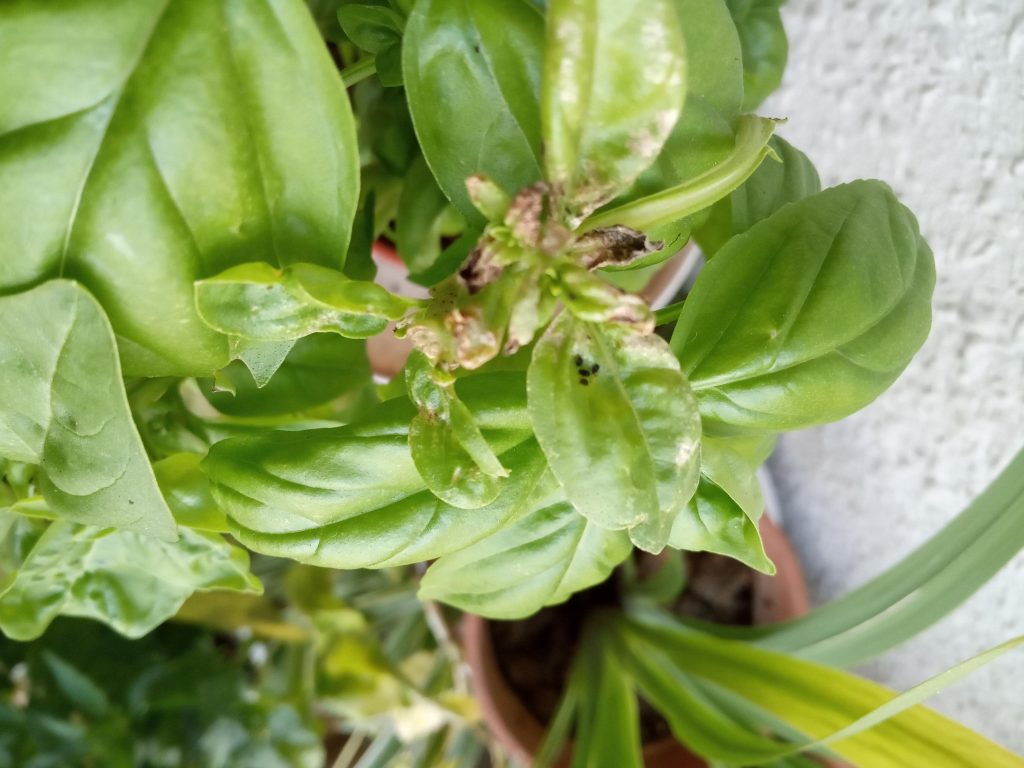
Pests are inevitable in any garden, but raised beds make it easier to keep them at bay. Here are a few natural ways to deal with garden pests:
- Neem Oil: This is like the Swiss Army knife of pest control. It’s safe, natural, and helps with everything from aphids to mites.
- Insect-Repelling Plants: Certain herbs act as natural repellents. Plant basil or lavender near your other herbs to keep pests away.
- Good Bugs: Let’s face it—some bugs are your friends. Ladybugs? Total MVPs in the garden. They love munching on aphids.
Wrapping It Up – Your Herb Garden Awaits
Now that you’ve got the know-how on raised bed herb gardening, it’s time to roll up your sleeves and get your hands a little dirty—well, in the best way possible!
Whether you’re a first-time gardener or a seasoned pro, raised beds are a game-changer for growing vibrant, healthy herbs right in your backyard.