15 Ground Cover That Chokes Out Weeds (Full Sun & Shade Loving)

Pulling weeds is exhausting. You spend a whole Saturday clearing a bed, and by the following weekend, those same weeds are back like nothing happened.
I spent years fighting this battle before I discovered the smarter fix: ground cover plants that choke out weeds naturally.
These low-growing spreaders block sunlight, crowd out roots, and fill every gap where weeds want to grow. Here are 15 of my favorites that actually get the job done.
How Ground Covers Choke Out Weeds
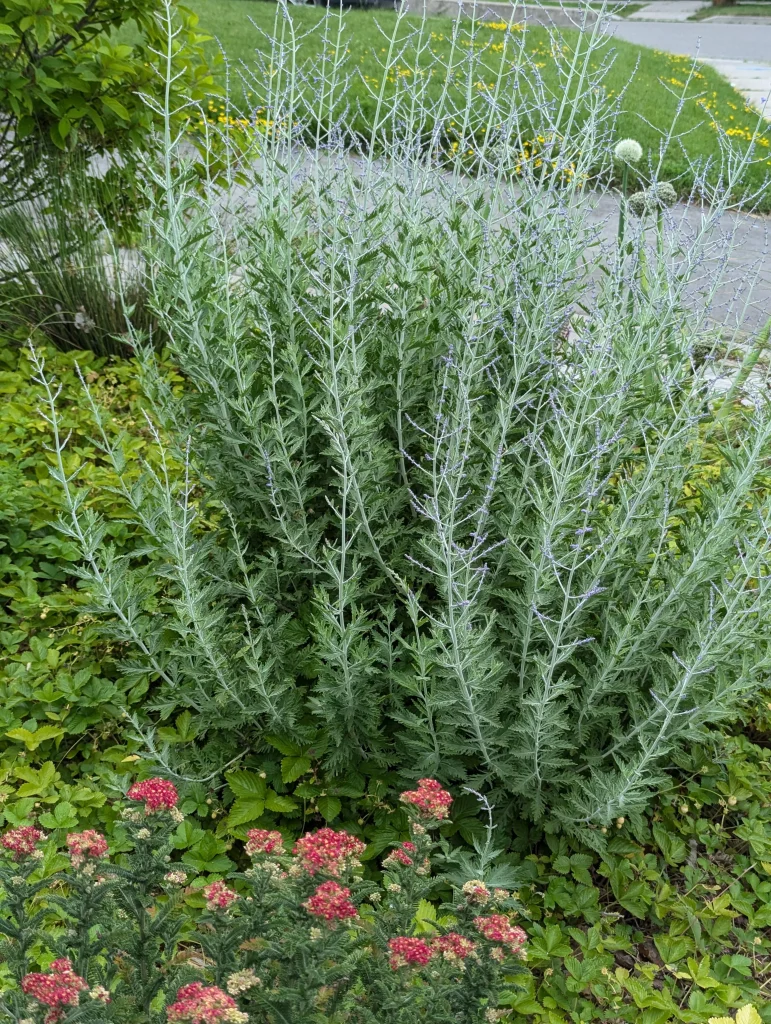
Ground covers work in three powerful ways. First, their dense foliage shades the soil, which stops weed seeds from getting the sunlight they need to sprout.
Second, their root systems compete directly with weed roots for water and nutrients underground.
Third, the thickest spreaders physically crowd out smaller, unwanted plants.
Think of them as a living mulch that works 24/7 without any effort from you. Once established, most of these plants need almost zero maintenance.
One quick tip before you plant: clear existing weeds first. Pull them by hand or smother them with clear plastic for four to six weeks in summer.
Perennial weeds like dandelions need extra attention since their deep roots can regrow if you miss them.
Read more: 13 Fast-Growing Ground Cover Perennials That Smother
15 Fast-Growing Ground Covers That Smother Weeds
1. Creeping Thyme
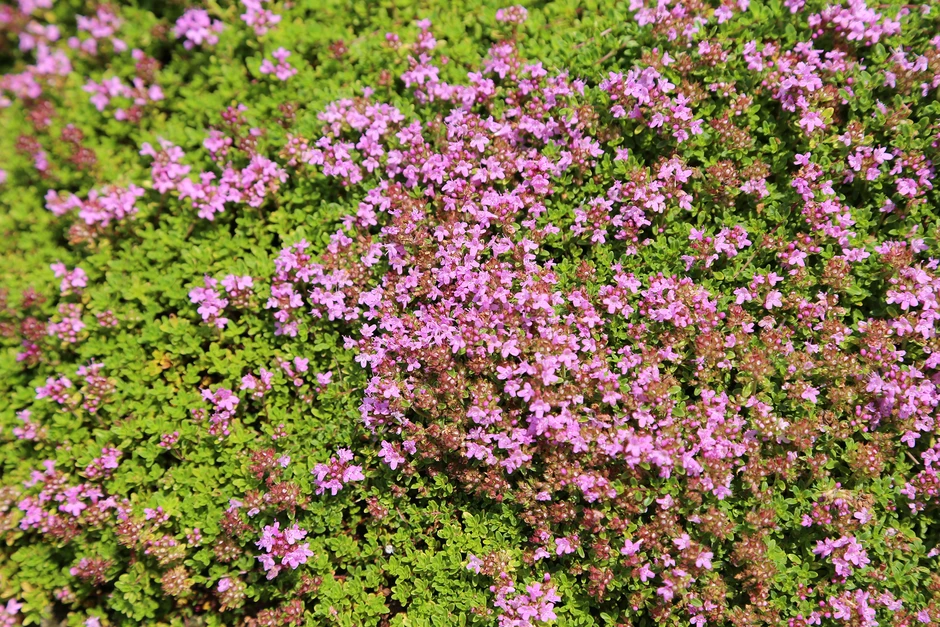
Creeping thyme is one of my absolute favorites on this list. It stays just 2 to 3 inches tall but spreads wide, forming a tight, fragrant mat that weeds simply cannot push through. Step on it and it releases the most wonderful herby scent.
‘Magic Carpet’ is the variety I recommend most. It produces a mass of magenta-pink flowers in summer that butterflies absolutely love. Zones 4 to 9, full sun, completely drought tolerant once established.
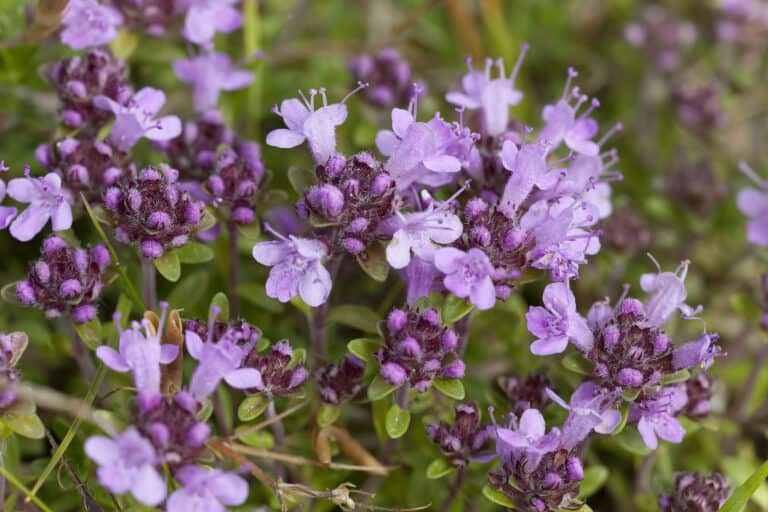
This plant thrives in sandy or rocky soil where other plants give up. It handles light foot traffic better than most ground covers. Coastal gardeners love it because it shrugs off salt spray too.
- Zones: 4-9
- Sun: Full sun
- Height: 2-3 inches
- Bloom time: Summer
Also read: 13 Stunning Flowering Ground Cover Perennials
2. Creeping Phlox
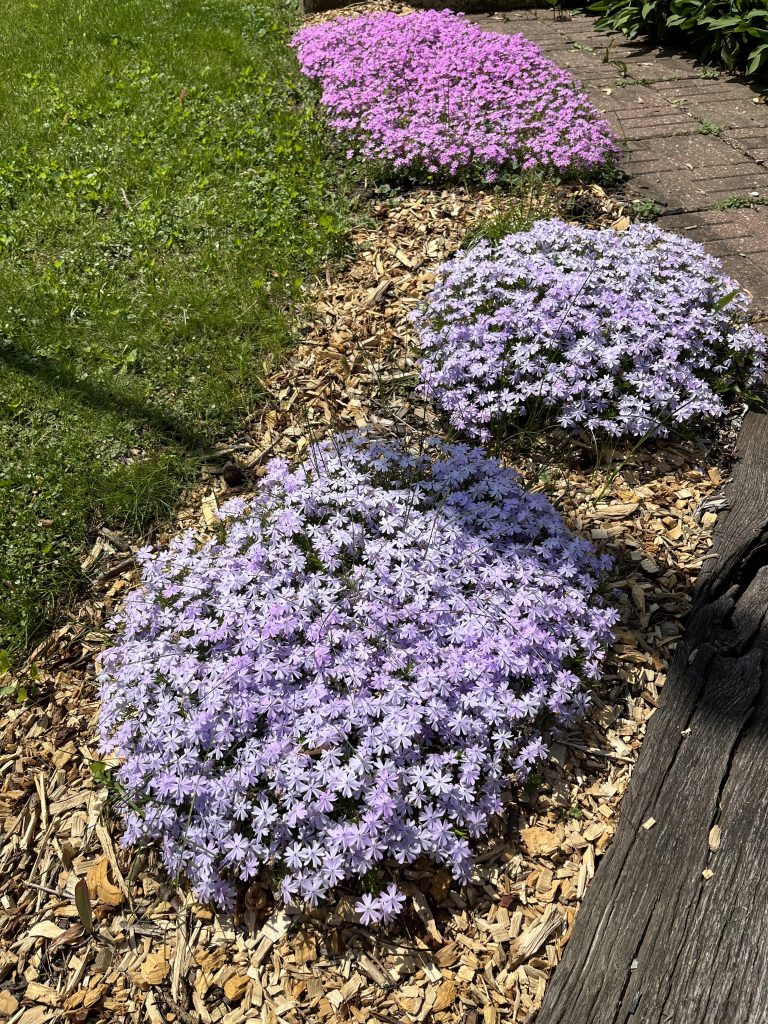
Few ground covers put on a spring display like creeping phlox. Masses of small flowers completely carpet the plant for about a month, in shades of pink, purple, white, and red. After blooming, the dense needle-like foliage keeps weeds blocked all season long.
‘Candy Stripe’ produces pink blooms with white stripes that look almost too pretty to be a weed fighter. Hardy in Zones 2 to 9, it handles drought well and actually prefers lean, poor soil. Rich soil makes it leggy and loose, so skip the heavy fertilizing.
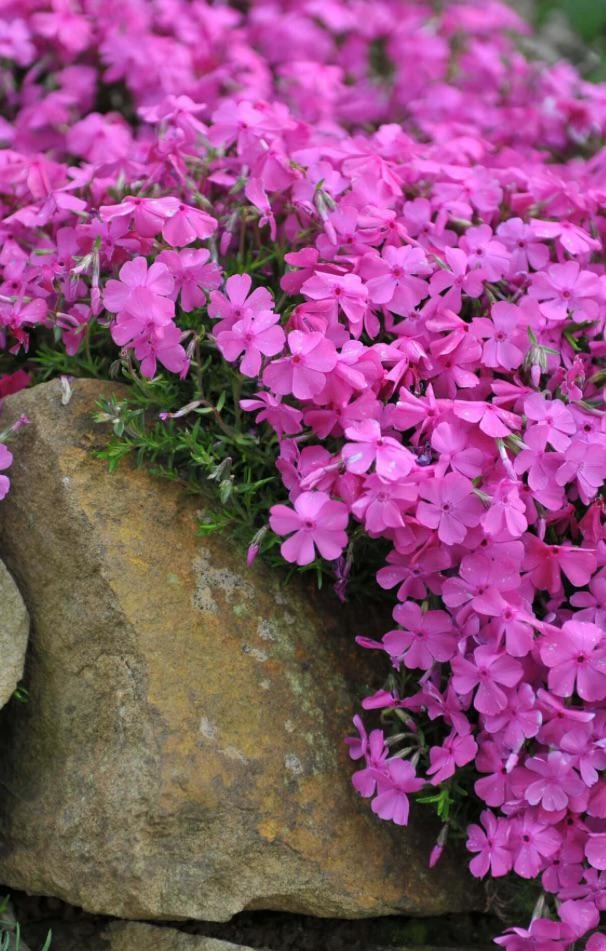
Slopes are where creeping phlox truly shines. Mowing is impossible on steep grades, but this plant covers them beautifully while also preventing erosion. After it flowers each year, mow it lightly to encourage fresh, dense growth.
- Zones: 2-9
- Sun: Full sun to partial shade
- Height: 4-6 inches
- Bloom time: Spring
Read more: 15 Drought Tolerant Ground Cover Plants
3. Bugleweed (Ajuga)
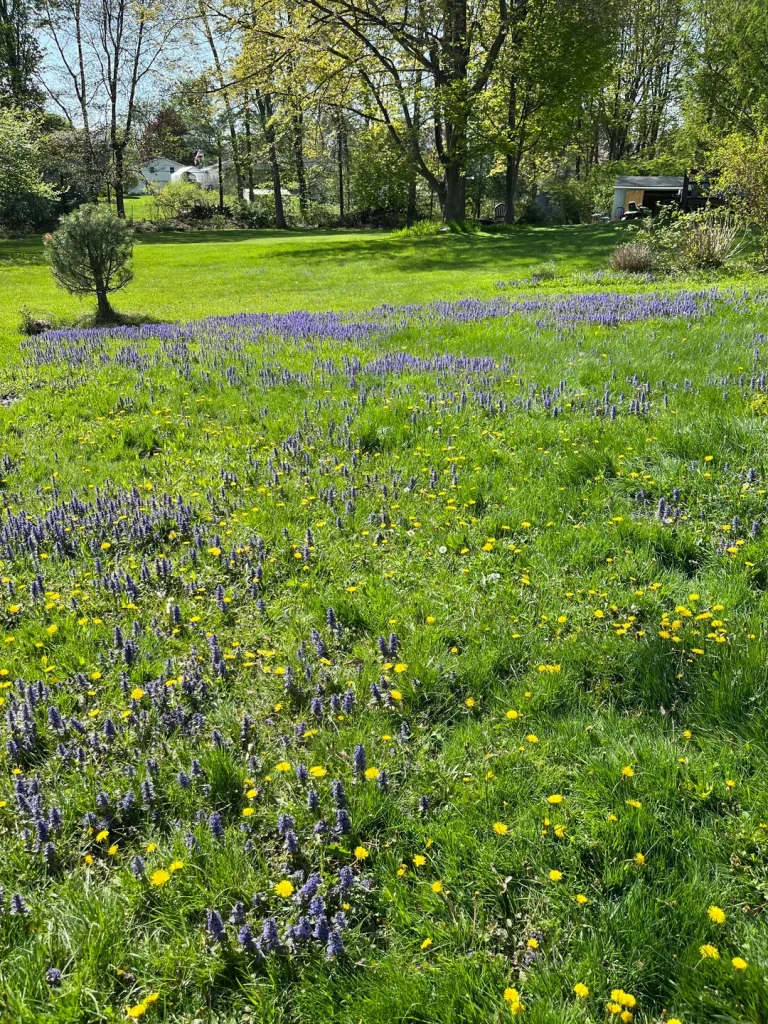
Ajuga spreads faster than almost anything else on this list. It fills space through runners that root wherever they touch the ground, creating thick coverage that weeds find impossible to penetrate.
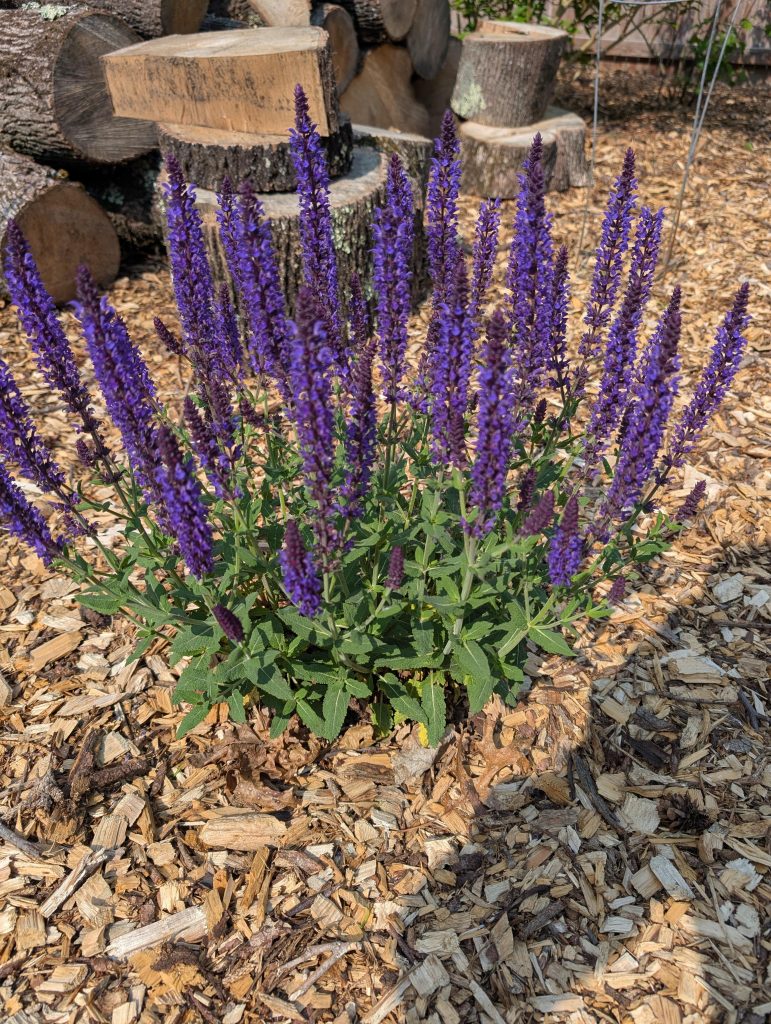
Purple, blue, or white flower spikes shoot up in spring and pollinators flock to them.
The foliage itself is the real star. Varieties come in green, bronze, deep purple, and variegated patterns that look great year-round in shaded spots. ‘Chocolate Chip’ stays tiny at just 3 inches tall but forms one of the densest mats of any ajuga variety.
Watch for crown rot if plants get too crowded without airflow. Before planting, check whether ajuga is invasive in your specific region, since it can spread aggressively in some northeastern states. Zones 3 to 10, partial to full shade.
- Zones: 3-10
- Sun: Partial to full shade
- Height: 3 inches
- Bloom time: Spring
Also read: 18 Deer Resistant Ground Cover Plants
4. Sweet Woodruff
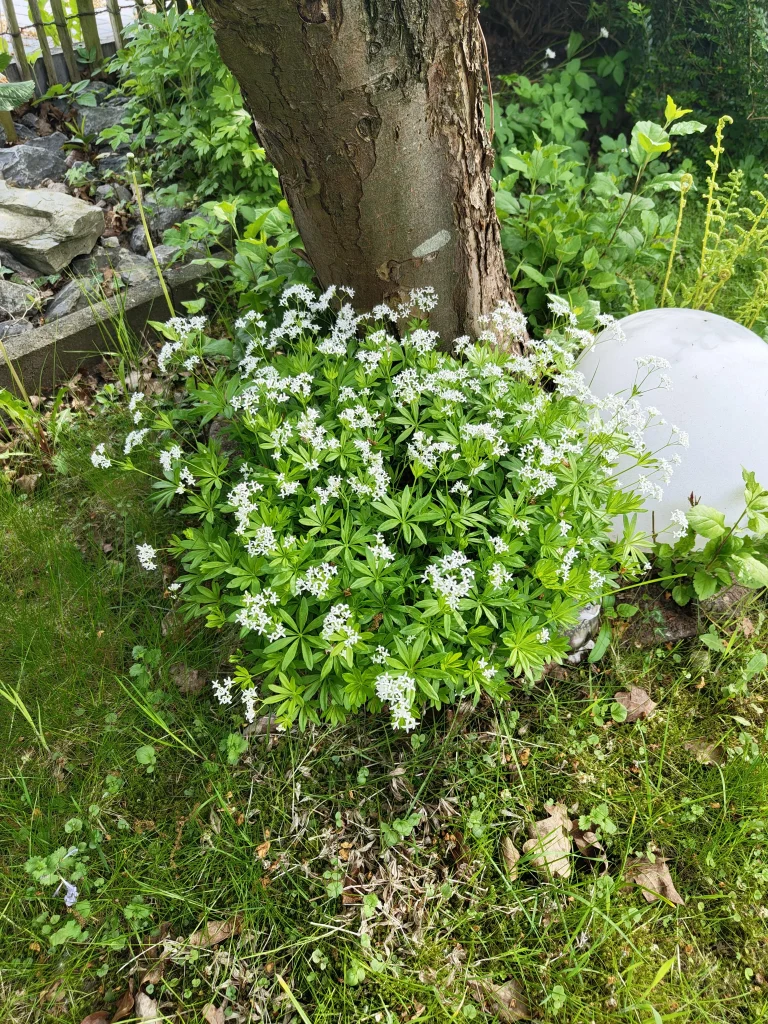
Sweet woodruff is the plant I always recommend to gardeners who struggle with shady, hard-to-plant areas. It forms low mounds of whorled, lance-shaped leaves that weave together into a dense mat only 6 inches tall.
Delicate white flowers appear in spring and fill the air with a light, sweet fragrance.
This plant thrives in partial to full shade with consistent moisture. Unlike many shade lovers, it spreads reliably and fills gaps quickly under trees where grass refuses to grow. Zones 4 to 8 make it a solid choice across much of the country.
One thing to know: sweet woodruff can get aggressive in warm climates where it stays evergreen through winter. In cooler zones it dies back seasonally, which naturally keeps its spread in check. Either way, the weed suppression it provides is outstanding.
- Zones: 4-8
- Sun: Partial to full shade
- Height: 6 inches
- Bloom time: Spring
5. Dead Nettle (Lamium)
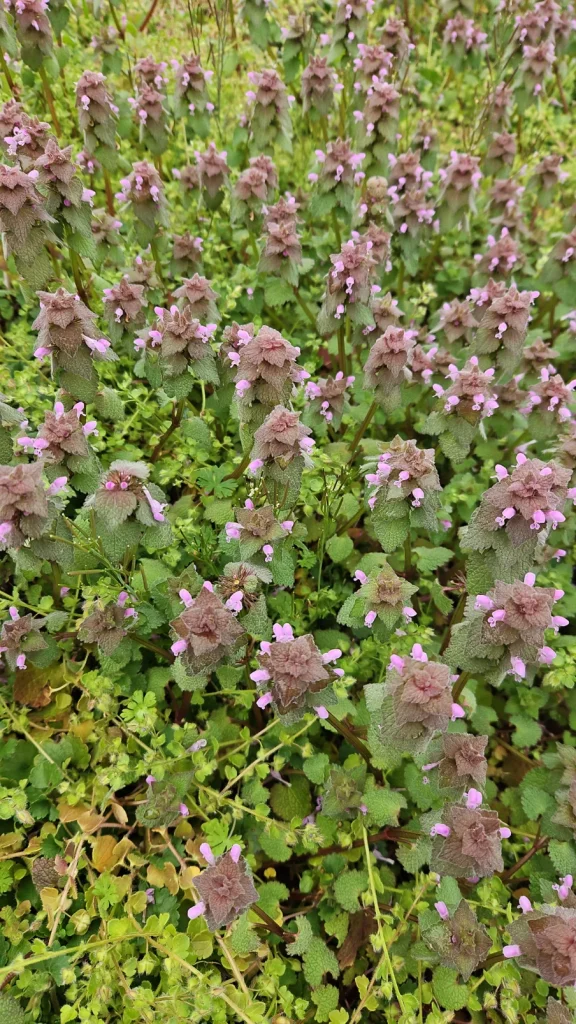
Don’t let the name fool you. Dead nettle is actually one of the prettiest ground covers you can grow in a shady spot.
The silver-variegated leaves brighten dim areas all season long, even when the small purple flowers aren’t in bloom.
‘Beacon Silver’ is a standout variety with pale green leaves edged in dark green. Small purple flowers appear from late spring and bloom on and off through fall.
Zones 4 to 8, partial to full shade, and surprisingly drought tolerant once it settles in.
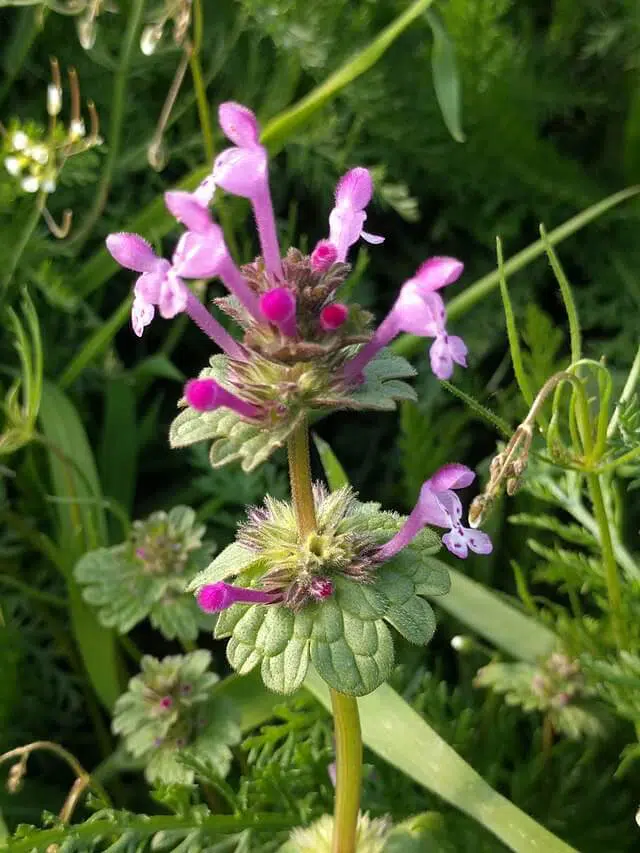
Mow dead nettle in late summer to encourage a fresh flush of dense foliage. It handles dry shade better than almost any other ground cover, making it perfect for the tricky spots beneath mature trees.
Check invasive plant lists for your region before planting, as it can spread aggressively in parts of the northeastern US.
- Zones: 4-8
- Sun: Partial to full shade
- Height: 6-8 inches
- Bloom time: Late spring through fall
6. Creeping Juniper
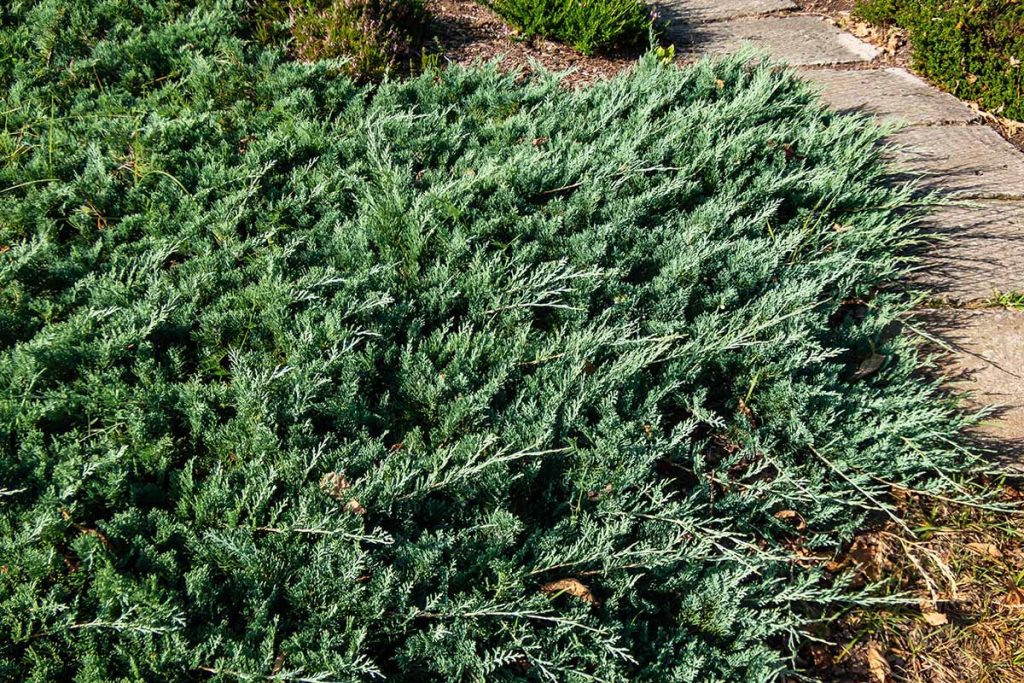
Creeping juniper is what I call the indestructible option.
One single plant can spread up to 8 feet wide, laying down a thick, needle-covered mat that completely blocks sunlight from reaching the soil below.
Weeds don’t stand a chance underneath it.
‘Blue Rug’ is the most popular variety, staying just 3 to 6 inches tall with beautiful silvery-blue evergreen foliage.
Rocky or sandy soil suits it perfectly, and it never needs mowing or regular pruning. Zones 3 to 9, full sun, and extremely low maintenance once established.
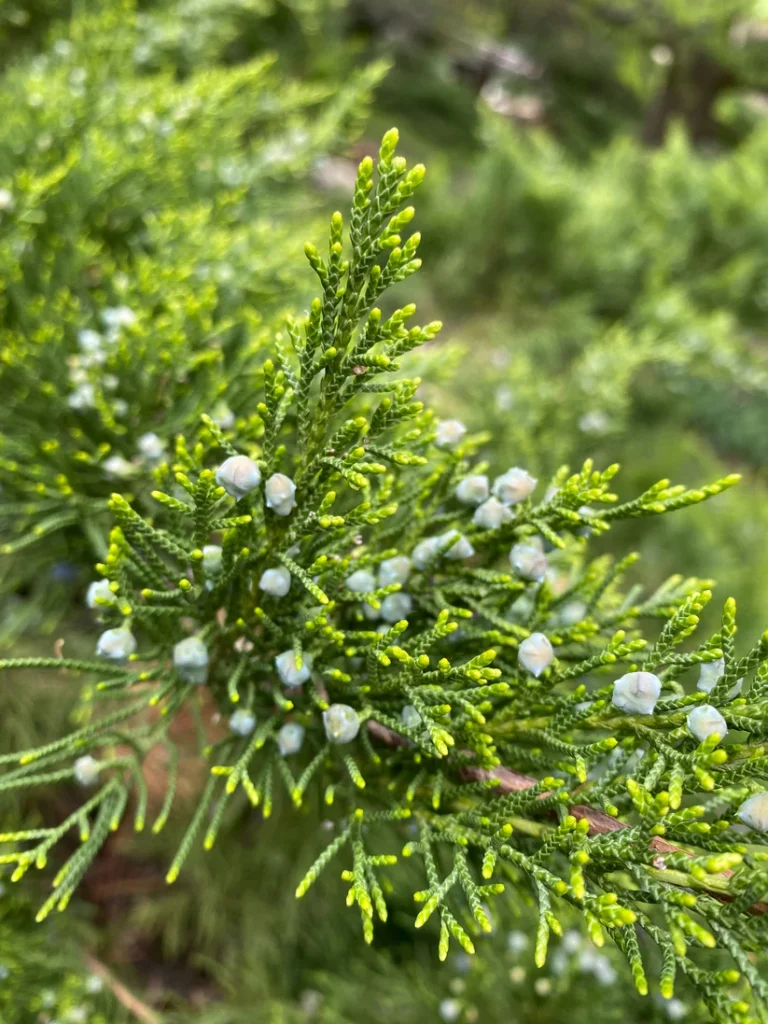
Slopes and hillsides are where creeping juniper really earns its keep. Erosion control, weed suppression, and year-round color all come in one tough package. Pruning actually encourages it to spread faster, so trim only when you want to slow it down.
- Zones: 3-9
- Sun: Full sun
- Height: 3-6 inches
- Spread: Up to 8 feet
7. Wild Ginger
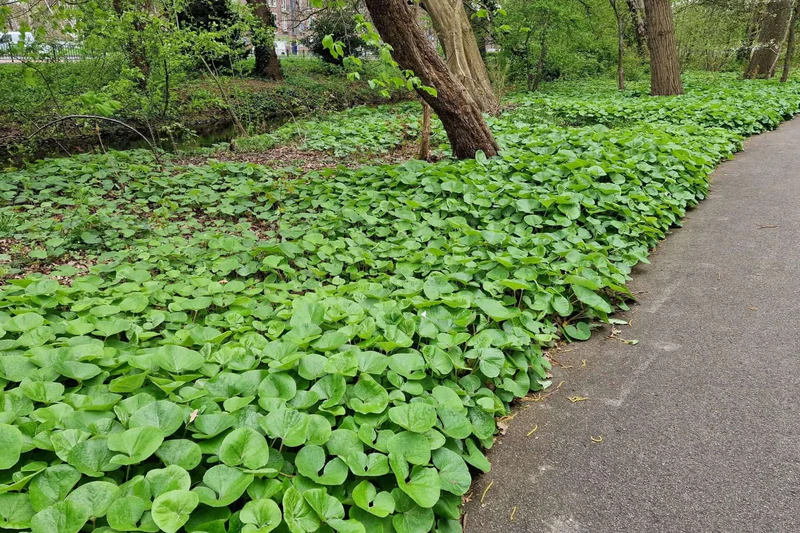
Wild ginger (Asarum canadense) is a North American native that deserves far more attention than it gets.
Glossy, heart-shaped leaves spread outward from underground rhizomes, forming lush colonies that look completely at home in woodland settings. Weeds rarely break through once a colony gets going.
This plant thrives in rich, moist soil under the deep shade of mature trees. Seeds require cold stratification, but wild ginger also multiplies by rhizome, so colonies expand steadily without much help. Zones 4 to 8.
Tiny flowers do appear in spring, but they hide beneath the foliage at ground level.
Most gardeners grow wild ginger purely for its handsome leaves and its remarkable ability to choke out weeds in spots where almost nothing else will grow. It shows up on no invasive plant lists, which is always reassuring.
- Zones: 4-8
- Sun: Partial to full shade
- Height: 6 inches
- Soil: Rich, moist
8. Pachysandra
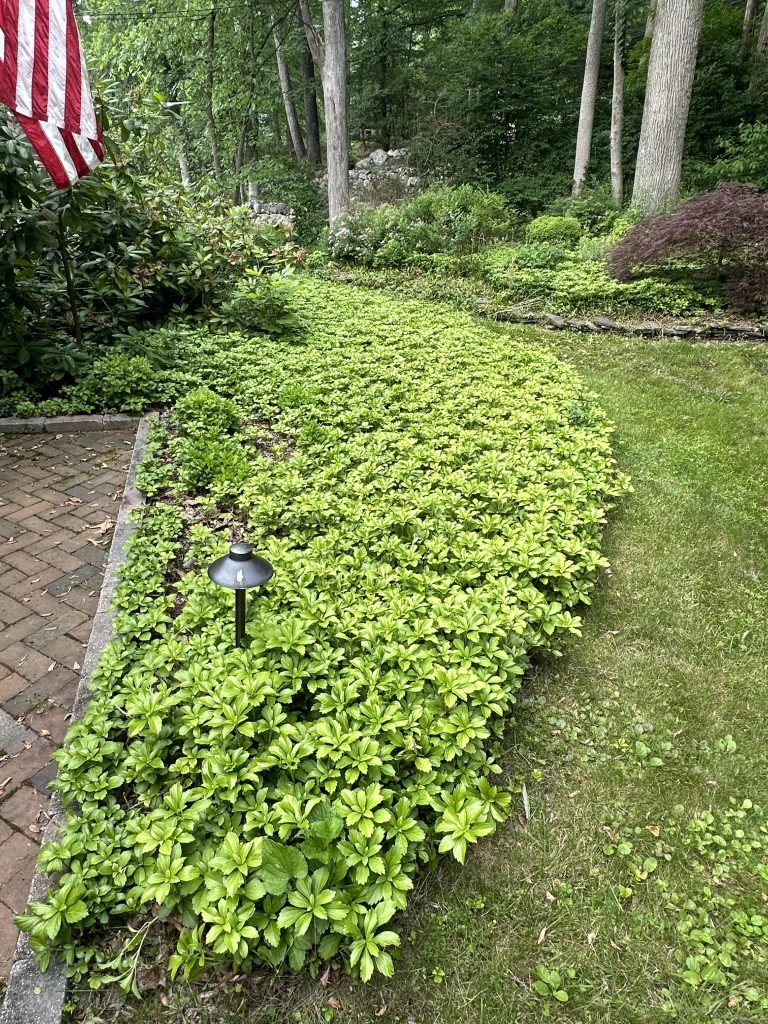
Pachysandra has earned its reputation as the go-to shade ground cover for good reason. Dense colonies of glossy evergreen leaves form a tidy, uniform carpet that stays attractive year-round.
Small white flower spikes appear in spring, but the real value is the solid weed-blocking coverage it provides all twelve months.
It spreads via underground runners at a moderate, manageable pace. Consistent moisture and shade are what this plant wants, and it thrives in conditions that challenge most other plants.
Zones 5 to 9, Japanese spurge (Pachysandra terminalis) being the most widely available species.
By late winter, older leaves can look a little tired after harsh weather. A light raking in early spring freshens things up quickly. This is one ground cover that truly earns its reputation for low maintenance year after year.
- Zones: 5-9
- Sun: Partial to full shade
- Height: 6-8 inches
- Type: Evergreen
9. Creeping Mazus
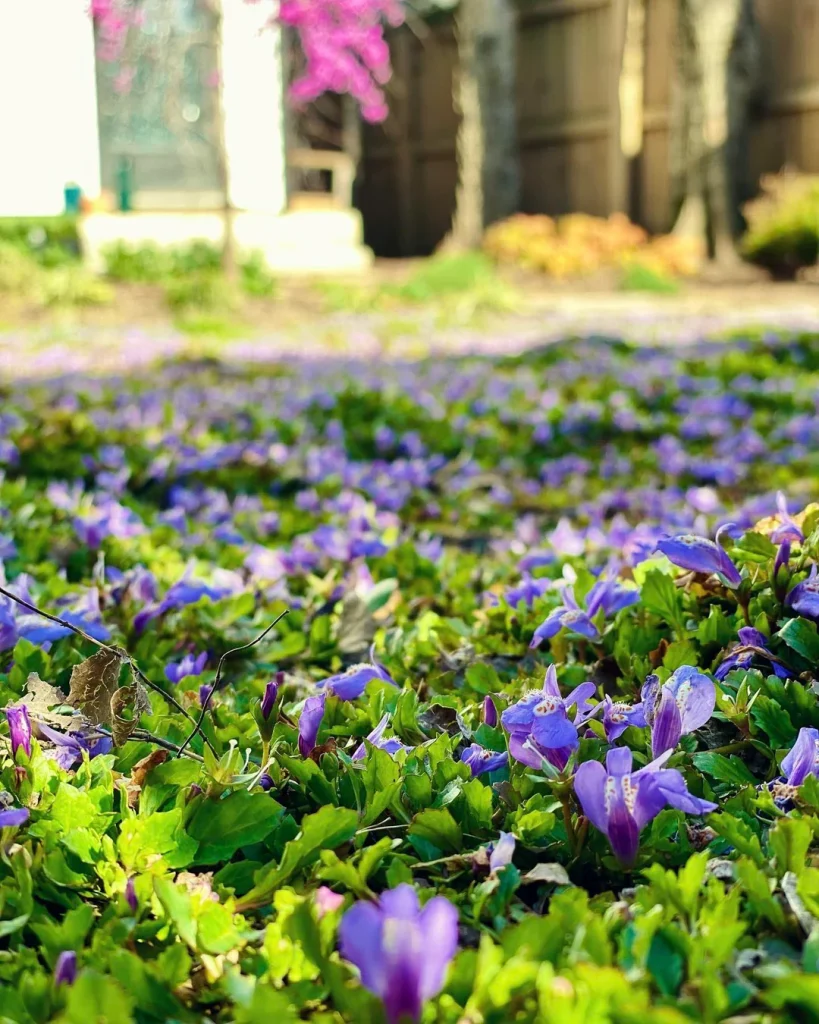
Creeping mazus only grows 1 to 2 inches tall, making it one of the lowest ground covers on this entire list. What it lacks in height it makes up for in density, forming a tight green carpet that gives weeds absolutely nowhere to establish.
Bluish-purple flowers with yellow throats appear in late spring and attract bees reliably.
Fertile soil and full to partial sun suit this plant well. It handles light foot traffic better than most ground covers its size, which makes it a smart choice for planting between stepping stones.
Zones 5 to 8, and surprisingly cold tolerant for such a delicate-looking plant.
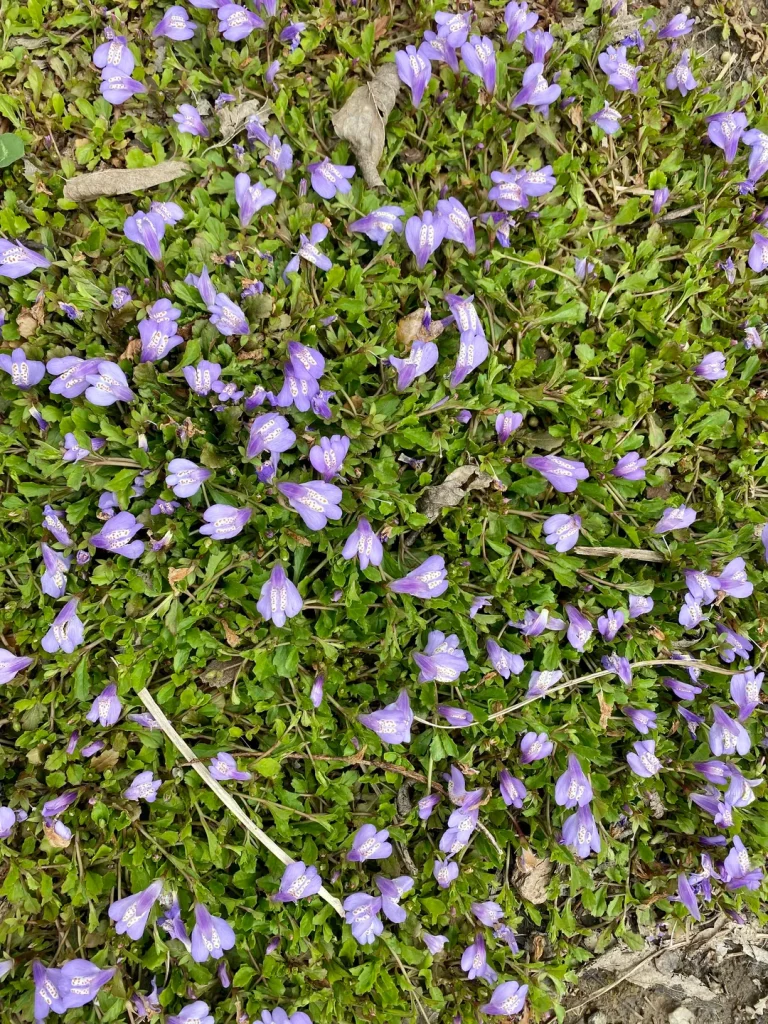
Areas that stay a little damp are actually perfect for creeping mazus. Most ground covers hate wet feet, but this one adapts well to moist conditions where others struggle. Pest and disease problems are essentially nonexistent with this plant.
- Zones: 5-8
- Sun: Full sun to partial shade
- Height: 1-2 inches
- Bloom time: Late spring to early summer
10. Ice Plant
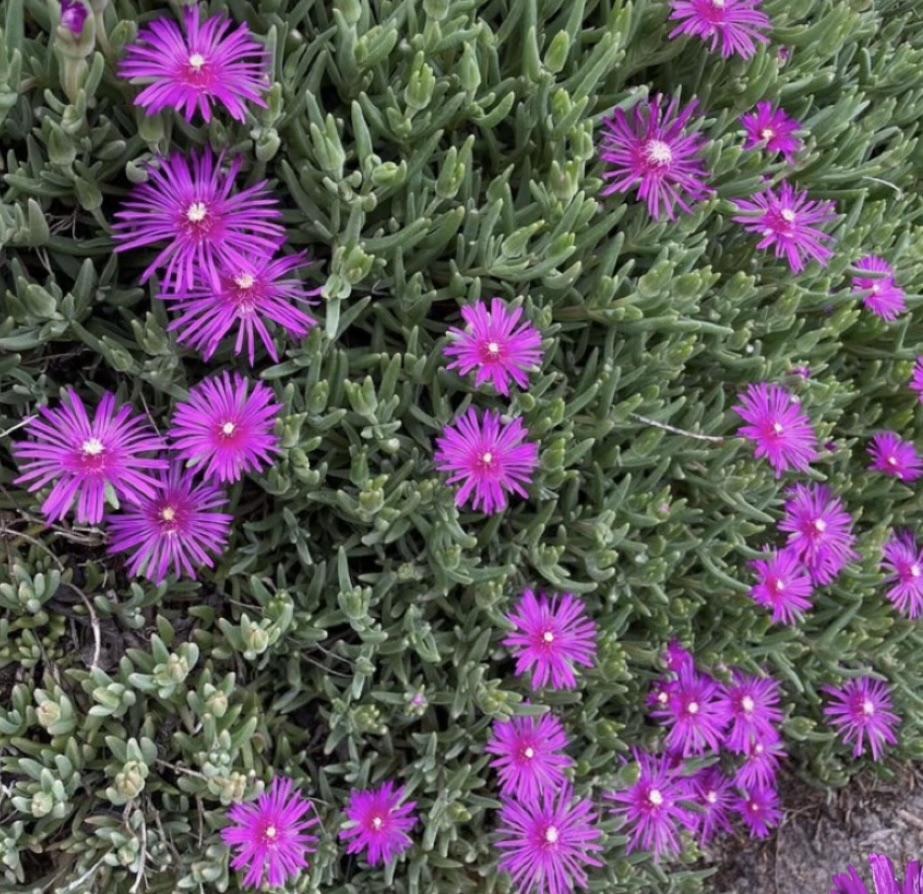
Ice plant does something most ground covers simply cannot: it thrives in baking heat, poor soil, and extended drought without complaint.
The succulent leaves store water, allowing it to survive conditions that would stress virtually anything else. Weeds that try to compete in those harsh conditions don’t last long.
‘Fire Spinner’ produces some of the most eye-catching flowers in the ground cover world.
Bright pink and orange blooms with white centers open from spring into early summer and draw butterflies in impressive numbers. Zones 6 to 10, full sun, and excellent drainage are the only real requirements.
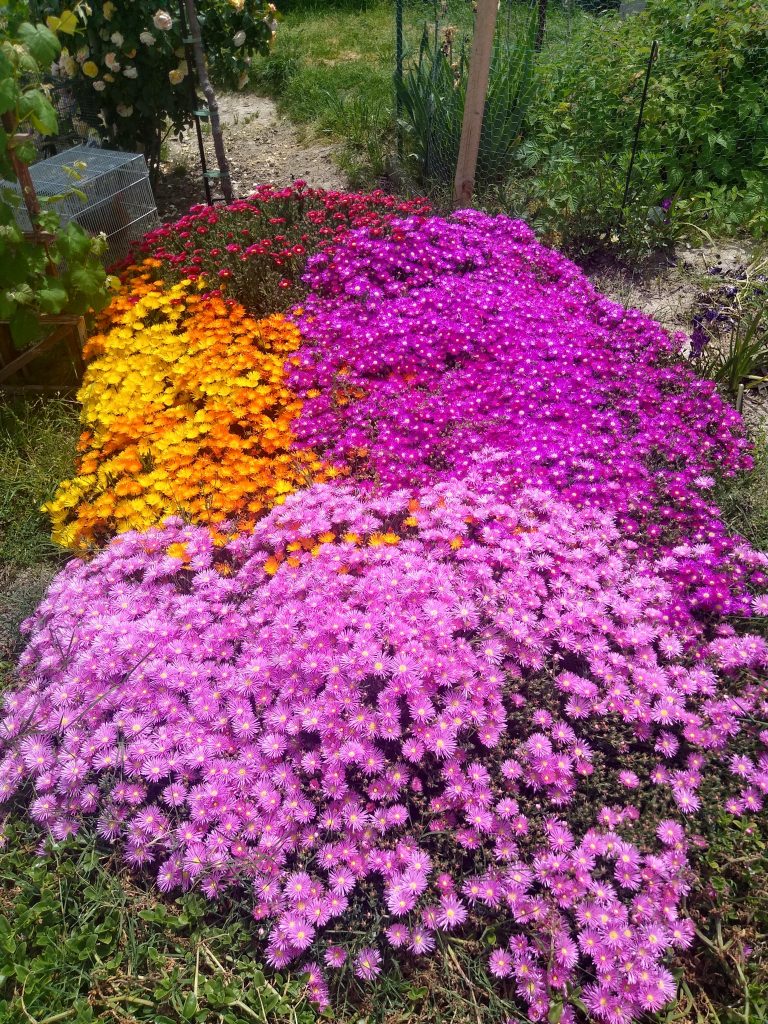
Sandy, rocky, or even gravelly soil suits ice plant perfectly. Never plant it in areas that collect standing water, since soggy conditions cause rot quickly.
This is the ground cover I always suggest for gardeners in hot southern or western climates where other options simply give up.
- Zones: 6-10
- Sun: Full sun
- Height: 2-3 inches
- Bloom time: Spring to early summer
11. Liriope
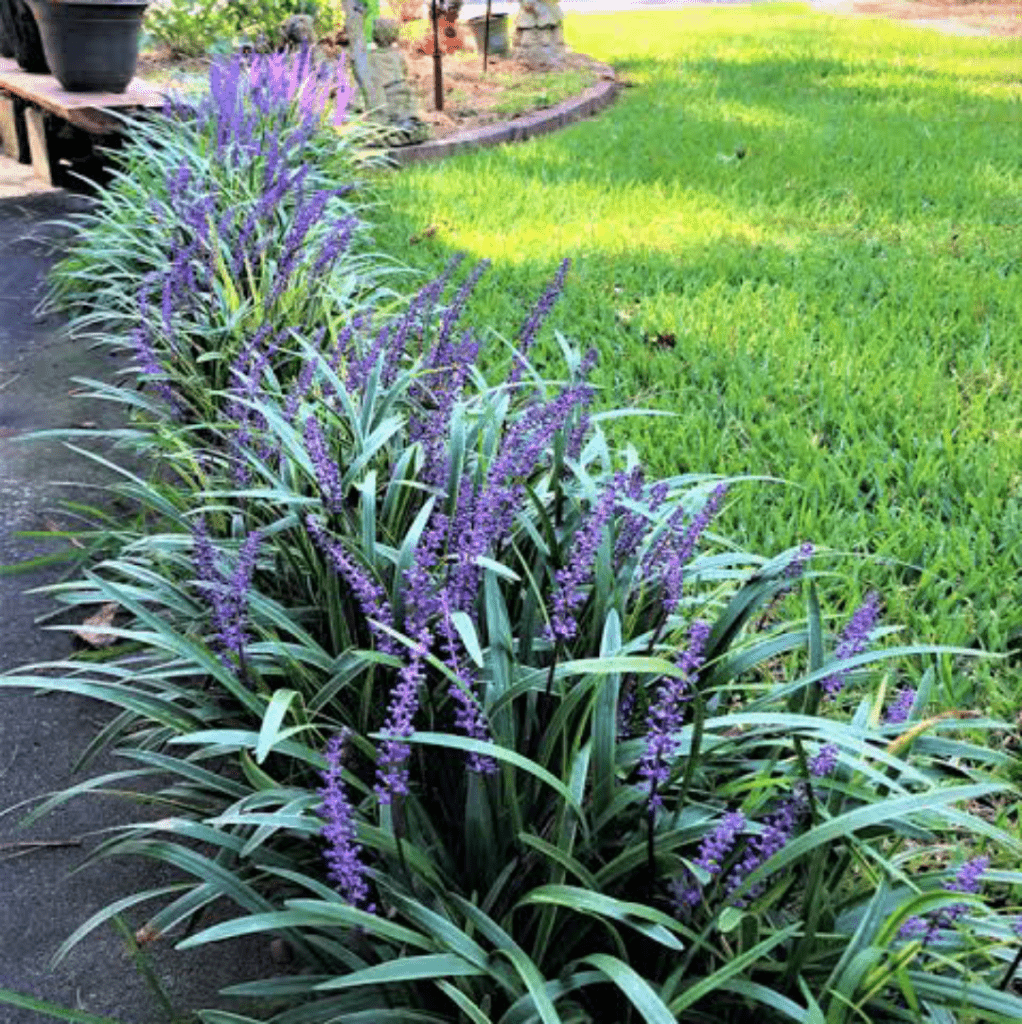
Liriope looks like an ornamental grass but performs like a serious weed suppressor. Arching, strap-like leaves form uniform clumps that spread steadily via underground runners, eventually creating solid coverage that weeds cannot penetrate.
Purple or white flower spikes appear in late summer when most other plants are winding down.
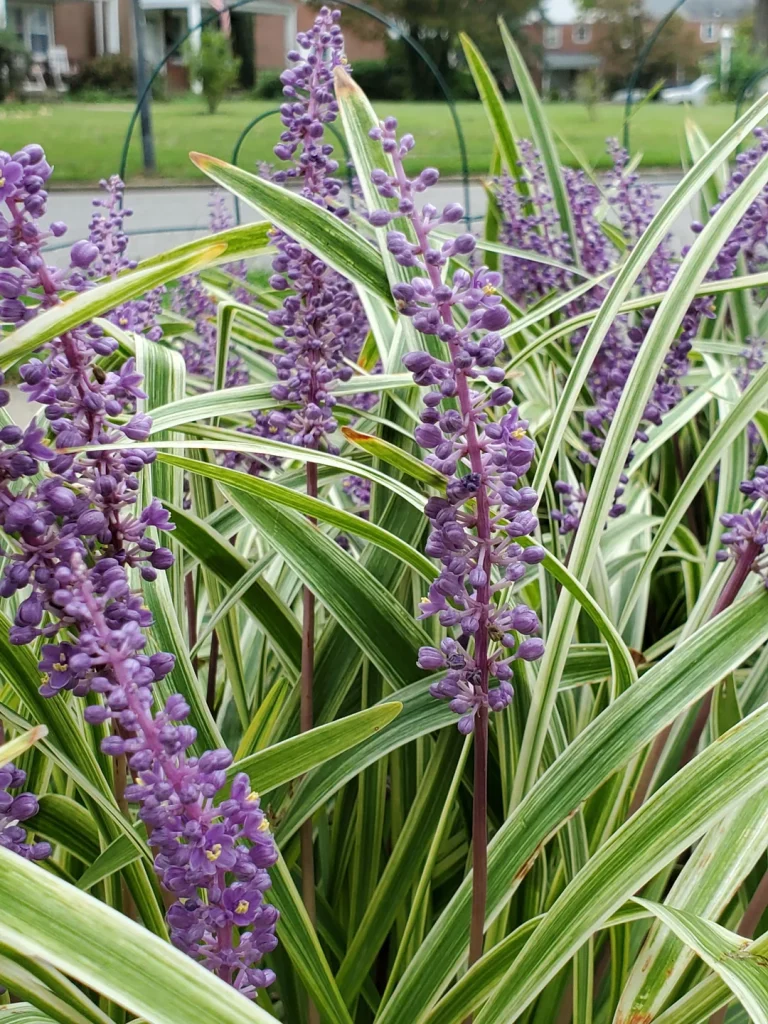
Full sun to partial shade both work well for this adaptable plant. It tolerates drought once established, and it also handles occasional flooding without complaint, making it one of the most flexible ground covers available.
Edging along walkways and massing under trees are two spots where liriope performs brilliantly. The evergreen foliage provides year-round structure even through winter.
Few ground covers offer this combination of reliability, adaptability, and late-season flowering all in one plant.
- Zones: 6-11
- Sun: Full sun to partial shade
- Height: 6-8 inches
- Bloom time: Late summer
12. Coral Bells (Heuchera)
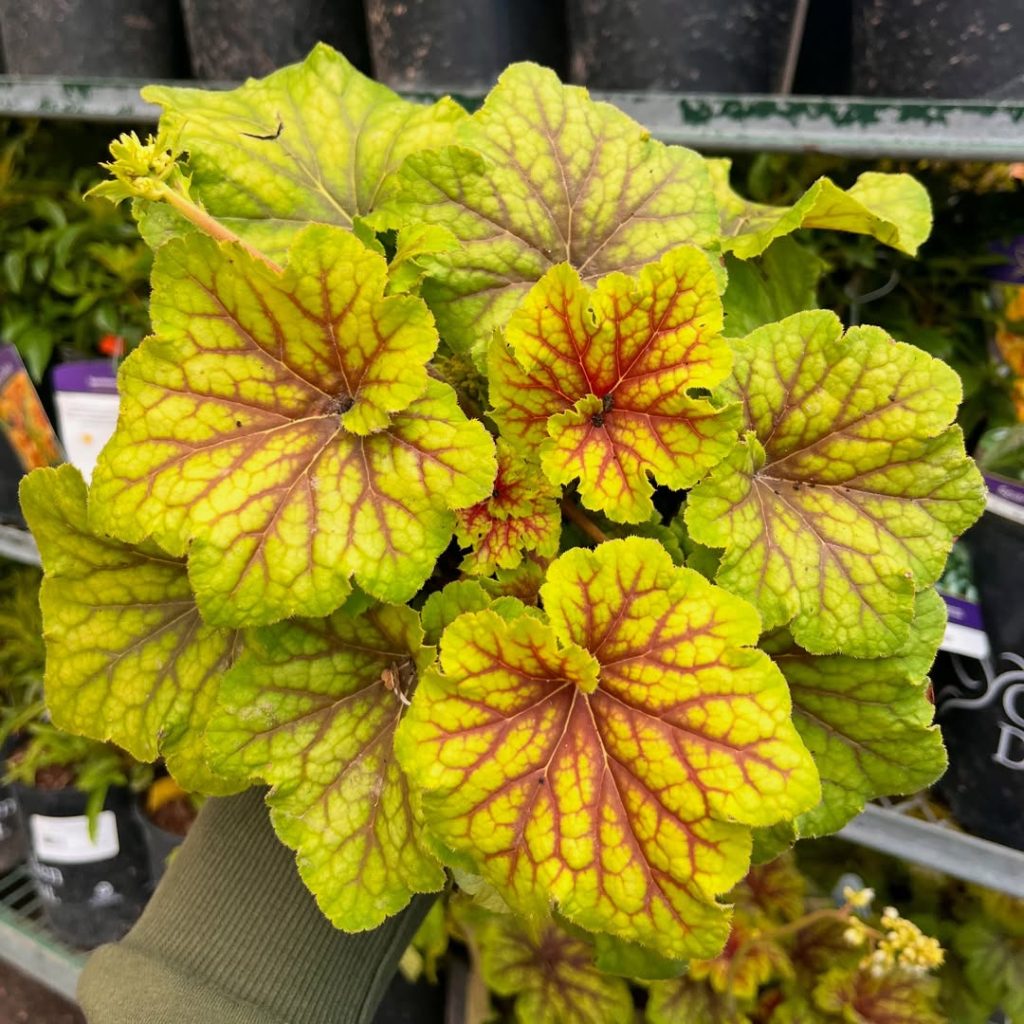
Coral bells bring something most weed-suppressing ground covers don’t: genuine year-round drama.
‘Black Taffeta’ produces deeply ruffled leaves in such a dark purple that they appear almost black, creating a striking visual statement in any shaded bed.
Tall spikes of pale pink flowers rise above the foliage and add a delicate contrast.
Partial shade and rich, moist, well-drained soil give coral bells the best conditions to thrive.
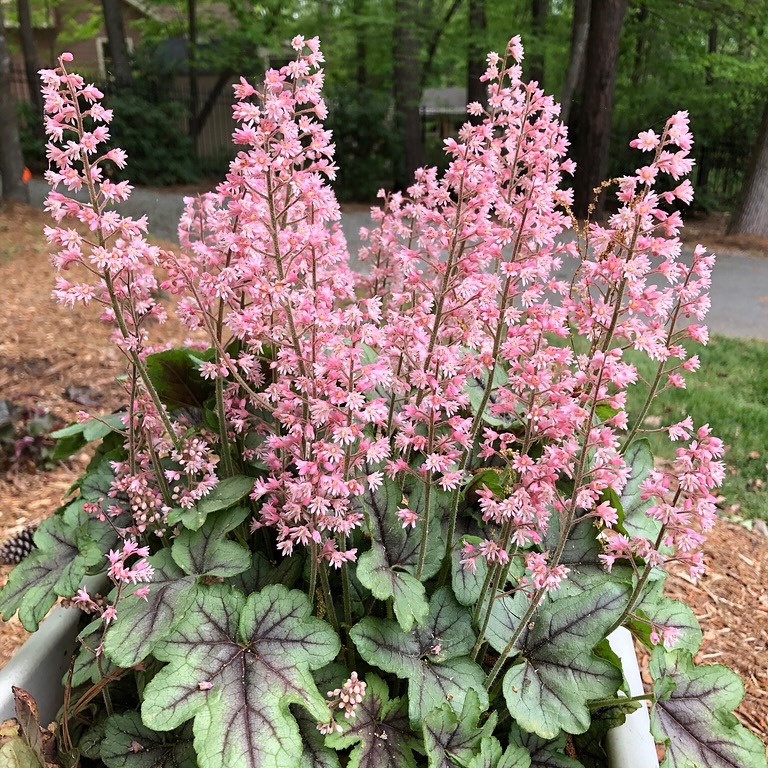
At 10 to 12 inches tall, it sits a little higher than some options on this list, which makes it better suited to low-traffic shaded areas. Zones 4 to 9, pest free, and virtually disease free.
Plant coral bells in drifts rather than single specimens for the strongest weed suppression. The dense mounded foliage covers soil effectively when plants grow close together.
Few ground covers combine this level of ornamental beauty with genuine weed-choking ability.
- Zones: 4-9
- Sun: Partial shade
- Height: 10-12 inches
- Bloom time: Spring to summer
13. Sedum (Stonecrop)
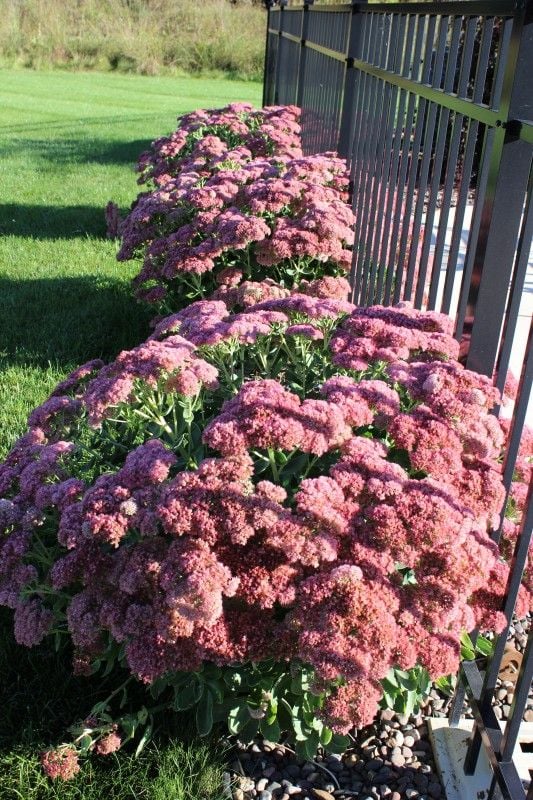
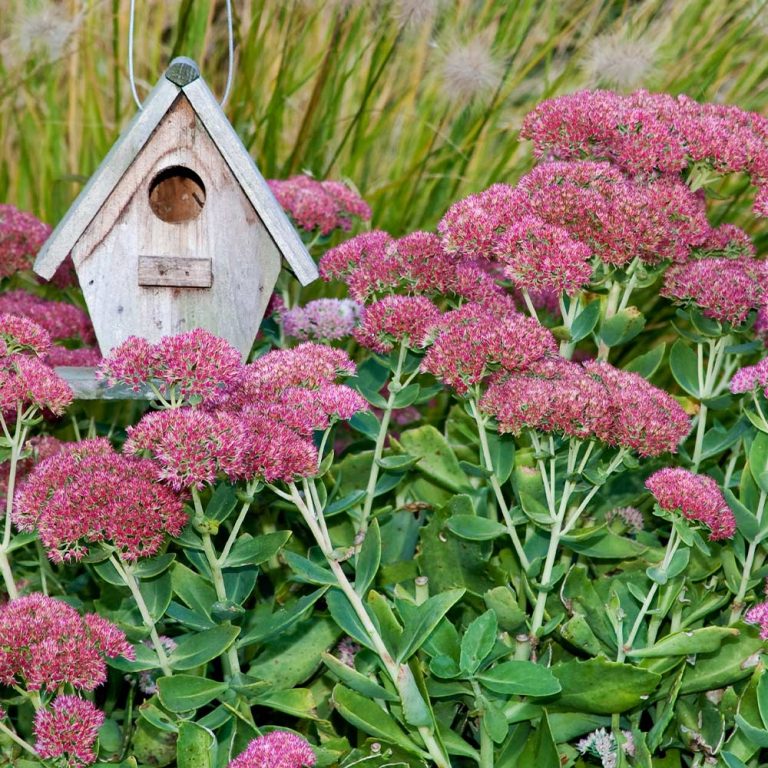
Low-growing sedums are the answer for sunny, dry spots where weeding feels truly endless. Succulent foliage stores water and stays dense and compact, shading the soil below and leaving no room for weed seeds to germinate.
‘Dragon’s Blood’ (Sedum spurium) turns a stunning red in fall, adding seasonal color to its weed-fighting credentials.
Goldmoss sedum (Sedum acre) produces cheerful yellow flowers in early summer and stays evergreen through winter in most zones.
Poor soil, rocky ground, and full sun are exactly what sedums prefer. Zones 3 to 9 cover most of the country for the hardiest varieties.
Never plant sedums in areas with poor drainage or heavy clay soil. Wet conditions cause root rot quickly and wipe out a planting fast. Get the drainage right and these plants will spread reliably for years with essentially zero intervention from you.
- Zones: 3-9
- Sun: Full sun
- Height: 2-4 inches
- Bloom time: Early summer to fall (varies by variety)
14. Vinca Minor (Periwinkle)
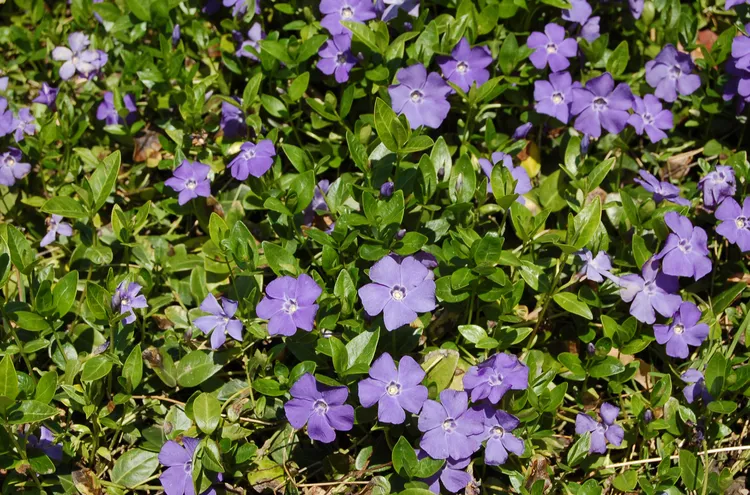
Vinca minor is one of those ground covers that experienced gardeners either love or treat with caution, and honestly, both reactions make sense. Trailing stems root wherever they touch the ground, creating a thick, glossy evergreen mat that shuts weeds out completely.
Lavender-blue flowers appear mainly in spring and then pop up sporadically through the rest of the season.
Deep shade to partial sun, drought tolerance once established, and adaptability to almost any soil type make this an incredibly versatile plant.
Each stem roots along its length as it spreads, meaning coverage happens faster than you might expect. Zones 4 to 9 cover a wide planting range across the country.
Large areas where you want reliable, permanent coverage are where vinca minor truly excels. Smaller, more controlled garden beds need occasional edging to keep it from wandering too far.
Always check your local invasive plant guidelines before planting, since vinca can become aggressive in ideal conditions.
- Zones: 4-9
- Sun: Full shade to partial sun
- Height: 3-6 inches
- Bloom time: Spring, sporadic through season
15. Foamflower
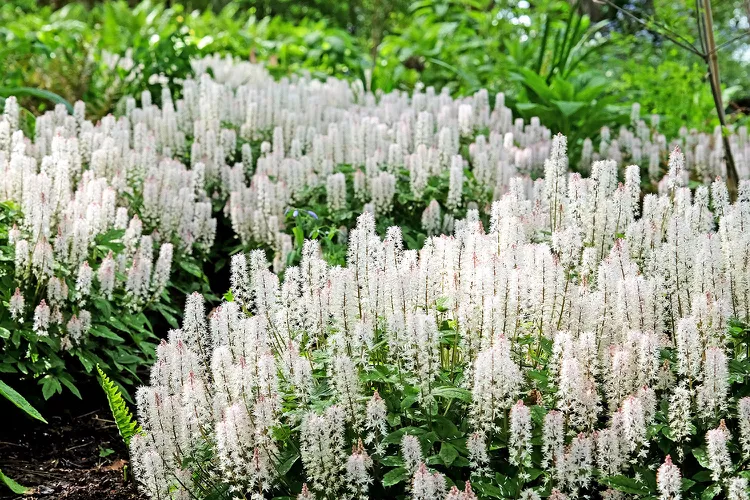
Foamflower (Tiarella cordifolia) rounds out this list as my pick for the most underappreciated ground cover of all. Creamy white flower spikes rise above attractive lobed foliage in spring, creating a foam-like effect that gives the plant its name.
Native to eastern North America, it supports local wildlife and fits naturally into woodland garden settings.
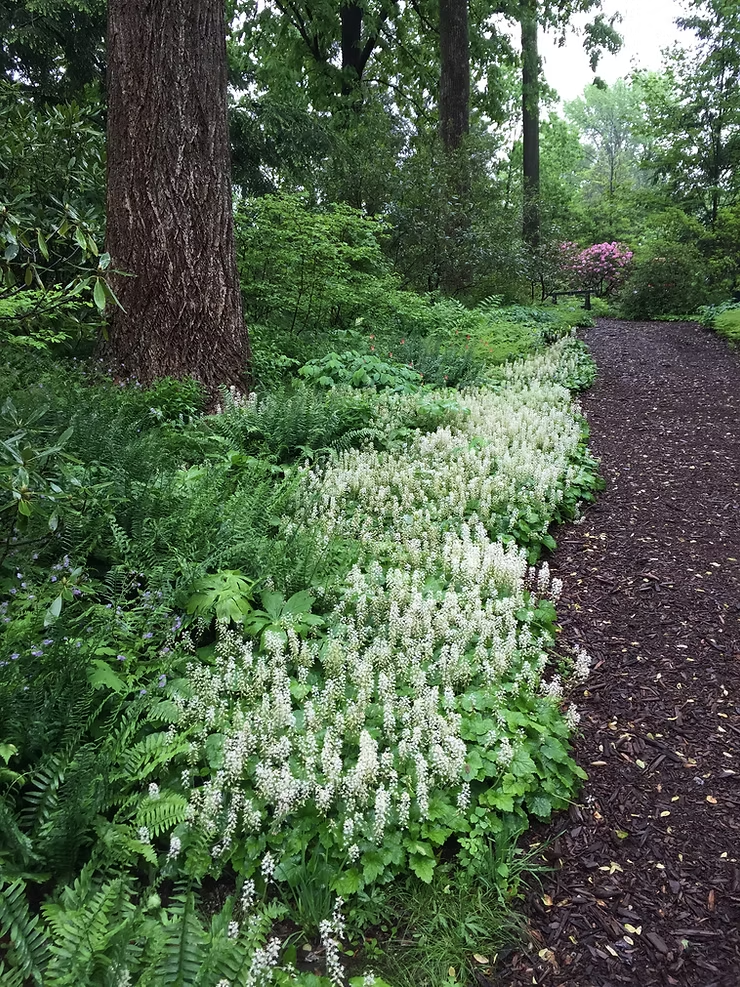
Rich, moist soil and shade are what foamflower needs to spread effectively. Zones 4 to 9, no serious pest or disease problems, and a gentle spreading habit that fills space without becoming invasive.
Plant it under trees alongside wild ginger or pachysandra for a layered, completely weed-proof shade garden.
- Zones: 4-9
- Sun: Partial to full shade
- Height: 6-12 inches
- Bloom time: Spring
The Best Ground Cover for Your Garden
Choosing the right plant comes down to two things: your light conditions and your soil.
Sunny, dry spots call for creeping thyme, ice plant, sedum, or creeping juniper.
Shady areas under trees are where wild ginger, pachysandra, sweet woodruff, foamflower, and dead nettle do their best work.
For slopes and erosion-prone areas, creeping phlox and creeping juniper are your strongest options. Gardeners who want flowers alongside weed suppression should look at bugleweed, coral bells, liriope, and creeping mazus.
Every single plant on this list suppresses weeds through dense coverage rather than chemicals.
Prepare your soil properly before planting any of these. Clear existing weeds thoroughly, add compost to improve drainage and fertility, and plant in spring to give roots time to establish before winter.
Patient gardeners who do this right end up with virtually weed-free beds that maintain themselves year after year.
Your Weed-Free Garden Starts Now
Weeding doesn’t have to be your weekend hobby forever. These 15 ground covers prove that the smartest weed control strategy is simply planting something better in the space where weeds want to grow.
Each one suppresses weeds naturally, looks beautiful doing it, and rewards you with less work every single season.
Pick one plant that matches your conditions and start there. Divide it as it grows and use those divisions to cover more ground without spending extra money. Your future self will thank you every weekend you don’t spend on your knees pulling weeds.