13 Flowering Ground Cover Perennials That Will Transform Your Garden All Year Long

Bare soil has a talent for making a garden look unfinished. One minute you’ve planted a lovely border, and the next, the empty patches start waving at you like, “Hi, I’m awkward.”
That’s where flowering ground cover perennials earn their keep.
These low-growing plants spread across the soil, add color, help reduce weeds, and soften edges around paths, rocks, slopes, and beds.
The trick is choosing the right plant for the right spot, because some love sun, some prefer shade, and a few will spread like they own the deed to your garden.
Groundcovers work best when you match them to your site’s light, moisture, drainage, and growth space.
Also Read:
15 Tall Shade Perennials That Will Transform Your Garden
15 Beautiful Low Growing Perennials for Border, Sideway
13 Best Flowering Ground Cover Perennials
1. Creeping Phlox
Zones: 3–9
Exposure: Full sun to partial shade
Height/Spread: 4 to 6 inches tall, spreads 12 to 24 inches
Bloom time: Mid to late spring
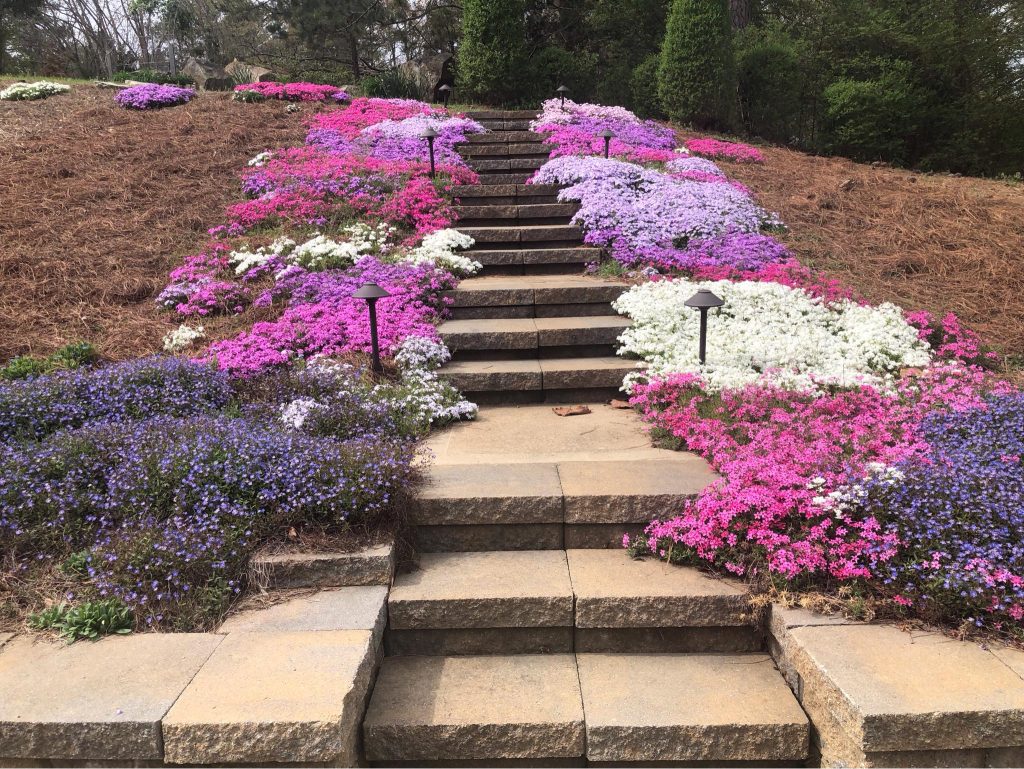
Creeping phlox is the plant I’d recommend when someone wants instant “wow” without needing a gardening degree and a therapist. In spring, it creates a low carpet of pink, purple, white, or lavender flowers.
It looks especially good spilling over rock walls, edging pathways, or filling sunny slopes.
Give it full sun and well-drained soil, and it usually behaves like a reliable garden friend.
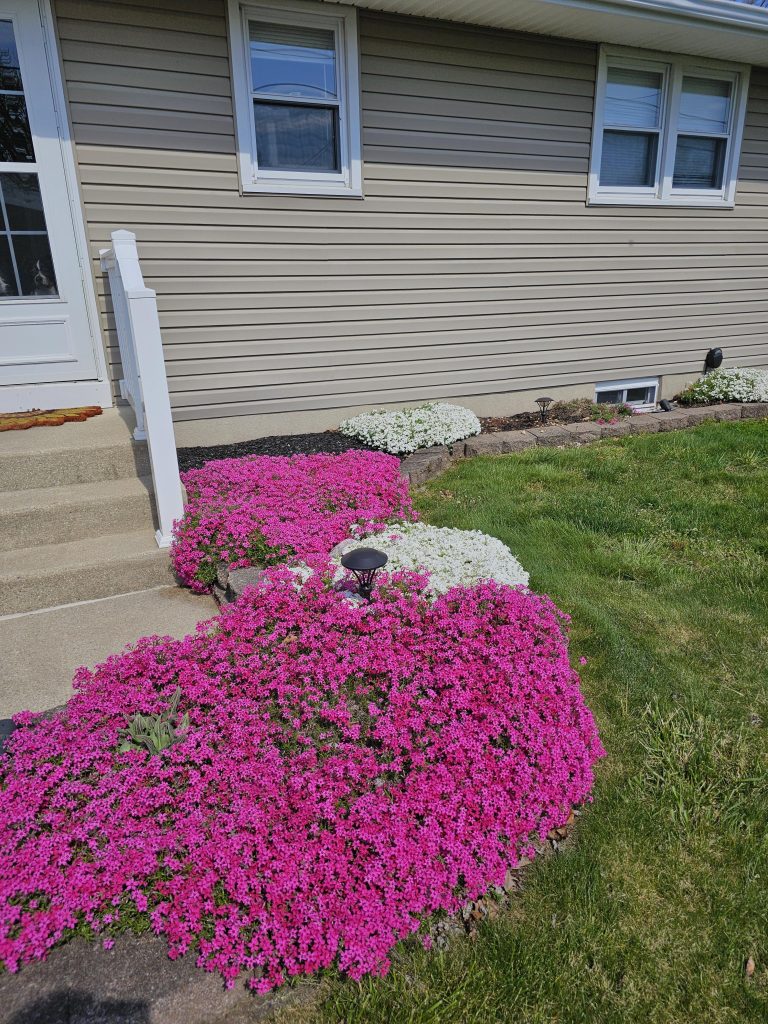
Ever wanted a plant that makes your yard look planned, even when you absolutely made it up as you went along? This one helps. After flowering, you can lightly trim it to keep the mat neat and dense.
I like creeping phlox for front borders because it stays low and lets taller plants shine behind it. It brings color early, then quietly becomes a tidy green mat. Very polite. Very useful. Very “I have my life together,” even when the garden hose says otherwise.
2. Creeping Thyme
Zones: 4–9
Exposure: Full sun; tolerates light partial shade
Height/Spread: 1 to 3 inches tall, spreads 12 to 18 inches or more
Bloom time: Early to mid-summer
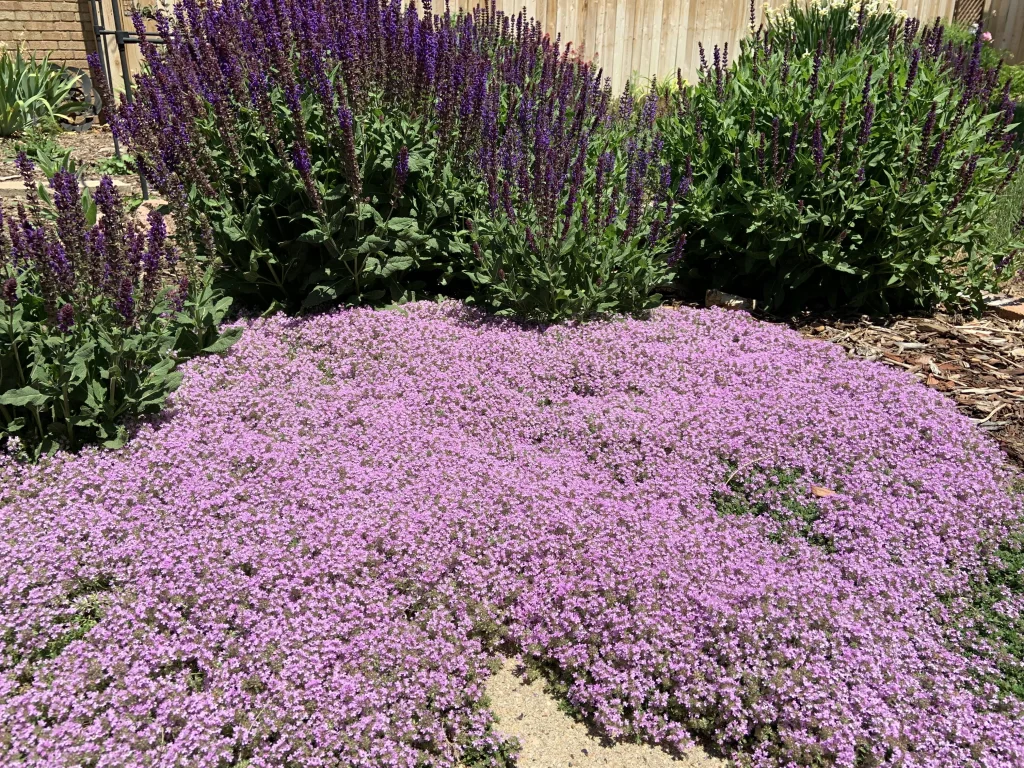
Creeping thyme gives you flowers, fragrance, and a bit of foot-traffic tolerance. That’s a pretty generous résumé for such a tiny plant.
It works beautifully between stepping stones, along sunny paths, and in dry garden pockets where fussier plants throw dramatic little tantrums.
This perennial likes full sun, hot conditions, and sharp drainage. Varieties such as woolly thyme and ‘Elfin’ stay compact, while red creeping thyme can create a cheerful bloom effect in summer.
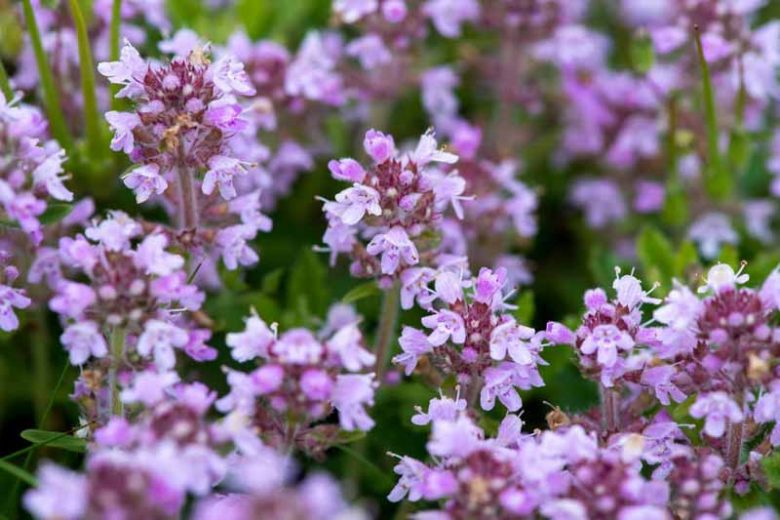
Creeping thyme roots where stems touch the soil, which helps it spread into a mat over time.
I especially like it near walkways because brushing past it releases that herbal scent. Free aromatherapy? FYI, I’ll take it. Just don’t plant it in soggy soil and expect miracles. Thyme has standards, apparently.
3. Sedum / Stonecrop
Zones: 3–9, depending on variety
Exposure: Full sun to partial shade
Height/Spread: 2 to 6 inches tall, spreads 12 to 24 inches
Bloom time: Summer to fall, depending on variety
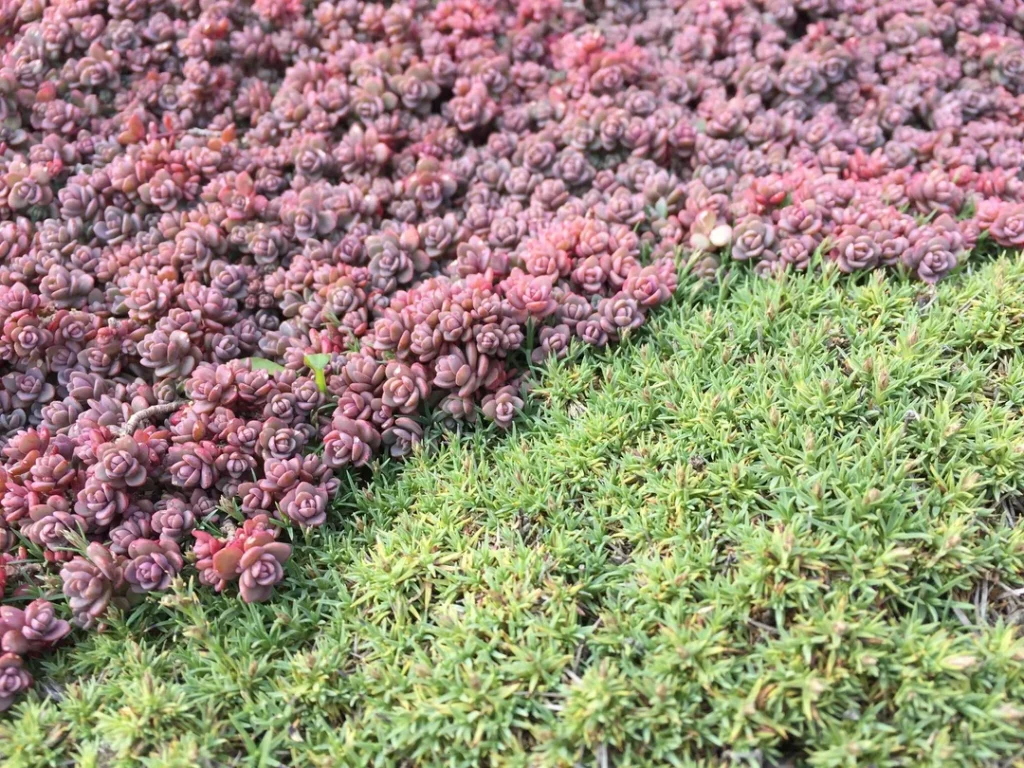
Sedum, also called stonecrop, suits gardeners who forget to water and then act surprised. No judgment. I’ve been there. This tough perennial handles sun, heat, dry soil, and rock-garden conditions better than many flowering ground covers.
Low-growing varieties like ‘Dragon’s Blood,’ ‘Angelina,’ and ‘John Creech’ create colorful mats with fleshy leaves and small starry flowers.
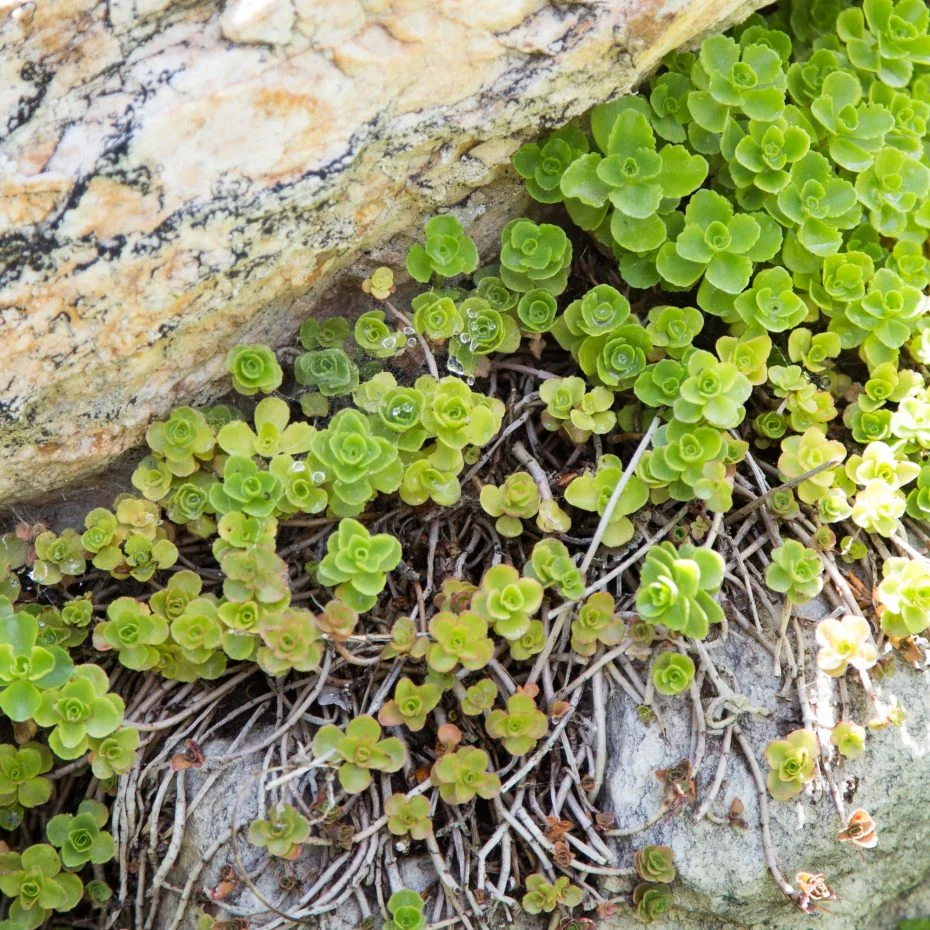
They also attract bees when in bloom, which adds life and movement to the garden. The big rule? Give sedum excellent drainage. Wet feet can cause rot, and sedum does not appreciate swamp cosplay.
IMO, sedum works best in rock gardens, sunny slopes, border edges, and poor-soil areas where other plants look personally offended.
It delivers texture first, flowers second, and low-maintenance charm all season. That’s a solid deal.
4. Bugleweed / Ajuga
Zones: 3–9
Exposure: Full sun to shade
Height/Spread: 3 to 10 inches tall, spreads 10 to 24 inches
Bloom time: Late spring to early summer
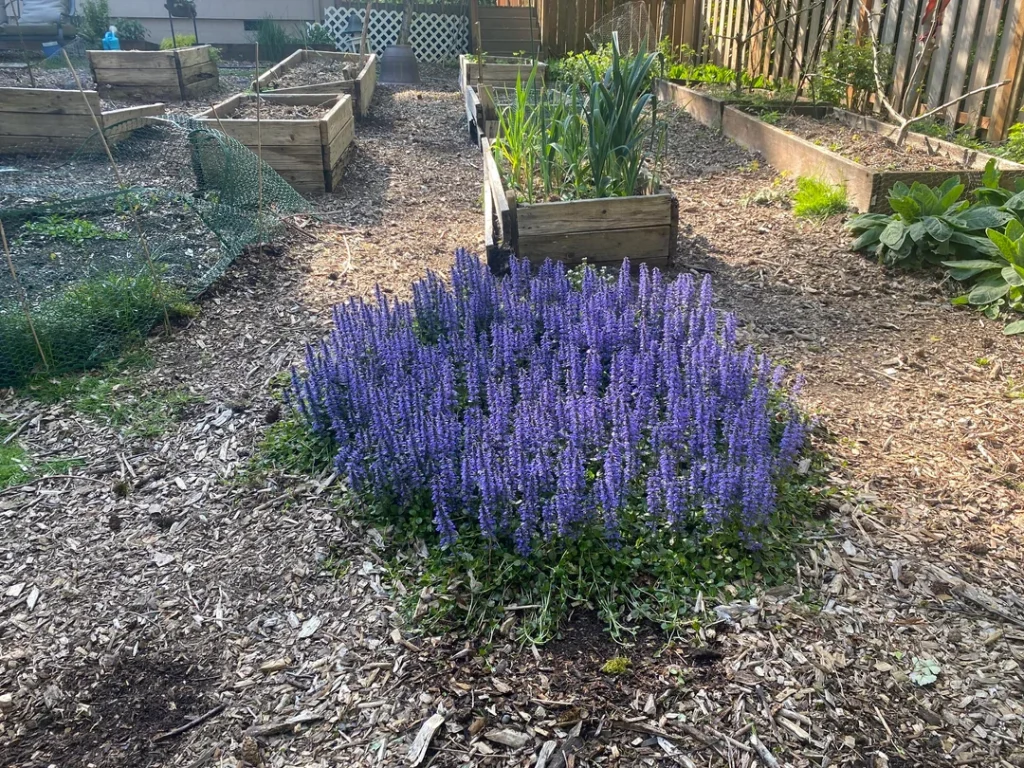
Bugleweed, or Ajuga, is a flowering ground cover with glossy foliage and short blue-purple flower spikes in spring. It can handle shade, partial shade, and even some sun, which makes it surprisingly flexible.
It works well in average, medium-moisture, well-drained soil and fills bare patches quickly.
Would I plant it anywhere without thinking? Absolutely not. Ajuga can spread with enthusiasm, and by enthusiasm, I mean “possibly plotting a small garden takeover.”
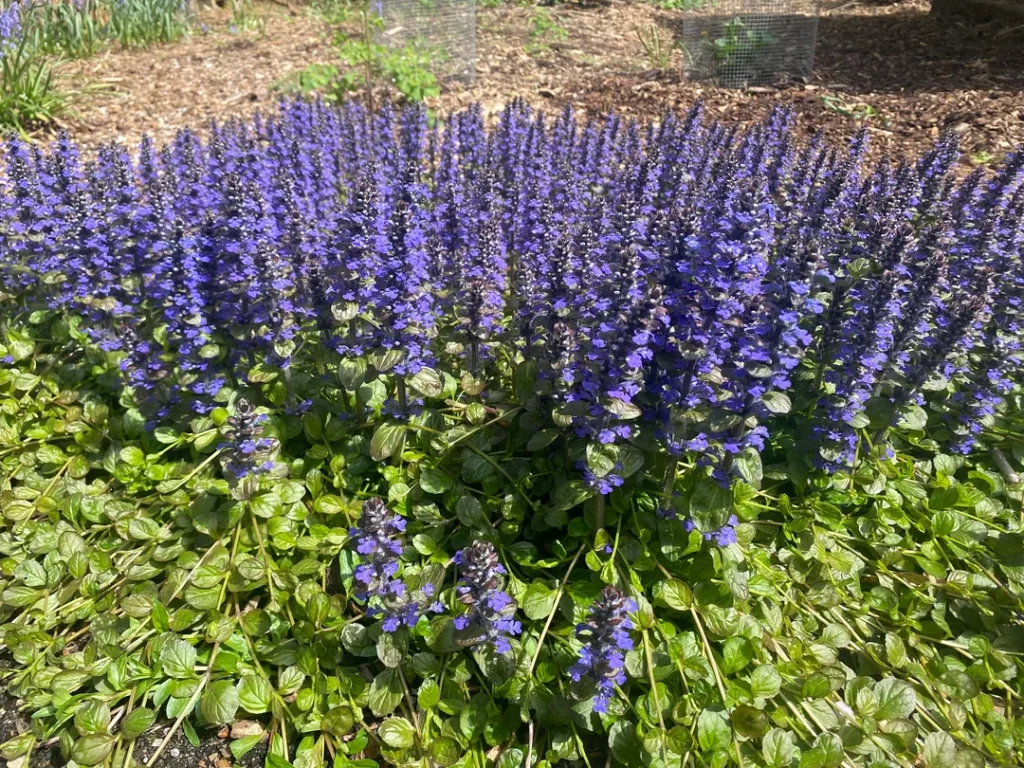
Use it where you actually want coverage, such as under shrubs, along shady edges, or in tricky spots where grass refuses to cooperate.
The foliage steals the show even after the flowers fade. Dark-leaved types like ‘Black Scallop’ add drama without demanding much attention. Just keep an eye on the spread, because Ajuga likes freedom a little too much.
5. Barrenwort / Epimedium
Zones: 5–8
Exposure: Partial shade to full shade
Height/Spread: 12 to 18 inches tall, spreads 12 to 18 inches
Bloom time: April to May
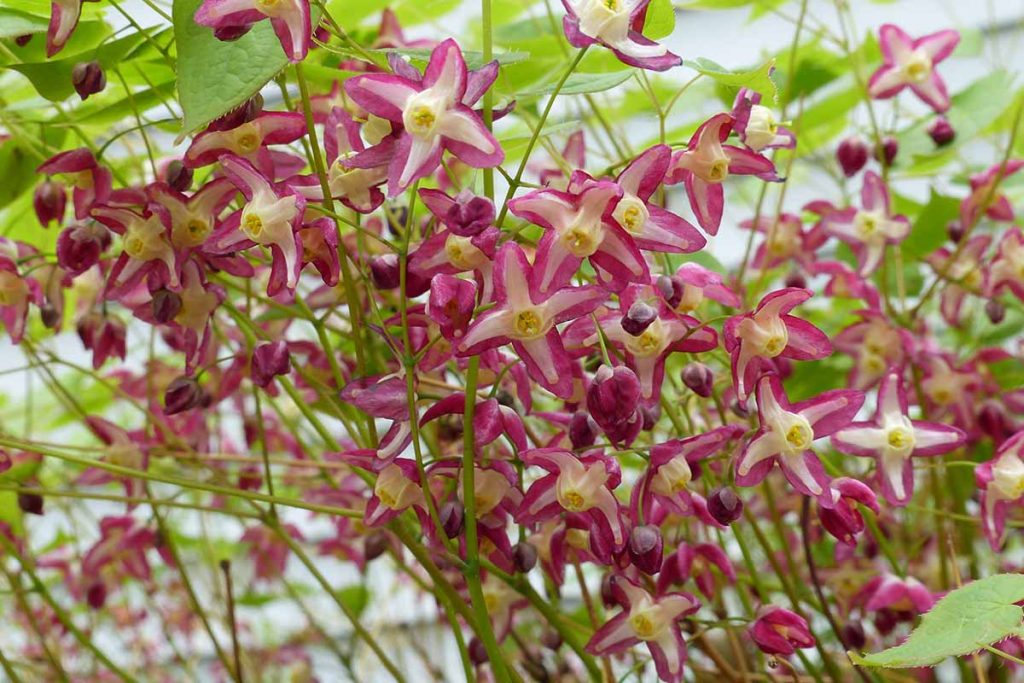
Barrenwort, also called Epimedium, feels like the quiet genius of shade gardens.
It doesn’t scream for attention, but once you notice its heart-shaped leaves and delicate spring flowers, you start wondering why everyone keeps obsessing over hostas.
The flowers often look like tiny fairy wings, which sounds dramatic, but honestly, they do.
This perennial works especially well in dry shade, which makes it valuable under trees where roots steal moisture like tiny underground thieves. It spreads slowly, so it won’t usually rush across the bed like Ajuga after three espressos.
Missouri Botanical Garden lists Epimedium as a low-maintenance ground cover that tolerates drought, heavy shade, erosion, and dry soil.
I like Epimedium for woodland-style corners, shaded borders, and quiet garden spaces where you want elegance without babysitting.
It gives you spring flowers, attractive foliage, and a tidy habit. Not bad for a plant that looks almost too delicate to handle real garden drama.
6. Lilyturf / Liriope
Zones: 4–10
Exposure: Full sun to partial shade
Height/Spread: 9 to 18 inches tall, spreads 12 to 24 inches
Bloom time: August to September
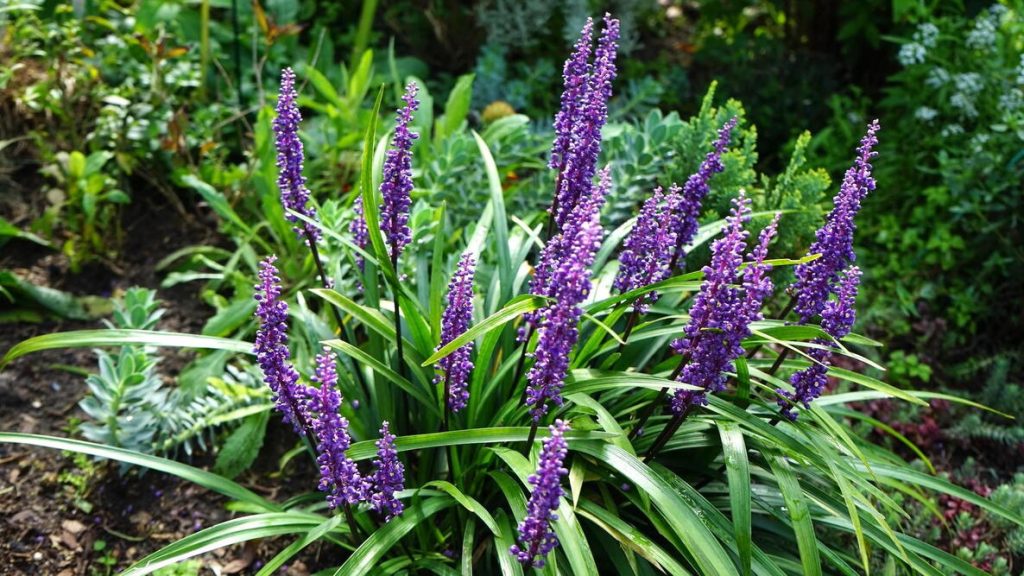
Lilyturf, or Liriope, brings that clean, grassy look without acting exactly like grass. It forms clumps or spreading mats of narrow foliage, then sends up lavender, purple, or white flower spikes in late summer.
When many gardens start looking a little tired, Liriope says, “Relax, I brought backup color.”
It handles sun to partial shade, and some types tolerate shade quite well. That flexibility makes it useful along walkways, under trees, on slopes, and around foundations.
Missouri Botanical Garden lists Liriope spicata as a ground cover that tolerates drought, erosion, urban conditions, deer, and rabbits.
Would I use it everywhere? No, because some spreading types can move faster than expected. Still, in the right spot, Liriope earns its place. It looks neat, fills space, and gives you late-season blooms when other groundcovers have already clocked out.
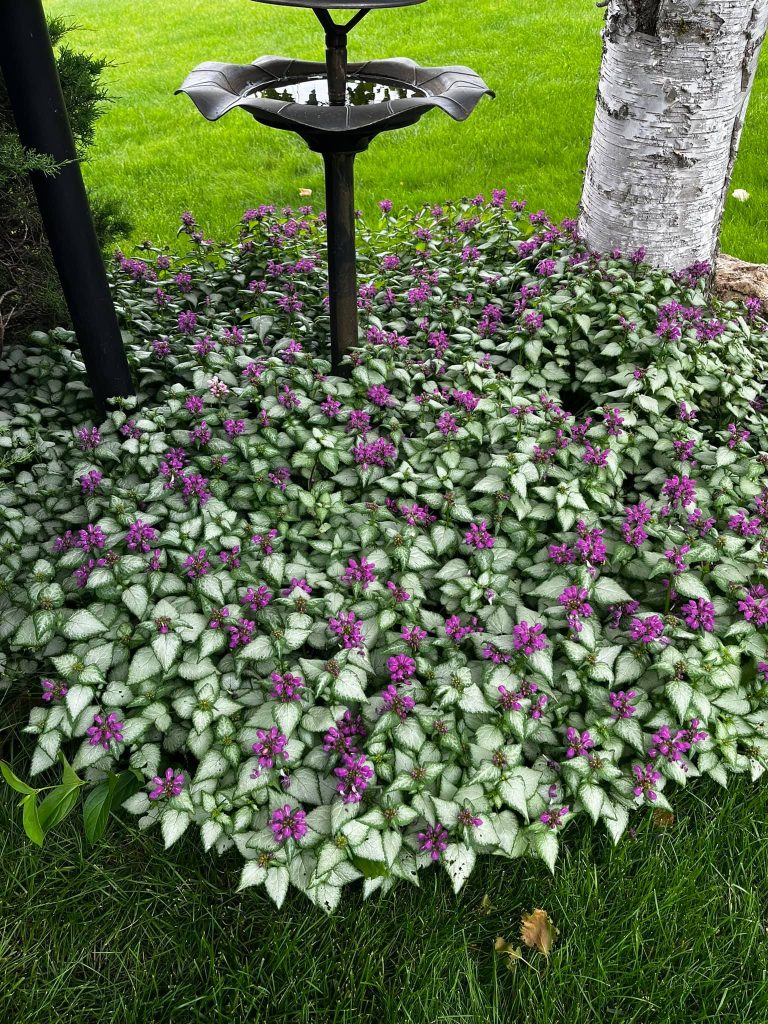
7. Lamium / Spotted Deadnettle
Zones: 3–8
Exposure: Partial shade to full shade
Height/Spread: 6 to 9 inches tall, spreads 12 to 24 inches
Bloom time: Late spring to early summer, with possible repeat bloom
Lamium, also known as spotted deadnettle, makes shade look far less gloomy. Its silver-marked leaves brighten dark corners, and its pink, purple, or white flowers bring soft color from spring into the growing season.
If your shady bed looks like a forgotten corner of a parking lot, Lamium can help. Nicely, too.
This plant handles partial shade to shade, and it often tolerates dry shade better than many flowering plants.
Greenland Garden Centre notes that Lamium roots where stems touch the soil and may self-seed, so it can fill a space quickly. Translation: give it room, or prepare to have a polite conversation with your pruners.
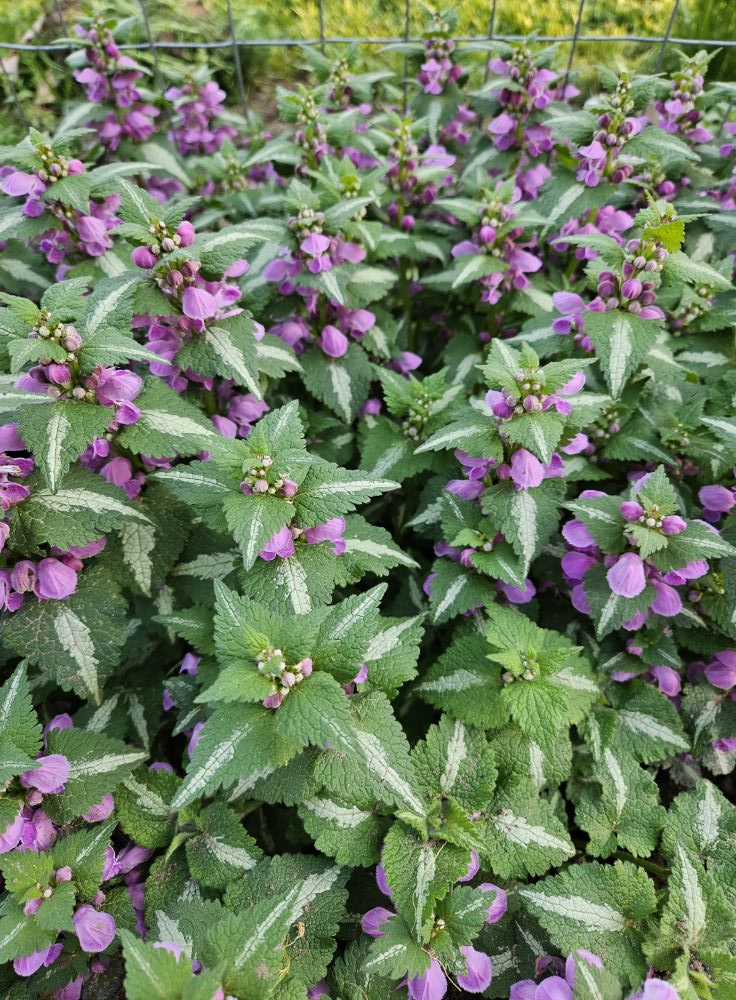
I like Lamium under shrubs, along shaded paths, and in woodland-style beds. It gives you foliage interest even when flowers fade, which matters because blooms don’t pay rent all year.
Just check local guidance before planting, because Lamium can spread aggressively in some regions.
8. Candytuft
Zones: 3–9
Exposure: Full sun
Height/Spread: 6 to 12 inches tall, spreads 12 to 18 inches
Bloom time: Spring to early summer
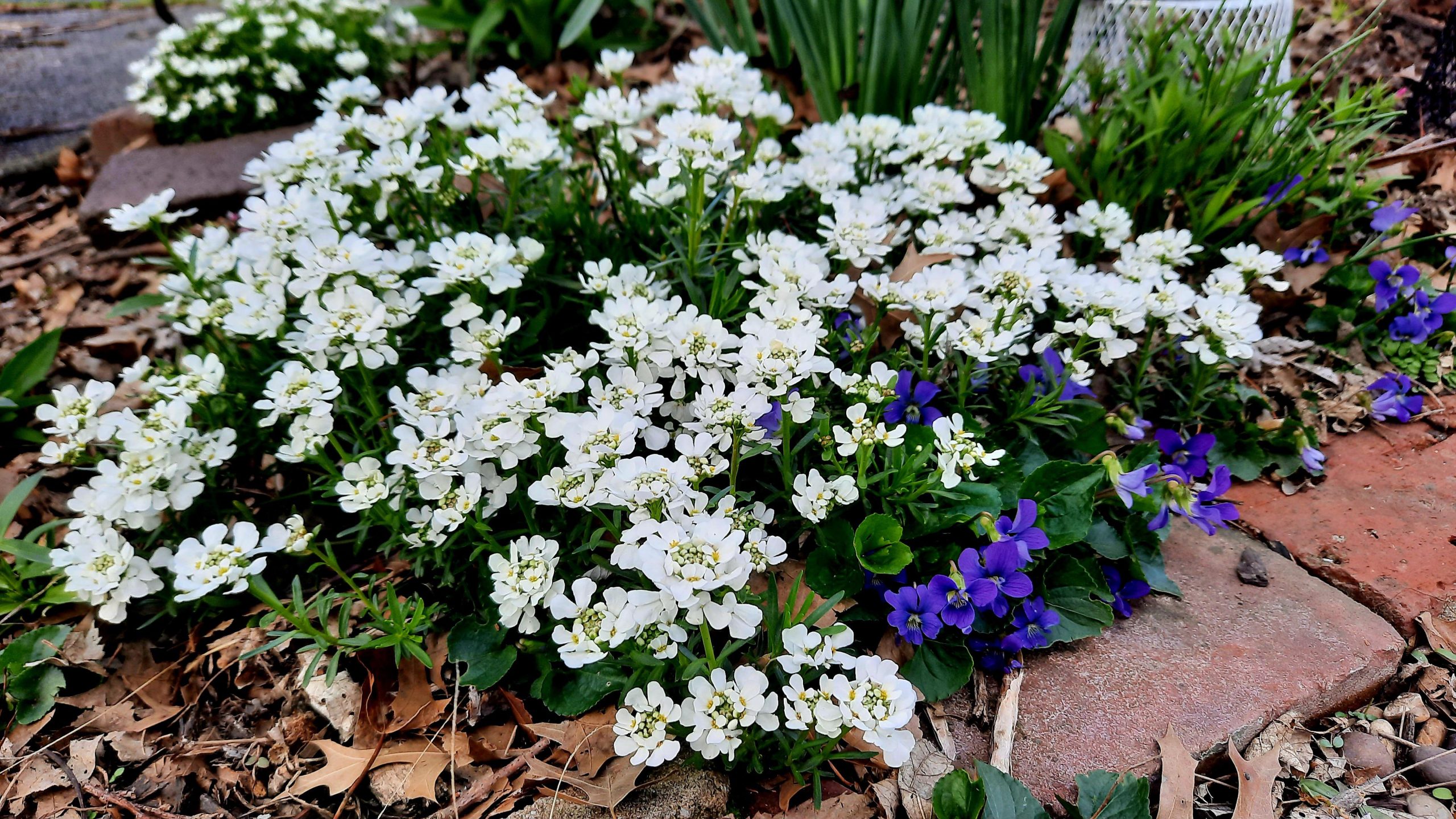
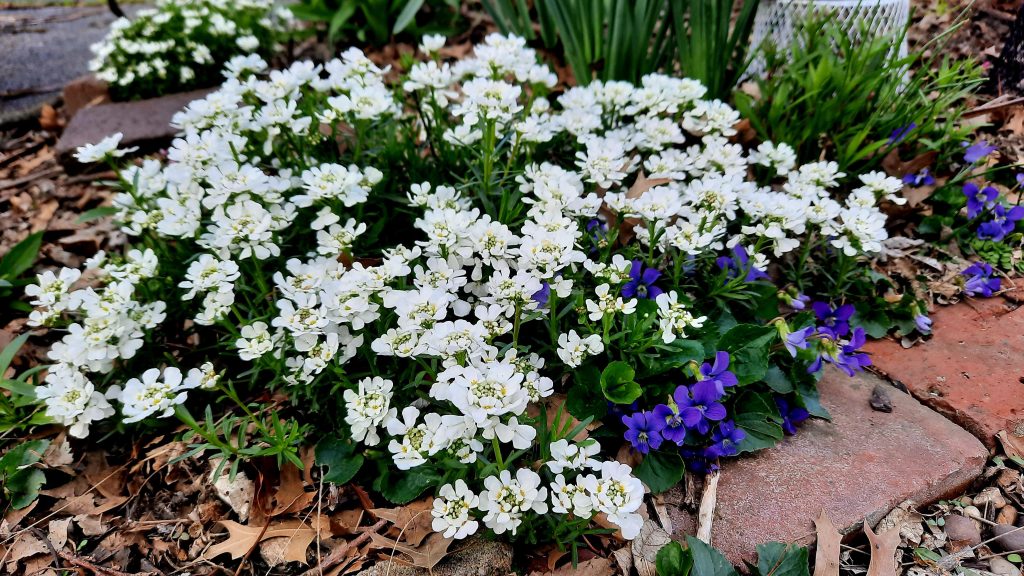
Candytuft sounds like something you’d find in an old-fashioned sweet shop, but it earns serious respect in sunny gardens. This evergreen perennial creates neat mounds of dark green foliage and covers itself with crisp white flowers in spring.
It looks especially sharp along borders, rock gardens, and sunny edges where you want clean contrast.
Candytuft likes full sun and well-drained soil. It doesn’t enjoy heavy, soggy conditions, because apparently it has taste. After flowering, a light trim helps the plant stay compact and tidy.
Ever noticed how some plants look amazing for three weeks and then collapse into garden regret? Candytuft behaves better when you give it that quick haircut.
I’d use Candytuft when I want a polished edge without turning the garden into a maintenance project. It pairs beautifully with creeping phlox, sedum, and spring bulbs.
The white flowers also make louder colors look more intentional, which gardeners love pretending we planned.
9. Foamflower / Tiarella
Zones: 4–9
Exposure: Partial shade to full shade
Height/Spread: 6 to 12 inches tall, spreads 12 to 18 inches
Bloom time: Spring to early summer
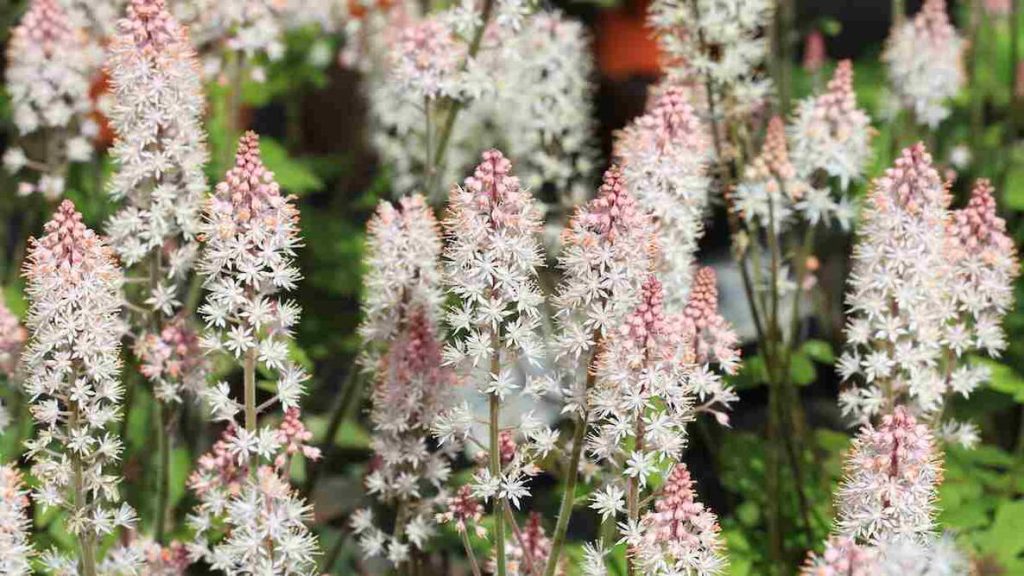
Foamflower, or Tiarella, brings a soft woodland look without making the garden feel sleepy. Its airy flower spikes rise above attractive leaves in spring, and the blooms look a bit like tiny white or pink bottlebrushes. Cute, yes. Useful, also yes.
This perennial works best in partial to full shade, especially in woodland beds, shaded borders, and under deciduous trees. It prefers moist, well-drained soil, so it won’t love dry, baked ground.
Give it a cool, leafy corner, and it usually rewards you with charming flowers and handsome foliage.
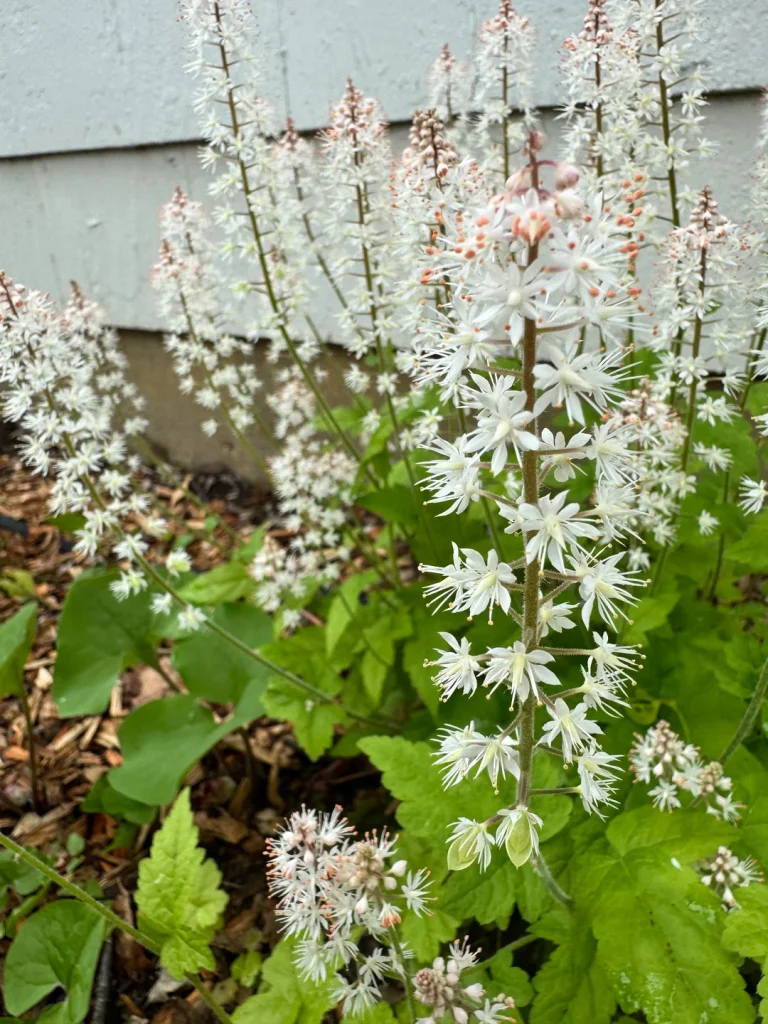
I like Foamflower because it gives shade gardens texture, not just “green blob number seven.” Some varieties also have patterned or deeply lobed leaves, which keep the plant interesting after flowering.
Ever tried building a shade garden that doesn’t look like a plant storage area? Foamflower helps.
10. Hardy Ice Plant
Zones: 5–10, depending on variety
Exposure: Full sun
Height/Spread: 3 to 6 inches tall, spreads 12 to 24 inches
Bloom time: Summer to fall
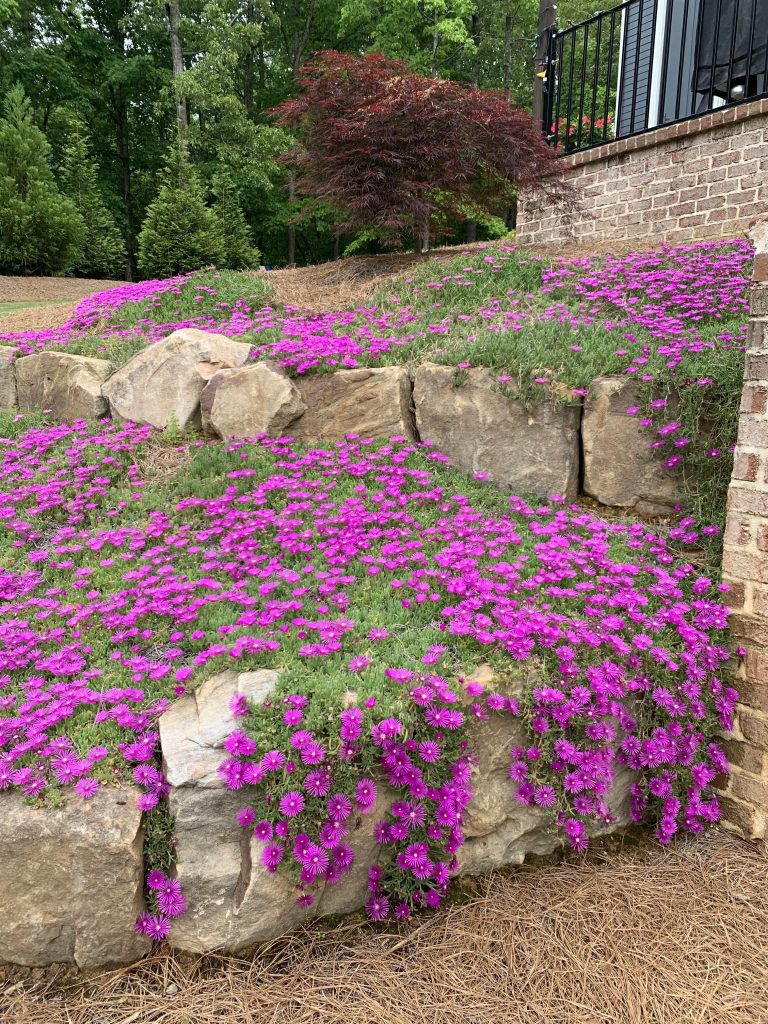
Hardy ice plant looks like it should need pampering, but it actually likes tough, sunny spots. Its succulent foliage forms a low mat, then bright daisy-like flowers burst open in shades of purple, pink, yellow, orange, or red. Subtle? Not really. Fun? Absolutely.
This plant loves full sun and very well-drained soil. It works beautifully in rock gardens, dry slopes, gravel beds, and hot borders.
Just don’t trap it in wet winter soil unless you enjoy watching plants file formal complaints. Hardy ice plant needs drainage more than it needs your sympathy.
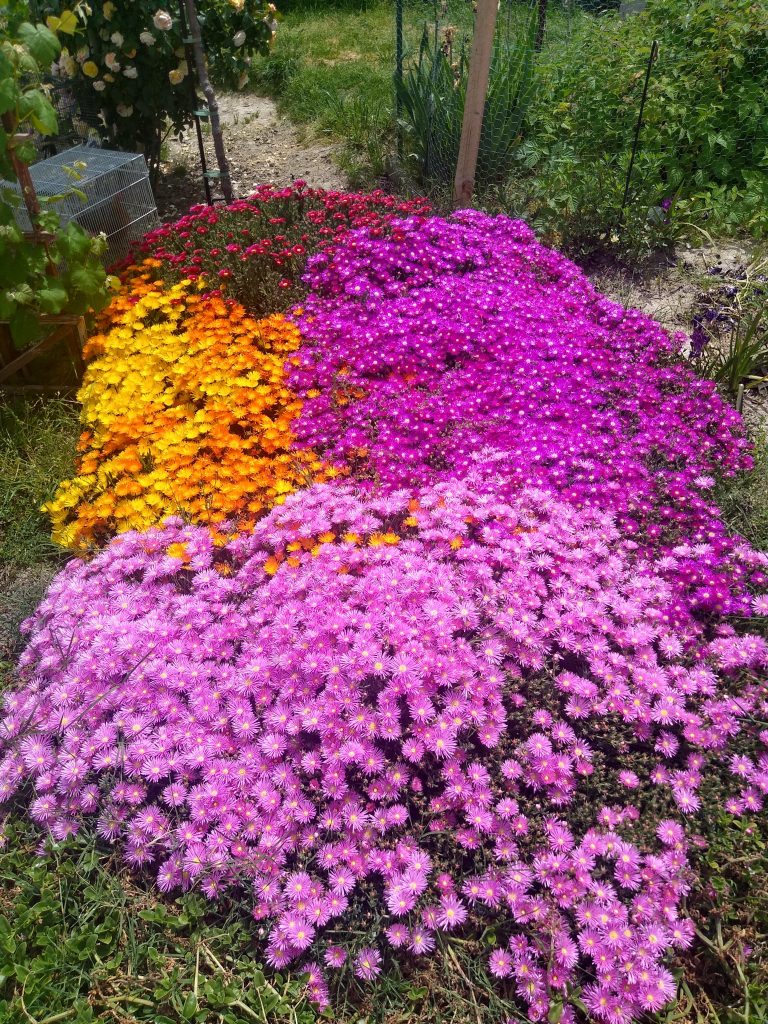
I like it when a garden needs color in a dry, sunny area where other groundcovers sulk. It gives you that cheerful, almost neon flower effect without asking for constant watering. For gardeners dealing with heat and poor soil, this one brings real value.
11. Georgia Blue Creeping Speedwell
Zones: 5–9
Exposure: Full sun to partial shade
Height/Spread: 4 to 6 inches tall, spreads 18 to 24 inches
Bloom time: Mid to late spring
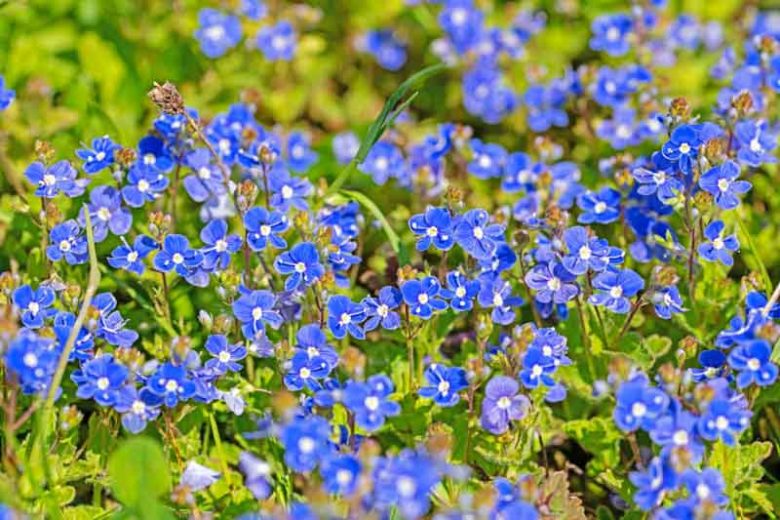
Georgia Blue creeping speedwell gives you small blue flowers, bronze-tinted foliage in cool weather, and a spreading habit that suits sunny edges and slopes.
It has that relaxed, slightly wild look that makes a garden feel lived-in, not staged for a catalog no one asked for.
This perennial prefers full sun to partial shade and well-drained soil. Once established, it handles heat and drought better than many softer-looking plants.
Garden Design highlights Georgia Blue creeping speedwell as a heat- and drought-tolerant flowering ground cover for sunny spaces.
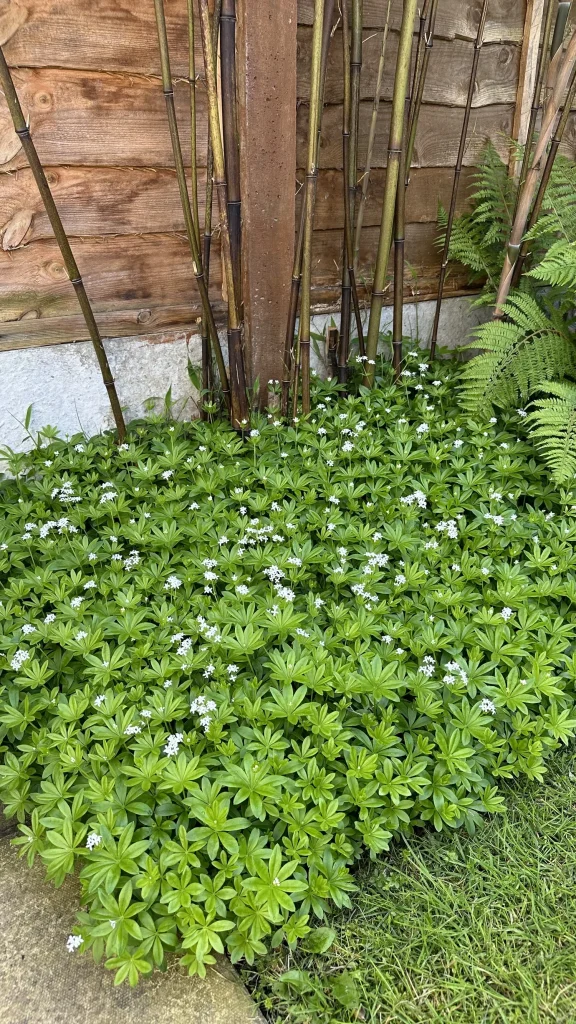
12. Sweet Woodruff
Zones: 4–8
Exposure: Partial shade to full shade
Height/Spread: 6 to 12 inches tall, spreads 12 to 24 inches or more
Bloom time: Mid to late spring
Sweet woodruff brings old-fashioned woodland charm, and yes, that sounds like something from a cottage garden calendar. But it earns the description.
It forms a low carpet of whorled green leaves and produces tiny white flowers in spring. The whole plant feels light, fresh, and quietly pretty.
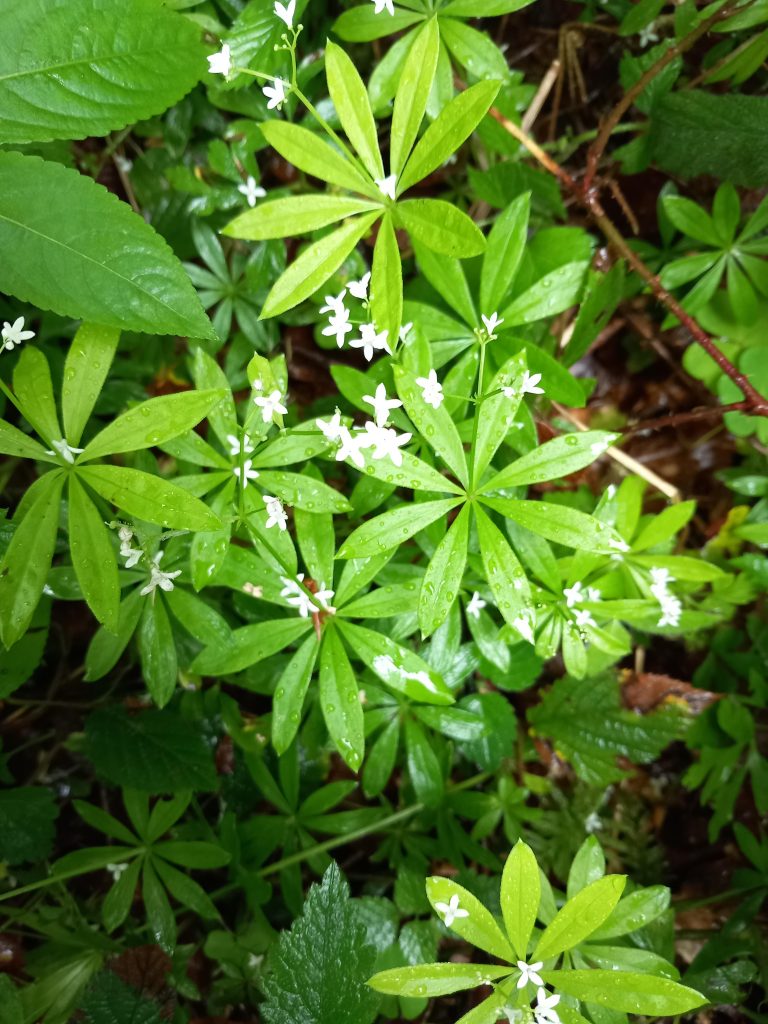
This ground cover prefers partial to full shade and moist, well-drained soil. It can spread quickly in favorable conditions, so you should plant it where you want a real carpet, not a tiny polite accent.
Because once sweet woodruff settles in, it may decide your garden needs more sweet woodruff. Convenient? Sometimes. Bossy? Also sometimes.
13. Lady’s Mantle
Zones: 3–8
Exposure: Full sun to partial shade
Height/Spread: 12 to 18 inches tall, spreads 18 to 24 inches
Bloom time: Late spring to early summer
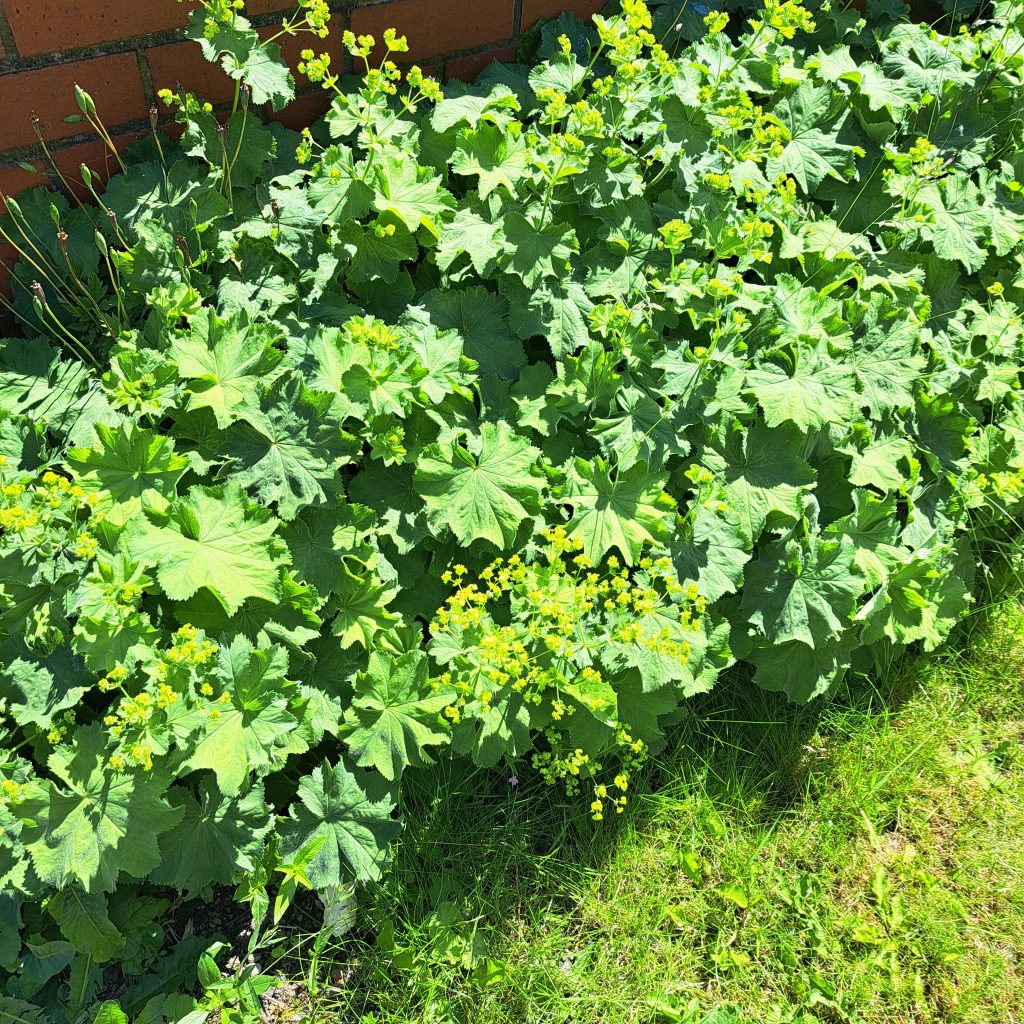
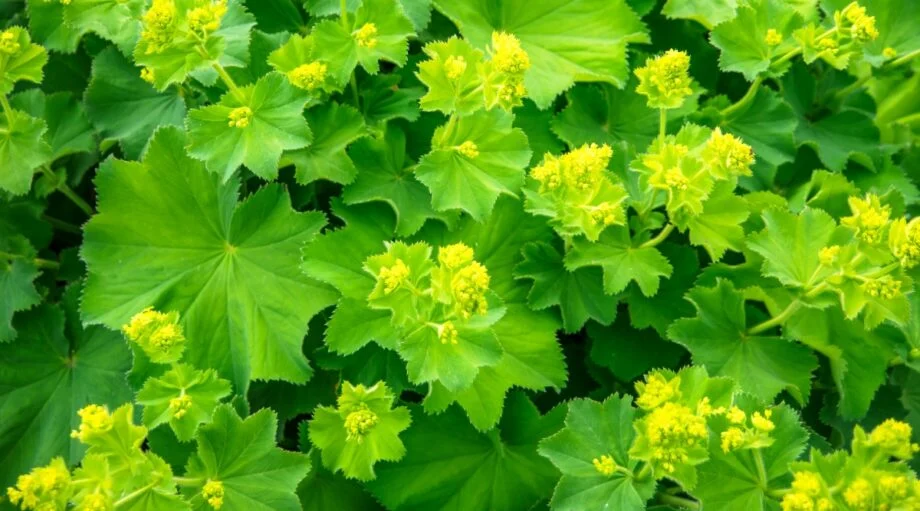
Lady’s mantle gives the garden a soft, cottage-style look without trying too hard. Its scalloped leaves catch raindrops like tiny beads, and honestly, that alone makes it feel slightly magical.
Then early summer arrives, and the plant sends up airy sprays of lime-green flowers that blend beautifully with almost everything.
This perennial grows best in full sun to partial shade, though it appreciates some afternoon shade in hotter climates. It prefers moist, well-drained soil and usually looks happiest when it doesn’t dry out too much.
If your garden style leans natural, romantic, or slightly “I own too many terracotta pots,” Lady’s mantle fits right in.
I like it along path edges, in mixed borders, and beside bolder flowers where its soft green blooms calm everything down.
It won’t give you loud color like creeping phlox or hardy ice plant, but it adds texture and elegance. Sometimes the quiet plants do the heavy lifting, right?
FAQ’s
What is the fastest growing flowering ground cover perennials?
The fastest growing flowering ground cover perennials include Ajuga (Bugleweed), Creeping Jenny, Creeping Phlox, and Lamium.
These plants spread quickly, filling spaces rapidly with vibrant flowers and dense foliage.
Is there a ground cover perennials that blooms all summer?
Yes — some ground cover perennials bloom all summer, especially in sunny, well‑drained conditions.
For example, creeping thyme, sedum/stonecrop, and hardy ice plant often produce flowers from early summer through fall, giving you continuous color without fading out after just a few weeks.
These are great options if you want long‑lasting blooms rather than just a short spring display.
What is the longest flowering perennial?
The longest flowering perennial is generally considered to be the Echinacea (Coneflower). It can bloom from late spring to fall, providing months of colorful flowers in shades of purple, pink, and white.
Other long-blooming perennials include Daylilies (which bloom for 4–6 weeks) and Black-eyed Susans, which can also bloom from mid-summer into fall.
Final Thoughts
The best flowering ground cover perennials do more than fill space. They help your garden look fuller, reduce bare soil, soften hard edges, support pollinators. They also bring seasonal color without turning your weekends into unpaid landscaping shifts.
For sunny, dry areas, I’d start with creeping thyme, creeping phlox, sedum, hardy ice plant, candytuft, or Georgia Blue creeping speedwell.
For shade, I’d look at Epimedium, Lamium, Foamflower, Sweet Woodruff, Ajuga, or Liriope. Lady’s mantle sits nicely in that middle zone, especially where you want soft texture and gentle color.
The real trick? Match the plant to the place. Don’t put a drainage-loving alpine plant in soggy soil and then act betrayed when it gives up. Plants have preferences too, annoyingly enough.