12 Frost-Tolerant Flowers That Keep Blooming Long After Your First Fall Frost

That first fall frost feels like a deadline. Most summer flowers give up overnight, leaving your beds looking bare just as the season gets interesting. But you don’t have to watch your garden go dull.
Some flowers actually get better once the temperature drops, holding their color through frost, light snow, and everything in between.
Here are 12 frost-tolerant flowers that will carry your garden well past the first cold snap.
When to Plant for Frost Tolerance
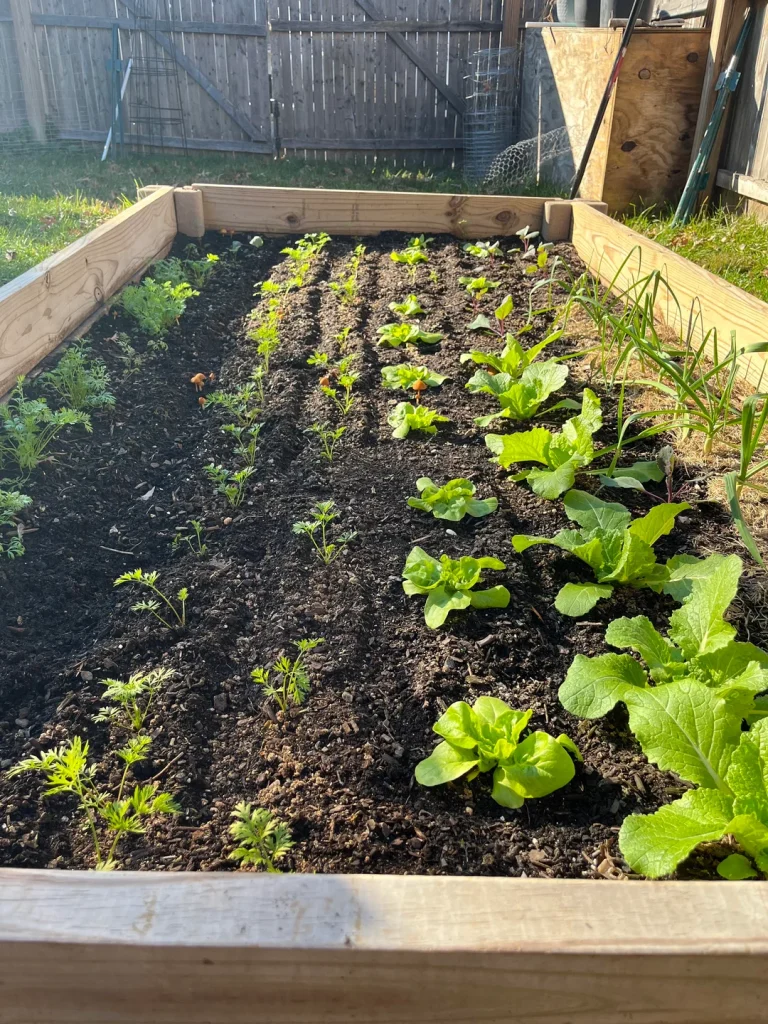
Timing matters more than most people realize. Plant too early and you’re fighting summer heat.
Plant too late and your flowers never build the root system they need to handle cold.
As a general rule, get these flowers in the ground 6 to 8 weeks before your area’s average first frost date. That gives roots time to establish before the real cold arrives.
Your planting window shifts depending on where you garden. Use this as a rough guide:
- Zones 3-5 (Northern regions): Plant in late August through early September, since first frost often hits by mid-October.
- Zones 6-7 (Mid-climates): Plant mid-September through early October, ahead of a typical late-October frost.
- Zones 8-10 (Southern and mild-winter regions): Plant October through November for winter and spring color, since frost may not show up until December or may skip your area entirely.
Check your local extension office or a frost date calculator for your exact zip code. Regional averages are a starting point, not a guarantee.
Common Mistakes That Undo Frost Tolerance
A flower’s natural cold tolerance only works if you don’t work against it. A few habits quietly sabotage even the toughest fall bloomers.
Fertilizing too late in the season. Feeding your plants in early fall pushes out soft, tender new growth right when the plant should be slowing down.
That new growth has no frost resistance at all, so it’s usually the first thing to die back. Stop fertilizing 6 to 8 weeks before your first expected frost.
Skipping the establishment period. A young plant with shallow roots handles cold far worse than an established one. If you plant right before a frost warning, expect some damage, even from a species that’s normally frost-hardy.
Overwatering going into winter. Wet, poorly drained soil freezes and damages roots faster than dry soil does. Water deeply but less often as temperatures drop, and make sure your beds drain well before the ground freezes.
Ignoring microclimates. A spot next to a south-facing wall or under an overhang can stay several degrees warmer than an open bed. Tuck borderline-hardy flowers into these pockets to stretch their bloom time even further.
Pairing Frost-Tolerant Flowers for the Best Display
These flowers don’t just survive together, they look better together. A few combinations work especially well once temperatures start dropping.
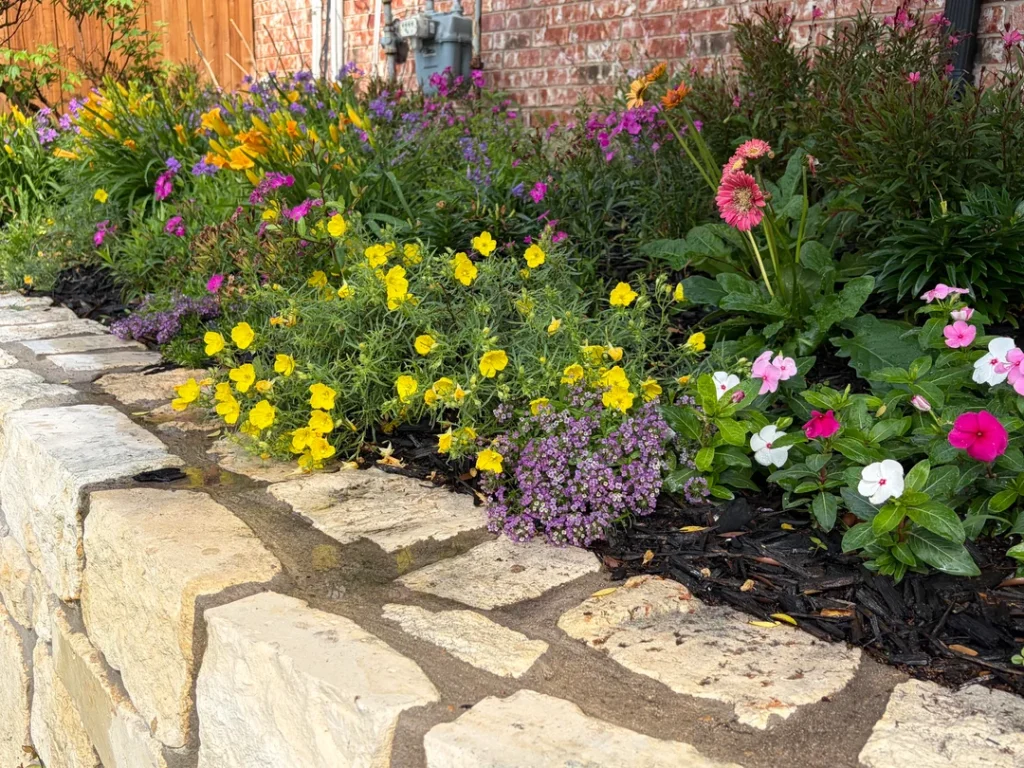
- Mums, asters, and ornamental kale make a classic fall container trio, mixing bloom, texture, and foliage color without competing for the same look.
- Pansies and violas layered under spring bulbs give you two seasons of color from one planting bed.
- Sedum and coneflower pair naturally in a perennial border, since both are left standing through winter to feed birds and add structure to a bare garden.
- Snapdragons and dianthus combine well for height variation, with snapdragons providing vertical spikes above dianthus’s low, spreading mounds.
Keep bloom times loosely aligned and you’ll get a bed that transitions smoothly from early fall color straight through to the first hard freeze.
11 Frost-Hardy Flowers You Can Grow from Seed
1. Garden Mums (Chrysanthemums)
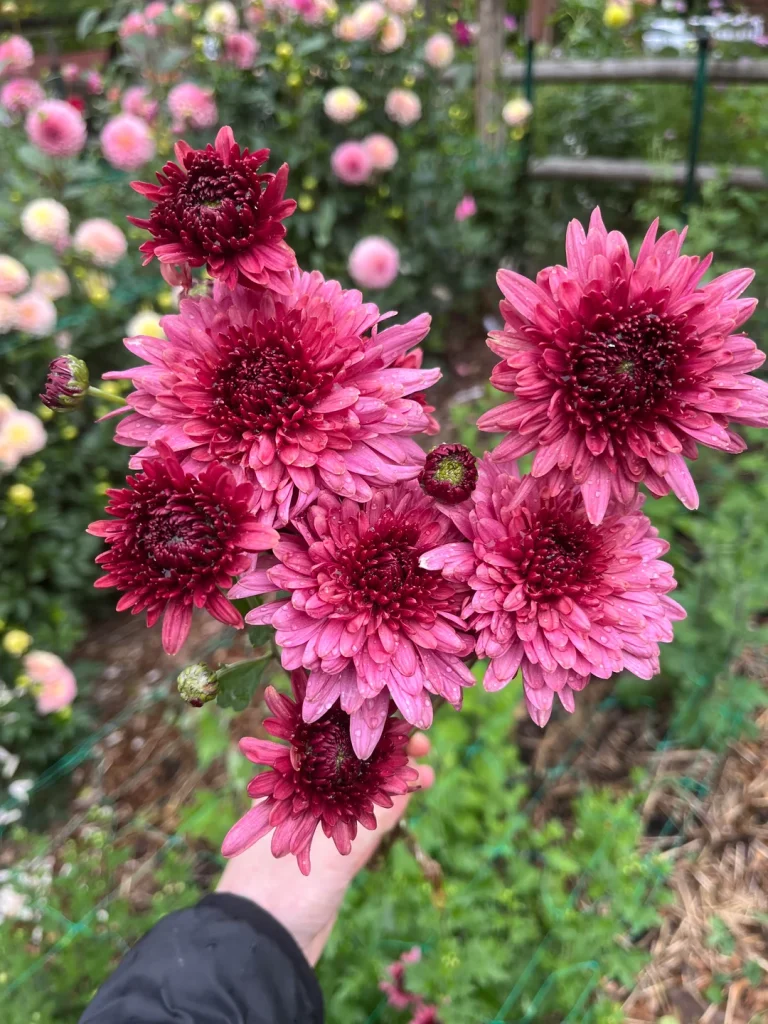
No fall flower list is complete without mums, and for good reason. They come in nearly every warm shade you could want.
From deep burgundy to bright gold, and they hit their peak just as everything else in the garden starts to fade.
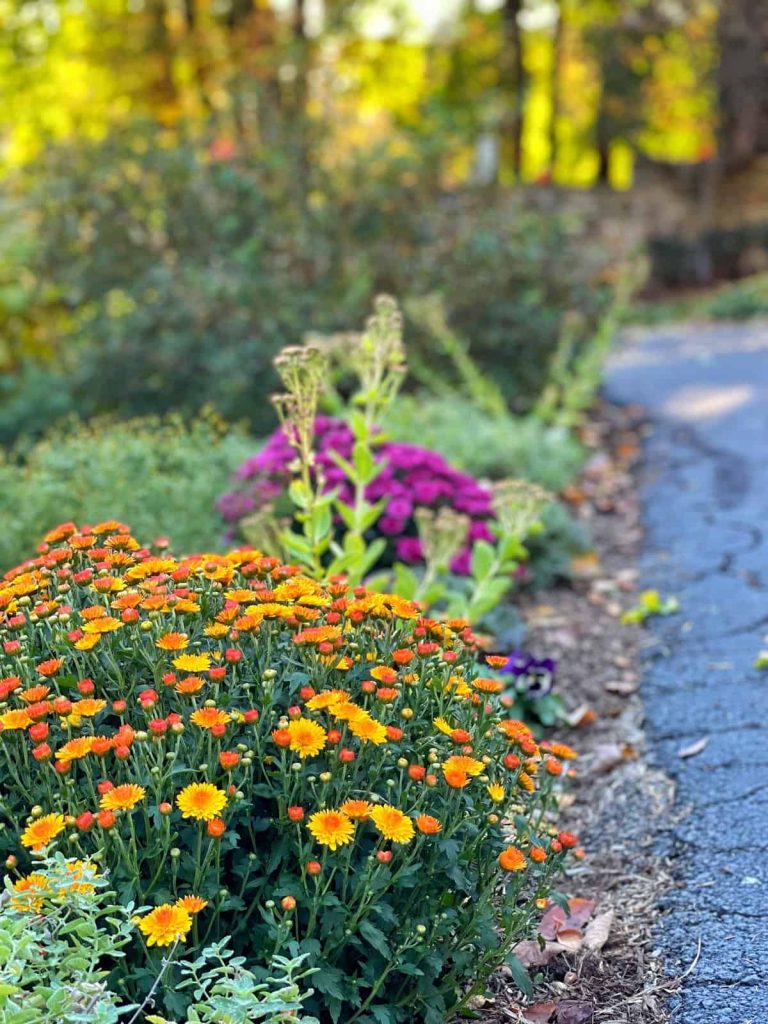
Hardy varieties handle real cold, not just a light dusting of frost. Their color often deepens after the first frost hits, so you actually get a better show once temperatures drop.
Just know that mums sold in fall containers at the garden center aren’t always the same as hardy garden mums bred to overwinter, so check the tag if you want them to come back next year.
Cold tolerance: Hardy varieties survive down to 5°F once established, and are reliable in USDA zones 5-9.
2. Pansies
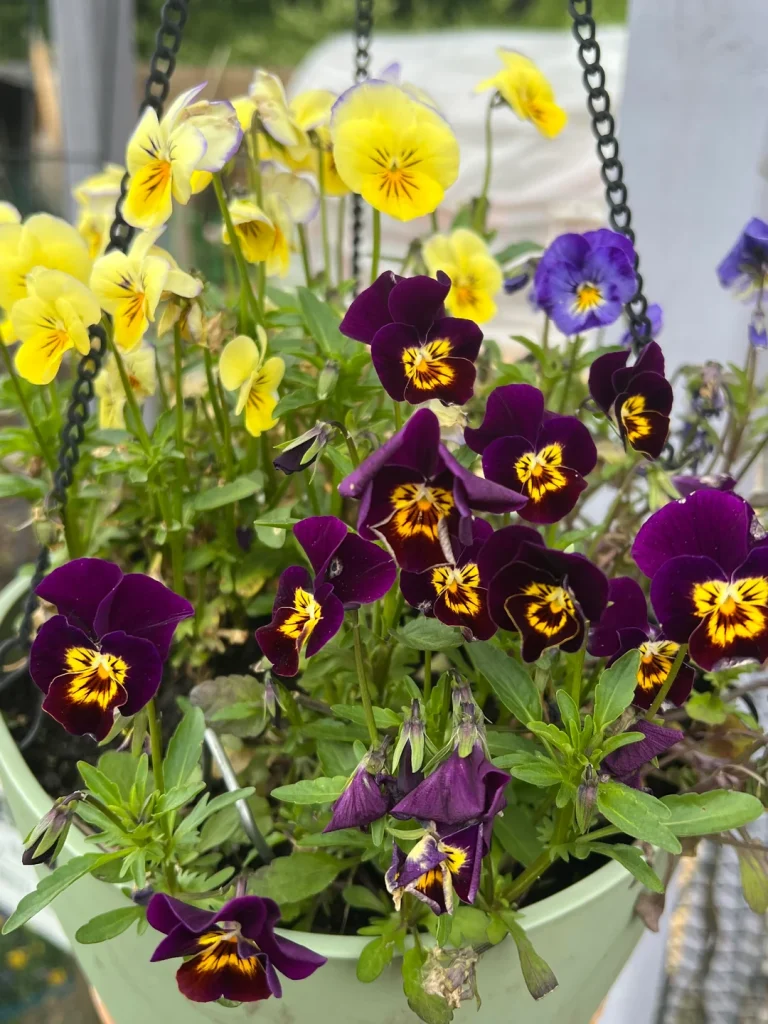
Pansies are one of the few flowers that actually prefer the cold over the heat.
They stall out and sulk in the peak of summer, then perk right back up once fall temperatures settle in.
You’ll get the best blooms when daytime temperatures stay between 55°F and 75°F. Below that range, growth slows down, but the flowers themselves keep going through frost and even light snow without much trouble.
Their faces come in nearly every color and pattern combination, which is part of why they’re such a Pinterest favorite for fall containers.
Cold tolerance: Tolerates frost and light snow, with blooms holding strong well into the 20s°F.
3. Violas
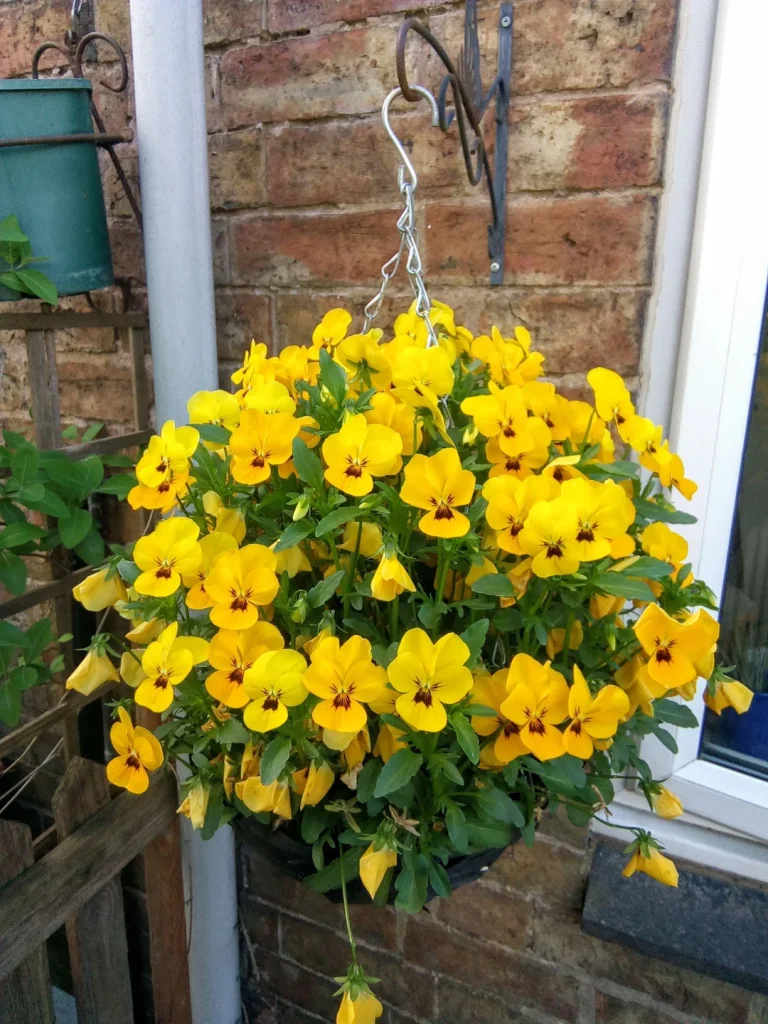
Violas are pansies’ smaller, scrappier cousin. The blooms are more delicate, but don’t let that fool you.
Violas can be even tougher than pansies once they’re established in the garden.
Get them in the ground before winter really sets in and, in milder climates, violas will keep blooming right through the season with barely a pause.
Pinch back spent flowers regularly and they’ll reward you with a longer bloom window than almost any other fall annual on this list.
Cold tolerance: Frost-hardy once established, and can bloom nearly year-round in mild-winter zones.
4. Ornamental Kale and Cabbage
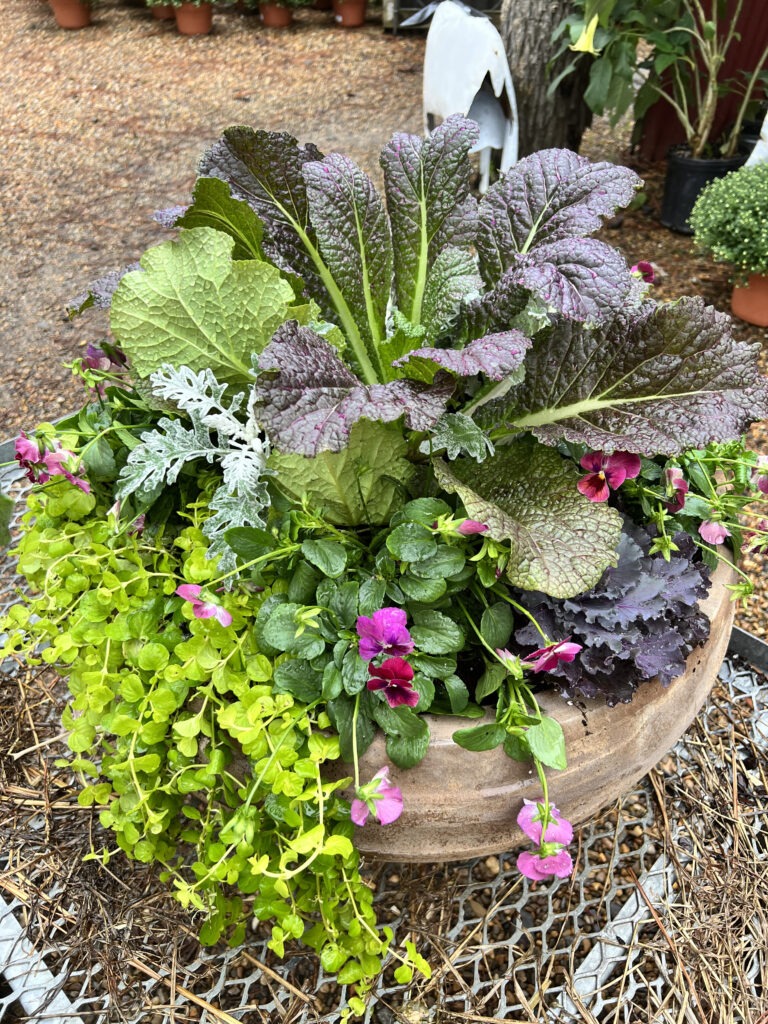
Technically these are grown for their foliage, not their flowers, but they’ve earned a permanent spot on fall flower lists anyway.
The ruffled, colorful rosettes do something most plants can’t: they actually look better after a frost.
Cold weather triggers the pigment change that makes ornamental kale so popular for fall displays, with colors intensifying once temperatures dip below 50°F.
Plant them in masses along a walkway or as a centerpiece in a container, and they’ll hold their color well into the colder months.
Cold tolerance: Withstands light frost and short freezes down to around 5°F, though hard freezes will eventually end the season.
5. Asters
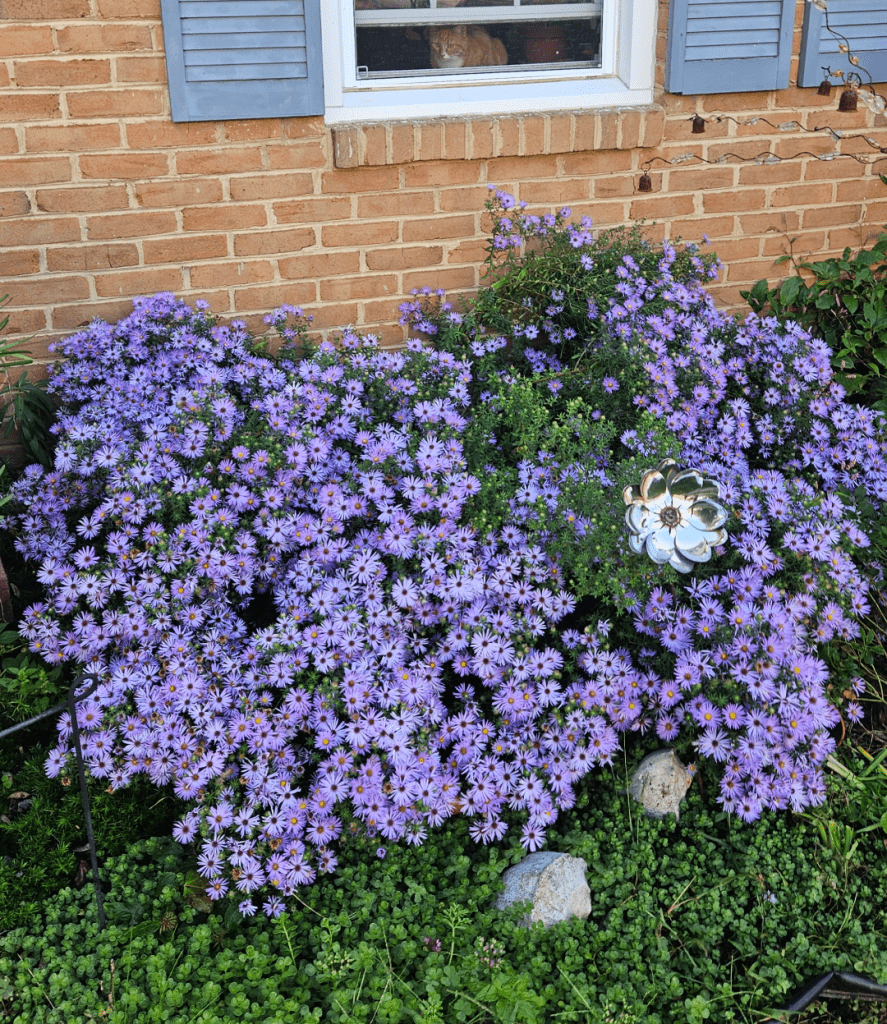
Asters are a native fall bloomer that pollinators rely on late in the season, when most other nectar sources have already dried up.
Their daisy-like flowers come in shades of purple, pink, and white, and they cluster into a full, bushy display right as summer wraps up.
They pair naturally with mums and ornamental grasses in a fall border, filling in gaps with a softer, more natural look than the bolder mum blooms.
Established asters shrug off the first several frosts of the season without dropping a petal.
Cold tolerance: Hardy perennial types tolerate frost easily and are reliable in USDA zones 3-8.
6. Calendula
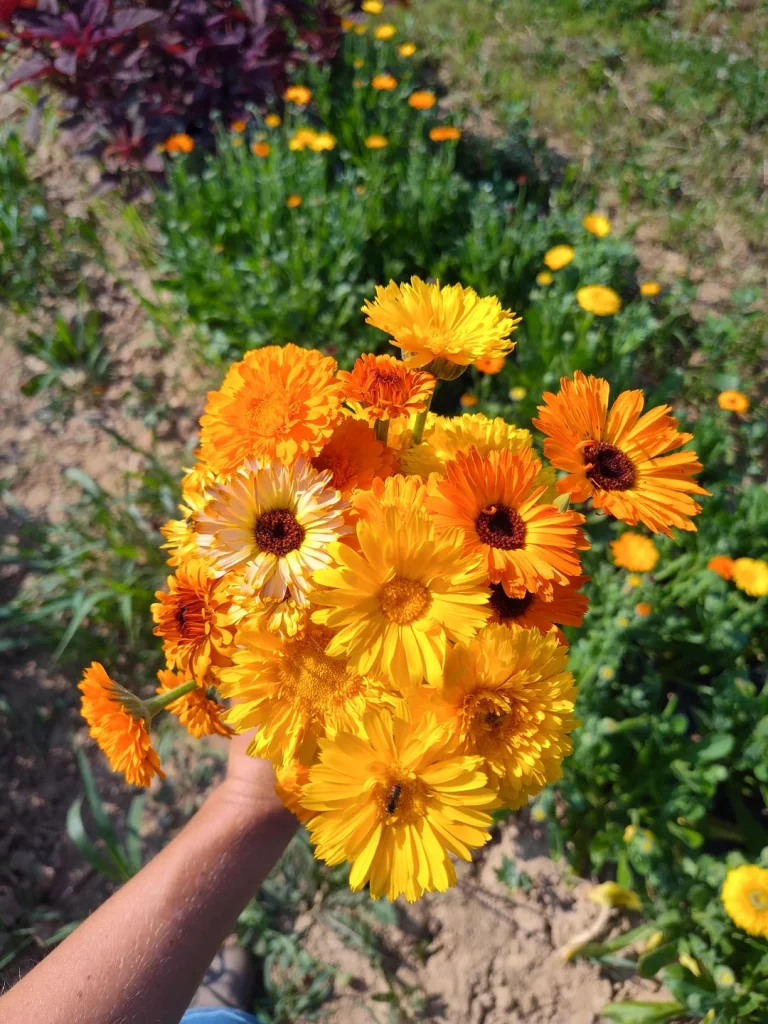
Also called pot marigold, calendula brings warm, sunny color right when the rest of the garden is winding down.
The blooms are edible too, so you’ll see them showing up in fall salads and teas as often as flower beds.
These plants handle a wide range of conditions without complaint, drought included, but it’s their frost tolerance that makes them worth a spot on this list.
A light frost barely slows them down, and in mild climates you can sow calendula in late summer for blooms straight through winter.
Cold tolerance: Keeps flowering after light frost, with tolerance varying by climate but generally holding into the upper 20s°F.
7. Snapdragons
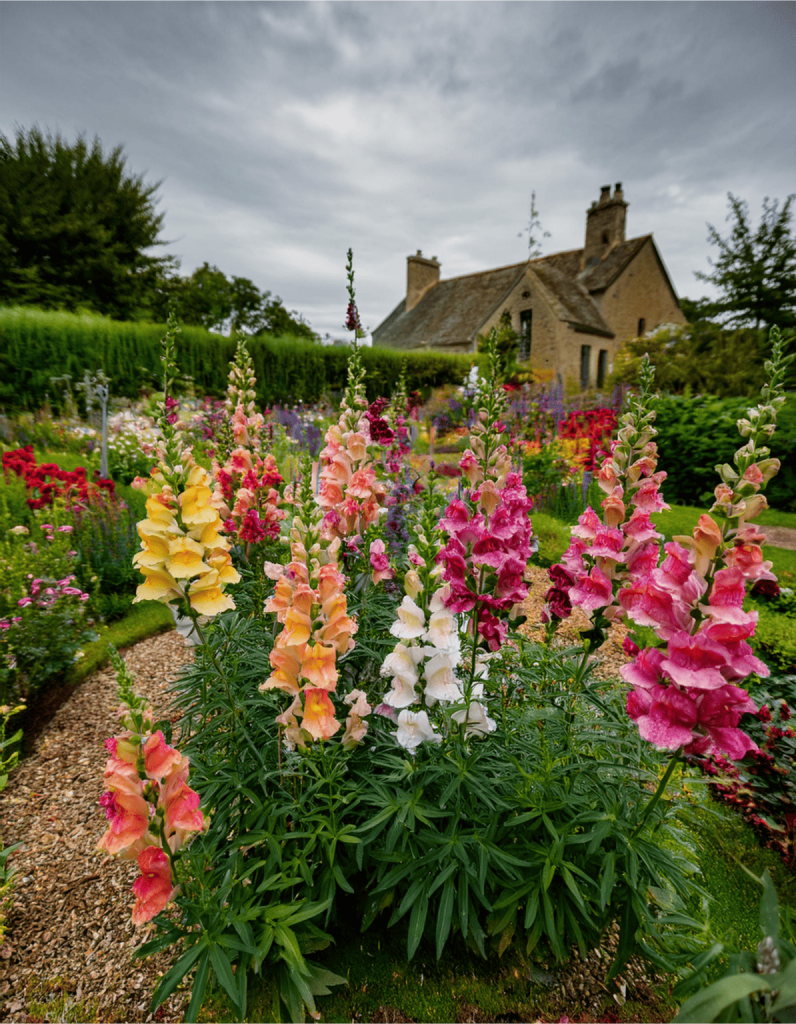
Snapdragons bring height and structure to a fall bed that a lot of low, mounding flowers can’t match.
Their tall spikes covered in ruffled blooms make them a favorite for both garden beds and cut flower arrangements.
Give them a sunny spot and they’ll reward you with the best possible frost tolerance the plant has to offer.
Snapdragons keep producing waves of color even as nights get colder, filling gaps left by summer flowers that already called it quits.
Cold tolerance: Tolerates light frosts, especially in a sunny location, and performs best in mild to moderate winter climates.
8. Dianthus
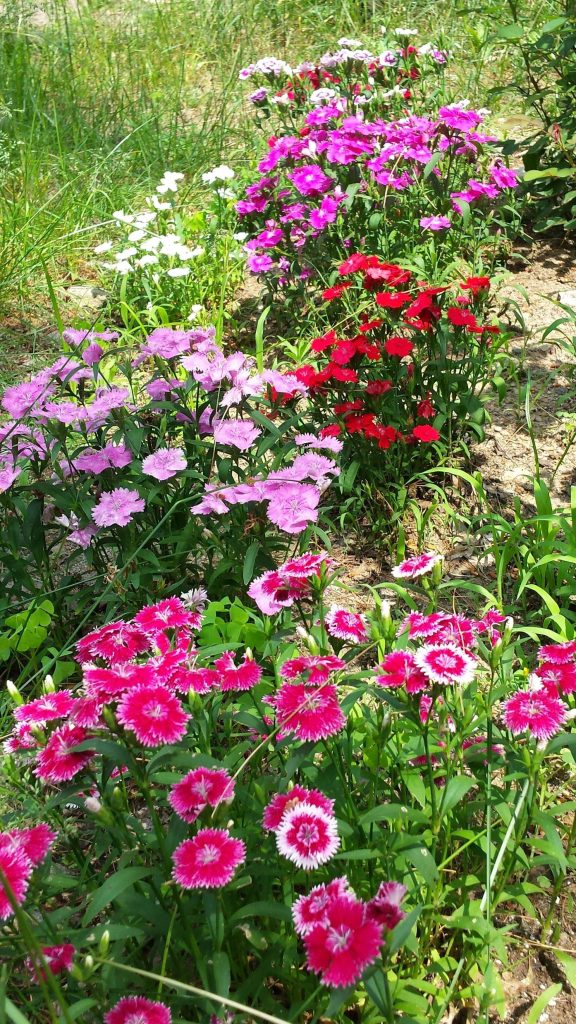
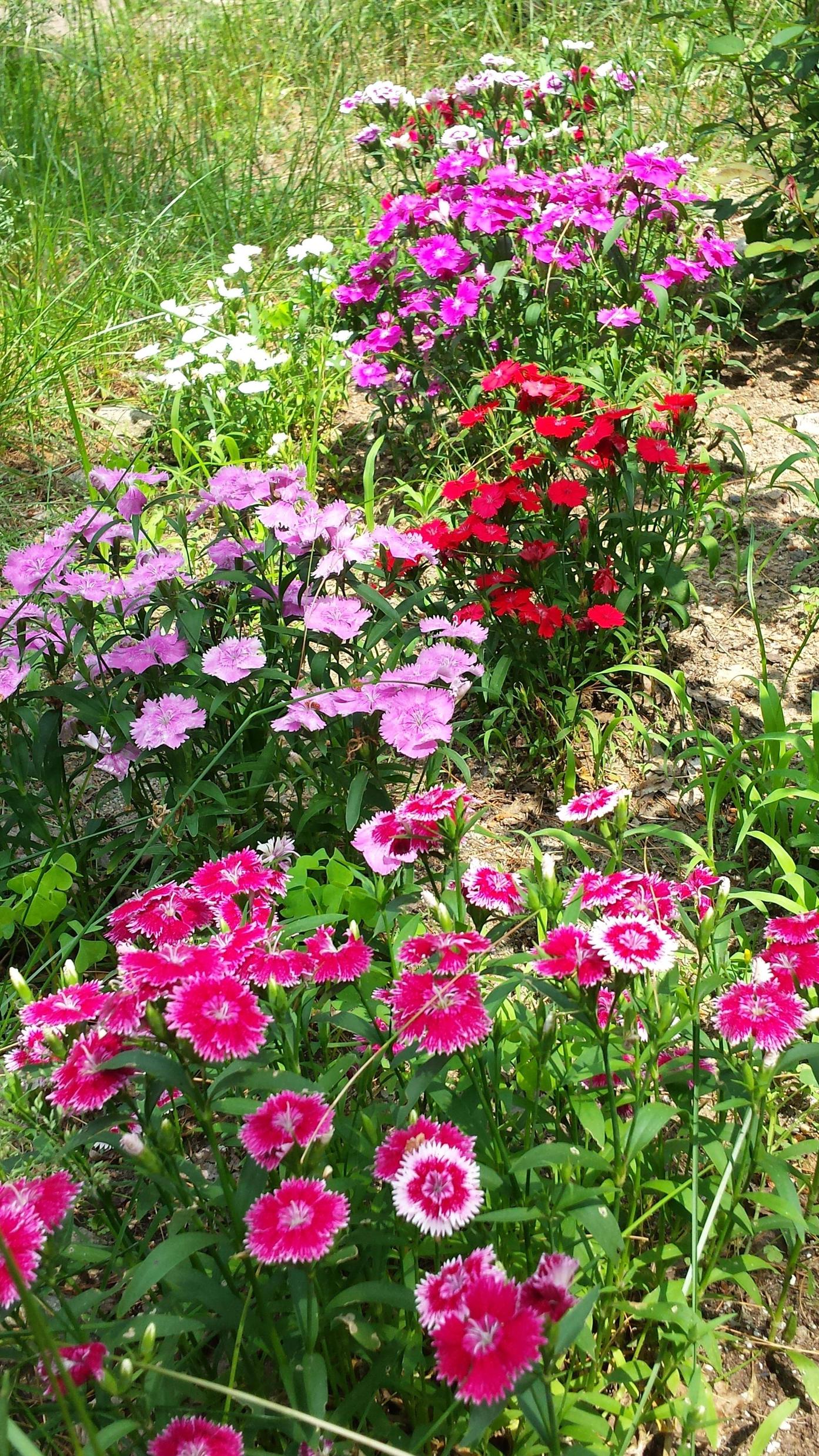
Dianthus flowers pack an unusual amount of detail into a small package, with fringed, fan-shaped petals that look almost hand-cut. They’re a staple of cottage-style gardens for that exact reason.
Annual dianthus varieties are some of the toughest flowers on this entire list.
They’ll keep blooming even after getting snowed on, only backing off once a serious freeze moves in.
Perennial types exist too, though those generally need a milder winter climate to reliably overwinter.
Cold tolerance: Annual types withstand light frost and even snow; perennial types typically overwinter in USDA zone 5 and above.
9. Sweet Alyssum
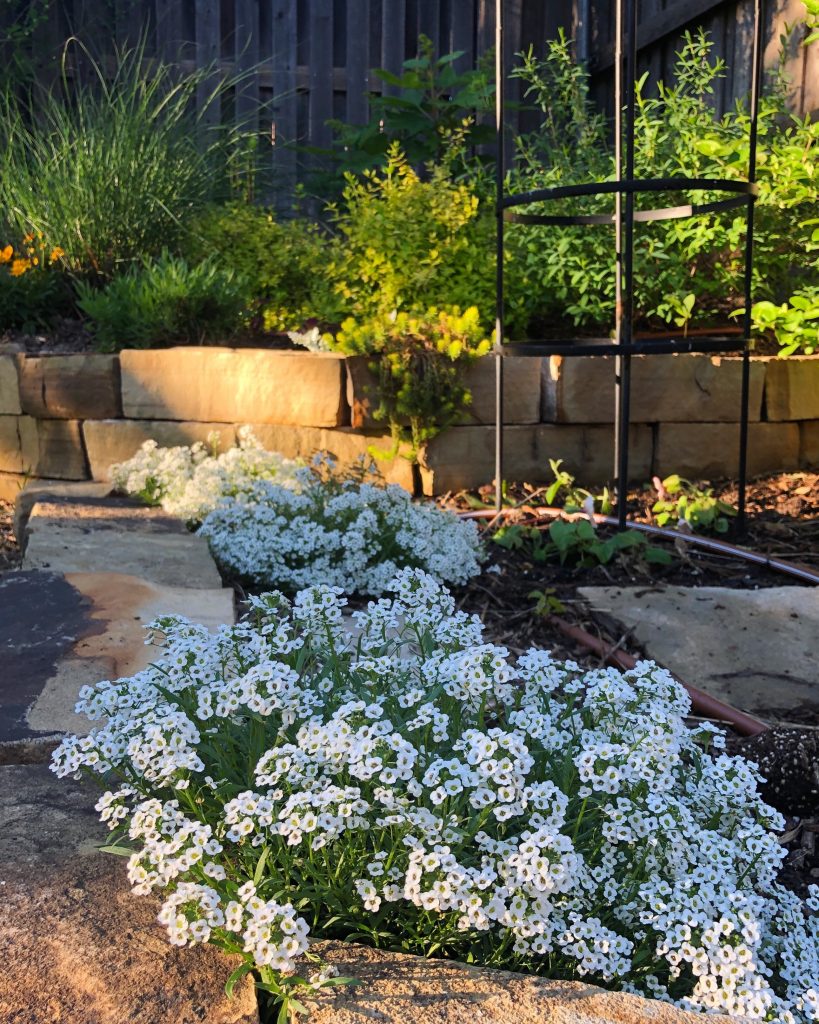
Sweet alyssum works as a low, spreading filler almost anywhere, whether that’s edging a bed, spilling out of a container, or tucked in between taller fall plants.
The tiny clustered flowers give off a light, honey-like scent that’s easy to miss until you’re standing right next to it.
Frost tolerance here comes with a catch: alyssum needs to be established first.
Once it’s settled in, it handles light frosts in early fall just fine, but consistent hard freezes will eventually stop the blooms for good.
Cold tolerance: Tolerates light frost once established, though flowering stops after repeated hard freezes.
10. Osteospermum (African Daisy)
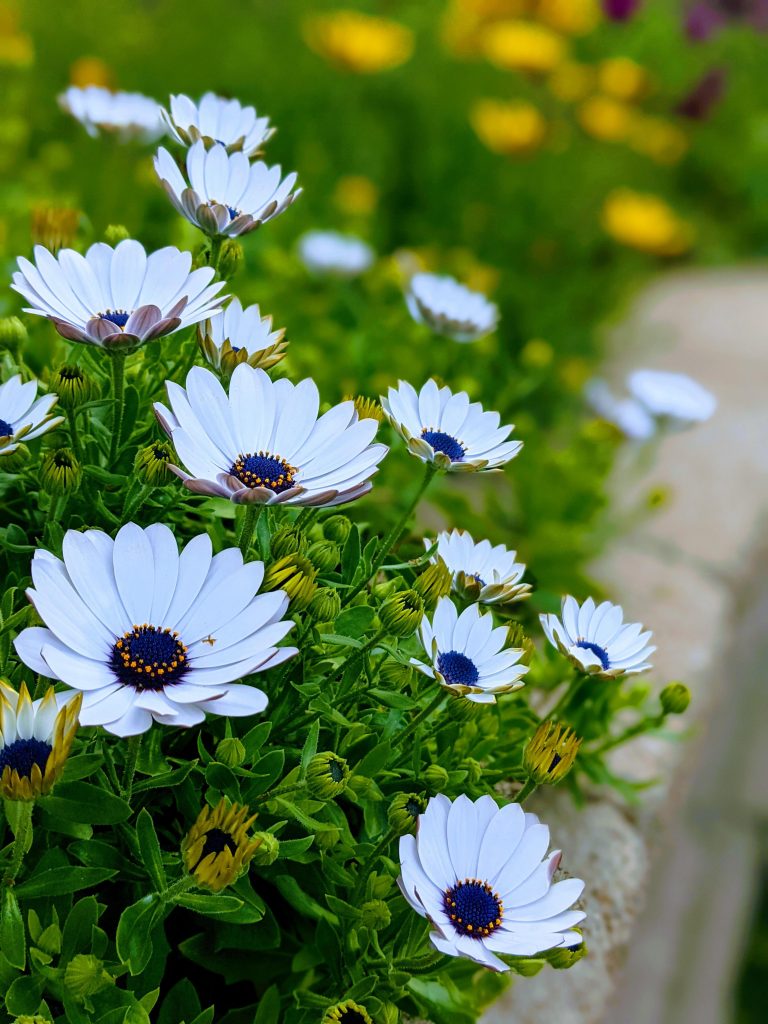
African daisies bring a cleaner, more modern look than a lot of fall flowers, with crisp daisy-shaped blooms in purples, pinks, whites, and yellows.
They tend to slow down in peak summer heat, which makes fall their actual moment to shine.
Once cooler weather arrives, osteospermum picks right back up and keeps blooming until a hard frost finally ends the season.
They work especially well in containers, where you can move them to a protected spot if a harder freeze is in the forecast.
Cold tolerance: One of the more cold-tolerant annuals, blooming reliably until a hard frost.
11. Coneflower (Echinacea)
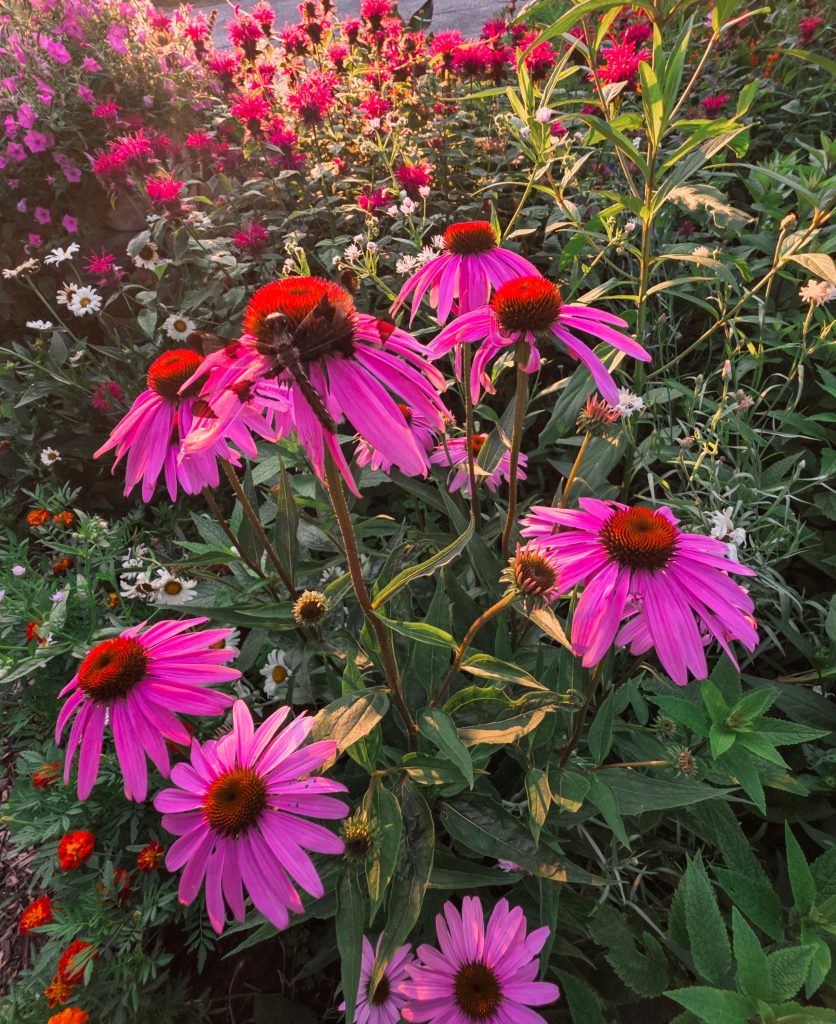
Coneflowers are a low-maintenance perennial that pollinators can’t get enough of, with drooping petals surrounding a spiky center that butterflies and bees flock to all season long.
They’re an easy pick if you want a fall garden that still does something for local wildlife.
Even young seedlings handle light frost without much trouble, and established plants shrug off cold with ease. They’ll die back once a hard freeze arrives, but that’s not the end.
They come back reliably the following spring.
If you’re in a colder zone, look for straight species types or proven varieties like ‘Magnus,’ since some modern hybrid coneflowers lose hardiness in the breeding process.
Cold tolerance: Hardy perennial in USDA zones 3-9, with light frost causing no damage to established plants.
12. ‘Autumn Joy’ Sedum (Stonecrop)
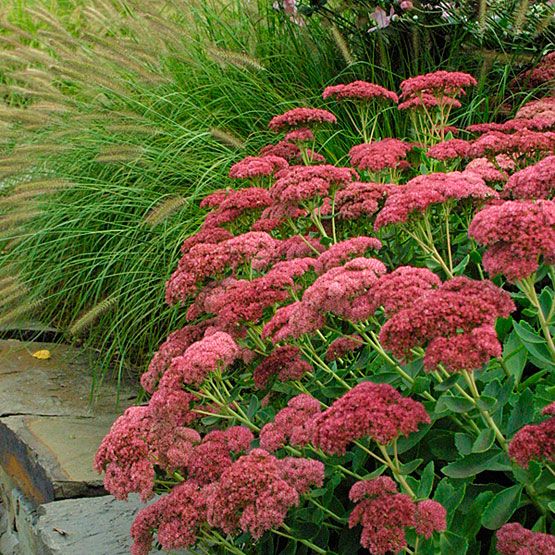
Sedum earns its spot as the toughest plant on this entire list.
The thick, succulent foliage stores its own moisture, which is part of why this plant shrugs off drought, heat, and hard freezes with equal ease.
Its flower clusters start out pale pink in late summer, then deepen into a rich bronze and copper as fall settles in, right in step with the season’s colors.
Leave the dried flower heads standing through winter instead of cutting them back. They add structure to an otherwise bare garden and give birds a reliable food source.
Cold tolerance: Extremely hardy, surviving down to USDA zone 3 and tolerating temperatures well below freezing once established.
Frequently Asked Questions
Will a light frost kill my flowers overnight?
Not for the flowers on this list. A light frost, generally anything above 28°F, causes little to no damage to established, frost-tolerant flowers. It’s a hard freeze below that range that does real harm.
Can I still plant these after the first frost has already hit?
Yes, in most cases. Cool-season flowers like pansies, violas, and ornamental kale actually prefer being planted as temperatures drop.
Just skip planting right before a hard freeze, since new transplants haven’t built up cold tolerance yet.
Do I need to cover these flowers when a frost warning comes through?
Established plants usually don’t need protection from a light frost. If a hard freeze or unusually early cold snap is forecast, a light frost cloth over young or newly planted flowers can help them get through it undamaged.
Which of these flowers will come back next year on their own?
Mums, asters, coneflower, and ‘Autumn Joy’ sedum are perennials that return each spring in the right zone.
Pansies and violas can self-seed or survive winter in milder climates, but the rest are typically grown as annuals.
How far apart should I space these for a full look without overcrowding?
Most of these flowers do well spaced 6 to 12 inches apart, though taller plants like snapdragons and coneflower need closer to 12 to 18 inches.
Check the tag on your specific variety, since spacing needs can vary even within the same species.
Bring Your Garden Into Fall, Not Just Through It
Frost doesn’t have to mean the end of color in your garden. With the right flowers in the ground and a little attention to timing, your beds can look just as good in late October as they did in July.
Pick a few from this list, get them planted while there’s still time to establish, and let the cold weather do the rest.