November Perennial Planting Guide: 13 Picks for a Fuller Spring Bloom

November feels like the end of the growing season, not the start of anything new. But cooling soil and quiet weather actually give roots room to settle in.
There’s no stress from summer heat or competition from spring foliage overhead.
If you skip planting now, you’re pushing spring color back by a full season.
This list covers 13 perennials that handle late fall planting well, along with what each one needs to survive its first winter in the ground.
A Note on Zone-Based Frost Timing
Not every perennial on this list plays by the same rules. Your first frost date matters more than the calendar month.
As a general guideline, aim to get bare-root and container perennials in the ground six to eight weeks before your average first hard frost. That window gives roots enough time to anchor before the soil locks up.
If you’re already past that point, don’t assume you’ve missed your chance entirely. Gardeners in zones 7 and warmer often have several more weeks of workable soil after the first light frost.
A hard freeze usually follows weeks later. Bulbs are the exception here. Most spring bulbs actually prefer planting after a light frost, since cooler soil helps prevent premature sprouting before winter fully sets in.
Whatever zone you’re in, mulch does a lot of the heavy lifting for late plantings.
A 2 to 3 inch layer around the base buffers soil temperature swings and holds moisture while roots are still establishing. Just keep it a few inches clear of the crown or stem.
Best Perennial Flowers for November: Comparison Table
| Plant | Sun Needs | USDA Zones | Bloom Time | Root Establishment | Pet Safety |
|---|---|---|---|---|---|
| Coneflower | Full sun | 3–9 | Summer | 4–6 weeks | Non-toxic |
| Peonies | Full sun | 3–8 | Late spring | Slow (blooms year 2–3) | Mildly toxic |
| Catmint | Full sun | 3–8 | Late spring–summer | 3–5 weeks | Non-toxic |
| Hellebores | Partial shade | 4–9 | Winter–early spring | 6–10 weeks | Toxic |
| Yarrow | Full sun | 3–9 | Summer | 4–6 weeks | Mildly toxic |
| Black-Eyed Susan | Full sun | 3–9 | Summer–first frost | 4–5 weeks | Non-toxic |
| Coral Bells | Partial shade | 4–9 | Spring–summer | 5–7 weeks | Non-toxic |
| Salvia | Full sun | 4–8 | Early spring | 4–6 weeks | Non-toxic |
| Allium | Full sun | 4–9 | Late spring–summer | 8–10 weeks (bulb) | Toxic |
| Daffodil | Full sun to part shade | 4–8 | Early–mid spring | 10–12 weeks (bulb) | Toxic |
| Hydrangea | Morning sun / afternoon shade | 3–9 (varies by type) | Summer | 6–8 weeks | Mildly toxic |
| Columbine | Partial shade | 3–9 | Late spring | 5–7 weeks | Mildly toxic |
| Penstemon | Full sun | 3–9 (varies by cultivar) | Late spring–summer | 5–6 weeks | Non-toxic |
13 Perennials to Plant in November for a Head-Start Spring Garden
1. Coneflower
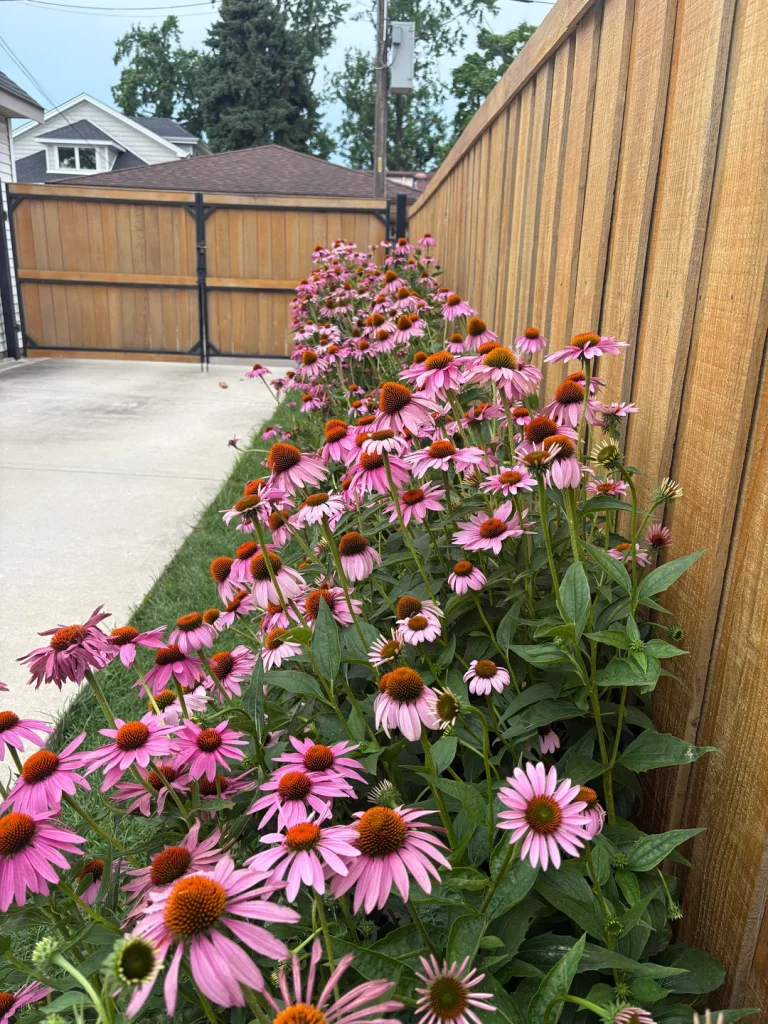
Coneflower (Echinacea purpurea) is one of the most forgiving perennials you can put in the ground this late in the season. It actually prefers cooler fall soil over the heat stress of a spring transplant.
And if you’re working from an existing patch rather than nursery stock, established clumps divide easily.
Give it full sun and well-draining soil, and don’t worry too much about soil quality. Coneflower tolerates clay and average fertility better than most flowering perennials. That makes it a low-risk pick for a first-time November planting.
Hardy in zones 3 through 9, it handles a wide range of winter conditions without much fuss.
Once it blooms next summer, leave the seed heads standing through fall rather than deadheading everything. Goldfinches and other birds rely on them. The dried cones also add texture to the winter garden.
Establishment timeline: Roots typically anchor within 4 to 6 weeks of fall planting, well before the ground freezes solid in most zones.
Pet safety: Non-toxic to dogs and cats, according to the ASPCA’s plant database.
2. Peonies
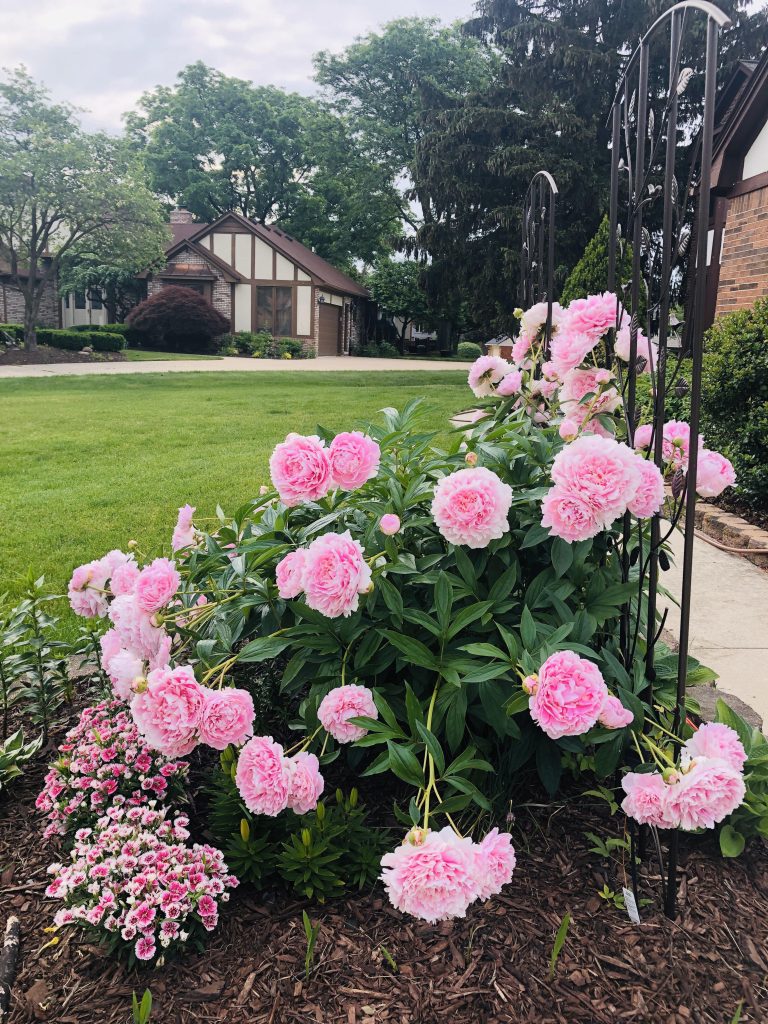
Few perennials reward patience like the peony. Fall is actually the ideal planting window for bare-root peonies. November still works in most regions as long as you get the tuberous roots in before the ground freezes hard.
Choose a spot with at least 6 hours of direct sun and soil that drains well. Peonies are notoriously unhappy with standing water. Soggy roots are one of the most common reasons a newly planted peony fails to thrive.
If your soil leans heavy or clay-based, work in some compost before planting to loosen things up.
Planting depth matters more with peonies than with most perennials. Keep the eyes, the small pink or red buds visible on the root, no more than one to two inches below the soil surface.
Planted too deep, peonies often survive but refuse to flower for years.
Establishment timeline: Peonies take their time. Expect minimal top growth the first spring, with a full bloom show typically arriving in year two or three.
Pet safety: Mildly toxic to dogs and cats if ingested in quantity, so keep new plantings away from curious pets while they’re small and easy to reach.
3. Catmint

Catmint (Nepeta) earns its spot on almost every fall planting list, and for good reason. It’s drought-tolerant once established.
It also blooms for months once spring arrives, and its soft gray-green foliage works as a filler between showier perennials.
Plant it in full sun for the best flower production. Catmint isn’t picky about soil, but it does need decent drainage. Wet feet through winter can lead to root rot before the plant ever gets a chance to establish.
Choose a shorter cultivar if you’re planting along a border or walkway, since some varieties spread more aggressively than others.
After its first major bloom flush next year, shear the plant back by about a third. That single step encourages a second round of flowers later in the season. It also keeps the clump from getting leggy.
Establishment timeline: Catmint roots quickly, usually within 3 to 5 weeks. It often shows small signs of new growth even before the first hard freeze.
Pet safety: Related to catnip, so expect visits from neighborhood cats. It’s non-toxic to both cats and dogs, but the plant may get flattened by enthusiastic feline attention in its first season.
4. Hellebores
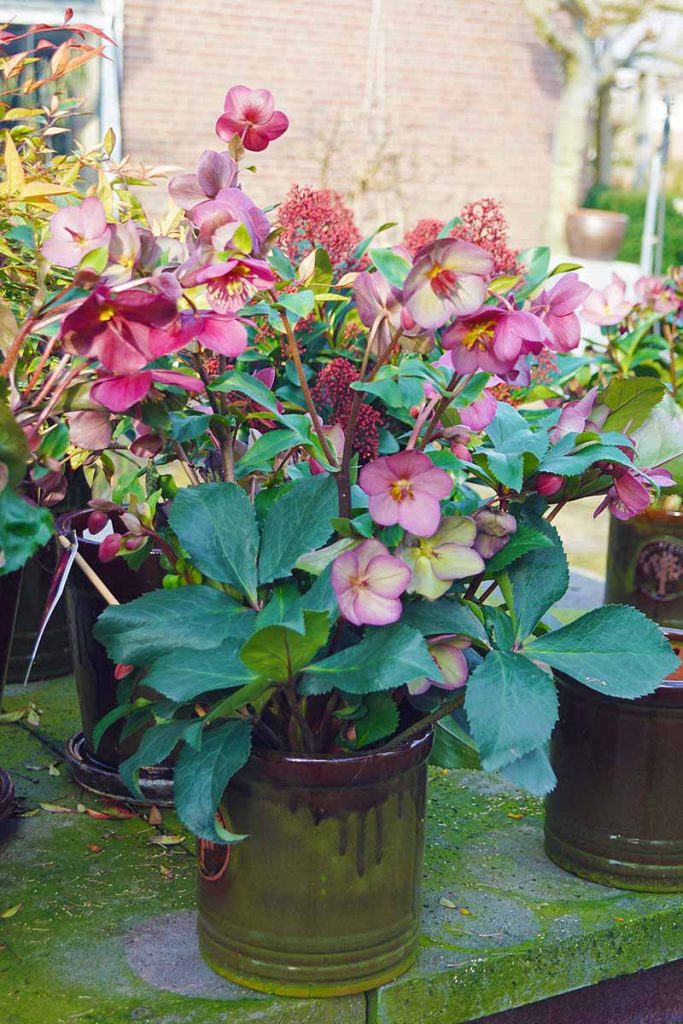
If you want something that actually blooms in the dead of winter, hellebores are worth the investment. Also called Lenten rose, they’re one of the only perennials that flower in the coldest months. They sometimes push blooms through a light snow cover.
Hellebores prefer partial shade, though a bit more sun than full shade tends to produce a fuller bloom show. Plant them in rich, well-draining soil, and choose larger divisions if you can find them.
Bigger starts are more likely to flower in their first winter compared to smaller plugs. Smaller plugs may need a full season to build up enough energy.
These plants are also genuinely low-maintenance once settled. They’re deer-resistant and tolerant of root competition from nearby trees.
That makes them one of the few perennials that actually improve a tricky shaded corner of the yard instead of struggling in it.
Establishment timeline: Expect 6 to 10 weeks for root establishment, with mature divisions sometimes flowering as early as late winter of the same season.
Pet safety: Toxic to both dogs and cats if chewed or ingested. Plant hellebores away from areas pets frequent, especially if you have a dog that tends to sample garden greenery.
5. Yarrow
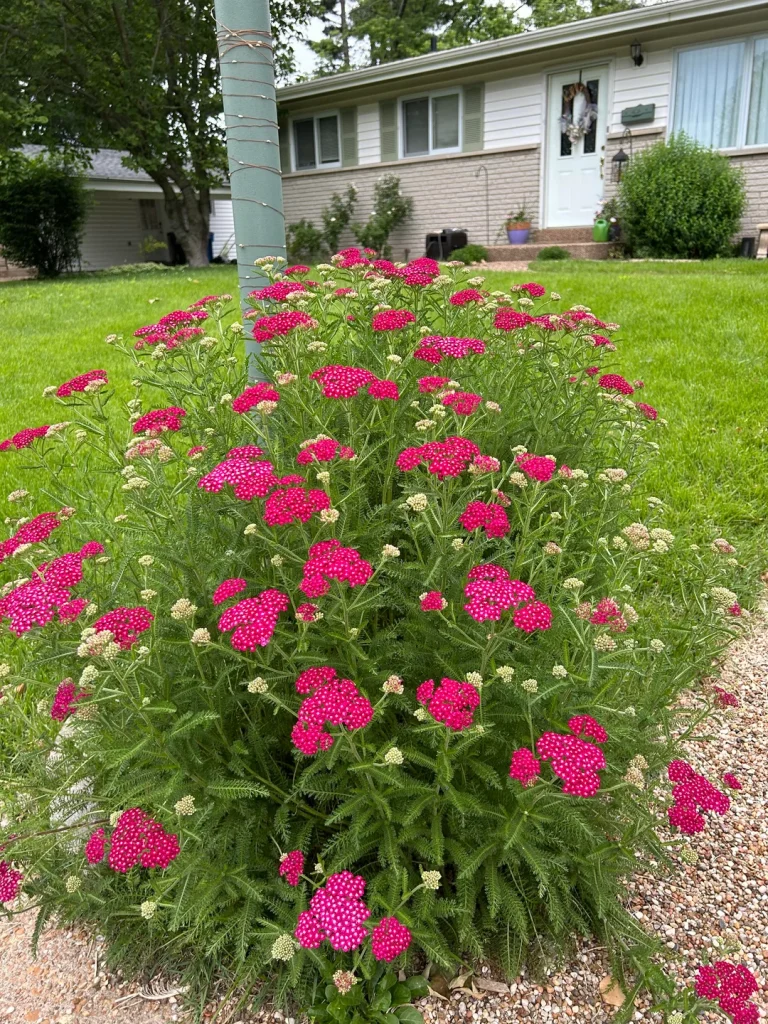
Yarrow (Achillea) is one of the toughest perennials you can plant this month. Fall planting actually works in its favor. The cold period it experiences over winter helps trigger stronger growth once spring temperatures return.
Give it full sun and lean, well-draining soil. Yarrow doesn’t want rich soil or extra fertilizer. Too much of either leads to floppy stems that flop over instead of standing upright.
It handles drought, heat, and humidity without complaint once established, and most deer and rabbits leave it alone.
The flat-topped flower clusters come in yellow, red, pink, and white depending on the cultivar. They’re also excellent for cutting and drying, so consider planting a patch near your kitchen garden if you like fresh arrangements indoors.
Establishment timeline: Roots typically settle in within 4 to 6 weeks. Foliage may stay evergreen through winter in milder zones.
Pet safety: Mildly toxic to both dogs and cats if eaten in large amounts. Keep new plantings out of reach of pets that like to graze on greenery.
6. Black-Eyed Susan
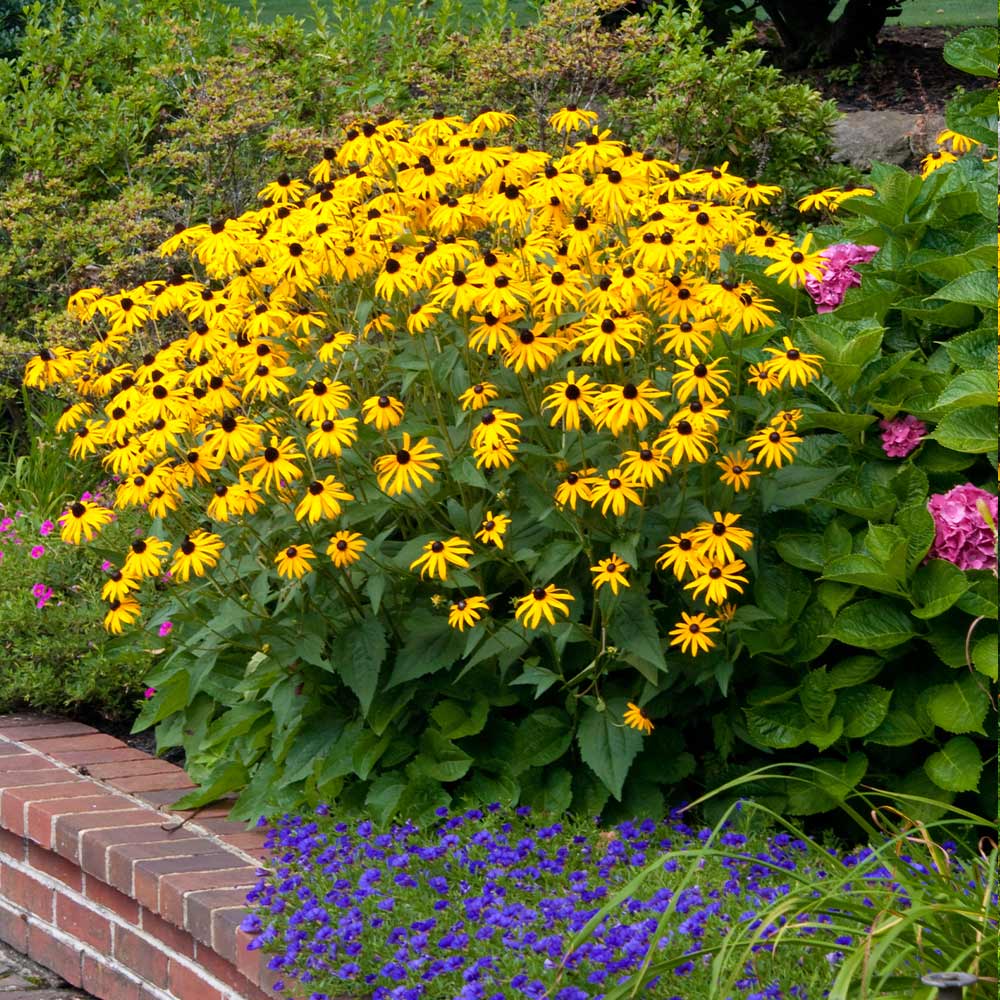
Black-eyed Susan (Rudbeckia hirta) is a North American native that blooms from summer straight through the first frost. Planting it in November gives you a head start on that long bloom window next year.
Ideally, get seeds or transplants in the ground about six weeks before your first frost date. That timing works well for gardeners in warmer coastal regions where frost arrives later.
If you’re running behind that window, starting plants indoors and transplanting them out in spring is a reliable backup plan.
Full sun brings out the best bloom production, and this plant isn’t fussy about soil type. It tolerates poor, dry conditions better than most flowering perennials, which makes it a solid choice for spots where other plants have struggled.
Establishment timeline: Direct-sown seed needs a cold stratification period over winter to germinate well in spring. Transplants typically root within 4 to 5 weeks.
Pet safety: Non-toxic to dogs and cats, making it a safe pick for yards with pets that like to explore garden beds.
7. Coral Bells
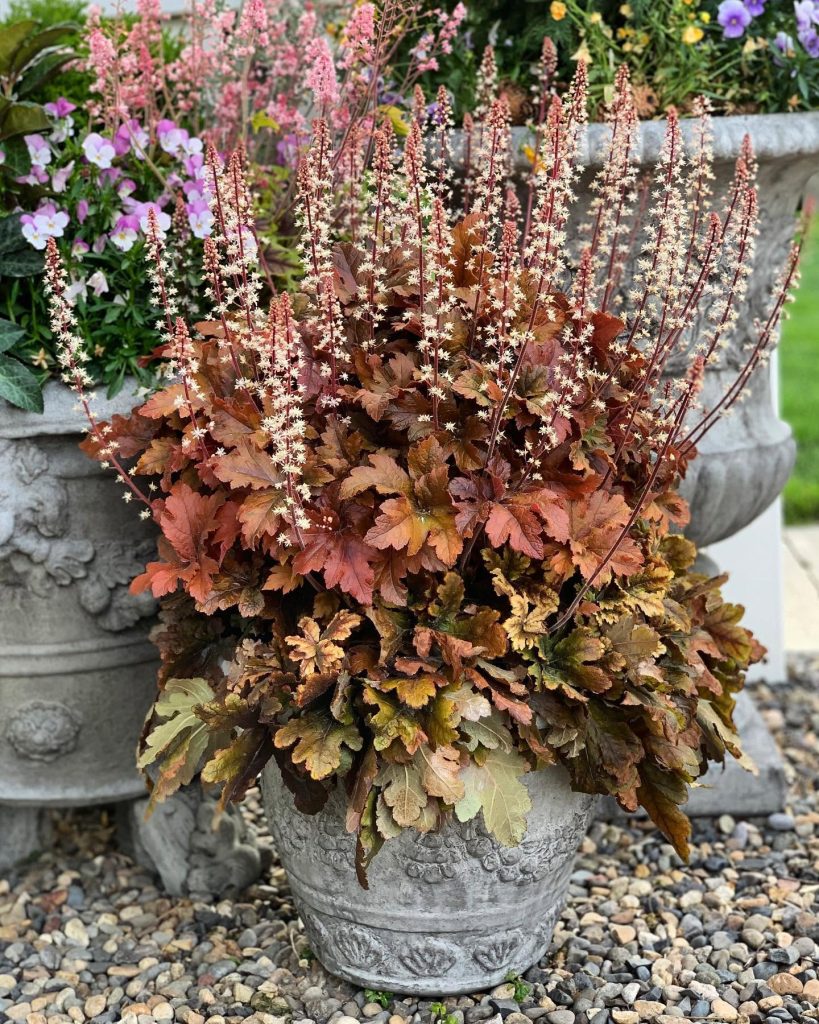
Coral bells (Heuchera) earn their spot in the garden mostly for foliage, not flowers. The leaves come in shades ranging from deep burgundy to lime green to near-black, and they hold their color through most of the year.
Plant coral bells in a spot with partial shade and rich, well-draining soil. They’re hardy down to zone 4, but young plants benefit from a layer of mulch during their first winter, especially in colder regions where hard freezes arrive early.
Without that protection, newly planted crowns can heave out of the soil during freeze-thaw cycles.
Come spring and summer, thin flower spikes rise above the foliage clumps. The blooms themselves are small, but they draw in hummingbirds and other pollinators looking for an early nectar source.
Establishment timeline: Roots anchor within 5 to 7 weeks under normal conditions. Watch for frost heave in the first few months and press any exposed crowns back into the soil.
Pet safety: Non-toxic to dogs and cats, though the shallow root system means it’s best kept out of high-traffic pet areas regardless.
8. Salvia
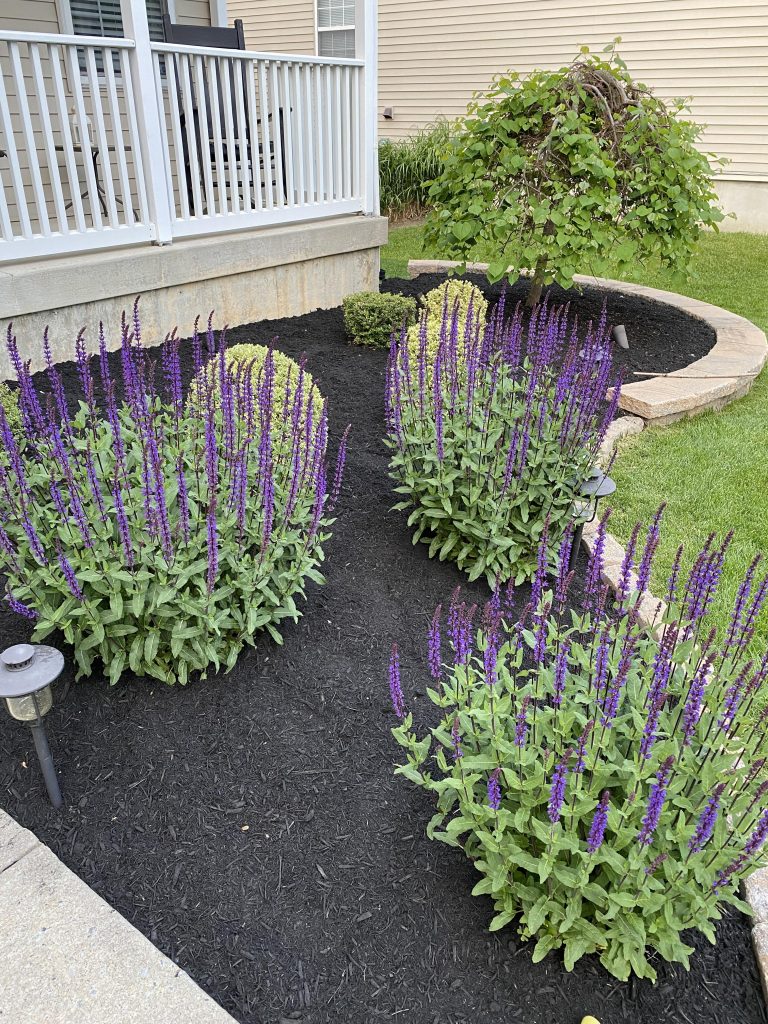
Salvia nemerosa, sometimes called woodland sage, is one of the earliest bloomers in the spring perennial lineup. It starts flowering right as spring bulbs fade, filling a gap before most other perennials wake up.
This salvia tolerates poor soil better than many flowering perennials, and it doesn’t need much beyond occasional deadheading to keep new blooms coming through summer.
Look for cultivars like ‘Caradonna,’ which has deep purple stems and near-black buds, or ‘Blue Hill’ for a softer violet-blue tone. Both are widely available and reliably hardy.
Establishment timeline: Expect roots to settle within 4 to 6 weeks. Some gardeners see light bloom the following spring even from a first-year fall planting.
Pet safety: Non-toxic to dogs and cats, and its strong scent tends to discourage pets from chewing on it anyway.
9. Allium
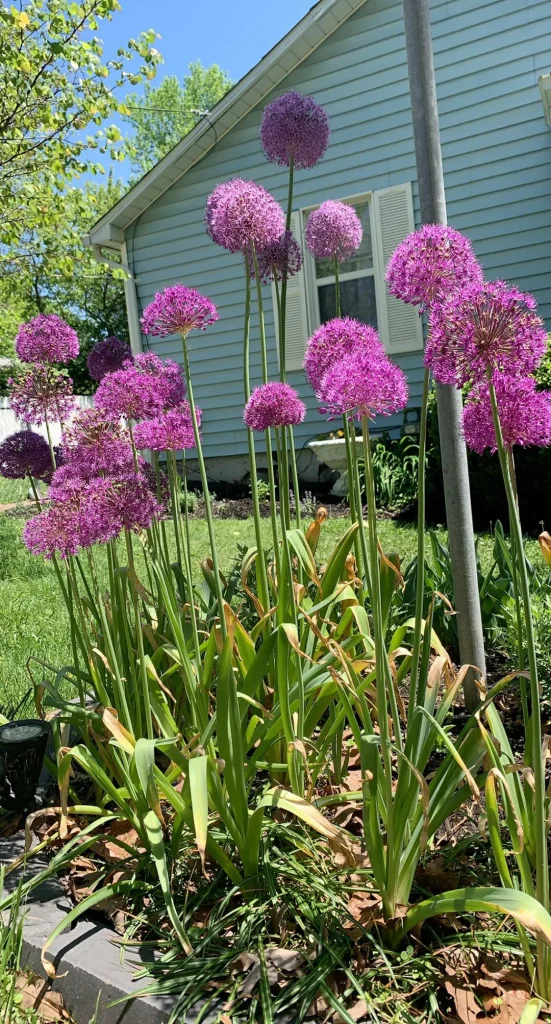
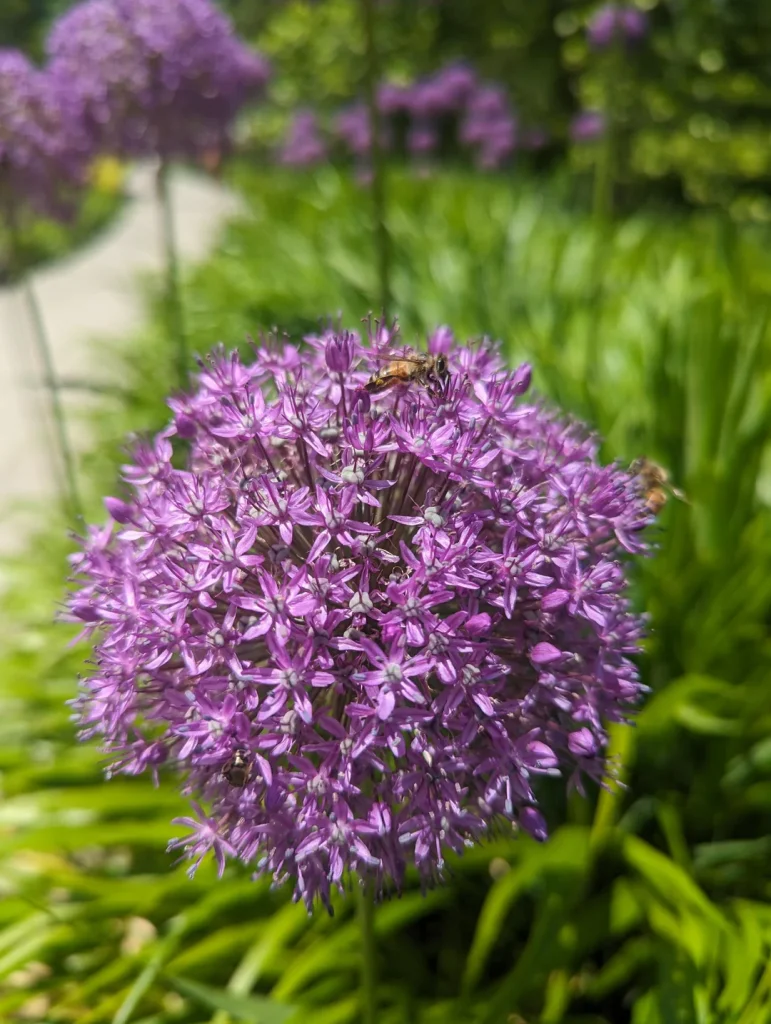
Allium bulbs bring a shape to the garden that few other spring flowers match. Their globe-shaped blooms sit atop tall, bare stems, creating a striking contrast against lower-growing plants nearby.
Plant allium bulbs in full sun and soil that drains well. Standing water is one of the fastest ways to rot a bulb before it ever gets the chance to root.
If your ground is already too wet or partially frozen, container planting works just as well and can be moved to a sheltered spot for winter.
‘Purple Sensation’ is a reliable choice if you want bold color, while ‘Ivory Queen’ offers a softer, more muted look.
Both work well massed together in borders or tucked between later-blooming perennials that will hide the fading allium foliage in early summer.
Establishment timeline: Bulbs need roughly 8 to 10 weeks of cool soil before the ground freezes to root properly and prepare for spring bloom.
Pet safety: Toxic to both dogs and cats, particularly the bulb itself. Plant allium away from areas where pets dig, and consider a physical barrier like chicken wire just beneath the soil surface if digging is a known issue in your yard.
10. Daffodil
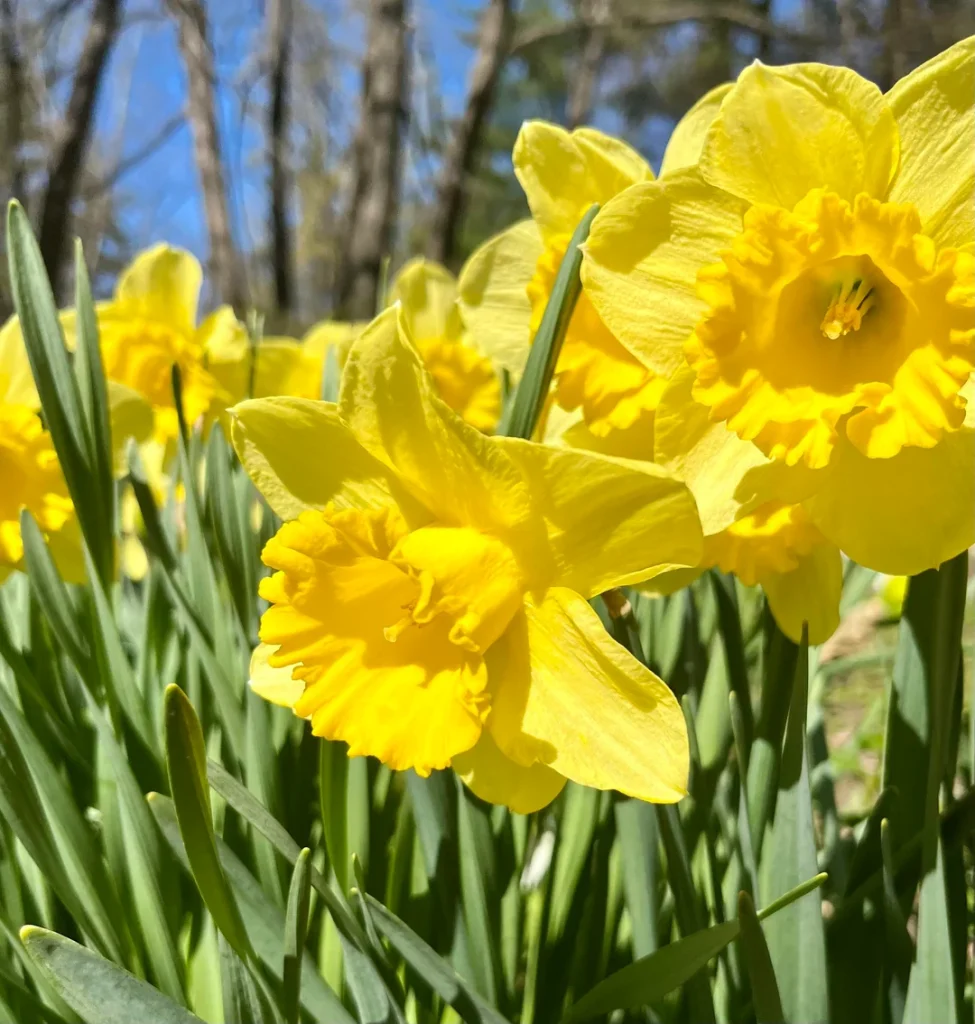
Daffodils (Narcissus) are about as low-effort as spring bulbs get. Once planted, they come back year after year with almost no maintenance, and deer and rabbits reliably leave them alone.
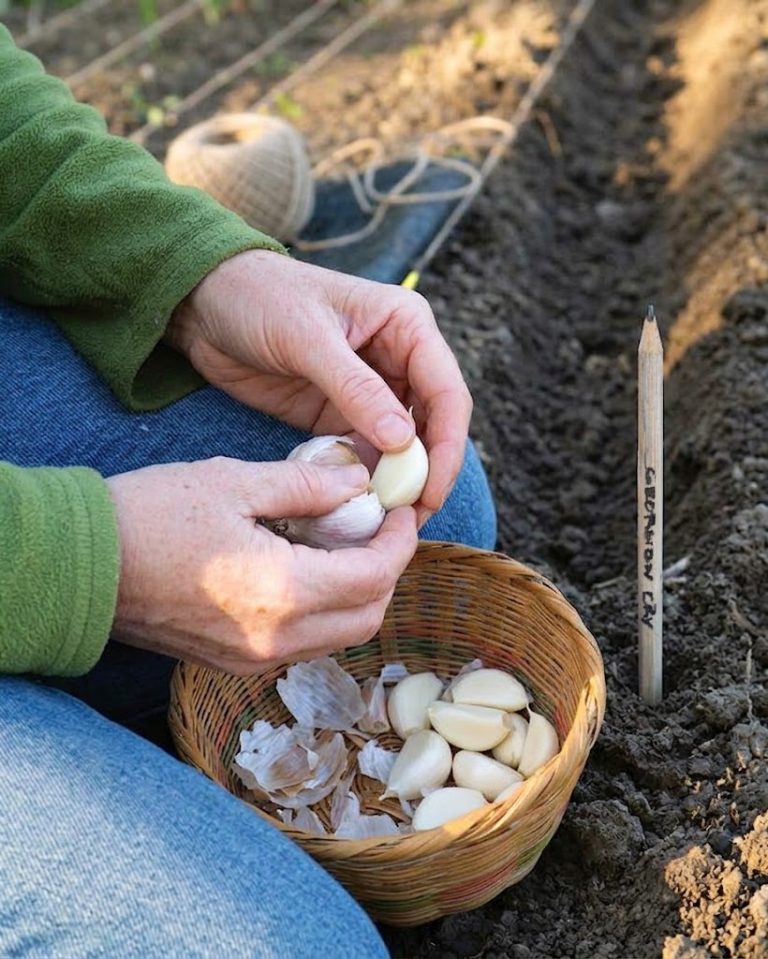
Plant bulbs in well-draining soil with full sun to part shade, pointed end facing up, about six inches deep.
November is typically the last practical window for gardeners in colder zones, so don’t wait much longer if you want blooms by spring. Warmer zones have a bit more flexibility.
Look for ‘Dutch Master’ if you want the classic sunny yellow trumpet, or ‘Las Vegas’ for a two-toned look with a white perianth and pale yellow cup.
Both naturalize well, meaning the clumps will slowly expand and produce more flowers each year without any replanting on your part.
Establishment timeline: Bulbs need 10 to 12 weeks of cool soil to root fully before winter dormancy sets in.
Pet safety: Toxic to dogs and cats, especially the bulb. Keep new plantings away from areas where pets tend to dig.
11. Hydrangea
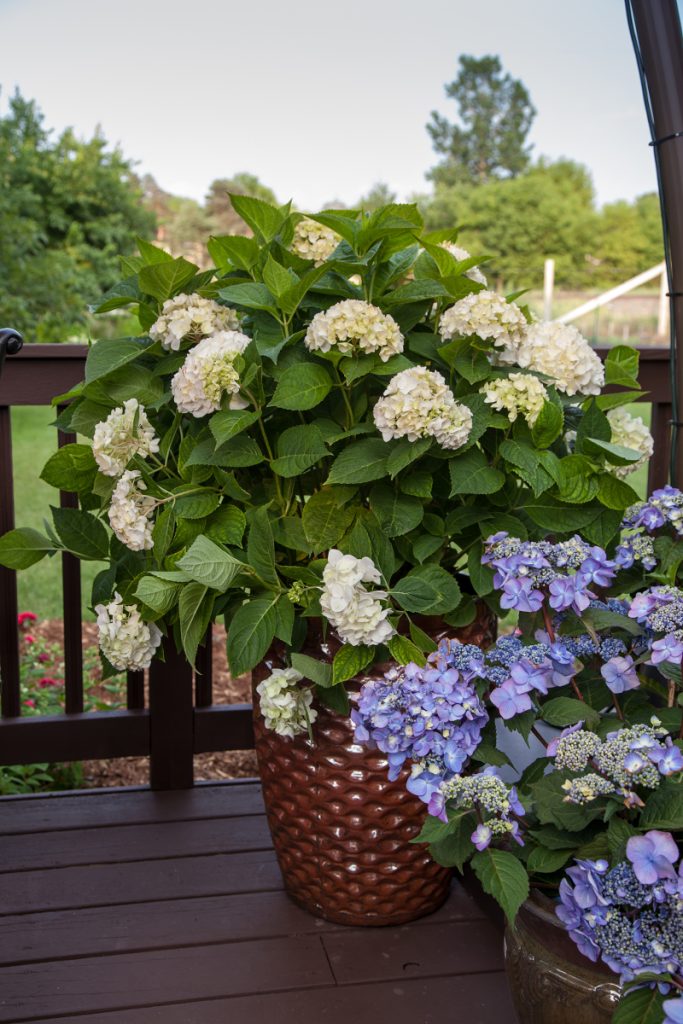
Hydrangeas are usually associated with spring planting, but November works too, as long as you get them in the ground early in the month. That timing minimizes frost damage while roots are still establishing.
Choose a cold-hardy type if you’re in a cooler region. Smooth hydrangea (Hydrangea arborescens) and panicle hydrangea (Hydrangea paniculata) both handle winter better than bigleaf varieties, which can struggle in harsher climates.
Plant in a spot with morning sun and afternoon shade, and water deeply right after planting.
Mulch is especially important here. A thick layer around the base protects the root ball through its first winter, when the plant hasn’t had time to build up the reserves it needs to handle a hard freeze on its own.
Establishment timeline: Roots typically need 6 to 8 weeks minimum before a hard freeze to establish enough to survive winter safely.
Pet safety: Mildly toxic to dogs and cats if leaves or flowers are ingested. Symptoms are usually mild, but it’s worth keeping new plantings fenced off from pets that like to nibble.
Also read: 13 Stunning Hydrangeas for Shade Garden
12. Columbine
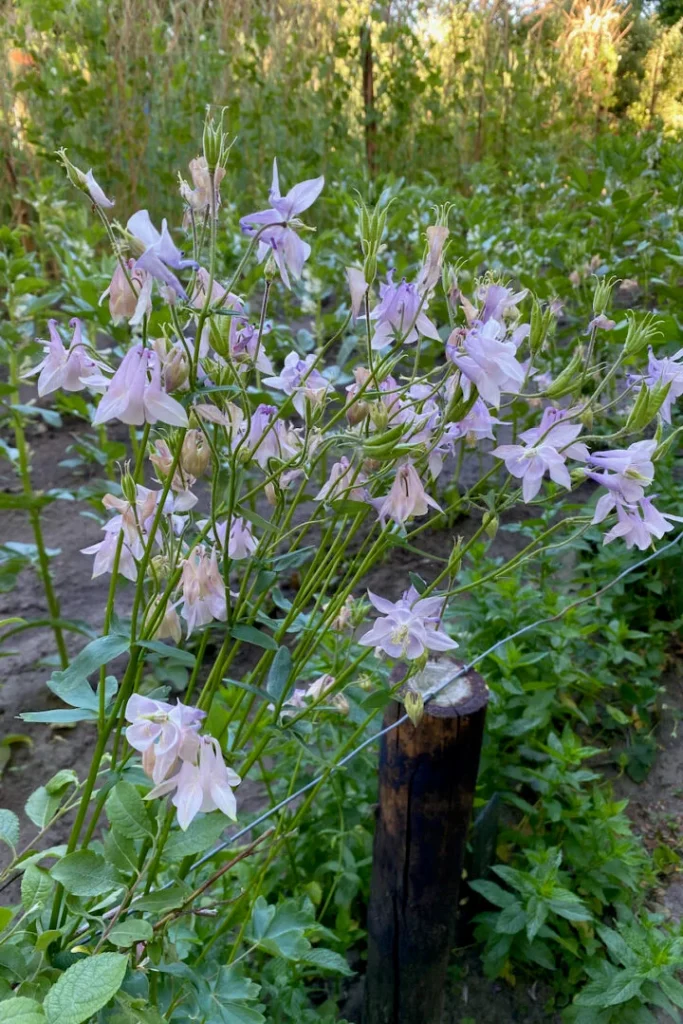
Columbine (Aquilegia) brings a delicate, cottage-garden look to shaded and partially shaded beds.
The spurred, bell-shaped flowers come in a wide range of colors, and they often cross-pollinate freely, giving you new color combinations from self-sown seedlings over time.
Sow seeds or plant divisions about six weeks before your first frost date. If your frost typically lands in mid-November, get plants in early in the month and add frost cover if a cold snap hits before roots have settled.
Columbine tolerates a range of soil types as long as drainage is decent.
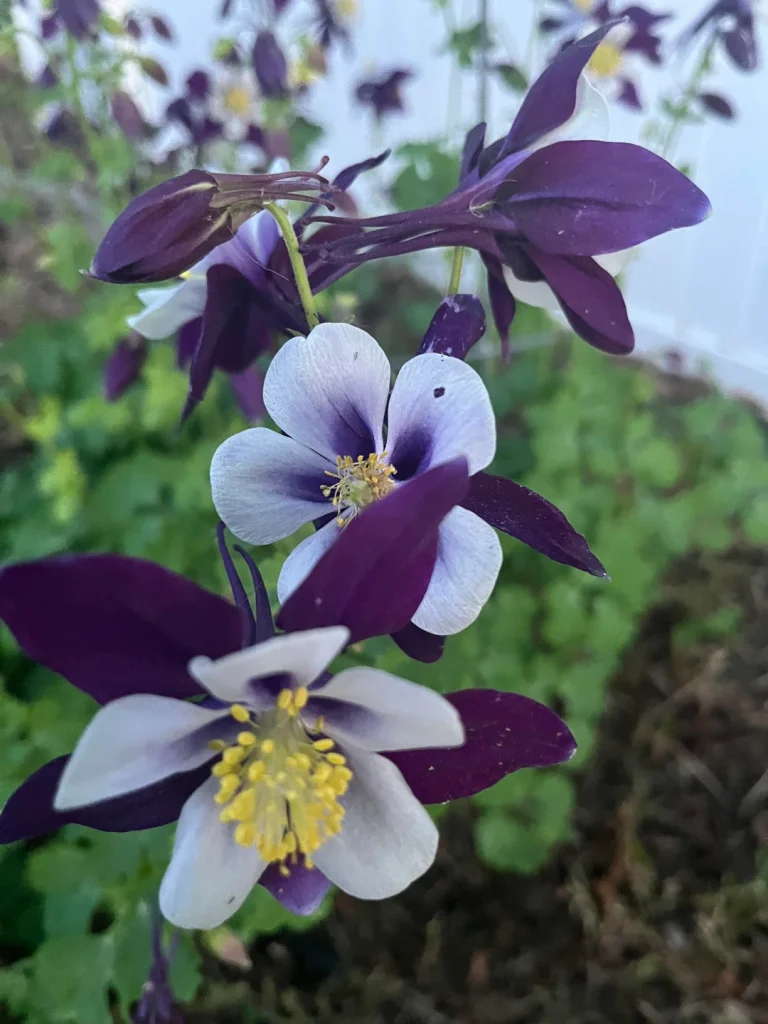
Once established, columbine is fairly hands-off. It self-seeds readily, so don’t be surprised to find new seedlings popping up nearby in following seasons. Thin them out if the patch gets crowded.
Establishment timeline: Expect 5 to 7 weeks for root establishment. Seedlings from direct-sown seed may take two years to reach flowering size.
Pet safety: Mildly toxic to dogs and cats if large quantities are eaten, though most pets show little interest in the foliage.
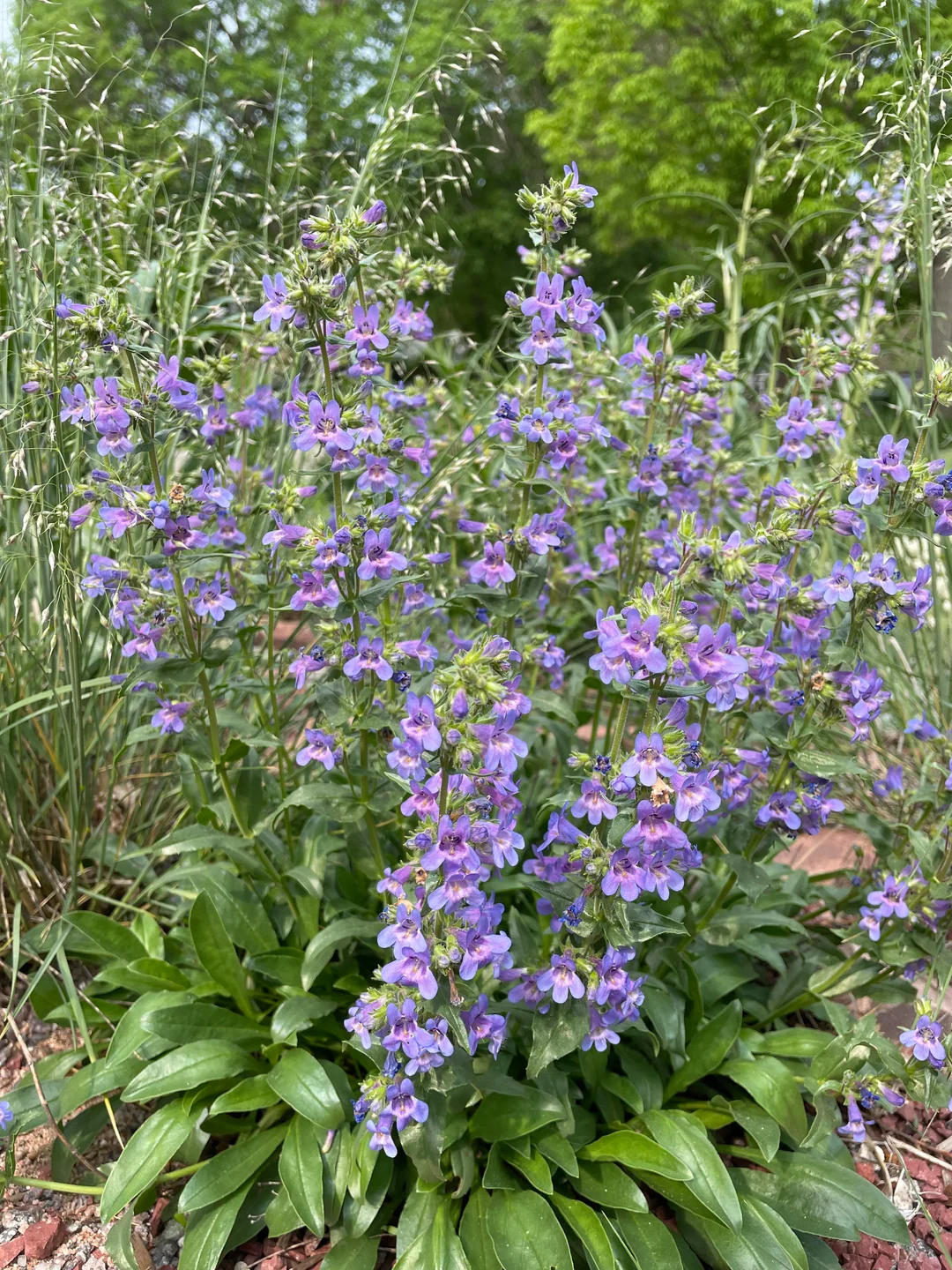
13. Penstemon
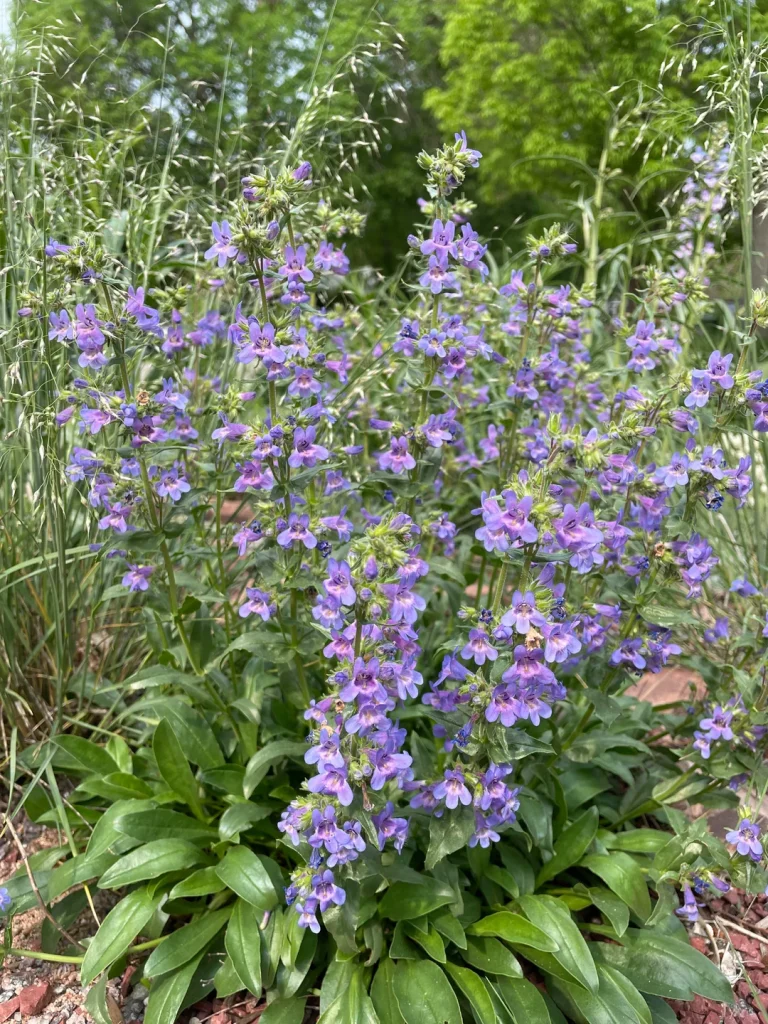
Penstemon rounds out this list as a favorite among hummingbirds and bees.
The tubular flowers cluster along upright stems, and the plant works well as a backbone in a pollinator bed, mixing easily with both annuals and other perennials.
Plant penstemon in full sun and soil that drains well. It’s more tolerant of poor, rocky soil than rich garden beds, so resist the urge to over-amend the planting hole.
Like columbine, aim to get it in the ground about six weeks before your first frost for the best root development.
‘Rocky Mountain Blue’ is a dependable variety if you want something hardy and resilient in tougher growing conditions. It holds up well in exposed, windy spots where other perennials might struggle.
Establishment timeline: Roots typically anchor within 5 to 6 weeks. Plants that go in too close to a hard freeze may need extra mulch to make it through their first winter.
Pet safety: Non-toxic to dogs and cats, making it a safe addition to pet-friendly pollinator gardens.
Frequently Asked Questions
Is it too late to plant perennials in November?
Not usually. Most cold-hardy perennials and spring bulbs still have time to root before the ground freezes solid. The main thing to watch is your specific frost date, since gardeners in colder zones have a shorter window than those in milder ones.
Do I need to fertilize new perennials planted in fall?
Skip it for now. Fertilizer encourages new top growth right when the plant should be focusing energy on root development instead. Wait until spring, once the plant shows active growth, before feeding it.
Should I water newly planted perennials through winter?
Yes, especially if your region gets a dry stretch. Water deeply right after planting and again before any hard freeze. Check soil moisture occasionally through winter and water if it’s been dry for more than a couple of weeks.
Can I still plant bare-root perennials this late in the season?
In most zones, yes. Bare-root plants actually do well with fall planting since they go dormant quickly and spend the winter putting energy into roots rather than leaves. Just make sure the soil isn’t already frozen when you plant.
What’s the biggest mistake people make with November planting?
Skipping mulch. New plantings are vulnerable to temperature swings and frost heave in their first winter, and a proper mulch layer solves most of that risk for very little effort.
Final Thoughts
Planting in November takes a bit of trust. You’re putting something in the ground without seeing much payoff until months later.
But that head start on root development is exactly what sets up a stronger, fuller bloom the following spring.
Pick a few plants from this list based on your conditions, not just what looks appealing in a photo, and let the cooler weather do the rest of the work for you.