Why Are My Hosta Leaves Getting Holes? Common Causes and Fixes

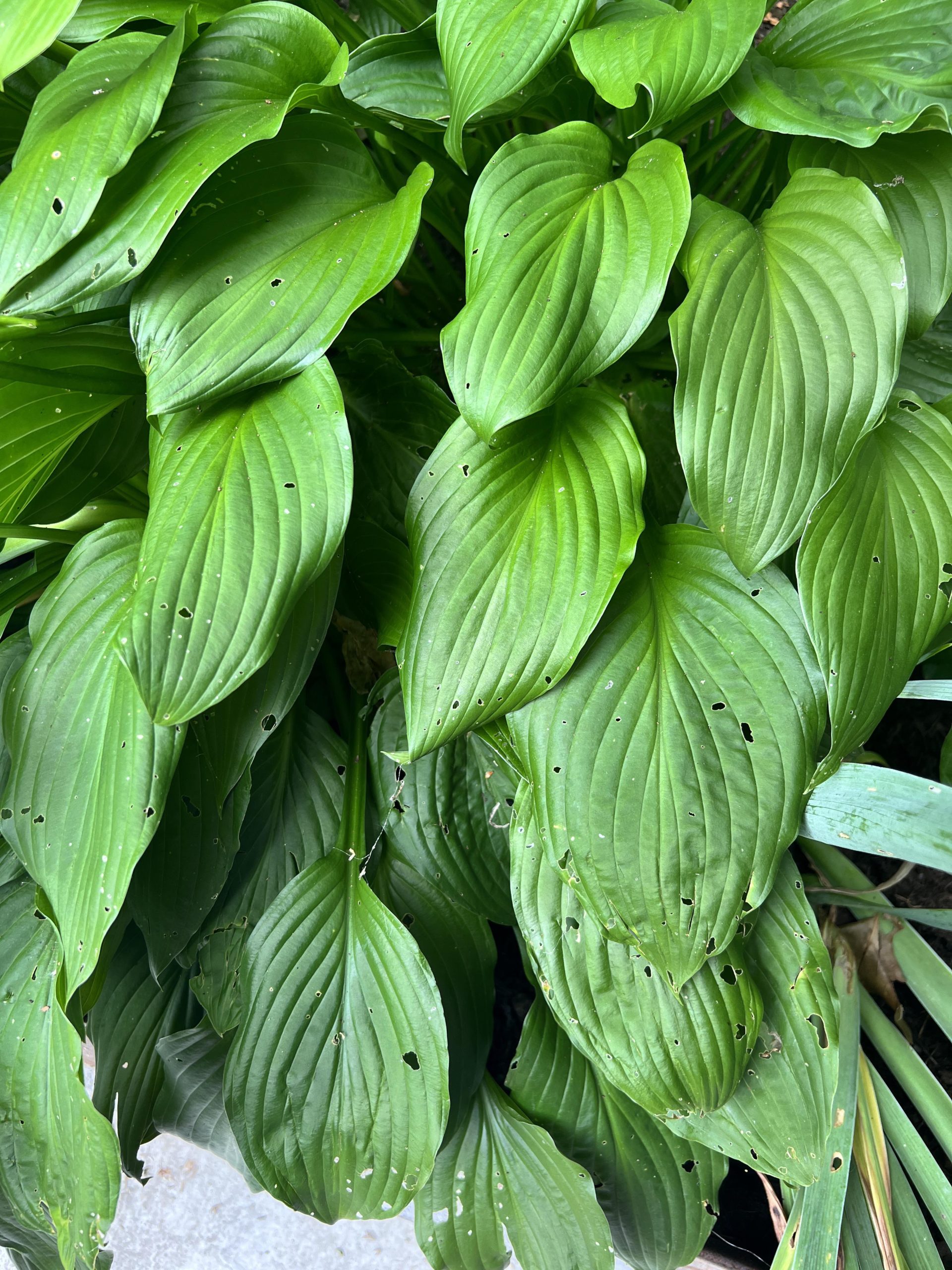
You step outside to check on your hostas and something’s off. Those big, lush leaves you’ve been babying all season are now covered in holes. Some are tiny pinpricks. Others look like something took a bite clean out of the middle.
It’s frustrating, but it’s also one of the most common hosta problems out there.
The good news is that holes almost always point to a specific culprit, and once you know what you’re dealing with, the fix is usually simple.
Note: If your hosta leaves have holes AND you’re seeing yellowing, browning edges, or wilting, you may be dealing with more than one issue at once. Keep that in mind as you read through the causes below.
Also read: What Causes Hosta Leaves To Curl and Quick Fixes You Can Try
What’s Causing the Holes in My Hosta Leaves?
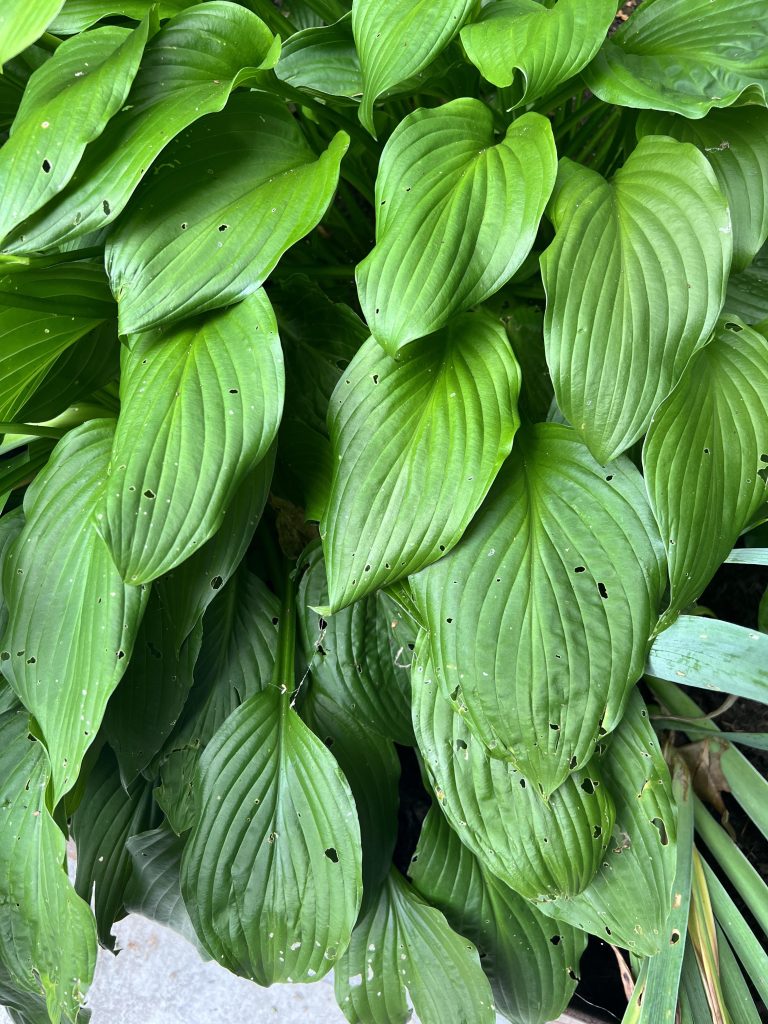
Holes in hosta leaves almost always come down to one of four things: slugs and snails, insect pests, deer or other animals, or physical damage from weather.
Slugs and snails are the number one suspect. They love the soft, moist leaves hostas are known for, and they do most of their damage overnight while you’re asleep.
Insects like beetles, caterpillars, and grasshoppers can also chew through hosta foliage, though their damage tends to look a little different from slug damage once you know what to look for.
Deer, rabbits, and other animals will happily munch on hostas too, especially in the early morning or evening.
And sometimes the damage isn’t a pest at all. Hail, strong wind, or even hand tools can tear and puncture leaves.
Let’s break down each one so you can figure out exactly what’s happening in your garden.
Slugs and Snails
If your hosta leaves have irregular holes with smooth edges, slugs and snails are the most likely cause.
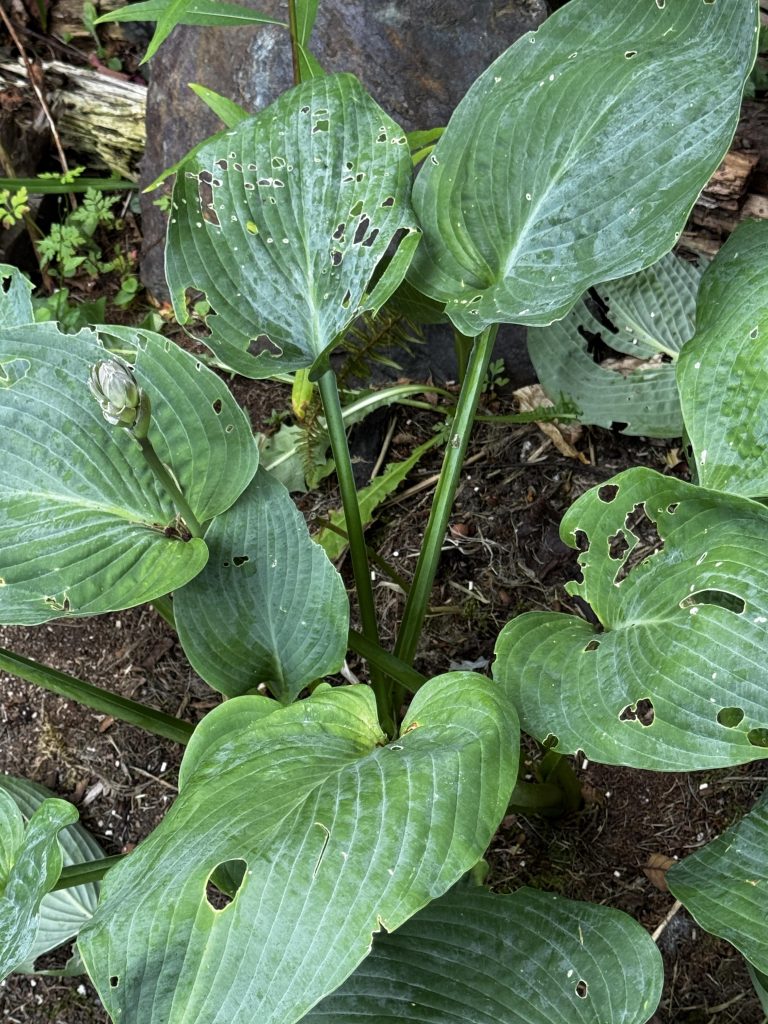
They’re drawn to hostas more than almost any other plant in the garden, and once they find a patch they like, they’ll keep coming back night after night.
How to tell it’s slugs or snails
- Holes appear mostly in the middle of the leaf, not just around the edges
- You’ll see a silvery, slimy trail on the leaves or nearby soil
- Damage shows up overnight, since slugs and snails feed after dark
- Lower leaves closer to the ground usually get hit first
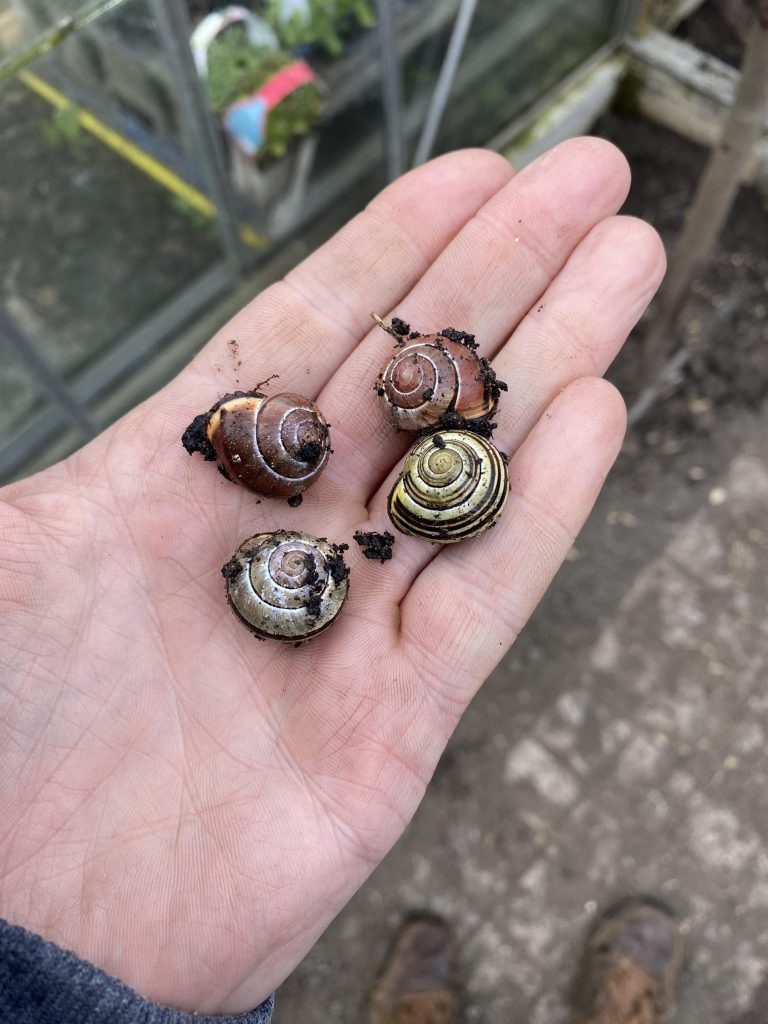
Slugs and snails need moisture to survive, so they’re most active after rain or watering, and in gardens with heavy mulch or dense ground cover nearby.
If your hostas are planted in a shady, damp spot, you’ve basically built them a five-star buffet.
How to get rid of slugs and snails on hostas
- Water your hostas in the morning instead of the evening so the soil isn’t damp overnight when slugs are most active
- Set out beer traps by burying a shallow container filled with beer at soil level. Slugs are drawn to it and drown
- Use diatomaceous earth or crushed eggshells around the base of the plant. Both are sharp enough to deter slow-moving pests
- Try iron phosphate slug bait, which is safe around pets and kids and breaks down into the soil
- Go out at night with a flashlight and hand pick them off. It’s not glamorous, but it works
- Clear away excess mulch, leaf litter, and debris near your hostas since slugs hide there during the day
Once you get ahead of a slug problem, new hosta growth should come in clean. Just keep watching for those telltale slime trails, especially after a rainy week.
Insect Pests
Slugs aren’t the only ones snacking on your hostas. A handful of insects will chew through the leaves too, and their damage can look similar at first glance. The trick is looking closely at the shape and pattern of the holes.
Black Vine Weevils
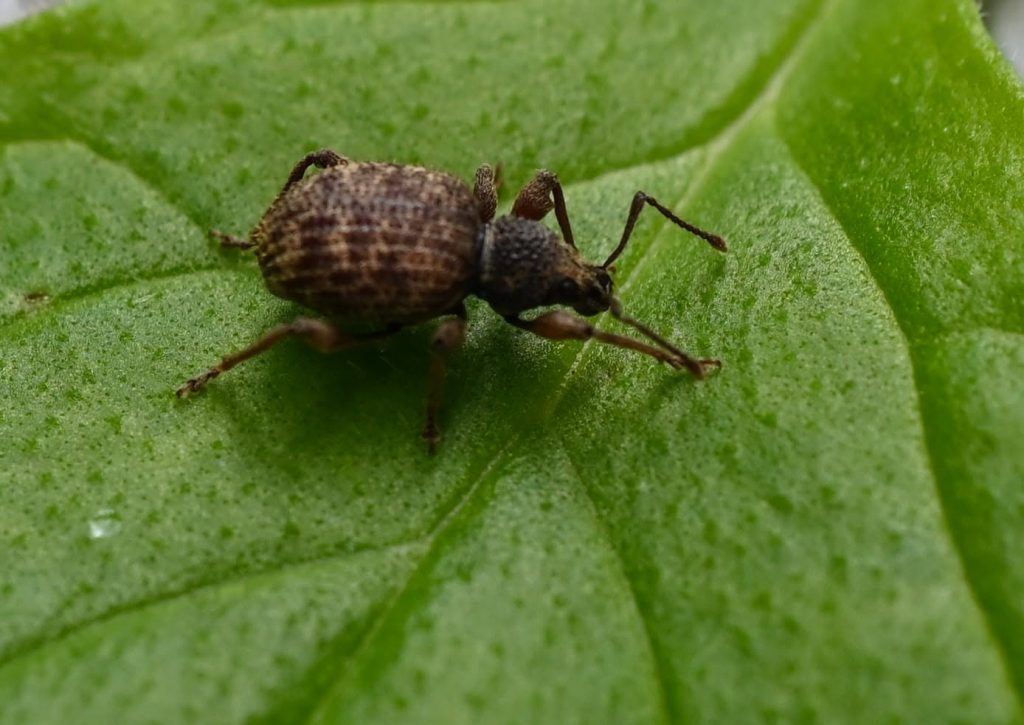
Black vine weevils leave notched, C-shaped bites along the edges of hosta leaves rather than holes in the middle.
The adults feed at night and hide in soil or mulch during the day, which makes them tricky to catch in the act.
- Look for ragged notches cut into the leaf margins
- Check the base of the plant and surrounding soil for small, dark beetles
- The larvae feed on hosta roots underground, so a struggling plant with root damage is another red flag
Caterpillars
Caterpillars chew larger, more irregular holes and can strip a leaf down fast if left alone. Unlike slugs, they feed during the day too, so you’re more likely to catch one in action.
- Check the undersides of leaves for the caterpillars themselves or small green droppings
- Holes often start at the leaf edge and work inward
Grasshoppers
Grasshoppers take big, ragged bites out of leaf edges and can move through a garden fast, especially in late summer when populations peak.
- Damage tends to be widespread across multiple plants at once
- You’ll often spot the grasshoppers themselves nearby during the day
How to control insect pests on hostas
- Handpick caterpillars and grasshoppers off the leaves when you spot them
- Apply neem oil in the early morning or evening to avoid harming pollinators
- Use beneficial nematodes in the soil to target black vine weevil larvae before they mature
- Set out sticky traps near affected plants to monitor which pests are actually present
- Keep the area around your hostas tidy, since dense weeds nearby give insects more places to hide and breed
Once you know which insect you’re up against, treatment gets a lot more straightforward.
Deer and Other Animals
Sometimes the damage on your hostas isn’t from a bug at all. Deer, rabbits, and other critters find hostas just as tasty as we find them beautiful, and they can do a lot more damage in a single visit than slugs or insects ever could.
How to tell it’s deer
- Leaves look torn or shredded rather than cleanly cut, since deer don’t have upper front teeth
- Entire leaves or large sections go missing overnight
- Damage tends to happen higher up on the plant, out of reach for smaller animals
- You may notice hoof prints or droppings nearby
How to tell it’s rabbits or smaller animals
- Bites are cleaner and more precise, almost like they were snipped with scissors
- Damage stays low to the ground, since rabbits can’t reach higher foliage
- Whole leaves are often clipped off at the stem rather than just nibbled
Deer and rabbits both tend to hit hostas hardest in early spring when the new growth is tender, and again in late summer when other food sources start to dry up.
How to keep deer and animals away from hostas
- Install fencing at least 8 feet high if deer pressure is heavy in your area, since they can clear shorter fences with ease
- Use motion-activated sprinklers to startle animals away before they settle in for a meal
- Apply deer repellent sprays with ingredients like garlic or predator urine, reapplying after rain
- Plant strong-smelling companions like alliums or lavender nearby, since deer tend to avoid them
- Switch to a fragrant hosta variety if deer are a constant problem, since some varieties are less appealing to them than others
If you’re dealing with deer or rabbits, don’t expect one method to solve it completely. Most gardeners end up combining two or three of these tactics for real results.
Weather and Mechanical Damage
Not every hole in a hosta leaf comes from a pest. Sometimes the damage is purely physical, caused by weather or an accident in the garden.
This type of damage looks different once you know what to check for, and it doesn’t require any pest control at all.
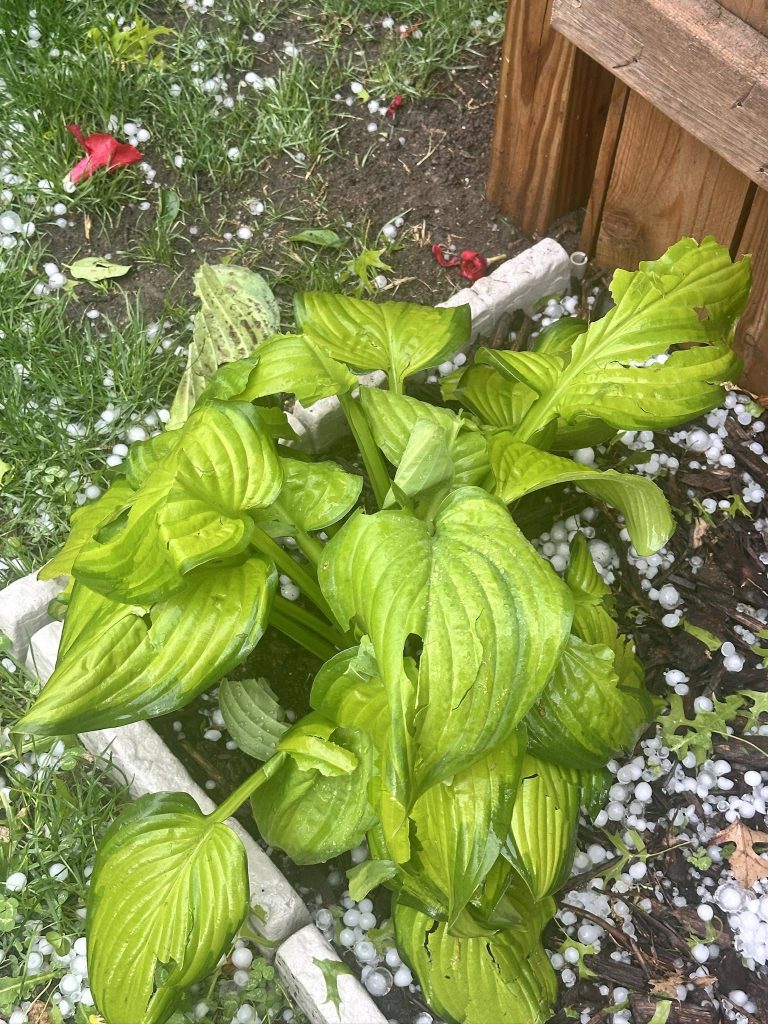
How to tell it’s weather or mechanical damage
- Holes and tears appear suddenly, often right after a storm
- Damage is scattered randomly across the plant rather than concentrated on certain leaves
- Edges of the holes look torn or shredded rather than chewed
- There’s no slime trail, no droppings, and no sign of insects nearby
Common causes
- Hail can punch clean holes straight through hosta leaves in a matter of minutes
- Strong wind can whip leaves against nearby branches, fences, or other plants and tear the tissue
- Falling debris like twigs or acorns can puncture leaves during a storm
- Garden tools, foot traffic, or pets brushing past can tear or crush leaves by accident
The good news is that weather and mechanical damage is a one-time event. Once the storm passes or the source of the damage is addressed, your hosta should push out clean new growth without any ongoing treatment needed.
What to do about it
- Trim off badly damaged leaves to keep the plant looking tidy and to redirect energy into new growth
- Avoid working around hostas with tools or equipment during wet weather when leaves are more brittle
- Keep foot traffic and pets away from hosta beds, especially in narrow garden paths
- Give hostas some breathing room from taller plants or structures that could whip against them in wind
Unlike pest damage, this kind isn’t something you need to worry about coming back, unless the same storm or traffic pattern repeats itself.
How to Identify Which Culprit You Have
With four possible causes behind those holes, it helps to have a quick way to narrow things down. The shape of the hole, when the damage shows up, and what else you spot nearby will usually tell you everything you need to know.
Check the shape of the holes
- Smooth, rounded holes in the middle of the leaf point to slugs and snails
- Notched or C-shaped bites along the edges point to black vine weevils
- Large, irregular holes that start at the edge and work inward point to caterpillars
- Big, ragged bites taken from the leaf margins point to grasshoppers
- Torn or shredded edges with whole leaves missing point to deer
- Clean, precise cuts low to the ground point to rabbits
- Random, scattered holes with no pattern point to weather or mechanical damage
Check the timing
- Damage that appears overnight and worsens after rain usually means slugs or snails
- Damage that shows up suddenly after a storm points to weather
- Damage that happens during the day, especially if you catch the culprit in the act, points to caterpillars or grasshoppers
- Damage that appears in early spring or late summer often points to deer or rabbits
Look for physical evidence
- Slime trails mean slugs or snails
- Droppings on the leaves mean caterpillars
- Hoof prints or animal droppings nearby mean deer
- No trails, droppings, or visible pests at all usually means weather damage
Once you match what you’re seeing to one of these patterns, you’ll know exactly which section above to focus on. From there, treating the problem becomes a lot less like guesswork.
Prevention and Treatment Tips
Once you’ve dealt with the immediate problem, a few habits will keep new holes from showing up again. Most of these tips work across multiple pests at once, so you don’t need a separate routine for every possible culprit.
Water smart
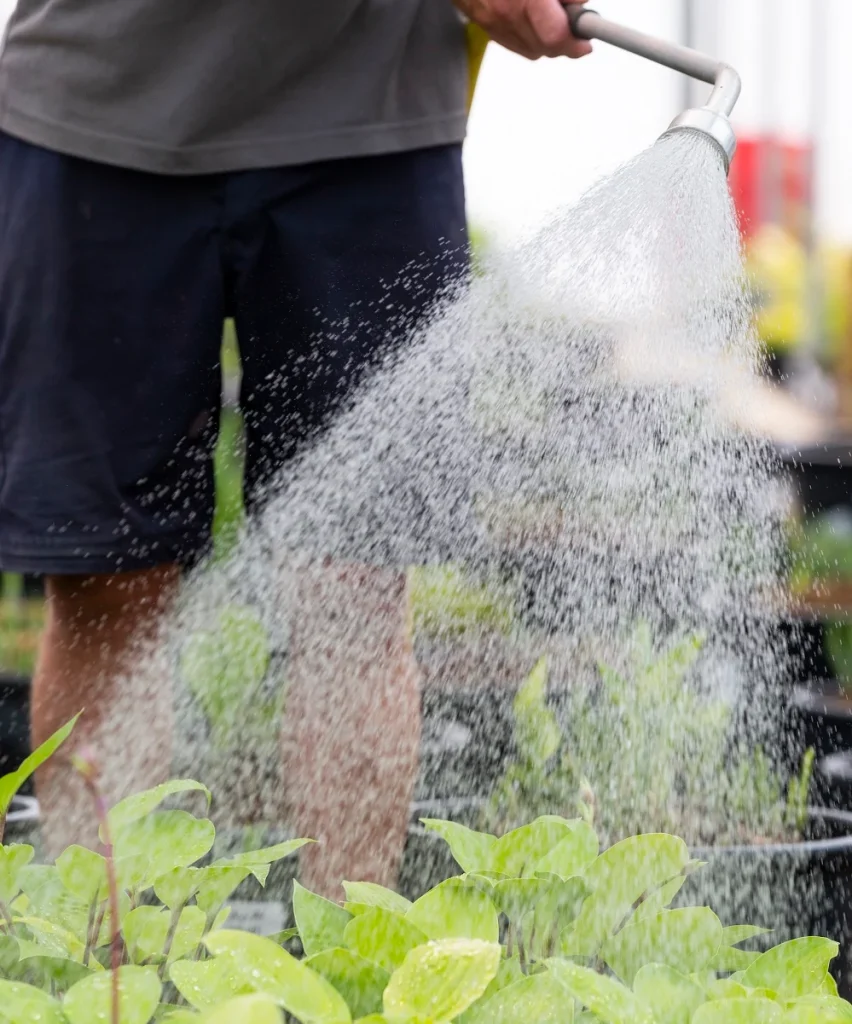
Water your hostas in the morning rather than the evening. Damp soil overnight is exactly what slugs and snails are looking for, and cutting off that moisture window makes your garden a lot less appealing to them.
Keep the area clean
Clear away fallen leaves, excess mulch, and garden debris from around the base of your hostas. Slugs, snails, and insects use that debris as daytime hiding spots, so removing it takes away their cover.
Inspect regularly
Check your hostas every few days during the growing season, especially after rain. Catching a slug or a few caterpillars early is a lot easier than dealing with a full-blown infestation two weeks later.
Choose resistant varieties
Some hosta varieties have thicker, more textured leaves that pests find less appealing. Blue-leaved hostas in particular tend to hold up better against slug damage than thinner, smooth-leaved types.
Use barriers where needed
- Copper tape around containers or garden beds gives slugs and snails a mild shock when they try to cross it
- Fencing keeps deer and rabbits out entirely if pressure in your area is heavy
- Row covers can protect young hostas from insects during peak feeding season
Encourage natural predators
Birds, frogs, and toads all eat slugs and insects. Adding a small water feature or leaving a few rocks and logs around the garden gives these predators a place to live, and they’ll help keep pest populations down without any extra work from you.
Treat early, not late
Whether you’re dealing with slug bait, neem oil, or a repellent spray, applying it as soon as you notice damage works far better than waiting until the problem spreads across the whole plant.
None of these tips require a complete overhaul of your garden routine. Small, consistent habits go a long way toward keeping your hostas hole-free for the rest of the season.
Your Hostas Can Bounce Back
Holes in hosta leaves look alarming, but they’re rarely a sign of a plant in serious trouble. Once you figure out whether you’re dealing with slugs, insects, deer, or plain old weather, the fix is usually just a matter of a few consistent habits.
Hostas are tough, resilient plants. Even after a rough season of pest damage, they’ll typically bounce back with fresh, healthy growth once the problem is under control.
Keep an eye on your hostas over the next few weeks, and don’t be afraid to combine a couple of the methods above if one alone isn’t cutting it. Now go check those leaves and get to the bottom of what’s been snacking on your garden!