Avoid These 10 Mistakes When Building Raised Garden Beds

Hey there, fellow gardeners! Raised beds can make gardening easier, cleaner, and a lot more fun, but only when you set them up the right way.
My first raised bed looked great, yet I still made a few beginner mistakes that cost me time, plants, and patience.
That’s why I put together this guide on the 10 raised bed gardening beginner mistakes you should avoid.
My goal is simple: help you build smarter, grow healthier plants, enjoy better harvests, and skip the little frustrations that can sneak into a new garden.
Mistake 1 – Building A Raised Bed That Is Too Wide
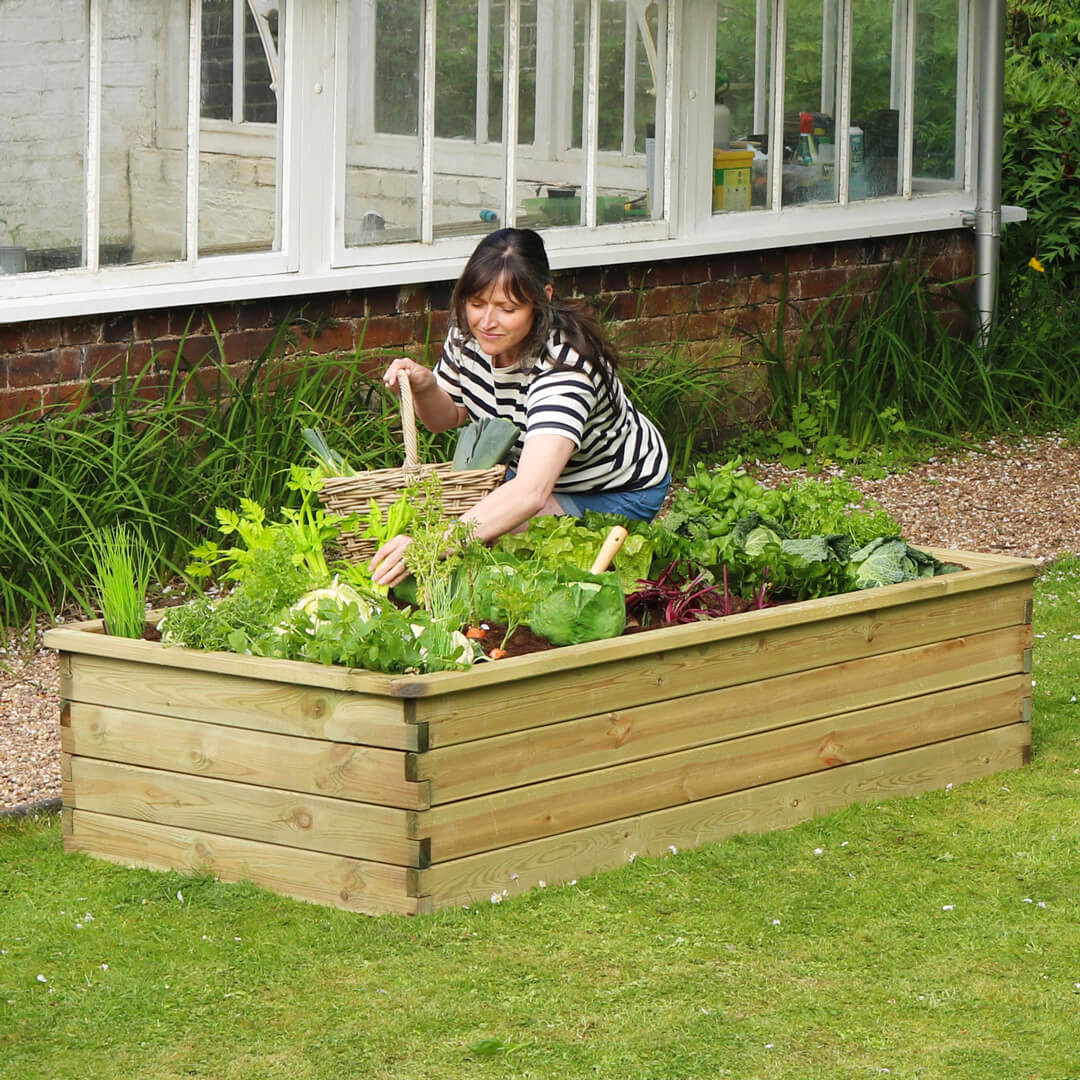
Big beds look useful at first. Extra width feels like extra growing space. Then you try to reach the middle and realize your arms did not sign up for gymnastics.
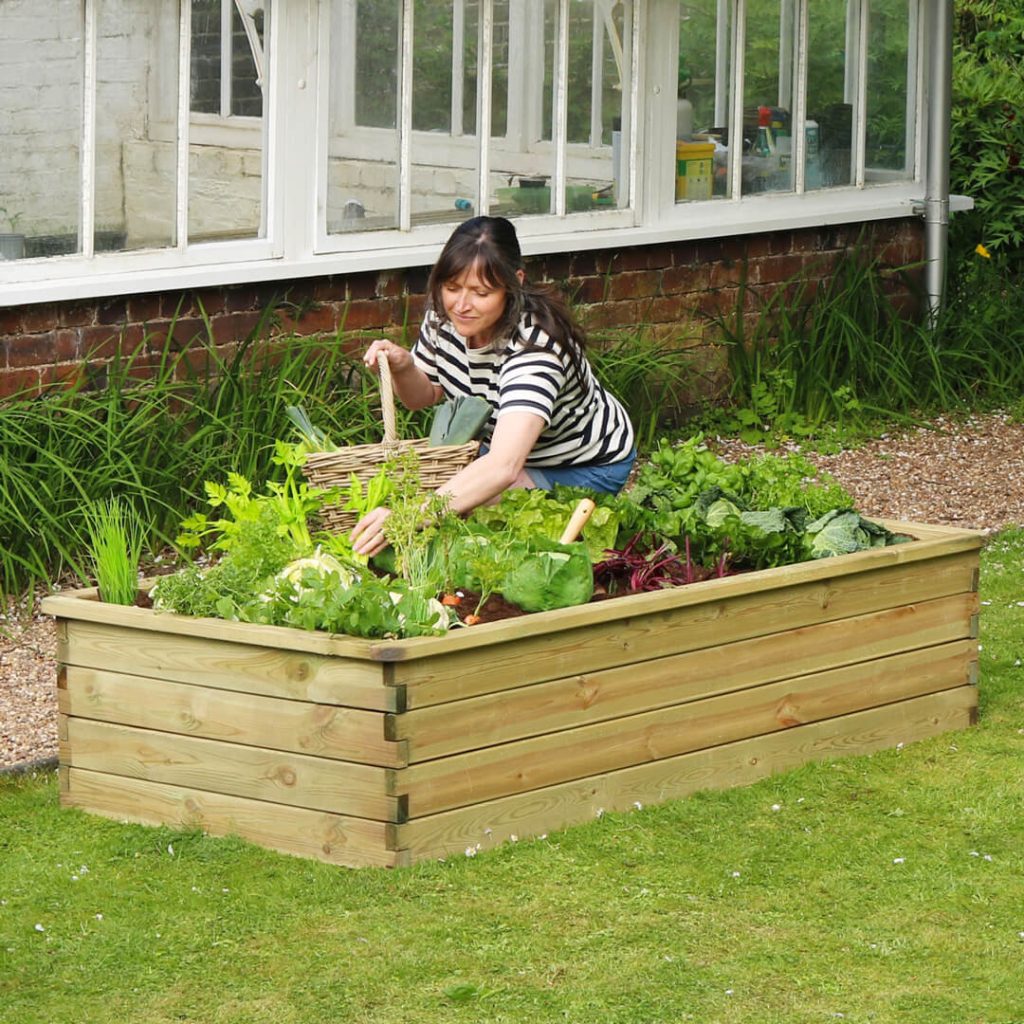
Gardeners often step inside wide beds without thinking. That pressure compacts the soil and makes roots work harder. Nobody builds a raised bed just to stomp around inside it.
Why This Happens:
Excitement makes beginners build bigger than they need. More width seems like more food. That idea falls apart when watering, weeding, planting, and harvesting start feeling awkward.
Raised beds work best when you can reach the center without stepping into the soil.
Most gardeners handle 3 to 4 feet wide beds well when they can reach from both sides. A bed against a fence or wall should stay closer to 2 feet wide.
What To Do Instead:
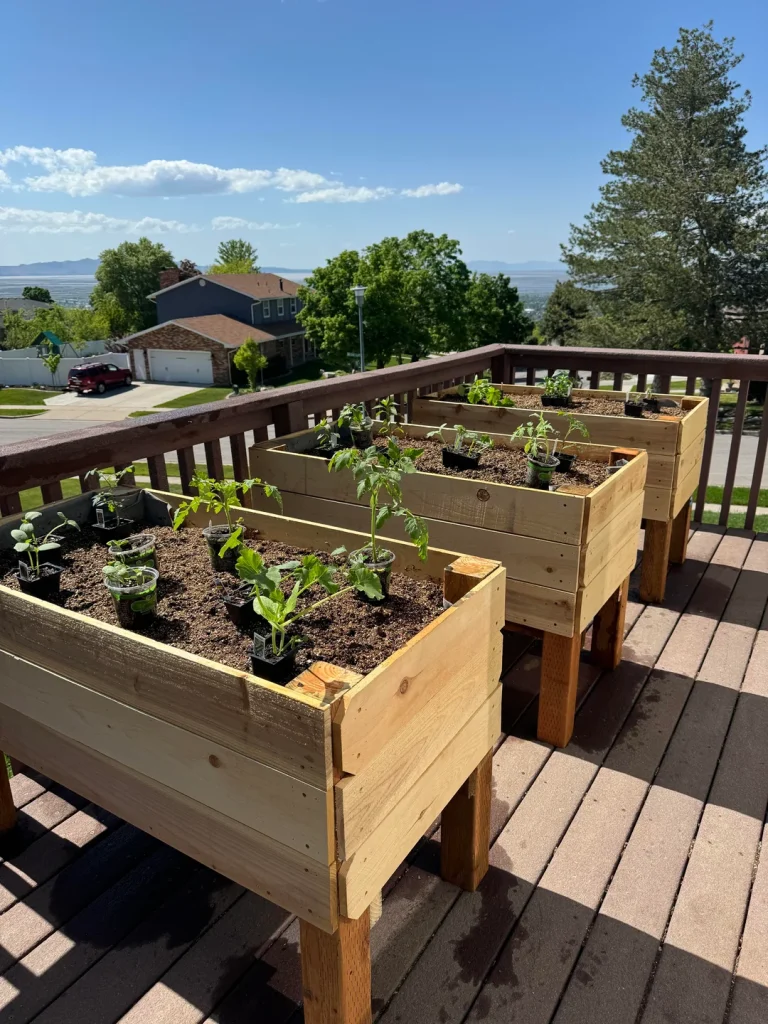
Choose comfort before size. Measure your reach before you build. Stretch your arm across the planned bed area and check if you can touch the middle without leaning too far.
Shorter width protects the soil and saves your back. Longer beds can add growing space without creating a hard-to-reach center. Your plants care more about easy care than a giant frame.
Also read: 12 Inspiring Raised Bed Backyard Garden Ideas for Beginners
Mistake 2 – Making The Bed Too Shallow
Shallow raised beds are garden frames resting on the ground with a soil depth of just 4 to 8 inches
These bed seem cheap and simple. Plants still need enough soil for roots, water, and food. Roots grow down, spread out, and search for nutrients all season.
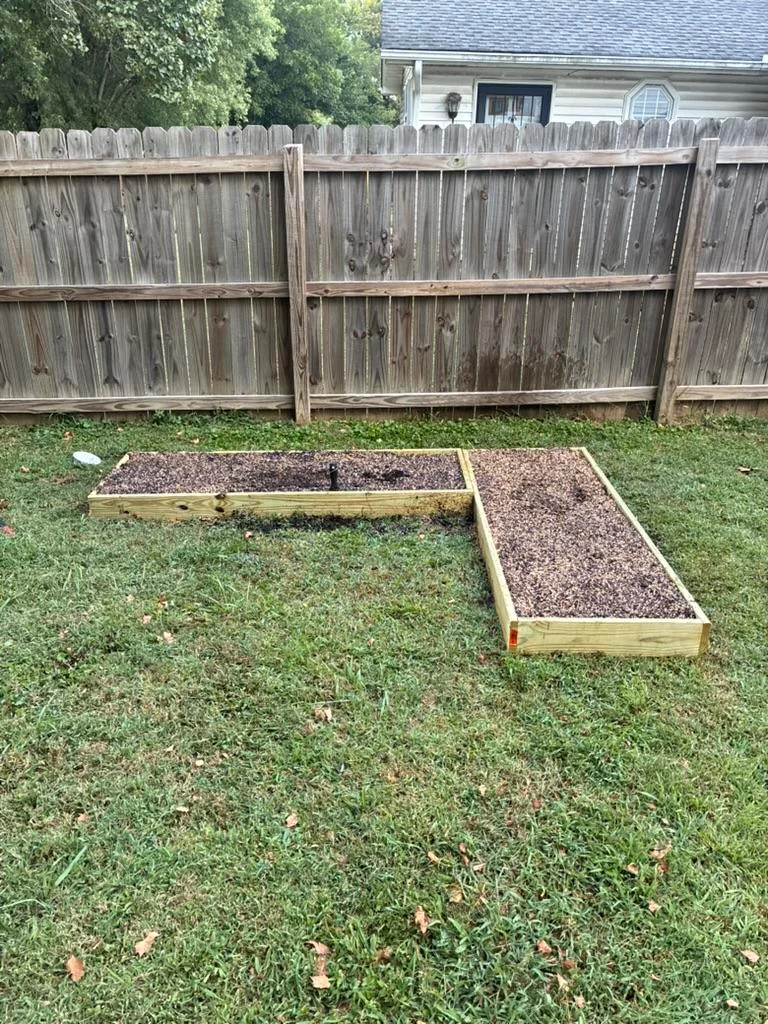
Leafy greens and many herbs can grow in about 6 inches of soil. Carrots, radishes, and peppers usually do better with around 12 inches.
Tomatoes, cucumbers, squash, and zucchini often need 18 inches or more because they grow larger and feed harder.
Why This Happens:
Beginners often focus on the frame first. Wood, metal, or stone gets attention because you can see it. Soil depth feels less exciting, but it decides how strong your plants become.
Thin soil also dries out faster. Small roots struggle when heat, wind, and sun pull moisture from the bed. Bigger plants may stall when they hit the bottom too soon.
What To Do Instead:
Match bed depth to the crops you want. Pick deeper beds for fruiting vegetables and root crops. Use shallow beds only for smaller plants with lighter root needs.
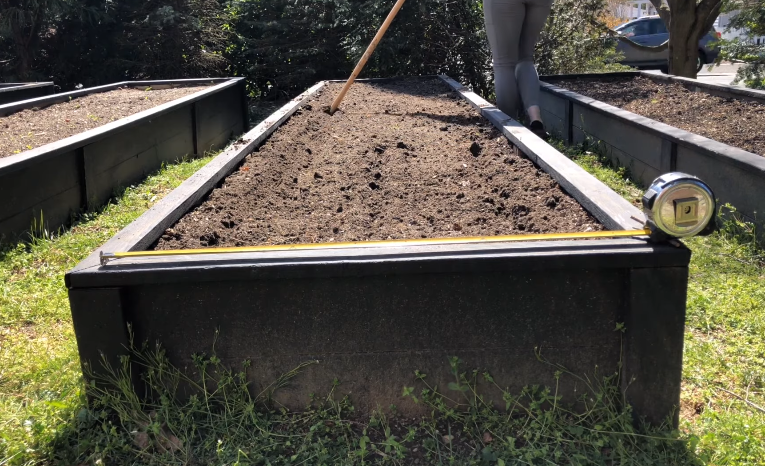
Taller beds also help your body. A bed around 24 inches can reduce bending and make daily care easier. Personally, I like any garden choice that keeps my knees from complaining first.
Mistake 3 – Choosing The Wrong Spot For Your Raised Bed
Sunlight controls a lot in a vegetable garden. Most vegetables need about 6 to 8 hours of direct sunlight each day. A shady corner may look calm, but tomatoes, peppers, and cucumbers may grow weak there.
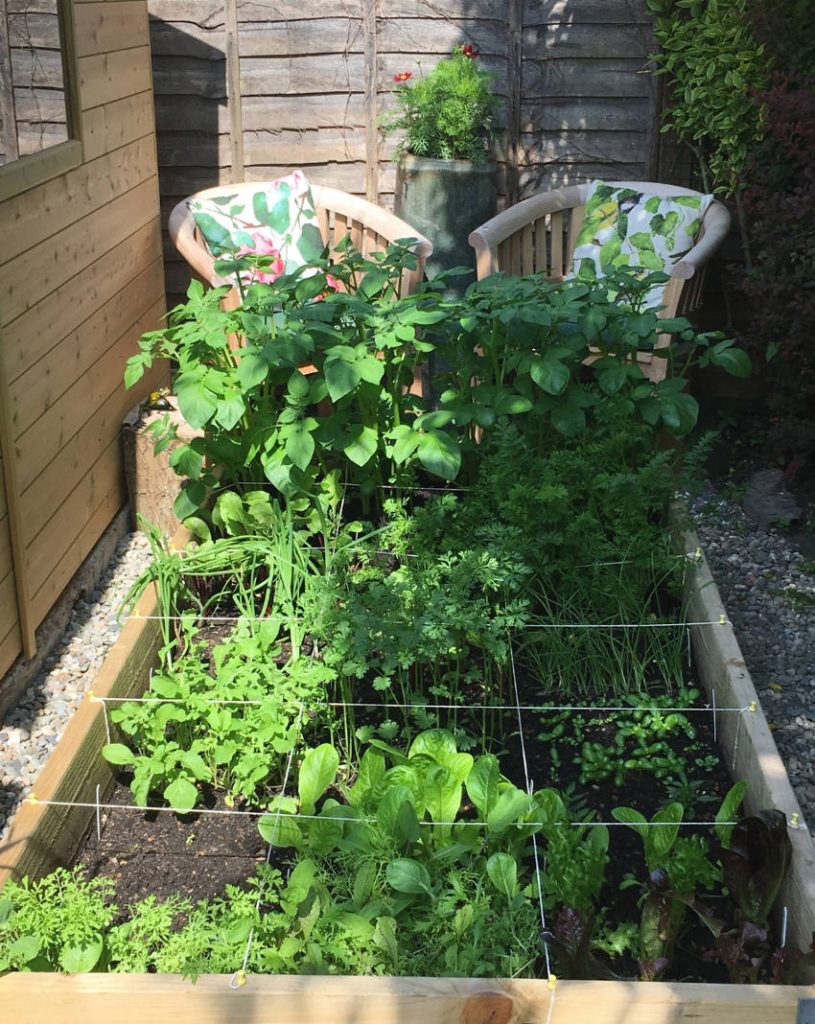
Drainage also shapes your results. Water should move through the bed instead of pooling around roots. Soggy soil can slow growth and invite disease.
Why This Happens:
New gardeners often choose the prettiest spot first. That place might sit under a tree, beside a wall, or in a low area where rainwater collects. Pretty does not always mean plant-friendly.
Beds also need easy access. You will water, weed, prune, check pests, and harvest often. Why make every small garden job feel harder?
What To Do Instead:
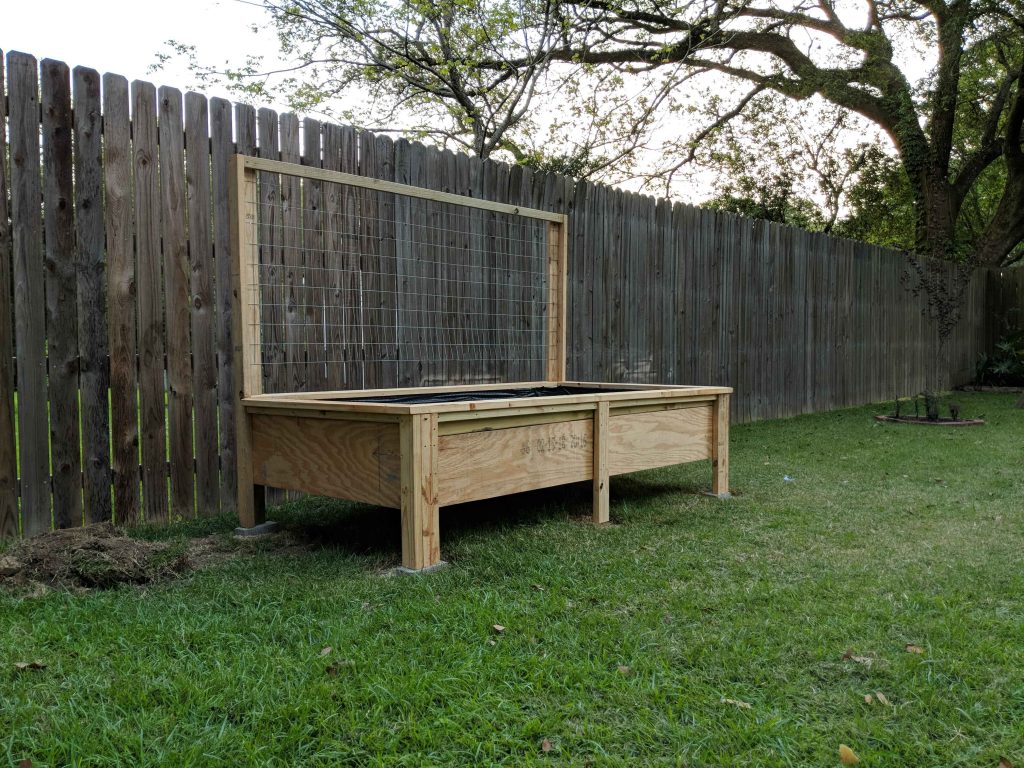
Select a level place with strong sun, good drainage, and easy water access. Leave about 2 to 3 feet of walking space around the bed when you can. That extra room makes garden care smoother.
Watch the sunlight for a full day before you build. Morning sun helps plants dry after dew or rain. Full shade will limit many food crops, even when the bed itself looks perfect.
Mistake 4 – Using Poor Soil In The Bed
Poor soil can ruin a raised bed fast. Regular yard dirt can turn dense inside a frame, especially when it contains heavy clay. Dense soil blocks roots and slows water movement.
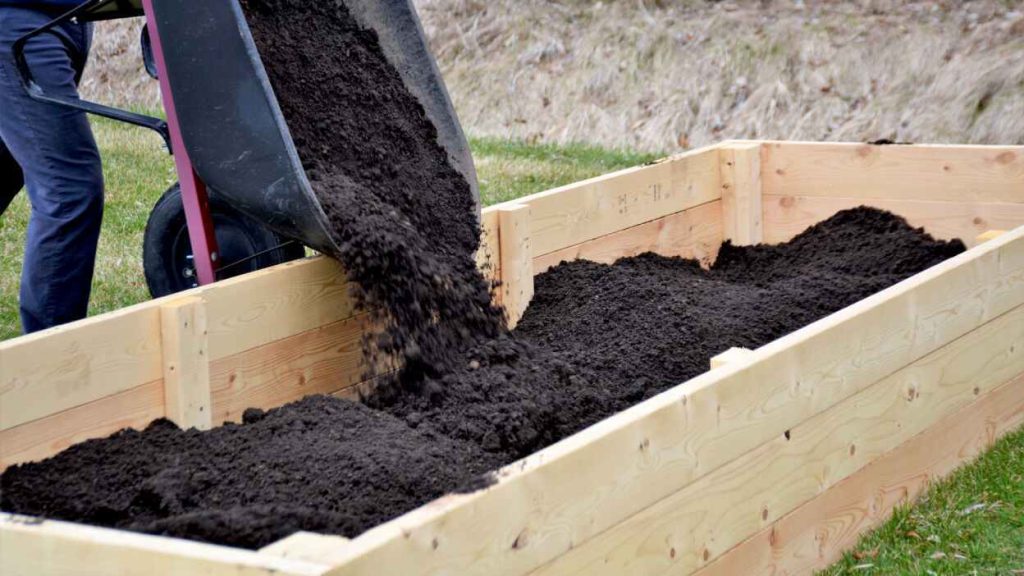
Good raised bed soil should feel loose, rich, and crumbly. Compost feeds plants. Aeration materials help roots breathe and drain better.
Why This Happens:
Beginners often fill raised beds with whatever soil they can find. I understand the urge because raised beds swallow more soil than expected.
Cheap fill saves money at first, but weak soil can cost you plants later.
Garden soil from the ground may contain weed seeds, pests, or too much clay. Bagged topsoil alone can also feel too heavy. Plants grow better when roots can move with less struggle.
What To Do Instead:
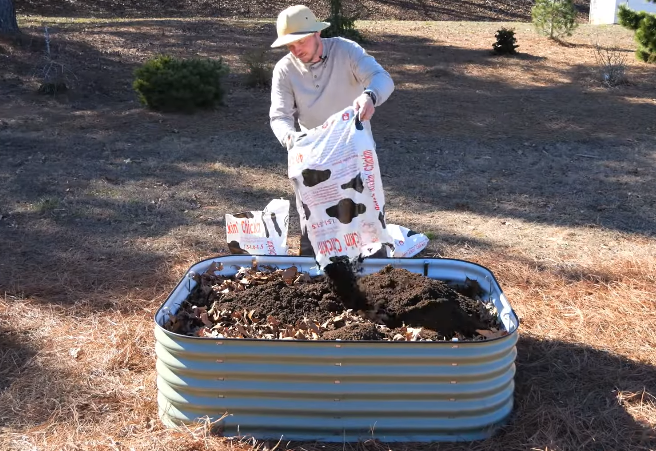
Use a raised bed mix with compost, topsoil, and aeration material.
A simple blend can include compost for nutrients, topsoil for body, and perlite or vermiculite for airflow. Healthy soil should hold moisture without turning soggy.
Refresh the bed each season with compost. Organic matter breaks down as plants use nutrients. A yearly top-up keeps the bed productive without making the job complicated.
Also read: How to Fill a Raised Garden Bed for Cheap
Mistake 5 – Trying To Grow Too Many Different Plants At Once
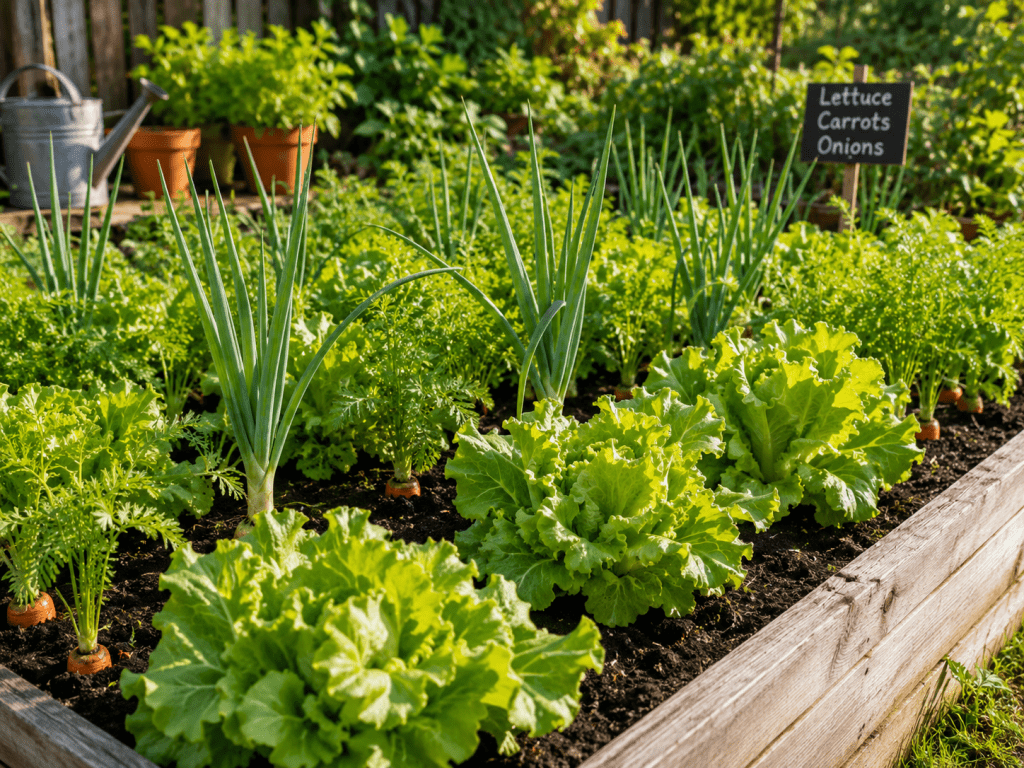
Variety feels exciting in a new garden. Seed packets look harmless until you plant tomatoes, peppers, basil, carrots, cucumbers, spinach, and zucchini in one small bed.
Suddenly, your garden feels like a crowded bus.
Different plants need different spacing, water, sun, and care. Some grow tall and shade smaller plants. Others spread wide and steal room before you notice.
Why This Happens:
Starting a raised bed makes every plant look tempting. Garden centers do not help because every plant tag whispers, “Take me home.” I have fallen for that trick more than once.
Too many crops also make learning harder. You must track watering needs, harvest time, pests, pruning, and plant height all at once. That can overwhelm a beginner fast.
What To Do Instead:
Start with a few crops you actually enjoy eating. Choose plants with similar needs so watering and care stay simple.
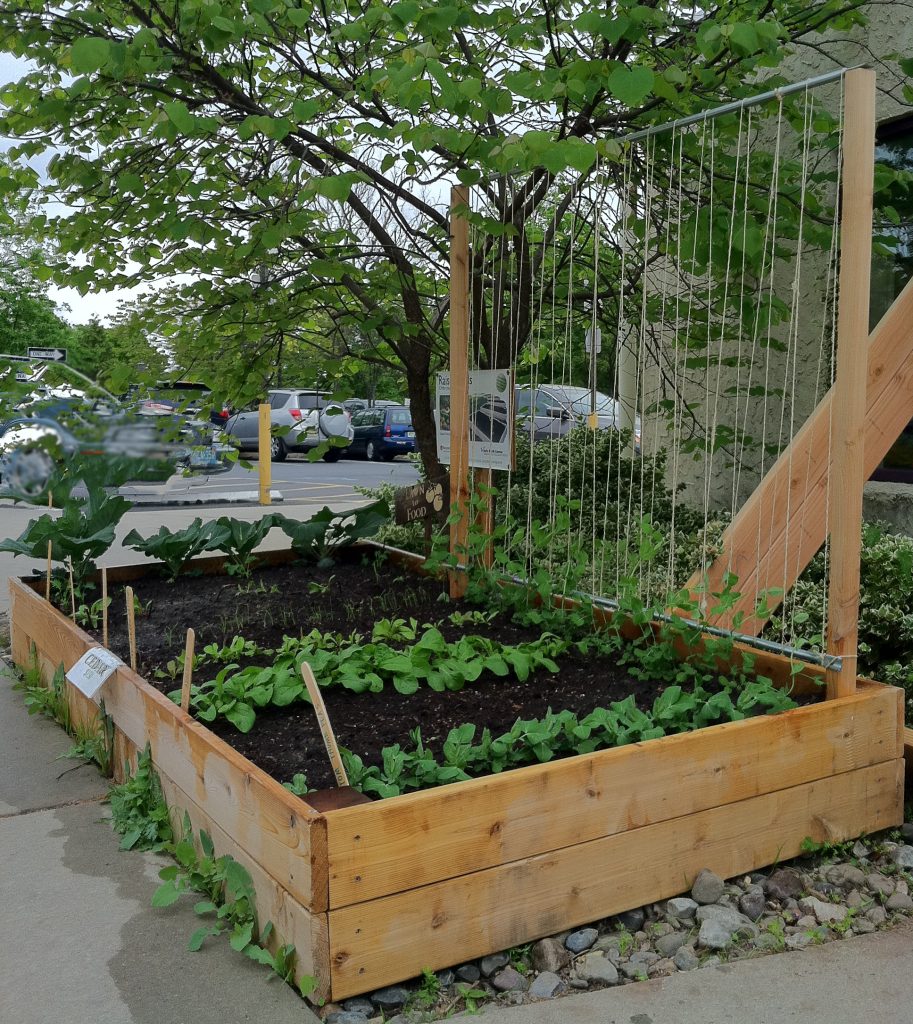
Basil, lettuce, peppers, tomatoes, and herbs can make a friendly first garden when you give them enough space.
Add new crops slowly each season. Experience teaches faster when the garden stays manageable. A smaller win beats a crowded mess every time.
Mistake 6 – Planting Everything Too Close Together
Crowded plants may look cute when they are small. Roots need space. Leaves also need air and sunlight, or the whole bed can turn into a tangled green headache.
Seedlings fool beginners because they barely take up room at first. Then summer hits, and one zucchini plant starts acting like it owns the neighborhood.
Tomatoes, cucumbers, peppers, and leafy greens all need breathing space.
Why This Happens:
Beginners often want a full-looking bed right away. Seed packets can also confuse people because row spacing does not always match raised bed spacing.
That makes the bed feel like a guessing game.
Plants fight for water, light, and nutrients when you pack them too close. Tight spacing traps damp air around leaves. That damp air can make disease problems easier to start.
What To Do Instead:
Follow the spacing guide for each plant before you sow seeds or add transplants. Try square-foot gardening if you want a simple system for raised beds.
One plant that needs 12 inches of space usually gets one square foot.
Thin seedlings early, even when it feels painful. Strong plants grow better when weak extras leave the bed. Give each crop room now, and harvest will feel much happier later.
Mistake 7 – Skipping Mulch
Bare soil dries fast. Wind, sun, and heat can steal moisture from your raised bed quicker than you expect. Mulch works like a soft blanket over the soil.
Organic mulch also helps with weeds. Straw, shredded leaves, compost, and wood chips can cover open soil and slow weed growth. Fewer weeds means less bending for you.
Why This Happens:
Many beginners think mulch only belongs around trees or flower beds. Vegetable beds need it too. Raised beds often drain well, so the top layer can dry out quickly.
Heavy rain can also splash soil onto leaves. That splash creates mess around low-growing plants. Mulch softens the impact and keeps the bed cleaner.
What To Do Instead:
Add a light layer of organic mulch after seedlings grow strong enough. Leave a little space around plant stems so moisture does not sit directly against them. That small gap helps prevent stem trouble.
Refresh mulch when it breaks down. Old mulch feeds the soil as it decomposes. I like this kind of garden job because it helps now and later.
Bonus: You can use our garden mulch calculator to know about- how much mulch your garden need.
Mistake 8 – Watering In A Random Way
Raised beds can dry out faster than in-ground gardens. Random watering creates stress for plants. They want steady moisture, not a flood one day and a drought the next.
Overwatering can push air out of the soil. Underwatering can stress roots and slow growth. Both problems can make healthy plants look tired.
Why This Happens:
New gardeners often water by mood instead of soil moisture. I did that too. A hot day made me grab the hose, even when the deeper soil still felt damp.
Raised beds usually drain better than many ground beds. That helps roots, but it also means the soil needs regular checks. Guesswork rarely beats a simple finger test.
What To Do Instead:
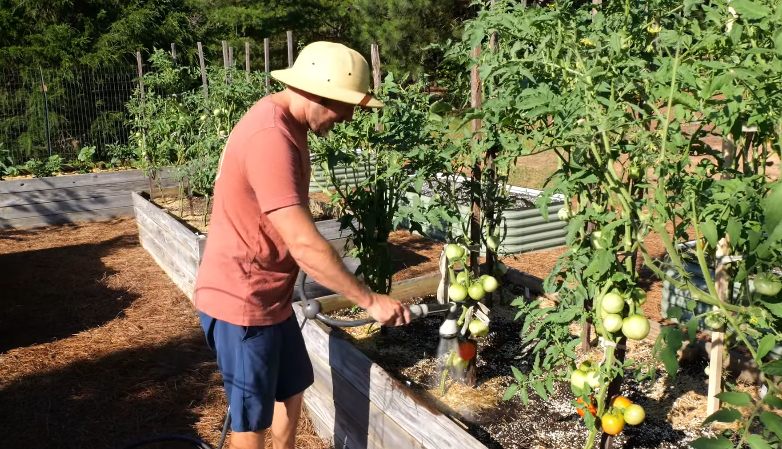
Test the soil before watering. Push your finger about 2 inches into the soil and water when that layer feels dry. Deep watering helps roots grow stronger.
Water in the morning when possible. Use drip irrigation if you want easier, more even watering. Group plants with similar water needs so one thirsty crop does not ruin the rhythm.
Mistake 9 – Using Weak Or Unsafe Bed Materials
Materials matter more than many beginners think. A flimsy frame can bow, crack, rust, or rot faster than expected. Unsafe materials can also create worry when you grow food crops.
Untreated wood, stone, brick, and quality metal beds can all work well. Thin boards may look fine on day one, but wet soil puts steady pressure on every side. Cheap materials often age badly in rain, sun, and heat.
Why This Happens:
Budget pressure makes weak materials tempting. Raised beds already need soil, compost, plants, and tools, so saving money on the frame feels logical. Unfortunately, a weak frame can turn one small project into a repair job.
Food gardens also need safer choices. Some old treated wood, painted scraps, or unknown salvaged materials may not suit edible crops. Nobody wants mystery chemicals near lettuce.
What To Do Instead:
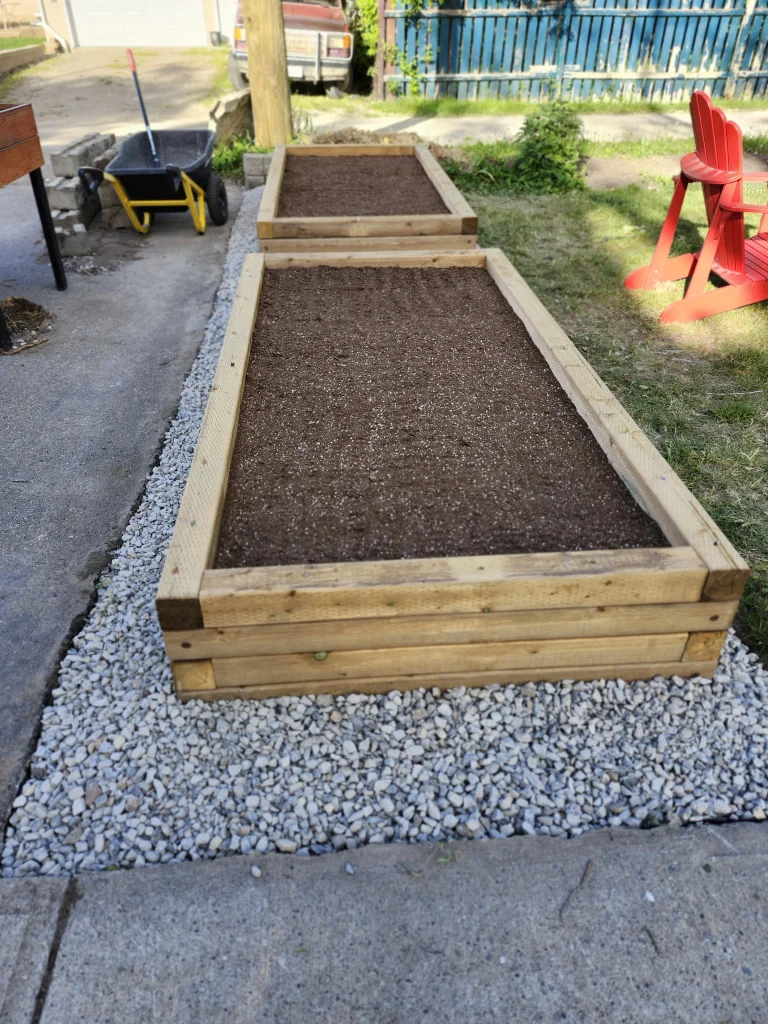
Choose durable, food-safe materials from the start. Use thick boards if you build with wood. Pick sturdy metal, stone, or brick if you want a longer-lasting bed.
Ask what the material contains before you buy or reuse it. Build once with care, and your raised bed can serve you for many seasons. Strong sides protect all the soil, roots, and effort inside.
Mistake 10 – Growing The Wrong Plants For Your Bed
Some plants fit raised beds beautifully. Others need more depth, more room, or a different setup. A small raised bed cannot handle every crop with grace.
Large plants can bully the space fast. Corn, sprawling squash, artichokes, and rhubarb may overwhelm shallow or narrow beds.
Deep-rooted crops also struggle when the bed lacks enough soil.
Why This Happens:
Beginners often choose plants from excitement, not bed size. Seed packets make everything look possible. Reality arrives when one plant shades half the bed.
Plant needs change the whole plan. Tomatoes want support and deeper soil. Cucumbers may need a trellis, while mint can take over if you let it run wild.
What To Do Instead:
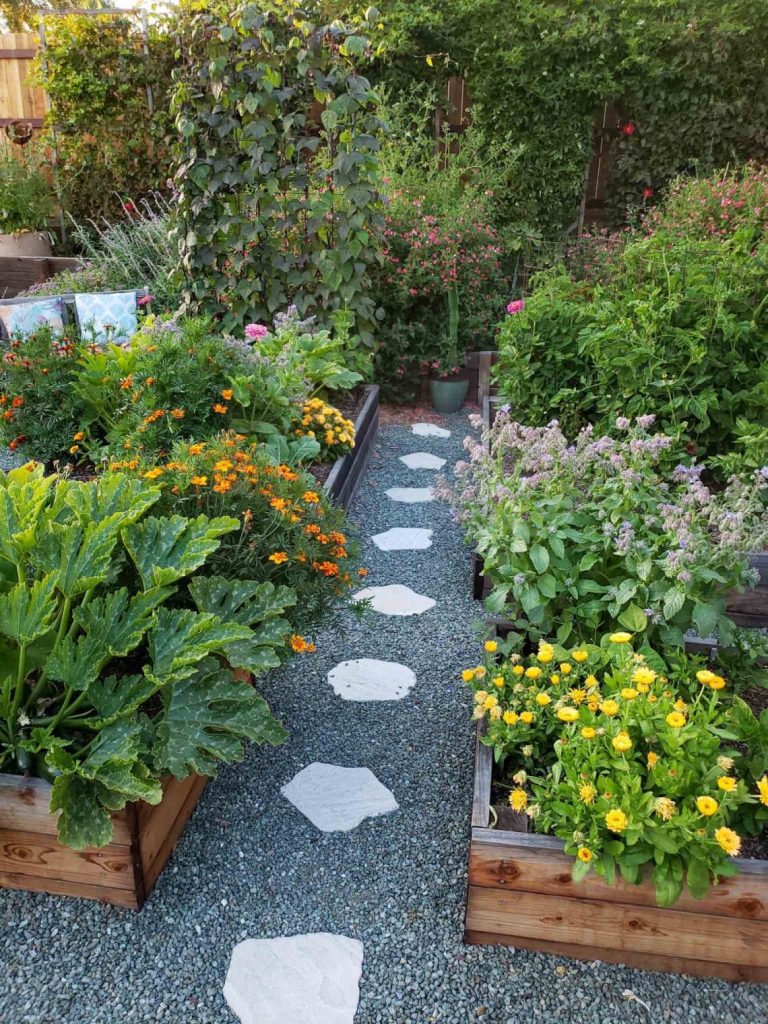
Match your crops to your bed depth, width, and sunlight. Grow herbs, lettuce, radishes, peppers, bush beans, and compact tomatoes if you want beginner-friendly choices.
Use trellises for climbing crops so they grow up instead of across.
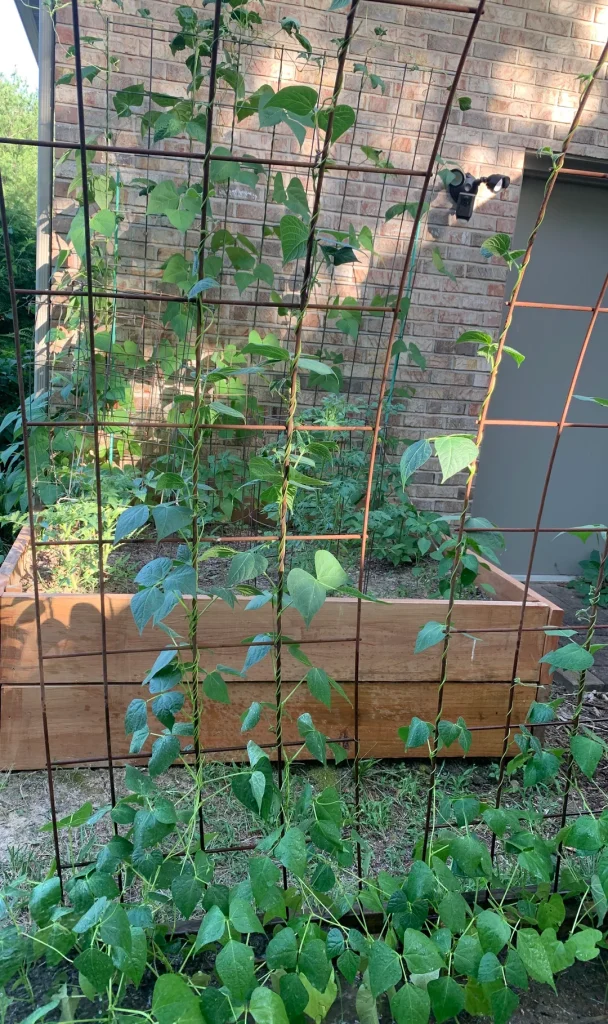
Pick fewer plants and grow them well. That advice sounds boring until harvest day. A simple bed full of healthy plants feels better than a packed bed full of problems.
Final Thoughts
Smart planning makes raised bed gardening easier.
Good width, enough depth, strong sunlight, healthy soil, proper spacing, mulch, steady watering, safe materials, and suitable plants all work together.
Miss one piece, and the garden starts teaching the lesson the hard way.
Your first raised bed does not need to look perfect. Mine sure didn’t. Build it within reach, fill it with good soil, grow plants you actually enjoy, and let each season make you a better gardener.