How to Fill a Raised Garden Bed for Cheap: A Budget-Friendly Guide to Growing Your Dream Garden

So, you’ve got a raised garden bed and a big dream of growing your own vegetables, herbs, or flowers.
Maybe you’re even imagining the satisfaction of picking fresh tomatoes from your own backyard (or that ideal Instagram post, who’s judging?).
But then, reality sets in – you need soil. Good soil. And guess what?
That’s not exactly cheap. Don’t worry though, you’ve come to the right place.
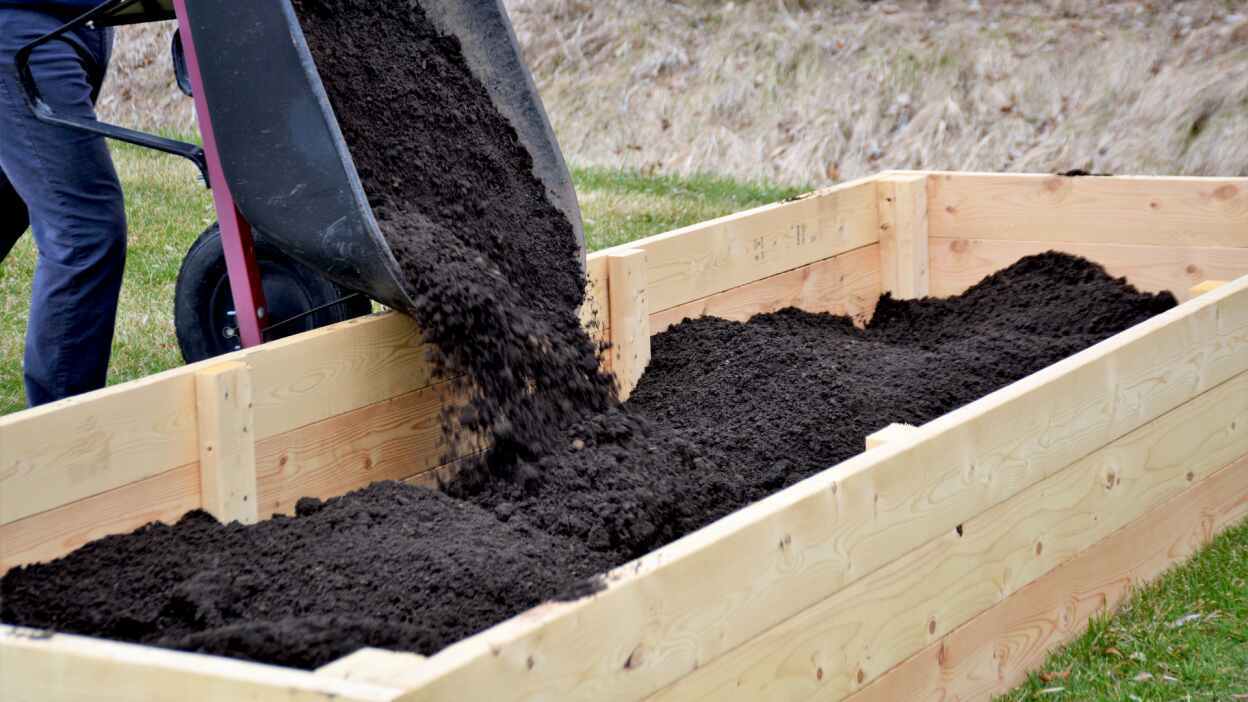
Let’s chat about how to fill that raised garden bed without emptying your wallet. Trust me, it’s easier and more fun than you think!
Also read: 12 Inspiring Raised Bed Backyard Garden Ideas for Beginners
Why Are Raised Garden Beds So Expensive to Fill?
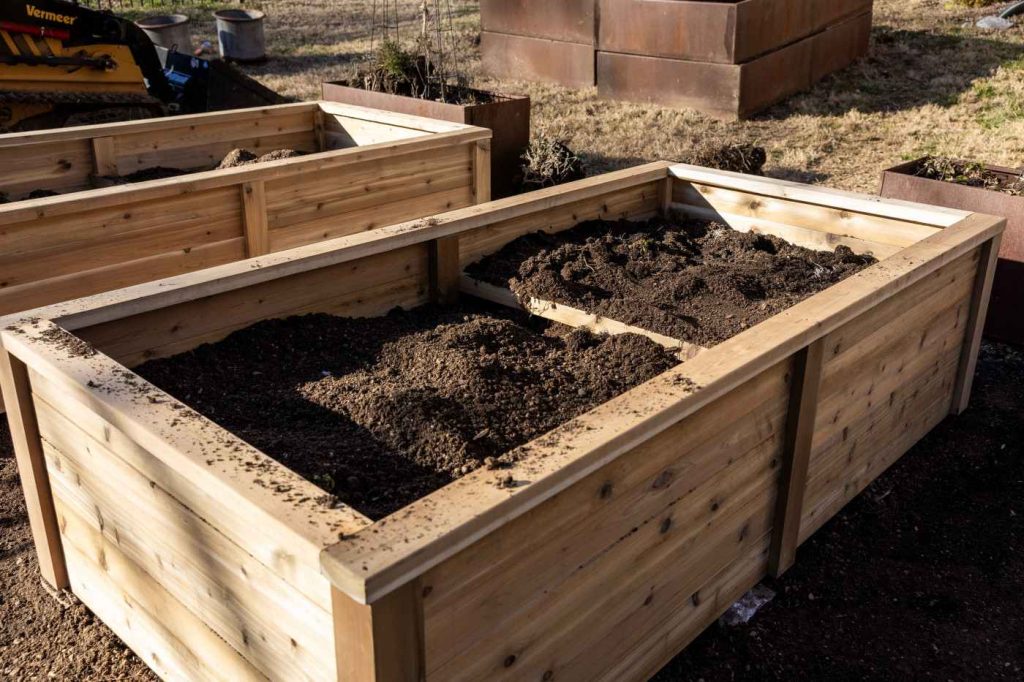
Okay, let’s talk about the elephant in the room first. Why on earth is filling a raised garden bed so expensive?
It seems like a basic task, but when you add up the cost of soil bags, compost, and everything else, it quickly turns into a pretty hefty bill.
The truth is, it’s not the soil that’s expensive—it’s the convenience factor. Buying pre-bagged, store-bought soil is just that: convenient but pricey.
But don’t panic; there are plenty of ways to get around this and still create a nutrient-rich bed that your plants will love.
What NOT to Use When Filling a Raised Garden Bed
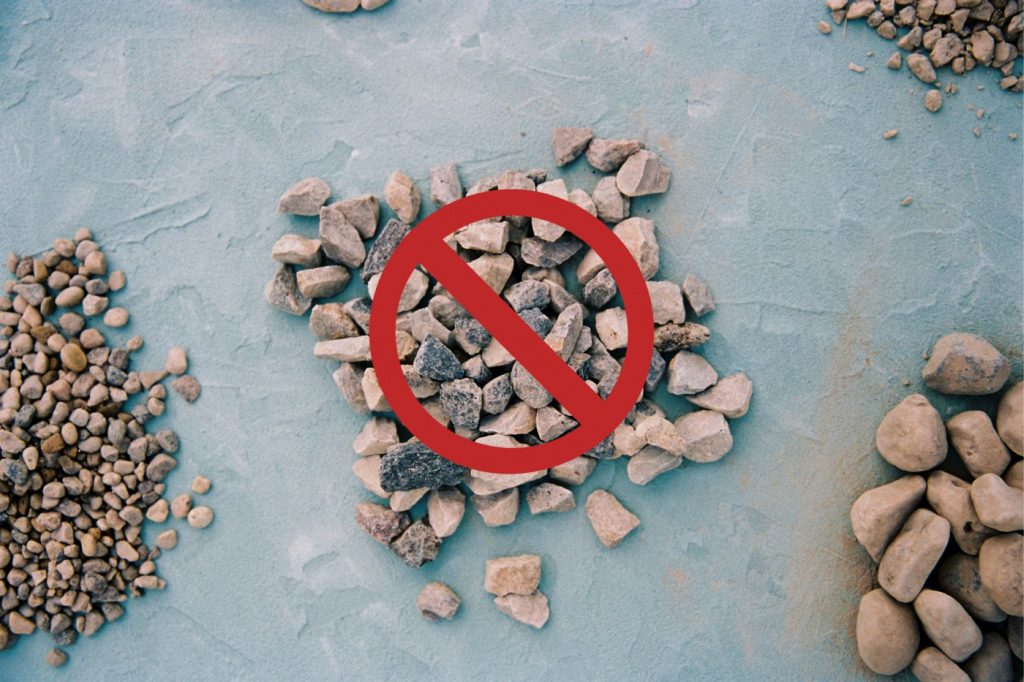
Before you start filling your raised garden bed, it’s essential to avoid certain materials that can cause long-term issues.
First off, gravel and rocks may seem like a good base, but they don’t decompose or improve soil health. In fact, they can block root growth and interfere with drainage, which is a nightmare for plants.
Similarly, treated wood should be avoided. Pressure-treated wood may release harmful chemicals into the soil, affecting plant growth and possibly contaminating what you’re planning to eat.
Also, steer clear of using styrofoam or plastic as fillers. While they might take up space and seem convenient, they don’t break down and don’t contribute to the fertility of the soil.
Finally, avoid old potting mix that’s been sitting around for too long. It loses its nutrients and can become compacted, making it harder for plants to thrive.
If you must reuse potting mix, refresh it with compost or new soil.
And clay soil—while it holds moisture—is a terrible choice for raised beds because it compacts easily and drains poorly. Instead, mix it with compost or buy fresh loamy soil to get things going.
Now, let’s dive into what actually works!
The Cheapest Way to Fill a Raised Garden Bed
1. Start with a Plan: Know Your Bed Size and Needs
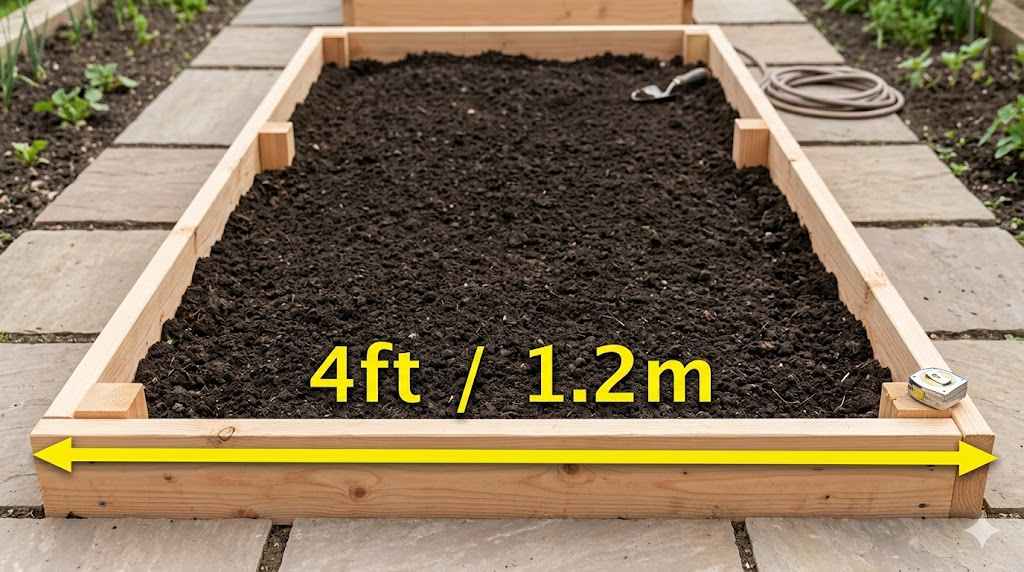
Before you start hunting for cheap soil, take a minute to figure out the exact dimensions of your raised garden bed.
How deep does it need to be? The depth depends on what you plan to grow.
If you’re planning to grow shallow-rooted plants like lettuce or herbs, you can get away with about 8–12 inches of soil.
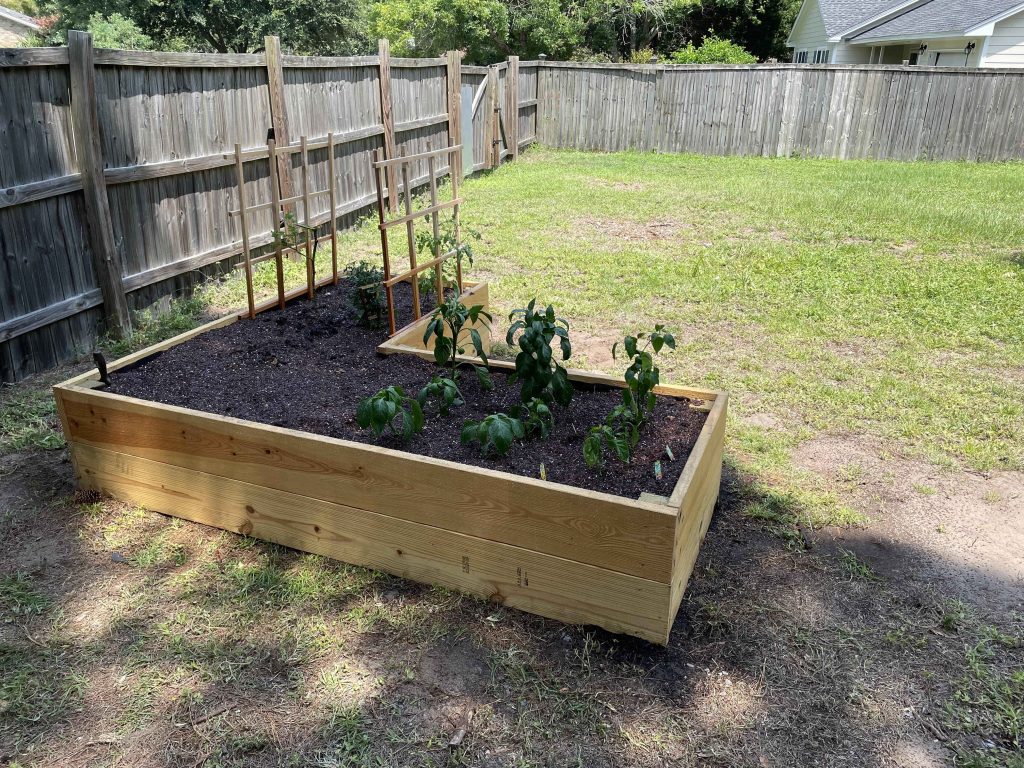
For deep-rooted plants like tomatoes or carrots, you’ll want at least 12–18 inches of soil. So, step one is to figure out how much you actually need.
Pro Tip: It’s not just about filling the whole bed with soil. You can save a ton by layering organic materials at the bottom of the bed that will break down and improve the soil over time. More on that in a second.
2. The Lasagna Gardening Method: Layer It Up
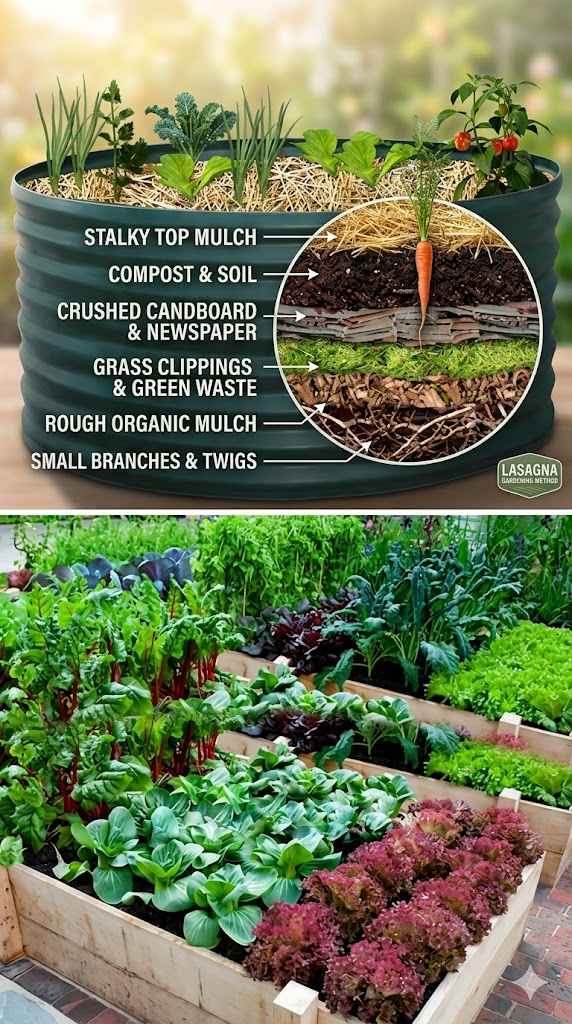
Here’s where we get a little fancy with our garden beds: Lasagna gardening.
Yep, you read that right. No, we’re not throwing spaghetti in there.
It’s a gardening technique where you layer organic materials (like compost, leaves, grass clippings, and cardboard) to form a nutrient-rich bed without buying too much soil.
Why It Works:
Organic matter breaks down over time, improving the soil’s structure and fertility. As it decomposes, it releases nutrients, which is exactly what plants need to grow.
Plus, the layers help retain moisture and suppress weeds. Win-win, right?
How to do it:
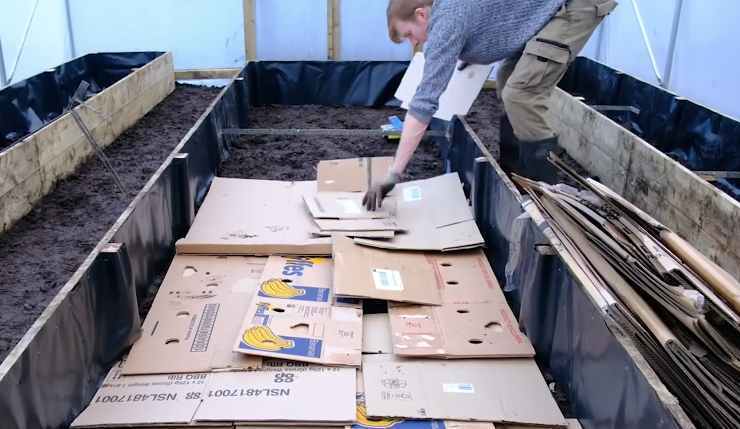
Step 1: Start with a weed barrier. Grab some old cardboard boxes or layers of newspaper. This acts as a weed blocker, so you’re not going to end up with a bed full of dandelions.
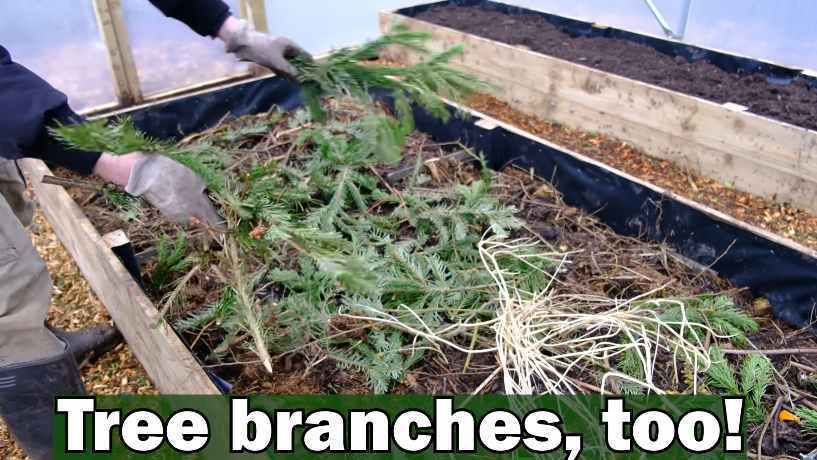
Step 2: Add a bulky base layer. Grab some twigs, branches, straw, or hay. If you can find them for free (check with your local tree services or just look around your yard), it’s a huge cost saver. This layer will take up a lot of space in your bed, so you don’t have to fill it with soil.
Step 3: Pile on some compost and organic matter. You can use yard waste like grass clippings or leaves. If you have access to compost or can make some yourself, great!
Otherwise, consider checking out local composting centers or community compost programs. They often give it away for free or at a low cost.
Here’s a step by step video guide to help you get started:
Pro Tip: Don’t forget to add a layer of mulch on top to help retain moisture and keep things looking neat. It also keeps that lovely organic matter from drying out too quickly.
3. Cheap or Free Fillers: Where to Find the Good Stuff
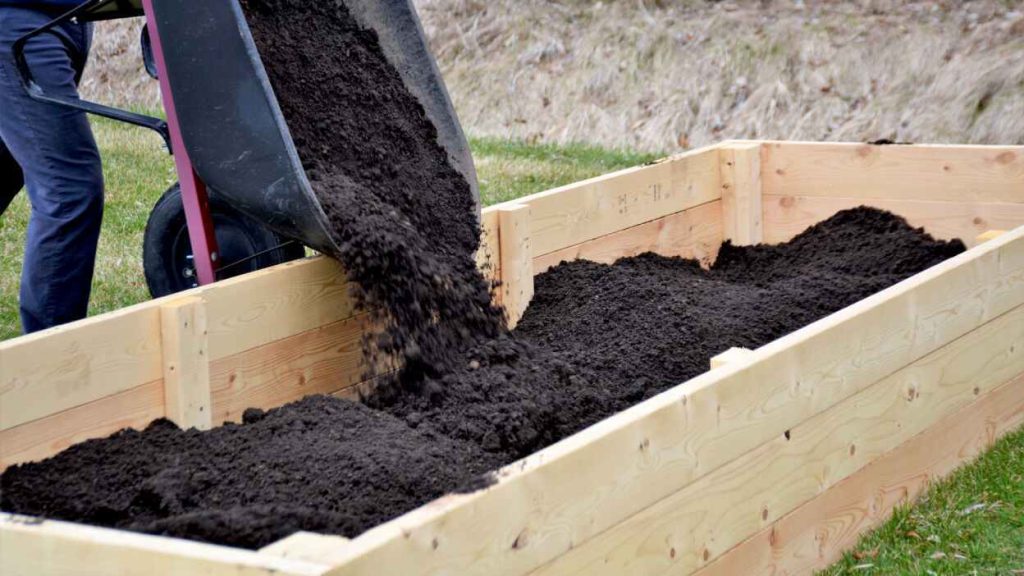
Okay, let’s get to the fun part: where to find all this free or cheap organic material. You don’t need to break the bank buying bags of soil at the store.
There are plenty of things you can scrounge up (or even ask for) to help fill your raised garden bed.
Free or Low-Cost Filler Materials:
Wood Chips: Check with local tree trimming companies or landscapers. They often have a mountain of free wood chips they’re dying to get rid of. Just ask if they can drop some off at your place.
Compost: Many cities or local farms have composting programs where you can pick up rich compost for cheap (or free!).
If you’re crafty, you can make your own compost using food scraps and yard waste. It’s a game-changer for your garden and super cheap.
Grass Clippings: Have a neighbor who mows their lawn regularly? Ask if you can take their clippings. Make sure it’s weed-free, though, or you’ll be spreading unwanted plants all over your garden.
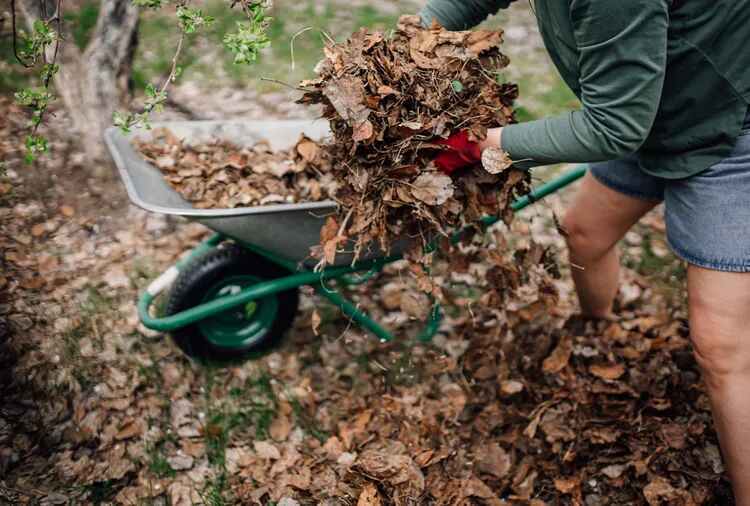
Leaves: If it’s fall, and you’ve got a bunch of fallen leaves in your yard, scoop them up! They make a great base layer in your garden, and as they decompose, they’ll add nutrients to the soil.
Old Potting Soil: Got old, unused potting soil lying around? You can repurpose it for your raised bed, especially if it’s not too dried out or depleted. It’s better than buying new soil!
Pro Tip: Check out local community groups on Facebook or Nextdoor. You’d be surprised how many people are willing to give away materials like wood chips, leaves, and even compost!
4. Buying Soil in Bulk: How to Save Big
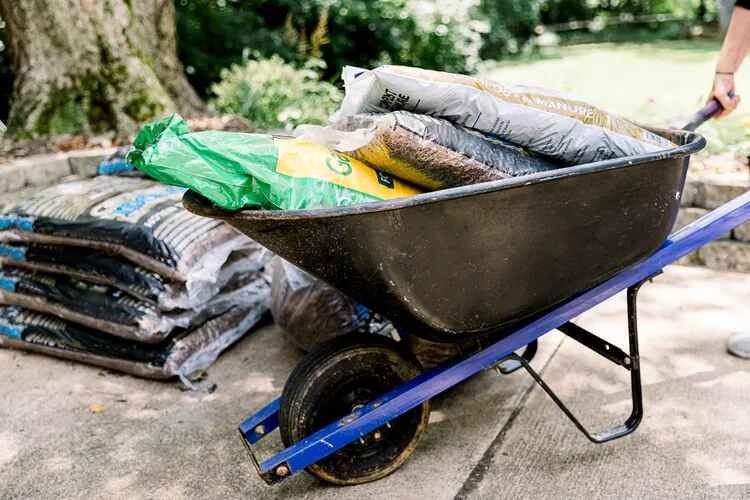
If you’ve layered the base with free or cheap materials, you don’t need to fill your entire bed with store-bought soil.
But you’ll probably still need to buy some quality soil to top it off. The trick here is to buy in bulk instead of small bags. You’ll save a ton of money!
Bulk vs. Bags:
- Bulk soil can usually be delivered straight to your home, and the price per cubic yard is way cheaper than buying individual bags. Just make sure you measure your bed properly so you don’t end up with too much (or too little).
- Compost and topsoil are your best bets. Aim for a mixture of 1/3 topsoil, 1/3 compost, and 1/3 organic material (mulch, leaf mold, or grass clippings).
Pro Tip: If you’re new to buying soil in bulk, call around to different garden centers and ask for pricing. Some places even offer delivery, which can be a lifesaver if you don’t have a truck.
5. How Organic Matter Pays Off in the Long Run
If you’re still unsure about using all that organic matter, let me reassure you: it’s totally worth it. Not only does it save you money upfront, but it also makes your garden healthier over time.
Organic materials like compost, wood chips, and leaves naturally improve the soil’s structure, making it easier for your plants to thrive.
The Benefits:
- Nutrient-Rich Soil: Organic matter breaks down into nutrients that feed your plants.
- Better Water Retention: Your plants won’t dry out as quickly.
- Less Need for Fertilizer: Organic matter adds natural nutrients, reducing your reliance on expensive chemical fertilizers.
- Happy Plants: A healthy, organic soil ecosystem creates a thriving environment for beneficial insects and microbes, keeping your garden ecosystem in balance.
Pro Tip: Over time, the organic material will decompose and shrink down, which means you might need to add a little more every season. But that’s a small price to pay for healthy, sustainable soil.
Conclusion: Get Out There and Start Gardening (on a Budget!)
And there you have it! You’ve learned how to fill a raised garden bed for cheap without compromising on soil quality or plant health.
Start with a solid plan, layer your bed with organic materials, find cheap or free fillers, and buy soil in bulk when necessary. You’ve got this!