15 Best Shade Loving Plants Under Trees

Growing plants under a tree used to drive me completely crazy. Nothing seemed to thrive, and I kept blaming myself. Truth is, I was just choosing the wrong plants.
Trees steal water, block sunlight, and pack the soil with dense surface roots, making survival tough for most garden plants. Rain does not always help either — tree canopies intercept it before it reaches the ground.
But the right shade plants under trees do not just cope with all of this. They look incredible doing it. Here are 15 that I love and use in my own garden.
Why Most Plants Struggle Under Trees
Four things work against plants growing under trees: blocked light, root competition, dry soil, and nutrient theft.
Dry soil is the real killer. Have you ever noticed how dry the ground stays under a tree, even after a full night of rain?
Tree canopies intercept moisture before it reaches the roots of anything growing below.
Shade plants that evolved in woodland conditions are already built to handle all of this. Working with the shade — not against it — is the whole secret to success here.
Best Plants to Grow Under Trees in Shade
1. Hosta
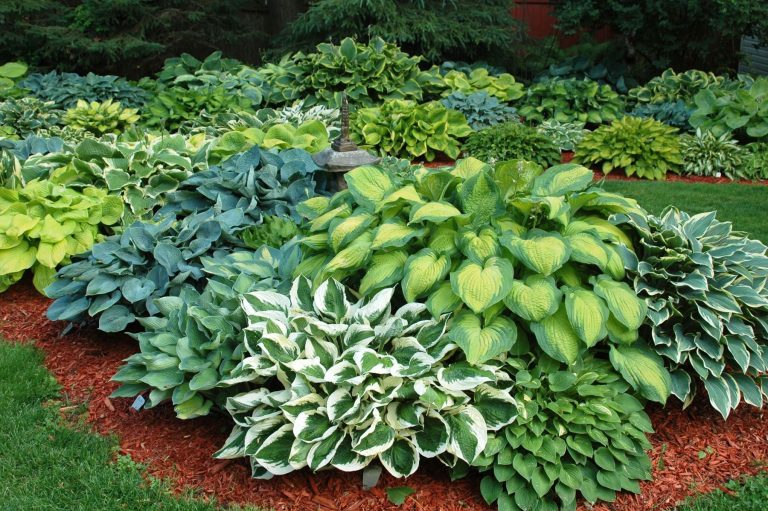
Honestly, if I could only pick one plant for under a tree, hostas would win every single time.
They are tough, they are beautiful, and they come in so many sizes that you will always find one that fits your space.
Small varieties stay around 6 inches tall, while the big ones spread up to 4 feet wide, so there is a hosta for every awkward shady corner you have got.
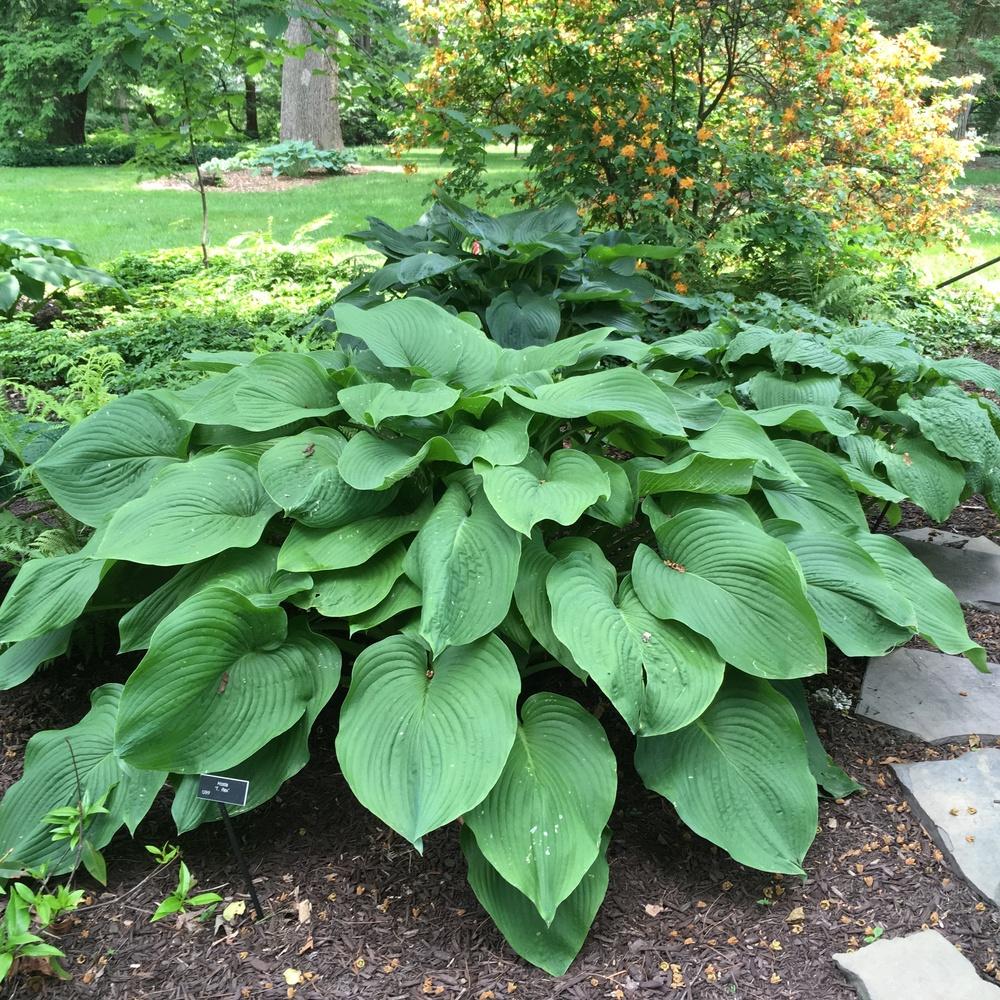
Bold leaves in blue, gold, green, and variegated patterns light up even the darkest spots.
Tall lavender or white flower stalks appear in late summer as a nice surprise. Plant them in groups for a lush, full look that also keeps weeds out.
Plant Overview:
- Plant type: Perennial
- Zones: 3-9
- Exposure: Partial shade to full shade
- Height/Spread: 2 to 48 inches tall, 5 to 60 inches wide
- Bloom time: Late summer
Also read: 12 Shade Loving Hosta Plants for Every Garden
2. Heuchera (Coral Bells)
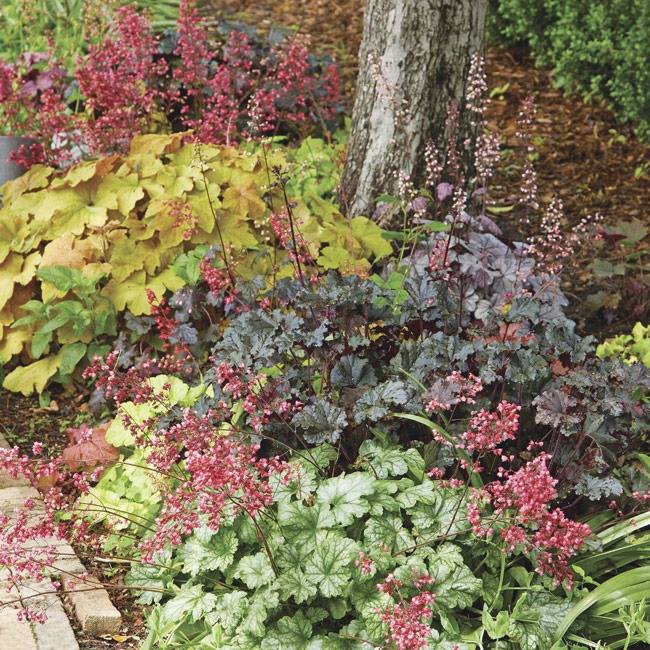
You might think flowers are the star of a shade garden, but heuchera will change your mind fast. The foliage alone — rosy purple, deep burgundy, lime green, near black — carries an entire planting through all four seasons.
Maple-shaped leaves form tidy, low mounds that look great along shaded borders.
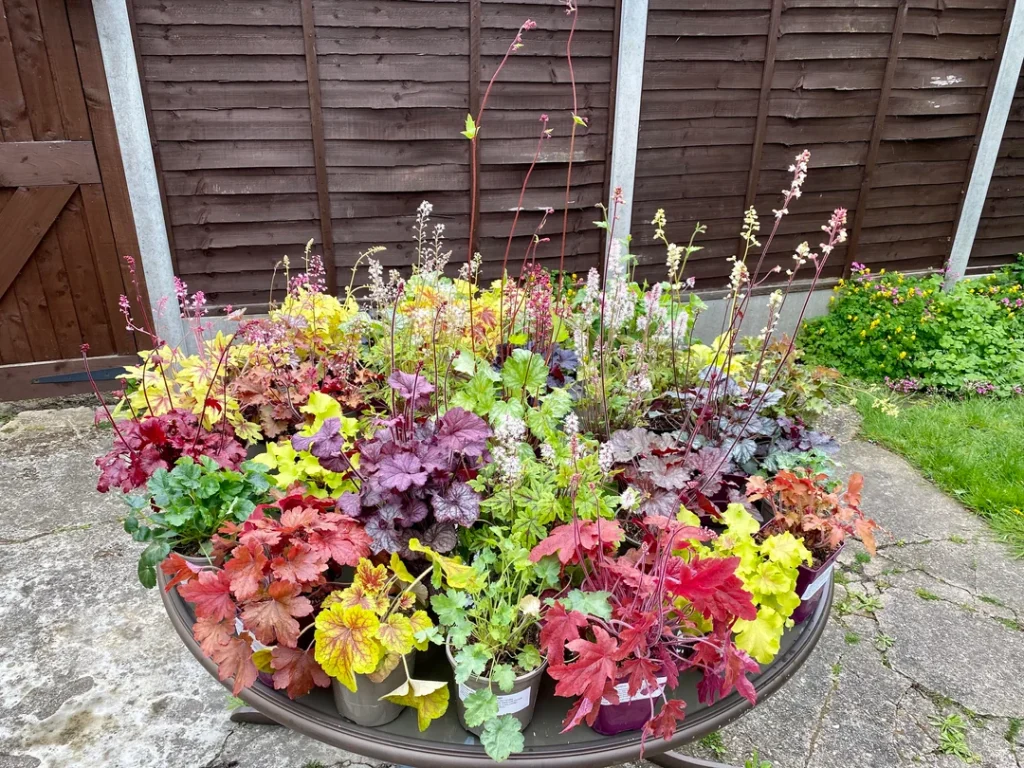
What I really love is how well heuchera handles dry shade right under a tree’s canopy. Most plants give up there.
Heuchera just gets on with it, looking fabulous the whole time. Soft pink blooms appear in midsummer and stay for weeks.
Plant Overview:
- Plant type: Perennial
- Zones: 4-9
- Exposure: Shade to full sun, depending on variety
- Height/Spread: 6 inches to 3.5 feet tall, 1 to 3 feet wide
- Bloom time: Midsummer
Also read: 12 Shade Flower Garden Ideas You’ll Love to Copy
3. Hellebores
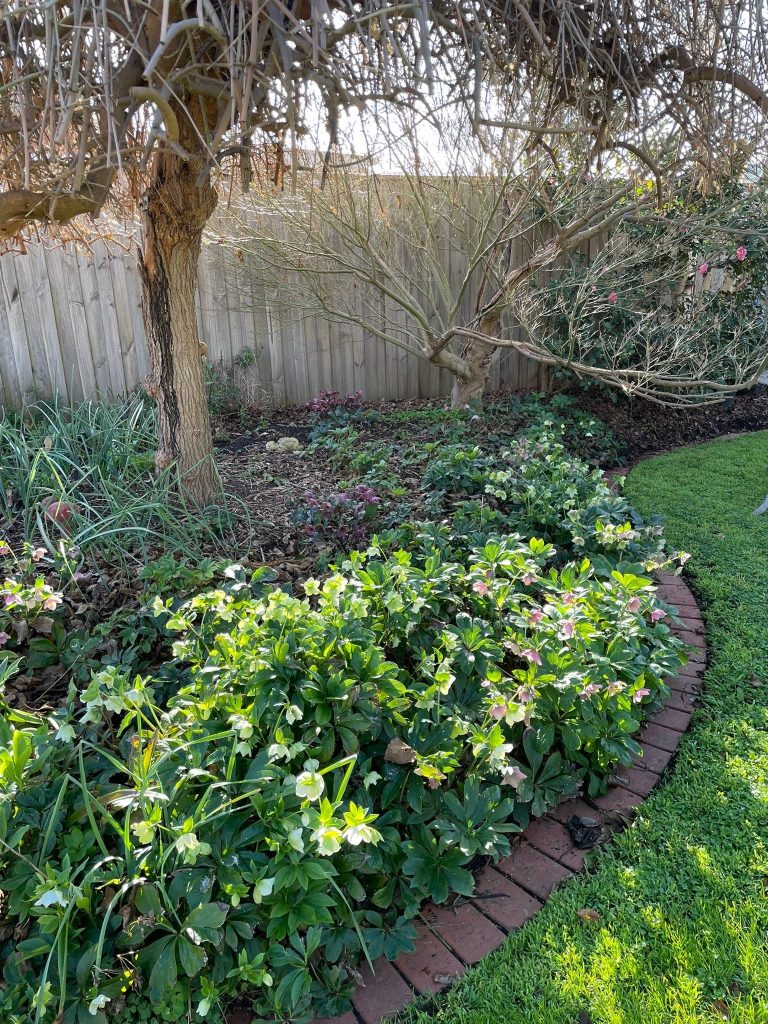
Hellebores bloom when almost everything else is still sleeping. Late winter flowers in pink, white, purple, and deep plum bring serious color to a bare yard.
You will be amazed how cheerful your garden looks in February when these are flowering.
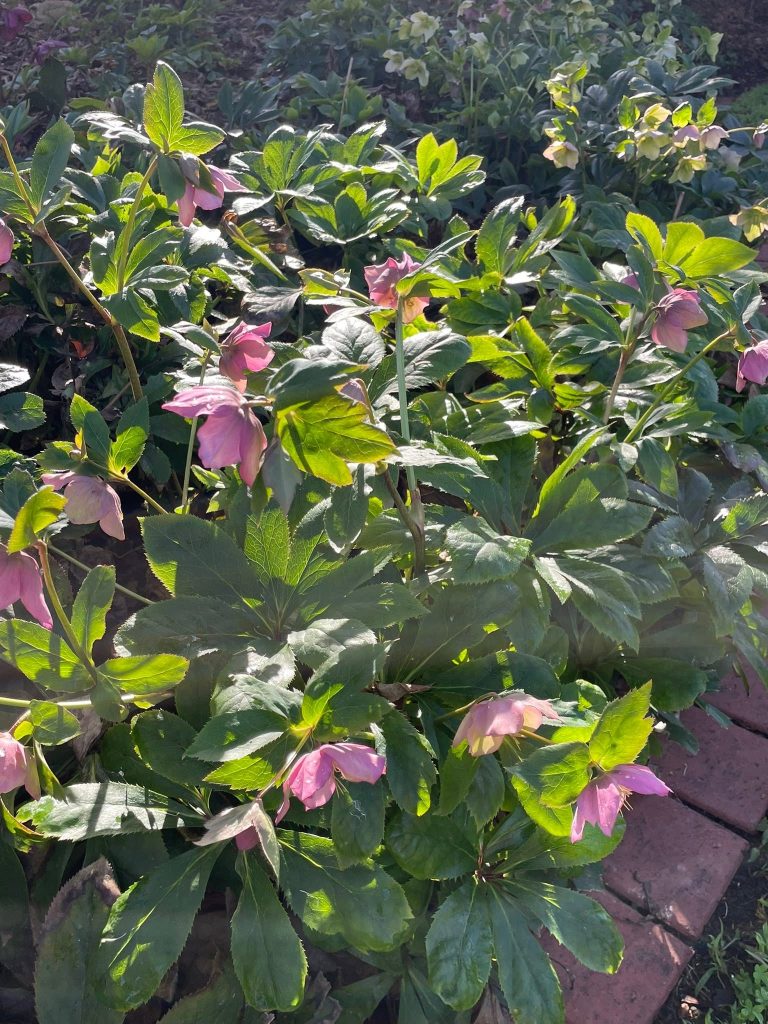
Deciduous trees make the best companions for hellebores. The bare winter canopy lets sunlight through exactly when hellebores need it most.
Once summer arrives and the tree leafs out, hellebores settle comfortably into the shade. Thick, evergreen leaves stay handsome all year round too.
Plant Overview:
- Plant type: Perennial
- Zones: 4-9
- Exposure: Partial shade to sun, depending on species
- Height/Spread: 1 to 4 feet tall, 1 to 3 feet wide
- Bloom time: Late winter to spring
4. Ferns
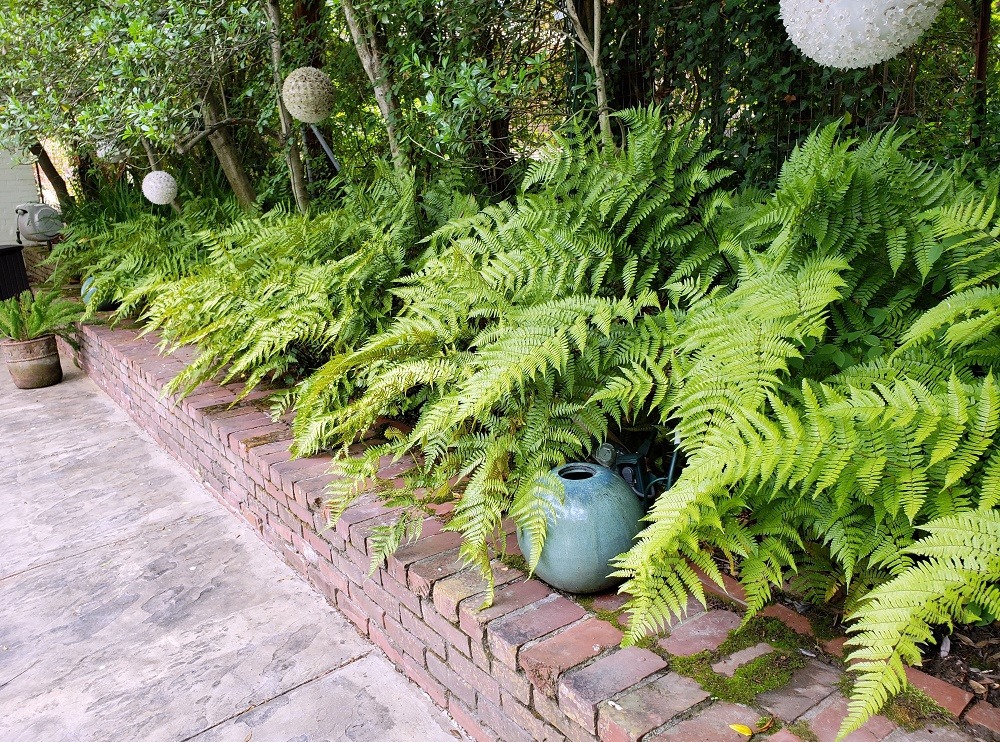
Few plants give you that cool, lush woodland feeling the way ferns do. Graceful arching fronds add feathery texture that contrasts beautifully against bold hosta leaves nearby.
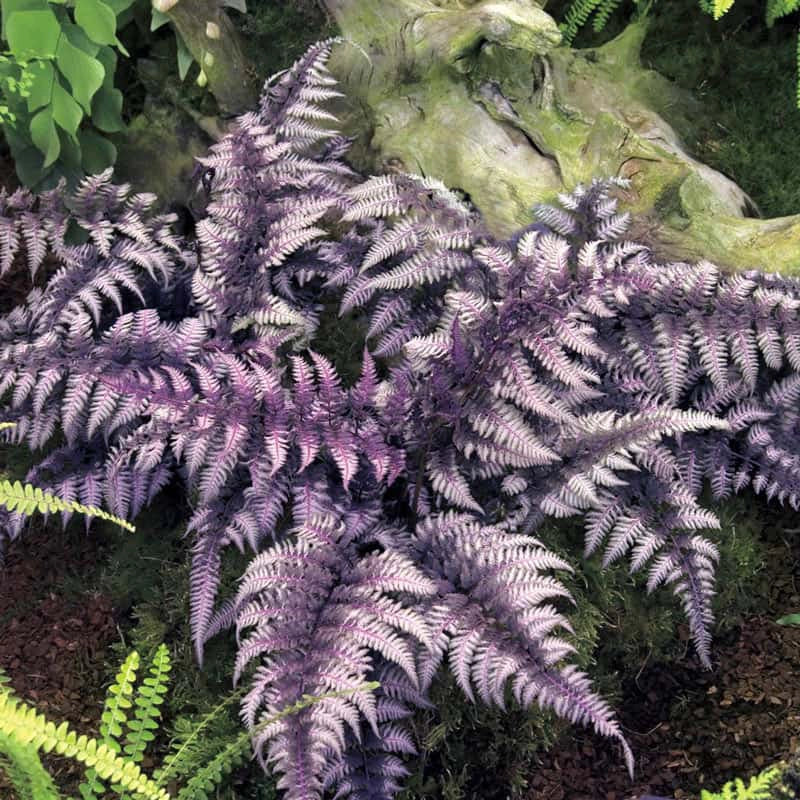
Japanese painted fern is my personal favourite — the silver and burgundy markings on the fronds are genuinely stunning.
Most ferns love rich, moist soil in deep shade, but many adapt to drier spots once they are established. They spread steadily over time and fill gaps without much effort from you.
Pair them with spring bulbs underneath and you get a two-season show from the same patch of ground.
Plant Overview:
- Plant type: Perennial
- Zones: 3-11, depending on variety
- Exposure: Partial sun to full shade
- Height/Spread: Varies by variety
- Bloom time: Non-flowering (grown for foliage)
5. Astilbe
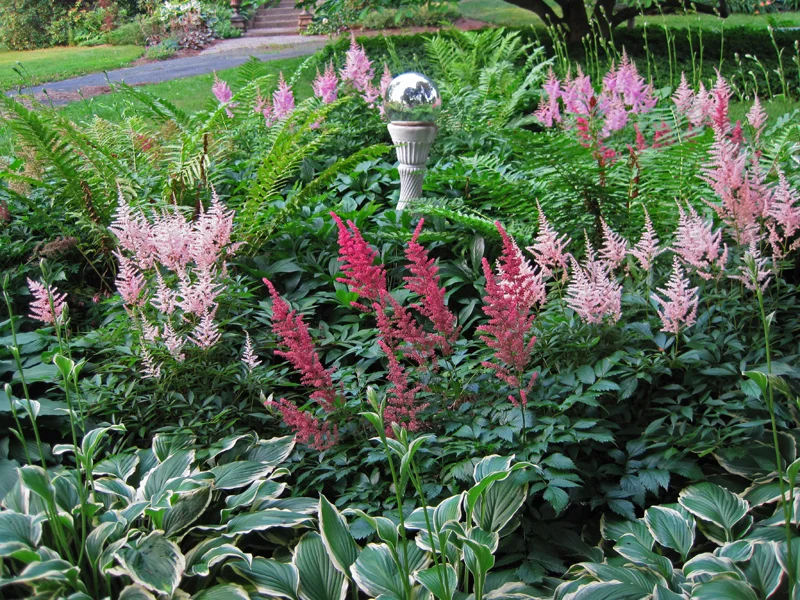
Astilbe might be the most eye-catching plant you can grow under a tree.
Feathery plumes in pink, red, white, and violet shoot up above the foliage in summer and look almost unreal.
Nothing else in the shade garden produces that kind of vertical, fluffy drama.
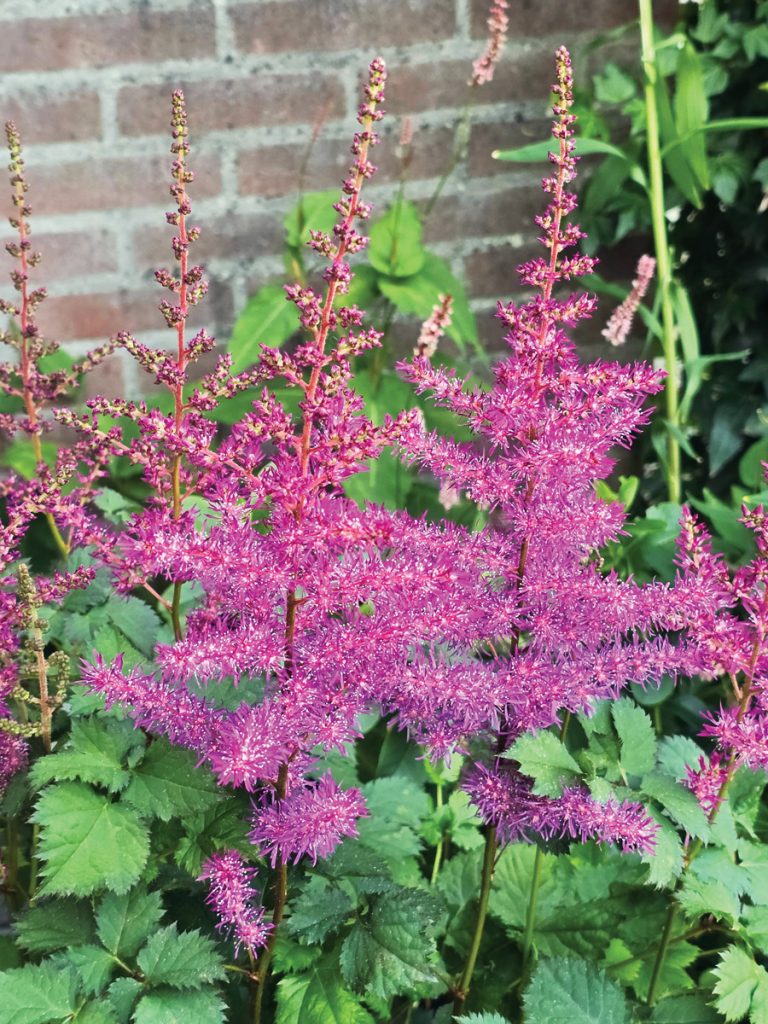
Position astilbe at the drip line of your tree rather than directly underneath it. That spot catches more moisture, which astilbe genuinely needs to perform at its best.
Rich, moist soil and partial shade give you the fullest, most colorful plumes season after season.
Plant Overview:
- Plant type: Perennial
- Zones: 4-8
- Exposure: Full sun to shade; flowers best in partial shade
- Height/Spread: 1 to 4 feet tall and wide
- Bloom time: Summer
6. Lamium (Dead Nettle)
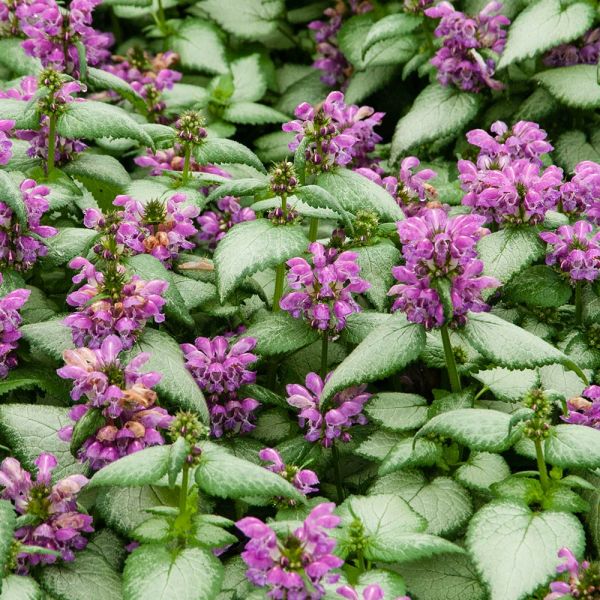
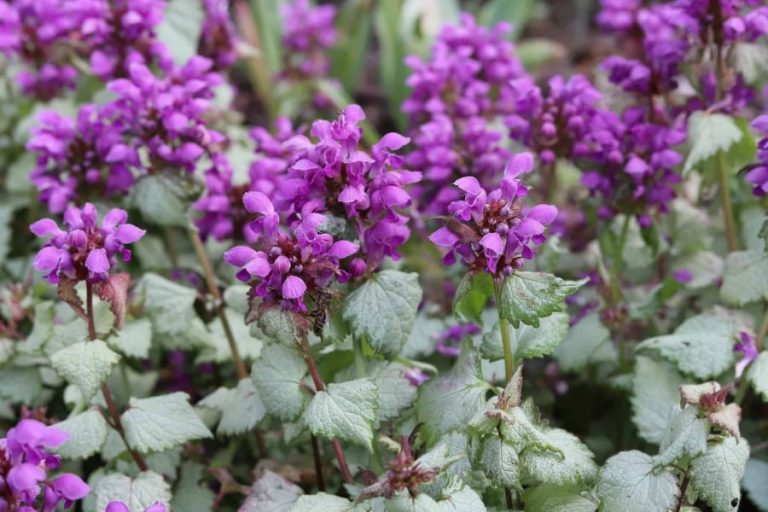
Do not let the name put you off — dead nettle is one of the most useful ground covers you can grow under a tree. Silvery, variegated leaves spread quickly across dry, difficult soil where most plants simply refuse to grow.
That spreading habit means less weeding for you and more coverage in less time.
Pretty pink or purple flowers appear in spring and add a soft pop of color low to the ground. Lamium handles dry shade better than almost anything else on this list.
Just keep an eye on it in smaller gardens, as it can spread enthusiastically once it is happy.
Plant Overview:
- Plant type: Perennial
- Zones: 4-9
- Exposure: Partial shade to full shade
- Height/Spread: 3 inches to 2 feet tall, spreads 3 feet or more
- Bloom time: Spring
7. Pulmonaria (Lungwort)
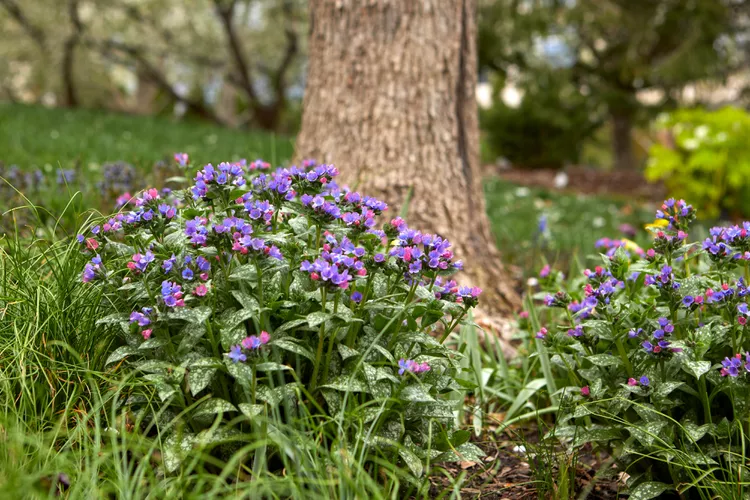
Pulmonaria is one of those plants that rewards you twice — first with beautiful silver-spotted leaves, and then with lovely spring flowers that open pink and slowly shift to blue on the same stem.
That color change is something I never get tired of watching. Few plants offer that kind of quiet drama in a shaded spot.
Deep shade and moist, rich soil suit lungwort perfectly. Dense tree roots do not bother it much, which makes it a reliable choice for those really awkward spots directly under established trees.
Pair it with hostas for a classic woodland combination that looks intentional and lush all season.
Plant Overview:
- Plant type: Perennial
- Zones: 3-9
- Exposure: Partial to full shade
- Height/Spread: 6 to 12 inches tall, 12 to 24 inches wide
- Bloom time: Early spring
8. Bleeding Heart
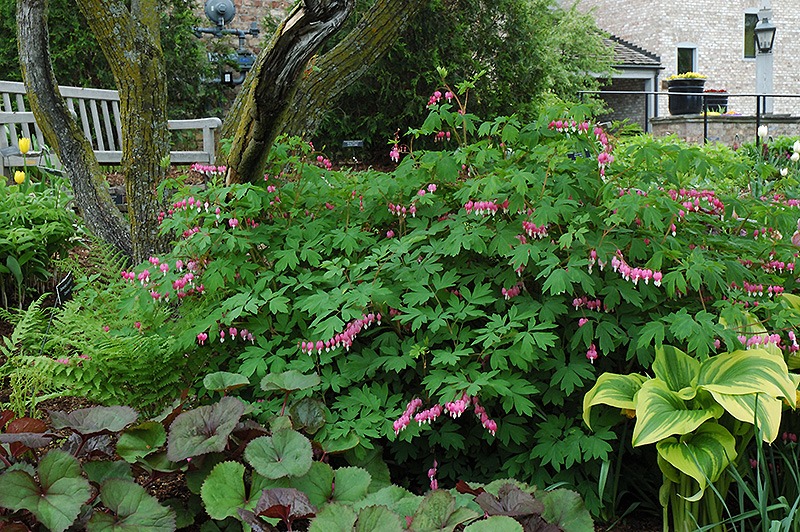
Bleeding heart is one of those plants that genuinely makes people stop and stare.
Heart-shaped pendant flowers dangle from arching stems in the most elegant way, and the whole display happens in late spring when the garden really needs that romantic touch.
Pink and white are the most common colors, and both look stunning against ferny green foliage.
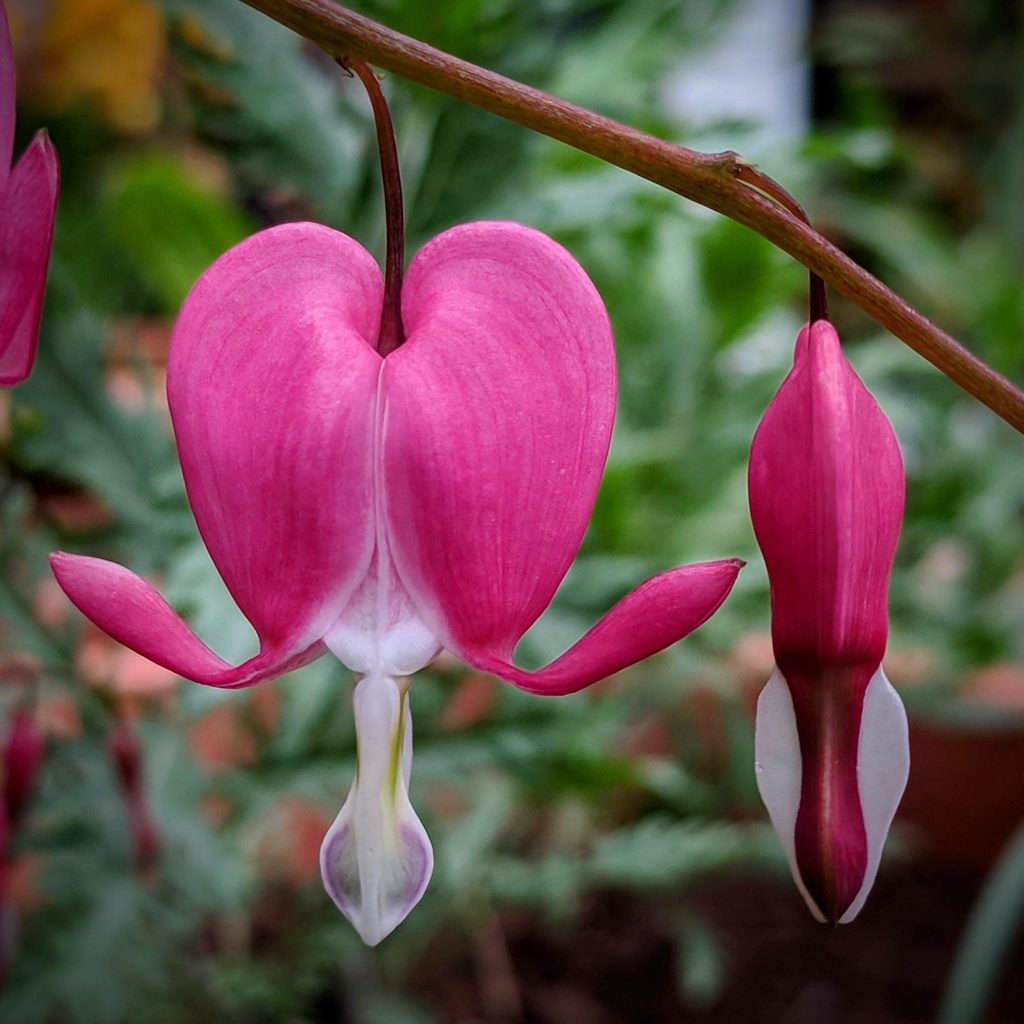
Plant bleeding heart in rich, moist soil where it gets shade through most of the day. Summer dormancy happens after flowering, so tuck hostas nearby to fill the gap it leaves behind.
That simple trick keeps the spot looking full and intentional all the way through autumn.
Plant Overview:
- Plant type: Perennial
- Zones: 3-9
- Exposure: Partial shade
- Height/Spread: 6 inches to 3 feet tall, 1 to 3 feet wide
- Bloom time: Late spring to early summer
9. Brunnera (Heartleaf Brunnera)
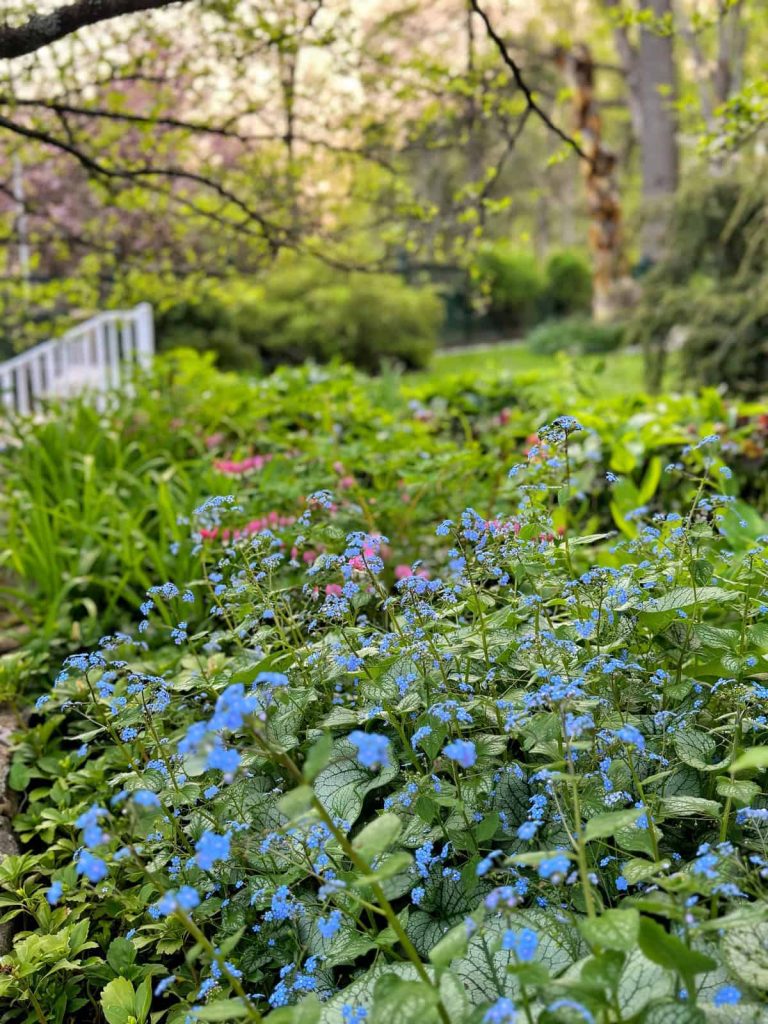
Brunnera is one of those plants that looks almost too good for a dark, difficult spot under a tree. Large heart-shaped leaves in silver and green literally brighten a shaded corner the way few foliage plants can.
Variegated varieties like ‘Jack of Diamonds’ are especially striking and worth seeking out at your local nursery.
Tiny bright blue flowers appear in spring and look remarkably like forget-me-nots. Consistently moist, rich soil gives you the biggest, most impressive leaves all season.
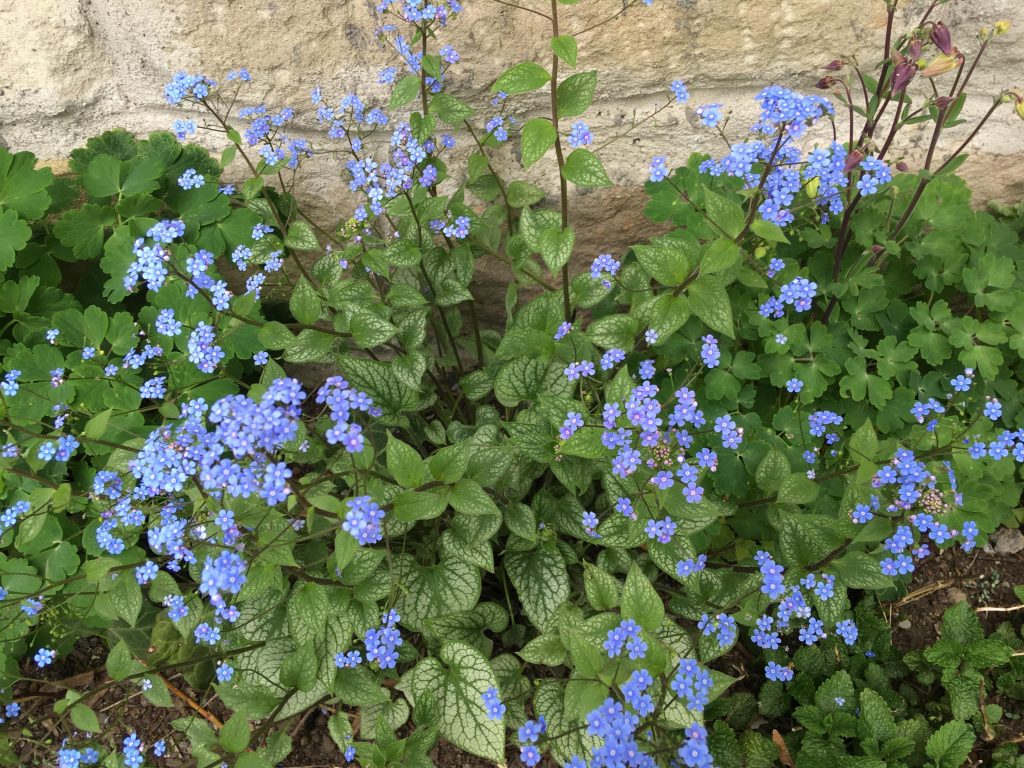
Full shade suits brunnera perfectly, making it a natural fit for the densest spots under a tree canopy.
Plant Overview:
- Plant type: Perennial
- Zones: 3-8
- Exposure: Partial to full shade
- Height/Spread: 14 to 16 inches tall, up to 2.5 feet wide
- Bloom time: Spring
10. Foamflower (Tiarella)
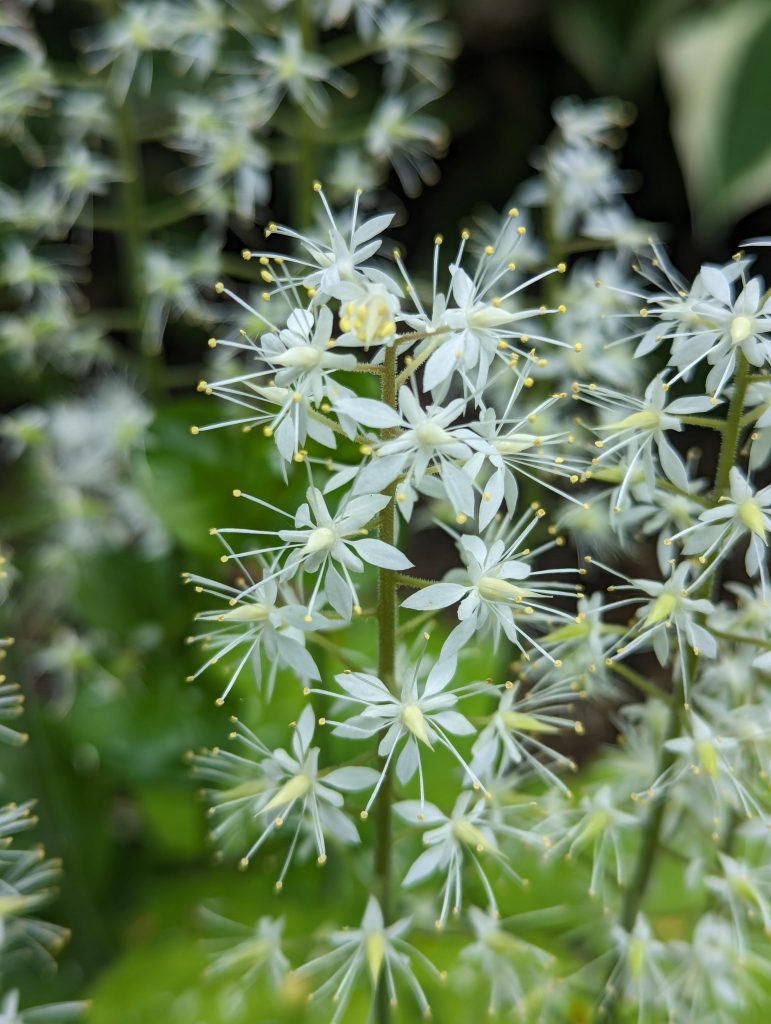
Foamflower is a native woodland plant that genuinely thrives where other plants struggle. Delicate white flower spires rise above deeply patterned leaves in early spring, creating a soft, frothy display that earned this plant its name.
Burgundy centers on the leaves add extra visual interest even when the blooms are finished.
Dappled light suits foamflower best, though it handles deeper shade reasonably well too. Slow, steady spreading means it fills gaps between other shade perennials without crowding them out.
Deer tend to leave it alone, which is a welcome bonus if you garden where wildlife visits regularly.
Plant Overview:
- Plant type: Perennial
- Zones: 3-9
- Exposure: Partial sun to full shade
- Height/Spread: 6 to 12 inches tall, 12 to 24 inches wide
- Bloom time: Early spring
11. Epimedium (Barrenwort)
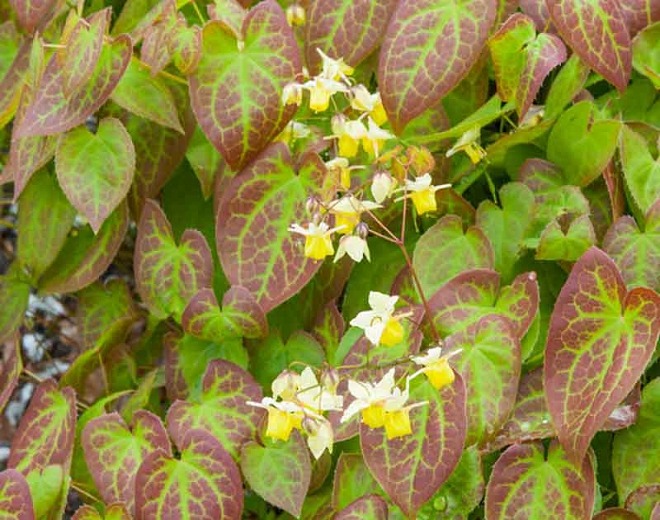
Epimedium might just be the toughest plant on this entire list. Dry shade, dense tree roots, poor soil — this plant handles all of it without complaint.
Dainty flowers in yellow, pink, white, or purple appear in spring just before the new foliage unfurls, creating a surprisingly delicate display from such a resilient plant.
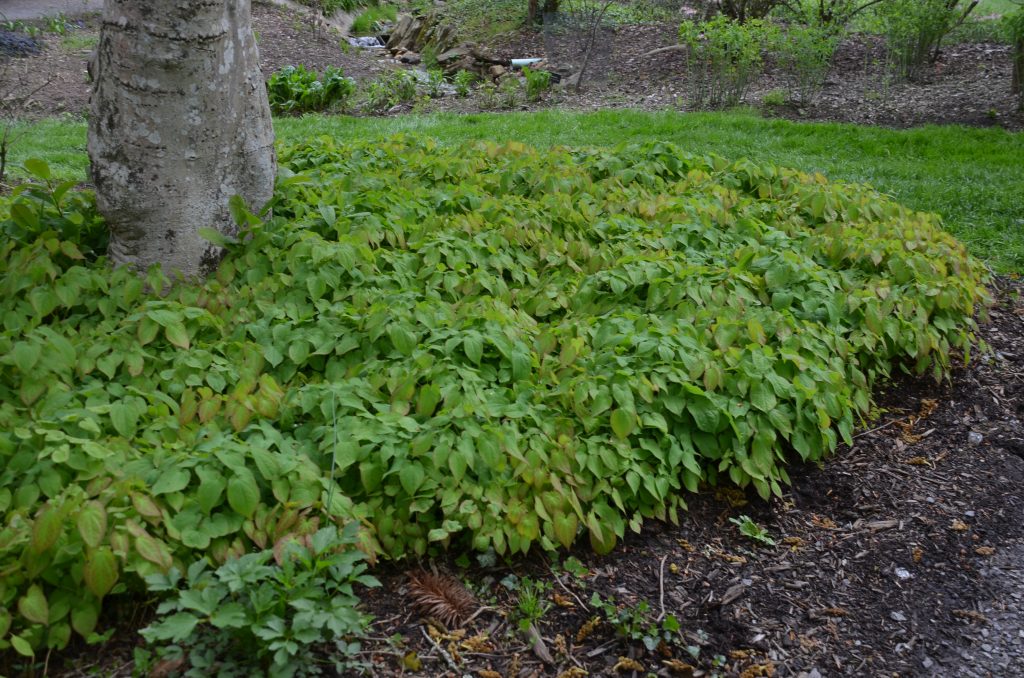
Heart-shaped leaves often take on bronze or red tints in cooler months, giving you seasonal color changes without any extra work.
Slow spreading keeps epimedium well-behaved in smaller gardens. Once established, you can practically ignore it and it will still look great year after year.
Plant Overview:
- Plant type: Perennial
- Zones: 4-9
- Exposure: Partial to full shade
- Height/Spread: 6 to 12 inches tall, 12 to 24 inches wide
- Bloom time: Spring
12. Ajuga (Bugleweed)
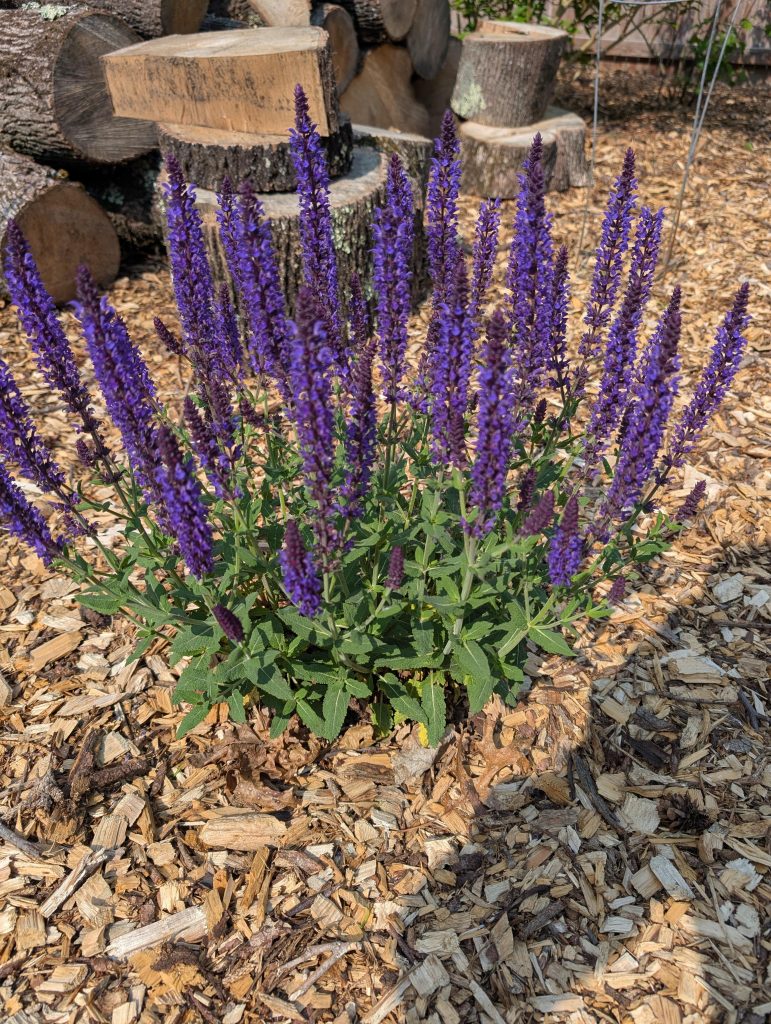
Ajuga is a ground cover that means business. Dense, low mats of green, bronze, or deep purple leaves spread quickly across difficult shaded soil, even where tree roots make digging nearly impossible.
Short upright flower spikes in blue or purple shoot up in spring and attract early pollinators when little else is blooming yet.
Poor soil and dry conditions do not slow ajuga down much at all. Planting it in a mass under a large deciduous tree creates a carpet-like effect that looks intentional and designed rather than accidental.
Just give it a defined edge to keep it from wandering into lawn areas where it is not wanted.
Plant Overview:
- Plant type: Perennial
- Zones: 3-9
- Exposure: Partial to full shade
- Height/Spread: 3 to 6 inches tall, spreads 1 to 3 feet wide
- Bloom time: Spring
13. Japanese Forest Grass (Hakonechloa)
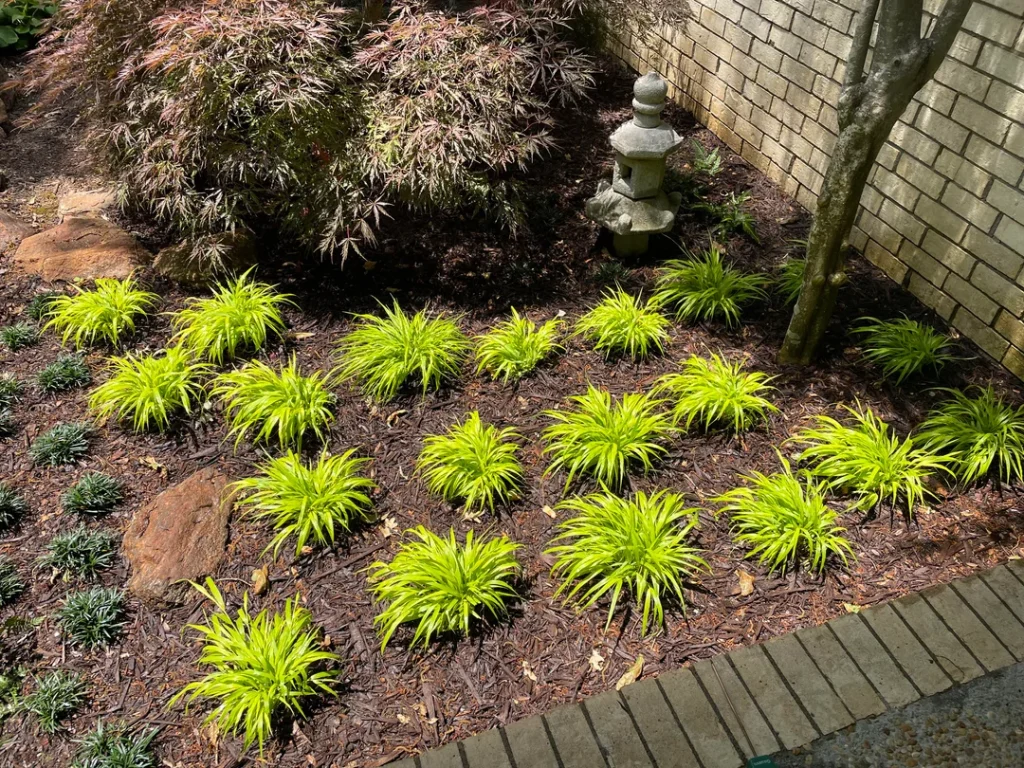
Japanese forest grass is the one ornamental grass that genuinely loves shade, and that alone makes it special. Golden or variegated cascading mounds catch whatever light filters through the tree canopy and seem to glow from within.
That warm color does wonders for lifting a dark, green-heavy planting scheme.
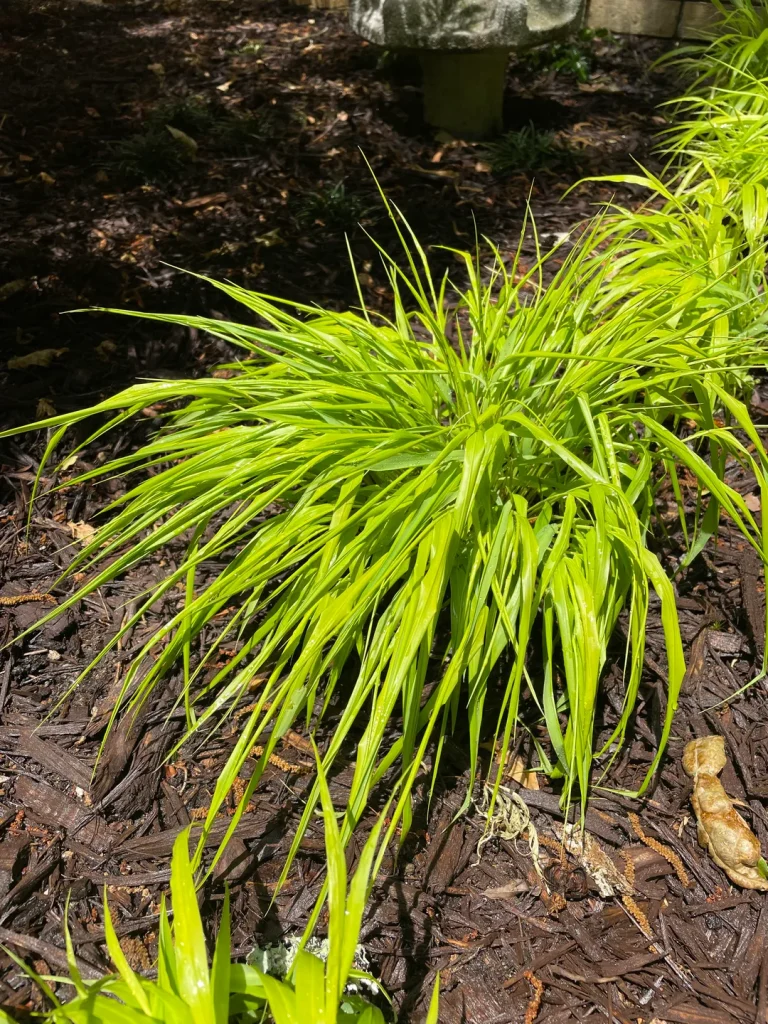
Partial shade with some protection from harsh afternoon sun suits this grass best. Rich soil and regular moisture keep the foliage looking lush and healthy all season long.
Try planting it alongside dark-leaved heuchera for a color contrast that looks professionally designed.
Plant Overview:
- Plant type: Perennial
- Zones: 5-9
- Exposure: Partial shade, with protection from afternoon sun
- Height/Spread: 12 to 18 inches tall, 12 to 24 inches wide
- Bloom time: Non-flowering (grown for foliage)
14. Bergenia
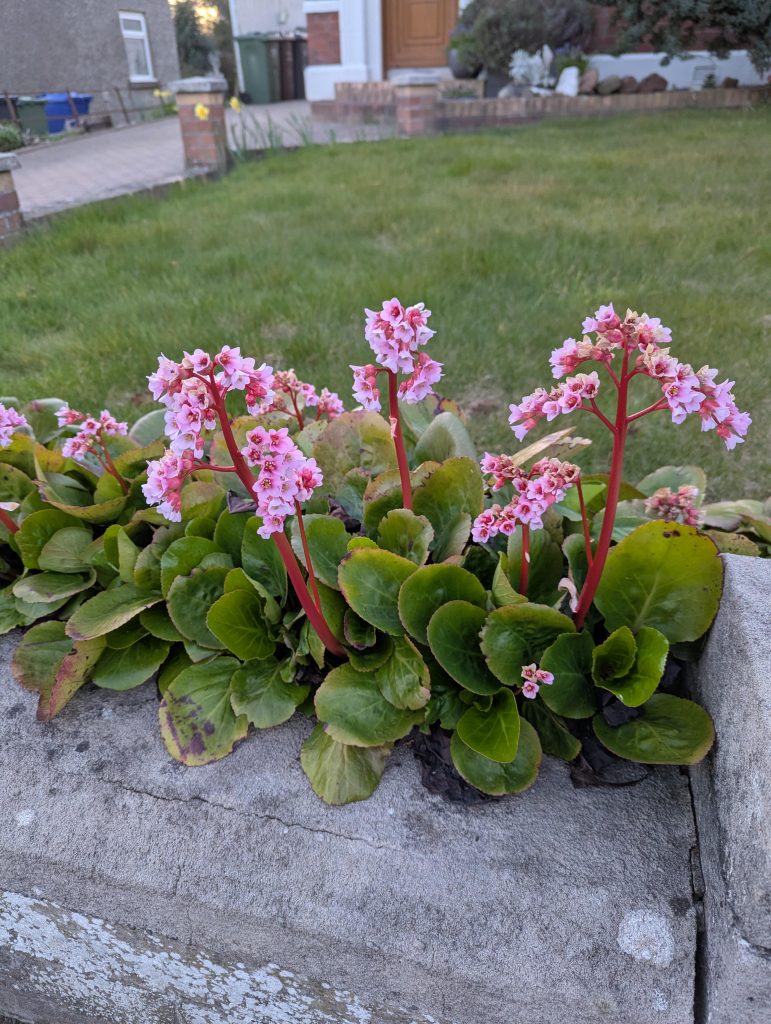
Bergenia is one of those tough, reliable plants that quietly gets on with the job without ever needing much from you. Thick, waxy leaves the size of dinner plates form bold clumps that handle dry soil and root competition under trees surprisingly well.
Rosy pink flower clusters appear in early spring and stand out beautifully against the broad, dark green foliage.
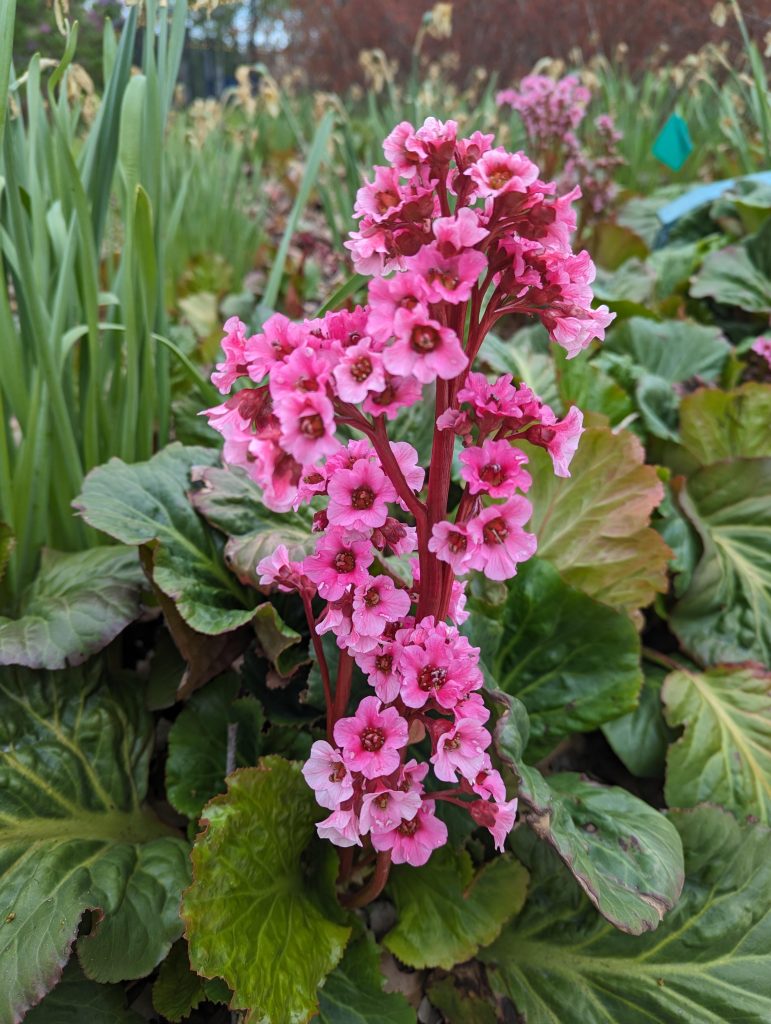
Cold winter temperatures often turn the leaves a rich bronze or red, adding unexpected seasonal interest. Most gardeners overlook bergenia completely, which I have never understood — it earns its place in any shaded garden.
Give it a spot at the front of an under-tree planting where those big leaves can make a real statement.
Plant Overview:
- Plant type: Perennial
- Zones: 3-9
- Exposure: Partial to full shade
- Height/Spread: 12 to 18 inches tall, 18 to 24 inches wide
- Bloom time: Early spring
15. Sweet Woodruff
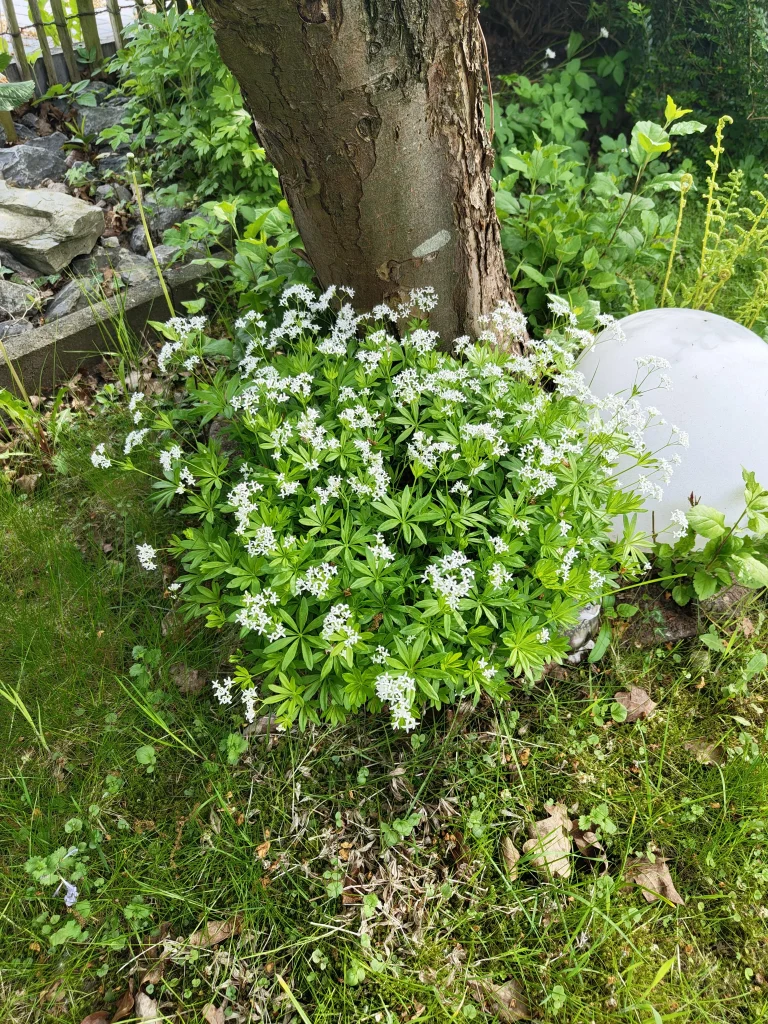
Sweet woodruff is the perfect finisher for an under-tree planting. Whorled, star-shaped leaves grow in delicate tiers and spread steadily to fill every gap between larger plants.
Tiny white flowers appear in late spring and carry a faint, pleasant vanilla scent that you notice on warm days.
Shade and moist soil encourage the fastest, fullest spread. Dry spells slow it down but rarely stop it entirely once it is established.
Use sweet woodruff as a living mulch to tie together all the other plants in your under-tree garden while keeping the soil cool and covered.
Plant Overview:
- Plant type: Perennial
- Zones: 4-8
- Exposure: Partial to full shade
- Height/Spread: 6 to 12 inches tall, spreads 12 to 24 inches wide
- Bloom time: Late spring
Bring Your Shaded Spots to Life
Shady spots under trees are some of the most rewarding places in a garden once you stop fighting them.
Choosing plants built for woodland conditions – tough, adaptable, and genuinely beautiful – transforms those awkward, bare patches into lush, layered displays that look good for months.
Start with two or three plants from this list, layer heights thoughtfully, and plant densely so weeds do not get a foothold. Your shaded garden might just become your favourite part of the whole yard.