12 Shade Flower Garden Ideas That Will Transform Your Backyard

Shady spots in the garden can feel like a problem. Trust me, I used to stare at the dim corner of my yard and wonder what on earth I could grow there.
Turns out, shade is actually a gift. Some of the most beautiful, lush, and serene gardens thrive without much sun at all.
Whether you have a few hours of dappled light or a dense canopy overhead, there are stunning flowers and plants just waiting to call that spot home.
Understanding Your Shade Garden
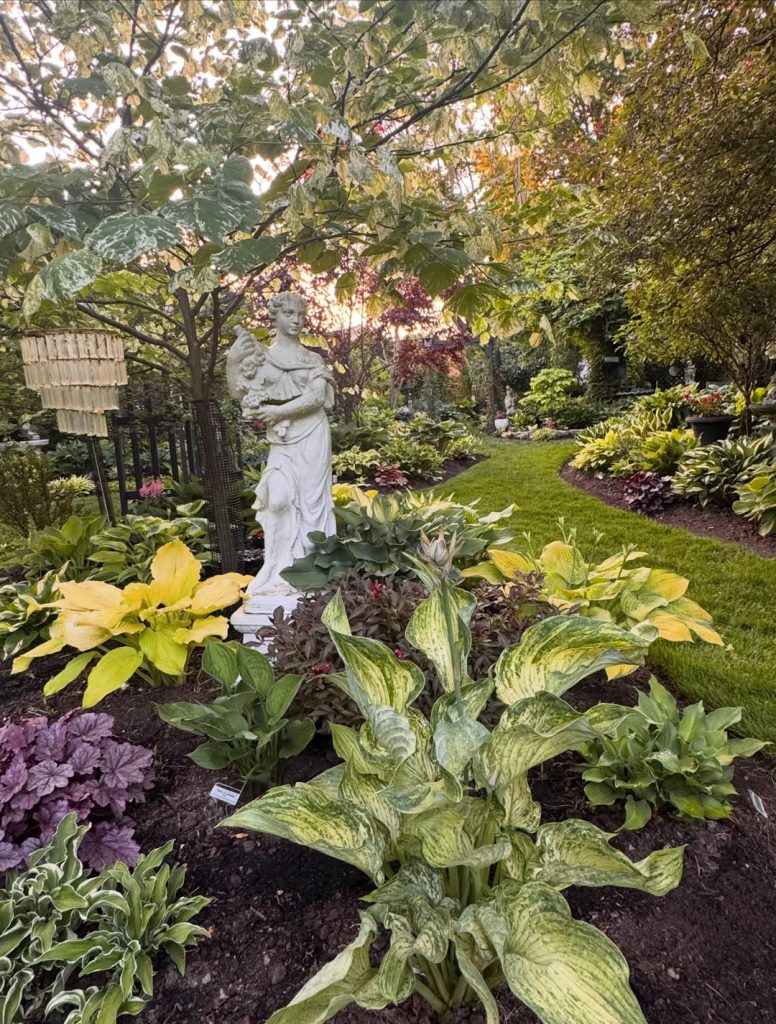
Not all shade is created equal. Before you plant anything, you need to figure out exactly what kind of shade you are working with.
Light Shade vs. Deep Shade
Light shade means your garden gets around two to four hours of sun per day, with no harsh afternoon exposure.
Deep shade means less than two hours of direct sun daily. Spend a day watching your garden before making any planting decisions, what looks shady in the morning may actually catch afternoon light.
Why Shade Type Matters So Much
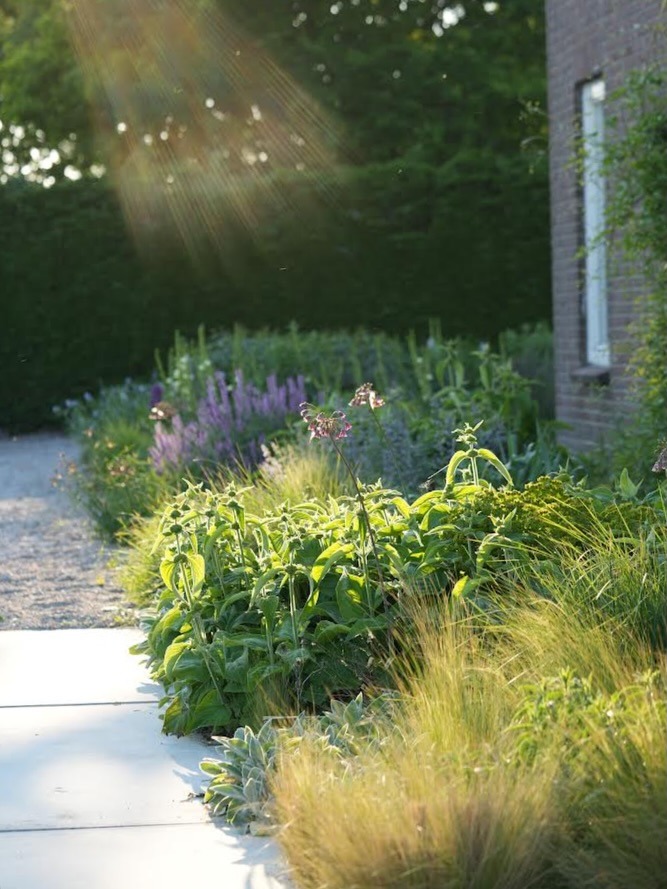
Planting a sun-loving flower in deep shade will frustrate you every single season. A partial shade plant placed in four hours of hot afternoon sun will simply fry.
Match the plant to the spot, and your garden will practically take care of itself.
Also read: 15 Best Shade Loving Potted Plants for Front Porches
The Best Flowers for a Shade Garden
Here is where the fun really begins.
Shade gardens are packed with gorgeous flowering options, and many of them bloom in colors you would never expect from a low-light space.
1. Astilbe: The Star of the Shade Border
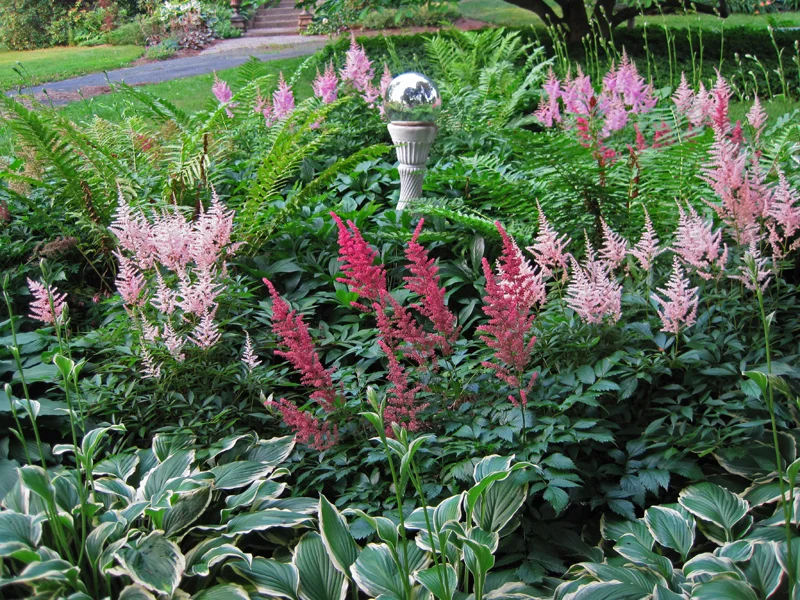
If your shade garden feels a little flat, astilbe fixes that fast. Its feathery plumes rise well above the foliage. They come in pink, red, and cream.
And here’s the bonus: they hold their color longer in shade than they would in full sun. I’ve planted mine under a maple where it gets barely two hours of direct light. It still blooms its head off every summer.
Give astilbe moist, humus-rich soil. It struggles the moment the ground dries out. Mulch heavily and water deeply during dry spells.
Plant in clumps of three or more. A single stem tends to disappear in a border. Most varieties are hardy in zones 3-8. You’ll get blooms anywhere from early summer through fall, depending on the cultivar.
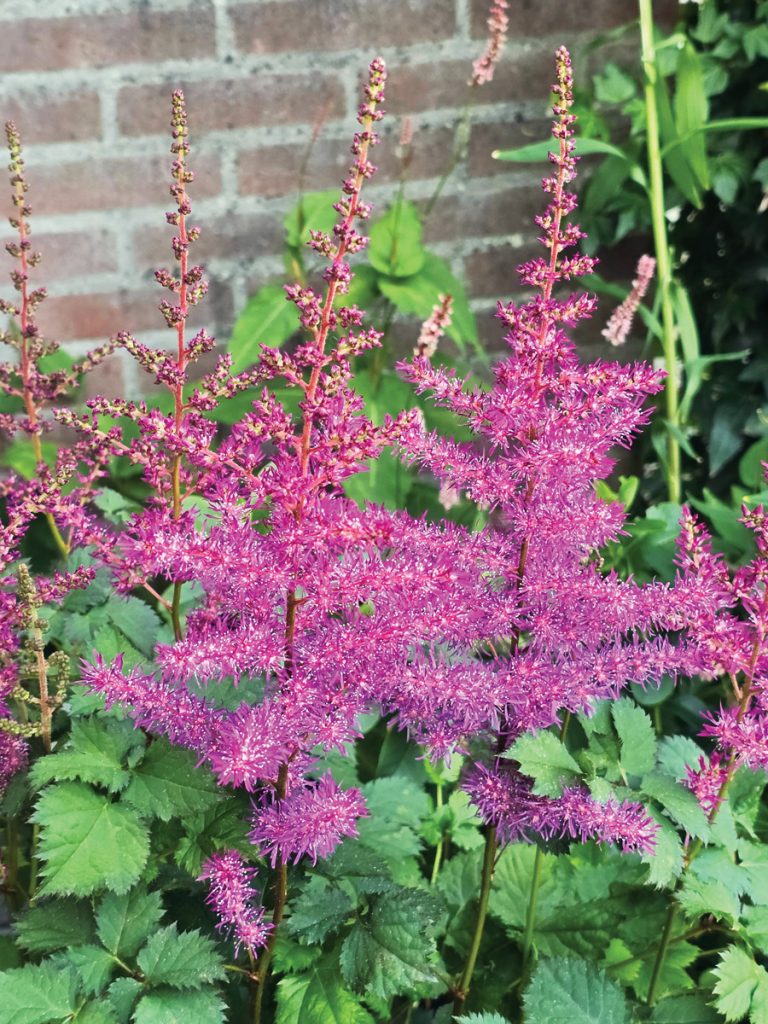
Good to know: Divide astilbe every 3-4 years in spring once the crown gets crowded. It keeps the plant blooming strong instead of petering out.
2. Bleeding Heart: Pure Romance
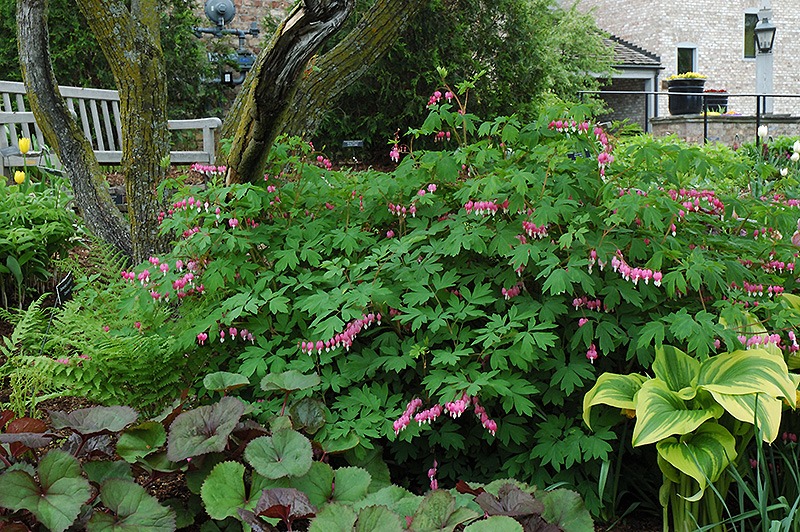
There’s nothing else in the shade garden quite like bleeding heart. Its heart-shaped flowers dangle in neat rows along arching stems.
They show up right when you need spring color the most. You’ll see the classic pink-and-white blooms most often.
But all-white and deep-red varieties exist too, if you want to mix things up.
This one wants moist, well-drained soil rich in organic matter. It’s happy in partial to full shade, zones 3-9.
Here’s the part beginners don’t expect: bleeding heart goes fully dormant by midsummer. That leaves a gap in the bed. Don’t panic.
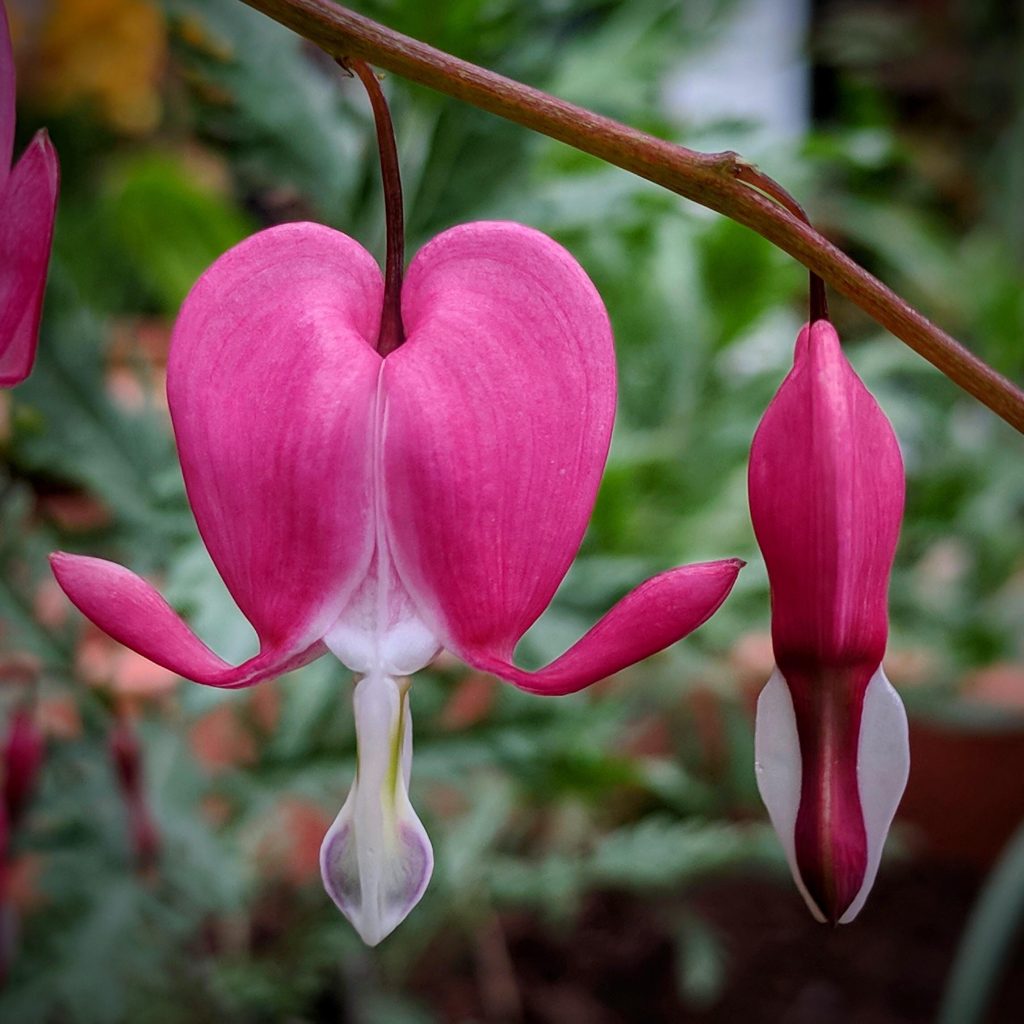
Plant it next to hostas or ferns that fill out later in the season. That way something covers the space once the foliage dies back.
Good to know: The plant is toxic if ingested. Keep that in mind if you have curious pets or kids in the garden.
Also read: 12 Deer-Resistant Annuals That Thrive in the Shade
3. Hostas: The Ultimate Shade Workhorse
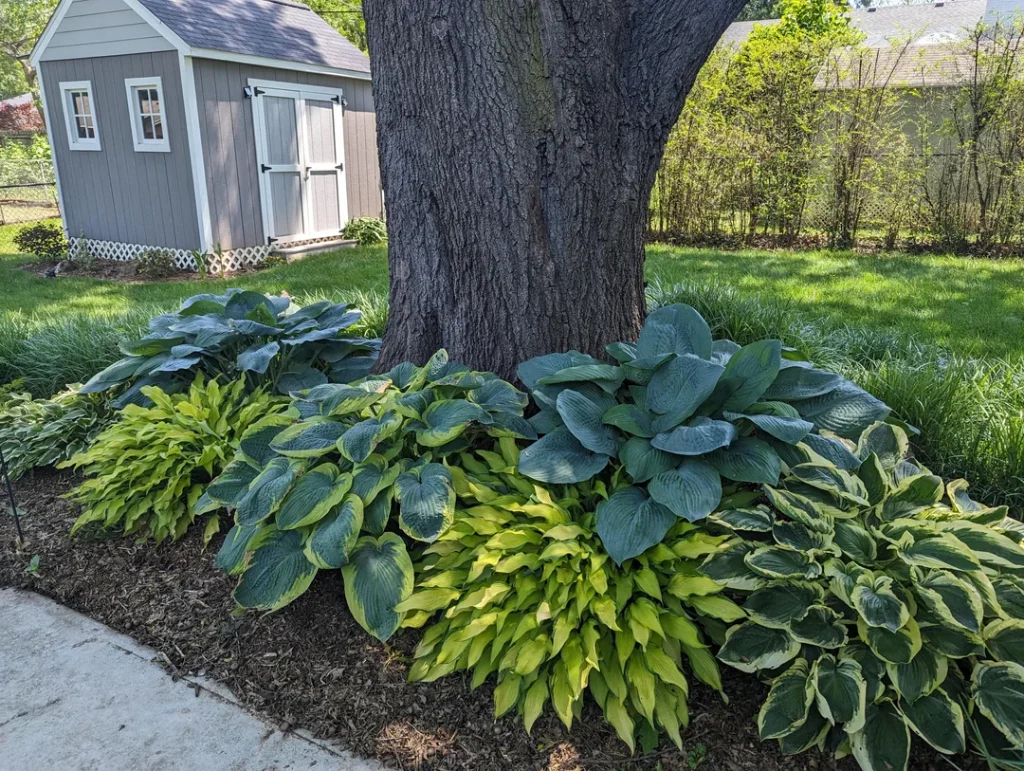
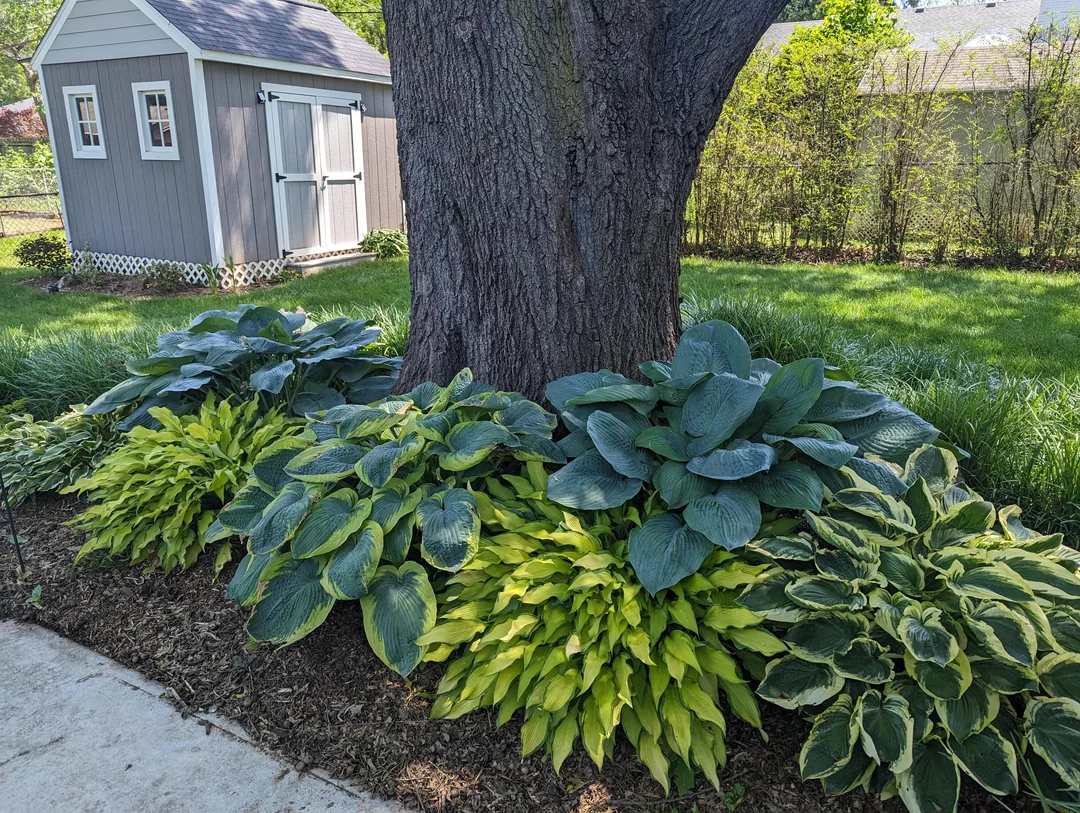
Hostas do more heavy lifting in a shade garden than almost anything else. Thousands of varieties exist, from palm-sized minis to leaves the size of dinner plates.
There’s a hosta for every gap you’re trying to fill. Blues hold their waxy color best in deeper shade. Golds actually want a little morning sun to really pop.
Plant them in rich, moist soil. Expect them to settle in and get better every year. Most varieties are hardy zones 3-9. The one real enemy here is slugs.
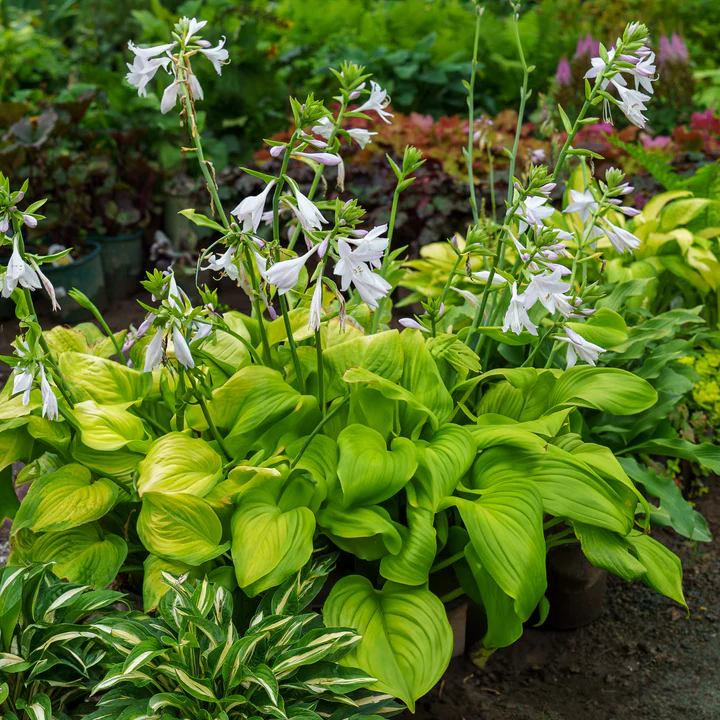
If they’re a problem where you garden, look for thick-leaved varieties. The tougher texture is harder for slugs to chew through. That alone can save you from baiting every spring.
Good to know: Deer treat hostas like a salad bar. Pair them with something deer tend to avoid if that’s an issue in your yard.
Read more: 15 Shade Loving Flowering Shrubs to Brighten Your Garden
4. Foxglove: Tall and Dramatic
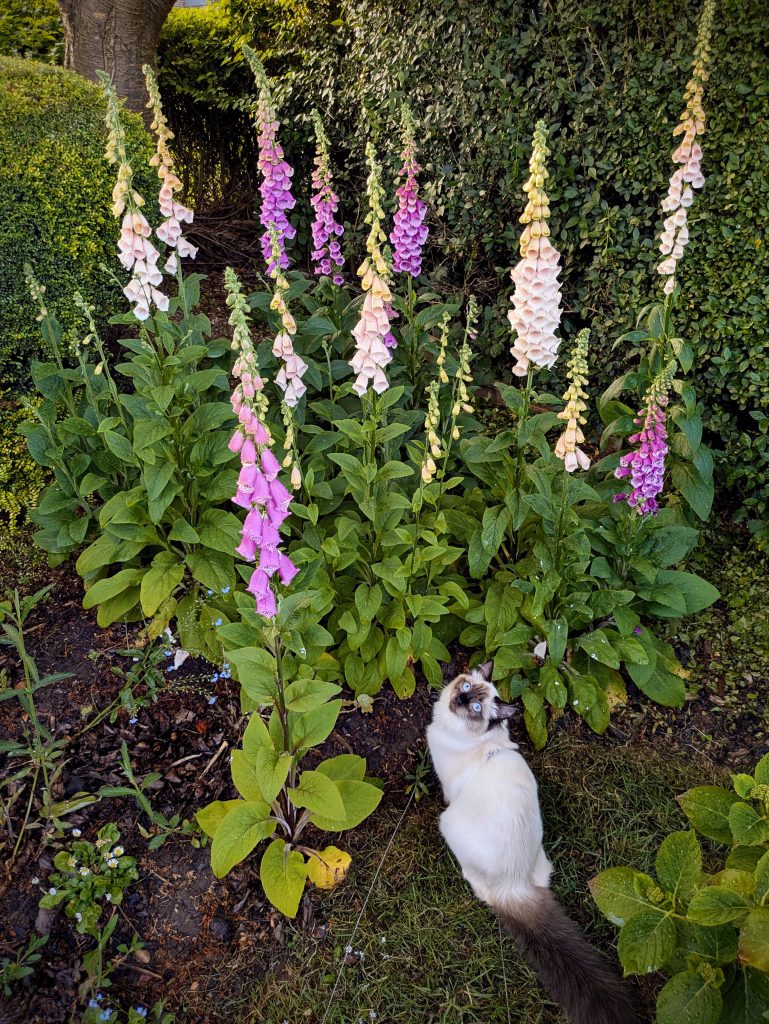
Shade gardens tend to stay low and mounded. That’s exactly why foxglove earns its spot. Its tall spikes of tubular flowers shoot straight up.
They pull the eye upward and draw in bumblebees along the way. That vertical punch is hard to get from anything else that tolerates shade this well.
One thing to know going in: foxglove is a biennial. It spends its first year growing a low rosette of leaves. It won’t flower until year two, so don’t expect blooms right away from a first-year planting.
The good news: it self-seeds generously. Once it’s established, you’ll usually get new plants flowering every summer without replanting. It does best in partial shade to filtered sun, zones 4-9, in moist, well-drained soil.
Good to know: Every part of this plant is toxic if ingested. Site it away from pet and kid traffic.
5. Japanese anemones
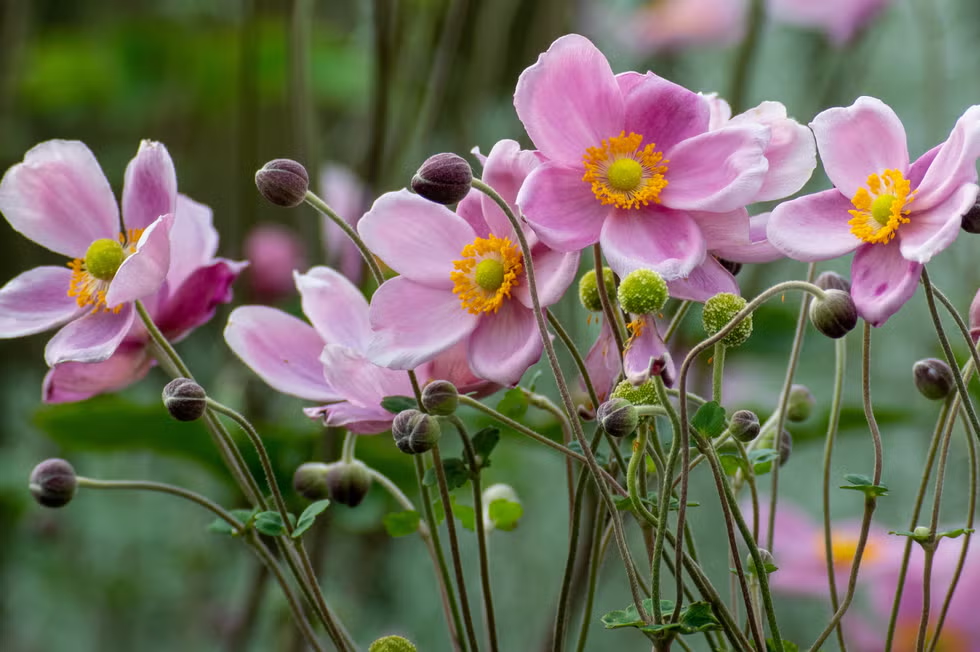
Most shade flowers fade by August. Japanese anemone is just getting started.
It sends up tall, wiry stems topped with pink or white blooms right when the rest of the garden starts looking tired.
I love how it stretches the shade garden’s color season all the way into fall.
Give it partial shade with morning light and afternoon protection. Zones 4-8 work well for this flower. It wants soil that’s moist but not soggy.
One thing worth knowing: this plant spreads. Once it’s happy, it creeps by rhizomes and can take over more space than you expect. Give it room from the start, or plant it somewhere contained.
Good to know: It can take two full seasons to establish. Don’t judge it too harshly the first year — the payoff comes later.
6. Tiarella
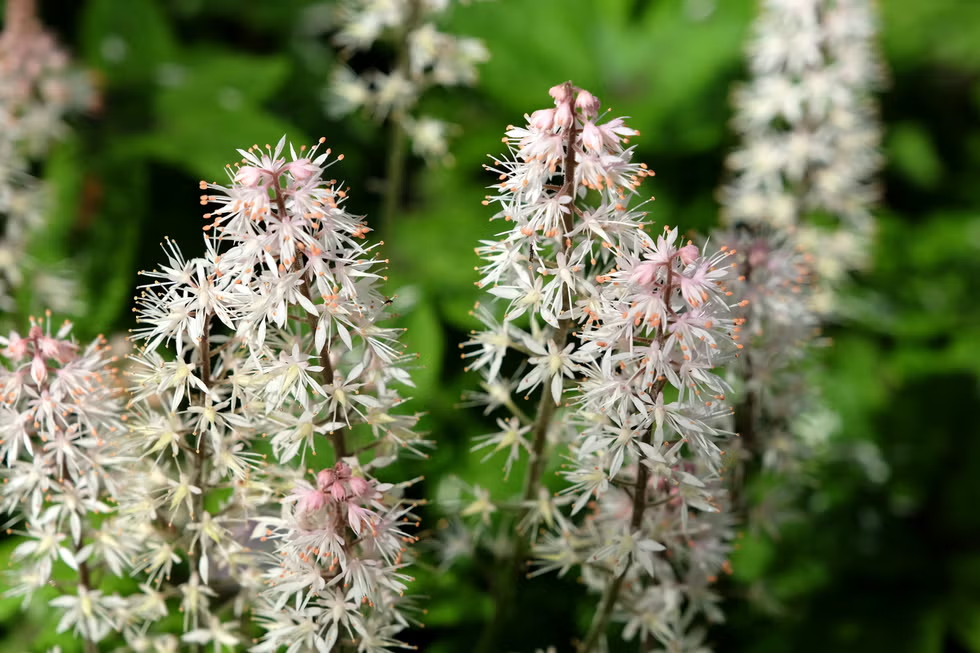
Dry shade kills off a lot of plants. Tiarella barely notices. Its lobed leaves emerge in bronzy tones each spring, then settle into a low, semi-evergreen mat that fills in bare ground fast.
Come spring, tiny star-shaped flowers rise above the foliage in white or soft pink.
Plant it in dappled to light shade, zones 4-9. It tolerates deep shade too, better than most of its shade-loving cousins.
Once established, it handles drier soil without much fuss, which makes it a smart pick for that tricky spot under a tree where nothing else seems to want to grow.
Good to know: It spreads slowly by runners to form a solid groundcover. Give it a season or two before expecting full coverage.
7. Ferns
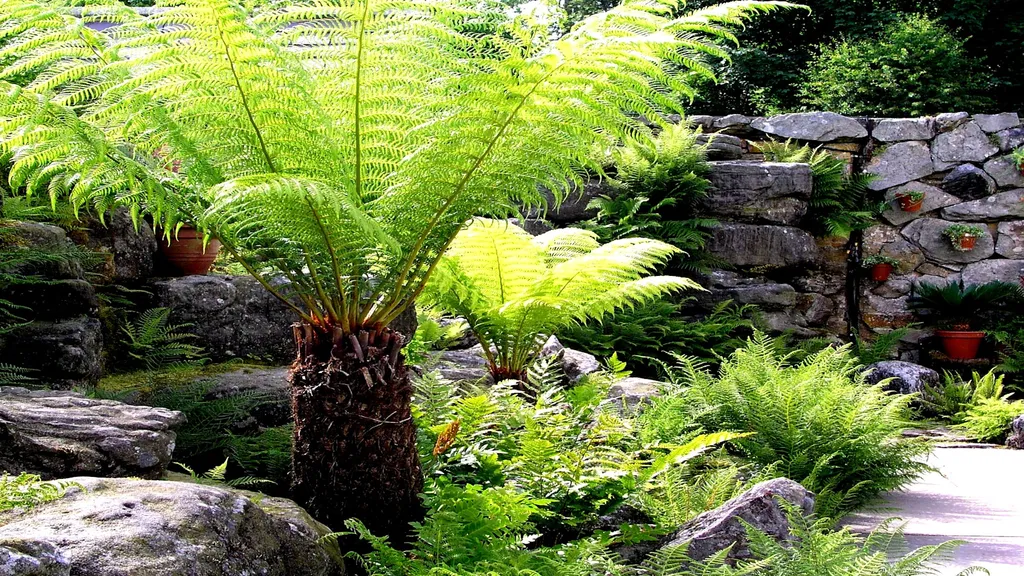
You see a dark, forgotten corner of the yard. Ferns see a blank canvas. While other plants beg for light, ferns do their best work in deep shade, turning dim spots into something lush and alive.
I always think of their fronds as the shade garden’s structure — they don’t need flowers to earn their place.
Most types are hardy zones 3-8. They want humus-rich, consistently moist soil, and they thrive under a tree canopy where the ground stays cool.
Skip the fertilizer. Ferns do better with compost worked into the soil than with anything synthetic.
Good to know: Let the soil dry out even once during establishment, and you’ll set the plant back. Water deeply and often the first season.
8. Toad Lily
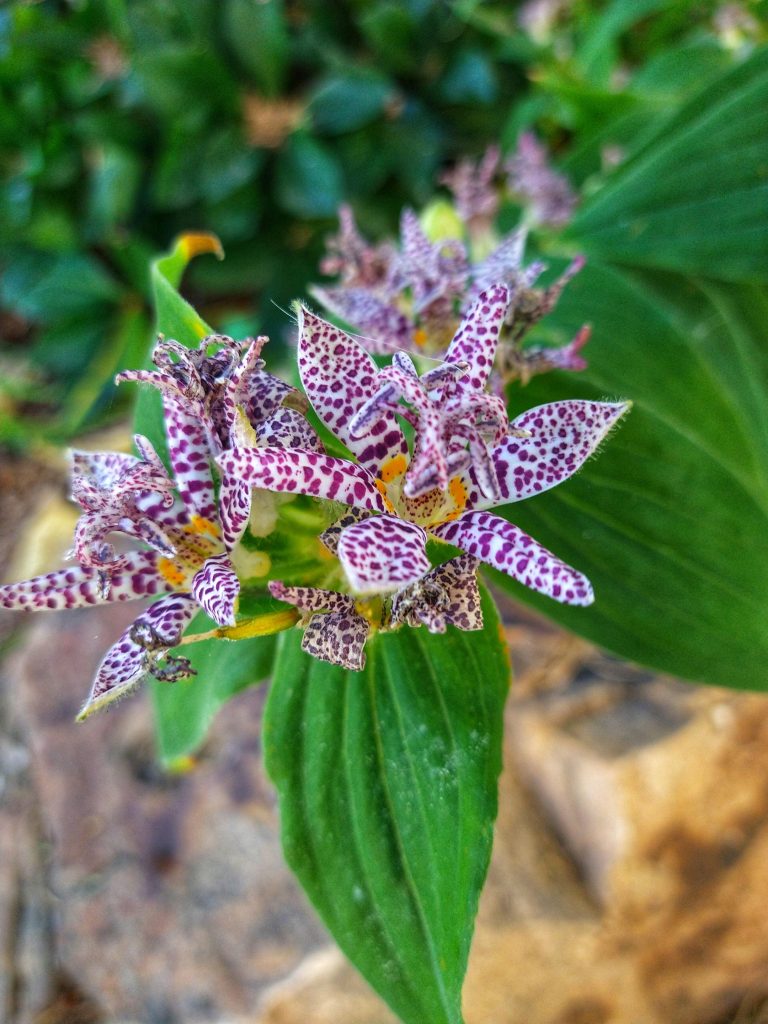
Toad lily proves that shade doesn’t mean boring. Its orchid-like flowers show up in late summer and stick around into fall.
They’re small, but the purple-speckled petals demand a closer look. Nothing else blooming in deep shade at that time of year looks quite like this.
It handles partial to full shade beautifully, even thriving in spots too dark for most other flowering perennials. Zones 4-9 work well.
Give it moist, well-drained soil rich in organic matter, and it’ll reward you with minimal fuss. It’s also deer resistant, which is a nice bonus for anything blooming this late in the season.
Good to know: It spreads slowly by rhizomes, so it pairs well with hostas and ferns without crowding them out.
Shade Garden Design Tips That Actually Work
A beautiful shade garden doesn’t just happen by accident.
Good design makes the difference between a space that feels intentional and one that just looks like a random collection of plants dumped in the dark.
I learned this the hard way after years of just randomly shoving plants into shady corners and wondering why nothing looked right.
1. Group Plants for Bold Impact
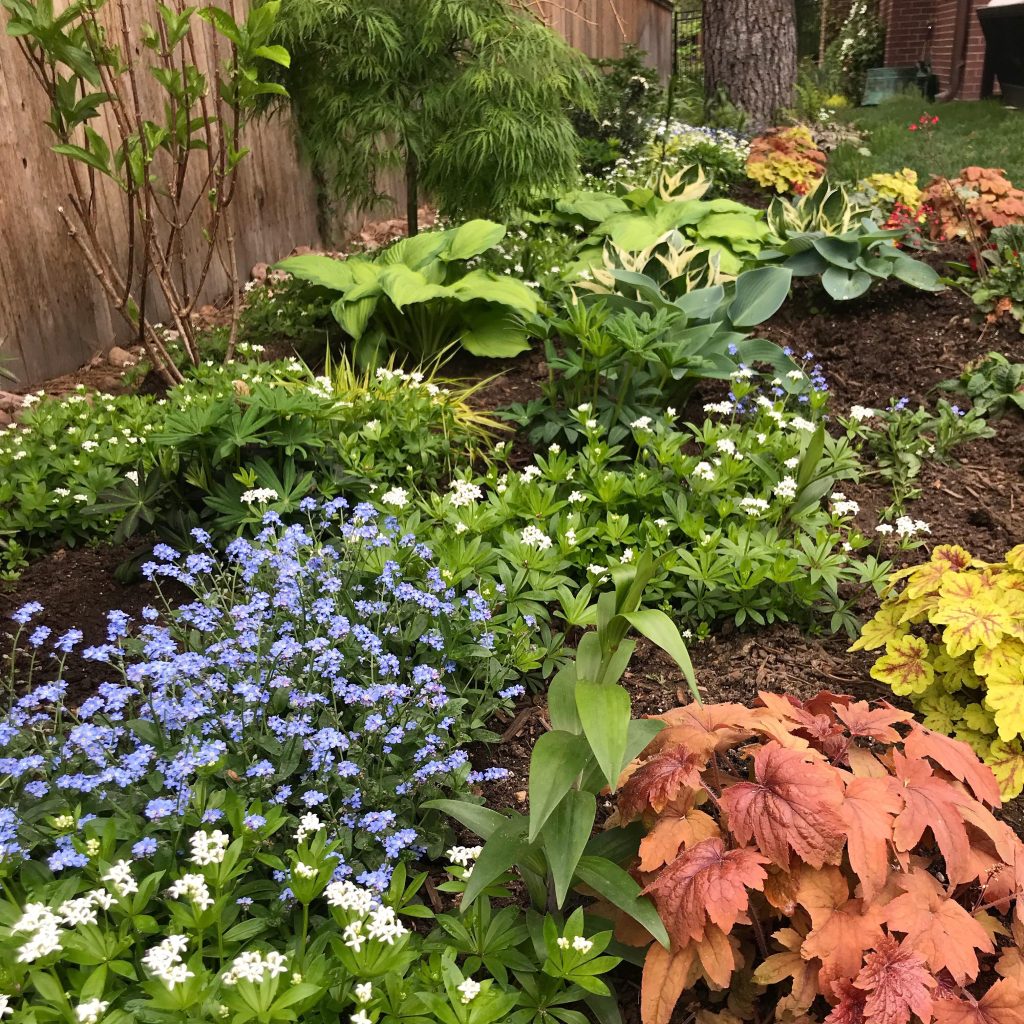
Scattering single plants across a large shaded area rarely works well. Grouping three to five of the same plant together creates bold, eye-catching drifts that read clearly even from a distance.
Think of how a clump of bright pink astilbe plumes draws your eye through a garden — one lonely plant simply cannot do that job.
2. Repeat Plants for Unity
Repetition is one of the most powerful design tools in any garden, and honestly, once I started using it, my shade borders went from looking messy to looking magazine worthy.
Pick two or three plants you love and repeat them throughout the space to create a sense of flow and cohesion.
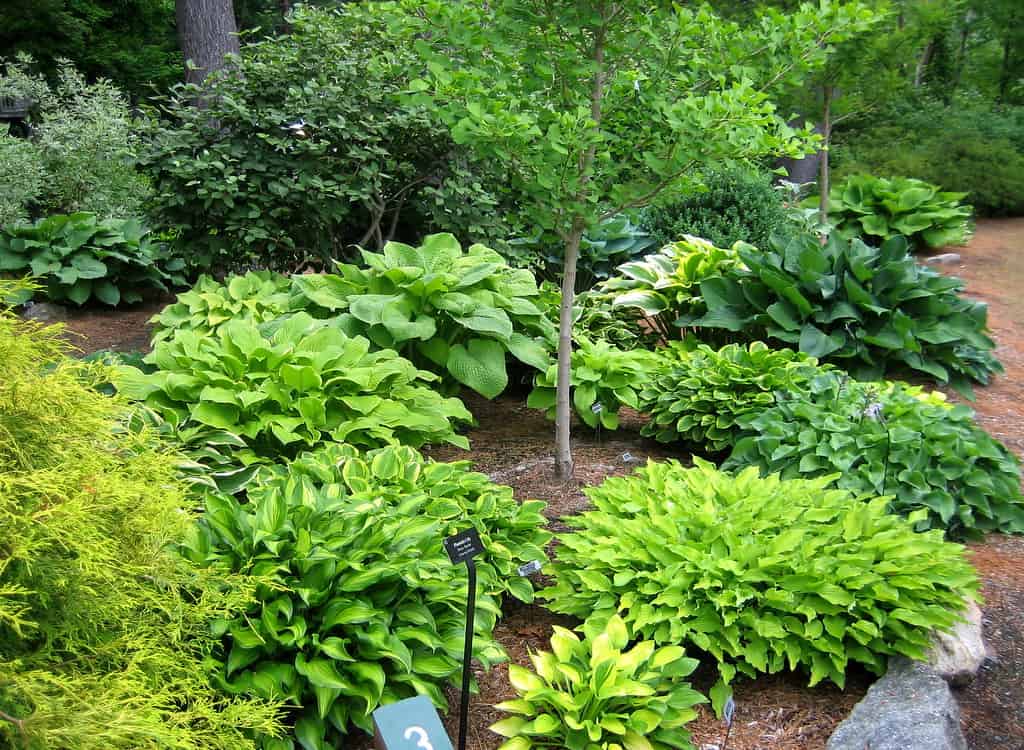
Hostas work brilliantly for this, use varieties with different leaf colors and patterns but a similar shape, and the whole border will feel intentional without looking identical.
3. Keep the Center Low
Tall plants at the edges, shorter ones in the middle — this simple trick preserves open sightlines across your garden.
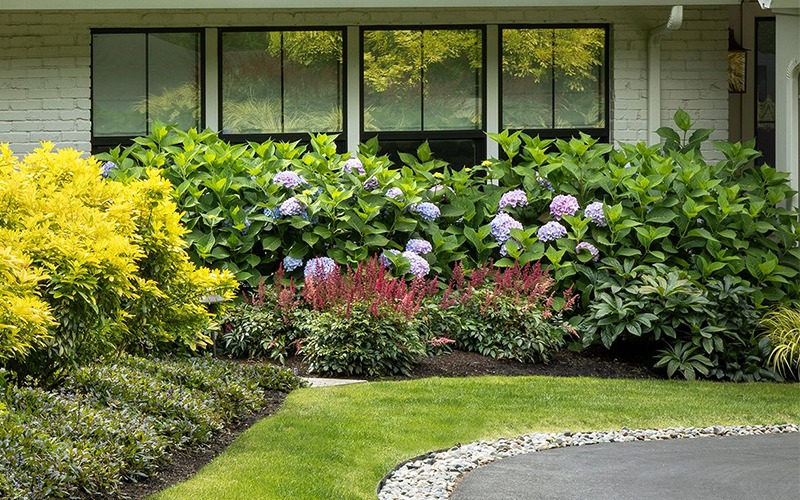
I promise it makes even a small space feel much larger. Woodland glades feel spacious and airy because the understory stays low beneath the tall tree canopy.
Recreating that layered effect in your own shade garden gives it a natural, peaceful quality that feels genuinely restful.
4. Use Color Thoughtfully in Low Light
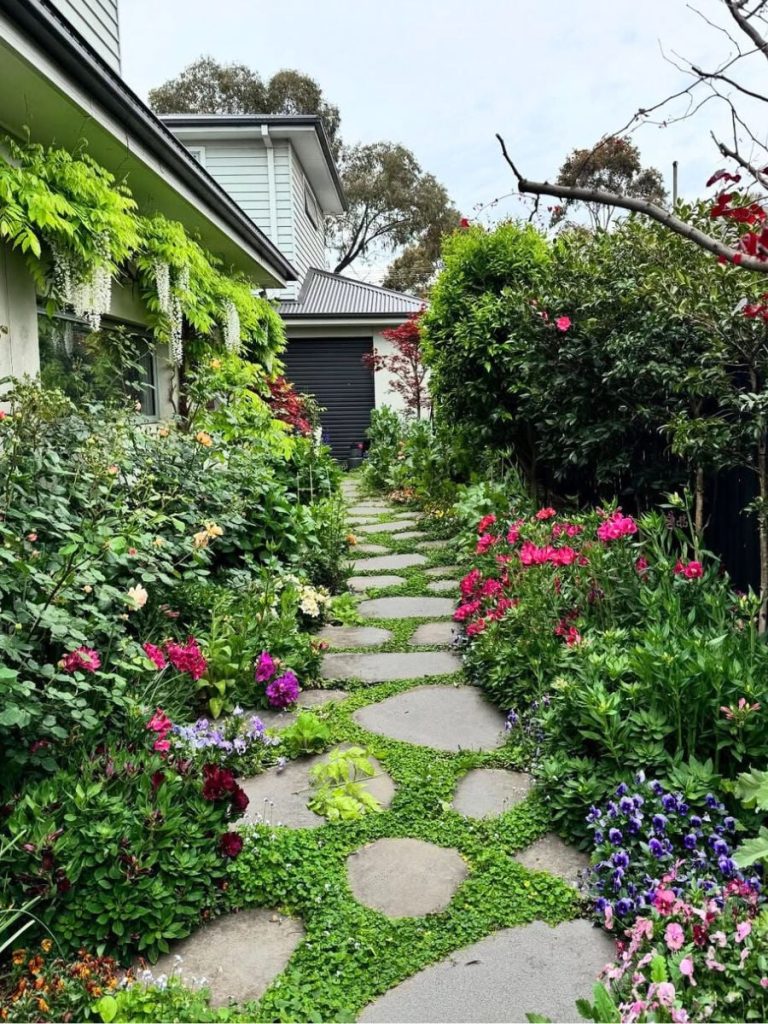
Color behaves differently in shade than it does in full sun, and this is something I wish someone had told me years ago.
Bright, saturated colors can look muddy and heavy in dim light, while pale, soft tones practically glow.
Getting this right completely changed how my shade garden felt on a cloudy afternoon.
5. Go Pale and Pastel
Soft pinks, whites, and pale blues are the most effective colors in a shade garden.
Garden designer Sandi Burdick of Tennessee deliberately chose muted pinks and blues with white accents for her hillside shade retreat, and the result feels calm and luminous even on overcast days.
Pale flowers also help guide you along garden paths after the sun goes down — a little trick I now use in my own garden every single year.
6. Add Chartreuse for Zip
Pure pale tones can sometimes feel flat, and you will notice it quickly once the initial spring flush fades.
A few touches of bright chartreuse or golden yellow, think golden-leaved hostas or lady’s mantle, add energy without disrupting the soothing mood.
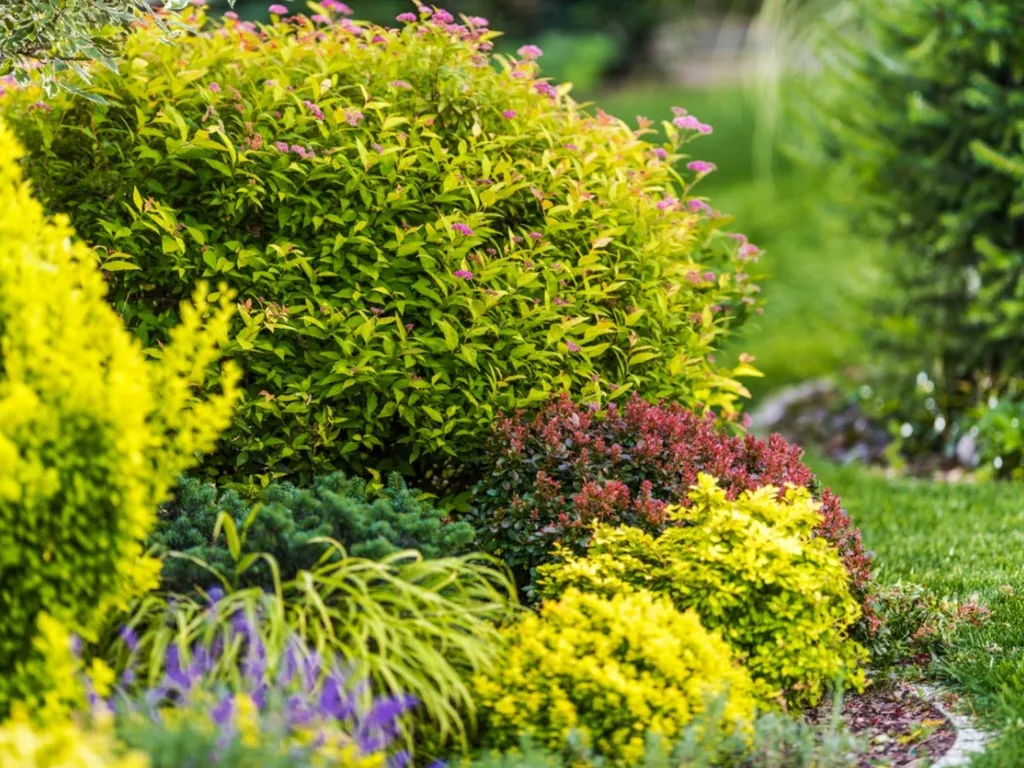
That contrast between soft and bright is what keeps a shade garden interesting across the whole season, and I genuinely think it is the secret ingredient most beginner shade gardeners overlook.
7. Add Texture With Foliage Plants
Flowers grab attention, but foliage carries a shade garden through the months when nothing is blooming.
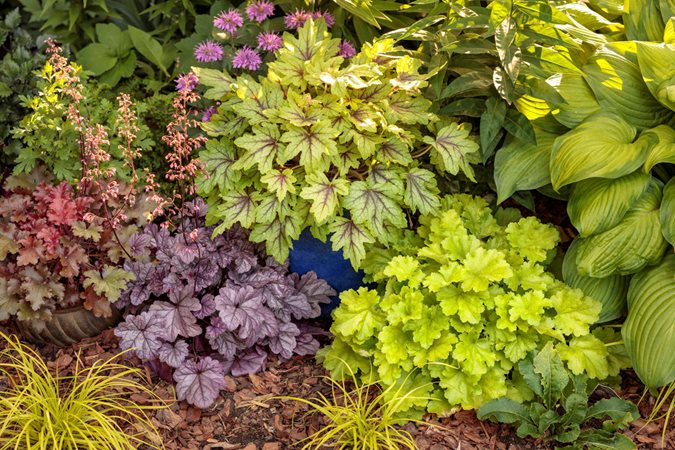
Smart gardeners treat leaves as the main event and flowers as the bonus and once you shift your thinking that way, designing a shade garden suddenly becomes a whole lot easier and more fun.
Ferns for Movement and Depth
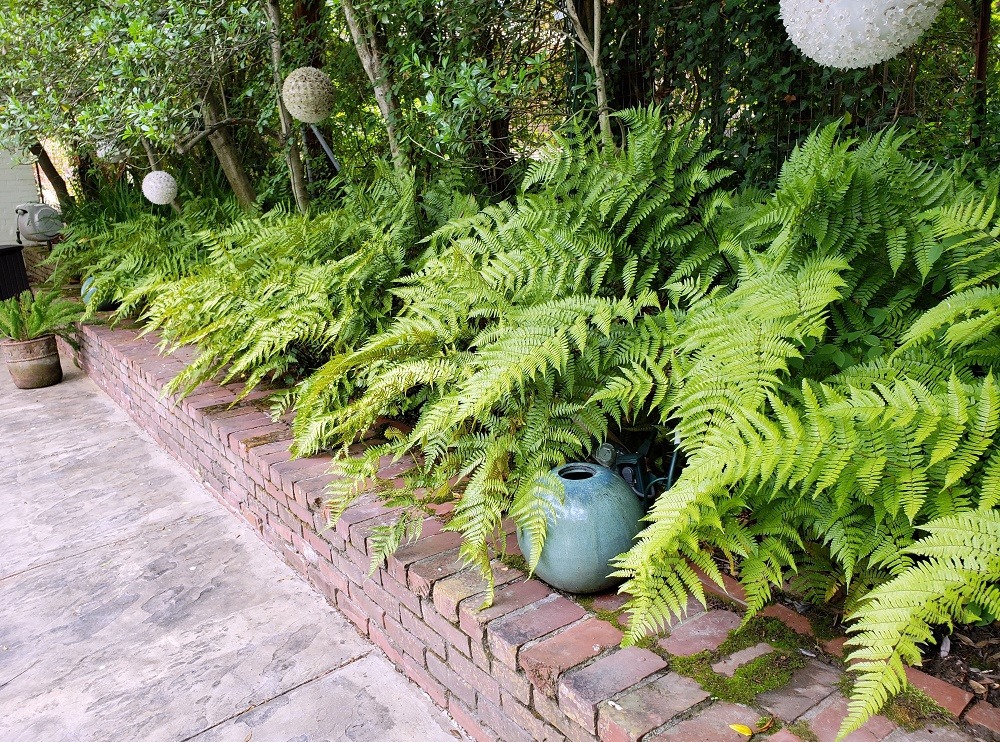
Ferns bring an unmatched lacy texture to shaded spaces, and they are one of my personal go-to plants whenever I want to fill a tricky dim corner quickly.
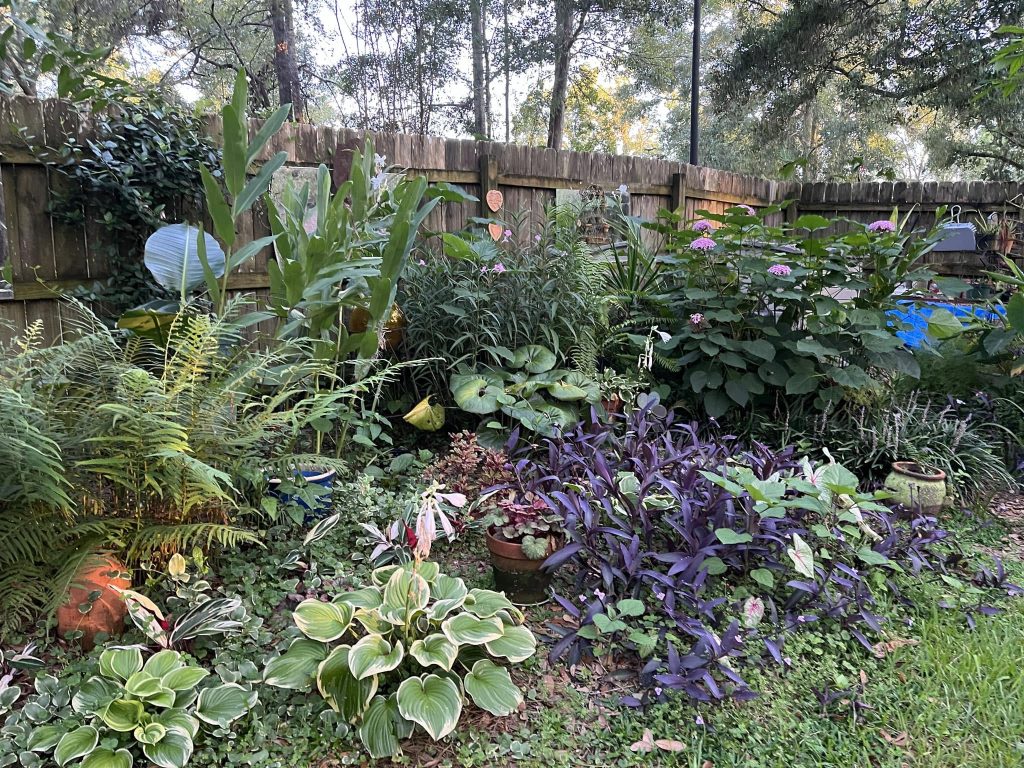
Their intricate fronds sway gently in any breeze, adding movement and life to what can otherwise feel like a very still corner of the garden.
Japanese Painted Fern, Maidenhair Fern, and Lady Fern are three reliable choices worth tracking down at your local nursery.
Coral Bells for Year-Round Color
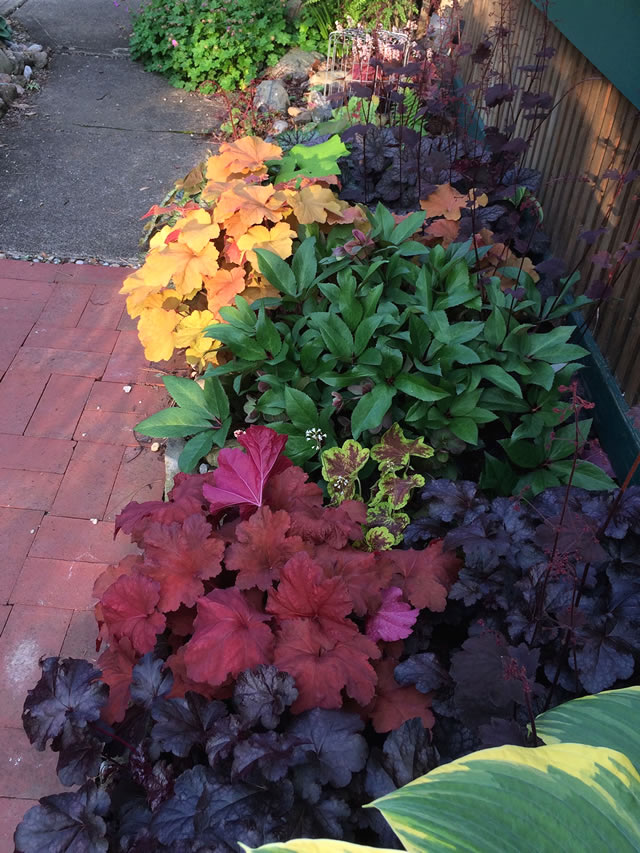
Coral Bells (Heuchera) come in an extraordinary range of foliage colors, like- deep burgundy, bright lime green, copper, and almost black.
Even when the delicate flower spikes are not present, the leaves alone earn their place in the border, and I have never once regretted planting them.
Pollinators love those tiny flowers too, so Coral Bells pull double duty in the garden ecosystem and give you something to feel genuinely good about every time you walk past.
Practical Tips for a Thriving Shade Garden
So you have chosen your plants and thought about your design. Now comes the part that actually determines whether your shade garden looks lush and gorgeous or sad and struggling .
These are the tips I wish I had known before I killed my first few rounds of shade plants through pure ignorance.
Get Your Soil Right First
Shade plants are generally forgiving, but they are not miracle workers. Well-draining, organic-rich soil that holds moisture without becoming waterlogged is the sweet spot every shade garden needs.
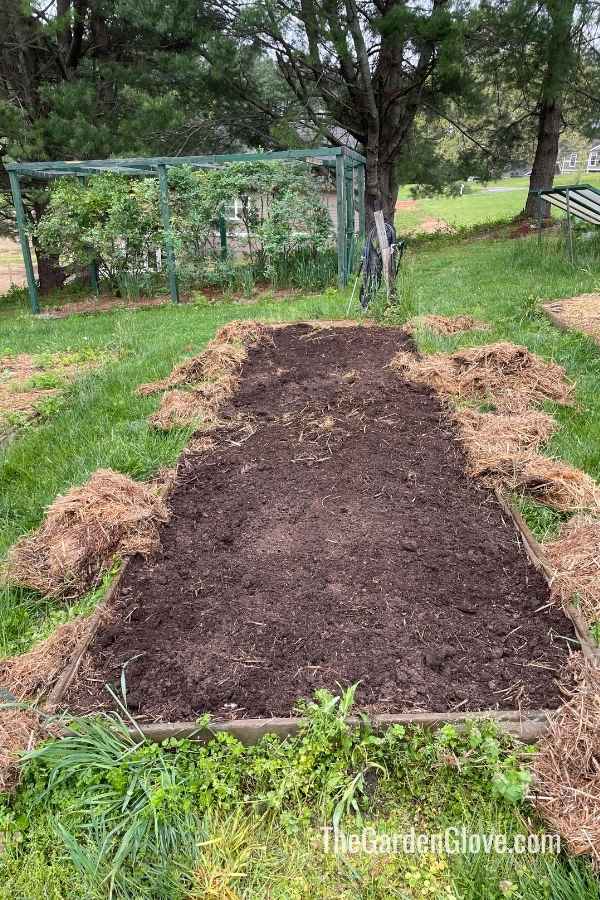
I always work in a generous amount of compost before planting anything, and the difference it makes to plant health is honestly remarkable.
Slightly Acidic pH Is Your Friend
Most shade-loving plants prefer a slightly acidic to neutral soil pH. If your soil is very alkaline, your plants will struggle no matter how carefully you water and feed them.
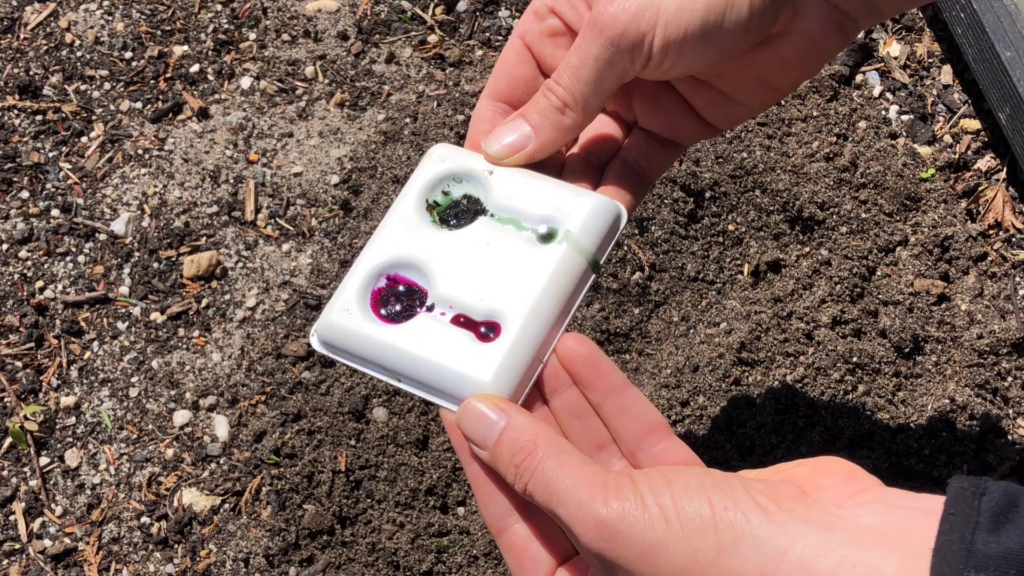
A simple soil test from your local garden center costs very little and can save you a season of frustration.
Mulch Is Non-Negotiable
Every experienced shade gardener I have ever spoken to swears by mulch, and I completely agree with them.
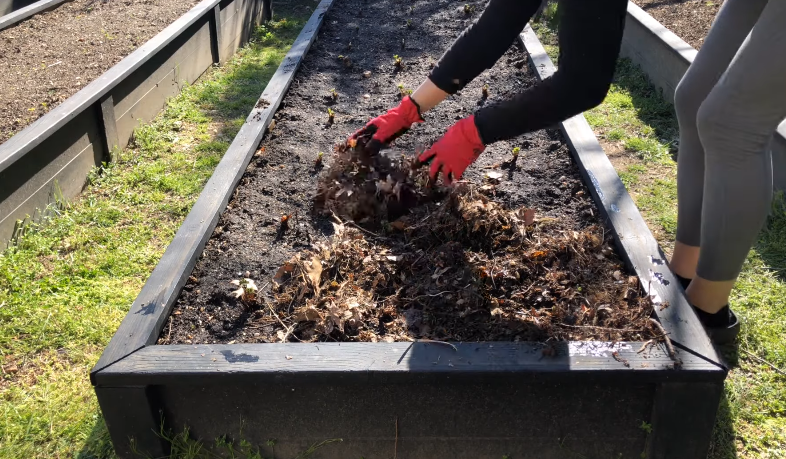
A good layer of shredded bark or leaf mulch suppresses weeds, retains moisture, regulates soil temperature, and breaks down over time to feed the soil.
Spread it every spring and your shade garden will reward you with noticeably healthier, happier plants all season long.
Tackle the Watering Challenge
Here is something that surprises a lot of new gardeners — shaded areas can actually get quite dry. Tree roots compete aggressively for moisture, and the canopy above often prevents rain from reaching the soil directly below.
Soaker Hoses Are a Game Changer
Running a soaker hose through your shade beds is one of the smartest investments you can make. Water goes exactly where the roots need it, with zero wastage from evaporation or runoff.
I set mine on a simple timer and honestly forget about watering for most of the summer.
Bring in Annuals for Season-Long Color
Perennials form the backbone of any great shade garden, but they come and go with the seasons. Annuals fill the gaps and keep your garden looking colorful and interesting from late spring right through to the first frost.
My Favorite Shade Annuals
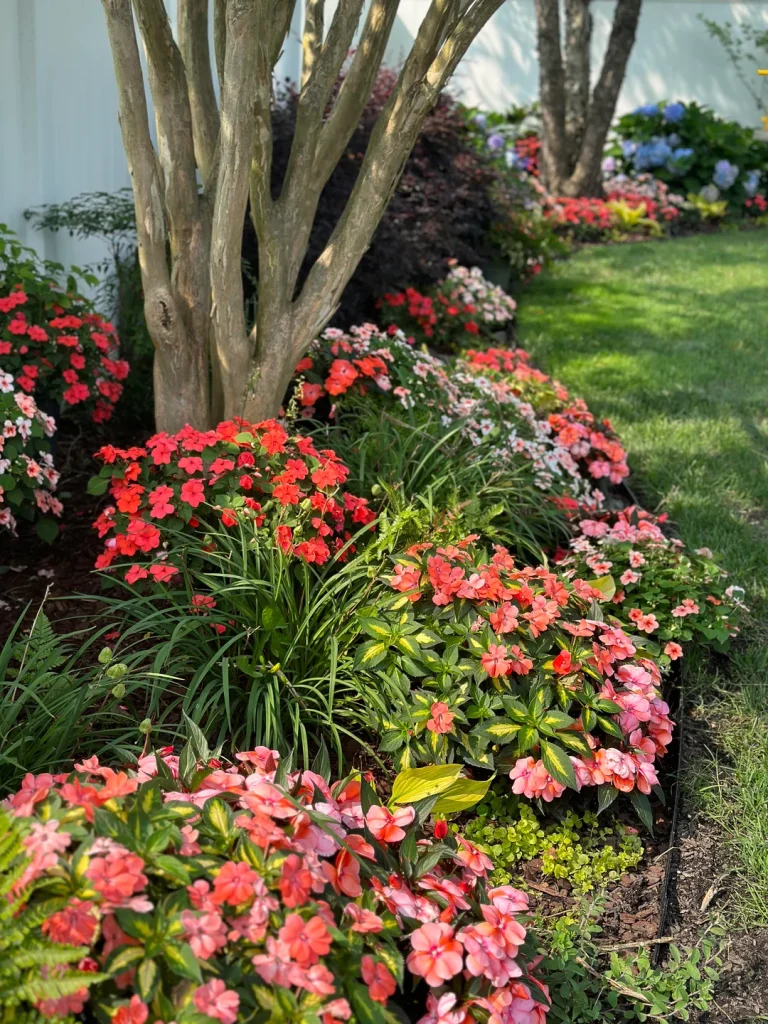
Impatiens are the classic choice, and they earn that reputation by blooming non-stop in even quite deep shade.
Coleus brings incredible foliage color in purples, reds, and limes that honestly rivals any flower.
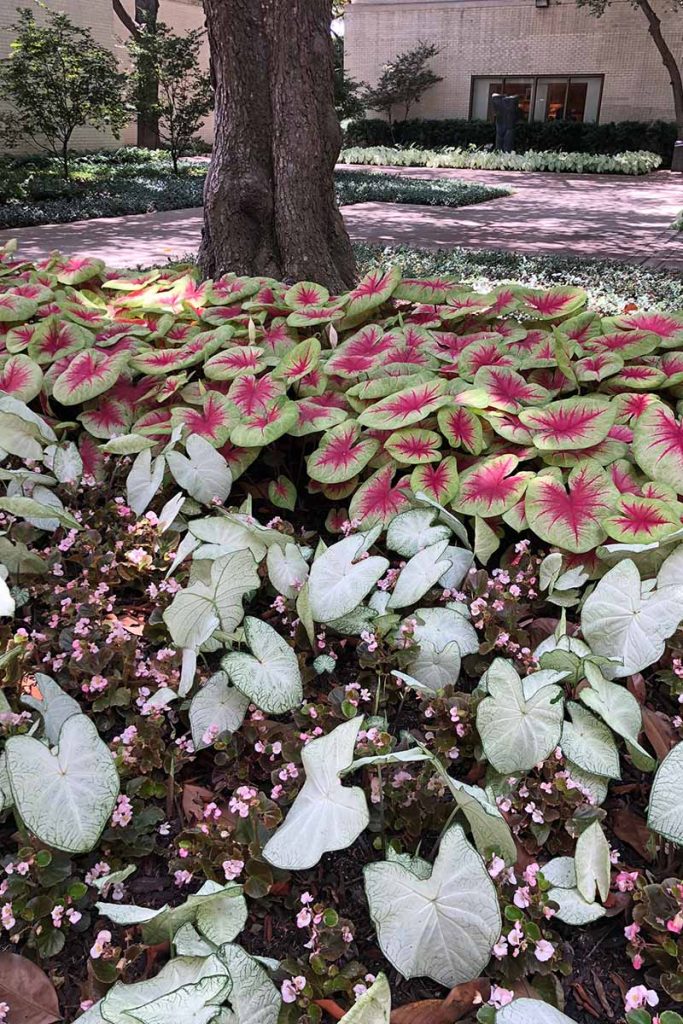
Caladiums, tuberous begonias, and the polka dot plant (Hypoestes) are three more annuals I personally reach for whenever I need to brighten up a dim spot quickly and reliably.
Creative Ideas to Make Your Shade Garden Special
You have got the plants sorted and the practical side covered. Now let’s make your shade garden truly memorable.
The difference between a good shade garden and a great one often comes down to the extra touches; the water features, the paths, the little decorative details that give the space real personality and charm.
1. Add Water for an Instant Atmosphere Upgrade
There is something almost magical about the sound of flowing water in a shaded garden. The combination of cool air, dappled light, and gentle water sounds creates a sensory experience that no sunny border can really match.
You Don’t Need a Big Budget
A full waterfall and recirculating stream like the one Sandi and Tom built on their Tennessee hillside is absolutely stunning, but most of us are working with far smaller spaces and budgets.
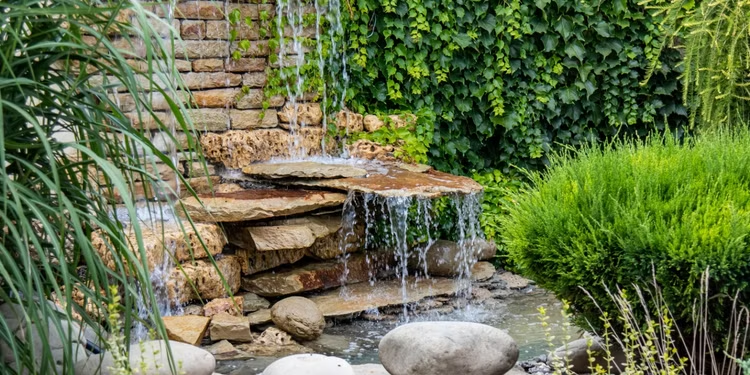
Even a simple container fountain or a small pre-formed pond creates that same calming atmosphere and attracts an astonishing number of birds year-round.
Running water draws wildlife in a way that static bird baths simply cannot replicate.
2. Use Rocks and Stone Naturally
If you uncover rocks while digging or grading your garden beds, resist the urge to cart them away.
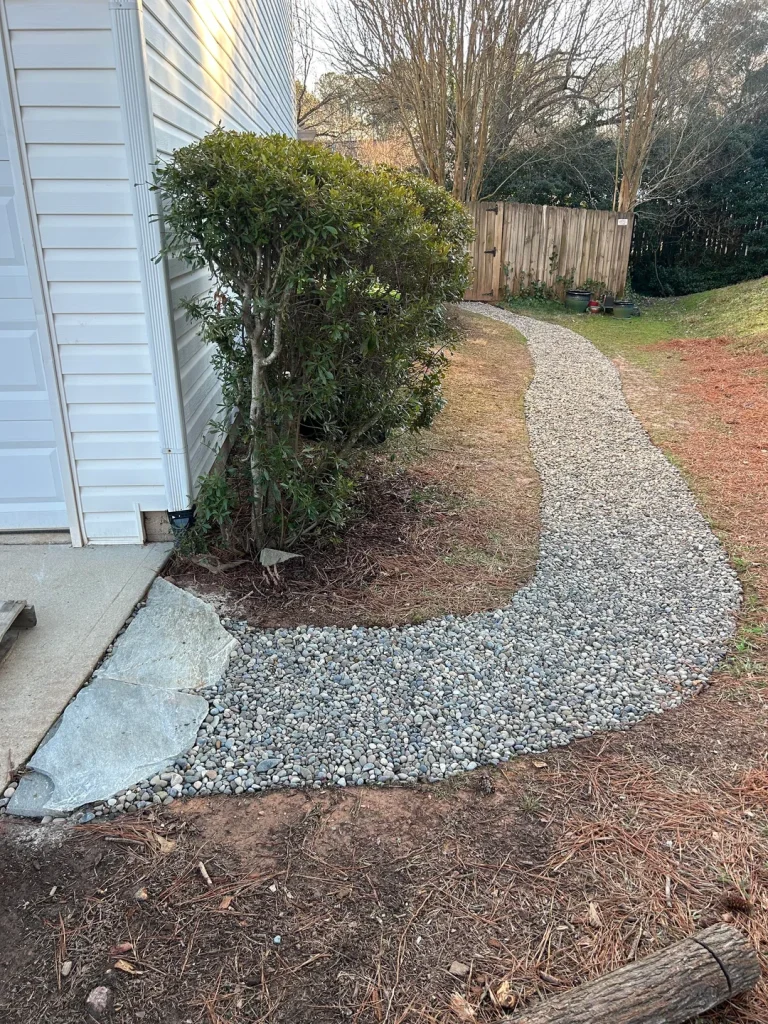
Natural stone used in paths, steps, and edging gives a shade garden an organic, woodland feel that manufactured materials struggle to match.
Just remember to use sand or a non-slip sealant on stone surfaces in shaded areas, since they can get surprisingly slippery when damp.
3. Create Paths That Invite Exploration
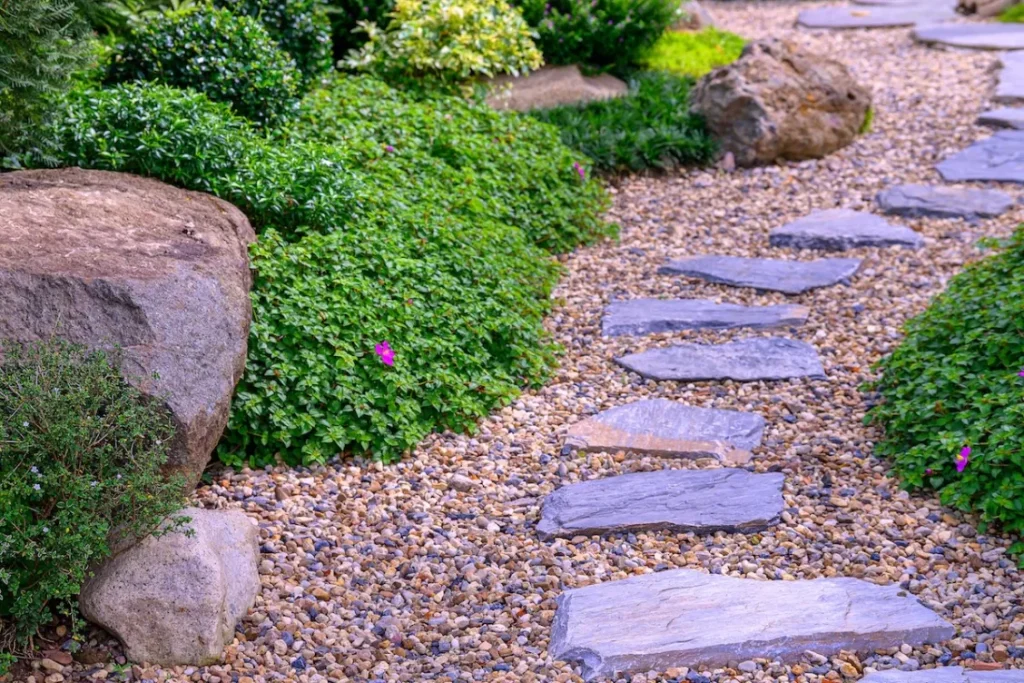
A shade garden with a winding path feels completely different from one you can only view from the edge.
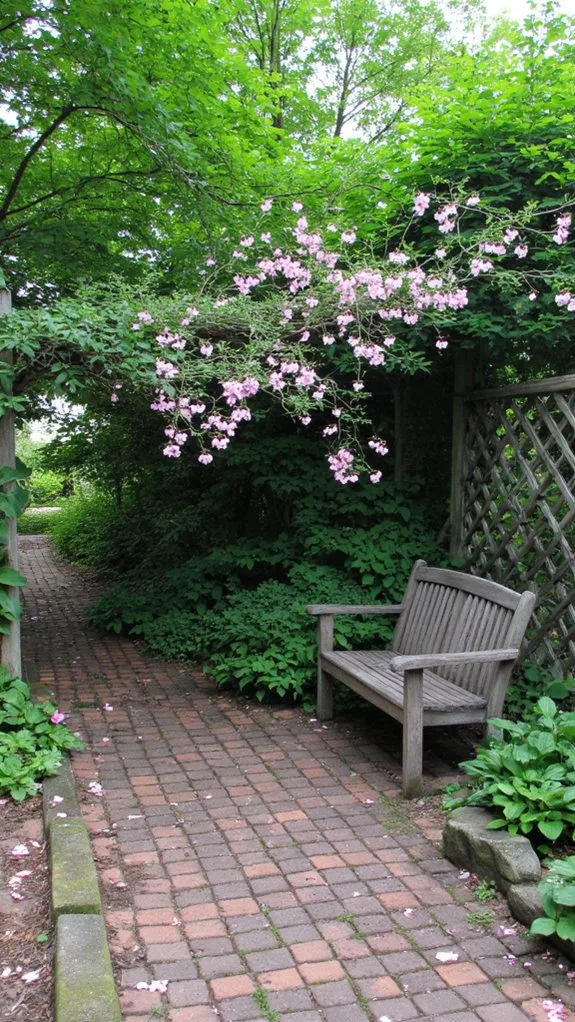
Paths draw people in and encourage them to slow down, look closely, and actually experience the space rather than just glance at it from a distance.
Think About Flow and Function
Your path does not need to go in a straight line — in fact, a gently curving path through a shade garden feels far more natural and inviting.
Stone, bark chip, and gravel all work beautifully in shaded settings, each giving a slightly different character to the space.
I personally love the look of flat stepping stones set into the ground with low groundcover plants like Vinca Minor or Lamium spilling softly around their edges.
4. Plan a Gathering Spot
Every great garden needs somewhere to actually sit and enjoy it.
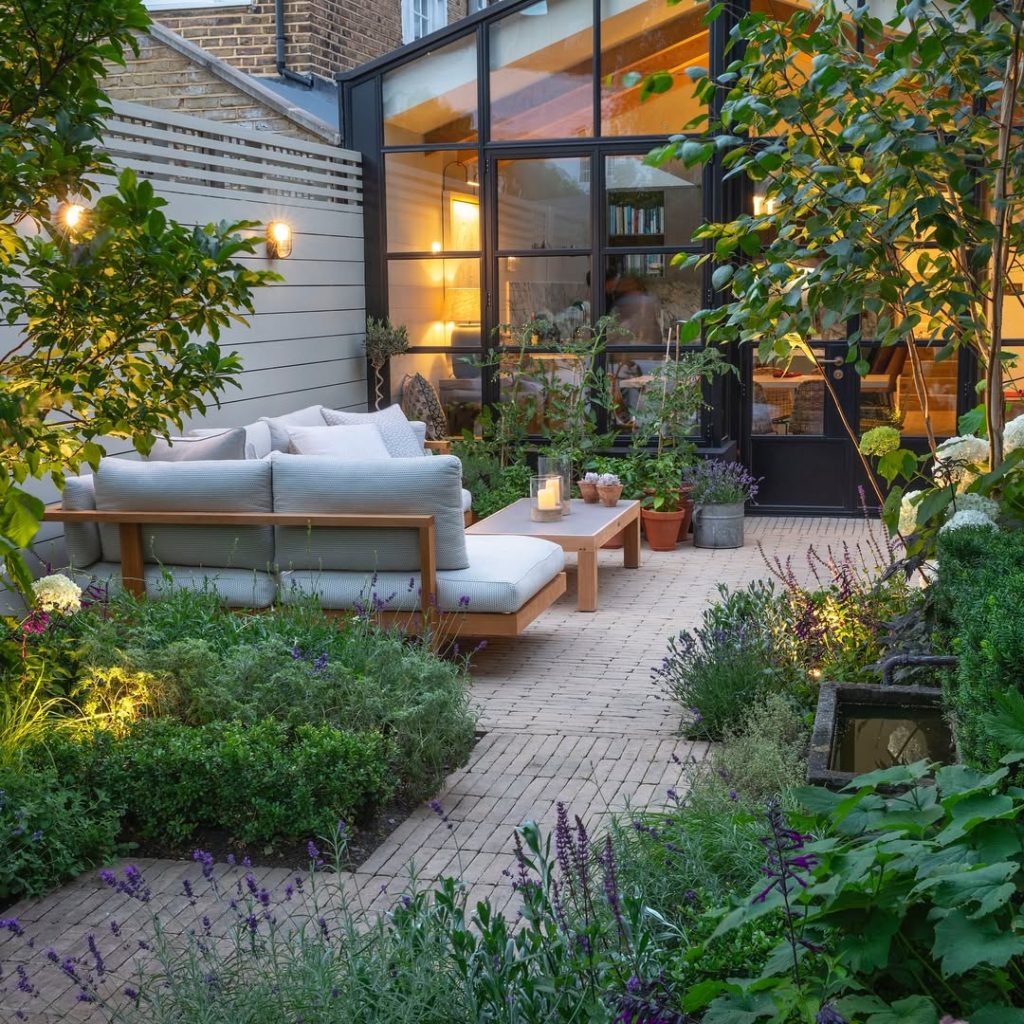
Tucking a bench or a couple of chairs into a shaded corner gives you a destination within the garden, a reason to walk all the way through rather than stopping at the entrance.
Position your seating where you get the best view back across the planting — there is nothing better than sitting in the cool shade on a hot afternoon and looking out over a garden you created yourself.
5. Use Decor to Add Personality
Garden decor gets a bad reputation sometimes, but used thoughtfully it adds genuine warmth and character to a shade garden.
The key is choosing pieces that feel like they belong in the space rather than items that look like they were randomly placed there.
Embrace Upcycled and Rustic Pieces
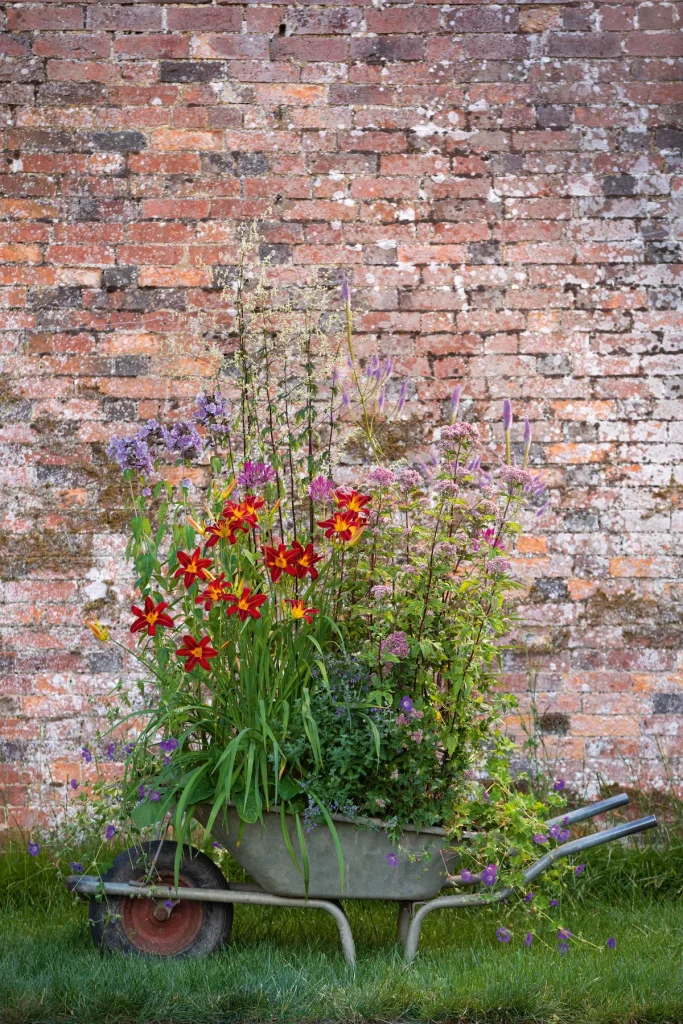
An old wheelbarrow planted up with shade annuals, a vintage chair used as a plant stand, a weathered birdhouse perched on a stump.
These kinds of rustic, upcycled touches suit a shade garden perfectly because they echo the natural, relaxed feeling of the space.
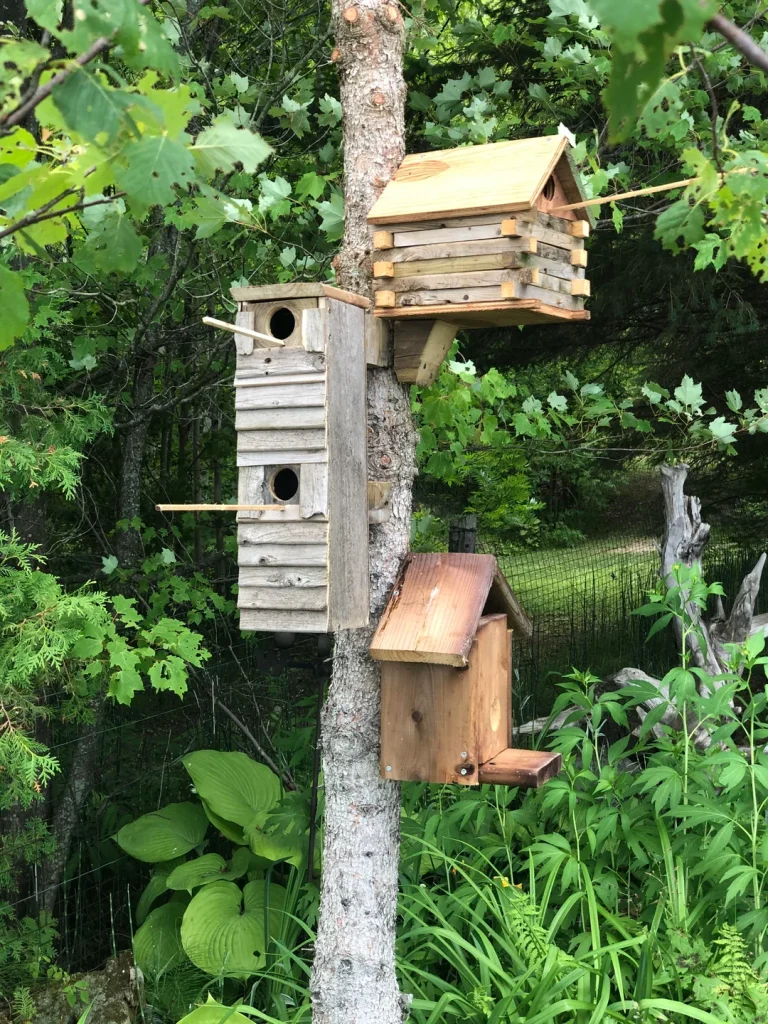
I have seen a friend transform an otherwise ordinary shaded corner simply by placing a mossy log and a rustic birdhouse near a clump of hostas, and the effect was genuinely charming.
Final Thought
Shade is not the enemy of a beautiful garden. Honestly, some of my favorite garden spaces I have ever visited have been deeply shaded, quiet, lush retreats that felt like stepping into another world entirely.
Start with the right plants for your specific light conditions, group them boldly, keep your soil healthy, add some water or stone for atmosphere, and do not forget those late-season bloomers that keep things interesting right to the end.
Your shady corner has far more potential than you think — all it needs is a little imagination and the confidence to get started.