12 Creative Container Herb Garden Ideas for Small Spaces

A container herb garden is one of those small home projects that feels almost suspiciously rewarding. You plant a few humble herbs in pots, give them sun and water, and suddenly your kitchen has main-character energy.
The best part? You do not need a backyard, a greenhouse, or the patience of a medieval monk. A sunny balcony, a patio corner, a kitchen windowsill, or even a small outdoor table can become a working herb garden.
Container herb gardens are practical, pretty, and wonderfully forgiving. They let you grow what you actually use, move plants around when the weather gets moody, and style your space without committing to a full garden bed.
So, let’s walk through the best container herb garden ideas, from simple kitchen pots to stylish Mediterranean planters, tea gardens, hanging baskets, and charming vintage tubs.
What Is a Container Herb Garden?
A container herb garden is exactly what it sounds like: herbs grown in containers instead of directly in the ground. These containers can be pots, planters, baskets, grow bags, tubs, buckets, window boxes, or repurposed vintage pieces.
It is gardening with flexibility. You choose the container, the herbs, the location, and the style.
This setup works beautifully for renters, apartment dwellers, small-space gardeners, and anyone who wants fresh herbs close to the kitchen. You can grow herbs indoors or outdoors, depending on your space and light.
Indoor Container Herb Gardens
Indoor herb gardens work well on sunny windowsills, kitchen counters, shelves, or plant stands. They are perfect when you want herbs close enough to snip while cooking.
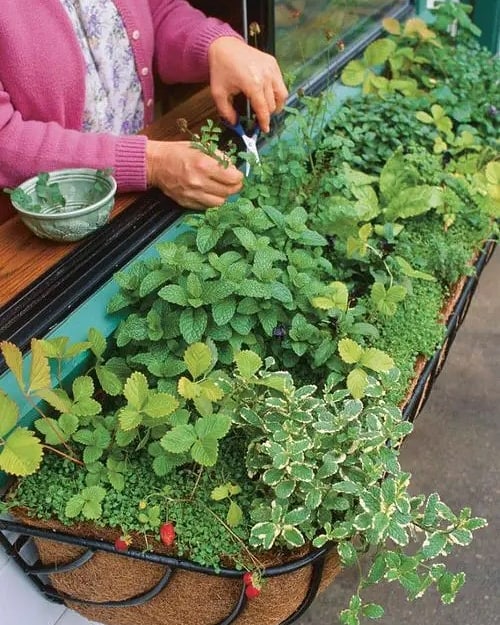
Good indoor herbs include basil, chives, parsley, mint, cilantro, thyme, and rosemary. They still need strong light, so place them near the brightest window you have.
If your kitchen is dark, a small grow light can help. Herbs are cheerful, but they are not miracle workers.
Outdoor Container Herb Gardens
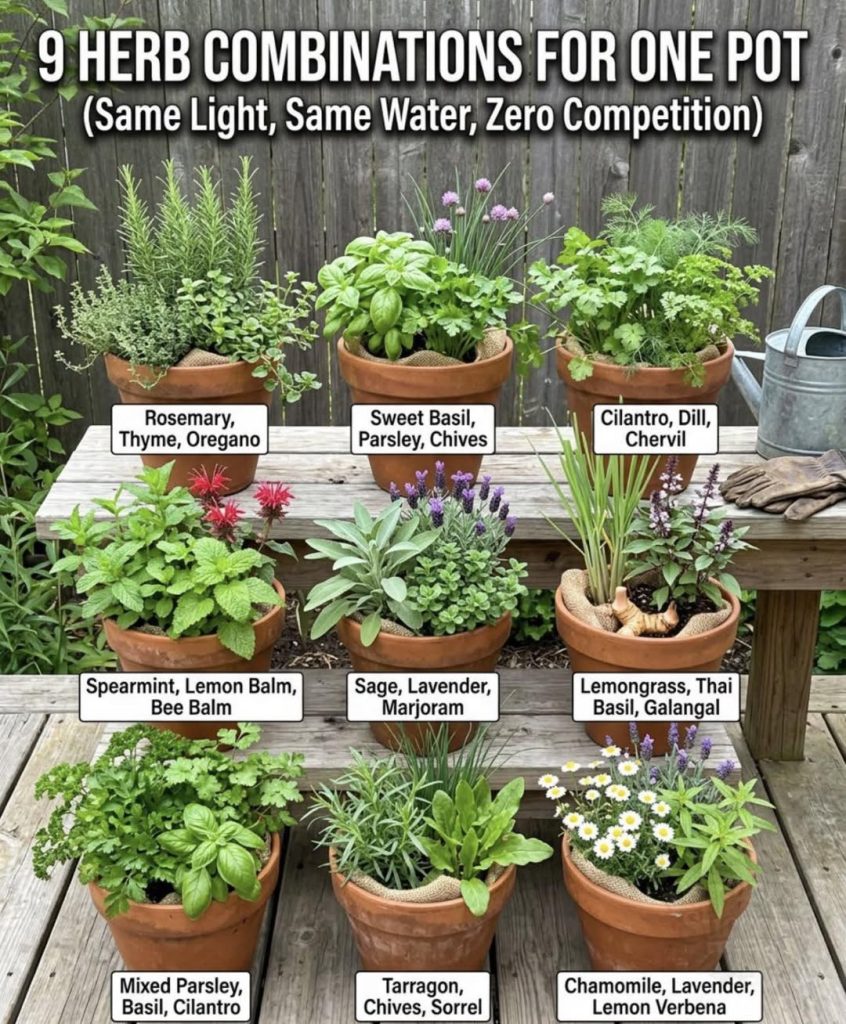
Outdoor container herb gardens give you more room to play. You can use larger pots, galvanized tubs, tiered stands, hanging baskets, and mixed herb planters.
Patios, balconies, decks, porches, and garden tables all make great homes for herbs. Outdoor herbs often grow faster because they get stronger sunlight and better airflow.
This is also where container gardening becomes decorative. A few well-placed herb pots can make a plain balcony feel like a tiny European courtyard.
Why Grow Herbs in Containers?
Growing herbs in containers makes sense on almost every level. It saves space, keeps things manageable, and gives you fresh flavor right where you need it.
You do not have to walk across the yard for a handful of parsley. You can just step outside, snip, and feel wildly accomplished.
Containers Save Space
Container herb gardens are ideal for small homes and apartments. A few pots can fit on a windowsill, balcony rail, patio step, or narrow shelf.
Vertical planters and hanging baskets make the most of tight spaces. They let you grow upward instead of spreading across the floor.
Even one pot can make a difference. A single basil plant on a sunny sill can upgrade your cooking all summer.
They Are Easy to Move
One major benefit of containers is mobility. You can move herbs into more sun, out of harsh wind, or away from heavy rain.
This matters because herbs can be picky in small ways. Rosemary wants sun and dry feet, while parsley prefers steadier moisture.
With containers, you can adjust quickly. Your garden does not have to suffer because one corner of your patio turned into a wind tunnel.
They Keep Herbs Convenient
A container herb garden works best when it sits close to daily life. Place it near the kitchen door, beside the grill, on a potting bench, or by an outdoor dining area.
When herbs are easy to reach, you use them more often. That is when the garden becomes part of your routine, not just a cute project you forget about.
Fresh herbs also make ordinary meals feel intentional. A potato salad with chives suddenly has opinions.
They Help Control Aggressive Herbs
Some herbs have big ambitions. Mint, especially, does not understand personal boundaries.
In the ground, mint can spread fast and take over garden beds. In a container, it stays contained and much easier to manage.
Lemon balm can also spread enthusiastically. A pot gives it room to grow without letting it stage a full garden takeover.
They Look Beautiful
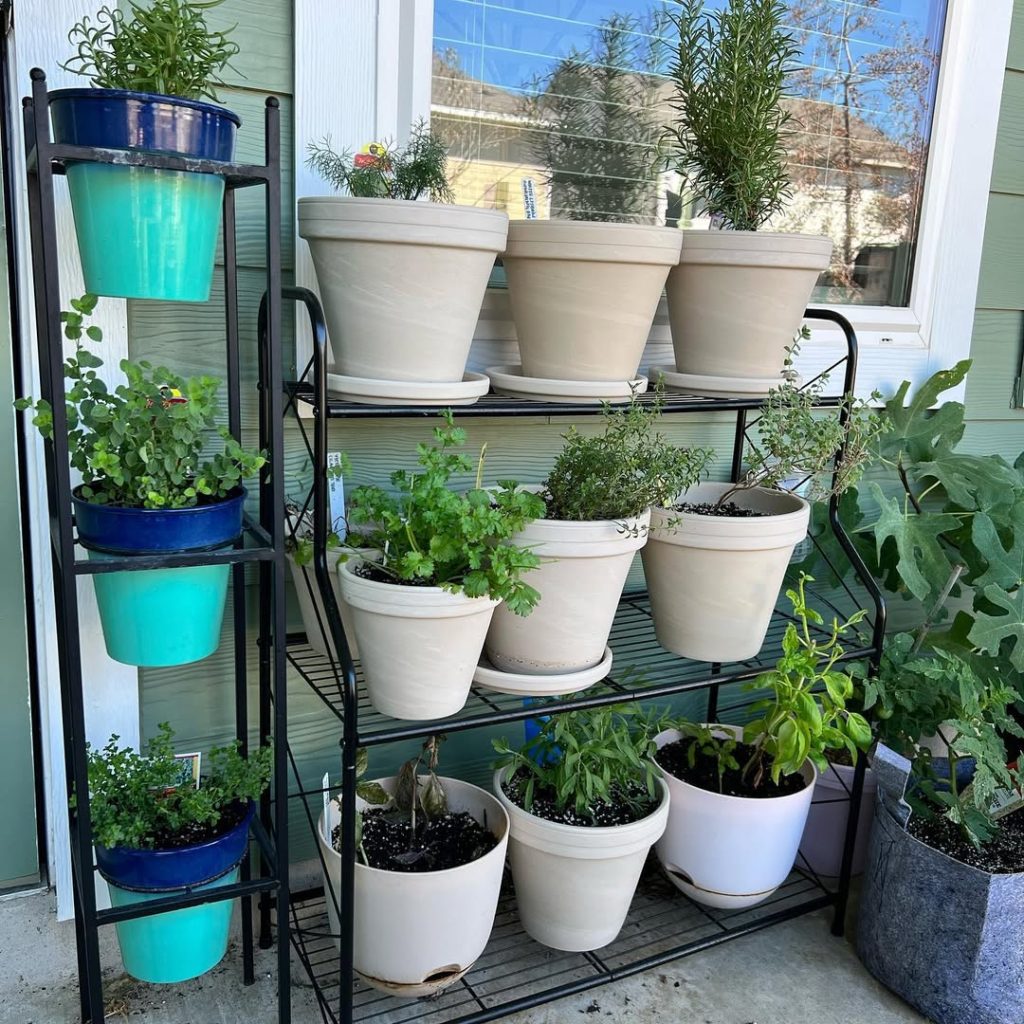
Herbs are useful, but they are also good-looking plants. Rosemary adds height. Parsley brings soft texture. Thyme spills gently over edges. Basil looks lush and generous.
You can style herb containers to suit your home. Terracotta feels Mediterranean. Galvanized tubs feel farmhouse. Glazed ceramic pots feel polished and modern.
A container herb garden can feed your kitchen and dress up your space. That is a very efficient little garden.
Best Herbs for Container Gardens
Before you choose your containers, think about the herbs you actually want to use. The best herb garden is not the one with the longest plant list. It is the one you keep snipping from.
Start with herbs you already cook with, drink, or enjoy smelling. Then group them by light and watering needs.
7 Easy-to-Grow Herbs for Containers
| Herb | Sunlight Needs (Hours/Day) | Watering Frequency | Best For |
|---|---|---|---|
| Basil | 6–8 | When top inch of soil is dry | Pestos, pasta sauces, salads |
| Mint | 4–6 | Keep soil consistently moist | Teas, cocktails, desserts |
| Rosemary | 6–8 | Allow soil to dry out | Roasted meats, potatoes, breads |
| Thyme | 6–8 | Allow soil to dry out | Soups, stews, roasted vegetables |
| Parsley | 4–6 | Keep soil consistently moist | Garnishes, sauces, salads |
| Chives | 4–6 | When top inch of soil is dry | Eggs, potatoes, dips, garnishes |
| Cilantro | 4–6 | Keep soil consistently moist | Salsas, guacamole, curries |
Basil
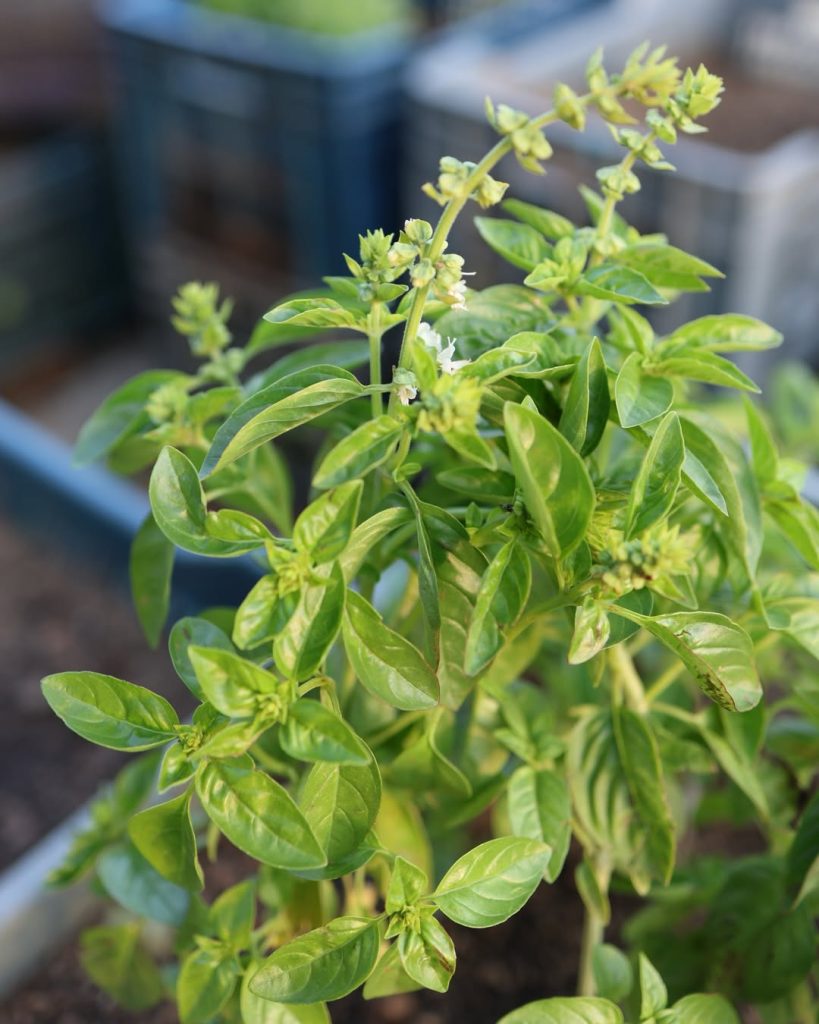
Basil is the poster child for summer herb gardening. It loves warmth, bright light, and regular harvesting.
Give basil around 6 to 8 hours of sunlight each day. Water it when the top inch of soil feels dry.
Use basil in pasta, pesto, salads, sandwiches, tomato dishes, and homemade pizza. Pinch off flowers when they appear, because flowering can make the leaves taste less sweet.
Mint
Mint is fresh, fast-growing, and slightly chaotic. It is wonderful in tea, lemonade, cocktails, fruit salads, sauces, and desserts.
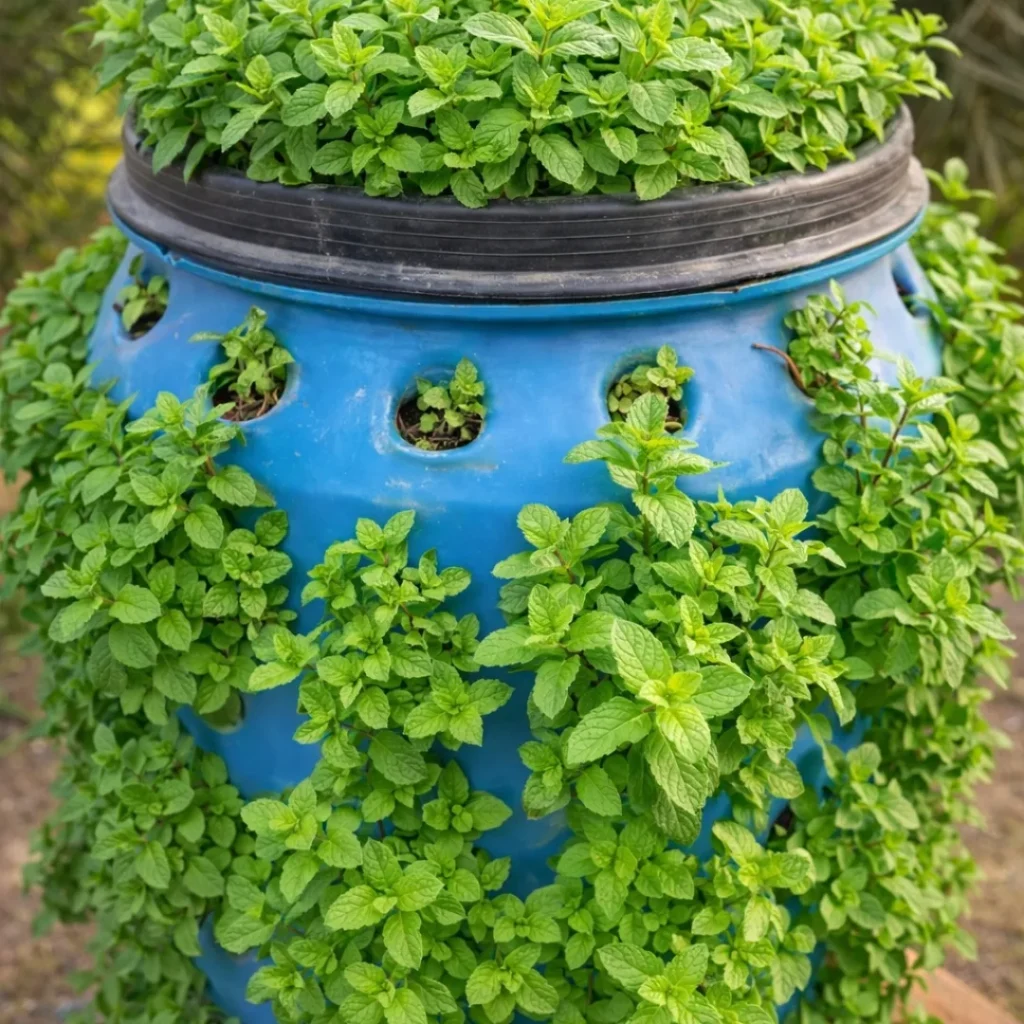
Give mint about 4 to 6 hours of sun. Keep the soil consistently moist, but not swampy.
Grow mint in its own pot whenever possible. It spreads aggressively and can overwhelm quieter herbs.
Rosemary
Rosemary brings structure to a container garden. It grows upright, smells incredible, and looks almost like a tiny evergreen shrub.
It likes 6 to 8 hours of sun and well-draining soil. Let the soil dry out between waterings.
Use rosemary with roasted potatoes, chicken, bread, soups, grilled vegetables, and infused oils. It also works beautifully as the tall centerpiece in a mixed herb planter.
Thyme
Thyme is small, tough, and quietly brilliant. It loves sun, drains well, and does not ask for much.
Give thyme 6 to 8 hours of light. Let the soil dry between waterings.
It works well in soups, stews, roasted vegetables, sauces, and marinades. Creeping thyme also trails nicely over the edge of a pot.
Parsley
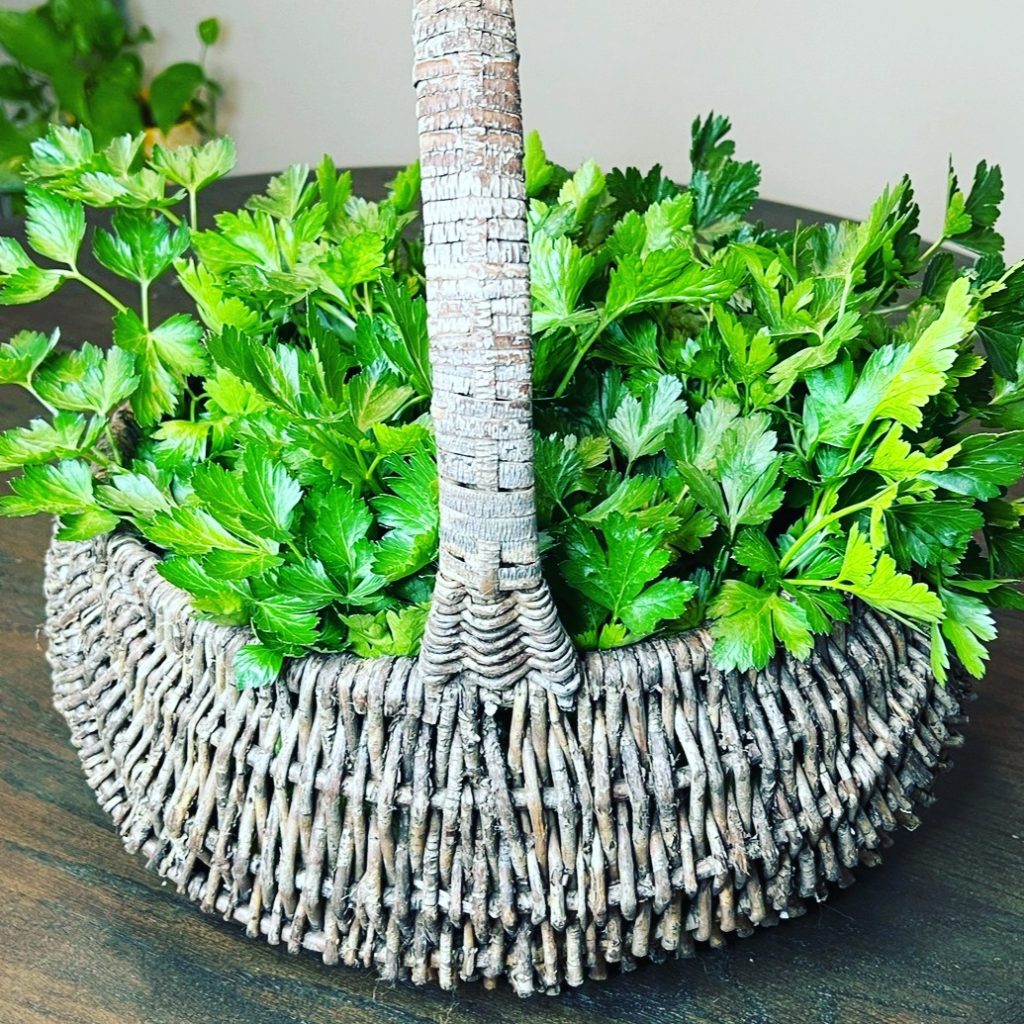
Parsley deserves more respect than it gets. It is not just a garnish. It adds freshness, color, and lift to rich dishes.
Parsley likes 4 to 6 hours of sunlight. Keep the soil consistently moist, especially in warm weather.
Flat-leaf parsley has a stronger flavor, while curly parsley looks decorative. Both grow well in containers.
Chives
Chives are easy, compact, and very useful. They bring a mild onion flavor without overpowering a dish.
They do well with 4 to 6 hours of sunlight. Water when the top inch of soil feels dry.
Use chives with eggs, potatoes, soups, dips, salads, and cream cheese. Their purple flowers also look lovely and can attract pollinators.
Cilantro
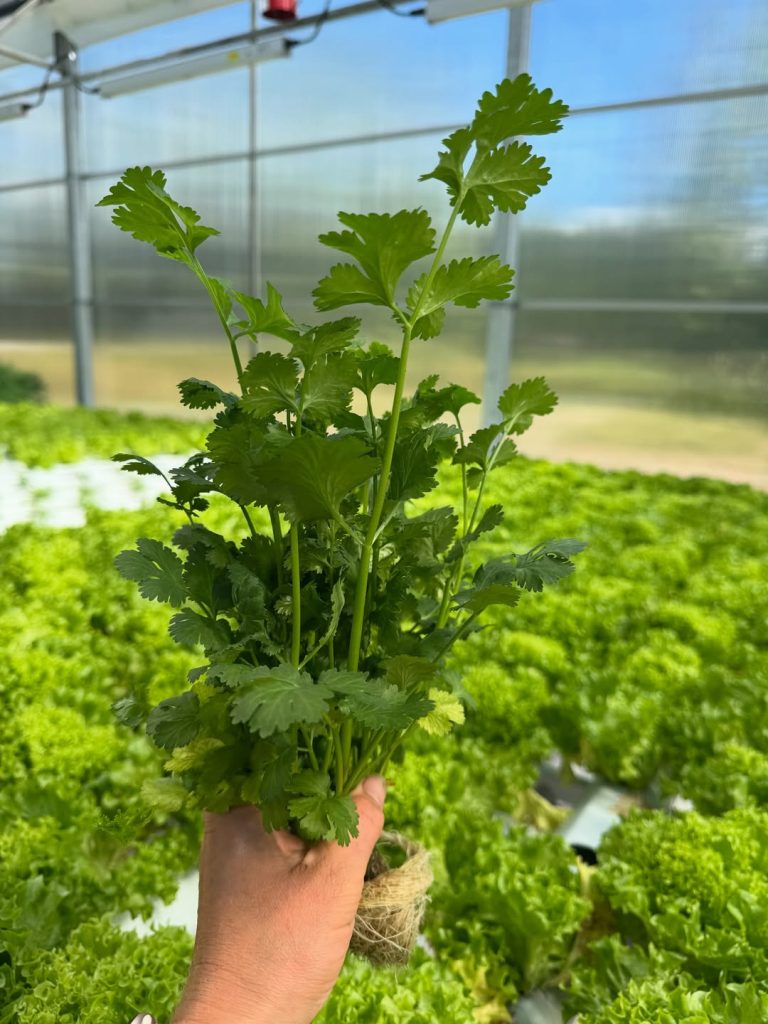
Cilantro is bright, punchy, and essential for salsa, tacos, curries, chutneys, and fresh garnishes. It grows well in containers, but it can be dramatic in hot weather.
Give cilantro 4 to 6 hours of sun and consistent moisture. In intense heat, it may bolt and produce flowers quickly.
Plant cilantro in batches every few weeks if you use it often. That way, you always have fresh leaves coming along.
Chamomile
Chamomile is a lovely choice for tea gardens. It produces small, daisy-like flowers with a soft, calming feel.
It looks charming in pots and pairs well with other gentle, fragrant herbs. Use the flowers for homemade tea once they are ready.
Chamomile adds a cottage-garden touch to container displays. It is practical, but it also feels a little poetic.
Lemon Balm
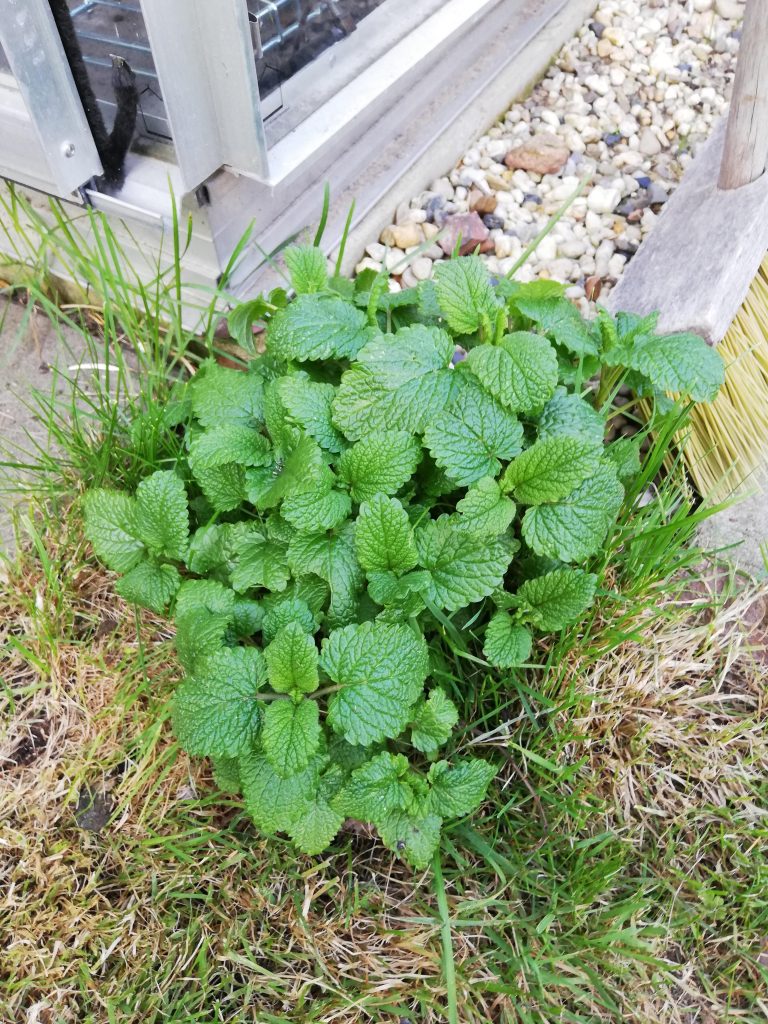
Lemon balm has a fresh citrus scent that makes you want to brush the leaves every time you pass. It is excellent for teas, cold drinks, and fragrant planters.
It enjoys regular moisture and decent sunlight. Like mint, it can spread with enthusiasm.
A container keeps lemon balm under control. It gets to be lush without becoming the landlord.
Oregano
Oregano is perfect for Mediterranean-style containers. It likes sun, good drainage, and slightly drier soil.
Use oregano in pizza, pasta sauces, grilled vegetables, marinades, and roasted dishes. It also trails softly over pot edges.
It pairs well with rosemary, thyme, and sage. These herbs enjoy similar growing conditions, which makes life easier.
Sage
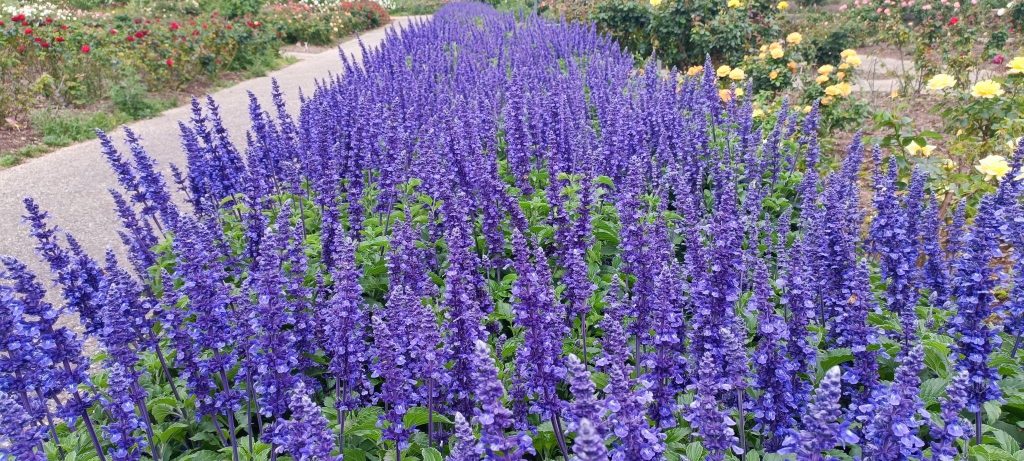
Sage brings soft, velvety leaves and a savory, earthy flavor. It looks beautiful in mixed containers because of its muted green-gray color.
It likes full sun and well-drained soil. Avoid overwatering it.
Use sage with roasted vegetables, poultry, brown butter sauces, stuffing, and hearty fall dishes. It is a strong herb, so a little goes a long way.
Choosing the Right Containers for Herbs
Choosing containers is where the fun starts. You can go classic, rustic, modern, vintage, or completely improvised.
The golden rule is simple: every container needs drainage holes. Without drainage, water collects at the bottom and roots can rot.
Herbs hate soggy feet. Honestly, fair.
Terracotta Pots
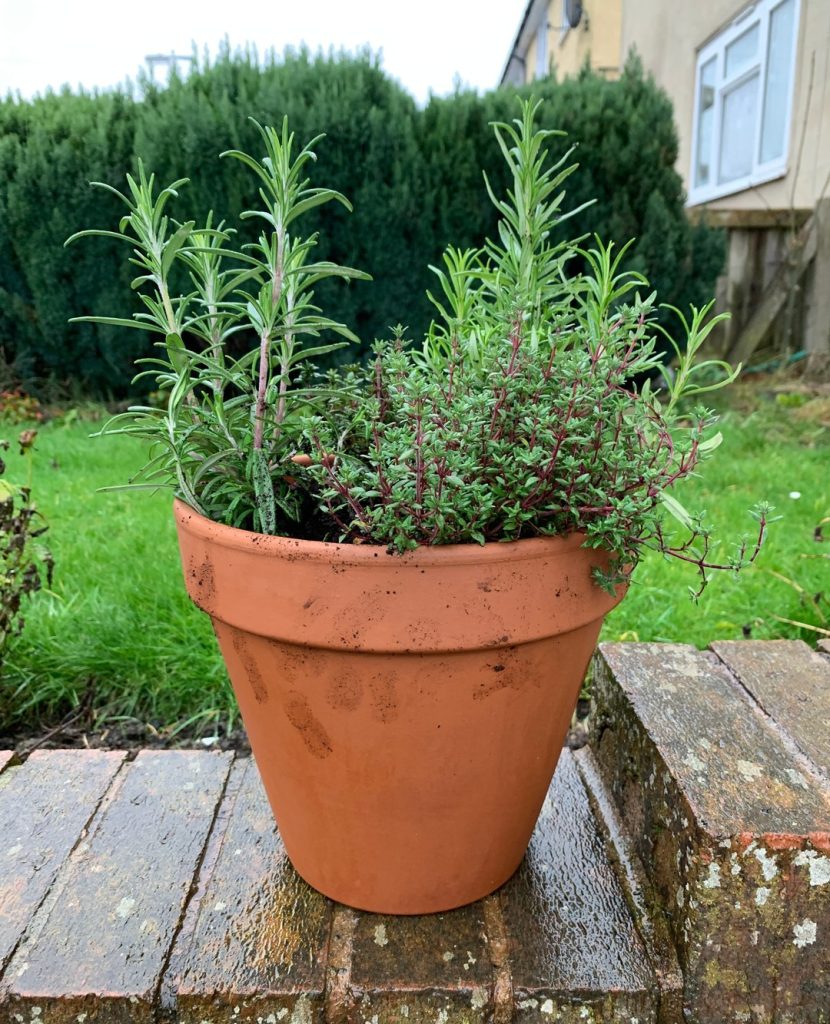
Terracotta pots are classic for a reason. They look warm, natural, and timeless.
They also dry out faster than many other containers. That makes them a great choice for herbs that prefer drier soil, such as rosemary, thyme, sage, and oregano.
Terracotta works especially well if you tend to overwater. The pot helps pull moisture away from the soil.
Glazed Ceramic Pots
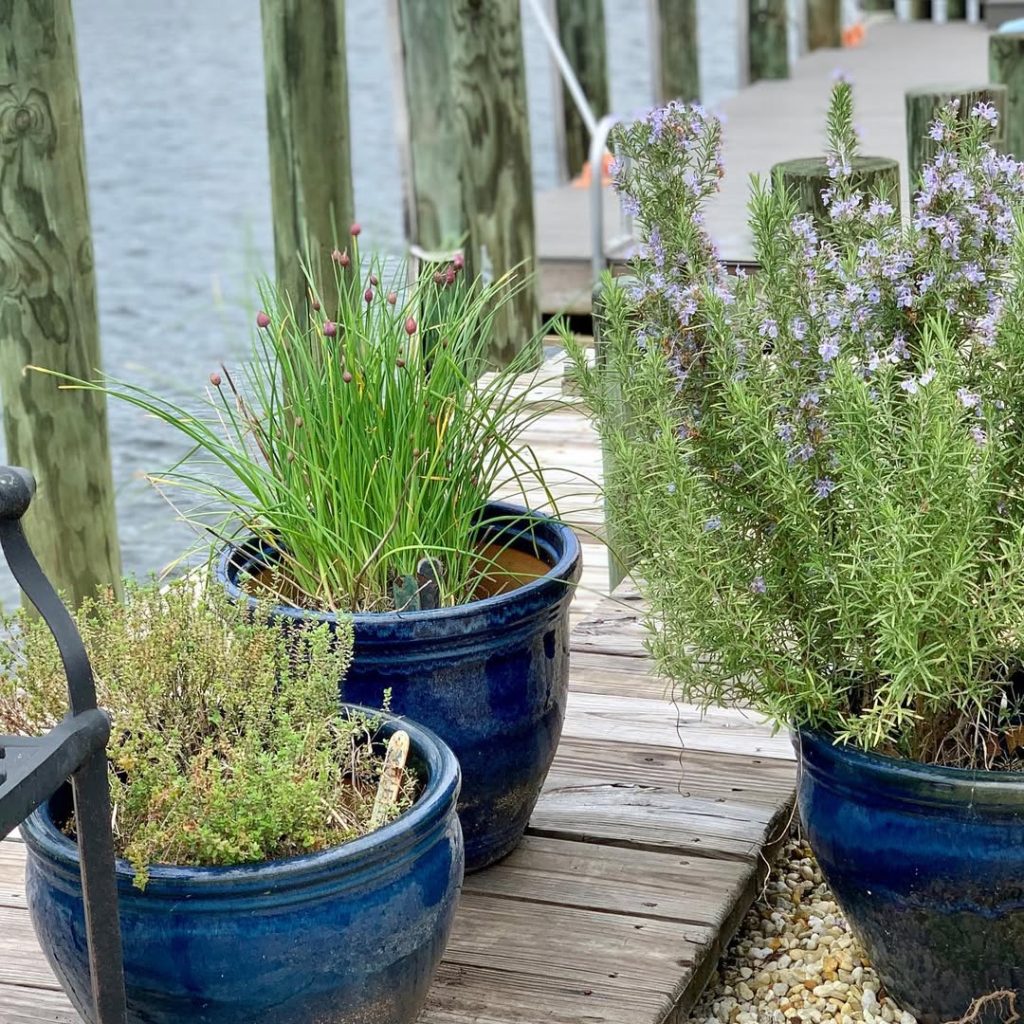
Glazed ceramic pots hold moisture longer than terracotta. They are useful for herbs that like steadier water, such as basil, parsley, and mint.
They also come in endless colors and styles. You can use them to create a polished kitchen windowsill or a bright patio display.
Just make sure they have drainage holes. Beauty does not excuse bad plumbing.
Plastic or Resin Containers
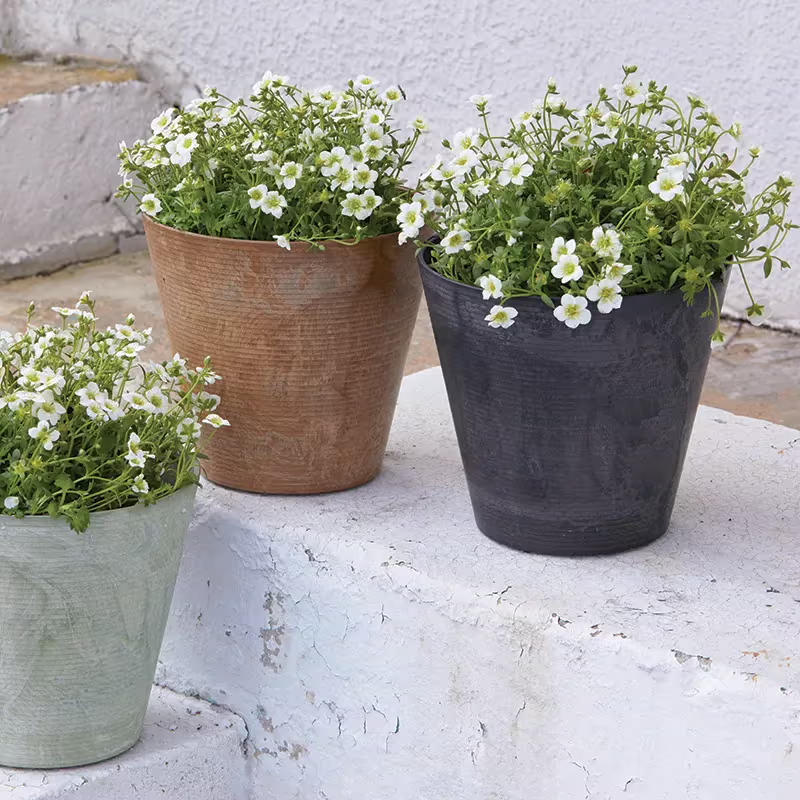
Plastic and resin containers are lightweight, affordable, and easy to move. They work well for balconies, renters, and anyone who rearranges plants often.
They also hold moisture better than terracotta. That can help in hot weather or windy outdoor spaces.
Choose sturdy containers if they will sit outside. Thin plastic can crack or fade over time.
Fabric Grow Bags
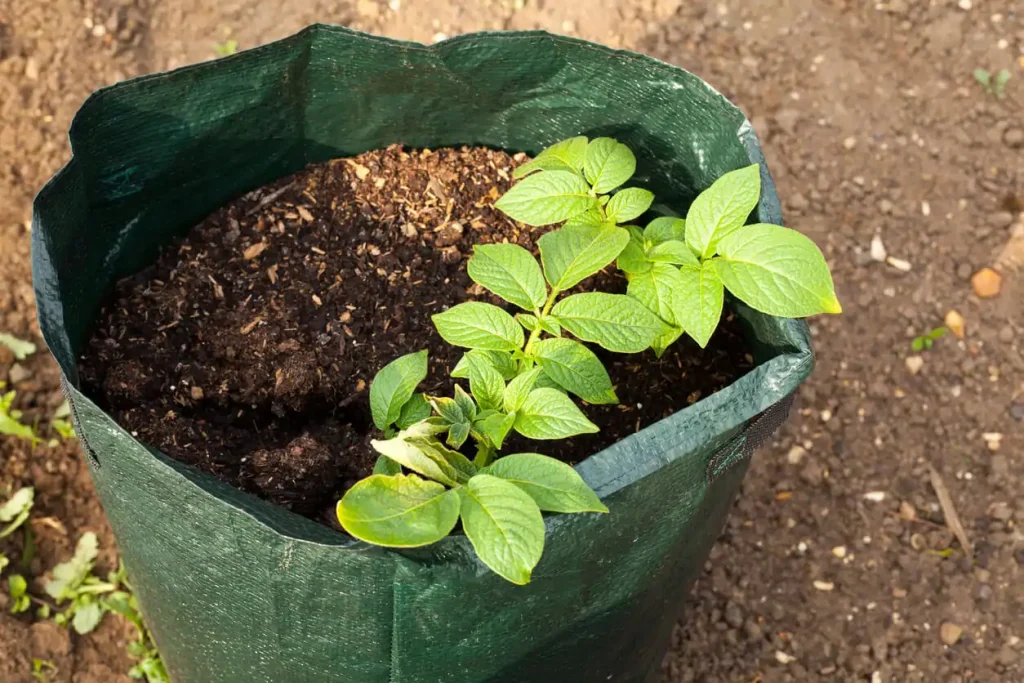
Fabric grow bags are practical and breathable. They support healthy root growth and are easy to move.
They are not always the most decorative option, but they are excellent for productive herb gardens. You can place them on patios, balconies, or shelves.
Grow bags drain well, so check moisture often in warm weather. They may dry faster than plastic pots.
Galvanized Tubs, Pails, and Buckets
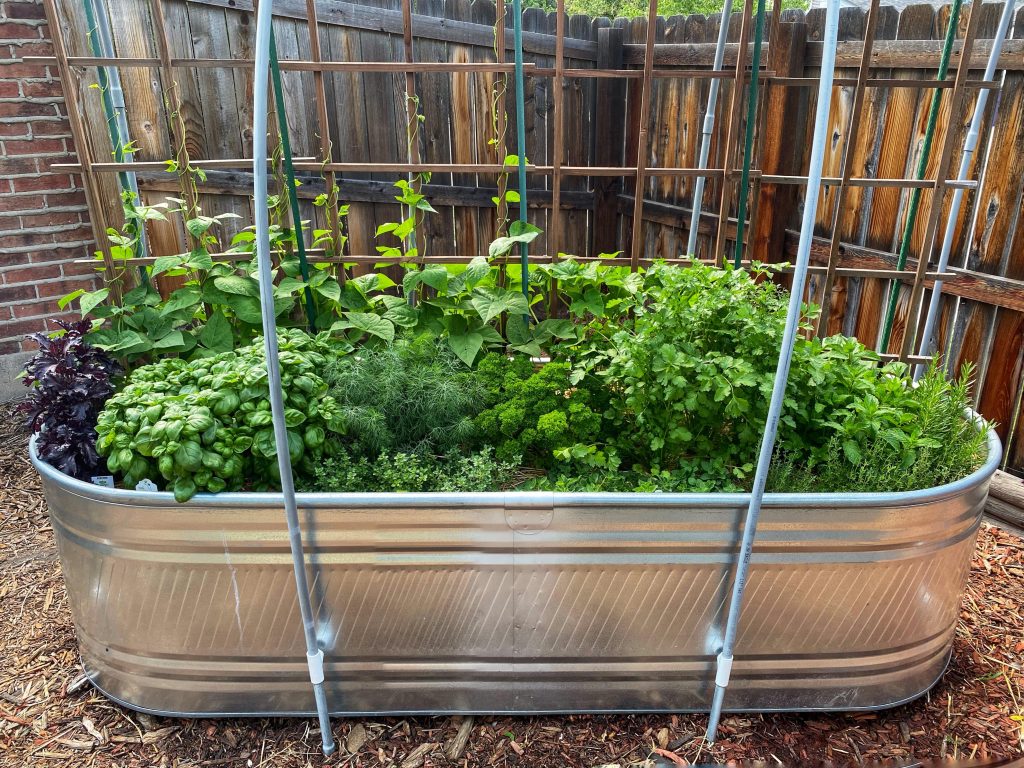
Galvanized containers bring instant farmhouse charm. Washtubs, pails, and olive buckets can make a herb garden feel collected and relaxed.
They work especially well on patios, decks, potting tables, and porch steps. A group of galvanized pails filled with herbs looks casual in the best possible way.
Drill drainage holes if the container does not already have them. For large tubs, you can fill the bottom third with lightweight material to save soil and reduce weight.
Baskets
Baskets add warmth, texture, and a cozy handmade feel. They are great for decorative herb displays.
Line large-weave baskets with burlap or landscape fabric before adding soil. This keeps the soil from washing out when you water.
You can also use baskets as outer containers. Simply place a nursery pot or plastic pot inside the basket for an easy, tidy setup.
Window Boxes
Window boxes are perfect for narrow spaces. They fit windowsills, balcony rails, porch ledges, and deck railings.
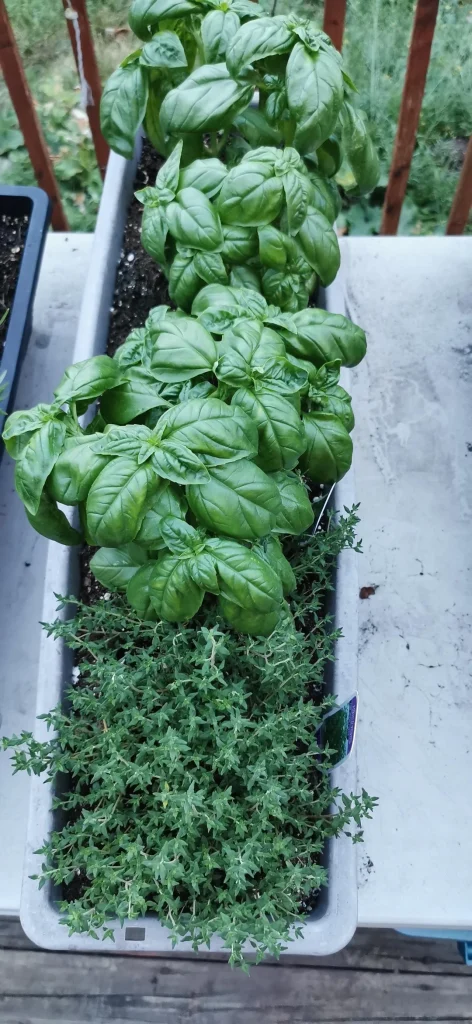
They work well for compact herbs like chives, parsley, thyme, basil, and cilantro. Keep the herbs trimmed so they stay full instead of leggy.
Choose a window box with drainage. If it sits indoors, use a tray underneath to catch water.
Hanging Baskets
Hanging baskets save floor space and create a lush, spilling look. They are great for porches, balconies, pergolas, and small patios.
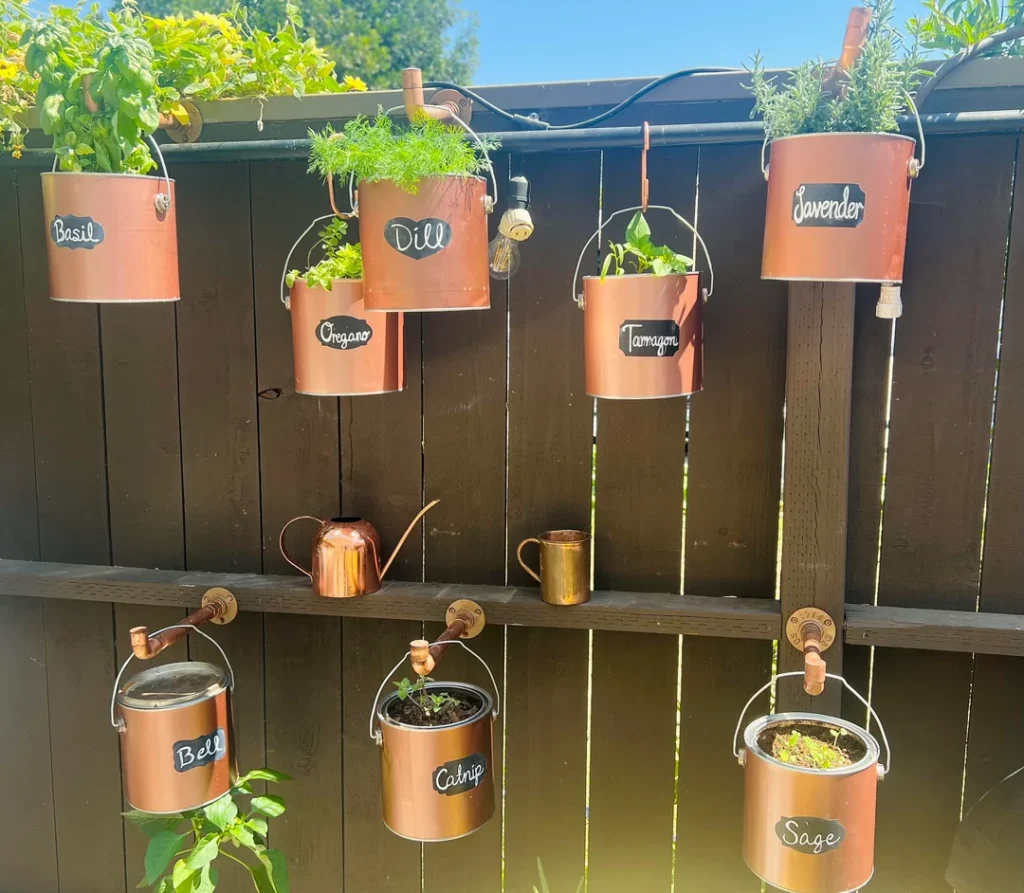
Trailing herbs like oregano, creeping thyme, and mint can look beautiful in hanging containers. They soften edges and add movement.
Hanging baskets dry out quickly, especially in hot or windy weather. Check them often, because they can go from “fine” to “crispy salad” very fast.
Soil and Drainage Basics for Herb Garden
Herbs may seem casual, but they care deeply about soil and drainage. Start with the right foundation, and your plants will reward you.
Use a high-quality potting mix instead of heavy garden soil. Garden soil can compact in containers and block airflow around the roots.
A good potting mix stays loose, drains well, and holds enough moisture to keep herbs happy. That balance matters.
Use Well-Draining Potting Mix
Most herbs prefer soil that drains easily. They do not want to sit in a wet, heavy mess.
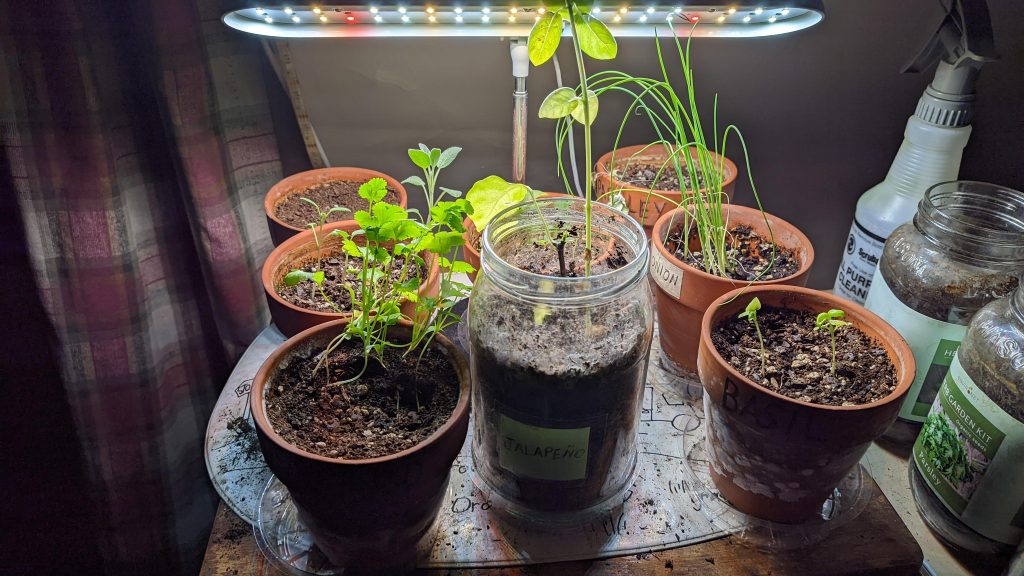
Mediterranean herbs like rosemary, thyme, oregano, and sage especially need sharp drainage. Basil, parsley, mint, and cilantro like more moisture, but they still dislike standing water.
You can improve drainage with perlite, coarse sand, or a lighter potting blend. Fresh compost can add nutrients, but do not make the mix too dense.
Drainage Holes Are Non-Negotiable
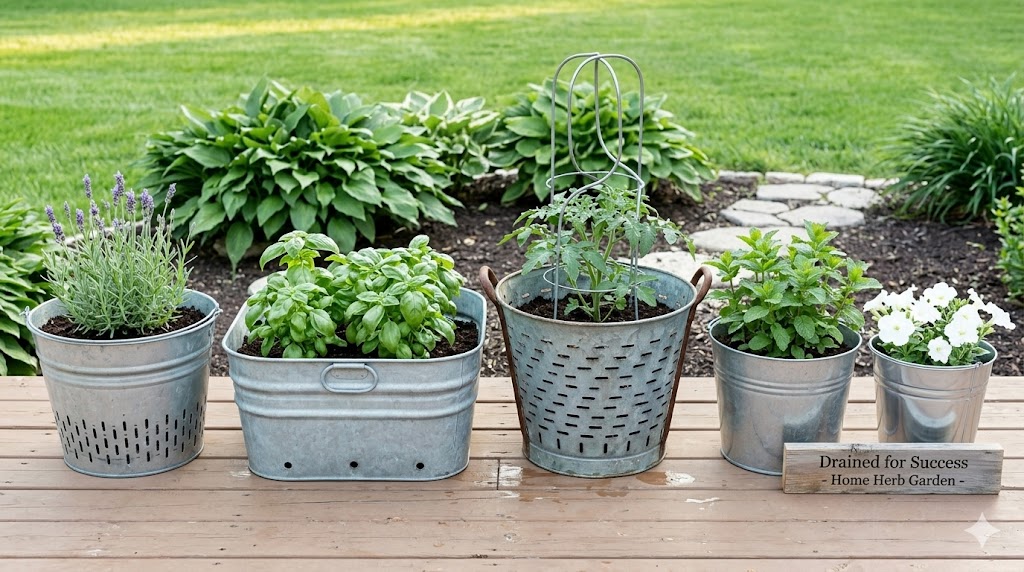
Drainage holes let extra water escape. This protects roots from rot and keeps the soil from turning sour.
If your container does not have holes, drill some if possible. If you cannot drill it, use the container as a decorative outer pot.
Place the herb in a smaller plastic pot with drainage, then set that inside the decorative container. This gives you style without sacrificing plant health.
Use Lightweight Filler for Large Containers
Large tubs and deep planters can swallow a shocking amount of soil. They also get very heavy.
To reduce weight, fill the bottom third with lightweight material. Empty plastic bottles, milk jugs, or packing pillows can work well.
Then add potting mix above that layer. This trick saves soil and makes the container easier to move.
Container Herb Garden Ideas by Style and Purpose
Now we get to the best part: the ideas. A container herb garden can be practical, decorative, fragrant, culinary, or all of the above.
The smartest approach is to build your garden around how you want to use it. Cooking? Drinks? Tea? Pollinators? A pretty patio display? There is a container idea for that.
1. Culinary Kitchen Herb Garden
A culinary kitchen herb garden is the classic starter setup. It gives you fresh herbs for everyday meals without making gardening feel like a second job.
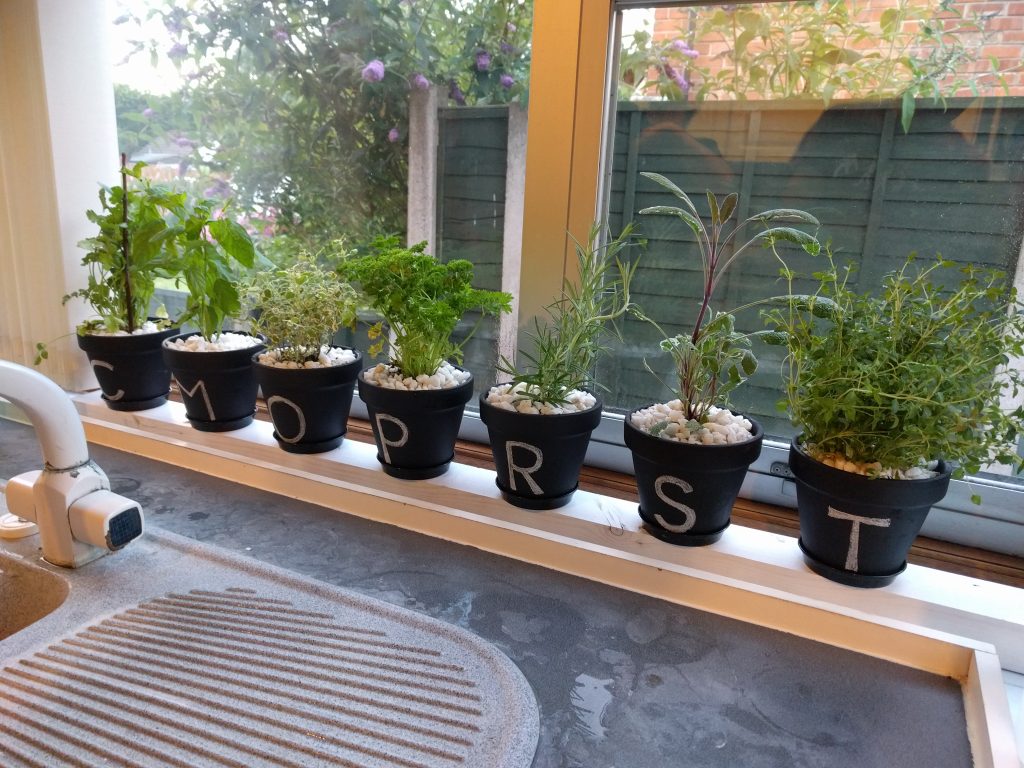
Choose herbs you reach for often. Basil, parsley, chives, thyme, and cilantro are excellent choices.
Place this garden near your kitchen, back door, patio, or outdoor prep area. The closer it is, the more you will use it.
Best Herbs for a Culinary Kitchen Garden
Basil is perfect for pasta, pesto, tomato salads, and sandwiches. It grows fast and responds well to regular pinching.
Parsley adds freshness to soups, sauces, salads, and roasted dishes. Chives bring a mild onion flavor to eggs, potatoes, dips, and creamy dishes.
Thyme works beautifully in savory meals. Cilantro is ideal if you cook Mexican, Thai, Indian, or Middle Eastern-inspired food.
Best Containers for This Idea
A long rectangular planter works well if you want several herbs in one place. Matching small pots also look neat and make care easier.
Terracotta pots give a classic kitchen-garden feel. Glazed ceramic pots create a cleaner, more decorative look.
If you grow herbs indoors, use a windowsill planter or individual pots with trays. Keep everything easy to reach and easy to water.
2. Mediterranean Herb Container
A Mediterranean herb container is ideal for sunny patios and balconies. It looks elegant, smells amazing, and handles heat better than many leafy herbs.
This type of planter usually includes rosemary, thyme, oregano, and sage. These herbs love sun, drainage, and slightly drier soil.
They also belong together in the kitchen. Roast vegetables with them once, and you may never look back.
Best Herbs for a Mediterranean Planter
Rosemary gives height and structure. It works well as the centerpiece of the container.
Thyme fills in the lower spaces and can trail gently over the edge. Oregano adds a looser, more relaxed shape.
Sage brings soft leaves and muted color. Together, these herbs create a container that looks designed without trying too hard.
Best Containers for This Idea
Terracotta is a natural match. It dries quickly and suits herbs that dislike wet soil.
A wide clay bowl, rustic stone-style planter, or low galvanized tub also works beautifully. Choose a container with plenty of drainage.
This idea looks especially good on a sunny patio table or beside an outdoor grill. It practically begs for olive oil and grilled bread.
3. Cocktail Herb Planter
A cocktail herb planter is fun, fragrant, and perfect for entertaining. It also works beautifully for mocktails, iced teas, lemonades, and sparkling waters.
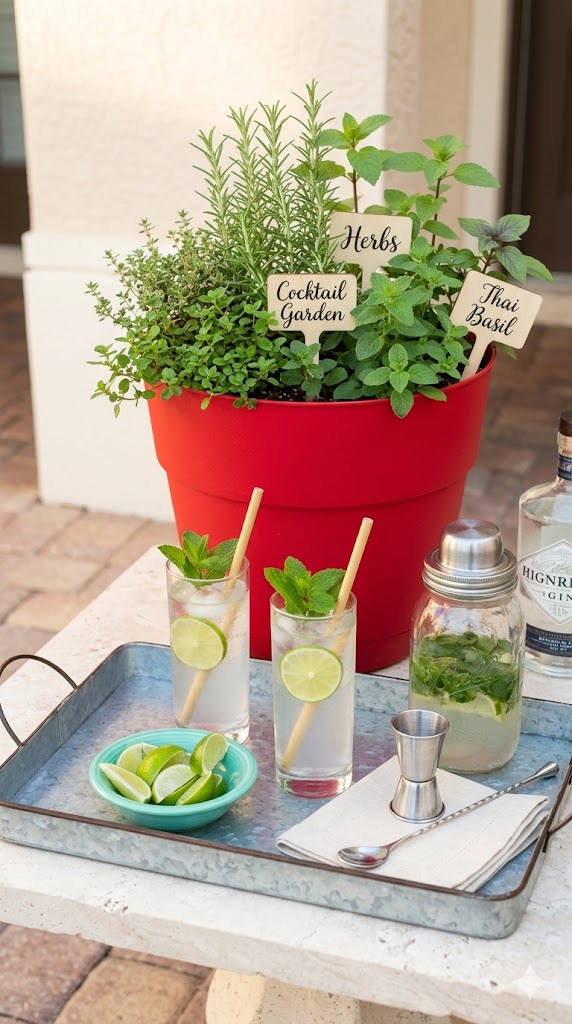
Mint is the star here, but it should usually have its own pot. It spreads fast and loves to dominate.
You can pair it visually with basil, rosemary, lavender, and lemon verbena in nearby containers. Together, they create a drink station with actual personality.
Best Herbs for a Cocktail Planter
Mint is essential for mojitos, iced tea, lemonade, and fruit drinks. Peppermint, spearmint, chocolate mint, and mojito mint all bring different flavors.
Rosemary adds a piney, aromatic note. It works well in infused syrups and as a garnish.
Basil brings a fresh, peppery sweetness to summer drinks. Lavender adds a floral note, but use it lightly.
Best Containers for This Idea
Use individual pots grouped together on a bar cart, patio table, or outdoor shelf. This keeps mint contained and makes each herb easier to manage.
Galvanized pails look charming for an outdoor drinks station. Small labeled pots also work well if you want a clean, organized setup.
You can even use a tray to group the pots. It makes the whole thing feel intentional, not like you accidentally started a plant meeting.
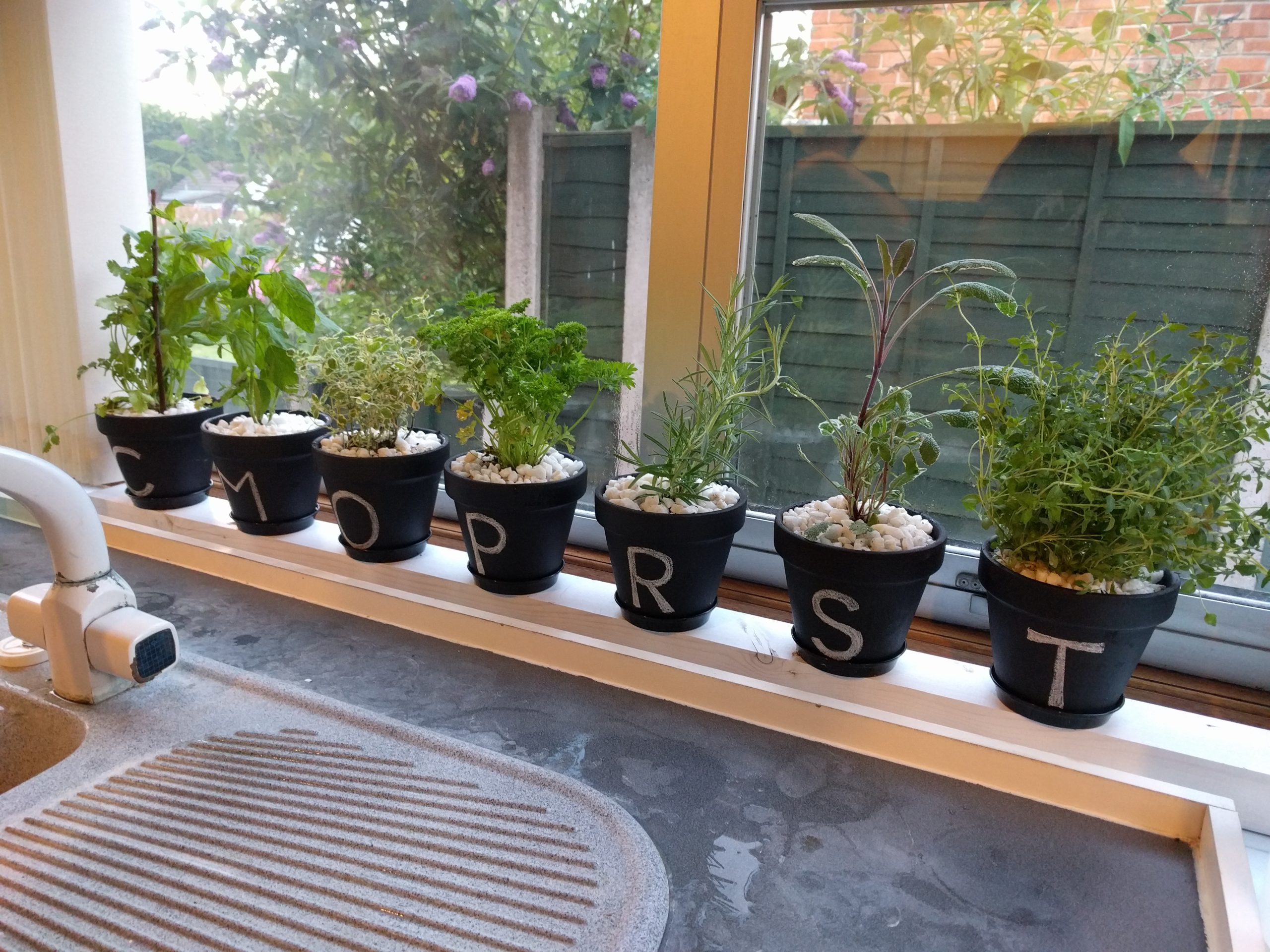
4. Windowsill Herb Garden
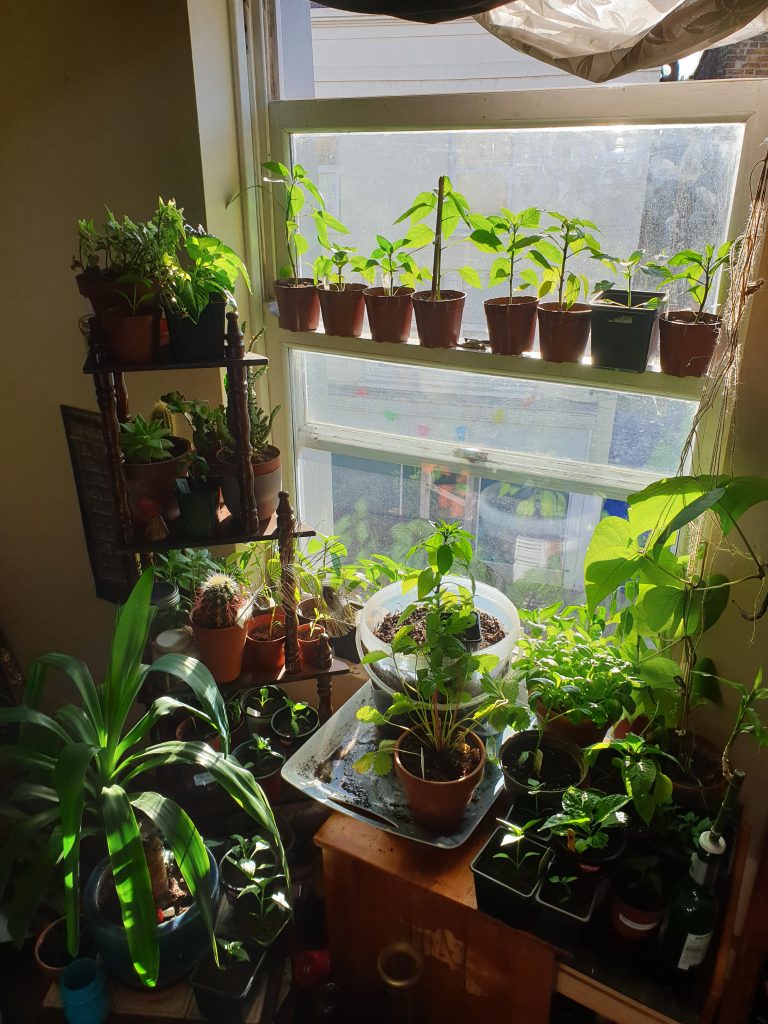
A windowsill herb garden is the small-space classic. It is compact, useful, and wonderfully satisfying.
This idea works best in a bright window. Most herbs need more light than people expect.
If your windowsill gets strong sun, try basil, chives, parsley, cilantro, or thyme. If the light is weak, consider adding a small grow light.
Best Herbs for a Windowsill Garden
Chives are compact and easygoing. They do not need a huge pot and grow well indoors.
Parsley is useful and attractive. It can handle slightly less intense light than basil.
Basil loves a warm, sunny window. Thyme works well if the window is bright and the soil drains well.
Best Containers for This Idea
Use slim windowsill planters, matching mini pots, or small ceramic containers. Make sure each pot has drainage.
Place a tray underneath to catch water. Indoor gardening gets much less charming when water runs across the windowsill.
Repurposed mugs, tins, or bowls can work as decorative outer containers. Keep the actual herb in a nursery pot with drainage inside
5. Vertical Herb Garden
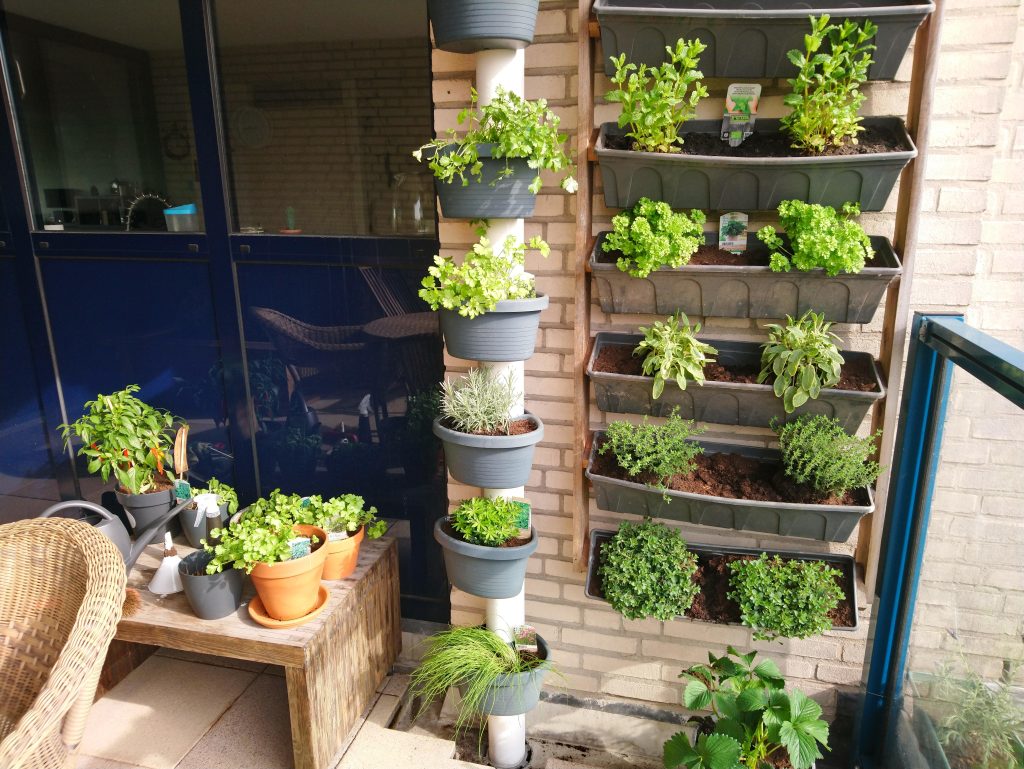
A vertical herb garden makes excellent use of tight spaces. It is perfect for balconies, fences, walls, and small patios.
Instead of spreading pots across the floor, you build upward. This keeps the garden compact and visually interesting.
You can use wall-mounted planters, tiered stands, ladder shelves, rail planters, or pocket planters. Even a few stacked crates can work.
Best Herbs for a Vertical Garden
Basil, parsley, chives, thyme, oregano, and mint can all work in vertical setups. Choose compact herbs that will not outgrow their space too quickly.
Place sun-loving herbs higher if the upper shelves get more light. Rosemary, basil, thyme, and oregano often appreciate the brightest spots.
Put herbs that tolerate a little less sun lower down. Parsley and mint can usually manage with softer light.
Best Containers for This Idea
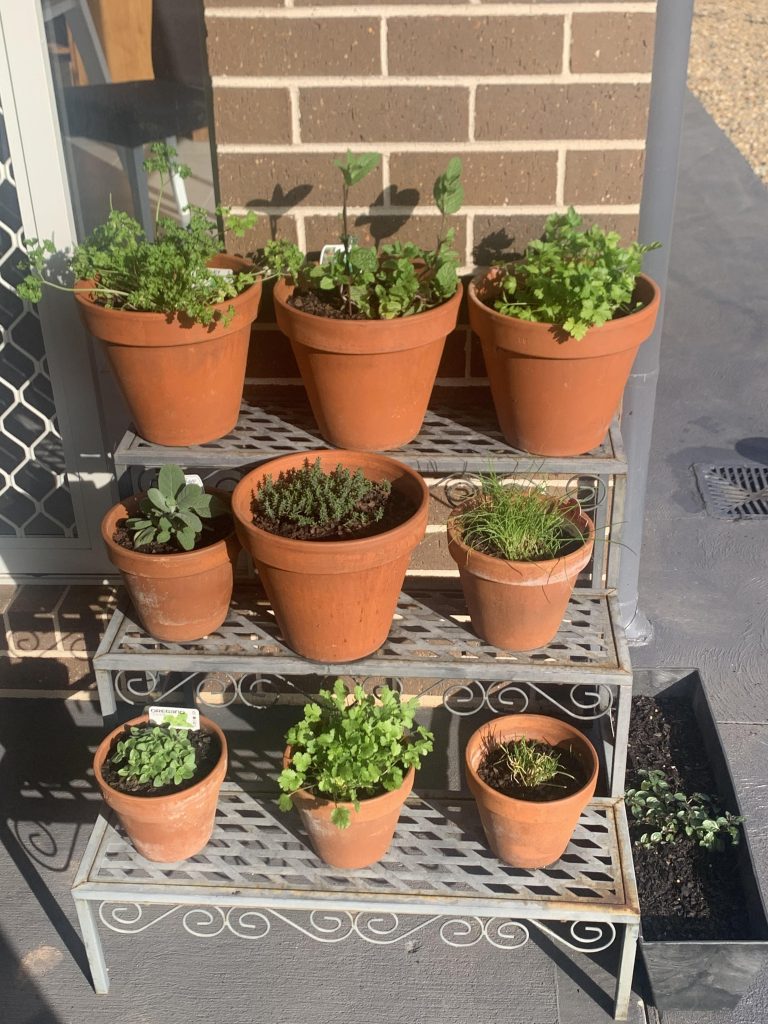
Tiered plant stands are easy and renter-friendly. You can move them as needed.
Wall-mounted planters look tidy and save floor space. Rail planters work well on balconies.
Pocket planters can be useful, but they may dry out quickly. Check them often during hot weather.
7. Hanging Basket Herb Garden
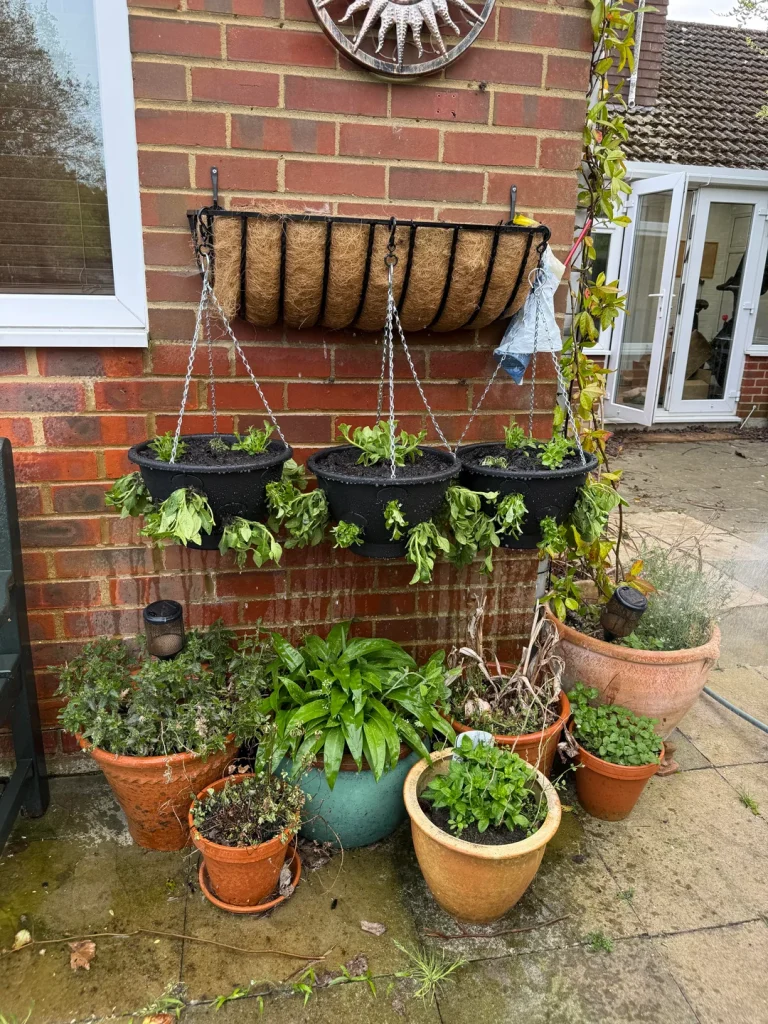
A hanging basket herb garden adds greenery without taking up floor space. It works well for porches, pergolas, balconies, and small patios.
This idea looks especially good with trailing herbs. Oregano, creeping thyme, and mint can spill nicely over the basket edge.
Hanging baskets feel relaxed and abundant. They bring that “I casually grow fresh herbs above my head” energy.
Best Herbs for Hanging Baskets
Oregano is a strong choice because it can trail and handle sun. Creeping thyme also looks beautiful as it spills over the side.
Mint can work in a hanging basket, especially if you want to keep it contained. Just remember that it likes moisture.
Trailing rosemary can work if you find the right variety. It needs sun and excellent drainage.
Best Containers for This Idea
Coco-lined baskets look natural and classic. Metal hanging baskets feel sturdy and decorative.
Macramé hangers can hold smaller pots and add texture. Wall hooks with individual hanging pots also work well.
Choose containers that drain freely. Hanging herbs do not enjoy sitting in soggy soil.
8. Repurposed Vintage Container Garden
A repurposed container herb garden is perfect if you love personality. It gives old objects a second life and makes your garden feel personal.
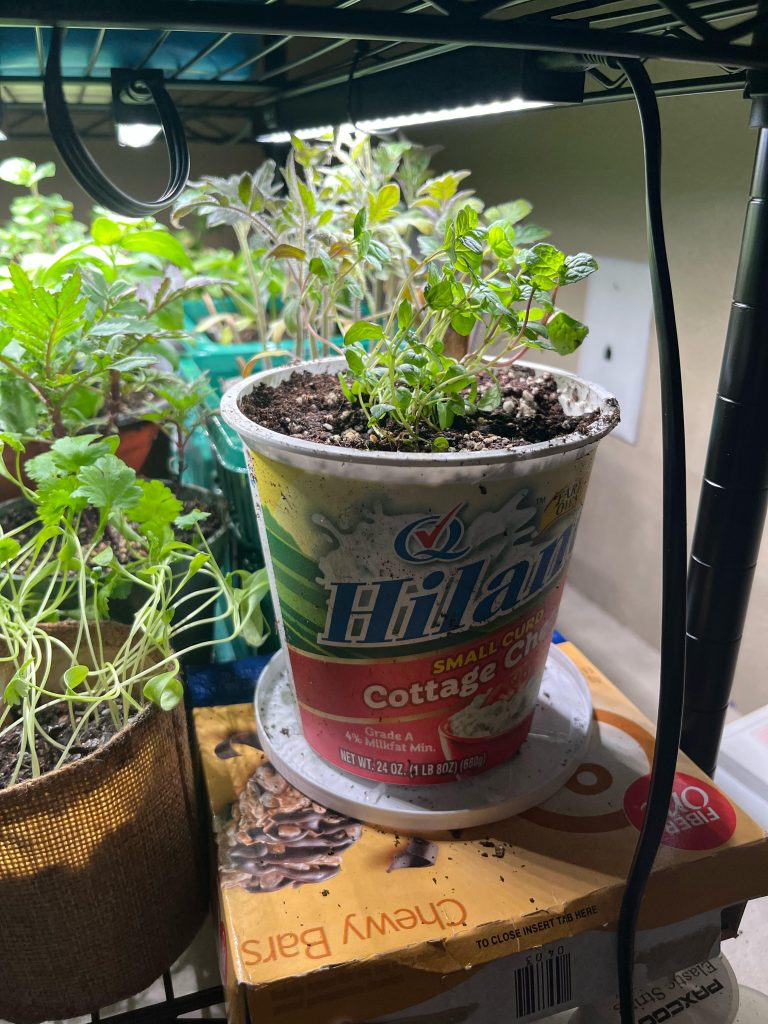
You can use old pails, olive buckets, wooden crates, enamel bowls, baskets, tea tins, colanders, and galvanized washtubs. The more character, the better.
This style works especially well on porches, patios, and potting benches. It has that relaxed “collected over time” look.
Best Herbs for Vintage Containers
Almost any herb can work if the container suits its needs. Basil, parsley, chives, thyme, rosemary, oregano, and mint are all good options.
Use smaller containers for compact herbs like chives and thyme. Use larger tubs for rosemary, basil, or mixed arrangements.
Mint should still stay contained. Even in a charming vintage bucket, mint remains mint.
Best Containers for This Idea
Galvanized washtubs make great statement planters. Olive buckets and pails look rustic and stylish.
Old baskets add softness, especially when lined with burlap. Wooden crates can hold several individual pots. You can also use old dresser as a herb garden.
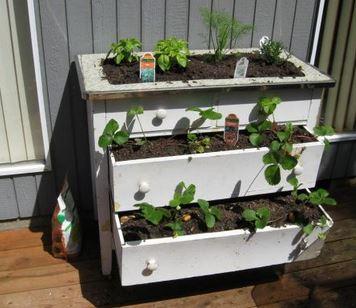
Colanders are especially fun because they already have drainage. Finally, a kitchen object with a gardening destiny.
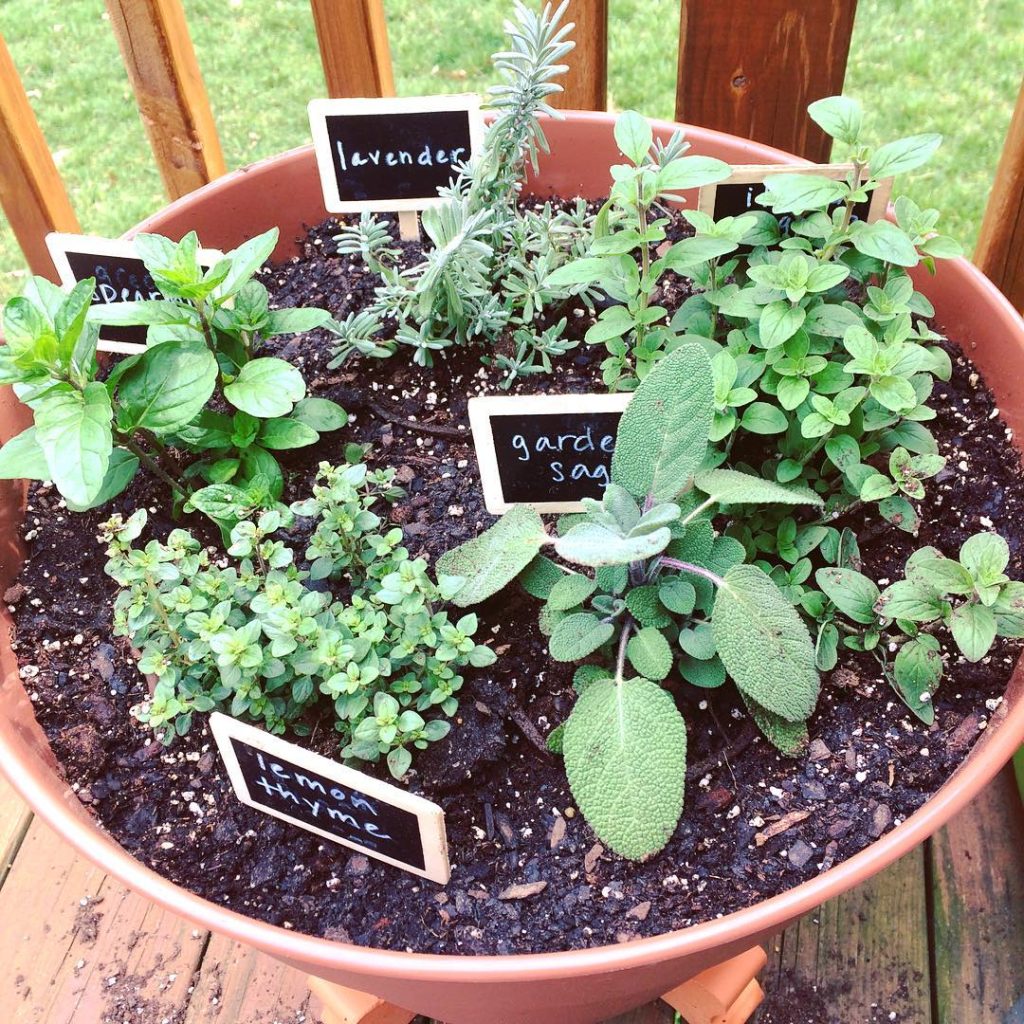
9. Multi-Herb Centerpiece Planter
A multi-herb centerpiece planter gives you a full, designed look in one container. It works well on outdoor tables, patio corners, and sunny entryways.
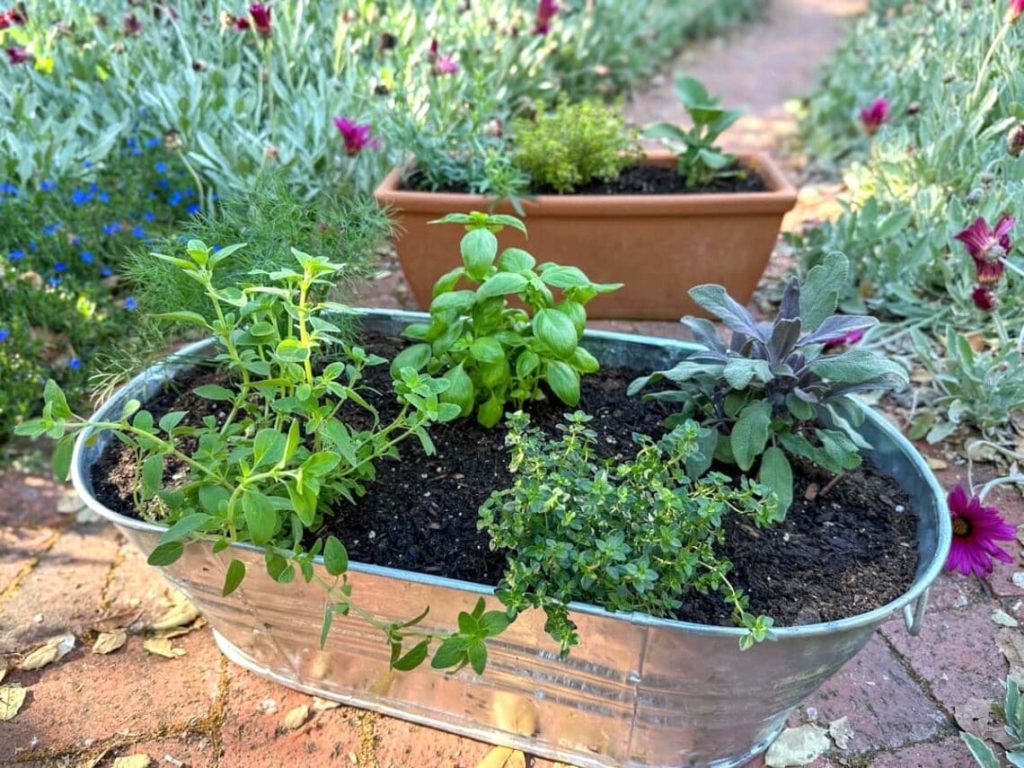
Use the classic “thriller, filler, spiller” formula. It sounds dramatic, but it is simple.
The thriller adds height. The fillers create fullness. The spillers trail over the edge.
Best Herbs for a Centerpiece Planter
Rosemary makes a strong thriller because it grows upright. It gives the planter structure.
Basil, parsley, and sage work well as fillers. They add body, color, and texture.
Oregano or creeping thyme can act as spillers. They soften the pot edge and make the container look lush.
Best Containers for This Idea
Choose a wide bowl planter, large terracotta pot, ceramic trough, or low galvanized tub. The container should be wide enough to give each herb space.
Avoid cramming too many plants into a small pot. Crowded herbs compete for water, nutrients, and airflow.
A wide container also looks more balanced. It lets the herbs grow into a natural arrangement.
10. Pollinator-Friendly Herb Planter
A pollinator-friendly herb planter brings bees, butterflies, and beneficial insects into your space. It also adds flowers and movement to your herb garden.
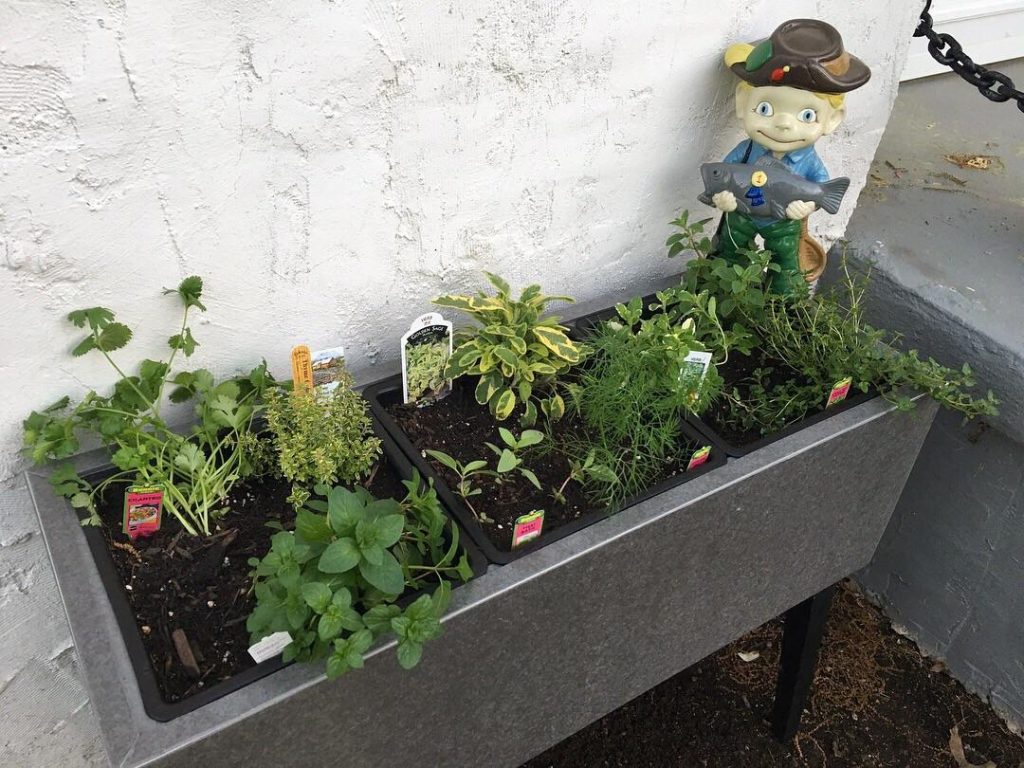
Many herbs produce blooms that pollinators love. Chives, thyme, oregano, lavender, and borage are great choices.
This idea works best outdoors. A sunny patio, balcony, or garden table can support a small pollinator stop.
Best Herbs for Pollinators
Chives produce pretty purple flowers. Bees love them, and the flowers are edible.
Thyme and oregano bloom with tiny flowers that attract pollinators. Lavender brings fragrance and color.
Borage is a pollinator favorite. Its blue flowers look striking and cheerful.
Best Containers for This Idea
Use a large outdoor planter, balcony rail box, patio tub, or tiered container. Give the plants room to flower.
Terracotta and galvanized containers both work well. Choose based on the herbs’ moisture needs.
Place the planter where pollinators can find it. A sunny, open spot works best.
11. Pot-in-Pot Herb Garden
The pot-in-pot method is clever, tidy, and surprisingly useful. It lets you create the look of one mixed planter while keeping herbs in separate pots.
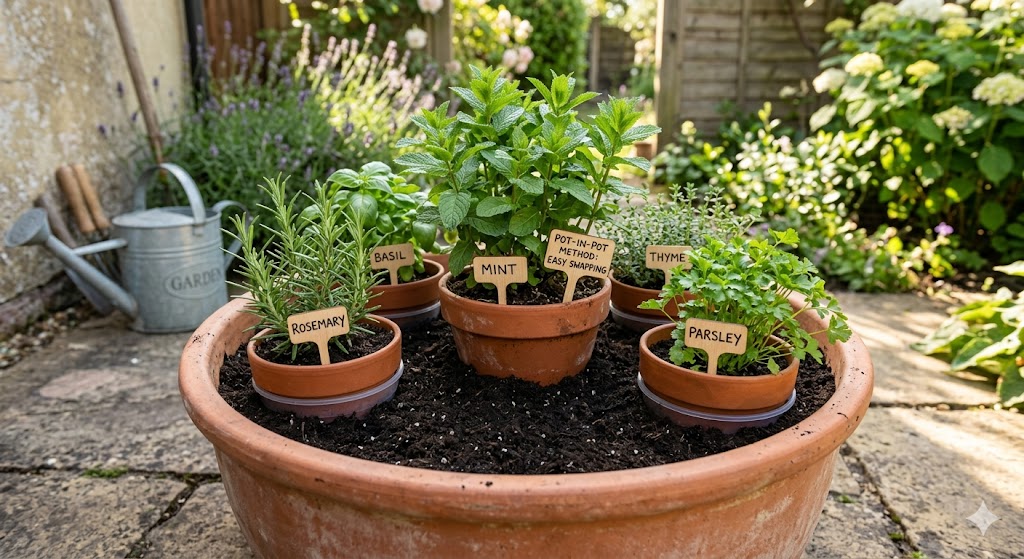
Here is how it works. You place empty “sleeve” pots inside a larger planter, then drop smaller herb pots into those sleeves.
This makes it easy to swap herbs, control spreaders, and manage different watering needs. It is especially helpful for mint.
Best Herbs for This Method
Mint is an obvious candidate. It can sit inside a mixed display without invading the whole planter.
Lemon balm also benefits from containment. Cilantro works well too, because it may need replacing after it bolts.
You can also use this method for seasonal herbs. Swap tired plants for fresh ones without replanting the whole container.
Best Containers for This Idea
Use a large decorative planter, tub, trough, or basket. Place smaller nursery pots inside.
The outer container creates the finished look. The inner pots do the practical work.
This method works beautifully for displays on patios, tables, and porches. It gives you flexibility without looking messy.
How to Group Herbs Successfully
Herb grouping can make or break a container garden. Some herbs enjoy the same conditions, while others fight the setup from day one.
The easiest rule is this: group herbs by sunlight and water needs. Do not plant thirsty mint with dry-loving rosemary unless you use separate pots.
A beautiful container still needs practical logic. Plants may be decorative, but they are not props.
Sunny and Dry Herb Group
This group includes rosemary, thyme, sage, and oregano. These herbs like full sun and well-draining soil.
They prefer to dry out between waterings. Terracotta pots work especially well for them.
This combination gives you a Mediterranean-style garden that looks elegant and tastes fantastic. It is ideal for patios, balconies, and grill stations.
Sunny and Moist Herb Group
This group includes basil, parsley, and chives. These herbs like sun but need more consistent moisture.
Use glazed ceramic, plastic, or resin containers if your space dries quickly. These materials hold moisture better than terracotta.
This group works well near the kitchen. It gives you everyday herbs for quick meals and fresh finishing.
Tea Garden Group
A tea garden can include lemon balm, chamomile, peppermint, and lavender. It smells lovely and looks soft.
Mint and lemon balm should usually stay in separate pots. They grow quickly and can crowd other plants.
Lavender prefers drier soil, so give it its own container or pair it with herbs that like similar conditions. Group the pots together visually for a cohesive look.
Indoor Windowsill Group
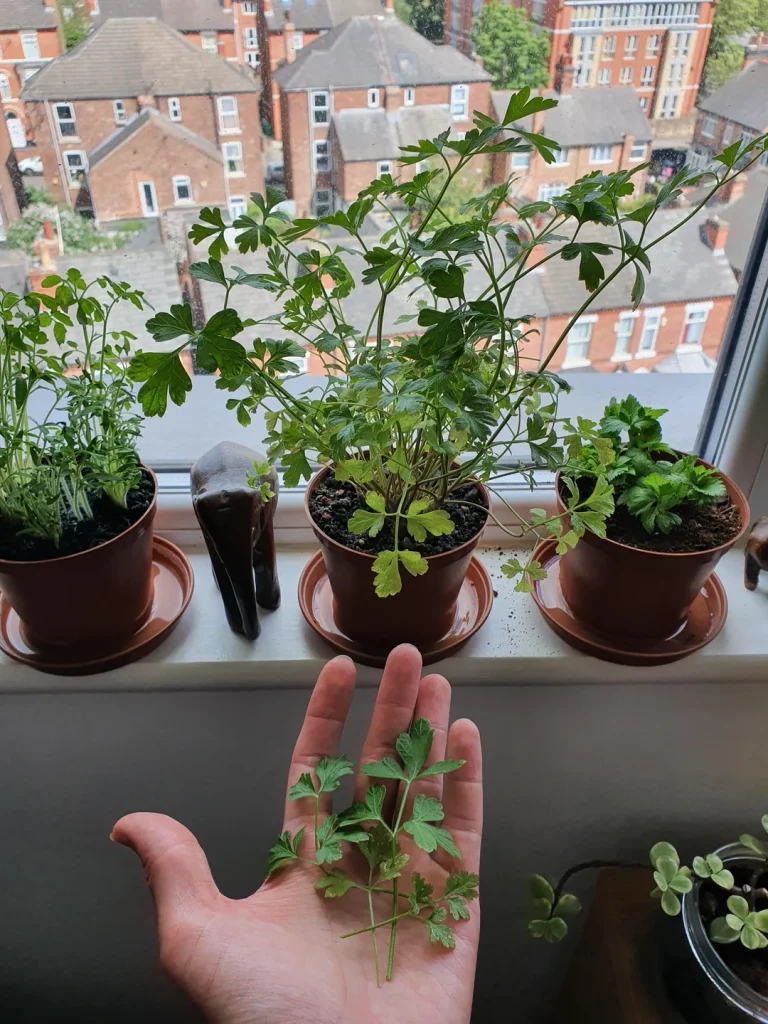
For indoors, try chives, parsley, basil, and thyme. They are useful, compact, and manageable.
Give them the brightest window you have. Rotate the pots so they grow evenly.
Water carefully indoors. Overwatering is one of the quickest ways to turn a hopeful windowsill garden into a tiny botanical crime scene.
Herbs You Should Usually Separate
Mint should usually grow alone. It spreads fast and can dominate mixed containers.
Lemon balm also appreciates boundaries. Cilantro may need separate treatment because it bolts quickly in heat.
Rosemary and mint should not share the same pot. Rosemary likes drier soil, while mint wants more moisture.
Conclusion: Start Small, Snip Often, Enjoy the Ritual
A container herb garden does not need to be complicated. Start with a few herbs you already love, choose containers with drainage, use good potting mix, and place everything where it gets enough light.
From kitchen windowsill pots to Mediterranean planters, tea gardens, cocktail herbs, vintage tubs, hanging baskets, and potting table displays, there is a setup for almost every space. The best one is the one you will actually care for and use.