13 Late-Summer and Fall Flowers That Keep the Color Coming Right Up to Frost

Has your garden started looking worn out by August? Mine used to. The roses were done. The annuals were leggy and sun-bleached.
Then I started leaning on flowers that wait for late summer to show off. They shrug off heat. They feed pollinators on their way south. Some even keep blooming past the first light frost.
Here are 13 worth planting, plus a few mistakes to skip and some pet safety notes.
Common Mistakes to Avoid With Fall Flowers
Fall flowers forgive a lot. But a few habits can still cost you blooms. Watch for these.
Don’t wait too long to plant. Your perennials need six to eight weeks in the ground before a hard frost hits. Less than that, and their roots won’t be strong enough for winter.
Go easy on the water for drought-tolerant types. Sedum and Russian sage would rather be thirsty than soggy. Too much water rots roots fast.
Resist the urge to cut everything back in October. I know it’s tempting. But seed heads feed birds all winter. Hollow stems shelter beneficial insects, too. Save the cleanup for early spring.
Check your sun exposure before you plant. Most of these flowers want six-plus hours of direct sun.
Tuck one into a shady corner, and you’ll get pretty leaves. You’ll wait a long time for blooms, though.
Pet Safety Notes for Fall Blooms
Got a dog or cat that likes to nibble the garden? Keep chrysanthemums out of reach. The ASPCA lists them as toxic to dogs, cats, and horses.
Most other flowers here are considered safe. But tolerance varies by pet. It also depends on how much they actually eat. When you’re not sure, check the ASPCA’s plant list before you dig.
13 Late Summer Fall Flowers to Plant
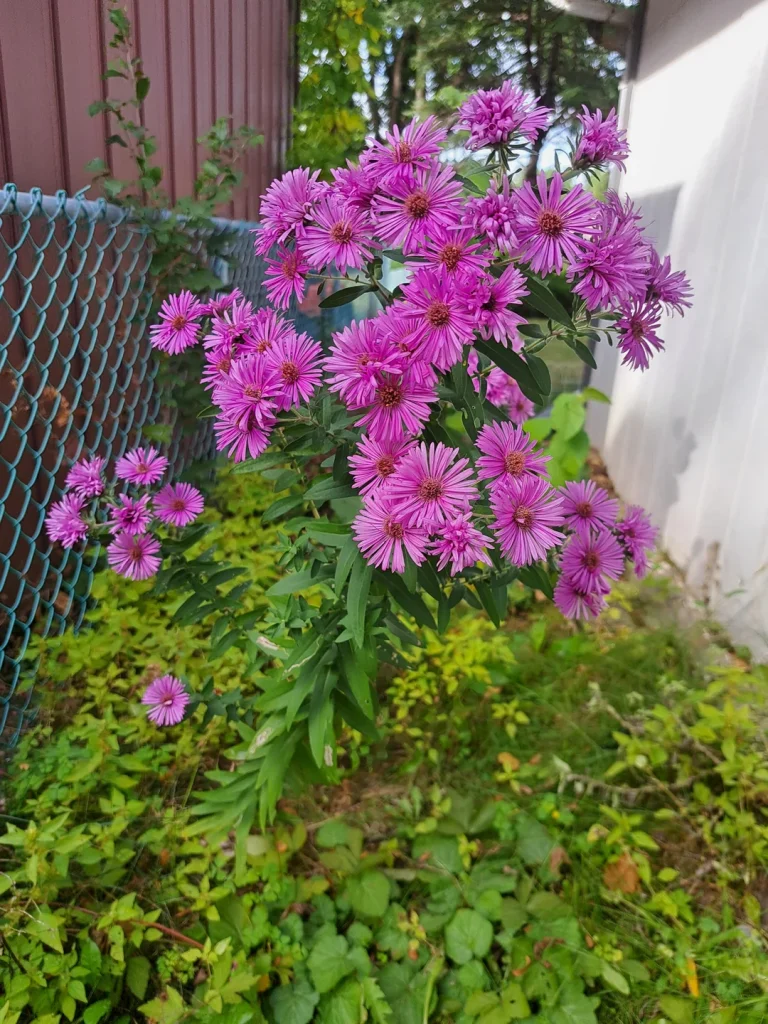
1. New England Aster
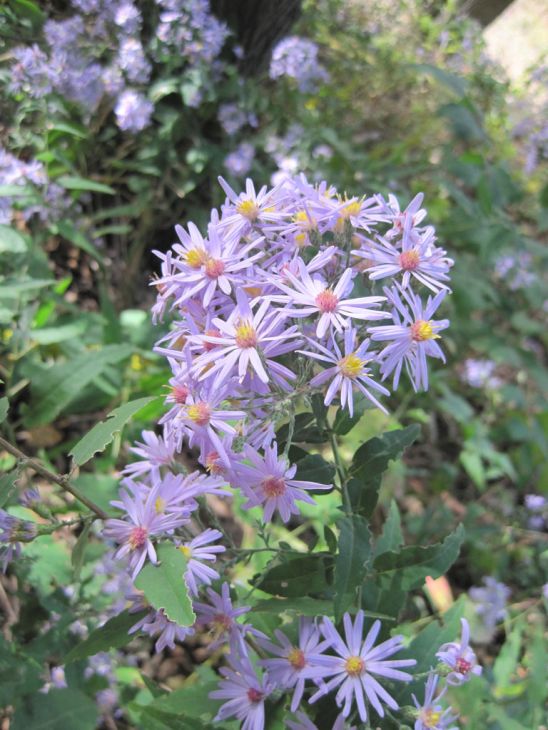
Want one flower pollinators can’t resist right before frost? This is it. New England aster opens in purple, pink, and blue. Each bloom has a gold center.
It keeps flowering from August until the cold really sets in.
It’s native. It’s a workhorse. Monarch butterflies depend on it for fuel during their migration south. There’s one downside, though.
Older varieties get top-heavy. They flop over once the flowers fill in. Look for a compact cultivar instead. It’ll stay upright without staking.
You’ll get a rounded clump, 3 to 4 feet tall. It’s hardy in zones 3 through 8.
Here’s a trick: pinch the stems back once in early summer. You’ll get a bushier plant. You’ll also get fewer floppy stems come fall.
2. Black-Eyed Susan
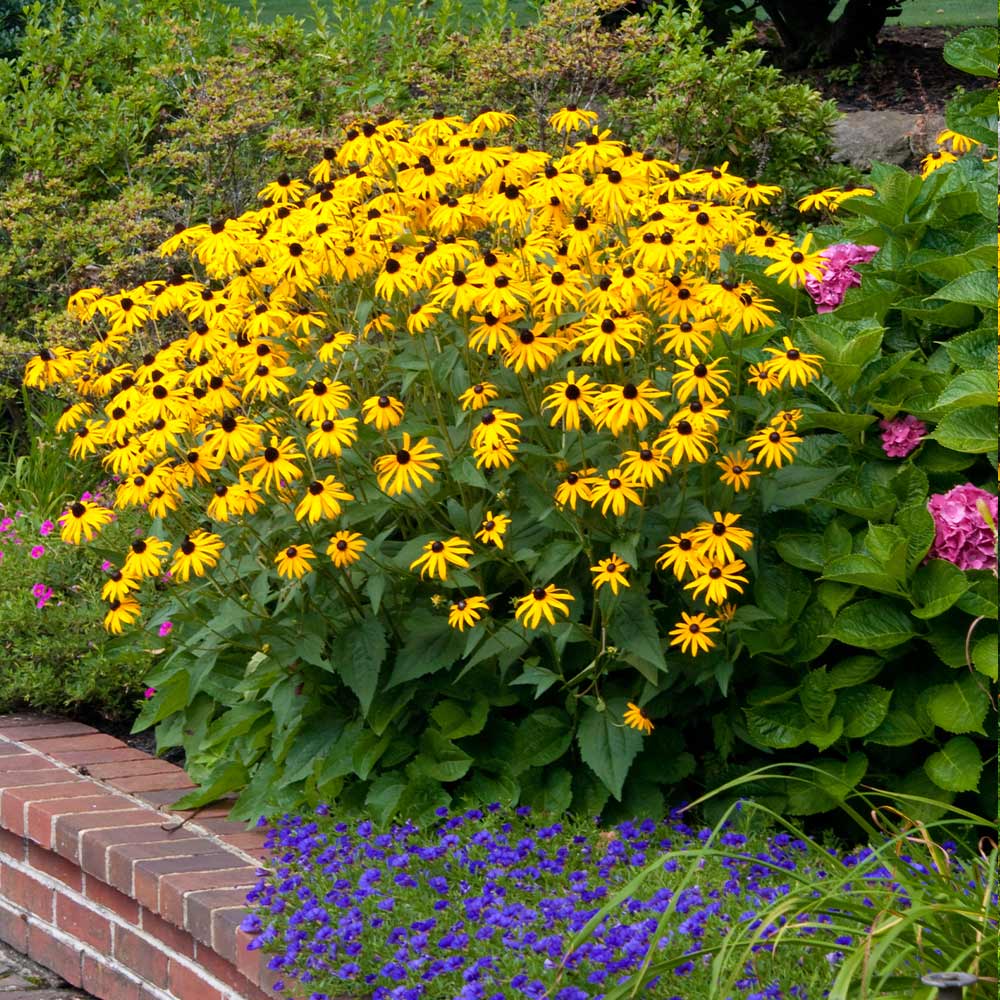
This might be the most forgiving flower on the list. You plant it. You barely think about it again. It rewards you with golden petals and dark centers for months.
It self-seeds, too. A handful of plants can turn into a full patch within a couple of years. I’d steer you toward newer disease-resistant cultivars, though.
The old-school varieties can pick up leaf spot in a humid summer. Powdery mildew shows up, too.
Bees and butterflies visit all season. Then songbirds move in for the seed heads once things fade. It grows in zones 3 through 9.
Divide the clumps every couple of years. That keeps them from getting overcrowded.
3. Sedum ‘Autumn Joy’
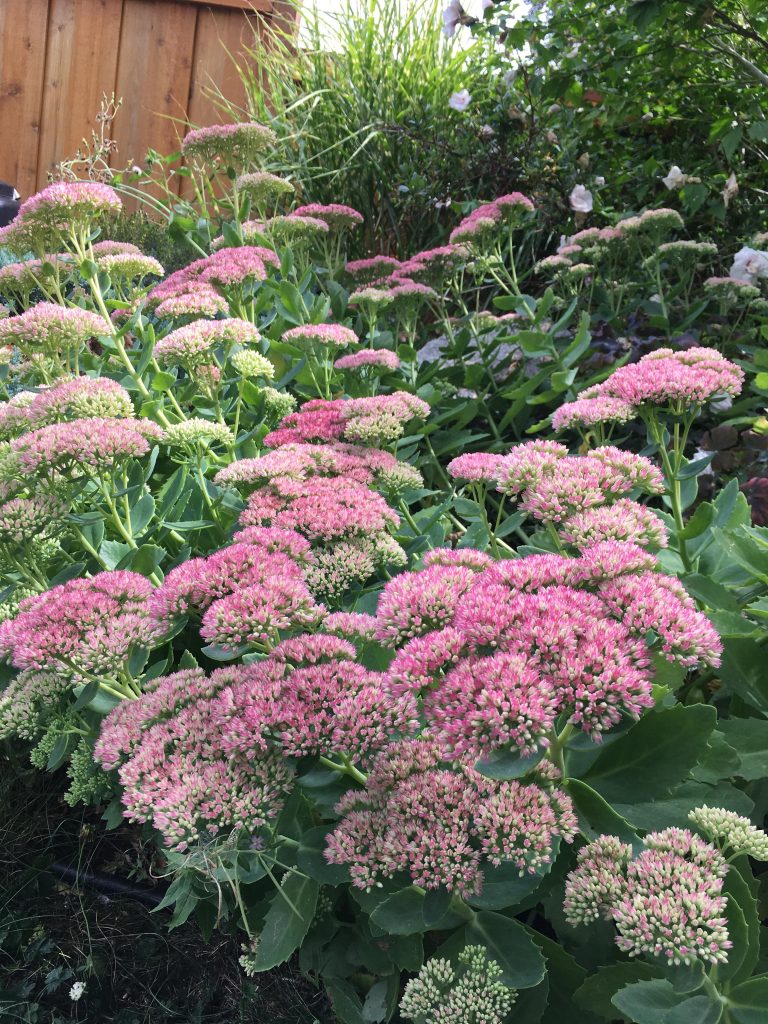
Drought doesn’t stand a chance against this one. It’s a succulent. It stores its own water. A dry spell that would flatten other perennials won’t even faze it.
What I love most is the color show. The flower clusters open pale pink in late summer. They deepen to rose.
By the end of the season, they’ve turned a rich copper. Three colors, one plant, zero effort on your part.
It stays a tidy two feet tall. It handles sun or light shade. Pollinators treat the flat flower heads like a landing strip. Hardy in zones 4 through 9. Skip the fertilizer here. Rich soil just makes the stems weak and floppy.
4. Russian Sage
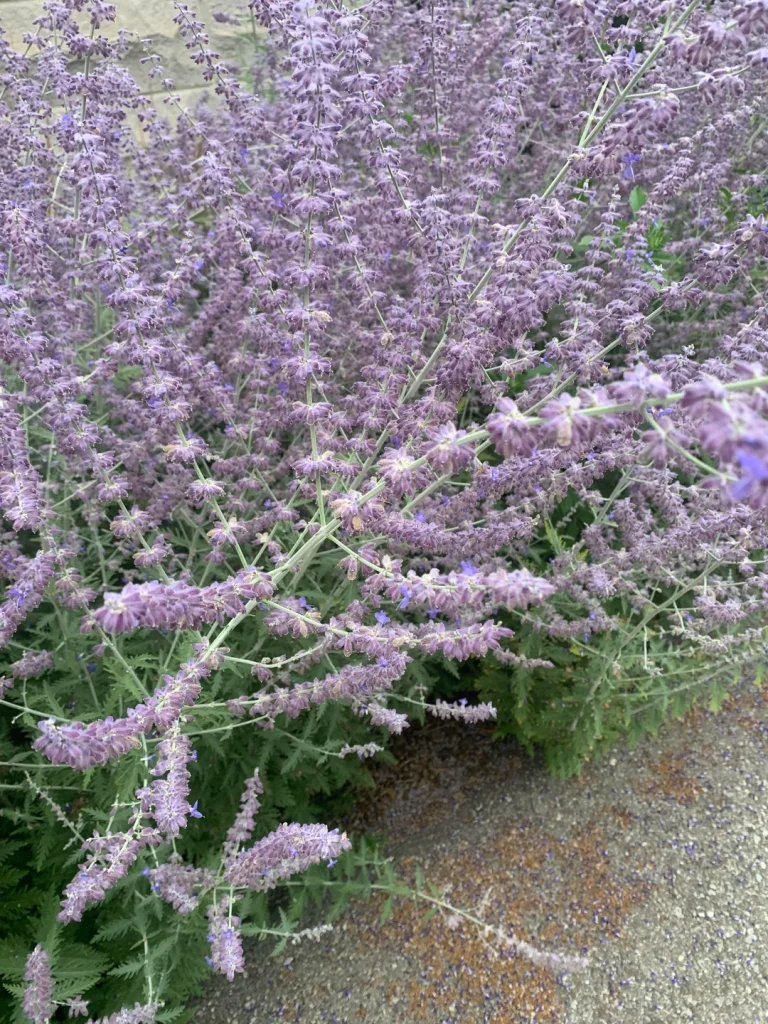
Picture airy, silvery stems. Now top them with lavender-blue flowers that seem to hover rather than sit. That’s Russian sage.
It starts blooming in midsummer and doesn’t slow down through fall.
Heat, drought, bad soil? This plant handles all of it better than almost anything else you’ll grow. Deer and rabbits leave it alone, too, thanks to the aromatic foliage.
There’s one catch. Older varieties can sprawl by late summer. A compact cultivar will save you the staking.
Zones 4 through 9 suit it fine. Here’s the part people get wrong: cut it back hard in early spring, not fall. Those old stems protect the crown through winter.
5. Japanese Anemone
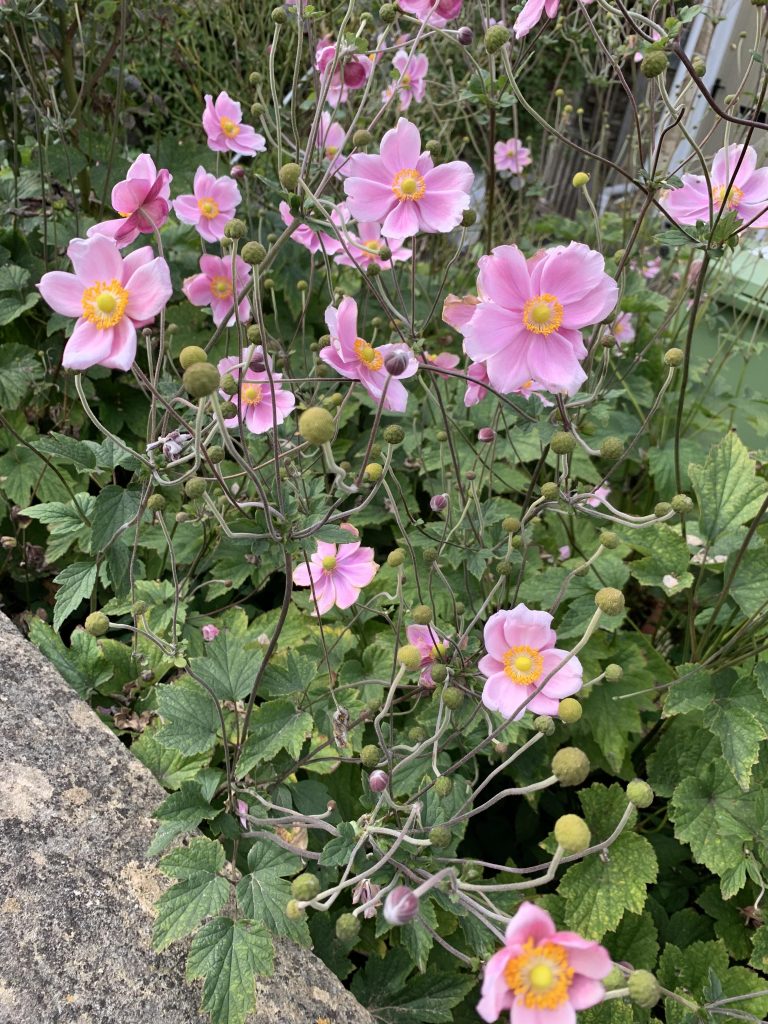
Want something softer than the bold colors on this list? Try Japanese anemone. It grows tall, wiry stems.
The cup-shaped flowers come in pink, white, or rose. They sway in the breeze right up to the first hard frost.
Fair warning: it spreads. Underground rhizomes let this plant wander if you give it room. I’d grow it in a container instead.
Or pick a slow-spreading dwarf variety, unless you actually want it to fill a bed.
Bees love the yellow centers. It’s also one of the few fall bloomers here that tolerates partial shade. Zones 4 through 8. Just don’t let the soil dry out completely in summer. It won’t forgive that.
6. Goldenrod
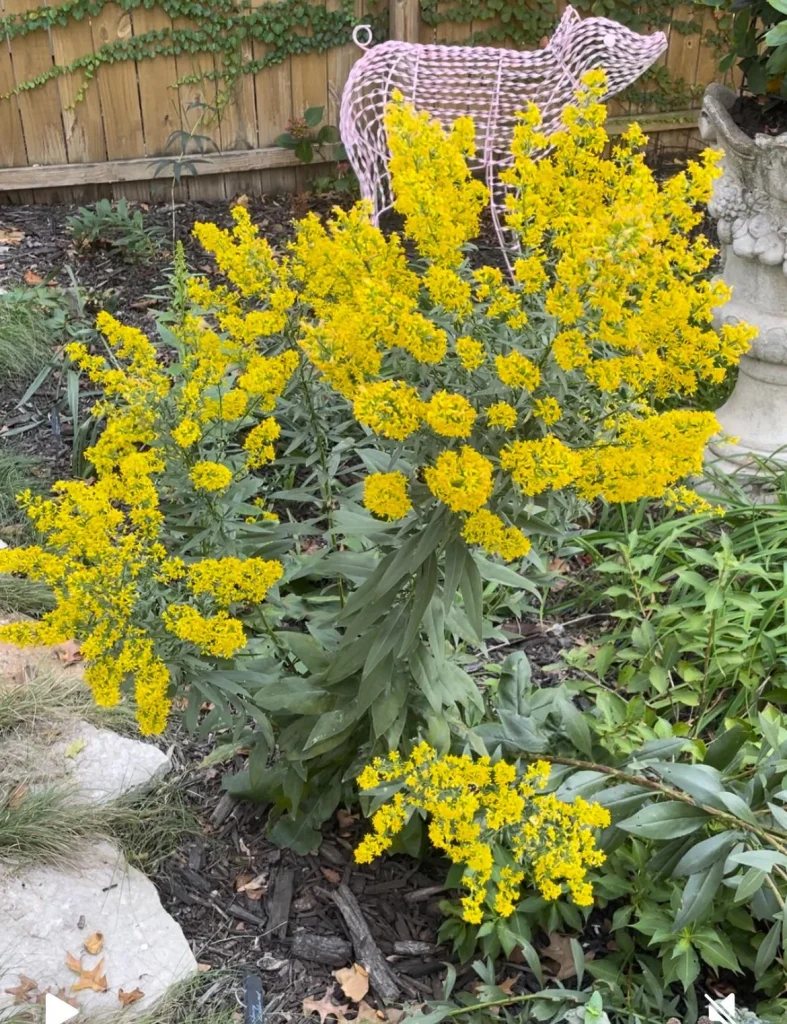
Let’s clear something up first. Goldenrod doesn’t cause allergies. That’s ragweed, and it blooms at the same time. Goldenrod just gets blamed for it.
Once you know that, this plant deserves a second look. Bright yellow plumes cover the top of each stem in late summer.
They keep going well into fall. Bees swarm them right before winter, when nectar gets scarce elsewhere.
Older wild goldenrod can get tall and floppy, three to six feet in some cases. Newer compact cultivars stay closer to one or two feet.
Those work better in a tidy border. Zones vary by species, but most do fine in zones 3 through 9. Plant it somewhere with good drainage, and you’re set.
7. Anise Hyssop
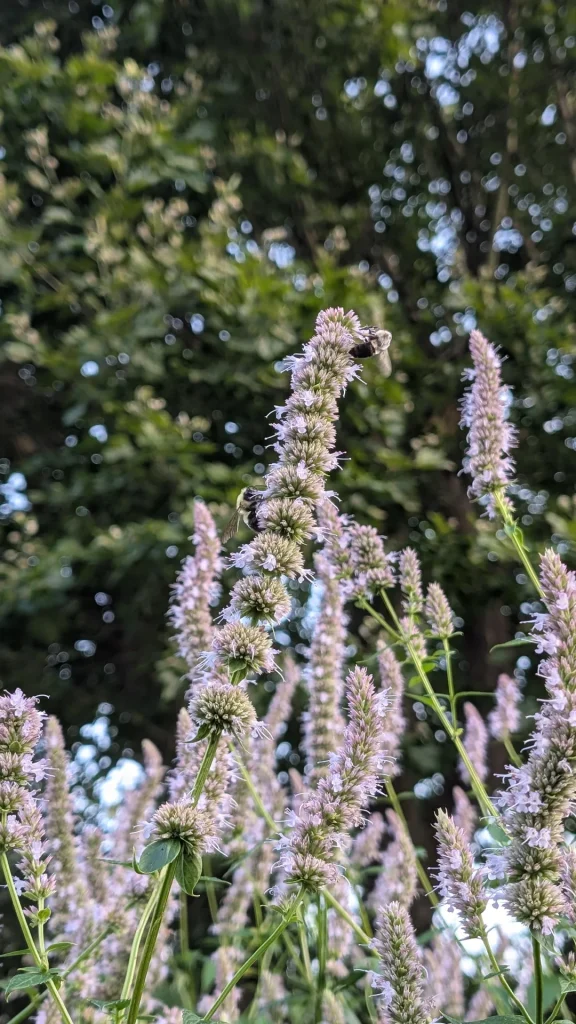
Crush a leaf of this plant and smell it. You’ll get a burst of licorice and mint. That scent is exactly why deer walk right past it.
Bees, butterflies, and hummingbirds don’t share that opinion, though. They flock to the tubular purple-blue flower spikes from midsummer clear into fall.
It’s one of the longest bloom windows on this whole list.
The plant grows upright, usually two to three feet tall. Give it full sun and soil that drains well. Zones 5 through 9 work best.
Wet feet in winter is the one thing this plant won’t tolerate, so skip the low, soggy spots in your yard.
8. Toad Lily
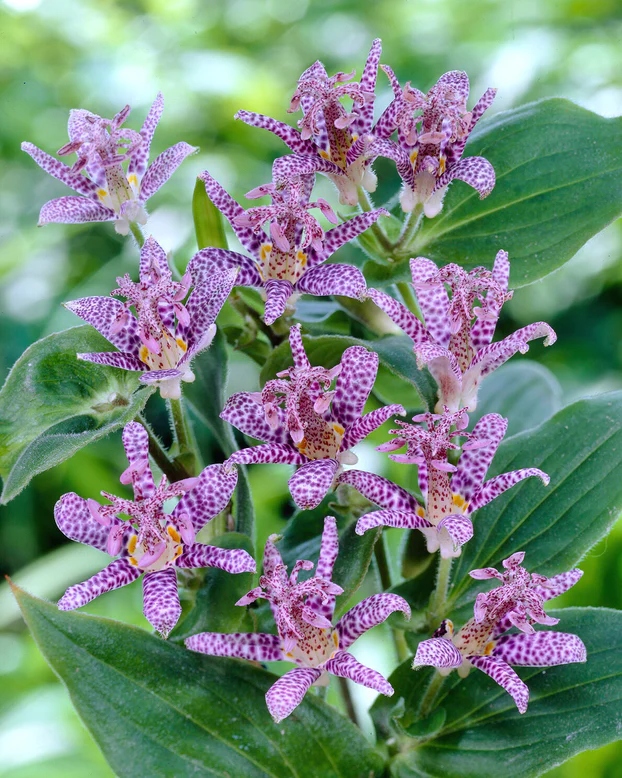
Here’s a question I get a lot: what blooms in fall shade? Most lists just don’t answer that. Toad lily does.
Its flowers look almost orchid-like up close. White petals get speckled with purple, and a yellow throat sits in the center.
They open in late summer and hang on into fall, tucked under the plant’s dark green leaves.
This one wants partial shade to full shade, plus soil that stays consistently moist. Give it that, and it’ll thrive where sun-loving plants can’t.
It grows 2 to 3 feet tall and does well in zones 4 through 9. Try it under trees or along a shaded path where you need a little late-season interest.
9. Sneezeweed
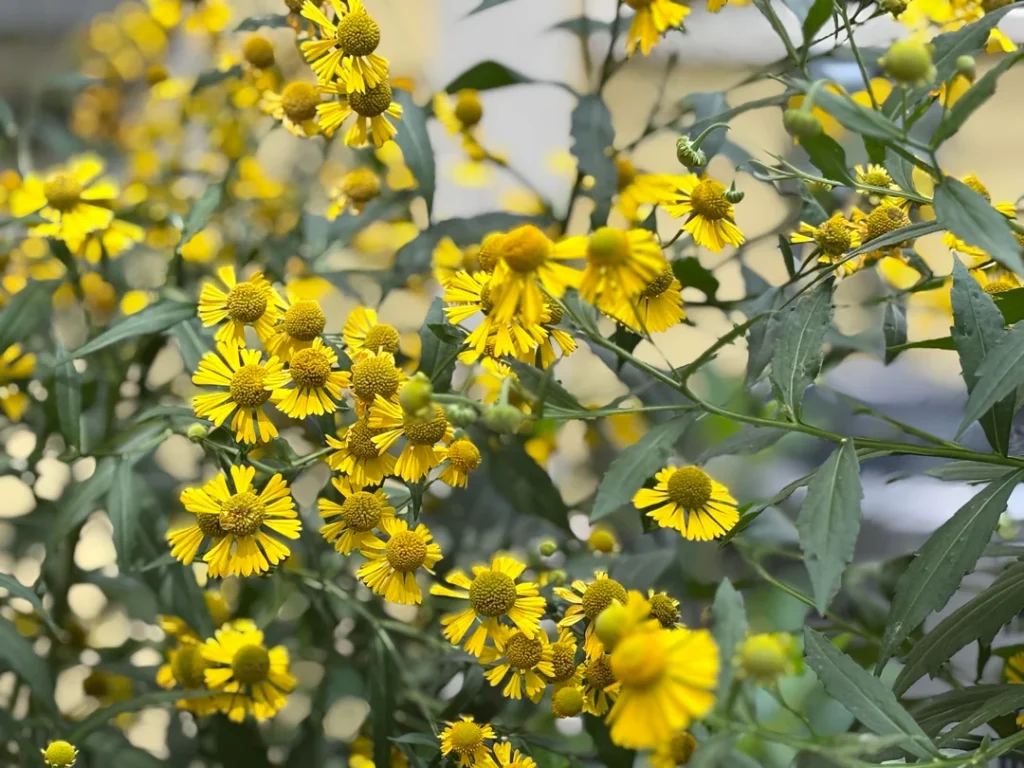
Despite the name, this plant won’t make you sneeze. It got tagged with that name centuries ago, back when people dried the leaves and used them to trigger sneezing on purpose. Times change. The name stuck.
What you actually get is a burst of red, orange, and yellow daisy-like flowers, right when most perennials are calling it quits.
It starts in August and often runs through October.
Taller varieties can reach three to five feet and may need staking. Compact cultivars skip that problem entirely and top out under two feet.
Either way, keep the soil consistently moist. This plant doesn’t love drought the way sedum or Russian sage does. Zones 3 through 9 suit it well.
10. Balloon Flower
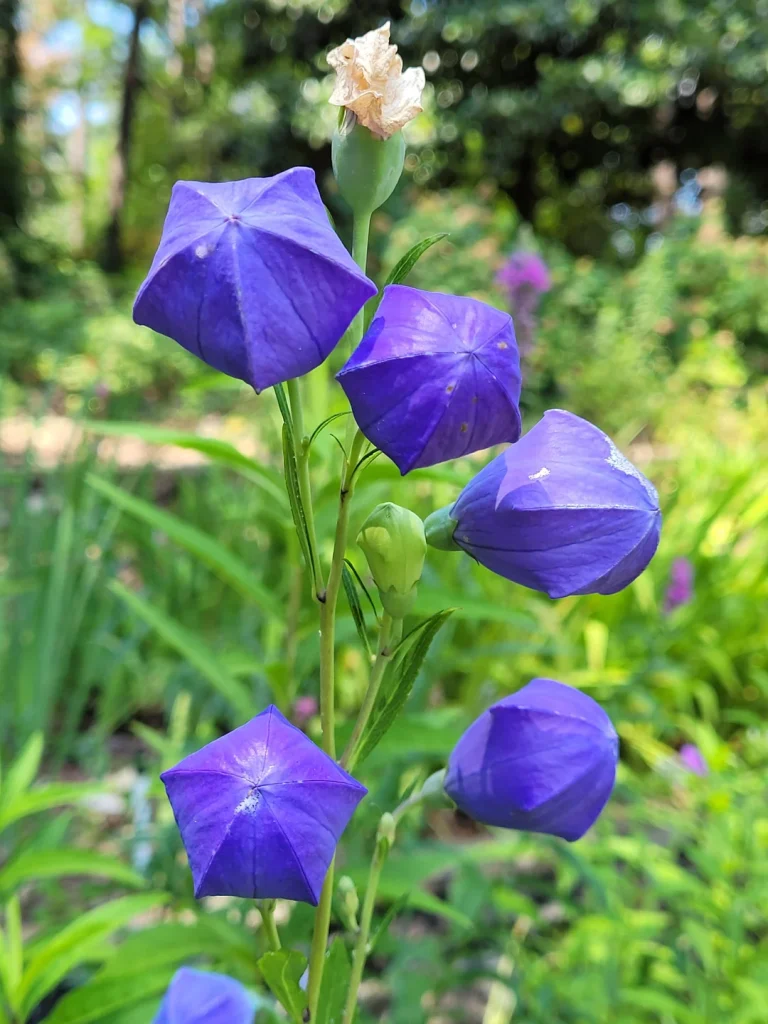
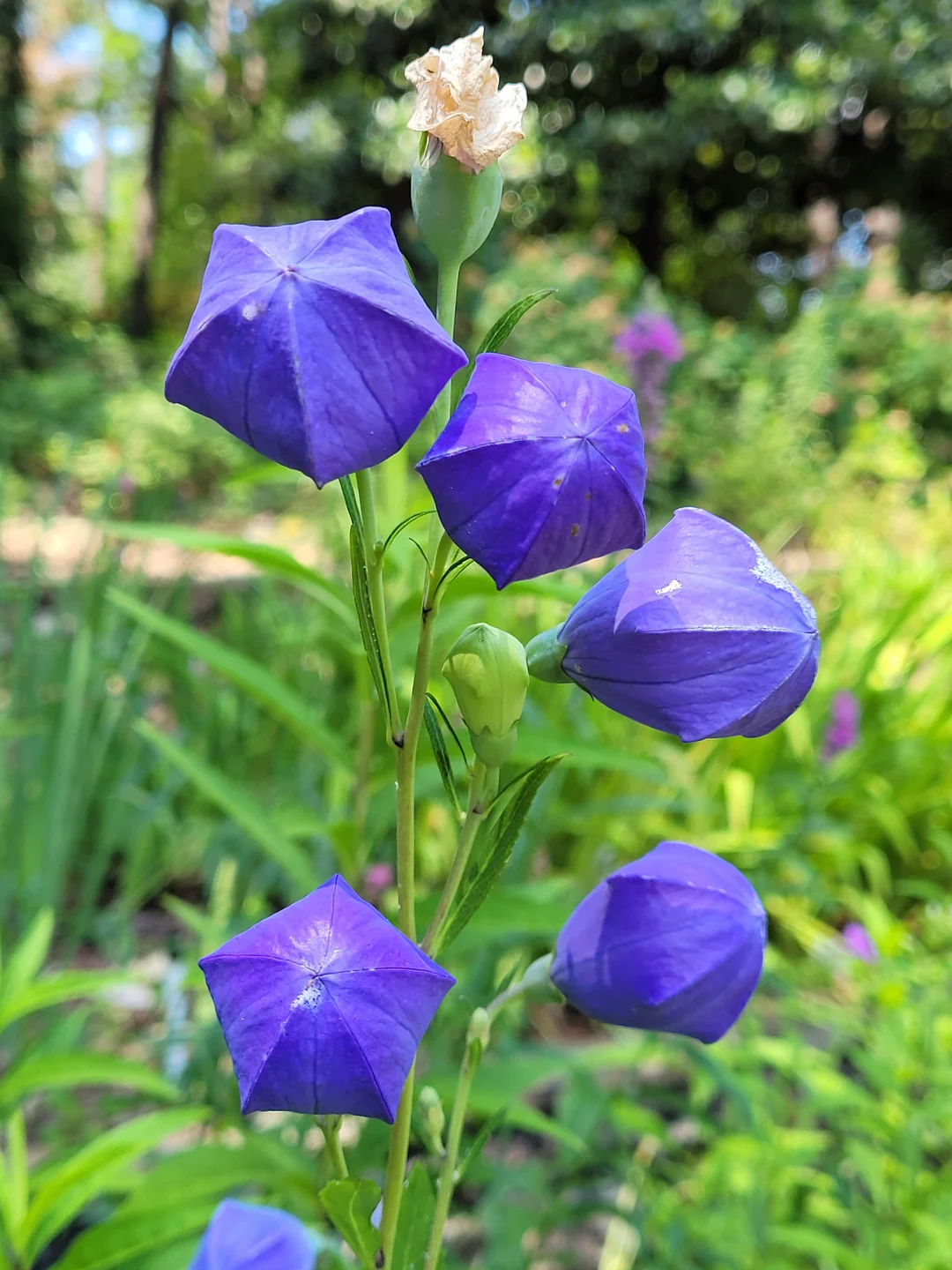
Before the flower opens, you get something even more fun: a puffy little balloon-shaped bud. Give it a gentle squeeze and it pops open, revealing a star-shaped bloom underneath.
Those blooms come in blue, purple, pink, or white. They show up from midsummer through early fall, and the plant asks for very little in return.
It’s slow to emerge in spring, so don’t panic if you don’t see it right away. It’s just taking its time.
Balloon flower grows one to two feet tall and prefers full sun to partial shade. It’s hardy in zones 3 through 8. Once established, division isn’t necessary. In fact, it prefers being left alone for years at a stretch.
11. Joe Pye Weed
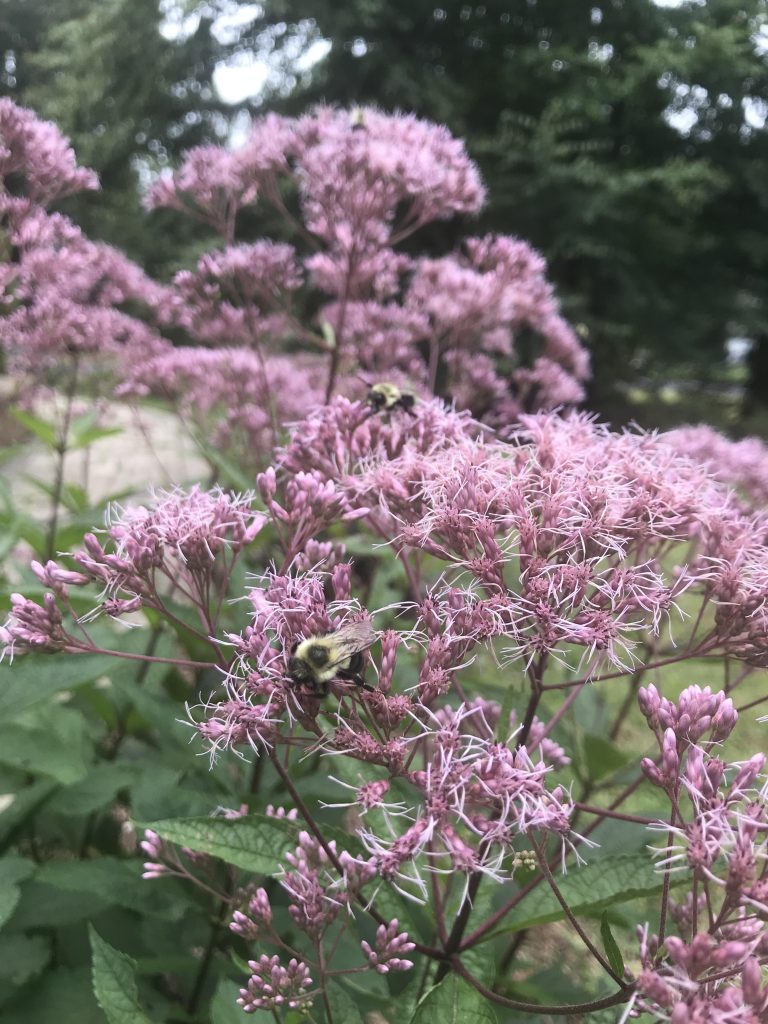
This one goes big. Really big. Some varieties reach six to ten feet tall, with dusty pink-purple flower clusters that sit on top like a crown.
That size makes it perfect for the back of a border or a naturalized corner of the yard. Butterflies treat it like a magnet, especially swallowtails.
If you don’t have room for a giant, don’t worry. Compact cultivars stay closer to three or four feet without losing the flower show.
It likes moist soil and full sun to partial shade. Zones 4 through 9 work well. This plant thrives near a pond, a rain garden, or any low spot in your yard that stays a little damp.
12. Garden Mums
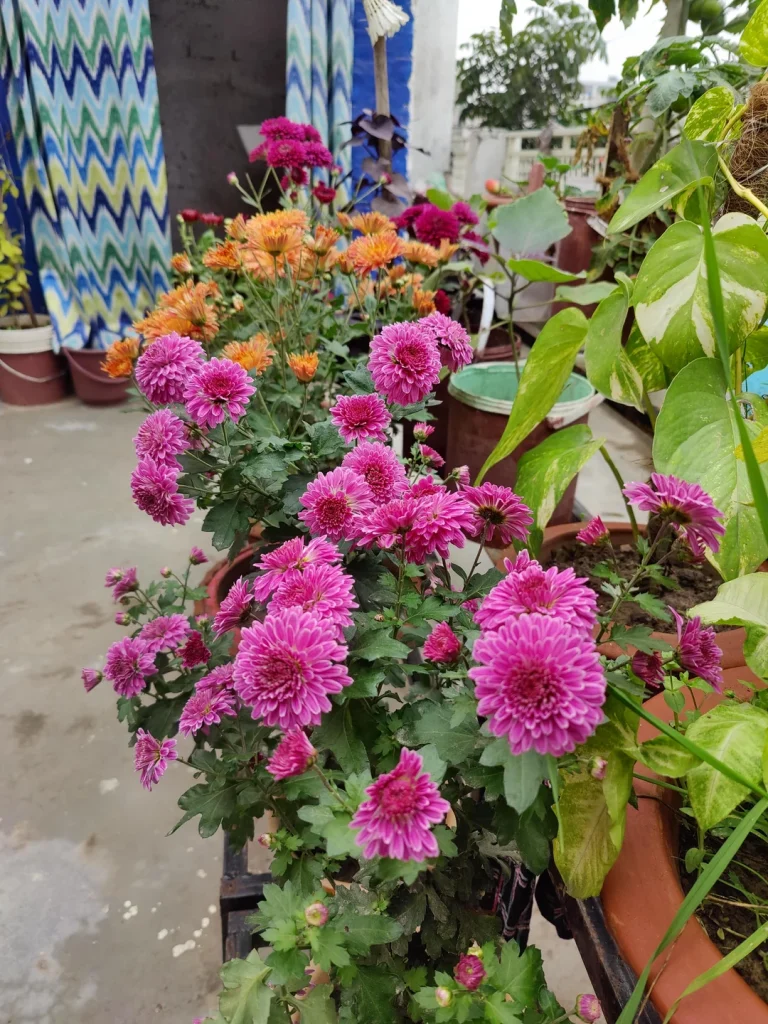
You already know this one. Every fall porch display includes a mum somewhere. But here’s what most people miss: not all mums are the same.
Florist mums, the kind sold in grocery stores each October, are bred for a quick, disposable display. They rarely survive winter outdoors.
Hardy garden mums are different. Plant them in spring or early summer, and they’ll come back year after year, blooming right on schedule each fall.
Colors span yellow, bronze, red, white, orange, and pink. Most varieties grow one to two feet tall and do best in zones 5 through 9.
If you want mums that return next year, buy them early in the season instead of grabbing the ones stacked outside the grocery store in October.
13. Caryopteris (Bluebeard)
Every flower on this list so far has been a perennial. This one’s different.
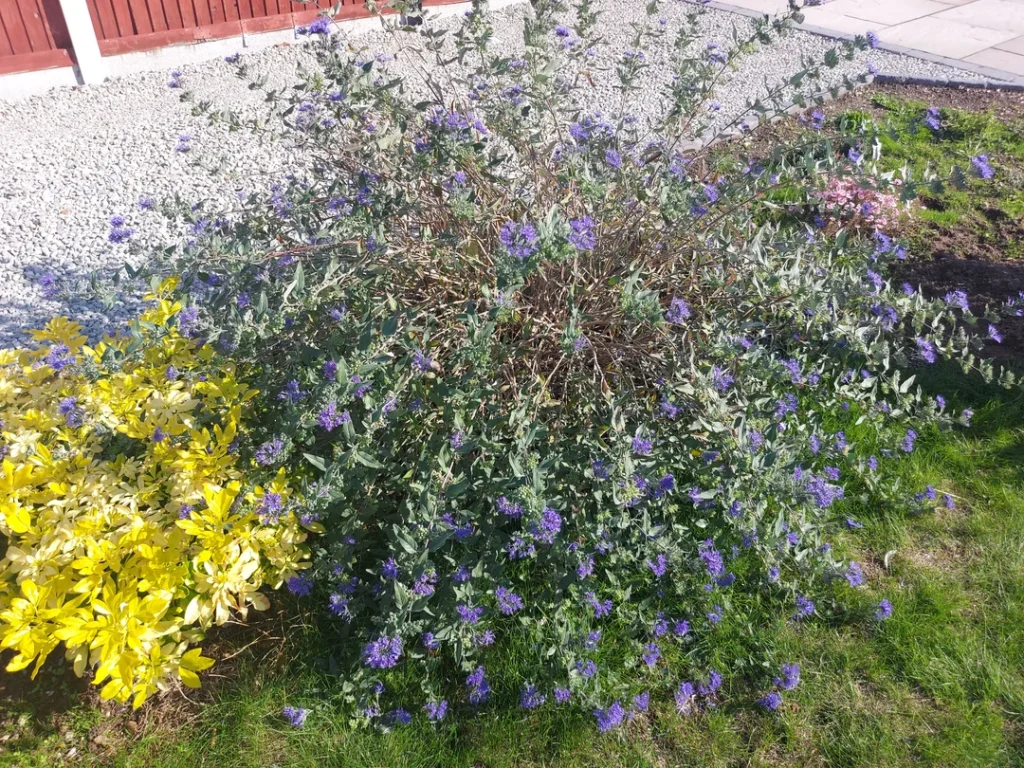
Caryopteris is a small shrub, and it earns its spot with true blue flowers that are hard to find anywhere else in the fall garden.
Honeybees can’t get enough of it. On a sunny afternoon, you’ll find the whole shrub humming. The silvery, aromatic foliage keeps deer away, the same trick Russian sage uses.
It grows 3 to 3 feet tall and wide, making it a nice fit for smaller yards or mixed borders. Zones 5 through 9 suit it, with some pink-flowered varieties needing a touch more warmth.
Cut it back hard in early spring. It blooms on new growth, so last year’s stems won’t hold you back.
Frequently Asked Questions
Is it too late to plant perennials in fall?
Not if you plant early enough. Aim for at least six to eight weeks before your first hard frost. That gives roots time to establish before winter.
Can I mix these flowers in the same bed?
Yes, and they pair well together. Just group plants with similar water needs. Sedum and Russian sage like it dry, while Joe Pye weed and toad lily prefer more moisture.
Do I need to stake any of these?
Taller types like Joe Pye weed and older aster or sneezeweed varieties can flop. Compact cultivars usually skip this problem, so check plant tags before you buy.
Will these flowers survive winter?
Most listed here are hardy perennials, so they’ll return next year if planted in their correct zone. Garden mums are the exception. Only true hardy mums, planted early in the season, reliably come back.
How much watering do these need while they’re getting established?
Water new plants regularly for the first few weeks, even the drought-tolerant ones like sedum. Once they’re established, most only need supplemental water during extended dry spells.
Final Thoughts
Your garden doesn’t have to fade out once summer ends. A few of these flowers, tucked into the right spots, can carry color and pollinator activity well into fall.
Start with two or three that fit your space and sun conditions. You’ll be surprised how much life they bring to a yard that would otherwise be winding down.