10 Perennials to Cut Back This Fall for a Healthier Garden Next Spring

Fall garden cleanup can feel confusing. Do you cut everything back? Or leave it all standing until spring?
Here’s the honest answer: it depends on the plant. Some perennials genuinely need a fall trim to stay healthy. Others do better left alone until the weather warms up.
Get the timing wrong, and you risk losing next year’s blooms or letting disease overwinter right in your beds.
I’ve rounded up 10 perennials that actually benefit from a fall cutback, plus the mistakes that trip up most gardeners every year.
Also read: 12 Perennials You Should Never Cut Back in Fall
Common Fall Pruning Mistakes (and How to Fix Them)
Most pruning problems have nothing to do with effort. They come down to bad timing.
Cutting back too early is the biggest one. If you prune before a hard frost, you can stress the plant. It loses its last chance to store energy for winter. Wait until the foliage browns or turns mushy first.
Here’s another mistake I see constantly: cutting too close to the crown. Leave a small stub, about 1 to 2 inches, above the soil line.
This protects the crown from cold damage. It also helps you remember exactly where the plant is once spring rolls around.
Skipping tool sanitation is easy to overlook, but it matters. Wipe your pruners with rubbing alcohol between plants.
This one habit stops fungal issues like powdery mildew from hitching a ride to your healthy perennials.
And please, don’t toss diseased foliage into your compost pile. Bag it or burn it instead. Composting infected leaves just gives the problem a free pass back into your garden next year.
When Exactly Should You Prune? A Frost-Based Timeline
Skip the calendar. Let the weather set your schedule instead.
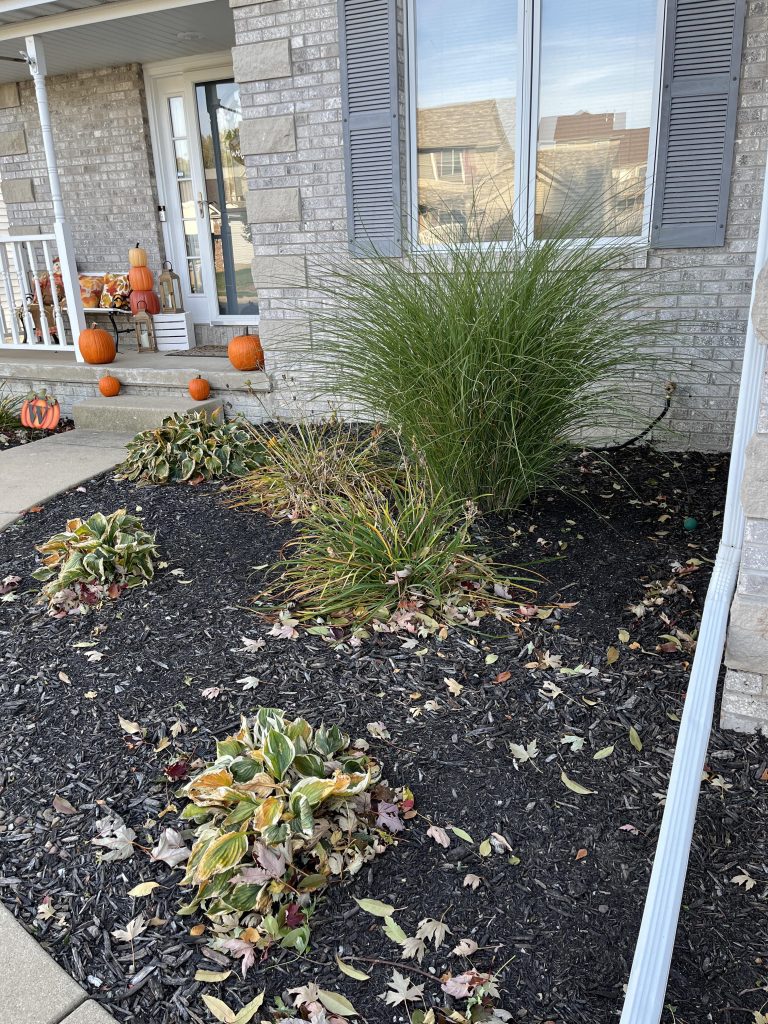
Most experts agree: wait until after your first hard frost. That’s when foliage dies back and turns brown or black. Prune too early, and you rob the plant of its last window to send energy down into the roots.
There’s one exception, though. If a plant is actively battling pests or disease, don’t wait. Bee balm with powdery mildew or iris showing borer damage?
Cut it back right away. Sanitation wins over scheduling in those cases.
Your zone matters here too. If you garden in zones 3 to 5, you’ll likely see your first hard frost by early to mid October. Zones 7 and up might not see one until November or later. Skip the fixed dates and just watch your local forecast.
10 Perennials You Should Always Cut Back in the Fall
1. Peony
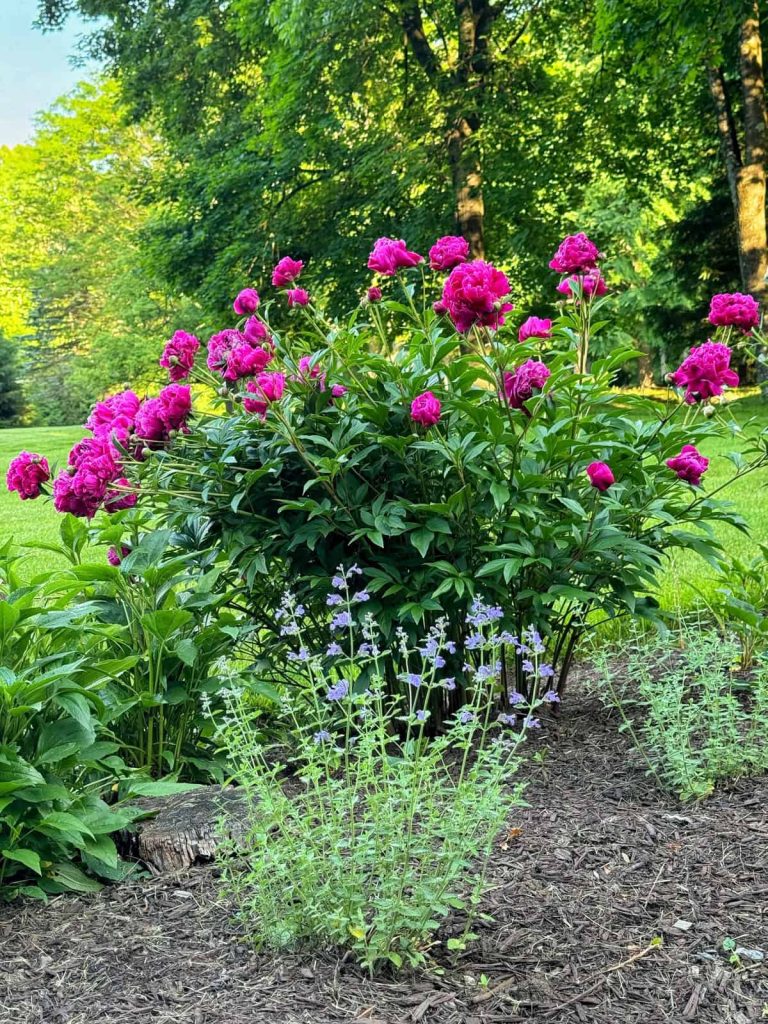
You’ll know it’s time when the leaves start looking rough. Peony foliage often turns black or develops dark blotches by fall, usually from a fungal issue called botrytis blight.
Leave that foliage sitting through winter, and you’re basically handing the disease a place to survive until spring.
So here’s what I do: wait for the first hard frost, then cut the stems straight down to the ground. Don’t worry about being too aggressive.
Peonies grow from a woody crown, not delicate roots, so a hard cutback won’t hurt them one bit. It just keeps next year’s growth cleaner and healthier.
Zones: 3 to 8
Size: 2 to 3 feet tall and wide
Care: Cut all foliage to ground level. Discard blackened leaves instead of composting them.
2. Bearded Iris
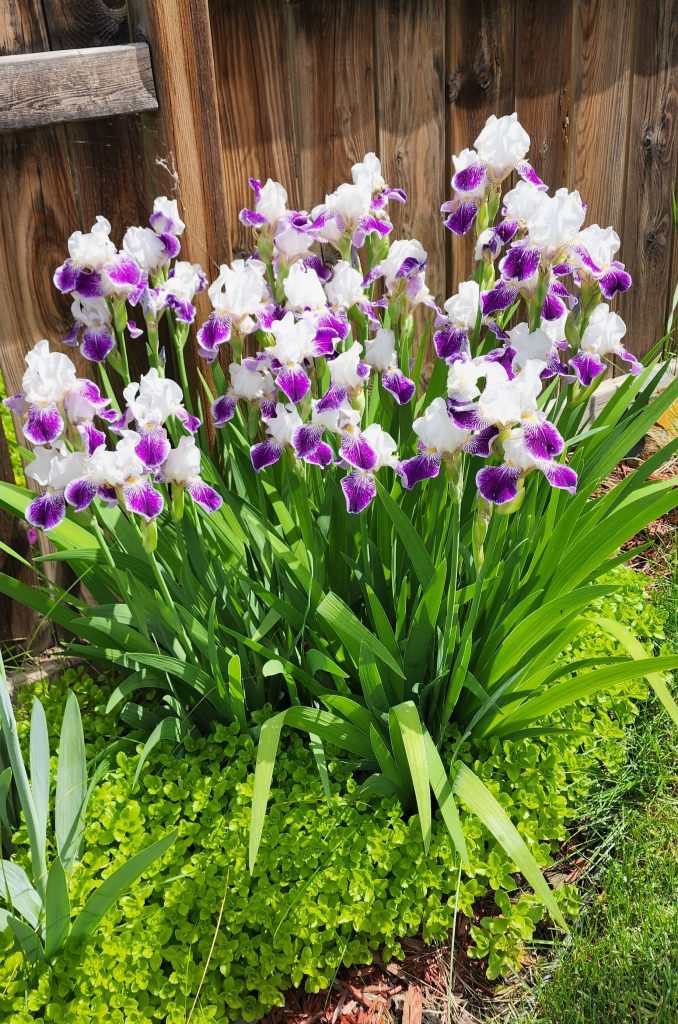
This one surprises a lot of people. That rough-looking iris foliage in fall isn’t just an eyesore. It’s a hiding spot.
The iris borer, a common garden pest, lays its eggs in old leaf debris. Those eggs sit there all winter, waiting to hatch and tunnel straight into your rhizomes come spring.
Not exactly the surprise you want in your flower bed.
The fix is simple. Trim the leaves into a fan shape, leaving about 5 to 6 inches of growth.
You’ll clear out the borer’s favorite spot while still giving the plant enough leaf tissue to photosynthesize before the cold sets in.
Zones: 3 to 9
Size: 12 to 36 inches tall, spreading via rhizome
Care: Trim into a fan shape at 5-6 inches. Always discard the old leaves.
3. Hosta
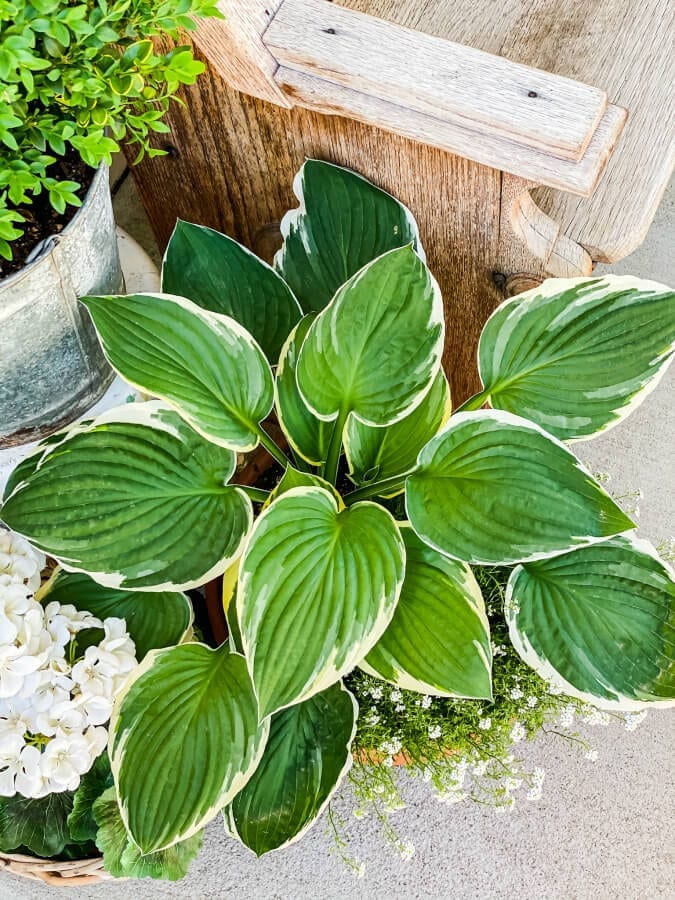
Slugs love a messy hosta bed. That’s really what this comes down to.
Hosta leaves turn to mush after the first freeze, and if you leave that soggy foliage sitting around, slugs and snails will happily lay their eggs in it.
Come spring, you’re stuck dealing with a bigger slug problem than you started with.
Once the leaves collapse from frost, cut them back to the base. Clear away every bit of debris near the crown while you’re at it.
If slugs have bothered your hostas before, this one step alone can make a real difference next season.
Zones: 3 to 9
Size: Ranges from 6 inches to over 3 feet wide, depending on variety
Care: Wait for frost to collapse the foliage, then cut to the base and remove all debris.
4. Daylily
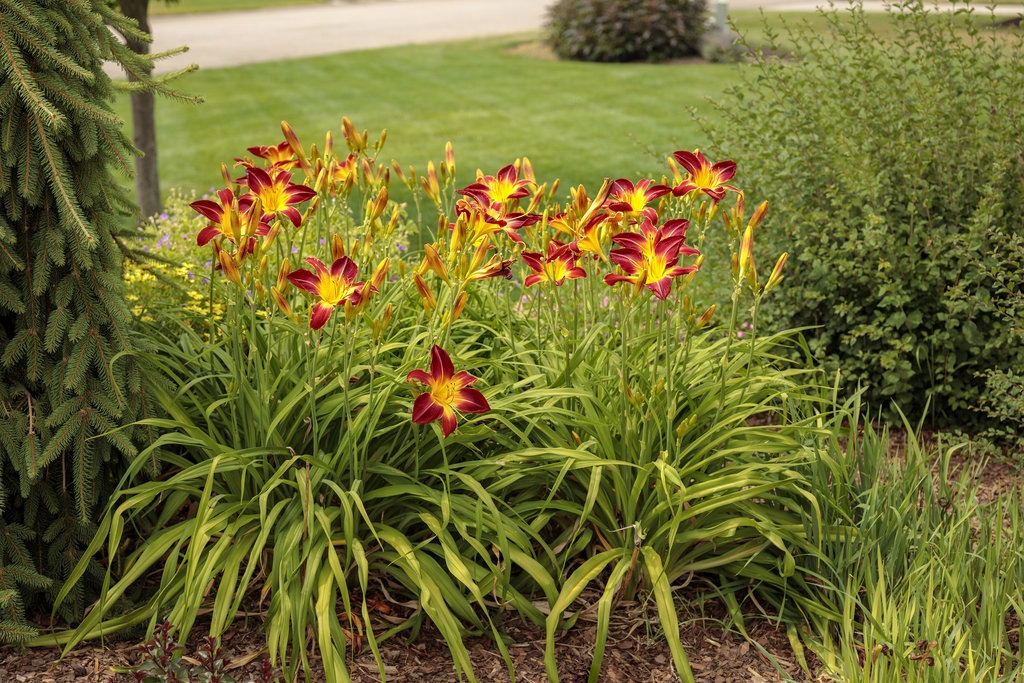
Daylilies hold up pretty well most of the season. Then a hard freeze hits, and the foliage just gives up overnight. It goes limp, floppy, and honestly not great to look at.
There’s no real reason to keep it standing either. Unlike some perennials, daylilies don’t offer much winter interest, and wildlife isn’t relying on them for food.
So once the leaves die back, cut them down to a few inches above the crown.
Don’t hold back here. New growth shows up early next spring no matter how hard you cut, so there’s really no way to overdo it.
Zones: 3 to 9
Size: 1 to 4 feet tall, depending on variety
Care: Cut back to a few inches above the crown once foliage dies back.
5. Garden Phlox
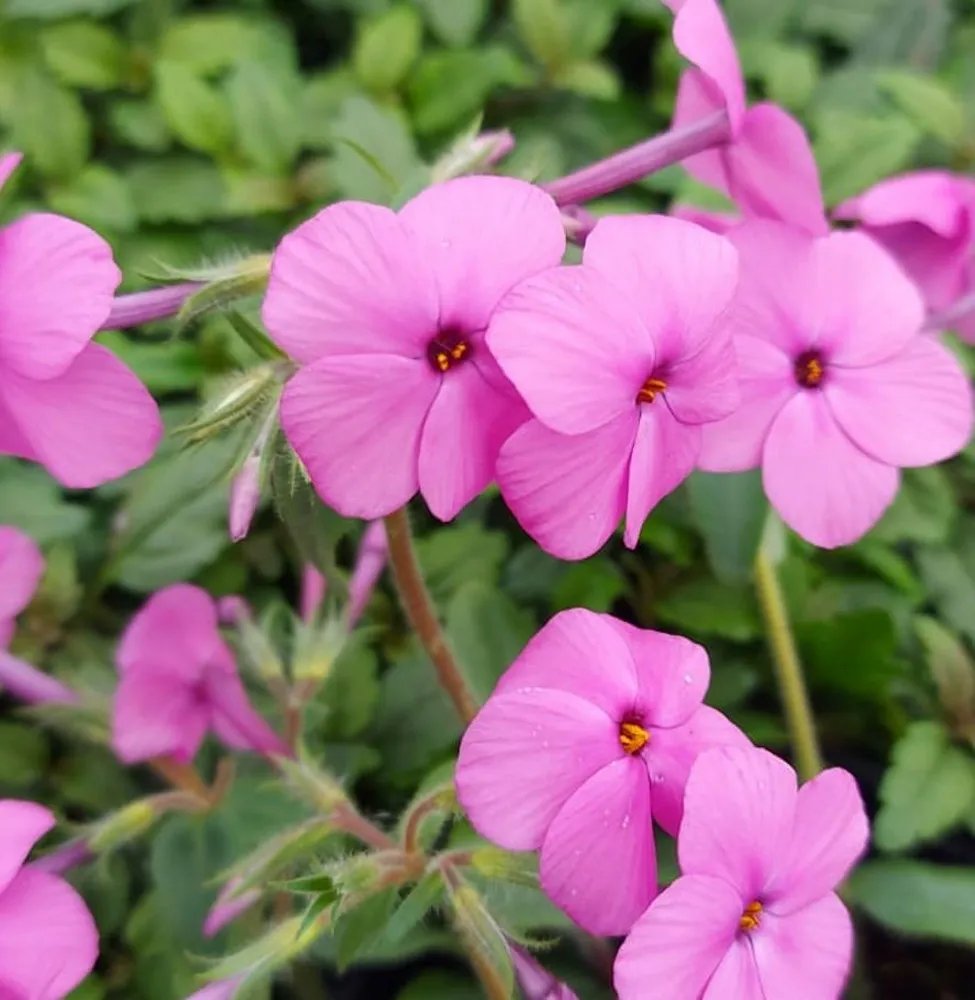
If your phlox leaves get a white, powdery coating every year, you already know the culprit: powdery mildew. It shows up most in humid climates or when plants are crowded too close together, and it doesn’t just look bad.
It weakens the whole plant and spreads fast to its neighbors.
Once the blooms wrap up for the season, cut the stems down to 4 to 6 inches. That little bit of stem height protects the crown while clearing away the mildew-prone growth above it.
One more thing: skip the compost bin with these clippings. You don’t want that mildew coming back next year.
Zones: 3 to 8
Size: 2 to 4 feet tall and wide
Care: Cut stems to 4-6 inches after blooming ends. Never compost the clippings.
6. Bee Balm
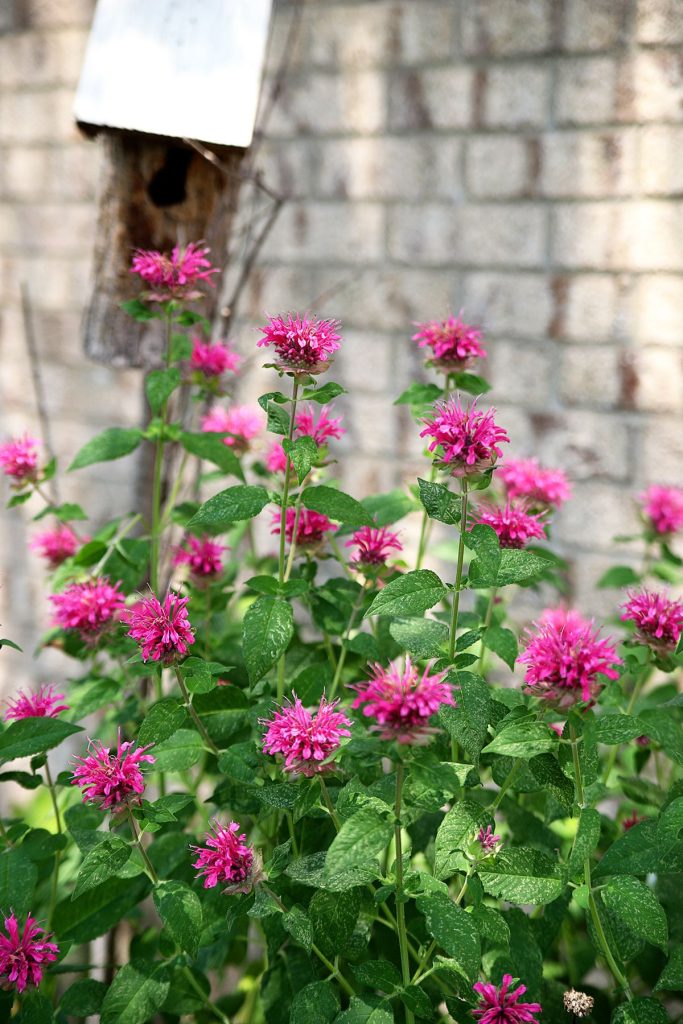
Bee balm is a pollinator magnet, no question. But it’s also a magnet for powdery mildew, especially by late summer when the humidity really sets in.
Once that mildew shows up, waiting until frost isn’t your best move. Cut the affected stems back as soon as you spot the problem, rather than letting infected foliage sit there spreading spores to everything nearby.
If your plants stayed disease-free this year, you can wait for a hard frost instead.
Either way, cut down to a few inches above the soil. This also gives you room to work compost or mulch into the bed before winter, which bee balm genuinely appreciates.
Zones: 3 to 9
Size: 2 to 4 feet tall, spreading readily by rhizome
Care: Cut back at first sign of mildew, or after frost if disease-free. Discard infected foliage, don’t compost it.
7. Astilbe
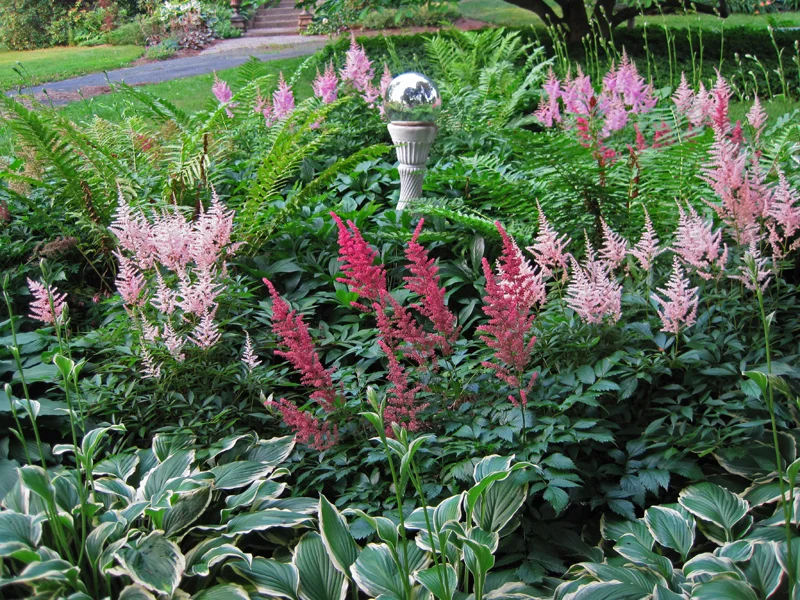
Here’s a shade garden favorite that doesn’t get talked about enough in fall cleanup conversations.
Astilbe’s feathery plumes fade to brown by autumn, and honestly, some gardeners like the texture they add through winter.
But if your astilbe struggled with any fungal spotting this season, it’s worth cutting back rather than risking a repeat next year.
Trim the foliage down to the base after a hard frost. Leave the crown undisturbed, since astilbe doesn’t tolerate being cut too aggressively near the root zone. A light layer of mulch afterward helps protect it through harsh winters.
Zones: 4 to 9
Size: 1 to 3 feet tall, depending on variety
Care: Cut to the base after frost if foliage shows disease. Mulch lightly afterward in colder zones.
8. Catmint

Catmint is one of those plants that just keeps blooming and blooming, right up until frost finally shuts it down. By then, though, the foliage tends to flop and turn gray, and it’s not doing much for your garden’s winter appeal.
A lot of gardeners already know about the “Chelsea chop,” where you trim catmint back mid-season for a second flush of blooms.
Fall pruning works on a similar idea, just with a different goal. Cut the plant back to 4 to 6 inches above the ground once it’s finished blooming for good.
This keeps things tidy and gives the plant a clean slate heading into spring.
Zones: 4 to 8
Size: 1 to 3 feet tall and wide
Care: Cut back to 4-6 inches once blooming ends for the season.
9. Yarrow
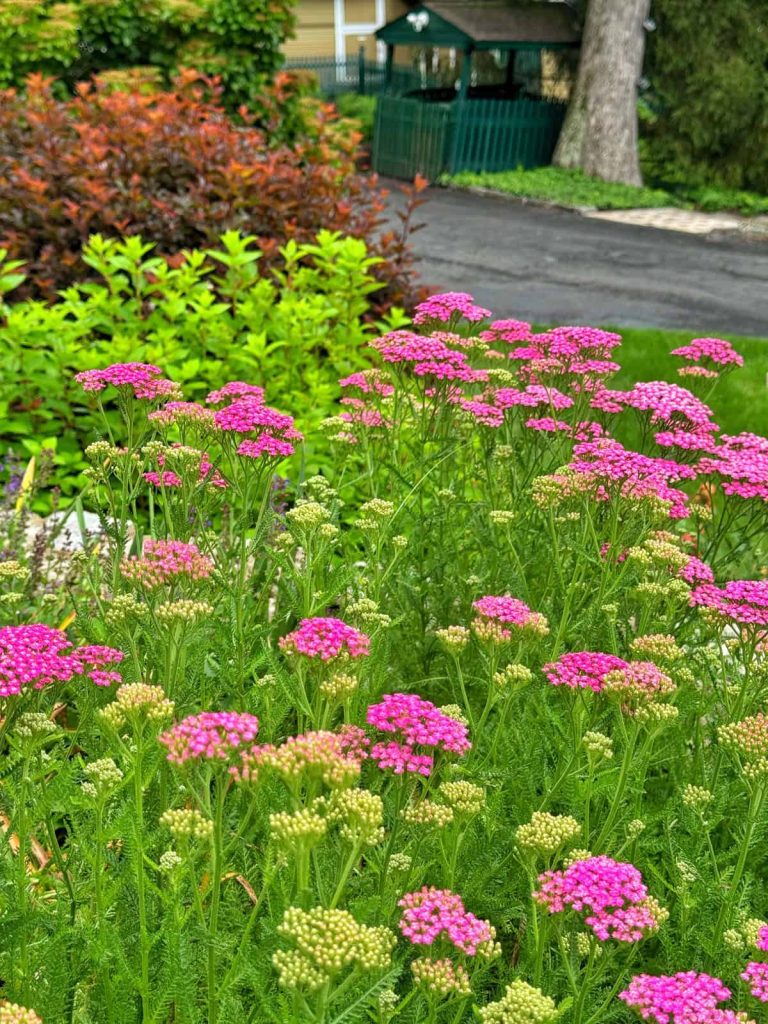
Yarrow’s foliage turns gray and brittle by fall, and if you leave it standing, air just can’t move through the plant the way it needs to. That sets the stage for rot and disease to creep in over winter.
Cutting it back solves that problem pretty easily. Trim the stems down to where fresh new growth is already starting to form near the base. You’ll usually see this new growth peeking through even in late fall.
Leave about 2 to 3 inches of stem behind. That little bit of height protects the crown without blocking airflow.
Zones: 3 to 9
Size: 2 to 3 feet tall, 8 to 12 inches wide
Care: Cut to where new growth begins, leaving 2-3 inches of stem for crown protection.
10. Lavender
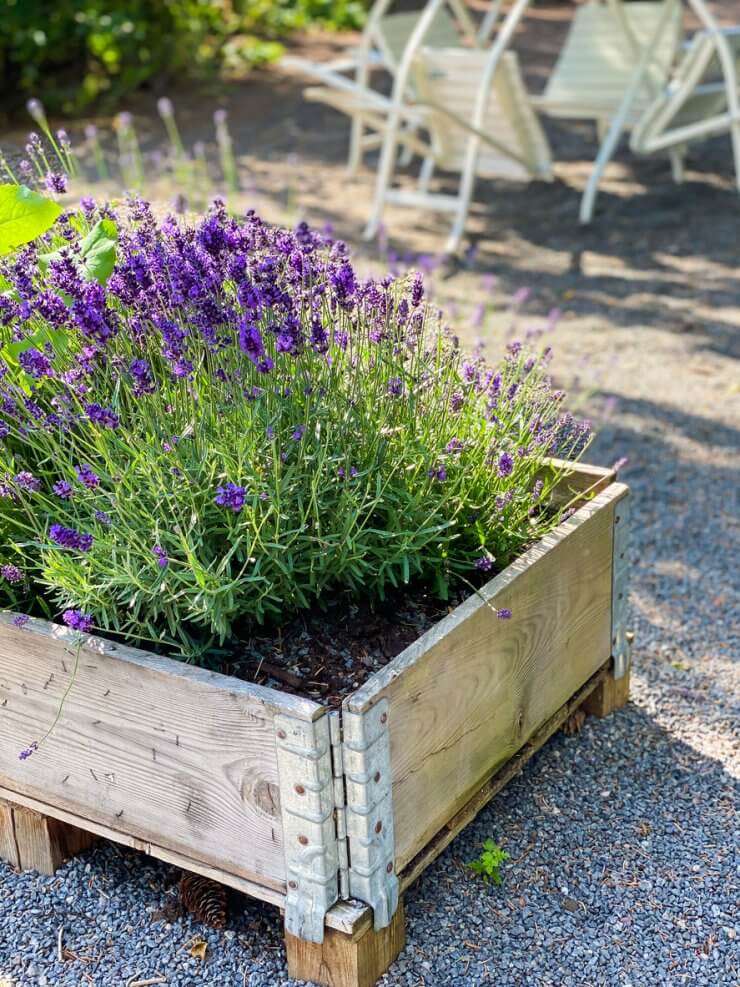
Lavender is a little different from everything else on this list, so pay attention here. This plant grows from old, woody stems, and cutting into that old wood can seriously set it back, or even kill it outright.
That means fall pruning should be light. Think shaping, not chopping. Trim away spent flower stalks and any dead, wispy growth, but stay well above the woody base.
Save the harder pruning for spring, once you can see exactly which stems survived winter.
Get this timing wrong, and you might be replacing your lavender next year instead of enjoying it.
Zones: 5 to 9
Size: 1 to 3 feet tall and wide
Care: Light shaping only. Never cut into old, woody growth in fall.
Frequently Asked Questions
Can I compost the stems I cut back?
It depends on the plant’s health. Healthy, disease-free clippings are totally fine in the compost pile. But anything showing signs of powdery mildew, blight, or borer damage should go in the trash or get burned instead.
What happens if I miss the fall pruning window?
Nothing catastrophic, honestly. Most of these perennials can still be cut back in early spring before new growth appears.
You’ll just be doing a bit more cleanup at once, and any pests that overwintered in old foliage get an extra season to settle in.
Will cutting back in fall hurt next year’s blooms?
Not for the plants on this list. These are all perennials that flower on new growth each year, so a fall cutback won’t touch next year’s flowers. The plants you need to worry about are ones that bloom on old wood, like certain hydrangeas.
How short should I actually cut things back?
Most perennials do best with a 1 to 2 inch stub left above the soil. A few, like peonies, can be cut all the way to the ground since they grow from a woody crown instead of true roots.
Do I need to prune everything in my garden this fall?
Not at all. Plenty of perennials, like coneflower and Russian sage, actually do better left standing through winter.
They offer food for birds and some protection from the cold. Save your pruning energy for the plants that genuinely need it.
Wrapping Up
Fall pruning doesn’t have to be an all-or-nothing project. Focus on the perennials dealing with disease, pests, or foliage that just can’t handle a hard freeze, and leave the rest standing for winter interest and wildlife.
A little bit of timing goes a long way here. Get through this list, and you’ll walk into spring with a garden that’s already ahead of the game.