Tired of Replanting? These 12 Cut-and-Grow-Again Vegetables Fix That

I used to pull up my lettuce the second it looked ready, then wonder why my garden felt empty by July. Turns out I was doing it wrong the whole time.
Cut-and-grow-again vegetables let you snip what you need and leave the rest to keep growing. You get fresh food for months instead of one sad harvest.
Here are 12 crops that reward patience with a steady, daily supply of greens.
Why I Switched to Growing These in My Own Garden
I used to plant a tray of lettuce, harvest it once, then start all over again. That got old fast. Liza and I only have a balcony to work with, so every inch of space matters.
Replanting every few weeks felt like a losing game. Seeds cost money. Soil needs time to recover. Our patience ran thin waiting for tiny seedlings to catch up.
Everything changed once we switched to cut-and-grow-again crops. Suddenly, one kale plant fed us for months instead of weeks. Space opened up for other things we wanted to grow.
Now our balcony garden runs on this simple trick. Fewer seeds get planted. Less soil gets disturbed. More vegetables land on our plates, and that’s exactly the trade I want to keep making.
12 Cut-and-Grow-Again Vegetables That Keep Your Garden Producing All Season
1. Lettuce
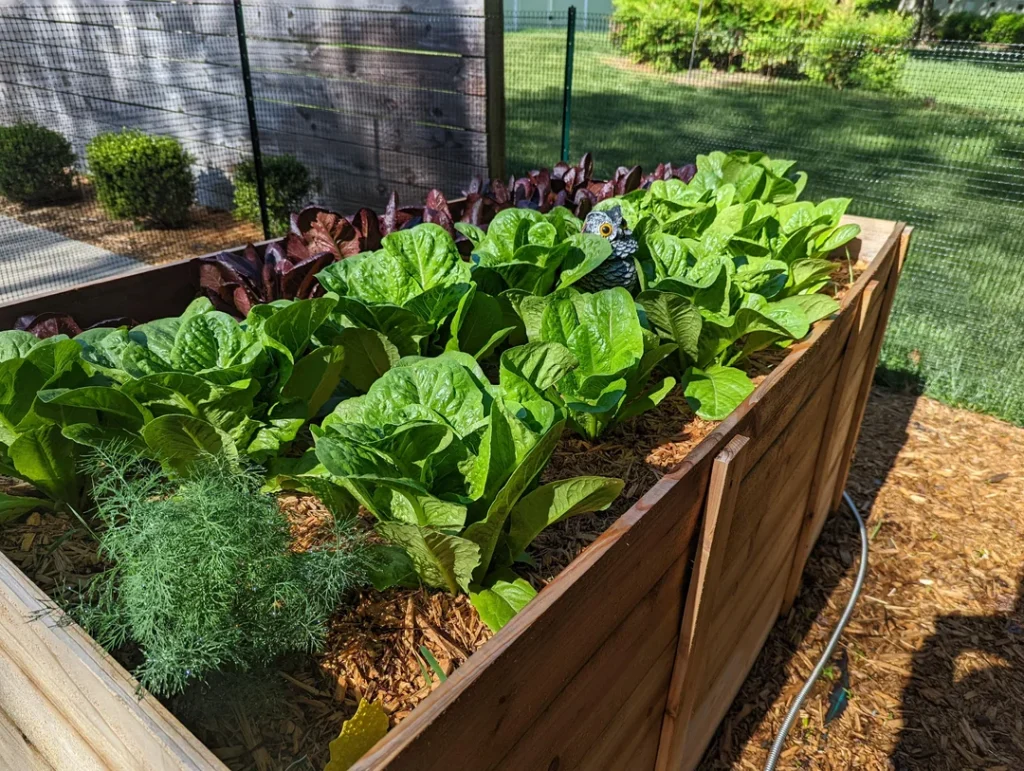
Want salad every single day without replanting? Lettuce makes that happen. Grab a loose-leaf variety like Black Seeded Simpson or Salad Bowl, since head lettuce won’t bounce back the same way.
Just pick the outer leaves and leave the center alone. New growth keeps coming from that middle spot. I’ve pulled salads from one plant for weeks before it finally gave up and bolted.
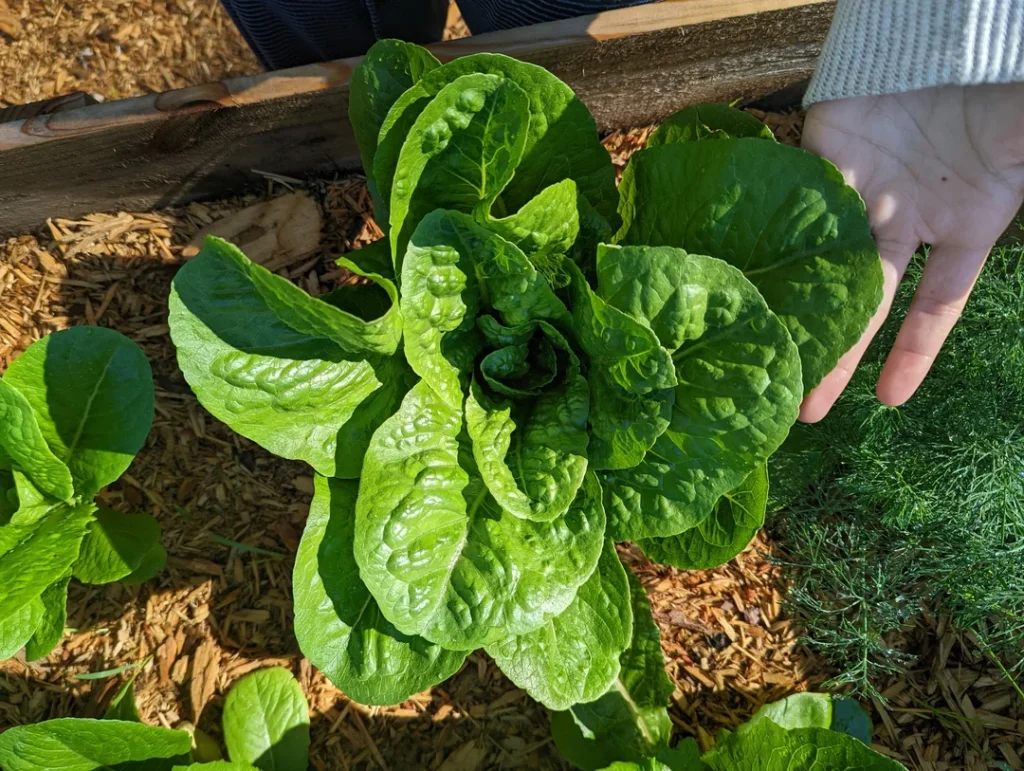
Heat is lettuce’s enemy, so spring and fall are your best windows. After three or four rounds of cutting, though, quality starts to fade. That’s your cue to let it go and start fresh.
Also read: 13 Fast Growing Vegetables You Can Harvest in No Time
2. Spinach
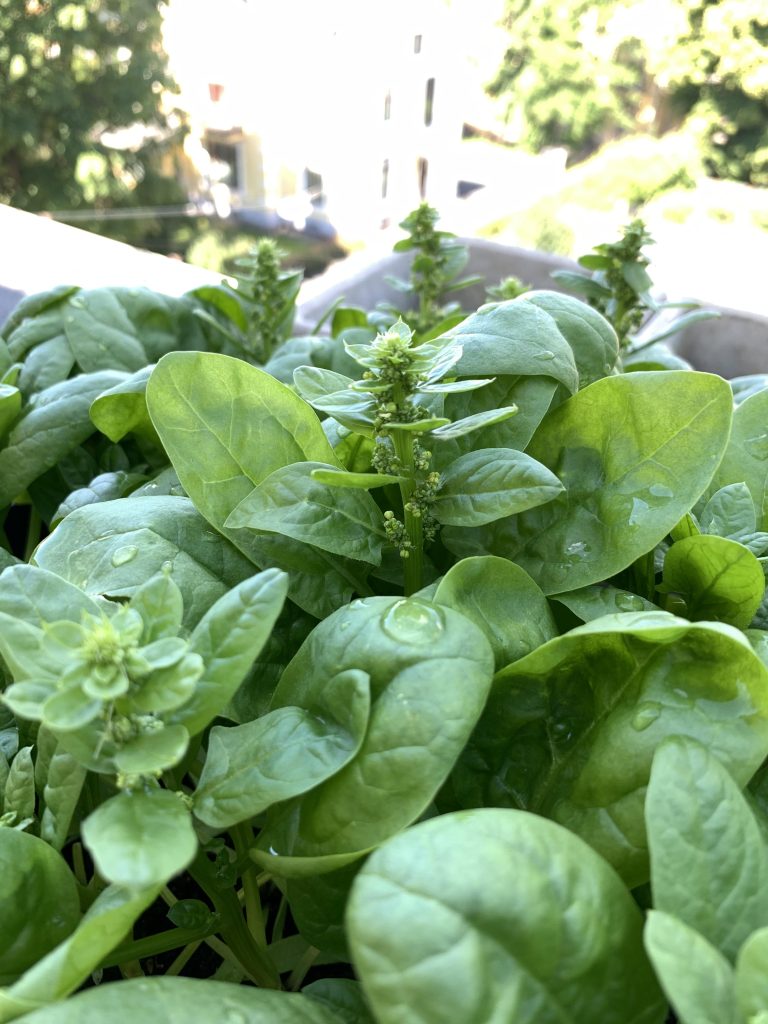
Spinach and lettuce are basically garden twins. You harvest them the exact same way. Grab the big outer leaves and skip the small ones in the middle, since those need more time to grow.
One month gets you baby spinach ready to eat. Wait two months for the fuller, more flavorful leaves. Either way, you’re eating homegrown greens way sooner than you’d think.
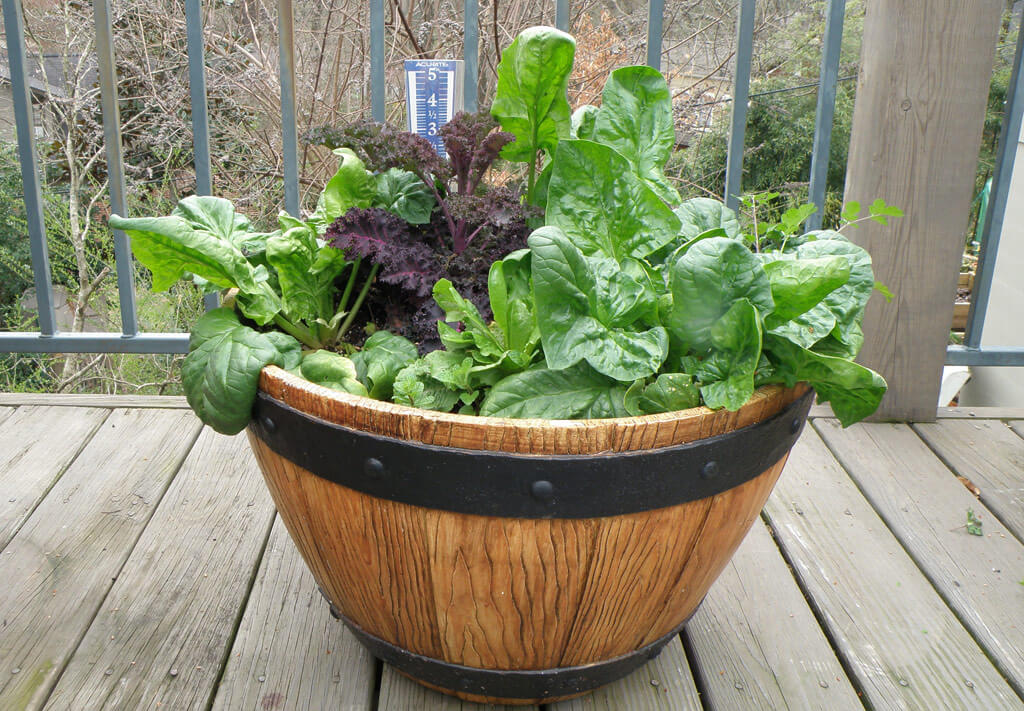
Cold doesn’t scare this plant one bit. I’ve dug spinach leaves out of a snow-covered bed for winter soup, and honestly, they tasted better for it. Heat is the real threat here, not frost.
3. Kale
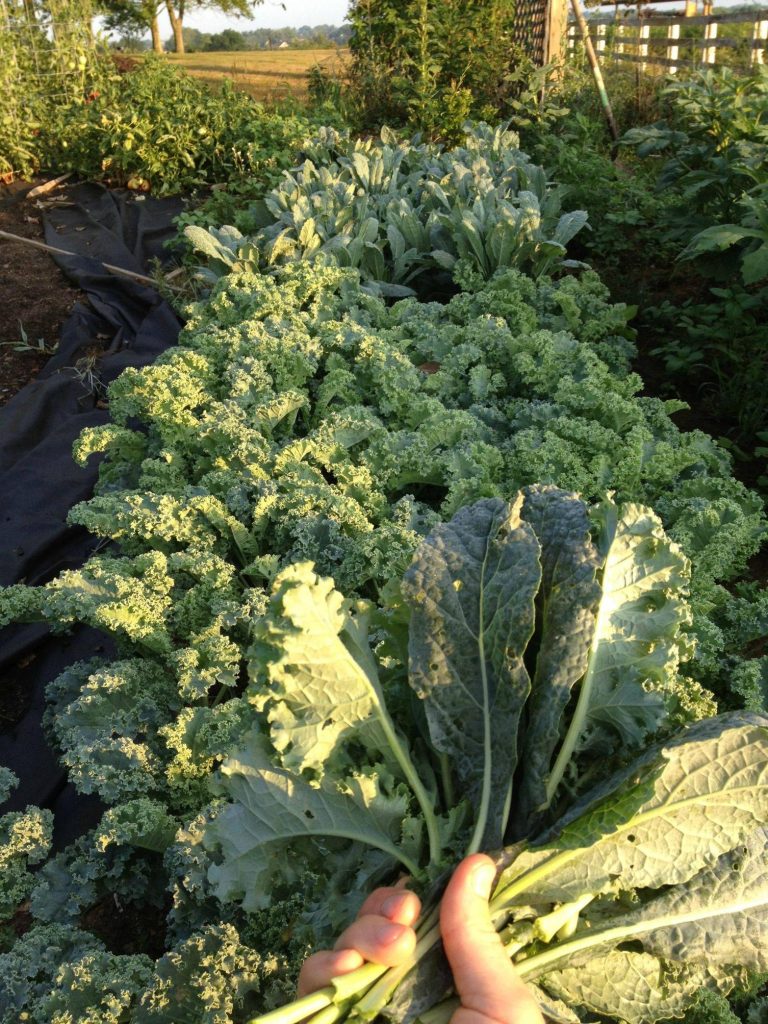
Nothing kills kale. Seriously, this plant shrugs off frost like it’s nothing. Cold weather even sweetens the leaves, breaking down starches until they taste better than summer kale ever could.
Here’s the rule though: never take more than a third of the leaves at once. Leave that top rosette completely untouched, since all new growth starts there.
Work from the bottom up as the plant grows taller.
Tight on space? Try a dwarf variety like blue curled kale in a pot.
Mine kept producing for almost a full year without much fuss. Few vegetables give you that kind of return for so little effort.
Also read: 14 Easy & Fast Growing Vegetables for Raised Garden Bed
4. Swiss Chard
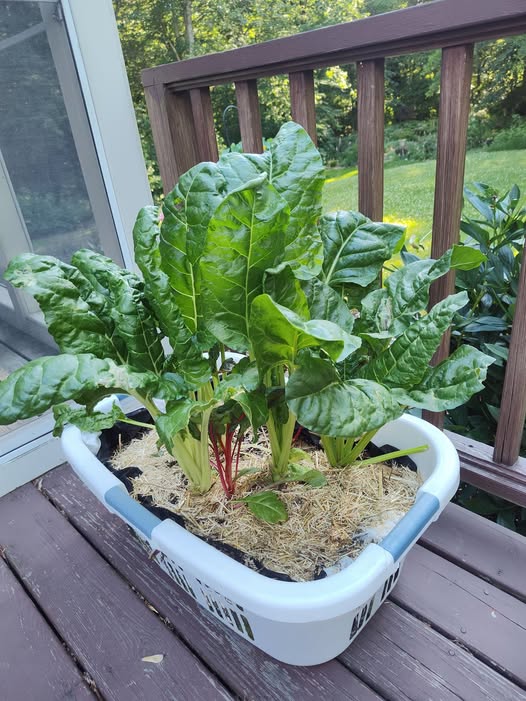
Ever notice how chard just refuses to quit? I’ve grown it for years, and it never lets me down. Those colorful stems keep pumping out new leaves all season long.
Cut the thick stems right at the base. Use sharp shears for a clean snip. Always take the older, outer leaves first, and let the young ones in the center keep growing.
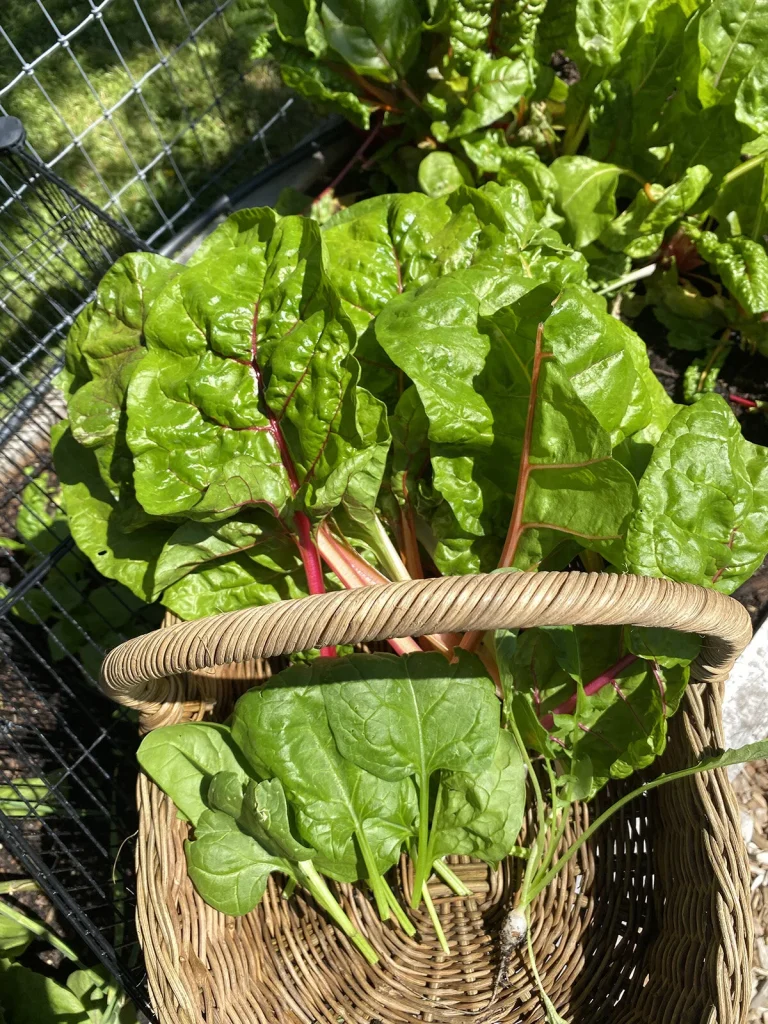
Cold doesn’t bother chard much either. Toss some fleece over it, and you can stretch the harvest right into winter. I’ve picked mine well past the point when everything else in the garden gave up.
5. Arugula
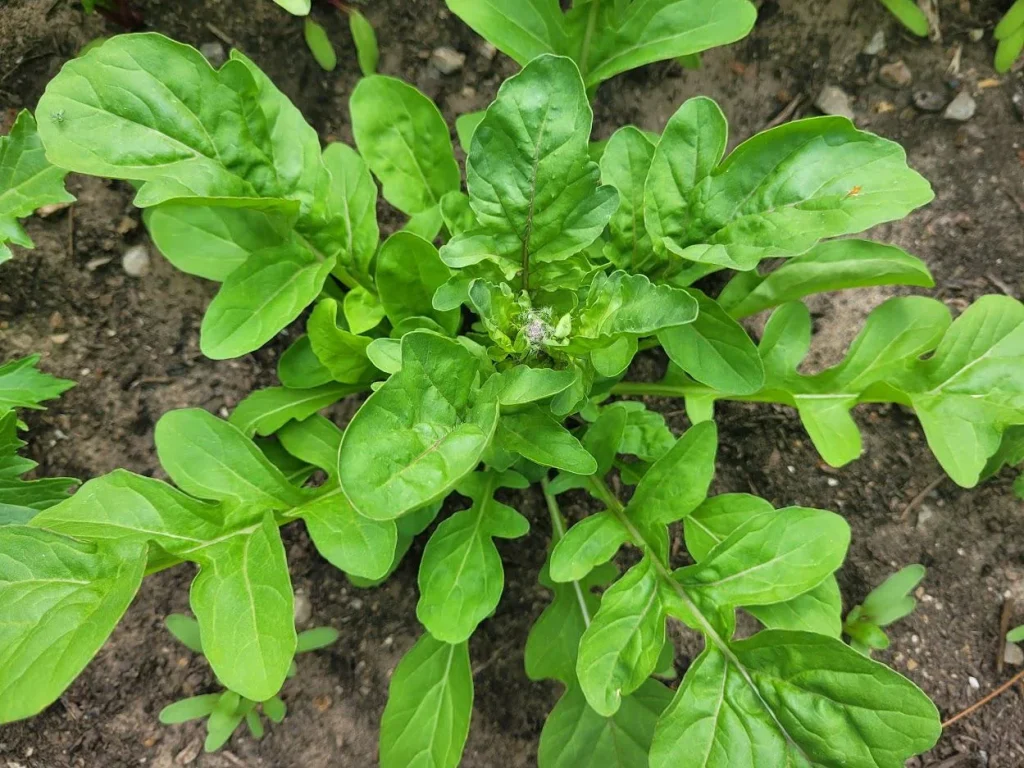
Do you like a little spice in your salad? Arugula delivers that peppery kick every time. I grow it just for that bite you can’t get from regular greens.
Pick the leaves once they hit three inches. Don’t let them grow past six inches, though.
Bigger leaves turn bitter fast, and nobody wants a mouthful of bitter greens.
Here’s a fun trick: let a couple of plants go to seed. Arugula self-seeds like crazy. I barely plant it anymore since it just keeps popping up on its own every year.
6. Broccoli
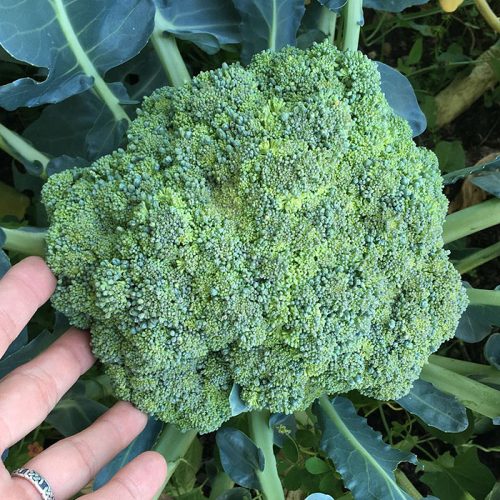
Most people think broccoli gives you one shot and that’s it. That’s actually not true. Cut the main head, and side shoots start popping up soon after.
Those smaller shoots taste just as good as the big head. You can usually get two or three more harvests from the same plant.
Stop the plant from flowering, and it keeps sending out fresh shoots for weeks.
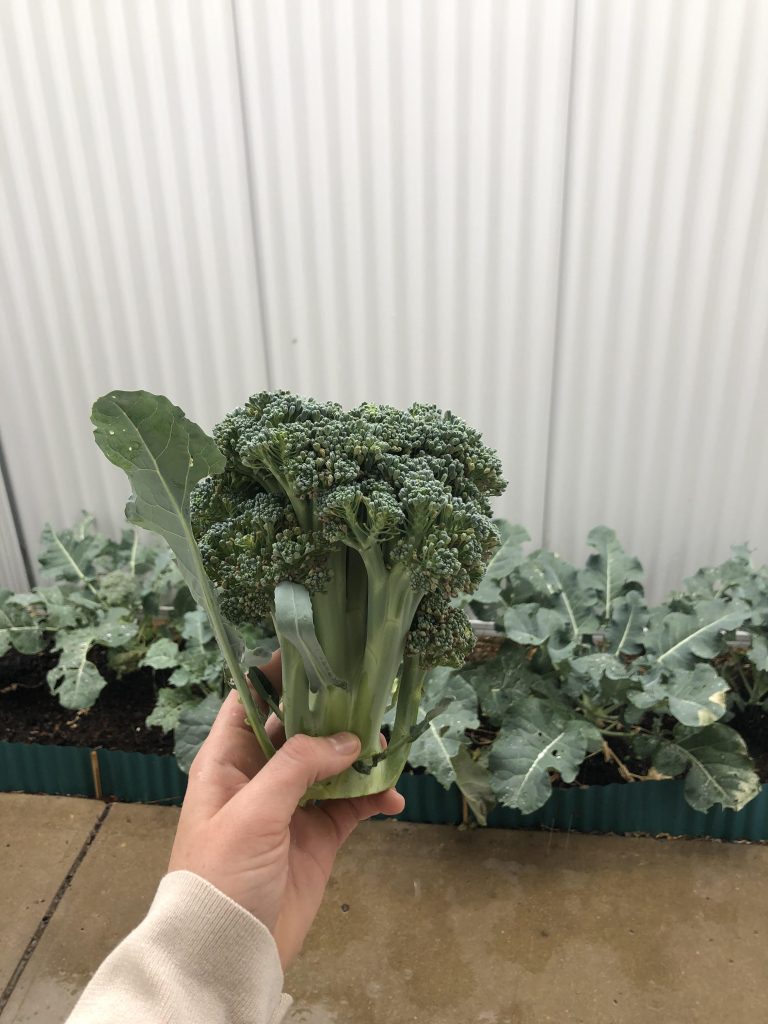
Broccolini works even better if side shoots are what you’re after. One plant can push out ten to twenty small florets. Harvest them weekly, and you’ll never run out of broccoli for dinner.
7. Asparagus
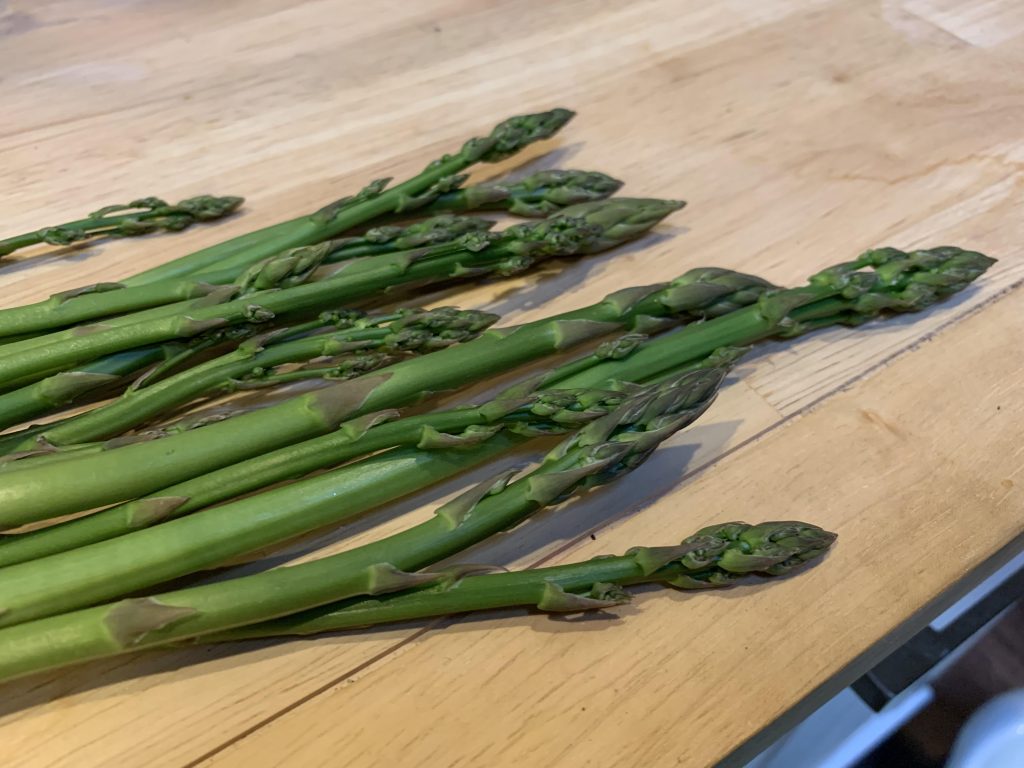
Patience pays off big with asparagus. You’ll wait two or three years before that first harvest. But once it starts, this plant keeps giving for decades.
Let the spears grow into ferny fronds for the first two years. Don’t touch them yet. Your patience builds the root system that fuels every future harvest.
Cut spears once they hit six to eight inches tall. Use a sharp knife for a clean cut. Cutting actually tells the plant to send up more spears, so keep harvesting through that short six-to-eight-week window.
8. Rhubarb
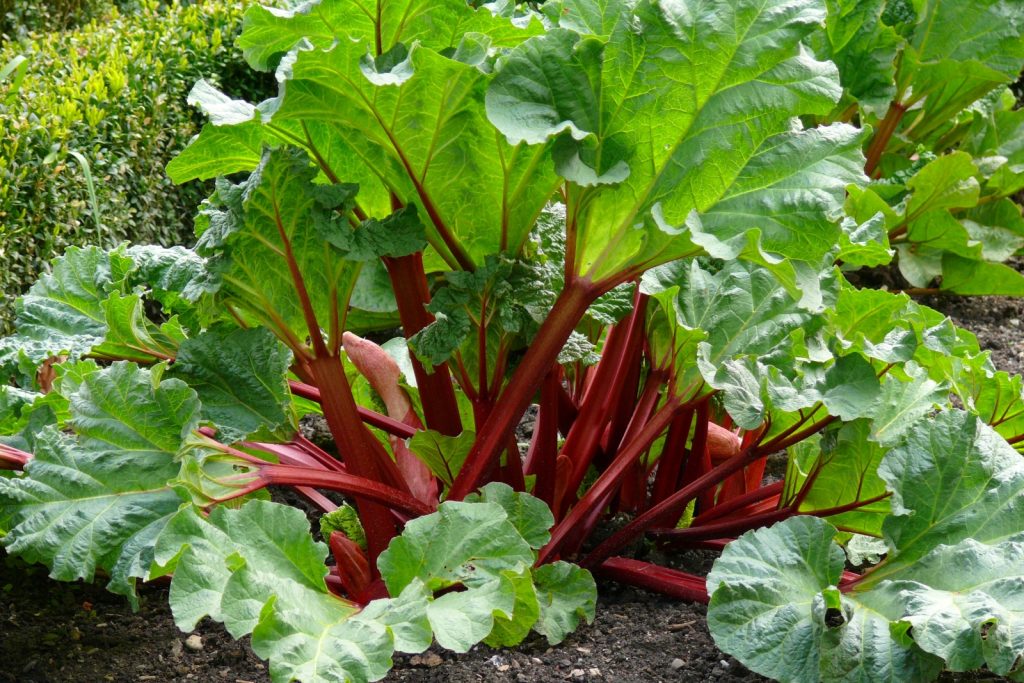
Here’s a twist: rhubarb hates being cut. I learned that the hard way years ago. Cutting leaves a stub behind, and that stub rots straight into the crown.
Grab the stalk near the base instead. Pull with a gentle twist. The plant senses the gap and gets right back to work growing a replacement.
Wait until stalks reach at least ten inches before pulling. A healthy clump keeps producing for ten years or more.
Few vegetables reward you with that kind of long-term payoff for so little care.
9. Scallions
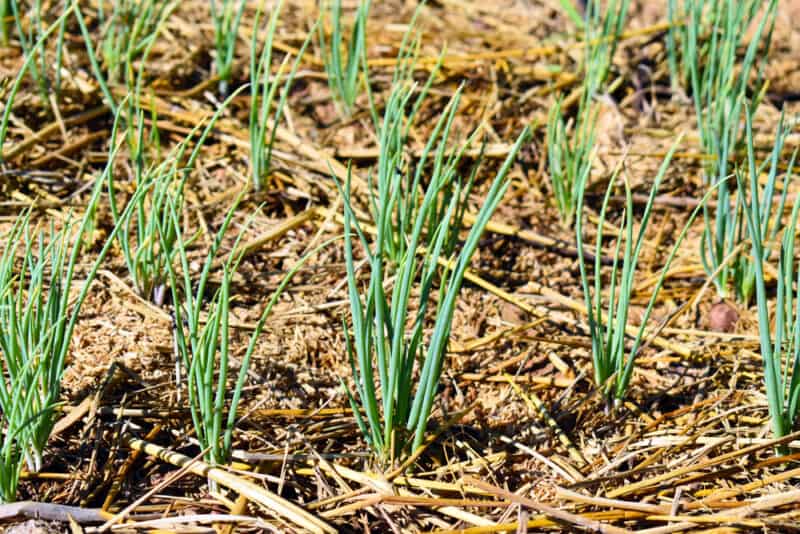
Ever stuck scallions in a jar of water just to watch them grow? That’s cut-and-grow-again in its simplest form. Those green tops keep coming back again and again.
Snip the green stalks from the outside in. Leave the white bulbs alone if you want them to keep growing. You get fresh scallion tops without sacrificing the whole plant.
My own patch has kept going for three years now. It even flowered once and didn’t skip a beat. Few crops give you this much for so little effort.
10. Bok Choy
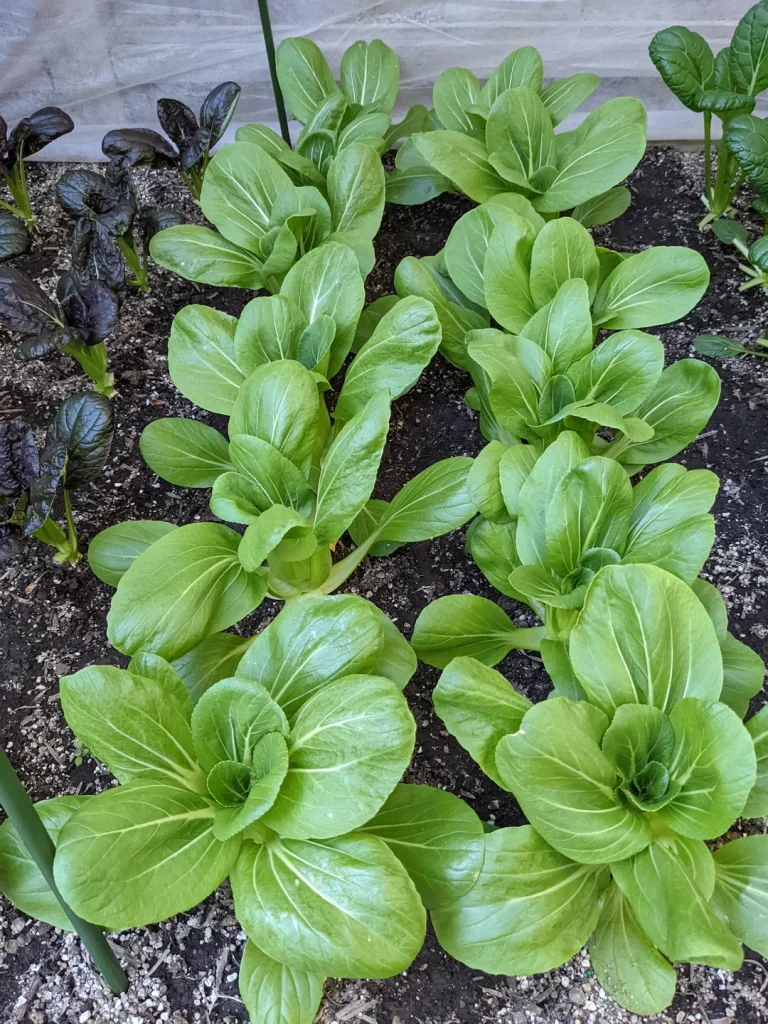
Most people yank up the whole bok choy plant at once. You don’t have to. Individual leaves work just fine for cut-and-grow-again harvesting.
Grab the outer, thicker leaves and leave the tender center alone. Keep about an inch of stem attached to the base. That little bit of stem keeps the plant alive and growing.
New leaves show up within days after cutting. Harvesting this way also makes cleanup easier.
Whole heads trap dirt between the leaves, but loose leaves rinse clean in seconds.
11. Beet Greens
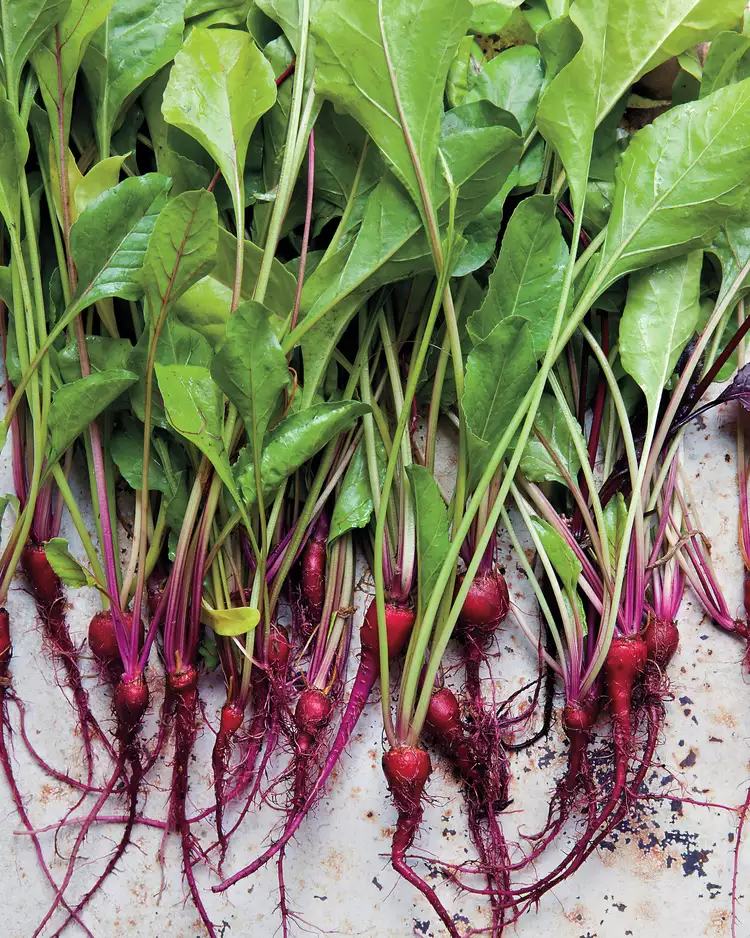
Beets give you two vegetables for the price of one. I always forget that until I harvest my own. The greens taste amazing, and the roots keep growing underground.
Pick the outer leaves once they reach five or six inches. Always leave three or four leaves on each plant. Those remaining leaves feed the root, so don’t get greedy.
Cold barely slows this crop down. I’ve grabbed beet greens from snow-covered beds for winter soup more than once. They outlast lettuce by months once the heat arrives.
12. Herbs
Basil, parsley, sage, chives. Nearly every herb loves a good trim. The more you snip, the bushier and fuller they grow.
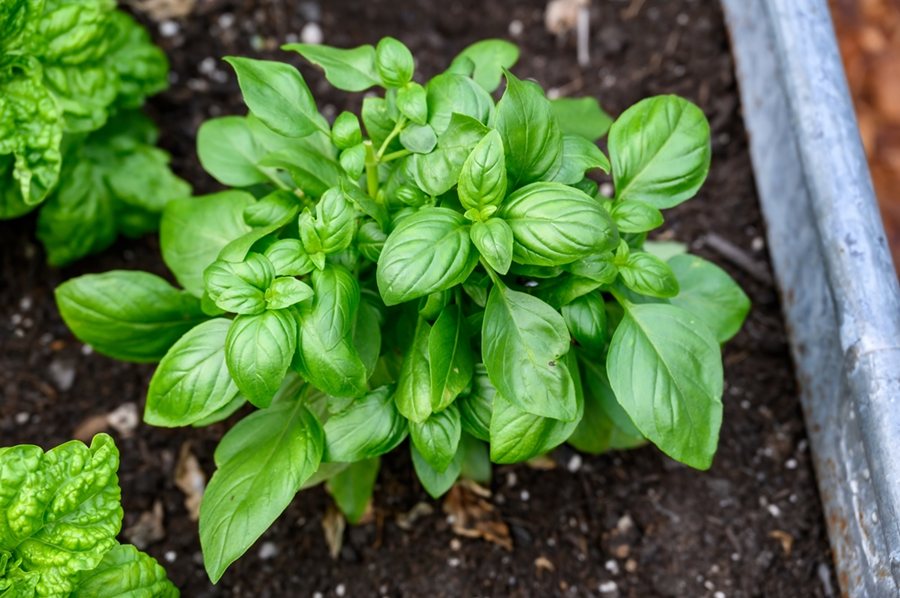
Cut basil leaves as needed, but never take more than a third at once. Parsley handles frequent snipping without complaint. Rosemary and thyme keep producing new growth all season long too.
An herb garden by your kitchen door makes cooking so much easier. I grab fresh basil mid-recipe all summer long. That kind of convenience is hard to beat once you’ve tried it.
Final Words
Twelve plants, one simple trick: cut smart, and your garden keeps giving. Pick a few from this list and try them yourself this season. You’ll be amazed how much food comes from so little space.