Cheap Front Yard Fence Ideas: 17 Ways to Boost Curb Appeal

A fence does way more than mark your property line. It offers privacy, keeps your kids and pets safe, and gives your whole yard structure. But here’s the catch. Costs add up fast once you start comparing vinyl and wrought iron.
I’ve spent years testing budget-friendly fence ideas in my own yard. Some materials cost more upfront but last longer. Others cost less but need replacing sooner.
There’s no single right answer here. It really comes down to your yard, your goals, and your wallet.
Grab a coffee, because I’ve gathered 17 of my favorite cheap front yard fence ideas. Each one looks great without draining your bank account. Whether you want modern, farmhouse, or classic charm, you’ll find something that fits.
Things to Check Before You Build Your Fence
Nobody wants to build a fence twice. Trust me, I learned this the hard way. Before you buy a single board, check your local height rules.
Most cities cap front yard fences at 36 to 42 inches, while backyard privacy fences can reach 6 to 8 feet.
HOAs add their own layer of rules on top of that. Some restrict materials, colors, even fence styles entirely. Skip this step, and you might rebuild your whole project. That’s money and time you don’t want to lose.
Property lines matter just as much. A fence built a few inches over your line can spark a real dispute with your neighbor. Call your city or check your property survey first. It only takes one phone call to save yourself a headache.
Here’s the insight that actually helps: permits aren’t always required for short fences, but taller or structural ones often are. Ask before you dig those post holes. A quick call beats a costly teardown every single time.
17 Creative Cheap Fence Ideas to Transform Your Front Yard
1. Build a Fence From Old Pallets
Ever wonder what happens to wooden pallets after a delivery truck drops off its load? Most end up in a dumpster, free for the taking.
Nurseries, hardware stores, and construction sites give them away all day long.
Stack them vertically or horizontally between simple posts, and boom, you’ve got a rustic border. Screws and a can of paint are basically your only cost.
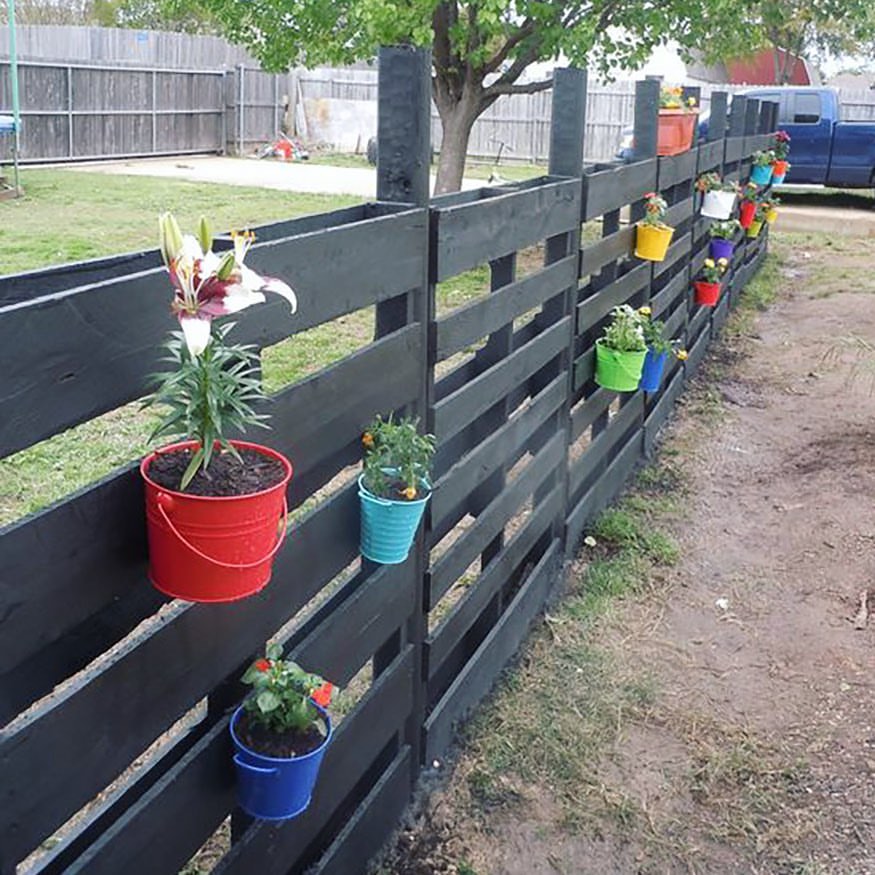
Check for the IPPC stamp before you grab any pallet. That little mark means the wood got heat-treated against pests.
Skip that step and you might drag home more than lumber. Splinters and stray nails love to hide in used wood, too. Grab gloves and inspect every board before you build.
Also read: 13 Front Yard Flower Beds Against the House
2. Go With a Split Rail Fence
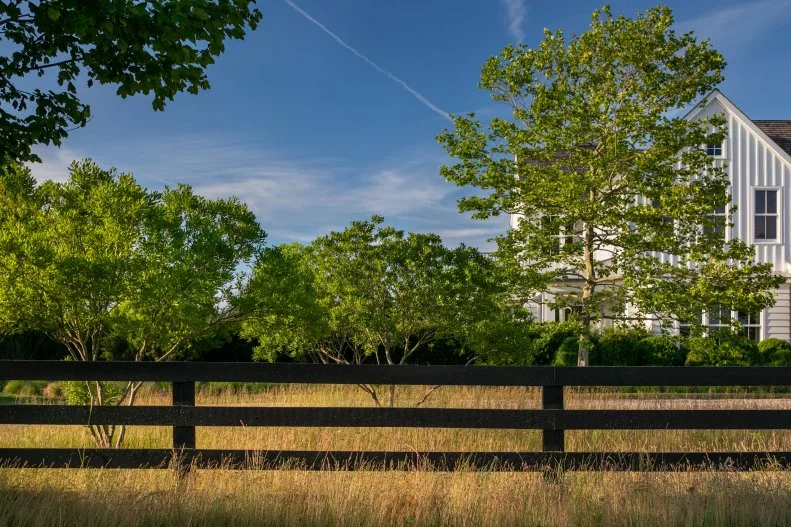
My uncle built one of these in an afternoon, and he’s no carpenter. Split rail fencing uses way less wood than a solid fence.
That’s the whole secret to its low price. Two or three rails stretch between posts, leaving big gaps down the line.
Ranch homes practically beg for this style. But don’t box yourself in. Cottage yards and modern farmhouses pull it off just as well.
Plants poke right through those open gaps, too. Your border softens itself without you lifting a finger.
Read more: 15 Front Yard Landscaping Ideas With Rocks for Structure and Style
3. Dress Up a Chain Link Fence
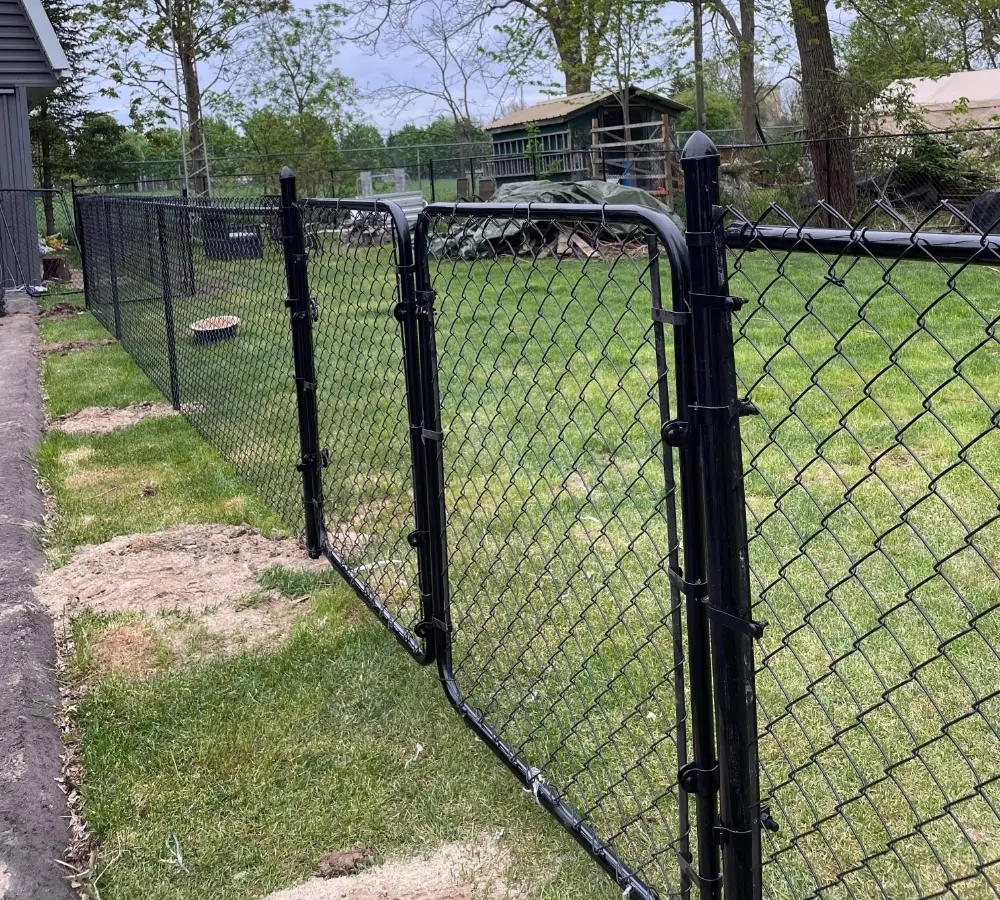
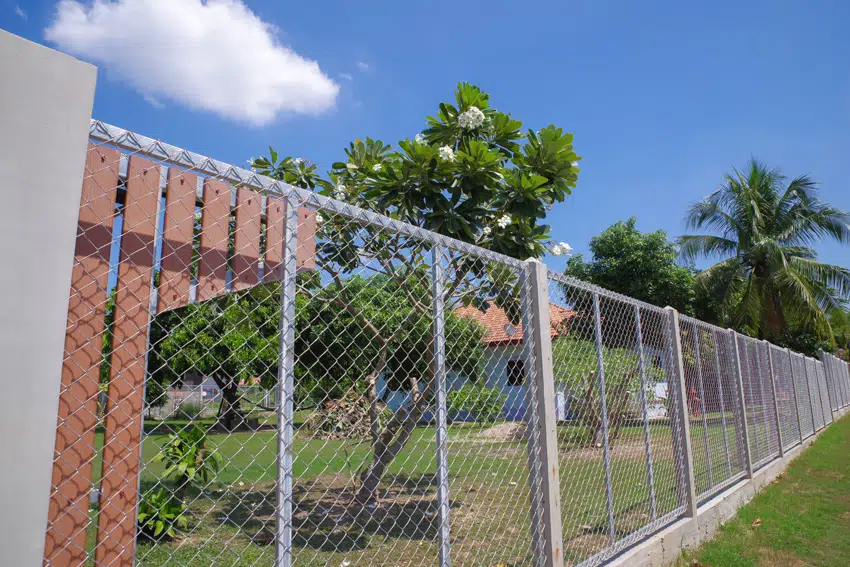
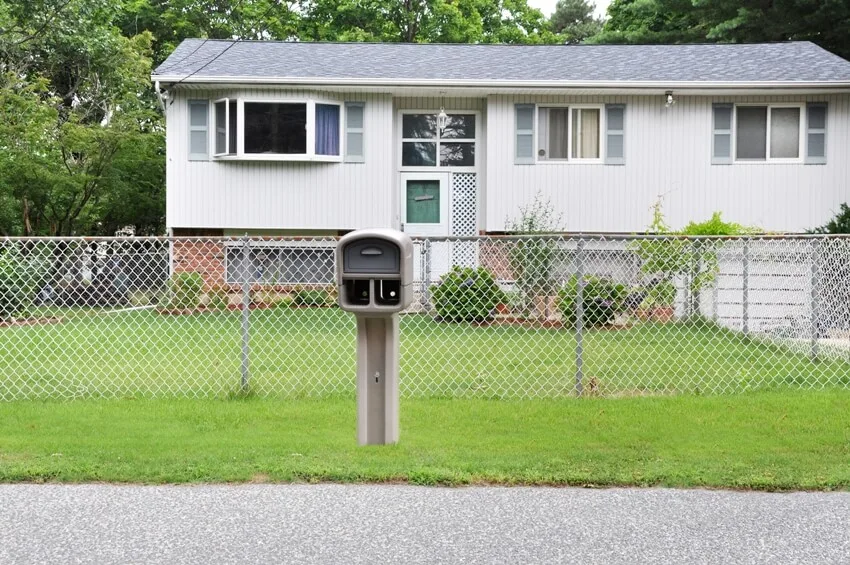
Chain link gets trashed in every design blog, and I think that’s unfair. Sure, bare chain link looks a little sad. But it’s one of the cheapest fences you’ll ever install.
Grab a can of oil-based exterior paint. Forest green or matte black instantly changes the whole mood.
Want the fastest fix? Plant a fast-growing vine like ivy along the base.
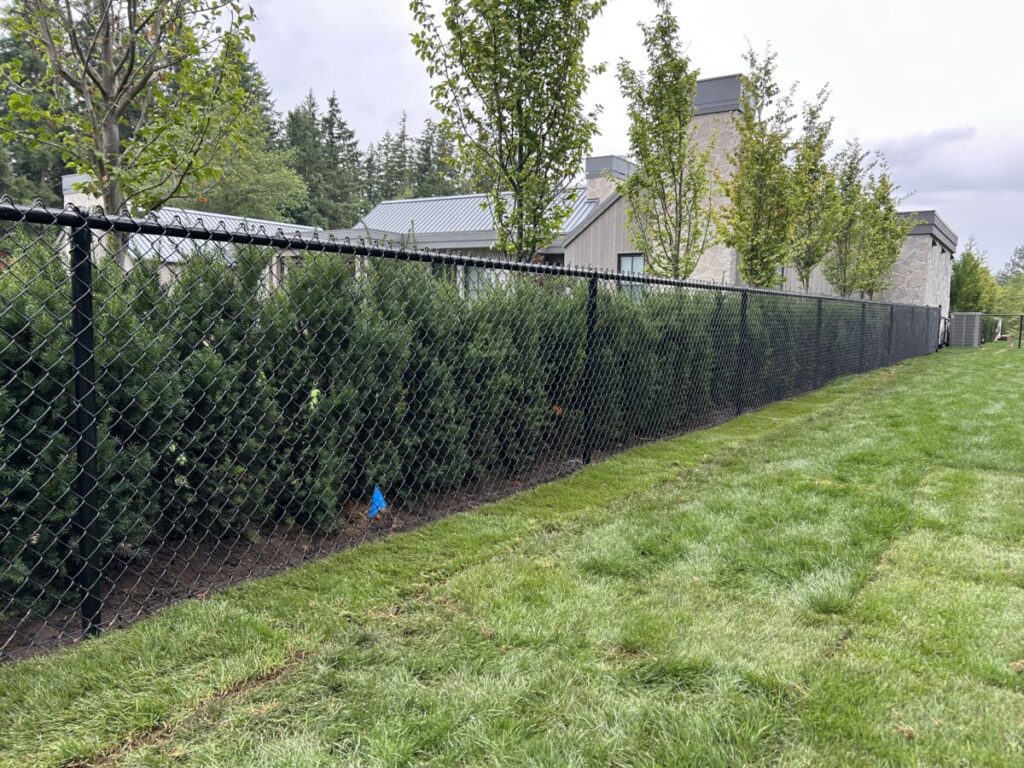
Give it one summer, maybe two, and the wire vanishes completely. Suddenly you’ve got a lush green wall. Nobody guesses it started as chain link.
4. Mix Wood Posts With Wire Fencing
Picture a garden gate flanked by two thick, handsome wood posts. Behind them? Just plain wire, stretched tight and simple.
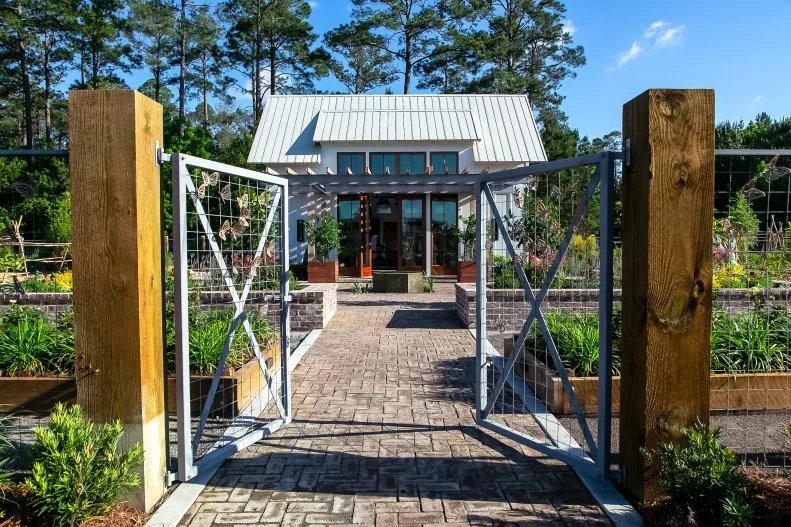
That contrast is the whole trick here. Spend your budget on the entry, and let cheap wire do the rest.
This combo shines around vegetable gardens. Deer and rabbits hate pushing through wire fencing. Your wallet stays happy, too, since wire costs next to nothing.
Nobody clocks the “cheap” part when the entrance looks this sharp.
5. Try a Corrugated Metal Fence
Metal panels sound expensive, but they’re not. I love how modern this look feels. Sheets of corrugated metal cut down to size fast.
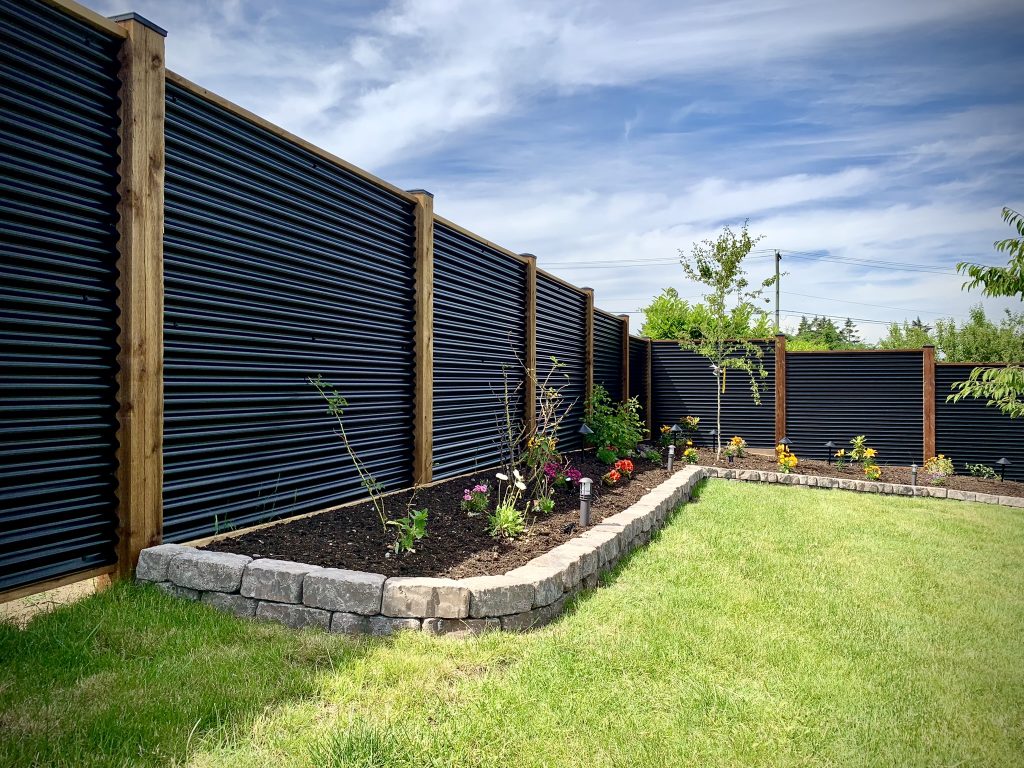
Pair them with simple wood posts, and you’re done.
Rust and mold don’t stand a chance against galvanized metal. That means less upkeep for you over time.
Some folks even use old roofing scraps to save more cash. You’d never guess the fence started as leftover metal.
6. Use a T-Post and Wire Mesh Fence
T-posts skip the whole digging-a-footing headache. You just pound them straight into the ground with a driver.
Stretch wire mesh between them, and you’re done in an afternoon. No concrete, no fancy tools, no big cost.
This style works great for a quick property line marker. It won’t win any design awards, but it gets the job done. Add a few plants along the base, and it blends right in. Sometimes the cheapest option really is the simplest one.
7. Use Short Picket Panels to Frame a Walkway
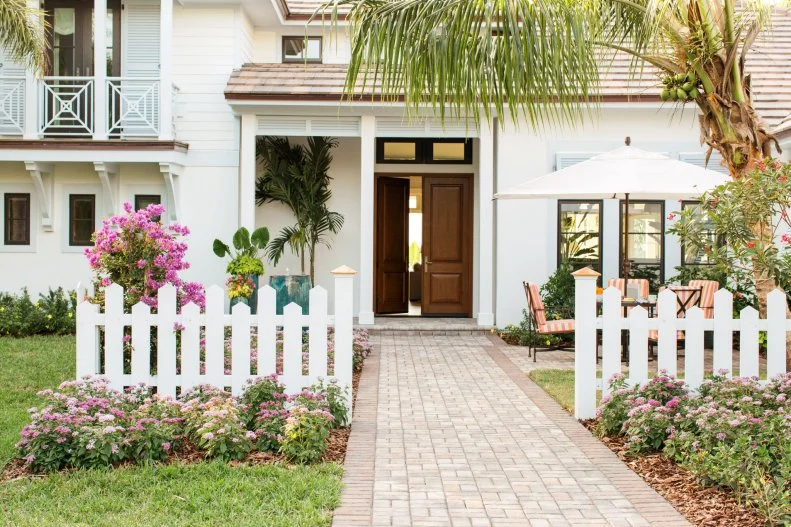
You don’t need a full fence around your whole yard. I promise this works just as well. Grab a couple of short picket panels instead. Line them up along your front walkway.
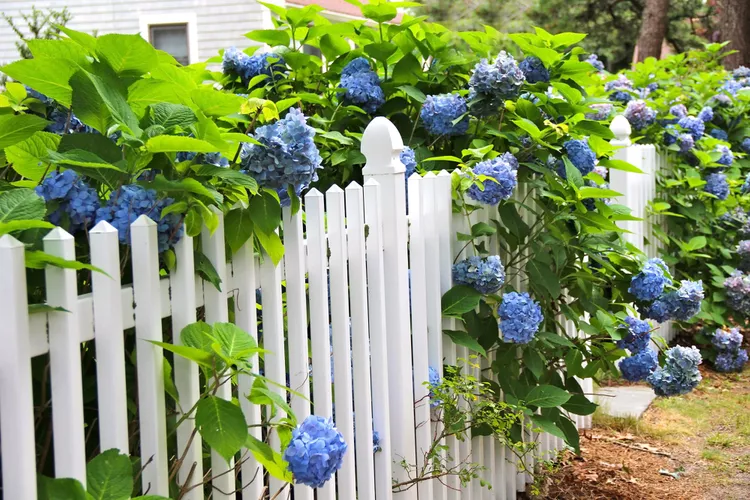
Paint them white for that classic cottage feel. Or match the color to your front door for a fun twist. Either way, the panels guide visitors straight to your porch. Plant flowers in front, and the whole scene pops.
8. Plant a Privet Hedge Instead of Buying a Fence
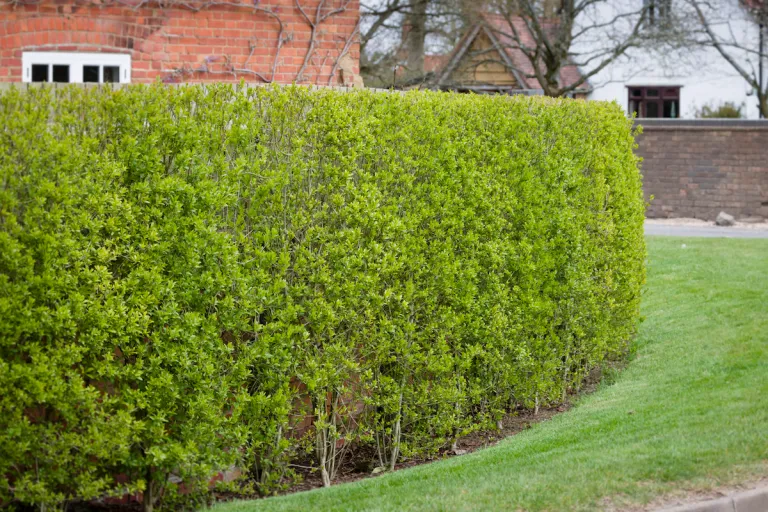
Sometimes the cheapest fence isn’t a fence at all. Privet hedges grow fast and thick. Plant a row along your property line, and let nature do the work.
You’ll save on materials completely.
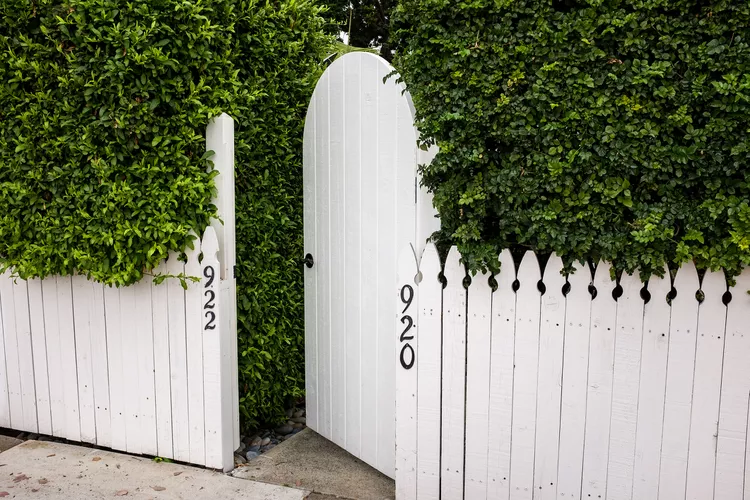
Privet does need regular trimming, though. Expect to shape it a few times a year. The leaves and berries are toxic, so keep pets and kids away from nibbling. Still, a green wall beats a wood one for pure charm.
9. Weave a Wattle Fence From Sticks
This one goes back centuries, and I think that’s kind of cool. Wattle fences use nothing but woven sticks.
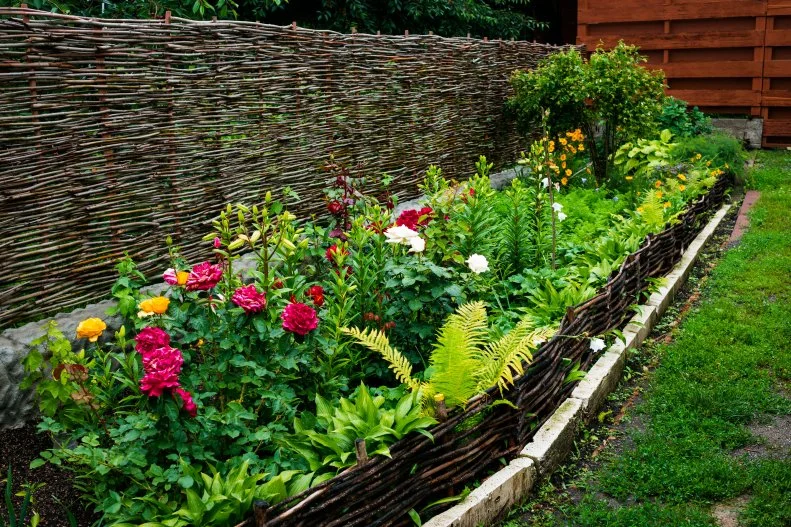
Gather trimmings from your yard or a friend’s brush pile. Willow works best because it stays bendy.
Weave the sticks between short stakes pushed into the ground. No nails, no hardware, no cost at all. Hazel and sycamore branches work well, too. You end up with a fence that looks like art.
10. Build a Low-Profile Garden Fence
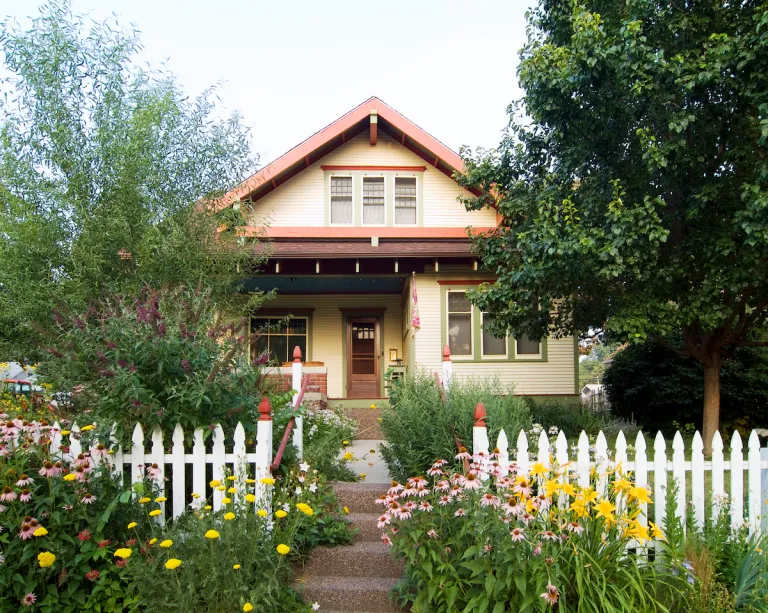
Not every fence needs to be tall. Sometimes shorter is smarter. A knee-high fence uses way less material than a full-size one. Your wallet notices the difference immediately.
This style won’t stop a determined dog. But it frames flower beds beautifully.
Front gardens especially benefit from this soft boundary. Passersby get a peek without feeling shut out.
11. Use Simple Chicken Wire With Wood Framing
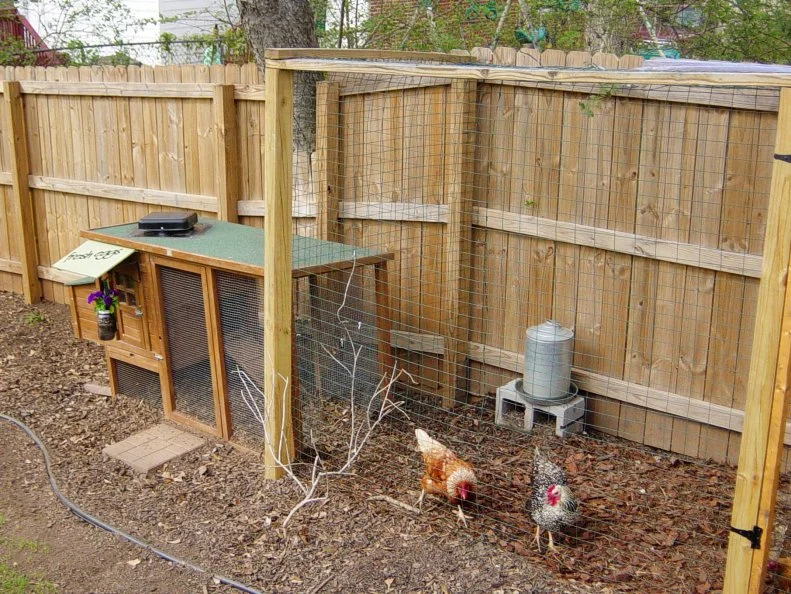
Chicken wire sounds flimsy, but hear me out. Wrap it around a basic wood frame, and it holds up great.
This combo costs barely anything to build. Most hardware stores sell rolls for just a few dollars.
I like this option for keeping small pets contained. Chickens, rabbits, even nosy dogs stay put behind it.
Paint the wood frame a fun color for extra charm. Suddenly your budget fence looks intentional, not accidental.
12. Paint an Old Fence Instead of Replacing It
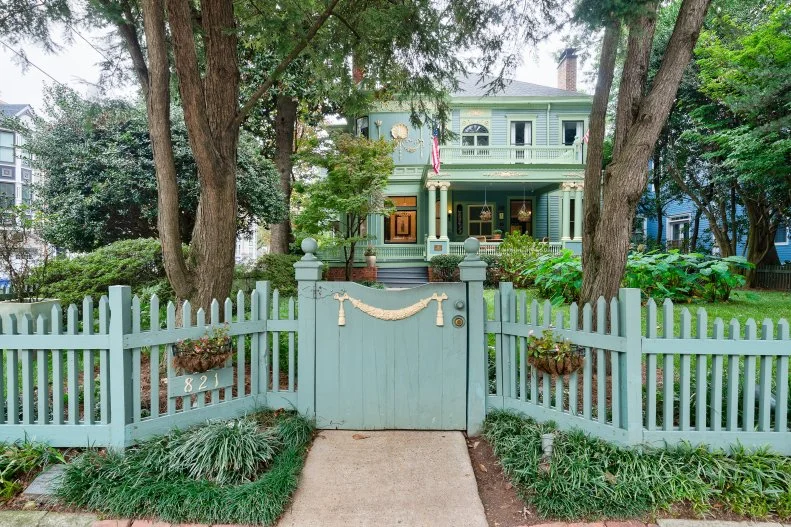
Got a tired, faded fence already in place? Don’t rush to tear it down. A few coats of paint can completely transform it.
This trick saves serious money compared to a full rebuild.
Match the color to your house trim for a pulled-together look. Or go bold with a color that pops against your lawn. Acrylic latex paint holds up best outdoors.
Your “new” fence costs you an afternoon and a paint can.
13. Try a Cable Wire Fence
Stainless steel cables strung between wood or metal posts create a clean, modern look. I like how this style barely blocks your view at all.
Wood-frame versions cost less than full metal ones. You still get real durability without the higher price tag.
Already have a wood fence with worn-out pickets? Skip a full rebuild. Retrofit kits let you swap old boards for cable lines instead. Your posts stay put, and the whole yard suddenly feels open and airy.
14. Build a Fence From Reclaimed Wood
Old barns and torn-down decks hide serious fence material. I always check local salvage yards first.
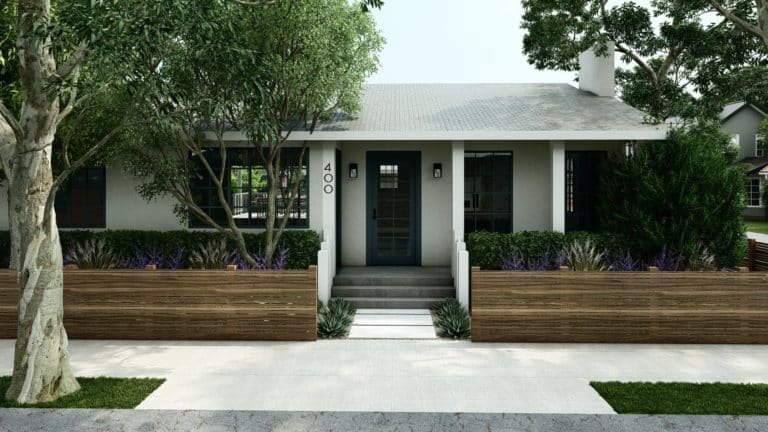
Reclaimed wood often costs way less than new lumber. Sometimes you can grab it for free.
Each board carries its own weathered texture and color. That variation actually works in your favor here.
Mismatched boards create a rustic look people pay extra for. You just got it by accident.
15. Try a Bamboo Fence

Bamboo panels roll up fast, and I mean that literally. Most come pre-woven on a roll, ready to attach to simple posts.
Stick to clumping bamboo varieties, not the running kind that spreads everywhere. Home improvement stores sell these panels for surprisingly little.
This look fits front yards better than salvaged doors ever could. It reads clean, tropical, and intentional.
Deer tend to avoid bamboo, too, so your landscaping stays safe. Give it a rinse each season, and it holds up for years.
16. Go Wide With Horizontal Planks
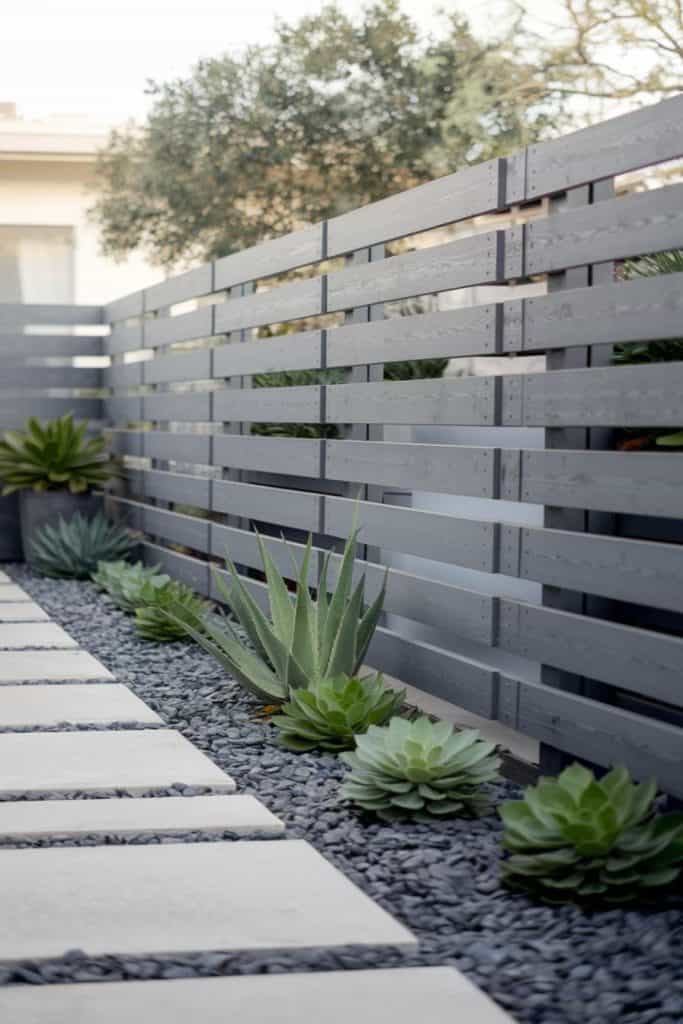
Skinny vertical pickets take more cuts, more time, and more money. Wide horizontal planks skip all that hassle.
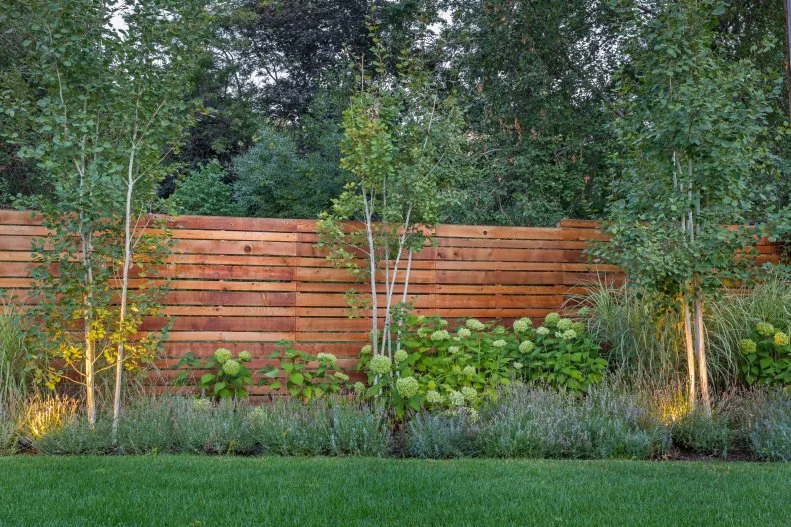
Fewer boards cover the same amount of fence line. That means real savings on lumber.
This style also handles sloped yards better than vertical designs. You avoid the awkward stair-step look completely.
Modern homes especially suit this clean, horizontal line. Simple really can look expensive.
17. Grow a Vertical Garden on an Existing Fence
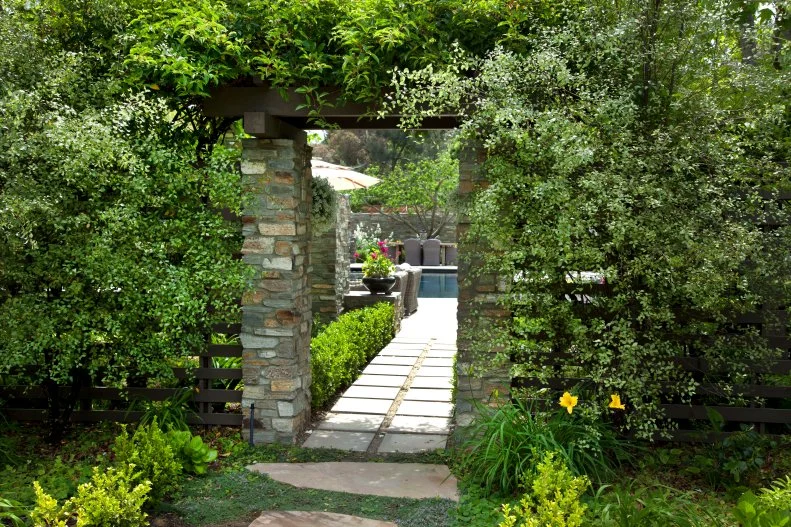
Already have a plain fence standing there? Turn it into a living wall instead.
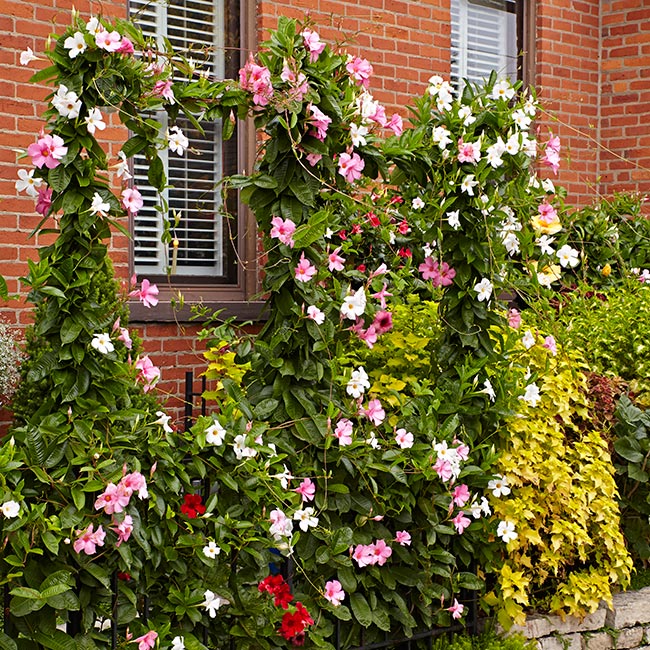
Morning glories and climbing jasmine attach themselves without any help. You just point them in the right direction.
Small pots of ferns or herbs fill in any bare patches. This trick costs almost nothing if you already garden.
Your fence disappears behind layers of green and color. Nobody remembers what it looked like before.
Final Words
17 ideas, zero excuses left for an empty front yard. Pallets, paint, wire, and a little patience go further than you’d think.
I’ve tried more than half these tricks myself, and none of them felt like a compromise. Pick the one that fits your yard, your climate, and your weekend schedule.
Grab some basic tools, maybe a friend for the heavy lifting, and get started this weekend. Your front yard is waiting, and it definitely doesn’t need four grand to look good.