15 Best Rock Garden Plants That Thrive in Sun

Full sun rock gardens don’t need constant babying. You just need plants tough enough to handle blazing heat and rocky soil.
Most gardeners assume drought-tolerant means boring, but that couldn’t be further from the truth. These plants bring color, texture, and life to spots where regular flowers wilt and die.
You’ll skip the daily watering and still get a garden that looks intentional, not neglected. Rocky soil that seems useless for most plants actually works in your favor here.
This list covers 15 plants built to thrive when the sun turns everything else to dust. Your driest, sunniest corner is about to become the easiest part of your entire garden.
Designing Your Rock Garden: Tips and Tricks
Good rock gardens don’t happen by accident. I’ve torn out and redone mine more than once before it finally clicked, so let me save you the trouble.
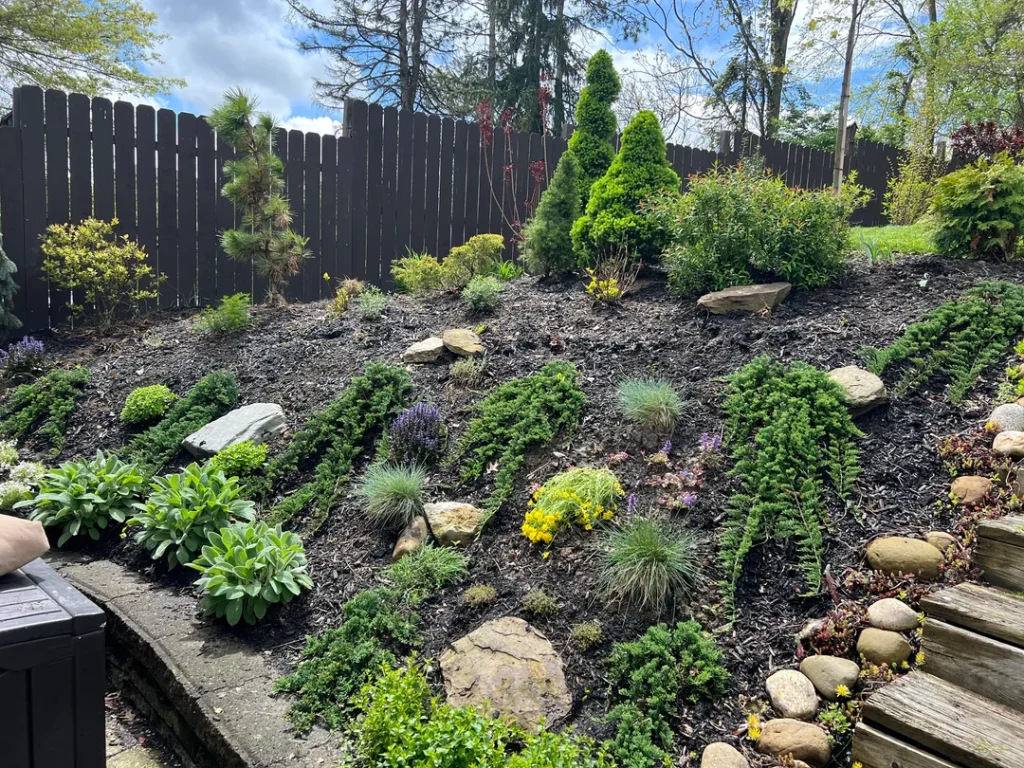
Pick a sunny spot with sharp drainage. Six hours of direct sun keeps these plants happy and blooming. Soggy soil, though, kills more rock garden plants than winter cold ever does. I always check how fast water disappears after rain before I plant anything.
Vary your plant heights. Flat, single-level plantings look boring fast. I tuck taller plants like Russian sage or coneflower toward the back, then let low creepers like thyme and stonecrop spill toward the front. That layering trick alone makes a rock garden feel finished.
Group plants by watering needs. Not every drought-tolerant plant wants the exact same conditions. You can cluster the true desert-lovers, like ice plant and dragon’s blood stonecrop, away from thirstier picks like coneflower. This saves you from overwatering one plant while starving another.
Mix rock sizes instead of matching them. A garden built from identical stones looks flat and fake. I always toss in a few large boulders as anchors, then fill gaps with smaller gravel or river rock. That contrast in size gives the whole bed a natural, tumbled-down-the-mountain look.
Leave room for plants to spread. Creepers like snow-in-summer and Angelina stonecrop grow fast once settled in. Crowding them now means ripping plants out later. I space mine wider than feels right at first, and within a season, the gaps fill in on their own.
Skip these steps and you’ll spend years fighting your own garden. Follow them, and your rock garden basically takes care of itself.
15 Rock Garden Plants Varieties for Summer
1. Yellow Alyssum
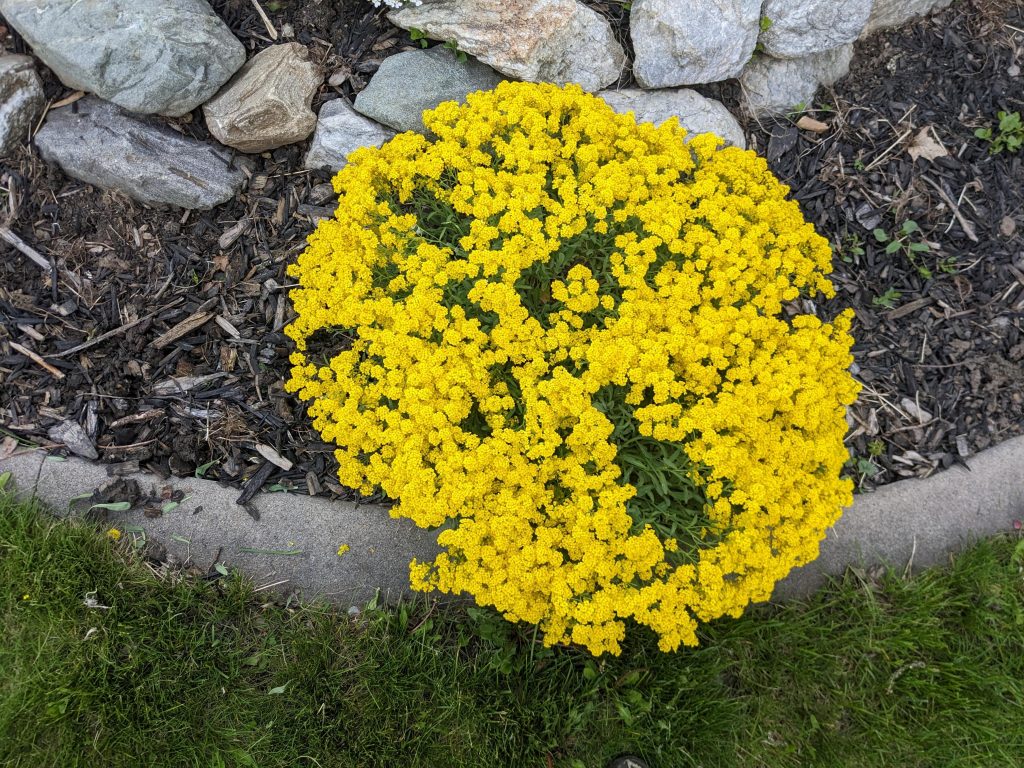
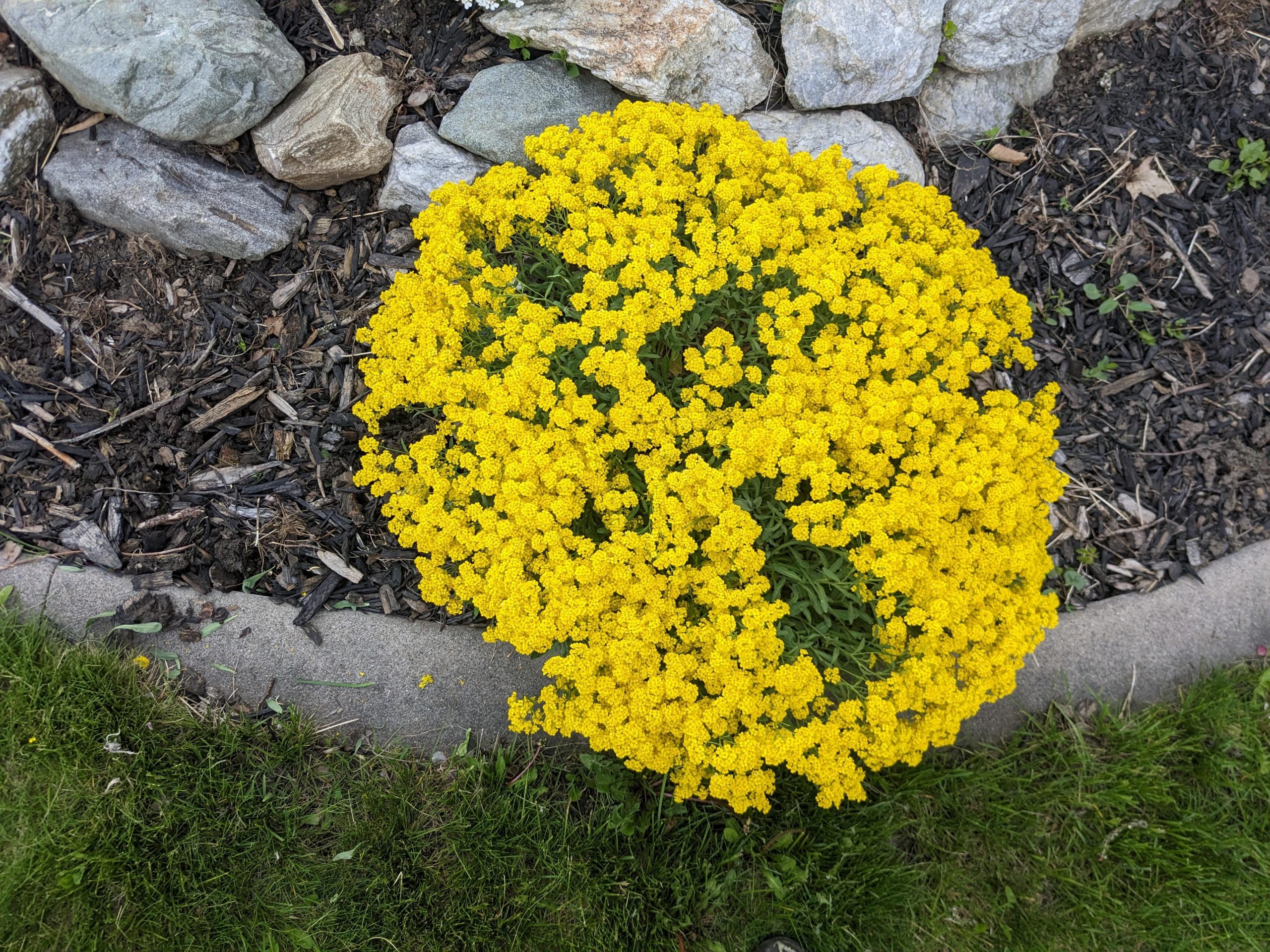
Picture a wave of gold spilling over your rocks every spring. That’s yellow alyssum for you. I love how it doesn’t ask for rich soil or babying. Poor, rocky ground makes this plant happy.
It hugs the earth and spreads low, filling every gap between stones. You barely need to lift a finger once it’s settled in.
Plant Overview:
- USDA Growing Zones: 3 to 7
- Color Varieties: Yellow
- Sun Exposure: Full sun
- Soil Needs: Dry, average to sandy, well-draining
2. Hens and Chicks
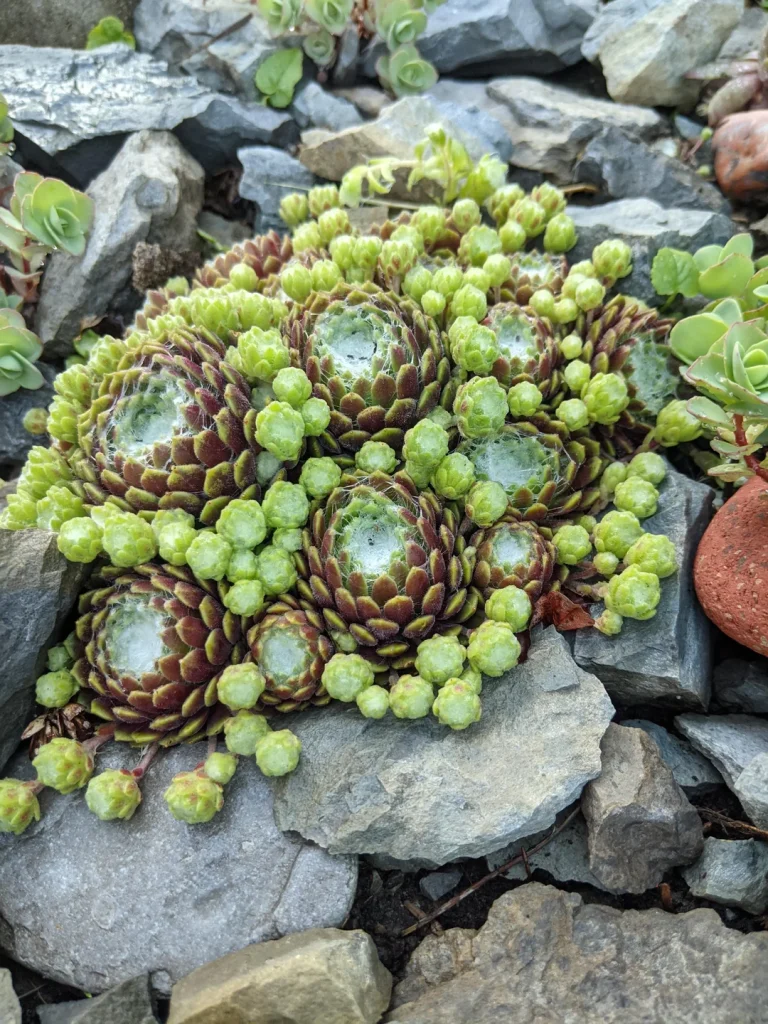
Ever seen a plant that looks like a tiny family portrait? Hens and chicks pulls that off. The big rosette is the “hen,” and little ones pop up around it like offspring.
I tuck these into cracks between rocks where nothing else fits. Cold weather doesn’t faze them either. You get charm and toughness in one small package.
Plant Overview:
- USDA Growing Zones: 3 to 8
- Color Varieties: Red-purple
- Sun Exposure: Full sun
- Soil Needs: Average, dry to medium moisture, well-draining
3. Creeping Thyme
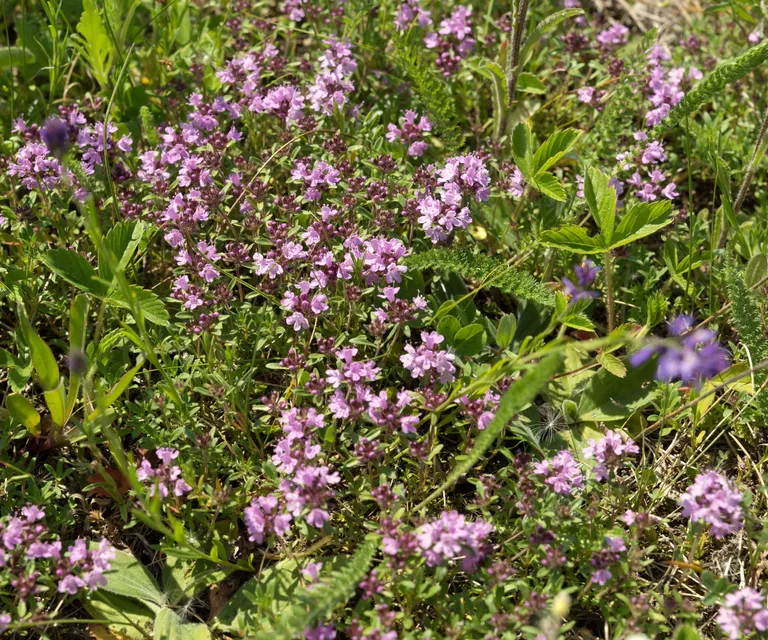
Brush against this plant and you’ll catch a burst of herbal scent. It’s one of my favorite garden surprises. Pink flowers scatter across the foliage all summer, pulling in bees left and right.
This thyme spreads flat across the ground like a soft green rug. Bad soil won’t stop it, as long as water drains away fast.
Plant Overview:
- USDA Growing Zones: 4 to 8
- Color Varieties: Pink
- Sun Exposure: Full sun
- Soil Needs: Average, dry to medium moisture, well-draining
4. Ice Plant
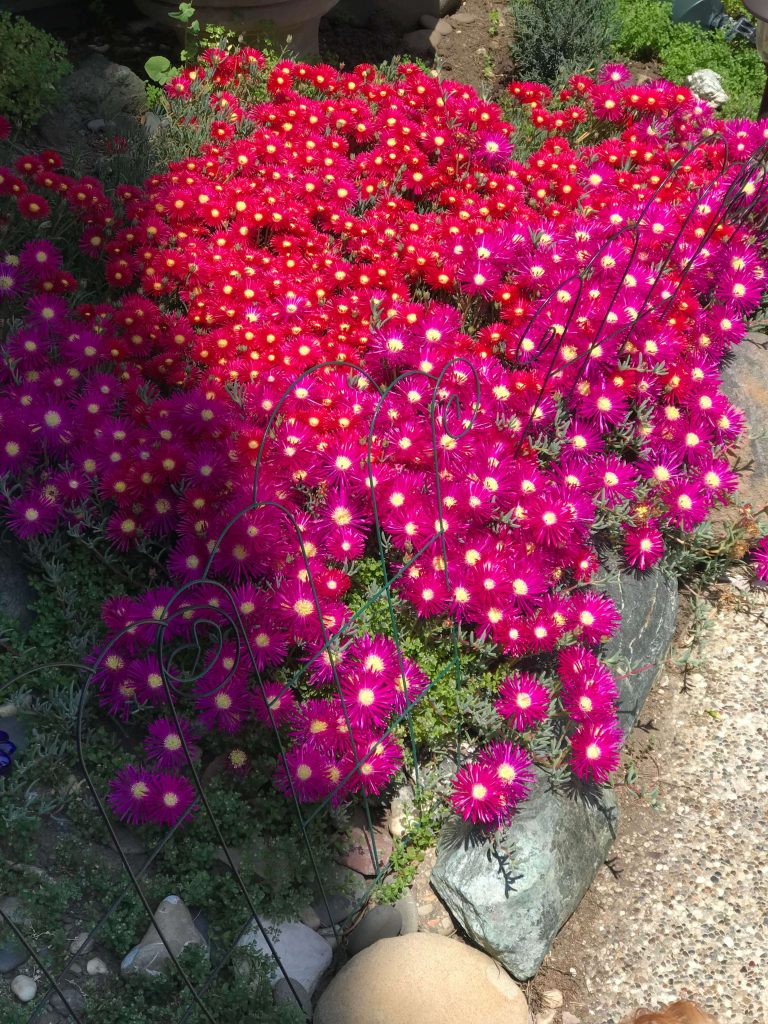
Its petals actually shimmer, almost like tiny jewels caught the light. That’s where the name comes from. Heat that wilts other flowers barely bothers this one.
Purple-pink blooms keep coming all summer long, glowing against gray stone. Wet feet are its only real enemy, so good drainage is a must.
I’m always amazed how something this delicate can handle drought so well.
Plant Overview:
- USDA Growing Zones: 6 to 10
- Color Varieties: Red-purple
- Sun Exposure: Full sun
- Soil Needs: Average to poor, dry, well-draining
5. Angelina Stonecrop
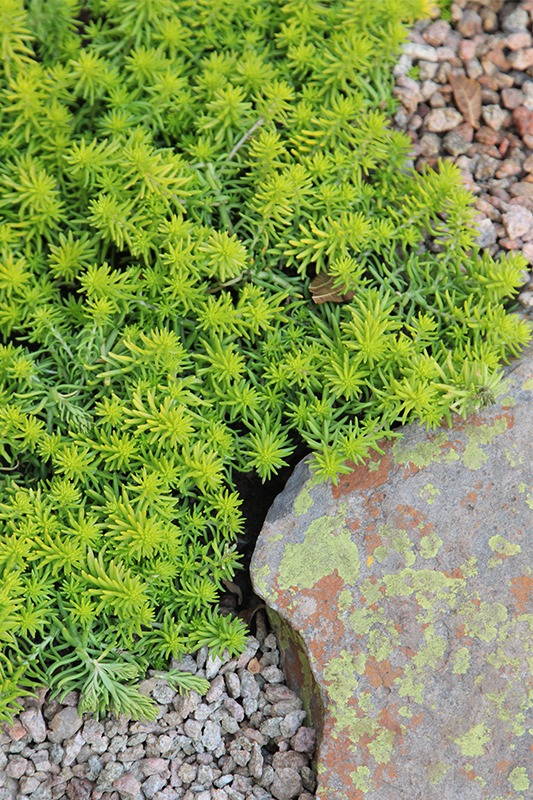
Sunlight turns this plant into pure gold. I mean that literally, its foliage brightens with more sun exposure. Angelina stonecrop spreads fast and forms a low, mat-like carpet.
Star-shaped yellow flowers pop up in early summer. You’ll love how quickly it fills bare, rocky patches. Six inches tall is about as big as it gets, so it never overwhelms a small space.
Plant Overview:
- USDA Growing Zones: 5 to 8
- Color Varieties: Yellow
- Sun Exposure: Full sun
- Soil Needs: Average, dry to medium moisture, well-draining
6. Dragon’s Blood Stonecrop
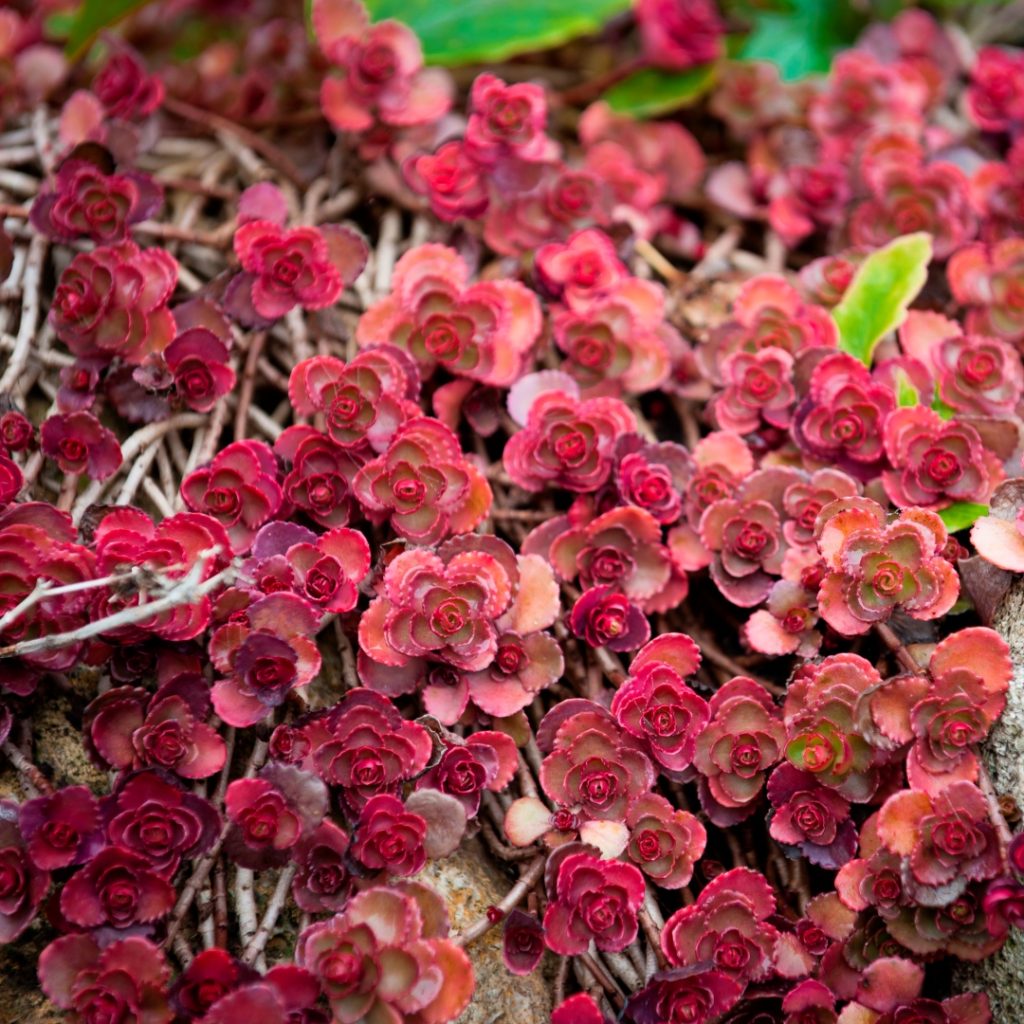
Don’t let the fierce name fool you. This one’s actually a gentle little creeper. Tiny pinkish-red flowers dot the foliage and pull butterflies in from every direction.
I’ve grown it in the thinnest, rockiest soil and watched it thrive anyway. Drought barely registers as a problem for this plant.
You get color and toughness without lifting a finger after planting.
Plant Overview:
- USDA Growing Zones: 4 to 9
- Color Varieties: Pink
- Sun Exposure: Full sun
- Soil Needs: Average, acidic, dry to medium moisture, well-draining
7. Snow-in-Summer
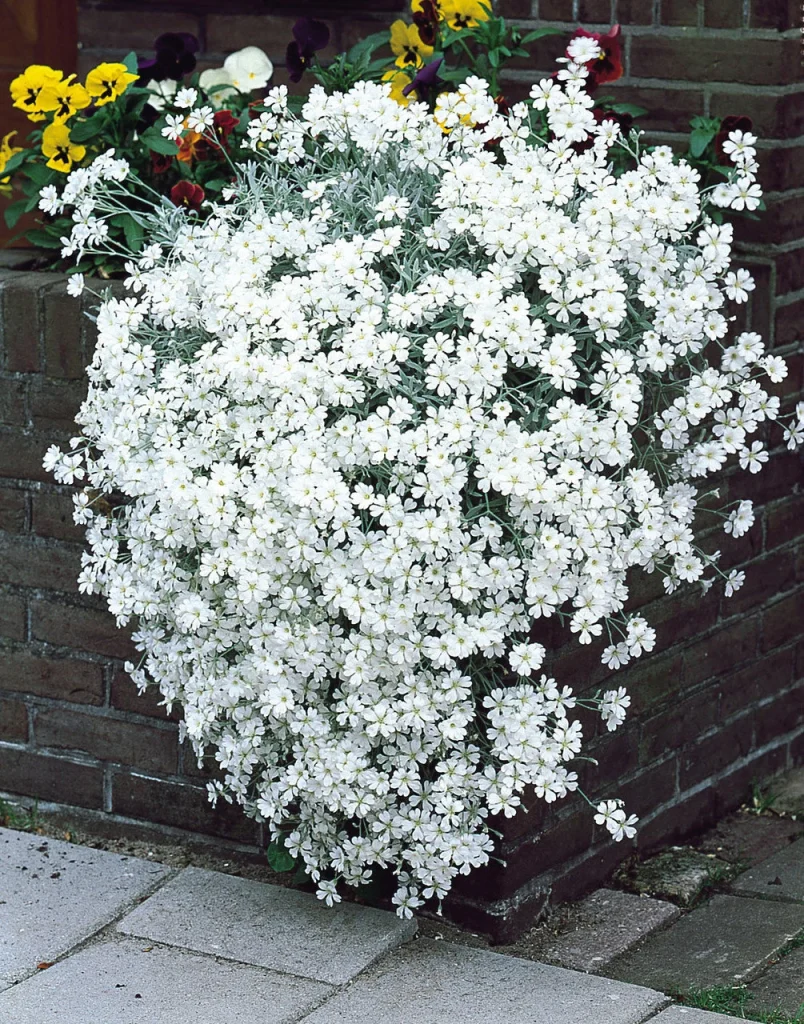
White flowers blanket this plant so thick, it genuinely looks like snow fell in July. That’s exactly how it earned its name. Poor, sandy, or rocky soil doesn’t slow it down at all.
I plant it where nothing else seems to want to grow. Good drainage matters more here than soil quality ever will.
You’ll get a soft, snowy carpet with barely any effort on your part.
Plant Overview:
- USDA Growing Zones: 3 to 7
- Color Varieties: White
- Sun Exposure: Full sun
- Soil Needs: Sandy, dry, well-draining
8. Candytuft
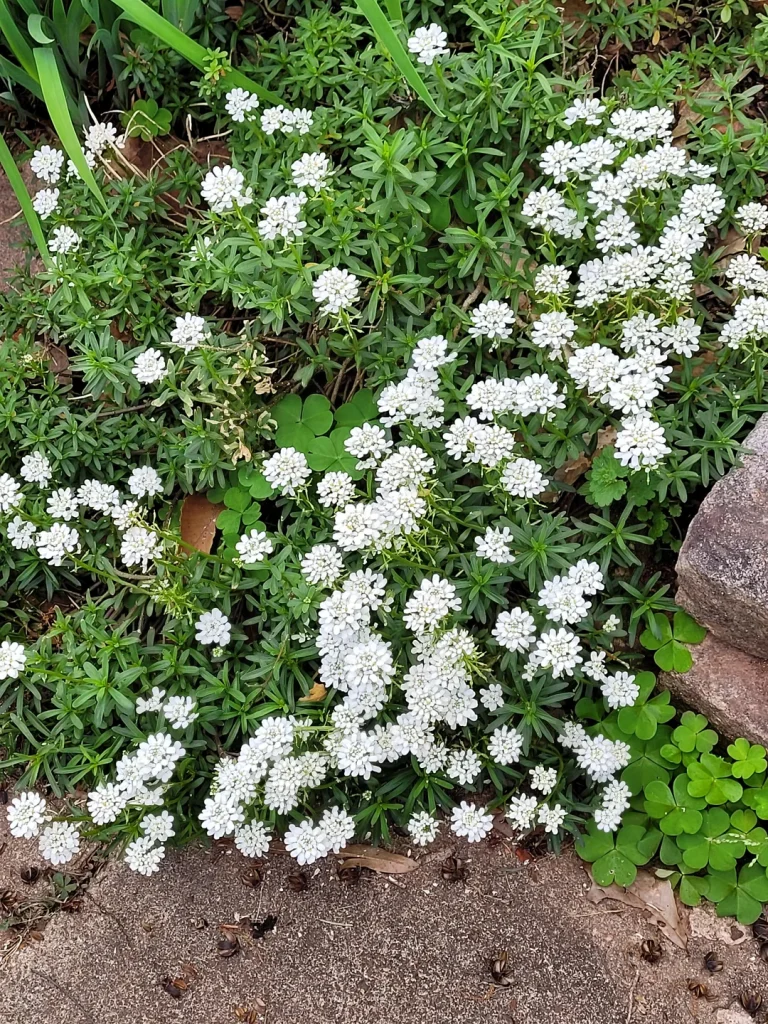
Clusters of white flowers bloom so densely, they almost hide the leaves underneath. Candytuft blooms in mid-spring and holds that show for weeks. You can use it as edging along rock garden borders all the time.
Drought doesn’t bother it, and neither does a little shade. Funny enough, those pretty petals actually carry an odor most people find unpleasant up close.
You’ll still want it for how it looks, trust me.
Plant Overview:
- USDA Growing Zones: 3 to 8
- Color Varieties: White, pink
- Sun Exposure: Full sun
- Soil Needs: Medium moisture, well-draining
9. Blue Fescue Grass
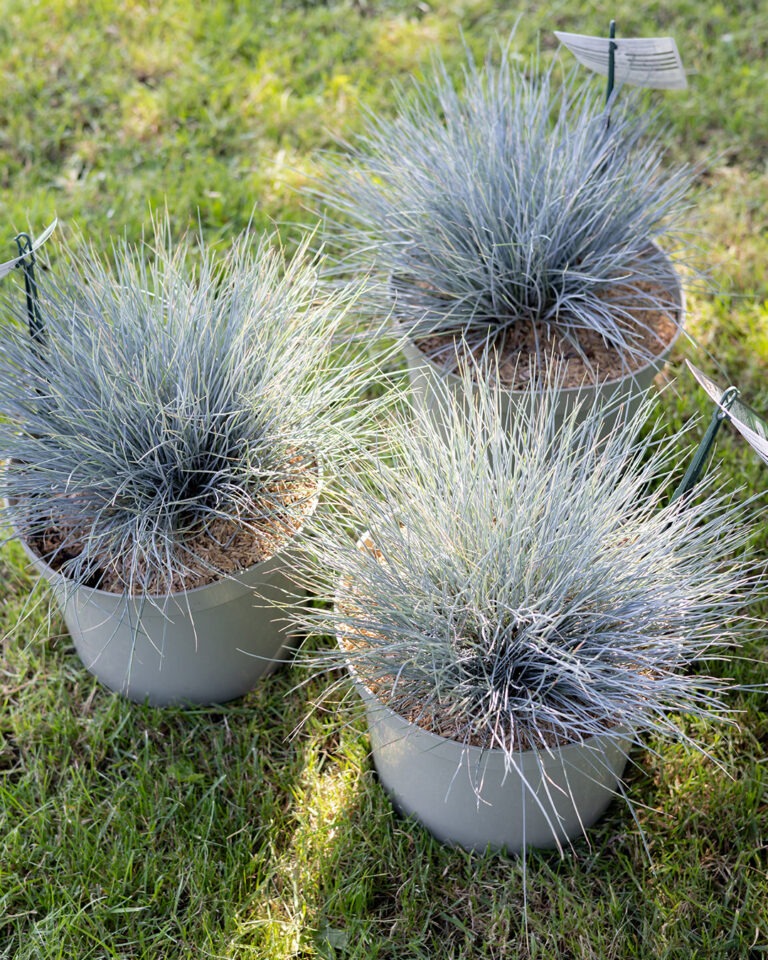
Grass doesn’t usually excite me, but this one’s different. Blue fescue brings a cool, silvery-blue color that nothing else in the garden quite matches.
Full sun gives you the best color, though it’ll tolerate a little shade too. I keep clumps of it scattered between larger rocks for texture.
It only grows about a foot tall and wide, so it never crowds its neighbors. You’ll notice how it softens the whole look of a rock bed.
Plant Overview:
- USDA Growing Zones: 4 to 8
- Color Varieties: Light green to yellow
- Sun Exposure: Full sun
- Soil Needs: Average, dry to medium moisture, well-draining
10. Lavender
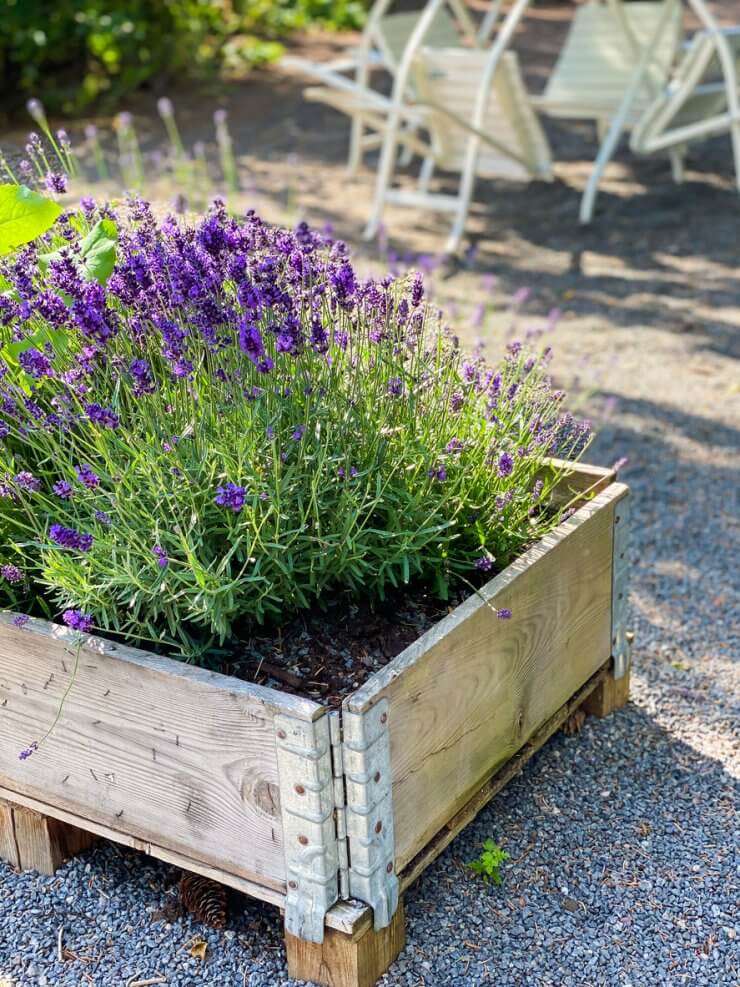
Nothing beats brushing past lavender and catching that scent on a warm afternoon. I grow it every chance I get, in rock gardens and herb beds alike.
Purple blooms stack up along each stem all summer long. Rich soil actually works against this plant, so skip the fertilizer.
Light, well-drained ground is all lavender really wants. You can even trim it into a low hedge if you’re feeling ambitious.
Plant Overview:
- USDA Growing Zones: 5 to 8
- Color Varieties: Purple
- Sun Exposure: Full sun
- Soil Needs: Average, dry to medium moisture, alkaline, well-draining
11. Yarrow
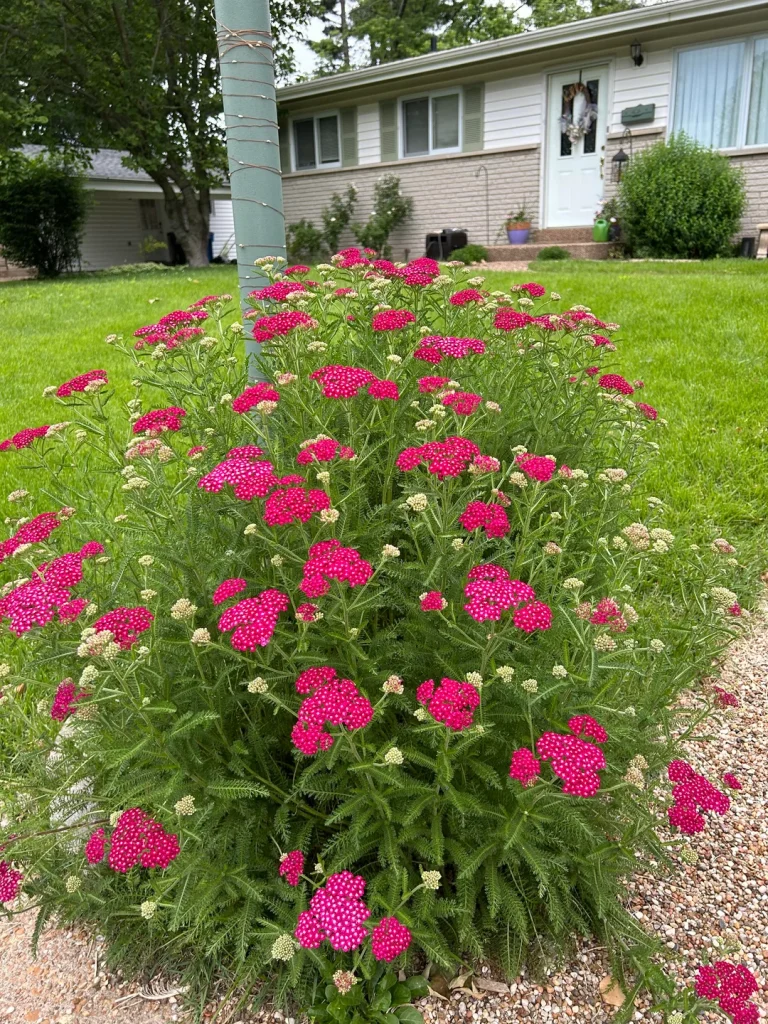
Flat clusters of tiny flowers sit atop feathery, fern-like foliage. That combination alone makes yarrow stand out in any rock garden.
Average soil suits it fine, but it’ll happily take poor soil and drought too. I always plant it toward the back since it grows taller than most rock garden picks.
Watch it closely though, because it spreads fast if you let it. You’ll want to give this one room to roam.
Plant Overview:
- USDA Growing Zones: 3 to 9
- Color Varieties: White, yellow, pink, red
- Sun Exposure: Full sun
- Soil Needs: Lean, dry to medium moisture, well-draining
12. Russian Sage
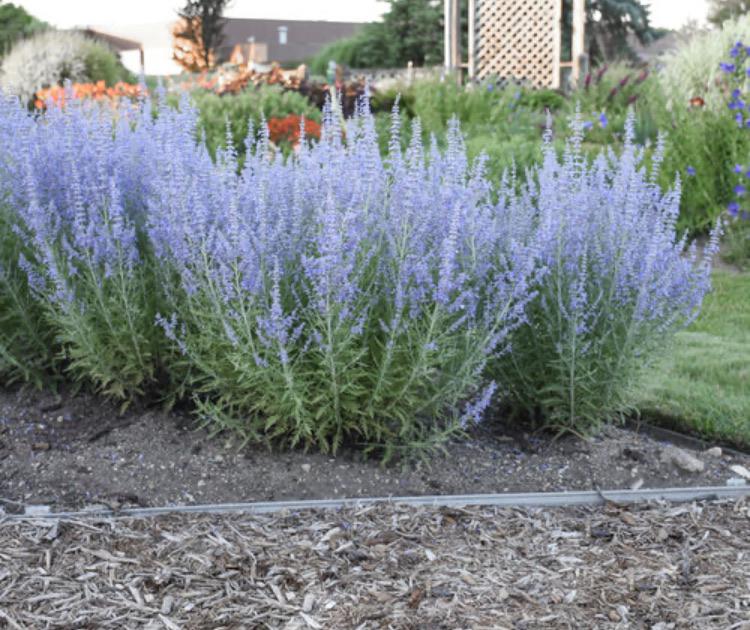
Wispy purple flowers float above silvery foliage, giving this plant a delicate, airy look. Don’t be fooled though, Russian sage handles drought like a champion.
Most gardeners plant it toward the back of a bed since it reaches three to five feet tall.
Full sun brings out its best blooms every single time. Being part of the mint family, it spreads through runners, so pull suckers early each spring. You’ll get height and movement that most rock garden plants just can’t offer.
Plant Overview:
- USDA Growing Zones: 5 to 9
- Color Varieties: Blue, purple
- Sun Exposure: Full sun
- Soil Needs: Average, dry to medium moisture, well-draining
13. Blue Rug Juniper
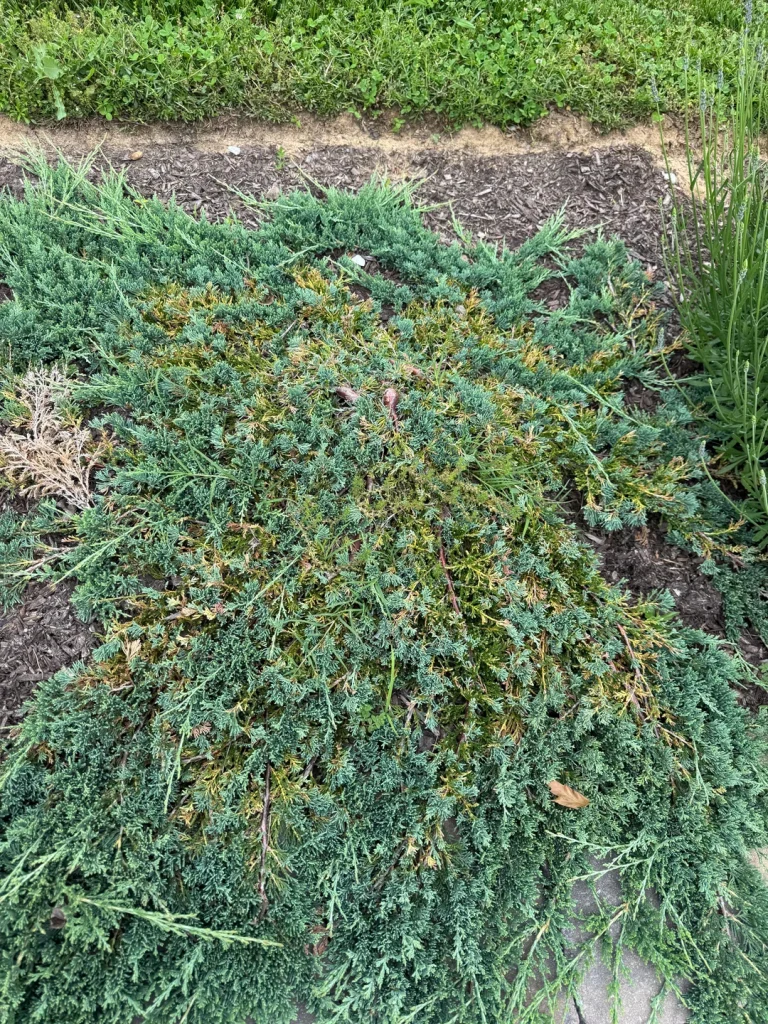
Flat and low, this evergreen hugs the ground like a soft blue-green rug. Sunny slopes are exactly where it wants to live.
I’ve never seen it struggle with fast-draining, sandy soil. Cold weather doesn’t bother it one bit either.
It handles a range of soil types, though it prefers things on the drier side. You’ll get year-round color without ever waiting for a bloom.
Plant Overview:
- USDA Growing Zones: 3 to 9
- Color Varieties: Nonflowering
- Sun Exposure: Full sun
- Soil Needs: Average, dry to medium moisture, well-draining
14. Autumn Joy Sedum
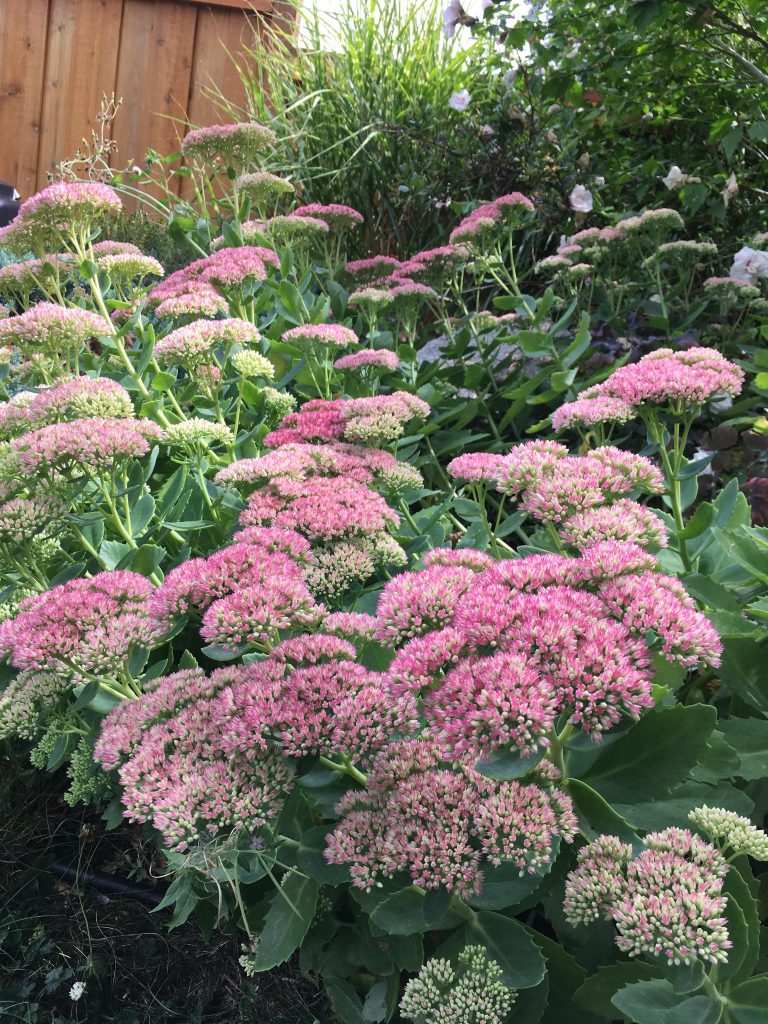
Watch this plant change color right before your eyes each fall. Pink blooms shift to deep red as the season moves along.
Most people grown it in sandy, gravelly soil and it never complains.
Loamy ground works too, as long as drainage stays solid. It reaches about two feet tall, giving your rock garden some real presence. You won’t need to water it much once it settles into the ground.
Plant Overview:
- USDA Growing Zones: 3 to 9
- Color Varieties: Pink, red, purple
- Sun Exposure: Full sun
- Soil Needs: Average, dry to medium moisture, well-draining
15. Coneflower
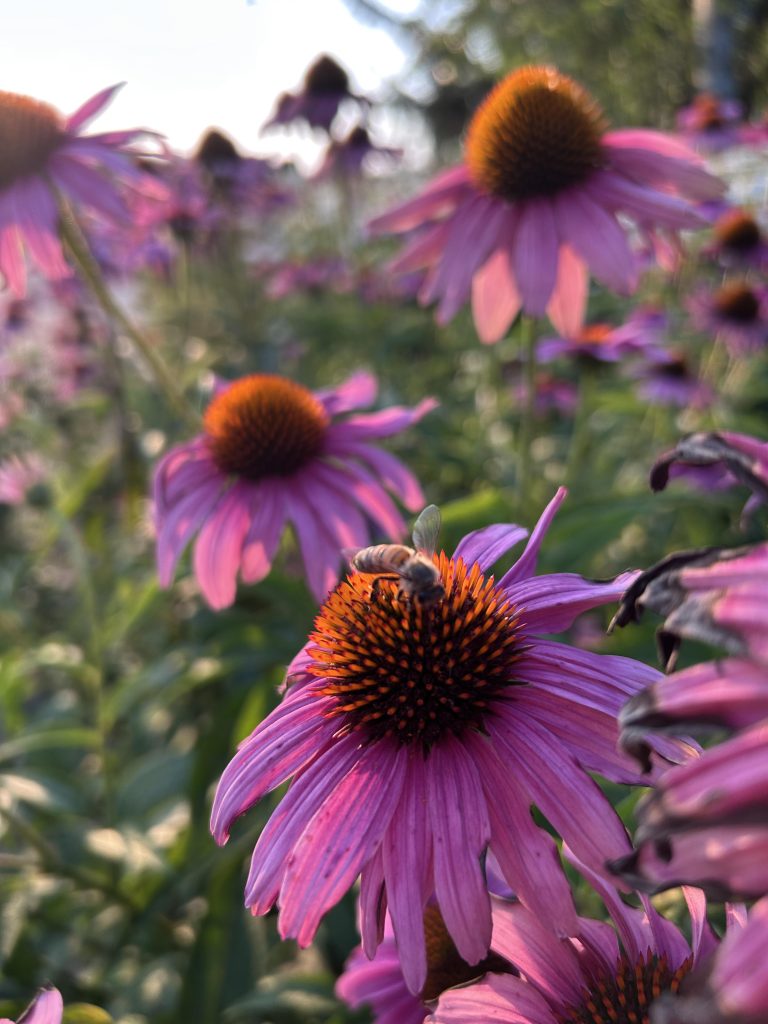
Bold and daisy-like, coneflower brings serious color to a rocky bed. Its orange-cone centers make each bloom pop against the petals. You can plant it in sandy, rocky, even clay soil, and it always pulls through.
Drought doesn’t scare this plant, though a little extra moisture helps it bloom longer. Reaching up to three feet, it works great behind smaller, low-growing plants.
You’ll get a long bloom season and plenty of pollinator visits too.
Plant Overview:
- USDA Growing Zones: 3 to 9
- Color Varieties: Pink, purple, red, white
- Sun Exposure: Full sun to part shade
- Soil Needs: Average, dry to medium moisture, well-draining
Final Thoughts
Fifteen plants, one goal: a rock garden that thrives on neglect. I’ve killed my fair share of thirsty plants trying to force the wrong greenery into rocky soil.
These 15 never gave me that trouble. Pick a handful that match your zone, group them by their watering habits, and let the rocks do the rest of the work.
Your garden will look better for it, and so will your water bill. Now go grab a trowel and get those roots into some rocky ground.